The Importance of Live-In Nurses for the Elderly
As the elderly population continues to grow, families face a significant challenge: the demand for specialized care that meets the unique needs of seniors is more pressing than ever. Without adequate support, many elderly individuals may experience a decline in their health and well-being, leading to increased stress for caregivers. This situation can be overwhelming, as families strive to balance their own responsibilities while ensuring their loved ones receive the care they deserve.
Live-in nurses present a practical solution to this problem. They provide personalized support that not only addresses medical requirements but also enriches the emotional and mental well-being of seniors. By enhancing safety and promoting independence, live-in nursing care ultimately improves the quality of life for elderly individuals. In this article, we will explore the myriad benefits of live-in nursing care, offering actionable insights for families seeking comprehensive solutions.
Personalized Care Tailored to Individual Needs
Many elderly clients face the challenge of receiving care that does not fully address their unique medical conditions and personal preferences. This lack of personalized support can lead to feelings of loneliness and a diminished quality of life. As the population of individuals aged 60 and above is expected to double between 2020 and 2050, the need for tailored care is more critical than ever.
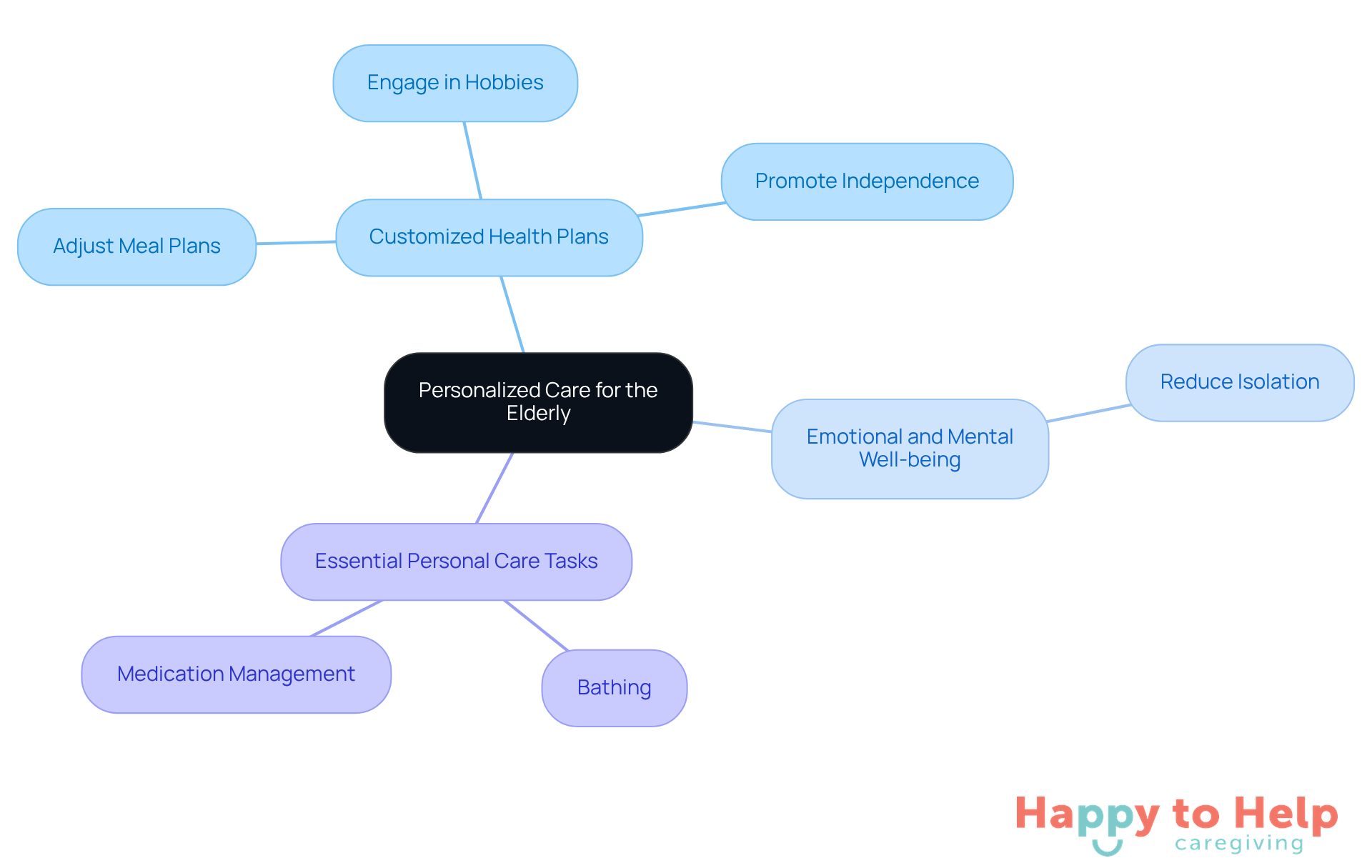
Live-in nurses for the elderly provide a solution by offering customized health plans that cater specifically to the needs and wishes of older adults. This approach not only meets medical requirements but also respects lifestyle choices, ensuring that seniors receive support that aligns with their daily activities. For instance, a live-in nurse can:
- Adjust meal plans to accommodate dietary restrictions
- Engage clients in beloved hobbies
- Create an environment that promotes independence
According to Traditions Home Health Services, this personalized care significantly enhances the emotional and mental well-being of older adults. By addressing both emotional and physical wellness, live-in caregivers help reduce feelings of isolation and foster a sense of belonging. They also assist with essential personal care tasks, such as:
- Bathing
- Medication management
These tasks are vital for maintaining hygiene and dignity.
In summary, live-in nurses for the elderly play a crucial role in assisting older adults to lead fulfilling lives in the comfort of their own homes. Their comprehensive support not only aids in maintaining health but also enriches the overall quality of life for seniors.
Emotional Support and Companionship
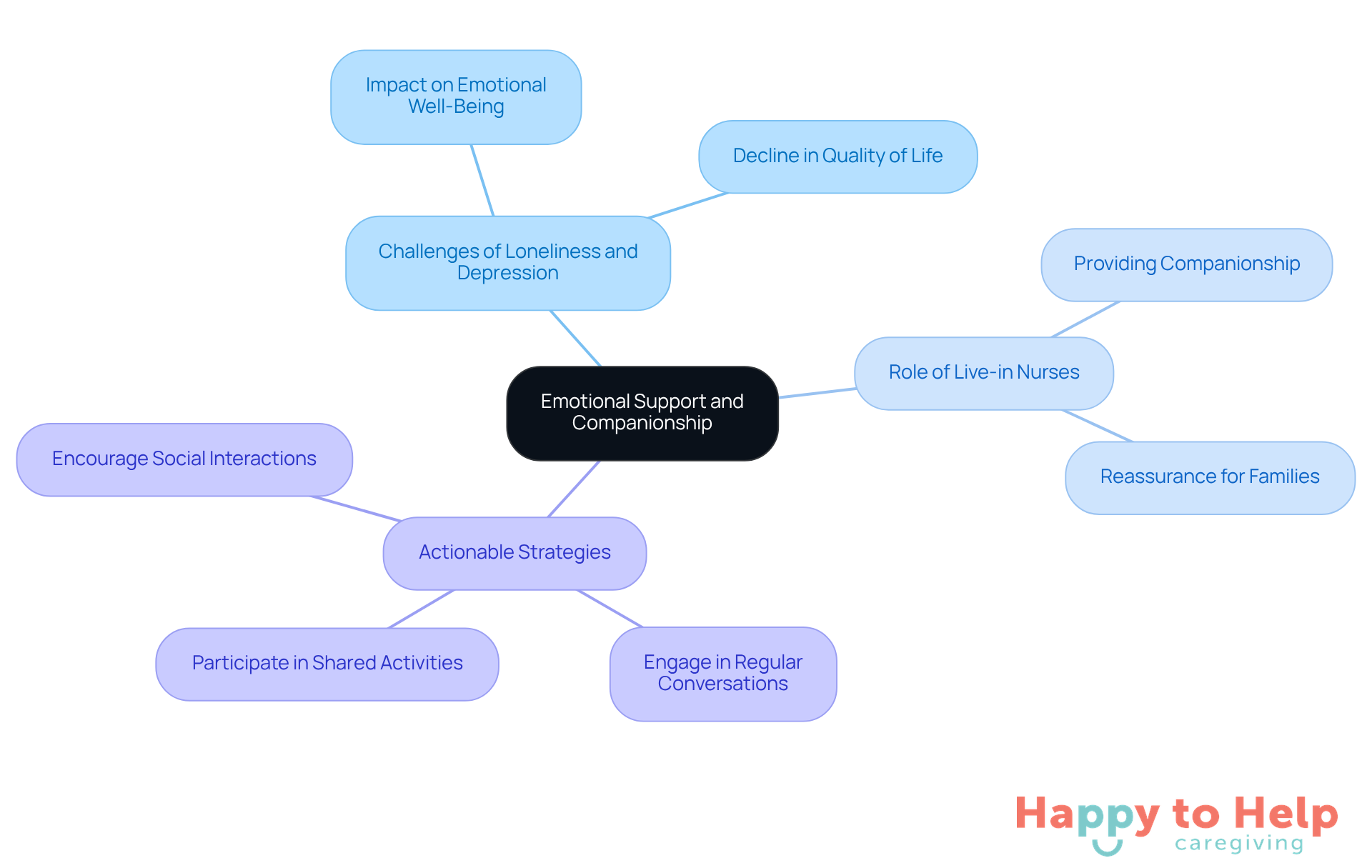
Loneliness and depression are significant challenges faced by elderly individuals, often leading to a decline in their emotional well-being. This isolation can deeply affect their quality of life, leaving them feeling disconnected and unsupported.
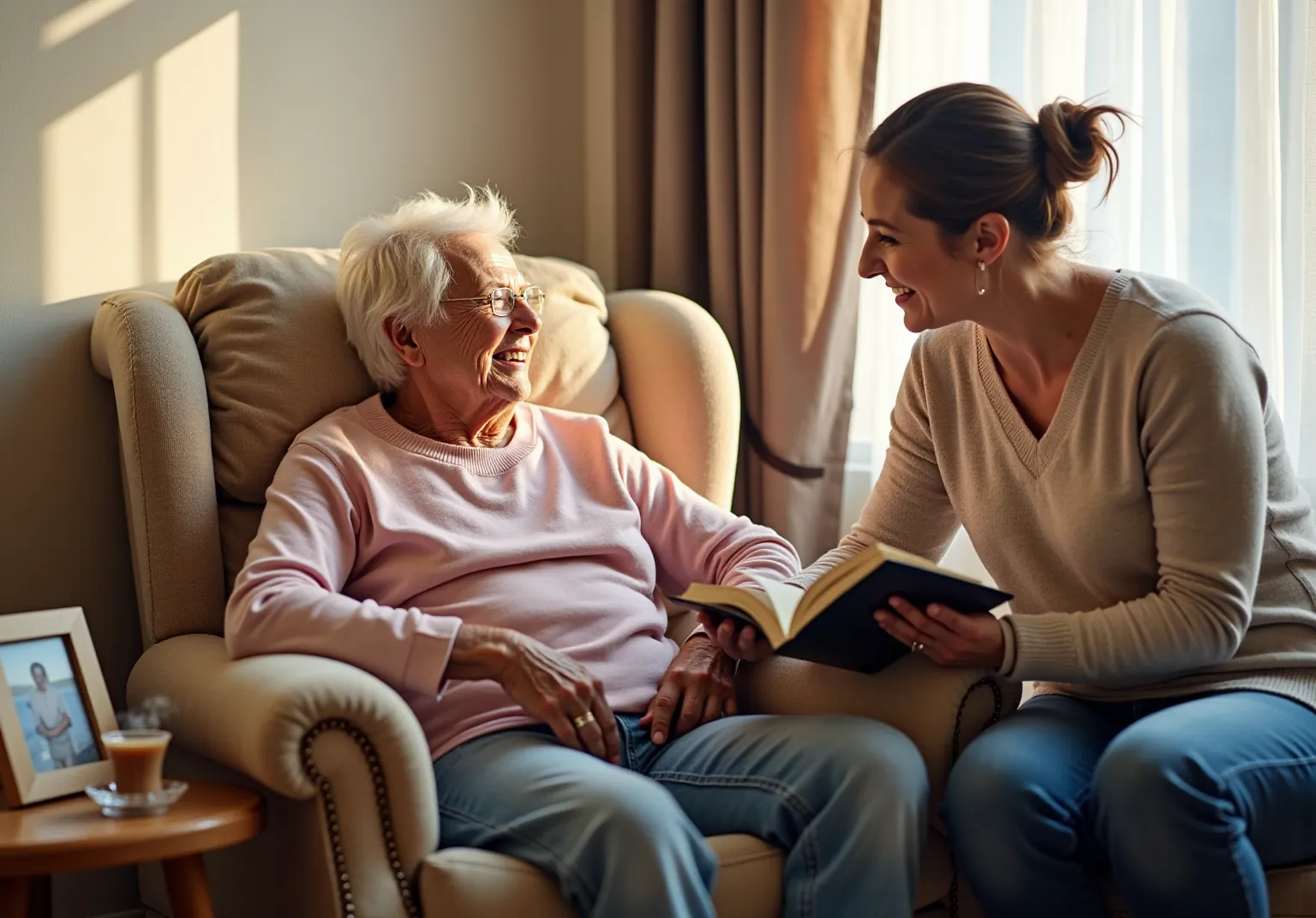
Live in nurses for the elderly play a crucial role in addressing this issue by providing invaluable emotional support and companionship. By spending quality time with elderly clients, engaging in meaningful conversations, and participating in activities together, these caregivers create a nurturing environment that fosters emotional well-being.
This companionship not only enhances the quality of life for older adults but also provides reassurance for their relatives, who can rest easy knowing their loved ones are cared for by live in nurses for the elderly and are not isolated.
To maximize the benefits of this support, caregivers can implement the following actionable strategies:
- Engage in regular conversations to build rapport and trust.
- Participate in shared activities that align with the interests of the elderly individual.
- Encourage social interactions with family and friends to maintain connections.
By focusing on these solutions, caregivers can significantly improve the emotional health of their elderly clients.
Enhanced Safety and Security at Home
The role of live-in nurses for the elderly is crucial in ensuring the safety and security of elderly clients by providing continuous health monitoring.
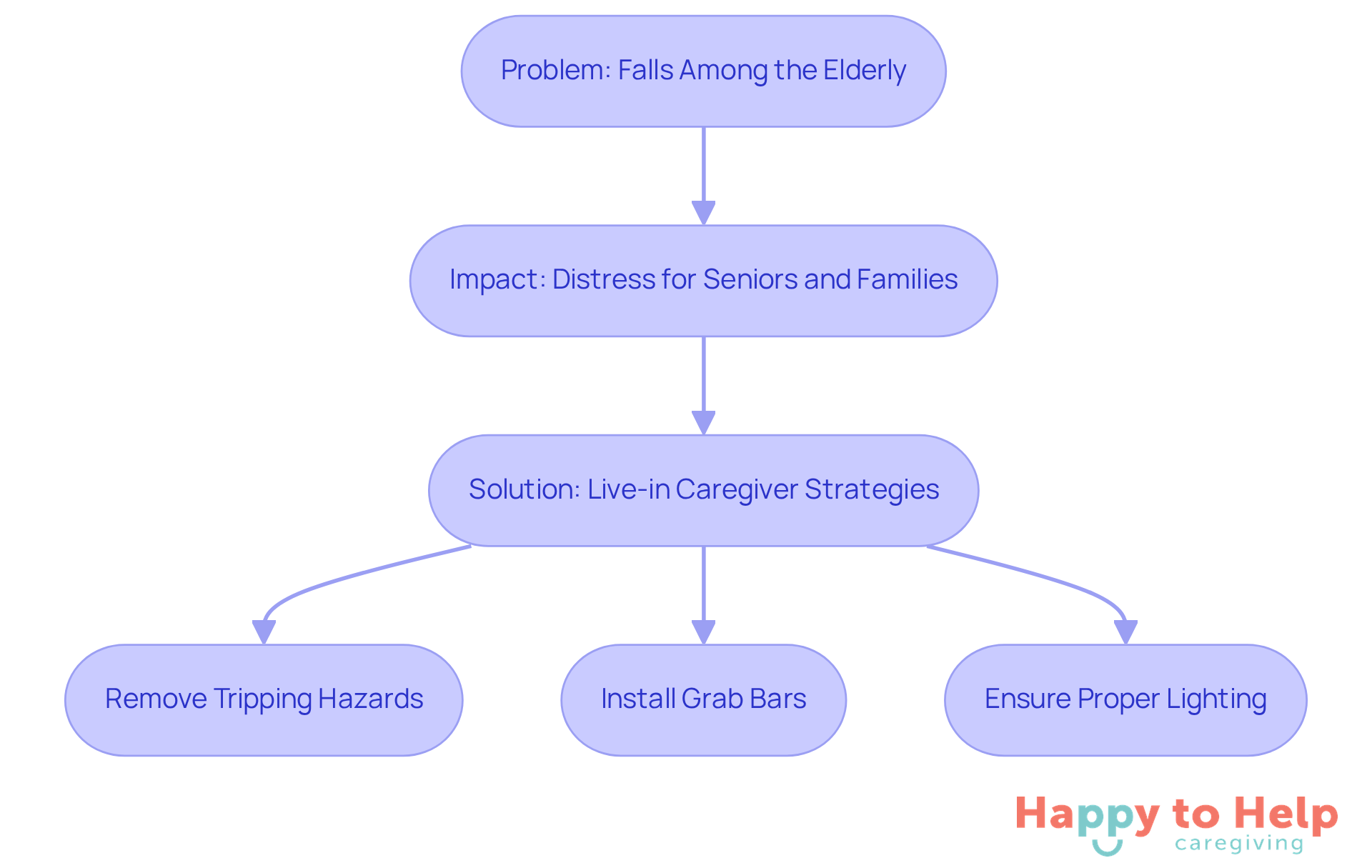
Problem: Falls are a significant concern for older adults, being the leading cause of fatal and nonfatal injuries. Approximately 1,800 older Americans die from falls each year, often due to hazards like cluttered walkways or poor lighting.
Agitate: These hazards can lead to serious injuries, causing distress not only for the seniors but also for their families, who worry about their loved ones' well-being.
Solution: Live-in caregivers can implement effective fall prevention strategies. Here are some actionable tips:
- Remove tripping hazards from walkways.
- Install grab bars in bathrooms and other key areas.
- Ensure proper lighting throughout the home.
By taking these proactive steps, caregivers significantly reduce the risk of accidents, providing peace of mind to families. As John Mastronardi, Executive Director of the Nathaniel Witherell, states, "Each resident has a tailored support plan because they still possess a personality and preferences that should be considered to guide and shape the support plan."
Maintaining a safe home environment is essential for the well-being of older adults, and live-in nurses for the elderly play a vital role in achieving this goal.
Continuity of Care for Chronic Conditions
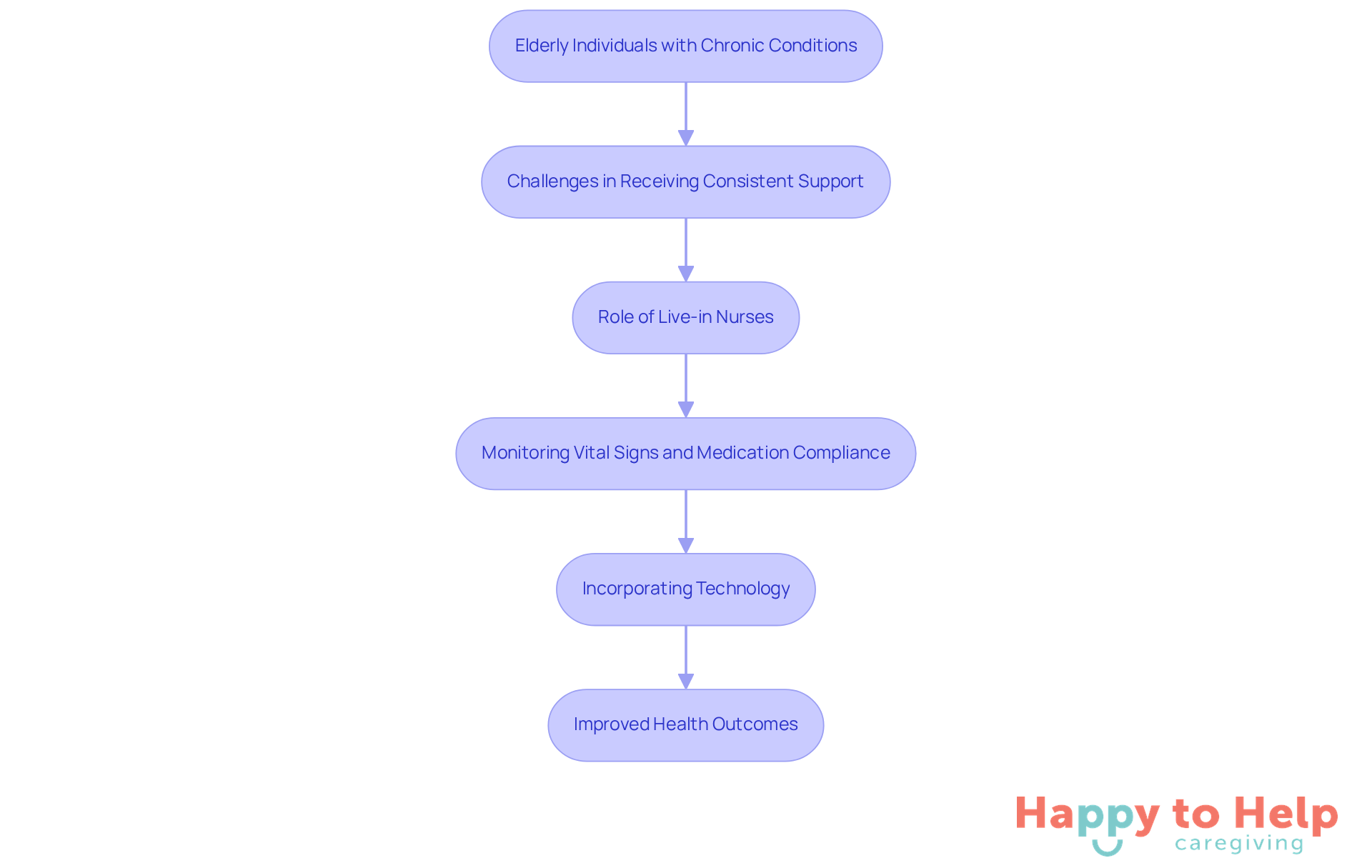
Problem: Elderly individuals with chronic conditions often face challenges in receiving consistent support.
Agitation: With around 93% of adults aged 65 and older living with at least one chronic condition, and 79% having two or more, the need for dedicated caregivers is critical. In this scenario, live in nurses for the elderly play a vital role, as their familiarity with each client's medical history and specific health needs allows them to monitor changes effectively. This consistent oversight is crucial in preventing complications and ensuring timely adjustments to treatment plans.
The solution is to utilize live in nurses for the elderly who can diligently monitor vital signs and medication compliance, significantly enhancing health outcomes. Incorporating technology, such as remote monitoring tools, further aids these caregivers in delivering thorough assistance, ensuring that seniors receive the attention they need to thrive at home.
Healthcare experts emphasize that maintaining a structured support routine not only improves the quality of life for older adults but also fosters a sense of safety and wellness in their familiar environment. As Dr. Rahul Goyal notes, "Explore how generative AI is transforming clinical support with real-world examples, challenges, and expert guidance for AI implementation in healthcare," highlighting the importance of innovative solutions in caregiving. Additionally, addressing social determinants of health is essential for improving outcomes related to chronic diseases, ensuring a comprehensive approach to treatment.
Flexible Care Schedules to Fit Family Needs
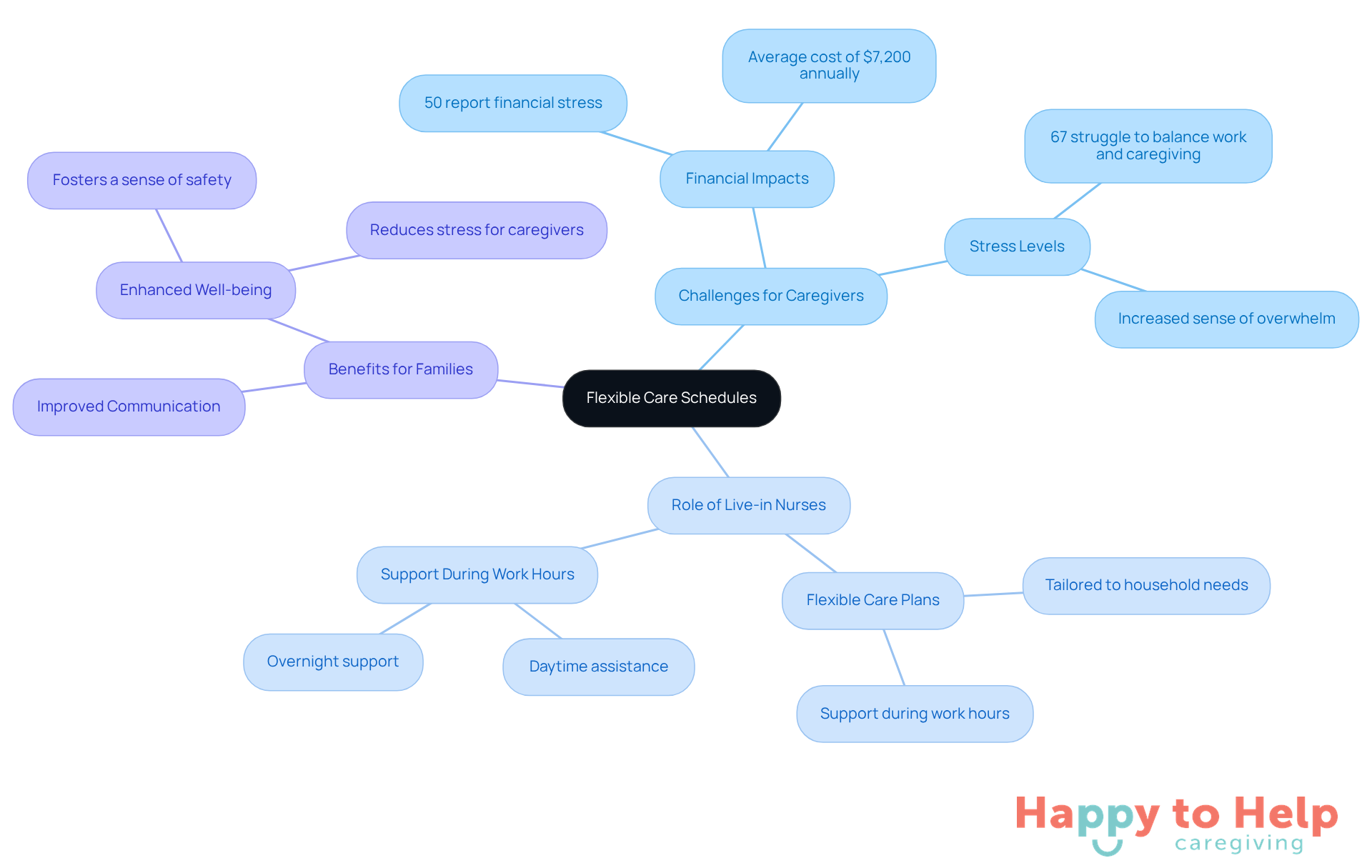
Caregivers often face significant challenges in balancing their work responsibilities with the demands of caregiving. Nearly 50% of caregivers report financial impacts, including interruptions in their work due to caregiving tasks. Additionally, 67% of employed caregivers struggle to juggle their job with caregiving obligations. This situation can lead to increased stress and a sense of overwhelm for both caregivers and their families.
One effective solution to this problem is the use of live-in nurses for the elderly. These professionals offer flexible care plans tailored to the specific needs of households. They can provide support during the day while relatives are at work or offer overnight assistance, ensuring that elderly individuals receive the necessary help when they need it most. This flexibility not only allows families to manage their own obligations but also ensures that older adults are reliably supported.
The ability to adjust care schedules fosters a sense of safety for both seniors and their relatives, ultimately enhancing overall well-being. Caregivers who can modify their schedules contribute to smoother household dynamics, reducing stress and improving communication among family members. As one caregiver noted, having live-in nurses for the elderly who can adapt to their schedule significantly impacted their ability to manage work and caregiving duties.
By ensuring that assistance is available when needed, live-in nurses for the elderly play a crucial role in maintaining balance within the home and supporting the emotional well-being of both seniors and their families. As Alexandra Dimitrijevic stated, offering flexible schedules is a best practice that greatly aids caregivers in managing their responsibilities.
Reduced Hospital Visits and Emergency Situations
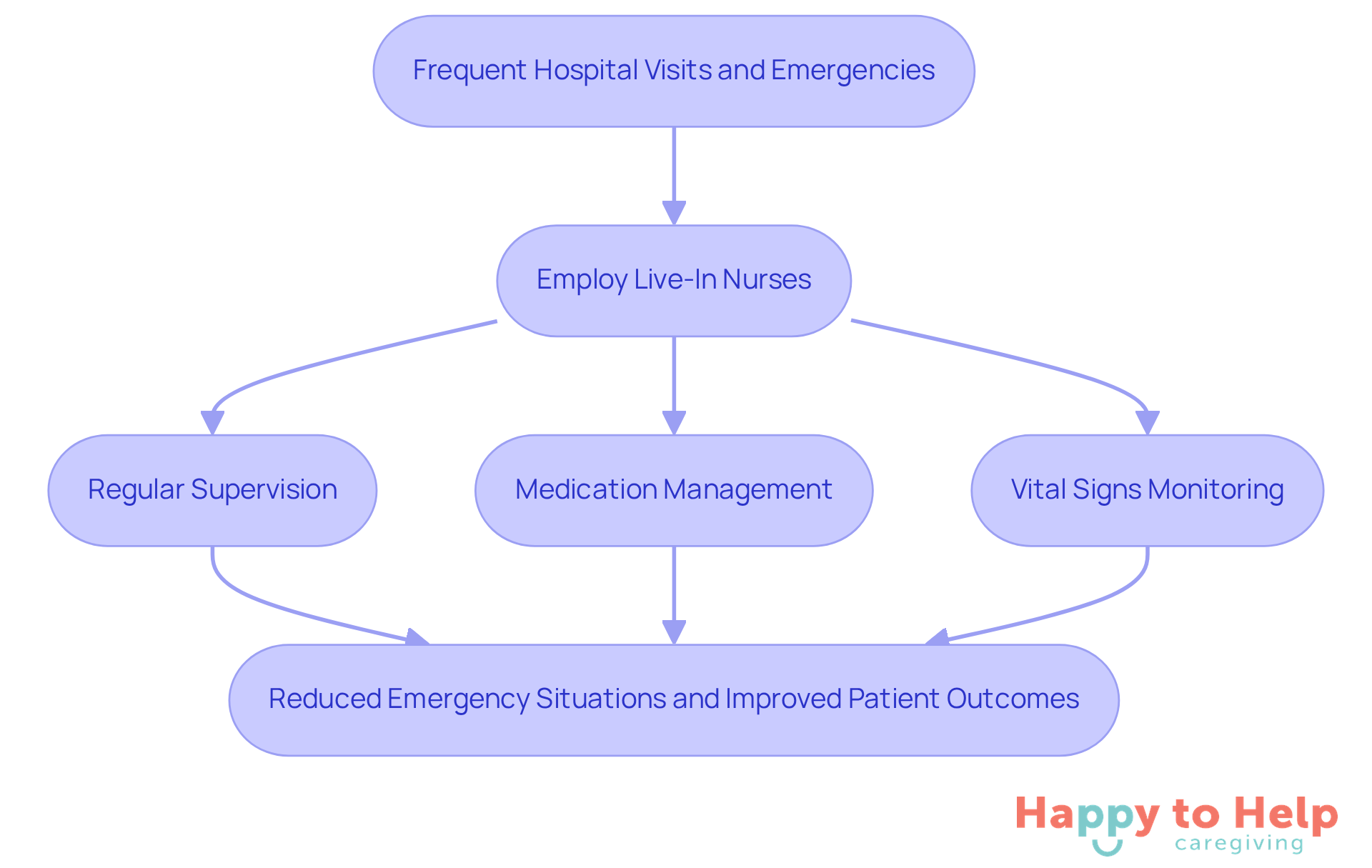
One significant challenge caregivers face is the frequent need for hospital visits and emergency situations. These occurrences can lead to increased stress and risks for both patients and caregivers alike.
By employing live in nurses for the elderly, caregivers can effectively address this issue. Live in nurses for the elderly provide regular supervision and assistance, enabling them to detect potential health concerns before they escalate. This proactive approach facilitates prompt interventions, which can significantly improve patient outcomes.
For instance, resident nurses can manage medication schedules, monitor vital signs, and offer immediate assistance in case of a fall or health crisis. This not only enhances the quality of care but also alleviates the stress associated with hospital stays.
In summary, incorporating live in nurses for the elderly into caregiving routines can lead to better health management and reduced emergency situations, ultimately benefiting both caregivers and patients.
Peace of Mind for Families
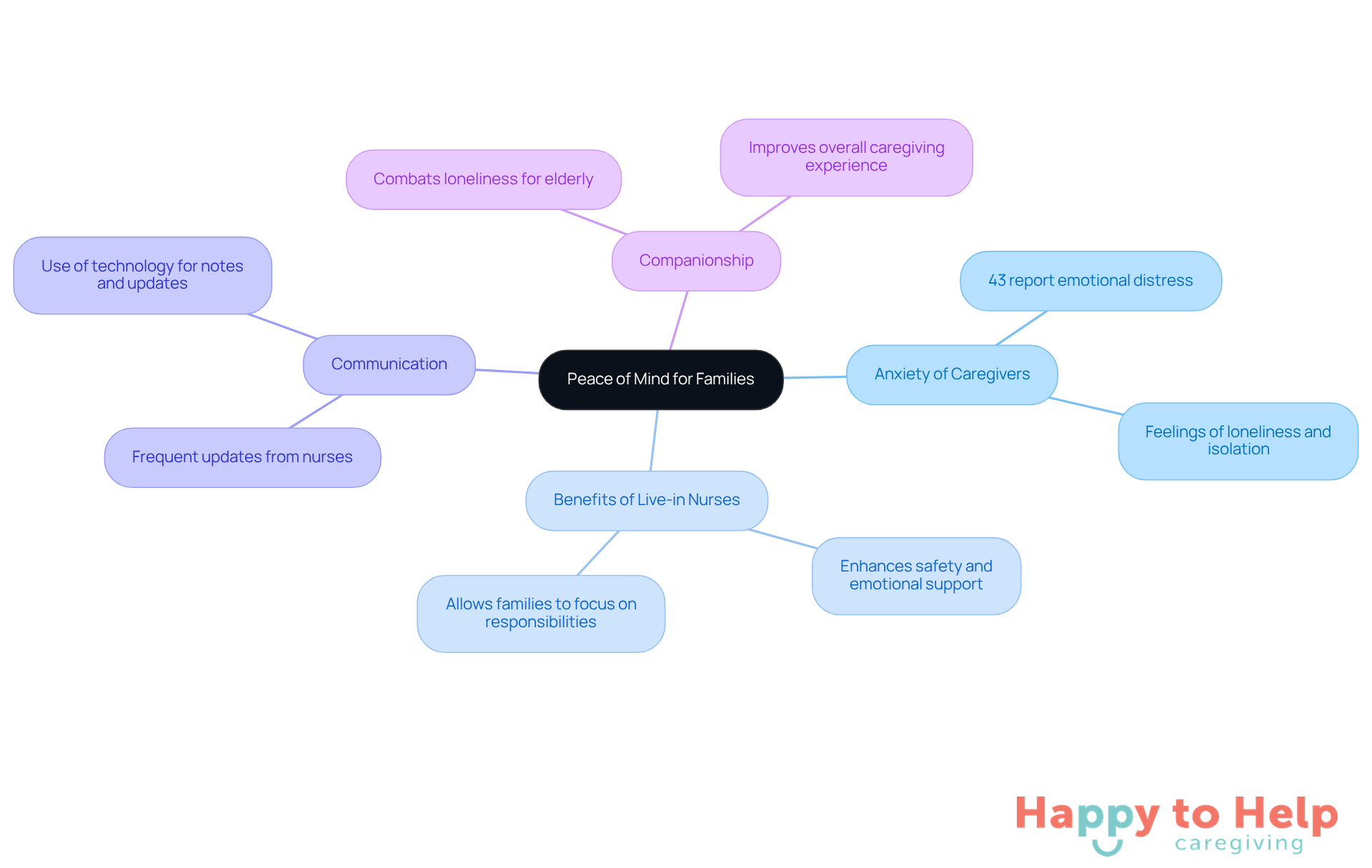
Caregivers often face significant anxiety about the well-being of their elderly relatives. This concern can lead to emotional distress, with 43% of guardians living with their recipients reporting such difficulties. The implications of this anxiety are profound, as it can contribute to feelings of loneliness and social isolation for both caregivers and their loved ones.
A practical solution to alleviate these challenges is the utilization of live in nurses for the elderly. By providing expert support in the familiar environment of home, families can rest assured that their elderly relatives are safe and engaged throughout the day. This arrangement not only enhances safety but also fosters emotional support, allowing families to focus on their own responsibilities without constant worry.
Frequent updates and transparent communication from live in nurses for the elderly significantly enhance the sense of security for families. Caregivers often leverage technology to exchange notes and updates, promoting a cooperative approach that comforts relatives. This proactive communication eases worries and strengthens the connection between caregivers and families, ensuring everyone is aligned in their support objectives.
Moreover, the companionship offered by in-home caregivers is crucial for combating loneliness. Case studies highlight the importance of this support in improving the overall caregiving experience. Ultimately, the presence of live in nurses for the elderly transforms family dynamics, creating a supportive environment for both the elderly and their loved ones.
Cost-Effectiveness Compared to Other Care Options
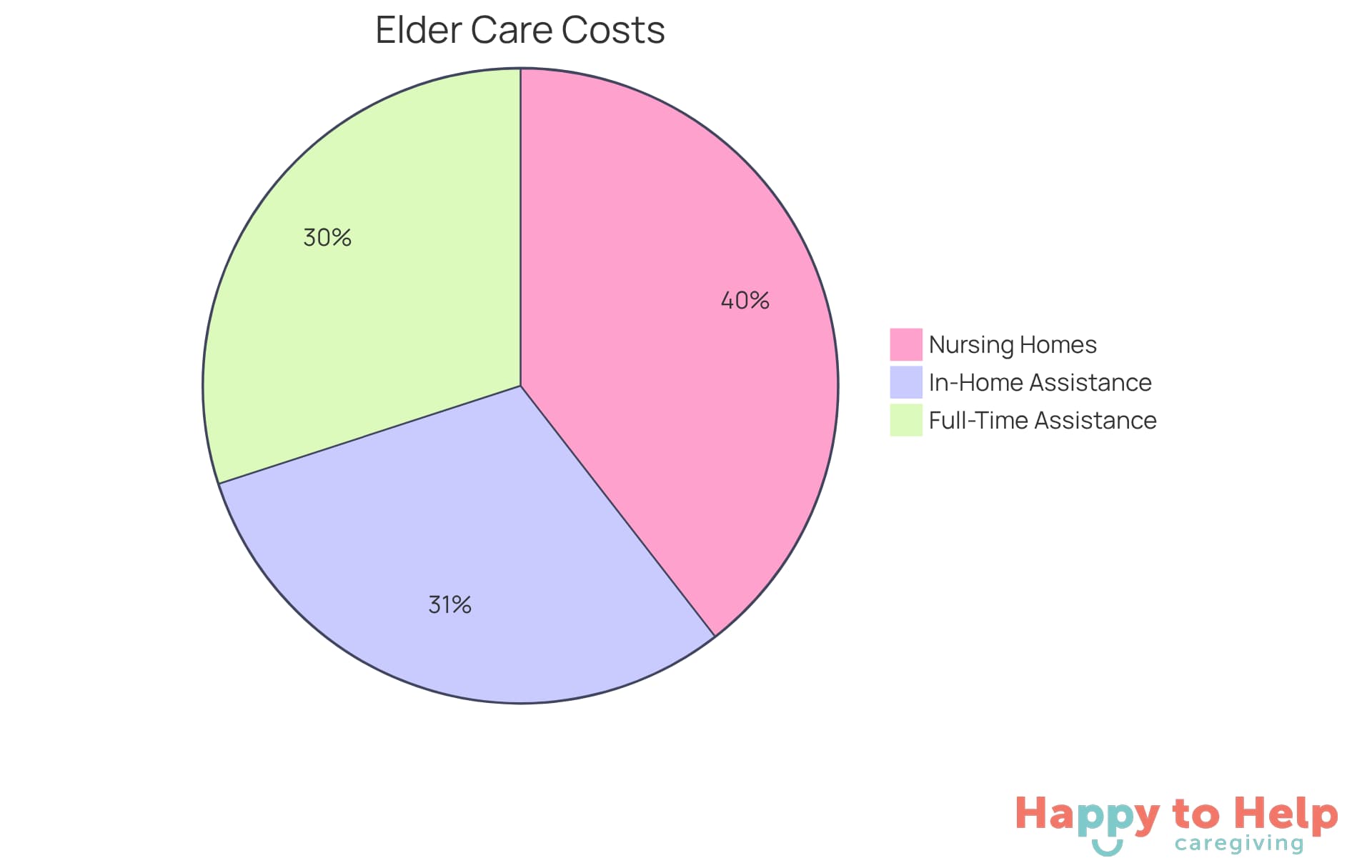
The high costs of elder care can be a significant burden for families. Nursing homes and assisted living facilities often come with hefty price tags, making it challenging for caregivers to provide the necessary support for their loved ones. In 2025, the average monthly expense for nonmedical in-home assistance is approximately $6,677, which is notably lower than the median monthly expense of $8,669 for nursing homes. This financial strain can lead to stress and anxiety for families trying to balance care with their budgets.
Moreover, the median monthly expense for full-time assistance is around $5,720, further highlighting the financial advantages of opting for residential support. By choosing in-home assistance, families can avoid the significant costs associated with residential services while still providing crucial support to their loved ones. This approach not only reduces the need for multiple caregivers, which can further lower expenses, but also allows families to allocate their resources more effectively.
The financial benefits of residential caregiving extend beyond mere savings. They enable families to ensure their loved ones receive high-quality support in the comfort of their own homes, fostering a sense of safety and well-being. Financial consultants often emphasize the importance of planning for elderly support, noting that investing in residential nursing can lead to long-term savings and an improved quality of life for older adults. For instance, families can cut down on transportation costs and other expenses related to regular visits to assistance centers.
As Matthew Clem states, "Hiring a caregiver can be more affordable than living full time in a nursing home or assisted living facility." Overall, live-in nurses for the elderly not only enhance the quality of life for older adults but also offer substantial financial benefits for families navigating the complexities of elder support.
Promotion of Independence and Quality of Life
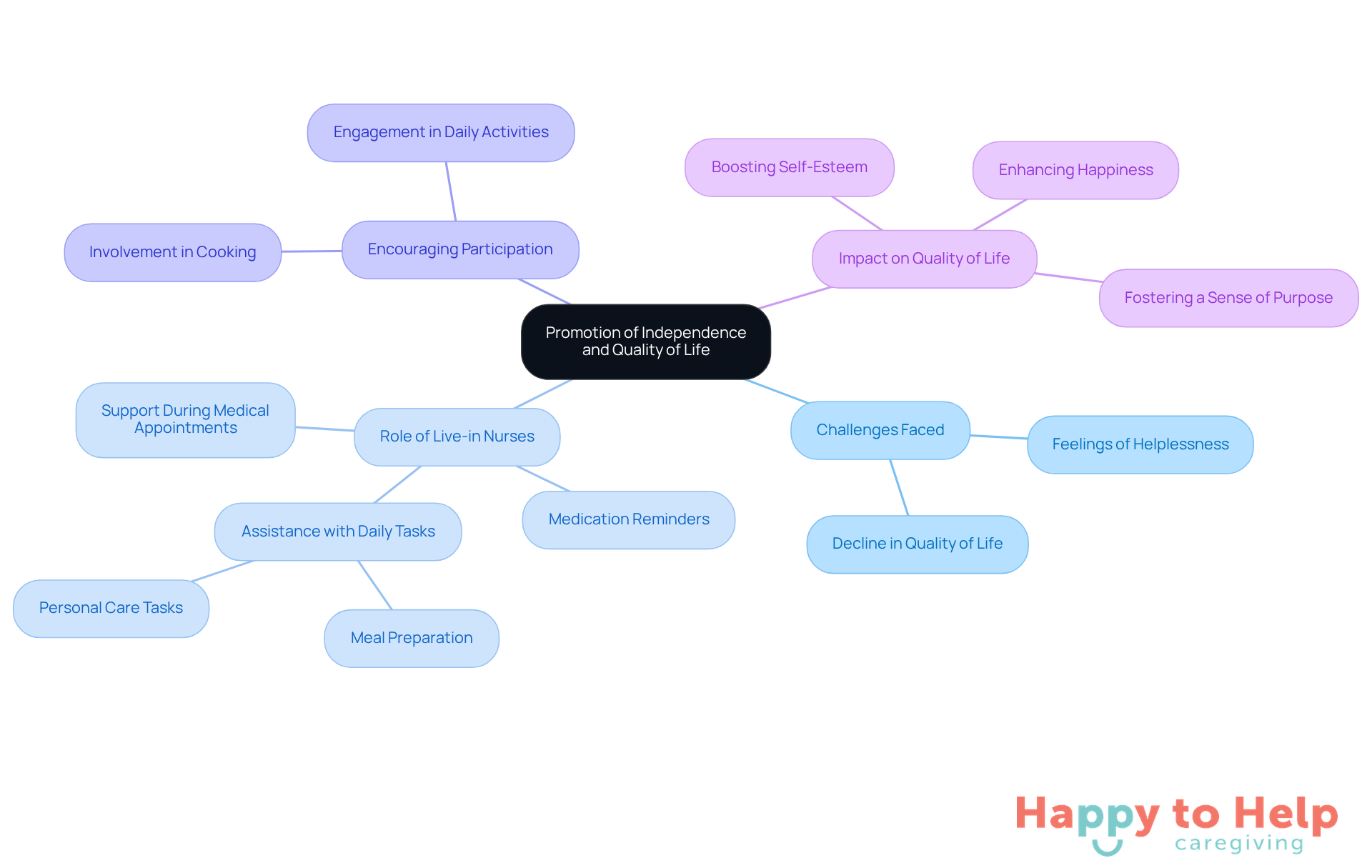
Elderly individuals often face the challenge of maintaining independence while requiring support in their daily lives. This situation can lead to feelings of helplessness and a decline in quality of life. Nearly 90 percent of adults over 65 wish to remain in their homes as they age, underscoring the need for solutions that promote autonomy and aging in place.
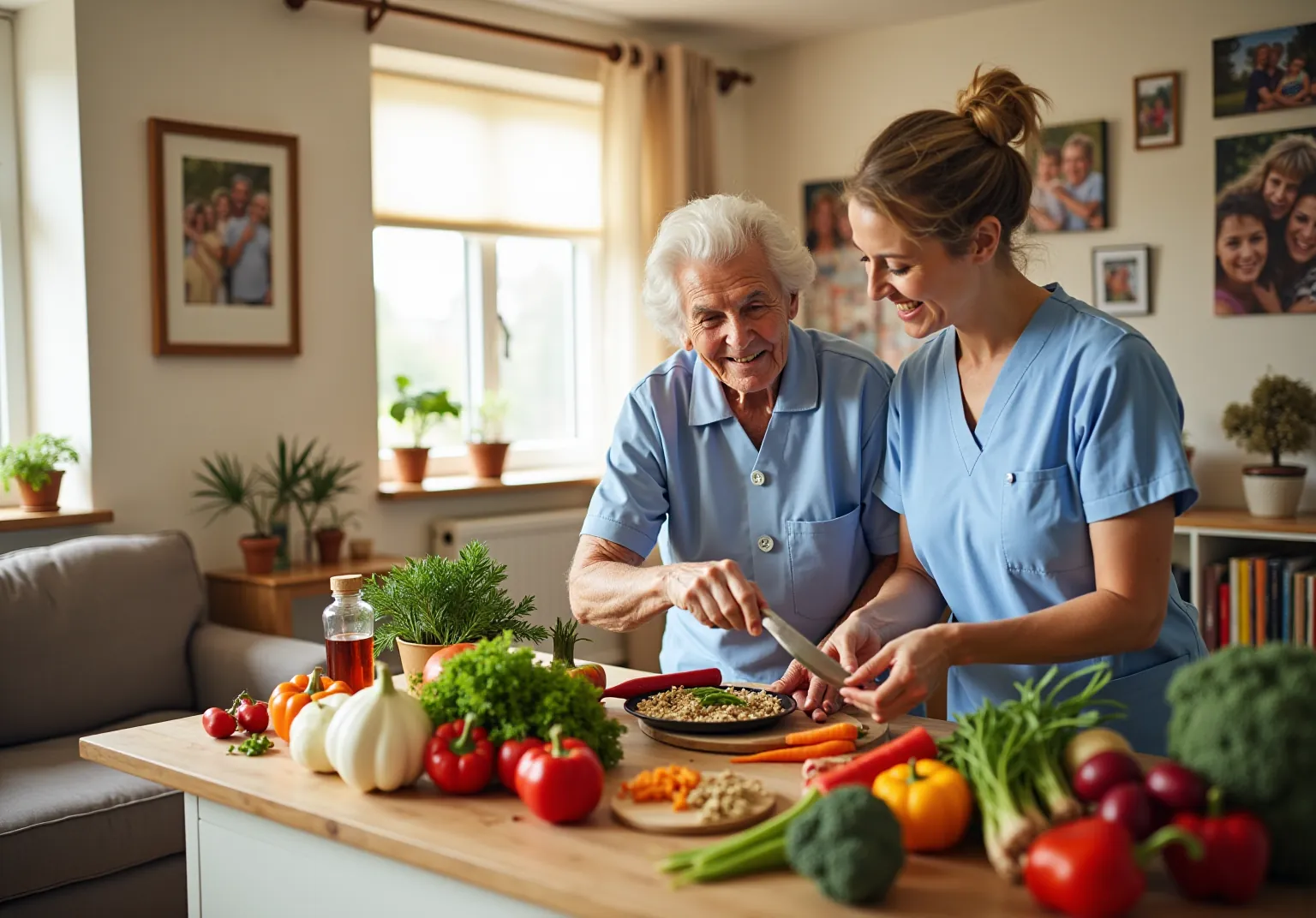
Live-in nurses for the elderly play a crucial role in addressing this issue. They provide essential support while respecting the autonomy of their elderly clients. For example, caregivers assist with daily tasks like meal preparation, encouraging elderly individuals to participate in the cooking process. This involvement not only fosters a sense of accomplishment but also reinforces their ability to make choices about their care. A live-in nurse might suggest a recipe and allow the elderly person to select ingredients, enhancing their decision-making abilities and confidence.
Moreover, this delicate balance of support and autonomy significantly enhances the quality of life for older adults. Research shows that when older adults feel in control of their lives, it boosts their self-esteem and overall happiness, leading to a more fulfilling life. Caregivers also provide medication reminders and support during medical appointments, further improving the well-being of their clients.
In summary, live-in nurses for the elderly play an instrumental role in promoting independence among elderly clients. By encouraging participation in daily activities and providing necessary support, they empower older adults to maintain control over their routines and personal preferences.
Happy to Help Caregiving: A Trusted Partner in Live-In Care
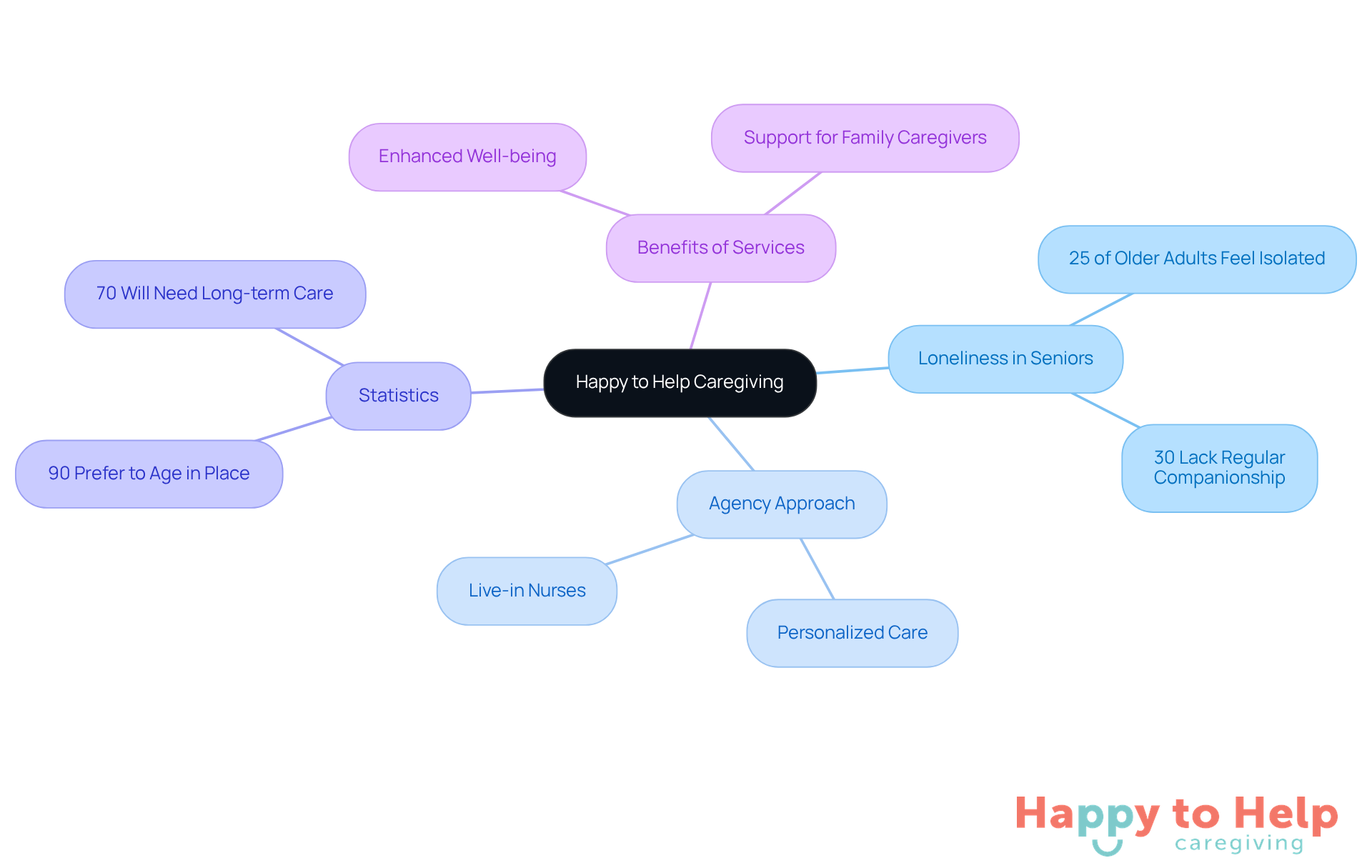
Happy to Help Caregiving recognizes a significant problem: many seniors experience loneliness, which can severely impact their well-being. Studies indicate that 25% of older adults face feelings of isolation, leading to detrimental effects on their health. This issue not only affects seniors but also places a heavy burden on family caregivers, who often feel unprepared for the emotional and physical demands of caregiving.
To address these challenges, Happy to Help Caregiving provides a personalized approach that includes live in nurses for the elderly. The agency provides individualized and empathetic support tailored to each client's unique needs. By focusing on enhancing the quality of life for seniors, they promote independence and well-being through a comprehensive range of services. Families can trust Happy to Help Caregiving for reliable, high-quality support that meets medical needs while fostering emotional connections and a sense of safety at home.
The agency's commitment to empathy and transparent communication ensures that both clients and their loved ones feel supported throughout the caregiving journey. This is crucial, as research shows that 90% of adults over 65 prefer to age in place. Home care services play a vital role in maintaining their overall health and happiness.
At Happy to Help Caregiving, live in nurses for the elderly are trained to engage clients in enjoyable activities, effectively combating loneliness. By fostering these essential connections, the agency not only enhances the well-being of its clients but also alleviates the stress often experienced by family caregivers. This dual focus on client care and family support makes Happy to Help Caregiving a dependable ally in the caregiving journey.
Making the Right Choice
The role of live-in nurses for the elderly is crucial in enhancing seniors' quality of life. Caregivers provide personalized care that meets individual needs, addressing not only medical requirements but also fostering emotional well-being and companionship. This support allows older adults to thrive in the comfort of their own homes.
However, many families face challenges in providing adequate care for their elderly members. The stress experienced by family caregivers can lead to feelings of isolation for seniors, impacting their overall well-being. This is where live-in nursing care becomes a vital solution. By offering tailored health plans, emotional support, enhanced safety, and continuity of care for chronic conditions, live-in nurses significantly alleviate the burden on family caregivers.
In light of the growing elderly population, the importance of personalized care cannot be overstated. Families seeking reliable and compassionate support can find solace in the services provided by live-in nurses. Embracing this option not only improves the well-being of seniors but also empowers families to navigate the complexities of caregiving with confidence.
Investing in live-in care is a meaningful step toward ensuring a dignified, fulfilling, and independent life for older adults. By choosing this path, families can enhance their loved ones' quality of life while also reducing their own stress, creating a supportive environment for everyone involved.
https://iframe.tely.ai/cta/eyJhcnRpY2xlX2lkIjogIjY5M2Y1MDgxNjk1NDdlMzRlNWE0ZWU1NiIsICJjb21wYW55X2lkIjogIjY4ZWU1ZGNhNzMxNzYyNTU3ZjNjOTVjMSIsICJpbmRleCI6IG51bGwsICJ0eXBlIjogImFydGljbGUifQ==Frequently Asked Questions
What is personalized care for the elderly?
Personalized care involves creating customized health plans that cater specifically to the unique medical conditions and personal preferences of elderly clients, enhancing their quality of life and emotional well-being.
How do live-in nurses provide personalized care?
Live-in nurses offer tailored support by adjusting meal plans to accommodate dietary restrictions, engaging clients in hobbies, and creating an environment that promotes independence.
What are the benefits of personalized care for elderly clients?
Personalized care helps reduce feelings of loneliness, enhances emotional and mental well-being, and allows seniors to maintain a fulfilling lifestyle in their own homes.
What emotional support do live-in nurses provide?
Live-in nurses provide emotional support and companionship by spending quality time with elderly clients, engaging in meaningful conversations, and participating in activities together.
How does companionship from live-in nurses impact elderly individuals?
Companionship enhances the quality of life for older adults and provides reassurance to their relatives, knowing that their loved ones are not isolated and are receiving care.
What strategies can caregivers use to improve emotional health in elderly clients?
Caregivers can engage in regular conversations, participate in shared activities aligned with the elderly individual's interests, and encourage social interactions with family and friends.
What safety concerns do live-in nurses address for elderly clients?
Live-in nurses address safety concerns by providing continuous health monitoring and implementing fall prevention strategies to reduce the risk of accidents.
What are some fall prevention strategies that live-in nurses can implement?
Effective fall prevention strategies include removing tripping hazards from walkways, installing grab bars in bathrooms, and ensuring proper lighting throughout the home.
Why is maintaining a safe home environment important for older adults?
A safe home environment is essential for the well-being of older adults as it helps prevent accidents and injuries, providing peace of mind to both seniors and their families.
List of Sources
- Personalized Care Tailored to Individual Needs
- The Impact of Live-In Caregivers on the Quality of Life for Seniors (https://traditionshhs.com/the-impact-of-live-in-caregivers-on-the-quality-of-life-for-seniors)
- Care to Stay Home Highlights Live-In Caregivers Improving Daily Life in Spokane, WA (https://wjbf.com/business/press-releases/ein-presswire/866934068/care-to-stay-home-highlights-live-in-caregivers-improving-daily-life-in-spokane-wa)
- Novel Care Model May Improve Outcomes for Older Adults With Multiple Chronic Conditions (https://consultqd.clevelandclinic.org/novel-care-model-may-improve-outcomes-for-older-adults-with-multiple-chronic-conditions)
- How Live-In Care Improves Quality of Life for Seniors (https://careindeed.com/blogs/how-live-in-care-improves-quality-of-life-for-seniors)
- The Incredible Benefits of Home Care, in 7 Amazing Stats - Companions For Seniors (https://companionsforseniors.com/2019/08/benefits-home-care-amazing-stats-trends-reports)
- Emotional Support and Companionship
- The Role of Companion Care in Reducing Depression Among Seniors (https://malamamaikai.com/role-of-companion-care-in-reducing-depression-among-seniors)
- Trends in Loneliness Among Older Adults from 2018-2023 (https://ihpi.umich.edu/national-poll-healthy-aging/national-findings/trends-loneliness-among-older-adults-2018-2023)
- Emotional Support for Seniors in Home Care - Ethos Home Health Care and Hospice (https://ethoscare.org/emotional-support-in-home-care)
- The Unbeatable Benefits of Companion Care for Seniors (https://comforcare.com/massachusetts/canton/resources/blog/the-unbeatable-benefits-of-companion-care-for-seniors)
- Care to Stay Home Highlights Live-In Caregivers Improving Daily Life in Spokane, WA (https://kron4.com/business/press-releases/ein-presswire/866934068/care-to-stay-home-highlights-live-in-caregivers-improving-daily-life-in-spokane-wa)
- Enhanced Safety and Security at Home
- Safety Measures at Assisted Living Communities (https://usnews.com/senior-living/articles/assisted-living-facility-safety-checklist)
- Home Safety for Seniors: Statistics & Proven Safety Solutions (https://agesafeamerica.com/home-safety-hub/aging-in-place/home-safety-seniors-statistics-solutions)
- 8 Ways to Help Seniors Live At Home Safely in 2025 - VNA & Hospice Monterey, CA (https://ccvna.com/help-seniors-live-at-home-safely)
- Smart Home Technologies for Aging in Place (https://agesafeamerica.com/home-safety-hub/articles/smart-home-technologies-for-aging-in-place-enhancing-safety-and-independence)
- Hidden Hazards in the Home: Help Protect Yourself and Your Loved Ones (https://ncoa.org/article/hidden-home-hazards-older-adults-more-likely-to-die-from-falls-and-fires)
- Continuity of Care for Chronic Conditions
- The Growing Burden of Chronic Diseases (https://nihcm.org/publications/the-growing-burden-of-chronic-diseases)
- AI must optimize home care, continuity, and early detection for older adults (https://news-medical.net/news/20251007/AI-must-optimize-home-care-continuity-and-early-detection-for-older-adults.aspx)
- Chronic Illness Quotes That Inspire Strength and Resilience - Denver Family Counseling Services (https://denverfamilycounselingservices.com/chronic-illness-quotes)
- Top 10 Chronic Conditions Affecting Older Adults (https://ncoa.org/article/the-top-10-most-common-chronic-conditions-in-older-adults)
- Flexible Care Schedules to Fit Family Needs
- How Flexible Scheduling Improves The Home Care Experience For Families – CCN – Columbus County News (https://columbuscountynews.com/2025/12/how-flexible-scheduling-improves-the-home-care-experience-for-families)
- Workplace flexibility is the most used, wanted benefit among caregivers: AARP (https://thehill.com/homenews/4668936-aarp-workplace-flexibility-most-used-wanted-benefit-caregivers)
- Caregiving Statistics US 2025: Insights for Family Caregivers (https://zencaregiving.org/caregiving-statistics-us-2025)
- Reduced Hospital Visits and Emergency Situations
- (https://belleviecare.co.uk/support-advice/60-elderly-care-quotes-to-lift-your-spirits)
- 20 Inspirational Senior Care Quotes (https://1plus1cares.com/20-inspirational-senior-care-quotes)
- 12 Motivational Quotes for Caregivers (https://ultimatecareny.com/resources/motivational-quotes-for-caregivers)
- Offering Home Health Care Services: A Case Study (https://syscreations.com/case\_studies/home-health-care-services)
- New NIC-NORC Study Shows Wellness, Health Benefits of Senior Living (https://seniorhousingnews.com/2025/09/09/new-nic-norc-study-shows-wellness-health-benefits-of-senior-living)
- Peace of Mind for Families
- How In-Home Care Can Reduce Stress for Families (https://villagecaregiving.com/blog/reduce-stress-for-families)
- Caregiver Statistics: Demographics (https://caregiver.org/resource/caregiver-statistics-demographics)
- Peace of Mind at Home: How In-Home Care Supports Visiting Seniors and Post-Surgery Recovery (https://alexandrialivingmagazine.com/home-and-garden/peace-of-mind-at-home-how-in-home-care-supports-visiting-sen)
- These pros help keep ailing, aging loved ones safe — but it's a costly service (https://npr.org/sections/health-shots/2023/12/11/1218635777/nurses-and-social-workers-increasingly-hired-by-solo-agers)
- Family caregivers prefer in-home care over senior living, new industry report finds (https://mcknightshomecare.com/news/family-caregivers-prefer-in-home-care-over-senior-living-new-industry-report-finds)
- Cost-Effectiveness Compared to Other Care Options
- In-Home Nursing Care Cost (https://ultimatecareny.com/resources/in-home-nursing-care-cost)
- Dementia care costs lowest for patients living in home care settings, study finds (https://mcknightshomecare.com/news/dementia-care-costs-lowest-for-patients-living-in-home-care-settings-study-finds)
- Nursing Homes vs Home Care Comparison (https://seniorliving.org/compare/nursing-home-vs-home-care)
- Home Care Cost (https://ultimatecareny.com/resources/home-care-cost)
- Promotion of Independence and Quality of Life
- Promoting Independence through In-Home Care (https://visitingangels.com/npr/news-info/promoting-independence-through-in-home-care/24383)
- How Live-In Care Improves Quality of Life for Seniors (https://careindeed.com/blogs/how-live-in-care-improves-quality-of-life-for-seniors)
- 2024 Aging in Place Statistics: A Lucrative Opportunity for the Home Care Industry - People Care (https://peoplecare.com/2024-aging-in-place-statistics-a-lucrative-opportunity-for-the-home-care-industry)
- How Senior In-Home Care Promotes Independence in San Antonio, TX (https://fox4kc.com/business/press-releases/ein-presswire/866935491/how-senior-in-home-care-promotes-independence-in-san-antonio-tx)
- The Value of Aging in Place (https://gero.usc.edu/about/our-field/the-value-of-aging-in-place)
- Happy to Help Caregiving: A Trusted Partner in Live-In Care
- Caregiver Statistics: Demographics (https://caregiver.org/resource/caregiver-statistics-demographics)
- The Incredible Benefits of Home Care, in 7 Amazing Stats - Companions For Seniors (https://companionsforseniors.com/2019/08/benefits-home-care-amazing-stats-trends-reports)
- Number of family caregivers helping older adults with dementia surged over 11-year span: study (https://mcknights.com/news/number-of-family-caregivers-helping-older-adults-with-dementia-surged-over-11-year-span-study)
- Family caregivers prefer in-home care over senior living, new industry report finds (https://mcknightshomecare.com/news/family-caregivers-prefer-in-home-care-over-senior-living-new-industry-report-finds)
- Family caregivers want support from senior living professionals, report reveals (https://mcknightsseniorliving.com/news/family-caregivers-want-support-from-senior-living-professionals-report-reveals)