

For families in our service areas
For families in our service areas, this guide explains caregiving and how non-medical in-home caregiving can support care planning in East Idaho, Treasure Valley & Magic Valley, Northern Wasatch, North Central West Virginia, and Northeast Ohio.
Quick Guide to Milk
This article thoughtfully explores the many health benefits of milk for seniors, highlighting its important role in enhancing bone health, muscle strength, hydration, and overall well-being. It’s crucial to understand that as our loved ones age, their nutritional needs change, and milk can be a wonderful ally in promoting health.
The discussion delves into essential nutrients found in milk, such as calcium and vitamin D. These nutrients are vital for preventing osteoporosis, maintaining muscle mass, and supporting hydration and immune function in older adults. By ensuring that seniors receive adequate amounts of these nutrients, we can help them lead healthier, more active lives.
For caregivers, it’s important to recognize the emotional challenges that come with ensuring the well-being of seniors. The stress and burnout can be overwhelming at times. However, knowing that simple dietary choices, like incorporating milk into their diets, can make a significant difference offers reassurance.
As you consider the dietary needs of your loved ones, remember that you are not alone in this journey. Many caregivers share similar experiences, and together, we can foster a supportive community that prioritizes the health and happiness of our seniors.
In conclusion, milk is more than just a beverage; it’s a source of essential nutrients that can enhance the quality of life for older adults. Embracing these small yet impactful changes can lead to significant benefits, nurturing not only their bodies but also their spirits.
Why Milk Matters
The nutritional needs of seniors can often feel overwhelming, requiring thoughtful consideration to ensure their well-being. Among the various dietary options available, milk emerges as a remarkable source of essential nutrients that can greatly enhance the health of older adults. It’s natural to wonder how something as simple as milk can have such a profound impact on overall health—supporting everything from bone strength to cognitive function. In this article, we will explore ten compelling benefits of milk for seniors, highlighting how this humble beverage can truly transform their health and well-being.
Happy to Help Caregiving: Personalized Support for Seniors' Nutritional Needs
At Happy to Help Caregiving, we understand that elderly individuals often face unique dietary needs that are essential for their well-being. Caregivers are not just trained to meet these needs; they are dedicated to providing personalized meal planning and nutritional support tailored to each individual.
It's vital that older adults receive enough calcium and vitamin D, primarily through milk for seniors, as these nutrients play a crucial role in maintaining bone strength and overall health. By fostering a supportive environment, caregivers empower seniors to make informed dietary choices that align with their wellness goals.
This compassionate approach not only addresses nutritional needs but also nurtures a sense of community and care, helping seniors feel valued and understood in their journey toward better health.
https://iframe.tely.ai/cta/eyJhcnRpY2xlX2lkIjogIjY5MDJhYWYxY2FhYzMzMjQ0NDhhNDI4MiIsICJjb21wYW55X2lkIjogIjY4ZWU1ZGNhNzMxNzYyNTU3ZjNjOTVjMSIsICJpbmRleCI6IDAsICJ0eXBlIjogImFydGljbGUifQ==Strengthens Bone Health: The Role of Milk in Osteoporosis Prevention
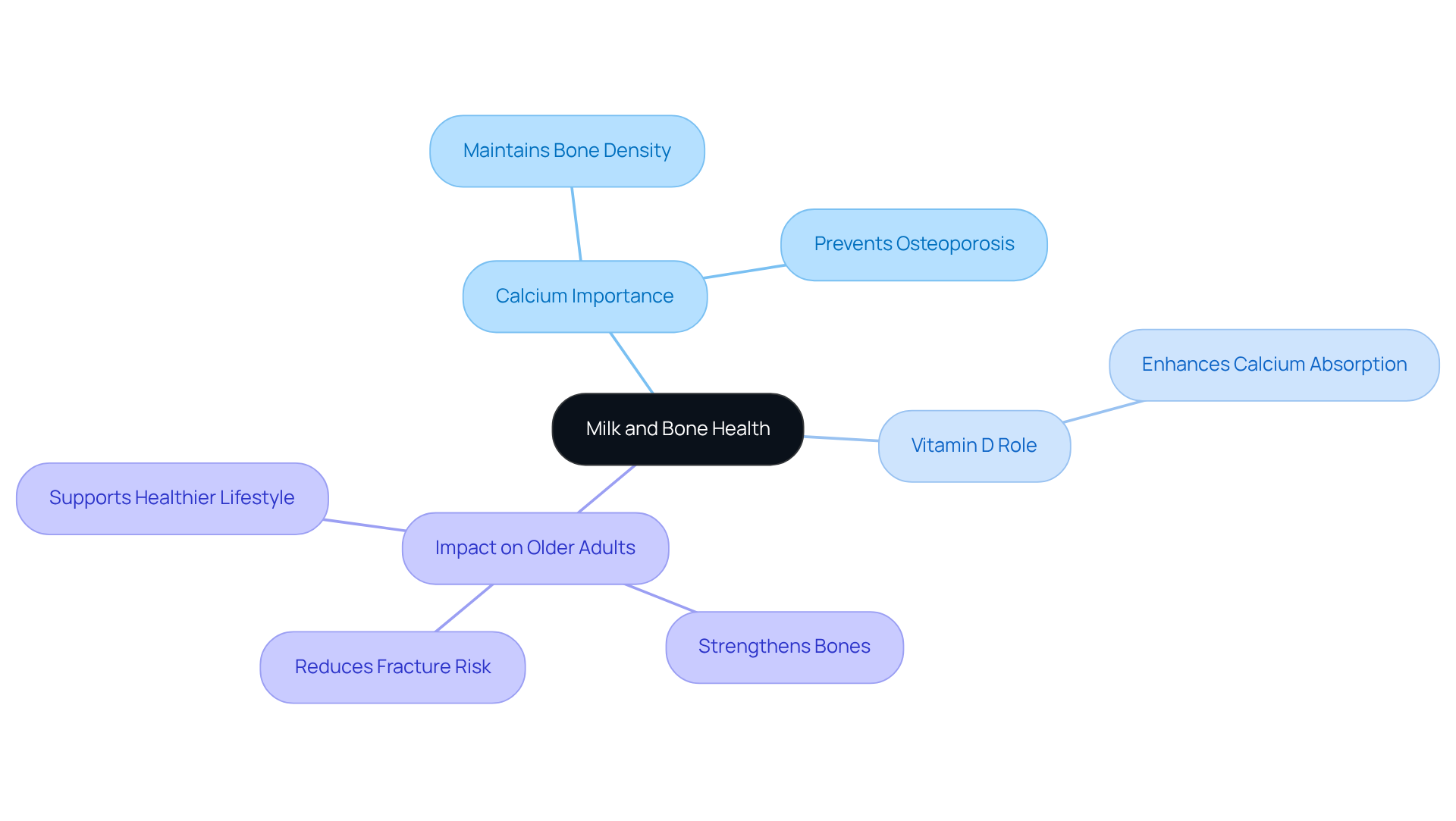
Milk serves as a wonderful source of calcium, which plays a vital role in maintaining bone density and preventing osteoporosis. Many older adults may worry about their bone health, and research shows that a consistent intake of dairy products can significantly lower the risk of fractures. It's comforting to know that the vitamin D found in enriched dairy products helps with calcium absorption, further enhancing bone condition.
For older adults, incorporating milk into their daily diet is a simple yet effective way to strengthen bones and reduce the chances of osteoporosis-related injuries. This small change can make a big difference in their overall well-being, providing peace of mind and supporting a healthier lifestyle.
Supports Muscle Strength: How Milk Contributes to Senior Mobility
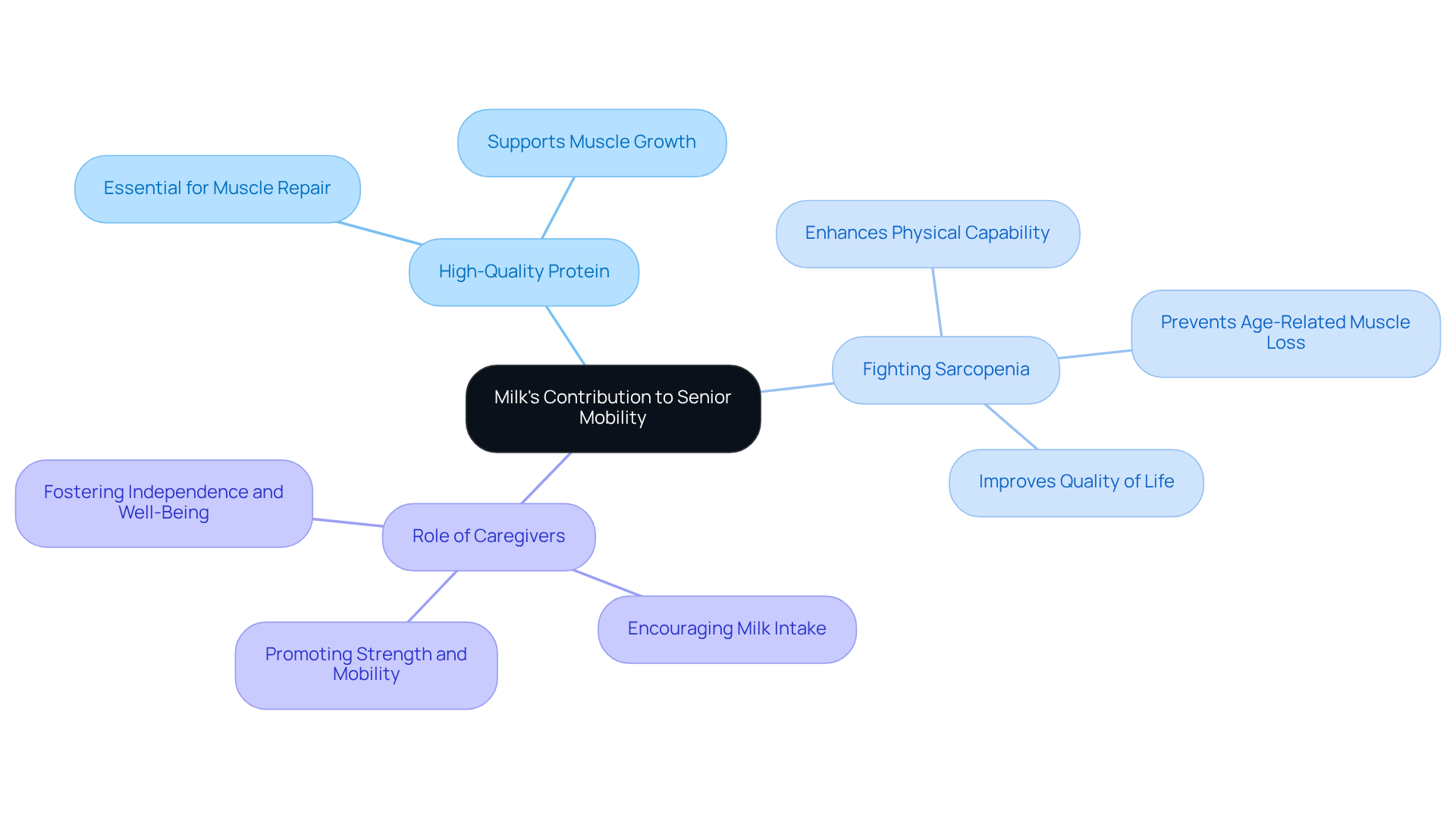
Milk is not only beneficial for bones but also plays a crucial role in muscle health. It contains high-quality protein, which is essential for muscle repair and growth. For older adults, preserving muscle mass is vital for mobility and autonomy, and drinking milk for seniors can help achieve this.
Frequent intake of milk for seniors can assist in fighting age-related muscle deterioration, known as sarcopenia. This improvement can significantly enhance overall physical capability and quality of life.
As caregivers, you can play an important role in encouraging elderly individuals to incorporate milk for seniors into their diets. By doing so, you help enhance their strength and mobility, fostering a sense of independence and well-being.
Ensures Hydration: The Importance of Milk for Senior Wellness
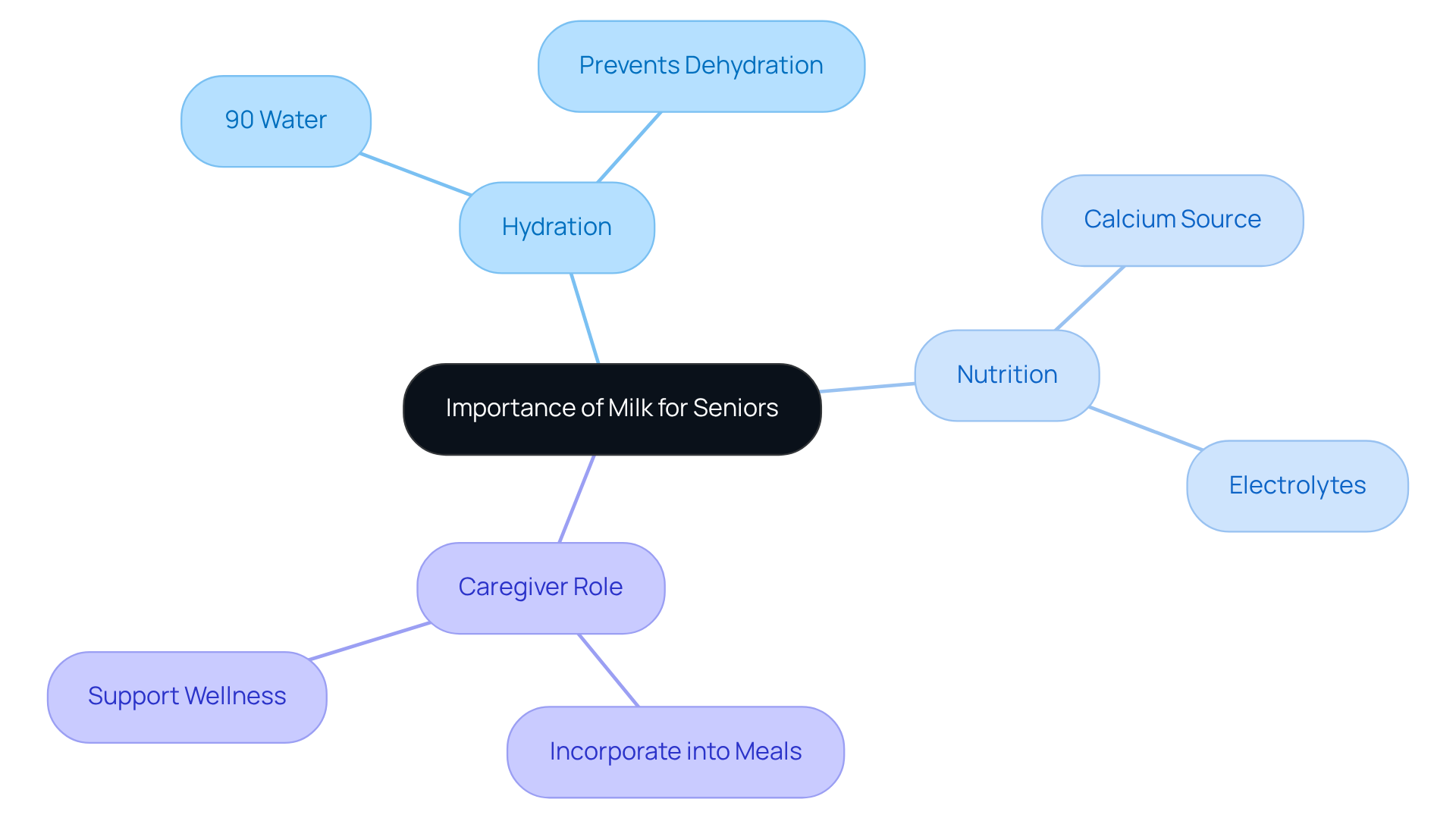
Maintaining hydration is vital for older adults, as dehydration can lead to significant health problems. It’s important to recognize the emotional toll this concern can take on caregivers. Milk for seniors, which is composed of about 90% water and rich in electrolytes, serves as an excellent choice for hydration. Unlike plain water, dairy also provides essential nutrients like calcium, which are crucial for overall health.
Encouraging older adults to consume milk for seniors not only helps them stay hydrated but also meets their nutritional needs. Caregivers can play a pivotal role in this by incorporating milk for seniors into meal plans and snack options. This small change can make a big difference in enhancing hydration and ensuring that older adults receive the care they deserve.
As caregivers, you are doing an incredible job navigating these challenges. Remember, every effort counts in supporting the well-being of those you care for. By focusing on hydration through milk for seniors, you are taking a meaningful step towards promoting overall health and happiness.
Provides Essential Nutrients: Milk as a Nutritional Powerhouse for Seniors
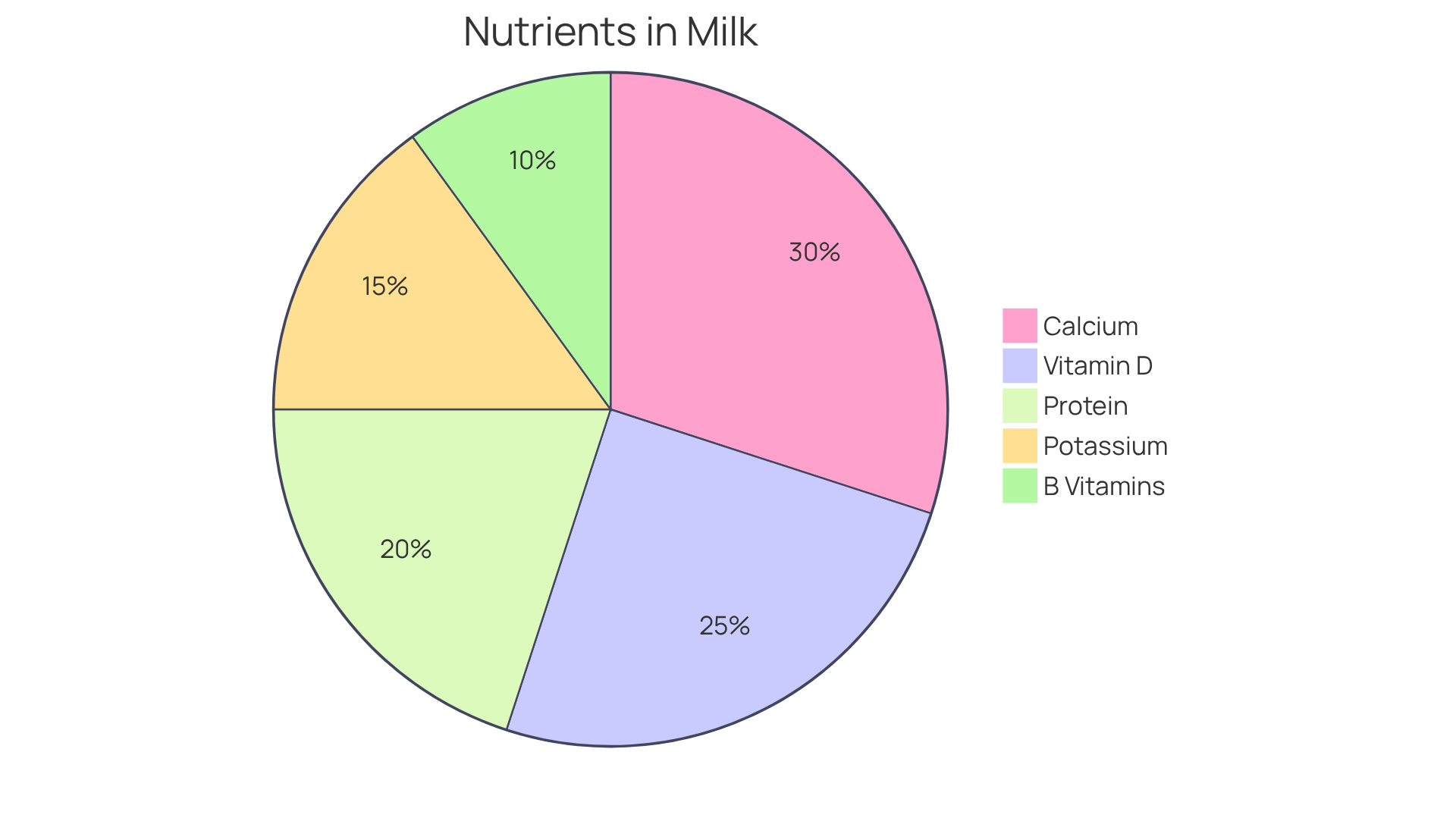
Milk for seniors is often regarded as a nutritional powerhouse, packed with essential nutrients that can truly enhance the lives of older adults. It provides vital components like calcium, vitamin D, protein, potassium, and B vitamins, all of which are crucial for their well-being.
These nutrients come together to support bone health, muscle function, and overall vitality. By incorporating milk for seniors into their diets, older adults can feel more confident that they are meeting their nutritional needs. This is especially important as their dietary requirements evolve with age, and every little bit helps in nurturing their health.
Boosts Immune Function: How Milk Helps Seniors Stay Healthy
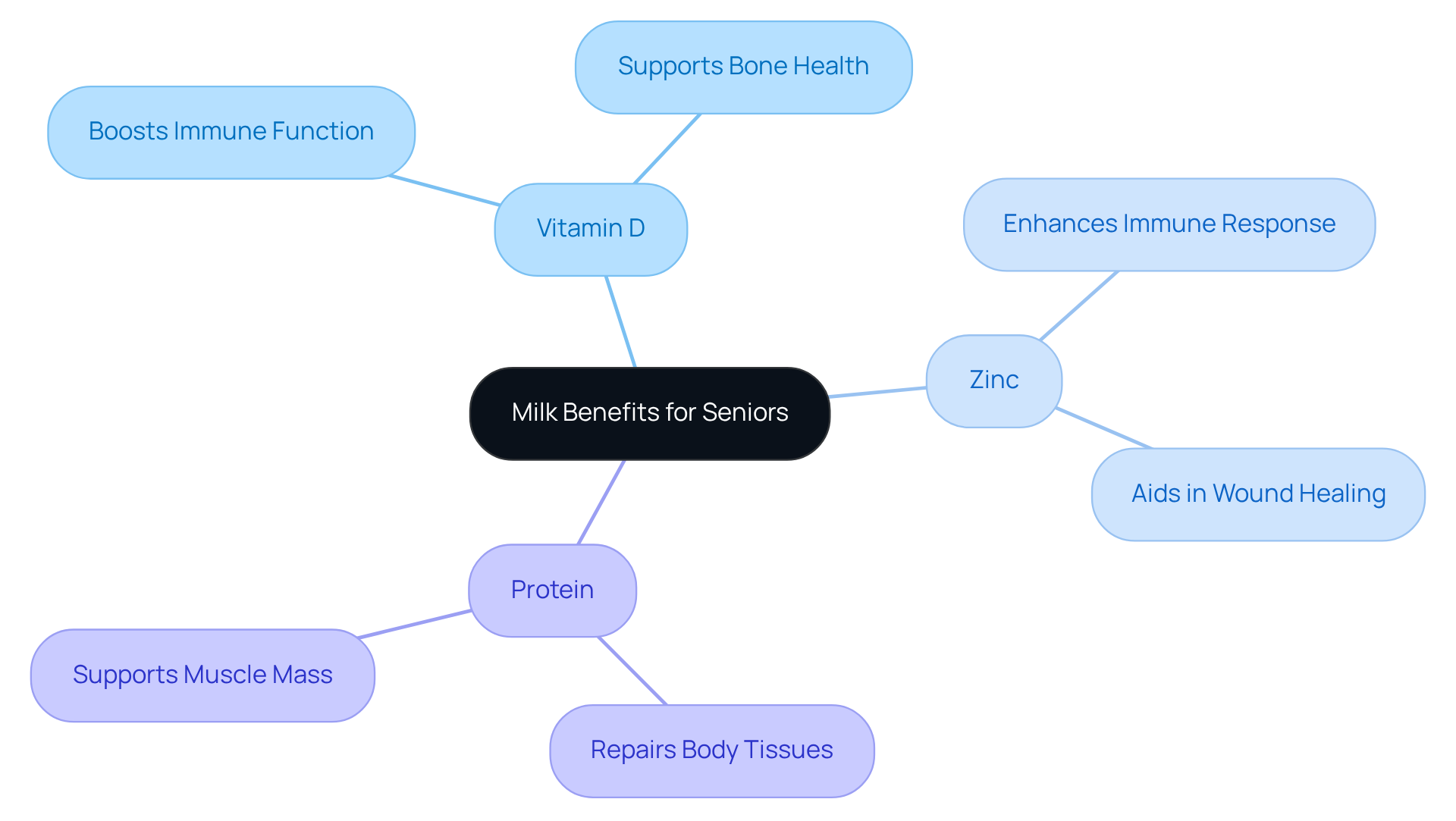
Milk contains several nutrients that can significantly boost immune function, such as vitamin D, zinc, and protein. These essential components are crucial for maintaining a robust immune system, especially for older adults who may face increased health risks. By consistently including milk for seniors in their diets, they can strengthen their bodies' defenses against infections and illnesses.
As caregivers, you play a vital role in encouraging seniors to include milk for seniors as part of a balanced diet. This simple act can enhance their immune system, providing them with the support they need to thrive. Remember, every small step you take in promoting healthy eating can make a big difference in their overall well-being.
Supports Heart Health: The Cardiovascular Benefits of Milk for Seniors
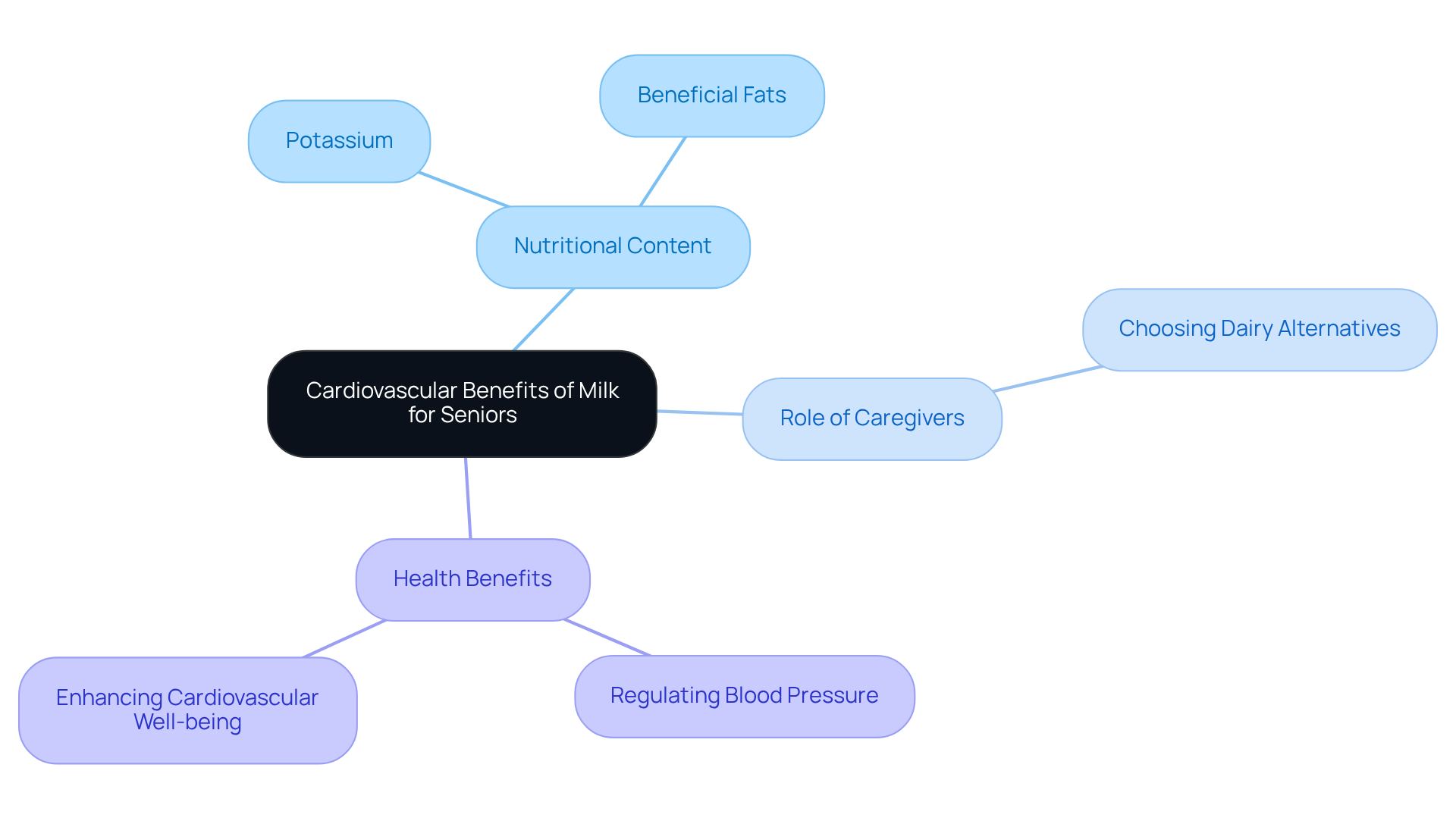
Studies indicate that dairy intake, which includes dairy products, might have a neutral or even positive impact on cardiovascular wellbeing. For many caregivers, understanding the nutritional needs of older adults can be overwhelming. Milk is a source of potassium, which can help regulate blood pressure, and it contains beneficial fats that may support cardiovascular well-being.
Including low-fat or non-fat dairy products, such as milk for seniors, can be a heart-healthy option. Caregivers play a vital role in this process and can assist seniors in choosing suitable dairy alternatives. This not only enhances cardiovascular well-being but also allows them to savor the nutritional advantages of dairy products.
By focusing on these small, positive changes, caregivers can foster a nurturing environment that prioritizes health and well-being.
Improves Cognitive Function: Milk's Impact on Senior Brain Health
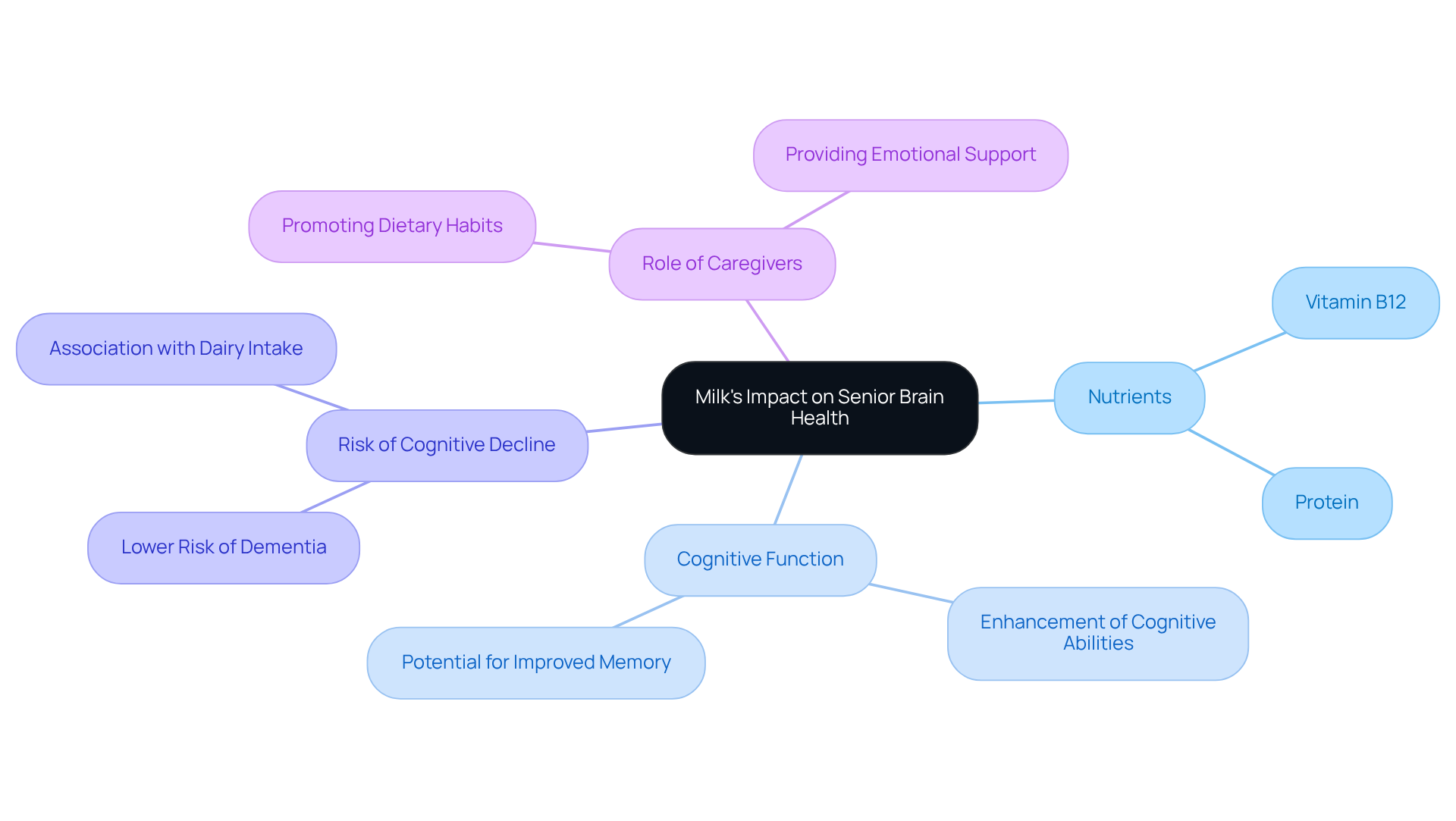
Emerging research indicates that the intake of milk for seniors may positively impact cognitive function in older adults. Milk is abundant in nutrients such as vitamin B12 and protein, which are crucial for brain function. Additionally, studies have shown that regular intake of dairy products can be associated with a lower risk of cognitive decline.
By incorporating milk for seniors into their diets, they can enhance cognitive function and potentially lower the risk of conditions such as dementia. This is a comforting thought for many caregivers, who often feel the weight of their loved ones' health on their shoulders. Caregivers can play a vital role in promoting these dietary habits, providing not just nutrition but also emotional support as they navigate these challenges together.
Prevents Tooth Decay: The Oral Health Benefits of Milk for Seniors
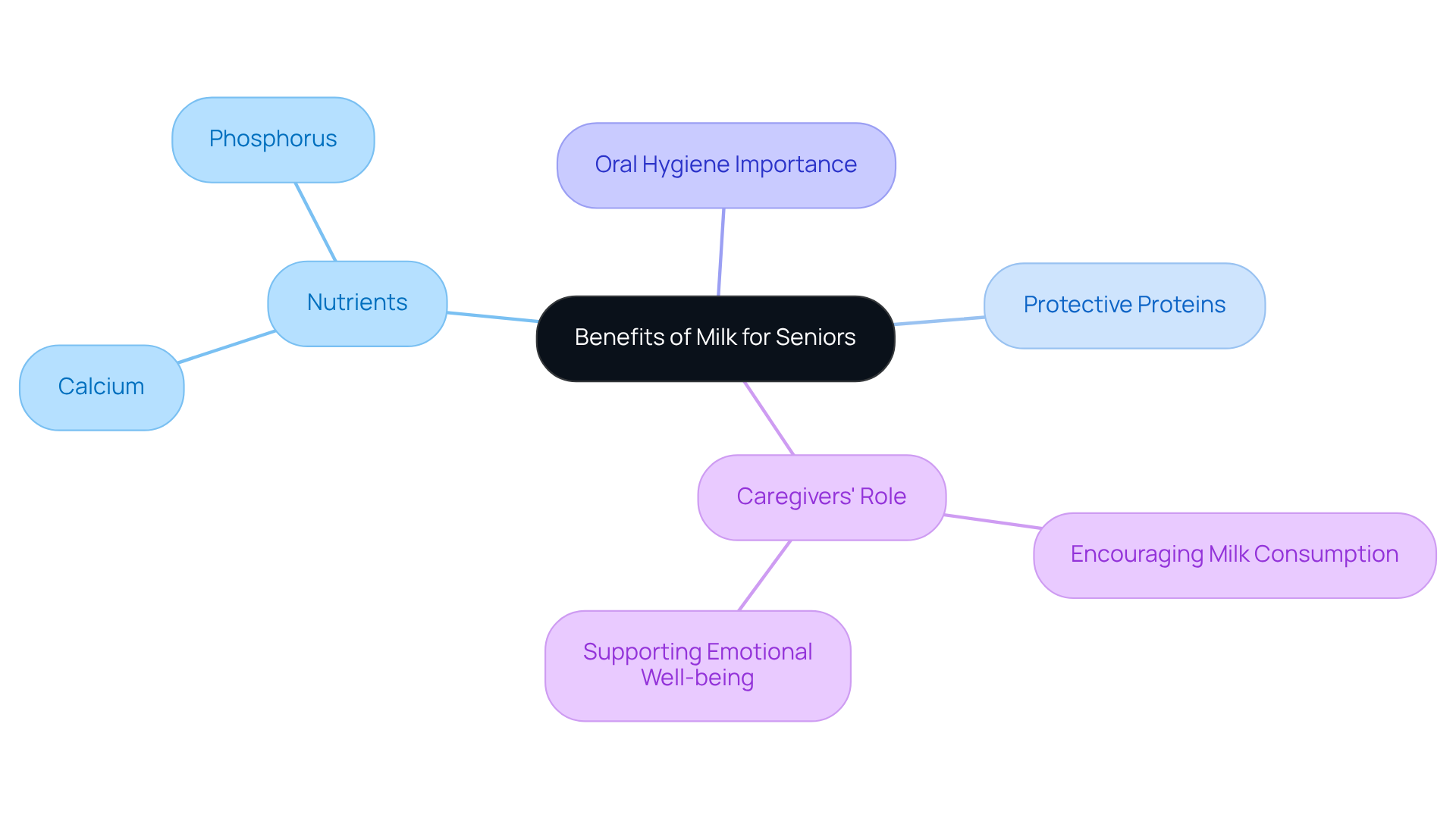
Milk holds significant advantages for oral wellness, primarily due to its high levels of calcium and phosphorus. These essential nutrients play a crucial role in fortifying tooth enamel and preventing decay, which is so important for maintaining a healthy smile. Additionally, the proteins found in dairy create a protective layer on teeth, effectively lowering the risk of cavities.
For older adults, maintaining good oral hygiene is vital for overall well-being. Dental issues can greatly influence nutrition and quality of life, making it essential to prioritize oral health. Caregivers can play a pivotal role in this journey. By encouraging older adults to incorporate milk for seniors into their balanced diets, they can help promote better dental health.
In this nurturing approach, caregivers not only support physical health but also foster emotional well-being. Together, they can create an environment where older adults feel cared for and valued, enhancing their quality of life.
Identifies Suitable Milk Types: Best Choices for Seniors' Dietary Needs
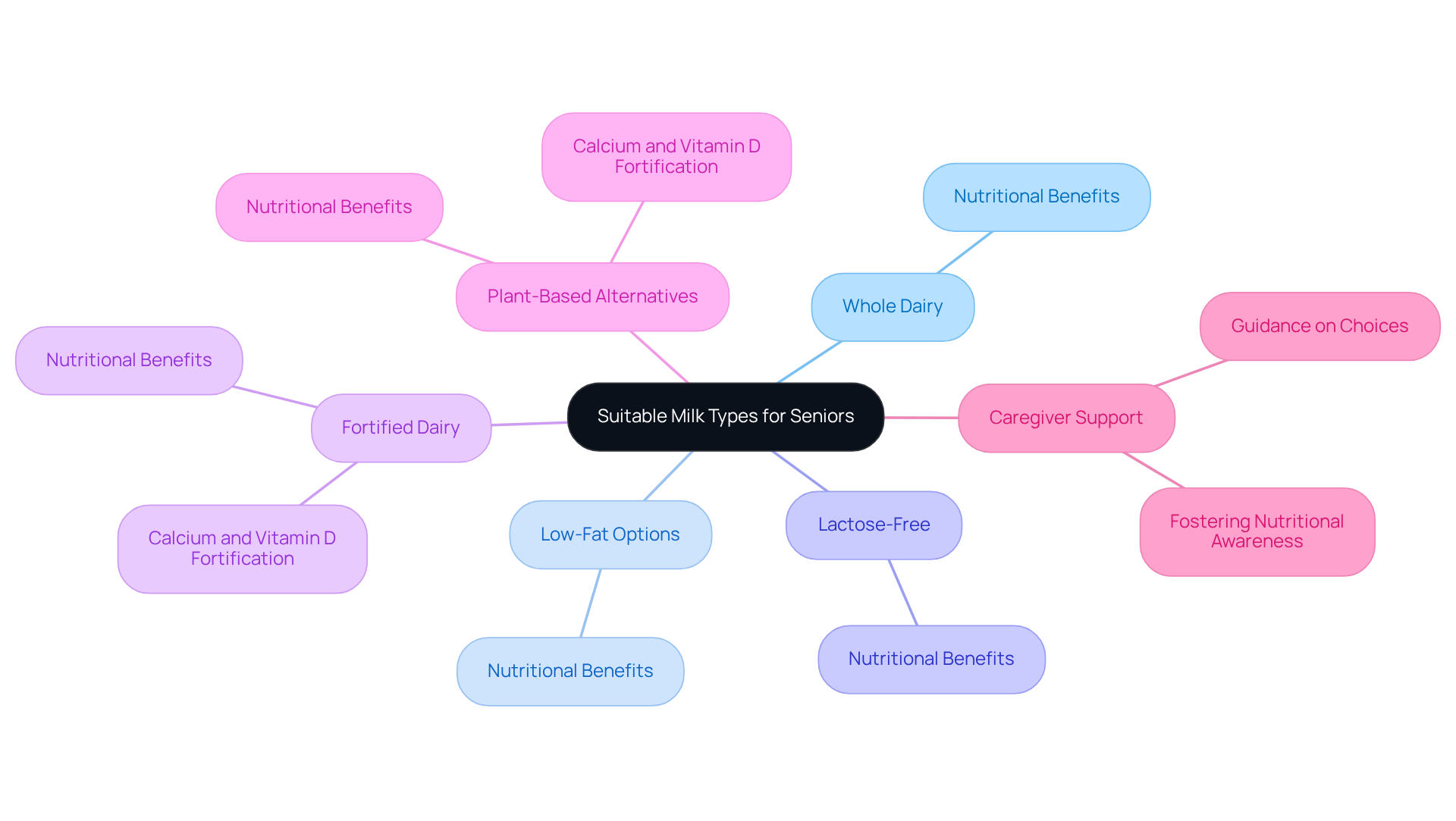
When choosing dairy, it's important for seniors to consider their unique dietary needs and preferences, especially when selecting milk for seniors. Whole dairy, low-fat options, and lactose-free varieties are available for those who may be lactose intolerant. Fortified dairy products, enriched with vitamin D, can provide extra benefits for bone health.
Plant-based alternatives, like almond or soy milk, are also worth considering. However, it's crucial to select options that are fortified with calcium and vitamin D to ensure adequate nutrition. Caregivers play a vital role in helping seniors navigate these choices, ensuring they receive the nutritional benefits of milk while accommodating their specific health requirements.
By working together, caregivers and seniors can make informed decisions that support their health and well-being, fostering a nurturing environment where dietary needs are met with compassion.
Your Path Forward
Milk serves as a precious resource for seniors, bringing forth numerous health benefits that can greatly enhance their quality of life. By integrating milk into their diets, older adults gain access to vital nutrients that bolster bone strength, muscle health, hydration, and overall well-being. The significance of milk goes beyond nutrition; it nurtures a sense of community and care, particularly when caregivers are actively involved in promoting these dietary habits.
In this article, we highlighted several key benefits of milk for seniors, such as its role in:
- Preventing osteoporosis
- Supporting muscle strength
- Ensuring hydration
- Boosting immune function
Additionally, this nutritional powerhouse is rich in essential vitamins and minerals that contribute to:
- Heart health
- Cognitive function
- Oral wellness
Caregivers play an invaluable role in guiding seniors toward the right types of milk that cater to their dietary needs, ensuring they reap the maximum health benefits.
Ultimately, prioritizing milk in the diets of older adults represents a simple yet impactful step toward improving their health and well-being. By acknowledging the importance of milk and actively encouraging its consumption, caregivers can assist seniors in leading healthier, more fulfilling lives. This commitment to nutrition not only addresses physical health but also nurtures emotional well-being, fostering an environment where seniors feel cherished and cared for.
https://iframe.tely.ai/cta/eyJhcnRpY2xlX2lkIjogIjY5MDJhYWYxY2FhYzMzMjQ0NDhhNDI4MiIsICJjb21wYW55X2lkIjogIjY4ZWU1ZGNhNzMxNzYyNTU3ZjNjOTVjMSIsICJpbmRleCI6IG51bGwsICJ0eXBlIjogImFydGljbGUifQ==Frequently Asked Questions
What is the focus of Happy to Help Caregiving regarding seniors' nutritional needs?
Happy to Help Caregiving focuses on providing personalized meal planning and nutritional support tailored to the unique dietary needs of elderly individuals.
Why are calcium and vitamin D important for seniors?
Calcium and vitamin D are essential for maintaining bone strength and overall health in older adults. These nutrients primarily come from milk, which helps prevent osteoporosis and fractures.
How does milk contribute to preventing osteoporosis in seniors?
Milk is a rich source of calcium, which helps maintain bone density and prevent osteoporosis. Additionally, the vitamin D in enriched dairy products aids in calcium absorption, further supporting bone health.
What role does milk play in supporting muscle strength for seniors?
Milk contains high-quality protein, which is crucial for muscle repair and growth. Regular consumption of milk can help older adults preserve muscle mass, enhancing mobility and autonomy.
How can caregivers encourage seniors to incorporate milk into their diets?
Caregivers can encourage seniors to drink milk regularly by highlighting its benefits for bone and muscle health, thus helping to improve their strength, mobility, and overall quality of life.