10 Benefits of Mobile Home Care Services for Family Caregivers
For families in our service areas
For families in our service areas, this guide explains home care and how non-medical in-home caregiving can support care planning in East Idaho, Treasure Valley & Magic Valley, Northern Wasatch, North Central West Virginia, and Northeast Ohio.
The Importance of Mobile Home Care Services
Mobile home care services have become essential for family caregivers who face the challenges of supporting elderly loved ones. Caregivers often struggle to balance their responsibilities while ensuring their loved ones receive the personalized care they need. This situation can lead to stress and feelings of inadequacy, as caregivers may worry about their ability to provide adequate support.
The implications of this struggle are significant. Without proper assistance, seniors may lose their independence and dignity, which can negatively impact their emotional well-being. As the demand for tailored care continues to grow, caregivers need effective solutions to navigate these complexities.
Mobile home care services offer a practical solution. They not only provide essential support but also promote emotional well-being, allowing seniors to maintain their independence in the comfort of their own homes. This article explores ten key benefits of mobile home care services, highlighting how they empower both seniors and their caregivers alike.
Happy to Help Caregiving: Personalized In-Home Care for Seniors
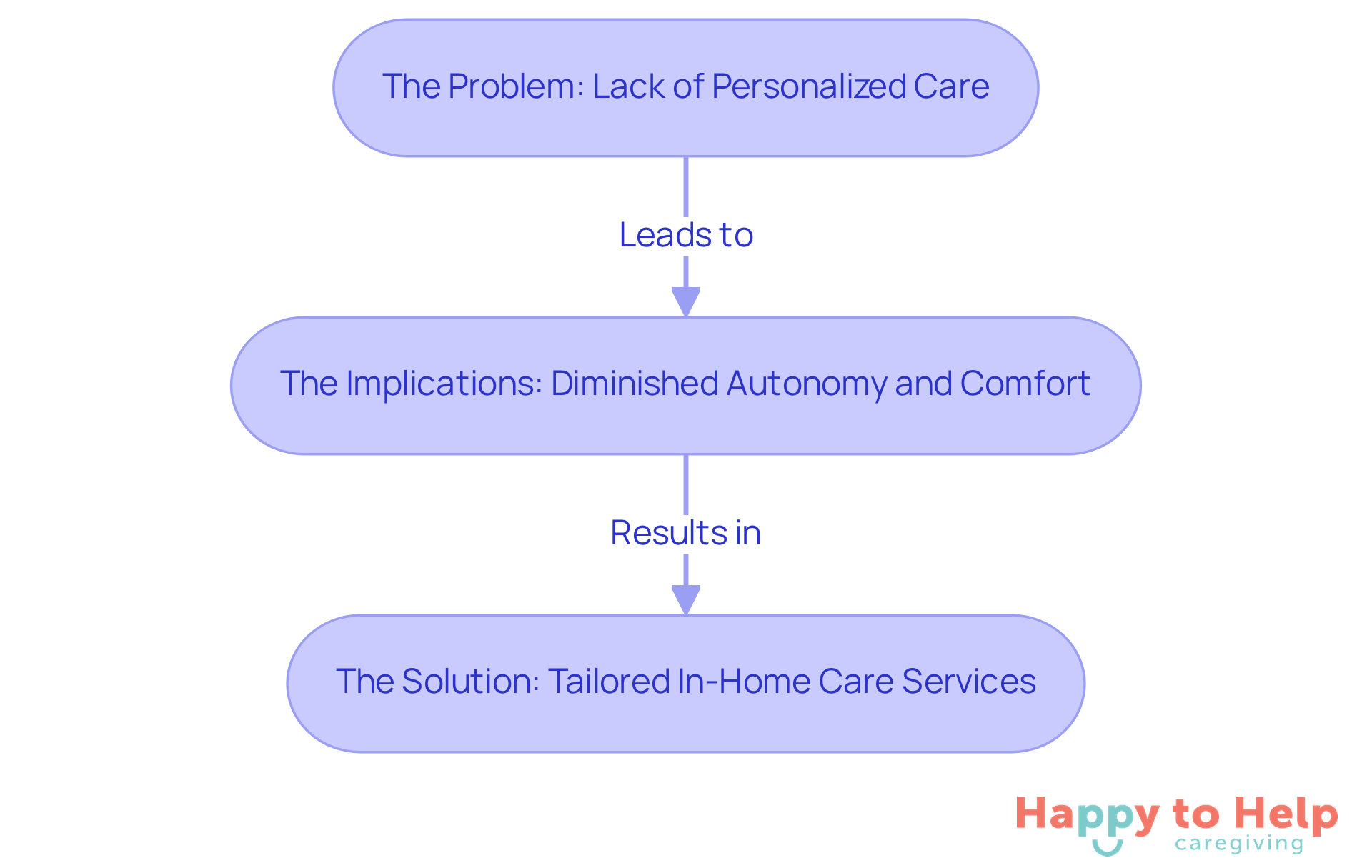
The Problem: Many elderly individuals face challenges in receiving the tailored in-home assistance they need. This lack of personalized care can lead to feelings of isolation and a decline in their overall well-being.
The Implications: When care does not honor personal preferences and lifestyles, it can diminish a senior's sense of autonomy and comfort in their own home. This is particularly concerning as maintaining independence is crucial for their quality of life. Geriatric specialists emphasize that personalized attention is essential for ensuring older adults feel safe and valued in their daily routines.
The Solution: Happy to Help Caregiving addresses these challenges by providing mobile home care services that cater to the unique requirements of each client. This individualized support model not only fosters a supportive atmosphere but also enables older adults to maintain their routines and connections to their communities. Effective programs have shown that when assistance is tailored to specific needs, older adults experience higher satisfaction and improved health outcomes.
By focusing on the distinct needs of each client, caregivers can significantly enhance the quality of life for elderly individuals, ensuring they feel appreciated and secure in their living spaces.
Emotional Support: Alleviating Loneliness Through Companionship Care
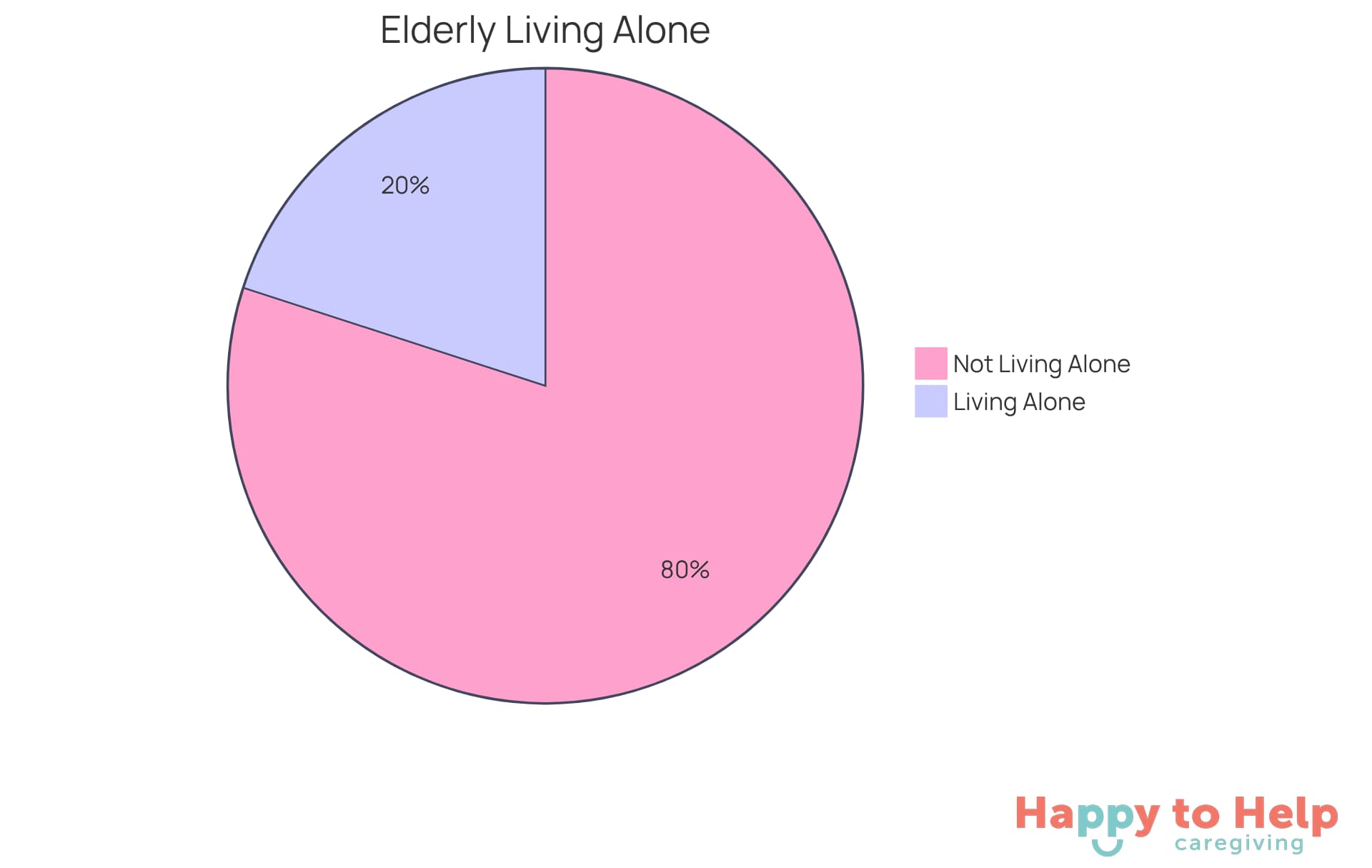
Companionship support addresses a significant problem: the loneliness and isolation experienced by many elderly individuals. Research shows that nearly 20% of older adults in the European Union live alone, which can lead to serious health risks such as cardiovascular disease, anxiety, and depression. This situation not only affects their mental well-being but also diminishes their overall quality of life.
To combat these issues, caregivers can engage clients in meaningful conversations and activities that foster emotional connections. By providing emotional support, companionship assistance becomes essential in alleviating anxiety and depression. Studies indicate that social interactions can reduce the likelihood of chronic diseases (OR=0.70), underscoring the critical role of companionship in mobile home care services.
Ultimately, companionship assistance helps older adults feel appreciated and connected. This support system is a cornerstone of effective caregiving, enhancing the quality of life for elderly individuals and promoting their mental health.
Post-Hospital Recovery: Ensuring Safe Transitions with Mobile Care
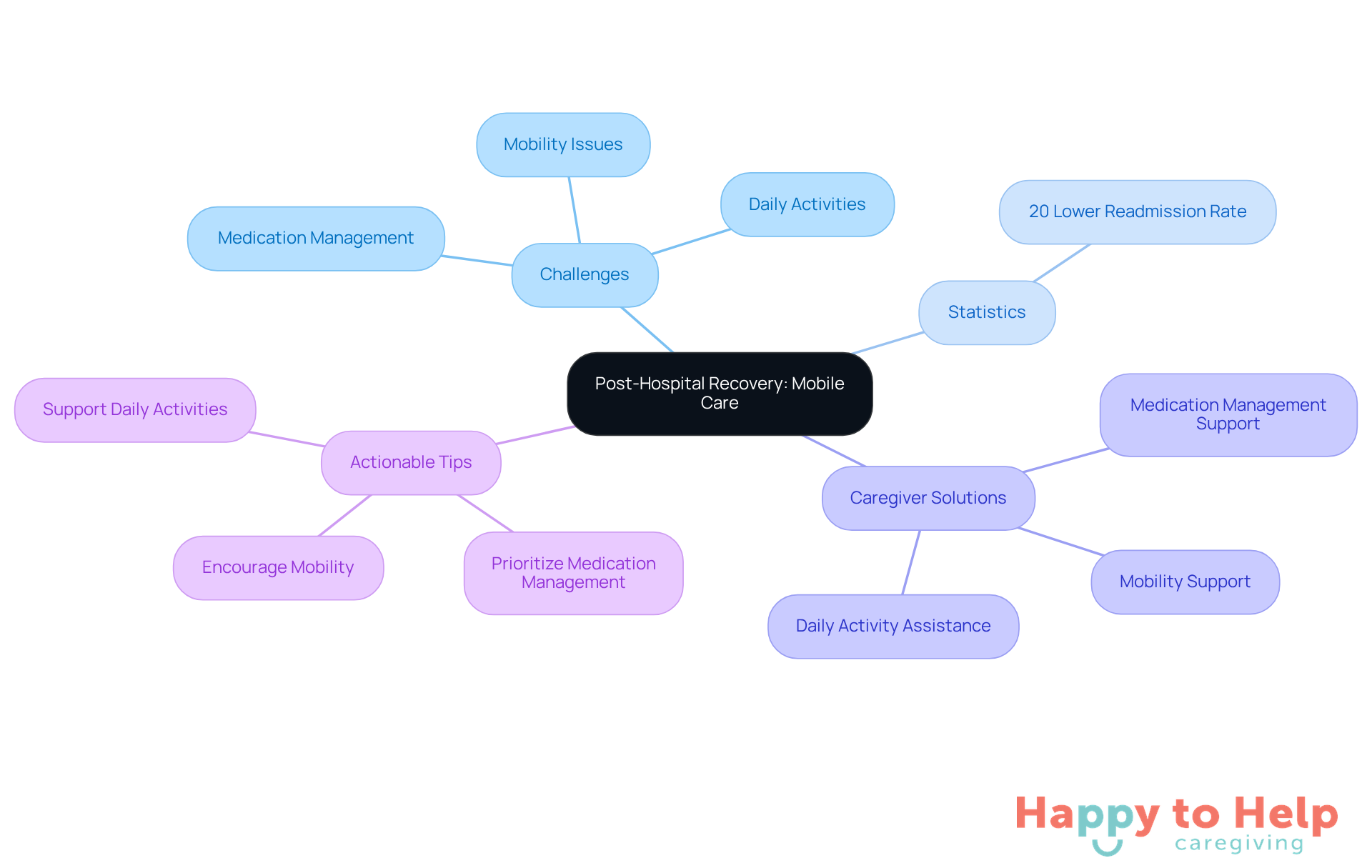
Mobile home care services address a critical issue: seniors often struggle during their post-hospital recovery. Without adequate support, these individuals face challenges in managing medications, maintaining mobility, and completing daily activities. This lack of assistance can lead to complications and hinder their recovery process.
The implications of insufficient support are significant. Studies reveal that patients receiving in-house assistance have a 20% lower readmission rate compared to those who do not. This statistic underscores the importance of continuity in care, which not only enhances safety but also promotes quicker recovery.
Caregivers play a vital role in providing solutions. By offering mobile home care services that assist with medication management and mobility support, they ensure adherence to recovery plans. Effective transitions from hospital to home are crucial; mobile home care services assist caregivers in helping older adults regain their independence while contributing to their overall well-being. This support makes the recovery process smoother and more manageable.
To enhance the effectiveness of caregiving, consider the following actionable tips:
- Prioritize medication management: Ensure that seniors take their medications as prescribed to avoid complications.
- Encourage mobility: Assist with physical activities that promote strength and balance.
- Support daily activities: Help with tasks such as meal preparation and personal care to foster independence.
By implementing these strategies, caregivers can significantly improve the recovery experience for seniors, ensuring they receive the support they need during this critical time.
Flexible Scheduling: Adapting Care to Fit Seniors' Needs
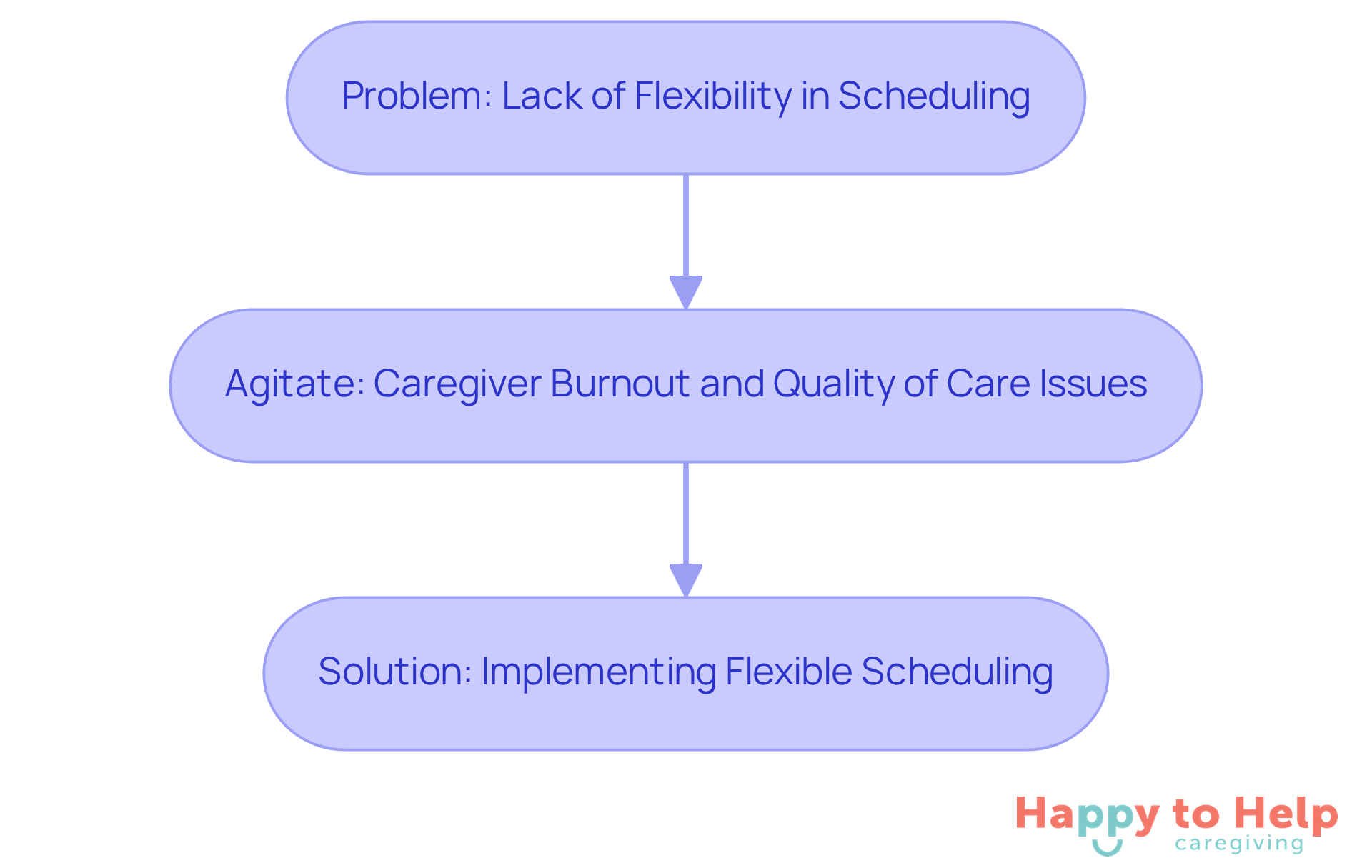
Problem: One of the significant challenges caregivers face is the lack of flexibility in scheduling. This rigidity can hinder their ability to meet the specific needs of older adults, whether it’s for a few hours a week or continuous support.
Agitate: The implications of this issue are profound. Caregivers often experience burnout, a problem exacerbated by the increased workloads during the pandemic. This not only affects their well-being but also the quality of care provided to elderly individuals. As noted by industry leaders, 41% of organizations allow employees to work flexible shifts to retain them, highlighting the critical need for adaptable scheduling in addressing workforce challenges.
Solution: By implementing flexible scheduling, caregivers can better accommodate the varying preferences of older adults. This approach promotes a sense of security and comfort, allowing elderly individuals to engage in meaningful activities that alleviate feelings of loneliness and enhance their overall well-being. As one provider stated, adjusting support schedules enables them to offer assistance that genuinely connects with the unique requirements of each elder. This individualized focus is essential, as it not only addresses urgent needs but also fosters a more satisfying and autonomous lifestyle for older adults, ultimately enhancing their quality of life.
Respite Care: Supporting Family Caregivers with Essential Breaks
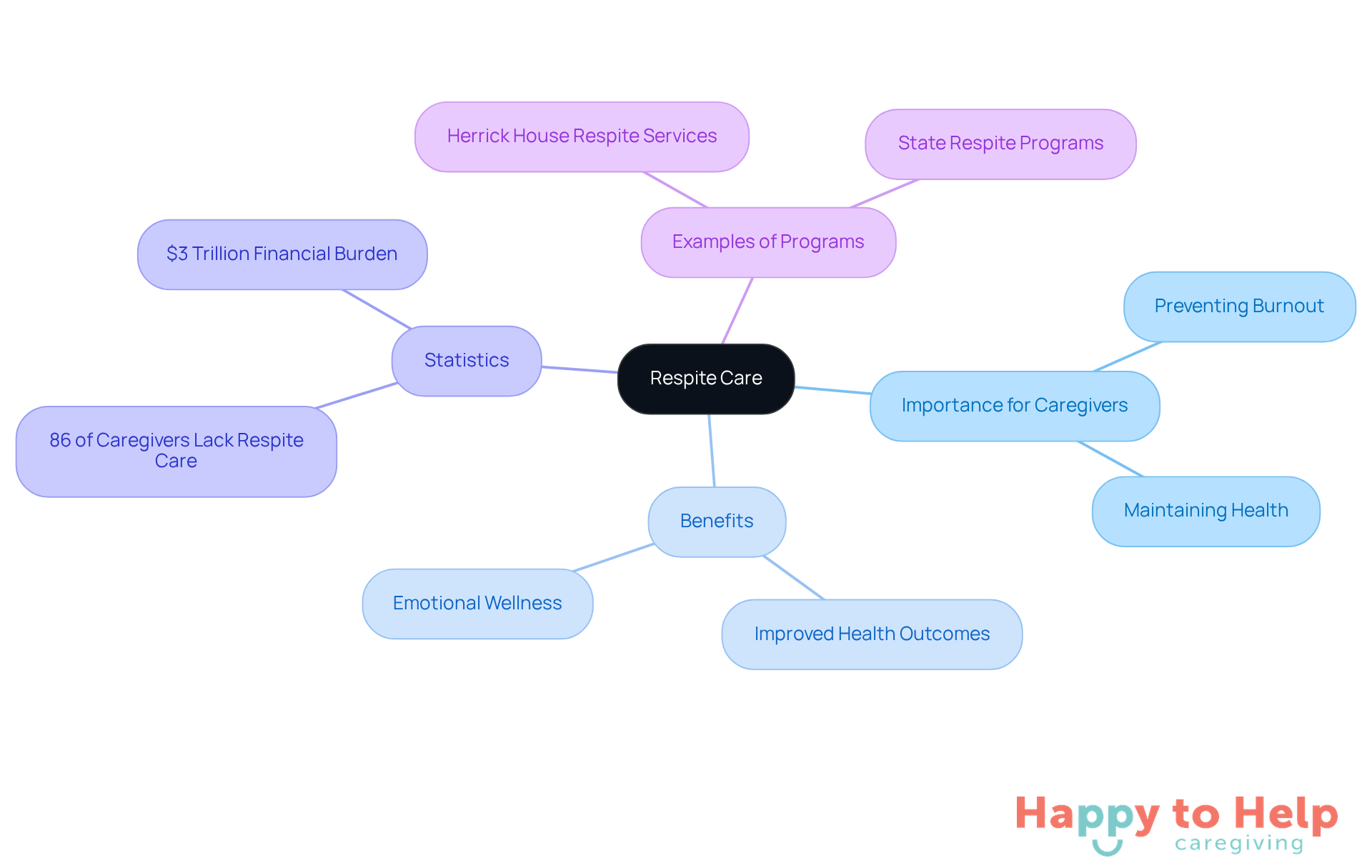
Respite support is a vital lifeline for family caregivers, providing essential breaks that allow them to rest and rejuvenate while ensuring their loved ones receive ongoing, quality assistance. The problem is clear: without these breaks, caregivers risk burnout, which can negatively impact both their well-being and the health of the seniors they assist.
Burnout among caregivers is a significant issue. Studies show that individuals who utilize respite support services report better health outcomes, including lower stress levels and improved emotional wellness. For instance, research indicates that caregivers who take regular breaks are less likely to experience depression and anxiety, leading to a more sustainable caregiving experience.
Experts emphasize the importance of respite support in maintaining the health of caregivers. Caregiving advocates stress that giving caregivers the opportunity to take breaks is crucial for their long-term effectiveness. Effective respite support programs, like those established in various states, have demonstrated considerable benefits in reducing provider stress and preventing burnout.
For example, the Herrick House offers unique respite support services that foster a nurturing environment for caregivers. These programs not only provide short-term assistance but also create a supportive atmosphere that acknowledges the challenges caregivers face, ultimately enhancing the quality of care they provide to their loved ones.
By prioritizing respite support, families can ensure that caregivers remain healthy and engaged, fostering a more positive caregiving dynamic. However, it's important to note that around 86% of adult caregivers do not receive respite services, highlighting the urgent need for greater awareness and availability of these essential offerings. Additionally, the financial burdens faced by caregivers, which amount to cumulative losses of about $3 trillion in wages and benefits annually, further underscore the necessity of respite care in supporting their well-being.
Palliative Support: Enhancing Quality of Life for Seniors at Home
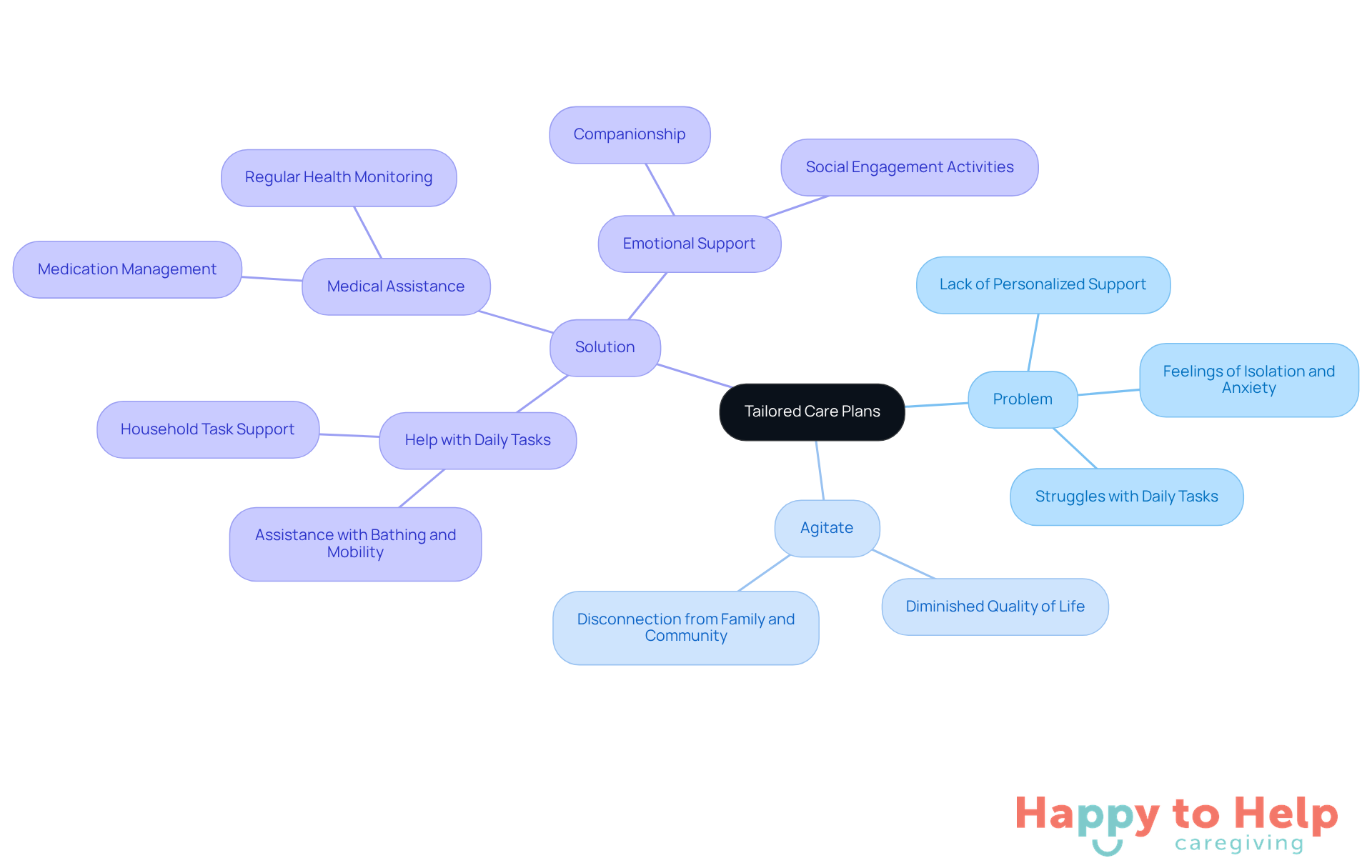
Palliative support services address a significant problem: older adults facing serious health challenges often struggle with maintaining their quality of life. Without adequate support, these individuals may experience not only physical discomfort but also emotional distress, which can diminish their dignity and overall well-being.
Caregivers play a crucial role in this scenario. They provide essential medical assistance while also offering emotional and psychological support. This dual approach helps clients manage their symptoms effectively and fosters a sense of dignity during difficult times.
To enhance the quality of life for older adults, caregivers can implement several actionable strategies:
- Listen actively to clients' concerns and feelings, validating their experiences.
- Encourage social interactions by facilitating visits from family and friends, which can alleviate feelings of isolation.
- Educate themselves about the specific health challenges their clients face, enabling them to provide informed care.
By adopting these practices, caregivers can ensure that older adults benefit from mobile home care services while residing comfortably in their homes, surrounded by their loved ones and receiving the support they need.
24/7 Availability: Ensuring Continuous Support for Seniors
Problem: Many older adults face challenges in receiving adequate care, especially during off-hours. This lack of support can lead to increased health risks and a decline in their overall well-being.
Agitate: Without 24/7 assistance, elderly individuals may struggle to maintain their independence, leading to feelings of isolation and anxiety for both them and their families. The absence of ongoing support can result in more frequent doctor visits and hospital admissions, which can be both stressful and costly.
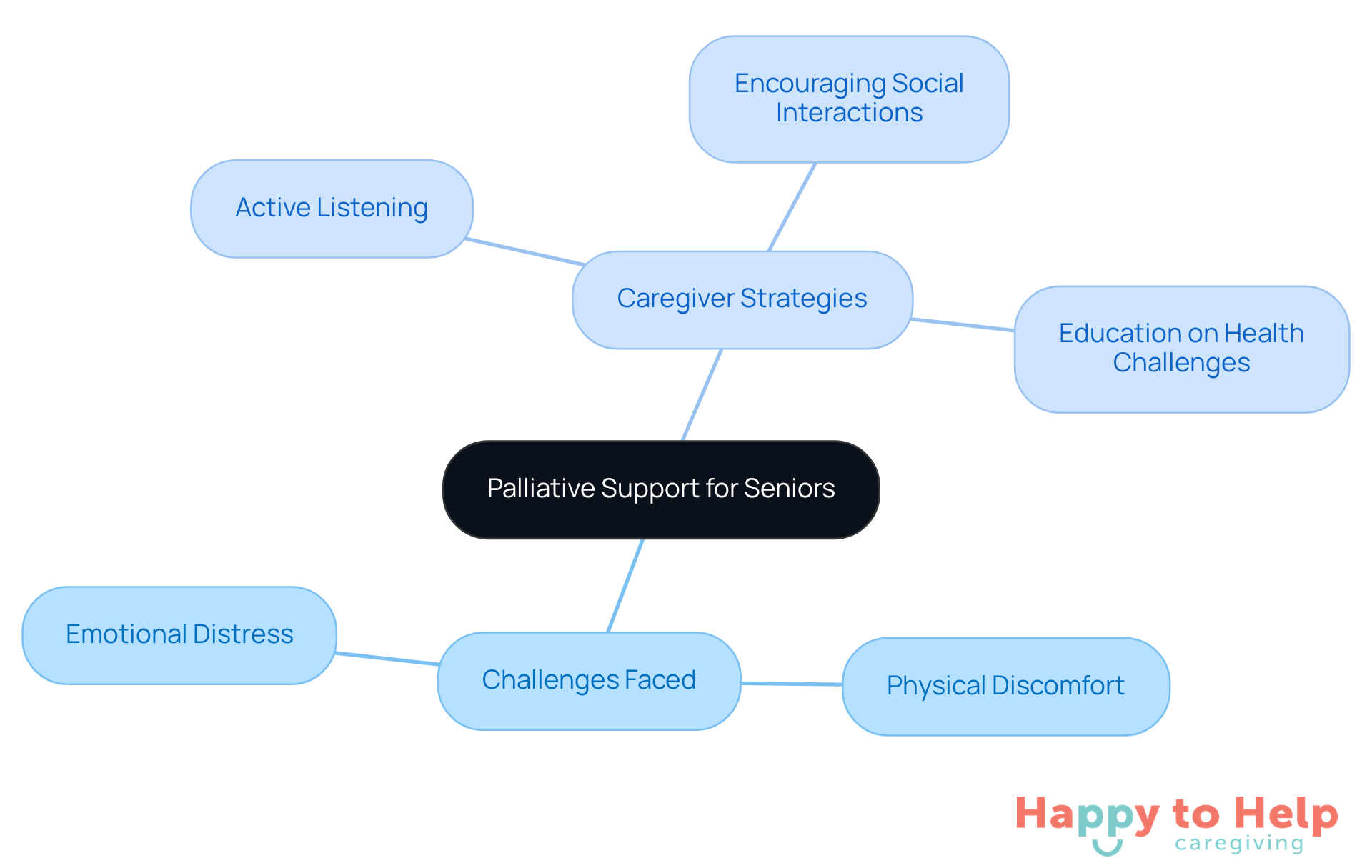
Mobile home care services provide a vital solution by offering assistance around the clock. This ensures that older adults have access to help whenever they need it, day or night. Studies indicate that those utilizing in-home assistance report 25% fewer doctor visits annually compared to those without such support. Furthermore, in-home care has been shown to reduce hospital admissions for chronic illnesses; for instance, individuals with dementia receiving in-home assistance experienced 58% hospital admissions compared to 65% for those without support.
Experts in elderly care emphasize that continuous help fosters a safer living environment, allowing older adults to thrive while minimizing risks associated with aging. By ensuring that assistance is always available, the quality of life for seniors is significantly enhanced through mobile home care services, which also alleviate the burdens faced by family caregivers.
Technology Integration: Enhancing Care Coordination and Communication
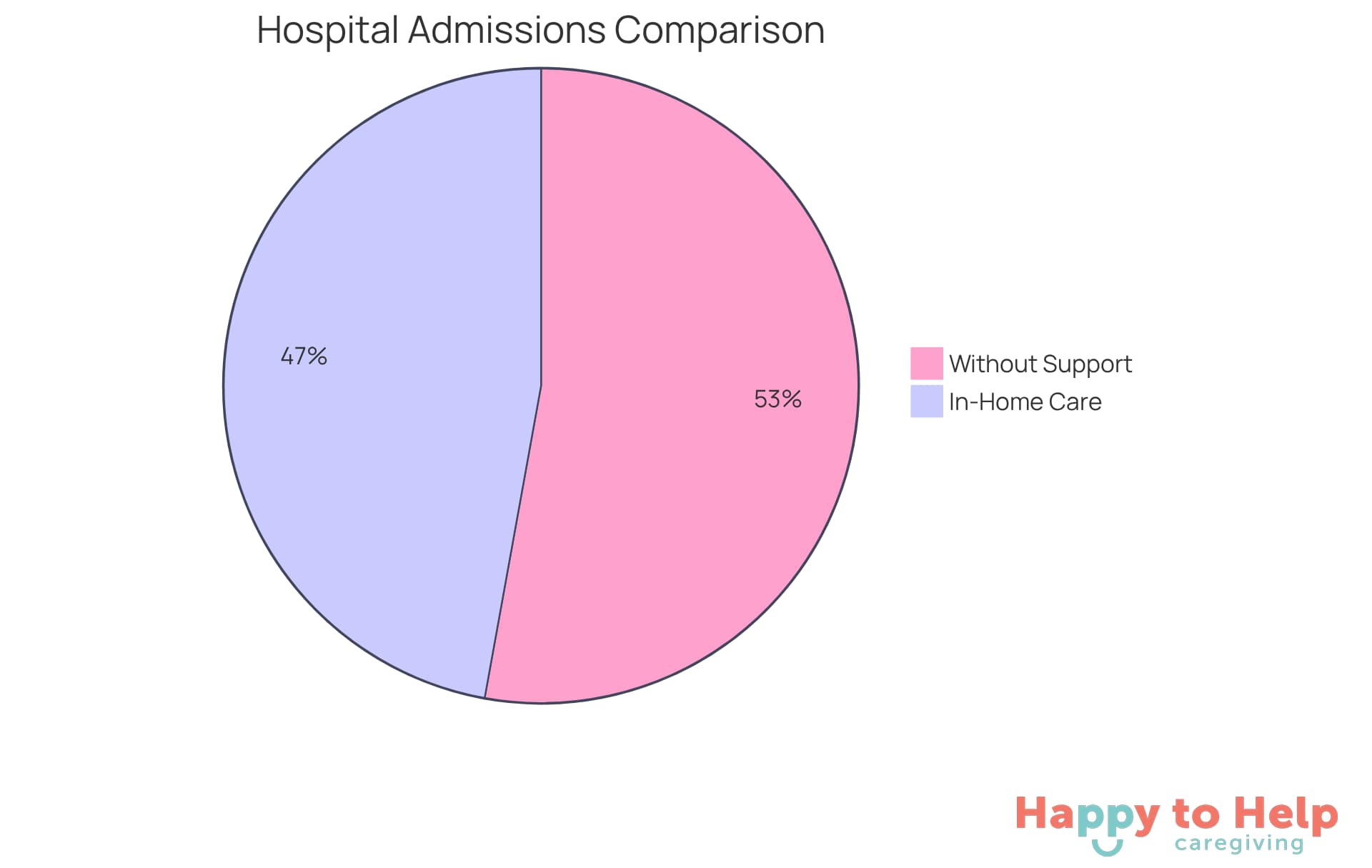
Problem: Caregivers often face significant challenges in communication and coordination when providing mobile home care services to individuals in mobile residence settings. This can lead to misunderstandings and a lack of timely interventions, ultimately affecting the quality of care.
Agitate: The implications of poor communication are serious. Families may feel disconnected from their loved ones' care, leading to anxiety and uncertainty. Caregivers, on the other hand, may struggle with administrative burdens, making it difficult to focus on providing quality support. This disconnect can hinder the overall caregiving experience and impact health outcomes for patients.
Solution: Fortunately, the incorporation of mobile technology offers a practical solution. Mobile applications enable caregivers to share updates with family members, monitor support plans, and organize appointments efficiently. This not only enhances the quality of service but also fosters transparency and trust between providers and families. For example, real-time communication allows families to stay informed about their loved ones' health conditions and needs, ensuring everyone is aligned on treatment goals.
Moreover, mobile technology improves caregiver productivity by streamlining documentation processes and reducing administrative burdens. Providers can access patient information and treatment plans instantly, enabling them to respond swiftly to changes in a patient's condition. As a result, families can enjoy peace of mind, knowing their loved ones receive attentive and organized support.
The role of mobile applications extends beyond communication; they are vital for coordinating services. By facilitating the recording and sharing of essential information, these tools help prevent misunderstandings and ensure adherence to treatment plans. This integration enhances the caregiving experience in mobile home care services and contributes to better health outcomes, as timely interventions can be made based on real-time data.
In summary, adopting mobile technology in residential support settings is transformative. It enhances communication, improves coordination, and ultimately creates a more supportive environment for both caregivers and families.
Tailored Care Plans: Customizing Support for Individual Needs
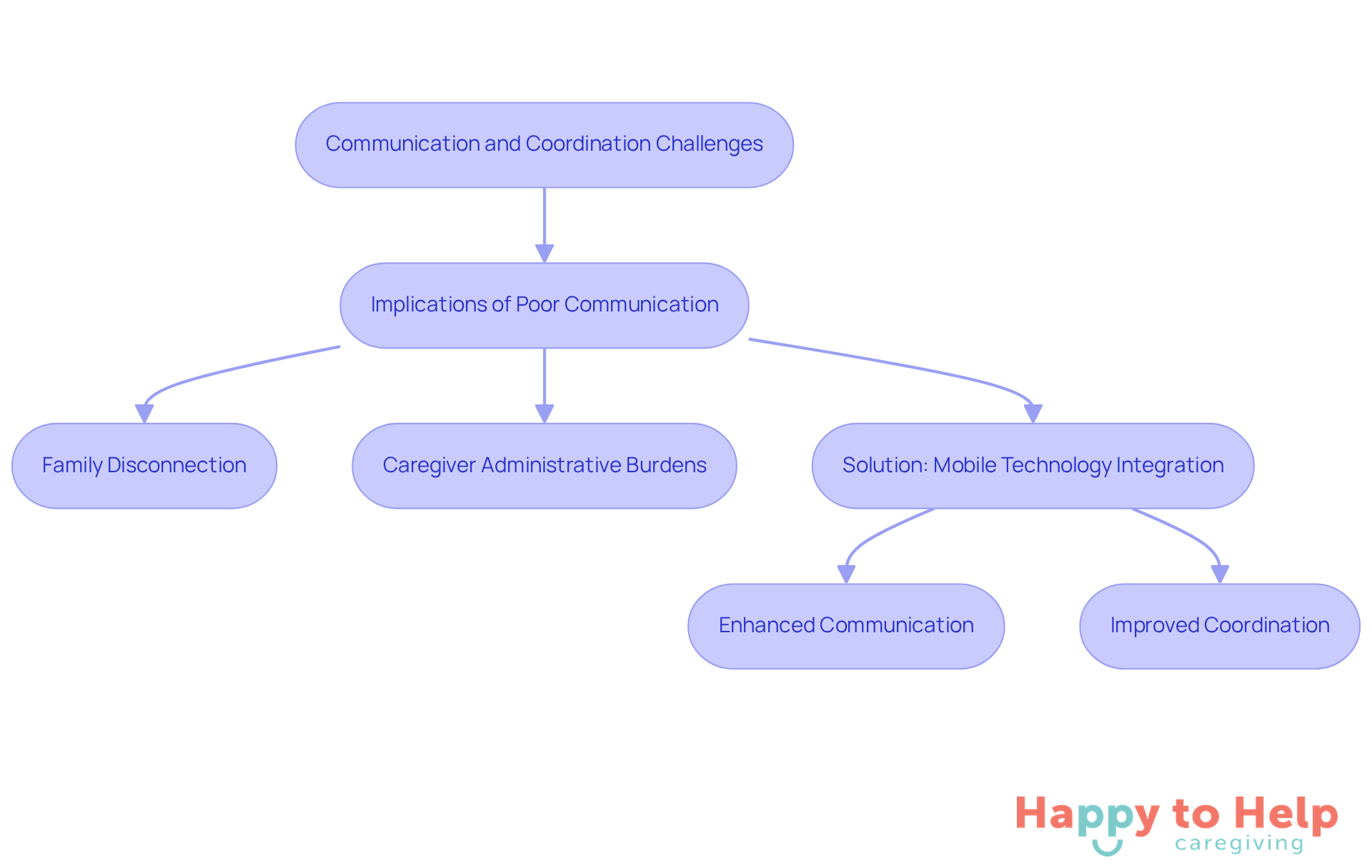
Problem: Many elderly individuals face challenges in receiving adequate support tailored to their unique needs. This lack of personalized assistance can lead to feelings of isolation and anxiety, significantly impacting their emotional well-being.
Agitate: Without customized support, older adults may struggle with daily tasks, miss out on essential medical assistance, and lack the emotional support necessary for a fulfilling life. This can result in a diminished quality of life, as they may feel disconnected from their families and communities.
Customized support plans are essential for mobile home care services. These plans ensure that each elderly individual receives personalized aid that aligns with their unique needs and preferences. Supporters collaborate closely with families to develop these plans, which include:
- Help with daily tasks
- Medical assistance
- Emotional support
This degree of personalization not only boosts the efficiency of support but also greatly enhances outcomes for older adults. For instance, individualized support plans have been shown to lessen feelings of isolation and anxiety, promoting emotional wellness through significant social interactions and activities that older adults appreciate. By acknowledging personal preferences and integrating them into support strategies, caregivers can help elderly individuals preserve their independence and dignity, ultimately resulting in an enhanced quality of life. The commitment to personalizing assistance reflects a deeper understanding of the social dynamics of aging, where customized methods can lead to more engaged and fulfilled lives for older adults.
Promoting Independence: Empowering Seniors Through Mobile Home Care
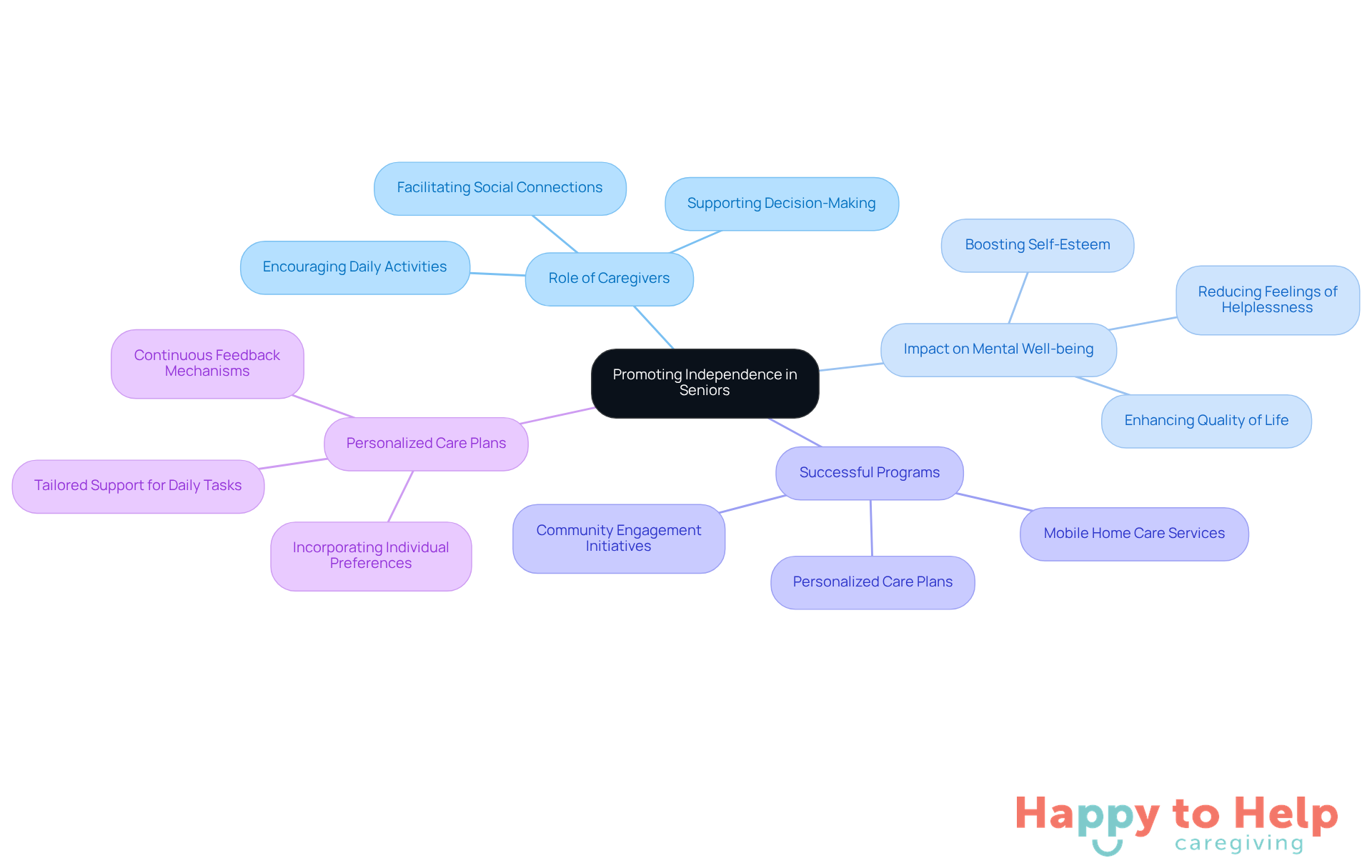
Mobile housing support services address a significant problem: many elderly individuals struggle to maintain their autonomy while needing assistance. This challenge can lead to feelings of helplessness and diminished quality of life. Caregivers are essential in this scenario, as they encourage clients to engage in daily activities and make informed choices about their care, which fosters a profound sense of autonomy and dignity.
The implications of this issue are profound. Research shows that when older adults maintain control over their daily routines, their self-esteem and mental well-being significantly improve. As one gerontologist noted, "When we have control over our own lives, it boosts how we feel about ourselves." This empowerment is crucial for enhancing the overall quality of life for older adults.
Fortunately, successful programs that prioritize senior autonomy demonstrate that personalized care plans can effectively address individual needs. By integrating mobile home care services, families can ensure their loved ones receive the necessary assistance while maintaining their independence. This approach ultimately leads to a more fulfilling and dignified life at home.
Your Path Forward
Mobile home care services address significant challenges faced by elderly individuals and their family caregivers. These challenges often include feelings of isolation, the complexities of managing health needs, and the emotional toll on family members. By providing personalized support, mobile home care services enhance the quality of life for seniors and empower family caregivers to navigate these complexities with greater ease and confidence.
The implications of inadequate support can be profound. Caregivers may experience burnout, while seniors may struggle with maintaining their independence and dignity. This is where mobile home care services come into play, offering tailored care that meets each individual's unique needs. Such services foster a sense of autonomy and dignity, which are crucial for the well-being of elderly individuals.
Key benefits of mobile home care services include:
- Emotional support through companionship, reducing feelings of loneliness.
- Assistance during post-hospital recovery, ensuring a smooth transition back home.
- Flexible scheduling to accommodate varied needs, making care more accessible.
- Respite care for family caregivers, allowing them to recharge and maintain their own well-being.
Moreover, the integration of technology and the development of personalized care plans enhance the effectiveness of these services. This ensures that seniors receive the attention and support they deserve, tailored to their specific circumstances.
Ultimately, embracing mobile home care services promotes independence, improves mental well-being, and allows elderly individuals to thrive in their own homes. For families and caregivers, this approach alleviates stress and fosters a nurturing environment. Recognizing the significance of such services is imperative in enhancing the lives of both seniors and their caregivers. Investing in mobile home care is a step towards a more compassionate and supportive future for aging populations.
https://iframe.tely.ai/cta/eyJhcnRpY2xlX2lkIjogIjY5MjNhMGFiMjcyNDliYTNkMmMzZTYwNiIsICJjb21wYW55X2lkIjogIjY4ZWU1ZGNhNzMxNzYyNTU3ZjNjOTVjMSIsICJpbmRleCI6IG51bGwsICJ0eXBlIjogImFydGljbGUifQ==Frequently Asked Questions
What challenges do elderly individuals face in receiving in-home care?
Many elderly individuals struggle to receive tailored in-home assistance, which can lead to feelings of isolation and a decline in their overall well-being.
Why is personalized care important for seniors?
Personalized care is crucial as it honors personal preferences and lifestyles, helping to maintain a senior's sense of autonomy and comfort in their home, which is essential for their quality of life.
How does Happy to Help Caregiving address the needs of seniors?
Happy to Help Caregiving provides mobile home care services that cater to the unique requirements of each client, fostering a supportive atmosphere that enables older adults to maintain their routines and community connections.
What are the benefits of tailored assistance for older adults?
Tailored assistance leads to higher satisfaction and improved health outcomes for older adults, enhancing their quality of life and ensuring they feel appreciated and secure in their living spaces.
What issues does companionship support address for elderly individuals?
Companionship support addresses loneliness and isolation, which can lead to serious health risks such as cardiovascular disease, anxiety, and depression among older adults.
How does emotional support through companionship impact elderly individuals?
Emotional support helps alleviate anxiety and depression, and studies indicate that social interactions can reduce the likelihood of chronic diseases, enhancing the mental health and quality of life for elderly individuals.
What challenges do seniors face during post-hospital recovery?
Seniors often struggle with managing medications, maintaining mobility, and completing daily activities after hospital stays, which can hinder their recovery.
What are the implications of insufficient support during post-hospital recovery?
Insufficient support can lead to complications, and studies show that patients receiving in-house assistance have a 20% lower readmission rate compared to those who do not.
How do mobile home care services assist during post-hospital recovery?
Mobile home care services provide support with medication management and mobility, ensuring adherence to recovery plans and helping older adults regain their independence.
What strategies can caregivers implement to improve the recovery experience for seniors?
Caregivers can prioritize medication management, encourage mobility through physical activities, and support daily activities such as meal preparation and personal care to foster independence.
List of Sources
- Happy to Help Caregiving: Personalized In-Home Care for Seniors
- Executive Home Care Honors Family Caregivers During National Family Caregivers Month (https://wboy.com/business/press-releases/cision/20251117LA25356/executive-home-care-honors-family-caregivers-during-national-family-caregivers-month)
- Why Senior Home Care is More Important Than Ever (https://homeinstead.com/home-care/usa/la/carencro/347/news-and-media/senior-home-care-is-more-important-than-ever)
- The Benefits of In-Home Care for Seniors - Consumer Directed Choices (https://cdchoices.org/2023/11/27/the-benefits-of-in-home-care-for-seniors)
- How Personalized In-Home Care can Improve Seniors Quality of Life - Freedom Home Care (https://freedomhomecare.net/2024/11/21/how-personalized-in-home-care-can-improve-seniors-quality-of-life)
- Executive Home Care Helps Seniors Stay Independent With Personalized In-Home Support (https://prnewswire.com/news-releases/executive-home-care-helps-seniors-stay-independent-with-personalized-in-home-support-302463752.html)
- Emotional Support: Alleviating Loneliness Through Companionship Care
- Uncovering the impact of loneliness in ageing populations: a comprehensive scoping review - PMC (https://pmc.ncbi.nlm.nih.gov/articles/PMC11984289)
- Lonely Seniors Are Turning To AI Bots For Companionship (https://forbes.com/sites/rashishrivastava/2025/10/18/lonely-seniors-are-turning-to-ai-bots-for-companionship)
- HHS Backs AI Innovation for America’s Caregivers | HHS.gov (https://hhs.gov/press-room/hhs-backs-ai-innovation-for-americas-caregivers.html)
- Why Home Care Providers Are Increasingly Offering Companion Care Services for Seniors | Aaniie, formerly Smartcare Software (https://aaniie.com/news/why-home-care-providers-are-increasingly-offering-companion-care-services-for-seniors)
- Trends in Loneliness Among Older Adults from 2018-2023 (https://ihpi.umich.edu/national-poll-healthy-aging/reports-and-resources/trends-loneliness-among-older-adults-2018-2023)
- Post-Hospital Recovery: Ensuring Safe Transitions with Mobile Care
- Post-Hospital Discharge: Why In-Home Care Improves Recovery for Florida Seniors (https://visitingangels.com/pasco/news-info/post-hospital-discharge-why-in-home-care-improves-recovery/26199)
- Home Care Impact on Recovery of Patient (A Statistics Report) (https://lovinghomecareinc.com/home-care-recovery-statistics)
- Post-Hospital Home Care: The Key to a Smoother, Safer Recovery (https://heavenathomecare.com/how-post-hospital-home-care-helps-seniors-recover)
- Post-Hospital Care for Seniors Supports Healing (https://picseniorcare.com/how-post-hospital-care-for-seniors-makes-recovery-easier)
- Post-Hospital Home Care: Supporting Recovery with Medicare-Covered Services (https://harmonyhomehealth.com/post-hospital-home-care-easing-the-transition-from-hospital-to-home)
- Flexible Scheduling: Adapting Care to Fit Seniors' Needs
- Flexible scheduling, enhanced communication, technology can help address workforce challenges (https://mcknightsseniorliving.com/news/flexible-scheduling-enhanced-communication-technology-can-help-address-workforce-challenges)
- A Better Solution Home Care (https://abs.care/Home-Care-Staffing-Shortages-How-They-Impact-Home-Care-Services)
- Embracing Flexible Scheduling Models in Aging Services: A Path Toward Workforce Stability (https://leadingage.org/embracing-flexible-scheduling-models-in-aging-services-a-path-toward-workforce-stability)
- Flexible Care Models Give Home Care Clients ‘What They Want When They Want It’ (https://homehealthcarenews.com/2025/10/flexible-care-models-give-home-care-clients-what-they-want-when-they-want-it)
- How flexible care models boost private-pay growth in home care | Gabrielle Pumpian posted on the topic | LinkedIn (https://linkedin.com/posts/gpumpian\_flexible-care-models-give-home-care-clients-activity-7392960362586890240-Dzq8)
- Respite Care: Supporting Family Caregivers with Essential Breaks
- New Report Reveals Crisis Point for America’s 63 million Family Caregivers (https://press.aarp.org/2025-07-24-New-Report-Reveals-Crisis-Point-for-Americas-63-million-Family-Caregivers)
- Improving Support for Family Caregivers (https://nationalacademies.org/news/2025/07/improving-support-for-family-caregivers)
- Preventing Caregiver Burnout with Respite Care | The Herrick House (https://theherrickhouse.org/news-stories/all-news-stories/stories/2025/04/preventing-caregiver-burnout-with-respite-care)
- New Futures | 2025 Caregiver Respite and Senior Volunteer Programs (https://new-futures.org/2025-Caregivers-and-Volunteers)
- Palliative Support: Enhancing Quality of Life for Seniors at Home
- Palliative Care For Chronic Illness | Carolina Caring (https://carolinacaring.org/news/palliative-care-for-chronic-illnesses-improving-quality-of-life)
- ‘A good death’: How compassionate care helps people navigate the end of life (https://news.yale.edu/2025/10/13/good-death-how-compassionate-care-helps-people-navigate-end-life)
- Enhancing Comfort, Quality of Life through Expanded Palliative Medicine Services (https://utmb.edu/fgp/newsletter/article/newsletter/2024/10/09/enhancing-comfort--quality-of-life-through-expanded-palliative-medicine-services)
- Home-based palliative care has grown in popularity, but expertise lags, report finds (https://mcknightshomecare.com/news/home-based-palliative-care-has-grown-in-popularity-but-expertise-lags-report-finds)
- Home-Based Care Providers Reap Benefits Of Palliative Care – But Broader Adoption Hinges On Reform (https://homehealthcarenews.com/2025/11/home-based-care-providers-reap-benefits-of-palliative-care-but-broader-adoption-hinges-on-reform)
- 24/7 Availability: Ensuring Continuous Support for Seniors
- What is 24/7 In-Home Senior Care? | Seniors Home Care (https://seniorshomecare.com/blog/archives/2020/11/18/what-is-247-in-home-senior-care)
- The Incredible Benefits of Home Care, in 7 Amazing Stats - Companions For Seniors (https://companionsforseniors.com/2019/08/benefits-home-care-amazing-stats-trends-reports)
- 52 Eye-Opening Home Health Statistics: Insights for 2025 (https://boosthomehealth.com/home-health-statistics)
- Why Senior Home Care is More Important Than Ever (https://homeinstead.com/home-care/usa/la/carencro/347/news-and-media/senior-home-care-is-more-important-than-ever)
- 28 Senior Care Statistics: In-Home & Assisted Living | Shortlister (https://myshortlister.com/insights/senior-care-statistics)
- Technology Integration: Enhancing Care Coordination and Communication
- Why Mobile Technology in Home Care Isn’t Optional Anymore (https://automationedge.com/home-health-care-automation/blogs/mobile-tech-for-home-care-agencies)
- How Technology Improves Communication Between Families And Care Staff (https://thehighpointresidence.com/blog/how-technology-improves-communication-between-families-and-care-staff)
- Technology Use Among Older Adults and Their Caregivers: Cross-Sectional Survey Study - PMC (https://pmc.ncbi.nlm.nih.gov/articles/PMC11084119)
- How New Technology Is Elevating Home Care | Baptist Health (https://baptisthealth.com/blog/home-care/how-new-technology-is-elevating-home-care)
- Oracle Health Community Care Improves Care in Mobile, Home, and Rural Settings (https://oracle.com/news/announcement/oracle-health-community-care-improves-care-in-mobile-home-and-rural-settings-2025-06-17)
- Tailored Care Plans: Customizing Support for Individual Needs
- How Personalized Care Plans Improve Quality of Life for Seniors (https://seniorcarecompanions.com/personalized-care-plans-quality-of-life-for-seniors)
- Importance of Personalized Senior Home Care in Burlington NC (https://wisdomseniorcare.com/the-importance-of-personalized-care-plans-for-seniors)
- Personalizing Care Plans for Seniors: Why One Size Doesn't Fit All (https://promedcareinc.com/personalizing-care-plans-for-seniors-why-one-size-doesnt-fit-all)
- What Can Personalized Home Care Offer to the Elderly - Affirmed Homecare (https://affirmedhomecare.com/news/what-can-personalized-home-care-offer-to-the-elderly)
- Customized Care at Home: The Benefits of Personalized Care Plans - VNA Health Group (https://vnahg.org/customized-care-at-home-the-benefits-of-personalized-care-plans)
- Promoting Independence: Empowering Seniors Through Mobile Home Care
- Promoting Independence through In-Home Care (https://visitingangels.com/npr/news-info/promoting-independence-through-in-home-care/24383)
- 10 Ways Home Care Can Promote Independence and Well-being | Walfinch (https://walfinch.com/news/10-ways-home-care-can-promote-independence-and-well-being)
- How Home Care Empowers Seniors to Maintain Independence (https://gallaghercares.com/blog/how-home-care-promotes-independence-for-aging-adults)
- 2025 Home Care Statistics: Trends & Insights To Know (https://premierhcinc.com/blog/home-care-statistics)
- How Senior In-Home Care Promotes Independence in San Antonio, TX (https://fox5sandiego.com/business/press-releases/ein-presswire/866935491/how-senior-in-home-care-promotes-independence-in-san-antonio-tx)