
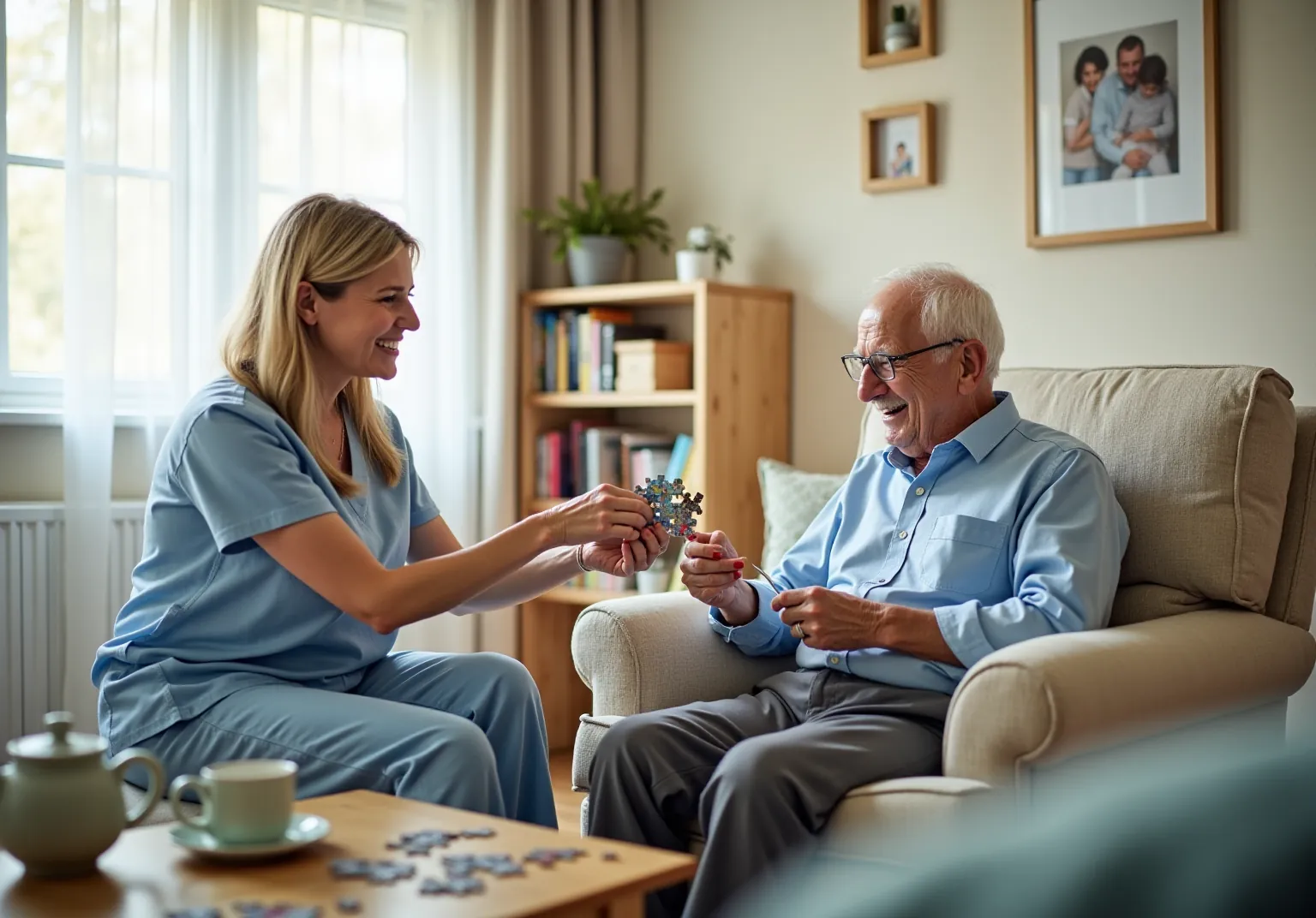
For families in our service areas
For families in our service areas, this guide explains caregiver support and how non-medical in-home caregiving can support care planning in East Idaho, Treasure Valley & Magic Valley, Northern Wasatch, North Central West Virginia, and Northeast Ohio.
What to Expect
Part-time senior care provides a compassionate solution for family caregivers, offering emotional relief, financial savings, and enhanced socialization for elderly individuals. It’s important to recognize the stress and burnout caregivers often face. This type of care not only alleviates caregiver stress but also nurtures mental well-being, fostering a sense of independence in seniors.
Imagine the peace of mind that comes from knowing your loved one is receiving dedicated support. This care strengthens family dynamics, ultimately leading to a richer quality of life for both caregivers and seniors. By embracing part-time senior care, families can find a balance that allows them to care for their loved ones while also taking care of themselves.
The journey of caregiving can be overwhelming, but you are not alone. Many families have found comfort in these services, sharing heartwarming stories of connection and support. As you consider this option, know that it is a step towards nurturing both your loved one’s well-being and your own. Together, we can create a brighter future filled with compassion and understanding.
What You Need to Know About Part Time Senior Care
Part-time senior care has emerged as a lifeline for families grappling with the complexities of caregiving. This approach offers tailored support that alleviates the emotional and physical burdens on caregivers. It not only enhances the quality of life for seniors but also fosters healthier family dynamics.
Yet, despite its numerous benefits, many families remain unaware of how part-time assistance can transform their caregiving experience. What if integrating part-time care could ease the daily challenges faced by family caregivers? Imagine a more harmonious home environment, where the weight of caregiving is shared, allowing for moments of joy and connection.
Happy to Help Caregiving: Personalized In-Home Support for Families
At Happy to Help Caregiving, we understand the emotional challenges that families face when it comes to caregiving. Our tailored in-home assistance for part time senior care is designed to meet the unique requirements of each household, providing the support needed to ease stress and promote well-being.
Our comprehensive services include:
- Companionship support
- Post-hospital recovery assistance
- Respite services
- Palliative support
This personalized approach not only enhances the quality of life for our clients but also fosters a sense of independence in the comfort of their own homes.
By emphasizing compassion and transparent communication, we set ourselves apart in the senior support sector. We aim to be a trustworthy ally for families navigating caregiving difficulties. This focus on individualized support has shown to greatly enhance family contentment, with 91% of our clients expressing happiness with their home health services.
Our support providers work closely with clients to develop personalized strategies that reflect their individual preferences and needs. We address feelings of loneliness and isolation, ensuring that each person feels valued and cared for.
As the demand for effective in-home support solutions, including part time senior care, continues to grow across the nation, we remain at the forefront, adapting to the latest trends in personalized caregiving. We are here to provide the compassionate care and support that families need, reassuring you that you are not alone in this journey.
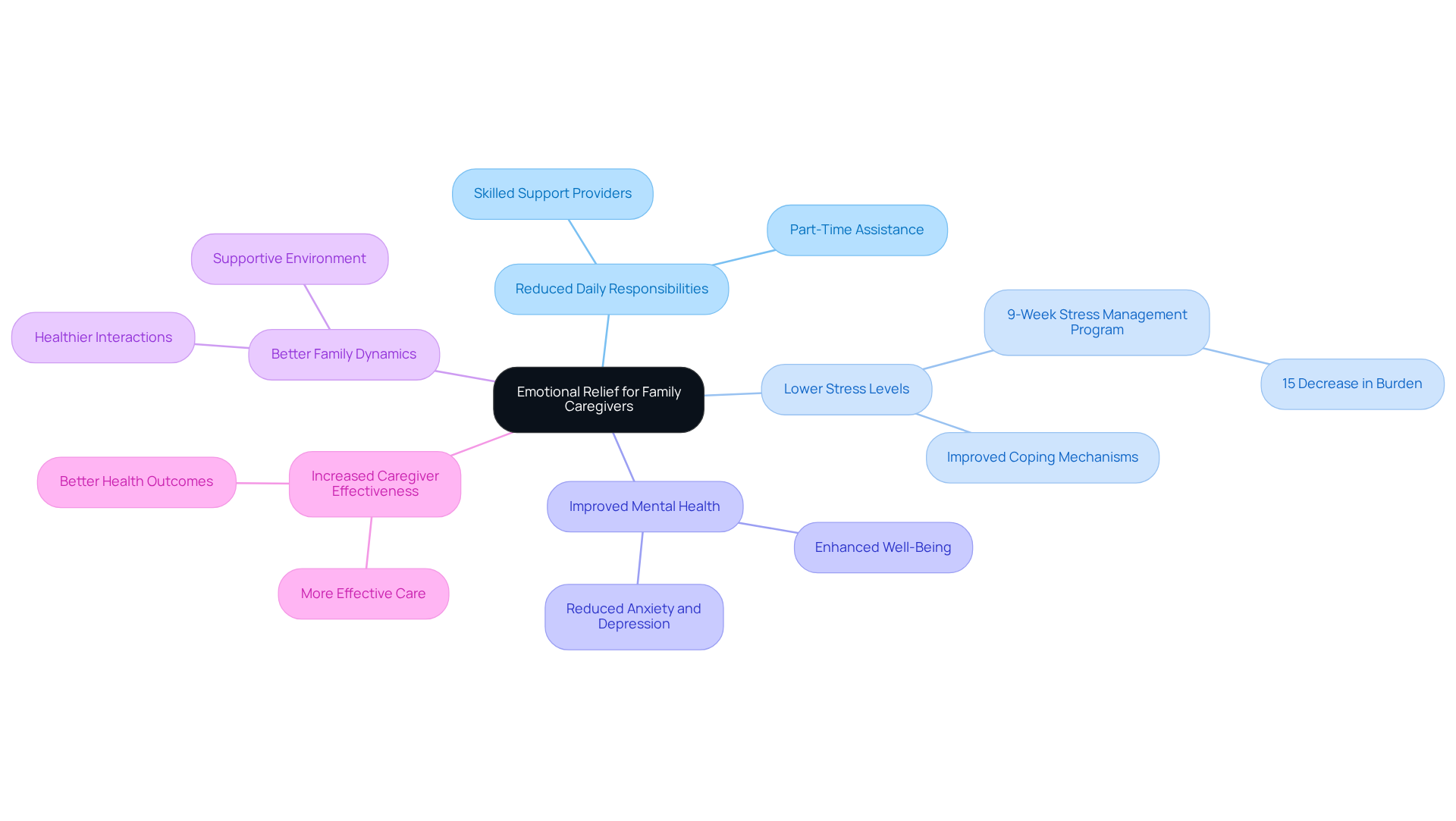
https://iframe.tely.ai/cta/eyJhcnRpY2xlX2lkIjogIjY4ZmViYWZhNDBmNzU2OWVjYmJhYjRkNCIsICJjb21wYW55X2lkIjogIjY4ZWU1ZGNhNzMxNzYyNTU3ZjNjOTVjMSIsICJpbmRleCI6IDAsICJ0eXBlIjogImFydGljbGUifQ==Emotional Relief: Reduced Stress for Family Caregivers
Part-time senior care provides essential emotional relief for relatives by alleviating their daily responsibilities. When skilled support providers step in, caregivers can take much-needed breaks, recharge, and prioritize their own well-being. Research shows that caregivers who experience lower stress levels report significantly improved mental health, including reduced anxiety and depression. This positive change not only enhances the overall well-being of those providing care but also fosters a healthier family dynamic, enabling more positive interactions with loved ones.
Studies indicate that caregivers with lower stress levels are more effective in their roles, leading to better health outcomes for both the supporter and the recipient of care. For instance, a 9-week online stress management program revealed a 15% decrease in the burden felt by caregivers, underscoring the effectiveness of support systems in bolstering resilience among those who care for others. Furthermore, with approximately 42 million household caregivers in the U.S. often untrained and unpaid, integrating part-time assistance is vital for cultivating a balanced support environment.
Megan Shepherd-Banigan emphasizes that high-quality assistance at home from non-overwhelmed relatives leads to improved outcomes for recipients. By incorporating part-time support, families can create a more balanced environment that benefits everyone involved.
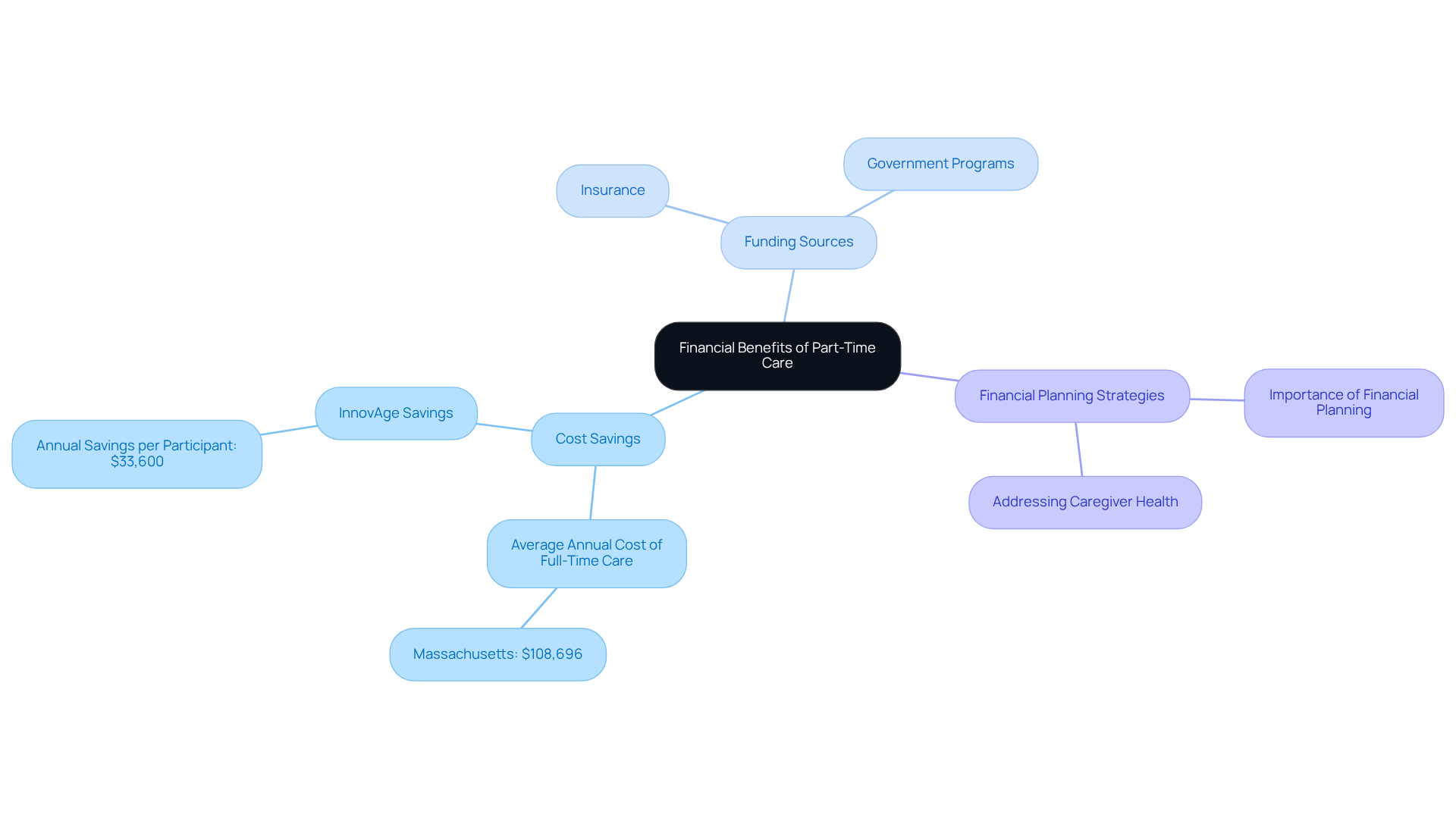
Cost-Effective Solutions: Financial Benefits of Part-Time Care
Part-time senior care offers a financially wise choice for households, allowing them to obtain quality assistance without the substantial cost linked to full-time services. By selecting part-time senior care, families can maximize their resources, paying solely for the care that matches their specific requirements.
Remarkably, many households discover that part-time senior care can be partially funded by insurance or government programs, significantly alleviating financial burdens. This adaptability not only helps maintain the quality of life for loved ones but also allows families to manage their budgets more effectively.
With the increasing expenses of elder care—averaging $108,696 annually in Massachusetts—utilizing part-time senior care can lead to significant savings while ensuring that older individuals receive the necessary support in a familiar setting. Furthermore, InnovAge reports generating savings of $33,600 annually per participant, highlighting the financial benefits of programs that may be relevant to part-time senior care options.
As Doug Robertson, director of government affairs at Right at Home, notes, "I think the first thing they’re surprised about is that Medicare doesn’t pay for it," underscoring the importance of financial planning for caregiving. Additionally, with half of family caregivers reporting chronic conditions and anxiety, the need for effective financial strategies becomes even more critical.
Enhanced Socialization: Keeping Seniors Connected
Part-time senior care significantly enhances socialization opportunities for older adults, allowing them to stay connected with their communities and loved ones. Caregivers often engage clients in meaningful activities that promote interaction, such as outings, hobbies, or simply sharing stories.
This social engagement is vital for combating loneliness and isolation, which can lead to feelings of depression and cognitive decline. By nurturing these relationships, part-time senior care improves not only the quality of life for older adults but also enriches their emotional well-being.
Imagine a caregiver sharing a warm laugh with an elderly client over a shared story, or a gentle outing to a local park, where connections are rekindled. These moments are not just activities; they are lifelines that foster joy and companionship.
Through compassionate support, we can help older adults feel valued and cherished, reminding them that they are never alone in their journey.
https://iframe.tely.ai/cta/eyJhcnRpY2xlX2lkIjogIjY4ZmViYWZhNDBmNzU2OWVjYmJhYjRkNCIsICJjb21wYW55X2lkIjogIjY4ZWU1ZGNhNzMxNzYyNTU3ZjNjOTVjMSIsICJpbmRleCI6IDMsICJ0eXBlIjogImFydGljbGUifQ==Flexible Scheduling: Tailored Care for Family Needs
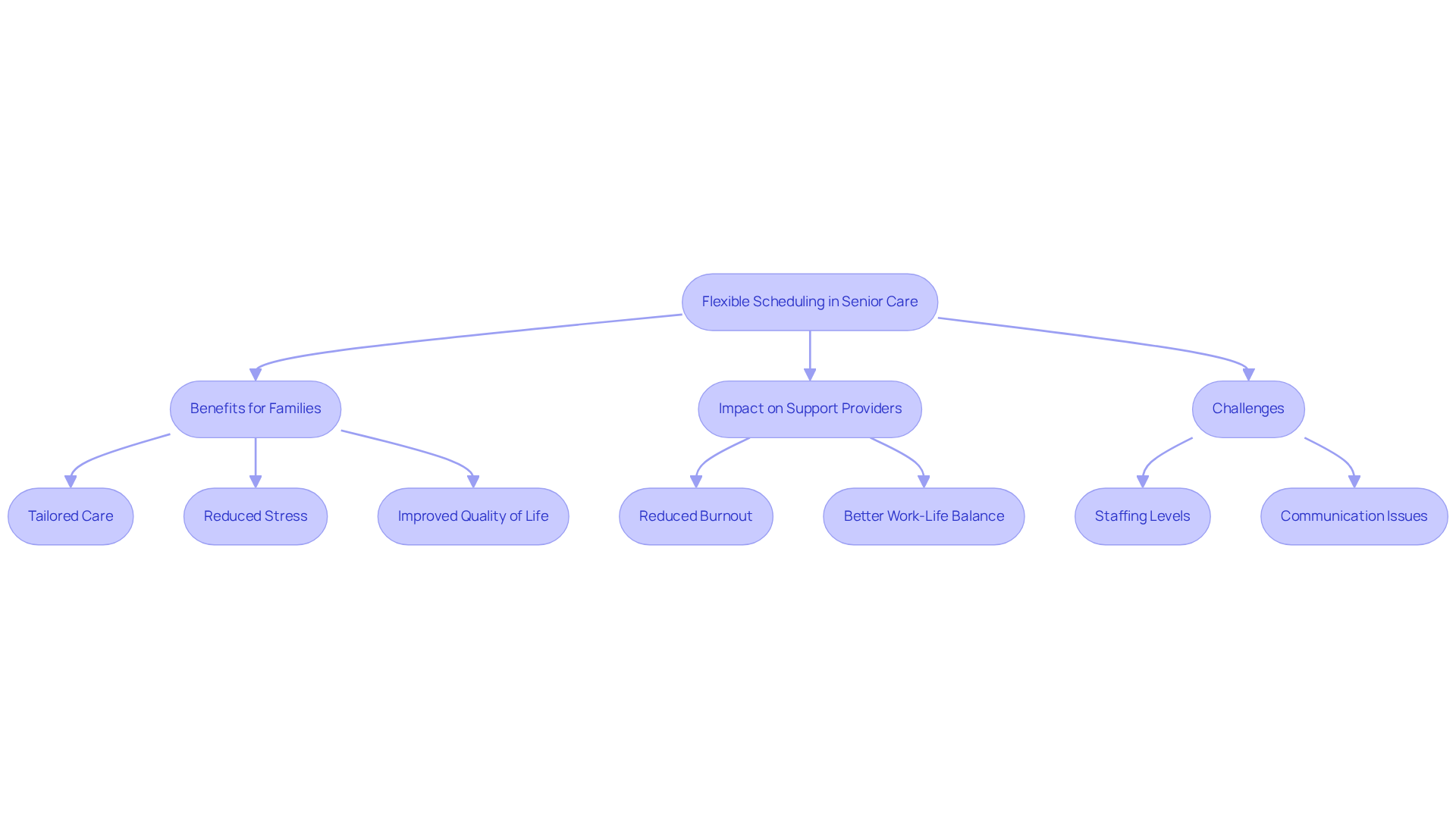
Flexible scheduling stands as a cornerstone of part time senior care, allowing households to choose support times that resonate with their daily routines. Whether part time senior care is needed for just a few hours each week or on specific days, this adaptability ensures that loved ones receive the necessary care without interrupting family activities. This personalized approach not only elevates the quality of support but also significantly lessens provider exhaustion. By empowering support providers to manage their time effectively, flexible scheduling nurtures a healthier work-life balance, which is vital in the demanding caregiving landscape.
For example, the introduction of short-hour care models has effectively addressed the increasing need for flexible care options. This model not only draws in clients but also helps retain support staff by offering manageable shifts that fit their lifestyles. In fact, 41% of users indicated that independent professionals significantly reduced employee burnout, underscoring the positive impact of flexible scheduling on worker well-being.
Family supporters have expressed their gratitude for these tailored support schedules, sharing that they feel more supported and less stressed. One supporter remarked, 'Having the option to decide when my loved one gets assistance has made a world of difference.' It allows me to focus on my own responsibilities while ensuring they are well cared for.
Ultimately, the benefits of adaptable support reach beyond mere convenience; they cultivate a nurturing environment that prioritizes the needs of both elderly individuals and their caregivers, resulting in greater satisfaction and improved quality of life for everyone involved. However, it is essential to acknowledge that flexible scheduling can also present challenges, such as maintaining adequate staffing levels and potential communication breakdowns, which must be addressed to ensure quality services.
Promoting Independence: Supporting Seniors' Autonomy
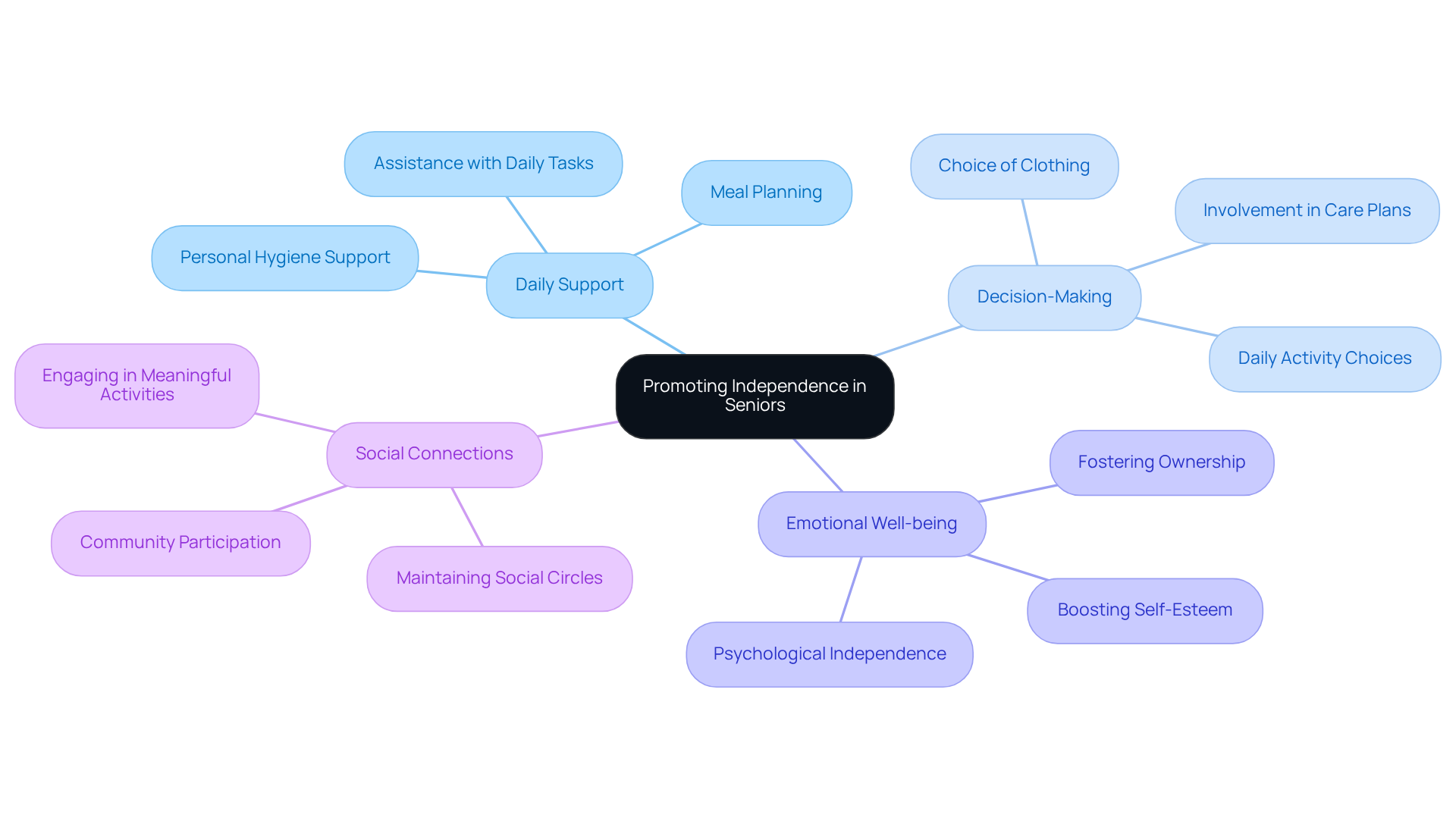
Part-time senior care plays a crucial role in promoting independence, allowing older adults to remain in the comfort of their own homes while receiving essential support. Caregivers help with daily tasks, enabling elderly individuals to uphold their routines and preferences, which is vital for their sense of independence. This assistance empowers older adults to make decisions about their well-being and lifestyle, strengthening their self-determination and psychological independence.
By promoting independence, part-time senior care significantly boosts older adults' self-esteem and overall satisfaction with life, which contributes positively to their emotional and mental well-being. Caregivers can implement this by encouraging older adults to make choices about daily activities, such as meal planning or selecting their clothing, fostering a sense of ownership and respect. When providers honor and acknowledge the uniqueness of elderly individuals, they cultivate an atmosphere where older adults feel appreciated and empowered, ultimately enhancing their quality of life.
Studies have indicated that preserving independence is vital for improving older adults' overall well-being. It enables them to participate in meaningful activities and sustain social connections. In this way, part-time senior care not only supports daily living but also nurtures the spirit, allowing older adults to thrive in their golden years.
Consistent Care: Building Trust and Familiarity
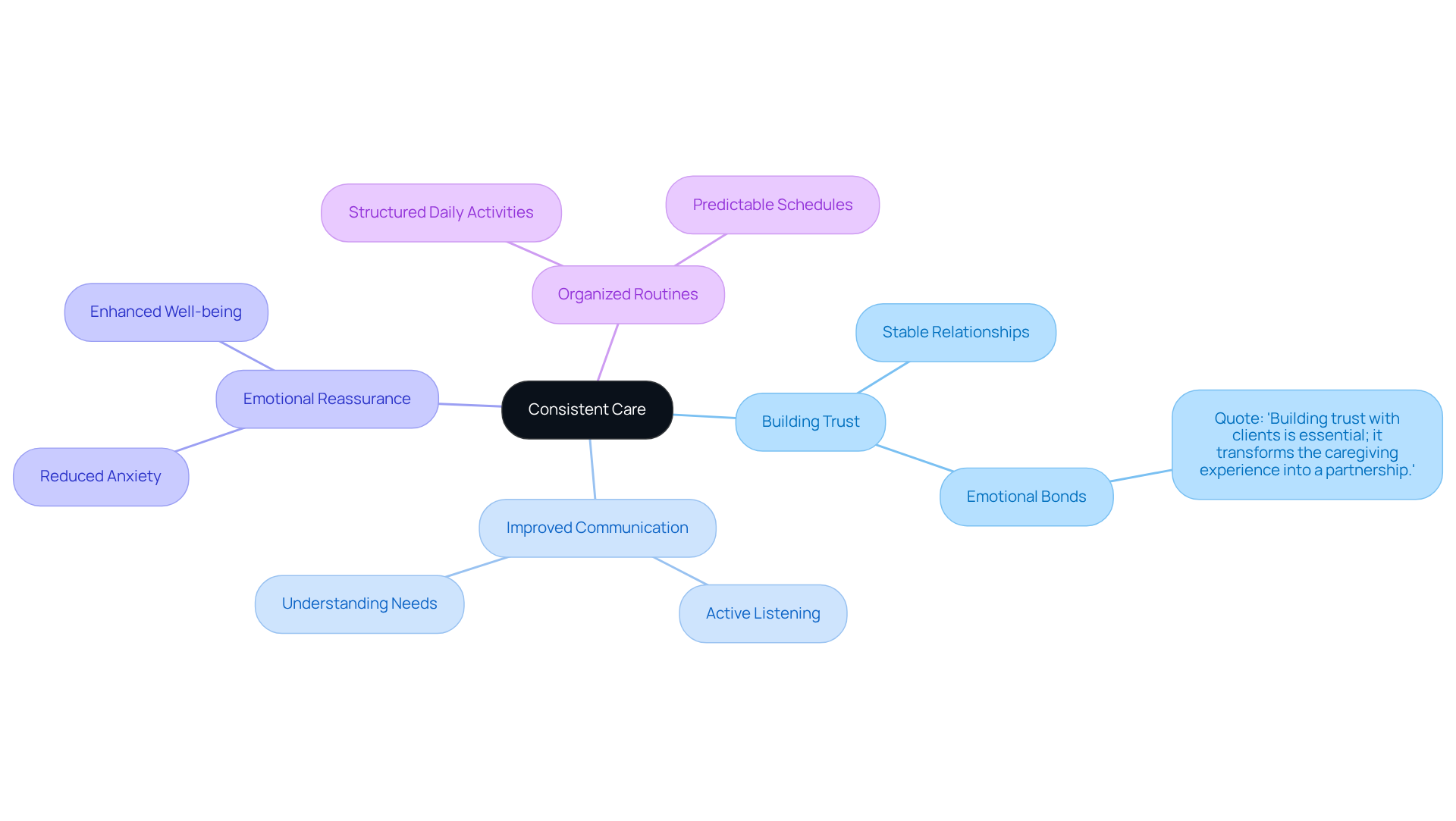
Consistent part time senior care plays a vital role in building trust and familiarity between caregivers and elderly individuals. When elderly individuals receive part time senior care from the same caregivers regularly, they forge stronger connections. This leads to improved communication and a deeper understanding of their unique needs. Such stability not only enhances the quality of part time senior care but also provides emotional reassurance, allowing elderly individuals to feel secure and valued in their environment.
Trust is essential for effective support. Regular interactions enable caregivers involved in part time senior care to notice subtle changes in the elderly individuals' conditions, allowing for timely interventions and personalized assistance. Research indicates that older adults who enjoy consistent support from their caregivers report lower levels of anxiety and confusion, significantly boosting their overall well-being. In contrast, inconsistent caregiving can result in negative outcomes, making the establishment of stable relationships all the more important.
Moreover, organized routines foster a sense of achievement, enhancing self-worth and motivation, particularly for older adults facing cognitive challenges. Nearly 1 in 5 individuals in the U.S. provide unpaid assistance to adults with health or functional needs, underscoring the importance of support for family caregivers. By nurturing these connections, caregivers can create a supportive environment that empowers elderly individuals, ultimately elevating their quality of life.
As one caregiver poignantly stated, 'Building trust with clients is essential; it transforms the caregiving experience into a partnership that benefits everyone involved.' This sentiment encapsulates the heart of compassionate care, reminding us that through understanding and connection, we can truly make a difference.
Post-Hospital Recovery: Smooth Transitions with Part-Time Care
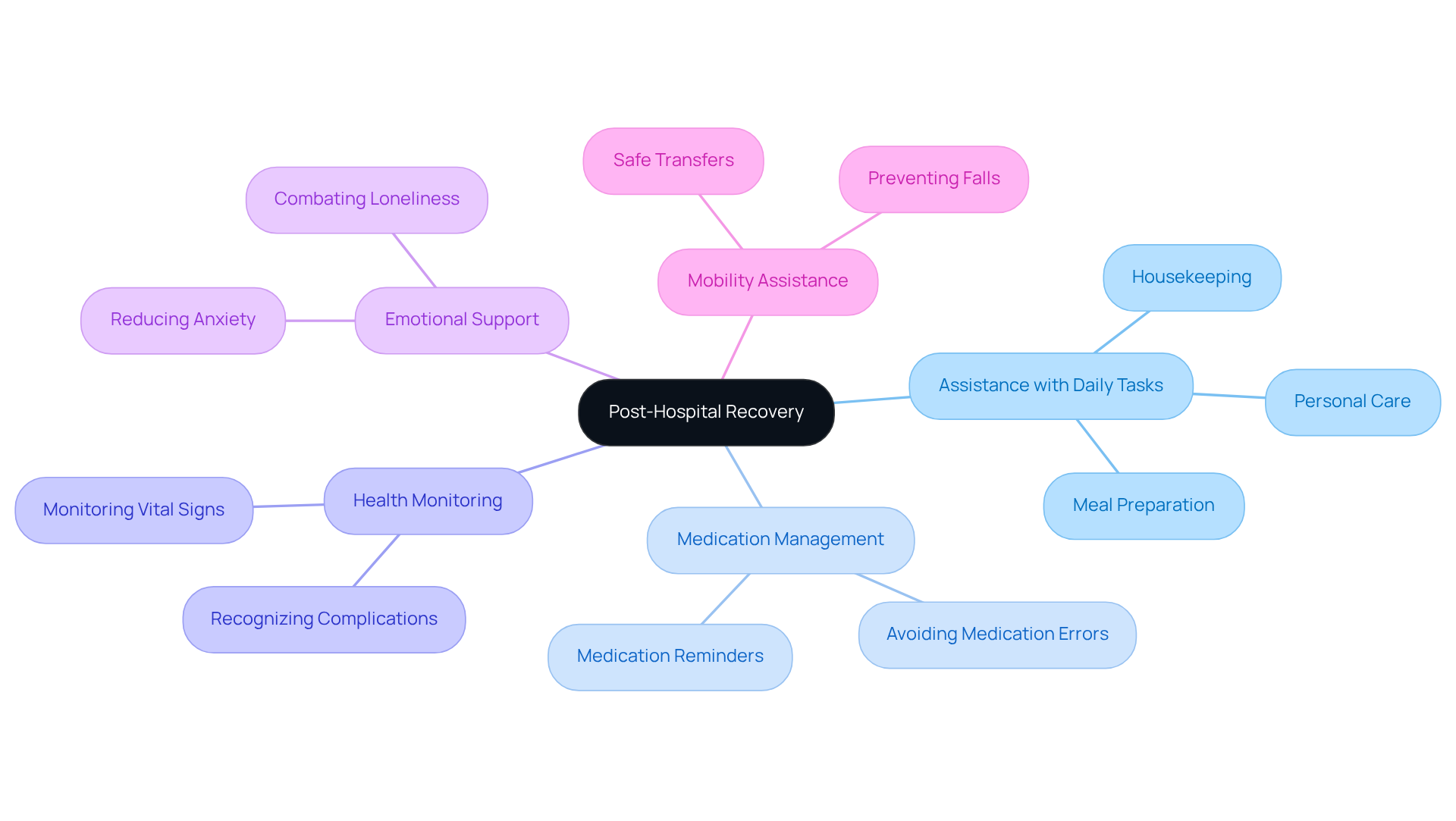
Part-time senior care is vital for ensuring a smooth transition from hospital to home. After a hospital stay, older adults often require assistance with daily tasks, medication management, and health monitoring. Caregivers play a crucial role in guiding elderly individuals through their recovery plans. They ensure that follow-up appointments are attended and assist in regaining strength in a familiar environment. This support not only encourages physical healing but also significantly alleviates anxiety for both elderly individuals and their families during this critical time.
Research shows that elderly individuals utilizing part-time senior care services experience reduced hospital readmission rates. This highlights the effectiveness of qualified professionals in promoting successful recoveries. For instance, a recent analysis found that 37.2% of individuals discharged from hospitals continued to receive assistance with Activities of Daily Living (ADLs) nine months post-discharge, underscoring the ongoing need for support.
Furthermore, caregivers help with mobility to prevent falls by providing balance assistance and safe transfers, ensuring physical safety during recovery. They also offer emotional reassurance, combating feelings of loneliness and isolation, which are common during this period. The presence of a caregiver can truly transform the recovery experience, making it more manageable and less stressful for families. Ultimately, this enhances the overall well-being of elderly individuals at home.
Companionship: Alleviating Loneliness for Seniors
Companionship plays a vital role in part-time senior care, significantly reducing feelings of loneliness and isolation among older adults. It's heartbreaking to know that research shows one-third of U.S. adults aged 50 to 80 experience isolation, underscoring the crucial need for social interaction.
Caregivers engage clients with meaningful conversations, enjoyable activities, and social outings, nurturing essential connections that enhance emotional well-being. Psychologists, including Dr. Bei Wu, have observed how companionship can positively impact older adults' mental health and cognitive abilities. Simple activities—like playing games, participating in arts and crafts, or sharing stories—can stimulate cognitive engagement and ease feelings of loneliness.
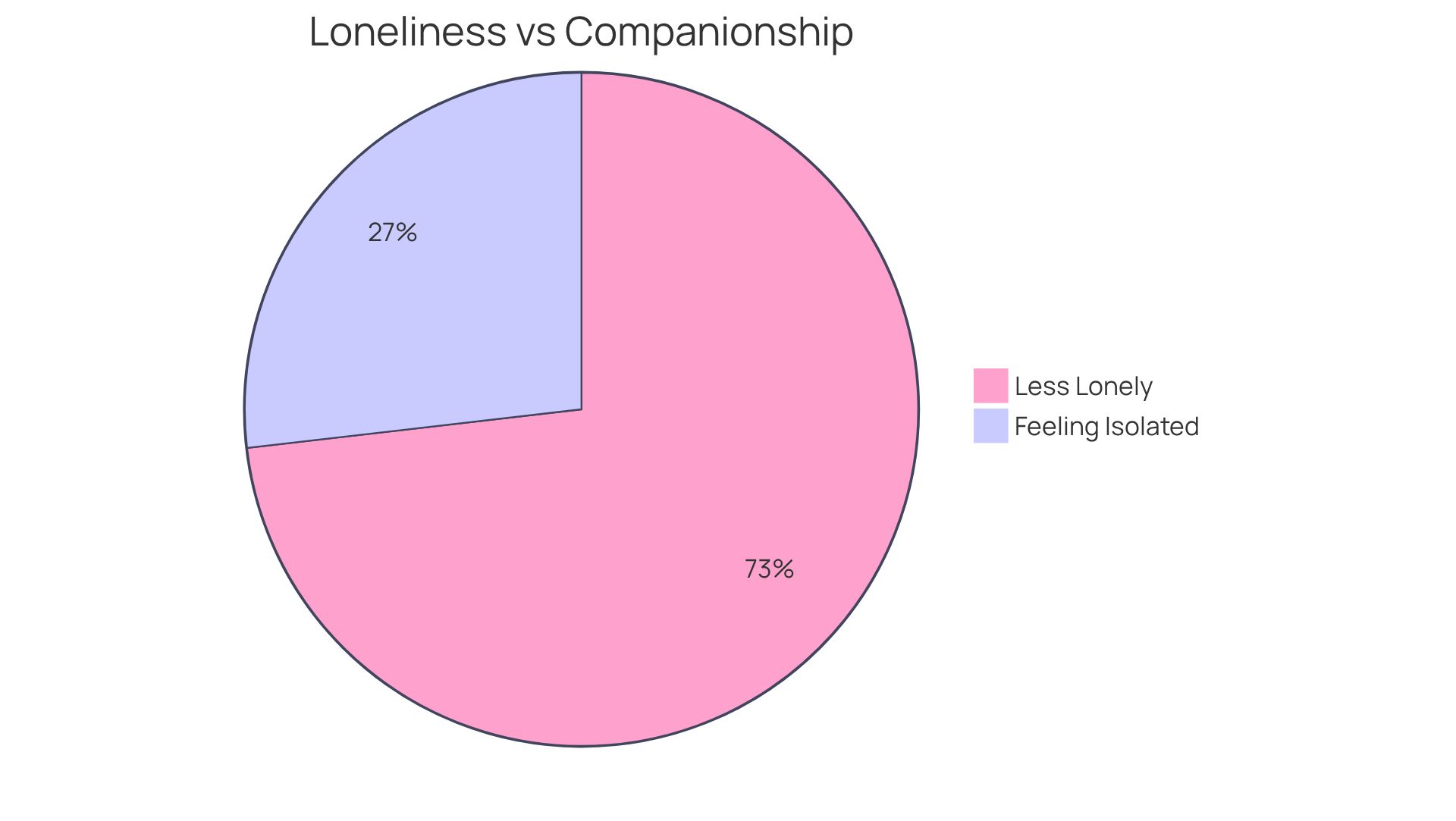
Moreover, statistics reveal that over 90% of users report feeling less lonely when they enjoy regular companionship. By providing a supportive presence, part-time senior care assistants uplift the spirits of the elderly and contribute to their overall well-being, helping them feel valued and connected in their daily lives.
Improved Family Dynamics: Strengthening Relationships Through Care
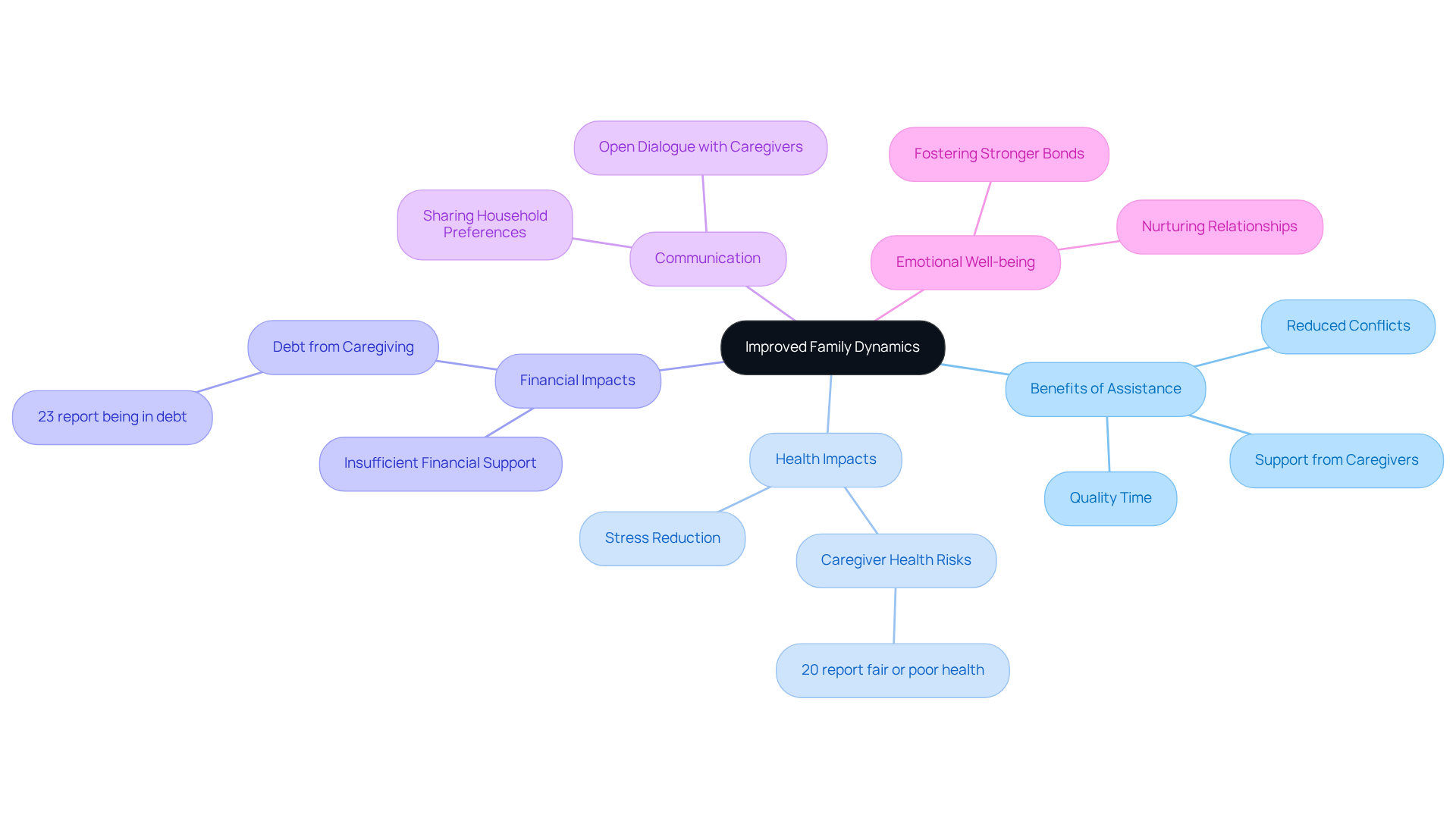
Part-time senior assistance significantly enhances household dynamics by alleviating the pressures and responsibilities that often weigh heavily on relatives. With skilled providers stepping in to offer essential support, family members can shift their focus toward nurturing relationships instead of being overwhelmed by care tasks. This transition not only allows for more quality time together but also fosters stronger bonds, reducing potential conflicts that may arise from caregiving stress.
It's important to recognize that nearly 20% of caregivers report fair or poor health due to their responsibilities, underscoring the importance of shared caregiving duties. Additionally, almost half of those providing care experience at least one significant financial impact, highlighting the broader challenges they face. By incorporating expert support, households can create a more harmonious atmosphere, enhancing the overall experience for everyone involved and nurturing emotional well-being for all participants.
Relationship therapists emphasize that open communication with professional supporters regarding household dynamics can strengthen these connections, ensuring that all individuals feel supported and valued. For instance, sharing specific household traditions or preferences with caregivers can enhance the quality of assistance and promote deeper connections. In this way, part-time senior care not only alleviates burdens but also cultivates a nurturing environment where family ties can truly flourish.
Taking the Next Steps
Part-time senior care stands out as an essential resource for families, offering personalized support that not only improves the quality of life for elderly individuals but also significantly eases the emotional and physical burdens that family caregivers often endure. This approach encourages independence for seniors while ensuring their unique needs are met, ultimately fostering a more harmonious caregiving environment.
The article underscores the numerous benefits of part-time senior care, such as:
- Providing emotional relief for caregivers
- Financial advantages
- Enhanced socialization opportunities for seniors
- Flexibility that allows care to seamlessly integrate into family routines
With consistent support, caregivers can cultivate trusting relationships with elderly individuals, which promotes better health outcomes and emotional well-being for both parties. Furthermore, the positive impact on family dynamics is profound, as shared caregiving responsibilities strengthen bonds and reduce stress within households.
By recognizing the importance of part-time senior care, families are encouraged to explore these options for a more balanced and fulfilling caregiving experience. Prioritizing emotional and practical support enables caregivers to focus on nurturing their relationships with loved ones while ensuring that seniors receive the compassionate care they deserve. Embracing part-time assistance not only transforms the caregiving journey but also enriches the lives of everyone involved, fostering a supportive and thriving family environment.
https://iframe.tely.ai/cta/eyJhcnRpY2xlX2lkIjogIjY4ZmViYWZhNDBmNzU2OWVjYmJhYjRkNCIsICJjb21wYW55X2lkIjogIjY4ZWU1ZGNhNzMxNzYyNTU3ZjNjOTVjMSIsICJpbmRleCI6IG51bGwsICJ0eXBlIjogImFydGljbGUifQ==Frequently Asked Questions
What services does Happy to Help Caregiving provide?
Happy to Help Caregiving offers personalized in-home support services including companionship support, post-hospital recovery assistance, respite services, and palliative support for part-time senior care.
How does Happy to Help Caregiving enhance the quality of life for clients?
The personalized approach of Happy to Help Caregiving enhances clients' quality of life by fostering a sense of independence and ensuring they receive tailored support that meets their unique needs.
What is the impact of part-time senior care on family caregivers?
Part-time senior care provides emotional relief for family caregivers by alleviating daily responsibilities, allowing them to take breaks and prioritize their well-being, which leads to improved mental health and healthier family dynamics.
How does part-time senior care affect caregiver stress levels?
Research shows that caregivers who experience lower stress levels report significantly improved mental health, including reduced anxiety and depression, which enhances their effectiveness and leads to better health outcomes for both caregivers and care recipients.
What are the financial benefits of part-time senior care?
Part-time senior care is a cost-effective solution that allows families to obtain quality assistance without the high costs associated with full-time services. It can often be partially funded by insurance or government programs, leading to significant savings.
How much can families save by using part-time senior care?
Families utilizing part-time senior care can save significantly, with reports indicating savings of $33,600 annually per participant in certain programs, compared to the average elder care expenses which can reach $108,696 annually in places like Massachusetts.
What should families consider regarding financial planning for caregiving?
Families should be aware that Medicare does not cover part-time senior care, highlighting the importance of effective financial strategies and planning to manage caregiving costs, especially since many caregivers report chronic conditions and anxiety.