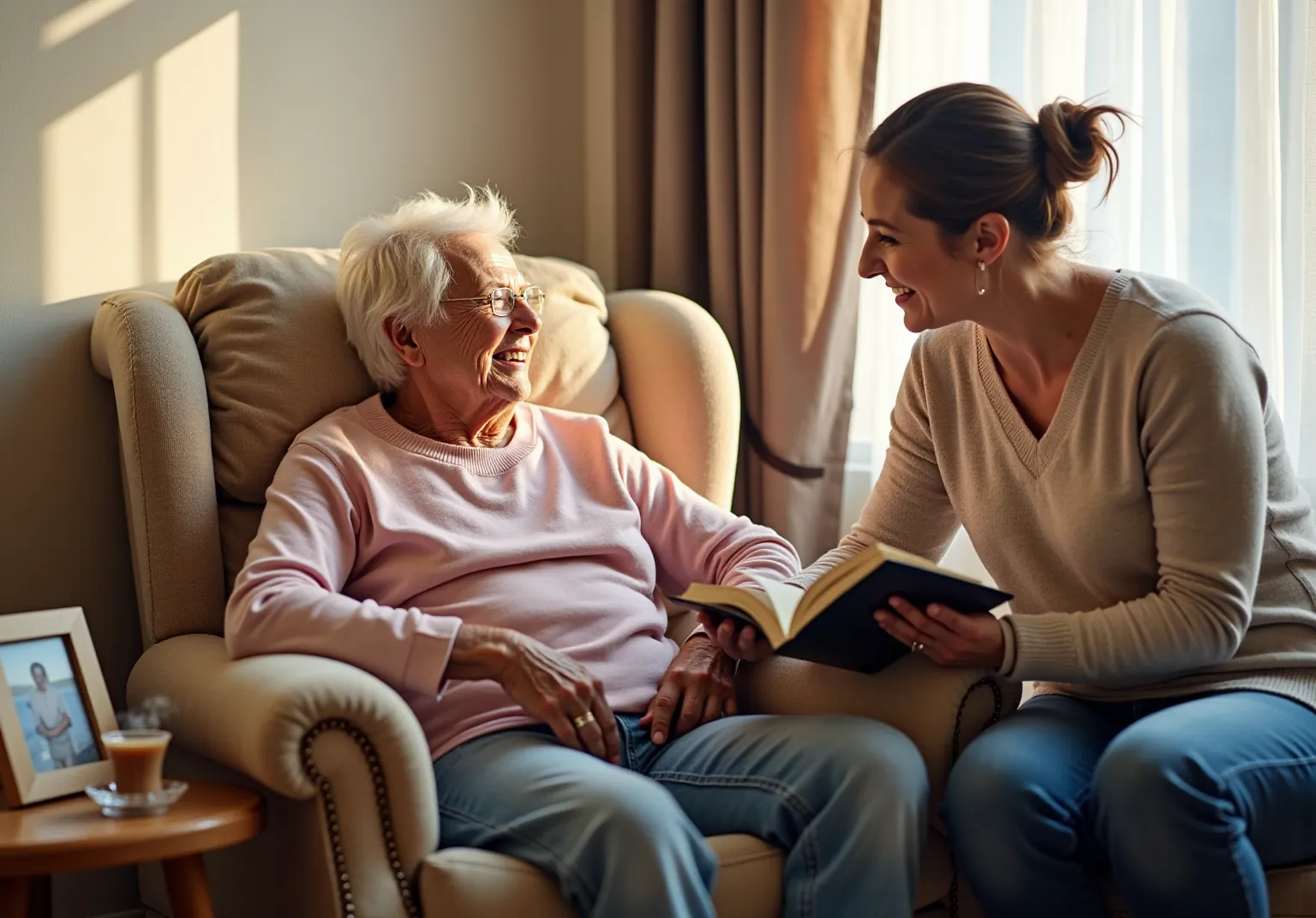
Why Personal In Home Care Matters
The emotional landscape of aging often includes the shadows of loneliness and isolation, with over 40% of seniors reporting frequent feelings of solitude. This issue not only affects the well-being of seniors but also places significant emotional and physical burdens on family caregivers. As they navigate the complexities of providing support, the need for effective solutions becomes increasingly urgent.
Personal in-home care emerges as a viable solution, offering tailored services that enhance the quality of life for seniors while alleviating the pressures on caregivers. By implementing strategies that foster connection and engagement, both seniors and their caregivers can thrive in this challenging environment.
What strategies can be employed to combat loneliness? This article delves into the myriad benefits of personal in-home care, showcasing actionable solutions that caregivers can implement to create a more supportive and fulfilling experience for everyone involved.
Happy to Help Caregiving: Personalized In-Home Care Services
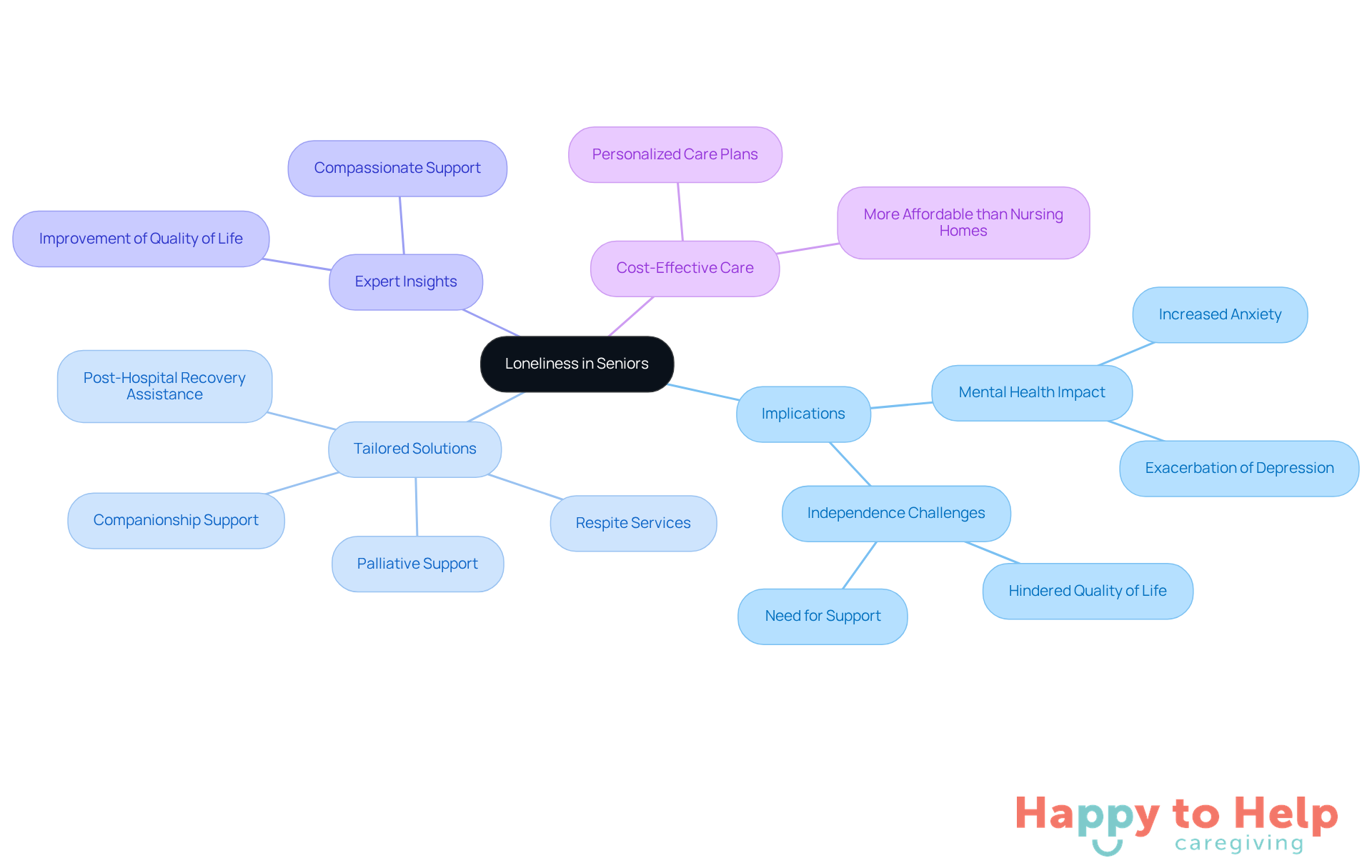
The Problem of Loneliness in Seniors
Over 40% of older adults report feeling lonely frequently, highlighting a significant issue that affects their emotional well-being. This loneliness can lead to a decline in overall quality of life, making it essential for caregivers to address this challenge effectively.
The Implications of Isolation
Loneliness not only impacts mental health but can also exacerbate physical health issues. Seniors who lack companionship may experience increased anxiety and depression, which can further hinder their independence and quality of life.
A Tailored Solution
Happy to Help Caregiving offers an extensive range of tailored in-home support services designed to improve the quality of life for seniors and those with special needs. These services include:
- Companionship support
- Post-hospital recovery assistance
- Respite services
- Palliative support
Each service is meticulously designed to address the unique requirements of clients, encouraging independence while alleviating the pressure on families.
Expert Insights
As one specialist remarked, "the primary advantage of at-home support is the improvement of elderly individuals' overall quality of life." This customized approach ensures that loved ones receive compassionate support through personal in home care while remaining in the comfort of their own homes.
Cost-Effective Care
Moreover, in-home assistance is often more cost-effective than nursing home services, making it a viable option for families seeking quality support for their loved ones. By prioritizing individual needs, Happy to Help Caregiving fosters a supportive environment that enhances emotional well-being and overall quality of life.
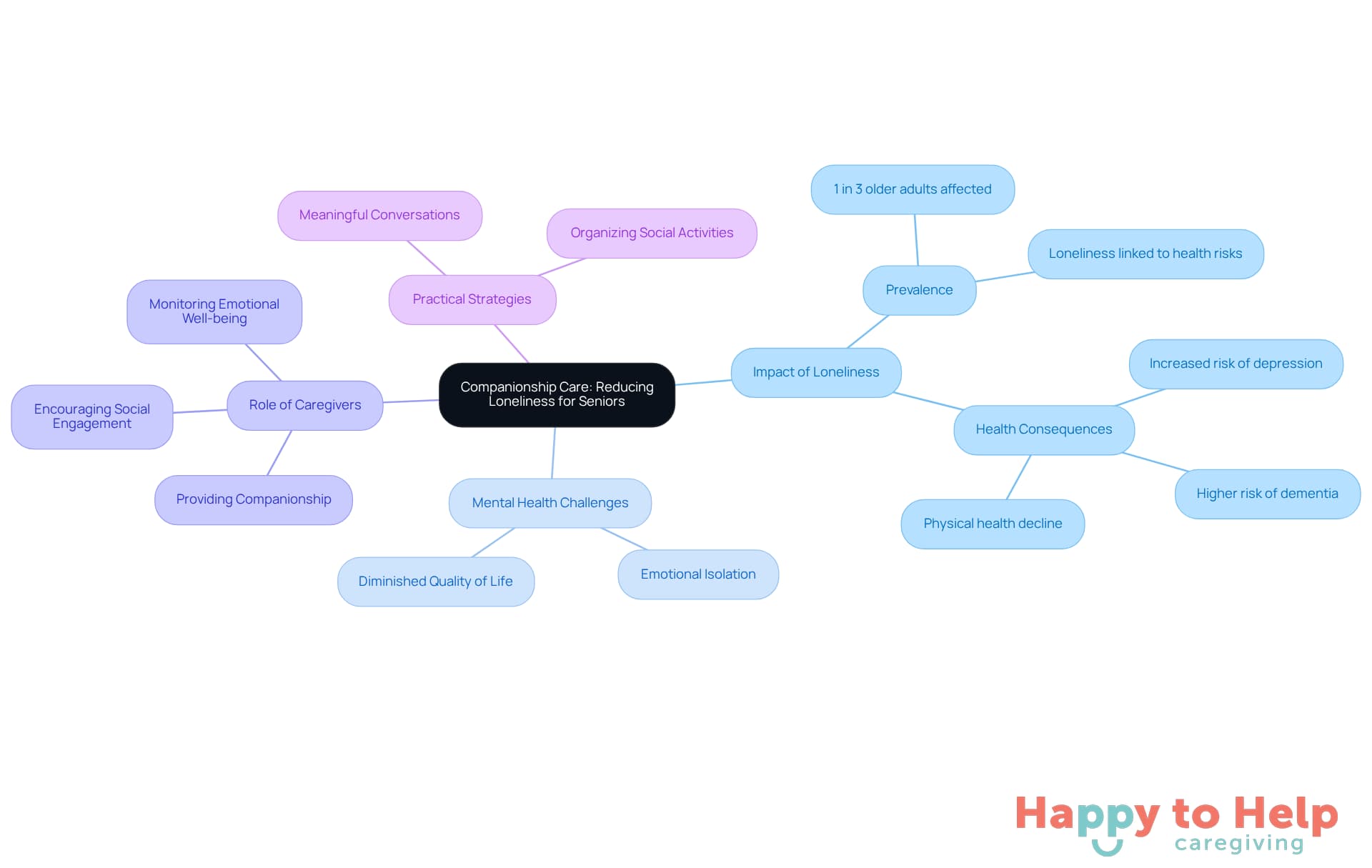
Companionship Care: Reducing Loneliness for Seniors
Loneliness is a significant issue for older adults, affecting up to 1 in 3 individuals in this age group. This emotional isolation can lead to serious mental health challenges, including depression and a diminished quality of life. Caregivers face the critical task of addressing this problem, as social engagement is essential for emotional well-being.
Research shows that regular social interactions can greatly enhance mental health and reduce feelings of loneliness. The World Health Organization underscores the urgency of combating social isolation among older individuals, highlighting the need for effective solutions. By providing companionship, caregivers can help older adults maintain a sense of purpose and connection, which is vital for their emotional health.
Companionship care provides a unique advantage by focusing on enriching daily life, which is a key aspect of personal in home care, rather than merely offering personal assistance. As Luxe Homecare points out, regular companionship not only lowers risks associated with loneliness but also keeps older adults engaged and emotionally supported. Caregivers can implement practical strategies to foster these connections, such as:
- Initiating meaningful conversations
- Organizing social activities
In summary, addressing loneliness through personal in home care is essential for enhancing seniors' quality of life. By prioritizing social engagement, caregivers can make a significant impact on the emotional well-being of older adults.
Flexible Scheduling: Balancing Care with Family Life
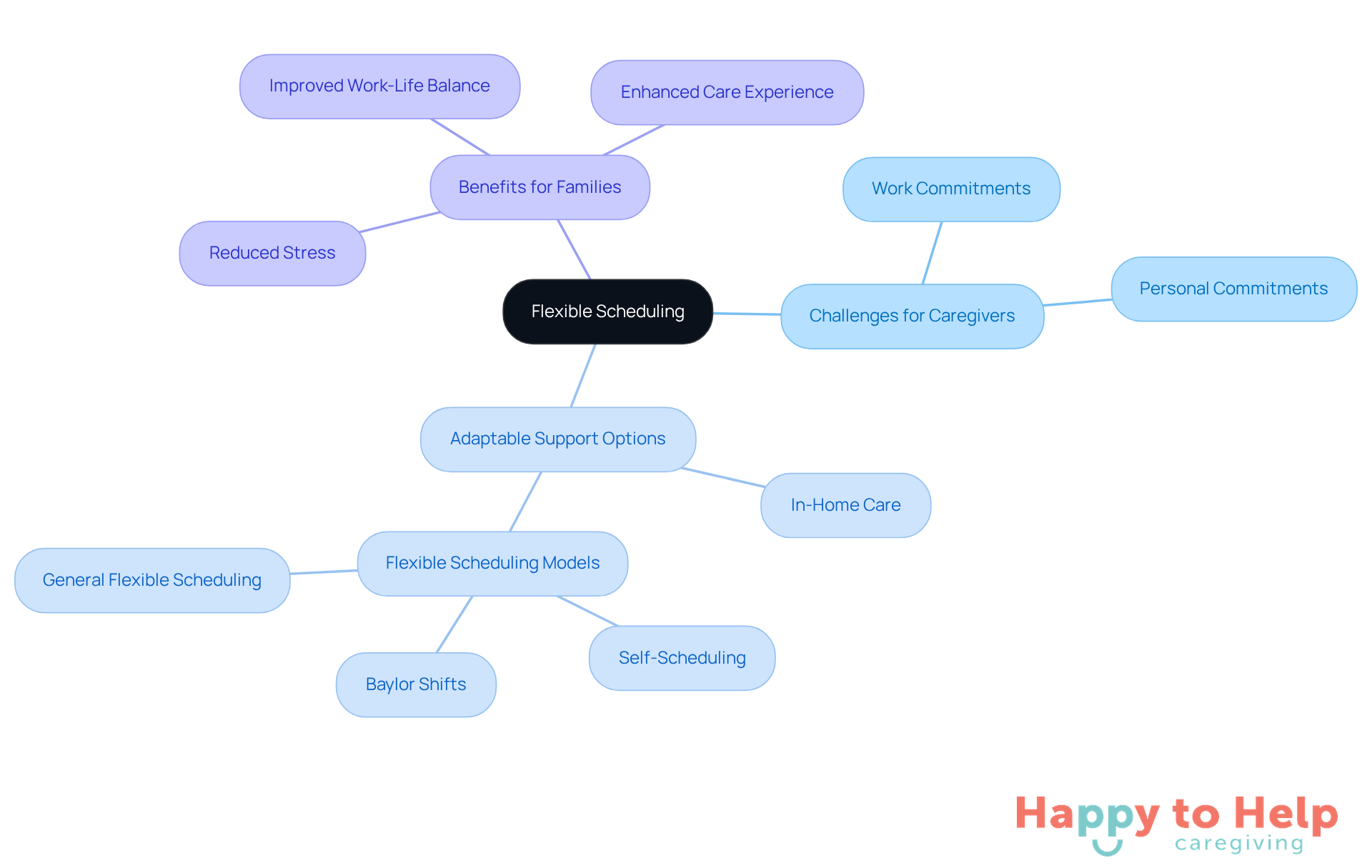
Family caregivers often face the challenge of juggling multiple responsibilities, including work and personal commitments. This can lead to stress and a feeling of being overwhelmed.
Flexible scheduling emerges as a crucial solution to this problem. The adaptable support options provided by personal in home care, like those offered by Happy to Help Caregiving, allow families to ensure their loved ones receive the necessary care without disrupting their own schedules.
By embracing this flexibility, caregivers can enhance their caregiving experience and foster a healthier work-life balance. This not only benefits the individual receiving care but also supports the overall well-being of the family.
Tailored Care Plans: Addressing Individual Needs
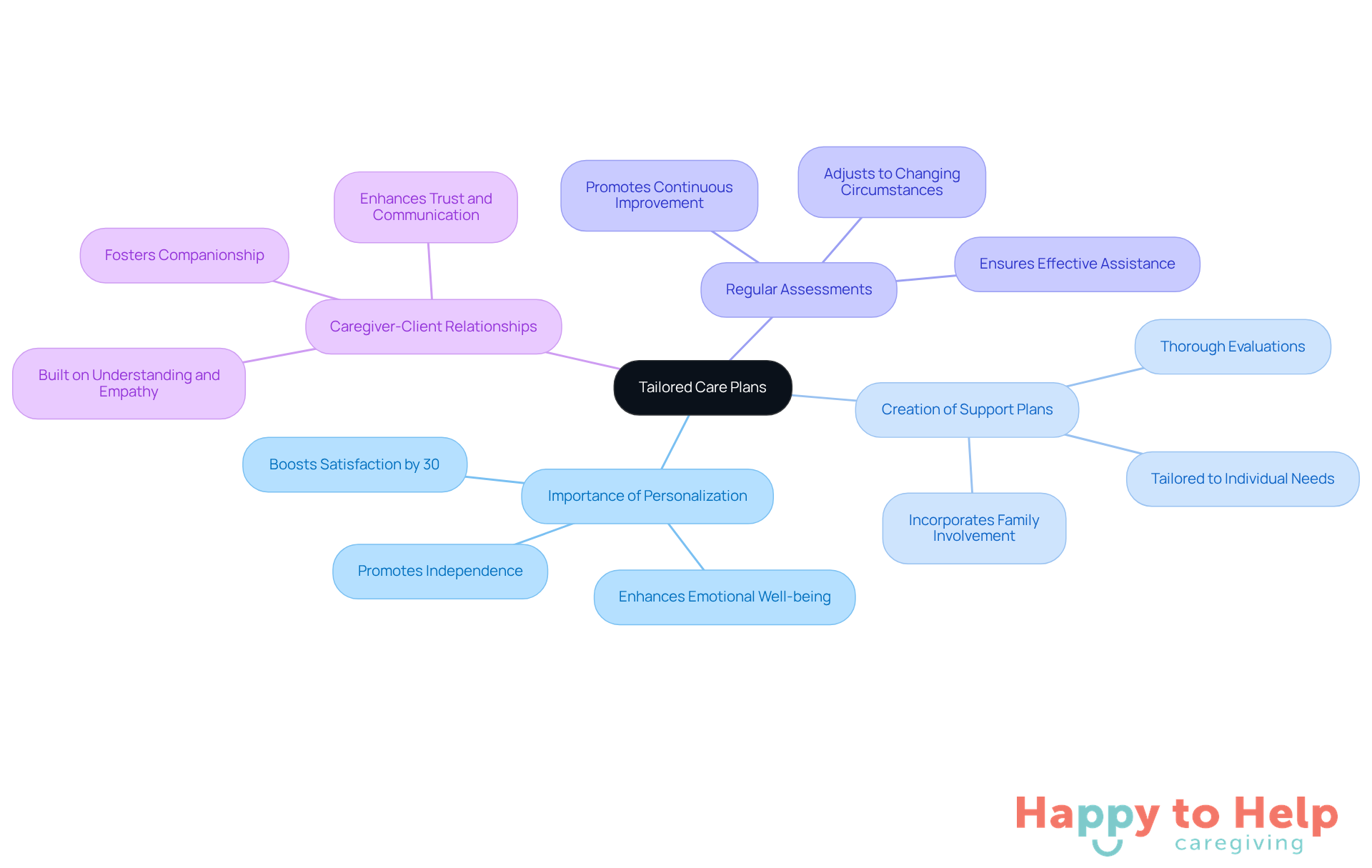
At the core of Happy to Help Caregiving's philosophy lies a significant problem: many caregiving services fail to deliver personal in home care. This lack of tailored care can lead to lower patient satisfaction and increased anxiety for families. Studies show that personalized treatment plans can boost satisfaction levels by as much as 30%, highlighting the need for a more individualized approach.
To address this issue, Happy to Help Caregiving creates personalized support plans for personal in home care through thorough evaluations that identify each individual's unique needs, preferences, and goals. These plans are not static; they are regularly assessed and adjusted to meet changing circumstances, ensuring that individuals receive the most effective assistance possible. As Wisdom Senior Services aptly states, 'Quality assistance is not only about what is done, but also about the manner in which those things are performed.'
By fostering strong caregiver-client relationships built on understanding and empathy, Happy to Help Caregiving transforms the caregiving experience. It becomes not just about assistance, but about companionship and mutual respect. Additionally, integrating emotional and social support within personal in home care plans is crucial, as it addresses the holistic well-being of clients, further enhancing their overall satisfaction.
Trained Caregivers: Ensuring Quality and Safety
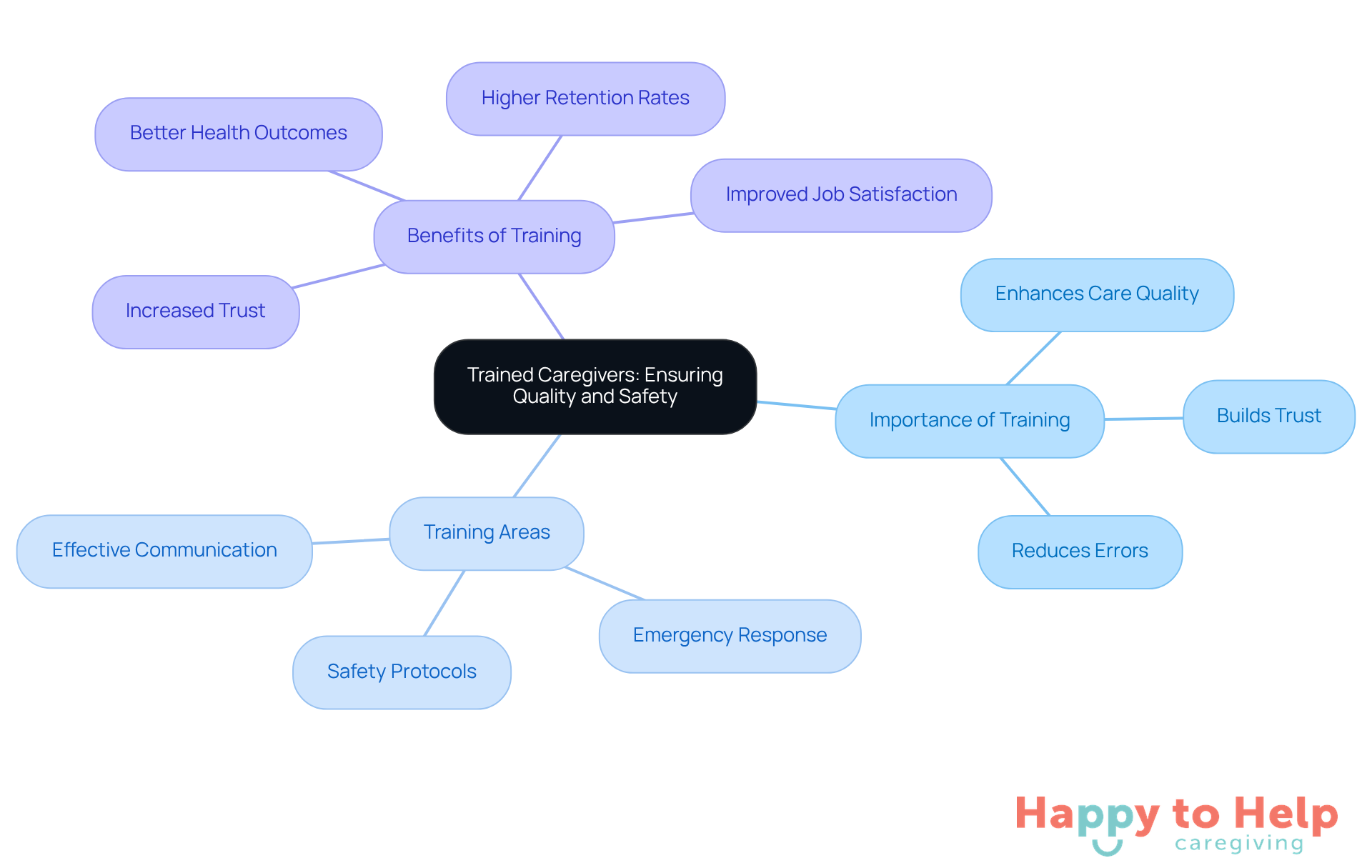
Skilled support providers are crucial for maintaining quality and safety in home assistance. However, many caregivers lack adequate training, which can lead to serious issues in care delivery. This gap in training not only jeopardizes the well-being of clients but also undermines the trust families place in these professionals.
To address this problem, Happy to Help Caregiving emphasizes comprehensive training for its support staff. This training covers essential areas such as:
- Safety protocols
- Emergency response
- Effective communication
By equipping providers with these vital skills, families can feel confident that their loved ones are in capable hands, supported by professionals ready to handle various situations.
Moreover, appropriate training enhances the competence of caregivers and fosters trust between supporters and those receiving assistance. This trust is critical, as it leads to better health outcomes and a more secure support environment. Well-trained support providers can effectively meet the diverse needs of residents, delivering more efficient and empathetic assistance.
Investing in caregiver training is also linked to increased retention rates and job satisfaction. This benefits both caregivers and the individuals they support, creating a more stable and effective caregiving environment. In summary, thorough training is not just beneficial; it is essential for ensuring quality care and safety in home assistance.
Cost-Effectiveness: Saving Money with In-Home Care
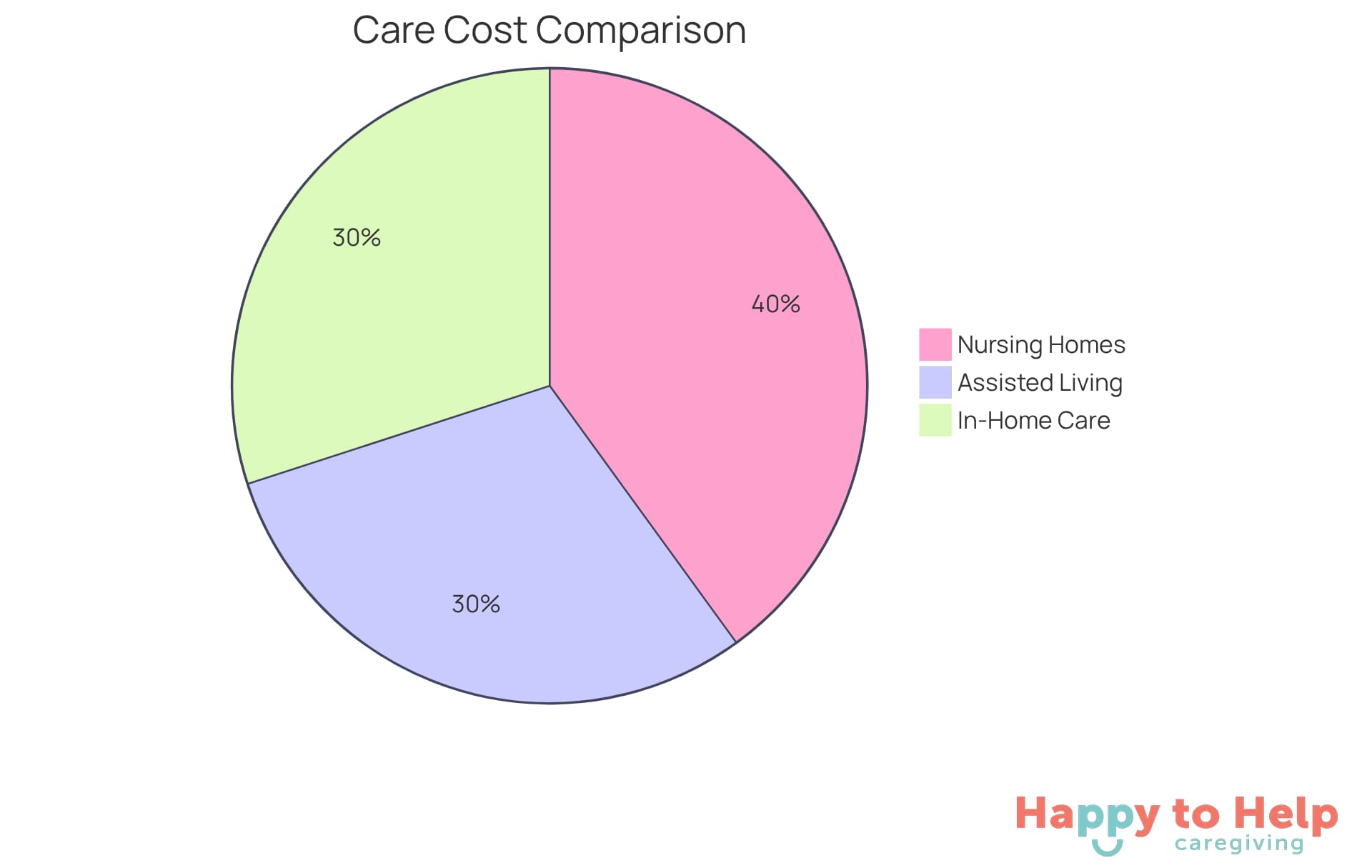
The high costs of nursing homes and assisted living facilities can be a significant burden for families. This financial strain often leaves caregivers feeling overwhelmed and searching for more affordable options.
Personal in home care is emerging as a cost-effective solution. Compared to the expenses linked to institutional care, personal in home care typically proves to be more economical. Families can save on room and board while ensuring their loved ones receive personal in home care in the comfort of their own homes.
Moreover, many insurance plans and government programs may cover some of the costs associated with personal in home care, making it an even more attractive option. By exploring these resources, families can enhance the affordability of care while providing the necessary support for their loved ones.
Familiar Environment: Comfort of Home
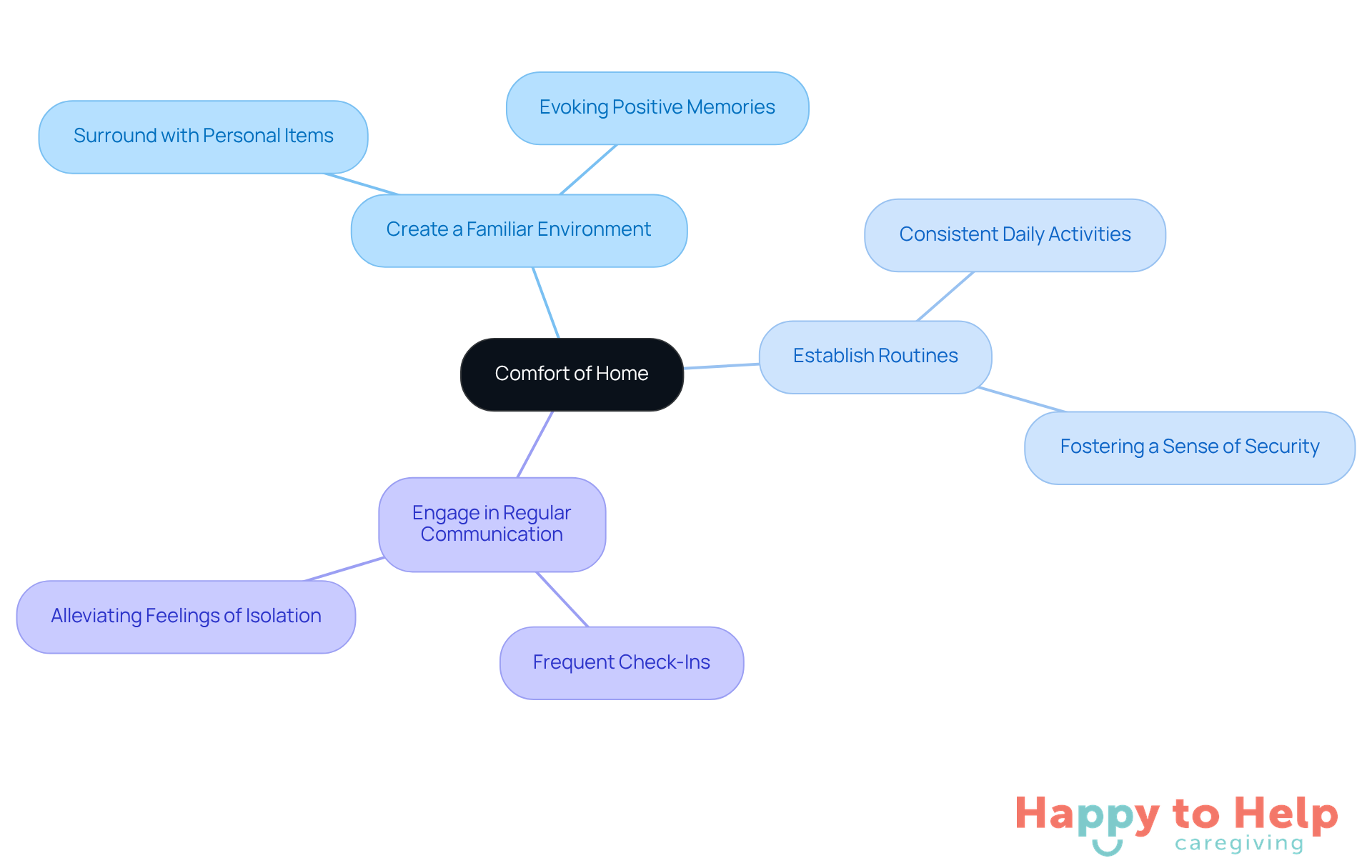
Older adults often face significant challenges when they are not in familiar settings. Anxiety and a lack of stability can arise, impacting their overall well-being. Home is where individuals feel most secure, surrounded by familiar sights, sounds, and routines. This comfort is crucial for reducing anxiety and promoting a sense of stability.
Research indicates that elderly individuals who receive personal in home care frequently enjoy better health outcomes and an enhanced quality of life compared to those in institutional environments. By offering personal in home care in a familiar setting, caregivers can help mitigate the negative effects of anxiety and improve the overall experience for older adults.
To effectively support older adults, caregivers should consider the following actionable solutions:
- Create a familiar environment: Surround them with personal items that evoke positive memories.
- Establish routines: Consistent daily activities can foster a sense of security.
- Engage in regular communication: Frequent check-ins can help alleviate feelings of isolation.
By implementing these strategies, caregivers can significantly enhance the comfort and well-being of older adults, ensuring they thrive in their own homes.
Continuity of Care: Maintaining Stability for Seniors
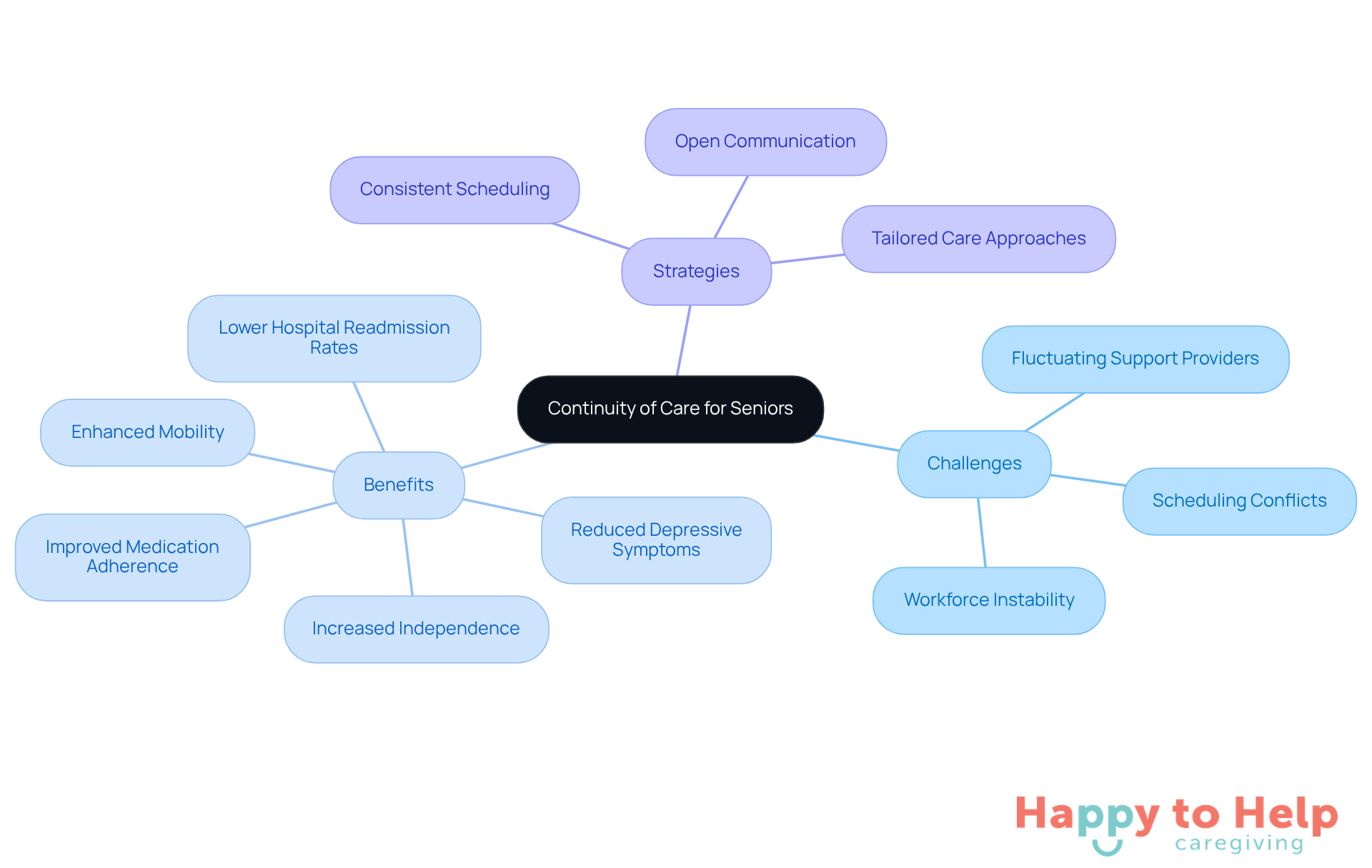
Continuity of personal in home care support is a significant challenge for caregivers, affecting the stability of seniors' lives. Many seniors struggle with fluctuating support providers, which can hinder the development of trust and familiarity. This inconsistency not only affects emotional well-being but also leads to poorer health outcomes.
Research shows that seniors with stable support relationships enjoy notable benefits. For instance, they experience enhanced mobility, reduced depressive symptoms, and improved overall well-being. In fact, patients with consistent healthcare providers are 19% more likely to adhere to their prescribed medication schedules. Additionally, greater continuity in care correlates with a 5% increase in the likelihood of functional improvement. Furthermore, those with high continuity of treatment are 20% less likely to be readmitted to the hospital within 30 days after discharge.
To address these challenges, caregivers can take proactive steps in personal in home care to ensure continuity:
- Establishing a consistent schedule with support providers can foster stronger relationships.
- Open communication about each senior's unique needs can help providers tailor their approach, enhancing the caregiving experience.
However, achieving continuity can be difficult due to scheduling conflicts and workforce instability. Caregivers must navigate these obstacles to provide high-quality assistance. By prioritizing stable support relationships, caregivers can contribute to healthier, happier lives for seniors.
Emotional Support: Enhancing Mental Well-Being
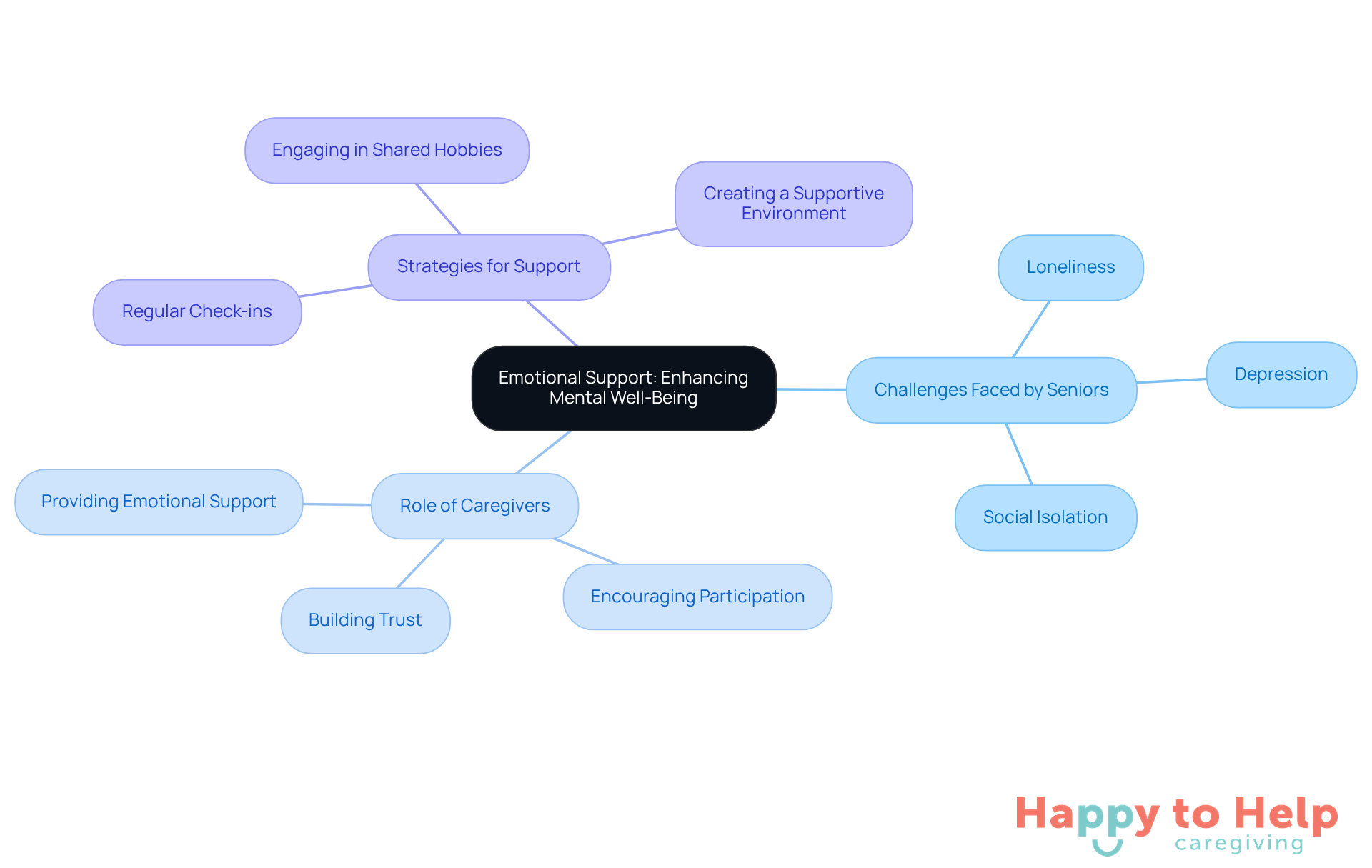
Loneliness and depression are significant challenges faced by seniors, particularly those receiving in-home assistance. These emotional struggles can severely impact their mental well-being, leading to a diminished quality of life.
Caregivers play a crucial role in addressing these issues by providing emotional support. Through companionship, meaningful conversations, and encouraging participation in enjoyable activities, caregivers can help alleviate feelings of isolation. This emotional connection not only combats loneliness but also fosters a more positive outlook on life.
By prioritizing emotional support, caregivers contribute significantly to the overall happiness and well-being of the seniors they assist. Implementing strategies such as:
- Regular check-ins
- Engaging in shared hobbies
- Creating a supportive environment
can make a substantial difference in the lives of these individuals.
Technology Integration: Enhancing Care and Communication
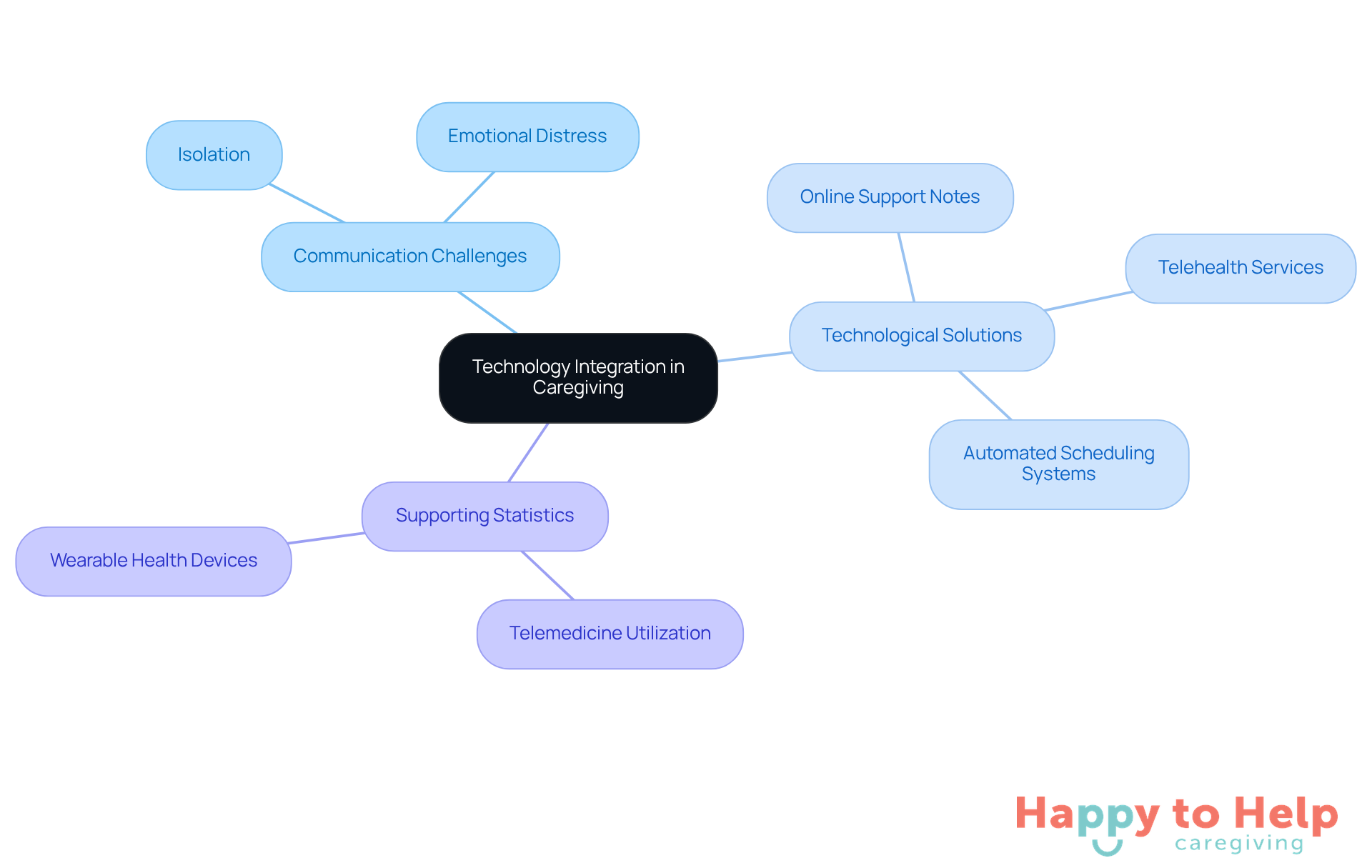
Problem: Caregivers often face significant communication challenges, which can lead to feelings of isolation for both clients and their families.
Agitate: This lack of effective communication can exacerbate emotional distress, making it difficult for families to stay informed about their loved ones' well-being.
Fortunately, technology is transforming personal in home care services. Happy to Help Caregiving utilizes various tools to enhance coordination of assistance, including:
- Online support notes
- Telehealth services
- Automated scheduling systems
These innovations keep families informed and facilitate real-time updates and interactions. For instance, a study by the National Institutes of Health found that video communication tools significantly reduce feelings of loneliness among older adults, fostering emotional connections with family members.
Statistics show that telemedicine utilization among doctors rose from 15.4% in 2019 to 86.5% in 2021, highlighting its significance in delivering adaptable, patient-focused support. Furthermore, wearable health devices like the Apple Watch and Fitbit allow guardians to monitor vital signs and detect emergencies swiftly, enhancing safety and responsiveness. According to the American Medical Association, remote health monitoring through wearables leads to better senior care outcomes.
By leveraging these technologies, caregivers can deliver more efficient and effective support in personal in home care, ultimately enriching the overall caregiving experience and ensuring that clients receive the personalized attention they deserve. Families are encouraged to explore these technologies to enhance their caregiving practices, ensuring they remain connected and informed about their loved ones' health.
Key Takeaways for Caregivers
Personal in-home care addresses a significant problem faced by family caregivers: the emotional and physical burdens of caring for seniors. Many caregivers struggle with feelings of isolation and the challenge of ensuring their loved ones receive adequate support. This situation can lead to increased stress and decreased quality of life for both caregivers and seniors.
The implications of this problem are profound. Loneliness can severely impact the well-being of older adults, while caregivers often find themselves overwhelmed. However, personalized in-home care offers a solution that not only alleviates these burdens but also enhances the quality of life for seniors. By prioritizing companionship, tailored care plans, and flexibility, these services effectively meet the emotional and physical needs of older adults.
Key benefits of personalized in-home care include:
- Reduction of Loneliness: Companionship helps combat feelings of isolation.
- Cost-Effectiveness: In-home care is often more affordable than institutional options.
- Safety and Quality: Trained caregivers ensure a safe environment and high-quality care.
Moreover, the integration of technology improves communication and care coordination, allowing families to stay connected with their loved ones. These elements collectively create a more stable and supportive environment for seniors, promoting their overall well-being.
Investing in personal in-home care is not just a choice; it’s a vital step towards fostering a healthier, happier life for seniors and their families. Caregivers are encouraged to explore these options, recognizing that quality support can transform their caregiving experience into one that is enriching for both themselves and their loved ones. Embracing these personalized services can lead to significant improvements in emotional health, safety, and overall quality of life for older adults, ultimately reinforcing the value of compassionate care in the home.
https://iframe.tely.ai/cta/eyJhcnRpY2xlX2lkIjogIjY5MjY0MzgwYmE1MjYxOTlhNjlhODMxMyIsICJjb21wYW55X2lkIjogIjY4ZWU1ZGNhNzMxNzYyNTU3ZjNjOTVjMSIsICJpbmRleCI6IG51bGwsICJ0eXBlIjogImFydGljbGUifQ==Frequently Asked Questions
What is the main issue that older adults face regarding loneliness?
Over 40% of older adults report feeling lonely frequently, which significantly affects their emotional well-being and overall quality of life.
How does loneliness impact seniors' health?
Loneliness can exacerbate mental health issues such as anxiety and depression, and it can also hinder physical health, leading to a decline in independence and overall quality of life.
What services does Happy to Help Caregiving offer to address loneliness in seniors?
Happy to Help Caregiving offers tailored in-home support services including companionship support, post-hospital recovery assistance, respite services, and palliative support.
What is the advantage of at-home support for elderly individuals?
At-home support improves the overall quality of life for elderly individuals by providing compassionate care in the comfort of their own homes.
Is in-home care more cost-effective than nursing home services?
Yes, in-home assistance is often more cost-effective than nursing home services, making it a viable option for families seeking quality support for their loved ones.
What is companionship care and why is it important for seniors?
Companionship care focuses on reducing loneliness and enhancing emotional well-being by providing regular social interactions, which are essential for maintaining a sense of purpose and connection in older adults.
What strategies can caregivers use to foster social engagement among seniors?
Caregivers can initiate meaningful conversations and organize social activities to help older adults stay engaged and emotionally supported.
How does flexible scheduling benefit family caregivers?
Flexible scheduling allows family caregivers to manage multiple responsibilities without disrupting their own schedules, enhancing their caregiving experience and supporting a healthier work-life balance.
List of Sources
- Happy to Help Caregiving: Personalized In-Home Care Services
- Staying Home, Staying Well: The Advantages of Home Care for Older Adults (https://ltcnews.com/articles/advantages-home-care-older-adults)
- Top healthcare trends of 2026: Aging in place is driving innovation in home-based care and technology (https://definitivehc.com/blog/aging-in-place-driving-innovation)
- 5 Benefits of Senior In-Home Care in 2025 | Valley Home Care (https://valleyhca.com/the-top-5-benefits-of-in-home-senior-care-for-aging-loved-ones-in-2025)
- The Benefits of In-Home Care for Seniors - Consumer Directed Choices (https://cdchoices.org/2023/11/27/the-benefits-of-in-home-care-for-seniors)
- New Proposal Aims to Help Older Adults, People with Disabilities, and their Families Access Home Care - Justice in Aging (https://justiceinaging.org/new-proposal-aims-to-help-older-adults-people-with-disabilities-and-their-families-access-home-care)
- Companionship Care: Reducing Loneliness for Seniors
- The Importance of Companionship for Seniors and How It Improves Well-being | Luxe Homecare (https://luxehomecare.com/the-importance-of-companionship-for-seniors-and-how-it-improves-well-being)
- 1 in 3 older adults still experience loneliness and isolation (https://michiganmedicine.org/health-lab/1-3-older-adults-still-experience-loneliness-and-isolation)
- Social connection linked to improved health and reduced risk of early death (https://who.int/news/item/30-06-2025-social-connection-linked-to-improved-heath-and-reduced-risk-of-early-death)
- Social isolation sends more older adults to the emergency room, study says (https://healthjournalism.org/blog/2025/11/social-isolation-sends-more-older-adults-to-the-emergency-room-study-says)
- Combat Loneliness: The Benefits of Companion Care for Seniors (https://allheartcare.com/more-than-just-company-the-vital-role-of-companion-care-for-seniors)
- Flexible Scheduling: Balancing Care with Family Life
- Family caregivers face financial balancing act between work, home responsibilities: survey (https://mcknightsseniorliving.com/news/family-caregivers-face-financial-balancing-act-between-work-home-responsibilities-survey)
- The Critical Role of Flexibility in Home Care Scheduling for Family Peace of Mind (https://relevar.com/the-critical-role-of-flexibility-in-home-care-scheduling-for-family-peace-of-mind)
- Number of full-time workers who are juggling caregiving responsibilities has increased by double digits, even as more women leave the workforce (https://guardianlife.com/news/release/number-of-full-time-workers-who-are-juggling-caregiving-responsibilities-has-increased-by-double-digits-even-as-more-women-leave-the-workforce)
- Embracing Flexible Scheduling Models in Aging Services: A Path Toward Workforce Stability (https://leadingage.org/embracing-flexible-scheduling-models-in-aging-services-a-path-toward-workforce-stability)
- Caregiving While Working Calls for Workplace Flexibility (https://aarp.org/pri/topics/work-finances-retirement/employers-workforce/employer-caregiving-survey)
- Tailored Care Plans: Addressing Individual Needs
- Importance of Personalized Senior Home Care in Burlington NC (https://wisdomseniorcare.com/the-importance-of-personalized-care-plans-for-seniors)
- The Importance of Personalized In-Home Care Services for Seniors - (https://homecare-aid.com/the-importance-of-personalized-in-home-care-services-for-seniors)
- The Importance of Personalized Care Plans (https://homecareadvisory.org/importance-personalized-care-plans)
- The Future of Private Home Care: What to Expect in 2025 (https://anodyne-services.com/2024/08/14/the-future-of-private-home-care-what-to-expect-in-2025)
- How Personalized Health Care Is Changing The Role Of Home Care Providers (https://homehealthcarenews.com/2024/03/how-personalized-health-care-is-changing-the-role-of-home-care-providers)
- Trained Caregivers: Ensuring Quality and Safety
- CCA Announces Free Online Caregiver Training Program for IHSS Workers (https://advancecaregivers.org/cca-announces-free-online-caregiver-training-program-for-ihss-workers)
- The Importance of Caregiver Training in Patient Care Management (https://regencyhcs.com/blog/the-importance-of-caregiver-training-in-patient-care-management?4393cdce\_page=2)
- New Research Highlights Critical Role of Training in Caregiver Retention (https://careacademy.com/blog/role-of-training-in-caregiver-retention)
- Caregiver Statistics: Health, Technology, and Caregiving Resources (https://caregiver.org/resource/caregiver-statistics-health-technology-and-caregiving-resources)
- Enhancing Caregiver Skills Through Specialized Training (https://ltcnews.com/articles/enhancing-caregiver-skills-specialized-training)
- Cost-Effectiveness: Saving Money with In-Home Care
- In-Home Nursing Care Cost (https://ultimatecareny.com/resources/in-home-nursing-care-cost)
- Cost of Home Care vs. Nursing Homes (https://aplaceformom.com/caregiver-resources/articles/home-care-vs-nursing-home-costs)
- Booker Introduces Legislation to Support Unpaid Family Caregivers | U.S. Senator Cory Booker of New Jersey (https://booker.senate.gov/news/press/-booker-introduces-legislation-to-support-unpaid-family-caregivers)
- A bill in Congress would return $5,000 to millions of family caregivers every year, but will it pass? (https://cbsnews.com/newyork/news/credit-for-caring-act-family-caregiver-tax-credit)
- Familiar Environment: Comfort of Home
- Study finds that caring for older people at home can be just as good (https://ox.ac.uk/news/2021-04-19-study-finds-caring-older-people-home-can-be-just-good-or-even-better-hospital-care)
- New Study Finds That While Aging Seniors Prefer In-Home Care, Most Are Critically Underprepared for Future Healthcare Needs | Cross Country Healthcare, Inc. (https://ir.crosscountry.com/news-releases/news-release-details/new-study-finds-while-aging-seniors-prefer-home-care-most-are)
- Home Care Impact on Recovery of Patient (A Statistics Report) (https://lovinghomecareinc.com/home-care-recovery-statistics)
- The Incredible Benefits of Home Care, in 7 Amazing Stats - Companions For Seniors (https://companionsforseniors.com/2019/08/benefits-home-care-amazing-stats-trends-reports)
- Continuity of Care: Maintaining Stability for Seniors
- The Quiet Power of Continuity in Home Healthcare (https://afhcs.com/the-quiet-power-of-continuity-in-home-healthcare)
- The Importance of Caregiver-Client Relationships in Senior Well-Being (https://homeinstead.com/home-care/usa/in/goshen/588/news-and-media/the-importance-of-caregiver-client-relationships-in-senior-well-being)
- Home Care Worker Continuity in Home-Based Long-Term Care: Associated Factors and Relationships With Client Health and Well-Being - PMC (https://pmc.ncbi.nlm.nih.gov/articles/PMC10946305)
- Why is Continuity of Care for In-Home Care so Vital? (https://7dayhomecare.com/why-is-continuity-of-care-for-in-home-care-so-vital)
- Continuity of Care: The Key to Safer, Happier Senior Living - Surework Solutions (https://sureworksolutions.com/2025/11/17/continuity-of-care-the-key-to-safer-happier-senior-living)
- Emotional Support: Enhancing Mental Well-Being
- The Emotional Benefits of In-Home Care: How Personalized Support Enhances Well-Being - Emory Mills (https://emorymills.com/blogs/the-emotional-benefits-of-in-home-care)
- Emotional Support for Seniors in Home Care - Ethos Home Health Care and Hospice (https://ethoscare.org/emotional-support-in-home-care)
- Factors influencing emotional support of older adults living in the community: a scoping review protocol - PMC (https://pmc.ncbi.nlm.nih.gov/articles/PMC10548654)
- How to Better Address Mental Health Needs of Older Adults (https://ncoa.org/article/why-we-must-address-the-rising-mental-health-needs-of-our-growing-older-adult-population)
- Mental Health Support for Seniors: The Role of In-Home Caregivers (https://homeinstead.com/home-care/usa/in/kendallville/871/news-and-media/mental-health-support-for-seniors-the-role-of-in-home-caregivers)
- Technology Integration: Enhancing Care and Communication
- Products - Data Briefs - Number 493 - February 2024 (https://cdc.gov/nchs/products/databriefs/db493.htm)
- How Technology Enhances Communication in Senior Care (https://business.seminolebusiness.org/news/details/how-technology-enhances-communication-in-senior-care)
- How Technology Improves Communication Between Families And Care Staff (https://thehighpointresidence.com/blog/how-technology-improves-communication-between-families-and-care-staff)
- Tech-enabled caregiving can help dementia patients stay at home — perhaps for too long (https://statnews.com/2025/11/24/dementia-caregiving-technology-assistance)
- How enabling technology is transforming home-based care | UnitedHealthcare Community & State (https://uhccommunityandstate.com/content/blog-post/blogs/how-enabling-technology-is-transforming-home-based-care)