Understanding Private At Home Nursing Care
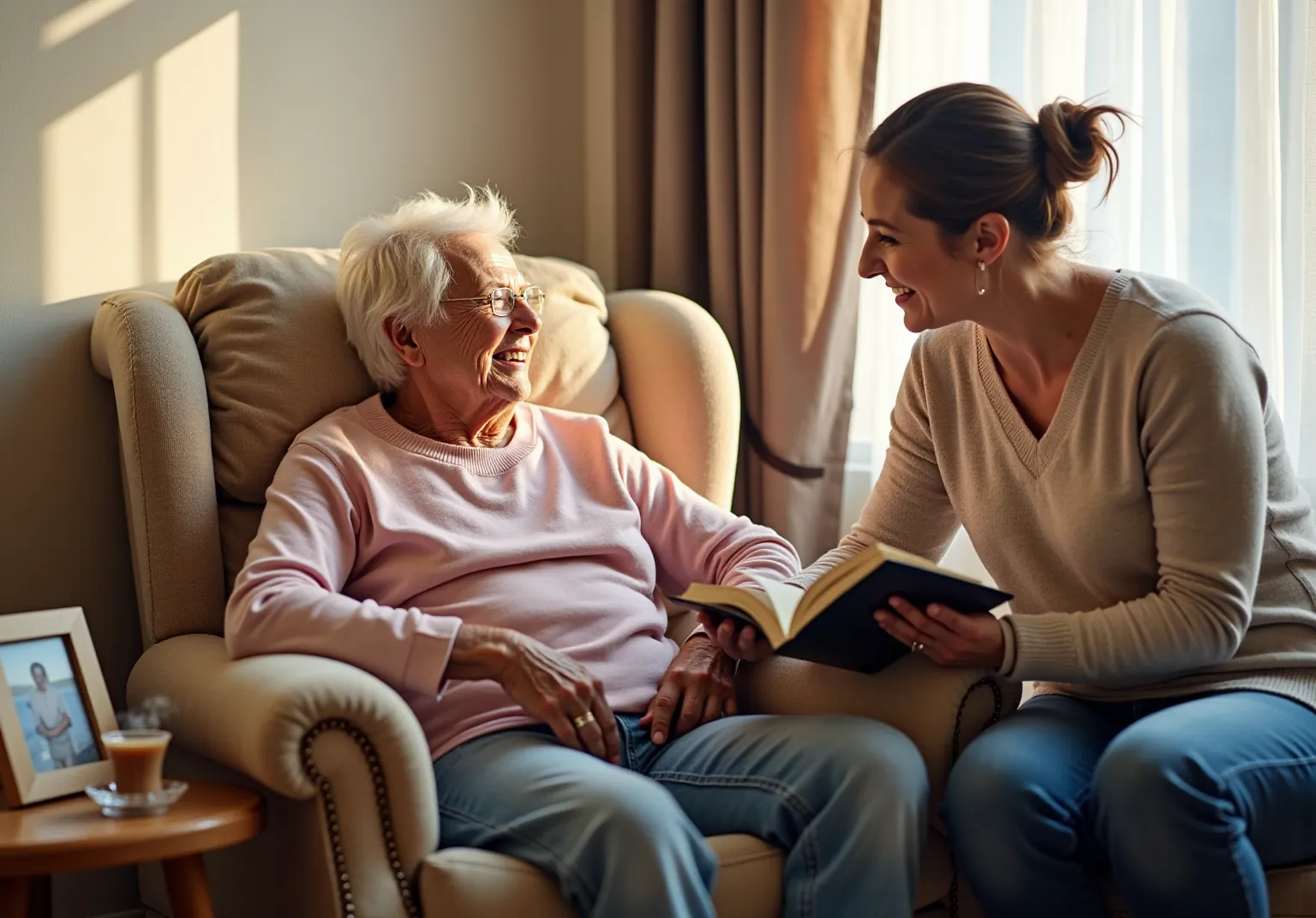
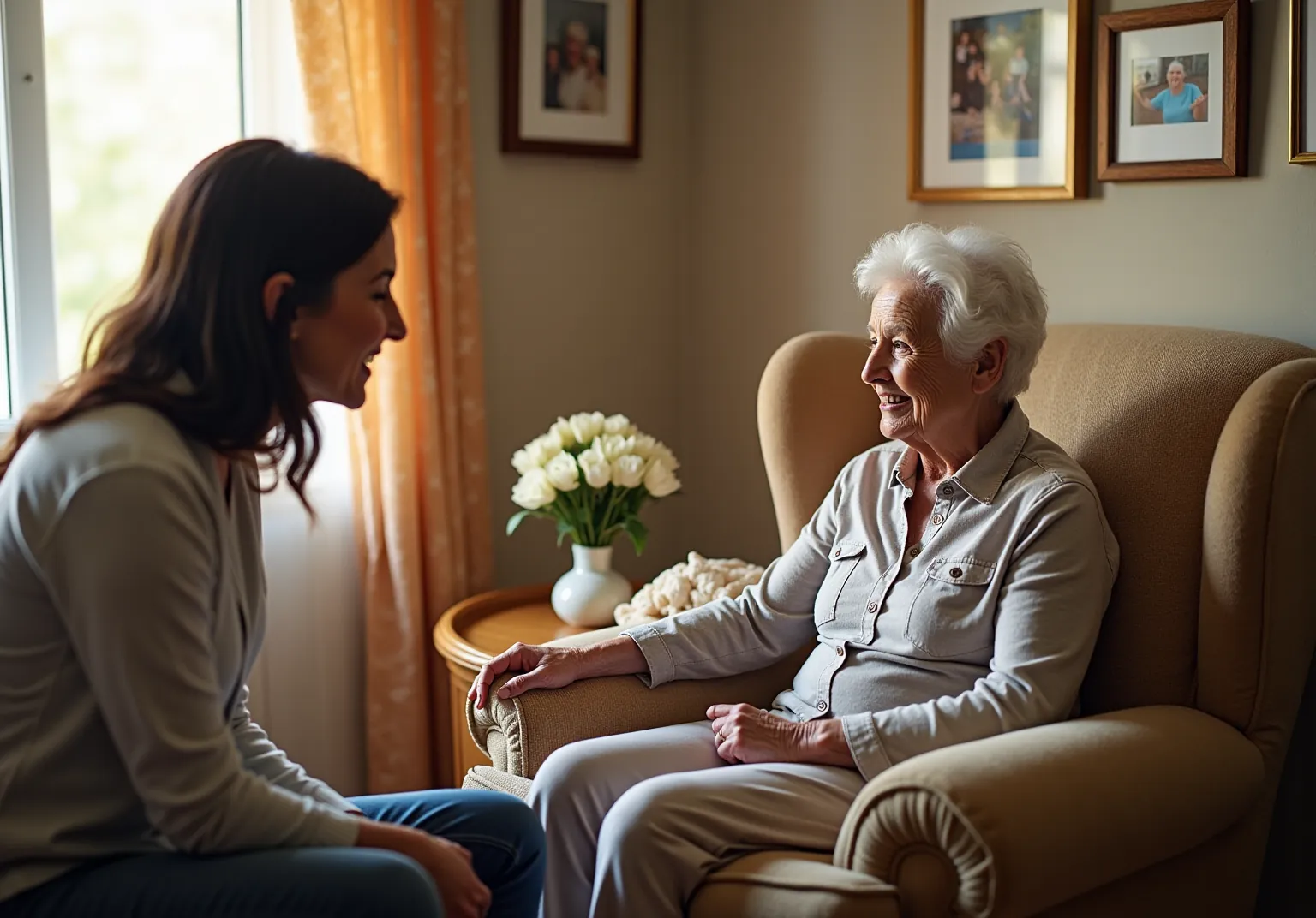
Private at-home nursing care is becoming a vital solution for family caregivers, who often face numerous challenges in providing care to their loved ones. These challenges can lead to emotional and physical strain, making it difficult for caregivers to maintain their own well-being.
By offering personalized support plans, emotional companionship, and flexible scheduling, private nursing care not only improves the quality of care but also eases the burdens on caregivers. However, families may wonder how to maximize the benefits of these services while addressing the unique needs and preferences of their loved ones.
Exploring the ten key advantages of private at-home nursing care can provide families with essential insights, empowering them to make informed decisions that enhance their loved ones' well-being.
Happy to Help Caregiving: Personalized Care Plans for Individual Needs
Caregivers often face the challenge of meeting the unique needs of each client. Without individualized support plans, clients may not receive the appropriate level of assistance, which can hinder their independence and dignity. This issue underscores the importance of tailored care in fostering a supportive environment.
Happy to Help Caregiving addresses this problem by developing personalized support plans that consider each client's medical history, preferences, and lifestyle. Through thorough assessments, caregivers can customize their approach, ensuring that clients receive effective aid that aligns with their specific needs.
By focusing on individual requirements, caregivers can enhance the quality of care provided. This not only helps clients maintain their independence but also promotes their dignity, making a significant difference in their overall well-being.
Emotional Support: Alleviating Loneliness and Isolation
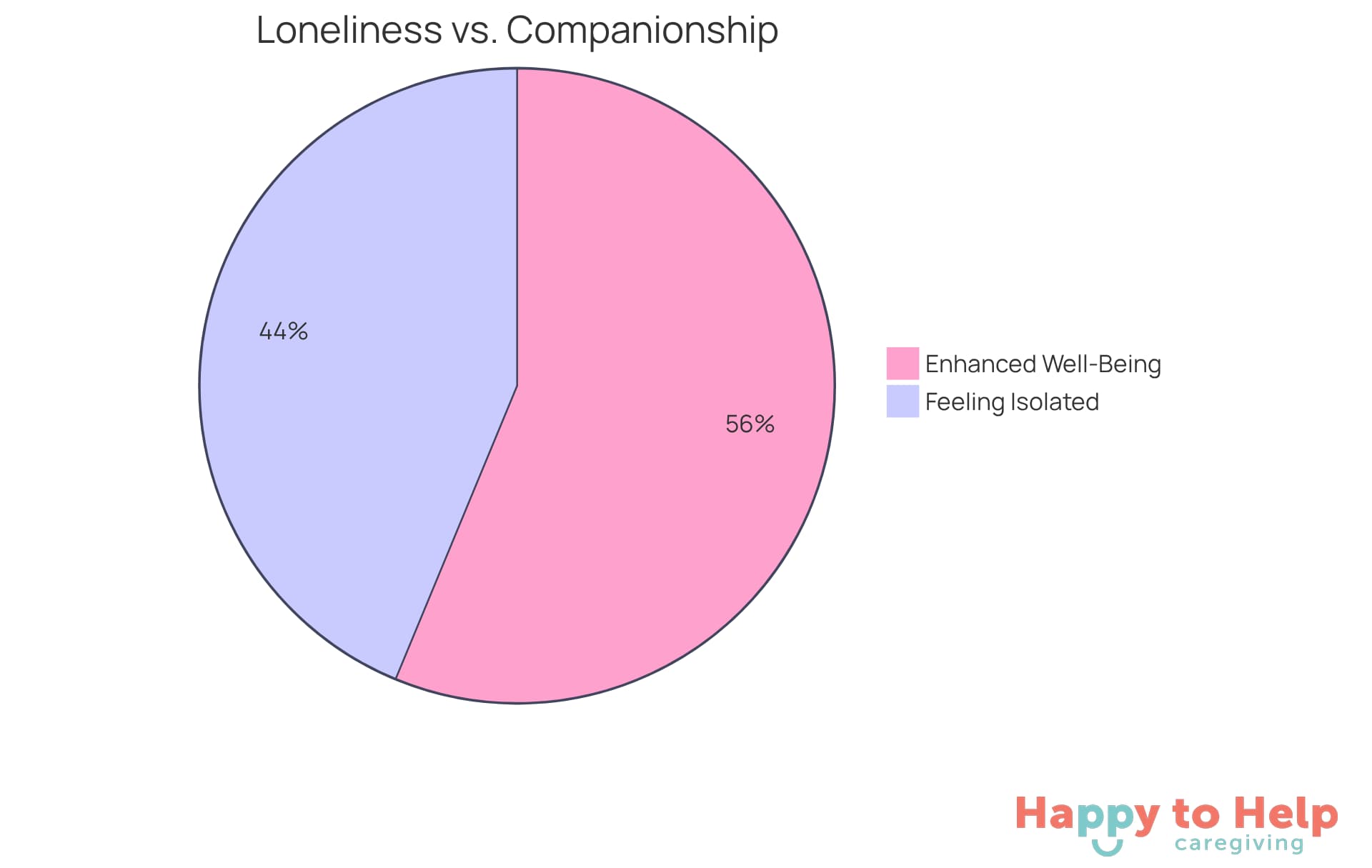
Loneliness among older adults is a significant issue that can lead to serious health problems. Research shows that over 70% of seniors with fair or poor mental well-being report feelings of social isolation. This isolation can severely impact their emotional and physical health, making it crucial to address this problem.
One effective solution is private at home nursing care, which provides essential emotional support. Caregivers engage clients in meaningful conversations and enjoyable activities, significantly reducing feelings of loneliness. In fact, over 90% of older adults utilizing companionship services report enhanced emotional well-being and a greater sense of connection. Notably, over 90% of ElliQ users also report reduced loneliness, highlighting the effectiveness of companionship in elderly care.
This companionship fosters a sense of belonging, which is vital for overall well-being. By actively participating in clients' lives, caregivers can help combat loneliness and promote a healthier, happier lifestyle for seniors. Implementing companionship services is not just beneficial; it is essential for maintaining the health and happiness of older adults.
Flexibility: Tailored Scheduling to Fit Family Needs
Caregivers often face the challenge of balancing their loved ones' needs with their own schedules. This can lead to stress and disruption in family routines.
Private at home nursing care provides a solution by offering unmatched flexibility in scheduling. Helpers can accommodate the family's requirements, providing assistance during designated hours that suit both the client and their relatives. This adaptability allows families to maintain their routines while ensuring that their loved ones receive the necessary support from private at home nursing care.
Ultimately, this leads to a more harmonious caregiving experience, alleviating some of the pressures caregivers face.
Continuity of Care: Ensuring Consistent Support for Recovery
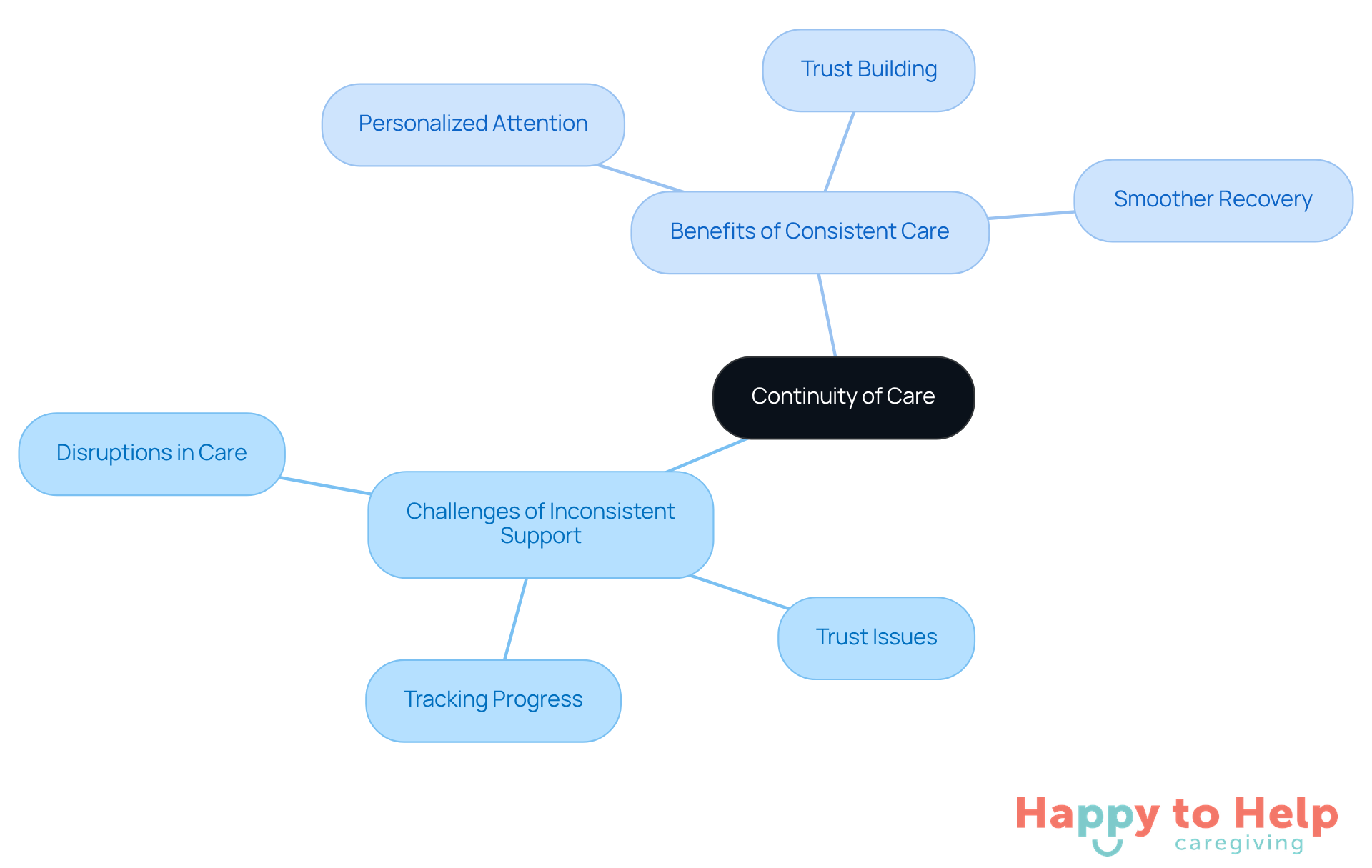
Inconsistent support can pose significant challenges for caregivers and their clients. When caregivers change frequently, it can disrupt the continuity of care, leading to misunderstandings and a lack of personalized attention. This inconsistency not only affects the trust between clients and providers but also hinders the ability to track progress and adjust treatment plans effectively.
To address these challenges, private at home nursing care provides a solution through continuity of support. Clients benefit from receiving private at home nursing care from the same support providers who understand their specific needs and preferences. This consistency fosters trust and ensures that caregivers can monitor progress closely, making essential modifications to treatment plans as needed. As a result, clients experience a smoother recovery process, enhancing their overall well-being.
Cost-Effectiveness: Reducing Hospital Stays and Expenses
High healthcare costs pose a significant challenge for families, often leading to unnecessary hospital stays and emergency room visits. These expenses can quickly add up, placing a heavy financial burden on caregivers and patients alike.
The implications of this issue are profound. Hospitalizations not only strain finances but can also compromise the quality of care. Continuous support and vigilant monitoring from caregivers can effectively prevent complications that might otherwise require hospitalization. This proactive approach not only leads to substantial financial savings but also enhances the overall quality of private at home nursing care provided.
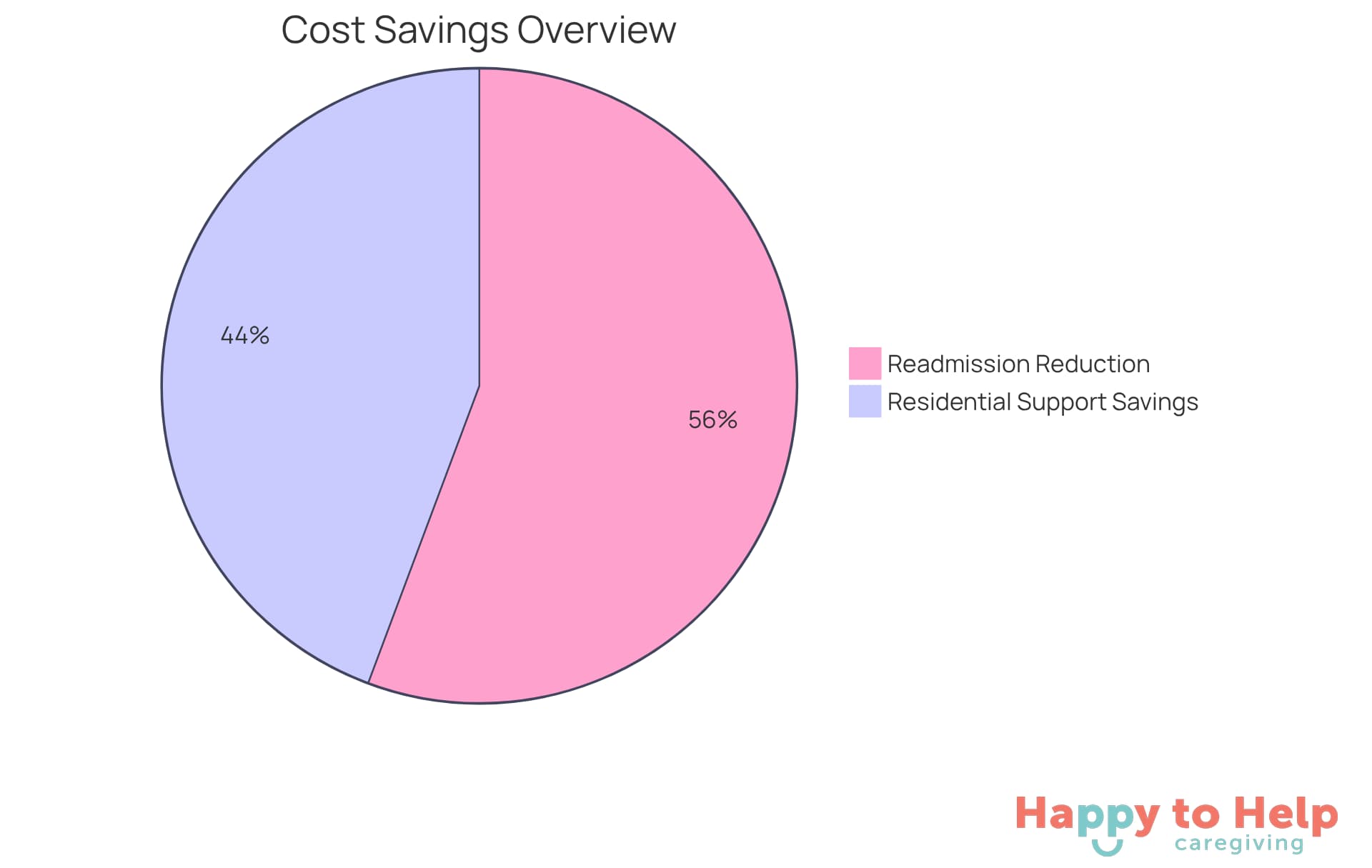
Studies reveal that patients receiving residential support experience lower rates of hospital readmissions. For instance, the Marshfield recovery program has shown a remarkable 44% decrease in readmissions. Healthcare economists, including Heather O’Sullivan, emphasize that relocating treatment to a residential setting can shift 30% to 40% of all assistance, potentially saving 19% to 30% compared to traditional inpatient services, according to Johns Hopkins.
As the healthcare landscape evolves towards more patient-centered models, incorporating residential support services becomes increasingly vital for managing costs and improving health outcomes. Family caregivers are encouraged to explore private at home nursing care options tailored to specific conditions, maximizing these benefits for their loved ones.
Safety and Comfort: The Benefits of Familiar Surroundings
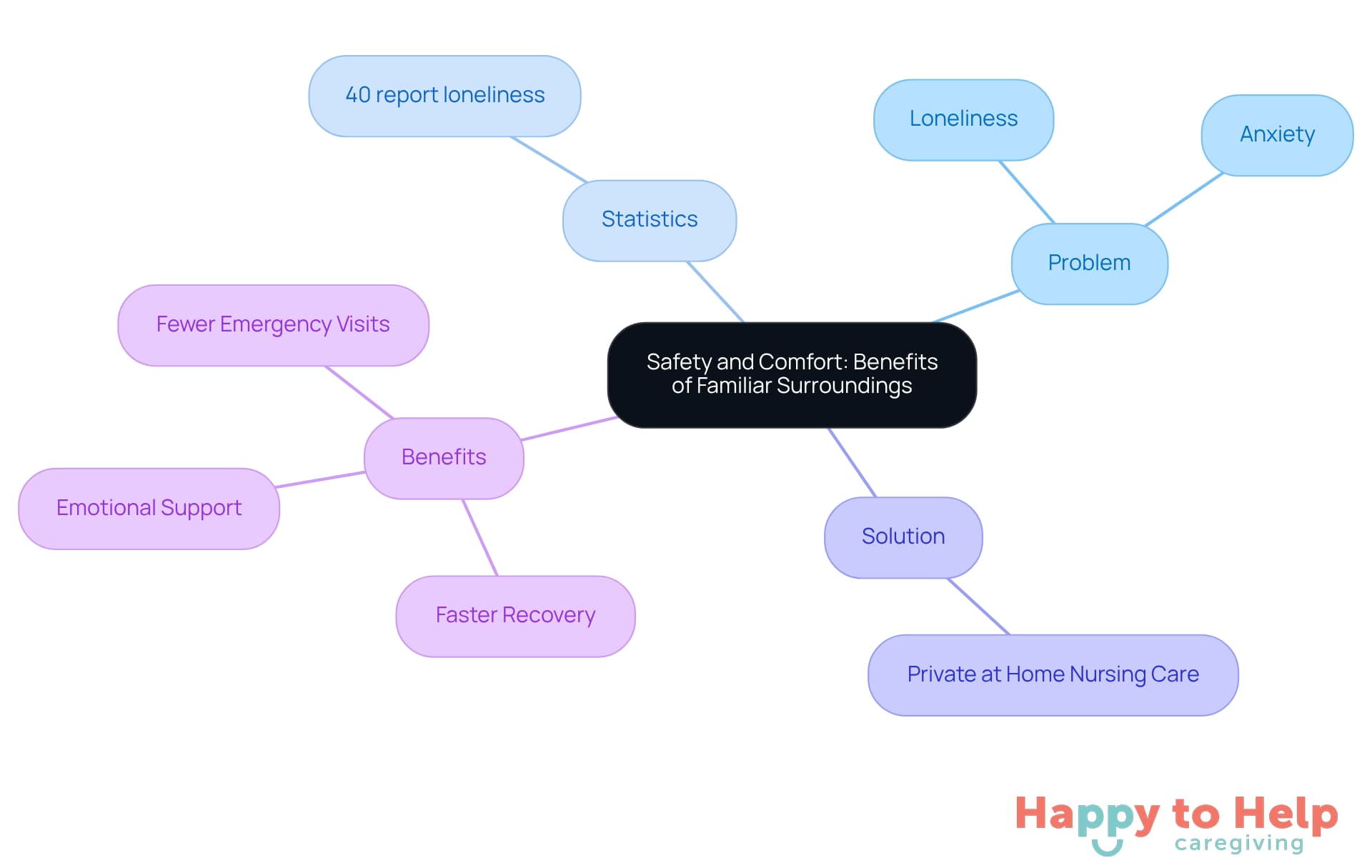
Problem: Many seniors face feelings of loneliness and anxiety, especially when receiving care away from familiar surroundings. This can hinder their recovery and overall well-being.
Agitate: Research shows that over 40% of elderly individuals report regular feelings of loneliness. This emotional distress can lead to slower recovery times and increased confusion, as they are often removed from their cherished possessions and daily routines. The absence of family support in unfamiliar settings can exacerbate these feelings, making it crucial to address this issue.
Private at home nursing care provides a viable solution. Private at home nursing care allows clients to remain in their own homes, surrounded by valued possessions and memories, which significantly enhances their sense of safety and comfort. This familiar environment not only reduces anxiety but also promotes a more optimistic outlook on recovery.
Moreover, seniors who receive private at home nursing care tend to recover more quickly, thanks to the emotional support from family members and the ability to maintain daily routines. This tailored approach leads to improved outcomes, as patients often feel more at ease, valued, and involved in their treatment.
Additionally, individuals receiving private at home nursing care have fewer emergency department visits compared to those without domestic assistance, highlighting the efficiency of personalized services in enhancing overall well-being. The incorporation of domestic wellness services enables customized assistance that aligns with personal preferences, ultimately improving the quality of life for seniors.
Expert Care: Trained Professionals for Specialized Needs
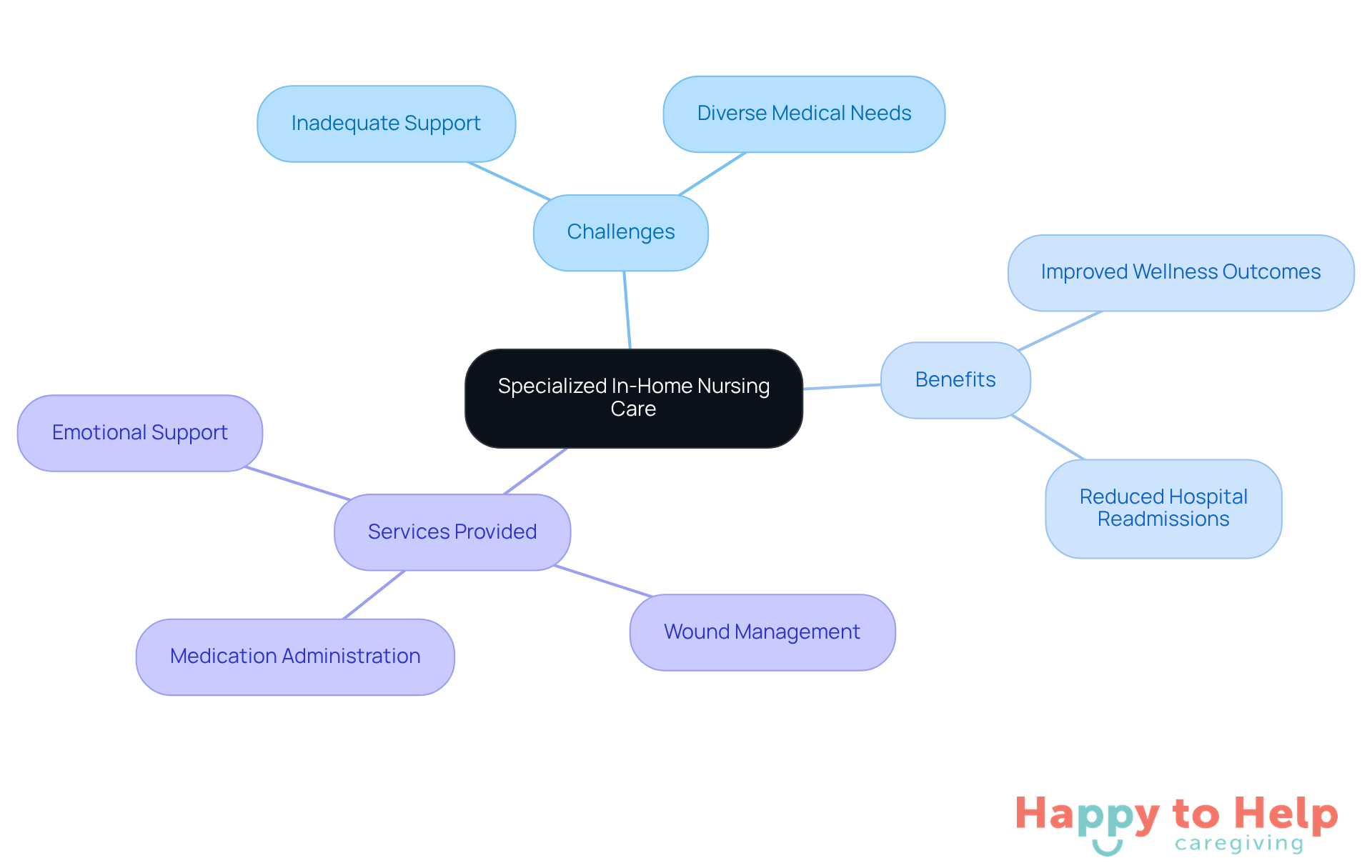
In-home nursing assistance often faces challenges, particularly when it comes to meeting diverse medical needs. Many caregivers struggle to provide the specialized care that clients require, which can lead to inadequate support and poor health outcomes.
Research indicates that tailored in-home assistance significantly improves wellness outcomes, reducing hospital readmissions and enhancing recovery rates. For example, individuals trained in post-surgical support and chronic illness management play a crucial role in ensuring smoother transitions from hospital to home, ultimately promoting better overall health.
The growing demand for skilled caregivers highlights the need for professionals who can address unique requirements, such as mental wellness activities and dietary preferences. Families increasingly seek support providers who can offer comprehensive care that encompasses both physical and emotional well-being.
Healthcare specialists emphasize that having well-trained personnel is vital for delivering proactive support. Specialized assistance from domestic caregivers includes:
- Wound management
- Medication administration
- Emotional support
All tailored to the individual’s specific circumstances.
This focus on specialized care not only enhances the quality of life for clients but also fosters a sense of security and comfort within their homes. By prioritizing private at home nursing care, families can ensure their loved ones receive the high-quality support they deserve.
Technology Integration: Enhancing Communication and Care Coordination
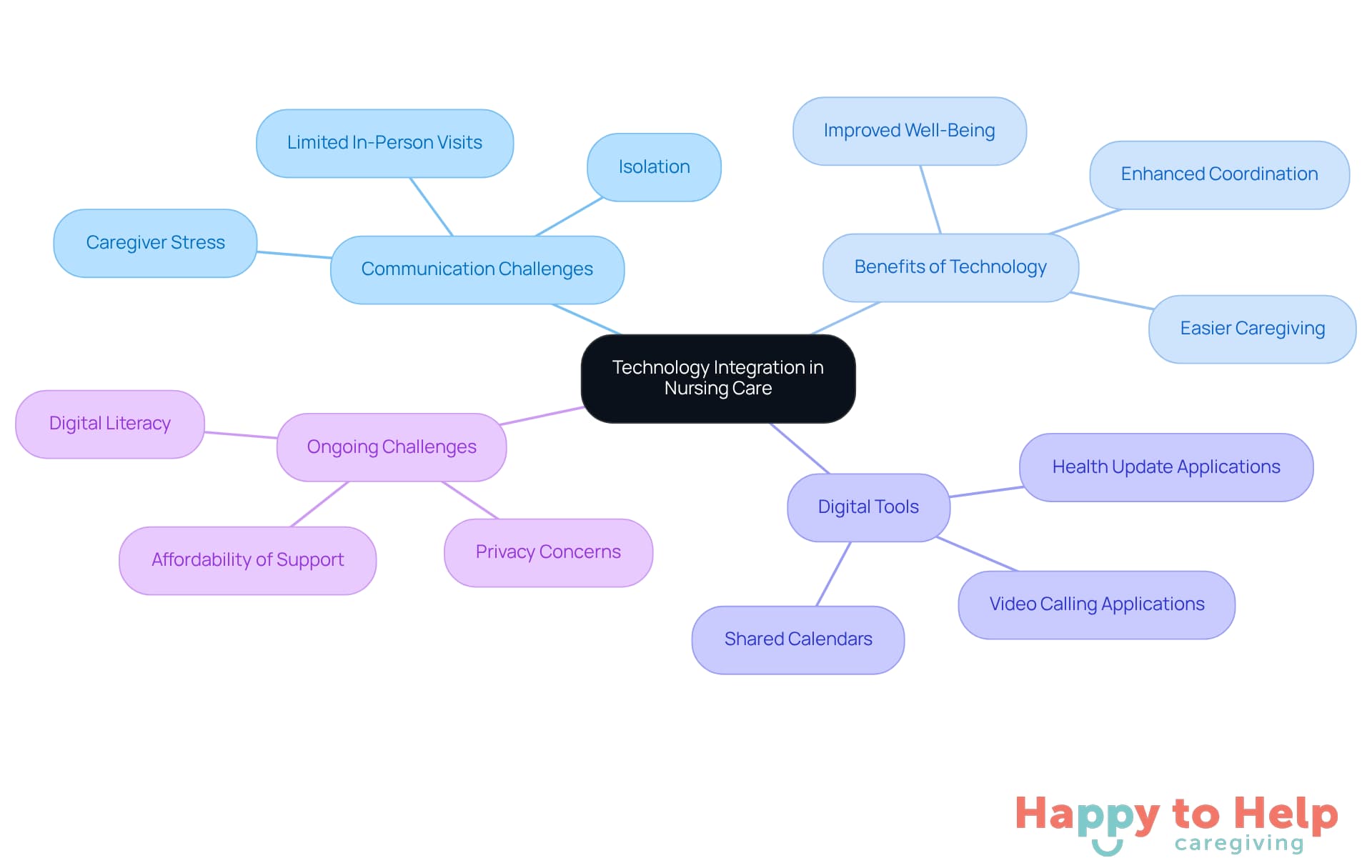
The incorporation of technology in private at home nursing care addresses significant challenges in communication and coordination of services. Caregivers often struggle with sharing updates and monitoring wellness metrics, which can lead to feelings of isolation for both them and their loved ones. This issue is particularly pressing during times when in-person visits are limited, leaving families feeling disconnected.
To combat these challenges, support providers are increasingly utilizing digital resources. For instance, video calling applications have become essential for maintaining connections. A case study revealed that seniors who regularly use these tools report reduced feelings of loneliness and improved emotional well-being, fostering stronger relationships with family members. In fact, 75% of caregivers noted that technology made caregiving easier and reduced stress levels.
Moreover, digital platforms enable continuous coordination through messaging and scheduling. This allows families to stay informed about their loved one's well-being and treatment progress. Such proactive approaches not only streamline the caregiving process but also empower families to participate actively in care decisions. As Penny Pirtle, Director of Tech-First Programs, states, "Enabling technology refers to tools and devices that enhance safety, independence, and connectivity for individuals with disabilities or aging adults."
Examples of effective digital tools include shared calendars and health update applications. These tools allow supporters to visually check in on seniors, ensuring their safety and well-being while enhancing communication. The positive effects of these technologies are evident, as caregivers report that such tools save time and alleviate stress, ultimately resulting in better outcomes for everyone involved.
However, it's crucial to recognize that 25% of caregivers report significant difficulty in obtaining support for private at home nursing care that is both affordable and beneficial. This highlights the ongoing challenges in the caregiving landscape, emphasizing the need for continued innovation and support in this vital area.
Peace of Mind: Confidence in Professional Home Care
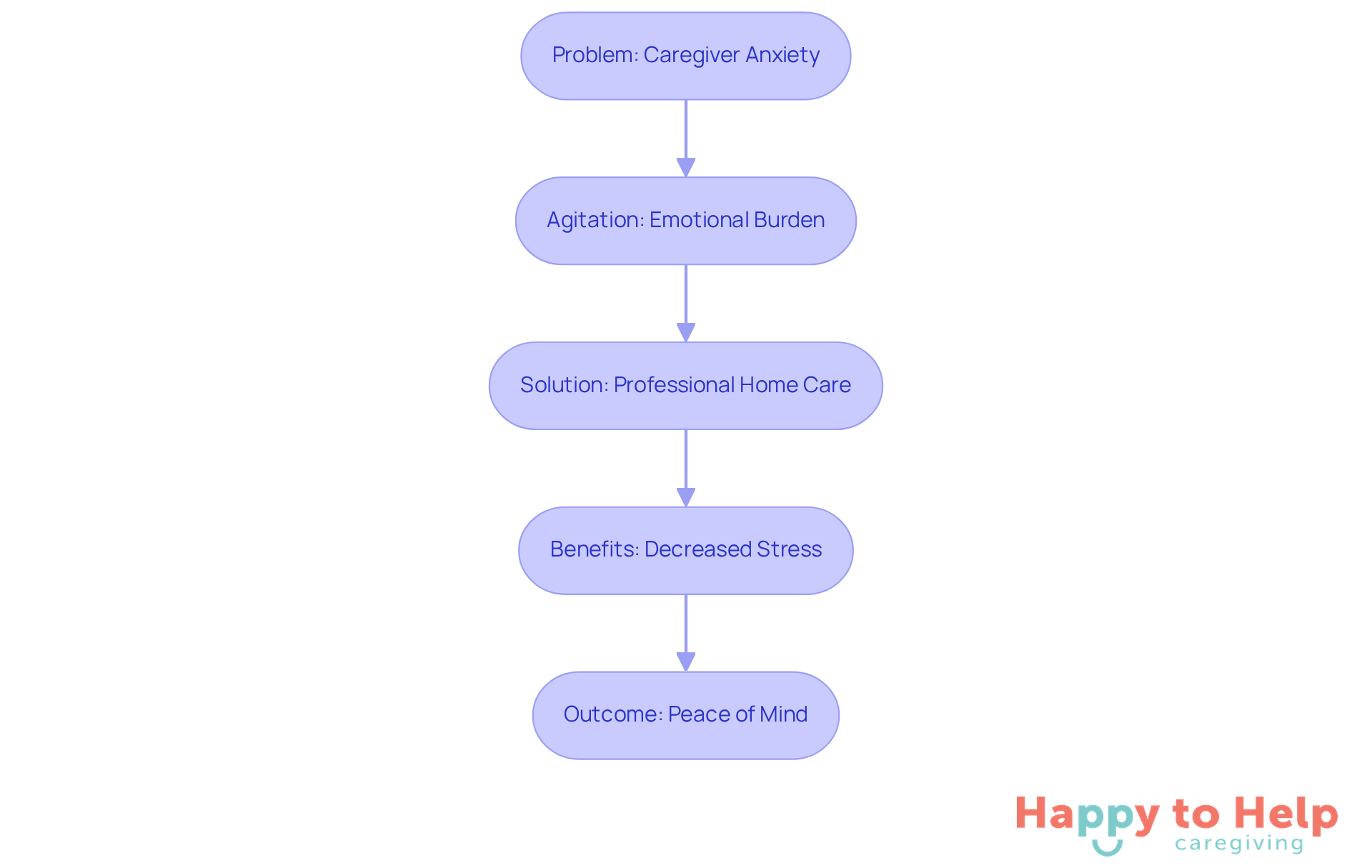
Problem: Caregivers often face significant anxiety about the safety and well-being of their loved ones. This constant worry can take a toll on their mental health and overall family dynamics.
Agitate: The stress of caregiving can lead to feelings of helplessness, as family members struggle to balance their own lives while ensuring their loved ones receive the care they need. This emotional burden can create a cycle of worry that affects everyone in the household.
Choosing private at home nursing care can provide families with a profound sense of peace. Professional providers are trained not only to handle emergencies but also to offer compassionate, personalized care. This level of support allows family members to focus on their own lives, alleviating anxiety about their loved one's safety.
Families often express their trust in these services, noting that the presence of a skilled provider shifts their experience from worry to reassurance. Many caregivers report a significant decrease in stress, knowing their family members are in competent hands. This ultimately enhances the overall family dynamic.
The ability of professional caregivers to create a safe and nurturing environment solidifies this trust, enabling families to enjoy their time together without the weight of caregiving responsibilities. By investing in private at home nursing care, families can reclaim their peace of mind.
Client Testimonials: Real Experiences with At-Home Nursing Care
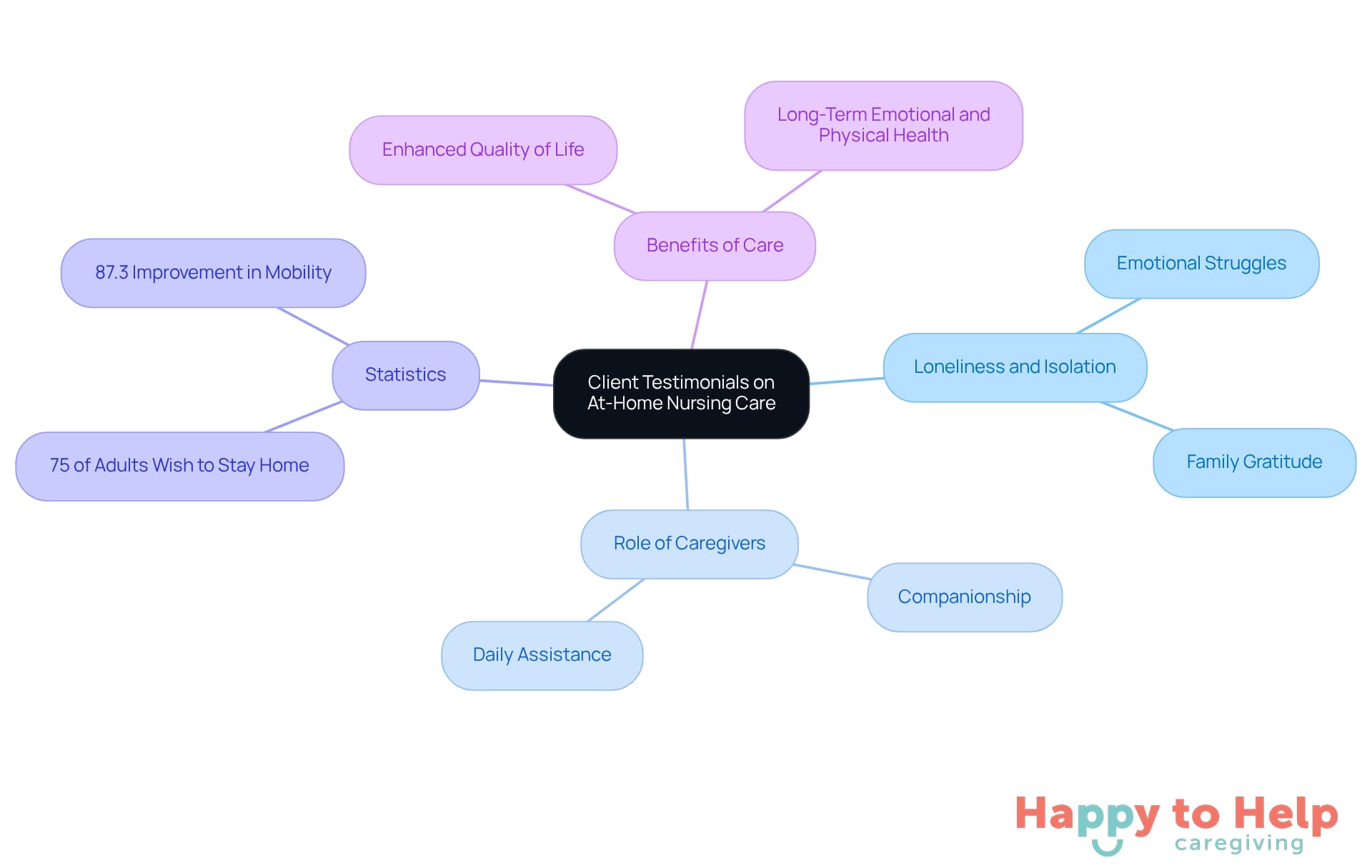
Client testimonials highlight a significant issue: many individuals receiving care at home experience feelings of loneliness and isolation. This emotional struggle can adversely affect both physical health and overall well-being. Families often express heartfelt gratitude for the compassionate support their loved ones receive, noting improvements in both areas.
Caregivers play a crucial role in addressing these challenges. They not only assist with daily activities but also foster meaningful connections that alleviate loneliness. For instance, families have shared stories of caregivers who have become trusted companions, enhancing the quality of life for their clients. This personalized assistance is vital, as it demonstrates how customized support can lead to transformative outcomes.
Statistics reveal a growing demand for such services. A survey indicated that 75% of U.S. adults over 50 wish to remain in their homes for as long as possible. Additionally, from 2019 to 2024, 87.3% of residential health episodes in the U.S. resulted in improved mobility, underscoring the effectiveness of at-home support.
The positive relationships formed between caregivers and clients serve as a testament to the value of quality private at home nursing care. Families can significantly enhance their loved ones' lives by choosing private at home nursing care that provides compassionate, individualized attention. This approach not only addresses immediate needs but also fosters long-term emotional and physical health benefits.
Your Path Forward
Private at-home nursing care addresses a significant problem: the overwhelming burdens faced by family caregivers. These caregivers often struggle with emotional stress and logistical challenges, which can detract from the quality of life for both themselves and their loved ones. The implications of this situation are profound, as caregivers may feel isolated and overwhelmed, while seniors may experience loneliness and a lack of personalized attention.
To combat these issues, private at-home nursing care offers a solution that enhances emotional well-being and fosters a sense of connection. By providing personalized support tailored to individual needs, this form of care not only meets medical requirements but also promotes dignity and independence among seniors. Key advantages include:
- Emotional support to combat loneliness.
- Flexible scheduling that accommodates family routines.
- Continuity of care that builds trust and enhances recovery.
Moreover, the cost-effectiveness of at-home nursing care reduces hospital stays and associated expenses, while the safety and comfort of familiar surroundings further underscore its value. The integration of technology improves communication and care coordination, ensuring that trained professionals deliver comprehensive care.
These benefits extend beyond immediate care needs; they transform the lives of elderly individuals and their families. Embracing private at-home nursing care alleviates the burdens faced by family caregivers and fosters a nurturing environment where seniors can thrive. Families are encouraged to explore these options, recognizing that investing in personalized home care is a vital step towards ensuring the well-being and happiness of their loved ones.
https://iframe.tely.ai/cta/eyJhcnRpY2xlX2lkIjogIjY5M2Y3NWEzNDg1MDUzNmE1M2JjNDRjMCIsICJjb21wYW55X2lkIjogIjY4ZWU1ZGNhNzMxNzYyNTU3ZjNjOTVjMSIsICJpbmRleCI6IG51bGwsICJ0eXBlIjogImFydGljbGUifQ==Frequently Asked Questions
Why are personalized care plans important in caregiving?
Personalized care plans are crucial because they address the unique needs of each client, ensuring they receive the appropriate level of assistance. This tailored approach helps maintain clients' independence and dignity, fostering a supportive environment.
How does Happy to Help Caregiving develop personalized support plans?
Happy to Help Caregiving develops personalized support plans by considering each client's medical history, preferences, and lifestyle. Caregivers conduct thorough assessments to customize their approach, aligning the care provided with the specific needs of the clients.
What impact does individualized care have on clients?
Individualized care enhances the quality of care provided, helping clients maintain their independence and promoting their dignity, which significantly contributes to their overall well-being.
What is the significance of addressing loneliness among older adults?
Loneliness among older adults is a significant issue that can lead to serious health problems. Over 70% of seniors with poor mental well-being report feelings of social isolation, which can negatively impact their emotional and physical health.
How can private at home nursing care help alleviate loneliness?
Private at home nursing care provides essential emotional support by engaging clients in meaningful conversations and enjoyable activities, which significantly reduces feelings of loneliness.
What percentage of older adults report improved emotional well-being through companionship services?
Over 90% of older adults utilizing companionship services report enhanced emotional well-being and a greater sense of connection.
What role does companionship play in elderly care?
Companionship fosters a sense of belonging, which is vital for overall well-being. Caregivers actively participating in clients' lives help combat loneliness and promote a healthier, happier lifestyle for seniors.
How does private at home nursing care provide flexibility for families?
Private at home nursing care offers unmatched flexibility in scheduling, allowing helpers to accommodate family needs and provide assistance during designated hours that suit both the client and their relatives.
What are the benefits of flexible scheduling in caregiving?
Flexible scheduling leads to a more harmonious caregiving experience, alleviating some of the pressures caregivers face and helping families maintain their routines while ensuring their loved ones receive necessary support.
List of Sources
- Happy to Help Caregiving: Personalized Care Plans for Individual Needs
- 2025: AI enhances personalized care; caregiver experience in the spotlight (https://healthcareitnews.com/news/2025-ai-enhances-personalized-care-caregiver-experience-spotlight)
- Home Care Statistics In 2025: Key Insights In Home Care (https://sagapixel.com/marketing/home-care-statistics)
- Mid-Year Check-In: 7 Key Trends Shaping Non-Medical Home Care for the Rest of 2025 | Aaniie, formerly Smartcare Software (https://aaniie.com/news/key-trends-shaping-non-medical-home-care-for-the-rest-of-2025)
- Customized Care at Home: The Benefits of Personalized Care Plans - VNA Health Group (https://vnahg.org/customized-care-at-home-the-benefits-of-personalized-care-plans)
- The Future of Home Health Care: Trends to Watch in 2025 (https://synchronyfl.com/the-future-of-home-health-care-trends-to-watch-in-2025)
- Emotional Support: Alleviating Loneliness and Isolation
- 1 in 3 older adults still experience loneliness and isolation (https://michiganmedicine.org/health-lab/1-3-older-adults-still-experience-loneliness-and-isolation)
- AI Companions Redefine Elder Care: 3 Ways They Fight Loneliness, Boost Safety And Scale Support (https://forbes.com/sites/cathyrubin/2025/05/16/ai-companions-are-redefining-elder-care-3-ways-they-fight-loneliness-boost-safety-and-scale-support)
- NYSOFA’s Rollout of AI Companion Robot ElliQ Shows 95% Reduction in Loneliness (https://aging.ny.gov/news/nysofas-rollout-ai-companion-robot-elliq-shows-95-reduction-loneliness)
- Trends in Loneliness Among Older Adults from 2018-2023 (https://ihpi.umich.edu/national-poll-healthy-aging/national-findings/trends-loneliness-among-older-adults-2018-2023)
- The Unbeatable Benefits of Companion Care for Seniors (https://comforcare.com/massachusetts/canton/resources/blog/the-unbeatable-benefits-of-companion-care-for-seniors)
- Flexibility: Tailored Scheduling to Fit Family Needs
- How Flexible Scheduling Improves The Home Care Experience For Families – CCN – Columbus County News (https://columbuscountynews.com/2025/12/how-flexible-scheduling-improves-the-home-care-experience-for-families)
- Top Home Care Trends for 2025: What Families Need to Know (https://alliedhomehealthhouston.com/top-home-care-trends-2025-what-families-need-to-know)
- 9 Ways to Find Caregivers With Flexible Scheduling Options - MedCity News (https://medcitynews.com/2025/05/9-ways-to-find-caregivers-with-flexible-scheduling-options)
- Return-to-Office Trends are Reshaping Caregiving at Home - Family & Nursing Care (https://familynursingcare.com/return-to-office-trends-are-reshaping-caregiving-at-home)
- Continuity of Care: Ensuring Consistent Support for Recovery
- CMS to Suspend Nursing Home Medicare Revalidation Indefinitely (https://skillednursingnews.com/2025/12/cms-to-suspend-nursing-home-medicare-revalidation-indefinitely)
- Home Health Care Trends for 2025 (https://carevoyant.com/home-health-blog/home-health-care-trends-2025)
- CMS grants temporary flexibility for telehealth coverage in Medicare Advantage during the government shutdown (https://cmadocs.org/newsroom/news/view/ArticleId/51055/CMS-grants-temporary-flexibility-for-telehealth-coverage-in-Medicare-Advantage-during-the-government-shutdown)
- Government Shutdown Halts Telehealth Flexibilities, Hospital-at-Home Waiver, Threatening Home Health Industry (https://homehealthcarenews.com/2025/10/government-shutdown-halts-telehealth-flexibilities-hospital-at-home-waiver-threatening-home-health-industry)
- Home Care Worker Continuity in Home-Based Long-Term Care: Associated Factors and Relationships With Client Health and Well-Being - PMC (https://pmc.ncbi.nlm.nih.gov/articles/PMC10946305)
- Cost-Effectiveness: Reducing Hospital Stays and Expenses
- Providers Betting Big on Future of Hospital at Home | AHA (https://aha.org/aha-center-health-innovation-market-scan/2024-04-09-providers-betting-big-future-hospital-home)
- Hospital at home saves lives and money: CMS report (https://ama-assn.org/public-health/population-health/hospital-home-saves-lives-and-money-cms-report)
- Maximizing Cost-effectiveness: Hospital at Home Care (https://healthrecoverysolutions.com/blog/maximizing-cost-effectiveness-hospital-at-home-care)
- "Hospital at Home" Programs Improve Outcomes, Lower Costs But Face Resistance from Providers and Payers (https://commonwealthfund.org/publications/newsletter-article/hospital-home-programs-improve-outcomes-lower-costs-face-resistance)
- Safety and Comfort: The Benefits of Familiar Surroundings
- Benefits of Home Health Care- Atlantic Care Services (https://atlanticcareservices.com/benefits-of-home-health-care)
- Seniors Who Age in Place Benefit From the Comfort and Familiarity of… (https://nhcares.com/blog/seniors-who-age-in-place-benefit-from-the-comfort-and-familiarity-of-home)
- 5 Benefits of Senior In-Home Care in 2025 | Valley Home Care (https://valleyhca.com/the-top-5-benefits-of-in-home-senior-care-for-aging-loved-ones-in-2025)
- Your Home Advantage: Research Shows Why Familiar Settings Accelerate Progress - Stern at Home Therapy (https://sternathometherapy.com/shows-why-familiar-settings-accelerate-progress)
- Why In-Home Senior Care Is Safer and More Comfortable Than Facility Care (https://allaboutyouhha.com/news/why-in-home-senior-care-is-safer-and-more-comfortable-than-facility-care)
- Expert Care: Trained Professionals for Specialized Needs
- The Future of Private Home Care: What to Expect in 2025 (https://anodyne-services.com/2024/08/14/the-future-of-private-home-care-what-to-expect-in-2025)
- Top Home Care Trends for 2025: What Families Need to Know (https://alliedhomehealthhouston.com/top-home-care-trends-2025-what-families-need-to-know)
- Private-Duty Nursing Attracts PE Investment Amid Strong Market Potential – And Rising Concerns (https://homehealthcarenews.com/2025/07/private-duty-nursing-attracts-pe-investment-amid-strong-market-potential-and-rising-concerns)
- The Home Healthcare Outlook for 2025 - Alora Health (https://alorahealth.com/blog-the-home-healthcare-outlook-for-2025)
- News Releases (https://hcaoa.org/news-releases.html)
- Technology Integration: Enhancing Communication and Care Coordination
- How Technology Improves Communication Between Families And Care Staff (https://thehighpointresidence.com/blog/how-technology-improves-communication-between-families-and-care-staff)
- How enabling technology is transforming home-based care | UnitedHealthcare Community & State (https://uhccommunityandstate.com/content/blog-post/blogs/how-enabling-technology-is-transforming-home-based-care)
- Caregiver Statistics: Health, Technology, and Caregiving Resources (https://caregiver.org/resource/caregiver-statistics-health-technology-and-caregiving-resources)
- Technology Use Among Older Adults and Their Caregivers: Cross-Sectional Survey Study - PMC (https://pmc.ncbi.nlm.nih.gov/articles/PMC11084119)
- How Technology Enhances Communication in Senior Care (https://business.seminolebusiness.org/news/details/how-technology-enhances-communication-in-senior-care)
- Peace of Mind: Confidence in Professional Home Care
- Top 5 Home Care Trends of 2025 - Family & Nursing Care (https://familynursingcare.com/top-5-home-care-trends-of-2025)
- Home Care in 2025: What New Laws in New York and The United States Mean for You | Home Care agency in New York (https://angelcareny.com/home-care-in-2025-what-new-laws-in-new-york-and-the-united-states-mean-for-you)
- Long Term Care 2025 Trends and Outlook (https://providermagazine.com/Articles/Pages/Long Term Care 2025 Trends and Outlook.aspx)
- How In-Home Care Is Redefining Independence for Aging Adults in 2025 - Corporate Carebuilders (https://carebuildersathome.com/blog/how-in-home-care-is-redefining-independence-for-aging-adults-in-2025)
- Home Care Predictions Shaping 2025 and Beyond (https://caresmartz360.com/blog/home-care/home-care-predictions-shaping-2025-and-beyond)
- Client Testimonials: Real Experiences with At-Home Nursing Care
- Salus Homecare (https://salushomecare.com/testimonials/page/13)
- Topic: Home care in the U.S. (https://statista.com/topics/4049/home-care-in-the-us?srsltid=AfmBOopWOc3bsYepHHOl7zscg0mpGdZj0mcfCblZS2YHzd90vzeTpar0)
- Exceptional Care: Testimonials from Patients, Residents, and Family Members (https://lcca.com/blog/Positive-Experiences)
- Home Care Reviews: Hear Our Client's Success Stories - Eldercare (https://eldercareanswers.com/client-stories)
- Client & Caregiver Testimonials | Family Resource Home Care (https://familyresourcehomecare.com/about/awards-reviews-testimonials/testimonials)