Why Private Elderly Care Matters
Caring for elderly loved ones can be a daunting challenge for families, often leaving them feeling overwhelmed. The emotional and physical demands of caregiving can lead to significant stress and uncertainty for family members. This is where private elderly care becomes a vital solution. It offers tailored support that not only enhances the quality of life for seniors but also alleviates the burdens faced by caregivers.
So, what specific benefits does private elderly care provide? By exploring its multifaceted advantages, families can gain essential insights that empower them to make informed decisions about their loved ones' well-being. This type of care transforms the caregiving experience, ensuring that seniors receive the attention and support they need while allowing family members to focus on their own well-being.
Happy to Help Caregiving: Personalized In-Home Support for Seniors
Problem: Many older adults face challenges in receiving adequate in-home assistance, which can lead to feelings of insecurity and a diminished quality of life.
Agitate: Without tailored support, these individuals may struggle to thrive in their own homes, impacting their overall well-being and independence. Families often feel overwhelmed when trying to navigate care options for their loved ones, leading to stress and uncertainty.
Happy to Help Caregiving specializes in private elderly care by providing customized in-home assistance for older adults. By focusing on personal support plans, they ensure that each client receives the help they need, tailored to their unique requirements and preferences. This approach not only promotes a sense of security but also enhances the overall quality of life for older adults, allowing them to flourish in the comfort of their own homes with private elderly care. Families can make informed choices regarding their loved ones' assistance, knowing they have a reliable partner in care.
Companionship Care: Alleviating Loneliness and Isolation
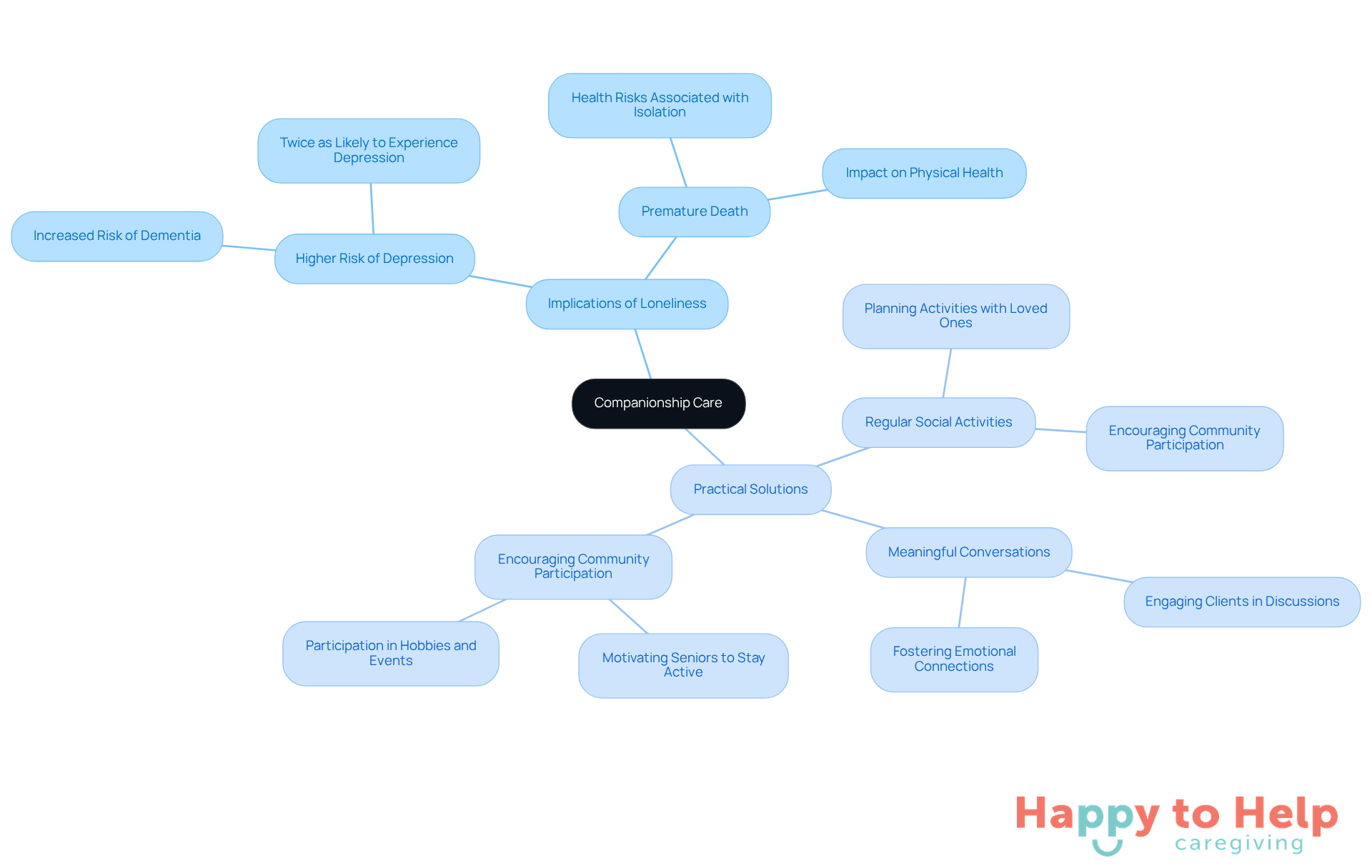
Companionship support addresses a significant problem: feelings of loneliness and isolation among elderly individuals. These feelings can lead to severe implications, including a higher risk of depression and even premature death. Studies show that isolated elderly individuals are twice as likely to experience depression, highlighting the urgent need for effective companionship support.
To combat this issue, caregivers can implement practical solutions:
- Planning regular social activities with loved ones is a crucial step.
- Engaging clients in meaningful conversations and activities fosters emotional connections, which are vital for mental health.
- This support not only encourages social engagement but also motivates older adults to remain active and participate in their communities, greatly enhancing their quality of life.
By prioritizing companionship support, family caregivers can help reduce the risks associated with social isolation, ultimately improving the well-being of their elderly loved ones.
Post-Hospital Recovery Assistance: Ensuring Safe Transitions Home
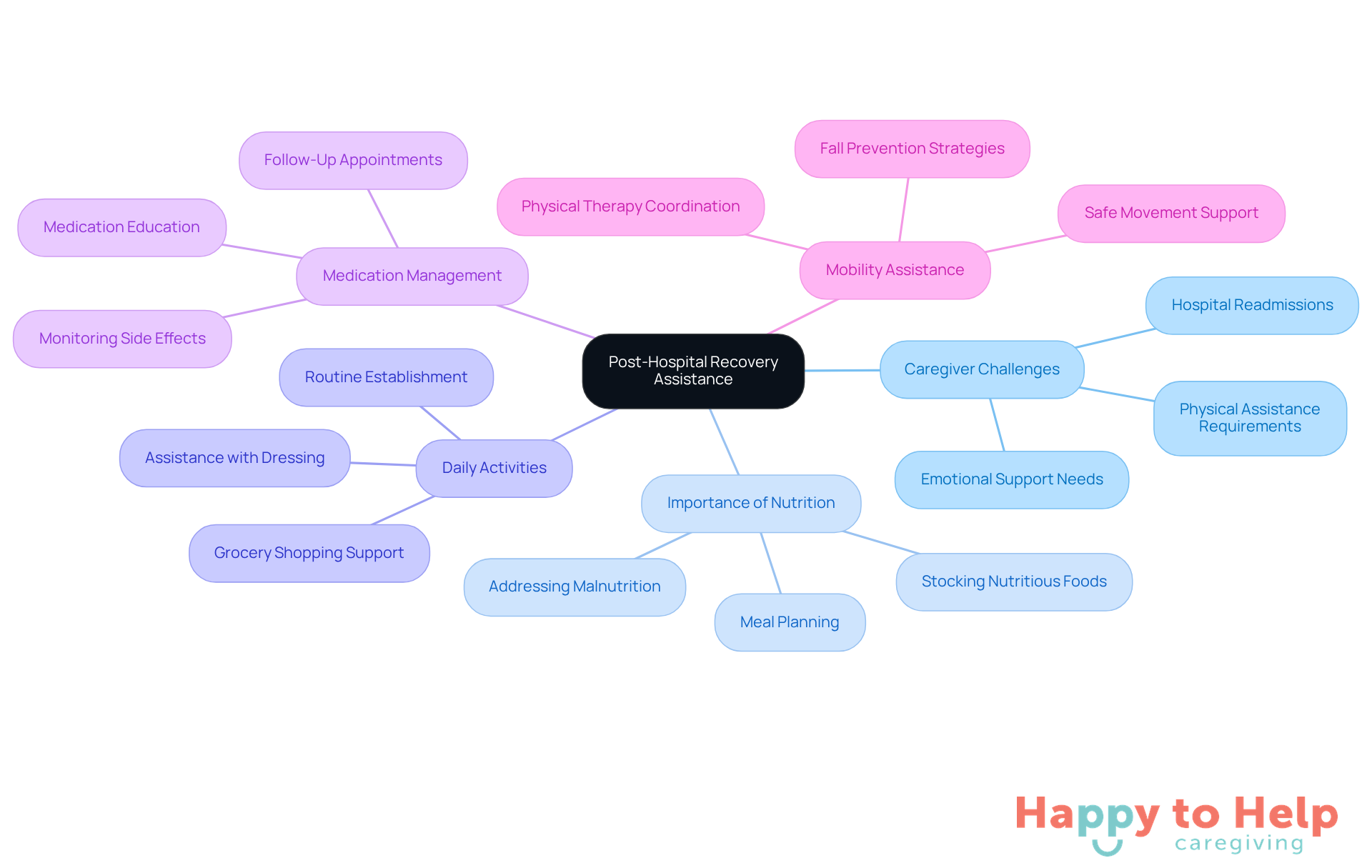
Post-hospital recovery assistance through private elderly care is essential for elderly individuals transitioning from hospital to home. The problem arises in private elderly care when caregivers face challenges in providing adequate support with daily activities, medication management, and mobility assistance. These elements are crucial for ensuring a safe recovery in a familiar environment through private elderly care.
Inadequate post-discharge care can lead to complications, such as hospital readmissions, highlighting the need for private elderly care. In fact, the average hospital stay for Medicare Advantage patients has increased from seven days to nine days - a 29% rise - underscoring the urgent need for effective transition care. Caregivers play a vital role in private elderly care by addressing both the physical and emotional needs of elderly individuals, fostering a sense of independence and confidence during recovery.
As Anslee Wilson, Owner/President of A Helping Hand, points out, "Malnutrition is a major cause of hospital readmission in elderly individuals." This highlights the importance of nutrition during recovery. To combat this issue, caregivers in private elderly care should ensure that the kitchen is stocked with nutritious foods and establish a daily routine to help seniors adapt to being at home.
Caregivers in private elderly care enable a seamless transition, assisting elderly individuals in reclaiming their independence while reducing the likelihood of setbacks that might require additional medical treatments. Practical solutions, such as meal planning and routine establishment, can significantly enhance the recovery process within the context of private elderly care.
Respite Care: Supporting Family Caregivers and Preventing Burnout
Respite support is vital for relatives who provide assistance, as it offers necessary relief that helps them rejuvenate and maintain their well-being. Caregiver burnout is a significant problem, characterized by physical and emotional exhaustion that impacts both the provider and the recipient of care.
Research shows that:
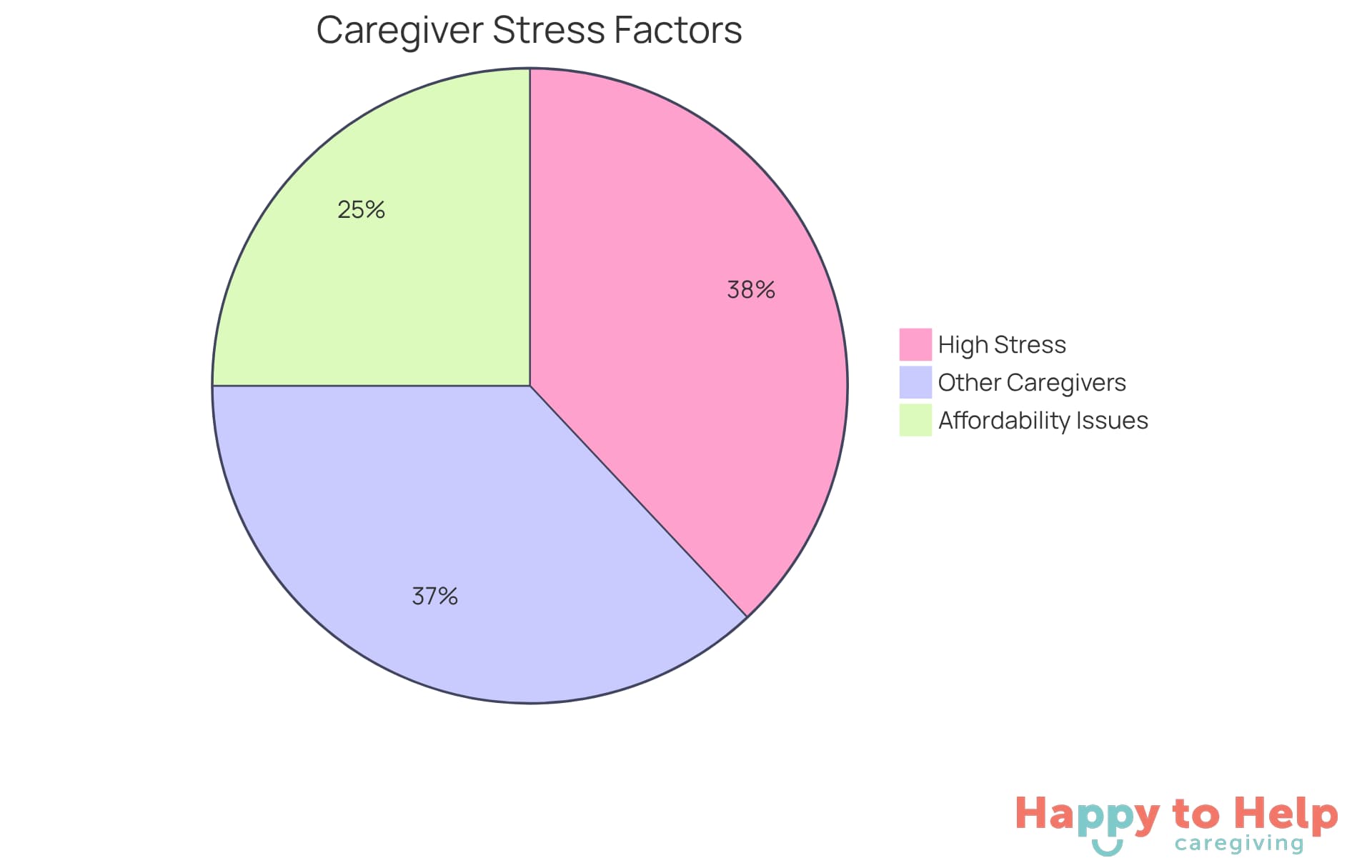
- 38% of relatives find their caregiving situation highly stressful, highlighting the urgent need for respite services.
- 25% of caregivers struggle to find affordable and beneficial assistance, which complicates their ability to take breaks.
This stress can lead to serious mental health challenges, with studies indicating that 40% to 70% of family caregivers experience clinically significant symptoms of depression.
To combat these issues, respite services provide temporary support for seniors, allowing caregivers to take essential breaks. This not only improves their quality of life but also enhances the quality of care they can provide. Caregivers can explore local resources, community programs, and online platforms to find respite services tailored to their needs. By seeking these supports, caregivers can better manage their responsibilities and maintain their health.
Palliative Support Care: Enhancing Comfort for Seniors with Health Challenges
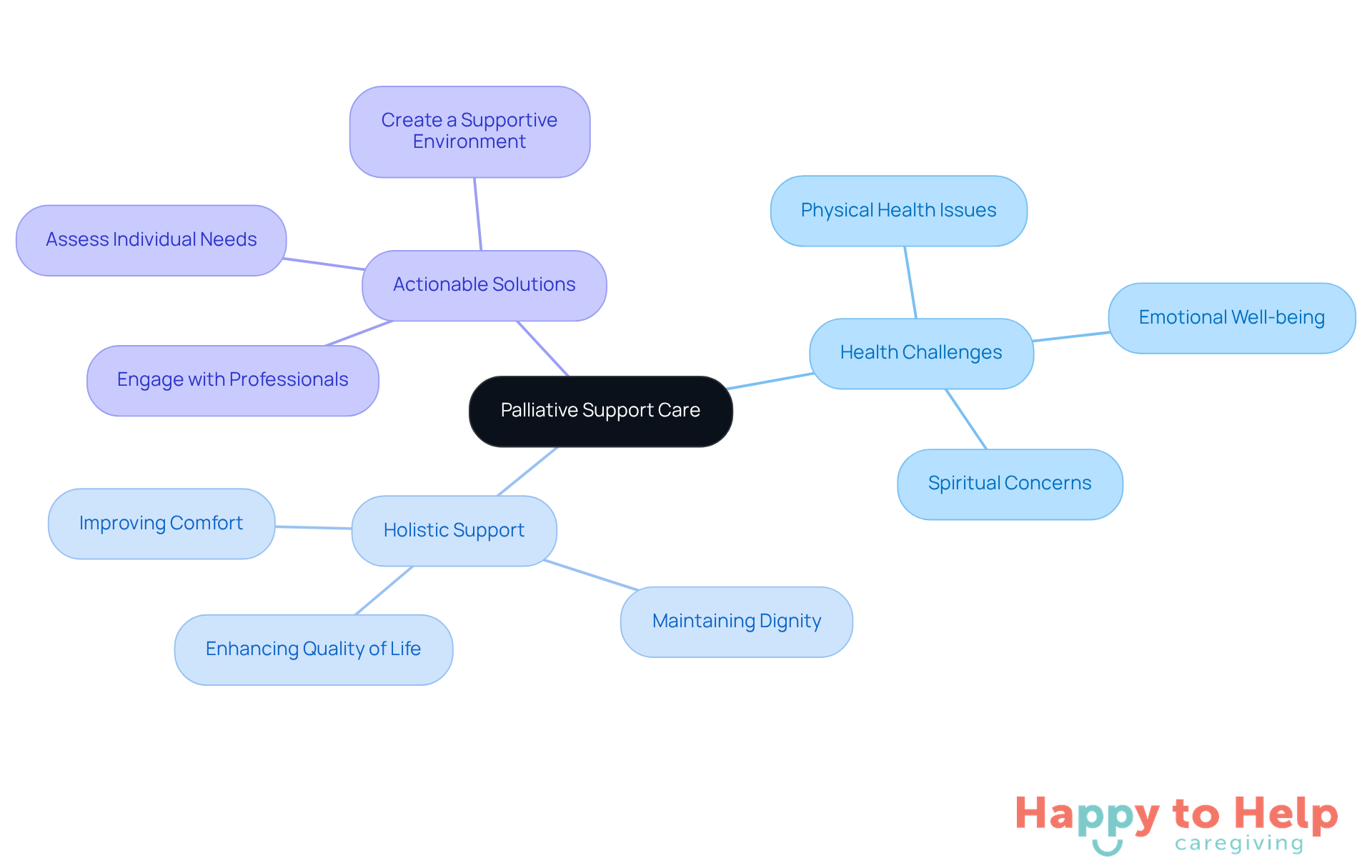
Older adults often face significant health challenges that can severely impact their quality of life. These challenges not only manifest physically but also affect emotional and spiritual well-being, creating a complex problem for caregivers and loved ones.
Palliative support services address these multifaceted issues by focusing on improving comfort and dignity. This comprehensive approach helps elderly individuals maintain a sense of normalcy and tranquility during difficult times. By providing assistance that encompasses physical symptoms as well as emotional and spiritual needs, caregivers can ensure that their loved ones receive holistic support.
To implement effective palliative care, caregivers can consider the following actionable solutions:
- Assess individual needs: Regularly evaluate the physical, emotional, and spiritual requirements of the elderly individual.
- Create a supportive environment: Foster a space that promotes comfort and peace, allowing for a sense of normalcy.
- Engage with professionals: Collaborate with healthcare providers to tailor palliative care plans that address specific challenges.
By emphasizing these strategies, caregivers can significantly enhance the quality of life for older adults facing health challenges.
24/7 Availability: Flexible Care Options for Peace of Mind
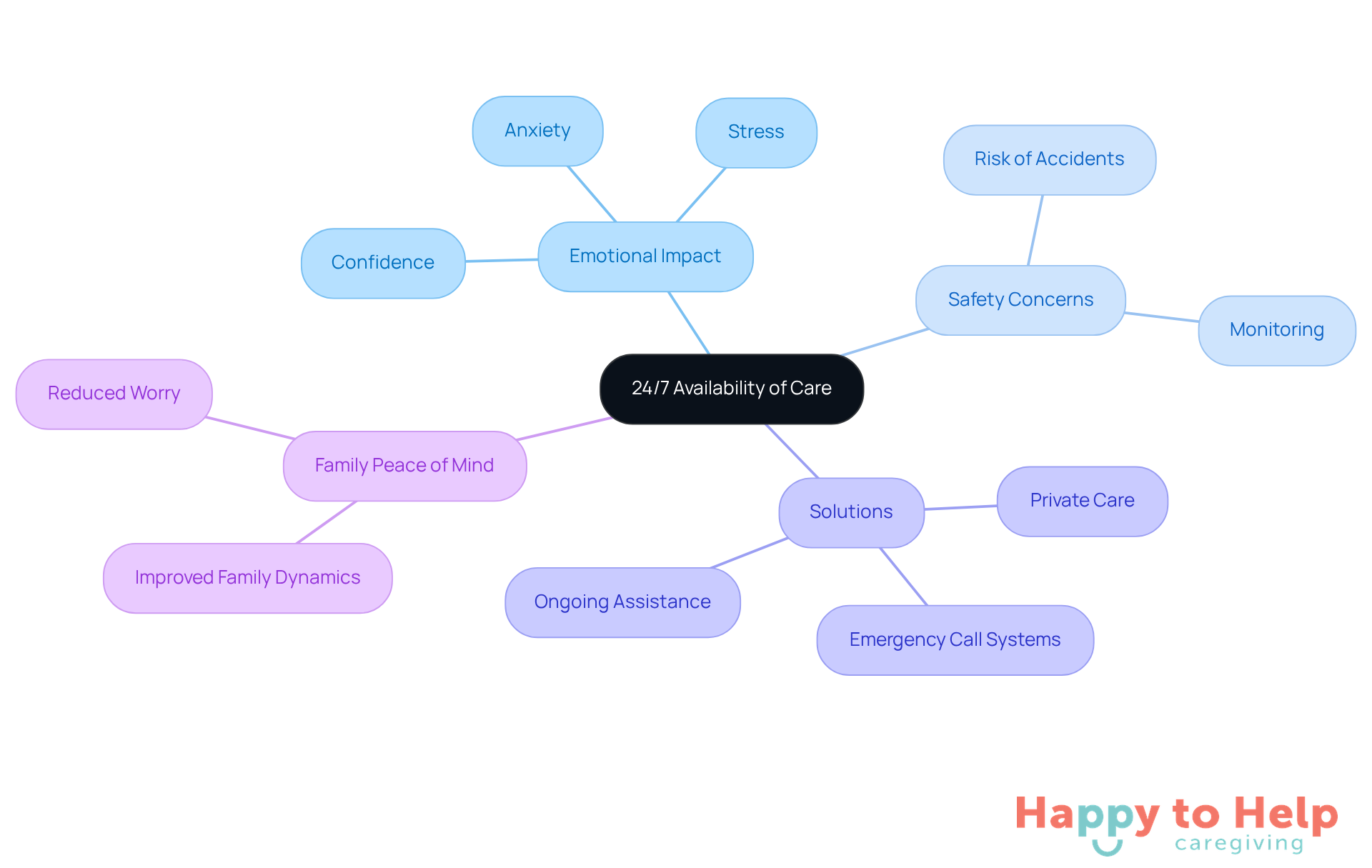
Caregiving can be a daunting task, especially when families worry about their loved ones being alone. This concern can lead to anxiety, as the safety and comfort of elderly individuals at home are paramount. Without adequate support, families may feel overwhelmed, unsure if their loved ones are receiving the necessary care.
The implications of inadequate caregiving services are significant. When individuals are left unattended, the risk of accidents increases, and emotional distress can affect both seniors and their families. Knowing that help is not just a call away can create a stressful environment, impacting everyone involved.
Fortunately, there are solutions that can alleviate these concerns. The availability of private elderly care at all times provides invaluable peace of mind, ensuring that loved ones are never alone. With caregivers ready to assist at any hour, whether day or night, families can rest easy knowing that immediate help is available.
Ongoing assistance is essential in private elderly care, as it not only ensures prompt attention but also greatly improves the safety and comfort of elderly individuals at home. Caregivers can assist with daily tasks and monitor health conditions, providing relatives with confidence that their loved ones are receiving the private elderly care they need. This degree of support cultivates a safe atmosphere, lowering the likelihood of incidents and offering emotional comfort for both seniors and their loved ones.
Moreover, knowing your loved one is monitored and cared for at all times alleviates anxiety for households. Emergency call systems in rooms further enhance resident safety, providing an additional layer of security. By implementing these solutions, families can ensure their loved ones receive the care they need, fostering a sense of safety and well-being.
Technology Integration: Enhancing Communication and Care Management
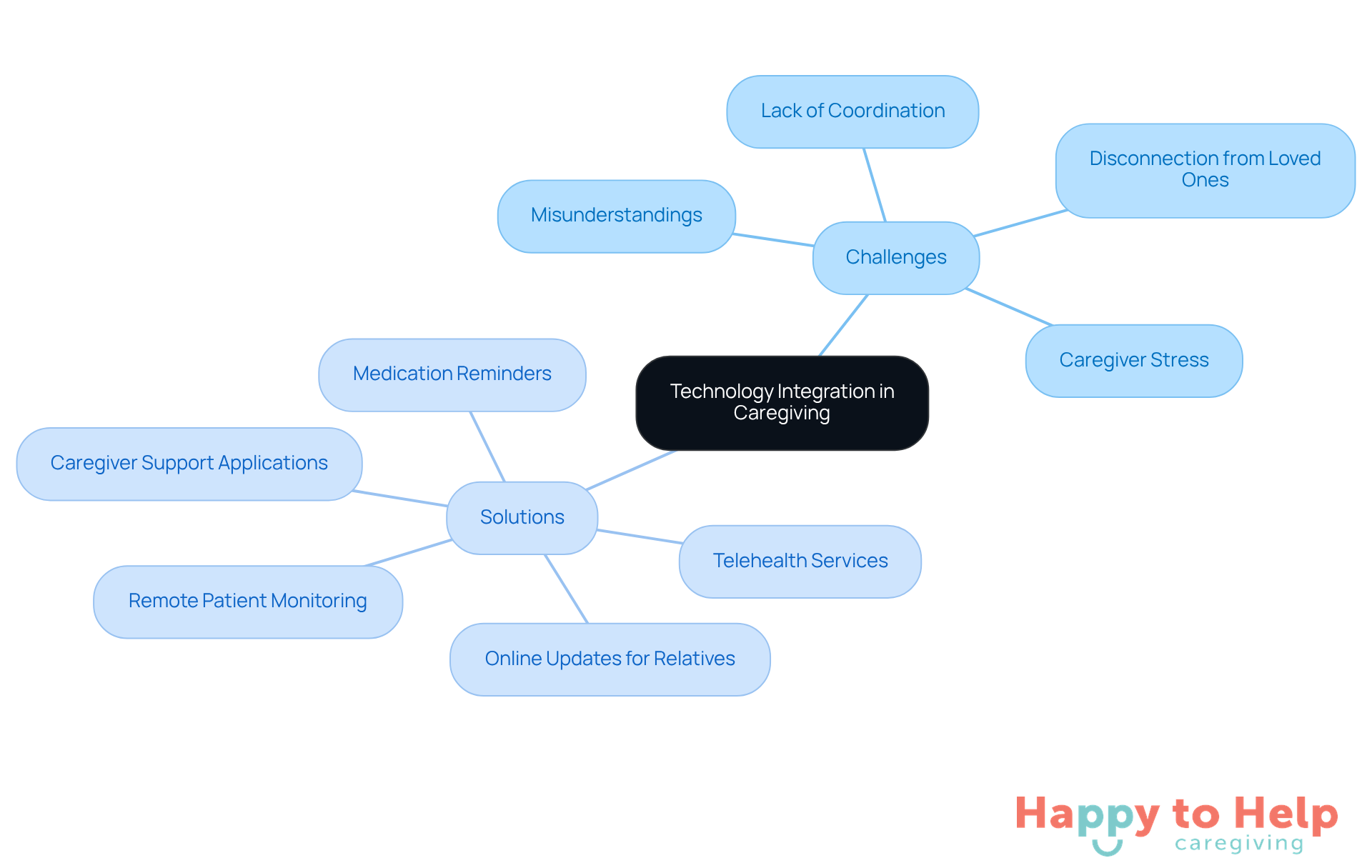
Caregivers often face significant challenges in communication and management of assistance. These difficulties can lead to misunderstandings and a lack of coordination in providing care. As a result, families may feel disconnected from their loved ones' well-being, which can add to the stress of caregiving.
To address these issues, incorporating technology into caregiving can be a game-changer. Tools such as:
- Telehealth services
- Medication reminders
- Online updates for relatives
streamline the caregiving process. These solutions not only enhance the efficiency of support but also keep families informed and involved, fostering a sense of connection and reassurance.
Tailored Care Plans: Meeting Unique Needs of Each Senior
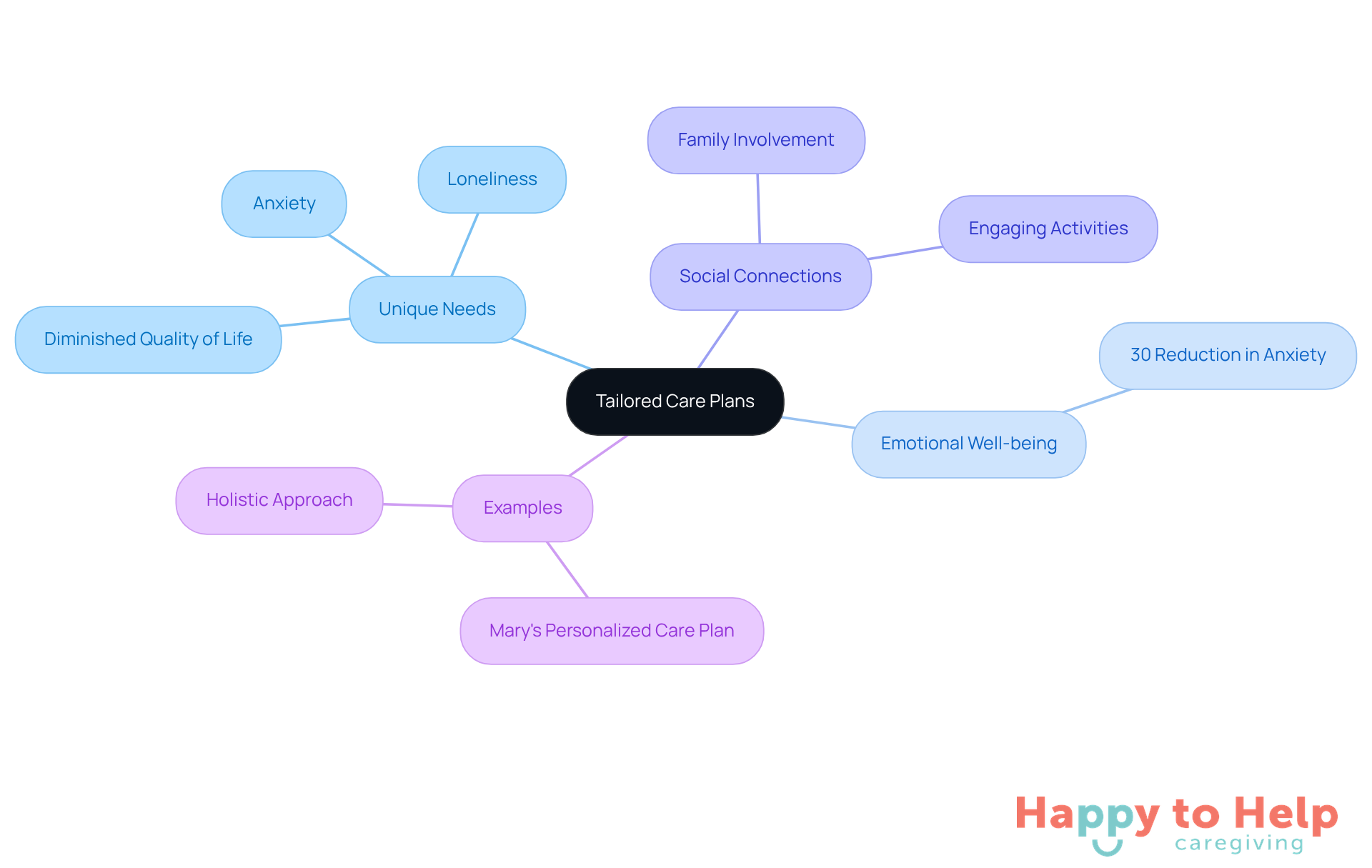
Customized support plans are essential for effectively delivering private elderly care to seniors. Many caregivers face the challenge of addressing the unique needs of each individual, which can lead to feelings of frustration and inadequacy. Without a tailored approach, private elderly care may result in diminished quality of life, increased loneliness, and heightened anxiety for seniors.
Research shows that private elderly care through personalized support plans can enhance emotional well-being, reducing feelings of loneliness and anxiety by up to 30%. These plans not only foster social connections through engaging activities but also adapt to the evolving needs of the elderly, ensuring ongoing relevance and effectiveness in private elderly care delivery. As Wisdom Senior Services states, "The basic element that is at the core of every personalized support plan is dignity."
By prioritizing the unique lifestyles and preferences of each elder, providers of private elderly care can create a nurturing environment that honors their dignity and enhances their quality of life. For instance, Mary, an 82-year-old woman, benefited from a customized support plan that included assistance with household chores and gardening. This approach allowed her to maintain her independence and emotional health.
In summary, a holistic strategy that addresses both physical needs and emotional well-being fosters a sense of belonging and purpose for seniors. Caregivers can implement these tailored support plans to significantly improve the lives of those they care for.
Trained Caregivers: Ensuring Quality and Trust in Care
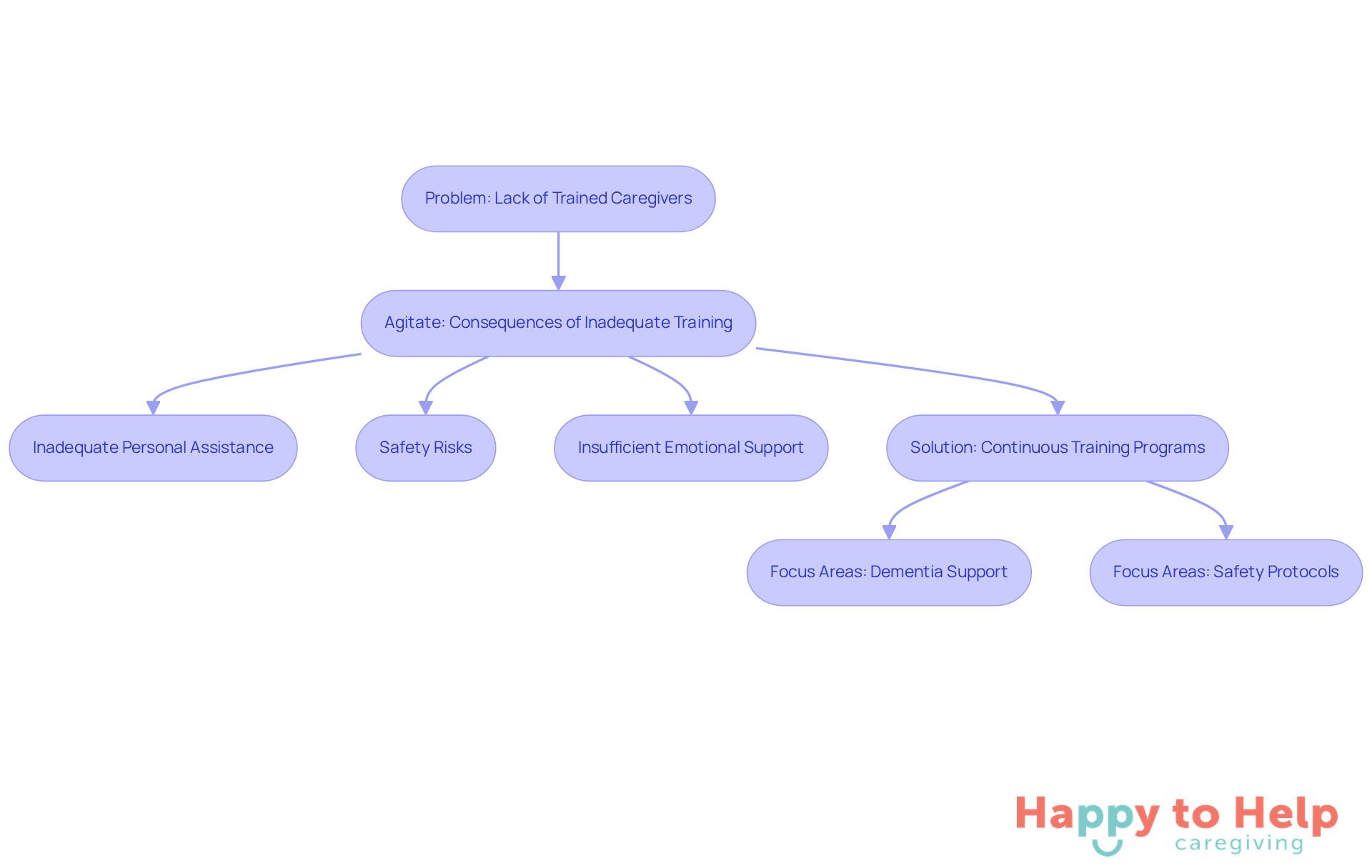
Problem: The growing demand for elderly support highlights a significant issue: the lack of adequately trained attendants. Without specialized training, caregivers may struggle to provide the quality of care that seniors deserve.
Agitate: This gap in training can lead to inadequate personal assistance, safety risks, and insufficient emotional support. Such shortcomings not only affect the quality of care but also erode the trust between providers and families, which is essential for effective caregiving.
Solution: To address these challenges, continuous training programs are vital. These programs should focus on specialized skills, including dementia support and safety protocols, to meet the unique needs of elderly clients. By investing in caregiver education, home support agencies can significantly enhance the overall assistance experience in private elderly care. This ensures that clients receive compassionate and competent support in their own homes, fostering a strong sense of trust and improving the quality of care.
Overall Well-Being: The Transformative Impact of Private Elderly Care
Caring for elderly loved ones can be a daunting challenge for families. Many caregivers struggle with the emotional and physical toll of ensuring their relatives receive the best care possible. This can lead to feelings of stress and uncertainty about their loved ones' well-being.
Private elderly care addresses these concerns effectively. By providing tailored support, companionship, and professional services, it significantly enhances the overall health of older adults. This type of assistance not only improves physical health but also fosters emotional stability and encourages social involvement.
Families can feel confident knowing their loved ones are receiving quality care. This assurance allows seniors to live fulfilling and independent lives in the comfort of their own homes. With the right support, caregivers can alleviate their burdens while ensuring their elderly relatives thrive.
Taking the Next Steps
Private elderly care emerges as a vital solution for families facing the challenges of enhancing their loved ones' quality of life. Caregivers often experience stress and uncertainty, which can take a toll on their emotional and physical well-being. This situation underscores the need for effective support systems that not only cater to the unique needs of seniors but also alleviate the burdens on family caregivers.
Investing in private elderly care can significantly improve emotional well-being, physical health, and a sense of security for both seniors and their families. Key benefits include:
- Companionship to combat loneliness.
- Tailored care plans that meet individual needs.
- Trained caregivers who ensure quality support.
- Respite care to prevent caregiver burnout.
- Technology that enhances communication and care management.
These insights collectively highlight how private elderly care empowers families to navigate the caregiving journey with confidence. By prioritizing personalized care and seeking professional assistance, caregivers can create a nurturing environment that fosters independence and well-being for their elderly loved ones.
Ultimately, the transformative impact of private elderly care cannot be overstated. Families are encouraged to explore these options, recognizing that the right support can help seniors thrive, ensuring they receive the dignity and respect they deserve in their golden years.
https://iframe.tely.ai/cta/eyJhcnRpY2xlX2lkIjogIjY5MjRmMWQ4ZWM0Y2FiOGU3NGVjMDBjYiIsICJjb21wYW55X2lkIjogIjY4ZWU1ZGNhNzMxNzYyNTU3ZjNjOTVjMSIsICJpbmRleCI6IG51bGwsICJ0eXBlIjogImFydGljbGUifQ==Frequently Asked Questions
What challenges do older adults face in receiving in-home assistance?
Many older adults struggle with inadequate in-home assistance, leading to feelings of insecurity and a diminished quality of life. This can impact their overall well-being and independence.
How does Happy to Help Caregiving address the needs of seniors?
Happy to Help Caregiving specializes in private elderly care by providing customized in-home assistance tailored to each client's unique requirements and preferences, which promotes a sense of security and enhances their quality of life.
What is the significance of companionship care for elderly individuals?
Companionship care helps alleviate feelings of loneliness and isolation among elderly individuals, which can lead to severe implications like depression and increased health risks. Regular social activities and meaningful conversations are essential for fostering emotional connections.
What role does post-hospital recovery assistance play in elderly care?
Post-hospital recovery assistance is crucial for elderly individuals transitioning from hospital to home, addressing daily activities, medication management, and mobility assistance to ensure a safe recovery and reduce the risk of hospital readmissions.
What are the consequences of inadequate post-discharge care for seniors?
Inadequate post-discharge care can lead to complications such as hospital readmissions, which are often linked to issues like malnutrition. Effective transition care is essential for helping seniors regain independence and confidence during recovery.
How can caregivers support the nutritional needs of elderly individuals during recovery?
Caregivers should ensure that the kitchen is stocked with nutritious foods and establish a daily routine to help seniors adapt to being at home, as proper nutrition is vital for preventing hospital readmissions.
What practical solutions can caregivers implement to enhance the recovery process for seniors?
Caregivers can enhance the recovery process by planning meals, establishing daily routines, and providing both physical and emotional support to help seniors reclaim their independence and reduce setbacks that could require additional medical treatments.
List of Sources
- Happy to Help Caregiving: Personalized In-Home Support for Seniors
- Home Care Statistics In 2025: Key Insights In Home Care (https://sagapixel.com/marketing/home-care-statistics)
- 52 Eye-Opening Home Health Statistics: Insights for 2025 (https://boosthomehealth.com/home-health-statistics)
- Top healthcare trends of 2026: Aging in place is driving innovation in home-based care and technology (https://definitivehc.com/blog/aging-in-place-driving-innovation)
- 2025 Home Care Statistics: Trends & Insights To Know (https://premierhcinc.com/blog/home-care-statistics)
- Companionship Care: Alleviating Loneliness and Isolation
- Benefits of Companion Care for Seniors in California - 2025 (https://findinghomecare.net/benefits-of-companion-care-for-seniors)
- Combat Loneliness: The Benefits of Companion Care for Seniors (https://allheartcare.com/more-than-just-company-the-vital-role-of-companion-care-for-seniors)
- How Companion Care Can Help Combat Senior Isolation and Loneliness | HealthMax Home Health Care (https://healthmaxmn.com/blog/how-companion-care-can-help-combat-senior-isolation-and-loneliness)
- 10 Ways Companion Caregivers Enhance Seniors' Quality of Life - Happy To Help (https://happytohelpcaregiving.com/10-ways-companion-caregivers-enhance-seniors-quality-of-life)
- Post-Hospital Recovery Assistance: Ensuring Safe Transitions Home
- MA plans extend hospital stays, reduce post-acute services -- From McKnight Long-Term Care News (https://strengthenhealthcare.org/ma-plans-extend-hospital-stays-reduce-post-acute-services-from-mcknight-long-term-care-news)
- Helping Seniors Avoid Malnutrition and Rehospitalization: How Hospital to Home Transition Care Makes a Difference - A Helping Hand Home Care (https://ahelpinghandga.com/helping-seniors-avoid-malnutrition-and-rehospitalization-how-hospital-to-home-transition-care-makes-a-difference)
- Hospital to Home Transition Plainview, NY - How Do Safe Transitions from Hospital to Home Prevent Readmissions? (https://starmulticare.com/how-do-safe-transitions-from-hospital-to-home-prevent-readmissions)
- Respite Care: Supporting Family Caregivers and Preventing Burnout
- Federal budget committee greenlights millions in spending for family caregivers, respite services (https://mcknightshomecare.com/news/federal-budget-committee-greenlights-millions-in-spending-for-family-caregivers-respite-services)
- State Innovations to Advance Respite Care: Policy Strategies Shared at the State-Federal Respite Summit - NASHP (https://nashp.org/state-innovations-to-advance-respite-care-policy-strategies-shared-at-the-state-federal-respite-summit)
- Caregiver Statistics: Health, Technology, and Caregiving Resources (https://caregiver.org/resource/caregiver-statistics-health-technology-and-caregiving-resources)
- The Caregiving Landscape: Data & Insights on the Caregiver Experience in the U.S. (https://caregiveraction.org/caregiver-statistics)
- Palliative Support Care: Enhancing Comfort for Seniors with Health Challenges
- Enhancing Comfort, Quality of Life through Expanded Palliative Medicine Services (https://utmb.edu/fgp/newsletter/article/newsletter/2024/10/09/enhancing-comfort--quality-of-life-through-expanded-palliative-medicine-services)
- Palliative Care Statistics (https://rosewood-nursing.com/post/palliative-care-statistics)
- Support for Serious Illness (https://newsinhealth.nih.gov/2025/07/support-serious-illness)
- Palliative Care For Chronic Illness | Carolina Caring (https://carolinacaring.org/news/palliative-care-for-chronic-illnesses-improving-quality-of-life)
- Palliative care (https://who.int/news-room/fact-sheets/detail/palliative-care)
- 24/7 Availability: Flexible Care Options for Peace of Mind
- Why 24/7 Senior Care Works: Safety, Comfort, and Constant Support - With A Little Help (https://withalittlehelp.com/24-7-senior-care-works)
- What Does 24/7 Home Care Look Like? (https://careindeed.com/blogs/what-does-24-7-home-care-look-like)
- The 10-Benefits of 24-Hour Home Care » LifeWorx Home Care (https://lifeworx.com/resources/articles/the-10-benefits-of-24-hour-home-care)
- 24/7 Long-Term Senior Care: What to Expect | Heisinger Bluffs (https://hbrhc.com/blog/what-to-expect-from-24-7-long-term-senior-care)
- 24-Hour Home Care | BrightStar Care | BrightStar Care (https://brightstarcare.com/about-brightstar-care/resources/benefits-of-24-hour-home-care)
- Technology Integration: Enhancing Communication and Care Management
- Technology improves caregiver experience for families dealing with dementia (https://news-medical.net/news/20250203/Technology-improves-caregiver-experience-for-families-dealing-with-dementia.aspx)
- How Technology Can Ease the Caregiver Burden (https://connectamerica.com/insights/how-technology-can-ease-the-caregiver-burden)
- ‘Perfect storm’ hitting assisted living requires leveraging technology to improve outcomes (https://mcknightsseniorliving.com/news/perfect-storm-hitting-assisted-living-requires-leveraging-technology-to-improve-outcomes)
- The Role of Technology in Enhancing Home Health Care for Seniors - VNA Health Group (https://vnahg.org/the-role-of-technology-in-enhancing-home-health-care-for-seniors)
- Telemedicine shows promise in improving dementia care, WHO study finds (https://who.int/europe/news/item/06-11-2025-telemedicine-shows-promise-in-improving-dementia-care--who-study-finds)
- Tailored Care Plans: Meeting Unique Needs of Each Senior
- How Personalized Care Plans Improve Quality of Life for Seniors (https://seniorcarecompanions.com/personalized-care-plans-quality-of-life-for-seniors)
- Personalizing Care Plans for Seniors: Why One Size Doesn't Fit All (https://promedcareinc.com/personalizing-care-plans-for-seniors-why-one-size-doesnt-fit-all)
- Novel Care Model May Improve Outcomes for Older Adults With Multiple Chronic Conditions (https://consultqd.clevelandclinic.org/novel-care-model-may-improve-outcomes-for-older-adults-with-multiple-chronic-conditions)
- Importance of Personalized Senior Home Care in Burlington NC (https://wisdomseniorcare.com/the-importance-of-personalized-care-plans-for-seniors)
- The Importance of Personalized Care Plans in Memory Care (https://bucknerparkwayplace.org/news-blog/the-importance-of-personalized-care-plans-in-memory-care)
- Trained Caregivers: Ensuring Quality and Trust in Care
- New Research Highlights Critical Role of Training in Caregiver Retention (https://careacademy.com/blog/role-of-training-in-caregiver-retention)
- Home-Based Care Companies Improve Outcomes By Training Family Caregivers (https://homehealthcarenews.com/2025/10/home-based-care-companies-improve-outcomes-by-training-family-caregivers)
- Research: Caregiver Training Improves Skills & Knowledge of Alzheimer's, Study Shows (https://advancecaregivers.org/caregiver-training-improves-skills-knowledge-of-alzheimers-study-shows)
- An Aging America Needs a Stronger Care Workforce - National Skills Coalition (https://nationalskillscoalition.org/blog/news/an-aging-america-needs-a-stronger-care-workforce)
- HHS Backs AI Innovation for America’s Caregivers | HHS.gov (https://hhs.gov/press-room/hhs-backs-ai-innovation-for-americas-caregivers.html)
- Overall Well-Being: The Transformative Impact of Private Elderly Care
- It’s never too late: How older adults can restore optimal well-being, according to experts | CNN (https://cnn.com/2025/10/05/health/emotional-well-being-older-adults-wellness)
- AI Companions Redefine Elder Care: 3 Ways They Fight Loneliness, Boost Safety And Scale Support (https://forbes.com/sites/cathyrubin/2025/05/16/ai-companions-are-redefining-elder-care-3-ways-they-fight-loneliness-boost-safety-and-scale-support)
- Growing Trend of Private Pay Home Care for Elderly (https://regencyhcs.com/blog/growing-trend-of-private-pay-home-care-for-elderly?4393cdce\_page=4)
- The Future of Private Home Care: What to Expect in 2025 (https://anodyne-services.com/2024/08/14/the-future-of-private-home-care-what-to-expect-in-2025)