10 Benefits of Respite Stays for Family Caregivers' Well-Being

For families in our service areas
For families in our service areas, this guide explains respite care and how non-medical in-home caregiving can support care planning in East Idaho, Treasure Valley & Magic Valley, Northern Wasatch, North Central West Virginia & Southwestern Pennsylvania, and Northeast Ohio.
The Importance of Respite Stays
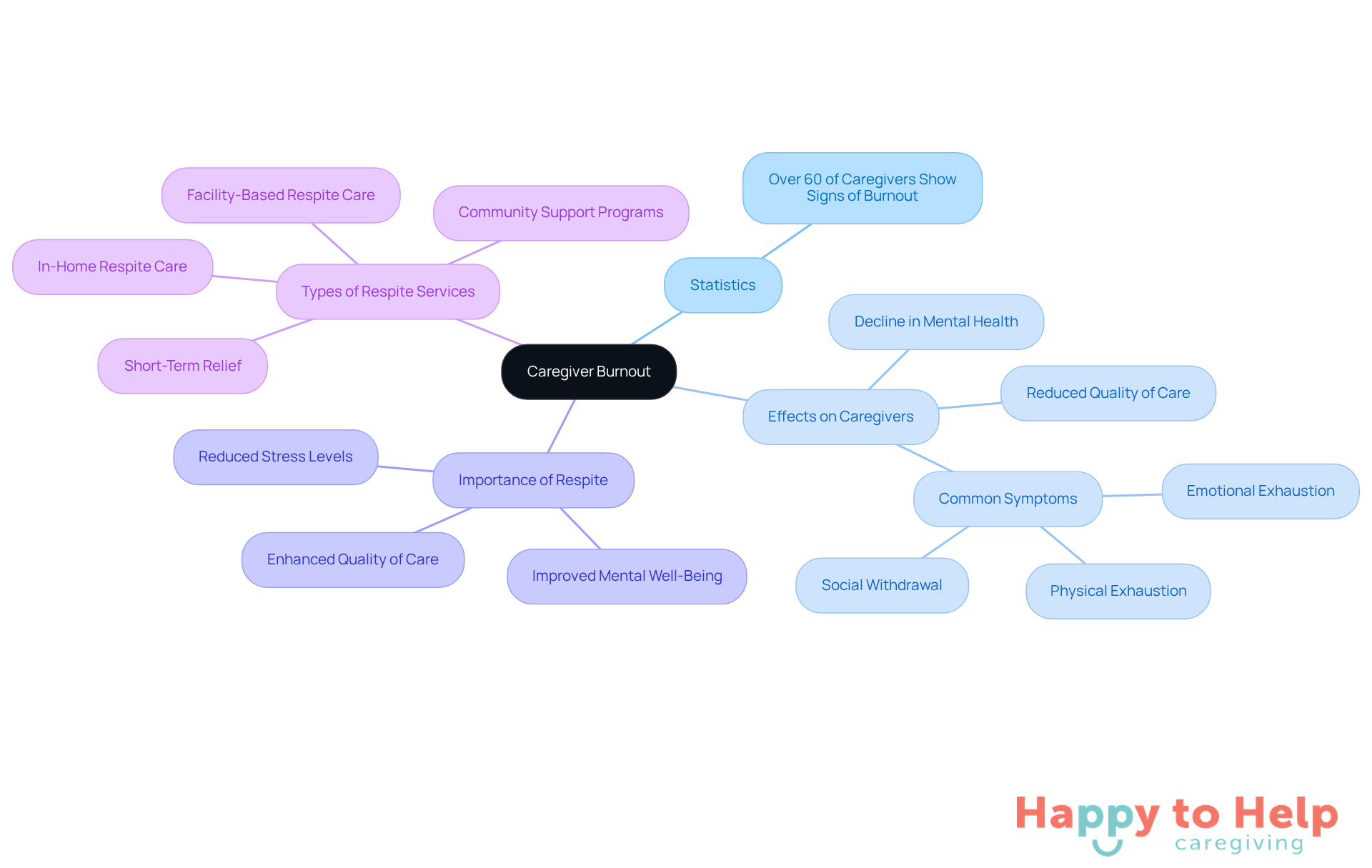
Caregiving often presents an overwhelming cycle of responsibilities, leading to significant stress and burnout. Caregivers frequently prioritize the needs of their loved ones, neglecting their own well-being. This neglect can result in a decline in both mental and physical health, creating a challenging situation for those who dedicate themselves to caring for others.
What if there was a way to break this cycle? Respite stays offer a transformative solution. These essential breaks can rejuvenate caregivers, enhancing their emotional health and ultimately improving the quality of care they provide. By taking a step back, caregivers can foster a more fulfilling and sustainable caregiving experience.
Reduce Caregiver Stress Through Respite Care
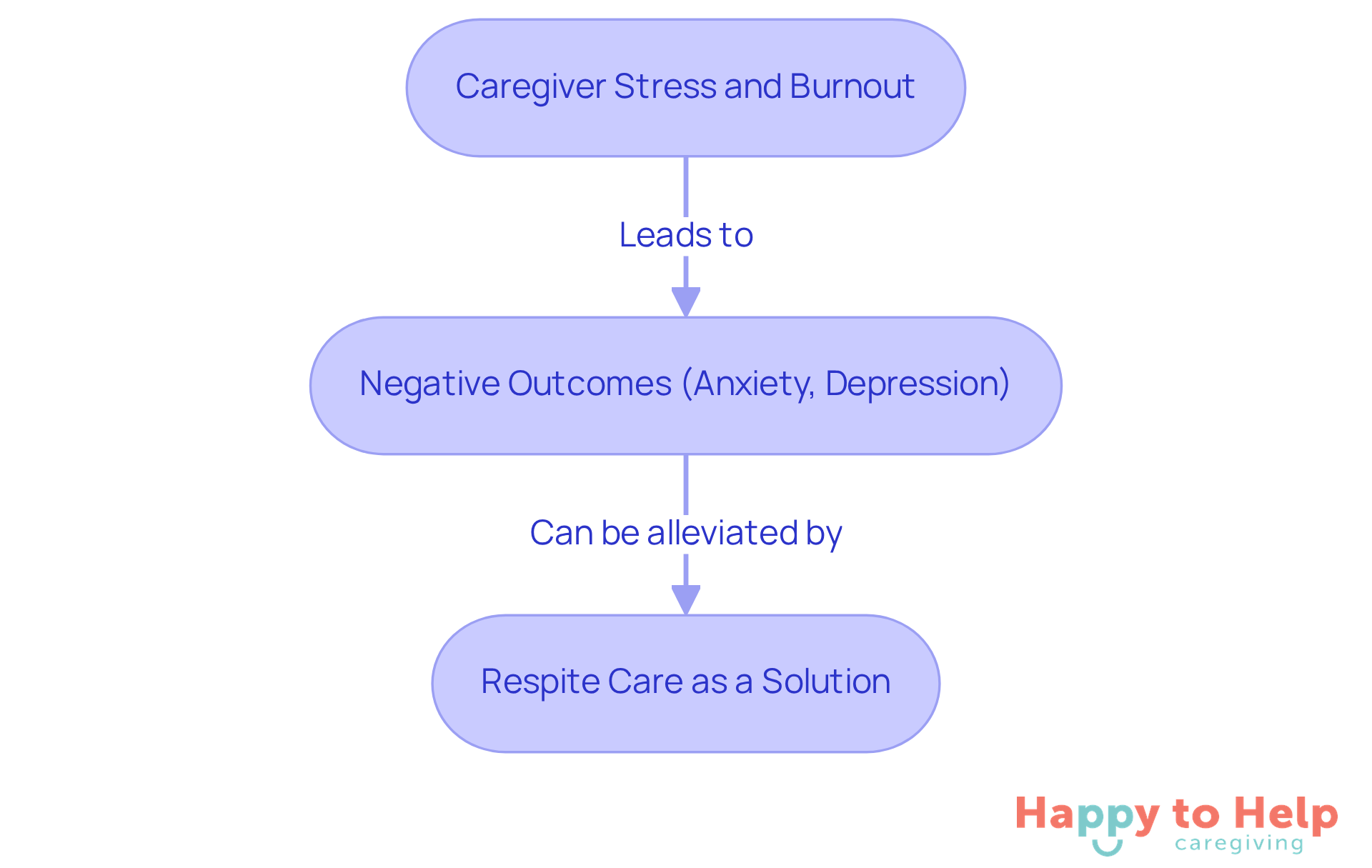
Problem: Caregivers often face significant stress and burnout due to their daily responsibilities. This can lead to a decline in their mental and physical health, affecting both their well-being and the quality of care they provide.
Agitate: Studies show that frequent stress can hinder caregivers' ability to be patient and attentive. When caregivers are overwhelmed, it creates a negative environment for both themselves and their loved ones. Research indicates that caregivers who do not take breaks report higher levels of anxiety and depression, which can further exacerbate their challenges. In fact, approximately 70% of families utilizing temporary care options report improved financial stability and lower stress levels.
Solution: Respite stays offer a crucial opportunity for caregivers to take a much-needed pause. By utilizing respite stays, caregivers can rejuvenate and return to their duties with renewed vigor. This not only benefits the caregivers but also enhances the quality of assistance they provide. Caregivers who prioritize their well-being through respite stays often experience lower stress levels, leading to a more positive caregiving environment. Furthermore, with upcoming changes in 2025, respite support will be included in insurance plans and government initiatives, making these essential services more accessible for families. As Congressman Nick Langworthy stated, "Respite assistance helps to lessen mental stress and physical health problems that family supporters may encounter, maintaining their well-being and families whole."
By embracing respite support, caregivers can sustain a healthier balance in their lives, ultimately resulting in improved outcomes for everyone involved.
Enhance Emotional Well-Being with Respite Services
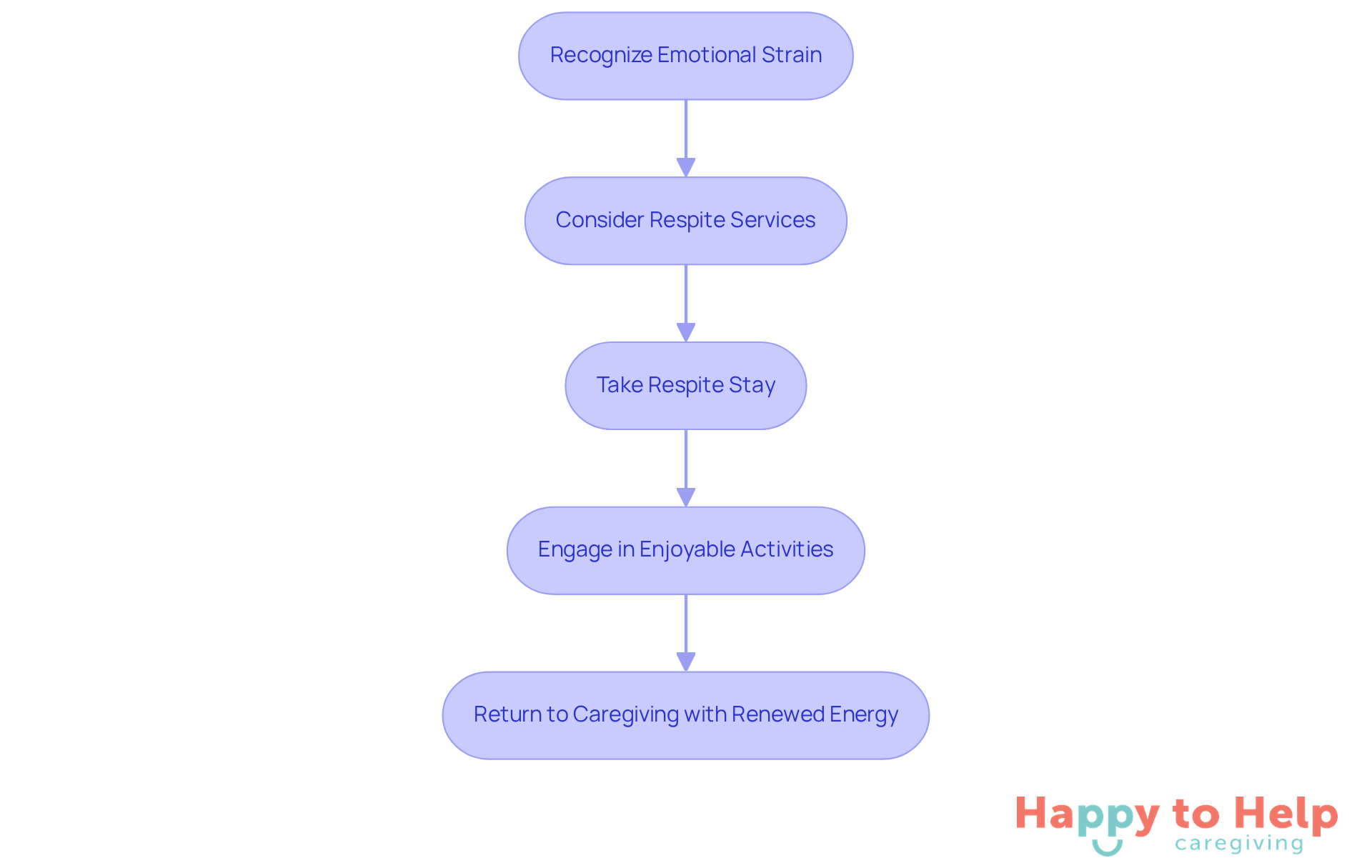
Caregivers often face significant emotional strain as they support others, leading to feelings of anxiety and depression. This emotional burden can hinder their ability to provide effective care, making it crucial for them to prioritize their own well-being.
Taking respite stays is essential for caregivers. These moments of respite stays enable them to process their emotions and return to their responsibilities with a clearer mind. Engaging in enjoyable activities during these breaks can significantly enhance their mood and overall life satisfaction.
To effectively manage stress, caregivers should consider implementing regular respite stays. These services not only provide a much-needed pause through respite stays but also promote emotional health, enabling caregivers to recharge and maintain their caregiving responsibilities with renewed energy.
Facilitate Necessary Breaks for Caregivers
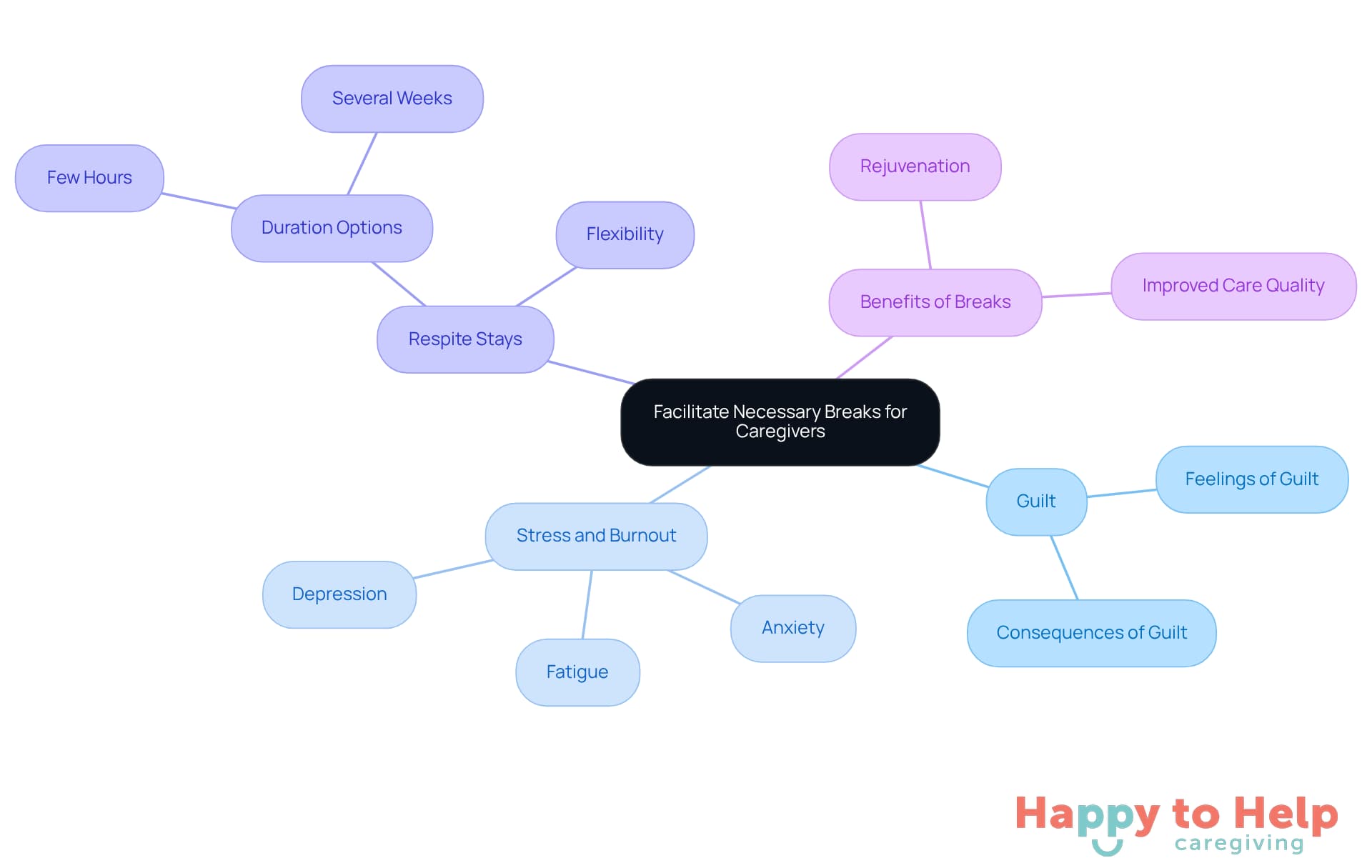
Caregivers often struggle with feelings of guilt when considering time off. However, taking necessary breaks is crucial for their overall health and well-being. This guilt can lead to significant stress and burnout, which may result in fatigue, anxiety, and depression.
To combat these challenges, caregivers can arrange for consistent respite stays as relief assistance. This not only allows them to rejuvenate but also ensures that their family members continue to receive attentive care during their absence. For instance, caregivers can organize respite stays that vary from just a few hours to several weeks, providing the flexibility needed to manage their time effectively.
By prioritizing their own needs, caregivers can return to their roles with renewed energy and focus. This ultimately enhances the quality of care they provide. As Jill Davis, who supports her mother with Alzheimer's, discovered, allowing oneself the freedom to take breaks is essential for maintaining a healthy balance between caregiving duties and personal well-being.
Respite stays not only provide support for caregivers but also enrich the time they spend with their loved ones, making those moments more meaningful.
Support Caregiver Health and Well-Being
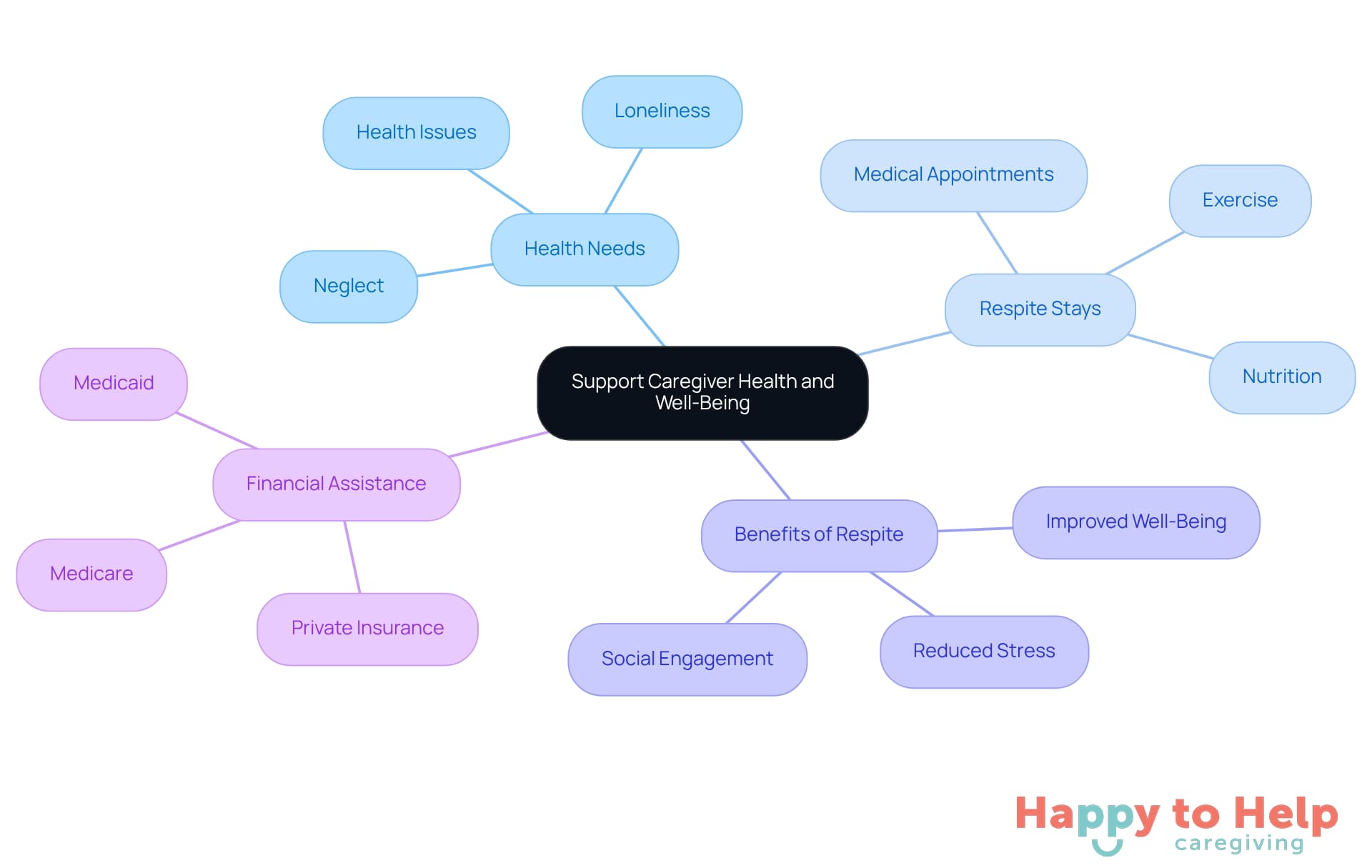
Caregivers often face a significant problem: neglecting their own health needs while providing support to others. This can lead to increased health issues, feelings of loneliness, and overall diminished well-being.
Routine relief services, such as respite stays, can greatly enhance a provider's physical well-being. Respite stays enable caregivers to address their own health needs, such as attending medical appointments, exercising, and maintaining proper nutrition. Studies indicate that individuals who prioritize their well-being through relief programs encounter fewer health problems, resulting in a more sustainable support experience.
Moreover, respite stays can provide temporary support that alleviates feelings of loneliness and sadness among caregivers, thereby improving their overall well-being. Financial assistance for temporary relief options may also be available through private insurance, Medicaid, or Medicare, making it a more accessible choice for families. By utilizing these resources, caregivers can ensure they are taking care of themselves while continuing to provide essential support to others.
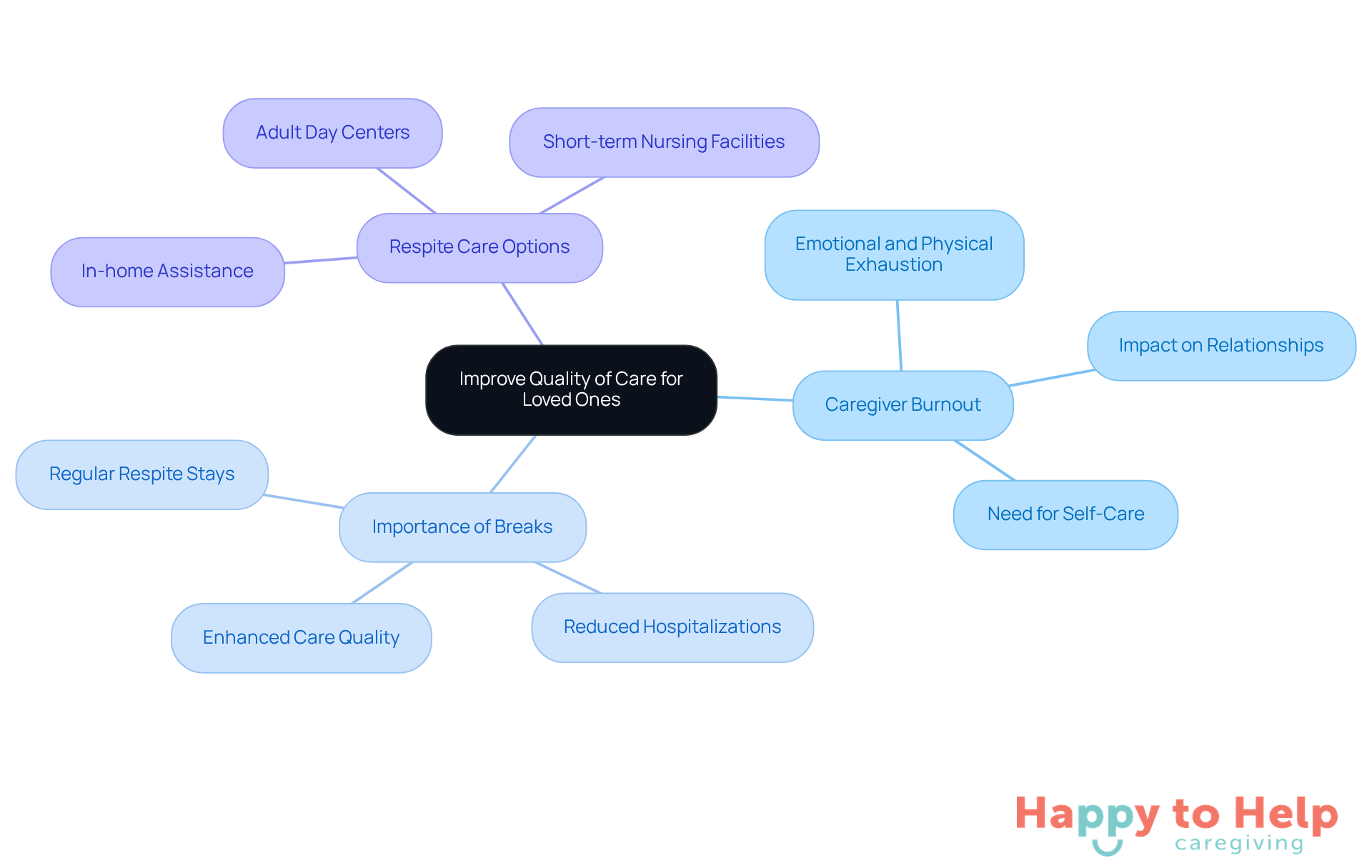
Improve Quality of Care for Loved Ones
Caregiving can be incredibly demanding, often leading to burnout among those who provide support. This exhaustion not only affects caregivers' emotional and physical well-being but also impacts their interactions with loved ones. In fact, studies indicate that caregivers who utilize respite stays regularly feel more fulfilled in their roles and report stronger connections with those they support.
Caregiving typically requires an average of 24 hours of support each week, underscoring the importance of taking breaks. Without these pauses, caregivers risk becoming overwhelmed, which can strain their relationships and overall health.
Respite stays provide a practical solution. These services can be provided in various settings, such as:
- in-home assistance
- adult day centers
- short-term nursing facilities
This makes them accessible for families. Moreover, temporary assistance has been shown to reduce the likelihood of hospital admissions and earlier transitions into nursing facilities. This highlights the essential role of respite stays in maintaining the well-being of both caregivers and those they care for.
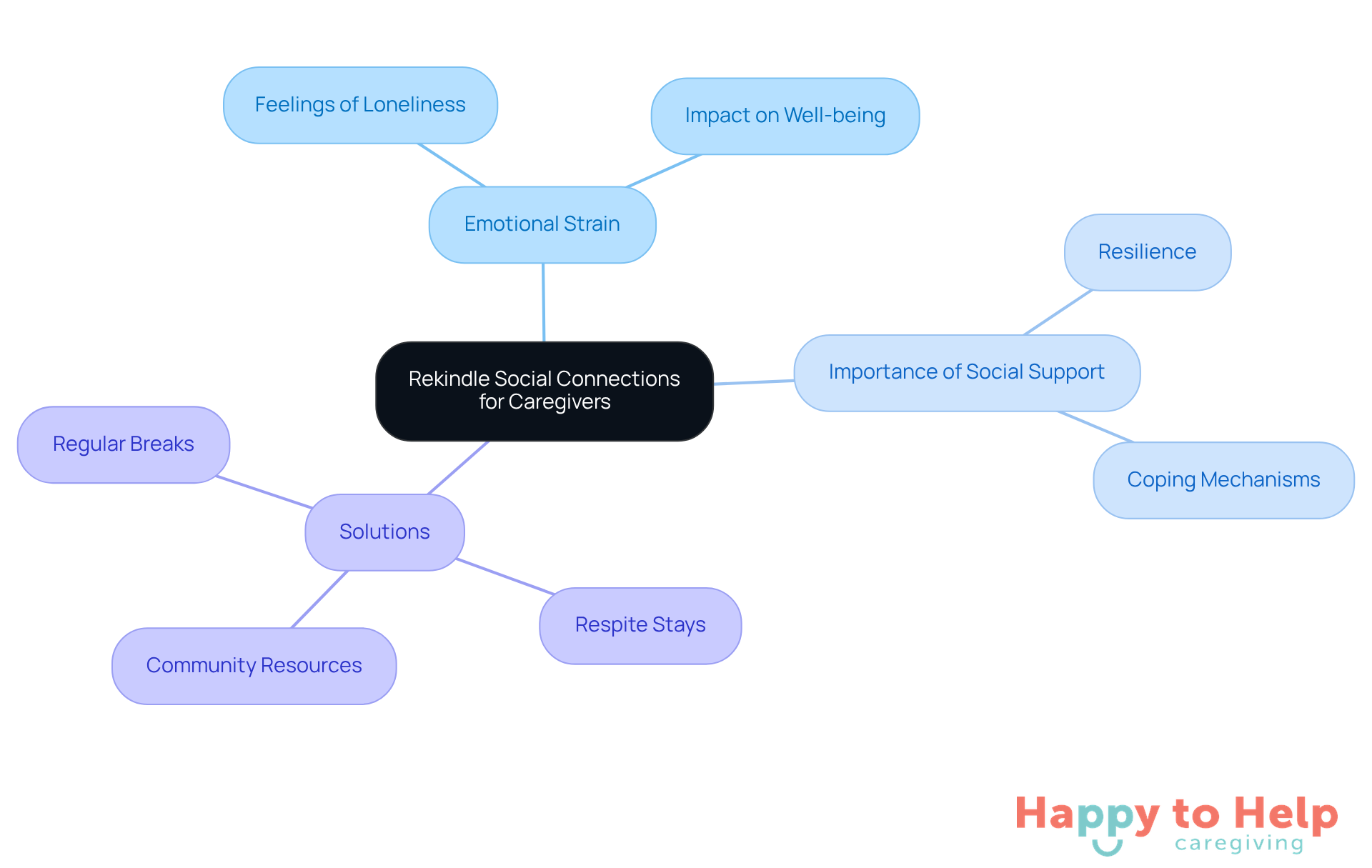
Rekindle Social Connections for Caregivers
Caregivers often face significant emotional strain, leading to feelings of loneliness and isolation. This problem can severely impact their well-being and ability to provide care effectively. Research shows that caregivers dedicate an average of 13 days each month to personal assistance tasks, underscoring the need for breaks and social connections.
The implications of this isolation are profound. Caregivers who lack social support may struggle to cope with the demands of their role, making it essential to prioritize emotional well-being. Those who maintain strong social connections are more resilient and better equipped to navigate the challenges of caregiving.
One effective solution is providing respite stays assistance. By providing respite stays for caregivers to take breaks and reconnect with friends and family, feelings of loneliness can be significantly reduced. Additionally, providers utilizing relief services are less likely to experience declines in functional health, highlighting the importance of these supports.
Incorporating regular breaks into caregiving routines can rejuvenate providers and enhance their connections with family members. This not only benefits the caregivers but also strengthens the entire family dynamic. To implement this, caregivers should consider:
- Scheduling regular respite stays
- Seeking out community resources that provide support
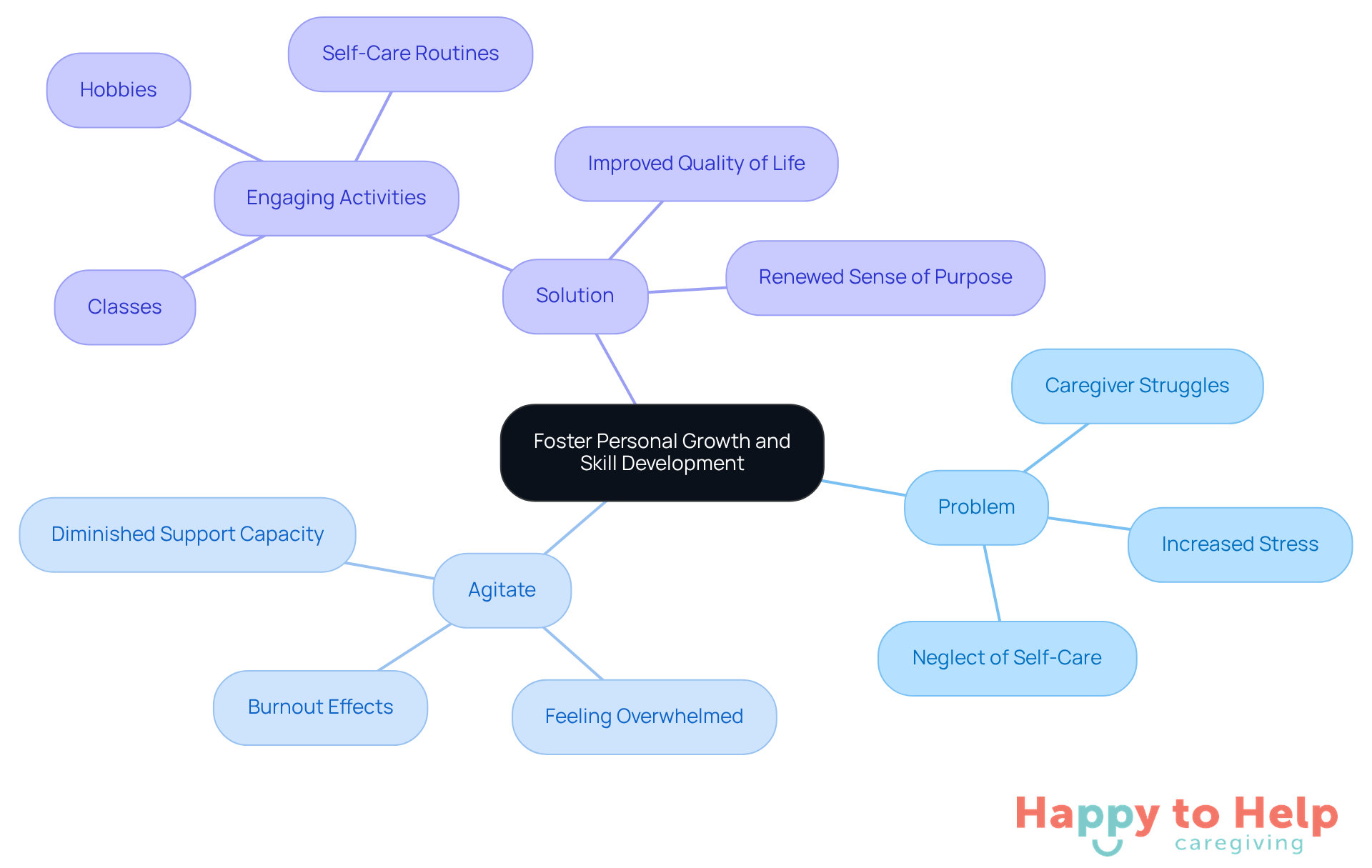
Foster Personal Growth and Skill Development
Problem: Caregivers often struggle with personal growth and fulfillment due to their demanding responsibilities. This lack of time for self-care can lead to increased stress and diminished mental well-being.
Agitate: When caregivers neglect their own needs, they may experience burnout, which affects their ability to provide effective support. Studies indicate that caregivers who do not prioritize personal development during respite stays report feeling overwhelmed and less equipped to handle caregiving challenges.
Solution: Respite support offers invaluable opportunities for personal growth. By engaging in activities like classes, hobbies, and self-care routines, caregivers can enhance their overall quality of life. This dedicated time away from caregiving responsibilities not only fosters new skills and interests but also leads to a renewed sense of purpose and empowerment.
For instance, caregivers who prioritize personal development during these breaks often report feeling more fulfilled and better prepared to face their challenges. They encounter less stress and improved mental well-being, which directly aids their efficiency in delivering assistance.
Incorporating personal interests during respite can significantly benefit both the supporter and their loved ones.
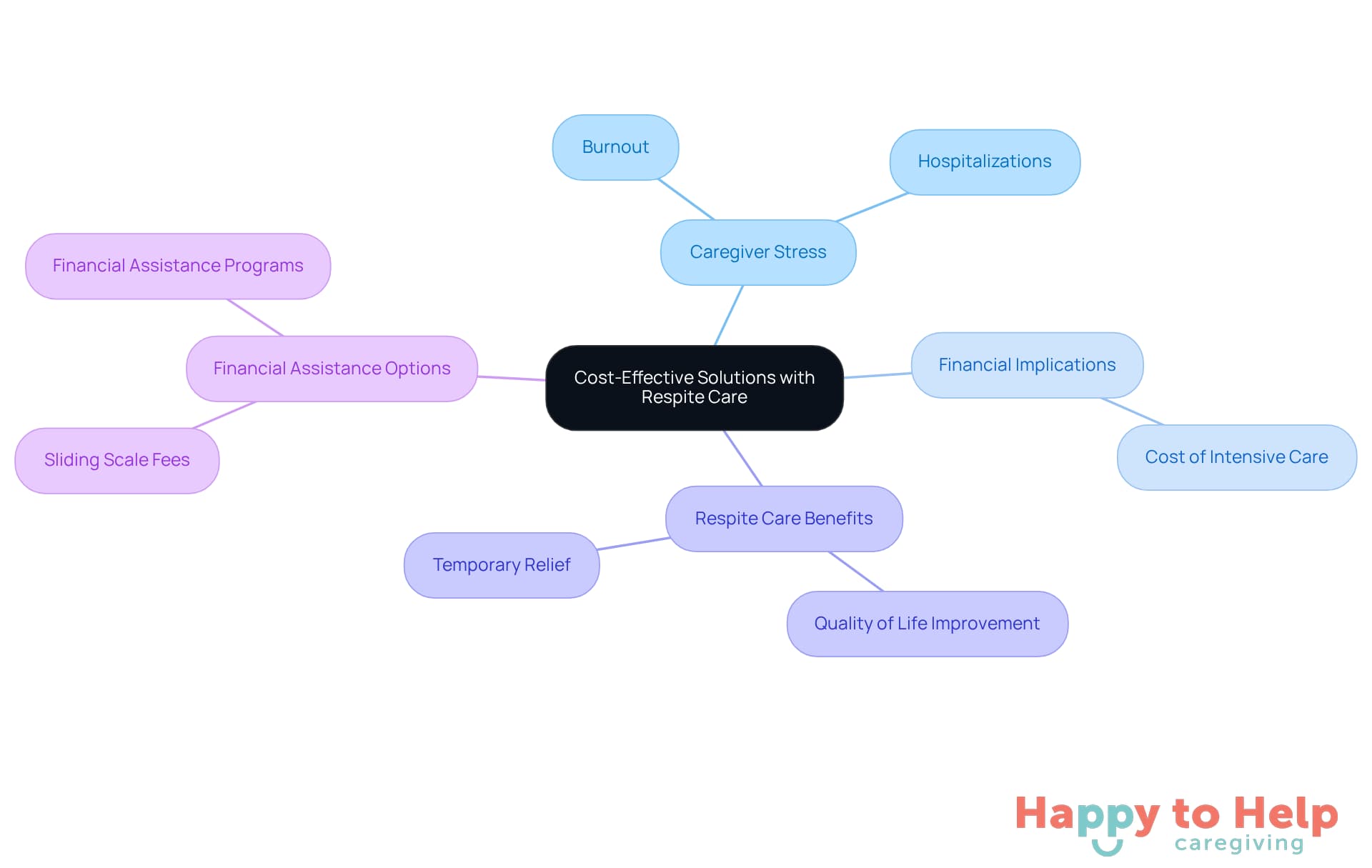
Explore Cost-Effective Solutions with Respite Care
Caregivers often face significant stress and burnout, making it essential to seek relief. This need for respite can lead to costly hospitalizations or extended support placements, which can strain finances and emotional well-being.
Fortunately, respite stays can provide a cost-effective solution. Many programs offer sliding scale fees or financial assistance options, making it easier for caregivers to access the help they need. By utilizing these services, caregivers can find respite stays for temporary relief and avoid the high costs associated with more intensive care solutions.
To make the most of these resources, caregivers should investigate local programs and initiatives designed to reduce the expense of temporary support. Taking proactive steps can lead to significant savings and improved quality of life for both caregivers and those they care for.
Prevent Caregiver Burnout with Respite Options
Caregiver burnout is a significant issue, with research indicating that over 60% of those providing care show signs of this overwhelming fatigue. This situation not only affects the caregivers' well-being but also the quality of support they provide to their loved ones. Without regular breaks, caregivers can quickly become overwhelmed and exhausted, leading to a decline in their mental health and effectiveness.
To combat this problem, it is essential to utilize respite stays. These services offer respite stays for caregivers, enabling them to take necessary breaks and significantly reducing feelings of stress and exhaustion. Studies show that individuals who engage in these breaks experience lower stress levels and improved mental well-being, which is crucial for maintaining the quality of care they offer. As one insightful quote reminds us, "self-care isn't selfish. It's essential."
By proactively incorporating respite stays into their routine, caregivers can enhance their ability to deliver high-quality support over the long term. This strategy not only alleviates stress but also enables caregivers to return to their responsibilities with renewed energy and focus. Various types of relief services, including respite stays, are available, providing caregivers with options that best meet their needs.
Utilize Happy to Help Caregiving for Tailored Respite Services
Problem: Caregivers often face significant stress and burnout due to their demanding roles. This can lead to feelings of overwhelm and decreased well-being, impacting both the caregiver and their loved ones.
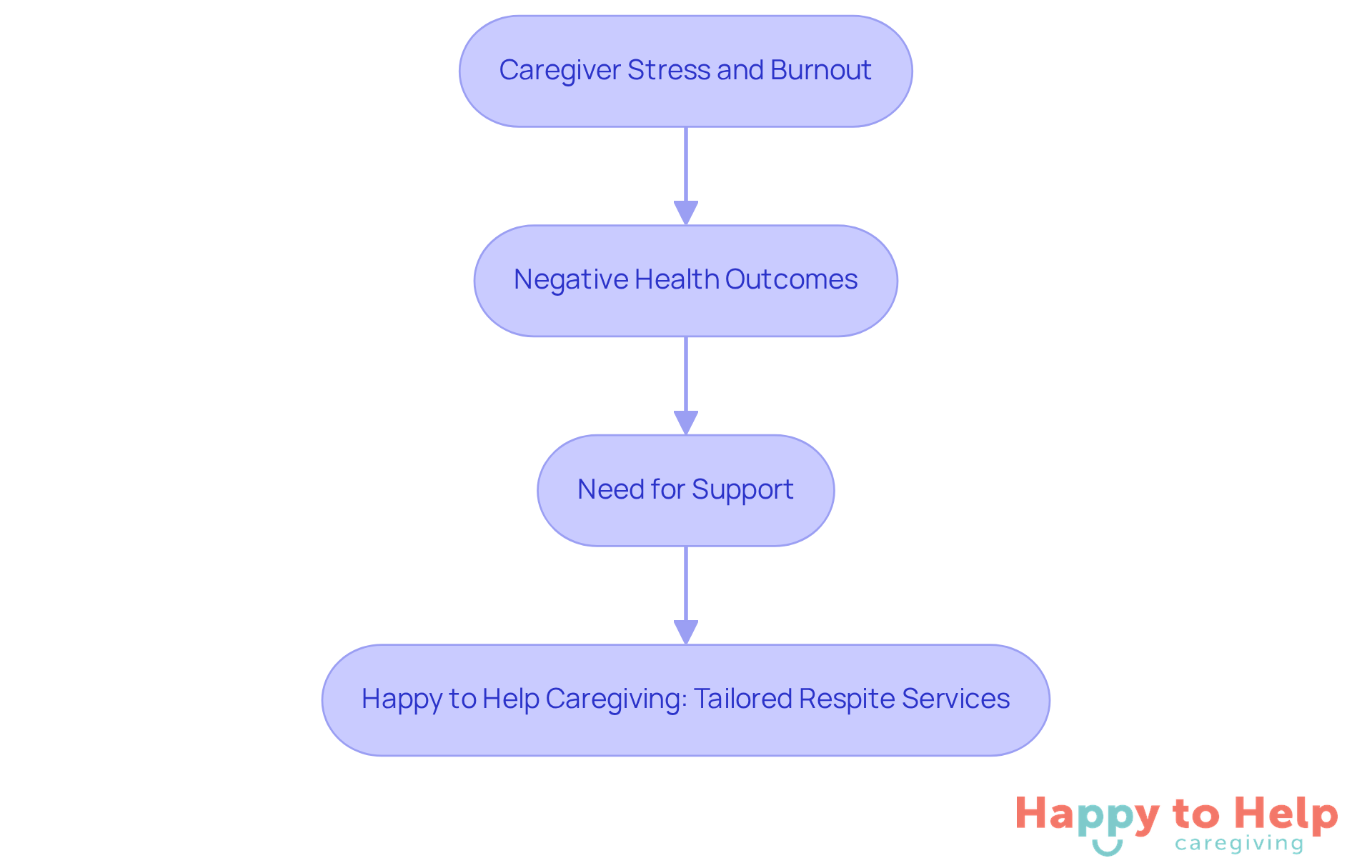
Agitate: Studies show that caregivers who experience high levels of stress may struggle to provide the best care for their family members. This not only affects their satisfaction but can also lead to negative health outcomes. Without proper support, caregivers may find it challenging to rejuvenate and maintain their own health during respite stays.
Solution: Happy to Help Caregiving offers customized relief services tailored to meet the unique needs of each caregiver and their family. This personalized approach enhances provider satisfaction and significantly supports their overall well-being. Research indicates that those utilizing respite stays for customized break support report greater satisfaction and reduced stress levels, allowing them to recharge effectively. With a strong focus on compassionate care and flexibility, caregivers can rely on respite stays to ensure their loved ones are in capable hands while they take essential time for self-care. This commitment to quality fosters a sense of security and peace of mind for families during their respite periods.
Moving Forward with Respite Stays
Respite stays are crucial for family caregivers, addressing the significant problem of caregiver stress. Without these breaks, caregivers may experience burnout, leading to diminished emotional health and a decline in the quality of care they provide.
The implications of neglecting respite care can be severe. Caregivers often face feelings of guilt and isolation, which can hinder their ability to support their loved ones effectively. Moreover, the anticipated changes in 2025 will enhance accessibility to respite services, providing caregivers with the necessary resources to maintain their well-being.
Recognizing the importance of respite care is essential for both caregivers and their families. By embracing these services, caregivers can achieve a healthier balance in their lives, fostering more fulfilling relationships and improving the care they offer. Integrating respite stays into caregiving routines is not just beneficial; it is vital for sustaining a thriving caregiving environment.
https://iframe.tely.ai/cta/eyJhcnRpY2xlX2lkIjogIjY5NDFmMzUyMjI1ZjA3N2M1ZmMwYzAzOSIsICJjb21wYW55X2lkIjogIjY4ZWU1ZGNhNzMxNzYyNTU3ZjNjOTVjMSIsICJpbmRleCI6IG51bGwsICJ0eXBlIjogImFydGljbGUifQ==Frequently Asked Questions
What is the main problem faced by caregivers?
Caregivers often experience significant stress and burnout due to their daily responsibilities, which can lead to a decline in their mental and physical health, affecting both their well-being and the quality of care they provide.
How does caregiver stress impact their ability to provide care?
Frequent stress can hinder caregivers' ability to be patient and attentive, creating a negative environment for both themselves and their loved ones. Caregivers who do not take breaks tend to report higher levels of anxiety and depression, which can exacerbate their challenges.
What are the benefits of respite care for caregivers?
Respite care offers caregivers a crucial opportunity to take a much-needed pause, allowing them to rejuvenate and return to their duties with renewed vigor. This leads to lower stress levels and enhances the quality of assistance they provide.
What changes regarding respite support are expected in 2025?
In 2025, respite support will be included in insurance plans and government initiatives, making these essential services more accessible for families.
How can respite stays improve emotional well-being for caregivers?
Respite stays enable caregivers to process their emotions and engage in enjoyable activities, significantly enhancing their mood and overall life satisfaction. This helps them recharge and maintain their caregiving responsibilities with renewed energy.
Why do caregivers often feel guilty about taking breaks?
Caregivers frequently struggle with feelings of guilt when considering time off, which can lead to significant stress and burnout, resulting in fatigue, anxiety, and depression.
What types of respite stays can caregivers arrange?
Caregivers can organize respite stays that vary in duration from just a few hours to several weeks, providing the flexibility needed to manage their time effectively while ensuring their family members continue to receive attentive care.
How does prioritizing their own needs benefit caregivers?
By prioritizing their own needs and taking breaks, caregivers can return to their roles with renewed energy and focus, ultimately enhancing the quality of care they provide and enriching the time spent with their loved ones.
List of Sources
- Reduce Caregiver Stress Through Respite Care
- Respite Care Services: Essential Support for Caregivers (https://esoregon.com/the-benefits-of-respite-care-services-for-caregiver-relief)
- 10 Benefits of Respite Home Health Care for Family Caregivers - Happy To Help (https://happytohelpcaregiving.com/blog)
- How Does Respite Care Helps Prevent Caregiver Burnout (https://sundaleseniorliving.com/news-and-articles/the-role-of-respite-care-in-preventing-caregiver-burnout)
- How Respite Care Can Improve Mental Health of Caregivers (https://bucknercalderwoods.org/news-blog/how-respite-care-can-improve-mental-health-of-caregivers)
- Enhance Emotional Well-Being with Respite Services
- Caregivers and the Importance of Respite Care (https://benedictineliving.org/resources/news/caregivers-and-the-importance-of-respite-care)
- Embracing Respite Care: Nurturing the Caregiver's Well-being (https://homeinstead.com/home-care/usa/in/south-bend/343/news-and-media/embracing-respite-care-nurturing-the-caregivers-well-being)
- The Emotional Benefits of Respite Care for Family Caregivers | Town Square Perry Hall (https://townsquare.net/perry-hall/the-emotional-benefits-of-respite-care-for-family-caregivers)
- How Does Respite Care Helps Prevent Caregiver Burnout (https://sundaleseniorliving.com/news-and-articles/the-role-of-respite-care-in-preventing-caregiver-burnout)
- How Respite Care Can Improve Mental Health of Caregivers (https://bucknercalderwoods.org/news-blog/how-respite-care-can-improve-mental-health-of-caregivers)
- Facilitate Necessary Breaks for Caregivers
- Why Respite Care Matters: Taking a Break Without Guilt - Essential Care (https://myessential.care/why-respite-care-matters-taking-a-break-without-guilt)
- Caregiver Says Give Yourself Permission to Take a Break (https://news.humana.com/news/articles/caregiver-says-give-yourself-permission-to-take-a-break.html)
- Caregivers and the Importance of Respite Care (https://benedictineliving.org/resources/news/caregivers-and-the-importance-of-respite-care)
- Caregivers: You deserve a break - Harvard Health (https://health.harvard.edu/staying-healthy/caregivers-you-deserve-a-break)
- The Importance of Respite Care: Giving Caregivers the Break They Deserve - Adams Farm Living (https://adamsfarmliving.com/the-importance-of-respite-care-giving-caregivers-the-break-they-deserve)
- Support Caregiver Health and Well-Being
- Respite Care Services: Essential Support for Caregivers (https://esoregon.com/the-benefits-of-respite-care-services-for-caregiver-relief)
- Caregivers and the Importance of Respite Care (https://benedictineliving.org/resources/news/caregivers-and-the-importance-of-respite-care)
- The Importance of Respite Care: Giving Caregivers the Break They Deserve - Adams Farm Living (https://adamsfarmliving.com/the-importance-of-respite-care-giving-caregivers-the-break-they-deserve)
- Improve Quality of Care for Loved Ones
- Caregivers and the Importance of Respite Care (https://benedictineliving.org/resources/news/caregivers-and-the-importance-of-respite-care)
- The Benefits of Respite Care as Part of Family Support Services (https://heartwisesupport.org/post/the-benefits-of-respite-care-as-part-of-family-support-services)
- How Respite Care Improves Quality of Life for Seniors and People with Disabilities (https://bucknerwestminster.org/news-blog/how-respite-care-improves-quality-of-life-for-seniors-and-people-with-disabilities)
- Rekindle Social Connections for Caregivers
- Caregivers and the Importance of Respite Care (https://benedictineliving.org/resources/news/caregivers-and-the-importance-of-respite-care)
- Caregiver Statistics: Demographics (https://caregiver.org/resource/caregiver-statistics-demographics)
- The Power Of Short Term Respite: Why Breaks Matter For Caregivers (https://trualta.com/resources/blog/the-power-of-short-term-respite-why-breaks-matter-for-caregivers)
- Summer Respite: How Short-Term Care Can Help Family Caregivers Take a Break (https://homeinstead.com/home-care/usa/la/carencro/347/news-and-media/summer-respite-how-short-term-care-can-help-family-caregivers-take-a-break)
- Foster Personal Growth and Skill Development
- Respite Care Services: Essential Support for Caregivers (https://esoregon.com/the-benefits-of-respite-care-services-for-caregiver-relief)
- The Benefits of Respite Care as Part of Family Support Services (https://heartwisesupport.org/post/the-benefits-of-respite-care-as-part-of-family-support-services)
- Balancing Caregiving and Self-Care: The Role of Respite Care (https://promedcareinc.com/balancing-caregiving-and-self-care-the-role-of-respite-care)
- Respite Care Manhattan Beach, CA - How Family Caregivers Can Use Respite Care for Self-Improvement (https://canaanhomecare.com/how-family-caregivers-can-use-respite-care-for-self-improvement)
- Explore Cost-Effective Solutions with Respite Care
- Alzheimer’s Association Center for Dementia Respite Innovation Awards More Than $4 Million to Improve Respite Care for People Living With Dementia and Their Caregivers (https://alz.org/news/2024/alzheimer-s-association-center-for-dementia-respite-innovation-awards-more-than-4-million-to-improv)
- Federal budget committee greenlights millions in spending for family caregivers, respite services (https://mcknightshomecare.com/news/federal-budget-committee-greenlights-millions-in-spending-for-family-caregivers-respite-services)
- These people know how to fix the caregiving crisis. Is it doable? (https://usatoday.com/story/life/health-wellness/2025/12/03/caregivers-need-respite-care-mental-health-counseling-paid-family-program-resources/87234207007)
- ACL Awards $5M to Increase Availability of Dementia-Specific Respite Care | ACL Administration for Community Living (https://acl.gov/news-and-events/announcements/acl-awards-5m-increase-availability-dementia-specific-respite-care)
- Prevent Caregiver Burnout with Respite Options
- Caregivers and the Importance of Respite Care (https://benedictineliving.org/resources/news/caregivers-and-the-importance-of-respite-care)
- How Does Respite Care Helps Prevent Caregiver Burnout (https://sundaleseniorliving.com/news-and-articles/the-role-of-respite-care-in-preventing-caregiver-burnout)
- The Role of Respite Care in Preventing Caregiver Burnout (https://rosewood-nursing.com/post/the-role-of-respite-care-in-preventing-caregiver-burnout)
- Preventing Caregiver Burnout with Respite Care | The Herrick House (https://theherrickhouse.org/news-stories/all-news-stories/stories/2025/04/preventing-caregiver-burnout-with-respite-care)
- Caring For the Caregiver: Preventing Burnout - AMHC (https://amhc.org/news/caregiver)
- Utilize Happy to Help Caregiving for Tailored Respite Services
- Frontiers | Using technology to provide individualized respite for caregivers in rural communities (https://frontiersin.org/journals/health-services/articles/10.3389/frhs.2025.1575763/full)
- These people know how to fix the caregiving crisis. Is it doable? (https://usatoday.com/story/life/health-wellness/2025/12/03/caregivers-need-respite-care-mental-health-counseling-paid-family-program-resources/87234207007)
- Timbercrest Senior Living Community provides Respite Care for primary caregivers (https://wane.com/lifestyle/living-local-15/timbercrest-senior-living-community-provides-respite-care-for-primary-caregivers)
- Respite Facts and Talking Points | ARCH National Respite Network & Resource Center (https://archrespite.org/policy/respite-facts-and-talking-points)
- Comfort Keepers of Pitman, NJ Shares How Short-Term Respite Care Helps Caregivers (https://8newsnow.com/business/press-releases/ein-presswire/872559522/comfort-keepers-of-pitman-nj-shares-how-short-term-respite-care-helps-caregivers)