
Why Short Term Senior Care Matters
Caregiving can be a heavy burden for family members, often resulting in stress, burnout, and feelings of isolation. Many caregivers lack essential relief services, making the need for effective short-term senior care more critical than ever. This article delves into the numerous benefits of these services, showing how they not only rejuvenate caregivers but also improve the quality of care for seniors.
What if a simple shift in support could transform the caregiving experience and strengthen family bonds? By addressing the challenges caregivers face, we can explore actionable solutions that enhance both caregiver well-being and senior care.
Happy to Help Caregiving: Comprehensive Respite Care for Family Caregivers
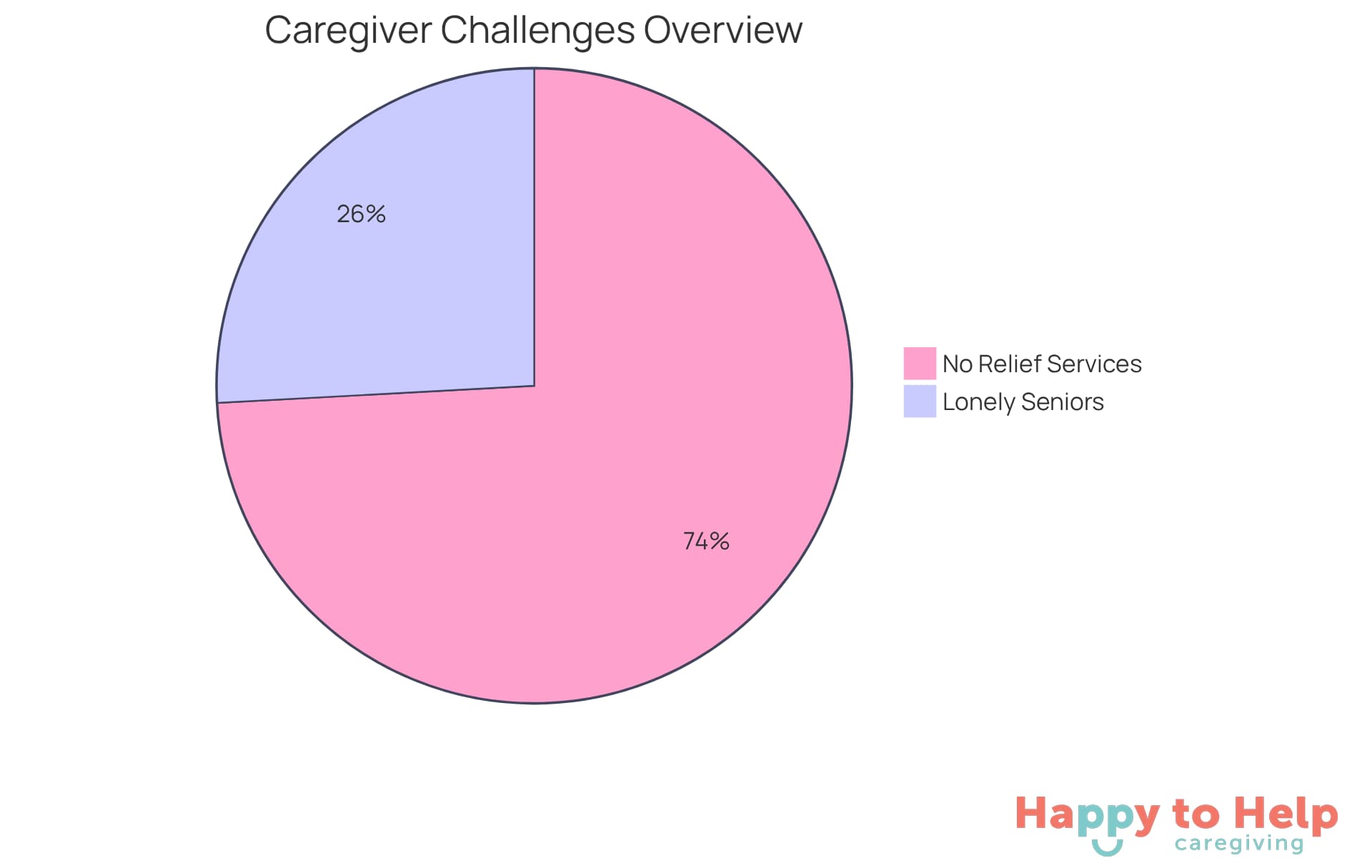
Caregivers often face significant challenges, feeling overwhelmed by their responsibilities. Studies indicate that 30% of older adults report feelings of loneliness, which highlights a pressing need for companionship and support services. Furthermore, a staggering 86% of individuals caring for an adult do not receive any relief services, exacerbating the stress experienced by caregivers.
This situation can lead to burnout, making it crucial for caregivers to find ways to rejuvenate themselves. Consistent respite support can greatly alleviate this stress, allowing caregivers to take necessary breaks while ensuring their loved ones receive excellent attention. Happy to Help Caregiving offers a range of respite support services, including short term senior care, designed specifically to assist those who support loved ones.
Trained support providers prioritize the comfort and independence of clients, which is essential for family members who often feel overwhelmed. By utilizing these services, caregivers can uphold their own well-being, ultimately enhancing the support they provide to their family members. As caregiving demands continue to increase, Happy to Help Caregiving's commitment to delivering professional companion services ensures that both supporters and recipients can flourish.
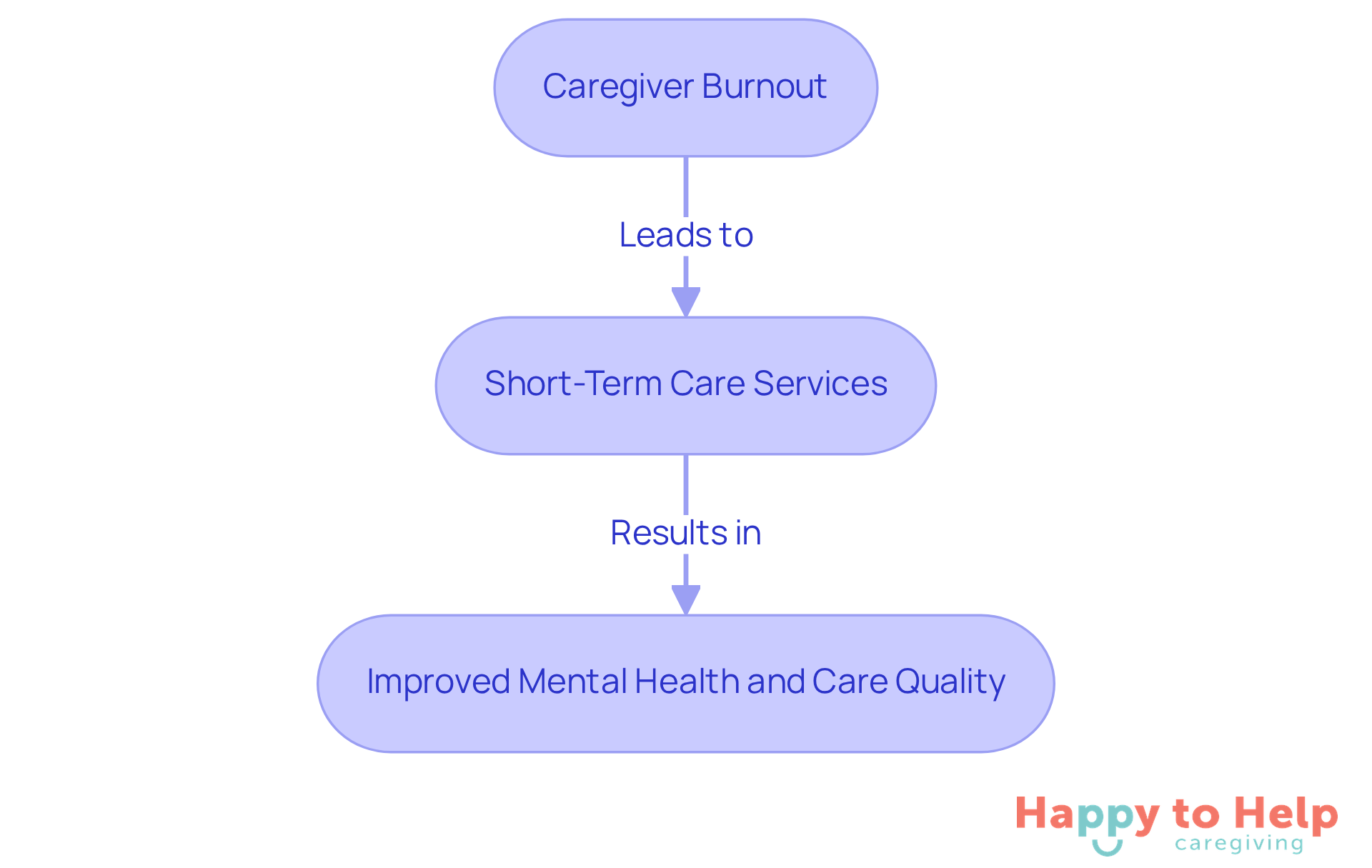
Emotional Support: Reducing Caregiver Burnout Through Short-Term Care
Caregivers often face significant emotional challenges, leading to a high risk of burnout. This issue can have serious implications, affecting not only their mental health but also the quality of care they provide.
Short term senior care provides a vital solution by offering crucial emotional assistance to family members. By allowing caregivers to take temporary breaks, these services enable them to recharge and focus on their own well-being. Research indicates that regular breaks can lead to improved mental health outcomes, allowing caregivers to return to their roles with renewed energy and perspective.
Happy to Help Caregiving emphasizes the importance of emotional wellness, ensuring that caregivers feel supported and appreciated throughout their journey. By prioritizing their own mental health, caregivers can enhance their ability to provide care effectively.
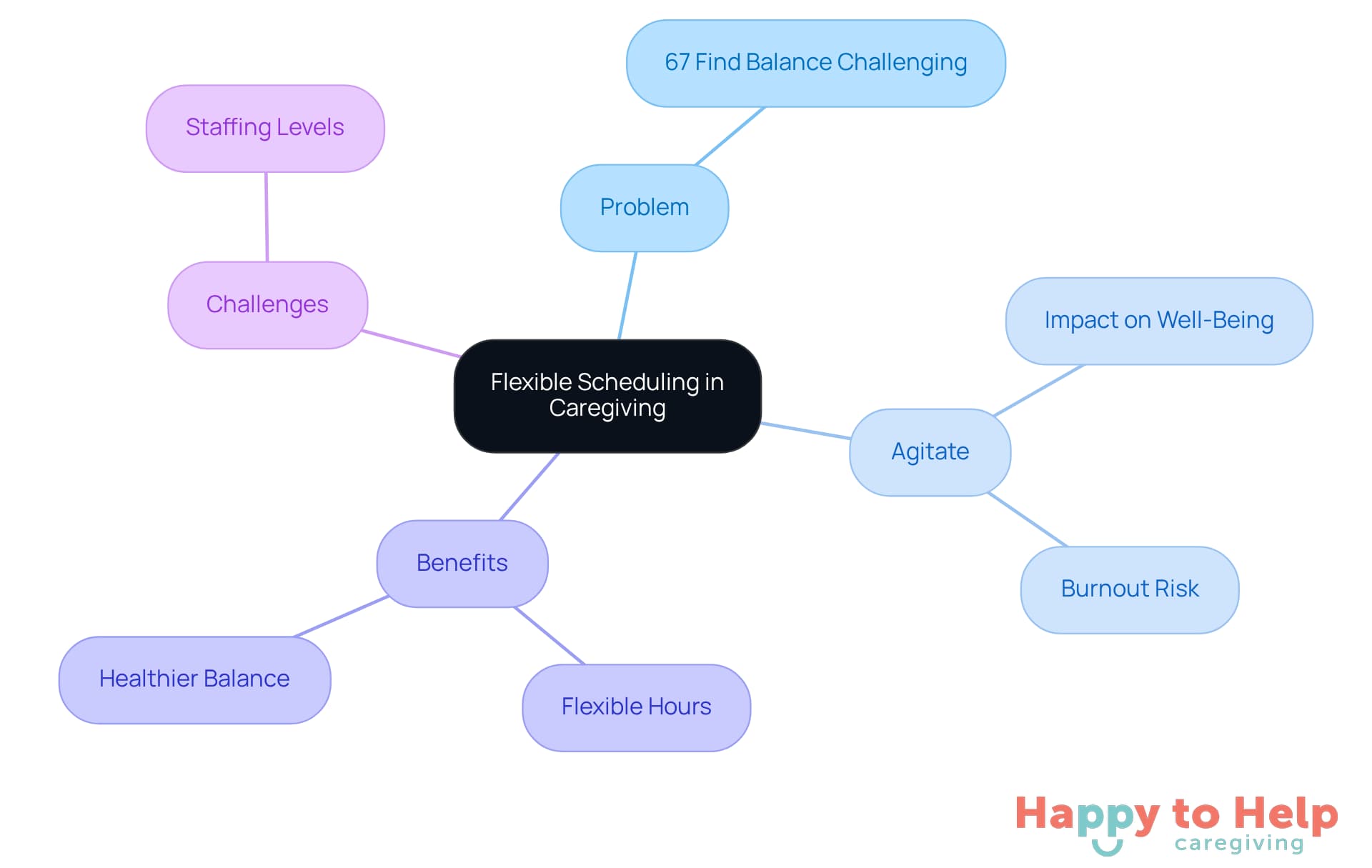
Flexible Scheduling: Balancing Caregiving and Personal Life with Short-Term Services
Problem: Caregivers often struggle to balance their employment and support duties, leading to increased stress and feelings of being overwhelmed. According to a 2023 study by AARP and S&P Global, 67% of family supporters find this balance challenging.
Agitate: This struggle can significantly impact caregivers' well-being, making it difficult for them to fulfill their personal commitments or take necessary breaks. Without adequate support, caregivers may experience burnout, which can affect both their health and the quality of care they provide to their loved ones.
A key advantage of short-term senior care is its flexible scheduling, which is a hallmark of Happy to Help Caregiving. This service allows family supporters to choose when they need assistance, whether for just a few hours or several days. Such flexibility is essential, enabling caregivers to focus on their health or simply take a well-deserved break. By accommodating varied schedules, Happy to Help Caregiving promotes a healthier balance between caregiving duties and personal life, which is crucial for maintaining short-term senior care responsibilities.
Family supporters often express that having the option for adaptable assistance greatly lessens feelings of being overwhelmed, allowing them to preserve their own well-being while providing quality help to their loved ones. However, it is important to acknowledge that while flexible scheduling offers many benefits, it can pose challenges in maintaining adequate staffing levels, as noted in recent industry discussions.
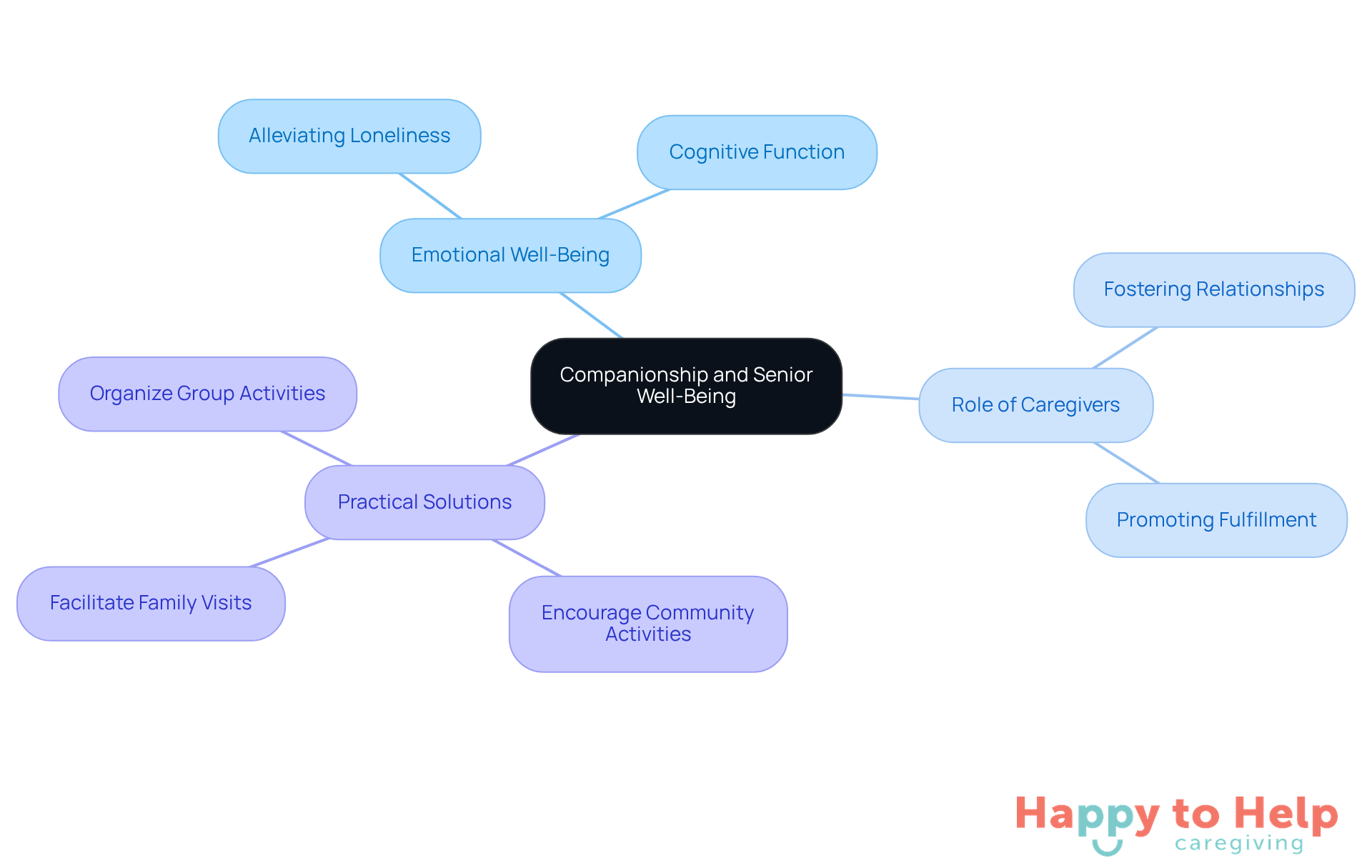
Companionship: Enhancing Senior Well-Being Through Social Interaction
Companionship is a significant challenge faced by older adults, often leading to feelings of loneliness and depression. Research shows that regular social engagement is crucial for emotional well-being, as it can alleviate these feelings. For instance, studies indicate that active participation in social activities is linked to improved cognitive function and a reduced risk of cognitive decline.
Caregivers play a vital role in addressing this issue. By fostering relationships through companionship, they contribute to the overall well-being of older adults, promoting a happier and more fulfilling life at home. Experts in gerontology emphasize that meaningful connections provide a sense of purpose and satisfaction, which are essential for maintaining mental health in older adults.
To enhance social engagement, caregivers can implement several practical solutions:
- Encourage participation in community activities.
- Facilitate regular visits with family and friends.
- Organize group activities that promote interaction.
This focus on companionship not only boosts emotional resilience but also creates a supportive atmosphere where older adults can thrive.
Post-Hospital Recovery: Supporting Seniors with Tailored Care Plans
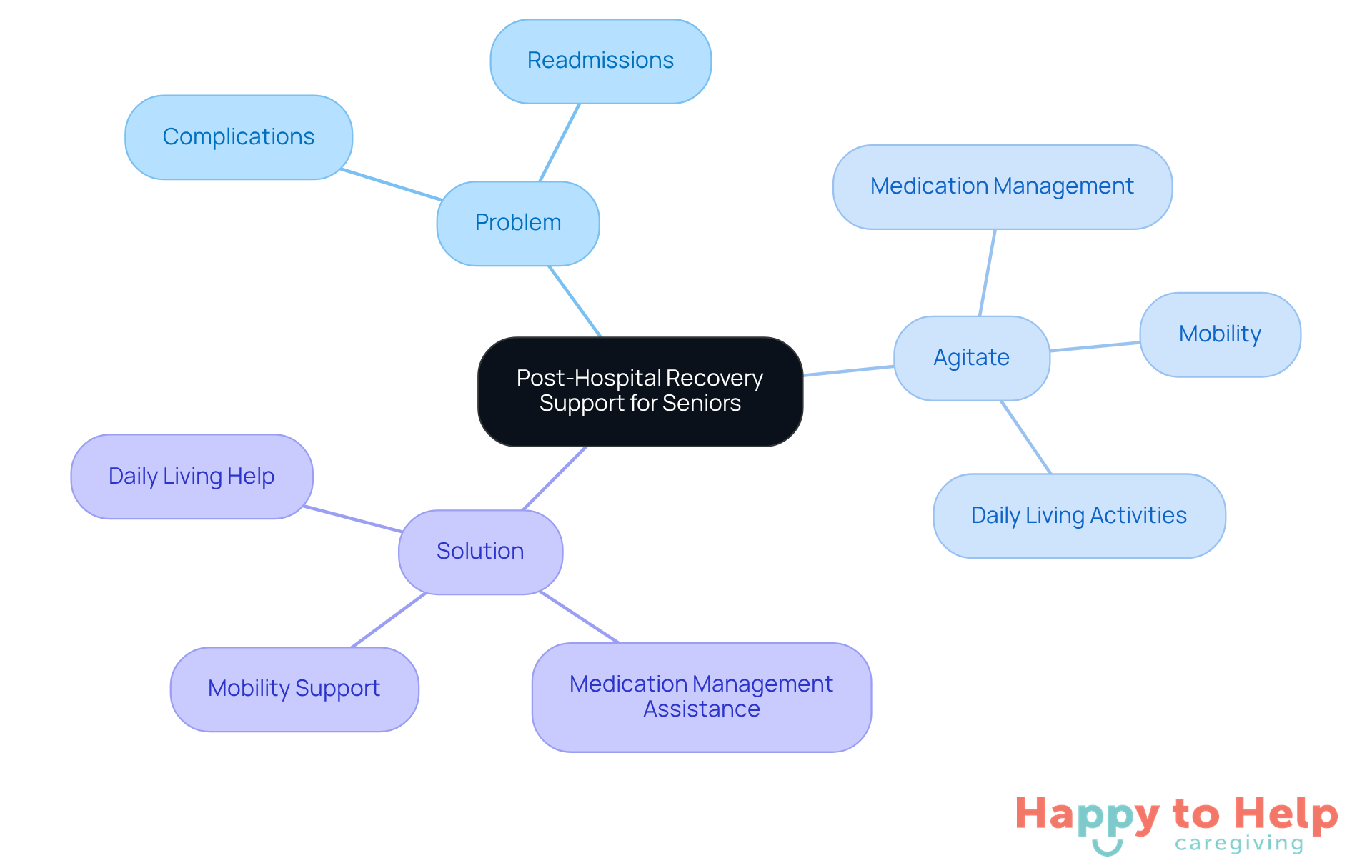
Problem: Transitioning from hospital to home can be challenging for older adults, often leading to complications or readmissions due to inadequate support.
Agitate: Without personalized assistance, many older adults struggle with medication management, mobility, and daily living activities, which can hinder their recovery and independence.
Solution: Happy to Help Caregiving addresses these challenges by offering tailored support plans that cater to the unique needs of each individual. These plans include:
- Assistance with medication management
- Mobility support
- Help with daily living activities
By focusing on personalized assistance, the organization ensures that older adults receive the essential support they need to recuperate safely and effectively. This approach not only enhances recovery outcomes but also promotes independence, significantly reducing the chances of complications or readmissions.
Cost-Effectiveness: Financial Benefits of Short-Term Senior Care
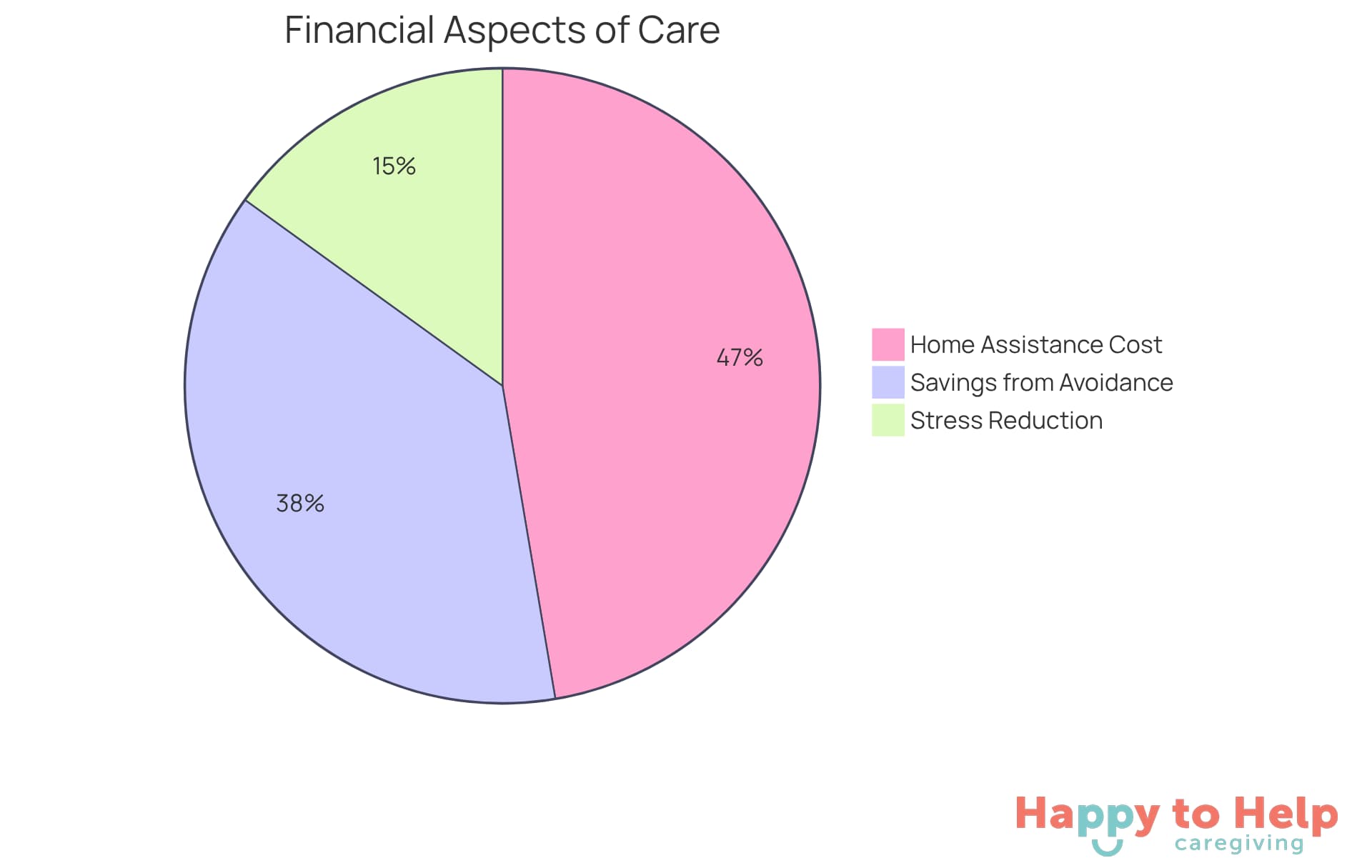
Short term senior care presents a financial challenge for many households, especially when weighed against the potential costs of long-term care or hospital readmissions. This situation can lead to significant financial stress for families.
By utilizing short term senior care services, families can effectively manage their budgets while ensuring their loved ones receive high-quality support. Happy to Help Caregiving stands out with its transparent pricing and flexible service options, allowing families to select short term senior care that aligns with their financial circumstances. This approach not only alleviates financial pressure but also ensures that seniors receive the necessary short term senior care while maintaining quality.
Financial consultants emphasize that investing in short term senior care services can lead to considerable savings over time. These services help avoid costly hospital admissions and support caregivers in maintaining their own well-being. As Kayla Van Erdewyk notes, "Home assistance costs about $6,292 per month for 44 hours per week," making it a more budget-friendly alternative to nursing homes.
Additionally, Kathleen Cameron highlights the importance of self-care for caregivers, stating, "Looking after yourself is essential for being fully engaged with your loved one and offering the highest quality support." This underscores the critical need for caregivers to prioritize their own health.
Research indicates that short term senior care can significantly reduce caregiver burnout, leading to better financial and emotional outcomes for families. With the national median cost of home assistance at approximately $6,292 per month, families can explore respite options that meet their needs, ultimately enhancing the quality of life for both caregivers and their loved ones.
Safety Protocols: Ensuring Health and Security in Short-Term Care
Ensuring the safety and security of seniors during short term senior care presents a significant challenge. Without proper measures, clients face risks that can lead to serious consequences, including financial abuse and fraud, which costs older Americans between $2.6 and $36.5 billion annually. This highlights the urgent need for effective safety protocols in caregiving.
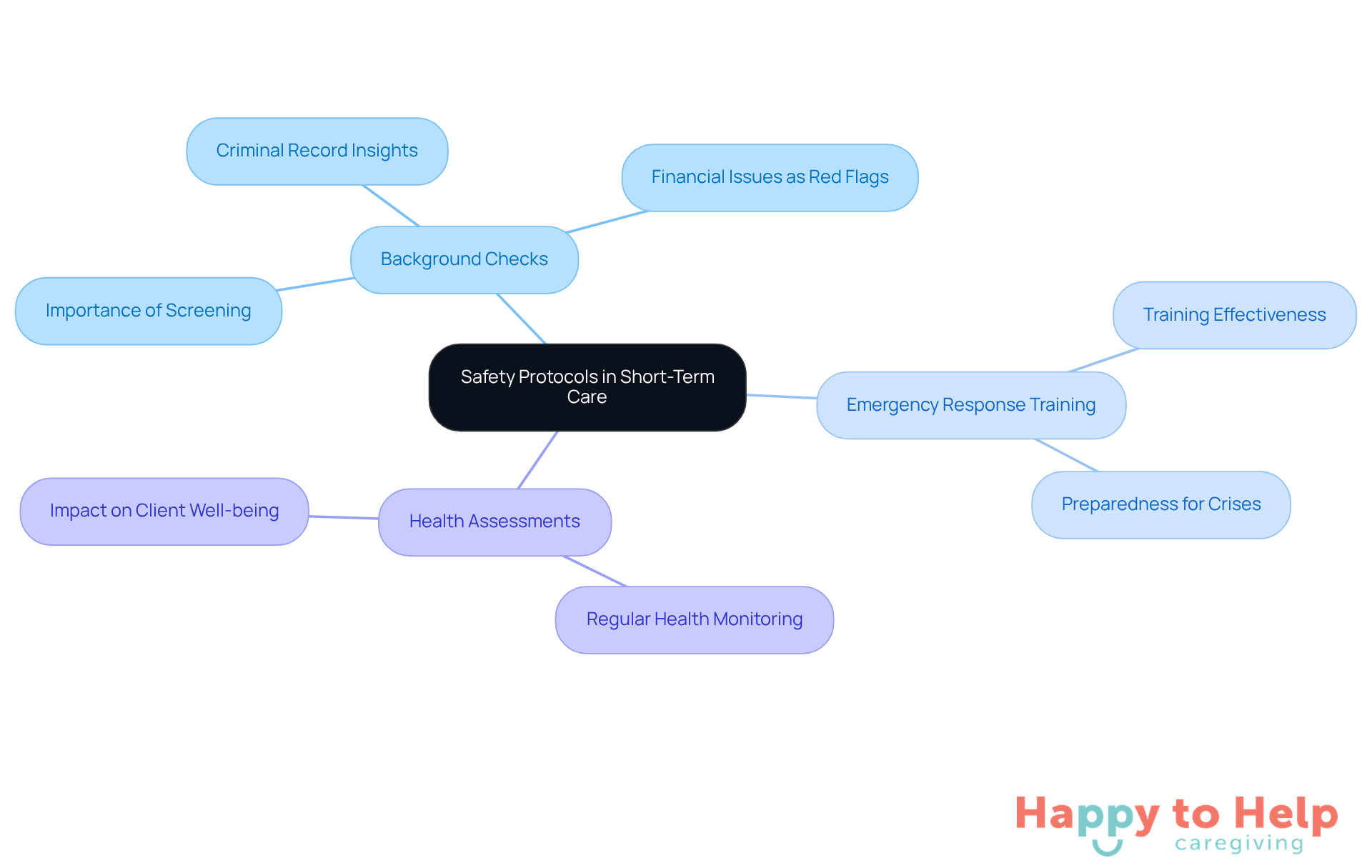
Happy to Help Caregiving addresses these concerns by implementing comprehensive safety protocols. These include:
- Thorough background checks for support staff
- Training in emergency response
- Regular health assessments
Such measures not only protect clients but also provide peace of mind for families, creating a safe atmosphere where seniors can thrive.
By emphasizing safety, the agency allows caregivers to focus on delivering compassionate support without unnecessary worry. With the demand for home support workers projected to increase by 25% by 2031, adopting these protocols is essential for maintaining trust and safety in the caregiving relationship. As Riia O'Donnell states, "For employers, the necessity to locate skilled workers who can deliver support without posing a risk to the client and the organization has never been more crucial."
In summary, thorough background checks and safety measures are not just best practices; they are vital for protecting clients in short term senior care and ensuring a secure caregiving environment.
Personalized Care Plans: Tailoring Support to Individual Senior Needs
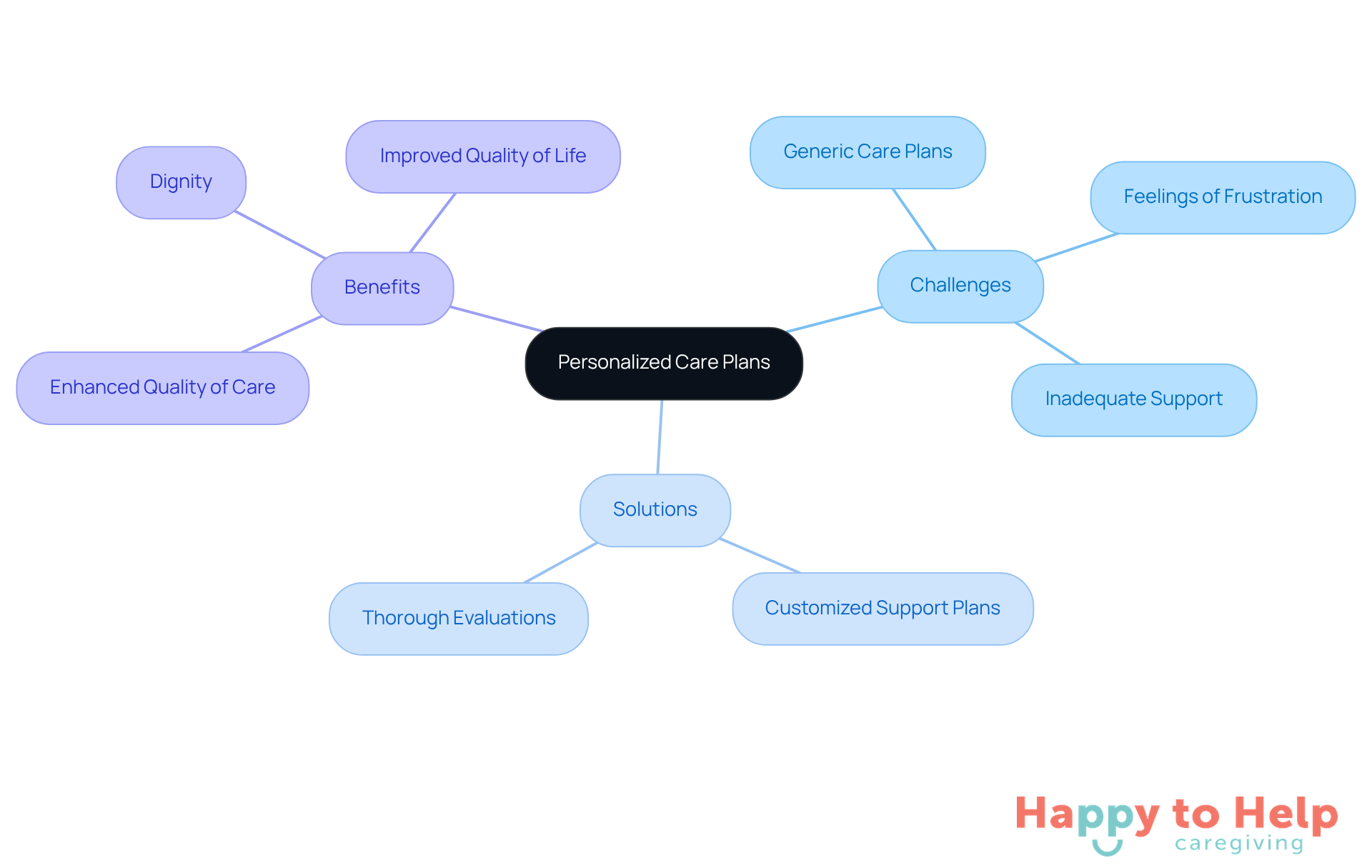
Caregivers often face the challenge of providing adequate support tailored to the unique needs of each individual. This can lead to feelings of frustration and inadequacy, as generic care plans may not address specific preferences or lifestyles. Without a personalized approach, caregivers may struggle to ensure that their clients receive the appropriate level of assistance, whether it’s help with daily activities, companionship, or specialized care for chronic conditions.
Customized support plans are a solution to this pressing issue. At Happy to Help Caregiving, each plan is developed through a thorough evaluation of an individual’s needs and lifestyle. This tailored method not only guarantees that caregivers deliver the right level of support but also enhances the overall quality of care. By focusing on personal needs, the agency fosters a sense of dignity and independence for seniors, ultimately improving their quality of life.
Technology Integration: Enhancing Communication and Care Coordination
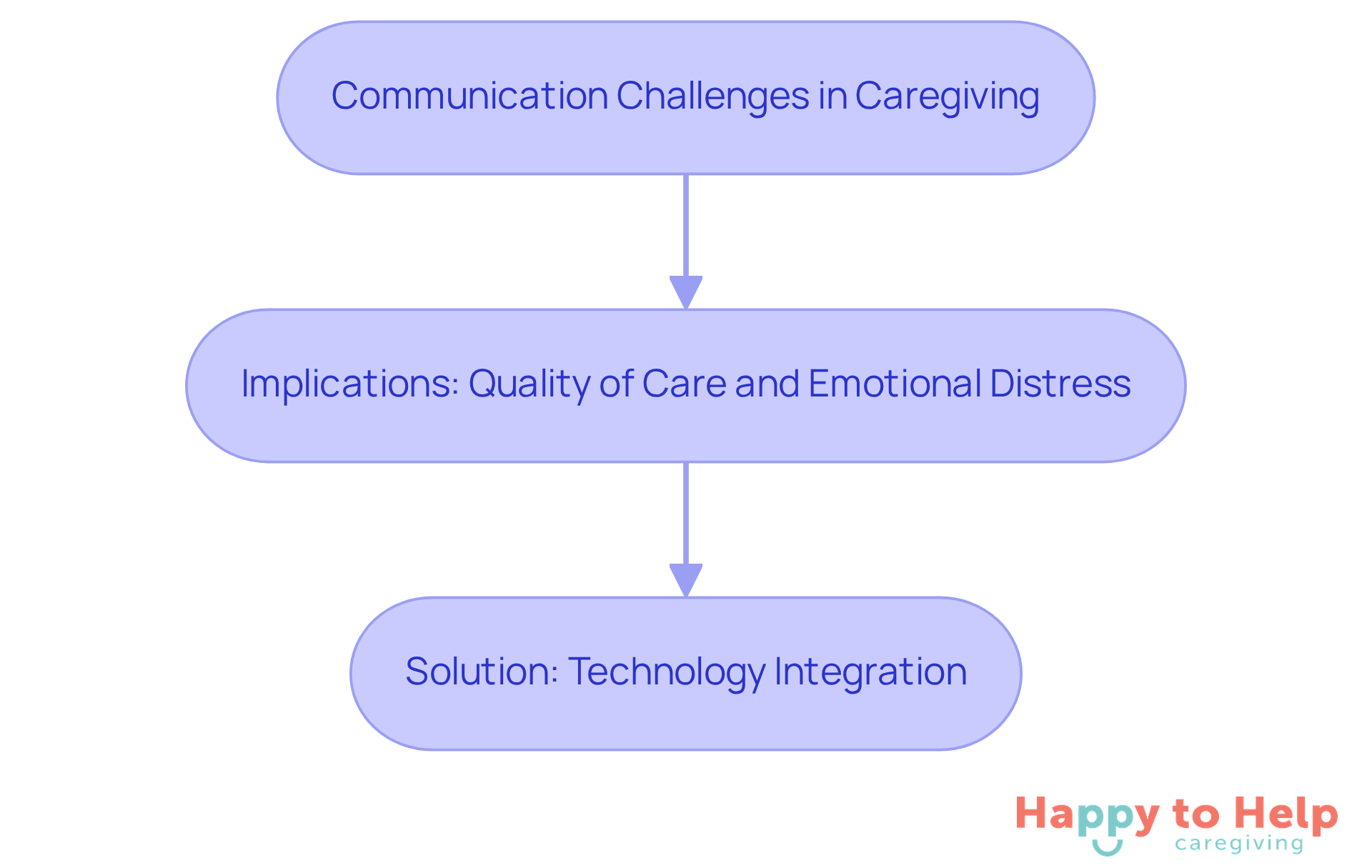
The Problem: Caregivers often face significant challenges in communication and coordination with clients and their families. This lack of effective communication can lead to misunderstandings and feelings of isolation, particularly among seniors who may already be experiencing loneliness.
The Implications: When caregivers and families are not on the same page, it can hinder the quality of care provided. Families may feel disconnected from their loved one's treatment, which can exacerbate emotional distress for both the caregiver and the client. This situation highlights the urgent need for improved communication strategies in caregiving.
The Solution: Happy to Help Caregiving addresses these challenges by utilizing technology to enhance communication and coordination. Digital tools such as health logs, medication reminders, and secure messaging platforms facilitate real-time updates and seamless information sharing. This integration not only improves service delivery but also keeps families informed and engaged in their loved one's care.
By leveraging technology, the agency fosters transparency and creates a more responsive caregiving experience tailored to individual needs. Studies show that effective communication technologies can significantly reduce feelings of loneliness among seniors, underscoring the importance of these tools in promoting emotional well-being. As technology continues to advance, its role in enhancing communication within home support environments becomes increasingly vital, making it an essential component of modern caregiving.
Family Dynamics: Strengthening Relationships Through Short-Term Care Support
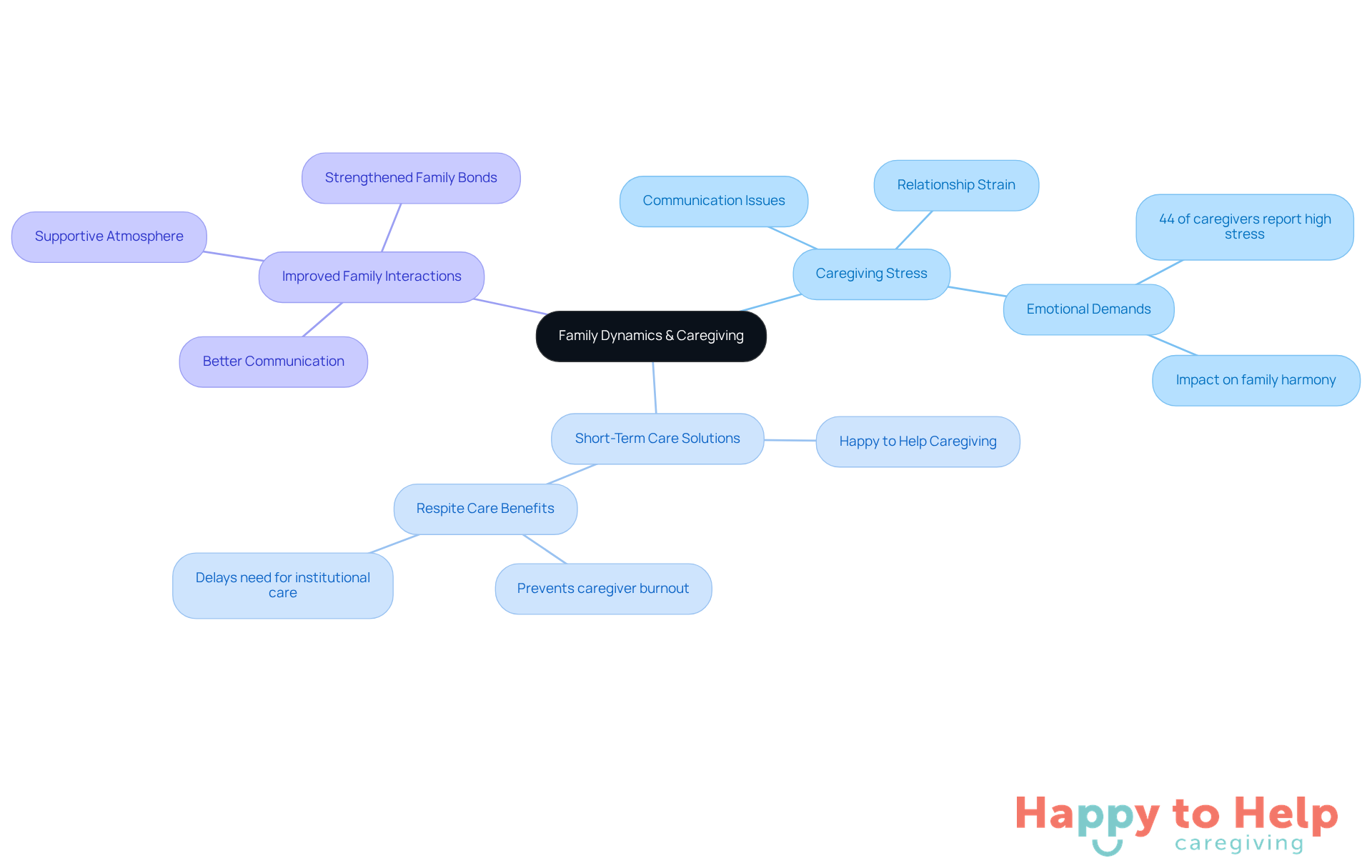
Caregiving can be a rewarding yet challenging role, often leading to significant stress for those involved. This stress can strain relationships, making it difficult for caregivers to interact positively with their loved ones. When caregivers are overwhelmed, communication can suffer, creating a less supportive atmosphere at home.
Short term senior care provides a practical solution to this problem. By allowing caregivers to take necessary breaks, services like Happy to Help Caregiving can alleviate some of the pressures associated with caregiving. This not only benefits the caregiver but also enhances the quality of family interactions, fostering a healthier and more harmonious home life.
When caregivers are less stressed, they can engage more positively with their family members, leading to improved relationships and communication. This holistic approach promotes a supportive environment, ensuring that both caregivers and their loved ones can thrive.
Taking the Next Steps
Short-term senior care addresses a significant challenge faced by family caregivers: stress and burnout. This issue not only affects caregivers' well-being but also impacts the quality of care provided to seniors. The need for effective support is clear, as it can lead to a more balanced caregiving experience.
Key benefits of short-term senior care include:
- Emotional support that helps reduce caregiver burnout.
- Flexible scheduling that accommodates personal commitments.
- Companionship that fosters social interaction for seniors.
- Personalized care plans and safety protocols that ensure individual needs are met in a secure environment.
Moreover, the financial advantages of utilizing short-term services make them a cost-effective alternative to long-term care options. This underscores their importance in supporting both caregivers and seniors.
Ultimately, embracing short-term senior care is about nurturing relationships and enhancing the overall quality of life for both caregivers and their loved ones. As the demand for these services continues to grow, recognizing their profound impact on family dynamics and individual well-being becomes increasingly essential. Families are encouraged to explore these options, ensuring that both caregivers and seniors thrive in a supportive and compassionate environment.
https://iframe.tely.ai/cta/eyJhcnRpY2xlX2lkIjogIjY5MjY0MzZiMDBmNGUzMjBmNzc3ZTdkMCIsICJjb21wYW55X2lkIjogIjY4ZWU1ZGNhNzMxNzYyNTU3ZjNjOTVjMSIsICJpbmRleCI6IG51bGwsICJ0eXBlIjogImFydGljbGUifQ==Frequently Asked Questions
What challenges do caregivers face?
Caregivers often feel overwhelmed by their responsibilities, with many experiencing significant emotional challenges and a high risk of burnout. Additionally, studies indicate that a considerable number of older adults report feelings of loneliness, highlighting the need for companionship and support services.
What percentage of caregivers do not receive relief services?
A staggering 86% of individuals caring for an adult do not receive any relief services, which exacerbates the stress experienced by caregivers.
How can respite support help caregivers?
Consistent respite support can alleviate stress for caregivers by allowing them to take necessary breaks while ensuring their loved ones receive excellent attention. This support helps caregivers rejuvenate themselves and maintain their well-being.
What services does Happy to Help Caregiving offer?
Happy to Help Caregiving offers a range of respite support services, including short-term senior care, specifically designed to assist family caregivers.
How does short-term senior care benefit caregivers emotionally?
Short-term senior care provides vital emotional assistance, allowing caregivers to take temporary breaks to recharge and focus on their own well-being. Regular breaks can lead to improved mental health outcomes, enabling caregivers to return to their roles with renewed energy.
What is the importance of flexible scheduling in caregiving?
Flexible scheduling is crucial for caregivers, as it allows them to balance their employment and support duties. Happy to Help Caregiving offers adaptable assistance, enabling caregivers to choose when they need help, whether for a few hours or several days.
How does flexible scheduling impact caregivers' well-being?
Having the option for flexible scheduling significantly lessens caregivers' feelings of being overwhelmed, promoting a healthier balance between caregiving duties and personal life, which is essential for maintaining their responsibilities effectively.
What challenges can arise from flexible scheduling in caregiving services?
While flexible scheduling offers many benefits, it can pose challenges in maintaining adequate staffing levels, as noted in recent industry discussions.
List of Sources
- Happy to Help Caregiving: Comprehensive Respite Care for Family Caregivers
- Family Caregiver Support, Education Needs Growing (https://hospicenews.com/2025/11/11/family-caregiver-support-education-needs-growing)
- New Report Reveals Crisis Point for America’s 63 million Family Caregivers (https://press.aarp.org/2025-07-24-New-Report-Reveals-Crisis-Point-for-Americas-63-million-Family-Caregivers)
- 10 Benefits of Professional Companion Services for Family Caregivers - Happy To Help (https://happytohelpcaregiving.com/10-benefits-of-professional-companion-services-for-family-caregivers)
- Improving Support for Family Caregivers (https://nationalacademies.org/news/2025/07/improving-support-for-family-caregivers)
- Emotional Support: Reducing Caregiver Burnout Through Short-Term Care
- Caregiving’s Mental Health Crisis (https://forbes.com/sites/otsuka/2025/10/02/caregivings-mental-health-crisis)
- Caregiving Crisis: 45% Increase in Americans Providing Care (https://aarp.org/caregiving/basics/caregiving-in-us-survey-2025)
- The Caregiving Landscape: Data & Insights on the Caregiver Experience in the U.S. (https://caregiveraction.org/caregiver-statistics)
- Caregiver Statistics: Health, Technology, and Caregiving Resources (https://caregiver.org/resource/caregiver-statistics-health-technology-and-caregiving-resources)
- Prevalence of depression, anxiety, burden, burnout, and stress in informal caregivers: An umbrella review of meta-analyses (https://sciencedirect.com/science/article/pii/S2950307825000785)
- Flexible Scheduling: Balancing Caregiving and Personal Life with Short-Term Services
- Senior Living Operators Embrace More Flexible Scheduling Practices to Improve Staffing (https://seniorhousingnews.com/2024/08/06/senior-living-operators-embrace-more-flexible-scheduling-practices-to-improve-staffing)
- New U.S. Workforce Report: Nearly 70% of Family Caregivers Report Difficulty Balancing Career and Caregiving Responsibilities, Spurring Long-Term Impacts to U.S. Economy (https://press.aarp.org/2024-5-16-US-Workforce-Report-70-Caregivers-Difficulty-Balancing-Career-Caregiving-Responsibilities)
- Embracing Flexible Scheduling Models in Aging Services: A Path Toward Workforce Stability (https://leadingage.org/embracing-flexible-scheduling-models-in-aging-services-a-path-toward-workforce-stability)
- Home Care Providers Aim For Big Wins By Introducing Shorter Care Models Bypassing Service Minimums (https://homehealthcarenews.com/2025/02/home-care-providers-aim-for-big-wins-by-introducing-shorter-care-models-bypassing-service-minimums)
- Flexible scheduling, enhanced communication, technology can help address workforce challenges (https://mcknightsseniorliving.com/news/flexible-scheduling-enhanced-communication-technology-can-help-address-workforce-challenges)
- Companionship: Enhancing Senior Well-Being Through Social Interaction
- Social connection linked to improved health and reduced risk of early death (https://who.int/news/item/30-06-2025-social-connection-linked-to-improved-heath-and-reduced-risk-of-early-death)
- The Power of Connection: Social Engagement and Mental Health – In Home Senior Care Northeast Florida (https://agingtrue.org/the-power-of-connection-social-engagement-and-mental-health)
- Social isolation, loneliness in older people pose health risks (https://nia.nih.gov/news/social-isolation-loneliness-older-people-pose-health-risks)
- New Studies Suggest Social Isolation Is a Risk Factor for Dementia in Older Adults, Point to Ways to Reduce Risk (https://hopkinsmedicine.org/news/newsroom/news-releases/2023/01/new-studies-suggest-social-isolation-is-a-risk-factor-for-dementia-in-older-adults-point-to-ways-to-reduce-risk)
- Social interaction in aging linked to cognitive health, emotional well-being (https://mcknights.com/news/social-interaction-in-aging-linked-to-cognitive-health-emotional-well-being)
- Post-Hospital Recovery: Supporting Seniors with Tailored Care Plans
- Post-Hospital Discharge: Why In-Home Care Improves Recovery for Florida Seniors (https://visitingangels.com/pasco/news-info/post-hospital-discharge-why-in-home-care-improves-recovery/26199)
- How to Help Seniors Transition Back Home After Hospitalization | Eden Senior Care (https://edenseniorhc.com/how-to-help-seniors-transition-back-home-after-hospitalization)
- Post-Hospital Home Care: The Key to a Smoother, Safer Recovery (https://heavenathomecare.com/how-post-hospital-home-care-helps-seniors-recover)
- Recovery in Activities of Daily Living Among Older Adults Following Hospitalization for Acute Medical Illness - PMC (https://pmc.ncbi.nlm.nih.gov/articles/PMC2717728)
- Post-Hospital Care for Seniors Supports Healing (https://picseniorcare.com/how-post-hospital-care-for-seniors-makes-recovery-easier)
- Cost-Effectiveness: Financial Benefits of Short-Term Senior Care
- What Is Respite Care for Caregivers? (https://ncoa.org/article/what-is-respite-care-a-guide-for-caregivers)
- Cost of Home Care vs. Nursing Homes (https://aplaceformom.com/caregiver-resources/articles/home-care-vs-nursing-home-costs)
- A bill in Congress would return $5,000 to millions of family caregivers every year, but will it pass? (https://cbsnews.com/newyork/news/credit-for-caring-act-family-caregiver-tax-credit)
- Stats, Facts and Things to Know About Respite Care (https://bethesdaseniorliving.com/senior-resources/stats-facts-and-things-to-know-about-respite-care)
- Respite Services: A Critical Support for Family Caregivers (https://ltsschoices.aarp.org/resources-and-practices/respite-services-critical-support-for-family-caregivers)
- Safety Protocols: Ensuring Health and Security in Short-Term Care
- Gov. Healey announces new safety measures at assisted living facilities after deadly Fall River fire (https://cbsnews.com/boston/news/fire-safety-assisted-living-massachusetts)
- Top 20 Safety Quotes to Educate and Inspire Your Team (https://fluix.io/blog/safety-quotes)
- The Importance of Background Checks on In-Home Caregivers - Critical Research (https://criticalresearch.com/background-checks/importance-background-checks-home-care)
- Top 20 Safety Quotes To Improve Your Safety Culture (https://blog.safetyculture.com/industry-trends/top-20-safety-quotes-improve-safety-culture)
- Personalized Care Plans: Tailoring Support to Individual Senior Needs
- Customized Care at Home: The Benefits of Personalized Care Plans - VNA Health Group (https://vnahg.org/customized-care-at-home-the-benefits-of-personalized-care-plans)
- How Personalized Support Plans Improve Quality of Life (https://heartwisesupport.org/post/how-personalized-support-plans-improve-quality-of-life)
- The Importance of Personalized Care Plans when Aging in Place (https://kendalathome.org/blog/the-importance-of-personalized-care-plans-when-aging-in-place)
- Importance of Personalized Senior Home Care in Burlington NC (https://wisdomseniorcare.com/the-importance-of-personalized-care-plans-for-seniors)
- Novel Care Model May Improve Outcomes for Older Adults With Multiple Chronic Conditions (https://consultqd.clevelandclinic.org/novel-care-model-may-improve-outcomes-for-older-adults-with-multiple-chronic-conditions)
- Technology Integration: Enhancing Communication and Care Coordination
- Technology in Homecare Services | Cardinal Comfort Care (https://cardinalcomfortcare.com/2025/02/08/technology-in-homecare-services)
- Caregiver Statistics: Health, Technology, and Caregiving Resources (https://caregiver.org/resource/caregiver-statistics-health-technology-and-caregiving-resources)
- How Technology Improves Communication Between Families And Care Staff (https://thehighpointresidence.com/blog/how-technology-improves-communication-between-families-and-care-staff)
- How Technology Enhances Communication in Senior Care (https://business.seminolebusiness.org/news/details/how-technology-enhances-communication-in-senior-care)
- Technology Use Among Older Adults and Their Caregivers: Cross-Sectional Survey Study - PMC (https://pmc.ncbi.nlm.nih.gov/articles/PMC11084119)
- Family Dynamics: Strengthening Relationships Through Short-Term Care Support
- Benefits of Respite Care for Families and Patients (https://ltcnews.com/articles/respite-care-assisted-living-family-burden-provides-support)
- The Impact of Home Care on Family Dynamics (https://h2hhc.com/blog/the-impact-of-home-care-on-family-dynamics)
- Supporting Family Dynamics Through Respite Care (https://h2hhc.com/blog/supporting-family-dynamics-through-respite-care-6761a)
- How Respite Care Can Strengthen Family Relationships (https://impactwealth.org/how-respite-care-can-strengthen-family-relationships)