

For families in our service areas
For families in our service areas, this guide explains caregiver support and how non-medical in-home caregiving can support care planning in East Idaho, Treasure Valley & Magic Valley, Northern Wasatch, North Central West Virginia, and Northeast Ohio.
Understanding Your Options
This article highlights ten benefits of "soin a domicile" (in-home care) for family caregivers, focusing on the profound impact it has on enhancing the quality of life for elderly individuals while also supporting their caregivers. It recognizes the emotional challenges caregivers face, such as stress and burnout, and emphasizes that personalized in-home care fosters independence and emotional well-being for seniors.
Furthermore, it alleviates the burden on family caregivers by offering essential support, companionship, and tailored care plans. These elements are crucial for maintaining the health and happiness of both parties. In-home care not only provides practical assistance but also nurtures a sense of connection and understanding, making it a vital resource for families navigating this journey together.
The Importance of Soin a Domicile
Soin à domicile, or in-home care, is quickly becoming a favored choice for families who wish to support their elderly loved ones. A remarkable 82% of seniors express a heartfelt desire to stay in their own homes, highlighting the growing need for personalized caregiving solutions.
This article delves into the numerous benefits of in-home care for family caregivers. From providing emotional support and companionship to offering financial advantages and tailored care plans, the advantages are significant.
Yet, as the caregiving landscape evolves, families encounter challenges in accessing these essential services. How can they ensure their loved ones receive the best care possible? This exploration aims to provide reassurance and guidance for families navigating this important journey.
Happy to Help Caregiving: Personalized In-Home Care for Seniors
Happy to Help Caregiving is dedicated to providing customized soin a domicile that is tailored to the unique needs of elderly individuals. This compassionate approach ensures that clients receive support that respects their preferences and nurtures their independence, allowing them to thrive in the comfort of their own homes. By focusing on personal needs, caregivers can create a supportive environment that enhances the quality of life for older adults and their families.
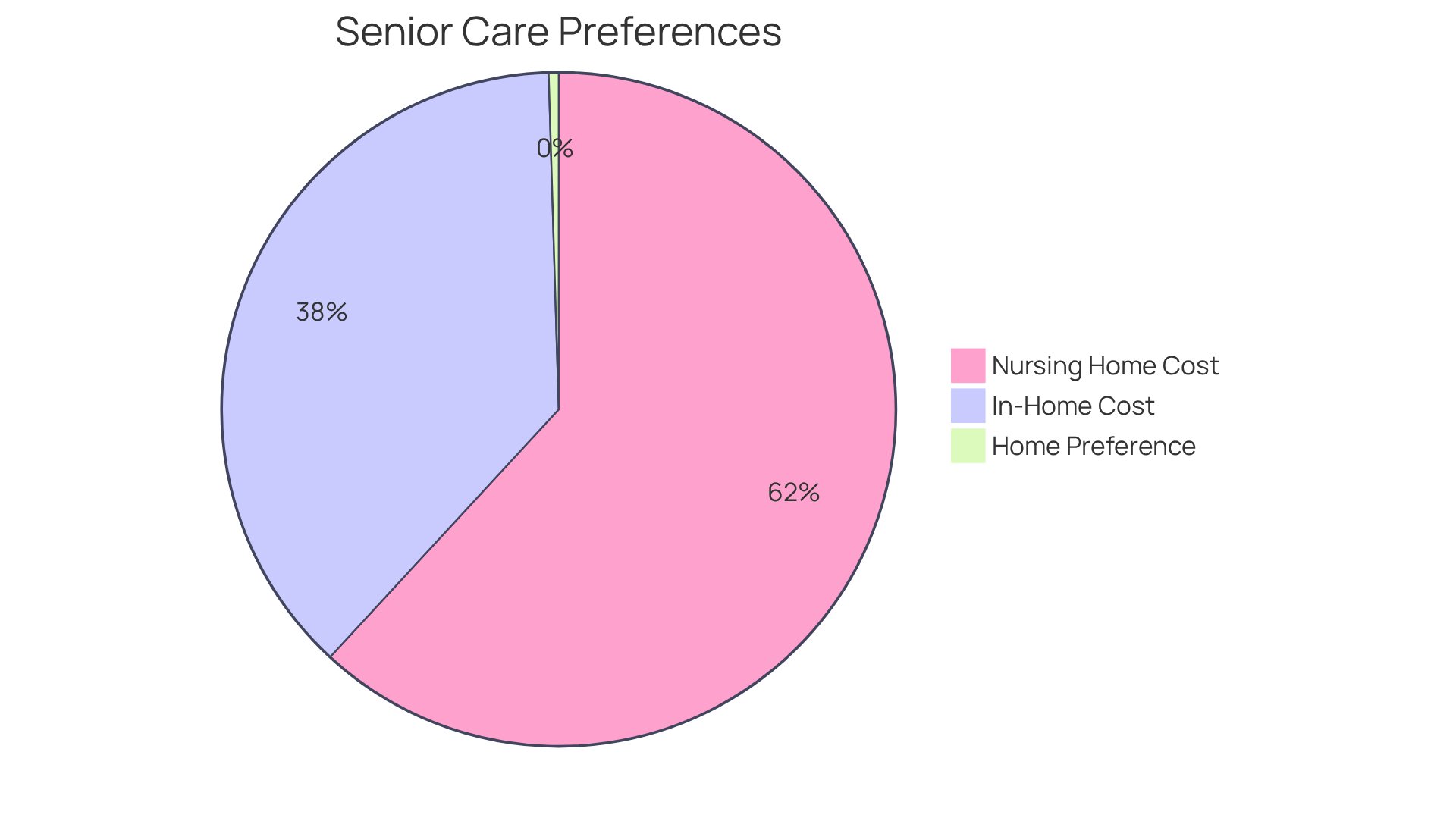
The importance of individualized support is underscored by a striking statistic: approximately 82% of elderly individuals wish to remain in their homes for as long as possible. This preference highlights the critical need for quality soin a domicile services that enable seniors to stay in familiar surroundings. Moreover, with the U.S. population of individuals aged 65 and older reaching 55.8 million, the demand for customized support becomes even more vital, as this demographic shift drives the growing need for soin a domicile services.
Soin a domicile caregiving provides a wealth of benefits, such as emotional support and companionship—essential elements for combating feelings of isolation. Research reveals that one in three adults aged 50-80 report experiencing loneliness at least occasionally, emphasizing the need for social interaction and emotional engagement in caregiving. By providing personalized attention and fostering meaningful connections, caregivers can profoundly enhance the overall well-being of their clients.
Additionally, the average monthly cost for full-time in-home assistance is around $6,481, making it a more affordable option for families compared to the average monthly expense of a private nursing home room, which stands at $10,646. This financial perspective is crucial for families considering in-home support as a viable choice.
As the shift towards soin a domicile continues to gain momentum—driven by its flexibility and the increasing integration of technology—families are recognizing the numerous advantages of personalized care. Modern solutions, such as smart home devices and wearable technology, enrich the caregiving experience, ensuring that elderly individuals receive the compassionate support they need to thrive at home. This approach not only alleviates the burden on families but also ensures that older adults receive the nurturing care they deserve through soin a domicile to flourish in their own spaces.
Companionship Care: Alleviating Loneliness for Seniors
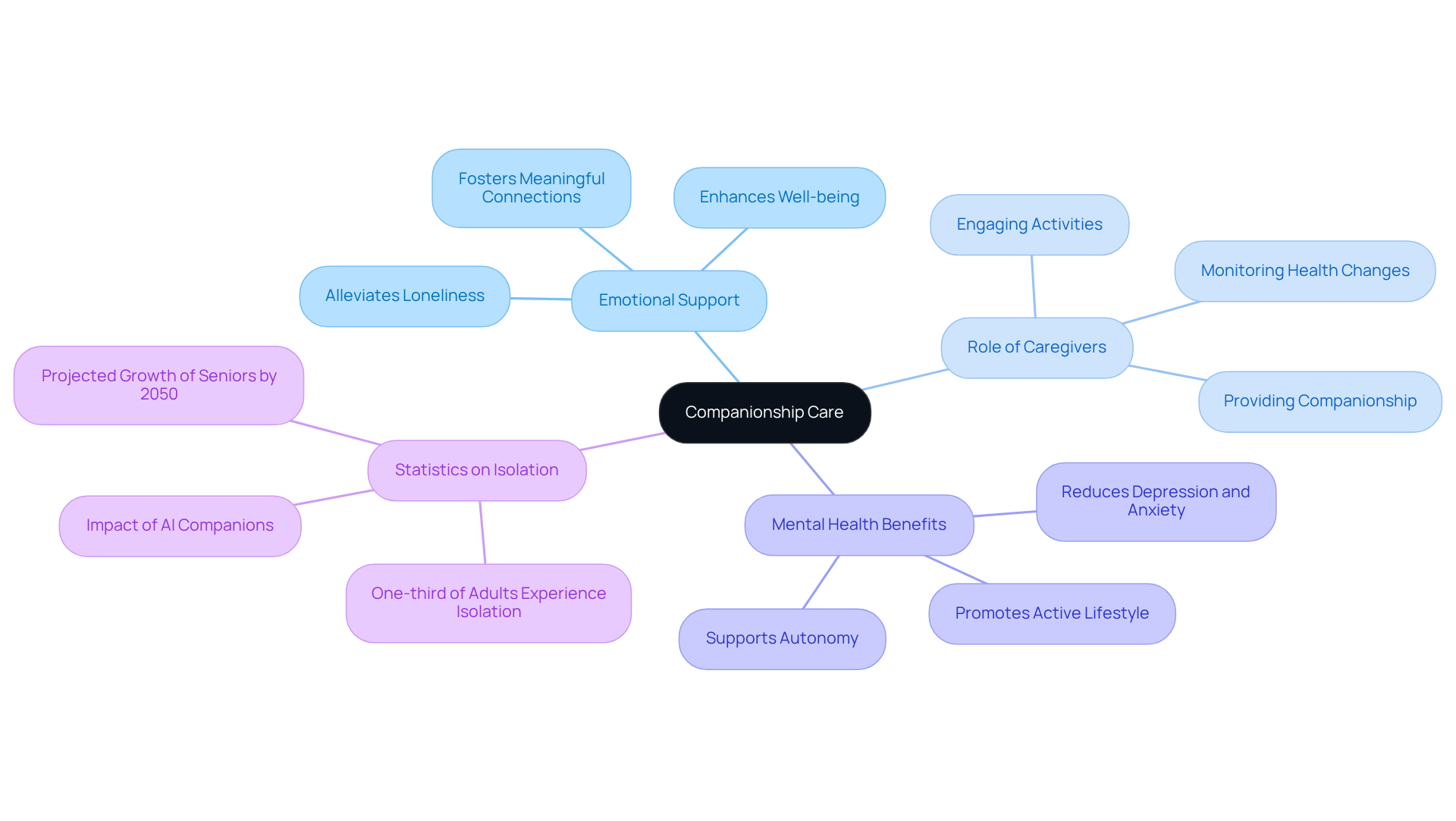
Companionship care is essential for providing emotional support and fostering social interaction among the elderly. This care effectively alleviates feelings of loneliness and isolation. Caregivers are pivotal in this journey, as they actively engage clients in enjoyable activities, nurturing meaningful connections that significantly enhance emotional well-being.
Research indicates that consistent social engagement can diminish the likelihood of depression and anxiety, promoting a more vibrant and fulfilling lifestyle for older adults. Initiatives focused on companionship, including those that incorporate AI partners, demonstrate that regular interaction not only improves mental health outcomes but also encourages older adults to participate in their daily activities. This, in turn, supports their autonomy and overall quality of life.
With one-third of U.S. adults aged 50 to 80 experiencing feelings of isolation, the necessity for tailored companionship care that meets the unique emotional needs of each individual is increasingly clear. By recognizing and addressing these emotional challenges, we can offer compassionate support that makes a meaningful difference in their lives.
Post-Hospital Recovery Assistance: Ensuring Safe Transitions
Post-hospital recovery assistance, known as soin a domicile, is crafted with care to ensure that older adults transition safely from hospital to home. We understand the emotional challenges that caregivers face during this time. Caregivers provide essential support, including:
- Medication management
- Mobility assistance
- Vigilant monitoring for any signs of complications
This service not only aids elderly individuals in recovering more effectively through soin a domicile but also alleviates the anxiety for relatives. Knowing their loved ones are in capable hands brings a sense of comfort and reassurance. We believe that this compassionate care fosters a nurturing environment, allowing families to focus on what truly matters—the well-being of their loved ones.
https://iframe.tely.ai/cta/eyJhcnRpY2xlX2lkIjogIjY5MDAwN2MyNjdkYjM4ZTMyY2MwZGY5MSIsICJjb21wYW55X2lkIjogIjY4ZWU1ZGNhNzMxNzYyNTU3ZjNjOTVjMSIsICJpbmRleCI6IDIsICJ0eXBlIjogImFydGljbGUifQ==Respite Care: Supporting Family Caregivers
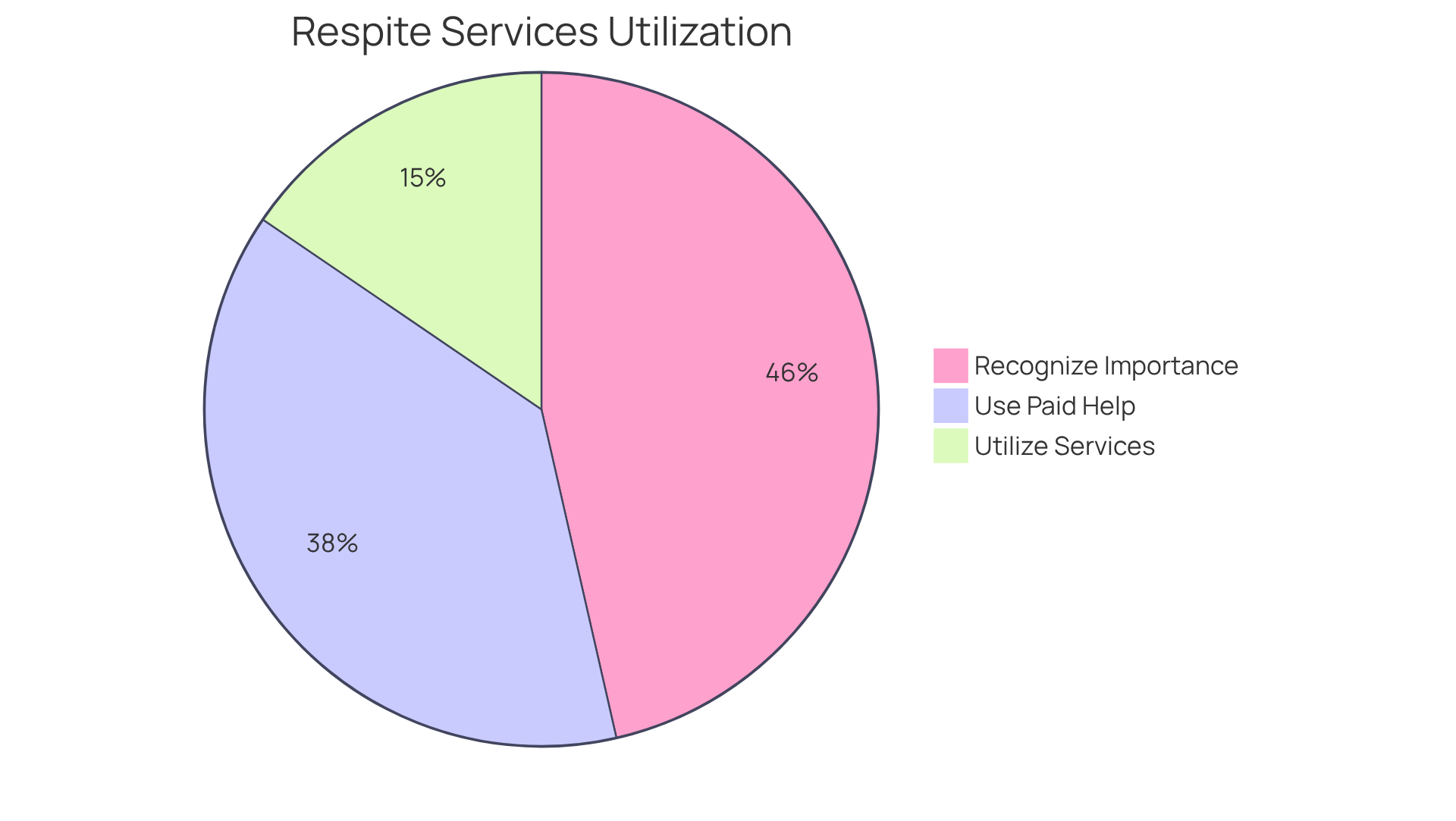
Respite services provide essential support for those who care for their loved ones. By offering temporary assistance for seniors, caregivers can take much-needed breaks to rest, attend to personal matters, or simply rejuvenate. This support is crucial in preventing burnout, a challenge that affects nearly half of family caregivers who report chronic conditions and anxiety. The ability to step away from caregiving responsibilities allows them to return refreshed and better equipped to provide high-quality care.
Effective respite support initiatives have shown significant reductions in stress levels among caregivers, enhancing their overall well-being. Experts note that while 39% of caregivers recognize the importance of respite, only 13% utilize these services, often due to barriers such as trust issues and concerns about service quality. Moreover, only 32% of family caregivers report using paid help, highlighting the underutilization of respite services. Addressing these challenges is vital for improving access to temporary support, which is essential for the well-being and effectiveness of family caregivers.
As we look ahead to 2025, the importance of respite services continues to grow, with the number of family caregivers in the U.S. projected to reach 63 million—a 45% increase since 2015. This rise underscores the urgent need for strong support systems that include flexible respite options. By prioritizing restorative support, caregivers can ensure they maintain their health and resilience, ultimately benefiting both themselves and those they care for.
Palliative Support Care: Enhancing Comfort and Dignity
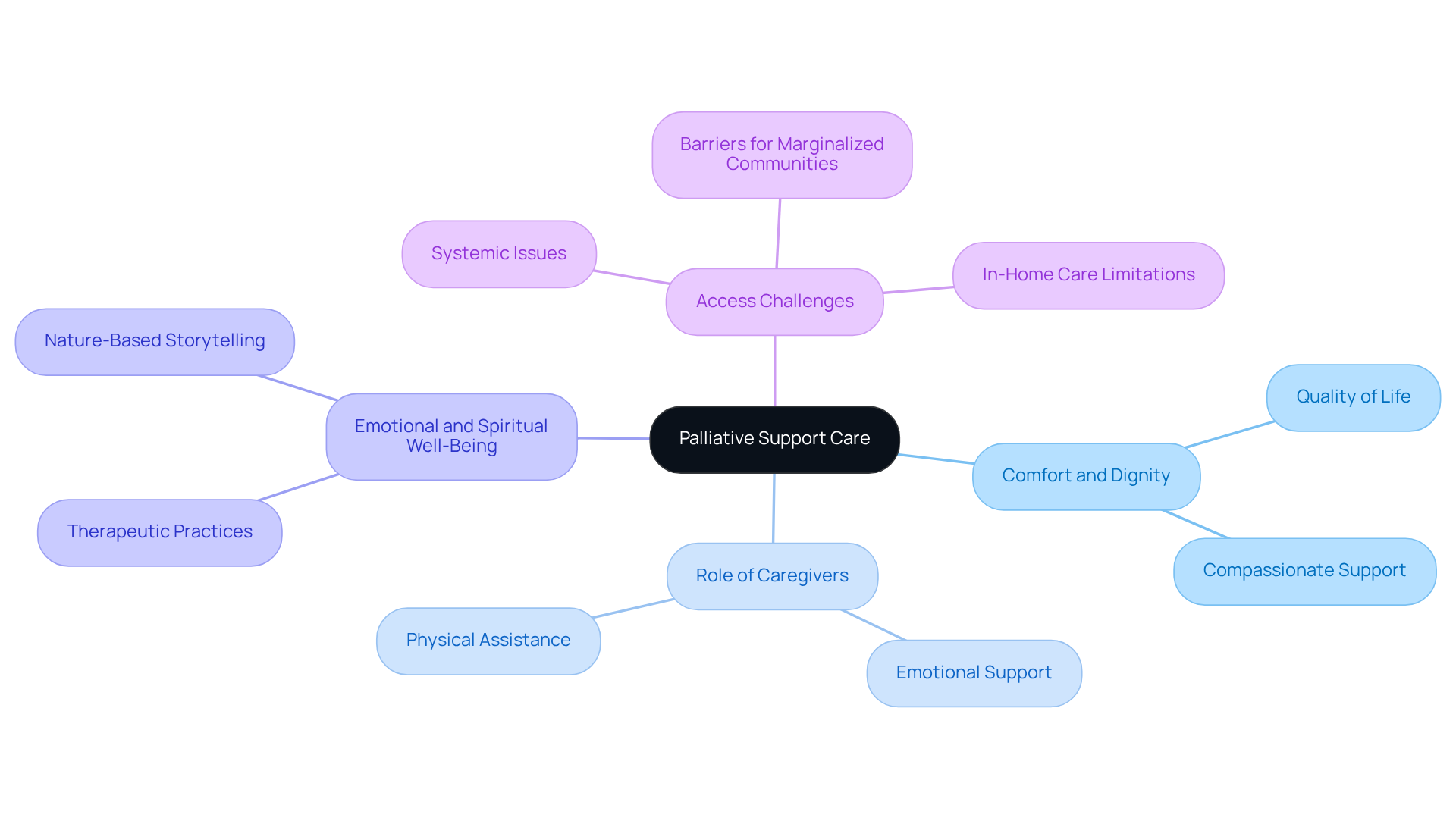
Palliative support is fundamentally focused on enhancing comfort and dignity for seniors facing serious health challenges. Caregivers play a crucial role by providing compassionate support that addresses not only physical needs but also emotional and spiritual well-being. This thorough approach enables clients to sustain their quality of life, allowing loved ones to treasure significant moments together instead of being overwhelmed by medical worries.
As stated by the Cambia Health Foundation, which has invested $48 million in palliative access, the significance of such services cannot be overstated. Specialist Diane Meier highlights that emotional support is essential in palliative treatment, as it greatly enhances the overall experience for both patients and their relatives. However, challenges remain. Many patients requiring palliative support cannot obtain soin a domicile due to various factors, including the level of assistance needed exceeding family capability.
By nurturing an atmosphere of compassion and awareness, palliative support ensures that dignity stays at the forefront of assistance. This approach tackles systemic issues emphasized by advocates like Christopher M. Smith, who calls for fair access to these vital services.
Tailored Care Plans: Flexibility to Meet Individual Needs
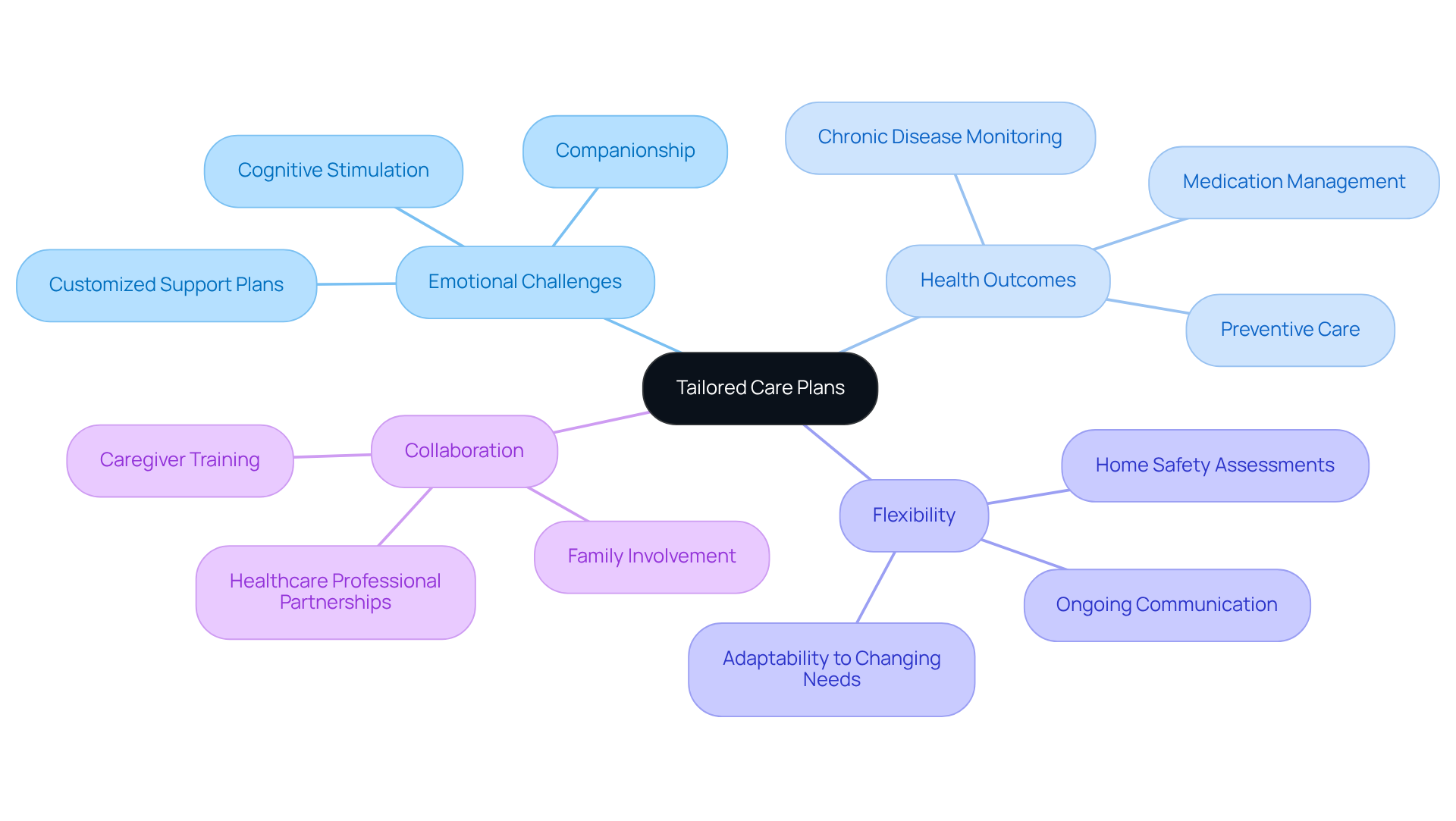
At Happy to Help Caregiving, we understand the emotional challenges that caregivers face. Customized support plans are essential to our strategy, crafted in partnership with families to ensure they align with the unique needs and preferences of each client. This collaborative process fosters a sense of ownership, allowing clients to feel heard and appreciated on their journey.
Personalized care plans not only improve emotional well-being but also promote better health outcomes. By ensuring individuals receive appropriate treatments and medication management, we help alleviate some of the stress that comes with caregiving. The flexibility of these plans allows our providers to adjust services as situations change, ensuring that support remains relevant and effective as clients navigate their varying needs. This adaptability is especially vital for older individuals, who may encounter changes in health or lifestyle.
Incorporating home safety assessments and proactive risk reduction measures within these plans supports soin a domicile, contributing to maintaining independence and enhancing quality of life. We believe that ongoing communication among caregivers, relatives, and healthcare professionals is crucial for continually modifying care strategies. This synchronization ensures that everyone involved can deliver the best possible support, creating a nurturing environment for all.
24/7 Availability: Constant Support for Seniors
Happy to Help Caregiving understands the emotional challenges caregivers face. We provide 24/7 availability, ensuring that elderly individuals have access to support whenever they need it. This constant presence not only offers peace of mind for households but also enables seniors to feel secure in their homes.
Knowing that help is just a call away can significantly reduce anxiety for both clients and their loved ones. Imagine the comfort of knowing that compassionate care is always within reach, ready to assist at any moment.
Our dedicated team is here to provide not just practical support, but also emotional reassurance. We believe that everyone deserves to feel safe and cared for with soin a domicile in their own home. With Happy to Help Caregiving, you’re never alone in this journey.
https://iframe.tely.ai/cta/eyJhcnRpY2xlX2lkIjogIjY5MDAwN2MyNjdkYjM4ZTMyY2MwZGY5MSIsICJjb21wYW55X2lkIjogIjY4ZWU1ZGNhNzMxNzYyNTU3ZjNjOTVjMSIsICJpbmRleCI6IDYsICJ0eXBlIjogImFydGljbGUifQ==Technology Integration: Enhancing Communication and Care
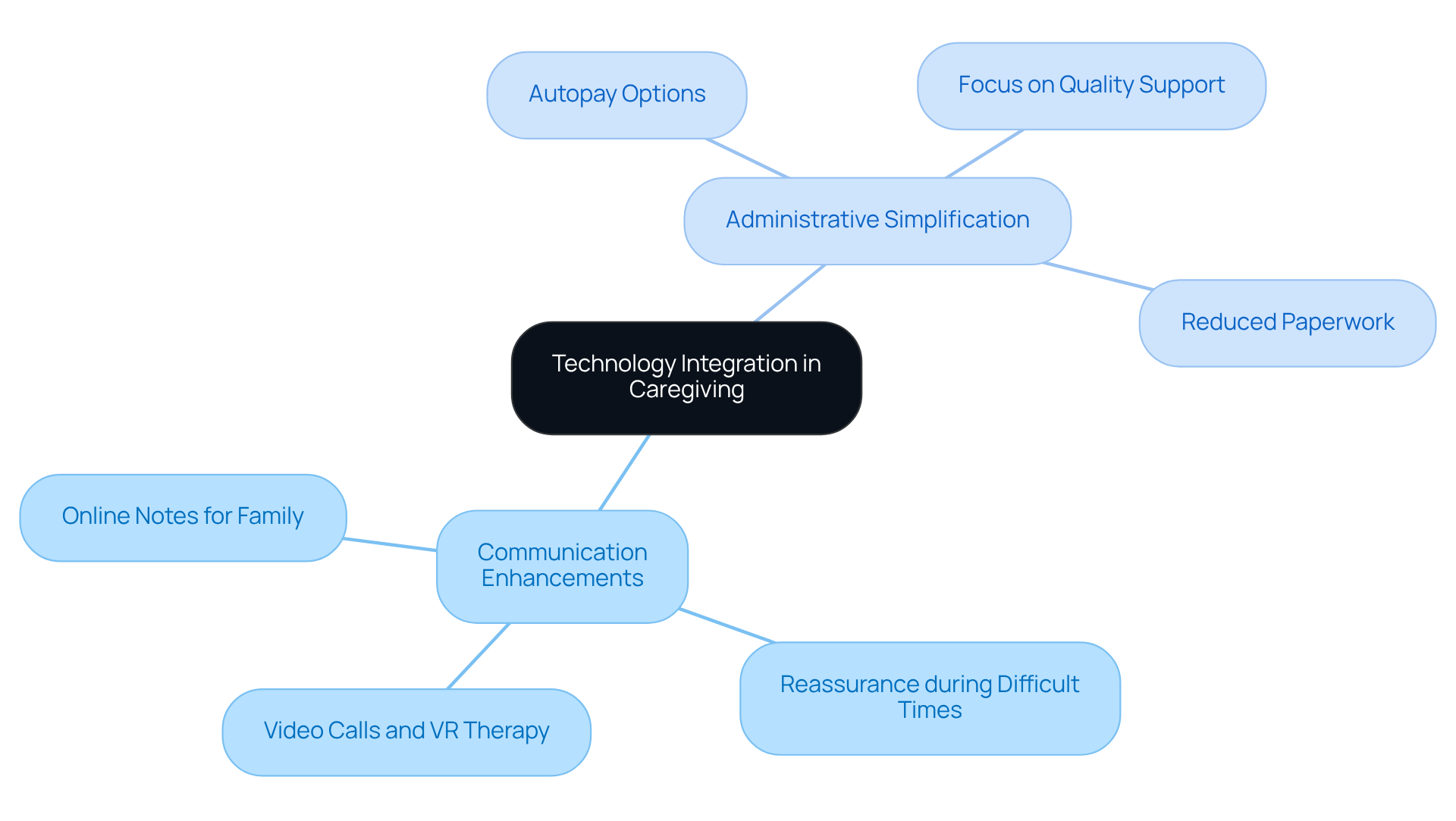
Technology integration is essential in enhancing communication and service delivery, especially for caregivers who face emotional challenges daily. At Happy to Help Caregiving, we understand the stress and burnout that can come with caregiving responsibilities. That’s why we employ online notes for family members, allowing them to stay informed about their loved one's assistance. This connection can be incredibly reassuring during difficult times.
Additionally, features like autopay options simplify administrative tasks. This means caregivers can focus more on delivering quality support rather than getting bogged down in paperwork. We believe that by streamlining these processes, we can help lighten the load for caregivers, allowing them to provide the compassionate care their loved ones deserve.
Emotional Support: Building Trust and Rapport
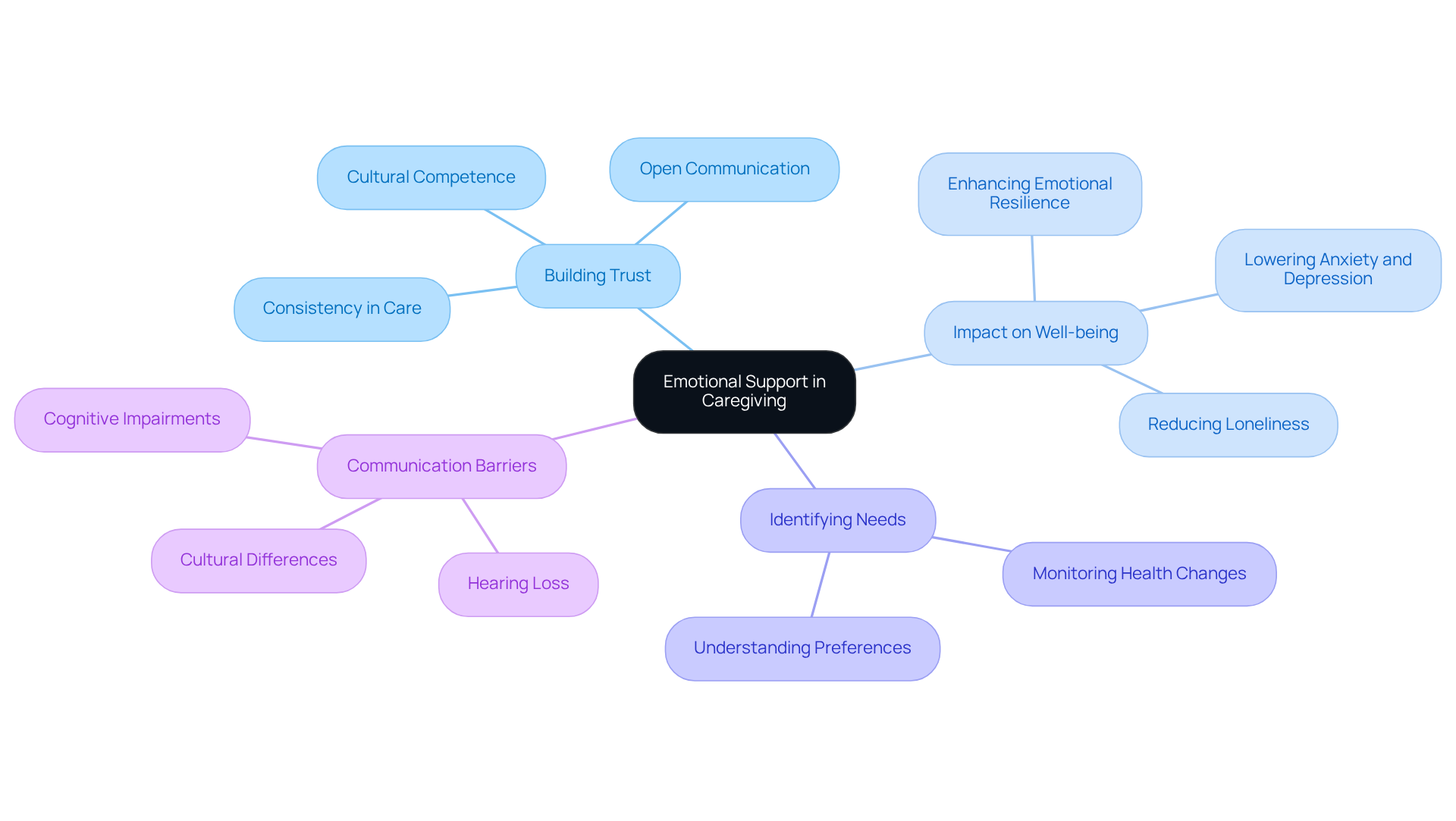
Emotional support is a cornerstone of effective soin a domicile. Caregivers are specifically trained to foster trust and rapport with their clients, creating an environment conducive to open communication. This connection is essential, as it enables older adults to express their needs and preferences, ultimately resulting in more personalized and effective care.
Research indicates that strong caregiver-client relationships can significantly reduce feelings of loneliness, depression, and anxiety among older adults, enhancing their overall well-being. Moreover, individuals who regularly interact with the same clients are more adept at identifying subtle shifts in health and behavior, enabling prompt interventions. As Eric Thomas observes, "Strong relationships allow providers to comprehend the unique physical requirements, habits, and indicators of distress in elderly individuals, resulting in faster interventions and more efficient assistance."
By prioritizing emotional safety and understanding, those providing care not only enhance the quality of support but also contribute to a more positive outlook on life for their clients. This relational approach is essential in navigating the complexities of caregiving, particularly for older adults facing cognitive challenges or emotional distress in the context of soin a domicile.
Furthermore, with 41% of those providing care reporting low overall well-being—32% more than non-care providers—the significance of these relationships cannot be overstated. Addressing potential barriers to effective communication, such as cultural differences and cognitive impairments, further underscores the need for a compassionate and understanding caregiving approach.
Holistic Benefits: Improving Quality of Life at Home
Soin a domicile offers numerous comprehensive advantages that profoundly enhance the quality of life for older adults. By addressing their physical, emotional, and social needs, caregivers empower clients to maintain their independence and dignity. This extensive support model not only enhances well-being but also nurtures a sense of belonging and purpose, allowing older adults to flourish through soin a domicile.
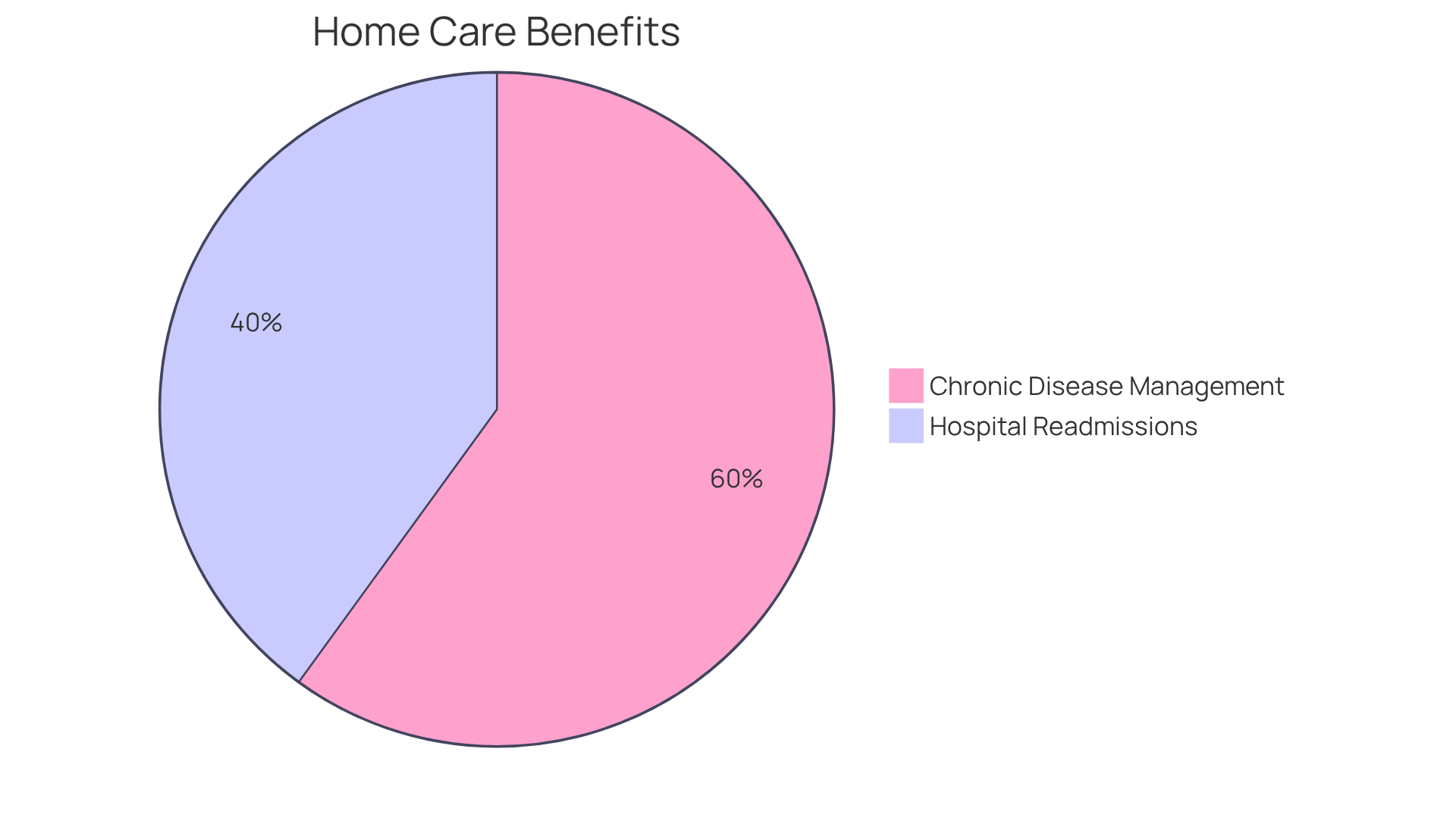
Programs focused on individualized care have shown remarkable success in improving older adults' overall health outcomes. Research indicates that soin a domicile can lead to:
- A 30% improvement in chronic disease management
- A 20% reduction in hospital readmissions
Moreover, the emotional support provided by caregivers in a soin a domicile context plays a crucial role in alleviating feelings of loneliness and isolation, which are prevalent among older adults.
As geriatric experts emphasize, providing soin a domicile is essential for creating an environment where elderly individuals feel valued and engaged, thereby enhancing their quality of life. In 2025, the impact of soin a domicile continues to resonate, demonstrating that personalized support not only addresses immediate needs but also enriches the lives of seniors, enabling them to thrive in their familiar surroundings.
Moving Forward with Soin a Domicile
Soin a domicile offers a compassionate and effective solution for family caregivers who strive to enhance the quality of life for their elderly loved ones. This personalized in-home care approach allows seniors to maintain their independence while receiving essential support tailored to their unique needs. The growing demand for quality care underscores the importance of such services, as many elderly individuals prefer to remain in their familiar surroundings.
Throughout this discussion, we have highlighted key benefits of soin a domicile, including:
- Emotional support
- Companionship
- Financial advantages compared to nursing homes
The role of technology in facilitating communication and care delivery, along with the significance of tailored care plans and 24/7 availability, further reinforces the value of in-home care. Moreover, the emotional connection fostered between caregivers and clients contributes to improved mental health outcomes and overall well-being.
Ultimately, the impact of personalized in-home care extends beyond immediate assistance; it enriches the lives of seniors, allowing them to thrive in their own homes. As the need for such services continues to rise, families are encouraged to explore the benefits of soin a domicile, ensuring their loved ones receive the compassionate care they deserve. Embracing this approach not only supports the elderly but also alleviates the burdens faced by family caregivers, creating a nurturing environment where both can flourish.
https://iframe.tely.ai/cta/eyJhcnRpY2xlX2lkIjogIjY5MDAwN2MyNjdkYjM4ZTMyY2MwZGY5MSIsICJjb21wYW55X2lkIjogIjY4ZWU1ZGNhNzMxNzYyNTU3ZjNjOTVjMSIsICJpbmRleCI6IG51bGwsICJ0eXBlIjogImFydGljbGUifQ==Frequently Asked Questions
What is Happy to Help Caregiving?
Happy to Help Caregiving is a service dedicated to providing personalized in-home care for seniors, focusing on their unique needs to ensure they receive support that respects their preferences and nurtures their independence.
Why is individualized support important for elderly individuals?
Individualized support is crucial because approximately 82% of elderly individuals wish to remain in their homes for as long as possible. Customized in-home care allows them to stay in familiar surroundings while receiving the necessary assistance.
What are some benefits of in-home caregiving?
In-home caregiving provides emotional support, companionship, and helps combat feelings of isolation. It enhances the overall well-being of older adults by fostering meaningful connections and social interaction.
How prevalent is loneliness among older adults?
Research indicates that one in three adults aged 50-80 report experiencing loneliness at least occasionally, highlighting the need for social interaction and emotional engagement in caregiving.
What is the average cost of full-time in-home assistance compared to nursing homes?
The average monthly cost for full-time in-home assistance is around $6,481, which is more affordable than the average monthly expense of a private nursing home room, which is approximately $10,646.
How is technology integrated into in-home caregiving?
The integration of technology, such as smart home devices and wearable technology, enriches the caregiving experience, ensuring elderly individuals receive compassionate support while thriving at home.
What is companionship care and its significance?
Companionship care provides emotional support and fosters social interaction among the elderly, effectively alleviating feelings of loneliness and isolation, which can enhance emotional well-being.
How does companionship care impact mental health?
Consistent social engagement through companionship care can reduce the likelihood of depression and anxiety, promoting a more vibrant and fulfilling lifestyle for older adults.
What is post-hospital recovery assistance?
Post-hospital recovery assistance, also known as soin a domicile, is designed to help older adults transition safely from hospital to home, providing support such as medication management, mobility assistance, and monitoring for complications.
How does post-hospital recovery assistance benefit families?
This service alleviates anxiety for relatives by ensuring their loved ones are in capable hands, allowing families to focus on the well-being of their loved ones during recovery.