
The Importance of Vitamin D
Vitamin D deficiency is a silent epidemic among seniors, with nearly 70% of those over 70 lacking sufficient levels of this vital nutrient. This shortfall jeopardizes not only bone health and immune function but also significantly diminishes overall quality of life.
Caregivers face a pressing challenge in addressing this issue. The implications of vitamin D deficiency can lead to increased frailty, falls, and a decline in mental well-being. It’s crucial for caregivers to recognize these risks and take proactive steps to support the health of older adults.
So, how can caregivers effectively tackle this problem? Here are some actionable solutions:
- Encourage outdoor activities: Sunlight is a natural source of vitamin D. Encourage seniors to spend time outdoors safely.
- Promote dietary changes: Incorporate vitamin D-rich foods such as fatty fish, fortified dairy products, and egg yolks into their meals.
- Consider supplements: Consult with healthcare providers about appropriate vitamin D supplementation.
By implementing these strategies, caregivers can empower seniors to embrace healthier, more independent lives.
Happy to Help Caregiving: Personalized Support for Seniors' Health
Happy to Help Caregiving excels in delivering personalized in-home care that significantly enhances the quality of life for seniors. However, many older adults face a critical issue: nearly 70% are found to have insufficient vitamin D for seniors over 70. This deficiency can lead to serious health implications, including weakened bone strength, compromised immune function, and an increased risk of falls and fractures.
Geriatric care experts emphasize that maintaining optimal vitamin D for seniors over 70 is essential for achieving better health outcomes. Insufficient vitamin D not only affects physical well-being but also diminishes overall quality of life. To combat this issue, caregivers must take proactive steps.
One effective solution is to engage in discussions with healthcare professionals about vitamin D testing for their loved ones. Additionally, exploring dietary sources rich in vitamin D for seniors over 70 or considering supplements can help them achieve ideal levels. By prioritizing these actions, caregivers can foster independence and support a comprehensive approach to wellness management.
Happy to Help Caregiving ensures that clients receive the necessary support to maintain their health and vitality. By focusing on individualized care, caregivers can empower seniors to thrive in their familiar surroundings. Family caregivers are encouraged to take these steps seriously, as they play a crucial role in enhancing the well-being of their loved ones.
Bone Health: Strengthening with Vitamin D
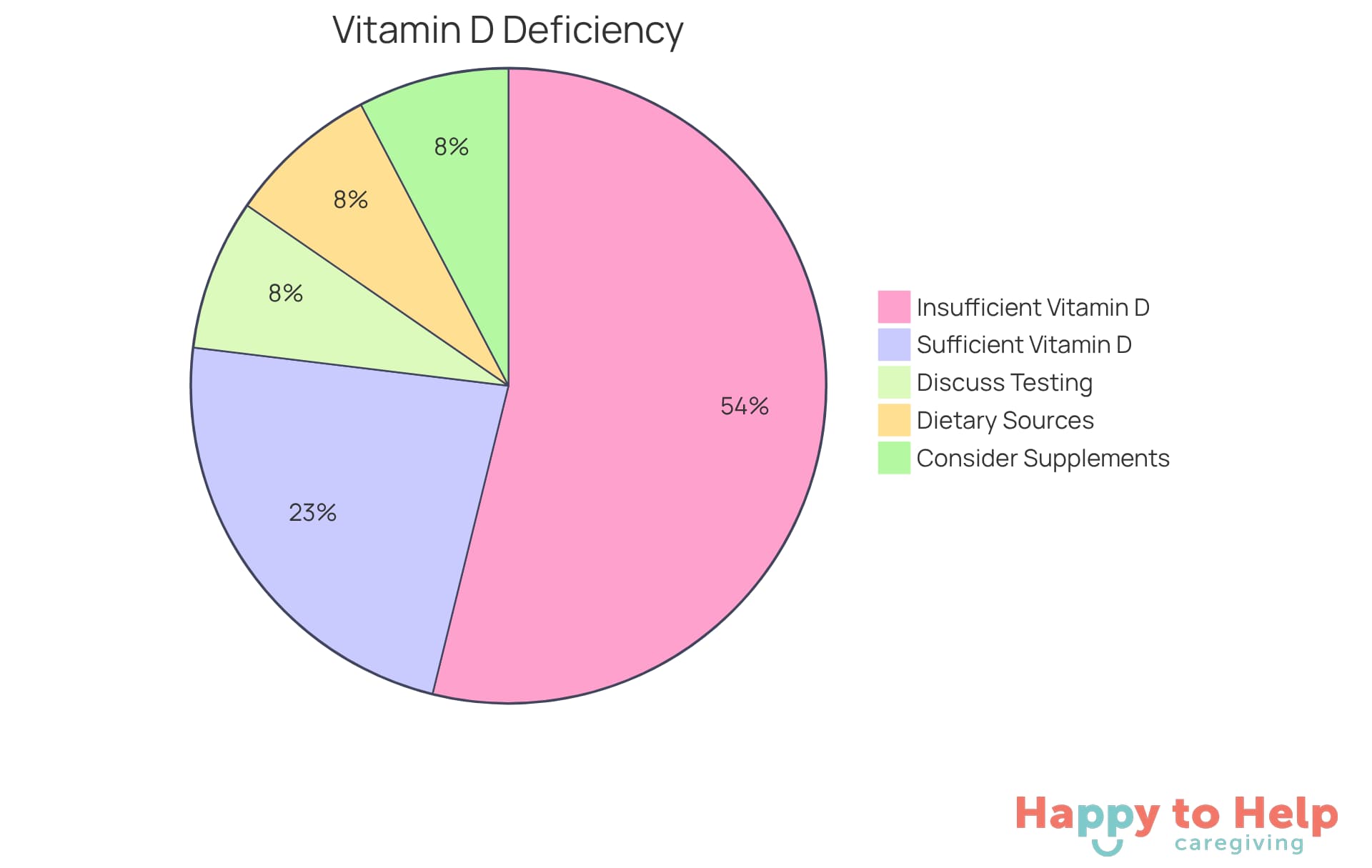
Vitamin D is essential for maintaining bone density and strength, primarily by enhancing calcium absorption in the gut. However, a significant problem arises: 94.3% of the US population do not meet the daily requirement for this nutrient. This deficiency is particularly concerning for seniors, as adequate levels of vitamin D for seniors over 70 are crucial in greatly lowering the risk of fractures and osteoporosis.
The implications of low vitamin D levels are alarming. For older adults, insufficient intake can lead to serious health issues, including increased susceptibility to fractures and osteoporosis. Current research suggests that older adults should strive for a daily intake of at least 800 IU of vitamin D for seniors over 70 to effectively support bone health.
So, what can caregivers do? To combat this issue, it's important to focus on dietary awareness and safe sun exposure. Incorporating a mix of vitamin D-rich foods, such as fatty fish and fortified dairy products, can help meet daily requirements. However, caregivers should also be cautious; taking more than 4,000 IU a day of this nutrient might cause upset stomach, vomiting, and other health issues.
Research has demonstrated that maintaining ideal amounts of vitamin D not only aids in sustaining bone health but also significantly contributes to preventing osteoporosis. By prioritizing vitamin D for seniors over 70, caregivers can play a vital role in establishing a healthy aging plan.
Muscle Function: Enhancing Strength with Vitamin D
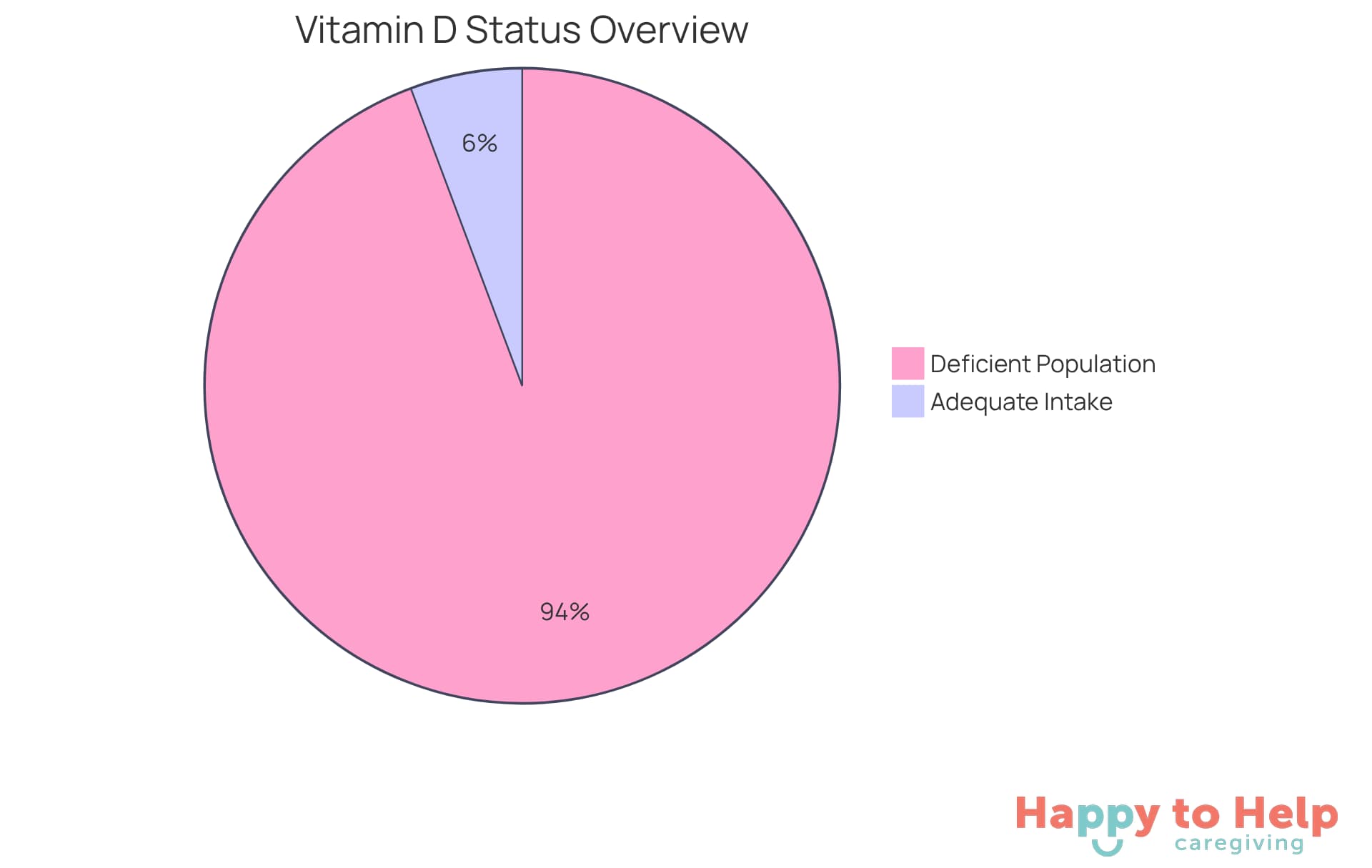
Vitamin D deficiency poses a significant problem for older adults, highlighting the importance of vitamin D for seniors over 70, as it impacts muscle function and increases the risk of falls. Research shows that up to 40% of European seniors may be deficient in vitamin D for seniors over 70, which is alarming due to its crucial role in enhancing strength and coordination. Without adequate vitamin D for seniors over 70, older adults may experience reduced muscle performance, which increases the likelihood of falls - a major concern for caregivers.
To address this issue, caregivers should prioritize:
- Routine vitamin D for seniors over 70 screening
- Discuss potential supplementation with healthcare providers
Dr. Andrew Philp notes, "These findings indicate that D deficiency reduces mitochondrial function, which may result in poor muscle function." By ensuring that seniors maintain optimal levels of vitamin D for seniors over 70, caregivers can help promote independence and improve the quality of life for their loved ones.
Incorporating consistent physical activity alongside sufficient vitamin D intake can significantly enhance muscle health and overall physical performance. This proactive approach not only supports daily activities but also instills confidence in seniors, allowing them to live more fulfilling lives.
Mental Health: Boosting Mood with Vitamin D
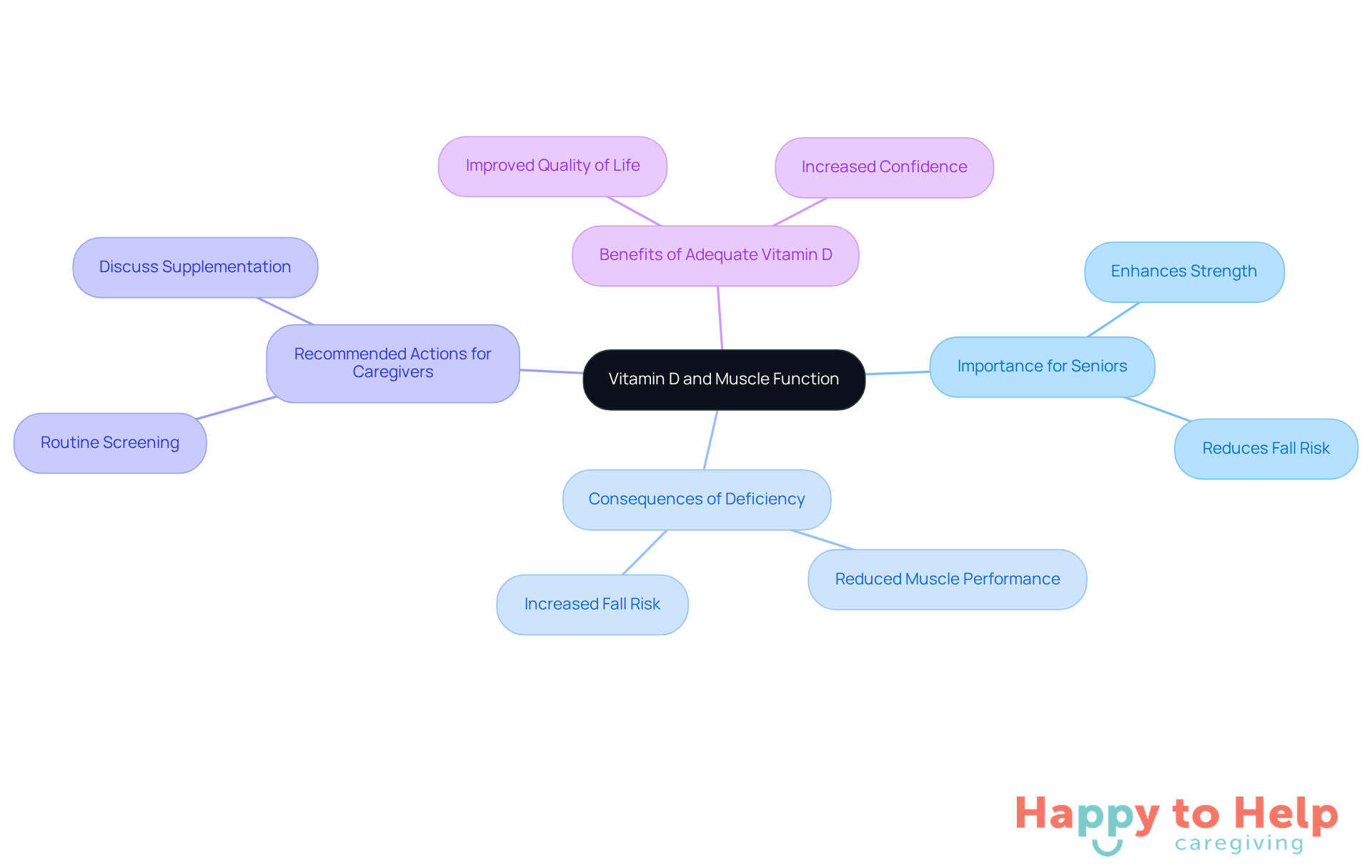
Vitamin D deficiency poses a significant problem, highlighting the importance of vitamin D for seniors over 70, as it has been linked to a higher risk of depression and cognitive decline. This lack of essential nutrients can severely impact mood and overall mental well-being, making it a critical concern for caregivers.
To address this issue, it is crucial to maintain sufficient vitamin D for seniors over 70. Caregivers can encourage seniors to obtain vitamin D through:
- A balanced diet
- Exposure to sunlight
- Supplements
Regular examinations and tracking of vitamin D concentrations can also be beneficial in sustaining mental health, particularly regarding vitamin D for seniors over 70.
By implementing these strategies, caregivers can play a vital role in improving the quality of life for older adults, ensuring they receive the necessary support for their mental well-being.
Cardiovascular Health: Protecting Hearts with Vitamin D
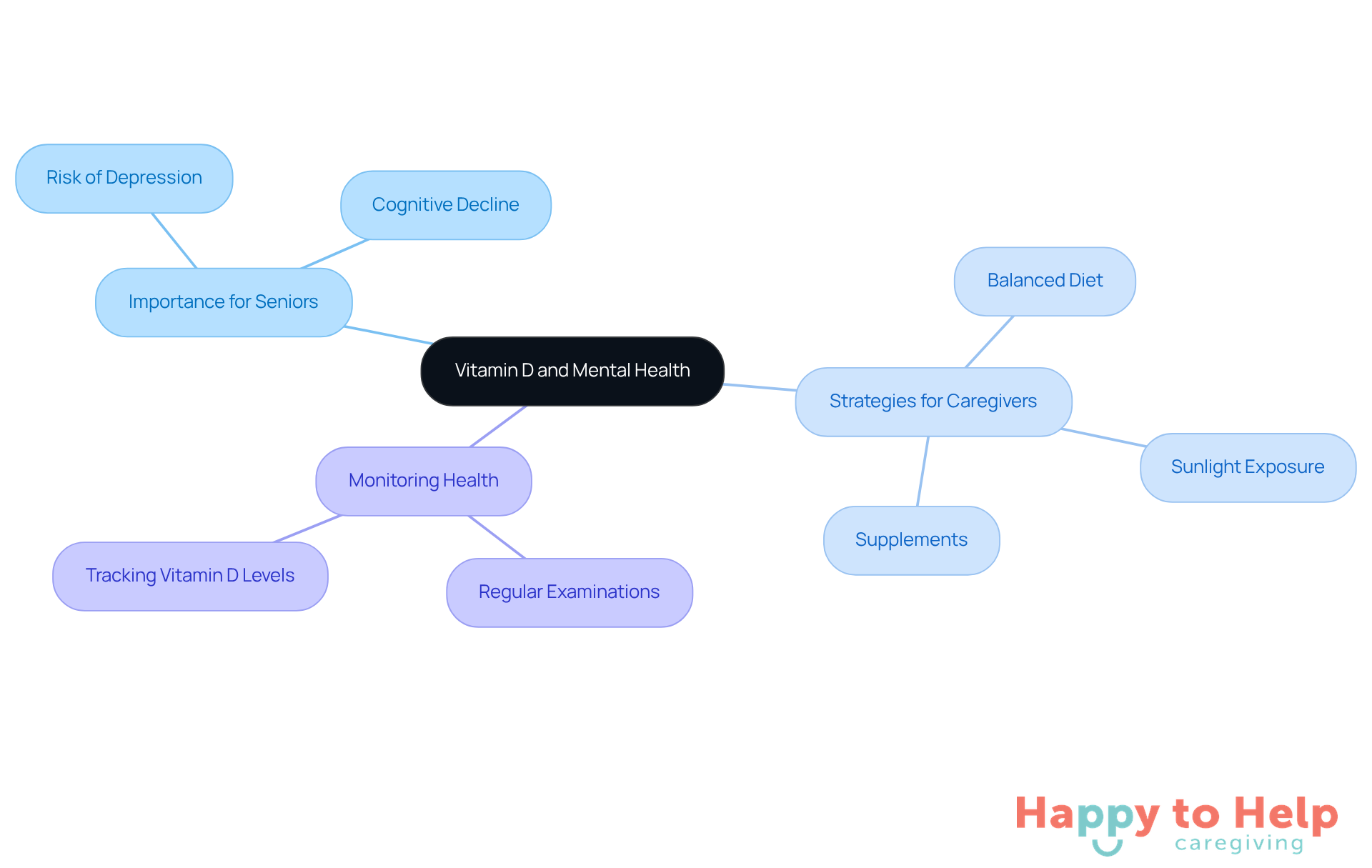
Recent studies indicate a pressing issue: many older adults have insufficient vitamin D for seniors over 70, which can significantly impact cardiovascular health. This deficiency is linked to an increased risk of hypertension and heart disease. In fact, research shows that maintaining optimal vitamin D for seniors over 70 levels may lead to fewer heart-related problems.
For instance, a recent trial revealed that personalized vitamin D supplementation led to a remarkable 52 percent reduction in the risk of repeat heart attacks among participants. However, it’s crucial to understand that vitamin D supplements alone are not a cure-all for heart disease. They should be part of a comprehensive heart-health strategy that includes medical treatment and lifestyle modifications.
Regular assessment of vitamin D levels is essential, as excessive intake can have negative effects. Alarmingly, over 85 percent of participants in the study started with D3 blood concentrations below 40 ng/mL. This underscores the importance of maintaining adequate vitamin D for seniors over 70 to ensure overall heart health and wellness.
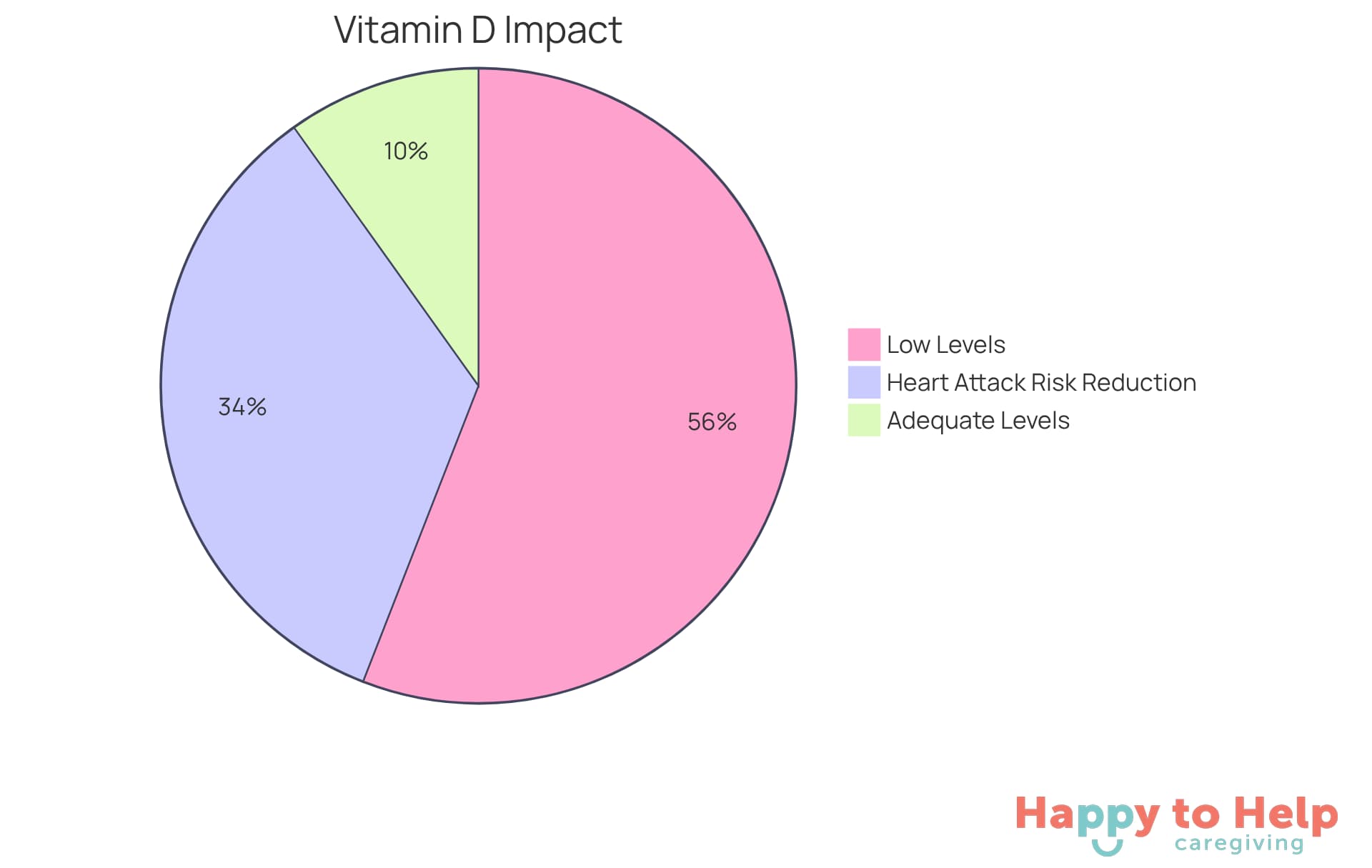
Immune Support: Strengthening Defenses with Vitamin D
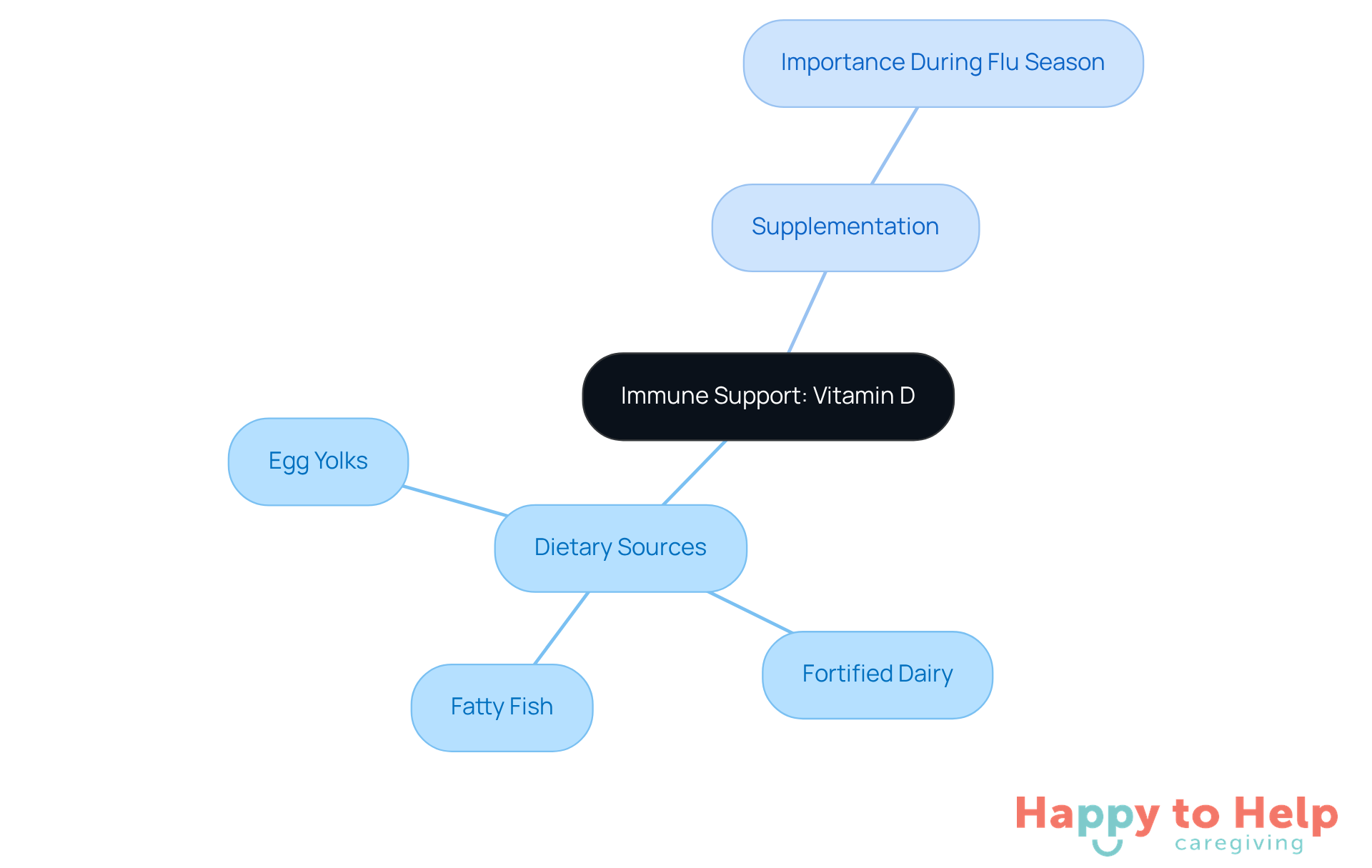
Vitamin D for seniors over 70 plays a crucial role in bolstering the immune system. Without adequate levels, individuals may face a heightened risk of infections and diseases, especially respiratory infections. This is a significant concern, as the immune response tends to weaken with age.
To combat this issue, caregivers can take proactive steps:
- Including foods rich in vitamin D, such as fatty fish, fortified dairy products, and egg yolks, can help boost immune defenses.
- Considering vitamin D supplementation may be beneficial, particularly during flu season or times when illness is more prevalent.
By implementing these strategies, caregivers can enhance the health and well-being of older adults in their care.
Diabetes Management: Regulating Blood Sugar with Vitamin D
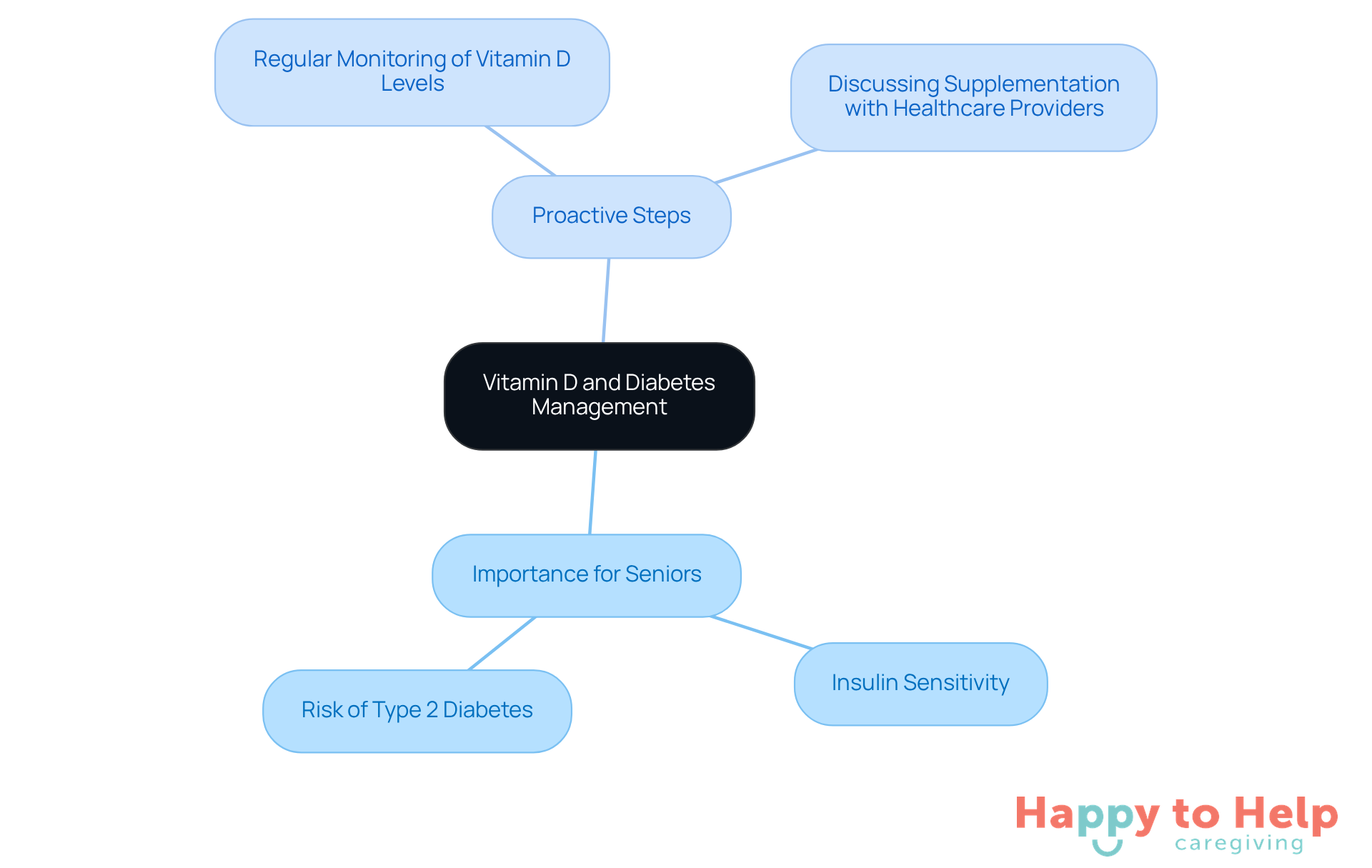
Vitamin D for seniors over 70 plays a vital role in managing insulin sensitivity and blood sugar levels, which is especially important for seniors, particularly those living with diabetes. Seniors over 70 may face challenges in glycemic regulation without adequate vitamin D, which increases their risk of developing type 2 diabetes.
To address this issue, seniors over 70 should consider:
- Regular monitoring of their vitamin D levels.
- Discussing supplementation options with healthcare providers.
By taking these proactive steps, seniors can enhance their overall health and reduce the likelihood of complications related to diabetes.
Cancer Prevention: Reducing Risks with Vitamin D
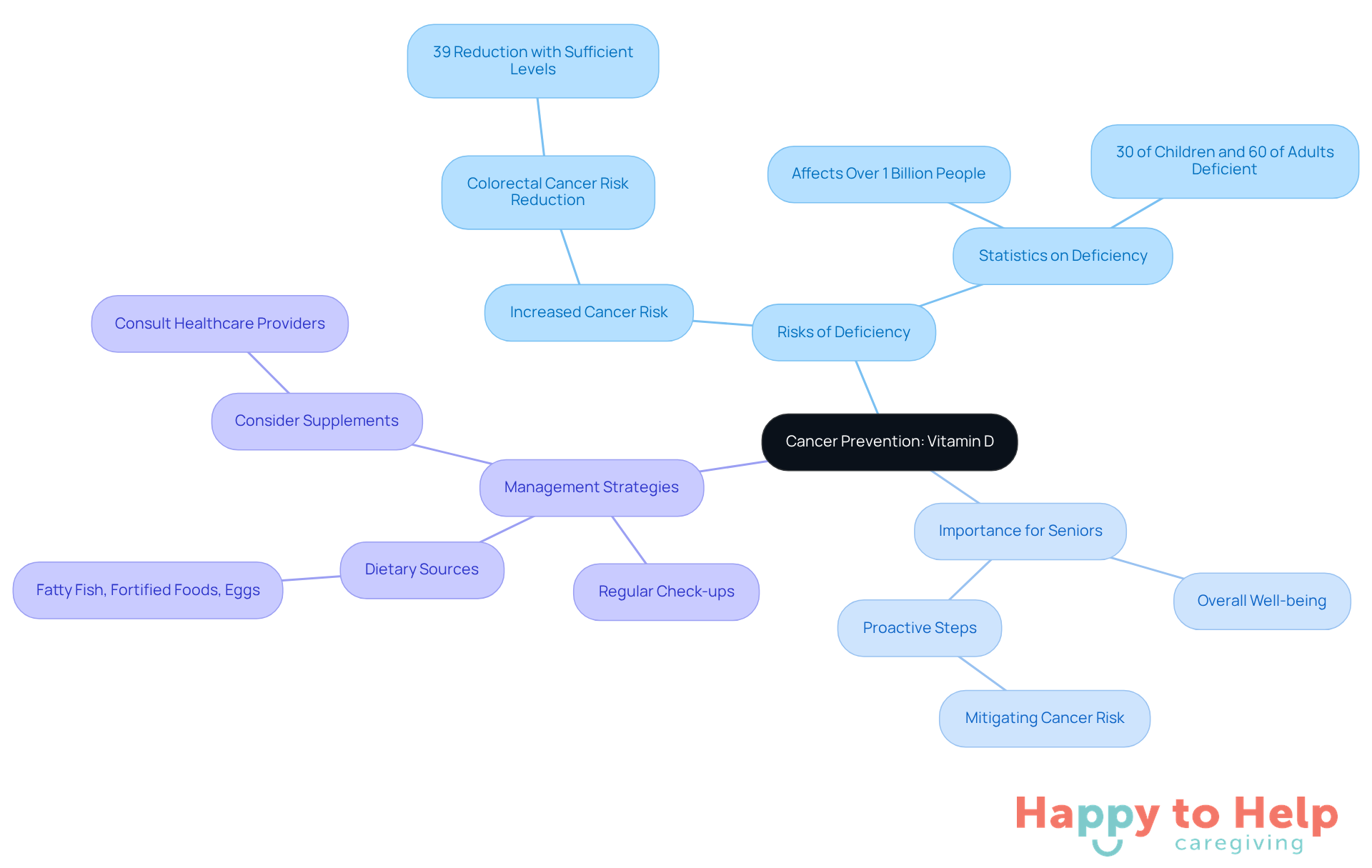
Vitamin D deficiency is a significant concern, particularly for seniors, as it is linked to an increased risk of certain cancers, including colorectal and breast cancer. Studies indicate that maintaining sufficient vitamin D levels can reduce the risk of colorectal cancer by 39%, a condition that accounted for approximately 9.4% of cancer-related deaths in 2020. This highlights the urgent need for consistent monitoring and discussions with healthcare providers about vitamin D supplementation.
The implications of vitamin D deficiency are alarming, affecting over 1 billion children and adults worldwide. For older individuals, managing vitamin D for seniors over 70 is crucial not only for cancer prevention but also for overall well-being. By prioritizing vitamin D for seniors over 70, they can take proactive steps to mitigate their cancer risk and enhance their health.
To effectively manage vitamin D levels, caregivers can implement the following strategies:
- Encourage regular check-ups with healthcare providers to monitor vitamin D levels.
- Advocate for dietary sources rich in vitamin D, such as fatty fish, fortified foods, and egg yolks.
- Consider vitamin D supplements for seniors over 70 if dietary intake is insufficient, after consulting with a healthcare professional.
By focusing on these actionable solutions, caregivers can play a vital role in supporting the health of older adults and reducing their cancer risk.
Overall Health: Promoting Longevity with Vitamin D
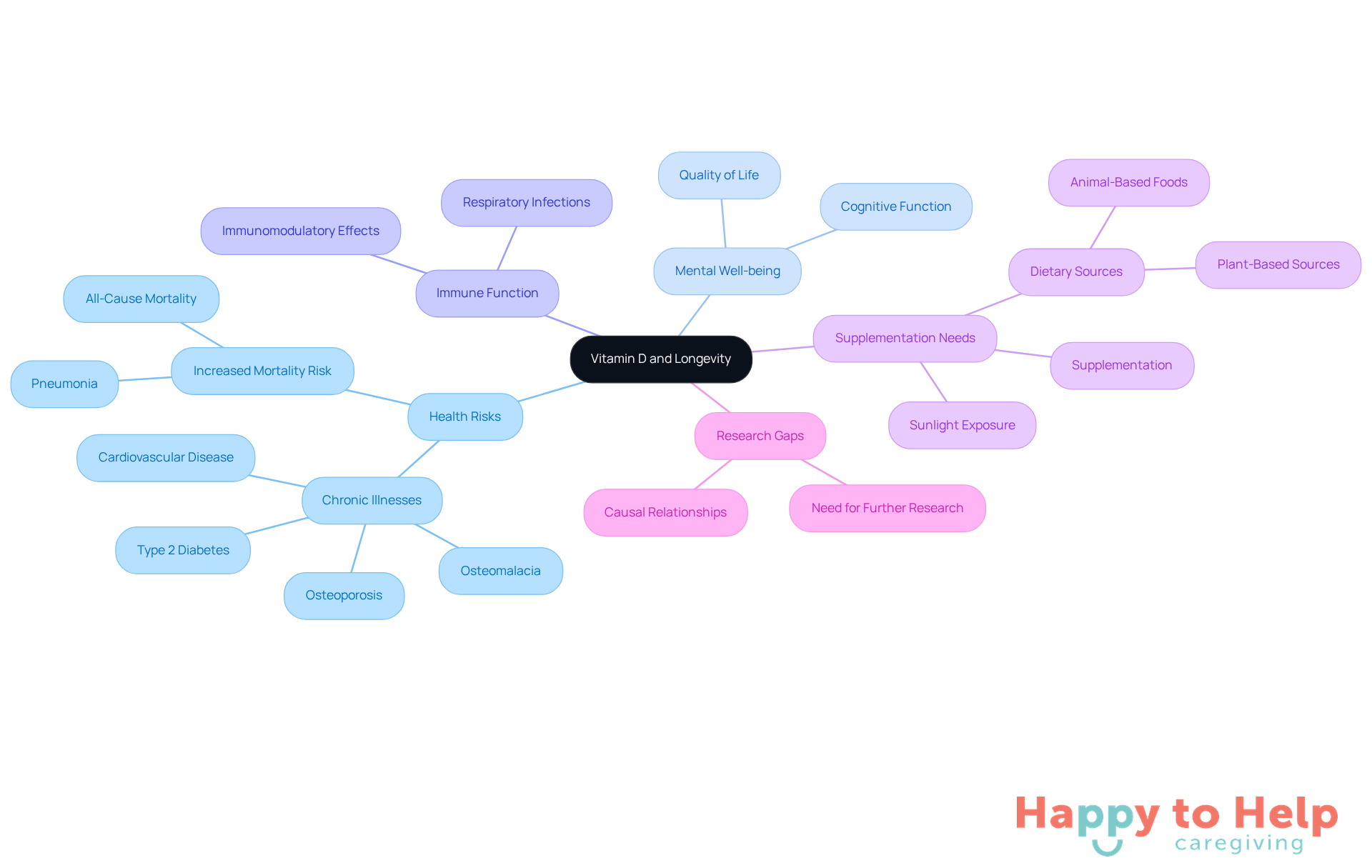
Vitamin D deficiency poses a significant problem for older adults, particularly regarding the importance of vitamin D for seniors over 70, impacting their longevity and overall health. Research shows that low levels of Vitamin D are linked to an increased risk of chronic illnesses, such as cardiovascular disease and type 2 diabetes, which are prevalent in this age group. A study involving over 11,000 participants aged 50 to 79 revealed that nearly 20% were deficient in Vitamin D, highlighting the urgent need for regular monitoring and supplementation when necessary. This deficiency is not just an individual concern; it is recognized as a public health issue, particularly among older individuals, influenced by social factors like race and socioeconomic status.
The implications of Vitamin D deficiency extend beyond physical health. This nutrient is crucial for mental well-being and cognitive function, both vital for maintaining quality of life as one ages. Additionally, Vitamin D acts as an immunomodulatory hormone, potentially enhancing the immune system and lowering the risk of respiratory infections, a major concern for seniors. Recent studies suggest that individuals with higher levels of Vitamin D experience slower cellular aging, with research indicating that supplementation can protect telomeres, the protective caps on chromosomes that shorten with age.
However, the benefits of Vitamin D supplementation are still under investigation, indicating a need for further research in this area. To achieve optimal health outcomes, older adults should focus on obtaining sufficient vitamin D for seniors over 70 through a combination of dietary sources, sunlight exposure, and, if necessary, supplements. Regular wellness evaluations can help monitor Vitamin D levels and overall health, enabling proactive management of potential deficiencies and associated risks, such as osteomalacia, osteoporosis, and cognitive decline.
Deficiency Risks: Understanding the Importance of Vitamin D
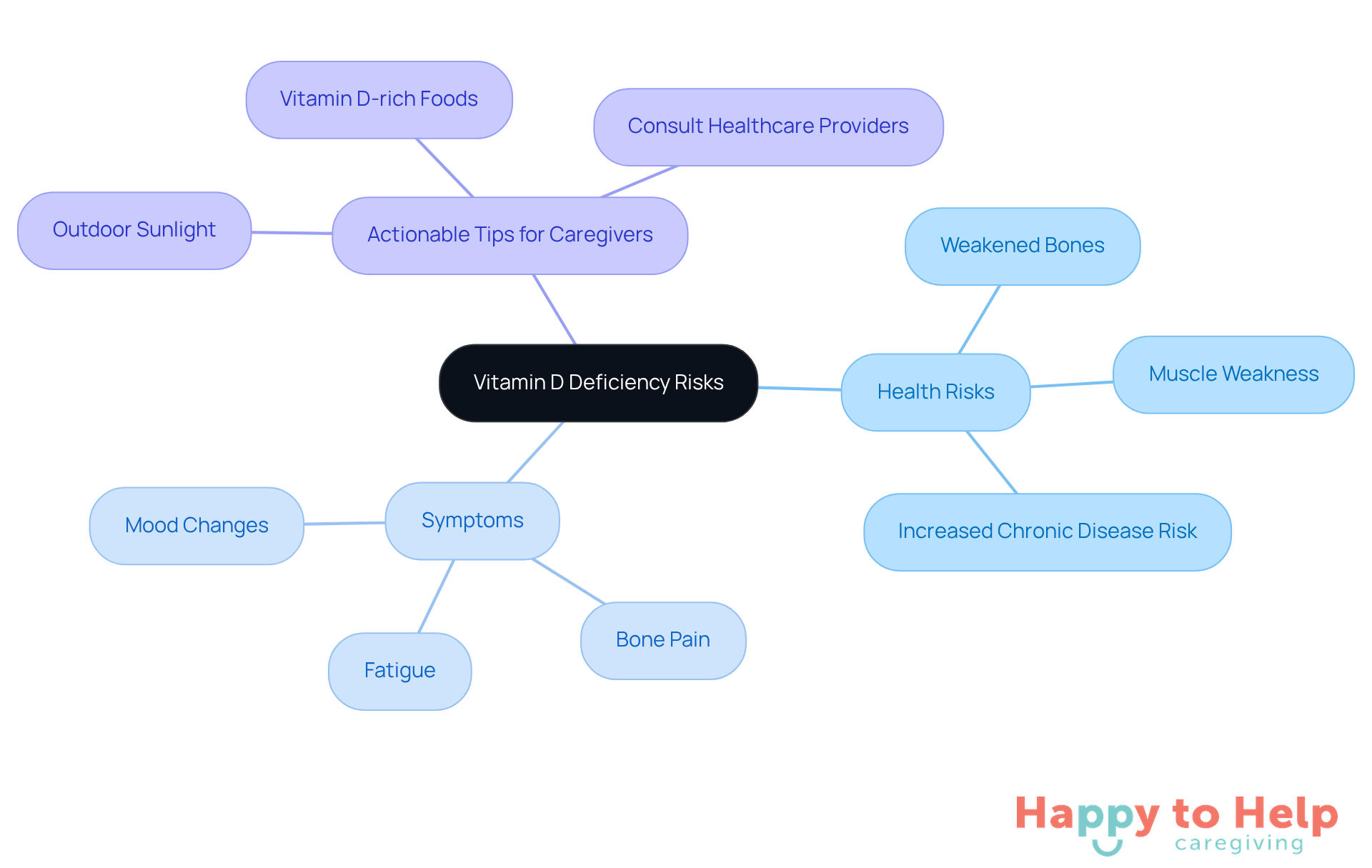
Vitamin D deficiency is a significant issue for seniors over 70, which makes the importance of vitamin D for seniors over 70 clear, as it can lead to serious health problems like weakened bones, muscle weakness, and an increased risk of chronic diseases. This deficiency can manifest through signs such as fatigue, bone pain, and mood changes, making it crucial for caregivers to recognize these symptoms early.
To address this problem, seniors should prioritize regular health check-ups to monitor vitamin D for seniors over 70. Engaging in discussions about dietary and lifestyle changes can help prevent deficiency. Here are some actionable tips for caregivers:
- Encourage seniors to spend time outdoors for natural sunlight exposure.
- Suggest vitamin D-rich foods, such as fatty fish, fortified dairy products, and egg yolks.
- Consider discussing vitamin D for seniors over 70 with healthcare providers if dietary changes are insufficient.
By taking these steps, caregivers can play a vital role in ensuring seniors maintain adequate vitamin D levels, ultimately improving their overall health and well-being.
Taking the Next Steps
Maintaining adequate vitamin D levels is crucial for seniors over 70, as it plays a vital role in enhancing their overall health and quality of life. However, many older adults face the problem of vitamin D deficiency, which can lead to serious health issues such as osteoporosis, weakened muscles, and a decline in mental well-being. This alarming trend highlights the urgent need for caregivers to take action.
Vitamin D supports bone strength, muscle function, mental well-being, and immune health, making it an integral part of a comprehensive health strategy for older adults. Caregivers should prioritize vitamin D through dietary sources, safe sun exposure, and supplements when necessary. By ensuring that their loved ones receive adequate vitamin D, caregivers can significantly improve health outcomes and empower seniors to thrive in their golden years.
Key benefits of vitamin D for seniors include:
- Preventing osteoporosis
- Enhancing muscle performance
- Boosting mood
- Supporting cardiovascular health
- Reducing the risk of chronic diseases such as diabetes and certain cancers
Regular monitoring and proactive management of vitamin D levels are essential to mitigate associated health risks.
In conclusion, fostering an environment that emphasizes the importance of vitamin D for seniors is essential for promoting longevity and overall well-being. Caregivers and family members should take actionable steps to ensure that older adults receive the necessary support for maintaining optimal vitamin D levels. By doing so, they can significantly improve their loved ones' health outcomes, empowering them to live healthier, more fulfilling lives.
https://iframe.tely.ai/cta/eyJhcnRpY2xlX2lkIjogIjY5MjBmZDQxN2I4YTJhOGJkNzc1MGJiZSIsICJjb21wYW55X2lkIjogIjY4ZWU1ZGNhNzMxNzYyNTU3ZjNjOTVjMSIsICJpbmRleCI6IG51bGwsICJ0eXBlIjogImFydGljbGUifQ==Frequently Asked Questions
What is the primary focus of Happy to Help Caregiving?
Happy to Help Caregiving specializes in delivering personalized in-home care that enhances the quality of life for seniors.
Why is vitamin D important for seniors over 70?
Vitamin D is essential for seniors over 70 as it helps maintain bone strength, supports immune function, and reduces the risk of falls and fractures.
What percentage of seniors over 70 are found to have insufficient vitamin D?
Nearly 70% of seniors over 70 are found to have insufficient vitamin D.
What health issues can arise from vitamin D deficiency in seniors?
Insufficient vitamin D can lead to weakened bone strength, compromised immune function, increased risk of falls and fractures, and diminished overall quality of life.
What steps can caregivers take to address vitamin D deficiency in seniors?
Caregivers can discuss vitamin D testing with healthcare professionals, explore dietary sources rich in vitamin D, or consider supplements to help seniors achieve ideal levels.
What is the daily vitamin D intake recommendation for seniors over 70?
Older adults should strive for a daily intake of at least 800 IU of vitamin D to support bone health.
What dietary sources are rich in vitamin D?
Dietary sources rich in vitamin D include fatty fish and fortified dairy products.
What should caregivers be cautious about regarding vitamin D supplementation?
Caregivers should avoid giving seniors more than 4,000 IU a day of vitamin D, as it may cause upset stomach, vomiting, and other health issues.
How does vitamin D deficiency affect muscle function in seniors?
Vitamin D deficiency can lead to reduced muscle performance, increasing the likelihood of falls and impacting overall strength and coordination.
What proactive measures can caregivers take to enhance muscle function in seniors?
Caregivers should prioritize routine vitamin D screening, discuss supplementation with healthcare providers, and encourage consistent physical activity alongside sufficient vitamin D intake.
List of Sources
- Happy to Help Caregiving: Personalized Support for Seniors' Health
- Vitamin D supplements may slow biological aging — Harvard Gazette (https://news.harvard.edu/gazette/story/2025/05/vitamin-d-supplements-may-slow-biological-aging)
- 28 Senior Care Statistics: In-Home & Assisted Living | Shortlister (https://myshortlister.com/insights/senior-care-statistics)
- Fact Sheet: Trends in Family Care for Older Americans (https://prb.org/resources/fact-sheet-trends-in-family-care-for-older-americans)
- 2025 Home Care Statistics: Trends & Insights To Know (https://premierhcinc.com/blog/home-care-statistics)
- National Alliance for Caregiving: Caregiving in the US 2025 Report (https://johnahartford.org/resources/view/national-alliance-for-caregiving-caregiving-in-the-us-2025-report)
- Bone Health: Strengthening with Vitamin D
- Quotes on Vitamin D | VitaminDWiki (https://vitamindwiki.com/Quotes+on+Vitamin+D)
- Micronutrient Inadequacies in the US Population: an Overview | Linus Pauling Institute (https://lpi.oregonstate.edu/mic/micronutrient-inadequacies/overview)
- Roundup: Caution Urged on Use of Vitamin D, Calcium Supplements for Older Adults; and More News (https://baptisthealth.net/baptist-health-news/caution-urged-on-use-of-vitamin-d-and-calcium-supplements-for-older-adults)
- Vitamin D (https://mayoclinic.org/drugs-supplements-vitamin-d/art-20363792)
- Effect of vitamin D, calcium, or combined supplementation on fall prevention: a systematic review and updated network meta-analysis - BMC Geriatrics (https://bmcgeriatr.biomedcentral.com/articles/10.1186/s12877-024-05009-x)
- Muscle Function: Enhancing Strength with Vitamin D
- Vitamin D deficiency may impair muscle function | Garvan Institute of Medical Research (https://garvan.org.au/news-resources/news/vitamin-d-deficiency-may-impair-muscle-function)
- Mental Health: Boosting Mood with Vitamin D
- The association of vitamin D deficiency, age and depression in US adults: a cross-sectional analysis - PMC (https://pmc.ncbi.nlm.nih.gov/articles/PMC10367360)
- Vitamin D Deficiency In Seniors Affects Physical And Mental Tasks (https://thegrandhealthcare.com/colonial-park/vitamin-d-aging)
- Vitamin D deficiency and depression in adults: systematic review and meta-analysis | The British Journal of Psychiatry | Cambridge Core (https://cambridge.org/core/journals/the-british-journal-of-psychiatry/article/vitamin-d-deficiency-and-depression-in-adults-systematic-review-and-metaanalysis/F4E7DFBE5A7B99C9E6430AF472286860)
- Vitamin D and Risk of Cognitive Decline in Elderly Persons - PMC (https://pmc.ncbi.nlm.nih.gov/articles/PMC4053858)
- Cardiovascular Health: Protecting Hearts with Vitamin D
- Tailored vitamin D3 supplementation lowers risk of heart attack recurrence (https://news-medical.net/news/20251110/Tailored-vitamin-D3-supplementation-lowers-risk-of-heart-attack-recurrence.aspx)
- Vitamin D may reduce heart attack risk: Study highlights cardiovascular benefits | - The Times of India (https://timesofindia.indiatimes.com/life-style/health-fitness/health-news/vitamin-d-may-reduce-heart-attack-risk-study-highlights-cardiovascular-benefits/articleshow/125347152.cms)
- High-Dose Vitamin D Might Prevent Repeat Heart Attack, Study Finds (https://everydayhealth.com/cardiovascular-diseases/high-dose-vitamin-d-might-prevent-repeat-heart-attack)
- Immune Support: Strengthening Defenses with Vitamin D
- Frontiers | Prevalence of vitamin D deficiency and associated risk of all-cause and cause-specific mortality among middle-aged and older adults in the United States (https://frontiersin.org/journals/nutrition/articles/10.3389/fnut.2023.1163737/full)
- The Global Prevalence of Vitamin D Deficiency in the Elderly: A Meta-analysis - PMC (https://pmc.ncbi.nlm.nih.gov/articles/PMC10899554)
- Diabetes Management: Regulating Blood Sugar with Vitamin D
- Vitamin D and Risk of Incident Type 2 Diabetes in Older Adults: An Updated Systematic Review and Meta-Analysis (https://mdpi.com/2072-6643/16/11/1561)
- Case Study: Pediatric Diabetic Ketoacidosis - Pediatric Medical Experts (https://pediatricexperts.com/case\_studies/case-study-pediatric-diabetic-ketoacidosis)
- Higher vitamin D levels linked to lower risk for diabetes - Harvard Health (https://health.harvard.edu/diseases-and-conditions/higher-vitamin-d-levels-linked-to-lower-risk-for-diabetes)
- Professor Jeffrey Stephens - Swansea University (https://swansea.ac.uk/staff/j.w.stephens)
- Vitamin D—A New Therapeutic Target in the Management of Type 2 Diabetes Patients - PMC (https://pmc.ncbi.nlm.nih.gov/articles/PMC10931811)
- Cancer Prevention: Reducing Risks with Vitamin D
- Vitamin D curbs colorectal cancer by boosting immunity and blocking tumor growth (https://news-medical.net/news/20250421/Vitamin-D-curbs-colorectal-cancer-by-boosting-immunity-and-blocking-tumor-growth.aspx)
- Vitamin D and Cancer Prevention (https://flcancer.com/articles/vitamin-d-and-cancer-prevention)
- Vitamin D and Colorectal Cancer: Current Perspectives and Future Directions - PMC (https://pmc.ncbi.nlm.nih.gov/articles/PMC9537583)
- Vitamin D supplements linked to lower risk of advanced cancer - Harvard Health (https://health.harvard.edu/staying-healthy/vitamin-d-supplements-linked-to-lower-risk-of-advanced-cancer)
- Overall Health: Promoting Longevity with Vitamin D
- Frontiers | Prevalence of vitamin D deficiency and associated risk of all-cause and cause-specific mortality among middle-aged and older adults in the United States (https://frontiersin.org/journals/nutrition/articles/10.3389/fnut.2023.1163737/full)
- Vitamin D supplements may slow biological aging — Harvard Gazette (https://news.harvard.edu/gazette/story/2025/05/vitamin-d-supplements-may-slow-biological-aging)
- Vitamin D and major chronic diseases (https://sciencedirect.com/science/article/abs/pii/S1043276024001127)
- Scientists Say Taking This Vitamin May Help You Live Longer (https://prevention.com/health/a67953054/vitamin-d-slows-down-aging-study)
- Deficiency Risks: Understanding the Importance of Vitamin D
- Vitamin D Status and Associated Factors of Older Adults in the Cross-Sectional 2015–2017 Survey (https://mdpi.com/2072-6643/15/20/4476)
- Frontiers | Prevalence of vitamin D deficiency and associated risk of all-cause and cause-specific mortality among middle-aged and older adults in the United States (https://frontiersin.org/journals/nutrition/articles/10.3389/fnut.2023.1163737/full)
- Vitamin D Deficiency: Causes, Symptoms & Treatment (https://my.clevelandclinic.org/health/diseases/15050-vitamin-d-vitamin-d-deficiency)
- Older adults at risk of vitamin D deficiency (https://uclahealth.org/news/article/older-adults-risk-vitamin-d-deficiency)