10 Benefits of Weekend Respite Care for Family Caregivers

For families in our service areas
For families in our service areas, this guide explains respite care and how non-medical in-home caregiving can support care planning in East Idaho, Treasure Valley & Magic Valley, Northern Wasatch, North Central West Virginia, and Northeast Ohio.
Understanding Weekend Respite Care
Caregiving can often lead to overwhelming stress and burnout, leaving many caregivers in desperate need of support. This situation not only affects the caregivers but also impacts the well-being of those they care for. The demands of caregiving can feel relentless, leading to feelings of isolation and exhaustion.
Weekend respite care emerges as a vital lifeline. It offers caregivers a much-needed break while providing enriching experiences for seniors. This type of care allows caregivers to recharge, reducing the risk of burnout and enhancing their ability to provide quality care. As the importance of mental health and social interaction gains recognition, personalized weekend respite care can transform the lives of both caregivers and their loved ones.
By fostering resilience and well-being in the caregiving journey, weekend respite care serves as a practical solution. It not only alleviates stress but also promotes a healthier, more balanced lifestyle for caregivers, ultimately benefiting everyone involved.
Happy to Help Caregiving: Personalized Weekend Respite Care Services
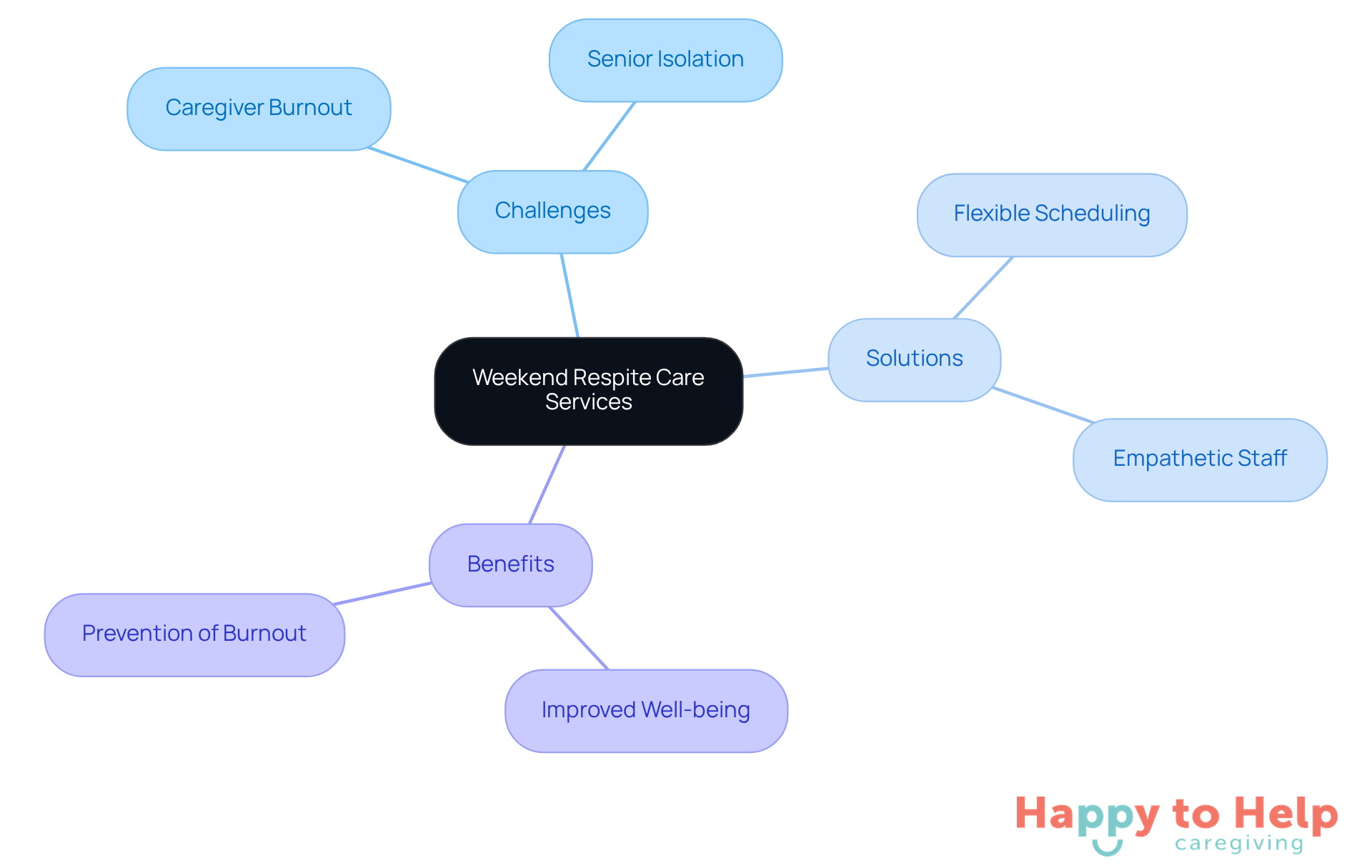
Happy to Help Caregiving addresses a pressing issue: the stress and isolation faced by caregivers and seniors. Many caregivers experience burnout, while seniors often feel lonely and disconnected. Research shows that nearly one in three adults aged 50 to 80 report feelings of isolation at least occasionally. This highlights the urgent need for supportive services that foster socialization and well-being.
The implications of these challenges are significant. Caregivers who lack support may struggle to provide quality care, leading to a decline in both their own health and that of their clients. Conversely, seniors who do not receive adequate social interaction may experience worsened mental and emotional health. This is where tailored weekend respite care services come into play.
Happy to Help Caregiving offers flexible scheduling and empathetic staff, ensuring that clients receive the assistance they need in a comfortable environment. This approach not only promotes independence but also instills a sense of security for both clients and their families. By participating in new activities and engaging socially during respite services, seniors can combat feelings of loneliness and improve their overall quality of life.
Moreover, weekend respite care provides caregivers with essential breaks, allowing them to recharge and maintain their own well-being. This self-care is crucial in preventing burnout and enhancing their ability to deliver quality assistance. The benefits of in-home support extend beyond immediate relief; they create lasting positive impacts on the emotional and physical health of both seniors and their aides.
By focusing on tailored weekend respite care services, Happy to Help Caregiving not only meets the immediate needs of clients but also contributes to their long-term health. As the home health sector is projected to reach a value of $176.30 billion by 2032, the importance of such services is more crucial than ever.
Emotional Relief: Alleviating Caregiver Burnout Through Respite Care
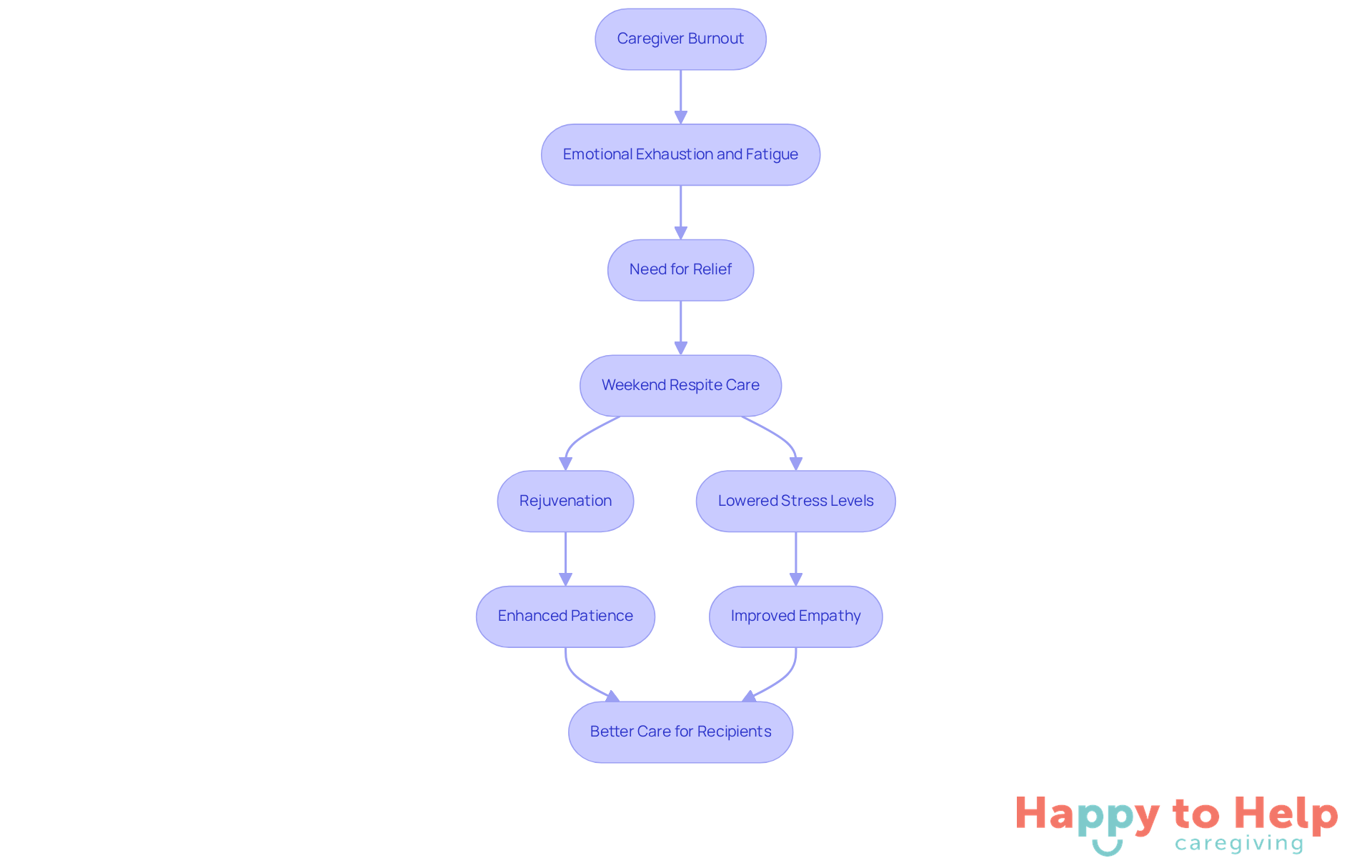
Caregiver burnout is a significant issue that many family providers face, leading to emotional exhaustion and fatigue. This problem not only affects the caregivers themselves but also impacts the quality of support they can provide to those in need. Without proper relief, caregivers may struggle with stress, which can diminish their patience and empathy over time.
Weekend respite care provides a practical solution to this challenge. By offering weekend respite care, caregivers can take a much-needed break from their daily responsibilities. This time away allows them to rejuvenate emotionally, ultimately lowering stress levels and improving their overall mental well-being. When caregivers return to their roles, they often find that they have enhanced patience and empathy, which benefits both themselves and those they support.
Incorporating weekend respite care into caregiving routines can lead to healthier dynamics for both providers and recipients. It's essential for caregivers to recognize the importance of taking breaks and seeking help when needed. By prioritizing their own well-being, they can continue to provide the compassionate care that their loved ones deserve.
Physical Health Benefits: Restoring Energy and Vitality for Caregivers
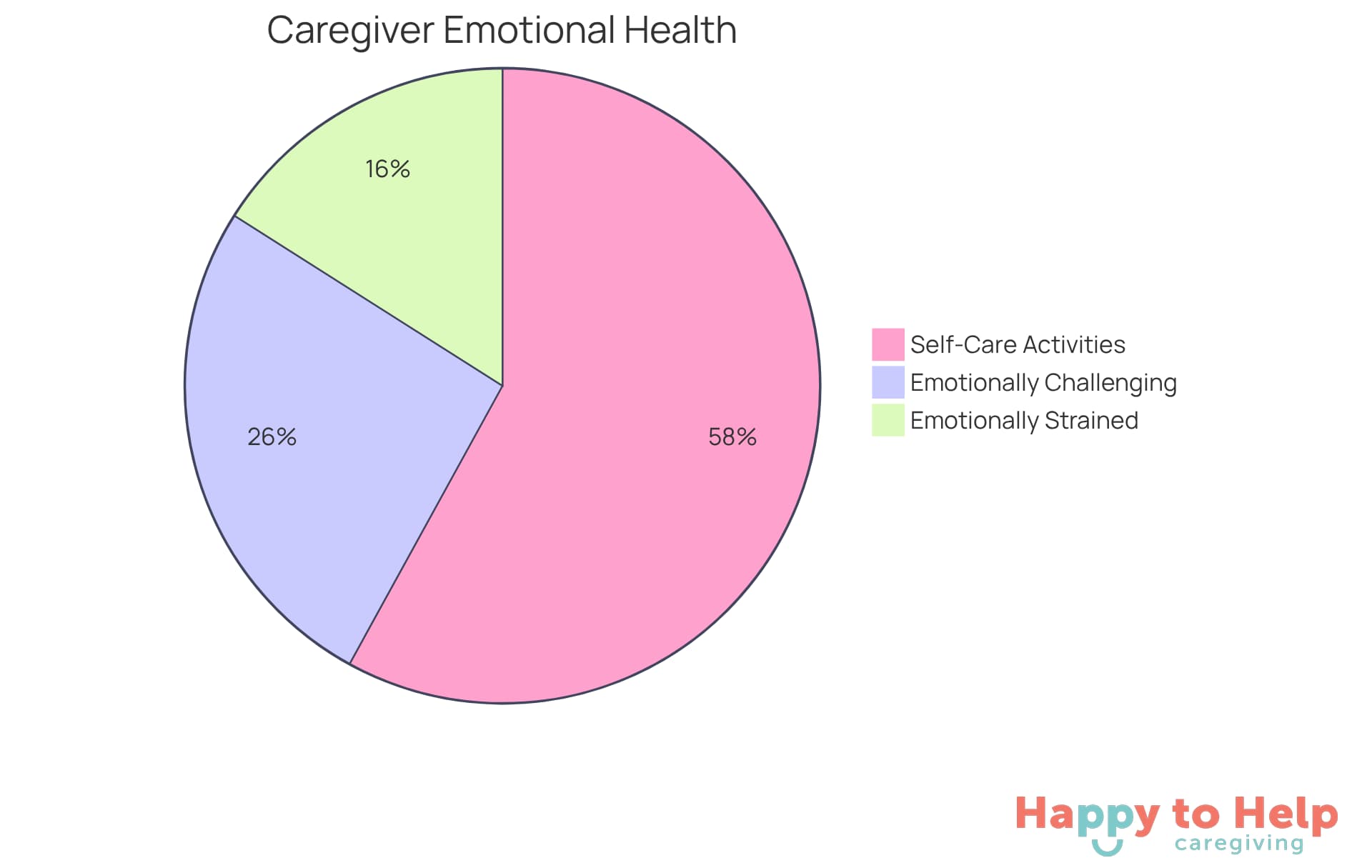
Caregiving can be incredibly demanding, often leading to significant physical and emotional strain. Research shows that:
- 16% of caregivers feel emotionally strained
- 26% find the role emotionally challenging
This chronic fatigue can result in various health issues, making self-care essential for those in caregiving roles.
To combat these challenges, weekend respite care is crucial. By taking breaks, caregivers can prioritize activities such as:
- Exercise
- Proper nutrition
- Adequate rest
These practices are vital for sustaining physical health and overall well-being. As noted by expert Greta Kilmer, "Negative associations between caregiving and the health of those providing care are known."
Engaging in self-care not only revitalizes caregivers but also enhances their ability to provide high-quality support to their loved ones. Caregivers who make time for themselves report feeling more energized and capable, fostering a healthier caregiver-recipient relationship.
The benefits of weekend respite care extend beyond mere rest. They enable caregivers to return to their duties with renewed energy and patience, significantly improving their overall effectiveness. By implementing regular breaks and self-care routines, caregivers can better manage their responsibilities and maintain their health.
Flexible Scheduling: Tailoring Respite Care to Fit Caregiver Needs
Caregivers often face the challenge of needing time away from their responsibilities, which can lead to stress and burnout. This need for respite is crucial, yet many struggle to find flexible options that accommodate their unique situations.
Happy to Help Caregiving understands these challenges. They offer adjustable support plans tailored to meet individual needs, ensuring that caregivers can find the relief they require. Whether it's just a few hours or a weekend respite care, assistance is readily available when it's most needed. This flexibility allows caregivers to organize their time away with confidence, knowing they have reliable support.
Enhanced Safety: Ensuring a Secure Environment During Respite Care
Safety is a significant concern for caregivers, especially during weekend respite care. Many caregivers face the challenge of ensuring their loved ones are safe while they take essential breaks through weekend respite care. With 43.5 million individuals in the U.S. currently supporting their loved ones, the need for a secure environment is more critical than ever.
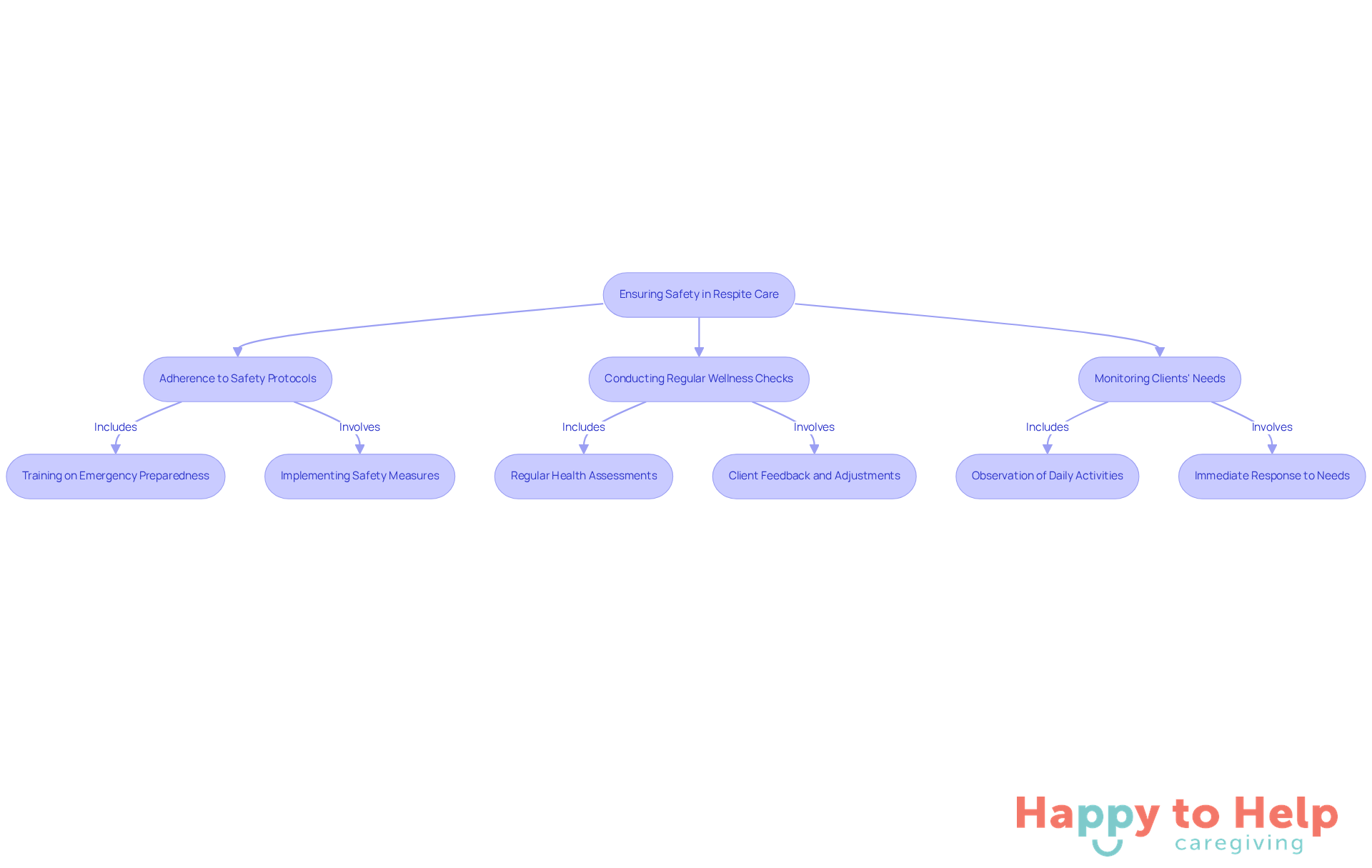
Happy to Help Caregiving addresses this issue by prioritizing safety in all aspects of weekend respite care. All providers undergo comprehensive training that includes emergency preparedness, ensuring they are equipped to handle various situations effectively. This training covers:
- Adherence to safety protocols
- Conducting regular wellness checks
- Being vigilant in monitoring clients' needs
Families can rest assured that their loved ones are in capable hands. This peace of mind allows support providers to recharge without worry, knowing their family members are safe and well looked after during weekend respite care. The invaluable support from trained professionals not only enhances the quality of care but also alleviates the stress that caregivers often experience.
Social Interaction: Combating Loneliness Through Weekend Respite Care
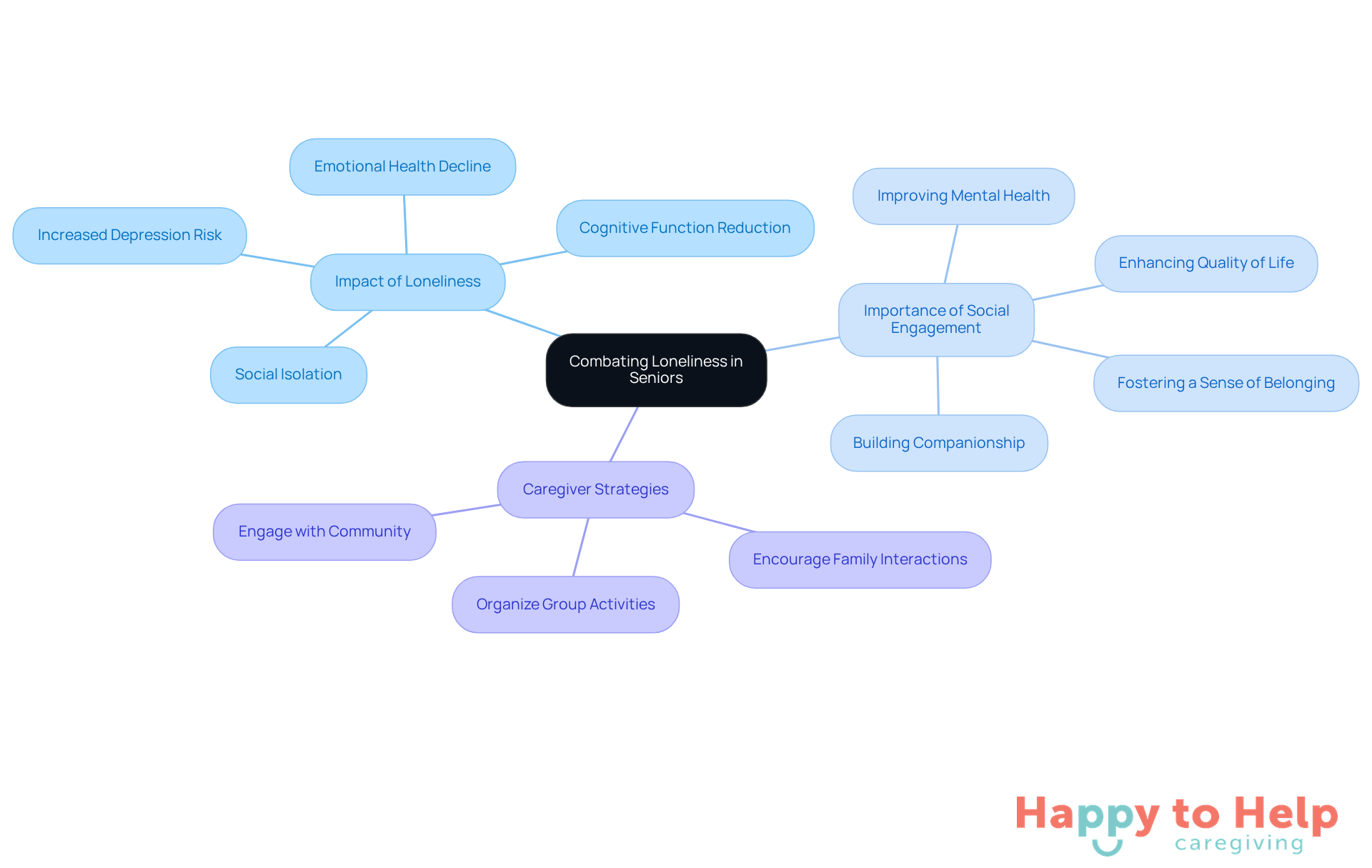
Loneliness among seniors is a pressing issue that can significantly impact their emotional health. A staggering 69% of seniors reported feeling lonely most of the time before moving into a senior living community. This highlights the urgent need for social engagement to combat isolation and foster a sense of belonging.
Interacting with support providers and participating in tailored activities can help seniors maintain vital social connections. 'Happy to Help Caregiving' actively encourages caregivers to facilitate social activities that align with clients' interests. This approach not only alleviates feelings of isolation but also promotes a more fulfilling life for seniors, reinforcing the importance of companionship in their daily experiences.
Dr. Jennifer Wong emphasizes that loneliness can shrink parts of our brain, underscoring the necessity of social interaction for mental health. By nurturing these relationships, relief services not only support seniors but also empower caregivers in their roles. To effectively combat loneliness, caregivers can:
- Organize group activities that resonate with clients' interests.
- Encourage regular interactions with family and friends.
- Create opportunities for seniors to engage with their community.
By implementing these strategies, caregivers can help foster a more connected and vibrant life for seniors.
Peace of Mind: Trusting Professional Caregivers During Respite
Caregivers often face the challenge of finding reliable weekend respite care services, leading to anxiety and uncertainty for families. This concern is valid; when family members take a break, they want to ensure their loved ones are in capable hands.
To address this issue, Happy to Help Caregiving implements a rigorous selection process for their caregivers. Each caregiver is not only qualified but also compassionate and reliable, providing families with the reassurance they need. This commitment to quality assistance ensures that loved ones receive the finest possible support, allowing families to take their much-needed weekend respite care with peace of mind.
Holistic Care: Addressing Emotional, Physical, and Social Needs
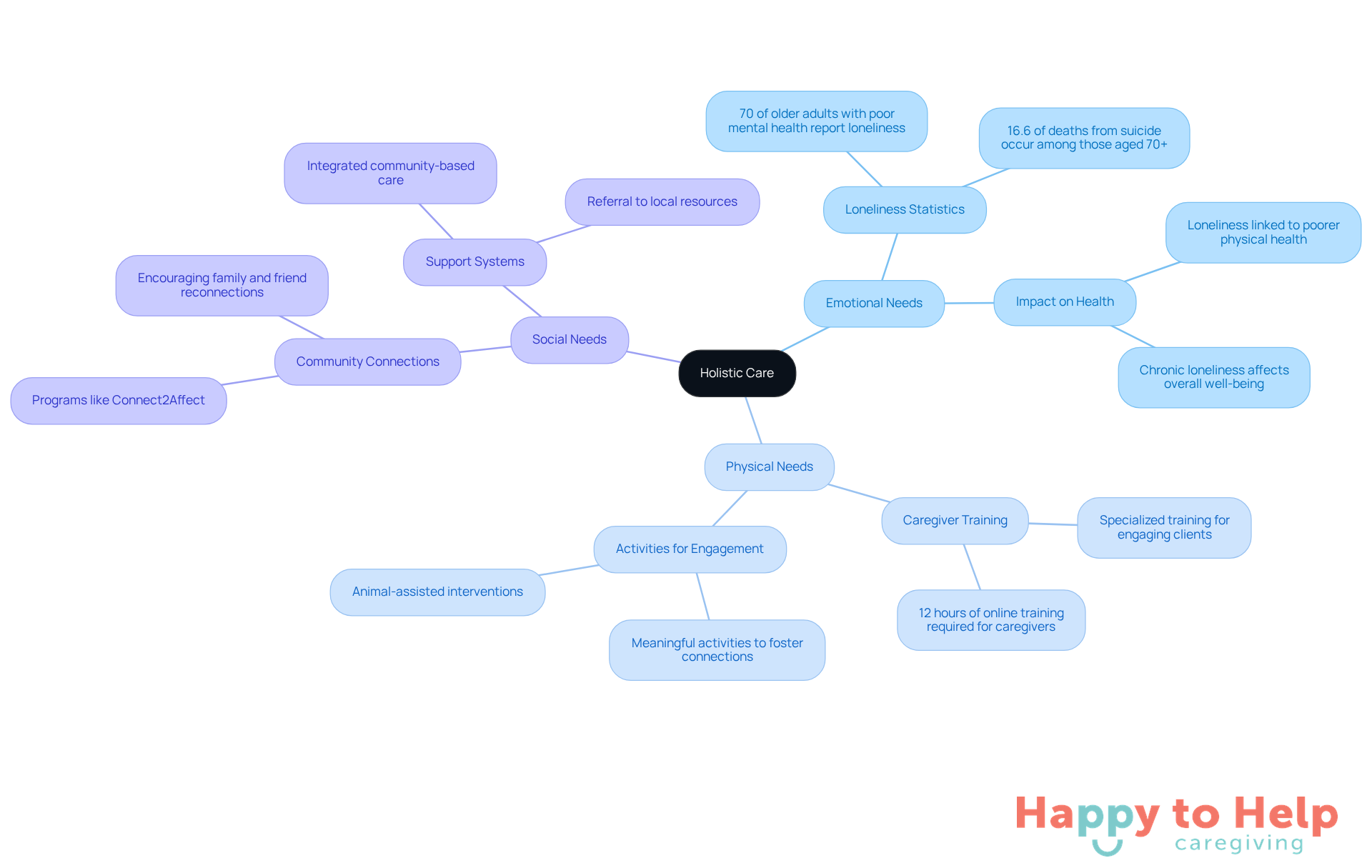
Problem: Social isolation is a significant issue for older adults, with over 70% of those with fair or poor mental health reporting feelings of loneliness. This alarming statistic underscores the emotional challenges many seniors face, which can lead to poorer physical and mental health outcomes.
Agitate: The U.S. Surgeon General has described loneliness as an 'epidemic,' emphasizing the urgent need to address the emotional requirements of caregiving. When caregivers overlook these needs, they risk exacerbating feelings of isolation, which can severely impact a senior's quality of life.
Comprehensive care is essential to the services provided by Happy to Help Caregiving, especially through weekend respite care. Caregivers are specially trained to engage clients in meaningful activities that foster mental stimulation and emotional connections. By prioritizing emotional well-being, caregivers can help mitigate the risks associated with isolation, ensuring that individuals receive the support they need to thrive in their familiar environments.
This thorough support model not only enhances the quality of life for seniors but also fosters a sense of belonging and security, ultimately resulting in improved overall health and happiness.
Continuous Communication: Keeping Caregivers Informed and Engaged
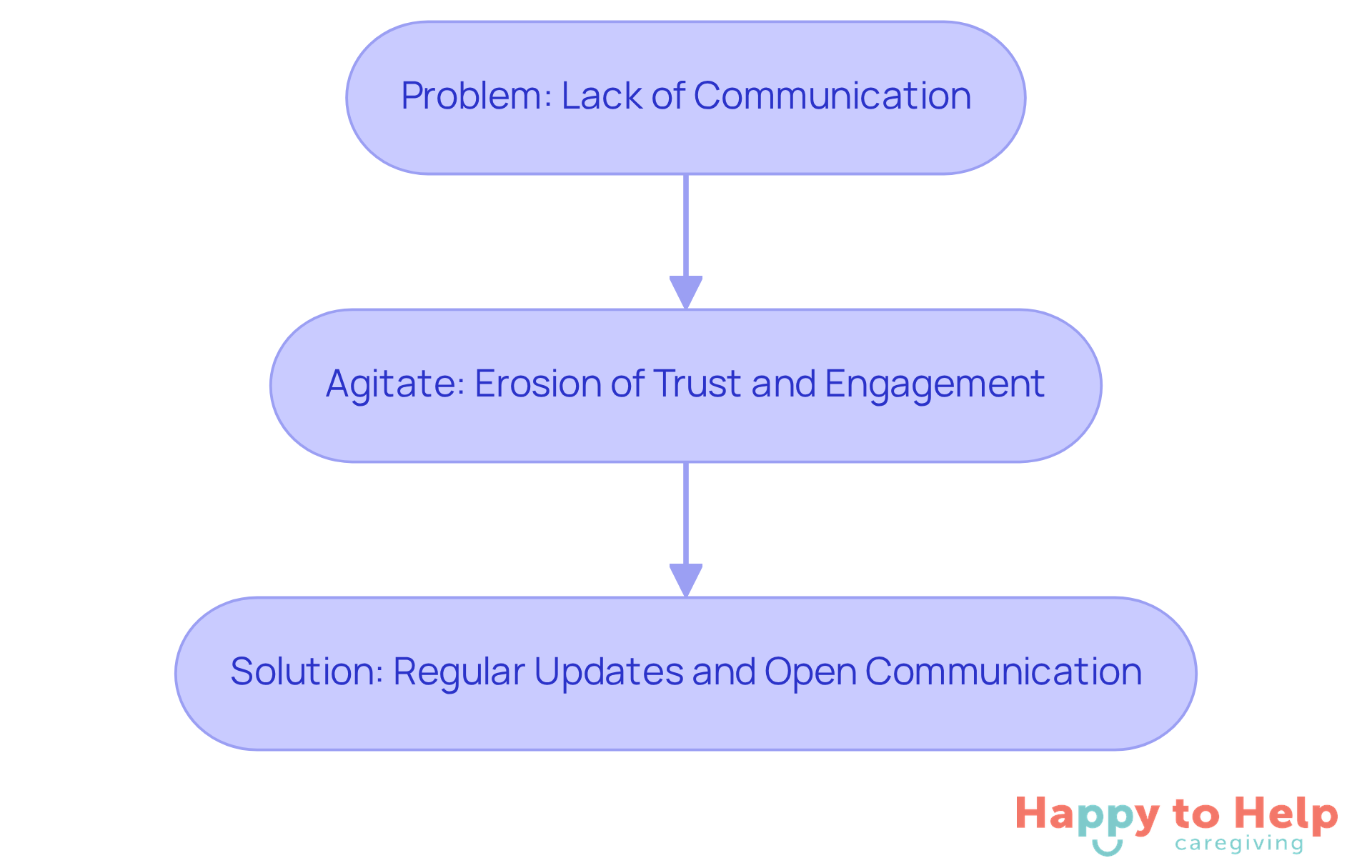
Problem: Continuous communication is vital in maintaining a strong caregiver-family relationship. However, many families struggle with staying informed about their loved one's well-being, leading to feelings of disconnect and anxiety.
Agitate: This lack of communication can erode trust and engagement, making it difficult for families to participate in the caregiving process. When family members are not kept in the loop, they may feel helpless and unsure about how to support their loved ones effectively.
Solution: Happy to Help Caregiving emphasizes regular updates and open lines of communication. By ensuring that family members are informed, caregivers can foster transparency that builds trust. Technology plays an essential role here, allowing support providers to monitor needs and share updates effectively.
Encouraging families to participate in support activities and openly sharing challenges cultivates a nurturing atmosphere. This approach not only improves the overall support experience but also empowers families to remain engaged, even from a distance.
Self-Care Opportunities: Recharging for Better Caregiving
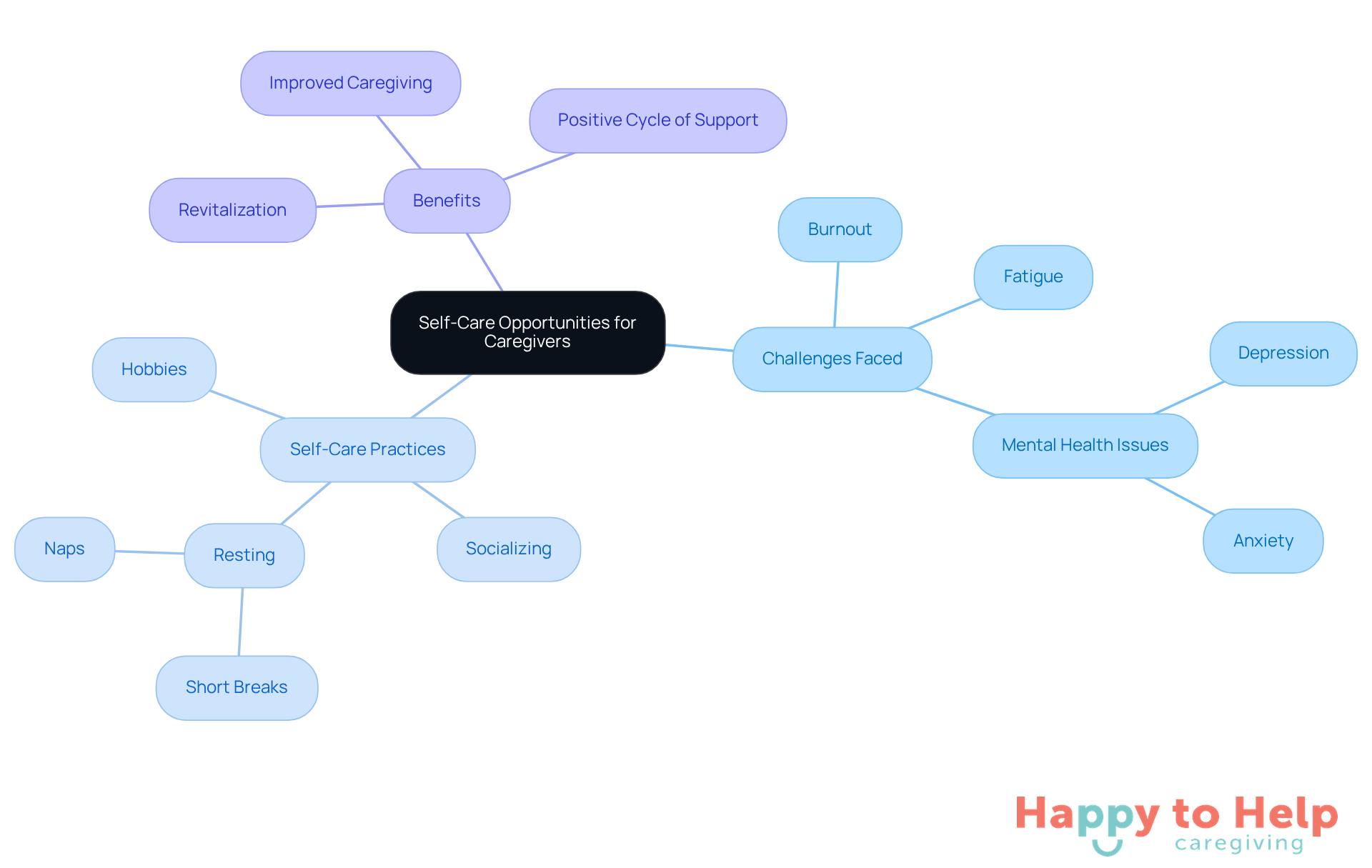
Caregivers face significant challenges, often sacrificing their own well-being for the sake of those they support. This emotional toll can lead to burnout and even clinical depression, with studies indicating that 46% to 59% of caregivers experience these mental health issues. Ignoring their own needs can result in fatigue and decreased efficiency, making it crucial for caregivers to prioritize self-care.
To combat these challenges, weekend respite care provides essential opportunities for caregivers to recharge. Engaging in hobbies, spending time with friends, or simply resting can significantly reduce stress. By allocating this crucial time for themselves, caregivers can return to their duties revitalized and ready to provide the highest standard of assistance.
This practice not only benefits caregivers but also enhances the overall well-being of those they assist, creating a positive cycle of support and compassion. As November is National Family Caregivers Month, it serves as a timely reminder of the importance of prioritizing self-care. Caring for yourself is one of the most important - and often overlooked - things you can do as a caregiver.
Key Takeaways for Caregivers
Weekend respite care serves as a crucial lifeline for family caregivers, who often grapple with emotional, physical, and social challenges. The problem is clear: without adequate support, caregivers can experience significant burnout, which not only affects their well-being but also the quality of care they provide. This situation can lead to a cycle of stress and fatigue that is difficult to break.
The implications of neglecting self-care are profound. Caregivers may find themselves overwhelmed, leading to decreased compassion and effectiveness in their roles. This is where weekend respite care steps in as a vital solution. By offering tailored support and essential breaks, these services enhance the quality of care recipients receive while significantly improving caregivers' well-being.
Key benefits of weekend respite care include:
- Alleviating caregiver burnout
- Enhancing safety for clients
- Promoting social interaction for seniors
Flexible scheduling options allow caregivers to find the support they need without added stress, while continuous communication fosters trust and engagement between families and care providers. These elements contribute to a holistic approach that nurtures both caregivers and those they care for.
Recognizing the significance of weekend respite care is essential, not just for individual families but for society as a whole. Encouraging caregivers to take necessary breaks and prioritize their health leads to a more sustainable caregiving model. By embracing these services, caregivers can create a healthier, more balanced environment that benefits everyone involved. The path to better caregiving begins with self-care, and weekend respite care is a crucial step in that journey.
https://iframe.tely.ai/cta/eyJhcnRpY2xlX2lkIjogIjY5MjRmMWM0ZWM0Y2FiOGU3NGVjMDBhNyIsICJjb21wYW55X2lkIjogIjY4ZWU1ZGNhNzMxNzYyNTU3ZjNjOTVjMSIsICJpbmRleCI6IG51bGwsICJ0eXBlIjogImFydGljbGUifQ==Frequently Asked Questions
What is the purpose of Happy to Help Caregiving's weekend respite care services?
The purpose is to address the stress and isolation faced by caregivers and seniors by providing supportive services that foster socialization and well-being.
How does caregiver burnout affect both caregivers and seniors?
Caregiver burnout can lead to emotional exhaustion and fatigue, diminishing the quality of care provided. Seniors may experience worsened mental and emotional health due to a lack of social interaction and support.
What benefits do seniors receive from weekend respite care?
Seniors benefit from tailored weekend respite care by engaging in new activities and social interactions, which can combat feelings of loneliness and improve their overall quality of life.
How does weekend respite care help caregivers?
Weekend respite care provides caregivers with essential breaks to recharge, helping to prevent burnout and enhancing their ability to provide quality assistance.
What are the long-term impacts of weekend respite care on caregivers and seniors?
Weekend respite care creates lasting positive impacts on the emotional and physical health of both seniors and their aides, promoting overall well-being.
Why is self-care important for caregivers?
Self-care is crucial for caregivers to manage stress, maintain their health, and improve their patience and empathy, which benefits both themselves and those they support.
What activities can caregivers prioritize during their breaks?
Caregivers can prioritize activities such as exercise, proper nutrition, and adequate rest to sustain their physical health and overall well-being.
How does weekend respite care contribute to healthier dynamics in caregiving?
By allowing caregivers to take breaks, weekend respite care leads to healthier dynamics by enhancing the caregivers' emotional state, which positively impacts their interactions with those they support.
What is the projected growth of the home health sector, and why is it significant?
The home health sector is projected to reach a value of $176.30 billion by 2032, highlighting the increasing importance of supportive services like weekend respite care.
List of Sources
- Happy to Help Caregiving: Personalized Weekend Respite Care Services
- FastStats (https://cdc.gov/nchs/fastats/home-health-care.htm)
- 2025 Home Care Statistics: Trends & Insights To Know (https://premierhcinc.com/blog/home-care-statistics)
- 52 Eye-Opening Home Health Statistics: Insights for 2025 (https://boosthomehealth.com/home-health-statistics)
- How Respite Care Improves Quality of Life for Seniors and People with Disabilities (https://bucknerwestminster.org/news-blog/how-respite-care-improves-quality-of-life-for-seniors-and-people-with-disabilities)
- News & Updates | ARCH National Respite Network & Resource Center (https://archrespite.org/news)
- Emotional Relief: Alleviating Caregiver Burnout Through Respite Care
- Preventing Caregiver Burnout with Respite Care | The Herrick House (https://theherrickhouse.org/news-stories/all-news-stories/stories/2025/04/preventing-caregiver-burnout-with-respite-care)
- Prevalence of depression, anxiety, burden, burnout, and stress in informal caregivers: An umbrella review of meta-analyses (https://sciencedirect.com/science/article/pii/S2950307825000785)
- Improving Support for Family Caregivers (https://nationalacademies.org/news/2025/07/improving-support-for-family-caregivers)
- New Report Reveals Crisis Point for America’s 63 million Family Caregivers (https://press.aarp.org/2025-07-24-New-Report-Reveals-Crisis-Point-for-Americas-63-million-Family-Caregivers)
- Caregiver Burnout: The Importance of Respite Care - CRT Care Services (https://crtcare.co.uk/2025/09/12/caregiver-burnout-the-importance-of-respite-care)
- Physical Health Benefits: Restoring Energy and Vitality for Caregivers
- Changes in Health Indicators Among Caregivers... (https://cdc.gov/mmwr/volumes/73/wr/mm7334a2.htm)
- Caregiver Health (https://caregiver.org/resource/caregiver-health)
- Caregivers and the Importance of Respite Care (https://benedictineliving.org/resources/news/caregivers-and-the-importance-of-respite-care)
- How Does Respite Care Helps Prevent Caregiver Burnout (https://sundaleseniorliving.com/news-and-articles/the-role-of-respite-care-in-preventing-caregiver-burnout)
- Flexible Scheduling: Tailoring Respite Care to Fit Caregiver Needs
- Respite Facts and Talking Points | ARCH National Respite Network & Resource Center (https://archrespite.org/policy/respite-facts-and-talking-points)
- Building a lifeline for family caregivers across the US (https://news.mit.edu/2025/ianacare-builds-lifeline-for-family-caregivers-across-us-0811)
- State Innovations to Advance Respite Care: Policy Strategies Shared at the State-Federal Respite Summit - NASHP (https://nashp.org/state-innovations-to-advance-respite-care-policy-strategies-shared-at-the-state-federal-respite-summit)
- Home Care Providers Aim For Big Wins By Introducing Shorter Care Models Bypassing Service Minimums (https://homehealthcarenews.com/2025/02/home-care-providers-aim-for-big-wins-by-introducing-shorter-care-models-bypassing-service-minimums)
- Summer Travel Plans? Don’t Forget Respite Care for Your Loved One | America's Home Health Services (https://americashomehealth.com/summer-travel-plans-dont-forget-respite-care-for-your-loved-one)
- Enhanced Safety: Ensuring a Secure Environment During Respite Care
- CaringBridge (https://caringbridge.org/resources/inspirational-quotes-on-caregiving)
- 25+ Inspirational Quotes for Caregivers (https://caringseniorservice.com/blog/quotes-for-caregiver-inspiration)
- Modern Tools That Improve Safety and Accountability in Elder Care Settings (https://dcreport.org/2025/11/24/modern-tech-tools-improving-safety-in-elder-care-facilities)
- Inspirational Quotes for Compassionate Caregivers (https://humancareny.com/blog/inspirational-quotes-for-caregivers)
- Social Interaction: Combating Loneliness Through Weekend Respite Care
- How Respite Care Can Support Seniors from Recovery to New Beginnings | Belmont Village (https://belmontvillage.com/how-respite-care-can-support-seniors-from-recovery-to-new-beginnings)
- U.S. News Survey Finds Senior Living Reduces Loneliness (https://sunriseseniorliving.com/resources/caregivers-and-families/senior-living-reduces-loneliness)
- Why Respite Care Matters: Taking a Break Without Guilt - Senior1Care (https://senior1care.com/home-care/why-respite-care-matters-taking-a-break-without-guilt)
- For seniors dealing with social isolation, NYC programs provide intergenerational events (https://cbsnews.com/newyork/news/cost-of-caregiving-the-life-story-club-nyc-friendly-visiting-program)
- How Respite Care Provides Social Engagement for Seniors (https://rosewood-nursing.com/post/how-respite-care-provides-social-engagement-for-seniors)
- Peace of Mind: Trusting Professional Caregivers During Respite
- Only 32% of America’s 63 Million Family Caregivers Use Paid Help (https://homehealthcarenews.com/2025/07/only-32-of-americas-63-million-caregivers-use-paid-help)
- Why Respite Care Matters: Taking a Break Without Guilt - Assisting Hands Home Care - Boston Northwest – Quality Home Care You Can Trust (https://assistinghands.com/68/bostonnw/massachusetts/blog/why-respite-care-matters-taking-a-break-without-guilt)
- Using the 7 Caregiver Personas to Develop More Effective Recruitment and Retention Strategies in Home Care | Aaniie, formerly Smartcare Software (https://aaniie.com/news/caregiver-personas-to-develop-effective-recruitment-and-retention-strategies-in-home-care)
- Caregivers and the Importance of Respite Care (https://benedictineliving.org/resources/news/caregivers-and-the-importance-of-respite-care)
- Benefits of Respite Care for Families and Patients (https://ltcnews.com/articles/respite-care-assisted-living-family-burden-provides-support)
- Holistic Care: Addressing Emotional, Physical, and Social Needs
- How Holistic Approaches Enhance Long-Term Care Services (https://rosewood-nursing.com/post/how-holistic-approaches-enhance-long-term-care-services)
- 1 in 3 older adults still experience loneliness and isolation (https://michiganmedicine.org/health-lab/1-3-older-adults-still-experience-loneliness-and-isolation)
- State Innovations to Advance Respite Care: Policy Strategies Shared at the State-Federal Respite Summit - NASHP (https://nashp.org/state-innovations-to-advance-respite-care-policy-strategies-shared-at-the-state-federal-respite-summit)
- Trends in Loneliness Among Older Adults from 2018-2023 (https://ihpi.umich.edu/national-poll-healthy-aging/reports-and-resources/trends-loneliness-among-older-adults-2018-2023)
- Mental health of older adults (https://who.int/news-room/fact-sheets/detail/mental-health-of-older-adults)
- Continuous Communication: Keeping Caregivers Informed and Engaged
- The Importance of Communication in Home Health Care Relationships (https://h2hhc.com/blog/the-importance-of-communication-in-home-health-care-relationships)
- Family Caregiving Collaborative Seeks Better Ways to Care for the Caregivers (https://uofuhealth.utah.edu/newsroom/news/2024/11/family-caregiving-collaborative-seeks-better-ways-care-caregivers)
- Harmonizing care: a guide for family caregivers to communicate with professional aides. (https://abc11.com/post/harmonizing-care-guide-family-caregivers-communicate-professional-aides/15045721)
- The Importance of Effective Communication in Caregiving (https://familycaregiversonline.net/the-importance-of-effective-communication-in-caregiving)
- Caregiver Provider Communication and Caregiver Health (https://aarp.org/pri/topics/ltss/family-caregiving/caregiver-communication-health-care-providers)
- Self-Care Opportunities: Recharging for Better Caregiving
- Facebook (https://newsroom.clevelandclinic.org/2025/11/19/importance-of-self-care-for-family-caregivers)
- Why is self-care so important for family caregivers? – Senior Transitions of Central Ohio (https://seniortransitionsohio.com/2025/10/22/why-is-self-care-so-important-for-family-caregivers)
- Caregiver Support: A Guide to Self-Care for Caregivers | Pfizer (https://pfizer.com/news/articles/caregiver\_support\_a\_guide\_to\_self\_care\_for\_caregivers)
- Taking Care of YOU: Self-Care for Family Caregivers (https://caregiver.org/resource/taking-care-you-self-care-family-caregivers)
- Why self-care for caregivers matters | Kaiser Permanente (https://healthy.kaiserpermanente.org/health-wellness/care-stories/why-caregiver-self-care-matters)