
For families in our service areas
For families in our service areas, this guide explains caregiving and how non-medical in-home caregiving can support care planning in East Idaho, Treasure Valley & Magic Valley, Northern Wasatch, North Central West Virginia, and Northeast Ohio.
What to Expect
The article focuses on various caregiving services that promote independence for seniors. It emphasizes the importance of personalized support in enhancing their autonomy and quality of life. Many caregivers experience emotional challenges, often feeling stressed and overwhelmed. Tailored care plans, emotional support, and adaptive technologies serve as essential components that empower elderly individuals. These elements help them maintain their daily routines and engage meaningfully with their surroundings.
By fostering a sense of control and well-being, these services provide a comforting solution to the challenges faced by both seniors and their caregivers. Personal stories and testimonials highlight the compassionate care provided, deepening the emotional connection. The nurturing approach reassures caregivers that they are not alone in this journey. Through understanding and addressing their concerns, we can create an environment that feels supportive and encouraging.
In conclusion, the article illustrates how these caregiving services not only enhance the lives of seniors but also alleviate the stress of caregivers, promoting a fulfilling and balanced experience for everyone involved.
What You Need to Know About 10 Caregiving Services That Promote
The aging population encounters a distinct array of challenges, often navigating the fragile balance between preserving independence and obtaining essential care. With the rising demand for personalized support, innovative caregiving services have emerged, crafted to empower seniors while honoring their autonomy. This article delves into ten vital caregiving services that not only elevate the quality of life for older adults but also foster their independence.
What are the key elements that render these services effective, and how can they transform the aging experience for both seniors and their families?
Happy to Help Caregiving: Personalized In-Home Care for Enhanced Independence
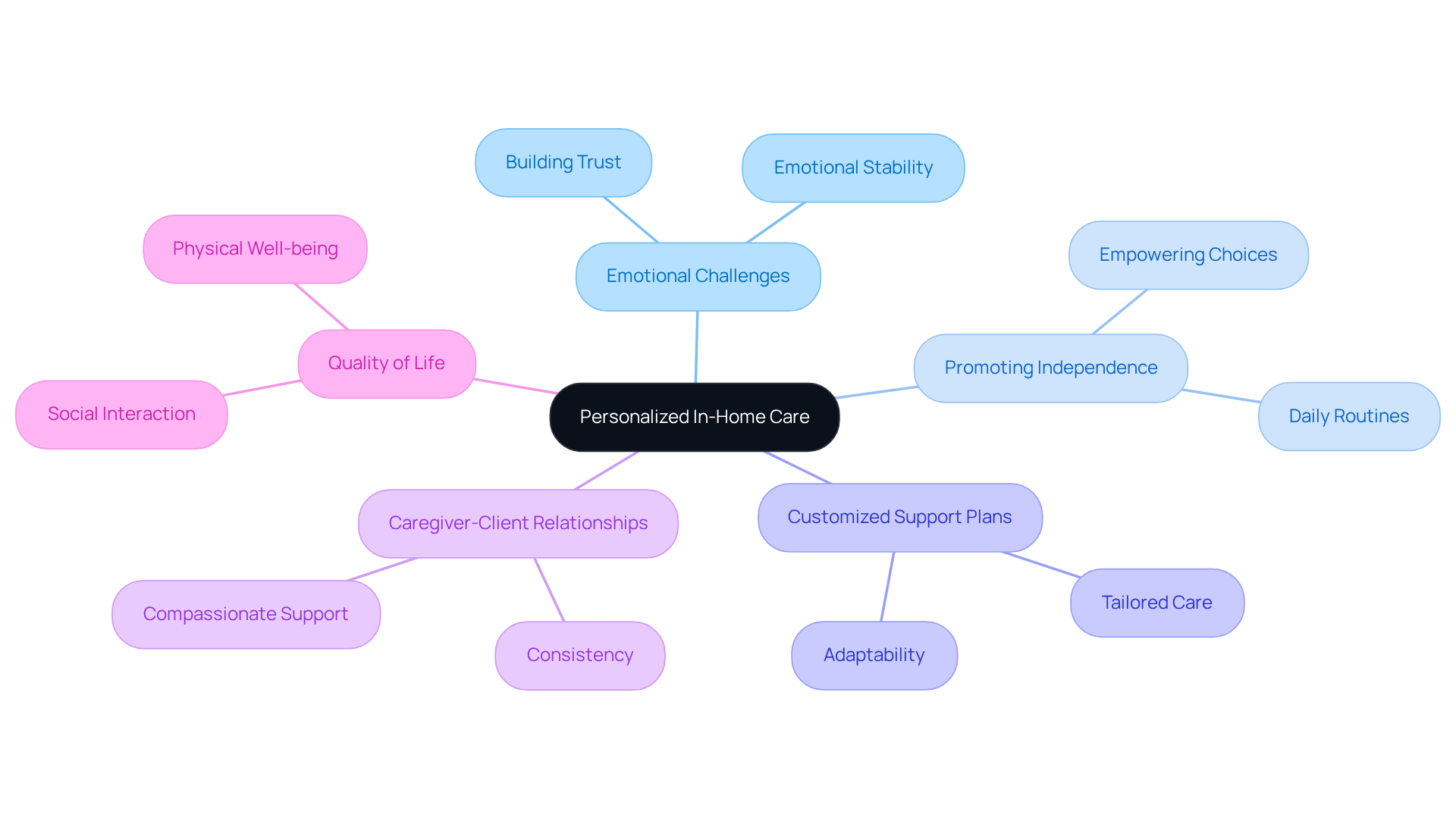
Happy to Help Caregiving truly understands the emotional challenges faced by elderly individuals and their families. Our mission is to provide caregiving services that promote independence, significantly enhancing the autonomy of seniors. By prioritizing individual needs and preferences, we offer compassionate support right within the comfort of our clients' homes. This customized approach not only fosters a sense of security but also includes caregiving services that promote independence, empowering older adults to maintain their daily routines and lifestyle choices, which are essential for their overall well-being.
Recent trends in in-home caregiving highlight the importance of personalized care, acknowledging that each senior's experience of aging is unique. Modern methods focus on enhancing quality of life and include caregiving services that promote independence while respecting the dignity of aging individuals. Effective caregiving frameworks emphasize empathy and trust, nurturing strong connections between caregivers and clients. This bond is crucial, as it allows caregivers to understand personal preferences and requirements deeply.
Such connections enable caregivers to provide the right level of support while encouraging elderly individuals to engage in activities that bolster their physical and mental well-being. It’s vital to remember that effective caregiving services that promote independence go beyond merely executing tasks; rather than diminishing independence, quality support enhances it. We strive to give individuals the assistance they need to live life according to their choices.
At Happy to Help Caregiving, we create adaptable support plans that evolve with our clients' needs. This ensures that elderly individuals can thrive in their familiar environments, ultimately leading to improved mental well-being and a stronger sense of control over their lives. We are here to support you every step of the way, fostering a nurturing environment where seniors can flourish.
Companionship Care: Emotional Support to Foster Independence
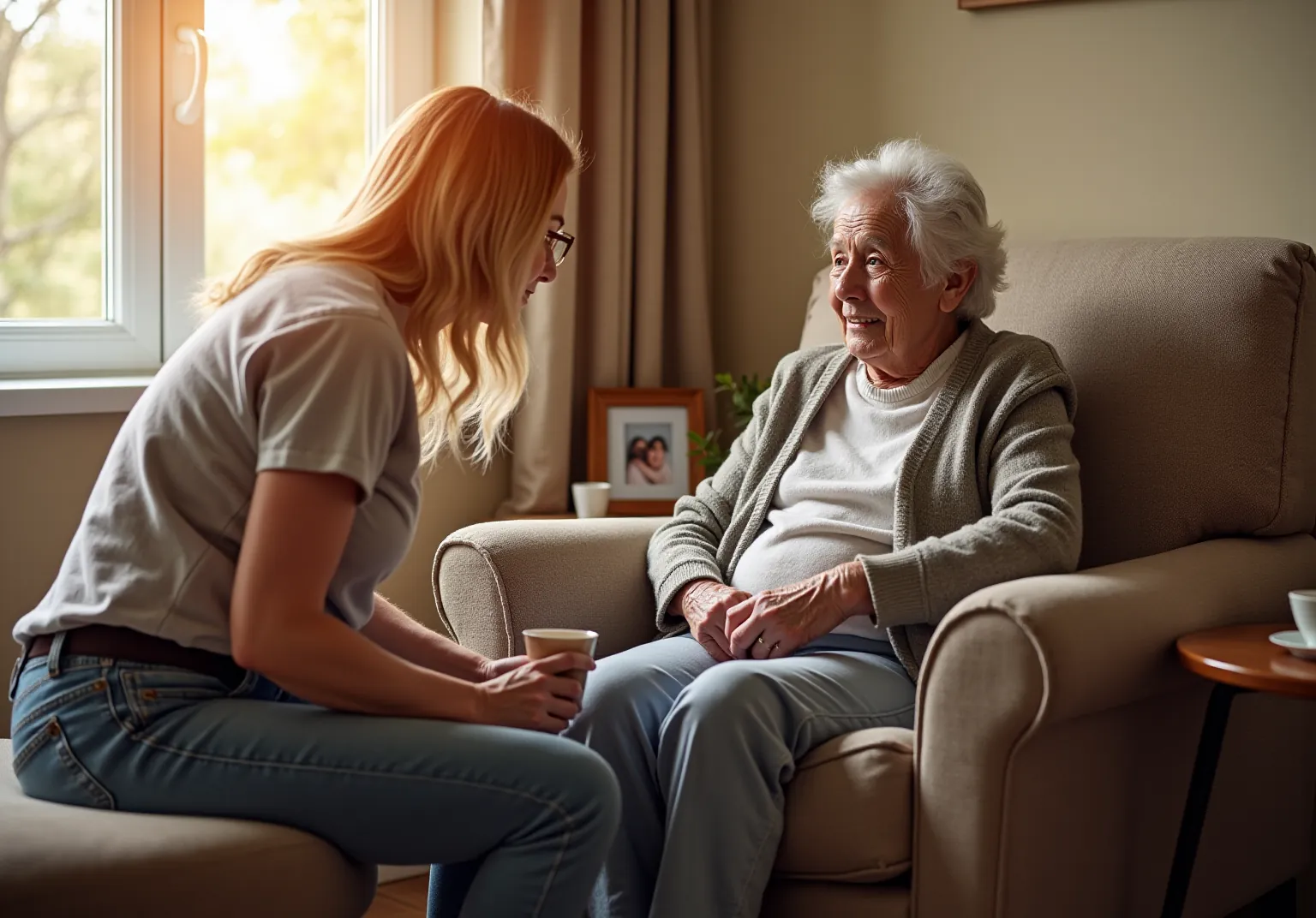
Companionship care provides elderly individuals with essential emotional support, helping to alleviate feelings of loneliness and isolation. Caregivers engage clients in meaningful conversations and activities, nurturing connections that significantly enhance mental health. This emotional support is crucial for older adults, as it encourages them to remain active and involved in their lives. Ultimately, caregiving services that promote independence foster their self-sufficiency and improve their quality of life.
In the journey of aging, many face emotional challenges that can feel overwhelming. The companionship offered by caregivers not only addresses these feelings but also amplifies the joy of shared experiences. Through simple, heartfelt interactions, caregivers become a source of comfort and connection.
Imagine the warmth of a shared story or the laughter that arises from a favorite activity. These moments are not just passing time; they are vital threads in the fabric of life that help older adults feel valued and understood. Such connections encourage them to engage with the world around them, promoting a sense of belonging and purpose.
As caregivers, we recognize the importance of providing caregiving services that promote independence. It is our mission to provide an environment where elderly individuals can thrive emotionally and socially. Together, we can foster an atmosphere of care that uplifts spirits and enhances well-being. Remember, you are not alone in this journey; compassionate support is always within reach.
https://iframe.tely.ai/cta/eyJhcnRpY2xlX2lkIjogIjY4ZmFjYzFmM2NhZGQwN2E2YWNlZWJhMCIsICJjb21wYW55X2lkIjogIjY4ZWU1ZGNhNzMxNzYyNTU3ZjNjOTVjMSIsICJpbmRleCI6IDEsICJ0eXBlIjogImFydGljbGUifQ==Post-Hospital Recovery Assistance: Supporting Independence After Medical Care
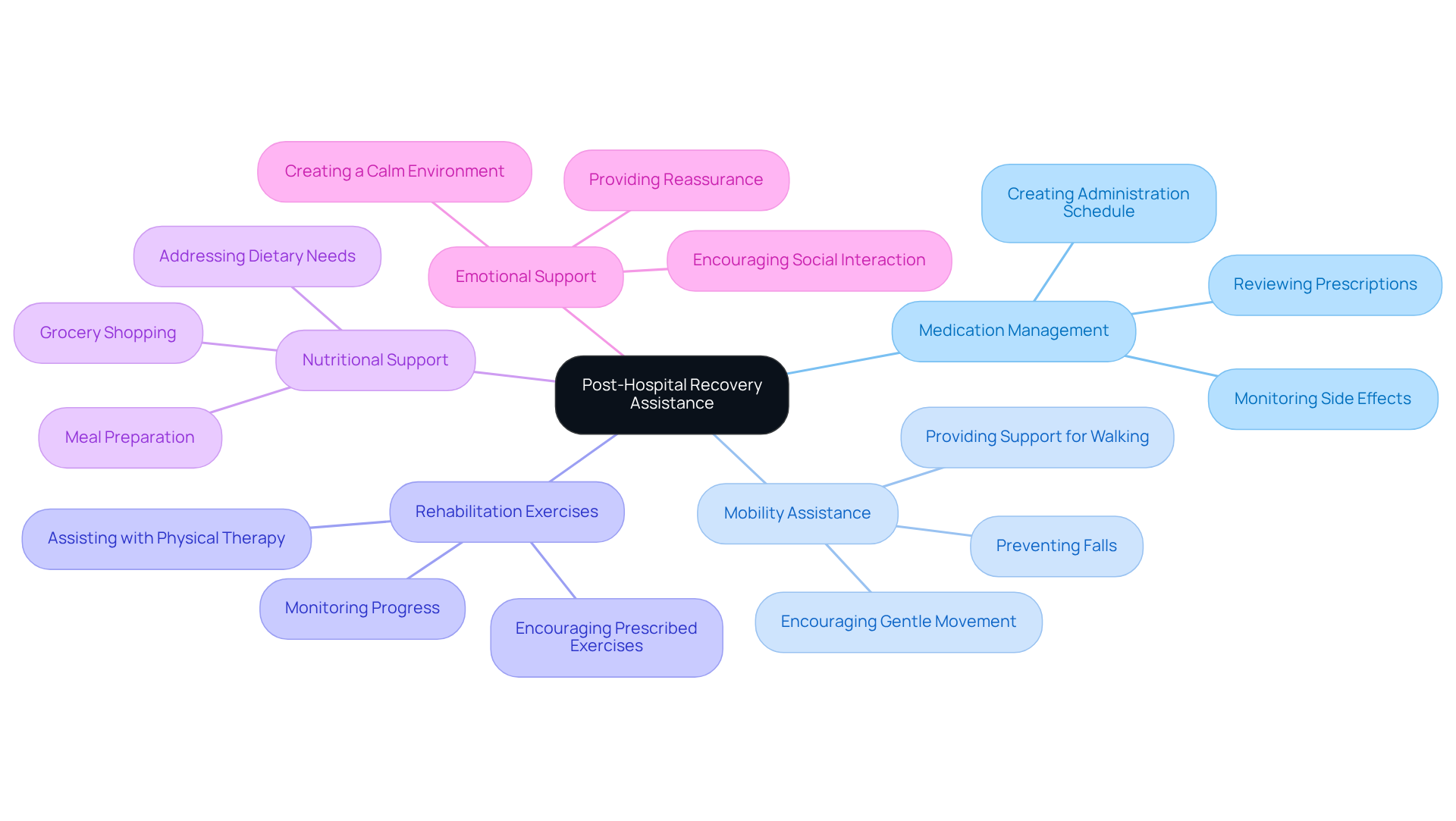
Post-hospital recovery support is essential for elderly individuals transitioning from hospital to home. Caregivers play a vital role by offering caregiving services that promote independence, such as:
- Medication management
- Mobility assistance
- Encouragement for prescribed rehabilitation exercises
This comprehensive support not only aids in physical recovery but also includes caregiving services that promote independence, allowing elderly individuals to safely and confidently resume their daily activities.
Research indicates that maintaining mobility is crucial for elderly recovery. Gentle movement helps prevent muscle loss and enhances overall well-being. Additionally, those who assist provide emotional reassurance, which is essential for reducing anxiety and promoting a sense of security during this vulnerable period. By creating a calm and supportive environment, caregivers deliver caregiving services that promote independence, facilitating successful transitions and ensuring that seniors feel comfortable and capable in their own homes.
Moreover, employing professional resources such as discharge planners and home health agencies can guarantee caregiving services that promote independence while minimizing the likelihood of hospital readmissions. Caregivers also assist with meal preparation and grocery shopping, addressing nutritional needs that are vital for recovery. Maintaining consistent daily routines and minimizing stress are essential for creating a supportive environment.
Families should prepare for their loved one's return home by discussing support plans and ensuring that necessary resources are in place. This collaborative approach fosters a nurturing atmosphere, allowing elderly individuals to thrive in their journey towards recovery.
Respite Care: Enabling Family Caregivers to Support Senior Independence
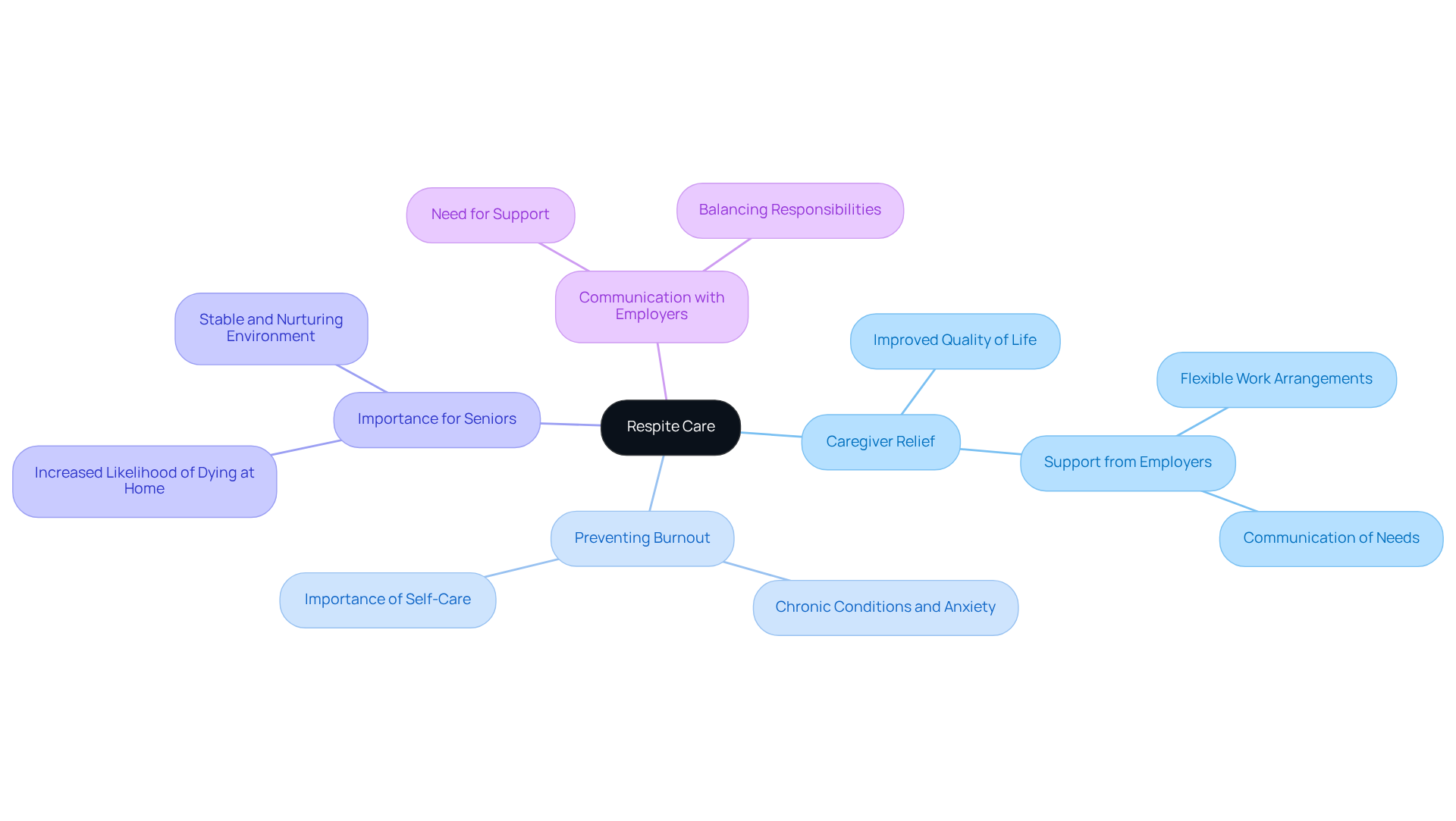
Respite assistance provides vital short-term relief for family supporters, allowing them to rejuvenate while ensuring their loved ones receive exceptional care. This service is essential in preventing caregiver burnout, which can adversely affect the quality of support older adults receive. Studies reveal that the likelihood of elderly patients passing away at home more than doubles with the availability of respite services, underscoring its importance in fostering a stable and nurturing environment for seniors.
By utilizing caregiving services that promote independence, families not only protect their own well-being but also ensure their loved ones receive consistent and compassionate support. To further enhance their well-being, family supporters are encouraged to communicate their needs with employers and seek flexible work arrangements, helping to balance caregiving responsibilities with personal health. This dual advantage highlights the significance of respite support in nurturing a healthier caregiving relationship, ultimately improving the quality of life for both older adults and their caregivers.
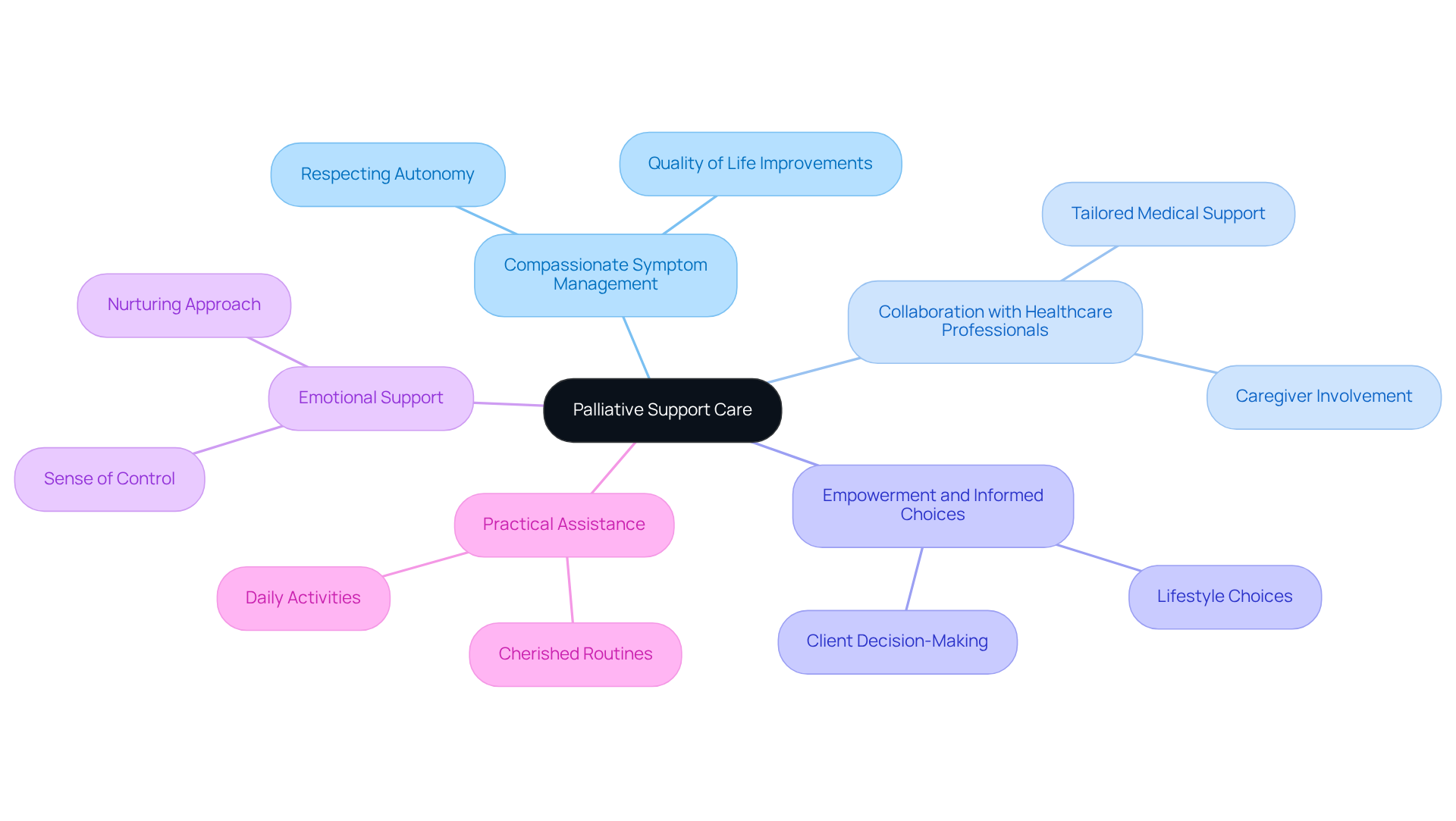
Palliative Support Care: Managing Health While Preserving Independence
Palliative support is all about compassionately addressing the symptoms of chronic conditions while honoring the autonomy of older adults. Caregivers collaborate closely with healthcare professionals to deliver tailored medical support, empowering clients to make informed choices about their treatment and lifestyle. This nurturing approach not only cultivates a sense of control but also upholds dignity during difficult times.
Many elderly individuals receiving comfort measures share heartwarming stories of improved quality of life. They often express how they can engage in daily activities and maintain their cherished routines. By blending emotional support with practical assistance, palliative care offers caregiving services that promote independence, enabling older adults to face their health challenges without sacrificing their autonomy. Ultimately, this allows them to flourish in the comfort of familiar surroundings, surrounded by the care they deserve.
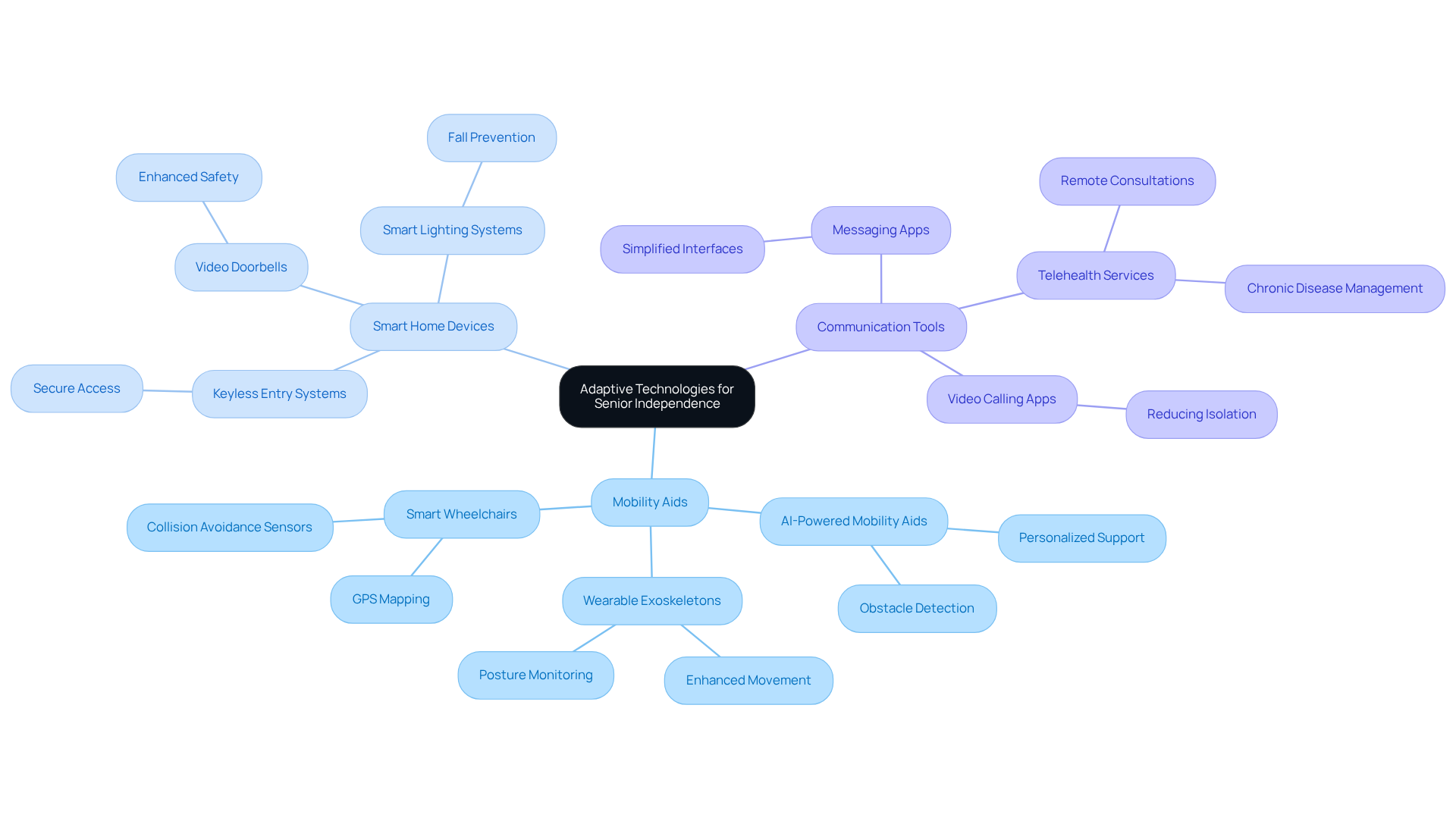
Adaptive Technologies: Tools for Enhancing Senior Independence
Adaptive technologies, such as mobility aids, smart home devices, and communication tools, are crucial components of caregiving services that promote independence for older adults. These innovations empower them to manage daily tasks with greater efficiency and security, nurturing their confidence in their ability to live at home with the support of caregiving services that promote independence. For instance, smart home devices like keyless entry systems and video doorbells not only bolster security but also facilitate easier access, allowing older adults to maintain their independence in their living spaces. A significant 93% of older adults express a desire to age in place, emphasizing the importance of caregiving services that promote independence to achieve this goal.
Case studies illustrate the positive impact of these technologies: smart home devices have been shown to enhance safety and convenience, enabling older adults to navigate their environments with more ease. Moreover, AI-powered mobility aids are evolving to learn user behavior, which enhances caregiving services that promote independence by adapting to individual needs and improving interaction with assistive tools. These advancements not only promote autonomy but also enrich the quality of life for older adults, as they incorporate caregiving services that promote independence, allowing them to engage more fully with their surroundings.
Furthermore, the integration of telehealth services has become commonplace, particularly in the wake of the COVID-19 pandemic, which accelerated the adoption of virtual consultations and chronic disease management. This shift has empowered older adults to take charge of their health from the comfort of home, further enhancing caregiving services that promote independence. As technology continues to advance, it is essential for providers to incorporate these tools into their caregiving services that promote independence, ensuring that elderly individuals can thrive in their own homes while receiving the personalized support they need.
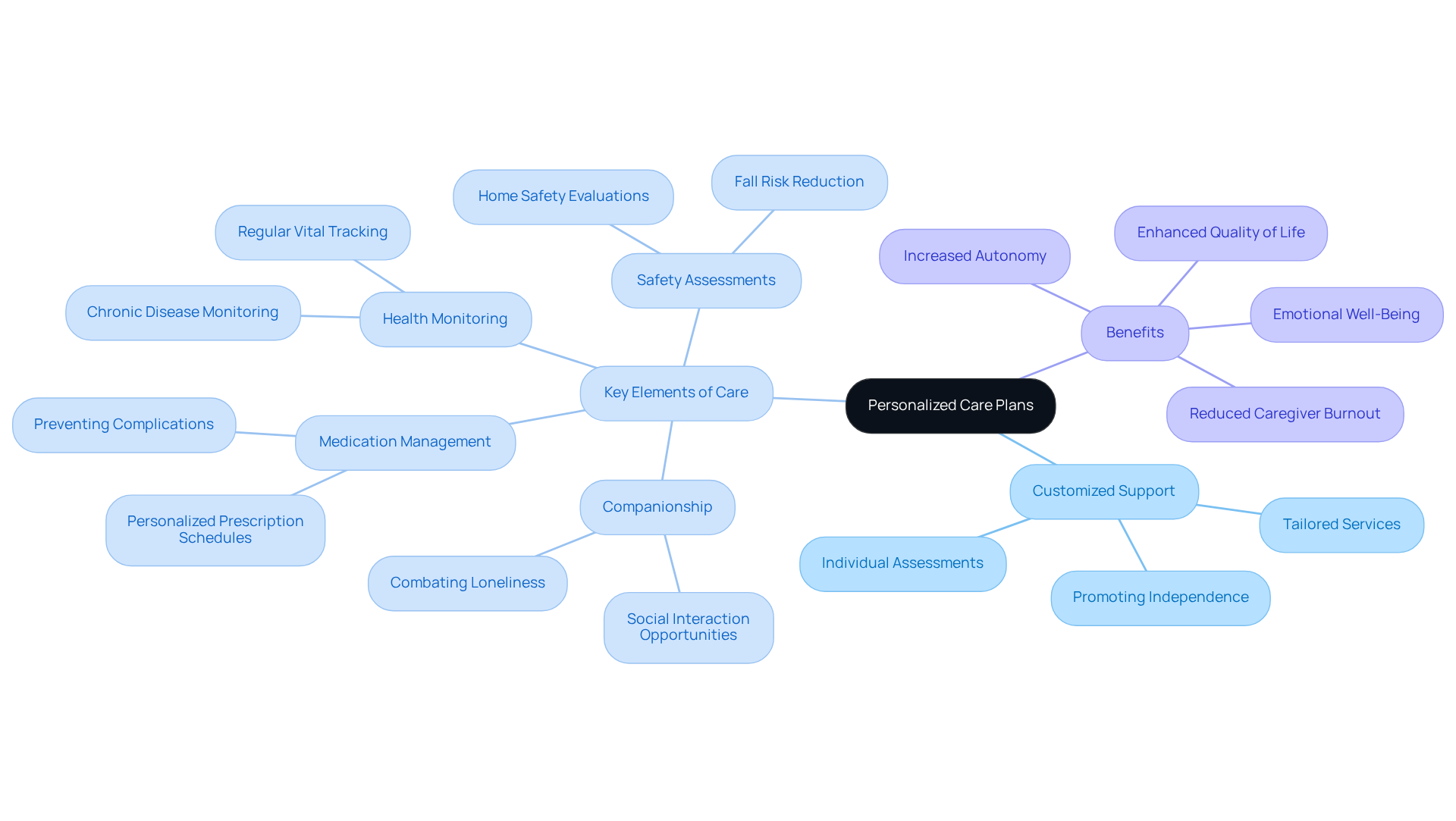
Personalized Care Plans: Tailoring Support to Promote Independence
Customized support plans are thoughtfully crafted to cater to the unique requirements and preferences of each elderly individual. By conducting thorough assessments of personal circumstances, caregivers can develop tailored caregiving services that promote independence and significantly enhance individual autonomy. These plans typically encompass a blend of services, such as companionship, assistance with daily activities, and health management. This comprehensive approach ensures that elderly individuals receive caregiving services that promote independence, which are essential for thriving in the comfort of their own homes. In fact, most older adults prefer to remain in their own residences, making individualized support plans vital in honoring this preference.
Key elements of effective treatment plans include caregiving services that promote independence, which consist of:
- Regular health monitoring
- Tracking vital signs at home to prevent health issues from escalating into hospital admissions
- Medication management
- Safety assessments to reduce the risk of falls and accidents
Involving seniors in their treatment choices fosters a sense of control and independence, which is crucial for emotional well-being and is a key aspect of caregiving services that promote independence. Additionally, incorporating opportunities for social interaction within these plans helps combat feelings of isolation, promoting mental health and overall happiness.
Expert opinions emphasize that personalized support not only addresses medical needs but also respects individual preferences and routines, thereby preserving dignity and enhancing quality of life. As noted by Promedcare Inc., personalized care plans are dynamic; they evolve as the client’s needs change. Moreover, these plans help alleviate caregiver burnout by sharing responsibilities with professional caregivers. As the aging population continues to grow, the demand for caregiving services that promote independence becomes increasingly essential, ensuring that older adults can maintain their self-sufficiency and enjoy fulfilling lives.
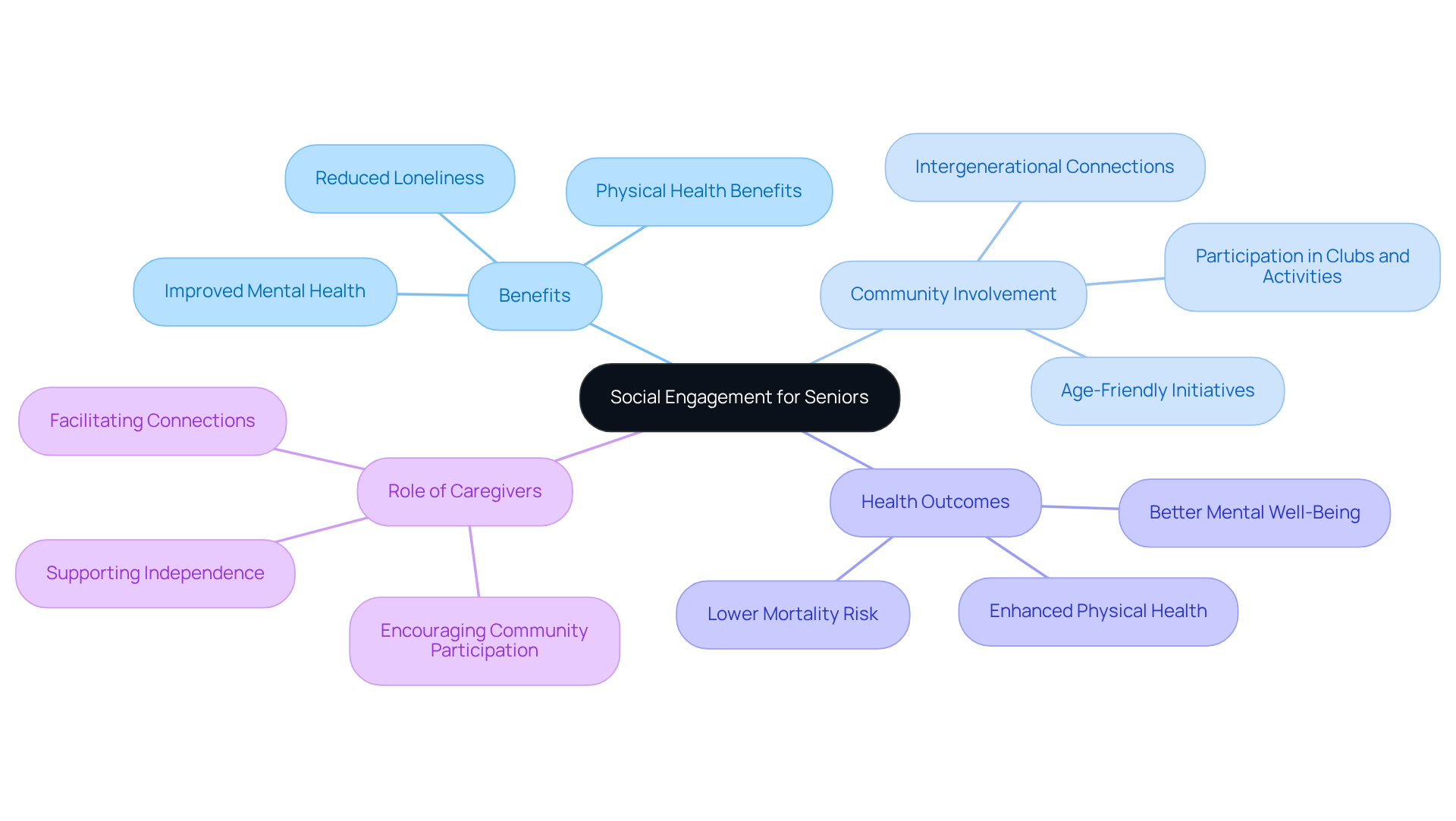
Social Engagement: Building Community Connections for Senior Independence
Social involvement plays a crucial role in helping older adults maintain their self-sufficiency and overall well-being. Caregivers actively encourage participation in community activities, clubs, and social events, which are vital for building connections and friendships. These interactions not only alleviate feelings of loneliness but also significantly enhance mental and emotional well-being—essential components for preserving autonomy as individuals age.
Research shows that high social engagement is linked to a 42% lower risk of mortality over four years, highlighting the importance of community involvement in fostering healthier aging. Furthermore, friendships can bolster physical health by reducing stress and supporting heart health. For example, a study involving 2,268 U.S. individuals aged 60 and older utilized Psychosocial and Lifestyle Questionnaires to evaluate social engagement. It revealed that those with strong social ties enjoyed better health outcomes.
At King’sBridge Retirement Community, nurturing friendships among residents has resulted in improved physical health and a renewed sense of purpose, illustrating the transformative impact of social connections. By encouraging older adults to engage with their communities, support providers cultivate a nurturing environment through caregiving services that promote independence, which enhances quality of life and promotes lasting self-sufficiency. Caregivers can further assist by suggesting local clubs or activities that resonate with older adults' interests, facilitating their connections with others.
Caregiver Training: Equipping Professionals to Support Senior Independence
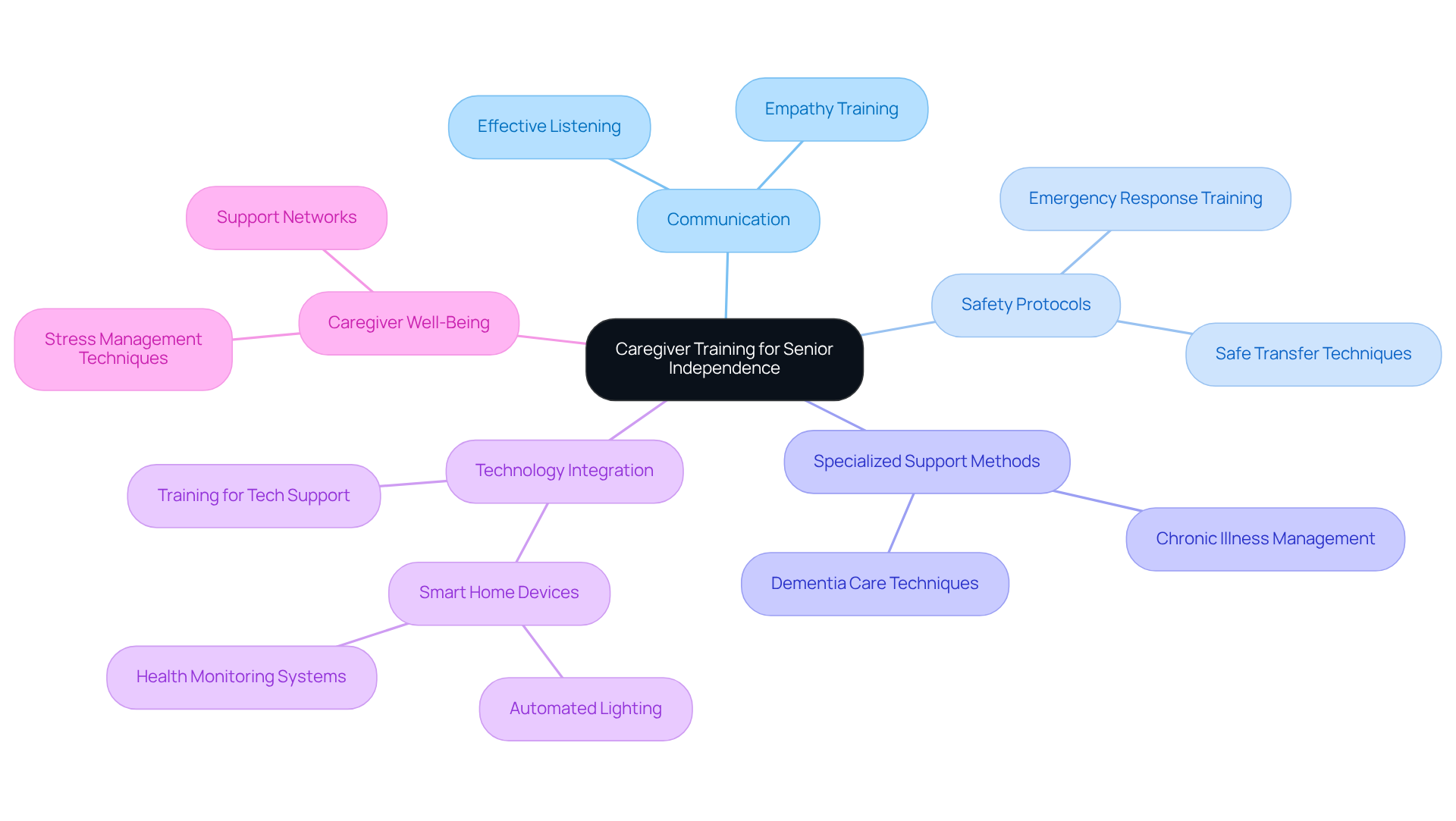
Caregiver training is essential for equipping professionals with the skills and knowledge necessary to deliver caregiving services that promote independence for elderly individuals. These comprehensive training programs cover vital areas such as communication, safety protocols, and specialized support methods tailored to the unique needs of older adults. By prioritizing the education of those who provide assistance, agencies like Happy to Help Caregiving enhance the quality of caregiving services that promote independence, fostering greater well-being among seniors.
As we look ahead, recent trends indicate that nearly half of senior citizens are expected to embrace smart home devices by 2025. This shift underscores the importance of training support providers in technology integration. For instance, caregivers should learn how to assist elderly clients in using smart home gadgets that enhance safety and convenience, such as automated lighting and health monitoring systems.
Research has shown that well-trained support providers delivering caregiving services that promote independence not only boost client satisfaction but also empower seniors to maintain their independence, leading to improved health outcomes. As the caregiving landscape evolves, ongoing education becomes a cornerstone in preparing caregivers to deliver caregiving services that promote independence while addressing the diverse challenges faced by our aging population.
Moreover, incorporating the well-being of support providers into training programs is crucial, as it directly impacts the quality of care delivered. By focusing on both the skills of caregivers and their overall well-being, agencies can create a nurturing environment that benefits both providers and clients alike.
Effective Communication: Ensuring Support for Senior Independence
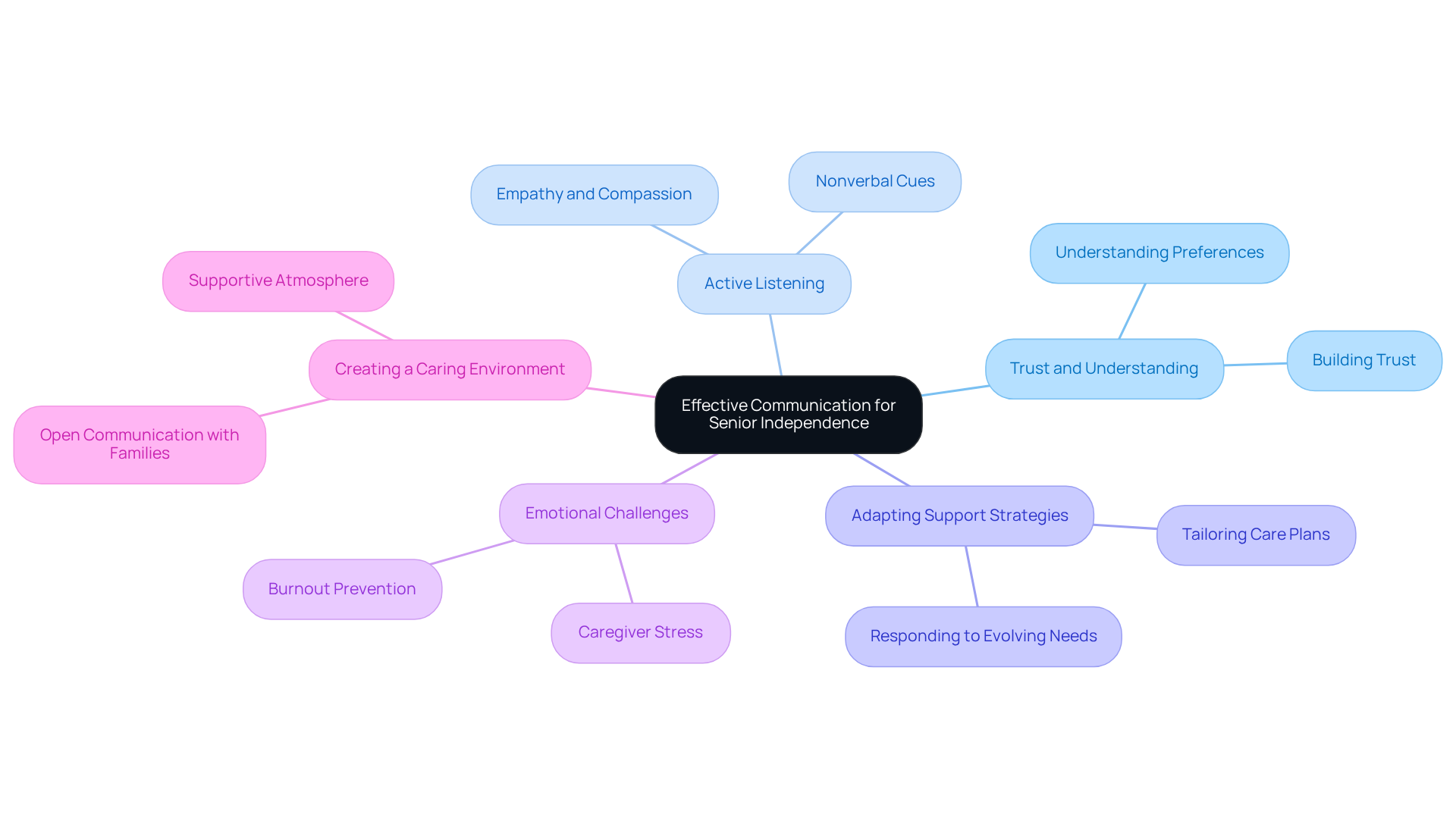
Effective communication is essential in caregiving. It nurtures trust and understanding among the elderly, support providers, and families. Caregivers need to actively listen to the concerns and preferences of elderly individuals. This ensures that the caregiving services that promote independence align with their wishes for autonomy.
By keeping communication open, caregivers can adapt their support strategies to meet evolving needs. This adaptability ultimately enhances the quality of life for seniors through caregiving services that promote independence.
In this journey, caregivers often face emotional challenges, including stress and feelings of burnout. However, by fostering these connections through effective communication, caregivers not only provide support but also create a comforting environment for the elderly. This approach reassures families that their loved ones are in compassionate hands.
Key Takeaways for Caregivers
Promoting independence among seniors is not just a service; it is a heartfelt commitment to enhancing their quality of life and emotional well-being. By prioritizing personalized care, companionship, and adaptive technologies, caregivers can create a nurturing environment where elderly individuals feel empowered to maintain their autonomy. This individualized support respects the unique needs of each senior, fostering a warm atmosphere that encourages engagement and self-sufficiency.
In this article, we have explored various caregiving services, including companionship care, post-hospital recovery assistance, and the incorporation of adaptive technologies. Each of these elements plays a crucial role in supporting seniors as they navigate the challenges of aging. Whether through emotional support to alleviate loneliness or practical assistance that promotes safe living, the overarching goal remains clear: to enable older adults to thrive in their own homes while enjoying a fulfilling and independent lifestyle.
The significance of fostering independence in senior care is profound. As our society evolves, embracing innovative caregiving practices and technologies is essential to meet the needs of the aging population. By investing in personalized care plans and promoting social engagement, caregivers can profoundly impact the lives of seniors, ensuring they remain connected, valued, and in control of their own destinies.
Ultimately, let us remember that every effort made to support our seniors is a step toward a more compassionate society. Together, we can create a future where seniors feel empowered and cherished, surrounded by the love and care they deserve.
https://iframe.tely.ai/cta/eyJhcnRpY2xlX2lkIjogIjY4ZmFjYzFmM2NhZGQwN2E2YWNlZWJhMCIsICJjb21wYW55X2lkIjogIjY4ZWU1ZGNhNzMxNzYyNTU3ZjNjOTVjMSIsICJpbmRleCI6IG51bGwsICJ0eXBlIjogImFydGljbGUifQ==Frequently Asked Questions
What is the mission of Happy to Help Caregiving?
The mission of Happy to Help Caregiving is to provide caregiving services that promote independence and enhance the autonomy of seniors, offering compassionate support within the comfort of their homes.
How does Happy to Help Caregiving approach personalized care?
Happy to Help Caregiving prioritizes individual needs and preferences, recognizing that each senior's experience of aging is unique. They create adaptable support plans that evolve with clients' needs to ensure improved mental well-being and a stronger sense of control over their lives.
What are the benefits of companionship care for elderly individuals?
Companionship care provides essential emotional support that alleviates feelings of loneliness and isolation, encourages engagement in meaningful activities, and significantly enhances mental health, ultimately fostering self-sufficiency and improving quality of life.
How do caregivers support elderly individuals during post-hospital recovery?
Caregivers provide essential support during post-hospital recovery by offering medication management, mobility assistance, and encouragement for prescribed rehabilitation exercises, which helps elderly individuals safely and confidently resume their daily activities.
Why is maintaining mobility important for elderly recovery?
Maintaining mobility is crucial for elderly recovery as gentle movement helps prevent muscle loss and enhances overall well-being. Caregivers also provide emotional reassurance, reducing anxiety and promoting a sense of security during this vulnerable period.
What role do families play in supporting their loved ones after hospital discharge?
Families should prepare for their loved one's return home by discussing support plans and ensuring necessary resources are in place. This collaborative approach fosters a nurturing atmosphere, allowing elderly individuals to thrive in their recovery journey.