

For families in our service areas
For families in our service areas, this guide explains caregiving and how non-medical in-home caregiving can support care planning in East Idaho, Treasure Valley & Magic Valley, Northern Wasatch, North Central West Virginia, and Northeast Ohio.
10 Comfort Care Senior Services to at a Glance
This article highlights ten comfort care senior services aimed at supporting elderly individuals and enhancing their quality of life. It begins by acknowledging the emotional challenges caregivers often face, such as stress and burnout, and emphasizes the importance of companionship and personalized care.
These services provide not just practical assistance but also emotional support, helping seniors maintain their dignity and independence. Imagine the relief a caregiver feels knowing their loved one is receiving compassionate care tailored to their needs.
The article showcases how these services foster well-being throughout the aging process. By offering a nurturing environment, they allow seniors to thrive, surrounded by understanding and kindness.
As we explore these services, let’s remember the heartwarming stories of those who have experienced this compassionate care firsthand. Testimonials from caregivers and clients reveal the profound impact these services have on their lives, creating a deeper emotional connection.
In conclusion, the article reassures readers that they are not alone in this journey. With the right support, both seniors and caregivers can find comfort and joy in their daily lives. Together, we can navigate the challenges of aging with grace and compassion.
Understanding 10 Comfort Care Senior Services to
As our population ages, the need for effective and compassionate care for seniors is more pressing than ever. Comfort care senior services serve as a vital support system, enhancing the quality of life for elderly individuals. These services offer everything from companionship to personalized care plans, addressing both the emotional and physical challenges seniors face. They ensure that our loved ones receive the attention and dignity they truly deserve.
But navigating the complexities of senior care can feel overwhelming for families. With so many options available, how do you find the best solutions for your loved ones? It's a journey filled with emotional ups and downs, and it's okay to feel stressed or uncertain. Remember, you’re not alone in this. Many families share these feelings, and there are compassionate services ready to help you every step of the way.
Happy to Help Caregiving: Companionship Care for Seniors
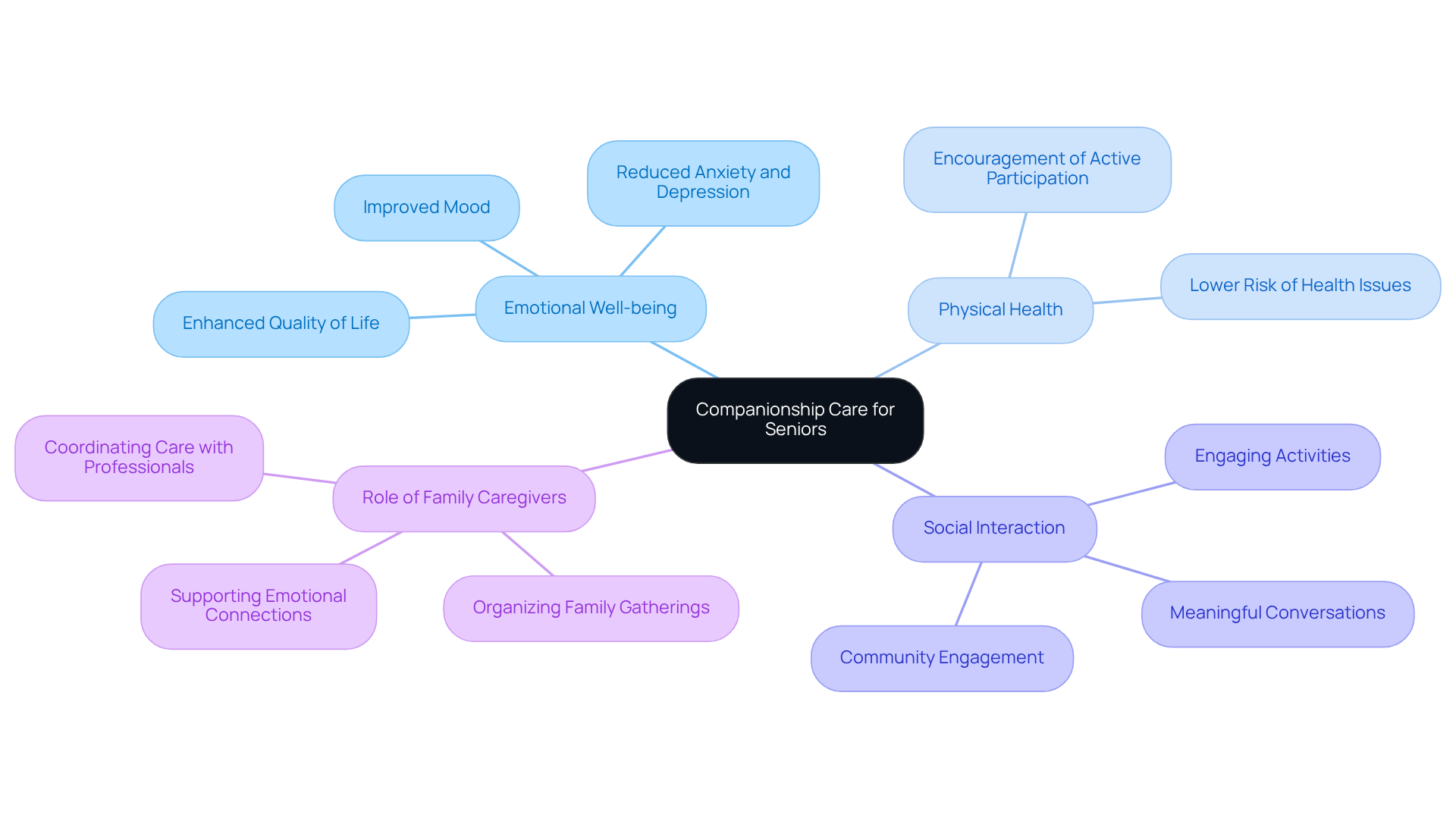
Companionship care provided by comfort care senior services is vital in easing loneliness for older adults. It fosters meaningful conversations, engaging activities, and social outings that truly matter. Caregivers are specially trained to build relationships that promote social interaction, helping seniors feel connected to their communities and loved ones.
This service, part of comfort care senior services, not only boosts emotional health but also positively impacts physical well-being by encouraging active participation in daily life. Research shows that regular social interaction can lift mood and enhance feelings of happiness and contentment—both essential for maintaining cognitive health. For instance, studies reveal that older adults who partake in consistent social activities experience lower rates of anxiety and depression.
By nurturing these connections, comfort care senior services enrich the lives of seniors and significantly contribute to their overall quality of life. Comfort care senior services are an essential part of in-home caregiving services. Family caregivers can play a crucial role too, encouraging social interaction by organizing regular family gatherings or outings, ensuring their loved ones stay engaged and connected.
Post-Hospital Recovery Assistance: Supporting Seniors After Medical Care
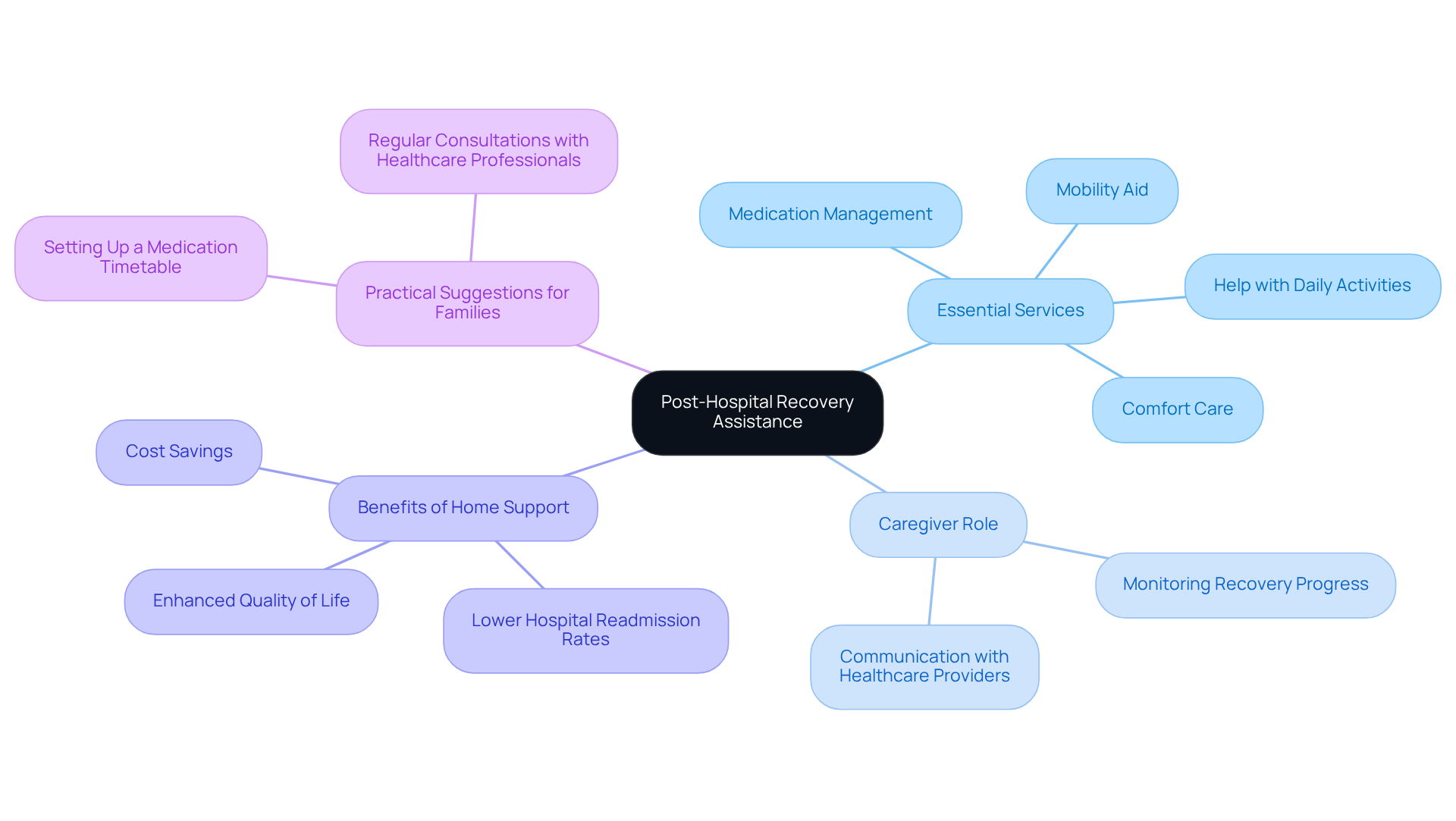
Recovering at home after a hospital stay can be a daunting experience, not just for seniors but for their families too. Post-hospital recovery assistance includes essential services such as:
- Comfort care senior services
- Medication management
- Mobility aid
- Help with daily activities
Caregivers are specially trained to monitor recovery progress and keep communication open with healthcare providers. This ensures that seniors follow discharge instructions, easing the worries of family members who want the best for their loved ones during this vulnerable time.
This proactive approach not only supports physical recovery but also provides reassurance to families. Knowing that their loved ones are receiving the care they need can significantly alleviate stress. Effective medication management is particularly vital; it helps prevent complications and encourages adherence to treatment plans, which can greatly influence recovery outcomes.
Research shows that patients receiving home support have a 15% lower hospital readmission rate compared to those who don’t have such assistance. This statistic underscores the effectiveness of tailored recovery programs. Additionally, home care patients enjoy around 30% savings in healthcare costs compared to traditional care settings, further highlighting the value of these services.
By incorporating essential comfort care senior services, support providers play a crucial role in enhancing the quality of life for elderly individuals. They help ensure that seniors can manage their recovery with dignity and autonomy. As Dr. Kenneth Covinsky wisely states, "Effective medication management is essential for preventing complications and ensuring that seniors can recover successfully at home."
Moreover, maintaining a clean and safe home environment is key to recovery. It reduces risks and promotes healing. Family supporters can benefit from practical suggestions, such as:
- Setting up a medication timetable
- Regularly consulting with healthcare professionals to address any concerns or changes in their loved one's condition
In this journey, remember that you’re not alone. The support and care available can make all the difference.
Respite Care: Temporary Relief for Family Caregivers
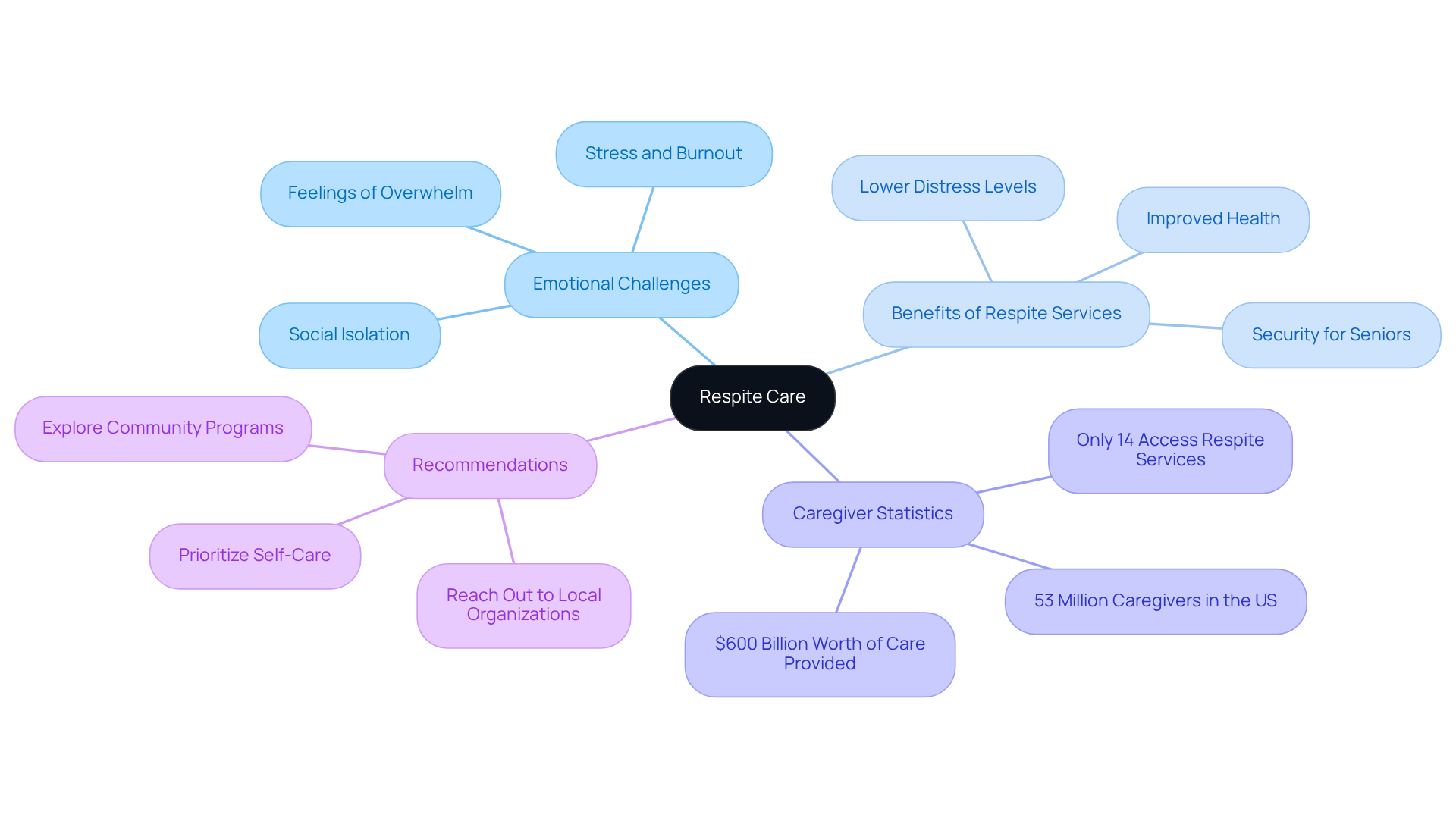
Caring for a loved one can be incredibly rewarding, but it often comes with its own set of emotional challenges. Family caregivers frequently experience stress and burnout, feeling overwhelmed by the weight of their responsibilities. This is where respite services come in, providing vital short-term support that allows caregivers to take much-needed breaks without compromising the safety and well-being of their loved ones.
Imagine being able to step away for just a few hours or even days, knowing that your elderly family member is receiving excellent comfort care senior services in a comfortable environment. Research shows that those who utilize respite services report lower levels of distress and improved health, underscoring the importance of these breaks for overall well-being. Not only do comfort care senior services help reduce exhaustion among caregivers, but they also provide seniors with a sense of security, allowing them to relax in a familiar setting while receiving attentive care.
Experts emphasize that this temporary support is essential for maintaining both the emotional and physical health of caregivers. When caregivers feel supported, they can provide better quality care to their loved ones. Yet, it’s concerning to note that over a third of family supporters express a desire for respite services, but only 14 percent actually access them. This highlights a significant gap in the availability of these crucial supports.
As highlighted in a recent AARP report, many caregivers face high levels of stress and burnout, making respite services an even more critical resource. If you’re a family caregiver seeking respite support, consider reaching out to local caregiving organizations or exploring community programs designed to offer temporary relief. Remember, taking care of yourself is just as important as caring for your loved one.
Palliative Support Care: Enhancing Comfort for Seniors with Serious Illnesses
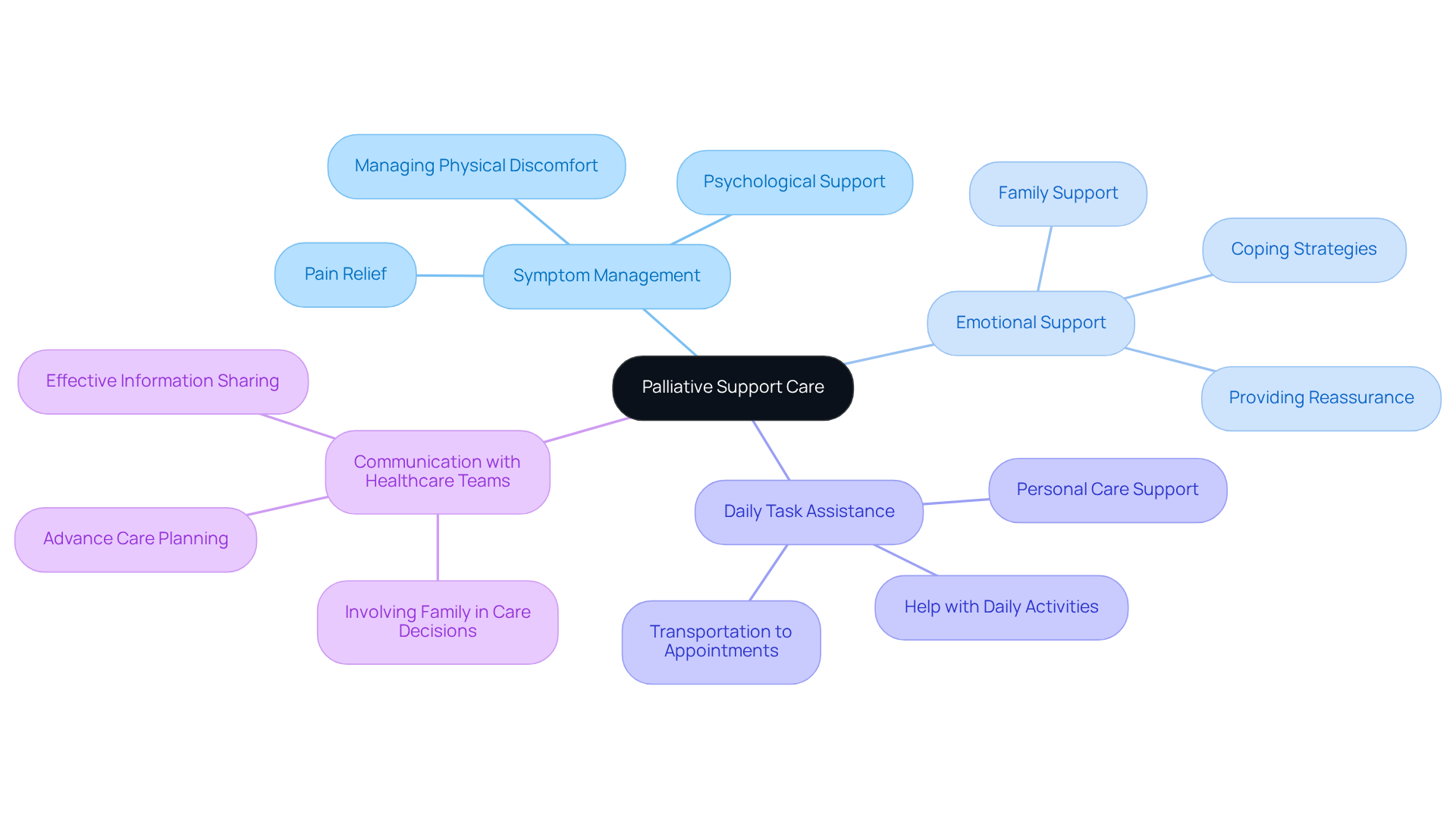
Palliative support, which is part of comfort care senior services, is essential for older adults facing serious health challenges. It focuses on managing symptoms, providing emotional support, and assisting with daily tasks. Caregivers, specially trained in this area, communicate effectively with healthcare teams and families, ensuring that the preferences and comfort care senior services for seniors are always prioritized.
This compassionate approach in comfort care senior services not only eases physical discomfort but also provides vital emotional reassurance, significantly enhancing the quality of life for elderly patients. Healthcare providers emphasize that effective symptom management is a cornerstone of palliative support, which enhances comfort care senior services and allows patients to experience greater comfort and dignity throughout their health journeys.
Moreover, palliative support is recognized as a fundamental human right and a critical service within universal health coverage. This highlights the importance of ensuring access to these essential services for everyone. By fostering open communication and understanding, palliative care becomes an invaluable resource for families navigating these challenging times.
24/7 Availability: Ensuring Continuous Support for Seniors
The availability of caregivers around the clock as part of comfort care senior services ensures that seniors can receive immediate help during emergencies. This is especially important for those dealing with chronic conditions or sudden health changes. Continuous support not only boosts safety but also leads to better health outcomes. For instance, having home assistance available 24/7 provides ongoing aid and peace of mind. Families can feel secure knowing their loved ones are never alone, with help just a call away.
This constant presence nurtures a sense of safety and reassurance, allowing seniors to maintain their dignity and independence while receiving comfort care senior services that provide the support they need. Experts in elderly care emphasize that quick responses to health issues can prevent complications, highlighting how essential comfort care senior services are for effective management of seniors.
Additionally, professional help can ease the emotional and physical strain on family caregivers. This allows families to focus on spending quality time with their loved ones instead of worrying constantly. With compassionate care, families can find comfort in knowing that their loved ones are supported, fostering deeper connections and moments of joy.
https://iframe.tely.ai/cta/eyJhcnRpY2xlX2lkIjogIjY5MGE5M2ZlMmVlYzMyNmQzNzg1YzUwZiIsICJjb21wYW55X2lkIjogIjY4ZWU1ZGNhNzMxNzYyNTU3ZjNjOTVjMSIsICJpbmRleCI6IDQsICJ0eXBlIjogImFydGljbGUifQ==Flexible Scheduling Options: Tailoring Care to Individual Needs
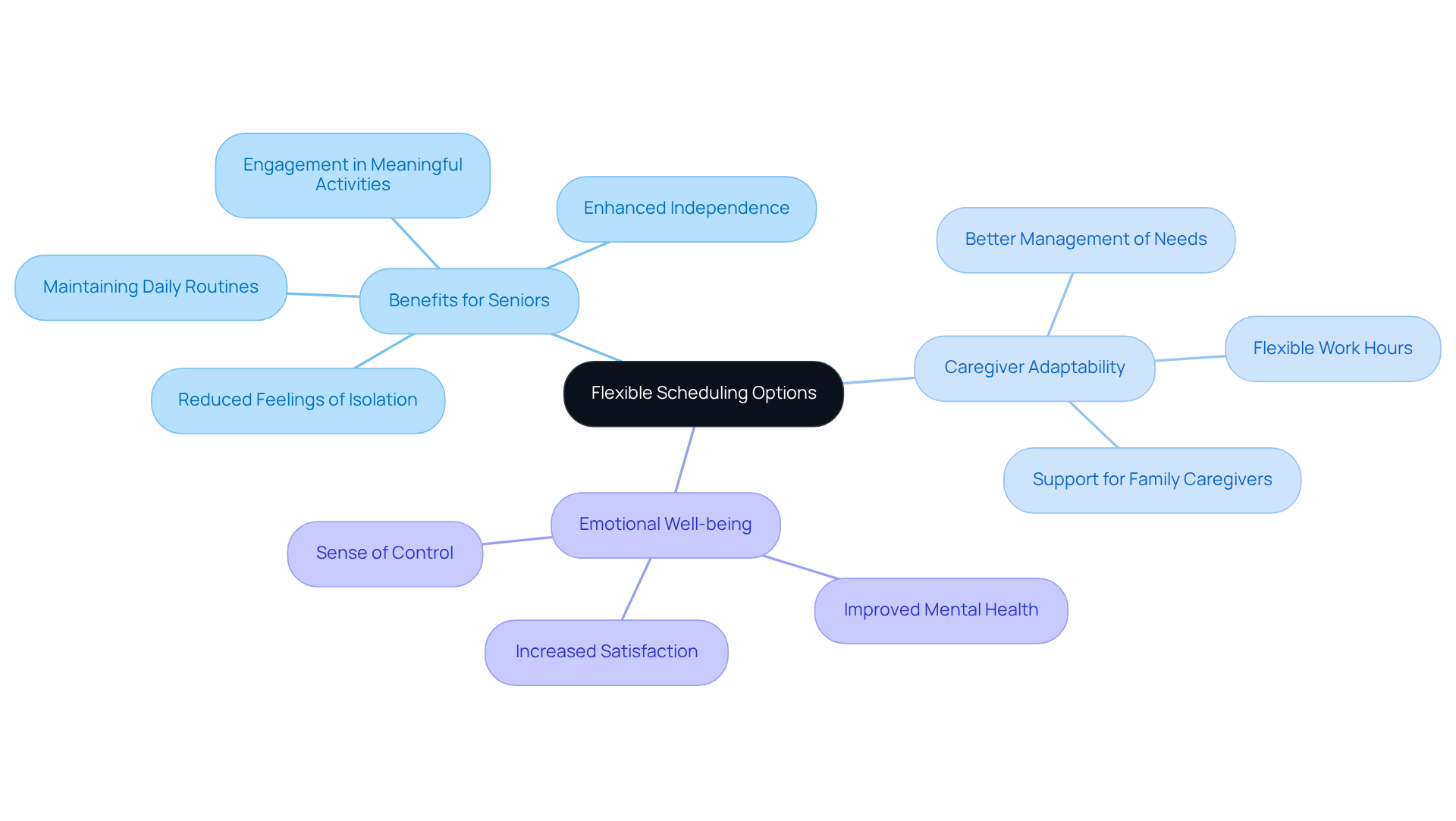
Flexible scheduling choices in comfort care senior services allow families to choose time slots that best suit their loved ones, whether they need just a few hours a day or full-time assistance. This flexibility is crucial in comfort care senior services, as it helps older adults receive support exactly when they need it, allowing them to maintain their daily routines and independence.
Caregivers can adjust their schedules to fit in medical appointments, social activities, or family visits. This adaptability significantly enhances the overall caregiving experience. By prioritizing comfort care senior services, caregivers not only address the physical needs of the elderly but also support their emotional well-being. This approach, provided by comfort care senior services, helps reduce feelings of isolation and promotes a sense of control over their lives.
Customized support schedules within comfort care senior services have shown to boost satisfaction among seniors. They can engage in activities that matter most to them, leading to a more fulfilling and dignified life. According to recent data, 84 percent of caregivers find flexible work schedules very helpful, highlighting the importance of adaptability in caregiving.
Moreover, family caregivers have shared that flexible scheduling has enabled them to better manage their loved ones' needs while also taking care of their own well-being. This reinforces the value of personalized care plans, ensuring that both caregivers and their loved ones can thrive.
Emotional Support: Combating Loneliness in Senior Care
Caregivers hold a vital position in combating loneliness and depression among elderly individuals. They provide emotional support through active listening, engaging conversations, and participation in enjoyable activities. This nurturing approach creates a positive atmosphere that significantly boosts the emotional well-being of clients, making them feel valued and understood.
Establishing trusting relationships is essential. These connections not only alleviate feelings of isolation but also nurture resilience and joy in older adults. It’s heartbreaking to note that research shows 37% of older adults experience loneliness, which can lead to serious health issues like high blood pressure, heart disease, and cognitive decline.
By prioritizing emotional support, caregivers who offer comfort care senior services help seniors navigate the challenges of aging, ultimately enhancing their quality of life and mental well-being. As Dr. John T. Cacioppo poignantly states, prolonged social isolation can be as detrimental to health as smoking or obesity. This underscores the critical need for caregivers to foster meaningful connections.
In this journey, caregivers are not just providers; they are companions who bring warmth and understanding into the lives of those they care for. Their role is not only about assistance but about creating a sense of belonging and hope.

Technology Integration: Enhancing Communication in Caregiving
Caring for a loved one can be overwhelming. Many caregivers face emotional challenges, feeling stressed and burnt out as they navigate their responsibilities. Technology integration, such as online notes for family members and autopay options, can help ease this burden.
These tools simplify communication and management of assistance, allowing families to stay updated on their loved ones' activities and health status. This fosters transparency and trust, which are essential in caregiving.
Imagine being able to check in on your loved one’s well-being with just a few clicks. This application of technology not only enhances the caregiving experience but also encourages families to be more engaged in their loved ones' lives.
By embracing these solutions, caregivers can find a sense of relief and support. Remember, you’re not alone in this journey. There are resources available to help you navigate the challenges of caregiving with compassion and comfort care senior services.
https://iframe.tely.ai/cta/eyJhcnRpY2xlX2lkIjogIjY5MGE5M2ZlMmVlYzMyNmQzNzg1YzUwZiIsICJjb21wYW55X2lkIjogIjY4ZWU1ZGNhNzMxNzYyNTU3ZjNjOTVjMSIsICJpbmRleCI6IDcsICJ0eXBlIjogImFydGljbGUifQ==Personalized Care Plans: Customizing Support for Individual Needs
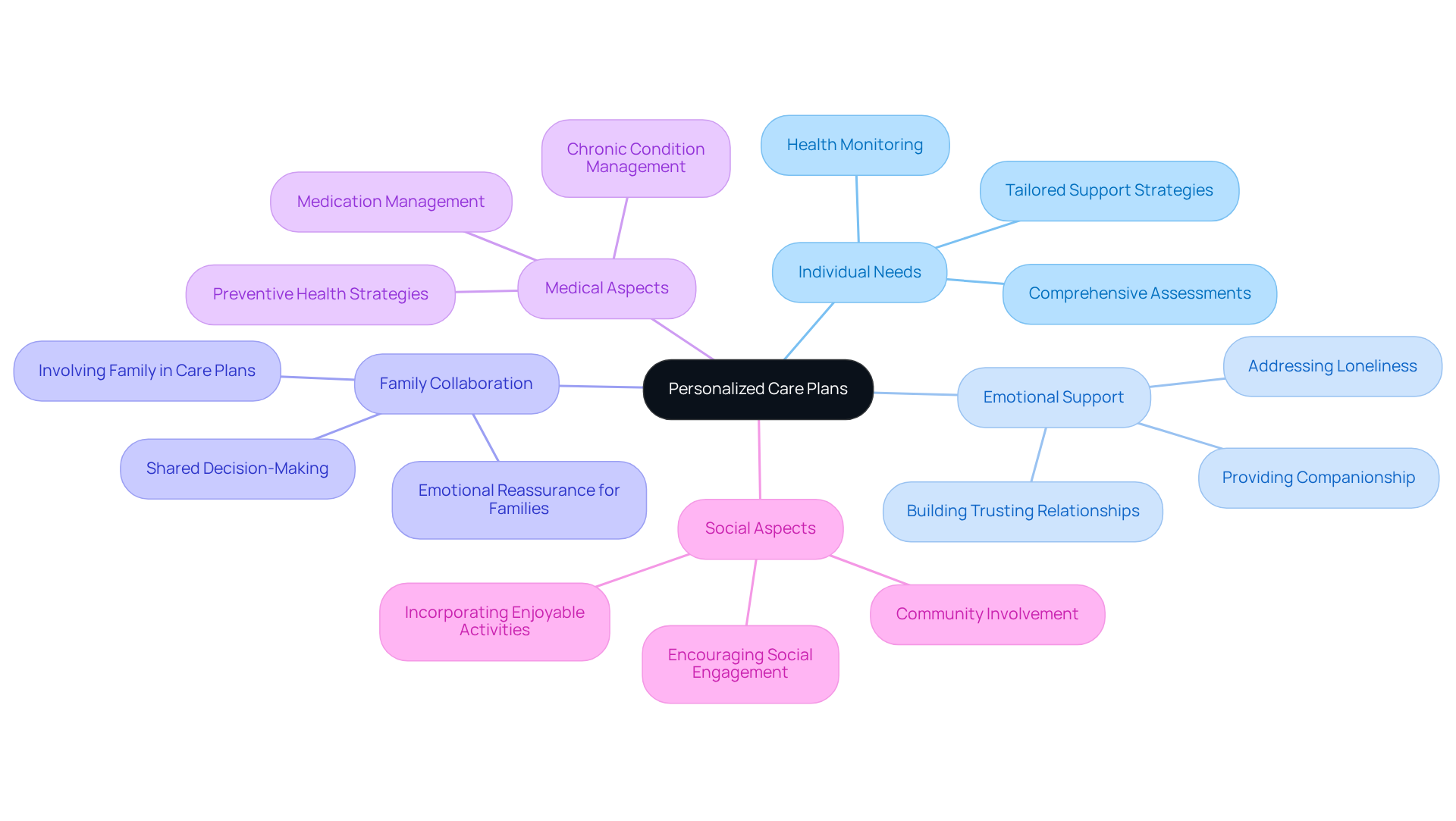
Creating customized support plans for comfort care senior services begins with understanding the unique needs, preferences, and lifestyles of each individual. It’s essential to recognize the emotional challenges that caregivers face, often feeling overwhelmed and stressed. Support providers collaborate closely with families, crafting strategies that encompass medical, emotional, and social aspects. This personalized approach in comfort care senior services not only ensures that older adults receive the right assistance but also promotes their independence, significantly enhancing their quality of life.
Professionals in geriatric care emphasize that such tailored support is crucial for navigating the complexities of aging. It allows for adjustments based on evolving health conditions and personal goals. By prioritizing the specific wishes and needs of older adults, these comfort care senior services create a more fulfilling and respectful living experience. This, in turn, leads to improved well-being and happiness.
Imagine the peace of mind that comes from knowing your loved one is receiving compassionate care tailored just for them. It’s about fostering a supportive environment where they can thrive. These customized plans not only address practical needs but also provide emotional reassurance, helping caregivers feel less isolated in their journey. Together, we can create a nurturing atmosphere that honors the dignity and individuality of every older adult.
Compassionate Caregivers: Treating Clients Like Family
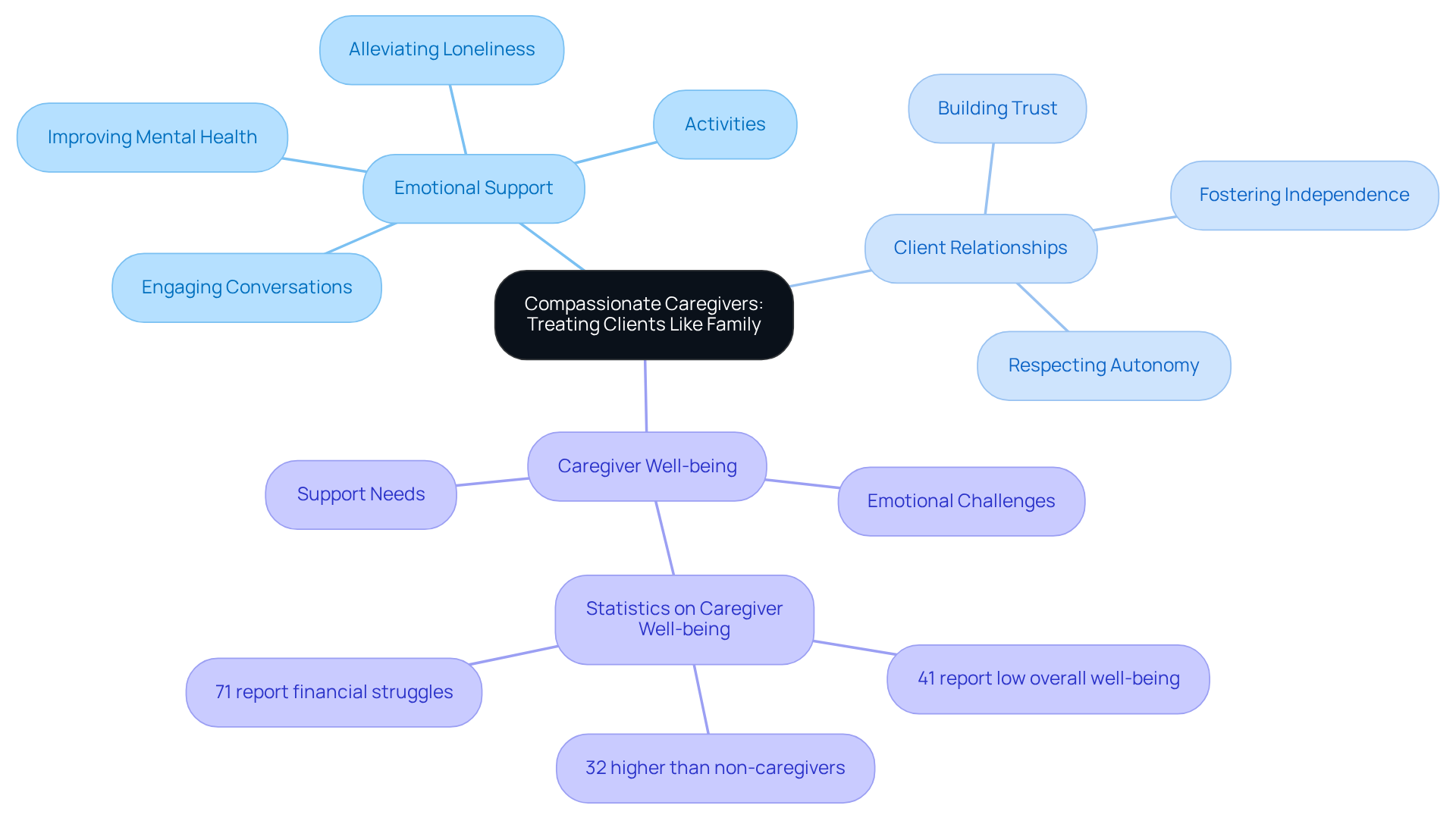
Compassionate caregivers offering comfort care senior services treat clients like family, providing not just physical assistance but also vital emotional support. They engage in meaningful conversations, share enjoyable activities, and create a warm, welcoming environment. This approach not only enhances the quality of comfort care senior services but also helps elderly individuals feel valued and respected, significantly boosting their overall well-being.
As Bryan Skilled Home Assistance states, "Compassionate support is essential for improving the quality of life for seniors." This highlights the importance of emotional connections in caregiving. Furthermore, comfort care senior services play a crucial role in alleviating feelings of loneliness, isolation, and depression, which are key to promoting mental health.
Caregivers who prioritize empathy and connection build deeper relationships with elderly clients, fostering a sense of belonging and emotional security. However, it’s important to acknowledge that 41% of individuals providing care report low overall well-being, which is 32% higher than those who do not provide care. This statistic underscores the emotional challenges caregivers face.
In this context, the vital role of emotional support in comfort care senior services becomes clear, as it benefits both seniors and their caregivers. By recognizing these challenges and offering compassionate care, we can create a nurturing environment that uplifts everyone involved.
Making the Right Choice
Comfort care senior services truly make a difference in the lives of elderly individuals, offering comprehensive support that caters to their unique needs. These services cover a wide range of aspects, from companionship and emotional support to practical assistance during recovery and ongoing care. By focusing on the emotional and physical well-being of seniors, these services help them maintain their dignity and quality of life.
Key points throughout the article highlight how companionship care can significantly reduce feelings of loneliness. The value of post-hospital recovery assistance and the necessity of respite care for family caregivers cannot be overstated. Moreover, the importance of palliative support, 24/7 availability, flexible scheduling, and personalized care plans is emphasized, showcasing how each element contributes to a holistic approach in senior care. The integration of technology further enhances communication, keeping families connected and informed about their loved ones' well-being.
Creating a nurturing environment through compassionate caregiving is essential in addressing the challenges faced by seniors and their families. It's crucial to recognize the profound impact that comfort care senior services have on promoting mental health, alleviating caregiver stress, and ensuring that elderly individuals can lead fulfilling lives. Engaging with these services not only uplifts seniors but also provides invaluable support for families navigating the complexities of caregiving. Embracing these solutions can pave the way for a brighter, more connected future for everyone involved.
https://iframe.tely.ai/cta/eyJhcnRpY2xlX2lkIjogIjY5MGE5M2ZlMmVlYzMyNmQzNzg1YzUwZiIsICJjb21wYW55X2lkIjogIjY4ZWU1ZGNhNzMxNzYyNTU3ZjNjOTVjMSIsICJpbmRleCI6IG51bGwsICJ0eXBlIjogImFydGljbGUifQ==Frequently Asked Questions
What is companionship care for seniors?
Companionship care provides vital support to older adults by easing loneliness through meaningful conversations, engaging activities, and social outings. Caregivers are trained to foster relationships that promote social interaction, helping seniors feel connected to their communities and loved ones.
How does companionship care benefit seniors?
This type of care boosts emotional health and positively impacts physical well-being by encouraging active participation in daily life. Regular social interaction can lift mood and enhance feelings of happiness, which are essential for maintaining cognitive health.
What services are included in post-hospital recovery assistance?
Post-hospital recovery assistance includes comfort care senior services, medication management, mobility aid, and help with daily activities. Caregivers monitor recovery progress and maintain communication with healthcare providers.
Why is medication management important for seniors recovering at home?
Effective medication management is crucial for preventing complications and ensuring adherence to treatment plans, which can significantly influence recovery outcomes. It helps ease the worries of family members during the recovery process.
What are the benefits of having home support after a hospital stay?
Research shows that patients receiving home support have a 15% lower hospital readmission rate and enjoy around 30% savings in healthcare costs compared to traditional care settings. This assistance enhances the quality of life for elderly individuals.
What is respite care and why is it important for family caregivers?
Respite care provides temporary relief for family caregivers, allowing them to take breaks without compromising the safety and well-being of their loved ones. It helps reduce stress and burnout while ensuring seniors receive attentive care.
What impact does respite care have on caregivers and seniors?
Those who utilize respite services report lower levels of distress and improved health. It allows caregivers to recharge, which in turn enhances the quality of care they provide to their loved ones.
How can family caregivers access respite services?
Family caregivers seeking respite support can reach out to local caregiving organizations or explore community programs designed to offer temporary relief. It is important for caregivers to prioritize their own well-being.