10 Companion Services for Disabled Individuals to Enhance Care
For families in our service areas
For families in our service areas, this guide explains companion care and how non-medical in-home caregiving can support care planning in East Idaho, Treasure Valley & Magic Valley, Northern Wasatch, North Central West Virginia, and Northeast Ohio.
Understanding 10 Companion Services for Disabled
Companion services for disabled individuals go beyond mere assistance; they serve as a vital lifeline that addresses the emotional and social needs of those who often experience isolation. Loneliness can deeply affect mental health and overall well-being, making these services essential for fostering meaningful connections and enhancing quality of life.
Yet, navigating the myriad of available options can feel overwhelming for families and caregivers. It’s natural to feel stressed and burnt out when trying to ensure that loved ones receive the compassionate and personalized support they deserve. How can one find the right fit amidst so many choices?
The journey to finding the right companion service is not just about logistics; it’s about understanding the emotional landscape that caregivers and their loved ones traverse. By focusing on the unique needs of each individual, families can discover services that not only provide assistance but also nurture relationships and promote joy.
Remember, you’re not alone in this. Many have walked this path and found solace in the support available. With the right guidance, you can ensure that your loved ones receive the care that truly resonates with their hearts.
Happy to Help Caregiving: Personalized Companionship Services
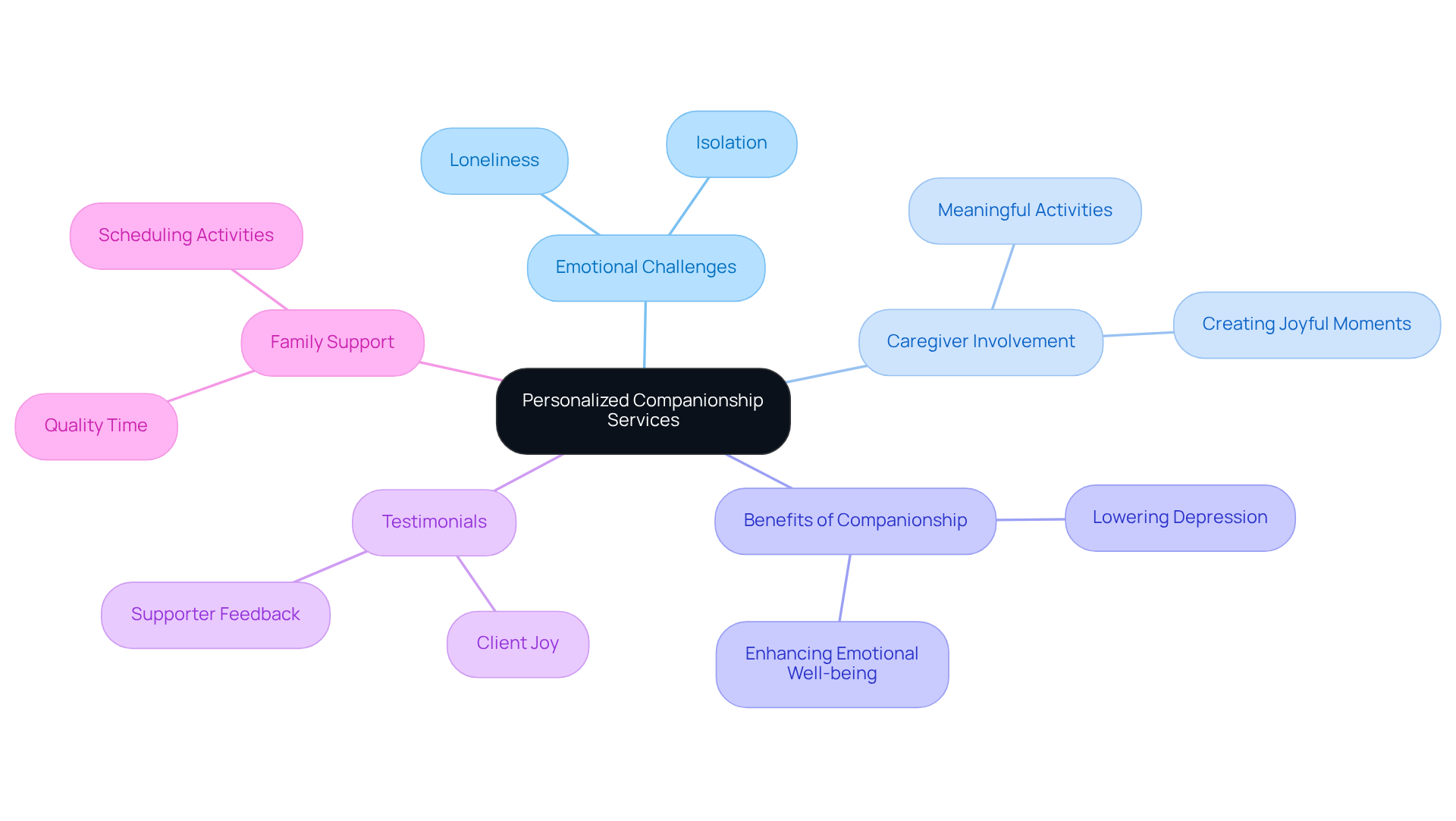
At Happy to Help Caregiving, we truly understand the emotional challenges that disabled individuals and their caregivers face. Loneliness and isolation can weigh heavily on those who need companionship, and it’s heartbreaking to see how this affects their quality of life. Our personalized companion services for disabled individuals are designed to combat these feelings, significantly enhancing the lives of those we serve.
Caregivers actively engage individuals in meaningful activities, fostering a sense of value and connection. This involvement is not just about passing the time; it’s about creating moments that matter. Studies show that regular social interaction can lower the risk of depression and anxiety, and we’re here to provide that vital support.
By tailoring companionship to match each individual’s preferences, we help preserve their independence and dignity while enhancing emotional well-being. The testimonials from our supporters speak volumes about the transformative effect of companionship. One supporter shared, "The joy I see in my clients when we share activities is truly rewarding." These heartfelt moments highlight how companionship can lead to increased happiness and life satisfaction.
Ultimately, our companion services for disabled individuals play a crucial role in improving their overall emotional health. They help make our clients feel supported and connected in their daily lives. Family supporters can also play a significant role by scheduling regular social activities or simply spending quality time with their loved ones. Together, we can create a nurturing environment that fosters connection and joy.
Post-Hospital Recovery Assistance: Support for Smooth Transitions
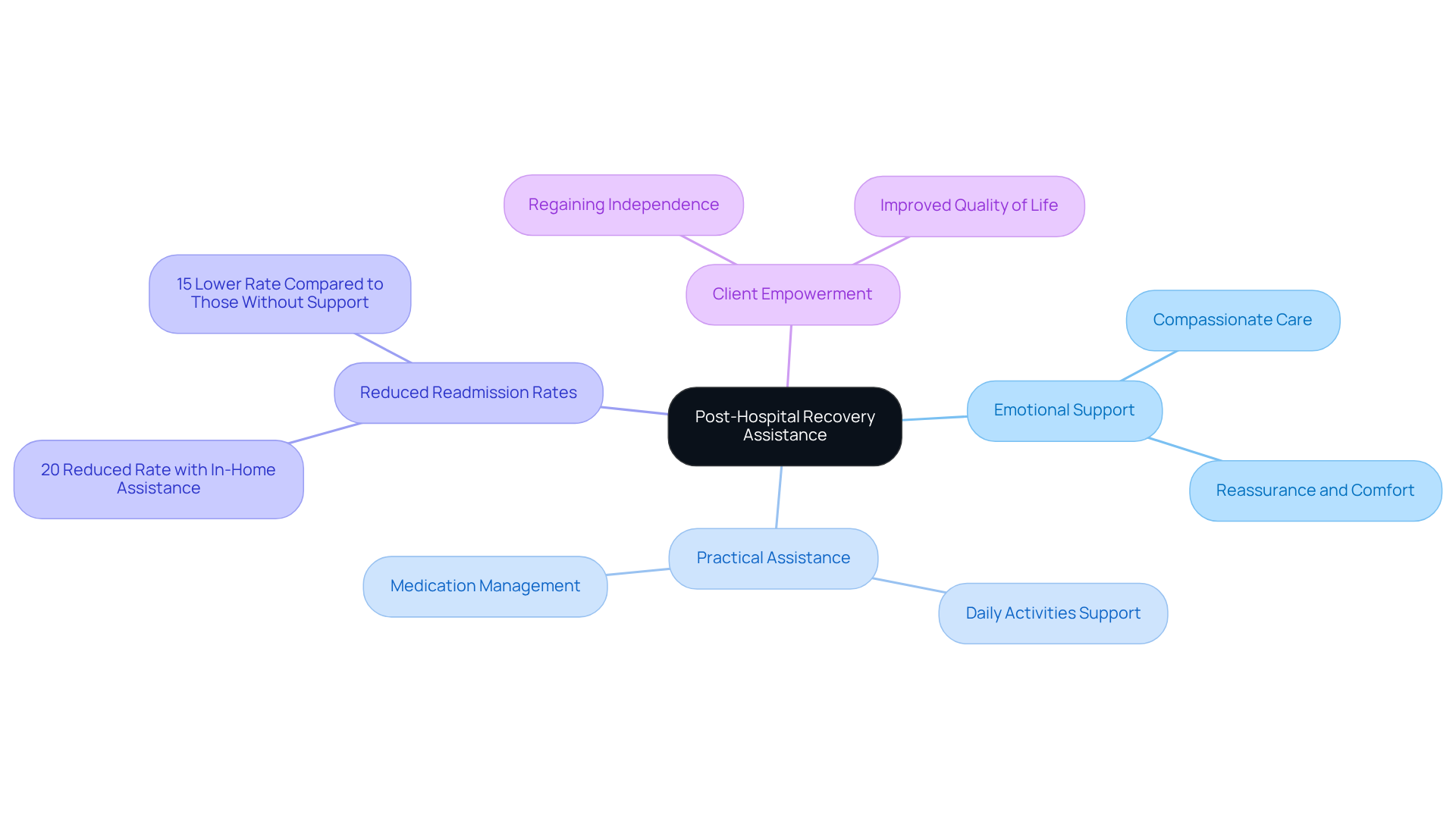
Recovering from a hospital stay can be a challenging journey, and having the right support makes all the difference. At Happy to Help Caregiving, we understand the emotional and practical hurdles that individuals face when transitioning back home. Our trained caregivers are here to provide extensive assistance, from daily activities to medication management, and most importantly, emotional reassurance.
This service empowers clients to regain their independence while significantly reducing the risk of hospital readmissions. In fact, studies show that individuals receiving in-home assistance after hospitalization experience a 20% reduced readmission rate compared to those without such help. Those receiving in-home care had a 15% lower readmission rate than their counterparts who did not have this support.
By addressing recovery needs in a familiar environment, we help ensure a smoother transition. This nurturing approach fosters a sense of security and comfort that is crucial for effective healing. As healthcare professionals remind us, "People don’t just want treatment. They want to feel valued as individuals, not just because of their illness." This highlights the importance of emotional support during this critical time, showing that compassionate assistance is just as vital as medical treatment.
As Voltaire wisely said, "Cure sometimes, treat often, comfort always." We are here to provide that comfort, ensuring that every individual feels cared for and supported on their path to recovery.
Respite Care Services: Relief for Family Caregivers
Respite support services are vital for family caregivers, offering the essential relief they need to take necessary breaks. This allows them to recharge while ensuring their loved ones receive continuous, quality assistance.
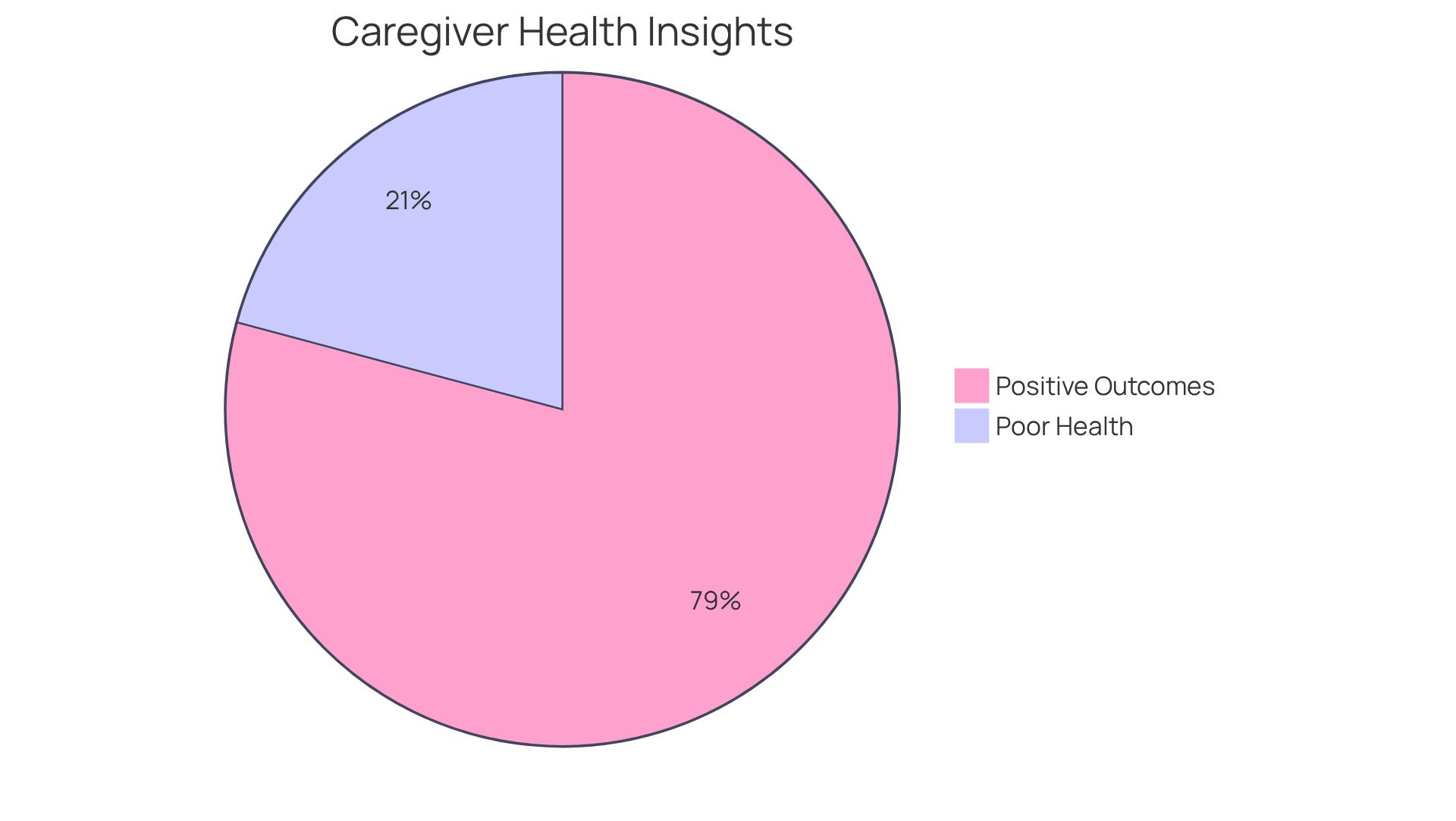
Happy to Help Caregiving provides flexible respite options, allowing caregivers to step away without the stress of worrying about their family member's well-being. This service is particularly important, as one in five caregivers report their own health as fair or poor. It highlights the urgent need for support to maintain both emotional and physical well-being.
Research shows that caregivers who utilize respite services experience reduced stress and increased resilience, positively impacting the entire family dynamic. In fact, 76% of individuals in critical-needs groups have noticed significant improvements in personal time and household management after receiving respite assistance, according to an assessment from Auburn University.
By prioritizing their own well-being, caregivers can enhance their ability to provide compassionate support, ultimately benefiting both themselves and their loved ones. We encourage caregivers to explore available respite services and consider planning regular breaks to rejuvenate. Taking this step can make a world of difference, not just for them, but for their entire family.
Palliative Support Care: Compassionate End-of-Life Assistance
At Happy to Help Caregiving, we understand the emotional challenges faced by individuals and families dealing with terminal illnesses. Our palliative care is dedicated to providing compassionate assistance, ensuring that both clients and their loved ones feel supported during this difficult time. Our caregivers are expertly trained to manage pain and alleviate distressing symptoms, while also offering emotional and spiritual support. This nurturing approach not only enhances the quality of life for individuals but also fosters a sense of peace for their families.
Imagine being able to spend your final days in comfort and dignity, surrounded by family in a familiar environment. This is what we strive to provide, significantly impacting overall well-being. Families who engage with our palliative support services often express high levels of satisfaction, appreciating the customized assistance that addresses both physical and emotional needs.
According to a WHO survey, funding for palliative support is available in 68% of countries, underscoring the importance of these services. Dame Cicely Saunders beautifully stated, "You matter because you are you, and you matter to the end of your life." This sentiment encapsulates the essence of our compassionate approach, which plays a crucial role in helping families navigate this challenging time with grace and support.
It's estimated that 56.8 million people need palliative care each year, highlighting the critical nature of these services. We are here to help, ensuring that no one has to face this journey alone.
Social Engagement Programs: Combatting Loneliness and Isolation
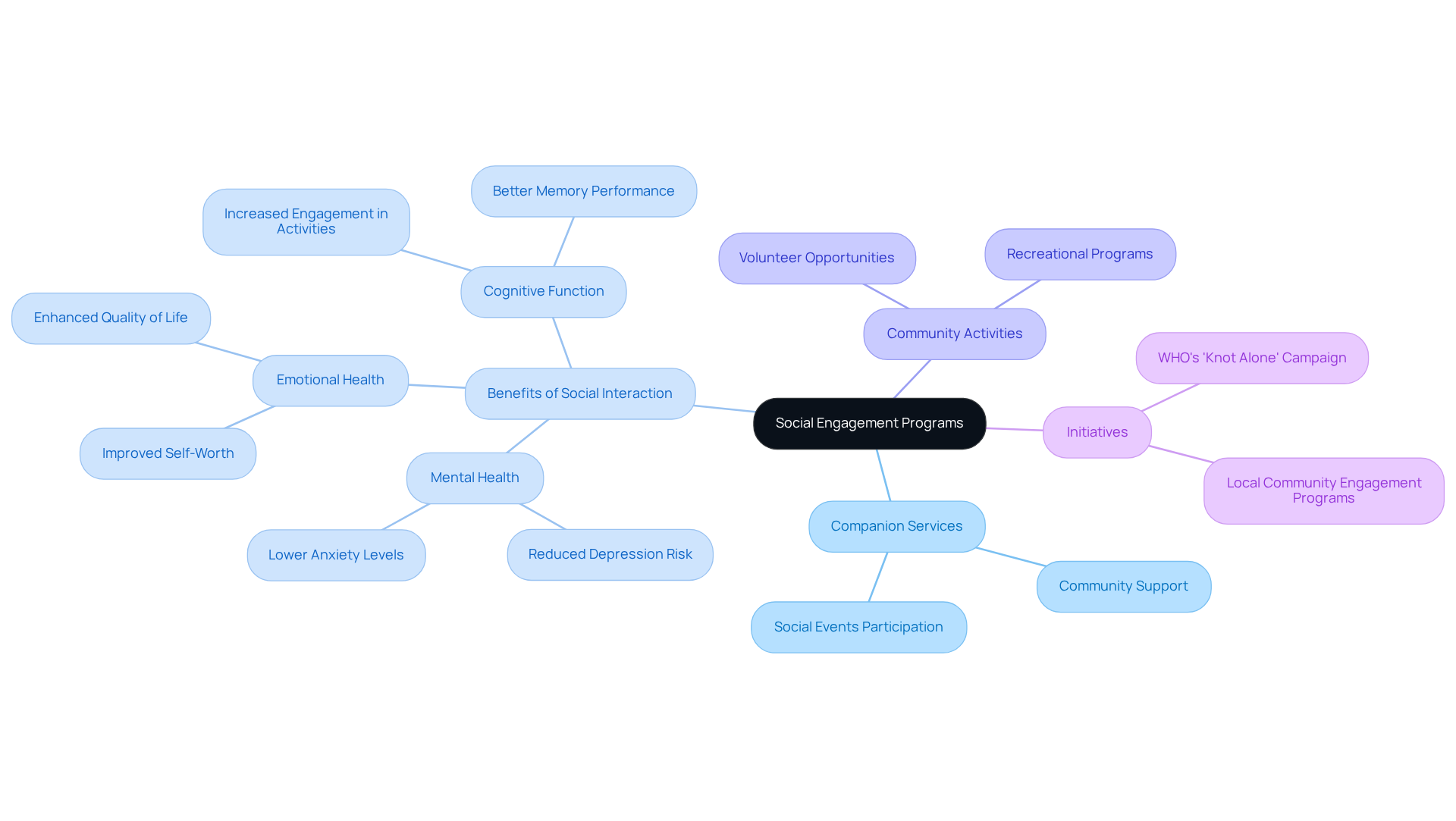
Companion services for disabled individuals are vital in easing the loneliness and isolation that many experience through social engagement programs. At Happy to Help Caregiving, we wholeheartedly encourage participation in community activities, hobbies, and social events, allowing individuals to build meaningful relationships.
Research shows that social interaction is crucial for mental health. Psychologists emphasize that strong social connections can significantly lower the risk of depression and anxiety. Moreover, being part of a community not only boosts emotional health but also enhances cognitive function, making these programs essential for overall well-being.
Recent initiatives, like the WHO's 'Knot Alone' campaign, highlight the importance of combating loneliness among seniors, reminding us how vital it is to nurture social connections. By engaging in community activities and utilizing companion services for disabled individuals, they not only improve their quality of life but also help create a more inclusive society where everyone can flourish.
Flexible Scheduling: Tailored Care for Individual Needs
At Happy to Help Caregiving, we understand that flexible scheduling is essential. It allows our aides to provide support that aligns perfectly with each person's unique routines and preferences. This flexibility ensures that individuals receive assistance exactly when they need it-whether for daily activities, medical appointments, or social engagements. It also creates a more comfortable and supportive atmosphere.
By accommodating individual schedules, our caregivers enhance satisfaction for those they assist. This means they can engage in activities that truly matter to them, promoting a sense of independence and well-being. Caregivers often share how fulfilling it is to tailor their care to meet the unique needs of each individual. This reinforces the idea that personalized attention is vital for effective caregiving.
Our customized approach not only fits seamlessly into individuals' lifestyles but also significantly boosts their overall happiness and quality of life. We believe that everyone deserves care that feels personal and compassionate, and we are here to provide just that.
Trained Caregivers: Providing Emotional and Practical Support
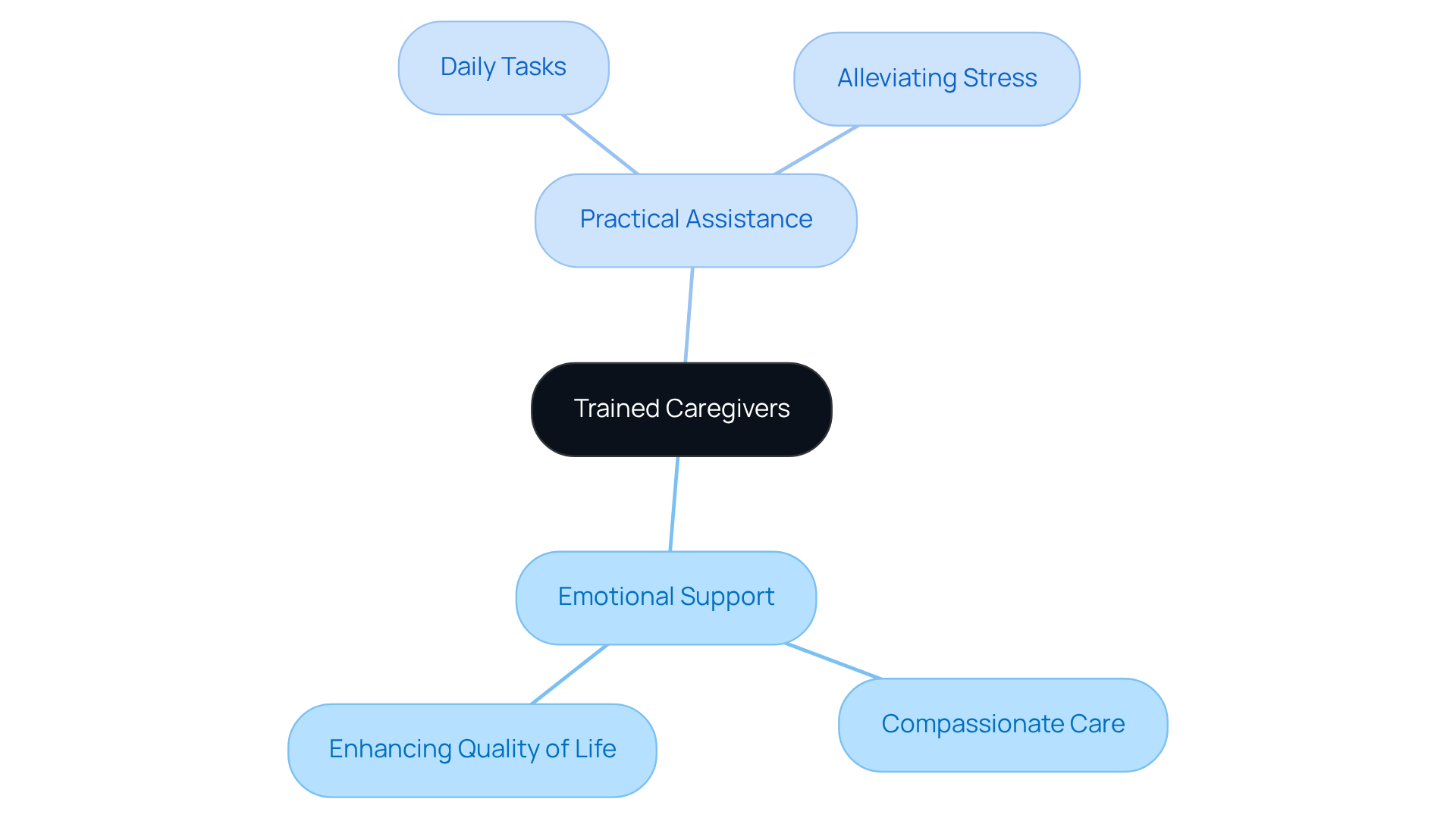
At Happy to Help Caregiving, our trained caregivers are here to provide companion services for disabled individuals, offering both emotional and practical support. We understand that the journey can be challenging, and our caregivers undergo rigorous training to truly grasp the unique needs of those they serve. This ensures they can offer compassionate care while assisting with daily tasks, making a real difference in their clients' lives.
This dual focus on emotional well-being and practical assistance is vital. It not only helps clients manage their daily routines but also enhances their overall quality of life. We believe that every individual deserves to feel supported and understood, and our caregivers are dedicated to fostering that sense of care.
By addressing both the emotional and practical aspects of caregiving, we aim to alleviate the stress and burnout that caregivers often face through companion services for disabled individuals. Our team is committed to creating a nurturing environment where clients can thrive, knowing they have compassionate support every step of the way.
Technology Integration: Enhancing Caregiver Communication
At Happy to Help Caregiving, we understand the emotional challenges caregivers face. The stress and burnout can feel overwhelming, but we’re here to help. Our technology integration enhances communication between caregivers and families, providing a lifeline of support.
With tools like online notes, scheduling apps, and telehealth services, families stay informed about their loved ones' well-being. This openness fosters trust and teamwork, allowing families to be active participants in their loved ones' support journey.
Imagine the peace of mind that comes from knowing you’re connected and involved. We believe that when families are engaged, it not only benefits the loved ones receiving care but also uplifts the entire caregiving experience. Together, we can navigate this journey with compassion and understanding.
Personalized Care Plans: Customized Support for Unique Needs
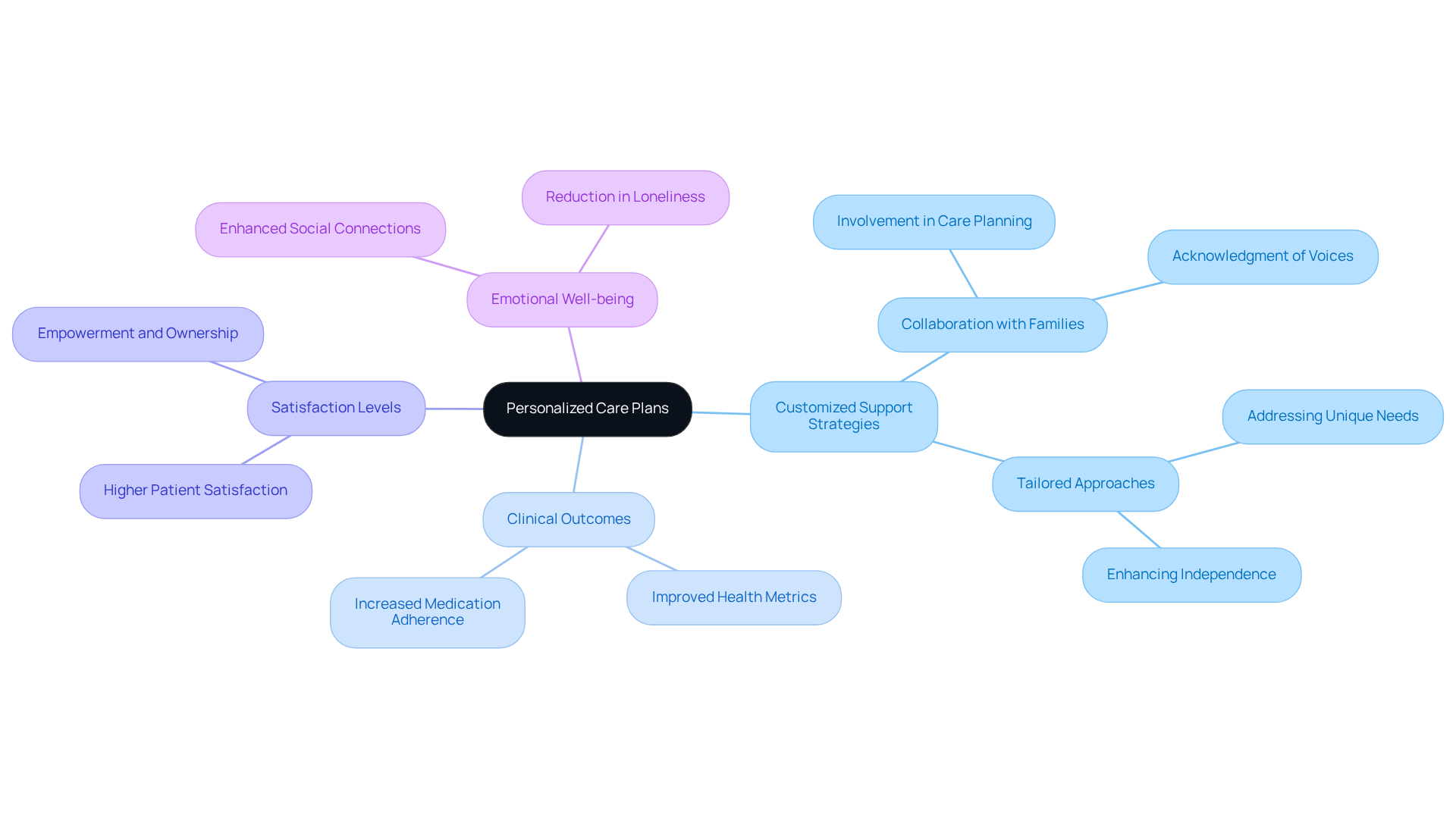
Customized support strategies are vital to the services offered by Happy to Help Caregiving. Each strategy is crafted through collaboration with individuals and their families, ensuring that support aligns with personal preferences and needs. This tailored approach significantly boosts the effectiveness of assistance. Research shows that individualized support leads to better clinical outcomes and higher satisfaction levels among individuals. For instance, those who actively engage in their health plans often feel a greater sense of empowerment and ownership over their wellness, which is crucial for their overall well-being.
Recent studies highlight that when individuals take part in shaping their treatment strategies, they are more likely to adhere to medical advice and achieve improved health results. Care coordinators stress the importance of this involvement, noting that "when individuals feel their voices are acknowledged in the planning process, it fosters a stronger commitment to their support journey."
Moreover, data indicates that personalized care not only enhances health metrics but also uplifts the emotional and social well-being of individuals. By addressing unique needs and preferences, Happy to Help Caregiving offers companion services for disabled individuals to ensure they receive the support they need to thrive in their own homes, ultimately leading to a more fulfilling and independent life.
Quality of Life Enhancement: The Impact of Companion Services
At Happy to Help Caregiving, we understand the emotional challenges faced by disabled individuals and their caregivers. Companion services for disabled individuals play a vital role in enhancing quality of life, offering not just practical assistance but also the emotional support that is so crucial.
Imagine the warmth of a friendly conversation or the comfort of having someone by your side during tough times. These moments of companionship, provided through companion services for disabled, can significantly uplift spirits, addressing the multifaceted needs of our clients.
The positive impact on mental health, independence, and overall well-being is profound. When individuals feel supported and connected, it fosters a sense of belonging and purpose. This is why companion services for disabled individuals are not just an add-on; they are an essential part of caregiving.
We’re here to provide that nurturing presence, ensuring that no one has to face their challenges alone. Together, we can create a supportive environment that promotes healing and joy.
Your Path Forward
Companion services for disabled individuals play a crucial role in nurturing emotional well-being and improving quality of life. By offering personalized support, these services tackle the deep-seated challenges of loneliness and isolation, ensuring that individuals feel valued and connected. The dedication to fostering meaningful moments through companionship is not just beneficial; it’s transformative, making a significant difference in mental health and overall happiness.
Throughout this discussion, we’ve explored various facets of companion services, such as:
- Post-hospital recovery assistance
- Respite care for family caregivers
- The vital role of social engagement programs
Each of these services is essential in supporting both individuals and their caregivers, highlighting the necessity for tailored care that addresses unique needs. The insights shared underscore how emotional support, flexibility, and trained caregivers contribute to a nurturing environment that enhances quality of life.
Reflecting on this, the importance of companion services is immense. As society increasingly acknowledges the value of emotional and practical support for disabled individuals, a collective effort is essential to raise awareness and improve access to these vital services. Engaging in community initiatives, advocating for personalized care, and utilizing available resources can help create a more inclusive and compassionate world for everyone. Together, these actions ensure that no one faces their challenges alone, fostering a sense of belonging and purpose for all.
https://iframe.tely.ai/cta/eyJhcnRpY2xlX2lkIjogIjY5MTY3MWZkNTdlM2E1YjdiYjM1NWExMCIsICJjb21wYW55X2lkIjogIjY4ZWU1ZGNhNzMxNzYyNTU3ZjNjOTVjMSIsICJpbmRleCI6IG51bGwsICJ0eXBlIjogImFydGljbGUifQ==Frequently Asked Questions
What services does Happy to Help Caregiving provide for disabled individuals?
Happy to Help Caregiving offers personalized companionship services designed to combat feelings of loneliness and isolation, significantly enhancing the lives of disabled individuals through meaningful activities and social interaction.
How do companionship services improve emotional well-being?
Companionship services foster a sense of value and connection, which can lower the risk of depression and anxiety. By tailoring interactions to individual preferences, these services help preserve independence and dignity while enhancing emotional well-being.
What role do family supporters play in companionship services?
Family supporters can schedule regular social activities or spend quality time with their loved ones, creating a nurturing environment that fosters connection and joy alongside the professional companionship services.
What assistance does Happy to Help Caregiving offer for post-hospital recovery?
Happy to Help Caregiving provides extensive support for individuals recovering from a hospital stay, including help with daily activities, medication management, and emotional reassurance, all aimed at ensuring a smoother transition back home.
How does in-home assistance impact hospital readmission rates?
Individuals receiving in-home assistance after hospitalization experience a 20% reduced readmission rate compared to those without help, and those receiving in-home care have a 15% lower readmission rate than their counterparts without support.
Why is emotional support important during recovery?
Emotional support is crucial during recovery as it fosters a sense of security and comfort, helping individuals feel valued as individuals rather than just patients. This compassionate assistance is vital for effective healing.
What are respite care services, and why are they important for family caregivers?
Respite care services provide essential relief for family caregivers, allowing them to take necessary breaks while ensuring their loved ones receive continuous quality assistance. This support is vital for maintaining the caregivers' emotional and physical well-being.
What benefits do caregivers experience from utilizing respite services?
Caregivers who use respite services experience reduced stress and increased resilience, which positively impacts the entire family dynamic. Research indicates that 76% of individuals in critical-needs groups notice significant improvements in personal time and household management after receiving respite assistance.