10 Early Parkinson Signs Family Caregivers Must Recognize

For families in our service areas
For families in our service areas, this guide explains caregiver support and how non-medical in-home caregiving can support care planning in East Idaho, Treasure Valley & Magic Valley, Northern Wasatch, North Central West Virginia, and Northeast Ohio.
What You Need to Know About 10 Early Parkinson Signs Family
Recognizing the early signs of Parkinson's disease presents a significant challenge for family caregivers. These subtle indicators, such as tremors, rigidity, and changes in handwriting and speech, can greatly affect the quality of life for both patients and their loved ones. The emotional and practical difficulties of navigating these signs can be overwhelming, leaving caregivers feeling uncertain about how to proceed.
To effectively identify and manage these early manifestations, caregivers need to be equipped with the right tools and knowledge. Understanding the symptoms is the first step in providing timely support and intervention. By being proactive and informed, caregivers can ensure their loved ones receive the care they need.
Here are some actionable tips for caregivers:
- Educate Yourself: Familiarize yourself with the common early signs of Parkinson's disease.
- Monitor Changes: Keep a journal of any noticeable changes in behavior or physical abilities.
- Seek Support: Connect with healthcare professionals for guidance and resources.
By taking these steps, caregivers can navigate the complexities of early Parkinson's symptoms with greater confidence and effectiveness.
Tremors: The First Noticeable Sign of Parkinson's Disease
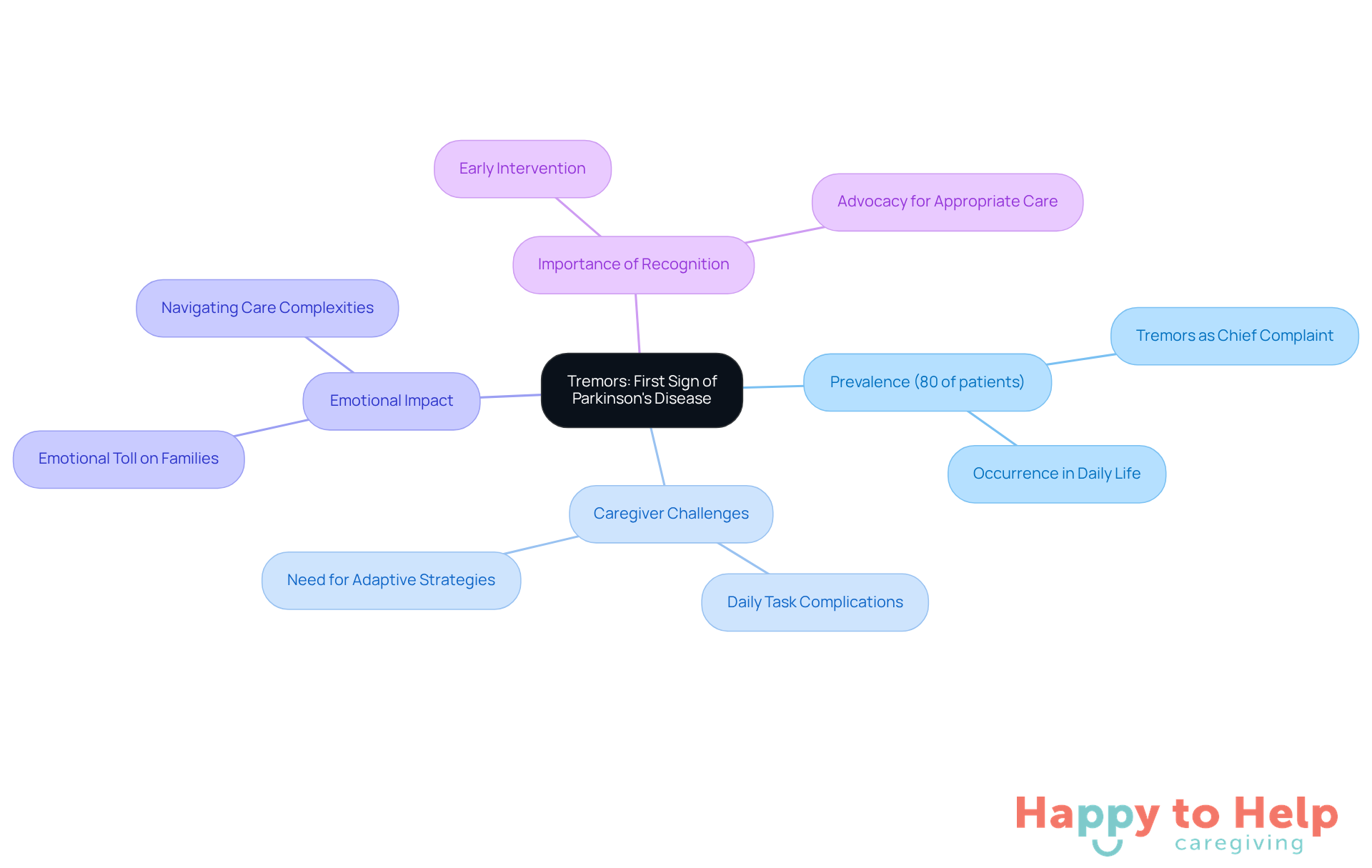
Tremors often serve as the first noticeable sign of Parkinson's disease, typically manifesting as involuntary shaking that usually begins in the hands or fingers, especially when the individual is at rest. Approximately 80% of people with Parkinson's experience these tremors, making it essential for family members to be vigilant. Even subtle shaking can occur during relaxation, and recognizing this early is crucial for timely intervention and support.
Caregivers frequently encounter significant challenges in managing these symptoms. For instance, tremors can complicate daily tasks like eating or writing, prompting the need for adaptive strategies. Observations from caregivers highlight the emotional toll that tremors can impose, affecting not only those with the condition but also their families as they navigate the complexities of care.
Recent discussions among neurologists underscore the importance of identifying tremors as a key indicator of disease progression. While tremors are often associated with rest, they can also occur during movement, complicating management strategies. Understanding the nuances of tremors is vital for developing effective care plans tailored to individual needs.
In summary, tremors are a critical early warning sign of early Parkinson. Family supporters play a vital role in recognizing these symptoms and advocating for appropriate care, ensuring their loved ones receive the necessary assistance to maintain their quality of life.
Rigidity: Stiffness in Limbs and Body
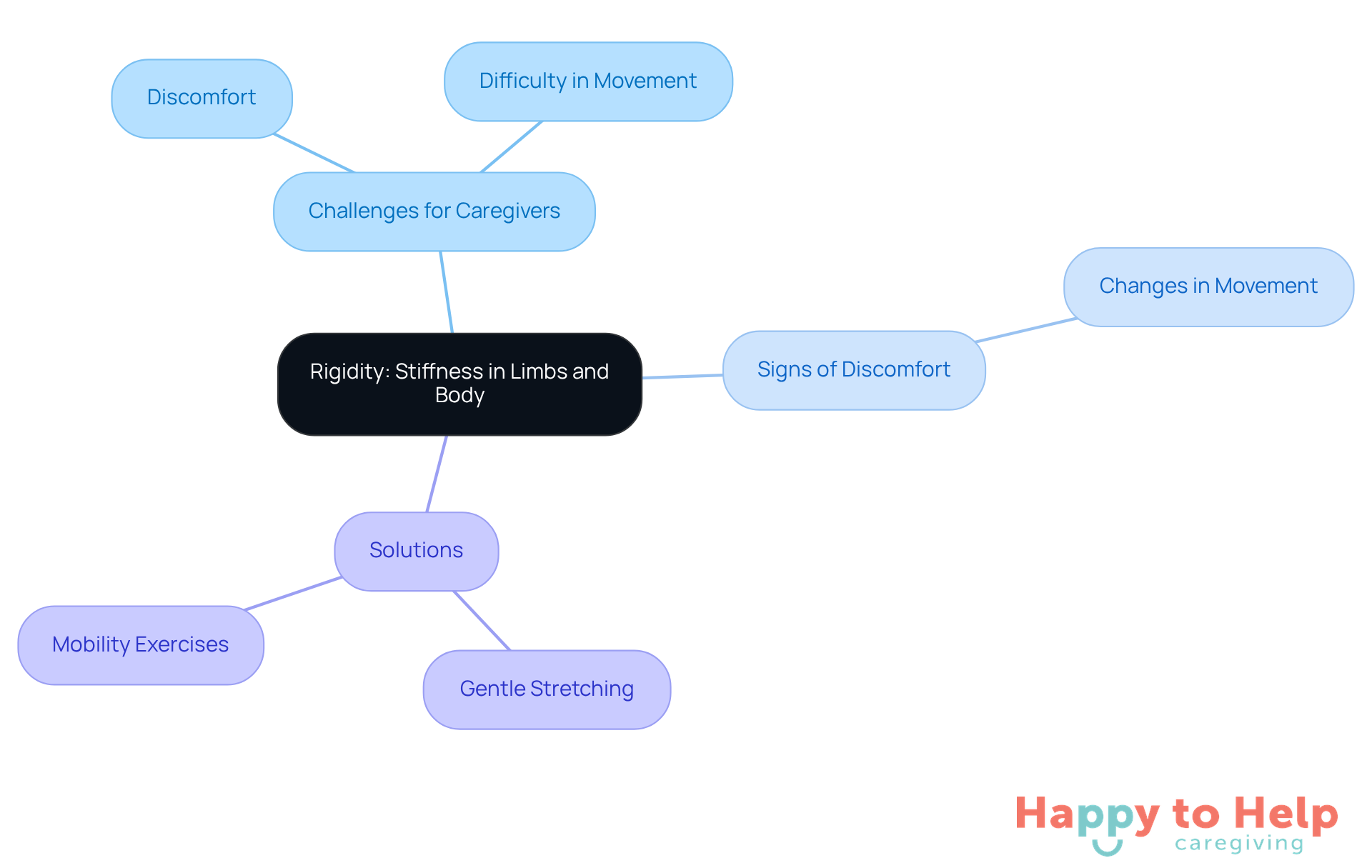
Rigidity in muscles can pose significant challenges for caregivers. This stiffness, which may affect the arms, legs, and trunk, can lead to discomfort and difficulty in movement. As a result, daily activities may become hindered, impacting both the caregiver and the individual receiving care.
To address this issue, caregivers should be vigilant for signs of discomfort. Observing changes in movement can provide crucial insights into the individual's well-being. Encouraging gentle stretching and mobility exercises can be an effective solution to alleviate some of the stiffness. These activities not only promote flexibility but also enhance overall mobility, making daily tasks easier and more manageable.
Bradykinesia: Slowness of Movement
Bradykinesia is a significant symptom of Parkinson's disease, characterized by a noticeable decrease in movement speed. This slowness complicates daily activities such as walking, dressing, and eating, leading to frustration for both those affected and their caregivers. For example, caregivers often find themselves urging their loved ones to take their time, as rushing can result in accidents or heightened anxiety. A recent study reveals that over 80% of individuals with early Parkinson experience bradykinesia, highlighting the necessity of early recognition and intervention. As Poliana Benfica states, 'Bradykinesia impacts the mobility, independence, and quality of life of people with early Parkinson and, consequently, should be considered in the treatment of this group.'
To effectively support those dealing with bradykinesia, caregivers can adopt several practical strategies:
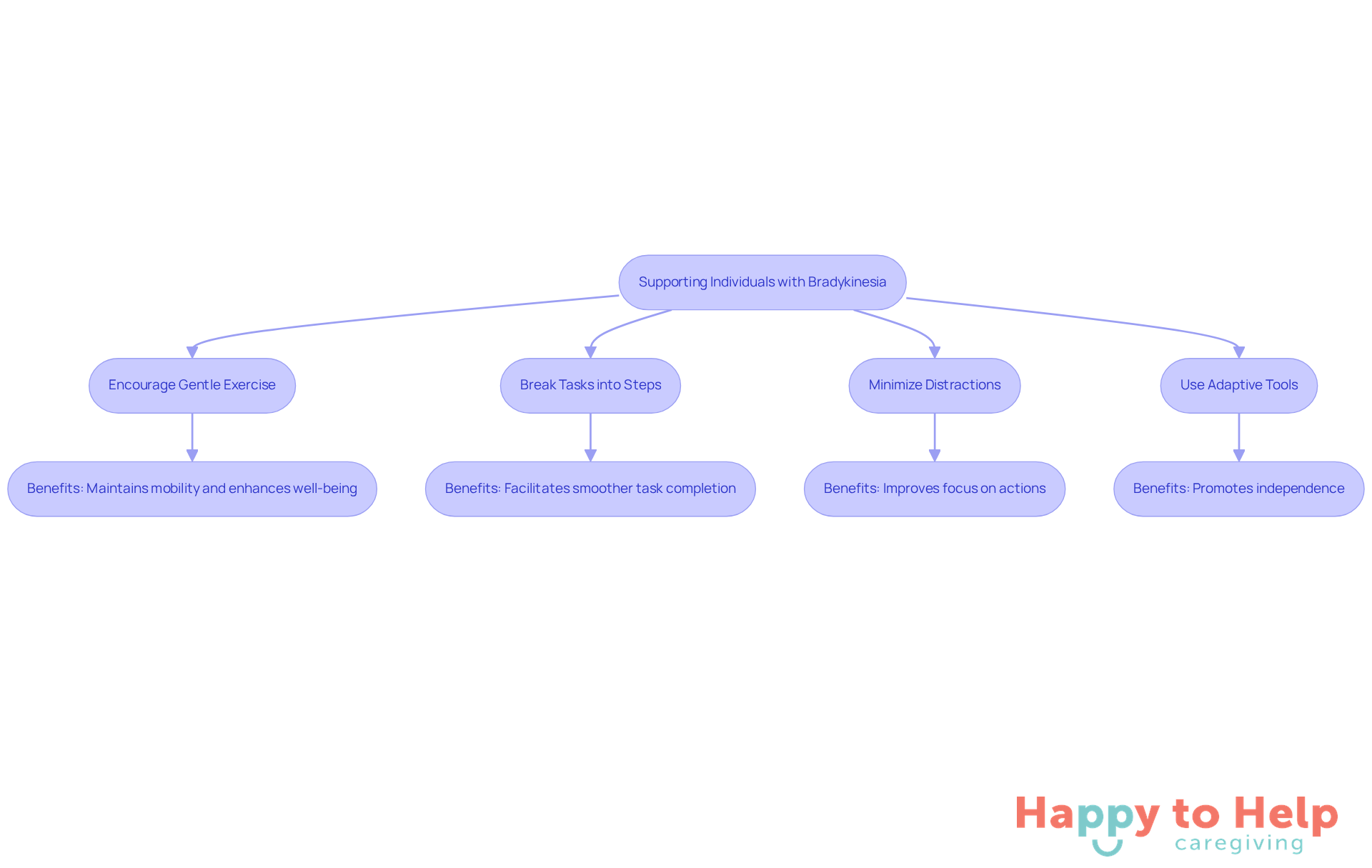
- Encouraging regular, gentle exercise can help maintain mobility and enhance overall well-being.
- Occupational therapists suggest breaking tasks into smaller, manageable steps, allowing individuals to concentrate on one action at a time. For instance, when assisting with dressing, caregivers might organize clothing in the order it will be worn, facilitating a smoother process.
- Creating an environment that minimizes distractions is also crucial, enabling loved ones to focus on their actions.
- Simple modifications, such as using larger buttons or adaptive utensils, can promote independence.
As one occupational therapist noted, "Facilitating movement in individuals with movement disorders necessitates patience and creativity; every minor achievement can enhance confidence and motivation." Additionally, speed-based interventions show promise in reducing bradykinesia, underscoring the importance of integrating such strategies into caregiving practices. By understanding the challenges posed by bradykinesia and implementing these supportive techniques, caregivers can significantly improve the quality of life for those they assist. A systematic review registered with PROSPERO aims to provide insights into effective speed-based interventions and their impact on bradykinesia.
Postural Instability: Changes in Balance and Coordination
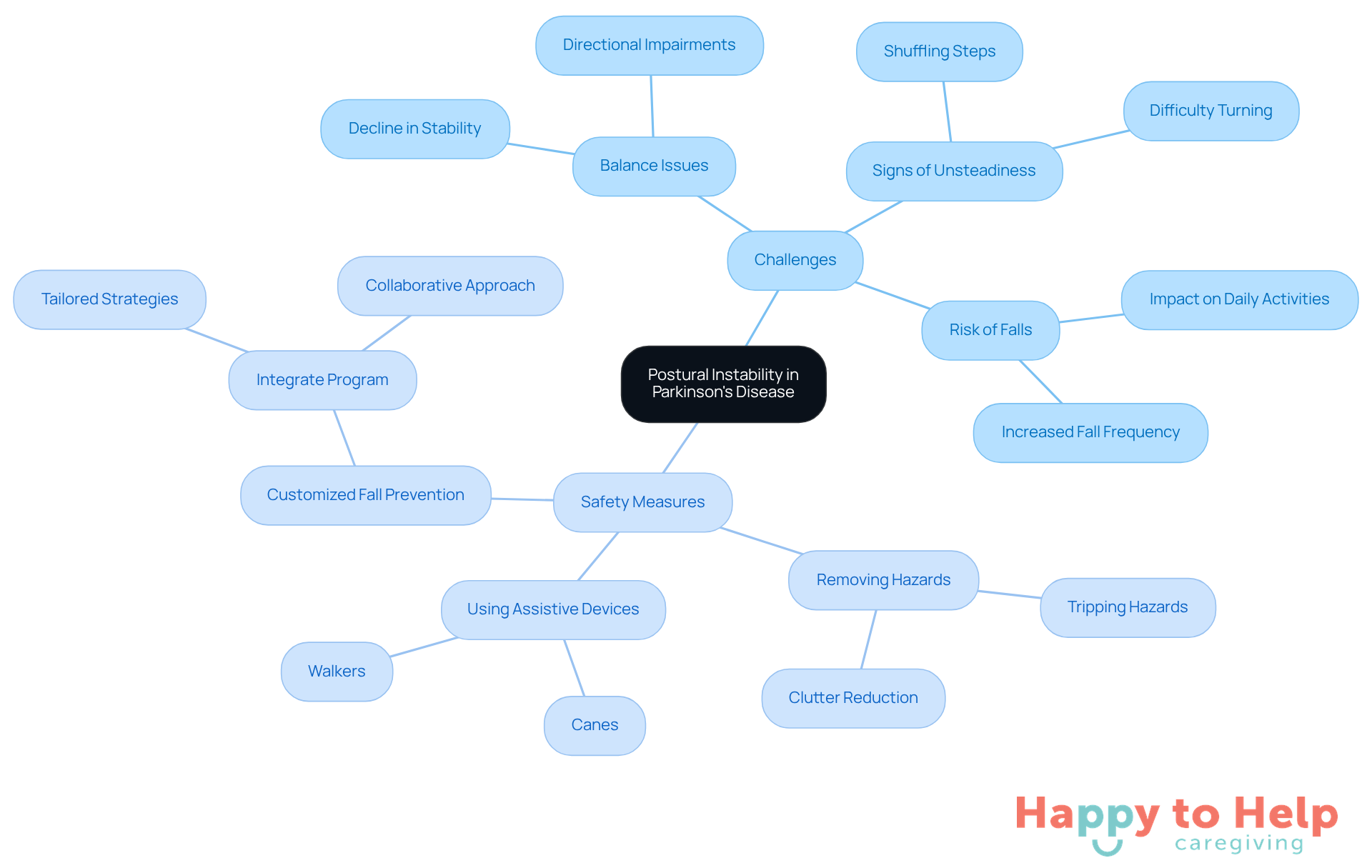
Postural instability in people with Parkinson's disease presents a significant challenge, often leading to difficulties in maintaining balance and increasing the risk of falls. Research shows that balance issues can appear as early as stage II of early Parkinson's, with patients experiencing a decline in stability across various directions. Caregivers must be alert for signs of unsteadiness, such as shuffling steps or difficulty turning, as these may indicate a heightened risk of falling.
To address these risks, caregivers can implement several effective safety measures:
- Removing tripping hazards, such as loose rugs and clutter, is essential.
- Utilizing assistive devices like canes or walkers can provide necessary support for individuals struggling with balance.
- A customized approach to fall prevention is crucial; for instance, the Integrate program, which tailored strategies to individual needs, successfully reduced fall rates by nearly 50% among participants over six months.
Geriatric specialists stress the importance of proactive fall prevention strategies. They recommend conducting routine evaluations of the home environment to identify potential risks and encourage caregivers to involve their loved ones in activities that enhance strength and balance. By fostering a collaborative approach, caregivers can empower individuals with Parkinson's to actively participate in their safety, ultimately boosting their confidence and mobility.
Micrographia: Changes in Handwriting Size and Style
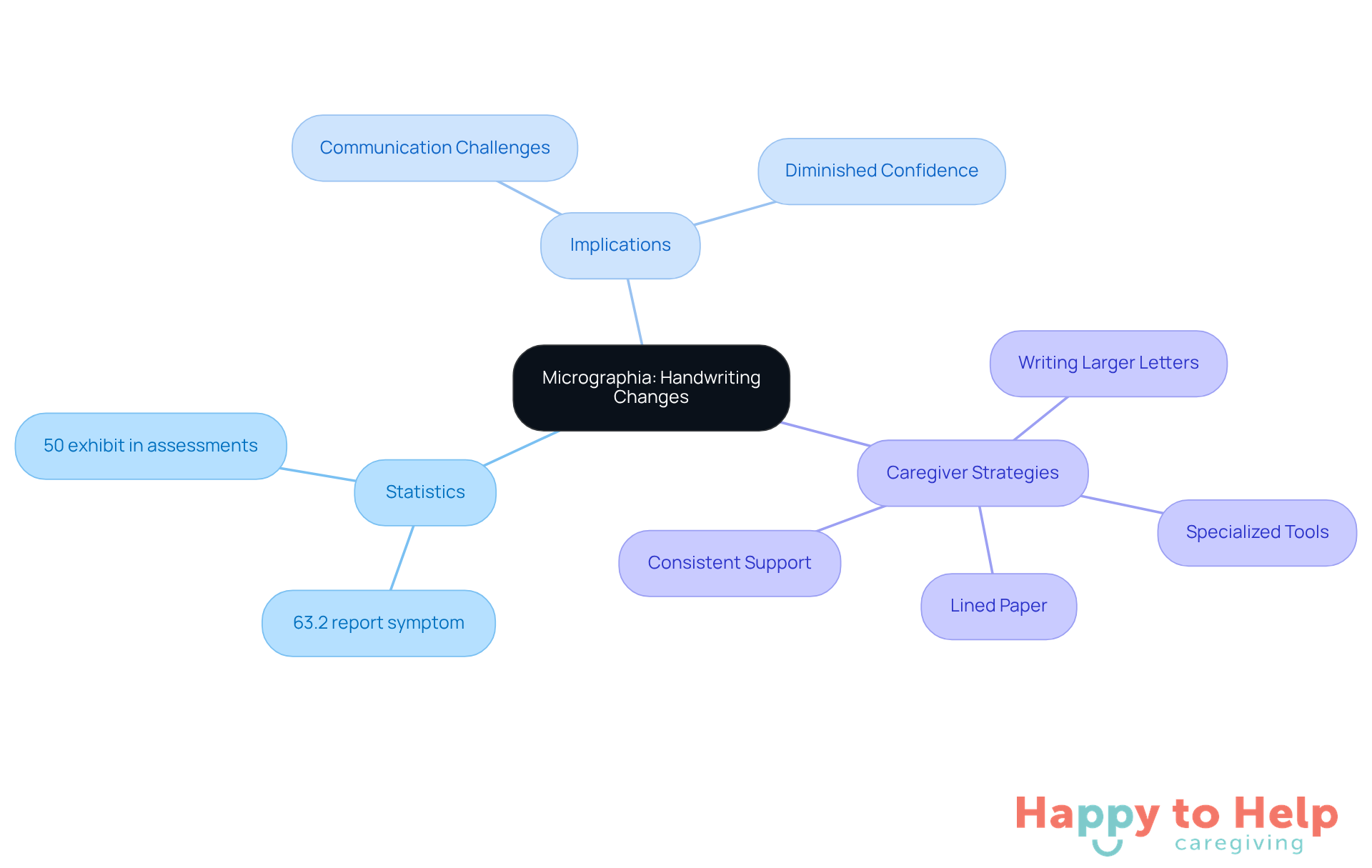
Micrographia presents a significant challenge for caregivers of individuals with Parkinson's disease. This condition is marked by a gradual reduction in handwriting size, resulting in cramped and often illegible text. Approximately 63.2% of patients report this symptom based on verbal history, while 50% exhibit it during handwriting assessments. Neurologists highlight that these changes can serve as early indicators of early parkinson, reflecting underlying motor dysfunction.
The implications of micrographia can be distressing for both patients and caregivers. As handwriting becomes less legible, it can hinder communication and diminish the individual's confidence. Caregivers play a crucial role in supporting their loved ones through this transition, helping them adapt to the challenges posed by micrographia.
Fortunately, there are practical solutions that caregivers can implement. Encouraging the practice of writing larger letters can significantly improve legibility. Additionally, specialized writing tools designed for better grip and control can ease the writing process. For example, the SteadyScrib pen set, developed specifically for individuals with tremors, has gained attention for its effectiveness in restoring writing ability.
Caregivers should also consider incorporating strategies such as:
- Using lined paper to guide letter size
- Offering consistent support to nurture confidence in writing skills
By understanding the implications of micrographia and employing these supportive techniques, caregivers can help mitigate the challenges associated with handwriting changes in Parkinson's patients.
Masked Face: Reduced Facial Expressions
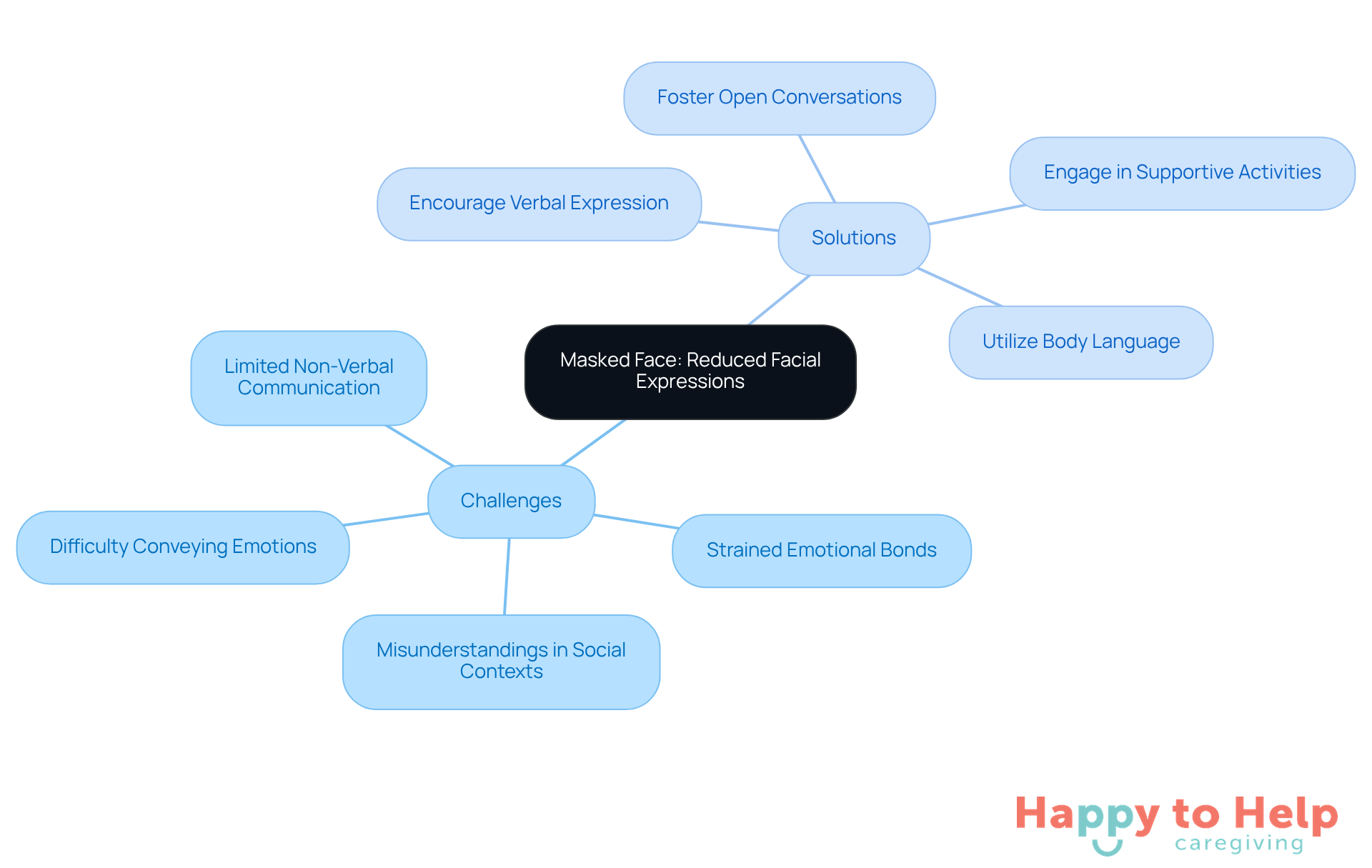
Facial masking, also known as hypomimia, presents a significant challenge for caregivers. This condition results in a deficiency of facial expressions, making it difficult for family members to convey their emotions effectively. As a result, caregivers may struggle to understand their loved ones' feelings, which can strain emotional bonds.
To address this issue, it's crucial for caregivers to engage in open conversations with their loved ones. Encouraging verbal expression of emotions can help bridge the gap created by facial masking. By fostering an environment where feelings can be shared openly, caregivers can maintain and strengthen emotional connections, ensuring that both parties feel understood and supported.
Softened Voice: Changes in Speech Patterns
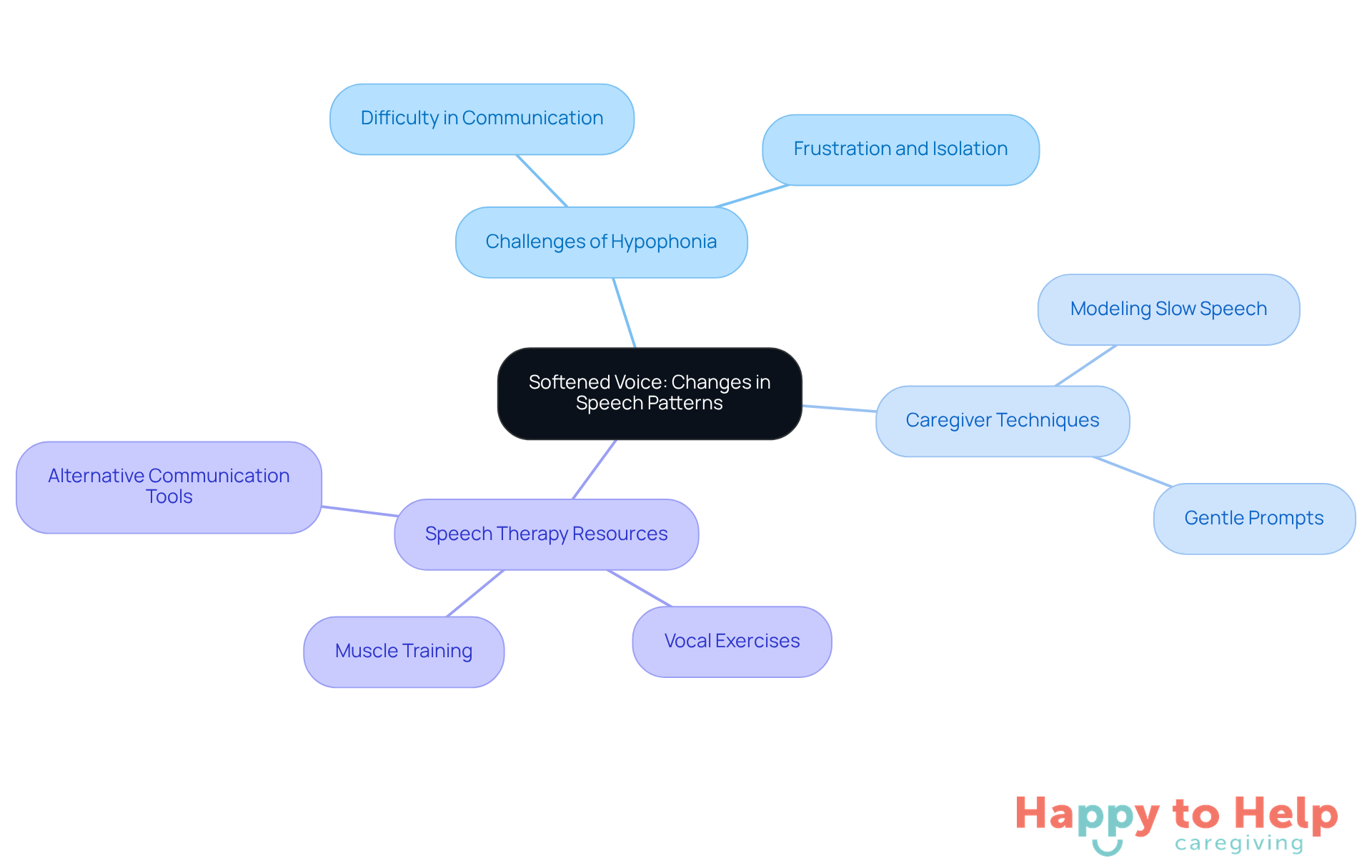
Hypophonia, characterized by a softened voice, poses significant challenges for communication, making it difficult for others to hear and understand individuals with early Parkinson. This issue can lead to frustration and isolation for both patients and caregivers. Caregivers play a crucial role in addressing these changes by encouraging their loved ones to articulate their words clearly. Engaging in regular conversations can help maintain vocal strength and clarity.
To tackle this problem, caregivers can implement simple techniques such as:
- Modeling slow speech
- Offering gentle prompts to encourage clearer communication
As one expert noted, "SLPs employ a variety of exercises, strategies, and therapeutic techniques to enhance speech clarity, language comprehension, and safe swallowing practices."
Speech therapy is another valuable resource that caregivers should consider. Speech-language pathologists (SLPs) specialize in enhancing vocal strength and clarity through tailored interventions. These may include:
- Vocal exercises
- Muscle training
- The use of alternative communication tools when necessary
As one expert noted, "Restoring communication skills boosts confidence, reduces frustration, and enhances social interactions."
Research indicates that speech changes, including hypophonia, are common in early Parkinson patients, affecting their ability to engage in meaningful conversations. By identifying these symptoms early, supporters can enable prompt interventions that greatly enhance their loved ones' quality of life. The path to clearer communication is a joint endeavor, where supporters and speech therapists collaborate to enable people to express themselves effectively, nurturing a sense of connection and understanding. Every small step forward in communication is worth celebrating, as communication is the foundation of relationships, learning, and self-expression.
Sleep Disturbances: Insomnia and Restlessness
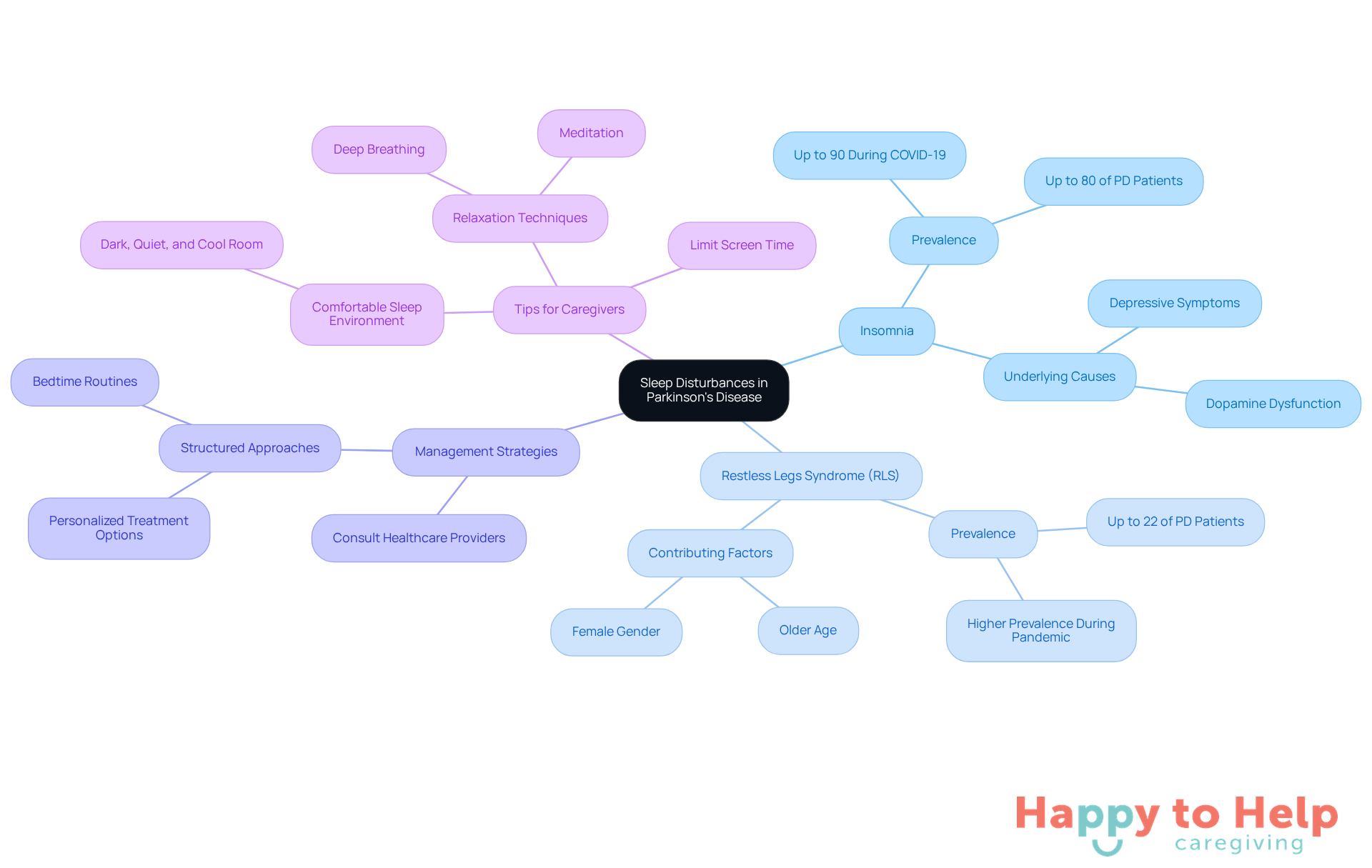
Sleep disturbances, particularly insomnia and restless legs syndrome (RLS), are significant issues for individuals with Parkinson's disease (PD), affecting up to 80% of patients. These conditions can severely impact overall well-being and quality of life, making it essential for caregivers to address them effectively.
Experts highlight the importance of a structured approach to managing insomnia. Judith Owens notes that insomnia often signals deeper problems, suggesting that caregivers should focus not only on symptoms but also on understanding the underlying causes. This perspective underscores the necessity for caregivers to consult healthcare providers for personalized treatment options, which may include lifestyle changes or medications.
Real-world examples demonstrate how caregivers can establish effective bedtime routines. Incorporating relaxing activities such as reading, gentle stretching, or listening to soothing music can signal to the body that it’s time to wind down. Additionally, maintaining a consistent sleep schedule reinforces the body's natural circadian rhythms, making it easier for individuals with PD to fall asleep and stay asleep.
The prevalence of insomnia and RLS in early Parkinson's patients highlights the urgency of addressing these sleep disturbances. During the COVID-19 pandemic, sleep issues became even more pronounced, with studies indicating that up to 90% of PD patients experienced sleep disturbances. This situation emphasizes the need for caregivers to be proactive in creating a supportive sleep environment.
Incorporating tips for a calming bedtime routine can significantly improve sleep quality. Caregivers should consider the following strategies:
- Create a comfortable sleep environment by ensuring the bedroom is dark, quiet, and cool.
- Limit screen time before bed to reduce exposure to blue light, which can interfere with sleep.
- Encourage relaxation techniques such as deep breathing or meditation to help ease anxiety and promote restful sleep.
By prioritizing sleep hygiene and establishing effective routines, caregivers can enhance the sleep quality of their loved ones, ultimately improving their overall health and well-being.
Hyposmia: Reduced Sense of Smell
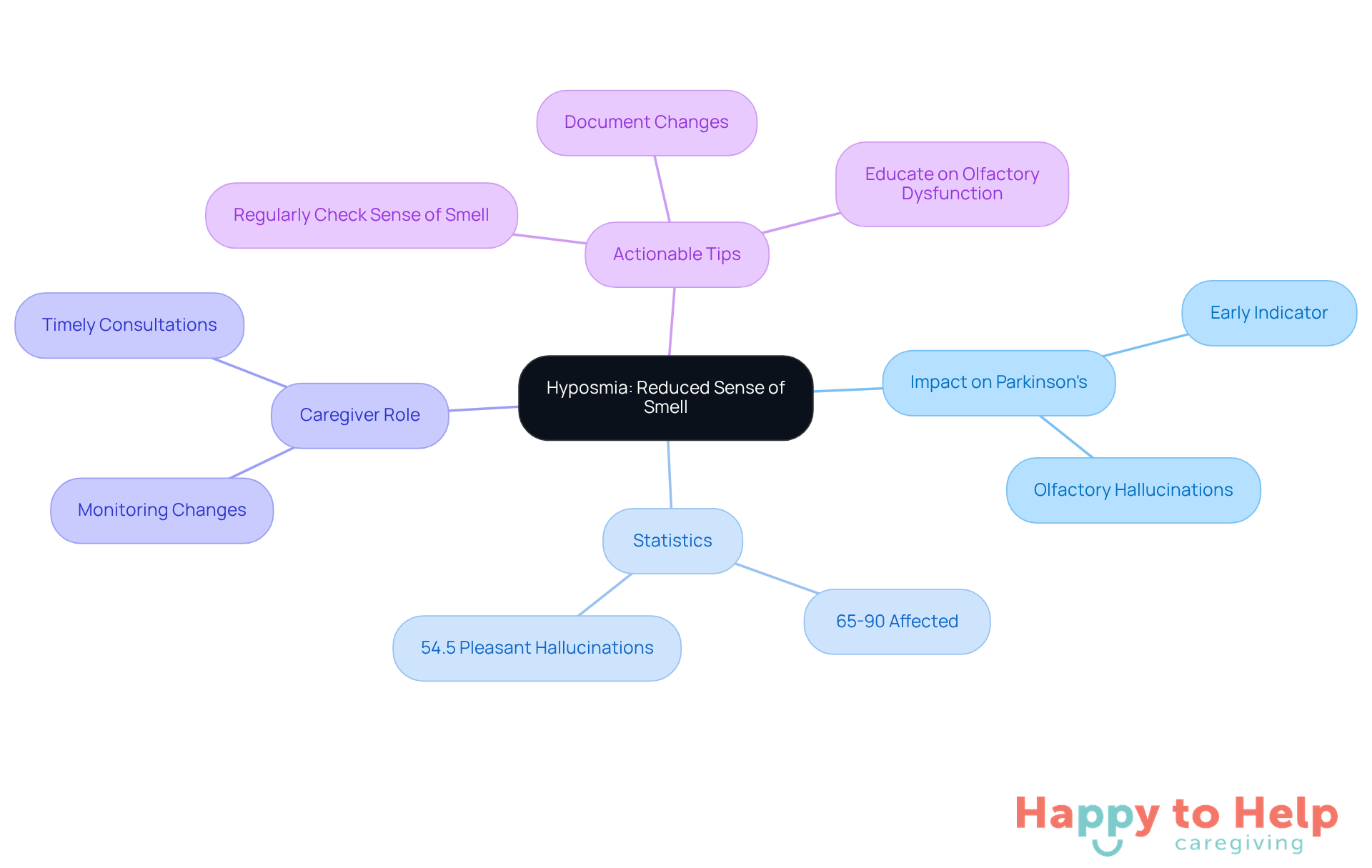
Hyposmia, or diminished sense of smell, poses a significant problem as a common early Parkinson indicator of neurological disorders. This condition, which can be identified as early parkinson, often appears years before more recognizable symptoms, making it crucial for early diagnosis. Studies indicate that olfactory dysfunction affects approximately 65-90% of individuals with these disorders, highlighting the need for caregivers to be vigilant.
Caregivers play a vital role in monitoring changes in their loved one's olfactory perception. These alterations can prompt timely medical consultations, which are essential for effective management. Neurologists stress the importance of recognizing these changes, as olfactory hallucinations may accompany hyposmia, complicating the clinical picture further.
For instance, research shows that 54.5% of patients experiencing olfactory hallucinations describe their experiences as pleasant, while others report unpleasant odors. This underscores the subjective nature of smell changes. Real-life examples illustrate how caregivers have successfully identified diminished sense of smell in their loved ones, leading to earlier interventions and improved disease management.
By staying alert and responsive to these sensory changes, caregivers can significantly enhance the overall care and well-being of those facing movement disorders. Here are some actionable tips for caregivers:
- Regularly check in on your loved one's sense of smell.
- Document any changes and discuss them with healthcare providers.
- Educate yourself about the signs of olfactory dysfunction.
By implementing these strategies, caregivers can play a crucial role in the early parkinson detection and intervention.
Seek Support: Engaging Care Services for Early Signs
Recognizing early Parkinson symptoms can be overwhelming for families. This challenge not only affects the individual but also places a significant emotional burden on their loved ones. Families may feel lost and unsure of how to provide the necessary support, leading to increased stress and anxiety.
Engaging professional caregiving services, like those offered by Happy to Help Caregiving, can provide essential support. These services include:
- Personalized care plans tailored to the individual's needs
- Emotional assistance for families
By seeking help, families can ensure that both the individual and their loved ones receive the support they need during this difficult time.
Your Path Forward
Recognizing the early signs of Parkinson's disease poses a significant challenge for family caregivers. This issue not only complicates timely intervention but also affects the quality of life for both the individual and their loved ones. Key symptoms include:
- Tremors
- Rigidity
- Bradykinesia
- Postural instability
- Micrographia
- Facial masking
- Softened voice
- Sleep disturbances
- Hyposmia
Each sign presents unique challenges that caregivers must be ready to address with empathy and effective strategies.
Caregivers play a crucial role in identifying these symptoms early. By implementing practical solutions for managing tremors and rigidity, encouraging communication, and addressing sleep issues, caregivers can make a substantial difference in the lives of those they support. Additionally, seeking professional help and engaging care services is vital, as these resources provide essential guidance and emotional support.
The journey of caring for someone with Parkinson's disease is filled with challenges, but it also offers opportunities for connection and understanding. By staying vigilant and informed about the early signs of Parkinson's, caregivers can create a supportive environment that enhances the well-being of individuals with the disease and strengthens familial bonds. Taking action now can lead to better outcomes down the road, highlighting the importance of awareness and early intervention in managing this complex condition.
https://iframe.tely.ai/cta/eyJhcnRpY2xlX2lkIjogIjY5NDBhMjA3OTc5ZjhiMGM0MmQzYjU1YSIsICJjb21wYW55X2lkIjogIjY4ZWU1ZGNhNzMxNzYyNTU3ZjNjOTVjMSIsICJpbmRleCI6IG51bGwsICJ0eXBlIjogImFydGljbGUifQ==Frequently Asked Questions
What are the first noticeable signs of Parkinson's disease?
The first noticeable signs of Parkinson's disease are often tremors, which typically manifest as involuntary shaking, especially in the hands or fingers, usually when the individual is at rest.
How common are tremors in people with Parkinson's disease?
Approximately 80% of people with Parkinson's experience tremors, making it essential for family members to be vigilant in recognizing these symptoms.
What challenges do caregivers face when managing tremors?
Caregivers face significant challenges as tremors can complicate daily tasks such as eating and writing, requiring adaptive strategies to assist those affected.
Why is it important for caregivers to recognize tremors early?
Recognizing tremors early is crucial for timely intervention and support, which can help maintain the quality of life for individuals with Parkinson's disease.
What is rigidity in the context of Parkinson's disease?
Rigidity refers to stiffness in muscles that can affect the arms, legs, and trunk, leading to discomfort and difficulty in movement.
How can caregivers help manage rigidity in individuals with Parkinson's?
Caregivers can help manage rigidity by encouraging gentle stretching and mobility exercises, which promote flexibility and enhance overall mobility.
What is bradykinesia and how does it affect individuals with Parkinson's?
Bradykinesia is characterized by a noticeable decrease in movement speed, complicating daily activities such as walking, dressing, and eating, and leading to frustration for both individuals and caregivers.
What percentage of individuals with early Parkinson's experience bradykinesia?
Over 80% of individuals with early Parkinson's disease experience bradykinesia.
What strategies can caregivers use to support those dealing with bradykinesia?
Caregivers can encourage regular, gentle exercise, break tasks into smaller steps, minimize distractions, and use adaptive tools to promote independence.
Why is patience important in facilitating movement for individuals with movement disorders?
Patience is important because facilitating movement requires creativity and understanding; every minor achievement can enhance the confidence and motivation of those affected.
List of Sources
- Tremors: The First Noticeable Sign of Parkinson's Disease
- 23 quotes about Parkinson’s disease | Interviews | Parkinson’s Life (https://parkinsonseurope.org/parkinsonslife/23-powerful-quotes-about-parkinsons-disease)
- New USF Health study recognizes the burden of tremor for Parkinson’s disease patients (https://usf.edu/health/news/2025/hauser-tremor-2025.aspx)
- Brain Markers Could Yield Early Clues into Parkinson’s Disease (https://medicine.yale.edu/news-article/brain-markers-could-yield-early-clues-into-parkinsons-disease)
- Tremor in Parkinson's | American Parkinson Disease Association (https://apdaparkinson.org/what-is-parkinsons/symptoms/tremor)
- Rigidity: Stiffness in Limbs and Body
- Quantitative Measurement of Rigidity in Parkinson’s Disease: A Systematic Review (https://mdpi.com/1424-8220/20/3/880)
- Assignment 2 Due Day 10.docx - Physical Therapist Assistant Program PTAP 1350 Assignment #2 Read the case study and answer the questions that follow. A | Course Hero (https://coursehero.com/file/55190772/Assignment-2-Due-Day-10docx)
- Rigidity and Parkinson's: What it is and how to treat it (https://davisphinneyfoundation.org/blog/rigidity-and-parkinsons-what-it-is-and-how-to-treat-it)
- 23 quotes about Parkinson’s disease | Interviews | Parkinson’s Life (https://parkinsonseurope.org/parkinsonslife/23-powerful-quotes-about-parkinsons-disease)
- Bradykinesia: Slowness of Movement
- Effects of Speed-Based Interventions to Reduce Bradykinesia in Individuals with Parkinson’s Disease: A Systematic Review Protocol (https://mdpi.com/2076-3425/14/12/1198)
- 64 Quotes on Persistence to Help Your Journey With Parkinson’s Disease (https://journeywithparkinsons.com/2018/01/07/64-quotes-on-persistence-to-help-your-journey-with-parkinsons-disease)
- 23 quotes about Parkinson’s disease | Interviews | Parkinson’s Life (https://parkinsonseurope.org/parkinsonslife/23-powerful-quotes-about-parkinsons-disease)
- Postural Instability: Changes in Balance and Coordination
- Parkinson’s fall prevention program gets high marks from users (https://parkinsonsnewstoday.com/news/parkinsons-fall-prevention-program-gets-high-marks-patients-care-partners)
- Elderly Falls Prevention - Podcast #85 Traumacast - The Eastern Association for the Surgery of Trauma (https://east.org/education-resources/traumacasts/detail/129/elderly-falls-prevention)
- Assignment 2 Due Day 10.docx - Physical Therapist Assistant Program PTAP 1350 Assignment #2 Read the case study and answer the questions that follow. A | Course Hero (https://coursehero.com/file/55190772/Assignment-2-Due-Day-10docx)
- Quantitative Analysis of Postural Instability in Patients with Parkinson's Disease - PMC (https://pmc.ncbi.nlm.nih.gov/articles/PMC8060093)
- Fall Prevention in Parkinson’s (https://parkinson.org/library/fact-sheets/fall-prevention)
- Micrographia: Changes in Handwriting Size and Style
- Diagnostic value of micrographia in Parkinson’s disease: a study with [123I]FP-CIT SPECT - PMC (https://pmc.ncbi.nlm.nih.gov/articles/PMC9217822)
- Micrographia in Parkinson's Disease: Automatic Recognition through Artificial Intelligence (https://movementdisorders.onlinelibrary.wiley.com/doi/full/10.1002/mdc3.70208)
- Micrographia and related deficits in Parkinson's disease: a cross-sectional study - PMC (https://pmc.ncbi.nlm.nih.gov/articles/PMC3383984)
- 2 friends from Northwestern created a pen to help people with Parkinson’s write again (https://fox32chicago.com/news/northwestern-grads-create-writing-tool-help-people-parkinsons)
- Masked Face: Reduced Facial Expressions
- Facial Masking in Parkinson's Disease - GHRS (https://ghrs-group.com/news/facial-masking-in-parkinsons-disease)
- 34 Powerful Quotes for Managing Strong Emotions (https://reachlink.com/advice/anger/34-powerful-quotes-for-managing-strong-emotions)
- 28 Inspiring Mental Health Quotes That Will Empower You (https://positivepsychology.com/mental-health-quotes)
- 50 Best Psychology Quotes: A List of Psychological Deep Quotes About Life (https://thriveworks.com/blog/greatest-psychology-quotes-ever)
- Powerful Psychotherapy Quotes | Lukin Center for Psychotherapy (https://lukincenter.com/15-powerful-quotes-on-self-help-psychotherapy-and-happiness)
- Softened Voice: Changes in Speech Patterns
- 30 Funny & Inspirational Speech Therapy Quotes - Care Options for Kids (https://careoptionsforkids.com/blog/speech-therapy-quotes)
- Therapeutic Techniques for Seniors With Speech and Language Deficits - Supportive Care (https://thesupportivecare.com/blog/therapeutic-techniques-for-seniors-with-speech-and-language-deficits)
- 150+ Quotes for speech therapists: Inspiration, Communication, and Growth (https://nataliamaganda.com/150-quotes-for-speech-therapists-inspiration-communication-and-growth)
- Speech Therapy for Improving Speech Intelligibility (https://heartwisesupport.org/post/speech-therapy-for-improving-speech-intelligibility)
- Sleep Disturbances: Insomnia and Restlessness
- Famous Quotes on Sleep and Well-Being - Center for the Advancement of Well-Being (https://wellbeing.gmu.edu/famous-quotes-on-sleep-and-well-being)
- Melatonin May Improve Sleep in Patients With Parkinson Disease (https://sleepwakeadvisor.com/news/melatonin-improves-sleep-quality-parkinson-disease)
- Best of Quotes on Insomnia | BetterSleep (https://bettersleep.com/blog/insomnia-quotes)
- More of the Best Quotes on Insomnia | BetterSleep (https://bettersleep.com/blog/more-of-the-best-quotes-on-insomnia)
- Sleep Disorders in Patients with Parkinson's Disease during COVID-19 Pandemic: A Case–Control Study - PMC (https://pmc.ncbi.nlm.nih.gov/articles/PMC9350758)
- Hyposmia: Reduced Sense of Smell
- Phantosmia in Parkinson’s Disease: A Systematic Review of the Phenomenology of Olfactory Hallucinations (https://mdpi.com/2035-8377/16/1/2)
- Tackle Dementia and Eating Issues: Strategies for Caregivers - Happy To Help (https://happytohelpcaregiving.com/tackle-dementia-and-eating-issues-strategies-for-caregivers)
- Loss of Smell (https://parkinson.org/understanding-parkinsons/non-movement-symptoms/loss-of-smell)
- Smell Quotes - 29 quotes on Smell Science Quotes - Dictionary of Science Quotations and Scientist Quotes (https://todayinsci.com/QuotationsCategories/S\_Cat/Smell-Quotations.htm)
- 13 Powerful Quotes that will Boost Your Experience with Smells - Wonderlicious (https://wonderlicious.blog/2024/05/23/13-powerful-quotes-that-will-boost-your-experience-with-smells)
- Seek Support: Engaging Care Services for Early Signs
- Care Partners (https://michaeljfox.org/news/care-partners)
- Parkinson’s Disease and Caregiving Roles, Demands, and Support Needs and Experiences: A Scoping Review - PMC (https://pmc.ncbi.nlm.nih.gov/articles/PMC11720262)
- CaringBridge (https://caringbridge.org/resources/inspirational-quotes-on-caregiving)
- Caregiver Quotes: 50+ Inspiring Encouragement Quotes for Strength (https://h2hhc.com/blog/inspiring-caregiver-quotes)