10 Elderspeak Elements to Avoid for Better Senior Care

For families in our service areas
For families in our service areas, this guide explains caregiving and how non-medical in-home caregiving can support care planning in East Idaho, Treasure Valley & Magic Valley, Northern Wasatch, North Central West Virginia & Southwestern Pennsylvania, and Northeast Ohio.
10 Elderspeak Elements to Avoid for at a Glance
The article highlights the significance of steering clear of elderspeak elements in senior care, aiming to nurture respectful and dignified interactions with older adults. It illustrates how condescending language and overly simplified communication can diminish seniors' dignity and emotional well-being. Instead, it advocates for clear and respectful communication that honors their individuality, ultimately enhancing their quality of life.
Understanding 10 Elderspeak Elements to Avoid for
Understanding the nuances of communication in elder care is essential for fostering dignity and respect among older adults. Caregivers often face emotional challenges, recognizing the detrimental effects of elderspeak—characterized by condescending language and oversimplified expressions. This realization opens a significant opportunity to enhance the quality of care provided.
How can caregivers shift their communication styles to avoid these pitfalls and truly empower seniors in their interactions? By embracing more respectful and meaningful communication, caregivers can nurture deeper connections, ultimately enriching the lives of those they serve.
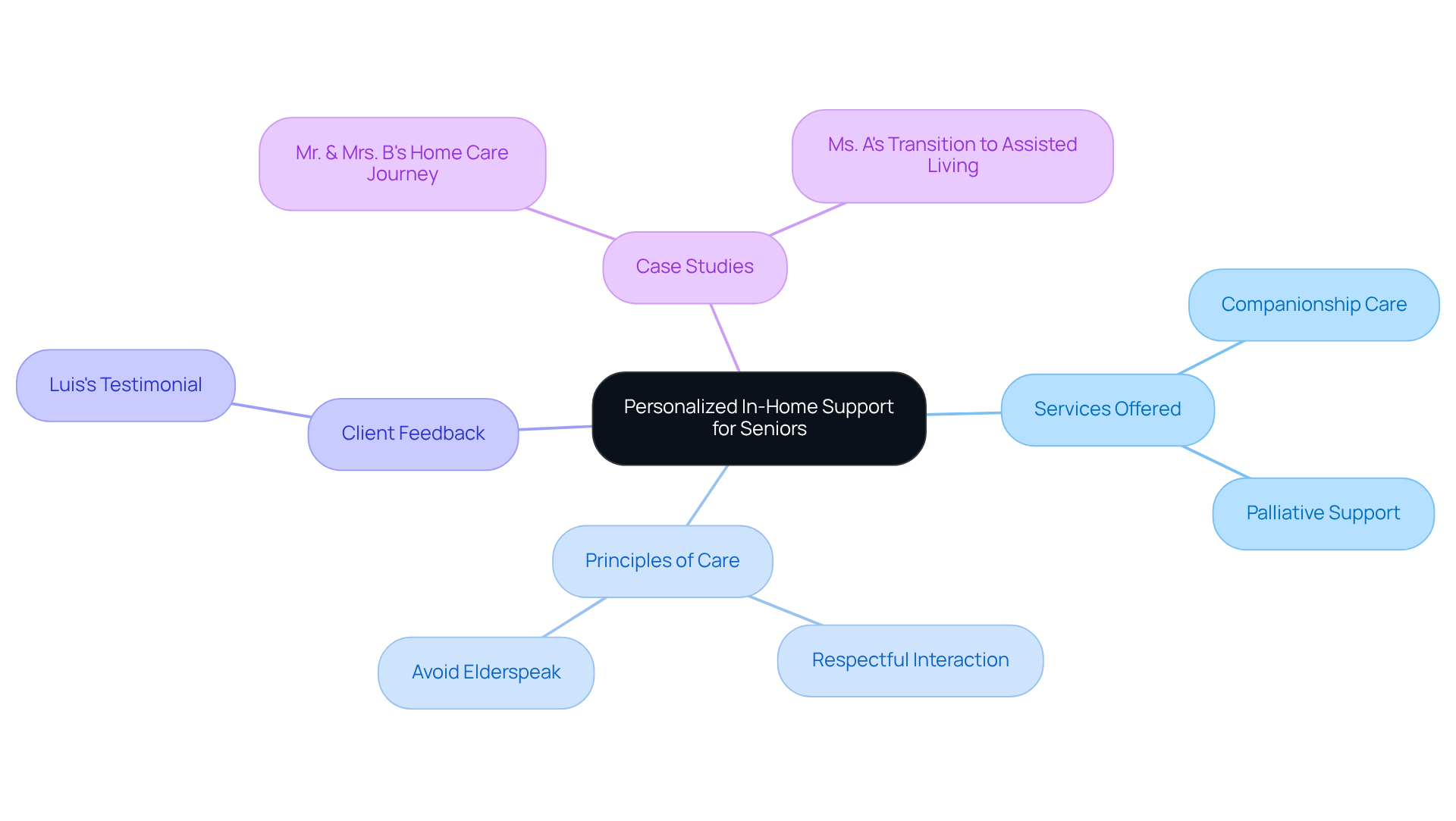
Happy to Help Caregiving: Personalized In-Home Support for Seniors
Happy to Help Caregiving truly excels in providing compassionate in-home assistance tailored to the unique needs of older adults. We offer a range of services, from companionship care to palliative support, prioritizing the enhancement of our clients' quality of life. This personalized approach not only encourages autonomy but also fosters an environment conducive to respectful interaction. It is essential to avoid elderspeak elements, which include simplistic or condescending language often used with seniors, as this is crucial in preserving dignity and respect in our interactions.
Recent trends in in-home caregiving underscore the importance of personalized care. When older adults are treated with respect and their individual preferences are honored, their overall well-being improves significantly. For example, our organization has generated close to 10 million USD in revenue since its inception, reflecting the growing demand for quality caregiving services. Experts emphasize that effective communication, free from elderspeak elements, which include simplified language and exaggerated intonation, is vital for establishing trust and rapport, leading to more successful caregiving outcomes.
As one grateful client, Luis, shared, "Thank you, your services were well worth it and I will certainly call for your help again. You had a good understanding and approach in dealing with my mother and concerns." Models of in-home care that emphasize these principles have shown a remarkable improvement in the quality of life for elderly individuals. It is essential for caregivers to adopt respectful interaction strategies.
The case study of Mr. & Mrs. B illustrates this beautifully. Despite facing significant health challenges, their family successfully managed a mini-care facility at home, ensuring they received the personalized support they needed to thrive. We are here to provide that same level of care and understanding to every family we serve.
Elderspeak Defined: Characteristics and Common Usage
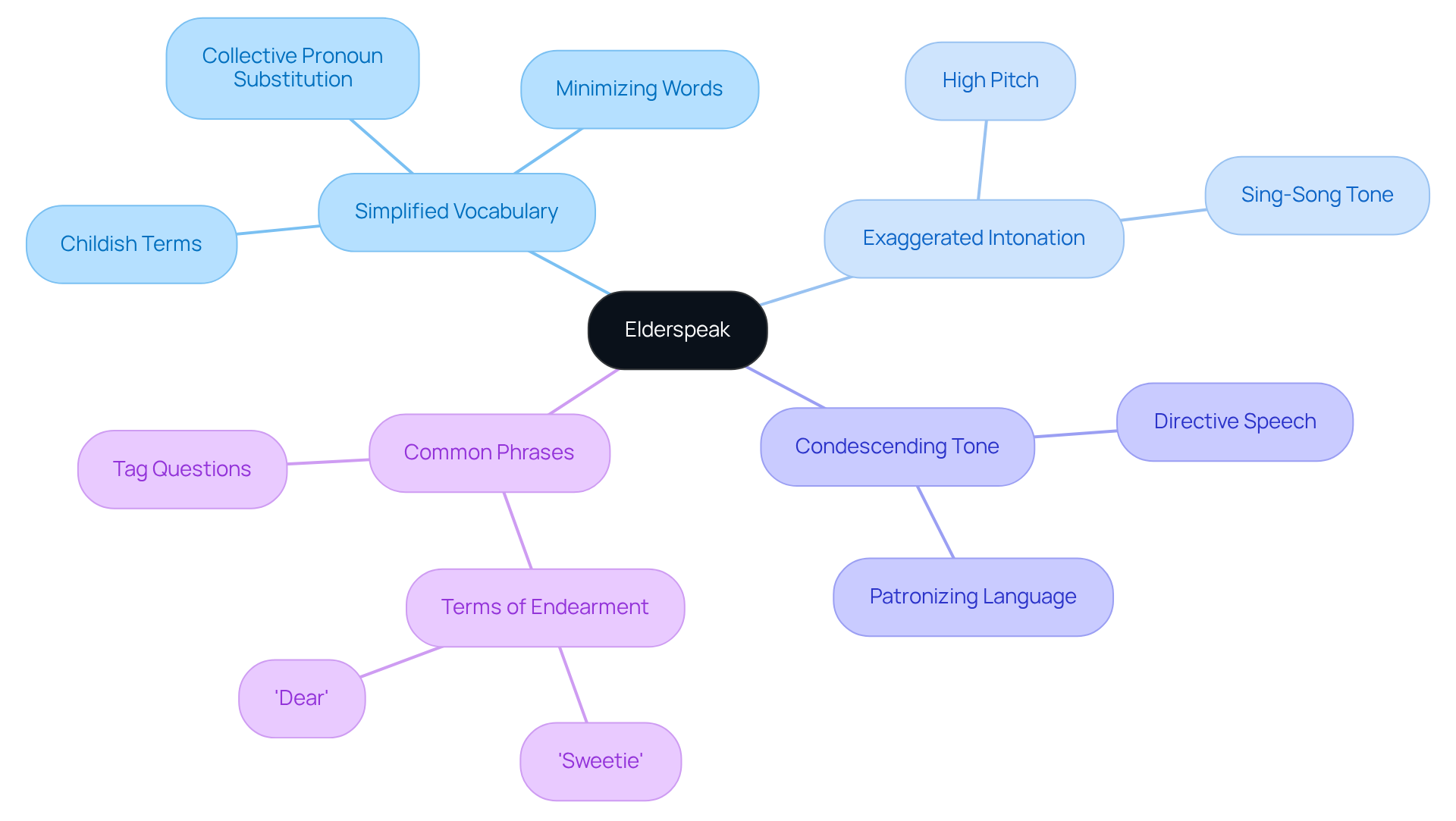
Elderspeak is a way of speaking often used when interacting with older adults. Elderspeak elements include features such as simplified vocabulary, exaggerated intonation, and a tendency to come across as condescending. Phrases like 'sweetie' or 'dear' are common, but they can unintentionally undermine the dignity of seniors. Recognizing elderspeak elements include these traits is the first step toward fostering respectful and compassionate dialogue.
Why Elderspeak Occurs: Societal Attitudes and Communication Patterns
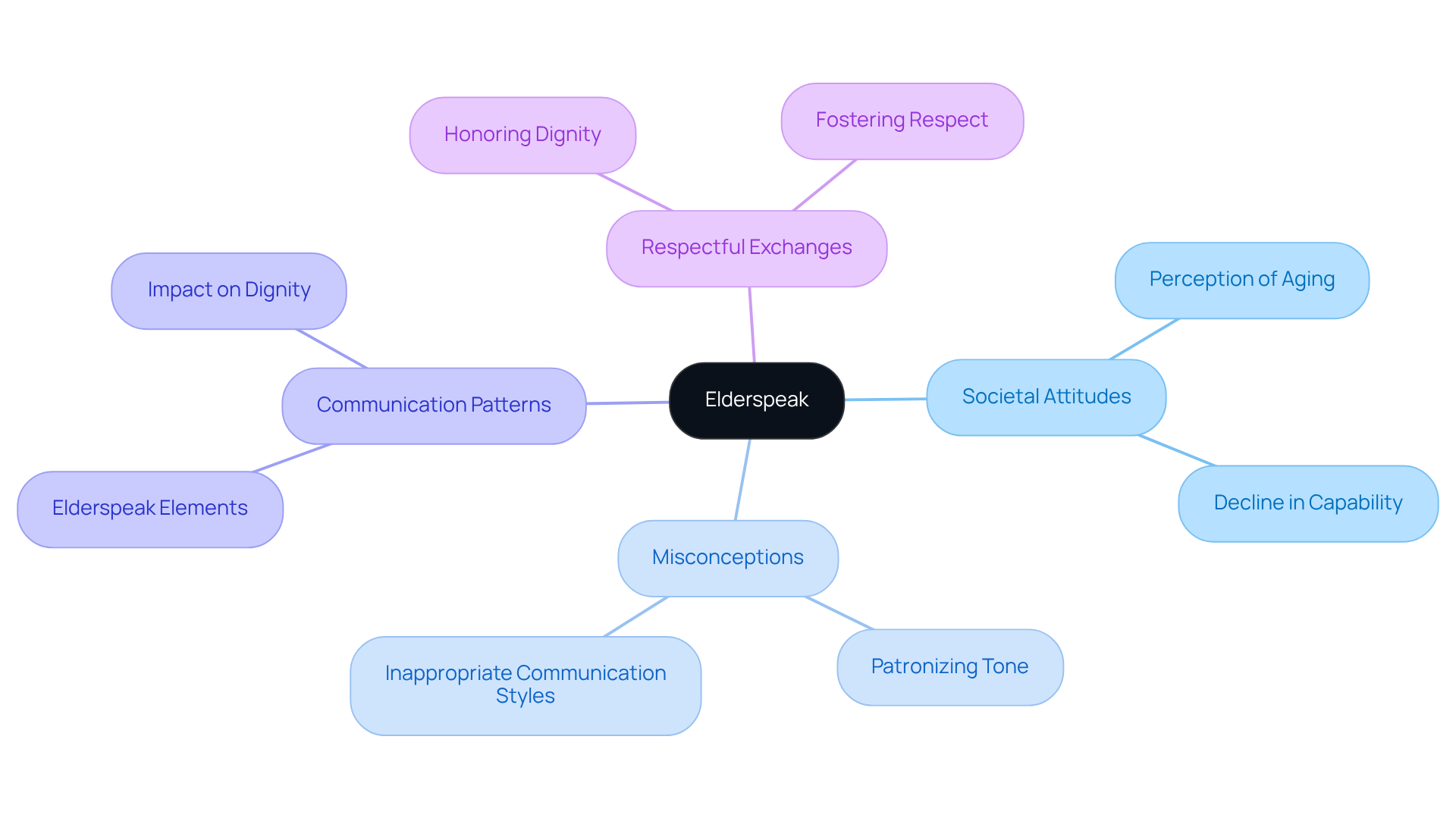
Elderspeak often stems from societal attitudes that perceive aging as a decline in capability. These misconceptions can lead individuals in supportive roles to adopt a patronizing tone, mistakenly believing that elderspeak elements include communication styles that are more appropriate for older adults. By addressing these deeply rooted interaction styles, we can foster more respectful exchanges that honor the dignity of our elders.
Negative Effects of Elderspeak: Impact on Older Adults' Dignity and Communication
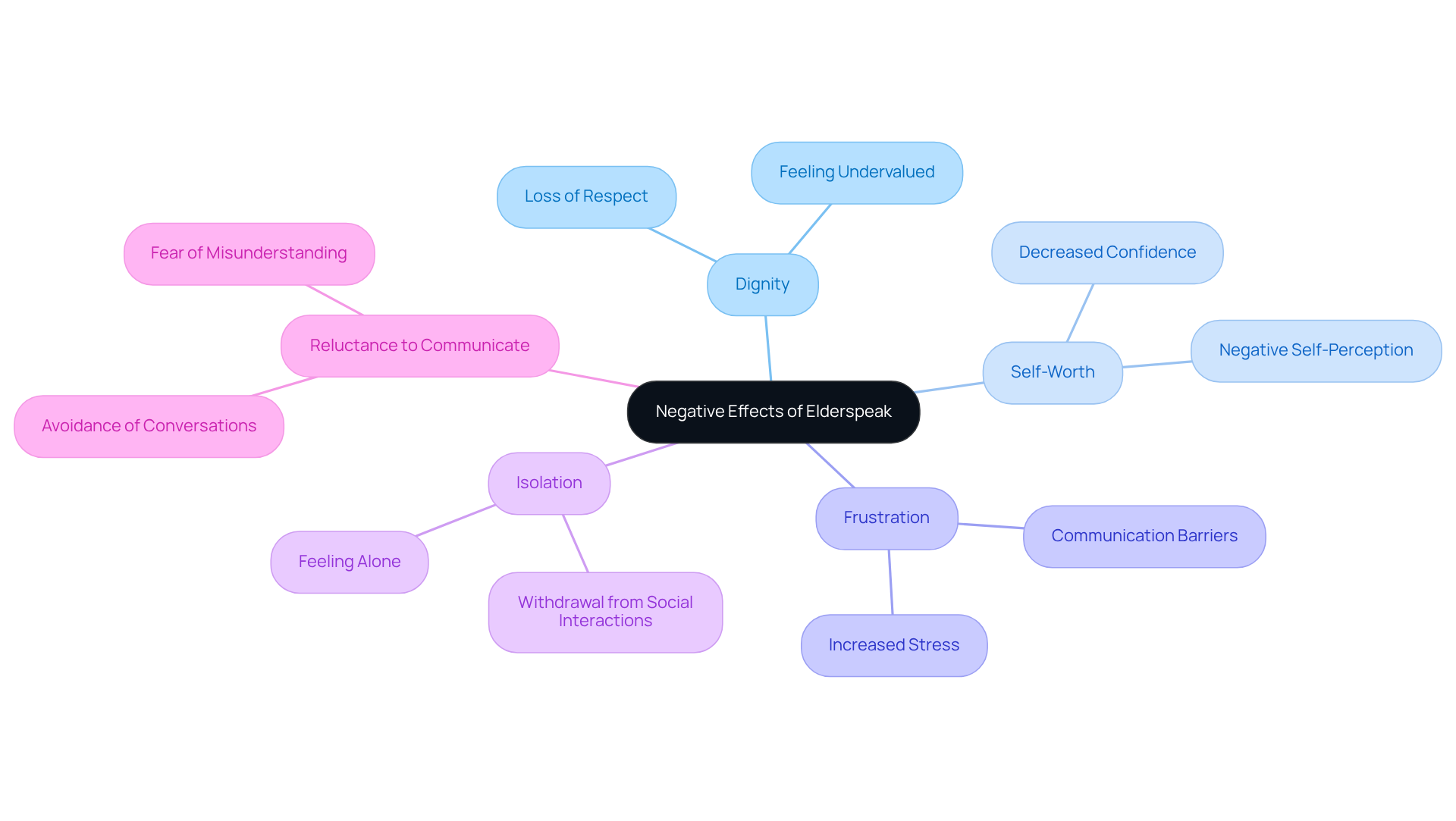
The use of elderspeak can deeply affect an older adult's sense of dignity and self-worth. It often leads to feelings of frustration and isolation, creating a reluctance to communicate. By recognizing these negative impacts, caregivers can truly appreciate the importance of using respectful language that honors the individuality of older adults. This understanding fosters a nurturing environment where older adults feel valued and heard.
Best Practices: Communicating Respectfully Without Elderspeak
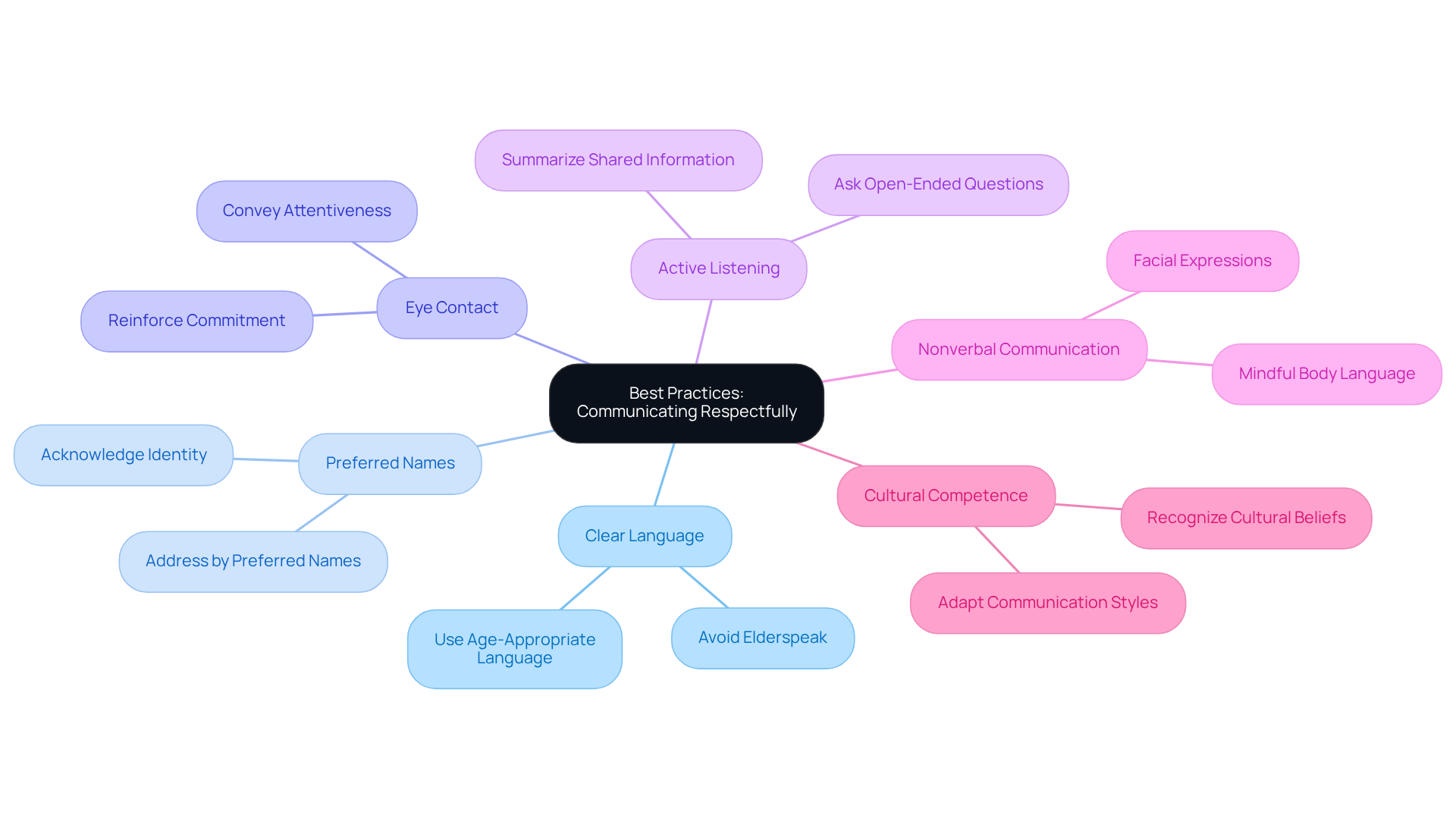
Effective communication in elder care is rooted in respect and clarity. Caregivers are encouraged to use clear, age-appropriate language that avoids any hint of condescension, as elderspeak elements include such respectful communication. Addressing older adults by their preferred names is not just a courtesy; it acknowledges their identity and fosters a sense of dignity. Maintaining eye contact during conversations conveys attentiveness, reinforcing a genuine commitment to the interaction.
Active listening is particularly vital in these interactions. Research shows that this approach significantly enhances the quality of exchanges, leading to improved emotional well-being for seniors. By summarizing what the elder has shared and asking open-ended questions, caregivers can nurture meaningful dialogue that resonates deeply.
Moreover, caregivers should remain mindful of their nonverbal communication. Body language and facial expressions are powerful tools in expressing respect and understanding. Cultural competence is equally important; recognizing how cultural beliefs influence perceptions of dignity can greatly improve communication effectiveness.
By embracing these strategies, caregivers can cultivate an environment of equality and respect, where elderspeak elements include a focus on dignity and understanding. This not only enriches the experience for both parties but also nurtures a sense of connection and support, ultimately enhancing the quality of care provided.
Types of Elderspeak: Recognizing Different Forms of Patronizing Language
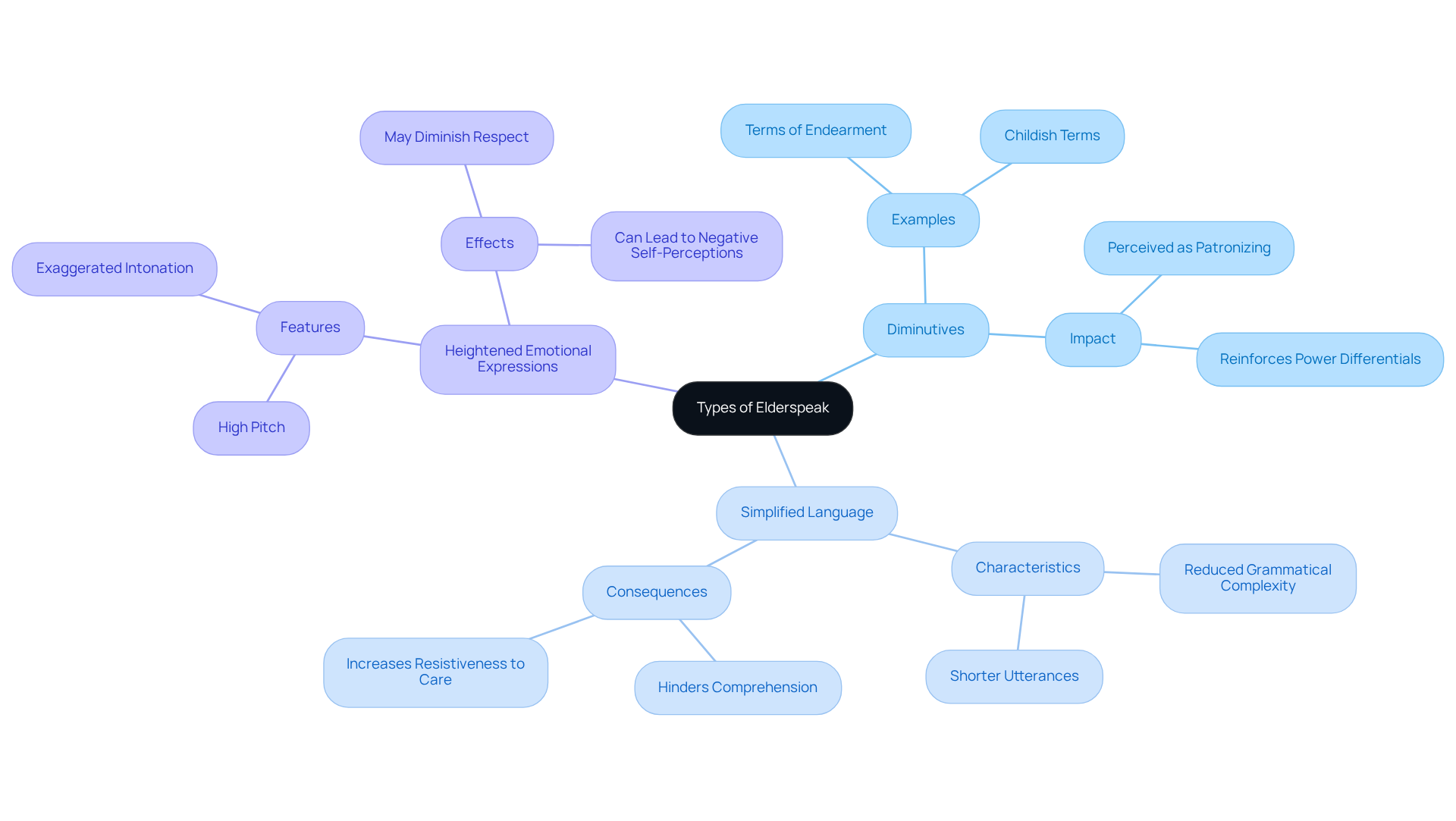
Elderspeak elements include various forms such as diminutives like 'sweetie,' simplified language, and heightened emotional expressions. By recognizing these types, supporters can become aware of when they might be unintentionally using condescending language. This awareness empowers them to adjust their style of interaction, fostering a more respectful and compassionate dialogue.
Awareness in Communication: Mindfulness When Speaking to Seniors
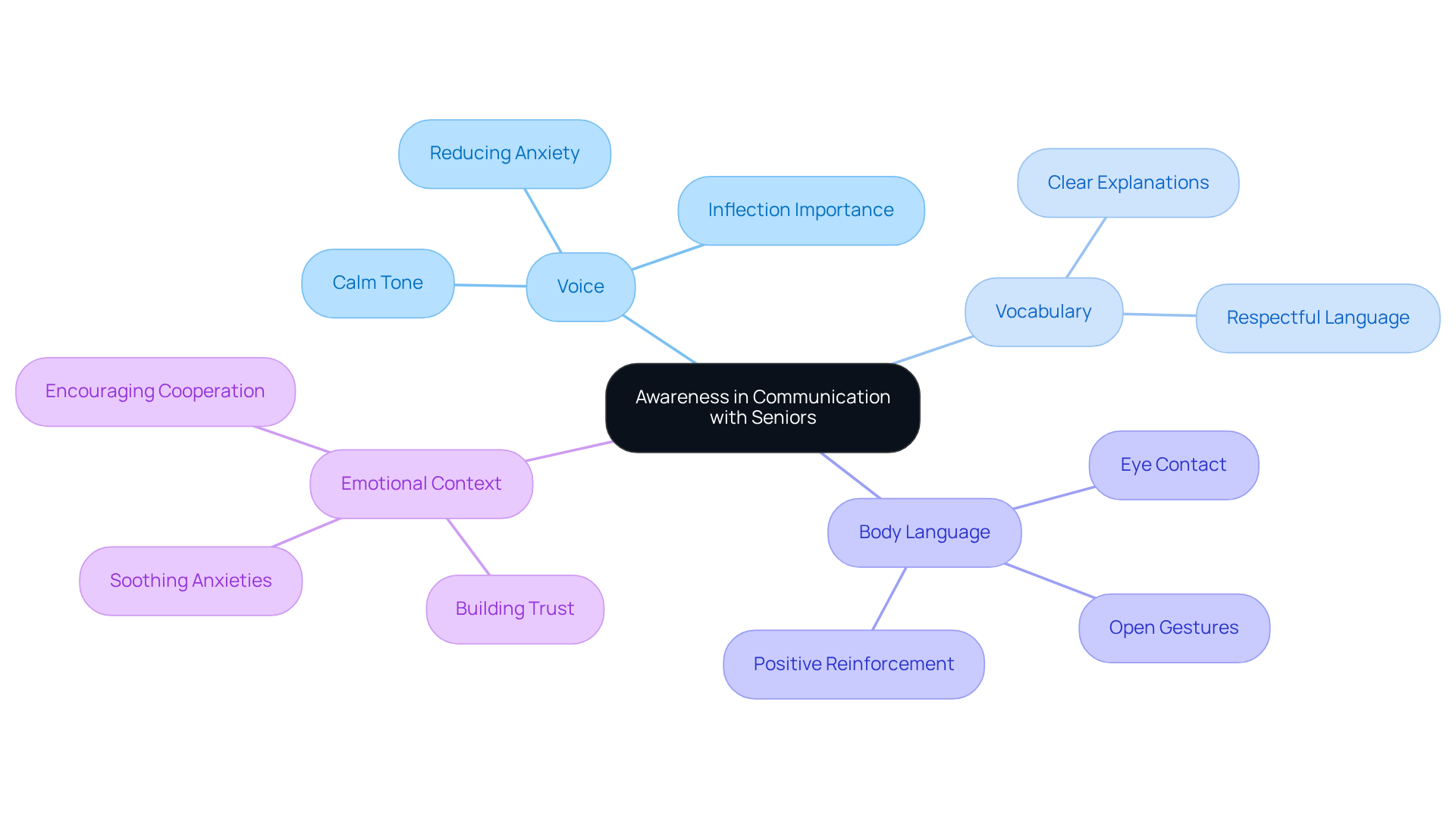
Successful interaction with elders requires caregivers to be attentive to elderspeak elements including their voice, vocabulary, and body posture. Research shows that around 85% of older adults have at least one chronic health condition, while 60% have at least two. This reality underscores the necessity for clear and respectful communication in their care. A soft manner can significantly enhance interactions, especially since elderspeak elements include the tendency for older adults to rely more on inflection than language, particularly when cognitive impairments are present. Caregivers who maintain a calm and patient demeanor can help reduce resistance to routine tasks like bathing or eating, nurturing cooperation and trust. As illustrated in the case study 'Tone Reduces Anxiety,' a calm and gentle approach can soothe anxious elderly individuals, further emphasizing the critical role of voice in caregiving.
Body language is equally vital in these interactions. Positive body language, such as maintaining eye contact and using open gestures, fosters a welcoming atmosphere that encourages older adults to engage. On the other hand, a harsh or impatient tone can heighten anxiety and agitation, leading to distress. Caregivers should strive to express warmth and reassurance through both their words and non-verbal cues, as elderspeak elements include uplifting an elderly person's mood and promoting a sense of safety.
Being aware in interactions not only enhances the caregiving experience but also supports the emotional well-being of older adults. By reflecting on how their communication style may be perceived, providers can encourage more respectful and effective interactions, ultimately improving the quality of care delivered. This approach is particularly important for older adults with Alzheimer’s, who may struggle with processing complex information but can still sense the emotions conveyed through vocal inflection and body language. As Donnie Shelton wisely states, 'A calm and gentle tone can help soothe your mom or dad if they’re feeling anxious,' highlighting the need for caregivers to be mindful of their tone.
Caregiver Responsibility: Reducing Elderspeak in Daily Interactions
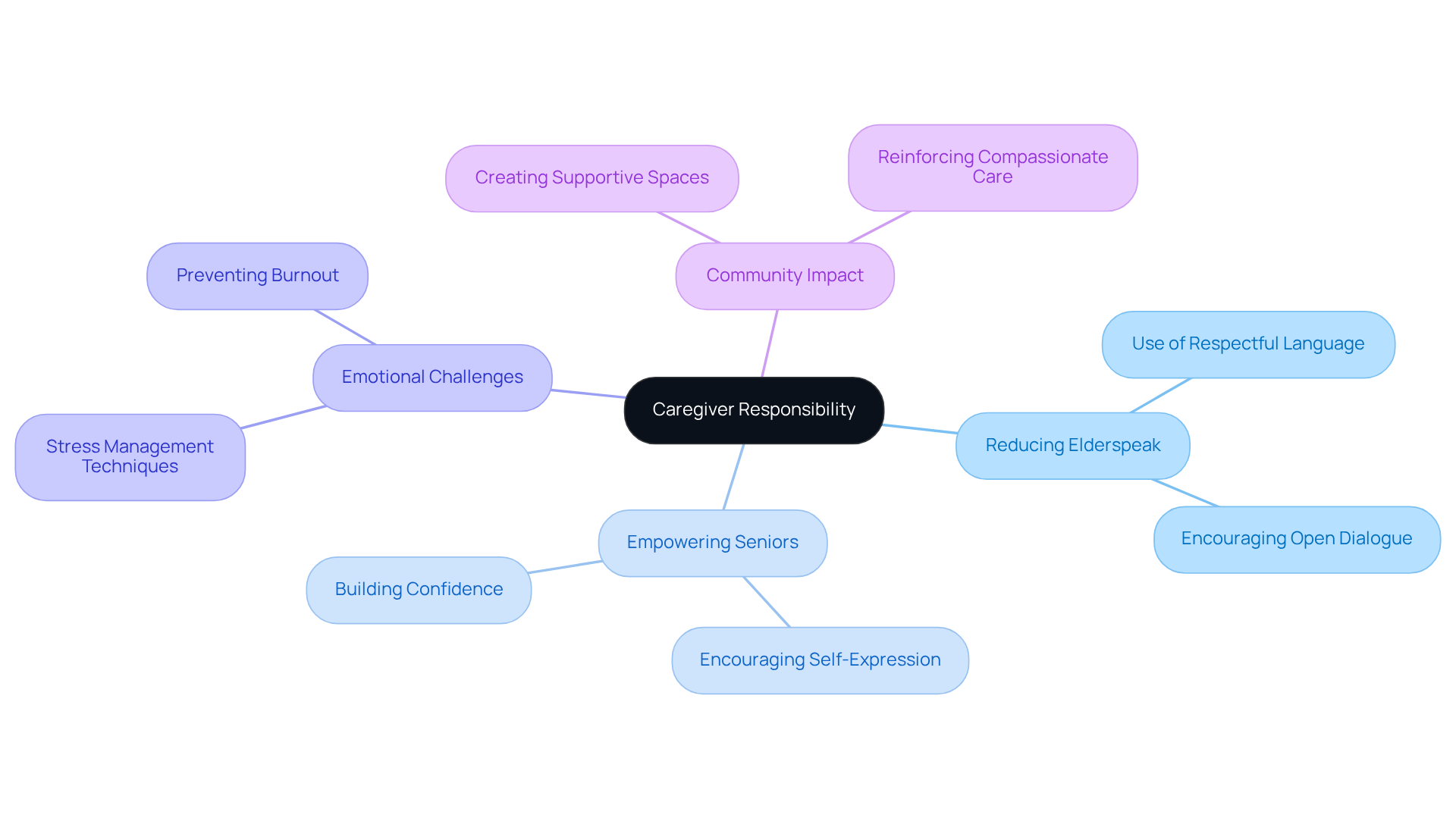
Caregivers hold a vital responsibility to nurture an environment filled with respect and dignity in their interactions with seniors. By consciously working to reduce elements of elderspeak, caregivers can cultivate a more supportive atmosphere. This approach empowers older adults, allowing them to express themselves freely and confidently.
It’s essential to recognize the emotional challenges caregivers face, such as stress and burnout. Yet, by fostering respectful communication, caregivers not only uplift their clients but also find fulfillment in their roles.
Together, we can create spaces where seniors feel valued and heard, reinforcing the compassionate care that is so crucial in our communities.
Evolving Perspectives on Elderspeak: Future Directions in Caregiving
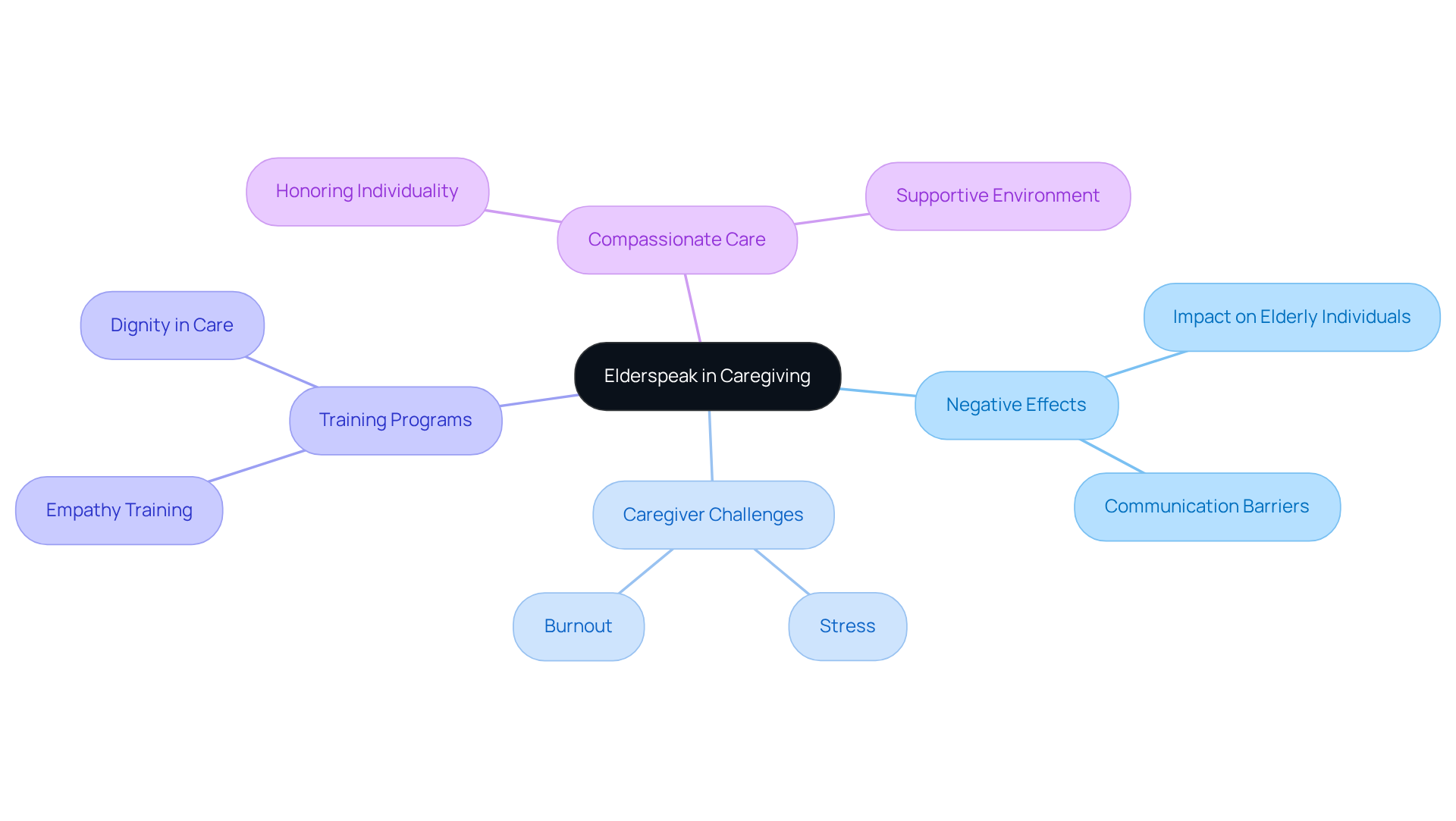
As we deepen our understanding of the negative effects, elderspeak elements include those that the caregiving sector is addressing to make strides toward more respectful interaction methods. Caregivers often face emotional challenges, feeling the weight of stress and burnout. In response, training programs are increasingly emphasizing empathy and dignity. These programs encourage support providers to adopt language where elderspeak elements include honoring the individuality of elderly individuals. This nurturing shift is essential for improving the overall quality of care and fostering a compassionate environment for both caregivers and those they care for.
Enhancing Care Quality: The Importance of Respectful Communication
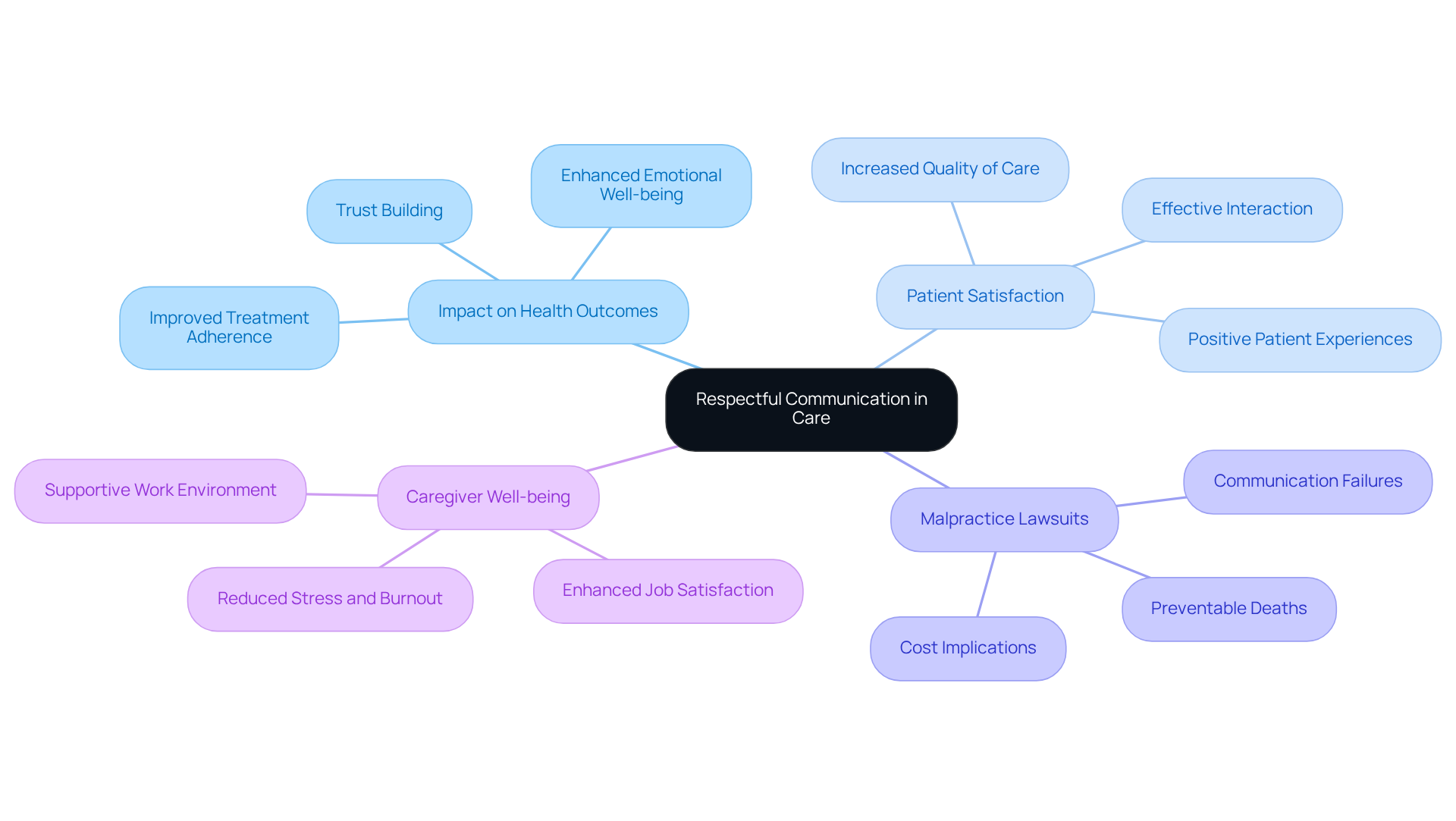
Respectful interaction is essential for enhancing the care provided to seniors. By steering clear of elderspeak elements, which include patronizing language and oversimplification, and nurturing meaningful interactions, caregivers can cultivate trust and rapport with their clients. This approach not only uplifts the emotional well-being of older adults but also plays a significant role in their overall health and quality of life.
Research shows that effective interaction can lead to improved adherence to treatment among older patients, ultimately resulting in better health outcomes. Moreover, over 7,000 out of 23,000 medical malpractice lawsuits were tied to failures in communication, highlighting the vital importance of effective interaction in caregiving environments.
When caregivers engage in meaningful communication, they can enhance the patient experience, boost satisfaction scores, and alleviate clinician stress and burnout. Building trust through effective communication fosters therapeutic relationships, allowing seniors to feel valued and understood—elderspeak elements include this essential aspect of their engagement in care.
Caregivers who prioritize these meaningful interactions can significantly elevate the quality of care, leading to enhanced patient satisfaction and emotional regulation among older adults. By focusing on compassionate communication, we can create a nurturing environment that truly supports our seniors.
Moving Forward with 10 Elderspeak Elements to Avoid for
Respectful communication is fundamental in providing quality care for seniors. Avoiding elements of elderspeak is crucial in fostering dignity and trust. This approach not only enhances the emotional well-being of older adults but also significantly improves their overall quality of life. By recognizing and eliminating condescending language, caregivers can adopt a more respectful interaction style that honors the individuality of each elder.
The article highlights the negative impacts of elderspeak, including feelings of frustration and isolation among seniors. It emphasizes the importance of personalized communication strategies, such as:
- Using clear language
- Maintaining eye contact
- Practicing active listening
Caregivers are encouraged to be mindful of their tone and body language, as these non-verbal cues play a significant role in establishing a nurturing and supportive atmosphere.
Ultimately, the shift away from elderspeak towards respectful communication is beneficial not just for those receiving care; it also enriches the caregiver's experience. By prioritizing meaningful interactions, caregivers can help create a community where seniors feel valued and empowered. Embracing these principles is essential for improving the quality of care and ensuring that older adults receive the dignity and respect they deserve.
https://iframe.tely.ai/cta/eyJhcnRpY2xlX2lkIjogIjY4ZjgxZWNkY2Q5YTk3ZTY3N2NkMjg1MSIsICJjb21wYW55X2lkIjogIjY4ZWU1ZGNhNzMxNzYyNTU3ZjNjOTVjMSIsICJpbmRleCI6IG51bGwsICJ0eXBlIjogImFydGljbGUifQ==Frequently Asked Questions
What services does Happy to Help Caregiving provide?
Happy to Help Caregiving offers a range of personalized in-home support services for seniors, including companionship care and palliative support, all aimed at enhancing the quality of life for older adults.
How does Happy to Help Caregiving ensure respectful interaction with seniors?
The organization prioritizes respectful interaction by avoiding elderspeak, which includes simplistic or condescending language. This approach helps preserve the dignity and respect of older adults during caregiving.
What is elderspeak and why is it problematic?
Elderspeak is a way of speaking that often includes simplified vocabulary, exaggerated intonation, and condescending phrases like 'sweetie' or 'dear.' It can undermine the dignity of seniors and lead to less effective communication.
Why is personalized care important in in-home caregiving?
Personalized care is crucial because when older adults are treated with respect and their individual preferences are honored, their overall well-being improves significantly. This approach fosters autonomy and enhances the quality of life.
What evidence supports the effectiveness of personalized caregiving?
Happy to Help Caregiving has generated close to 10 million USD in revenue since its inception, indicating a growing demand for quality caregiving services that emphasize personalized care and respectful interactions.
How can societal attitudes contribute to the use of elderspeak?
Societal attitudes that view aging as a decline in capability can lead individuals in supportive roles to adopt a patronizing tone, mistakenly believing that simplified communication is appropriate for older adults.
Can you provide an example of successful in-home caregiving?
The case study of Mr. & Mrs. B illustrates successful in-home caregiving, where their family managed a mini-care facility at home, providing the personalized support needed for them to thrive despite health challenges.
What is the overall goal of Happy to Help Caregiving?
The overall goal of Happy to Help Caregiving is to provide compassionate and personalized support to seniors, ensuring they receive the care and understanding they need to enhance their quality of life.