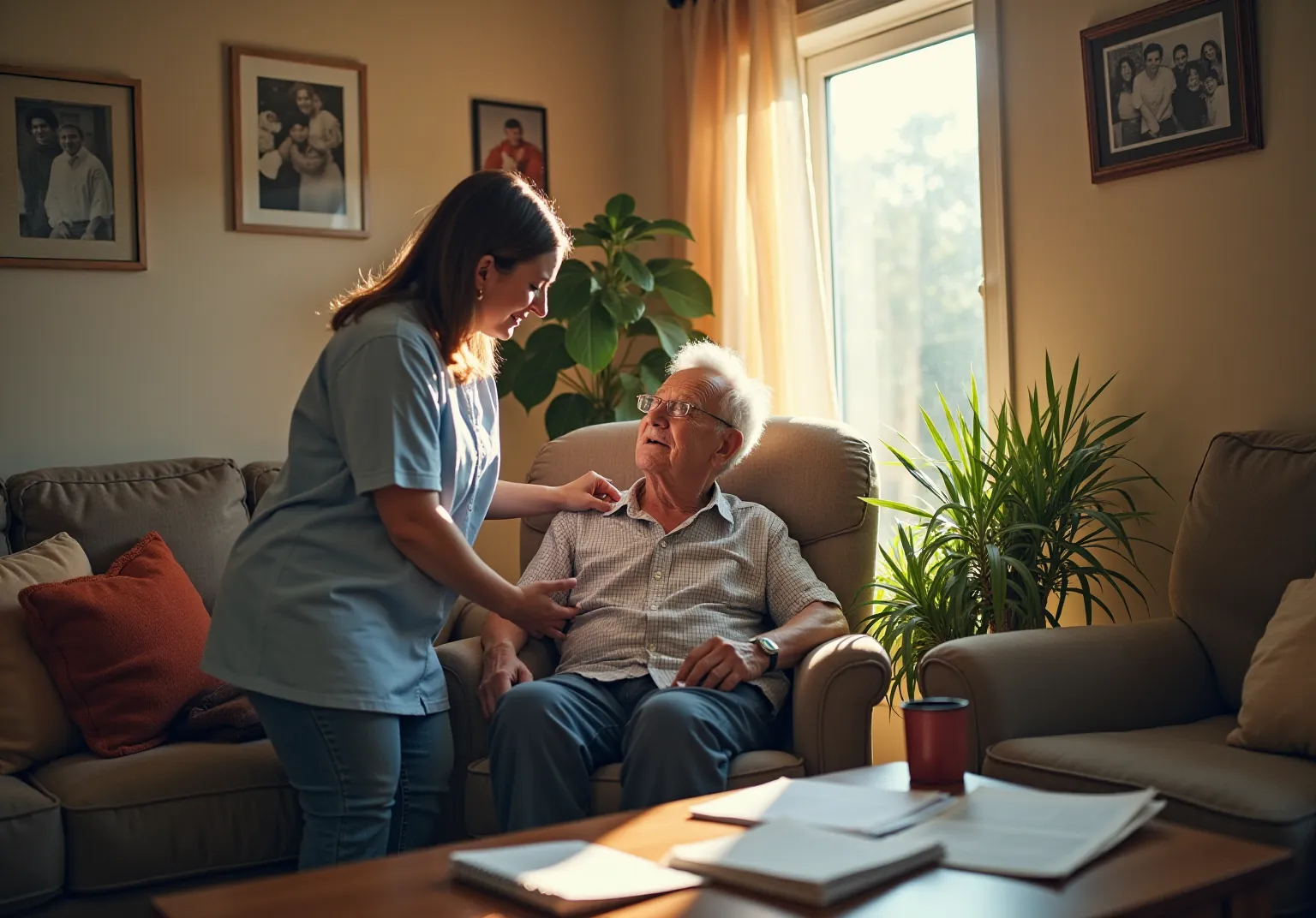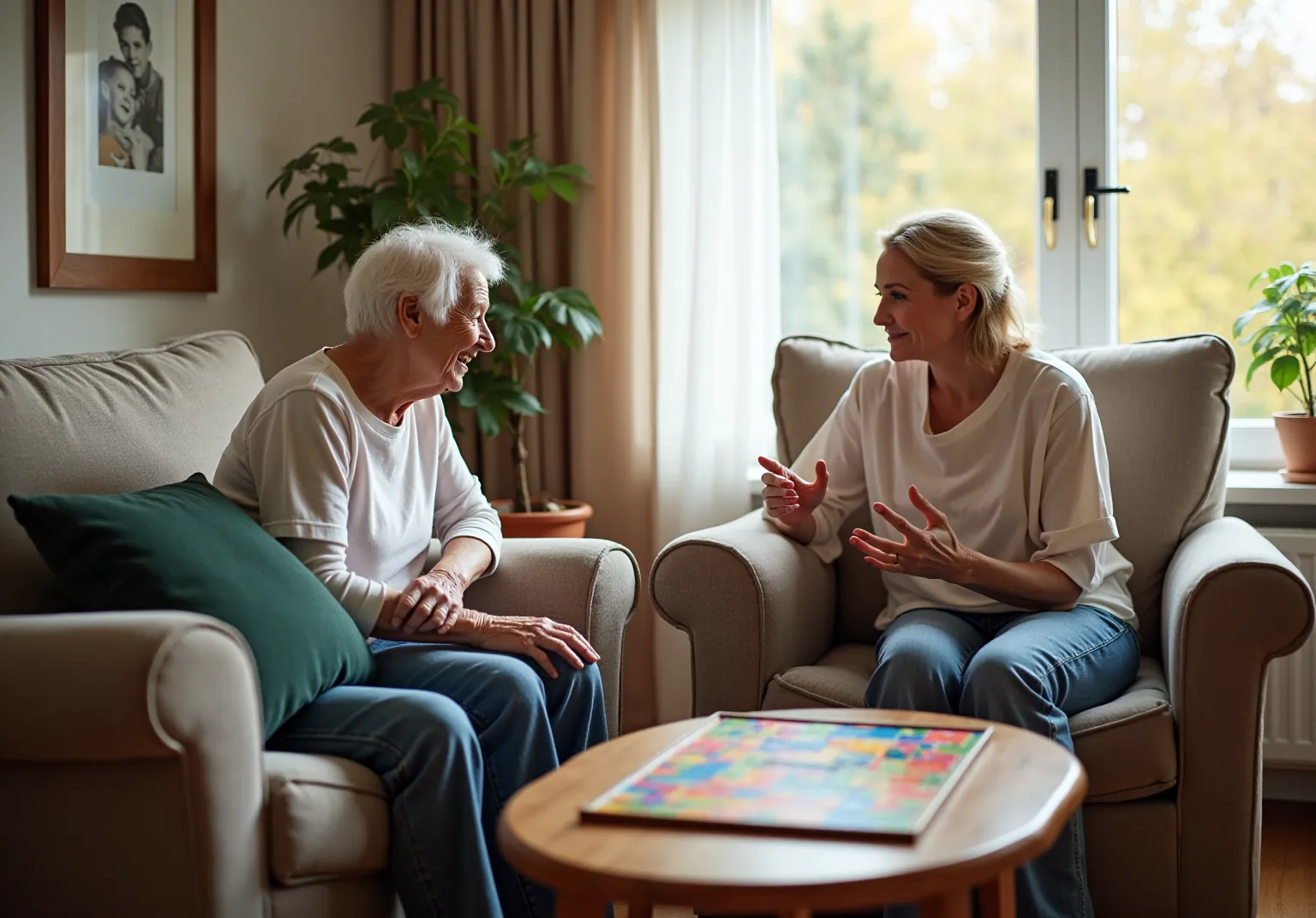
For families in our service areas
For families in our service areas, this guide explains dementia care and how non-medical in-home caregiving can support care planning in East Idaho, Treasure Valley & Magic Valley, Northern Wasatch, North Central West Virginia, and Northeast Ohio.
What You Need to Know About 10 Engaging Activities for Dementia
Caring for individuals with dementia presents a significant challenge for many caregivers, often leading to feelings of overwhelm and uncertainty about how to engage their loved ones effectively. This situation not only affects the caregivers but also impacts the quality of life for those living with dementia.
However, the right activities can make a world of difference. By incorporating engaging and stimulating activities into daily routines, caregivers can enhance cognitive function and emotional well-being for both themselves and their loved ones. This article explores a variety of practical strategies designed specifically for dementia patients, offering caregivers actionable tips to foster meaningful connections.
What if simple adjustments in daily routines could significantly improve the lives of both caregivers and patients alike? Let's delve into these transformative activities that can create a more enriching experience for everyone involved.
Happy to Help Caregiving: Personalized In-Home Care Activities for Dementia Patients
Caring for individuals with memory disorders presents unique challenges for caregivers. These challenges can lead to feelings of frustration and helplessness, both for the caregiver and the individual receiving care. Without proper support and tailored strategies, the quality of life for those affected can significantly diminish.
To address these issues, Happy to Help Caregiving focuses on developing customized in-home care tasks that cater to the specific needs of individuals with memory disorders. By evaluating personal preferences and skills, caregivers can create stimulating experiences that enhance cognitive function and emotional health. This tailored approach not only fosters a sense of independence but also enhances the overall quality of life for clients, ensuring they feel valued and understood in their own homes.
Here are some actionable tips for caregivers:
- Assess individual needs: Regularly evaluate the preferences and abilities of the person in your care.
- Create engaging activities for dementia patients near me: Design activities that stimulate cognitive function and promote emotional well-being.
- Encourage independence: Foster a sense of autonomy by allowing individuals to participate in their care as much as possible.
By implementing these strategies, caregivers can significantly improve the experience for both themselves and those they care for.
Arts and Crafts: Creative Engagement for Dementia Patients
Individuals with dementia often face significant challenges in expressing their emotions and memories verbally. This communication barrier can lead to feelings of frustration and isolation, both for them and their caregivers.
Participating in activities for dementia patients near me, such as arts and crafts like painting, drawing, or crafting, offers a valuable solution. These activities for dementia patients near me can be tailored to suit various skill levels, ensuring that everyone can participate. Engaging in various activities for dementia patients near me not only provides a sense of achievement but also serves as a powerful means of communication.
Through arts and crafts, individuals can articulate emotions and recollections that might otherwise be difficult to express. This creative outlet fosters connection and understanding, making it an essential tool for caregivers looking for activities for dementia patients near me to enhance the quality of life for those they support.
Reminiscence Activities: Evoking Memories Through Photo Albums
Memory loss poses a significant challenge for individuals with dementia and their caregivers. This decline can lead to feelings of isolation and depression, making it crucial for caregivers to find activities for dementia patients near me that effectively engage their loved ones.
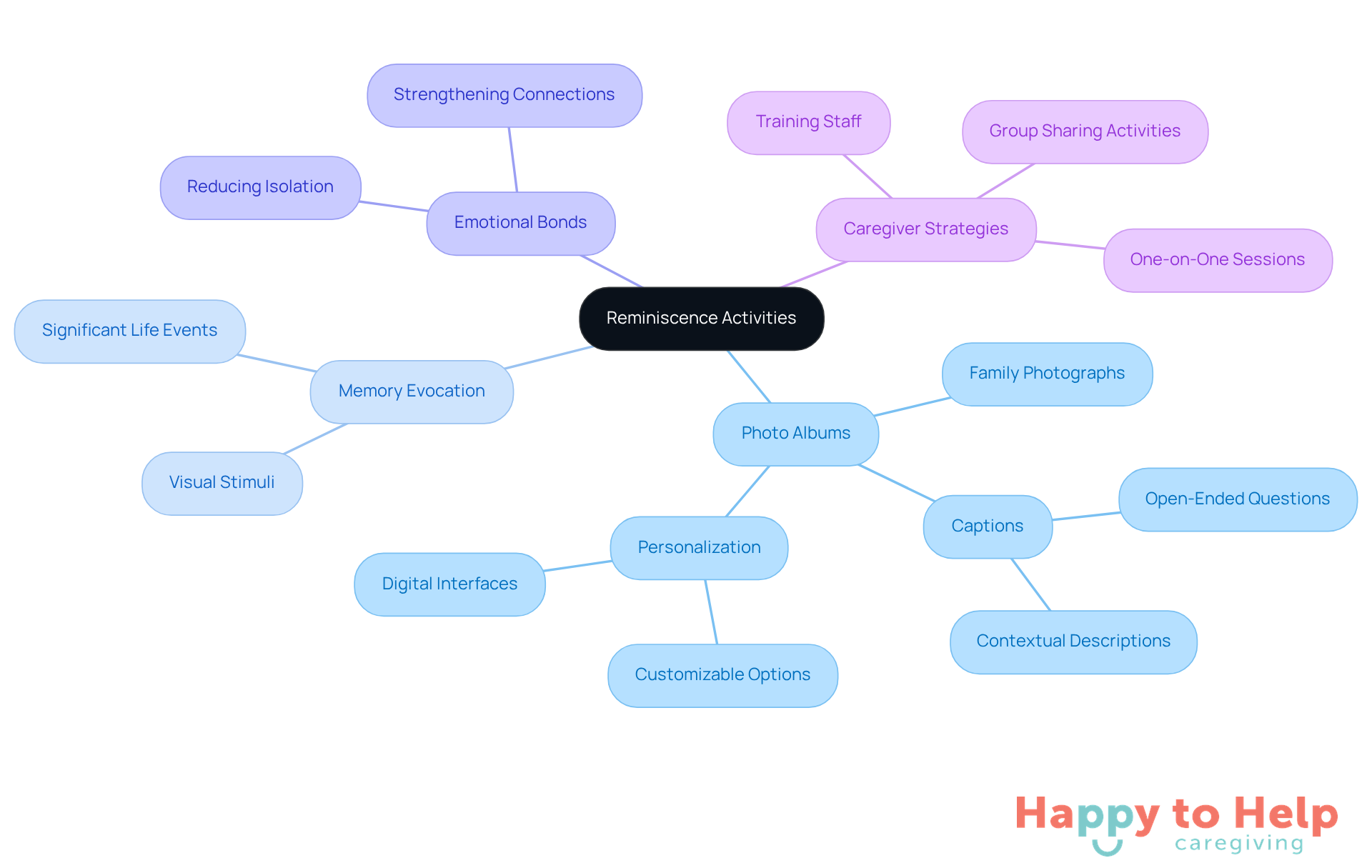
One effective solution is utilizing photo albums to evoke memories. Caregivers can guide individuals through albums filled with family photographs, prompting them to share stories and experiences linked to the images. This reminiscence activity not only stimulates mental function but also strengthens emotional bonds, fostering a profound sense of belonging and identity.
Research indicates that the human brain processes visual information efficiently, which supports memory retrieval-essential for those facing cognitive decline. To enhance this experience, caregivers can personalize albums by adding captions or descriptions to photographs, making the activity more engaging and meaningful.
As Jeena Mary Thomas, RN, MSc, notes, "Reminiscence therapy can assist in alleviating depression among individuals with cognitive impairment, which is highly prevalent in this population." Regularly updating photo albums and inviting family members to contribute photographs can create a dynamic tool that preserves memories, promotes social interaction and emotional well-being, and can also include activities for dementia patients near me.
It's also vital to consider accessibility for residents with physical or mental limitations when using photo albums, ensuring that all individuals can engage meaningfully in activities for dementia patients near me.
Music Therapy: Enhancing Mood and Cognition Through Familiar Tunes
The Challenge of Dementia Care
Caring for individuals with dementia presents significant emotional and cognitive challenges. Many patients experience withdrawal and isolation, which can lead to increased agitation and a decline in mental engagement. This situation not only affects the individuals but also places a heavy burden on caregivers, who are searching for activities for dementia patients near me to connect and improve their loved ones' quality of life.
The Impact of Music Therapy
Music therapy offers a promising solution. By utilizing familiar melodies, caregivers can elicit positive feelings and memories, greatly enhancing mood and mental involvement. Personalized playlists featuring songs from the patient's past create opportunities for joy and connection. Engaging in activities for dementia patients near me, such as singing along or dancing to these melodies, promotes emotional well-being and cognitive function.
Research supports the effectiveness of music therapy, showing a significant reduction in agitation and activity disturbances during music sessions. Studies indicate a standardized mean difference (SMD) of -0.64 for anxiety, highlighting its role in alleviating symptoms of depression.
Practical Steps for Caregivers
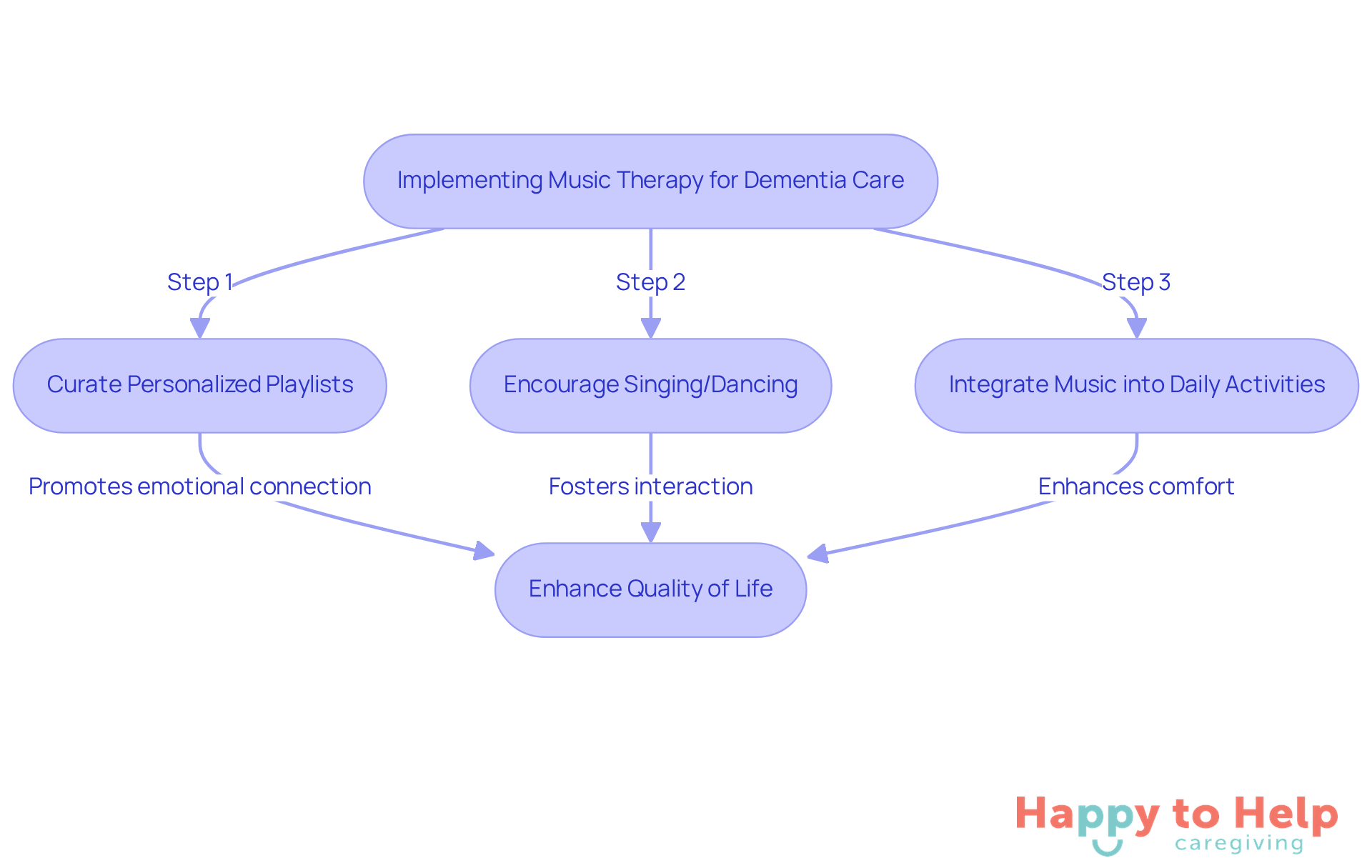
Caregivers can implement music therapy in their daily routines by:
- Curating personalized playlists that resonate with the patient’s history.
- Encouraging participation in singing or dancing to foster interaction.
- Integrating music into everyday activities to enhance comfort and connection.
Programs like Mindsong, which assists 2,000 people with cognitive decline each year, demonstrate the significant impact of music therapy. Music therapists emphasize that familiar songs can bridge the gap between withdrawal and awareness, transforming moments of isolation into interactive experiences. By embracing music therapy, caregivers can significantly improve the quality of life for their loved ones, nurturing essential connections in the face of cognitive decline.
Outdoor Activities: Promoting Well-Being Through Nature Engagement
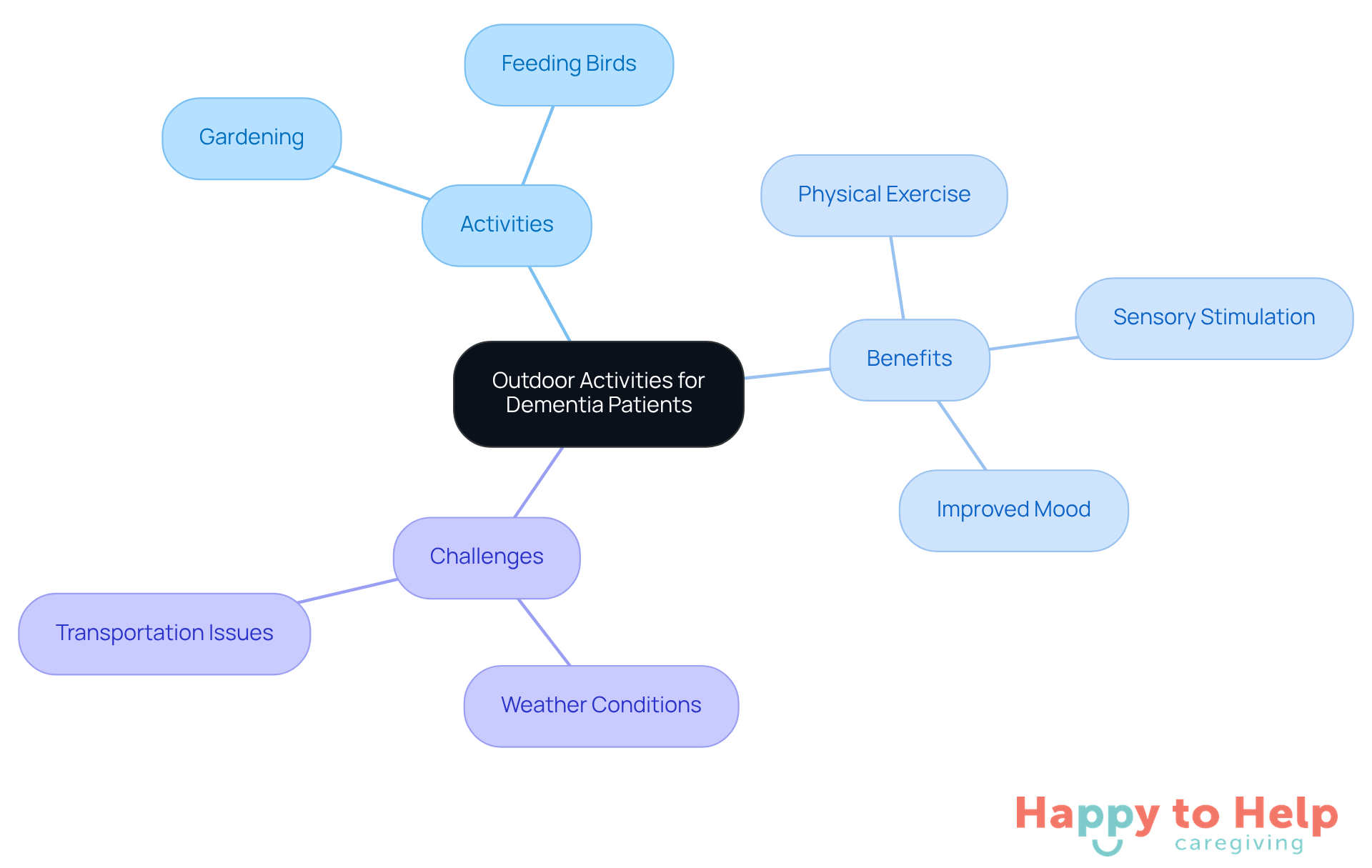
Engaging in activities for dementia patients near me, such as gardening, casual strolls in the park, or simply enjoying fresh air, presents significant benefits for individuals with memory disorders. However, caregivers often face challenges in encouraging activities for dementia patients near me. Weather conditions and transportation issues can hinder outdoor involvement, making it difficult for patients to participate in activities for dementia patients near me that provide beneficial experiences.
These outdoor activities for dementia patients near me not only promote essential physical exercise but also provide vital sensory stimulation through the diverse sights and sounds of nature. Studies indicate that nature-based interventions can effectively reduce agitation, with a meta-analysis showing a significant negative mean effect on agitation (g = -0.86) in individuals with cognitive decline.
To address these challenges, caregivers can facilitate participation by encouraging patients to engage in simple activities for dementia patients near me, like:
- Watering plants
- Feeding birds
Engaging in activities for dementia patients near me fosters a sense of purpose and strengthens their connection to the environment. Programs like 'Restore and Renew with Care Outdoors,' which are approved for instructional hours, have shown promising results, with participants reporting improved mood and emotional well-being.
As highlighted by specialists in aging, including Dr. Janie Corley, gardening not only offers mental engagement but also helps diminish mental decline. Therefore, incorporating outdoor pursuits into care routines is essential for activities for dementia patients near me. By being aware of potential barriers and actively seeking solutions, caregivers can ensure these engagements remain accessible and beneficial.
Brain Games: Cognitive Stimulation Through Puzzles and Challenges
Cognitive decline poses a significant challenge for individuals with dementia, impacting their daily lives and overall well-being. Alarmingly, 10% of those experiencing mild mental decline develop Alzheimer's disease or other memory disorders each year. This highlights the urgent need for effective interventions to support cognitive health.
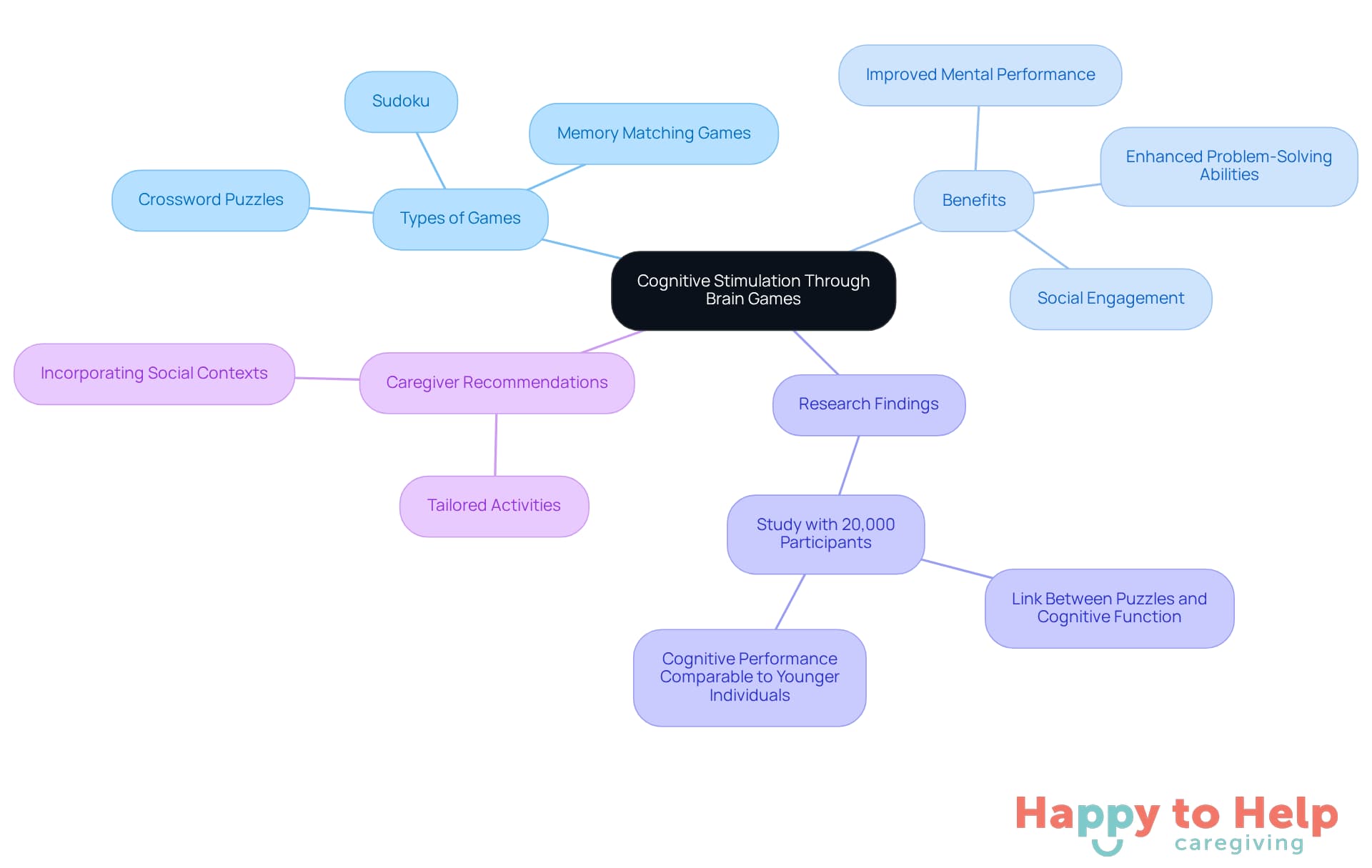
Incorporating activities for dementia patients near me, such as brain games like crossword puzzles, Sudoku, and memory matching games, into daily routines can provide essential cognitive stimulation. These activities not only engage the brain but also enhance problem-solving abilities, which are crucial for maintaining mental sharpness. Caregivers can tailor the difficulty of these games to match each patient's abilities, fostering both engagement and motivation.
Research supports the benefits of these mentally stimulating activities. A study involving nearly 20,000 participants aged 50 and older found a direct link between regular participation in number puzzles and improved mental performance, potentially comparable to that of individuals eight years younger. Cognitive therapists recommend integrating these activities into social contexts, as engaging in puzzles and games with others can amplify their protective effects on brain health.
To further enhance cognitive function, a comprehensive approach to brain health is essential. This includes a balanced diet, regular exercise, and effective stress management. Engaging in activities for dementia patients near me that require involvement is closely associated with a lower occurrence of cognitive decline, highlighting the importance of an energetic and mentally stimulating lifestyle.
In summary, caregivers can play a pivotal role in supporting cognitive health by incorporating brain games into daily routines. By doing so, they not only provide essential stimulation but also contribute to a more engaging and fulfilling life for individuals with dementia.
Sensory Activities: Engaging the Senses for Comfort and Connection
Caring for individuals with cognitive impairments often presents significant challenges, particularly when it comes to managing anxiety and confusion. These feelings can hinder engagement and well-being, making it essential for caregivers to find effective strategies to support their loved ones.
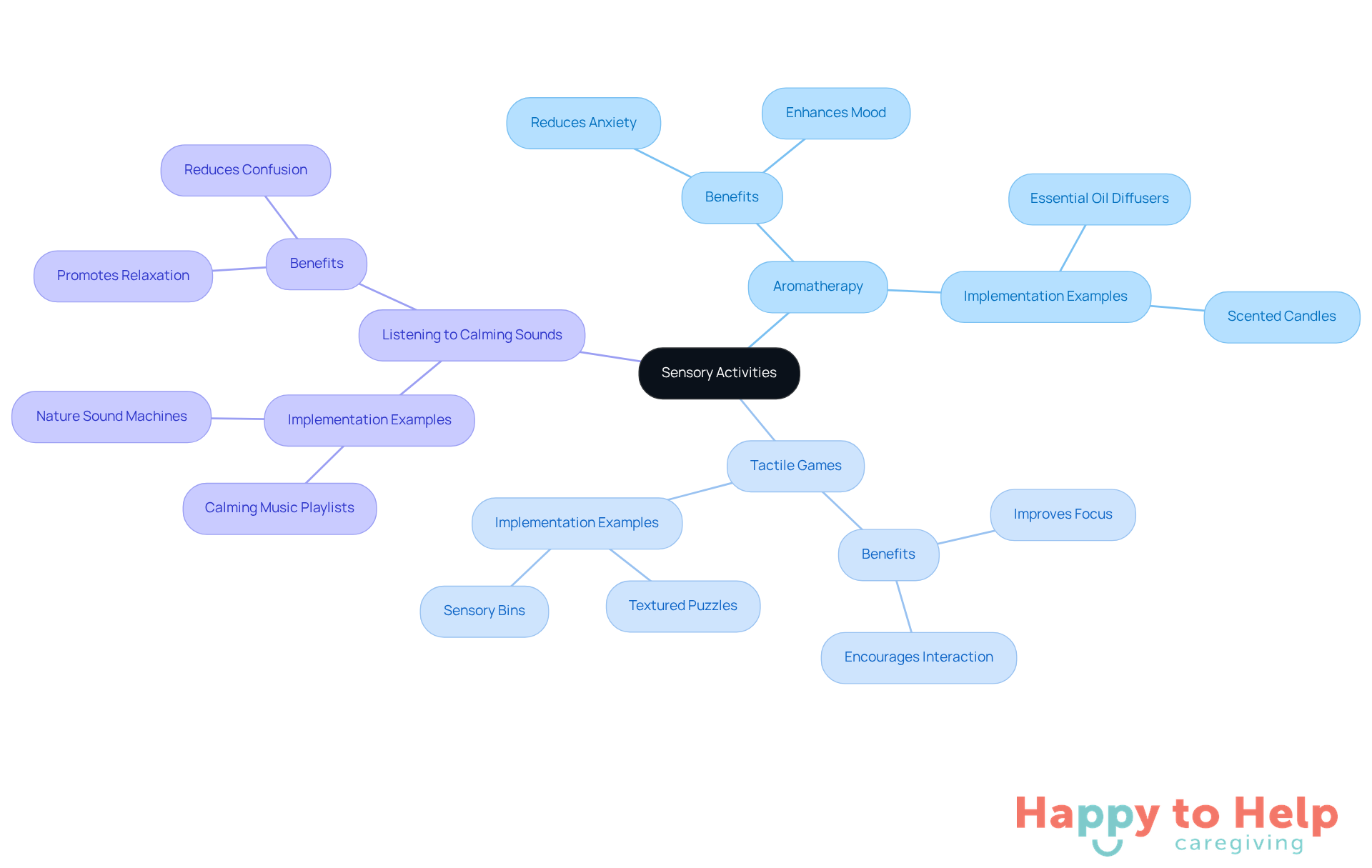
One effective solution is to incorporate sensory experiences into caregiving routines. Activities like:
- Aromatherapy
- Tactile games
- Listening to calming sounds
can ground individuals in the present moment, helping to alleviate distress. Caregivers can create sensory boxes filled with various textures, scents, and sounds, providing comfort and stimulation during difficult times.
By utilizing these sensory tools, caregivers can foster a more calming environment, ultimately enhancing the quality of life for those they care for. This approach not only addresses immediate needs but also promotes a sense of connection and engagement.
Simple Chores: Fostering Purpose Through Daily Routines
Integrating basic tasks into the daily schedule of individuals with cognitive impairments presents a significant challenge for caregivers. Individuals may struggle to find a sense of purpose without activities for dementia patients near me, which can lead to decreased self-esteem and independence.
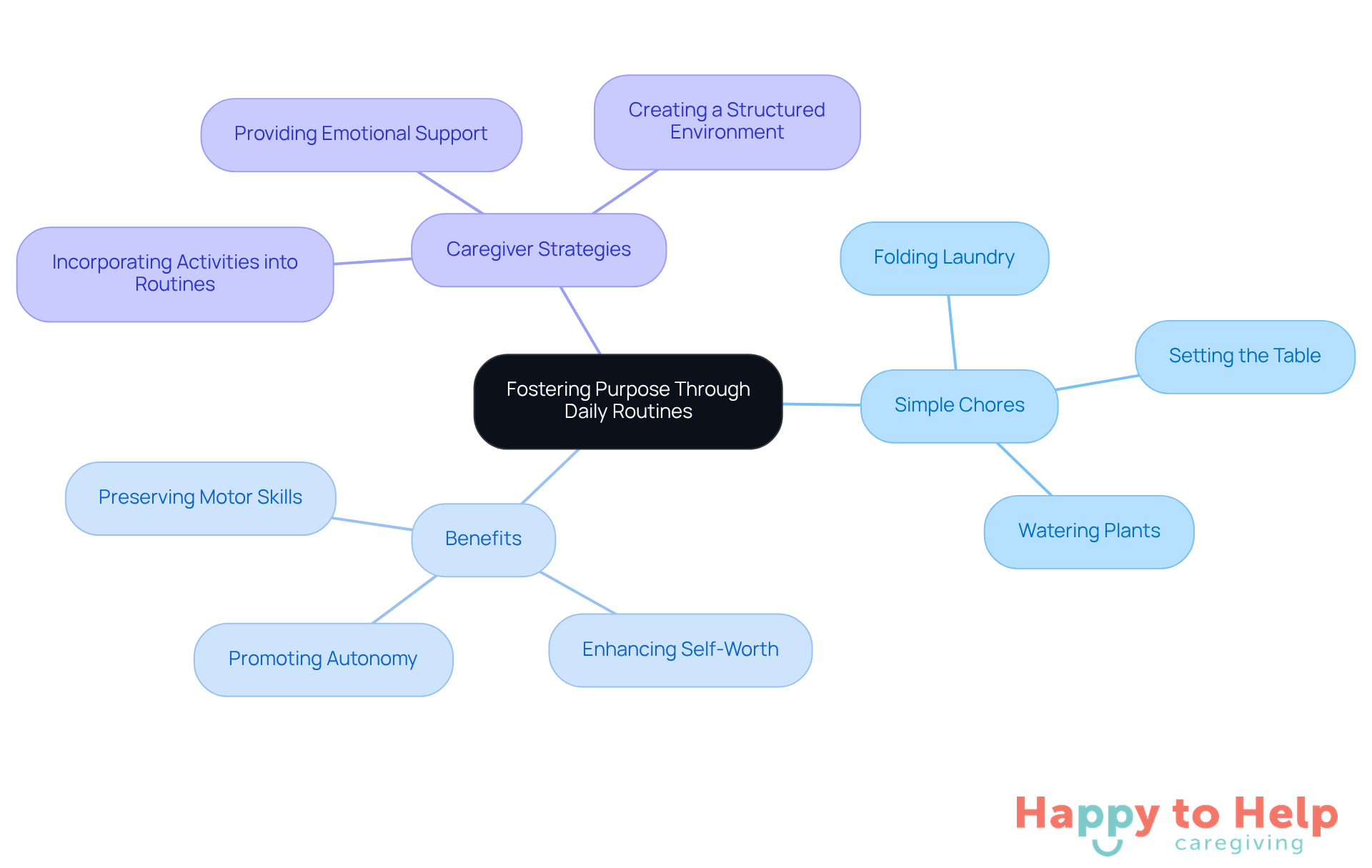
To address this issue, caregivers can adapt simple tasks such as:
- Folding laundry
- Setting the table
- Watering plants
Engaging in activities for dementia patients near me not only helps preserve motor skills but also strengthens their role within the home. This involvement fosters a greater sense of self-worth and autonomy.
By incorporating activities for dementia patients near me into daily routines, caregivers can enhance the quality of life for individuals with cognitive impairments. Not only do these activities provide structure, but they also empower individuals, allowing them to contribute meaningfully to their environment.
Technology-Based Activities: Staying Connected Through Virtual Engagement
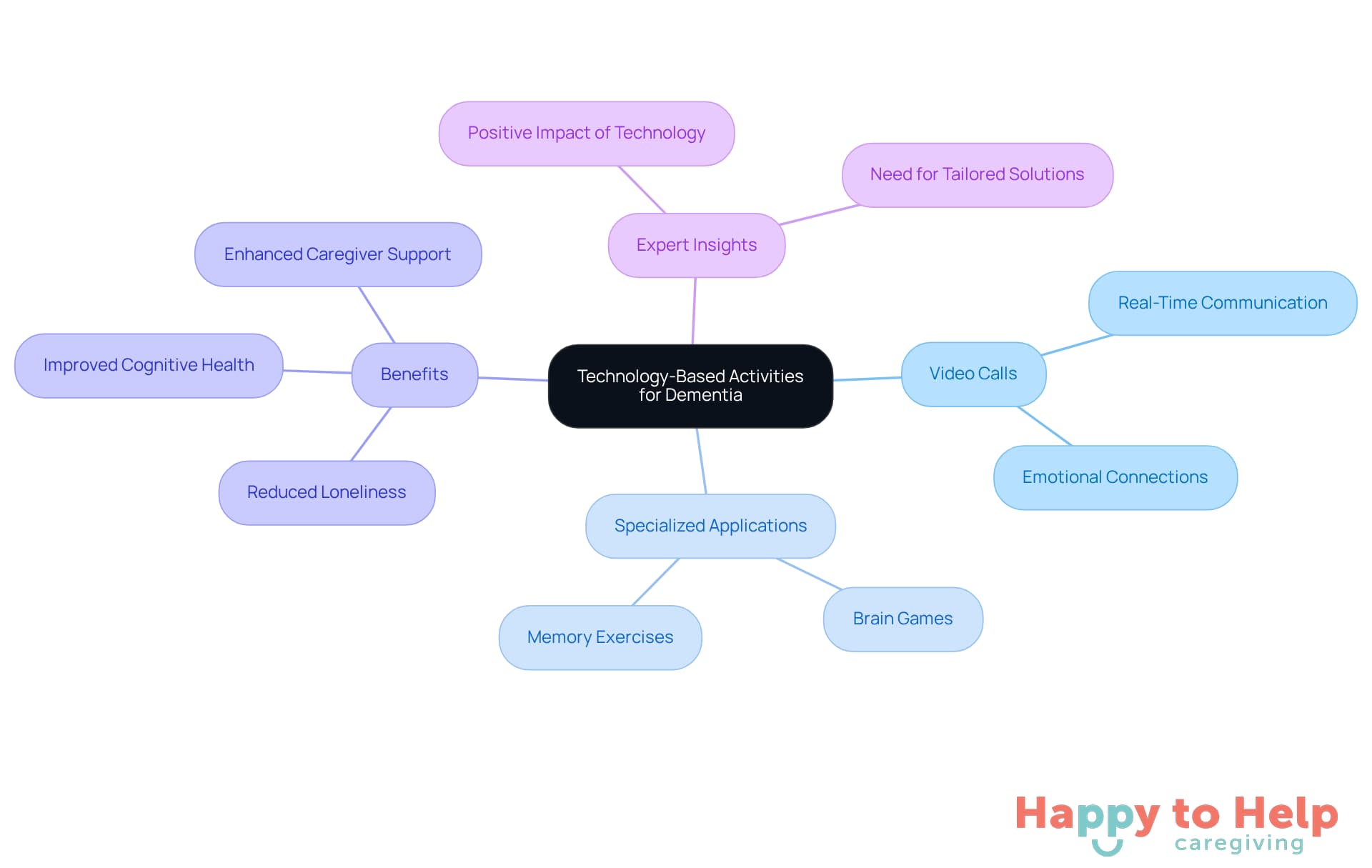
Technology-driven tasks, such as video calls with family and specialized mental engagement applications, are crucial for individuals with dementia to maintain connections with their loved ones. Loneliness is a significant issue for these individuals, as it is linked to an increased risk of cognitive decline. Caregivers face the challenge of facilitating social interactions, which can be addressed through digital means, enhancing overall well-being.
Many applications are designed specifically for individuals with memory impairments, offering brain games and memory exercises tailored to their unique needs. Effective online engagement initiatives demonstrate the positive impact of technology on mental health. For example, video calls not only enable real-time communication but also foster emotional connections, essential for mental health.
Experts emphasize that incorporating technology into cognitive impairment care can lead to improved outcomes. Research shows that regular internet use is associated with a 58% reduced risk of mental decline, highlighting the importance of staying connected through digital methods. Michael K. Scullin, Ph.D., notes, "We could spend a long time talking about all the specific ways in which technology use can be bad. However, the net effect since the 1990s has been positive for overall cognition in older adults."
By utilizing these tools, caregivers can create activities for dementia patients near me that provide enriching experiences addressing the cognitive and emotional needs of individuals with memory impairments, ultimately improving their quality of life.
Family Traditions: Creating Meaningful Moments for Dementia Patients
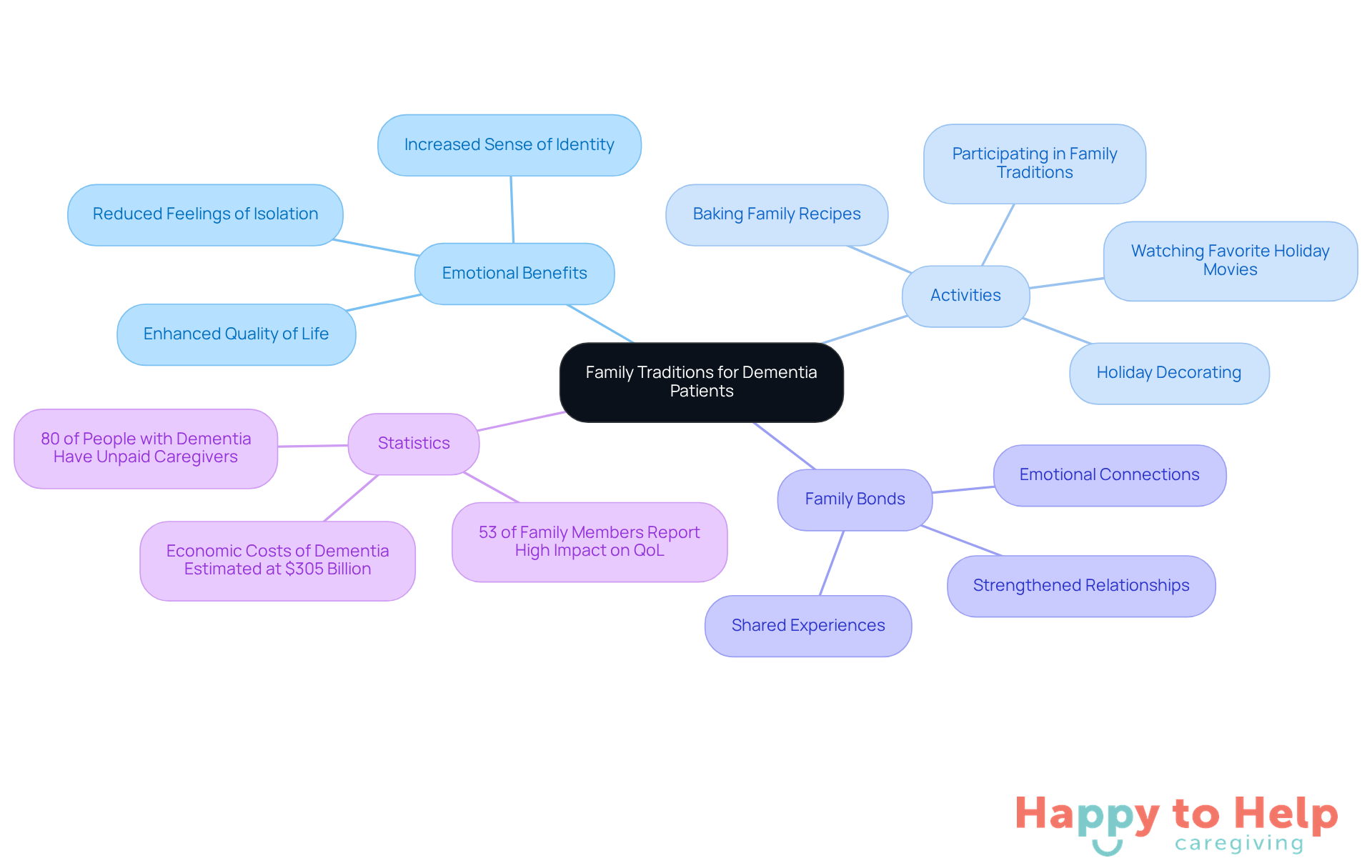
Caregivers often face the challenge of feeling overwhelmed while trying to connect with loved ones who have dementia. This disconnection can lead to feelings of isolation and frustration, both for the caregiver and the individual. Involving individuals with dementia in family traditions, such as holiday celebrations or special meals, can nurture significant moments that foster treasured memories.
Engaging individuals in activities for dementia patients near me, such as baking family recipes or decorating for holidays, stimulates positive emotions and reinforces their sense of identity. Research indicates that participation in these collective experiences not only strengthens family bonds but also brings solace and happiness to individuals, ultimately improving their overall quality of life. For example, maintaining predictable routines during holidays provides stability, which is crucial for those experiencing memory loss.
Family therapists emphasize that fostering these moments of connection can greatly influence the emotional well-being of individuals with dementia, allowing them to feel valued and understood. Furthermore, statistics reveal that 53% of family members report a very high to extremely high impact on their quality of life due to caregiving responsibilities. This underscores the importance of activities for dementia patients near me in enhancing the caregiving experience.
Recognizing the significance of these traditions can transform caregiving, making it more enriching for both the patient and the family. By implementing these strategies, caregivers can create meaningful interactions that benefit everyone involved.
Key Takeaways for Caregivers
Engaging individuals with dementia in meaningful activities presents a significant challenge for caregivers. Without these interactions, individuals may experience diminished quality of life and emotional disconnection. This article has explored various approaches that caregivers can implement to address this issue, emphasizing the need for personalized care strategies tailored to each individual's unique needs.
By focusing on activities such as:
- Arts and crafts
- Reminiscence therapy
- Music engagement
- Outdoor pursuits
Caregivers can create enriching experiences. These activities not only stimulate cognitive function but also promote emotional well-being. Incorporating sensory activities, brain games, and family traditions into daily routines can alleviate feelings of isolation and frustration, empowering individuals with dementia to maintain a sense of purpose and connection to their loved ones.
To effectively implement these strategies, caregivers should assess individual preferences and abilities, ensuring that activities are both enjoyable and beneficial. Ultimately, the significance of engaging activities for dementia patients cannot be overstated. By embracing these strategies, caregivers can transform the caregiving experience into one that is fulfilling for both the individual and the caregiver.
Prioritizing these interactions is vital, as they play a crucial role in nurturing relationships and improving the overall well-being of individuals living with dementia. By taking actionable steps, caregivers can make a meaningful difference in the lives of those they care for.
https://iframe.tely.ai/cta/eyJhcnRpY2xlX2lkIjogIjY5MmY5MWI1ZGM0MTVjZWNlZTQ2NmM5MSIsICJjb21wYW55X2lkIjogIjY4ZWU1ZGNhNzMxNzYyNTU3ZjNjOTVjMSIsICJpbmRleCI6IG51bGwsICJ0eXBlIjogImFydGljbGUifQ==Frequently Asked Questions
What are the main challenges faced by caregivers of individuals with dementia?
Caregivers often experience feelings of frustration and helplessness due to the unique challenges presented by memory disorders, which can diminish the quality of life for both caregivers and the individuals receiving care.
How does Happy to Help Caregiving address the needs of dementia patients?
Happy to Help Caregiving develops customized in-home care tasks that cater to the specific needs of individuals with memory disorders by evaluating personal preferences and skills, creating stimulating experiences that enhance cognitive function and emotional health.
What are some actionable tips for caregivers of dementia patients?
Caregivers should regularly assess individual needs, create engaging activities that stimulate cognitive function, and encourage independence by allowing individuals to participate in their care as much as possible.
Why are arts and crafts beneficial for individuals with dementia?
Arts and crafts provide a valuable means of communication for individuals with dementia, allowing them to express emotions and memories that may be difficult to articulate verbally. These activities foster connection and understanding while providing a sense of achievement.
How can reminiscence activities help dementia patients?
Reminiscence activities, such as using photo albums to evoke memories, stimulate mental function and strengthen emotional bonds. They allow individuals to share stories linked to images, fostering a sense of belonging and identity.
What is the significance of visual information in memory retrieval for dementia patients?
The human brain processes visual information efficiently, which supports memory retrieval, making it essential for individuals facing cognitive decline.
How can caregivers enhance the reminiscence activity using photo albums?
Caregivers can personalize photo albums by adding captions or descriptions to photographs, making the activity more engaging and meaningful. Regular updates and contributions from family members can also enhance the experience.
What should caregivers consider when using photo albums for dementia patients?
Caregivers should ensure accessibility for residents with physical or mental limitations, allowing all individuals to engage meaningfully in reminiscence activities.
List of Sources
- Happy to Help Caregiving: Personalized In-Home Care Activities for Dementia Patients
- Brief, personalized care sessions boost mood in dementia patients by 59 percent, study reveals (https://mcknights.com/news/brief-personalized-care-sessions-boost-mood-in-dementia-patients-by-59-percent-study-reveals)
- Meaningful activities for a person with dementia (https://dementiauk.org/news/meaningful-activities-for-a-person-with-dementia)
- Why More Families Are Choosing In-Home Dementia Care in 2025 (https://ambassadorhomeagency.com/choosing-in-home-dementia-care-in-2025)
- Reminiscence Activities: Evoking Memories Through Photo Albums
- Quiltt Blog | How to Use Photo Albums to Improve Resident Engagement and Memory Care (https://quiltt.com/blog/how-to-use-photo-albums-to-improve-resident-engagement-and-memory-care-1d488)
- Can photo frames with voice notes help people with dementia? (https://bbc.com/news/articles/cwy1we72583o)
- 10 Ways to Use the Power of Photos for Dementia Care - Alzheimer's Texas (https://txalz.org/blog/powerofphotos)
- Effectiveness of reminiscence therapy in reducing agitation and depression and improving quality of life and cognition in long-term care residents with dementia: A systematic review and meta-analysis (https://sciencedirect.com/science/article/abs/pii/S0197457221003347)
- Music Therapy: Enhancing Mood and Cognition Through Familiar Tunes
- The Community Foundation Northern Ireland - charitable foundation (https://communityfoundationni.org/page/2?cat=case\_studies)
- Music therapy in moderate and severe dementia of Alzheimer's type: a case-control study (https://sciencedirect.com/science/article/pii/S1041610224048671)
- Mindsong - The Fore (https://thefore.org/case\_studies/mindsong)
- Definition and Quotes about Music Therapy | American Music Therapy Association (AMTA) (https://musictherapy.org/about/quotes)
- Music can be therapeutic tool for those with dementia (https://uclahealth.org/news/article/music-can-be-therapeutic-tool-those-with-dementia)
- Outdoor Activities: Promoting Well-Being Through Nature Engagement
- (https://assistinghandscolumbiamd.com/how-are-outdoor-activities-and-nature-beneficial-for-seniors-with-dementia)
- To reduce dementia risk, seniors should take up this outdoor activity, study suggests (https://foxnews.com/health/reduce-dementia-risk-seniors-should-take-outdoor-activity-study-suggests)
- Bringing Care Outdoors: The Benefits of Sensory Engagement with Nature for Older Adults (https://monicaeastway.com/post/bringing-care-outdoors-the-benefits-of-sensory-engagement-with-nature-for-older-adults)
- Effectiveness of Nature-Based Interventions in Reducing Agitation Among Older Adults with Dementia: A Systematic Review and Meta-Analysis - PMC (https://pmc.ncbi.nlm.nih.gov/articles/PMC12294372)
- Understandings and Perceived Benefits of Outdoor-Based Support for People Living with Dementia - PMC (https://pmc.ncbi.nlm.nih.gov/articles/PMC11354420)
- Brain Games: Cognitive Stimulation Through Puzzles and Challenges
- A brain training game boosts a chemical linked to memory and attention, new research shows (https://nbcnews.com/health/aging/brain-game-boosts-chemical-memory-dementia-research-rcna237832)
- Brain games for older adults (https://uclahealth.org/news/article/4-worthwhile-brain-games-older-adults-3)
- These Popular Games Can Lower Your Dementia Risk, Study Finds (https://prevention.com/health/memory/a44613229/puzzles-games-can-lower-dementia-risk-study)
- Games, Puzzles And Reading Can Slow Cognitive Decline In The Elderly — Even In Those With Mild Cognitive Impairment (https://stories.tamu.edu/news/2024/09/10/games-puzzles-and-reading-can-slow-cognitive-decline-in-the-elderly-even-in-those-with-mild-cognitive-impairment)
- A systematic review and meta-analysis of randomized controlled trials on the effect of serious games on people with dementia (https://sciencedirect.com/science/article/abs/pii/S1568163722001829)
- Simple Chores: Fostering Purpose Through Daily Routines
- 4 Inspiring Quotes for Caring for a Loved One With Alzheimer’s | myALZteam (https://myalzteam.com/resources/inspiring-quotes-for-caring-for-a-loved-one-with-alzheimers)
- Top List of Inspirational Dementia Quotes for Caregivers (https://rochesterlawcenter.com/dementia-resources/dementia-quotes)
- American Academy of Neurology: Neurology Resources | AAN (https://aan.com/PressRoom/Home/PressRelease/5004)
- The Importance of Routine for Seniors with Dementia | Paul Spring (https://paulspringbyrui.com/the-importance-of-routine-for-seniors-with-dementia)
- 27 Inspirational Quotes for Caregivers (https://ultimatecareny.com/resources/27-quotes-for-caregivers)
- Technology-Based Activities: Staying Connected Through Virtual Engagement
- Digital Dementia: Does Technology Use by ‘Digital Pioneers’ Correlate to Cognitive Decline? (https://news.web.baylor.edu/news/story/2025/digital-dementia-does-technology-use-digital-pioneers-correlate-cognitive-decline)
- Can using the internet protect from dementia? | Cognitive Vitality | Alzheimer's Drug Discovery Foundation (https://alzdiscovery.org/cognitive-vitality/blog/can-using-the-internet-protect-from-dementia)
- Technology for dementia care: benefits, opportunities and concerns | Published in Journal of Global Health Reports (https://joghr.org/article/39606-technology-for-dementia-care-benefits-opportunities-and-concerns)
- Technology that CARES: Enhancing dementia care through everyday technologies - PMC (https://pmc.ncbi.nlm.nih.gov/articles/PMC11667529)
- Family Traditions: Creating Meaningful Moments for Dementia Patients
- Caring for loved ones with dementia, Alzheimer's disease during the holidays (https://uclahealth.org/news/article/caring-loved-ones-with-dementia-alzheimers-disease-during)
- Dementia and Its Profound Impact on Family Members and Partners: A Large UK Cross-Sectional Study - PMC (https://pmc.ncbi.nlm.nih.gov/articles/PMC11584184)
- Cognitive Decline and the Holidays: How to Support Loved Ones With Dementia » Norman Fixel Institute for Neurological Diseases » University of Florida (https://fixel.ufhealth.org/2024/12/09/cognitive-decline-and-the-holidays-how-to-support-loved-ones-with-dementia)
- Fact Sheet: U.S. Dementia Trends (https://prb.org/resources/fact-sheet-u-s-dementia-trends)
- Caregiver Dementia Quotes (Encouragement For Dementia Caregivers) (https://optoceutics.com/caregiver-dementia-quotes-encouragement-dementia-caregivers?srsltid=AfmBOopfRT66RYD--t\_7mY4WSAI9fy82X00RId\_bKLZjyRRlqHBm9woS)