10 Engaging Senior Brain Exercises to Boost Cognitive Health
For families in our service areas
For families in our service areas, this guide explains caregiving and how non-medical in-home caregiving can support care planning in East Idaho, Treasure Valley & Magic Valley, Northern Wasatch, North Central West Virginia, and Northeast Ohio.
Understanding 10 Engaging Senior Brain Exercises to
Engaging the minds of seniors is crucial, not just for keeping them occupied, but for their cognitive health and overall well-being. Cognitive decline is a significant concern among older adults, prompting caregivers to seek effective strategies that stimulate mental function and enhance quality of life. This article explores ten dynamic brain exercises tailored for seniors, highlighting how these activities can foster mental agility, emotional connection, and a renewed sense of purpose. But what are the most effective methods to ensure these exercises engage and truly benefit the elderly?
As caregivers face the challenge of cognitive decline, it’s essential to understand the implications of this issue. Without proper mental stimulation, seniors may experience increased isolation and diminished quality of life. Therefore, implementing engaging brain exercises is not just beneficial; it’s necessary.
In the following sections, we will delve into practical solutions that caregivers can easily incorporate into their routines. These exercises are designed to not only engage seniors but also promote their cognitive health, ensuring they lead fulfilling lives.
Happy to Help Caregiving: Personalized In-Home Cognitive Engagement
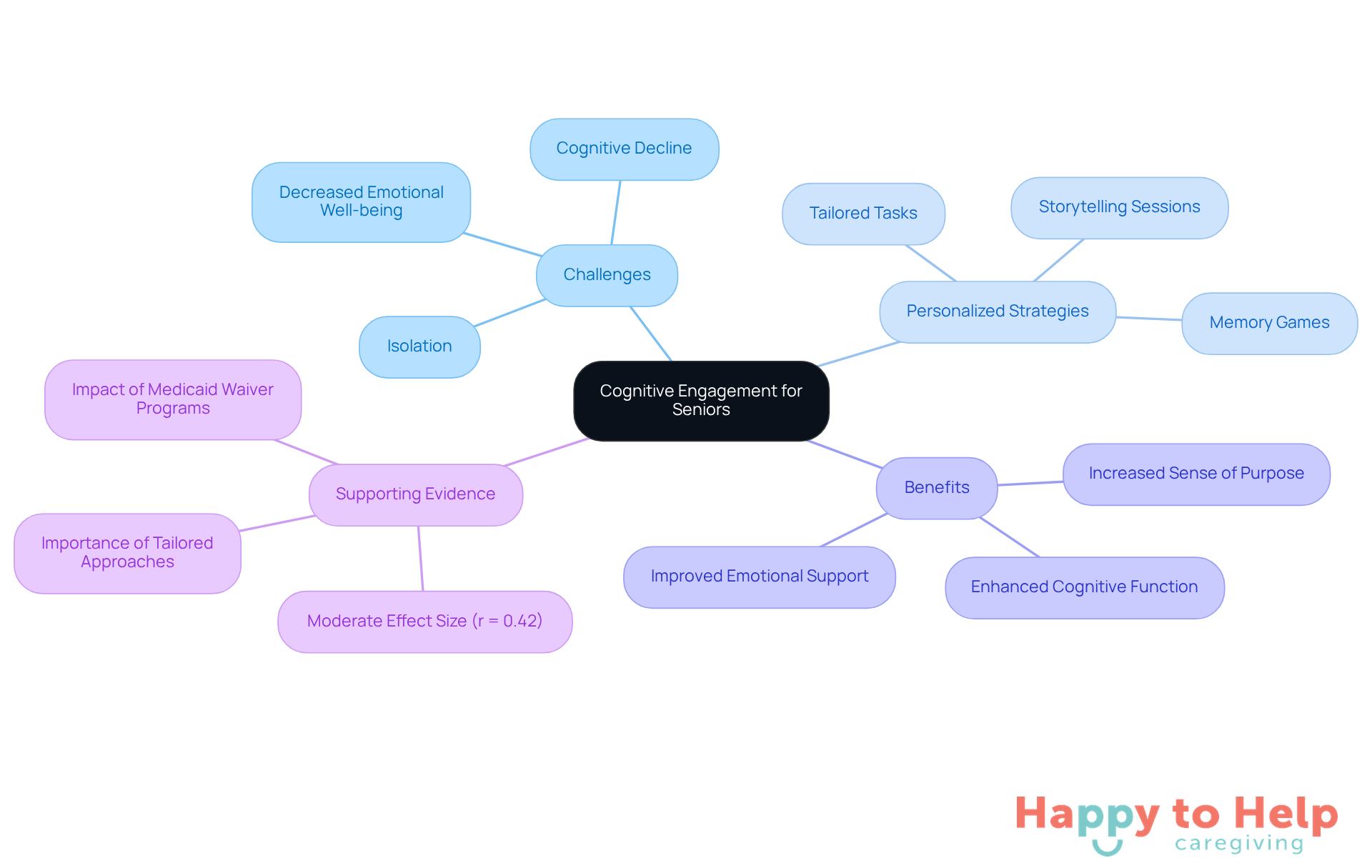
Cognitive engagement for seniors is a significant challenge that caregivers face. Many older adults experience cognitive decline, which can lead to feelings of isolation and decreased emotional well-being. This issue not only affects their mental sharpness but also their overall quality of life.
To address this, Happy to Help Caregiving excels in developing personalized cognitive engagement strategies that incorporate senior brain exercises tailored to seniors' unique preferences and cognitive abilities. By employing memory games or storytelling sessions that relate to clients' life experiences, caregivers can create meaningful interactions that stimulate cognitive function while nurturing companionship and emotional support.
Recent studies highlight the importance of intellectual involvement, showing a moderate effect size of r = 0.42 (p < .001) on performance in older adults. Gerontologists emphasize that customized tasks can enhance mental well-being and foster a heightened sense of purpose. Effective in-home mental engagement programs, including senior brain exercises provided by Happy to Help Caregiving, showcase the transformative impact of nurturing connections and stimulating activities on the quality of life for elderly clients.
Additionally, the evolving characteristics of Medicaid waiver home care programs underscore the necessity of these strategies in supporting seniors' mental well-being. By implementing tailored cognitive engagement approaches, caregivers can significantly improve the lives of older adults.
Cognitive Games and Puzzles: Fun Ways to Sharpen the Mind
Cognitive decline is a significant concern for older adults, impacting their independence and quality of life. As individuals age, maintaining mental acuity becomes increasingly challenging. This decline can lead to difficulties in memory, problem-solving, and overall cognitive performance, which can be distressing for both seniors and their caregivers.
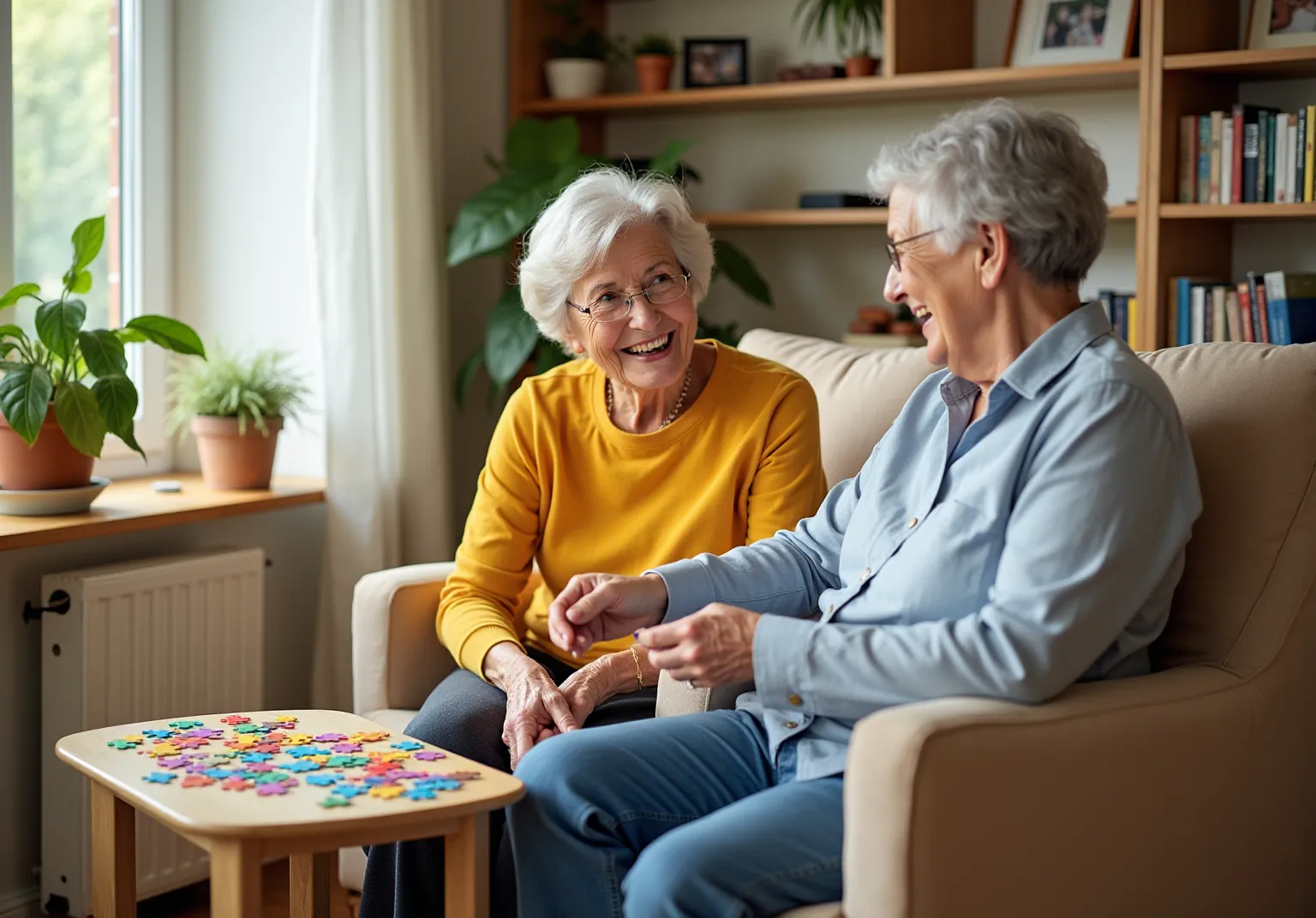
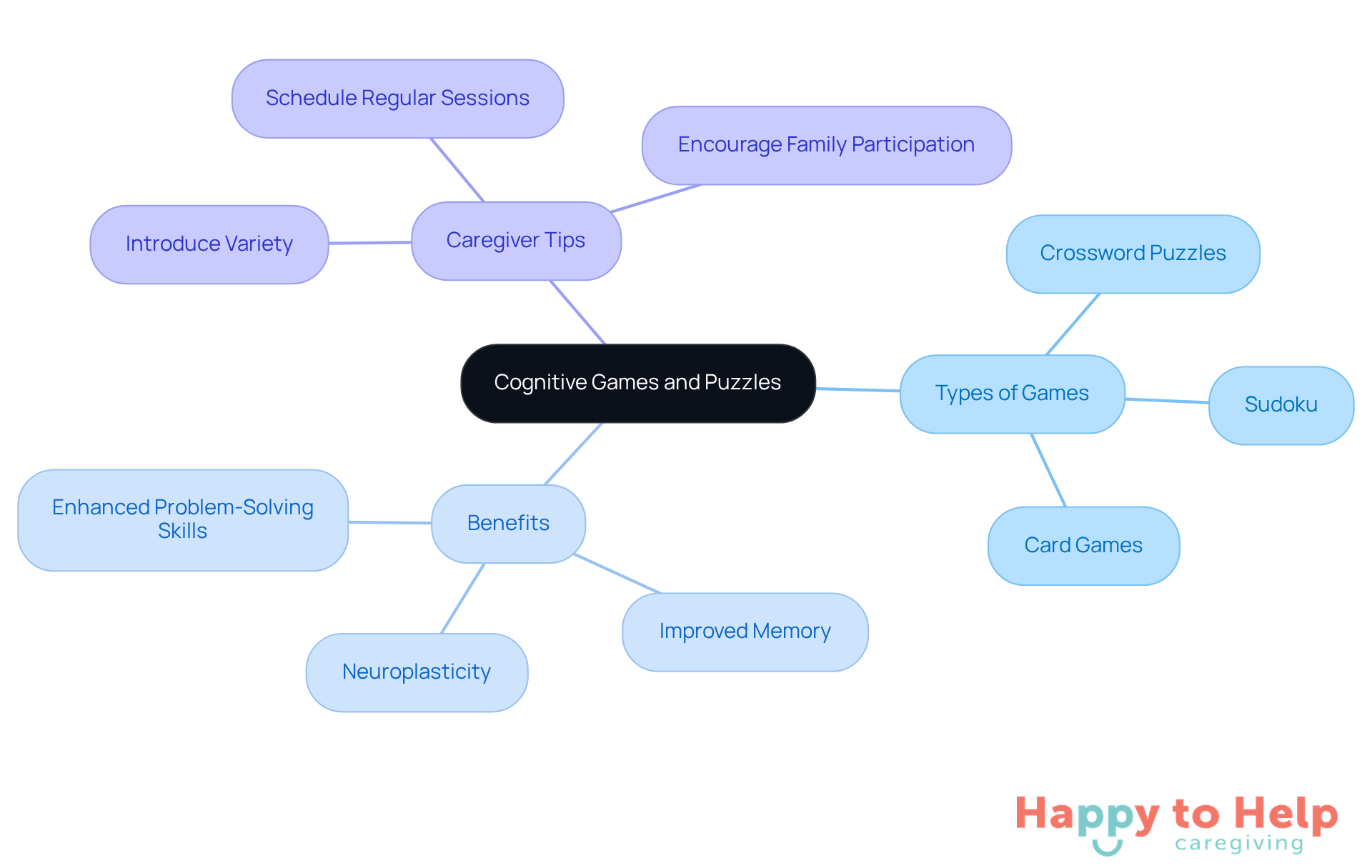
Engaging in senior brain exercises and puzzles can effectively address this problem. Senior brain exercises such as crossword puzzles, Sudoku, and card games not only challenge mental skills but also promote neuroplasticity - the brain's ability to adapt and reorganize itself. Research shows that consistent participation in senior brain exercises can enhance recollection and problem-solving skills. For instance, a study involving thousands of participants found that those who regularly engaged in cognitively stimulating activities exhibited better memory and attention compared to their less active peers.
Caregivers play a crucial role in facilitating these activities. By incorporating enjoyable games during visits, they can create a fun and interactive environment that encourages mental stimulation through senior brain exercises and fosters a sense of connection. Here are some actionable tips for caregivers:
- Introduce a variety of brain games to keep the experience fresh and engaging.
- Schedule regular game sessions to establish a routine that promotes consistency.
- Encourage family participation in activities like the upcoming Humana Cognitive Games from July 14 to August 11, 2025, which offer further opportunities for brain-boosting engagement.
Significantly, 78% of individuals aged 65 and above value independence more than longevity, underscoring the importance of mental health. As Laura Glass Umfleet emphasizes, mental training requires daily commitment for optimal benefits. By integrating these enjoyable activities into care routines, families can help their loved ones preserve their mental health and independence.
Music and Memory Improvement: Harnessing the Power of Sound
Cognitive decline among seniors highlights the importance of senior brain exercises for caregivers. This decline can lead to difficulties in recall and mental abilities, making senior brain exercises essential for improving their overall quality of life. The emotional toll on both seniors and their caregivers can be profound, highlighting the importance of senior brain exercises as effective strategies to support mental health.
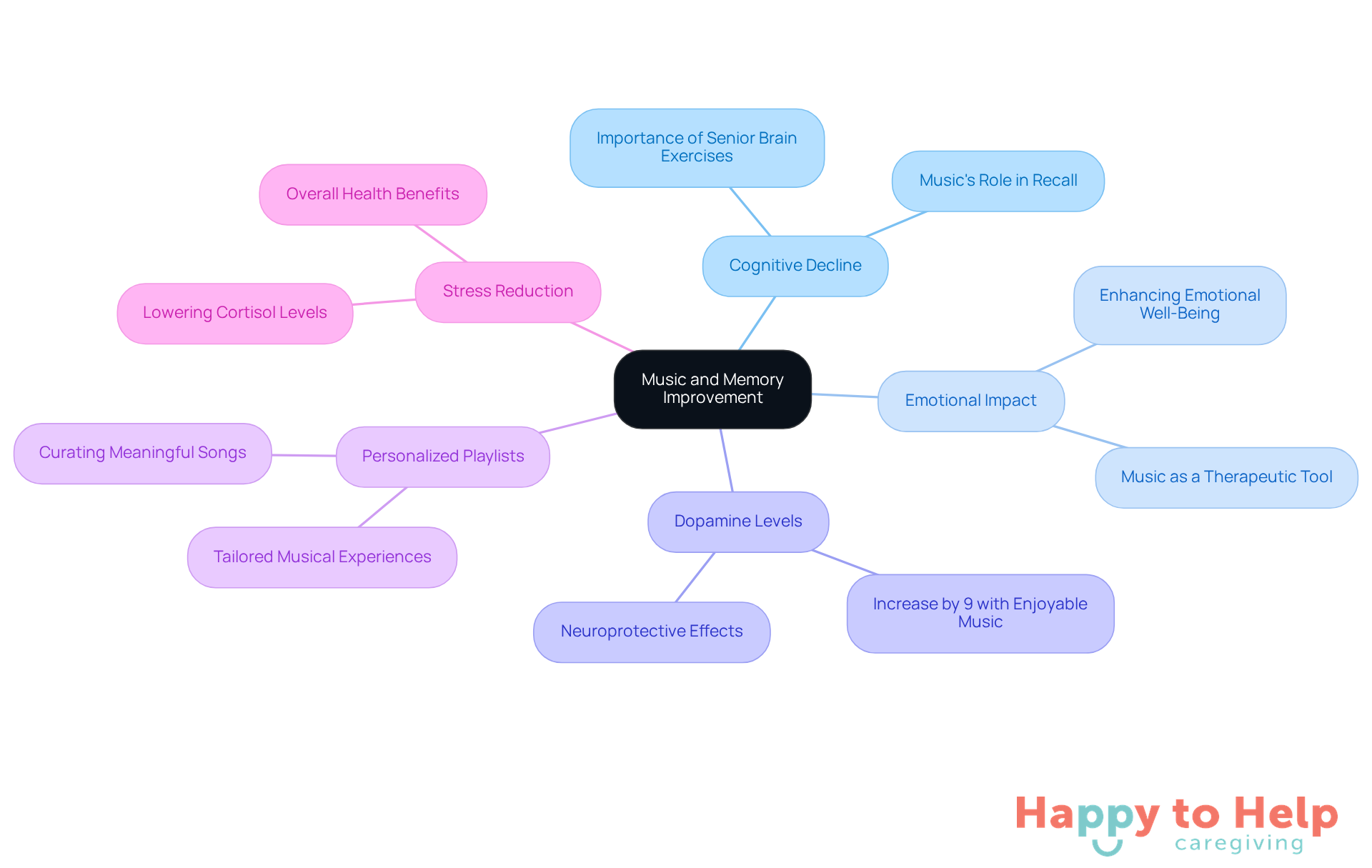
One effective solution is music therapy. Research shows that interacting with familiar songs can evoke vivid memories and emotions, significantly aiding recall. Listening to music stimulates brain areas associated with memory, highlighting its effectiveness in enhancing mental health. Notably, studies indicate that dopamine levels can rise by as much as 9% when individuals listen to enjoyable music, further underscoring its positive impact on mental performance.
To maximize these benefits, caregivers can curate personalized playlists featuring songs from their clients' pasts. This tailored approach not only stimulates mental activity but also enriches the emotional well-being of seniors, making music a powerful ally in their care. Additionally, music has been shown to reduce stress-related hormones like cortisol, offering comprehensive benefits that extend beyond cognitive function.
To create effective personalized playlists, caregivers should consider including songs that resonate with their clients' life experiences. This ensures a meaningful and engaging musical experience, fostering deeper mental engagement and enhancing the overall quality of care.
Gardening and Cognitive Benefits: Cultivating Mindfulness and Memory
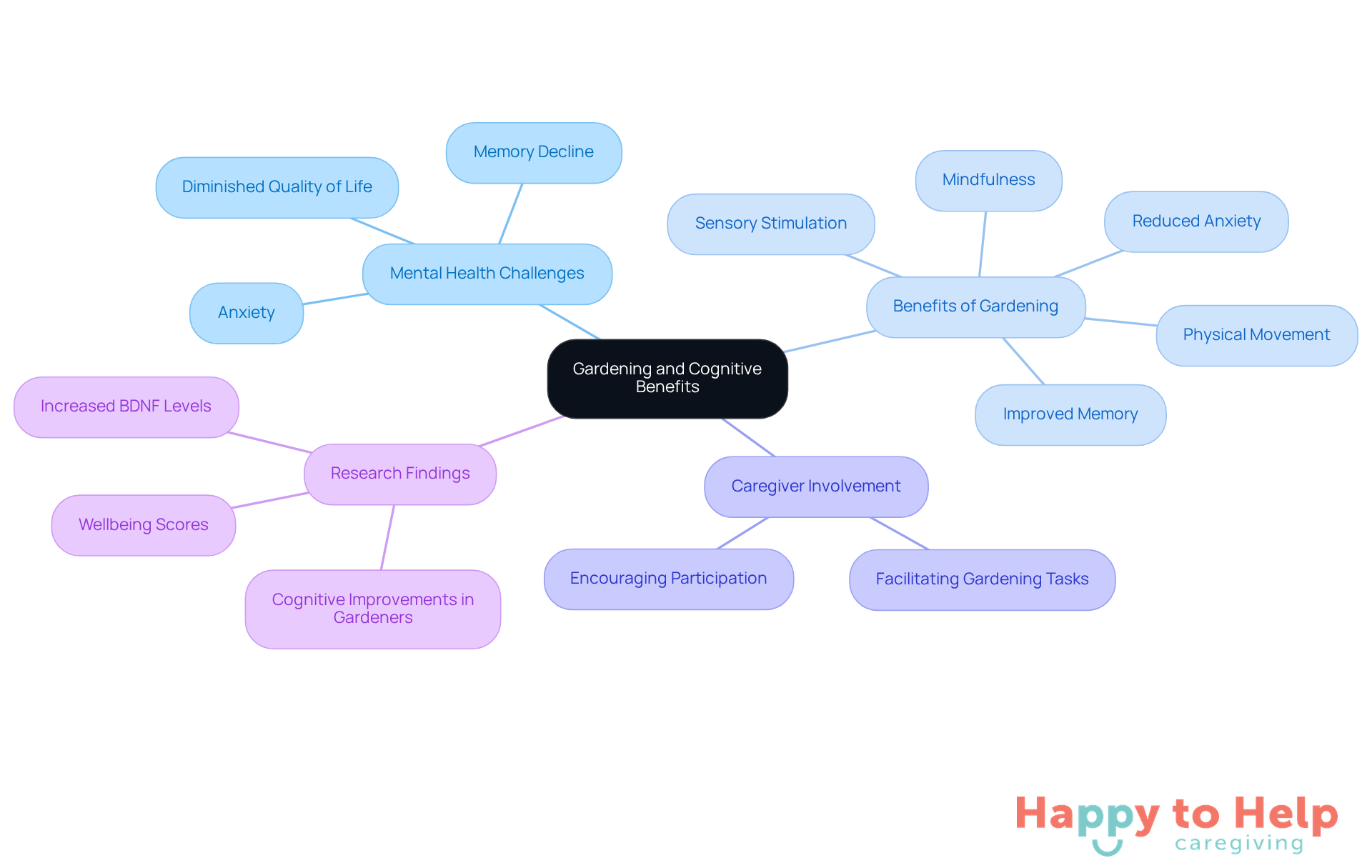
Gardening presents a significant problem for many seniors: mental health challenges such as memory decline and anxiety. These issues can lead to a diminished quality of life, affecting not only the individuals but also their caregivers.
However, there’s a solution that can help. Engaging in gardening activities is one of the senior brain exercises that can improve memory and reduce anxiety, making it an ideal activity for seniors. By connecting with nature, individuals can promote mindfulness and activate their senses. Caregivers can facilitate this by involving clients in simple gardening tasks, like planting flowers or herbs. These activities not only encourage physical movement but also enhance mental engagement.
Research supports this approach. Studies show that regular gardening can increase levels of brain-derived neurotrophic factor (BDNF), a protein crucial for enhancing mental function. In fact, a study found that 280 individuals who gardened regularly or occasionally exhibited greater lifetime enhancements in mental abilities compared to those who did not garden.
Moreover, dedicating just 30 minutes a few times a week to activities such as gardening can serve as effective senior brain exercises, leading to significant mental health benefits, including improved mood and reduced stress levels. Gardens provide sensory stimulation through the fragrance of flowers, the feel of soil, and vibrant colors, all of which can uplift the spirit.
In summary, this comprehensive approach to gardening not only nurtures plants but also serves as senior brain exercises, fostering a healthier mind and making it a valuable activity for improving mental health in the elderly.
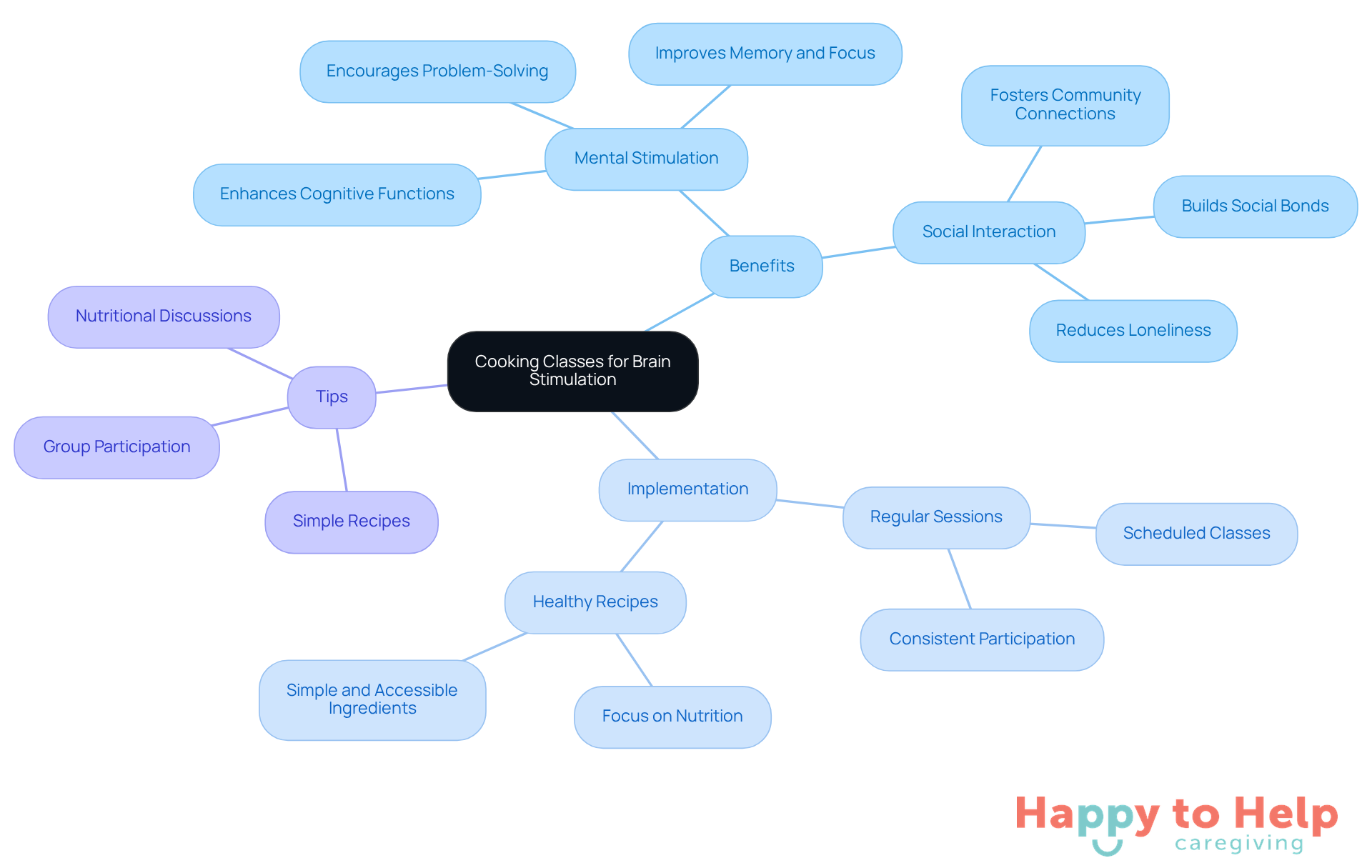
Cooking Classes for Brain Stimulation: Nourishing the Mind and Body
Cooking classes present a significant opportunity for seniors to engage their minds while nourishing their bodies. Many older adults face challenges such as mental decline and social isolation, which can impact their overall well-being. These issues can lead to decreased cognitive function and a lack of social interaction, making it crucial to find effective solutions.
One effective approach is to facilitate cooking sessions that emphasize healthy recipes. This not only reinforces the vital link between nutrition and mental well-being but also fosters social connections among participants. Engaging in cooking tasks serves as a senior brain exercise, enhancing functions like recall, concentration, and problem-solving.
To implement this solution, caregivers can organize regular cooking classes that encourage participation. Here are some actionable tips:
- Choose simple, healthy recipes that are easy to follow.
- Encourage group participation to build social bonds.
- Discuss the nutritional benefits of the ingredients used.
By integrating cooking into their routines, seniors can enjoy the dual benefits of nourishment and mental stimulation, making it an ideal pursuit for enhancing their overall well-being.
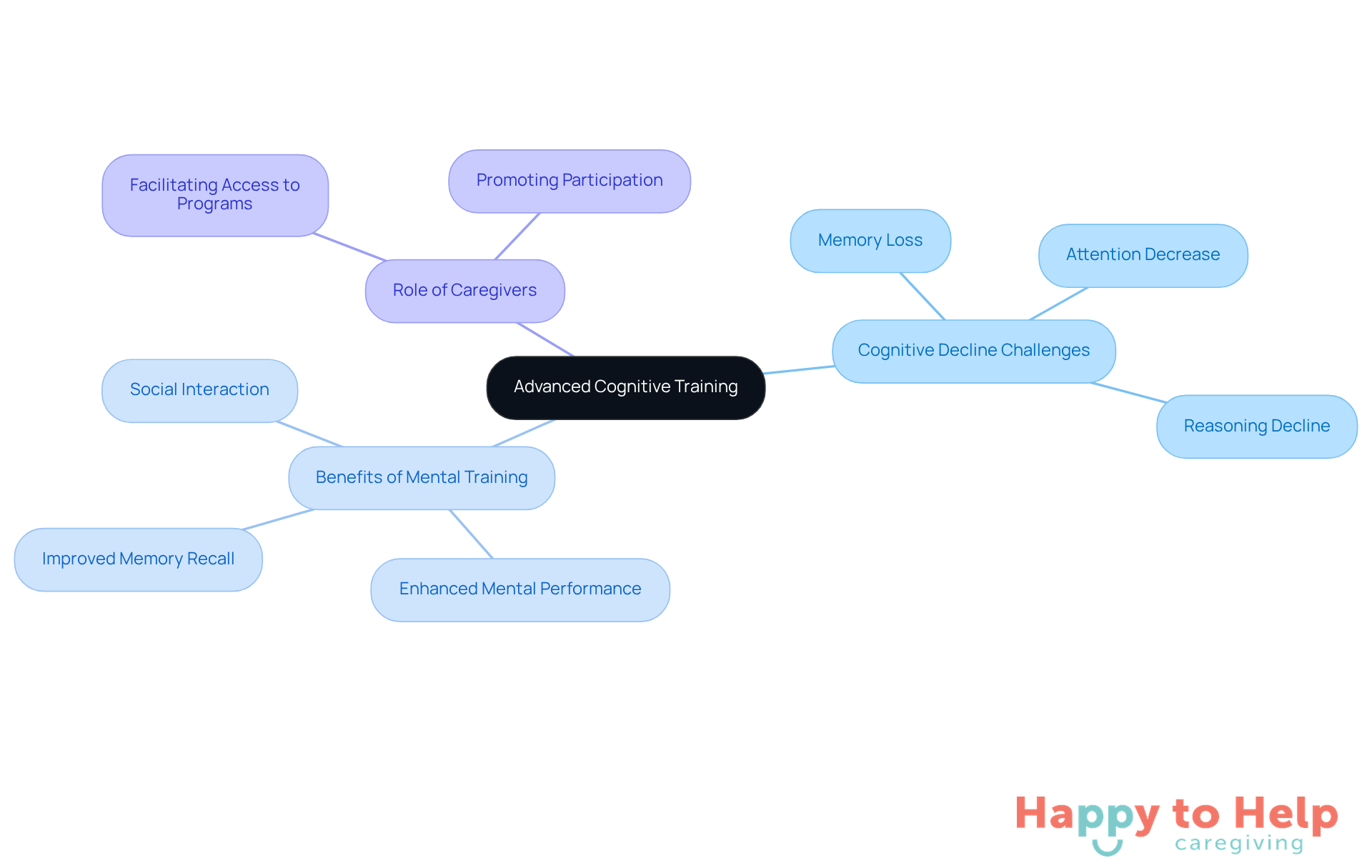
Advanced Cognitive Training: Structured Programs for Enhanced Brain Function
Cognitive decline in seniors poses a significant challenge for caregivers. As individuals age, they may experience a decrease in mental functions such as memory, attention, and reasoning. This decline can affect their quality of life and independence, making it crucial for caregivers to seek effective solutions.
One promising approach is advanced mental training programs that incorporate senior brain exercises developed through extensive research. These structured programs enhance specific mental skills through various activities, including senior brain exercises and computer-based training. Regular participation in senior brain exercises has been shown to lead to substantial improvements in mental function. For example, studies indicate that mental training can reduce memory decline in older adults with mild cognitive impairment (MCI), with participants demonstrating consistent enhancements in delayed memory recall and overall mental performance over time.
Moreover, participating in senior brain exercises not only fosters mental resilience but also encourages social interaction, which is vital for psychological well-being. Caregivers play a crucial role in facilitating access to these programs, ensuring that seniors can benefit from the improvements they offer. By actively promoting participation in mental training, caregivers can help enhance the cognitive health of their loved ones.
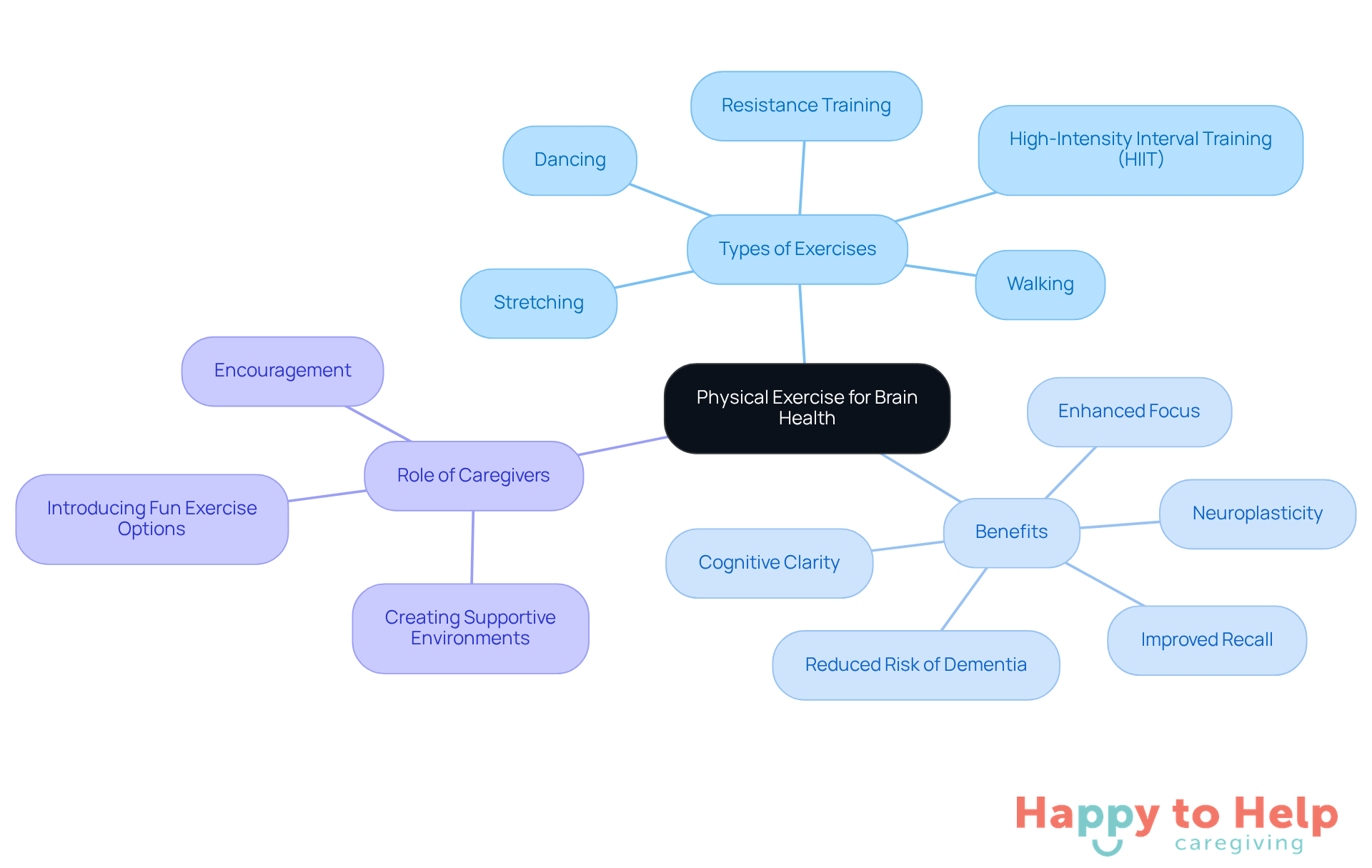
Physical Exercise for Brain Health: Moving for Mental Clarity
Regular physical exercise, including senior brain exercises, is crucial for maintaining and enhancing brain health in seniors. However, many seniors face the problem of mental decline, which can be exacerbated by a sedentary lifestyle, but can be improved through senior brain exercises. Participating in pursuits like walking, dancing, and gentle stretching greatly enhances circulation to the brain, which is vital for mental function.
Research shows that seniors who participate in senior brain exercises experience improved recall, focus, and overall cognitive clarity. For instance, individuals who elevated their physical exertion levels demonstrated enhanced working memory and mental performance the following day. This highlights the importance of caregivers in encouraging clients to engage in enjoyable physical activities, promoting both physical and mental well-being.
Moreover, engaging in senior brain exercises consistently not only reduces the risk of mental decline but also fosters neuroplasticity, allowing the brain to form new connections and adapt. As fitness specialists emphasize, incorporating senior brain exercises along with regular physical activity into daily routines is essential for improving mental health and ensuring a higher quality of life for seniors. Caregivers can implement practical solutions by introducing fun exercise options and creating a supportive environment that motivates seniors to stay active.
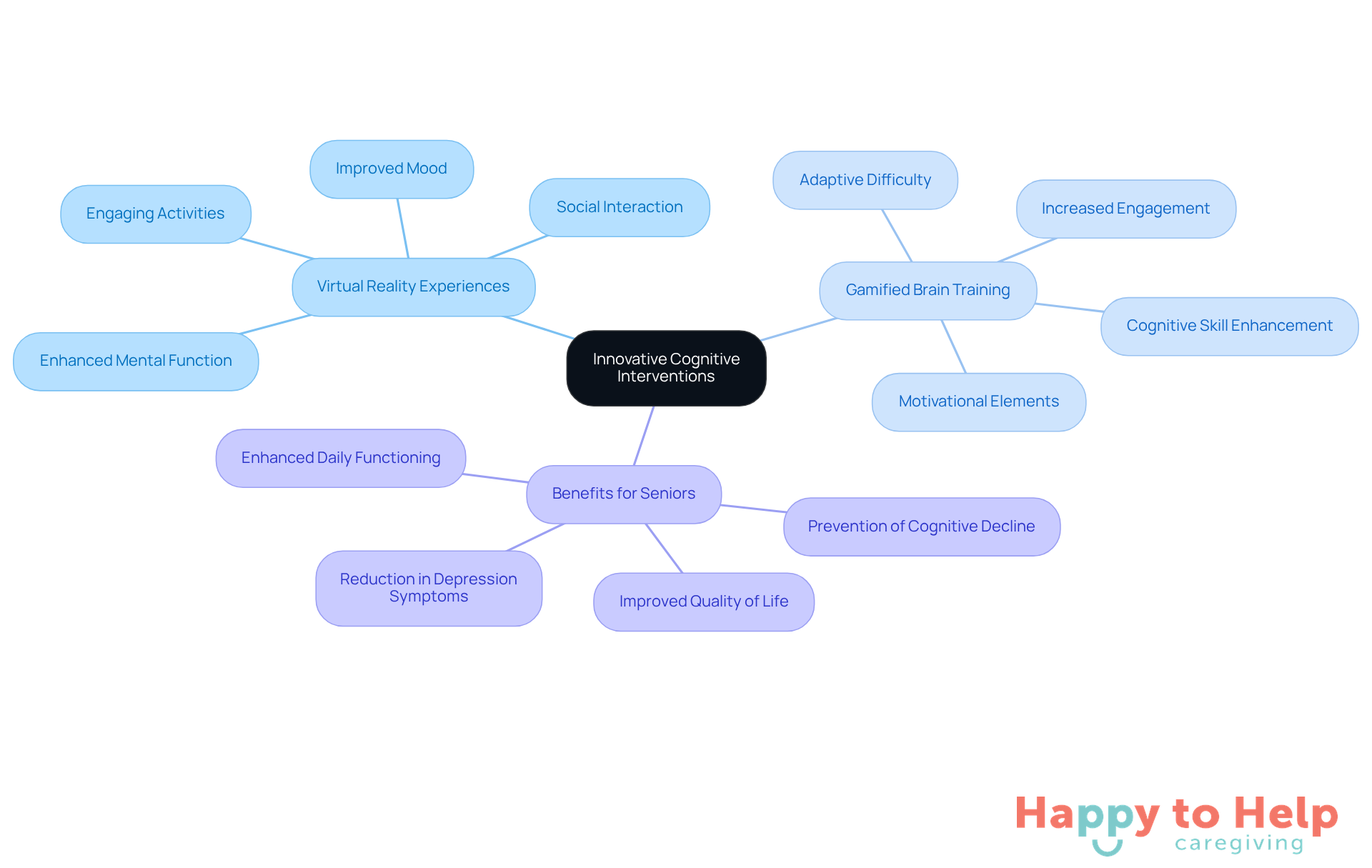
Innovative Cognitive Interventions: Exploring New Frontiers in Brain Health
Caregivers often face the challenge of keeping seniors cognitively engaged. As individuals age, participating in senior brain exercises becomes crucial for maintaining brain health and overall quality of life. Without effective strategies, engaging in senior brain exercises may help prevent cognitive decline and preserve a higher quality of life for seniors.
Innovative mental interventions, such as virtual reality experiences and gamified brain training, present exciting solutions. These technologies not only stimulate the mind but also provide engaging, interactive experiences that seniors can enjoy. By incorporating these methods, caregivers can offer clients fresh and enjoyable senior brain exercises to engage cognitively.
Research indicates that these innovative approaches can lead to substantial enhancements in mental function. Caregivers should explore these options to enrich the lives of their clients, ensuring they engage in senior brain exercises necessary for a vibrant, fulfilling life.
Importance of Varied Activities: Keeping the Mind Engaged
Maintaining mental engagement is a significant challenge for caregivers. Without regular stimulation from senior brain exercises, individuals may experience mental decline, which can affect their overall well-being.
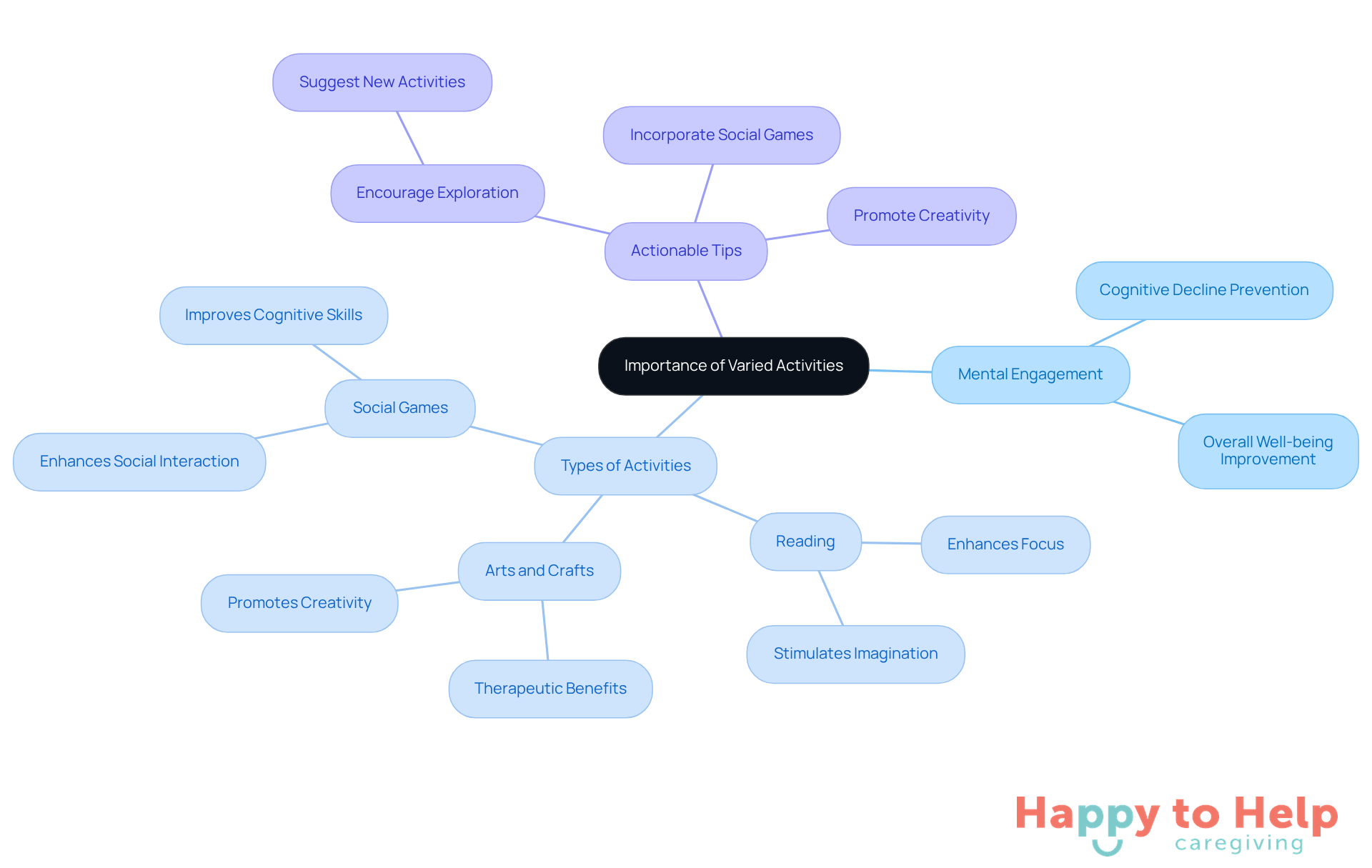
To combat this issue, caregivers should incorporate a variety of tasks into daily routines. Engaging in activities like reading, arts and crafts, and social games serves as effective senior brain exercises that stimulate different mental functions, helping to keep minds sharp and engaged.
Encouraging clients to explore new hobbies and interests is crucial. This not only fosters a sense of curiosity but also enhances their engagement with the world around them. Studies indicate that introducing variety in tasks can improve flexibility of thought and contribute positively to mental health.
Here are some actionable tips for caregivers:
- Encourage exploration: Suggest new activities that align with clients' interests.
- Incorporate social games: These can enhance social interaction and cognitive skills.
- Promote creativity: Arts and crafts can be therapeutic and stimulating.
By implementing these strategies, caregivers can significantly enhance the mental engagement of their clients with senior brain exercises, leading to improved overall well-being.
Long-Term Cognitive Benefits: Sustaining Mental Health Over Time
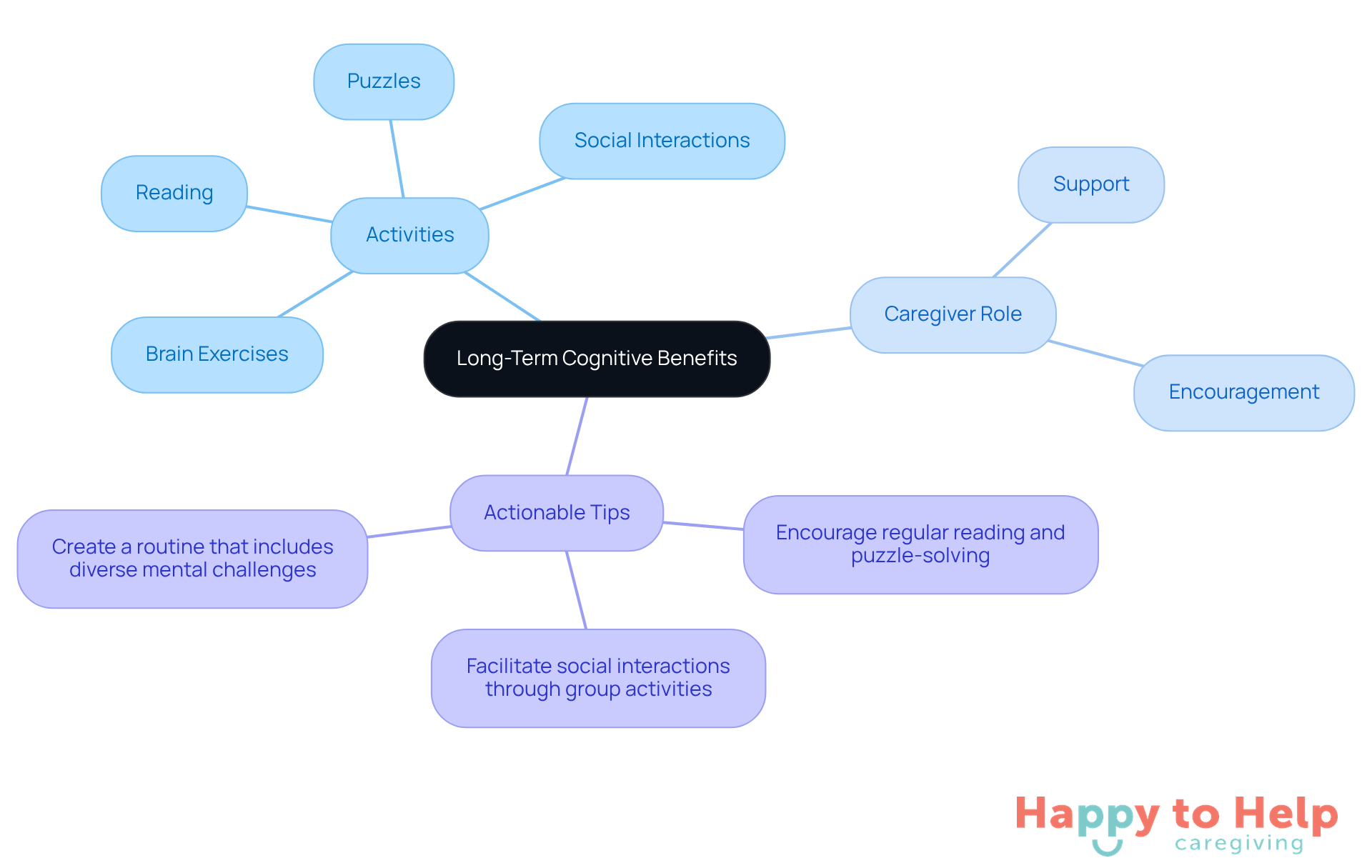
Regular participation in senior brain exercises is crucial for older adults who are facing the risk of mental decline. Studies indicate that those who lead stimulating lifestyles are significantly less likely to experience cognitive deterioration. In fact, many demonstrate improvements in mental abilities, highlighting the importance of engagement in activities like reading, puzzles, social interactions, and senior brain exercises.
Caregivers play a pivotal role in this process. They provide essential support and encouragement, helping to maintain mental engagement. By fostering an environment that prioritizes lifelong learning and cognitive stimulation, families can empower their loved ones to thrive both mentally and emotionally.
To enhance mental well-being, consider these actionable tips:
- Encourage regular reading and puzzle-solving.
- Facilitate social interactions through group activities.
- Create a routine that includes diverse mental challenges.
By implementing these strategies, caregivers can significantly contribute to a higher quality of life for older adults as they age.
Making the Right Choice
Engaging seniors in cognitive exercises presents a significant challenge for caregivers, as cognitive decline can severely impact their mental health and overall quality of life. This decline not only affects memory and problem-solving abilities but can also lead to feelings of isolation and emotional distress. Therefore, it’s crucial to address these issues head-on.
To combat cognitive decline effectively, caregivers can implement tailored activities that stimulate the mind. Personalized approaches empower seniors to maintain their independence and mental acuity. Activities such as:
- Cognitive games
- Music therapy
- Gardening
- Cooking classes
- Structured cognitive training programs
can significantly enhance cognitive functions while promoting social interaction and emotional support.
Caregivers play a vital role in facilitating these activities, ensuring that seniors remain actively engaged in their mental health journey. By exploring innovative approaches and incorporating a variety of stimulating exercises into daily routines, caregivers can help seniors thrive mentally and emotionally.
Ultimately, prioritizing cognitive engagement through diverse and enjoyable activities is essential for seniors' mental well-being. By taking these actionable steps, caregivers can pave the way for a more fulfilling and enriched life for the seniors they support.
https://iframe.tely.ai/cta/eyJhcnRpY2xlX2lkIjogIjY5MmY5MThhZGM0MTVjZWNlZTQ2NmMyNCIsICJjb21wYW55X2lkIjogIjY4ZWU1ZGNhNzMxNzYyNTU3ZjNjOTVjMSIsICJpbmRleCI6IG51bGwsICJ0eXBlIjogImFydGljbGUifQ==Frequently Asked Questions
What is the significance of cognitive engagement for seniors?
Cognitive engagement is crucial for seniors as it helps combat cognitive decline, feelings of isolation, and enhances overall emotional well-being, which directly impacts their quality of life.
How does Happy to Help Caregiving address cognitive engagement?
Happy to Help Caregiving develops personalized cognitive engagement strategies that include senior brain exercises tailored to individual preferences and cognitive abilities, such as memory games and storytelling sessions.
What does research say about the effects of intellectual involvement on older adults?
Research indicates a moderate effect size of r = 0.42 (p < .001) on performance in older adults, emphasizing that customized tasks can enhance mental well-being and foster a sense of purpose.
What types of activities are included in effective in-home mental engagement programs?
Effective programs include senior brain exercises such as memory games, puzzles, and storytelling, which stimulate cognitive function and provide emotional support.
How do cognitive games and puzzles benefit seniors?
Engaging in cognitive games and puzzles helps maintain mental acuity, enhances memory and problem-solving skills, and promotes neuroplasticity, allowing the brain to adapt and reorganize itself.
What role do caregivers play in facilitating cognitive activities?
Caregivers are essential in introducing enjoyable brain games and establishing routines that encourage mental stimulation, creating a fun and interactive environment for seniors.
What are some tips for caregivers to enhance cognitive engagement?
Caregivers can introduce a variety of brain games, schedule regular game sessions, and encourage family participation in activities like the Humana Cognitive Games event.
Why is music considered an effective tool for improving cognitive function in seniors?
Music therapy can evoke vivid memories and emotions, stimulate brain areas associated with memory, and has been shown to increase dopamine levels, enhancing mental performance and emotional well-being.
How can caregivers create personalized music playlists for seniors?
Caregivers can curate playlists featuring songs from seniors' pasts, ensuring the music resonates with their life experiences, which enhances mental engagement and emotional connection.
What additional benefits does music provide beyond cognitive function?
Music has been shown to reduce stress-related hormones like cortisol, offering comprehensive benefits that extend beyond cognitive improvement to overall emotional health.
List of Sources
- Happy to Help Caregiving: Personalized In-Home Cognitive Engagement
- Participating in cognitively stimulating activities linked with increased longevity for older adults, study finds (https://mcknights.com/news/participating-in-cognitively-stimulating-activities-linked-with-increased-longevity-for-older-adults-study-finds)
- Positive Aging: Redefining What Aging Successfully Means (https://positivepsychology.com/positive-aging)
- Cognitive stimulation and cognitive results in older adults: A systematic review and meta-analysis (https://sciencedirect.com/science/article/pii/S0167494322001947)
- Top Elderly Stimulation Activities Unveiled (https://humancareny.com/blog/elderly-cognitive-stimulation-activities)
- Evaluation of the ‘Ladder to the Moon, Culture Change Studio Engagement Programme’ staff training: Two quasi-experimental case studies | Request PDF (https://researchgate.net/publication/313538369\_Evaluation\_of\_the\_'Ladder\_to\_the\_Moon\_Culture\_Change\_Studio\_Engagement\_Programme'\_staff\_training\_Two\_quasi-experimental\_case\_studies)
- Cognitive Games and Puzzles: Fun Ways to Sharpen the Mind
- Inaugural Humana Cognitive Games to Celebrate Healthy Aging and Inspire Whole-Person Wellness (https://policy.humana.com/issue-area/news-and-resources/news-press/2025/inaugural-humana-cognitive-games-to-celebrate-healthy-aging-and)
- Roundup: Computer ‘Training’ Games Help Reduce Age-Related Cognitive Decline; and More News (https://baptisthealth.net/baptist-health-news/computer-training-games-help-reduce-age-related-cognitive-decline)
- A brain training game boosts a chemical linked to memory and attention, new research shows (https://nbcnews.com/health/aging/brain-game-boosts-chemical-memory-dementia-research-rcna237832)
- Games, Puzzles And Reading Can Slow Cognitive Decline In The Elderly — Even In Those With Mild Cognitive Impairment (https://stories.tamu.edu/news/2024/09/10/games-puzzles-and-reading-can-slow-cognitive-decline-in-the-elderly-even-in-those-with-mild-cognitive-impairment)
- Brain games for older adults (https://uclahealth.org/news/article/4-worthwhile-brain-games-older-adults-3)
- Music and Memory Improvement: Harnessing the Power of Sound
- Listening to music most days could guard against dementia, study suggests (https://washingtonpost.com/lifestyle/2025/11/13/dementia-risk-music-listen-study)
- 15 Inspirational Quotes About The Power Of Music (https://udiscovermusic.com/stories/15-inspirational-quotes-power-music)
- 11 Quotes That Get At The Heart Of Music Therapy (https://theriverofcalm.com/news/11-quotes-that-get-at-the-heart-of-music-therapy-214)
- Gardening and Cognitive Benefits: Cultivating Mindfulness and Memory
- To reduce dementia risk, seniors should take up this outdoor activity, study suggests (https://foxnews.com/health/reduce-dementia-risk-seniors-should-take-outdoor-activity-study-suggests)
- Health Benefits of Gardening for Seniors | Westminster Communities of Florida (https://westminstercommunitiesfl.org/news/uncategorized/2025/06/starting-your-own-garden-the-mental-and-physical-health-benefits-for-seniors)
- Gardening for Mental Health | Gardeners.com (https://gardeners.com/blogs/wellbeing-articles/gardening-for-mental-health-9761)
- Case studies | Sustain (https://sustainweb.org/growinghealth/case\_studies)
- Cooking Classes for Brain Stimulation: Nourishing the Mind and Body
- Brain Healthy Cooking Program | Senior Living Residences (https://seniorlivingresidences.com/the-slr-difference/award-winning-dining/brain-healthy-cooking-program)
- 8 Surprising Benefits Of Cooking Classes For Seniors (https://discoveryvillages.com/senior-living-blog/8-surprising-benefits-of-cooking-classes-for-seniors)
- Cooking Benefits: Senior Baking And Culinary Well-Being - A Guide To Getting Started - MemoryCherish (https://memorycherish.com/cooking-benefits)
- Can Cooking in Community Slow Dementia and Diabetes? (https://civileats.com/2024/07/01/can-cooking-in-community-slow-dementia-and-diabetes)
- Famous Quotes on Cooking and Well-Being - Center for the Advancement of Well-Being (https://wellbeing.gmu.edu/famous-quotes-on-cooking-and-well-being)
- Advanced Cognitive Training: Structured Programs for Enhanced Brain Function
- A brain training game boosts a chemical linked to memory and attention, new research shows (https://nbcnews.com/health/aging/brain-game-boosts-chemical-memory-dementia-research-rcna237832)
- Five‐year effects of cognitive training in individuals with mild cognitive impairment (https://alz-journals.onlinelibrary.wiley.com/doi/10.1002/dad2.12626)
- Roundup: Computer ‘Training’ Games Help Reduce Age-Related Cognitive Decline; and More News (https://baptisthealth.net/baptist-health-news/computer-training-games-help-reduce-age-related-cognitive-decline)
- Effects of Cognitive Training Interventions With Older Adults (https://jamanetwork.com/journals/jama/fullarticle/195506)
- Physical Exercise for Brain Health: Moving for Mental Clarity
- Yahoo! Life Quotes Dr. Williams: Exercise can boost your memory (https://vernonwilliamsmd.com/blog/2024/december/yahoo-life-quotes-dr-williams-exercise-can-boost)
- Physical Activity Boosts Brain Health (https://cdc.gov/physical-activity/features/boost-brain-health.html)
- Physical activity and the risk of dementia (https://alzheimers.org.uk/about-dementia/managing-the-risk-of-dementia/reduce-your-risk-of-dementia/physical-activity)
- Exercise can improve cognition in older adults (https://uclahealth.org/news/article/exercise-can-improve-cognition-older-adults)
- Famous Quotes on Fitness and Well-Being - Center for the Advancement of Well-Being (https://wellbeing.gmu.edu/famous-quotes-on-fitness-and-well-being)
- Innovative Cognitive Interventions: Exploring New Frontiers in Brain Health
- Game-based brain training for improving cognitive function in community-dwelling older adults: A systematic review and meta-regression (https://sciencedirect.com/science/article/abs/pii/S0167494320302570)
- Effects of Cognitive Training with Virtual Reality in Older Adults: A Systematic Review - PMC (https://pmc.ncbi.nlm.nih.gov/articles/PMC12468393)
- The effect of a game training intervention on cognitive functioning and depression symptoms in the elderly with mild cognitive impairment: A randomized controlled trial - PMC (https://pmc.ncbi.nlm.nih.gov/articles/PMC8633942)
- Gamification for Older Adults: A Systematic Literature Review (https://academic.oup.com/gerontologist/article/61/7/e360/5856423)
- Virtual Reality Interventions for Older Adults With Mild Cognitive Impairment: Systematic Review and Meta-Analysis of Randomized Controlled Trials (https://jmir.org/2025/1/e59195)
- Importance of Varied Activities: Keeping the Mind Engaged
- Activity Engagement and Cognitive Performance Amongst Older Adults - PMC (https://pmc.ncbi.nlm.nih.gov/articles/PMC7990770)
- Hobby Engagement and Risk of Disabling Dementia - PMC (https://pmc.ncbi.nlm.nih.gov/articles/PMC10409527)
- Brain games for older adults (https://uclahealth.org/news/article/4-worthwhile-brain-games-older-adults-3)
- Hobby engagement and mental wellbeing among people aged 65 years and older in 16 countries - PMC (https://pmc.ncbi.nlm.nih.gov/articles/PMC10504079)
- Multiple Activities Can Prevent or Delay Dementia (https://psychologytoday.com/us/blog/cravings/202112/multiple-activities-can-prevent-or-delay-dementia)
- Long-Term Cognitive Benefits: Sustaining Mental Health Over Time
- Trying to keep your brain young? A big new study finds these lifestyle changes help (https://npr.org/2025/07/28/nx-s1-5477556/aging-brain-health-lifestyle-diet-exercise-social-alzheimers)
- Activity Engagement and Cognitive Performance Amongst Older Adults - PMC (https://pmc.ncbi.nlm.nih.gov/articles/PMC7990770)
- Exercise for cognitive brain health in aging: A systematic review for an evaluation of dose - PMC (https://pmc.ncbi.nlm.nih.gov/articles/PMC6075983)
- Cognitive stimulation and cognitive results in older adults: A systematic review and meta-analysis (https://sciencedirect.com/science/article/pii/S0167494322001947)
- Frontiers | Effects of Leisure Activities on the Cognitive Ability of Older Adults: A Latent Variable Growth Model Analysis (https://frontiersin.org/journals/psychology/articles/10.3389/fpsyg.2022.838878/full)