What You Need to Know About Activities of Daily Living
The role of family caregivers has never been more critical. As our society faces the growing needs of an aging population, caregivers find themselves at the heart of this challenge. Engaging in essential activities of daily living not only supports the health and well-being of older adults but also enriches their lives through meaningful interactions and routines.
Yet, with increasing demands and complexities in caregiving, many caregivers experience feelings of stress and burnout. How can they effectively balance these responsibilities while ensuring their loved ones maintain dignity and independence?
This article explores ten fundamental activities that family caregivers can incorporate into their daily routines. By revealing strategies that enhance both caregiver and recipient experiences, we aim to provide practical support and encouragement. Together, we can navigate this journey with compassion and care.
Happy to Help Caregiving: Companionship Care for Daily Living
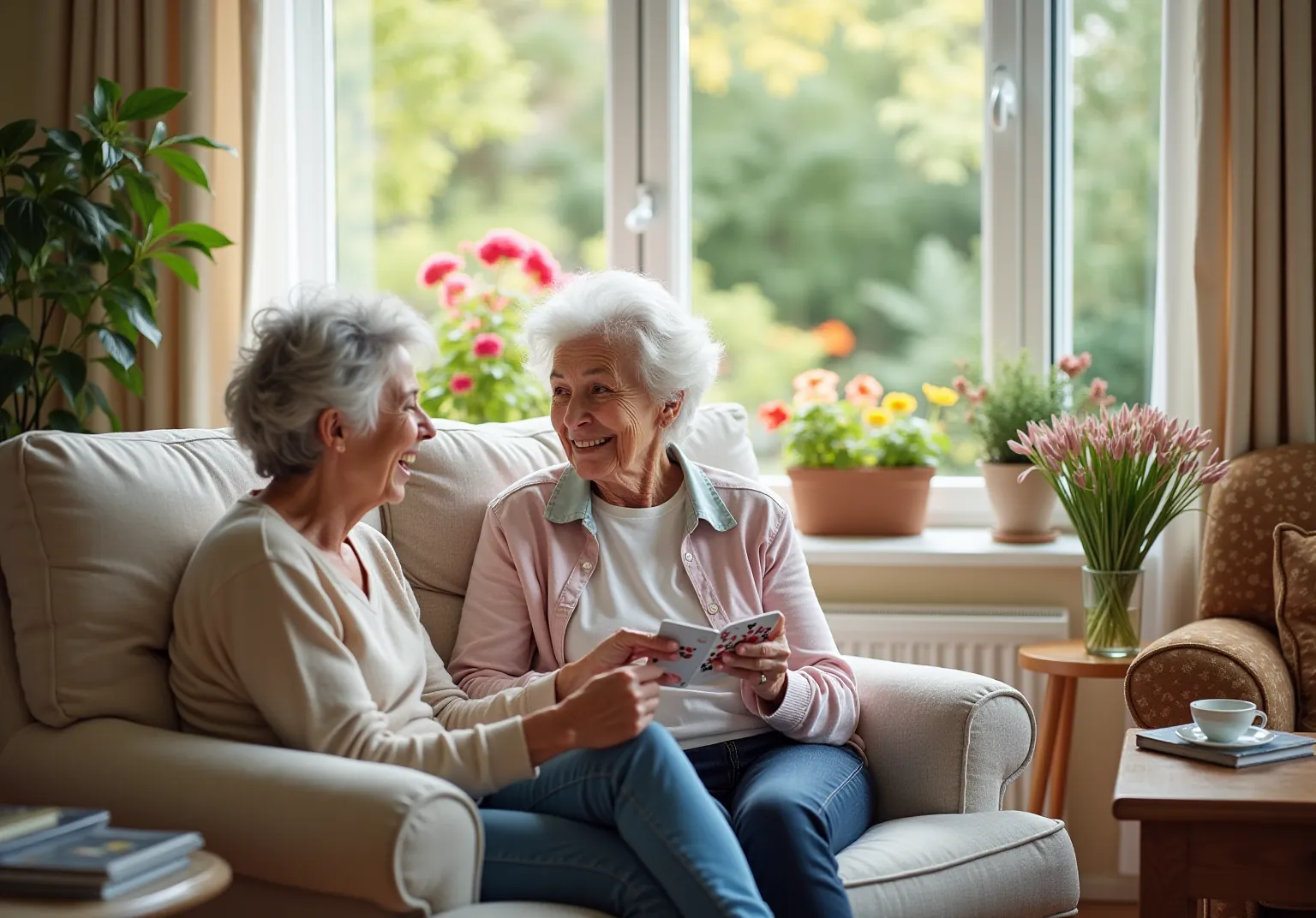
Companionship support plays a vital role in engaging older adults in meaningful conversations, activities, and outings that foster social interaction. Caregivers from Happy to Help Caregiving are specially trained to cultivate relationships that make clients feel valued and connected. This type of care not only alleviates feelings of isolation but also inspires older adults to partake in enjoyable activities, greatly enhancing their happiness and mental well-being.
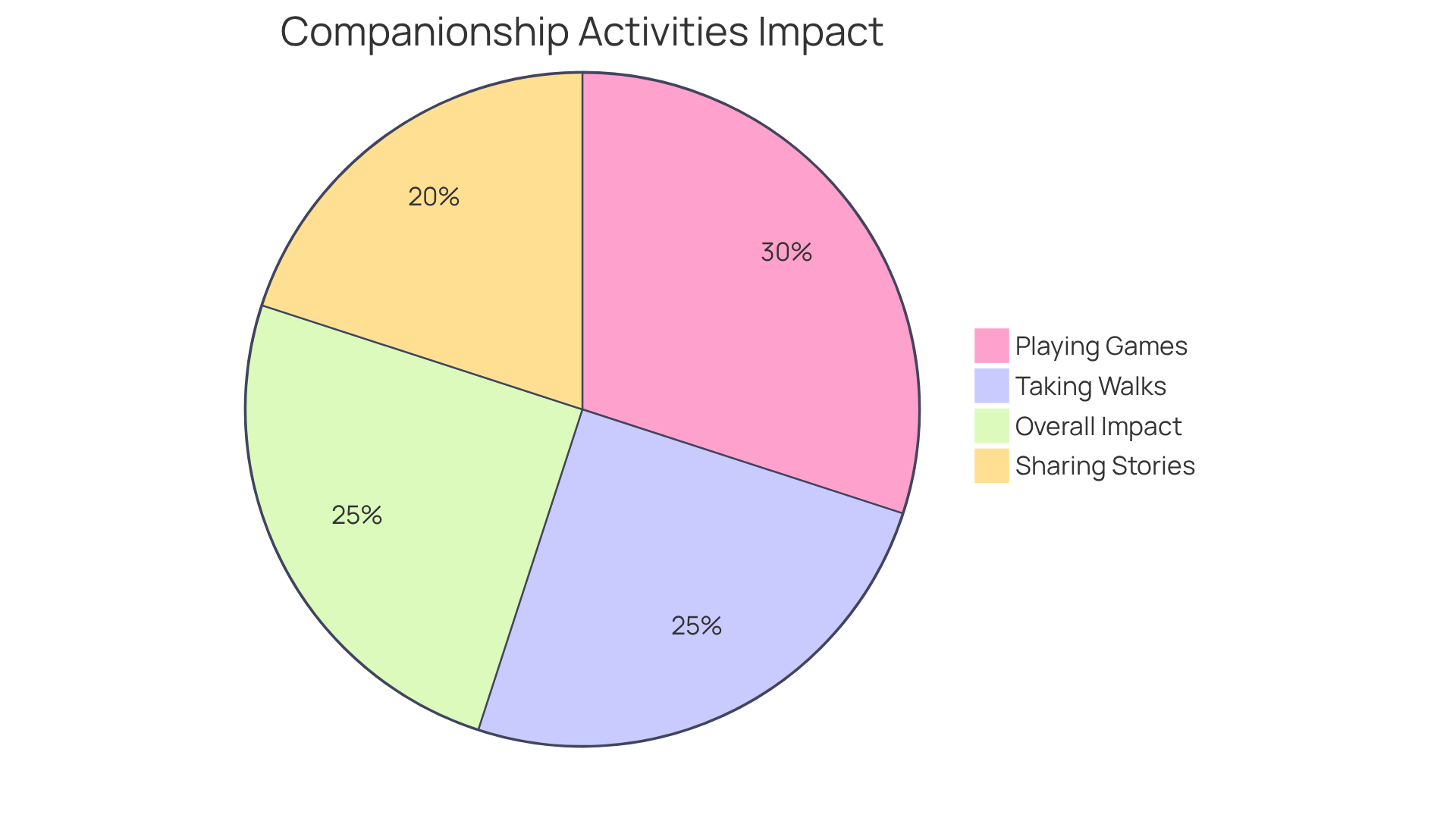
Research indicates that regular social engagement can lead to improved emotional health. Activities such as:
- Playing games
- Taking walks
- Sharing stories
are essential for uplifting an older adult's mood and sense of connection. Alarmingly, studies show that one in three older adults experiences feelings of isolation and loneliness, underscoring the importance of companionship care. Experts in gerontology stress that these companionship activities are crucial for sustaining mental health, as they help counteract feelings of loneliness and encourage cognitive engagement.
As we move through 2025, the impact of companionship on the mental well-being of older individuals remains a key focus, especially in light of ongoing trends in loneliness and isolation among the elderly. Moreover, companionship care offers a much-needed respite for family caregivers, allowing them to recharge while ensuring their loved ones receive the social interaction they deserve. By incorporating social engagement into activities of daily living, Happy to Help Caregiving enhances the quality of life for older adults and supports their families.
Bathing and Showering: Essential Personal Care Activities
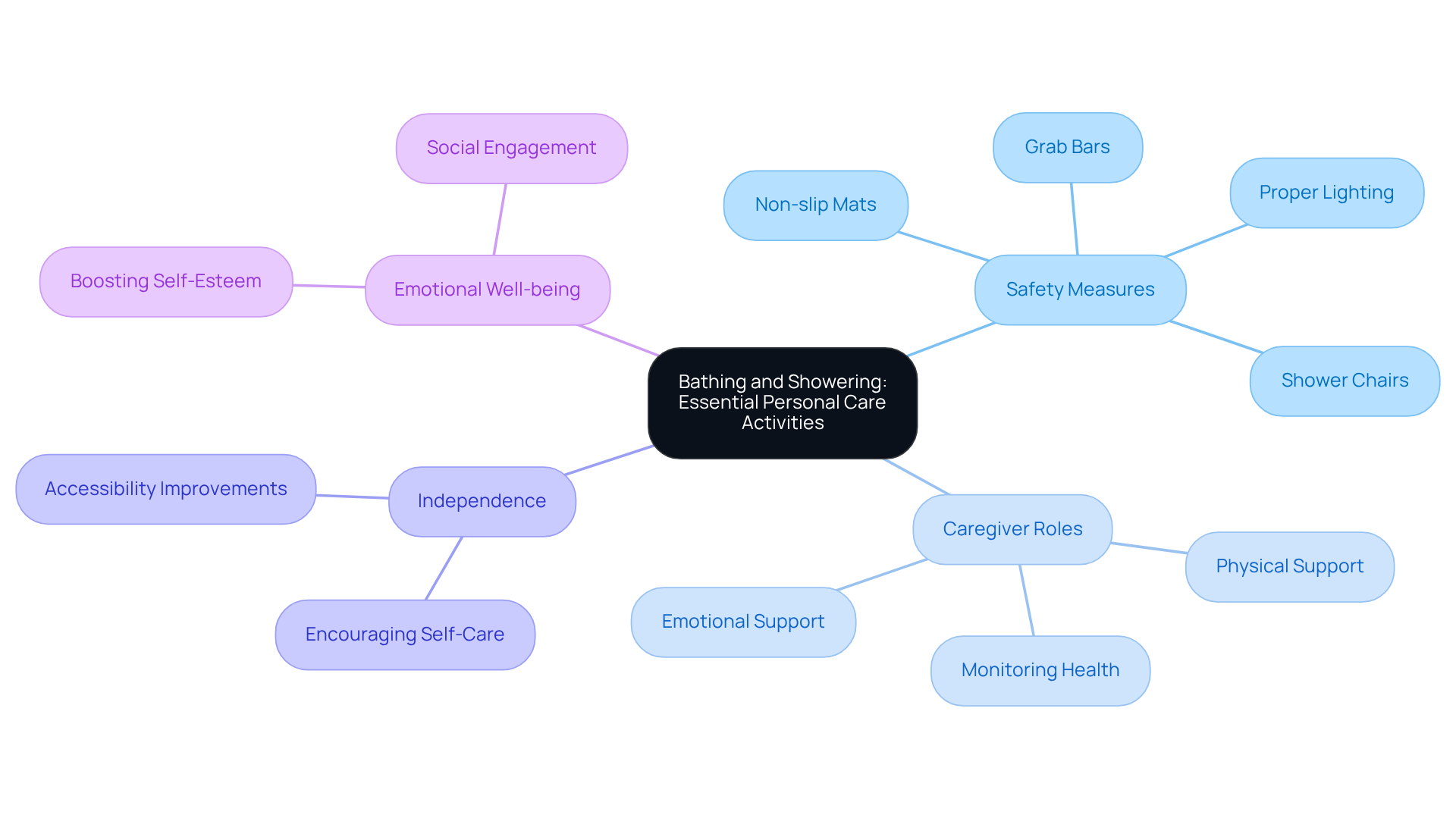
Bathing and showering are essential activities that not only uphold personal hygiene but also significantly reduce the risk of skin infections among seniors. Caregivers play a vital role in creating a bathing environment that is safe and comfortable. This includes using non-slip mats and grab bars, which are crucial for preventing falls - an alarming concern, as around 235,000 older adults are treated each year for bathroom-related falls in the United States.
By preparing the area with necessary tools and offering physical support, caregivers can enhance the bathing experience. Encouraging older adults to maintain as much independence as possible during bathing fosters their dignity and boosts their self-esteem. Research shows that proper personal hygiene positively impacts mental and emotional well-being, helping older adults feel more connected and socially engaged.
Moreover, caregivers can observe the general well-being of elderly individuals during these routines, recognizing any changes that might require medical attention. By combining physical assistance with emotional support, caregivers ensure that bathing remains a positive experience. This reinforces the importance of personal hygiene in promoting the overall well-being of elderly individuals, reminding us all of the compassionate care that makes a difference.
Dressing: Key to Personal Hygiene and Self-Esteem
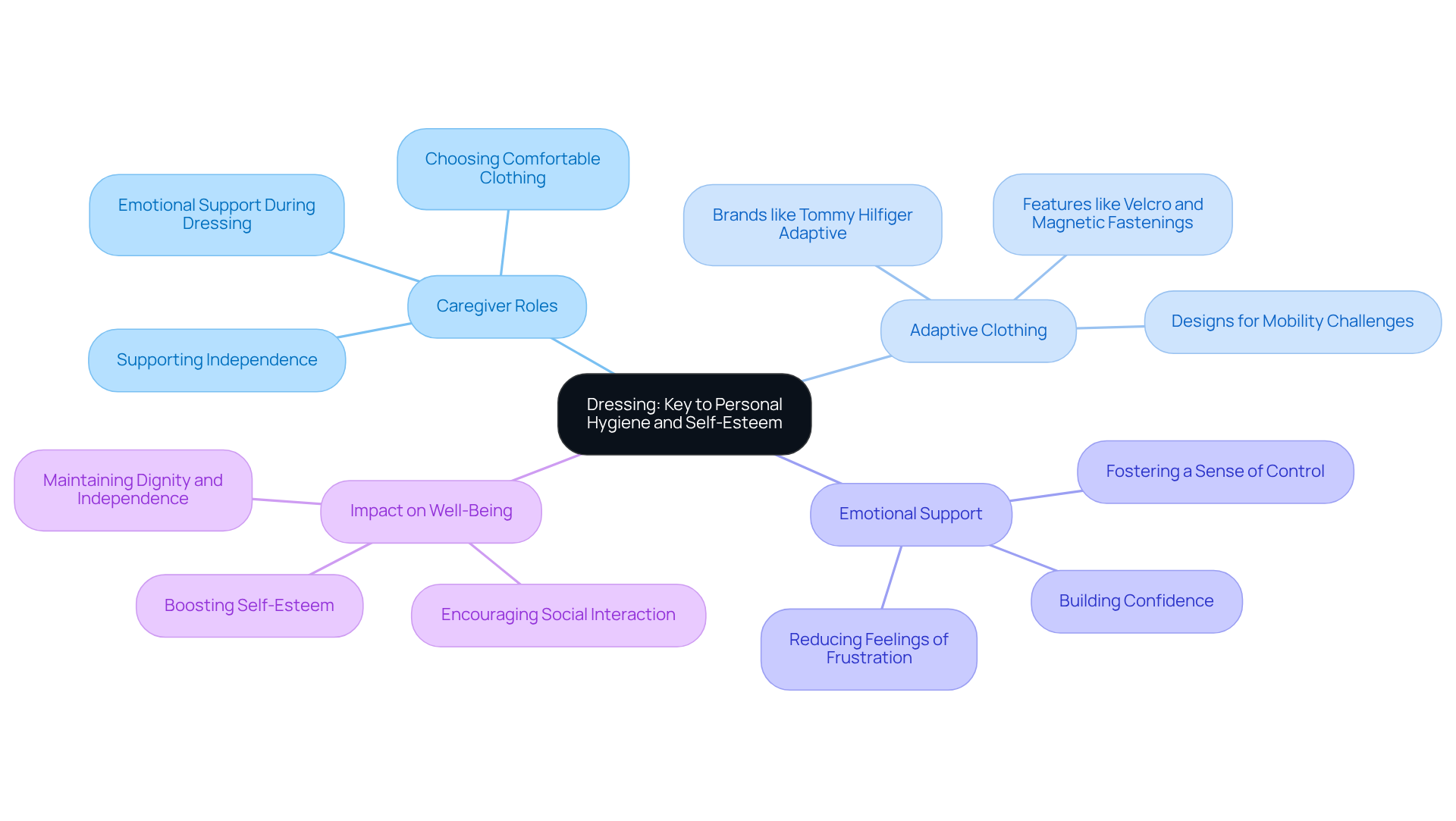
Dressing is more than just one of the activities of daily living; it’s a vital task that significantly impacts hygiene and self-esteem among older adults. Caregivers have a crucial role in this process, helping older adults choose clothing that not only reflects their personal style but also prioritizes comfort and ease of wear. For those facing mobility challenges, adaptive clothing options - like those with Velcro or magnetic fastenings - can make dressing easier and less frustrating.
When older adults participate in selecting their outfits, it fosters a sense of control and dignity, which is essential for their mental well-being. Occupational therapists emphasize that dressing, an important aspect of activities of daily living, can boost self-esteem, allowing older adults to express their identity and maintain connections to their social lives. Research shows that older adults who feel good about their appearance are more likely to engage in social activities, leading to improved overall health and well-being.
By encouraging the use of adaptive clothing from brands like Tommy Hilfiger Adaptive and Adaptive Seven7, caregivers can support older adults in maintaining their independence and dignity. This not only enhances their quality of life but also promotes a sense of self-worth. Providing emotional support during dressing can ease feelings of frustration and shame, contributing to a more positive dressing experience.
Ultimately, it’s about creating an environment where older adults feel valued and empowered. Caregivers can make a significant difference by being compassionate and understanding, ensuring that dressing remains a joyful part of their day.
Eating and Drinking: Vital for Health and Well-Being
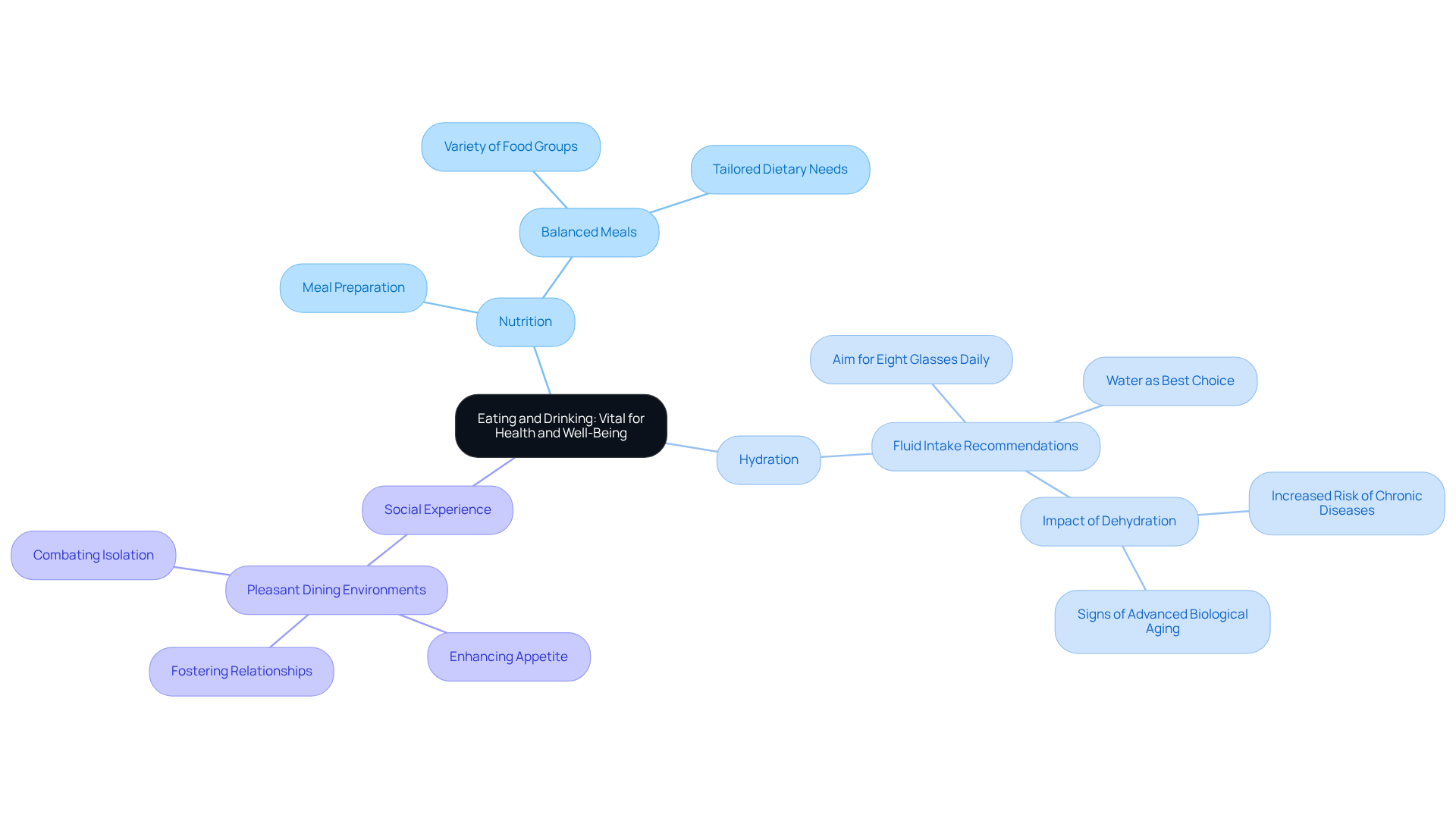
Eating and drinking are vital activities of daily living that deeply impact an elderly person's health and well-being. Caregivers play an essential role in the activities of daily living, including meal preparation, ensuring that meals are not just nutritious but also tailored to meet specific dietary needs. Dietitians stress the importance of balanced meals that include a variety of food groups to support optimal health.
Hydration is equally crucial; many elderly individuals may overlook their fluid intake, which can lead to health risks. A common recommendation is to aim for about eight glasses of fluids each day. Staying hydrated can help prevent chronic diseases. Caregivers can make a difference by regularly offering water and other beverages throughout the day.
Moreover, turning mealtime into a social experience can significantly enhance appetite and enjoyment of food. Involving older adults in pleasant dining environments fosters relationships and encourages them to eat more, which is especially beneficial for those who may feel isolated.
By prioritizing these activities of daily living, caregivers can greatly improve the quality of life for the elderly individuals they care for. Remember, every small effort counts in making a meaningful difference.
Continence: Maintaining Dignity in Daily Living
Maintaining continence is vital for preserving dignity in activities of daily living. It’s important for support providers to approach this topic with sensitivity and respect. Elderly individuals should feel comfortable discussing their needs, knowing that their feelings are valued.
Implementing a regular toileting schedule can significantly help manage incontinence. This not only addresses practical needs but also fosters a sense of control and dignity in the activities of daily living. Caregivers should be well-informed about the various products and techniques available. This knowledge empowers elderly individuals, allowing them to maintain their dignity while navigating continence issues.
Remember, it’s about creating an environment where everyone feels supported and understood. By focusing on compassionate care, we can make a meaningful difference in the lives of those we serve.
Toileting: A Fundamental Activity for Personal Hygiene
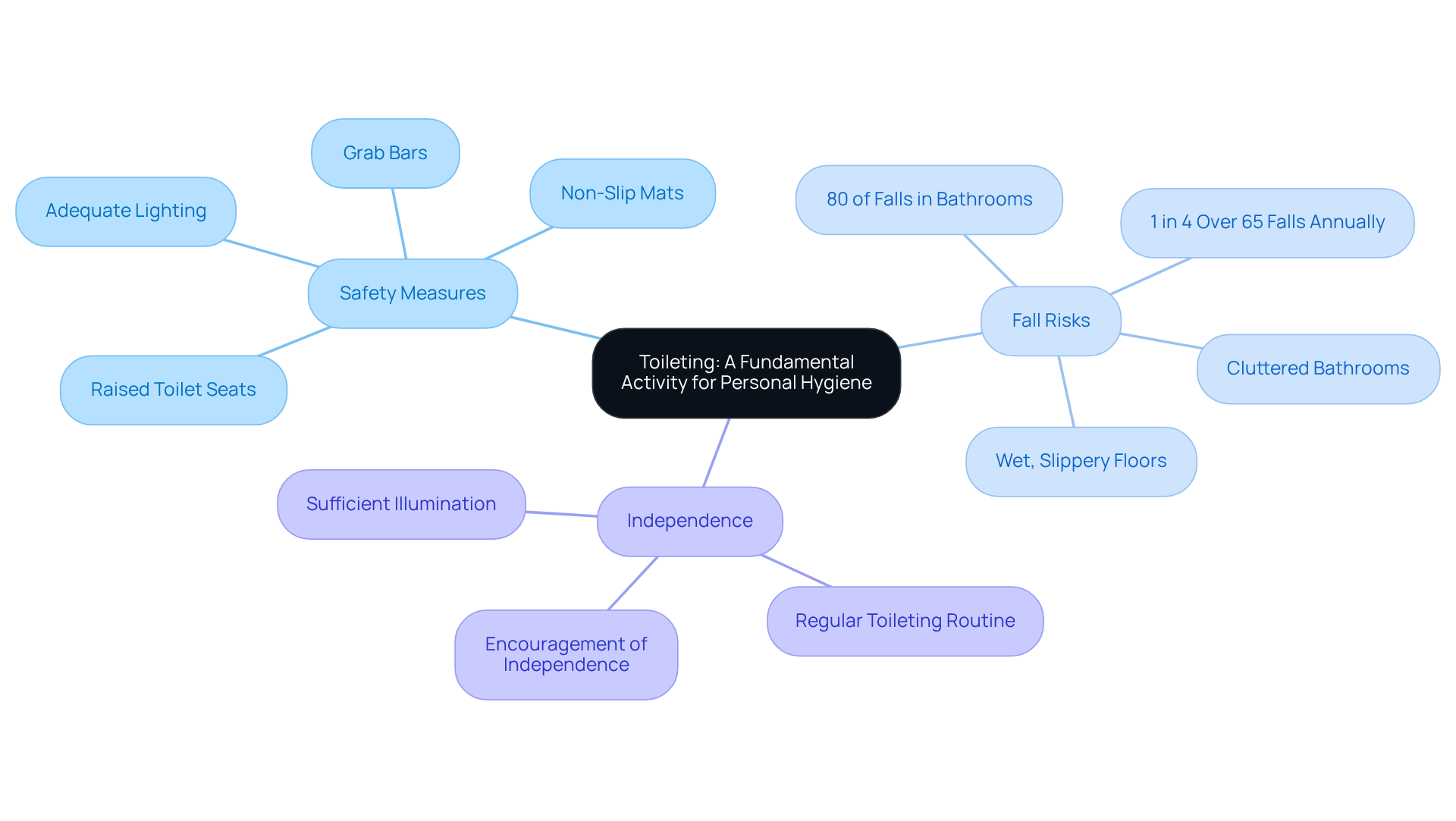
Toileting is a fundamental activity that deserves our careful attention, especially when it comes to ensuring safety and accessibility for older adults. A clutter-free bathroom is essential; after all, 80% of falls in the home happen in this space, often leading to serious injuries. It’s alarming to think that one in four individuals over 65 falls each year, highlighting the broader context of fall risks among the elderly.
As caregivers, we can make a difference by implementing safety measures. Consider the following:
- Raised toilet seats can ease the process of sitting down and standing up, reducing strain on knees and hips.
- Grab bars can also facilitate easier access, helping to reduce the risk of falls.
It’s crucial to encourage elderly individuals to maintain their independence in activities of daily living, such as toileting. Providing assistance only when necessary allows them to feel empowered in their routines.
Creating a regular toileting routine can significantly improve comfort and security, greatly influencing older adults' overall independence. Occupational therapists emphasize that maintaining independence in toileting is crucial for activities of daily living, as it supports physical health and fosters dignity and self-esteem. This makes it a vital aspect of activities of daily living for elderly individuals.
Sufficient illumination in the bathroom is another key factor in avoiding accidents, ensuring that older individuals can move around safely. As Debbie Humphrey, a Certified Senior Home Safety Specialist, wisely notes, "Falls in the home often result in minor injuries, but a fall in the bathroom can be fatal." Let’s work together to create a safe and nurturing environment for our loved ones.
Mobility: Essential for Independence in Daily Living
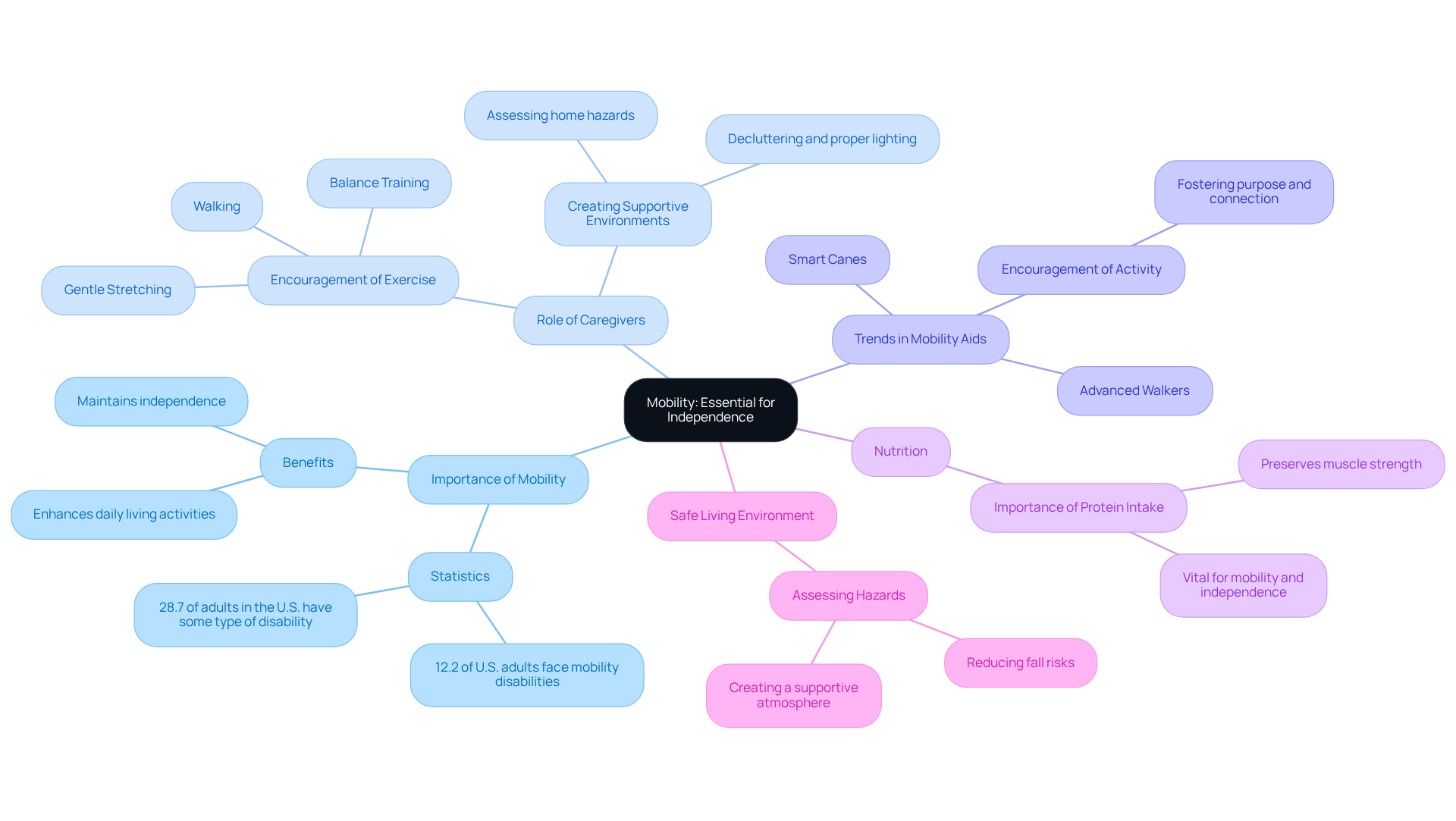
Mobility is crucial for seniors, allowing them to engage in activities of daily living and maintain their independence. It’s concerning to note that 12.2 percent of U.S. adults face mobility disabilities, which highlights the need to address these challenges. Caregivers play a vital role in encouraging regular physical exercise tailored to each individual's abilities. Simple activities like walking, gentle stretching, and balance training can greatly enhance mobility and lower the risk of falls. Physical therapists remind us that even light exercises can boost strength and flexibility, leading to improved overall health and independence.
Looking ahead to 2025, we see exciting trends in mobility aids. Advanced walkers and smart canes are designed not just for support but to enhance safety and confidence while moving. These tools encourage older adults to stay active and engaged in their activities of daily living, fostering a sense of purpose and connection.
Nutrition is another key player in maintaining mobility. Adequate protein intake is essential for preserving muscle strength, which is vital for mobility and independence in older adults. Creating a safe living environment is equally important. Caregivers should carefully assess homes for potential hazards and make necessary adjustments to reduce fall risks, like decluttering and ensuring proper lighting. By nurturing a supportive atmosphere, caregivers empower older adults to navigate their homes with ease, ultimately enhancing their quality of life and independence.
Transferring: Critical for Safe Movement and Independence
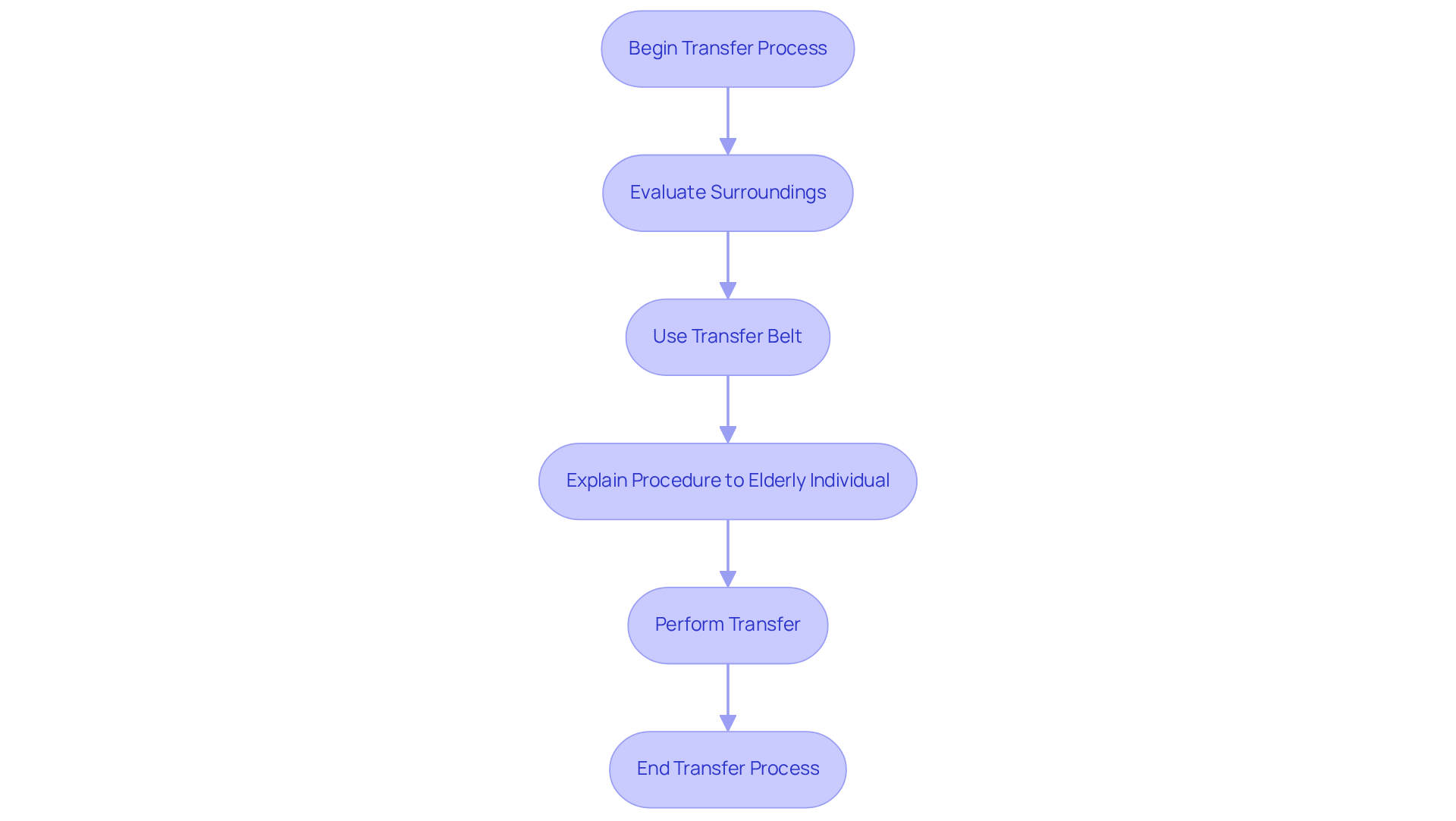
Transferring elderly individuals safely is not just a task; it’s a vital part of ensuring their independence and well-being. Caregivers often face emotional challenges, feeling the weight of responsibility and concern for those they assist. It’s essential to approach these transfers with care, using proper body mechanics and techniques to prevent injuries.
Using transfer belts can make a significant difference, and it’s important that the elderly individual understands the transfer procedure. This awareness fosters trust and comfort during the process. Before starting a transfer, caregivers should take a moment to evaluate the surroundings for any potential dangers, ensuring that the path is clear and unobstructed.
Training in safe transferring techniques can empower caregivers, equipping them with the skills needed to assist older adults effectively. This not only minimizes risks but also enhances the caregiver's confidence. Remember, you’re not alone in this journey; support is available, and your role is invaluable. Together, we can create a safe and nurturing environment for our loved ones.
Instrumental Activities of Daily Living (IADLs): Supporting Independence
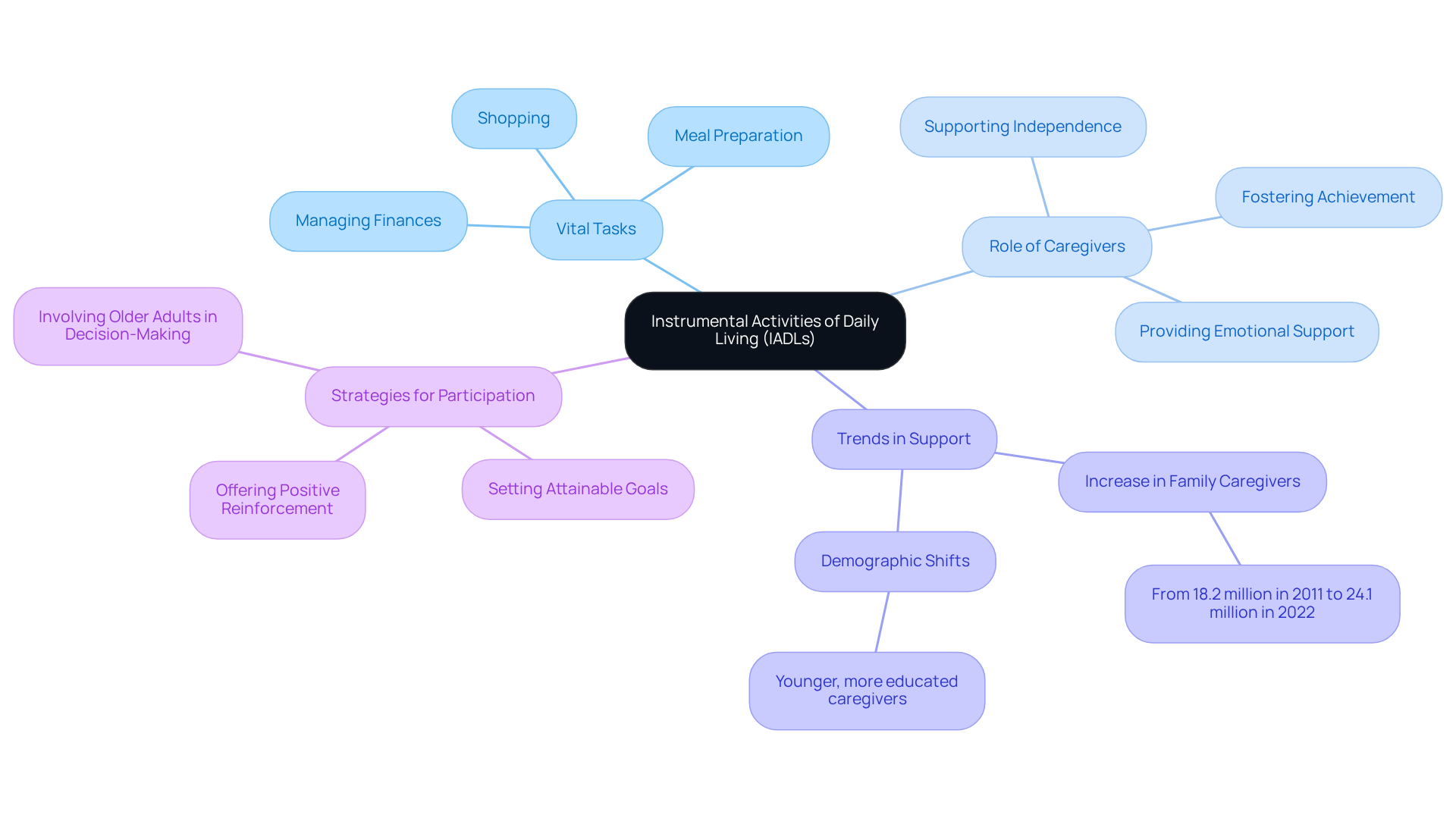
Instrumental Activities of Daily Living (IADLs) include vital tasks like managing finances, shopping, and meal preparation. For many older adults, challenges can arise in the activities of daily living, and that’s where support providers come in. They play a crucial role in helping seniors maintain their independence while ensuring their needs are met.
Imagine a caregiver creating a shopping list or accompanying an elderly individual on errands. These small acts can make a world of difference. By assisting with meal planning and preparation, caregivers not only help with daily tasks but also foster a sense of achievement and independence in older adults. This feeling is essential for their overall well-being.
As we look at current trends, it’s clear that the demographic profile of older adults is shifting. More individuals are staying active and involved, which makes the role of supporters even more significant. A report by AARP and the National Alliance for Caregiving highlights this need, showing that the number of family supporters rose from 18.2 million in 2011 to 24.1 million in 2022. This increase underscores the growing demand for assistance.
Social workers emphasize that supporting older adults in activities of daily living can lead to improved mental health outcomes and a greater sense of purpose. To encourage participation, support providers can implement strategies like:
- Setting small, attainable goals for daily tasks
- Offering positive reinforcement
- Involving older adults in decision-making processes related to their care
By nurturing these connections and providing compassionate support, we can help older adults thrive.
Assessing the Need for Support: Determining Appropriate Care Levels
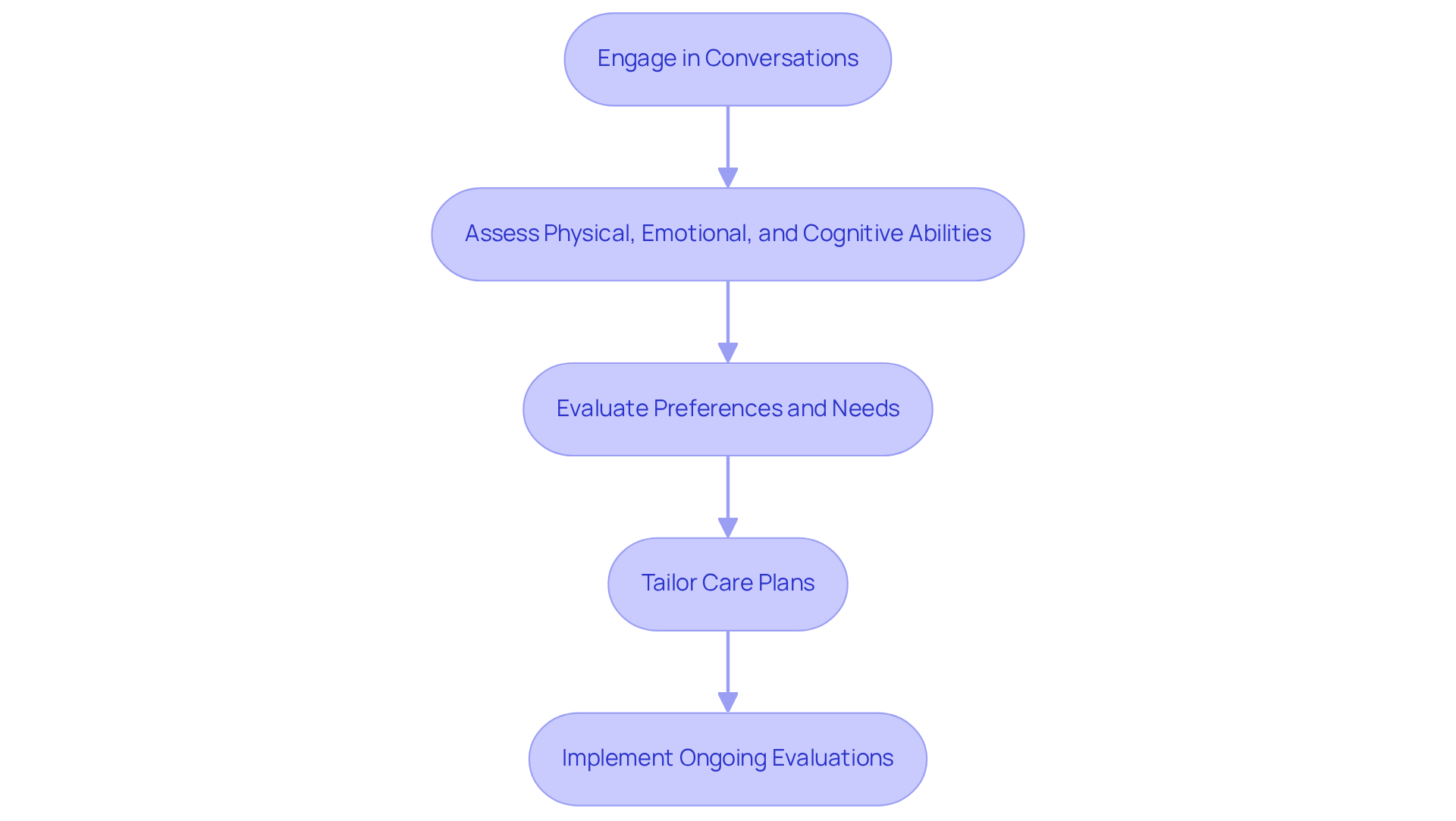
Assessing an elderly person's physical, emotional, and cognitive abilities is essential for understanding their unique support needs. It’s important for caregivers to regularly evaluate these aspects, engaging in heartfelt conversations with family members, healthcare professionals, and the elderly individuals themselves. This approach helps capture their preferences and needs, ensuring that care is truly personalized.
Tailoring care plans based on these evaluations is vital. Studies show that when elderly individuals receive customized care, they often report greater satisfaction and an improved quality of life. Imagine the joy of seeing a loved one thrive because their care is designed just for them.
Geriatric care managers emphasize the importance of ongoing evaluations. As functional abilities can change, adjustments in care strategies may be necessary. By prioritizing these assessments, caregivers can provide the essential support that allows seniors to flourish in their daily lives.
Remember, you’re not alone in this journey. Many caregivers share similar experiences, and the impact of compassionate care is profound. By focusing on the needs of those you care for, you’re making a significant difference in their lives.
Taking the Next Steps
The article beautifully underscores how daily living activities play a vital role in enhancing the quality of life for older adults, highlighting the essential support caregivers provide. Engaging in activities like companionship, personal care, nutrition, and mobility assistance allows caregivers to meet not just the physical needs of elderly individuals but also to nurture their emotional well-being and dignity.
Key insights reveal that social engagement, personal hygiene, and independence in daily tasks are crucial for maintaining mental health and self-esteem among seniors. Activities such as dressing, eating, and moving around are far more than mere routines; they are essential elements that contribute to an elderly person's sense of identity and connection to the world. Moreover, assessing individual needs is paramount, ensuring that care is tailored and fostering a supportive environment where older adults can truly thrive.
Ultimately, this message highlights the profound impact caregivers have on the lives of older adults. By prioritizing essential activities of daily living, caregivers can cultivate a nurturing atmosphere that empowers seniors, enhances their independence, and significantly improves their overall quality of life. Embracing these practices is not just beneficial; it’s essential for creating a compassionate and supportive caregiving experience that honors the dignity and autonomy of those being cared for.
https://iframe.tely.ai/cta/eyJhcnRpY2xlX2lkIjogIjY5MWZhYzcwZDE4ZTkwODFlMzViYjUzZSIsICJjb21wYW55X2lkIjogIjY4ZWU1ZGNhNzMxNzYyNTU3ZjNjOTVjMSIsICJpbmRleCI6IG51bGwsICJ0eXBlIjogImFydGljbGUifQ==Frequently Asked Questions
What is the role of companionship care in supporting older adults?
Companionship care engages older adults in meaningful conversations, activities, and outings that foster social interaction, alleviate feelings of isolation, and enhance happiness and mental well-being.
What types of activities are included in companionship care?
Activities include playing games, taking walks, and sharing stories, which are essential for uplifting an older adult's mood and sense of connection.
Why is companionship care important for older adults?
One in three older adults experiences feelings of isolation and loneliness, making companionship care crucial for sustaining mental health and encouraging cognitive engagement.
How does companionship care benefit family caregivers?
Companionship care provides family caregivers with a much-needed respite, allowing them to recharge while ensuring their loved ones receive the social interaction they deserve.
What are the essential aspects of bathing and showering for seniors?
Bathing and showering uphold personal hygiene and reduce the risk of skin infections, with caregivers creating a safe and comfortable environment to prevent falls.
How do caregivers enhance the bathing experience for older adults?
Caregivers prepare the bathing area with non-slip mats and grab bars, offer physical support, and encourage independence, which fosters dignity and boosts self-esteem.
What is the significance of dressing for older adults?
Dressing impacts hygiene and self-esteem, allowing older adults to express their identity and maintain connections to their social lives.
How can caregivers assist older adults with dressing?
Caregivers help older adults choose comfortable clothing, utilize adaptive clothing options, and encourage participation in selecting outfits to foster control and dignity.
What is the impact of personal hygiene on older adults' well-being?
Proper personal hygiene positively impacts mental and emotional well-being, helping older adults feel more connected and socially engaged.
How can caregivers create a positive dressing experience for older adults?
By providing emotional support, being compassionate, and encouraging the use of adaptive clothing, caregivers can ease feelings of frustration and ensure dressing remains a joyful part of the day.