

For families in our service areas
For families in our service areas, this guide explains caregiver support and how non-medical in-home caregiving can support care planning in East Idaho, Treasure Valley & Magic Valley, Northern Wasatch, North Central West Virginia, and Northeast Ohio.
The Importance of ADLs Activities of Daily Living Every
Understanding the complexities of Activities of Daily Living (ADLs) poses a significant challenge for caregivers dedicated to improving the quality of life for seniors. With the elderly population on the rise, the demand for effective support in essential tasks - such as bathing, dressing, and meal preparation - has never been greater. Caregivers often grapple with the difficult task of balancing the need for assistance with the desire to promote independence among seniors.
This challenge can leave caregivers wondering how best to equip themselves to meet these diverse needs. To address this issue, this article explores ten essential ADLs that every caregiver should know. By providing insights and practical strategies, we aim to empower both caregivers and the seniors they serve, ensuring that quality care is both effective and respectful of individual autonomy.
Happy to Help Caregiving: Companionship Care for Seniors
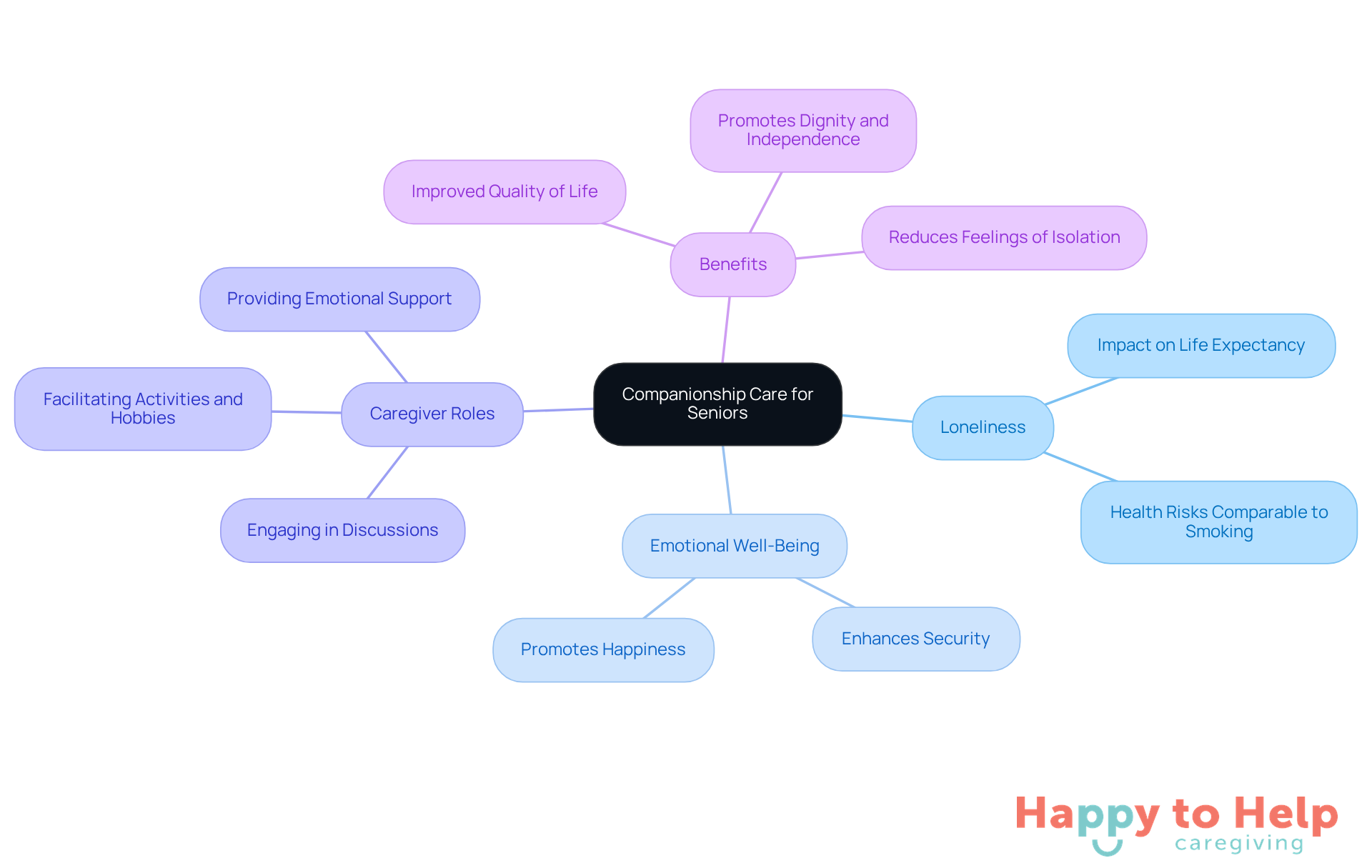
Loneliness among seniors is a pressing issue that can significantly impact their emotional well-being. Research indicates that persistent loneliness can reduce life expectancy even more than being overweight or inactive. This highlights the urgent need for companionship, especially for seniors who may lack regular visitors.
Companionship care, like that provided by Happy to Help Caregiving, addresses this problem by fostering meaningful relationships with seniors. Caregivers actively engage individuals in discussions, activities, and hobbies tailored to their interests, effectively alleviating feelings of isolation. By creating a supportive environment, caregivers enhance their clients' emotional well-being, promoting a sense of security and happiness in their own homes.
As the demand for companionship support rises due to increasing loneliness among seniors, it reflects a growing recognition of its vital role in promoting dignity and independence. Gerontologists emphasize that emotional well-being is crucial for elderly individuals, and companionship support is essential in fulfilling these needs. This ultimately leads to an enhanced quality of life.
As Anslee Wilson states, "With companion care at home, seniors obtain the understanding, stability, and companionship essential to confront loss with dignity and hope." By prioritizing companionship, caregivers can significantly improve the lives of seniors, ensuring they feel valued and connected.
Understanding ADLs: Key Activities Every Caregiver Should Know
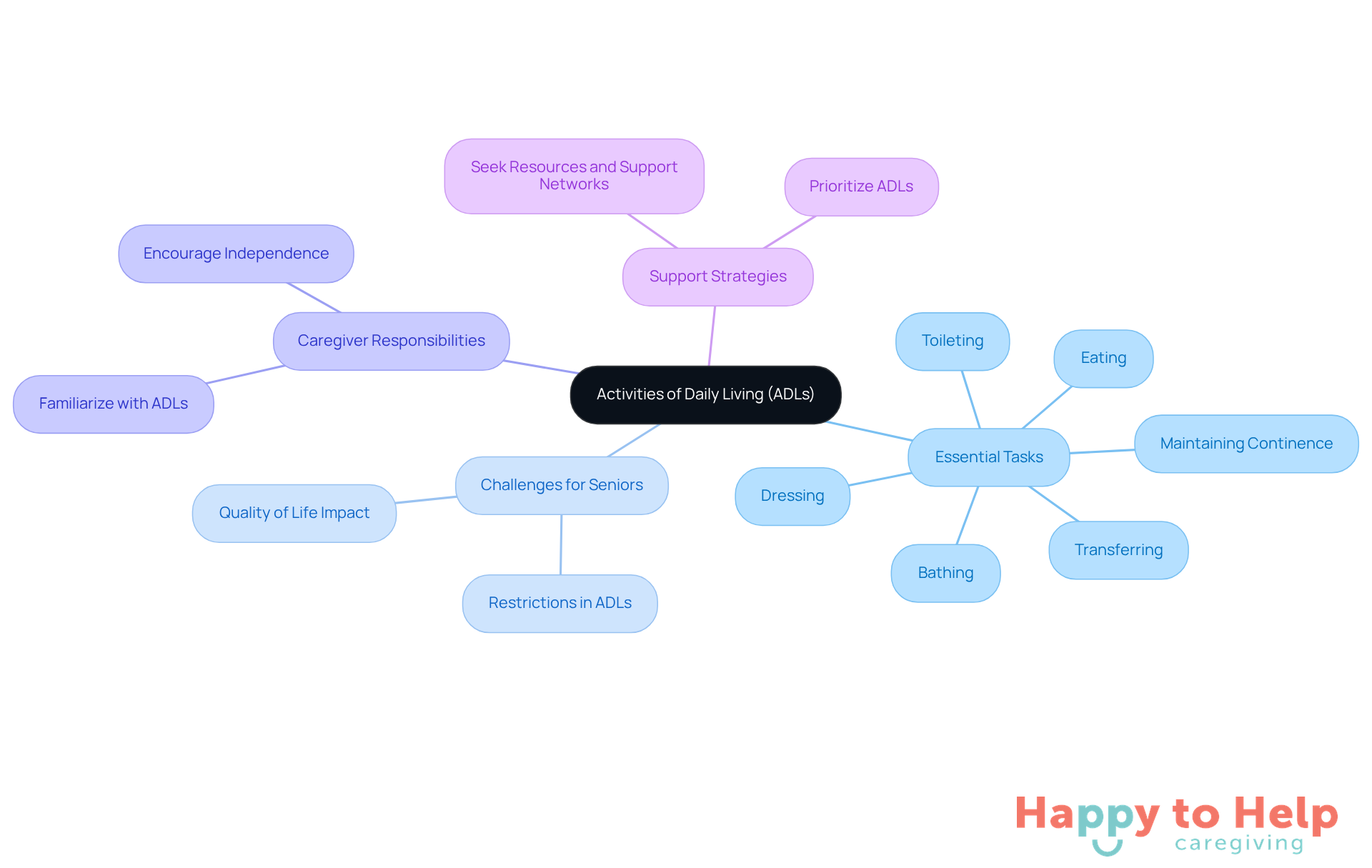
Activities of Daily Living (ADLs), or adls activities of daily living, are essential tasks that individuals perform daily to maintain their health and independence. These tasks include bathing, dressing, eating, toileting, transferring (moving from one position to another), and maintaining continence. However, many seniors face challenges in performing the adls activities of daily living, which can significantly impact their quality of life.
Recent studies reveal a pressing issue: a significant portion of seniors require help with adls activities of daily living. For instance, a survey showed that 9 in 10 seniors experience restrictions in at least one ADL. This highlights the increasing demand for support related to adls activities of daily living among caregivers. As Lindsey Copeland notes, 'Two-thirds of individuals providing support assist with at least one adls activities of daily living, such as eating, bathing, or dressing.' With the U.S. population aged 65 and over growing nearly five times faster than the total population, it’s crucial to focus on maintaining independence among older adults.
Caregivers often face their own set of challenges while managing these responsibilities. A staggering 51 percent report bothersome pain that complicates their tasks. This situation not only affects the well-being of seniors but also the health of those providing care. By prioritizing adls activities of daily living, caregivers can foster a more supportive environment that enhances well-being for both seniors and themselves.
To effectively support seniors, caregivers should:
- Familiarize themselves with the specific ADLs that seniors struggle with.
- Encourage independence by allowing seniors to perform tasks as much as possible.
- Seek resources and support networks to alleviate their own burdens.
Understanding ADLs activities of daily living is vital for caregivers. It enables them to customize their assistance efficiently, ensuring that clients can carry out these activities with dignity. By addressing the challenges associated with adls activities of daily living, caregivers can create a healthier and more supportive environment for everyone involved.
Personal Care Tasks: Bathing, Dressing, and Grooming Essentials
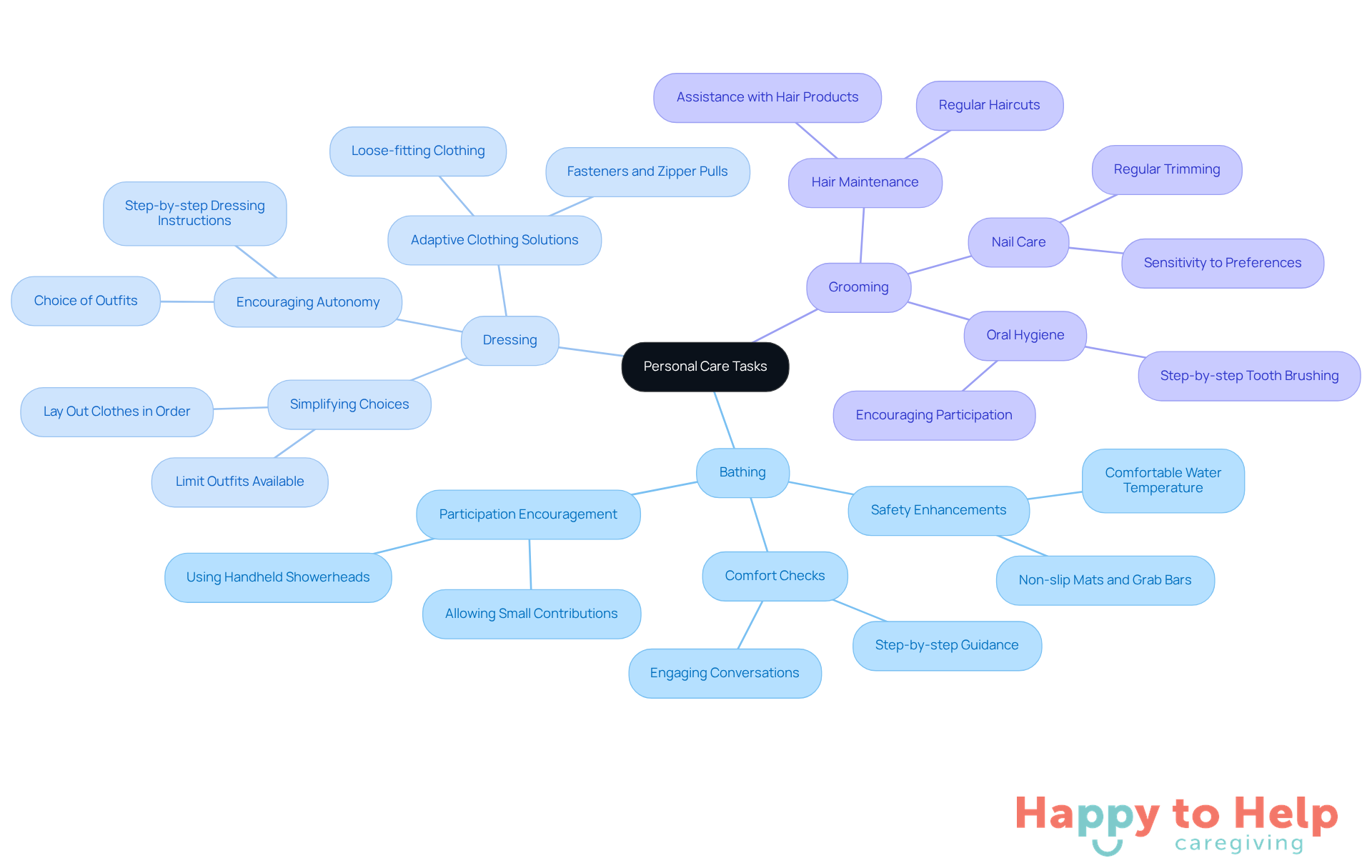
Bathing, dressing, and grooming are crucial activities of daily living, also known as ADLs, that individuals often need assistance with to maintain hygiene and comfort. Caregivers face the challenge of providing this support while allowing individuals to retain as much independence as possible. Without proper assistance, individuals may struggle with these tasks, leading to discomfort and decreased self-esteem.
To address these challenges, caregivers can implement several practical solutions. For instance:
- Setting up the bathing area with non-slip mats and grab bars enhances safety.
- Checking that the water temperature is comfortable before bathing is essential.
- When assisting with dressing, caregivers should encourage individuals to choose their outfits, promoting autonomy.
- Using fasteners or large zipper pulls instead of buttons or buckles can greatly benefit those with limited dexterity.
Grooming activities, such as hair maintenance and nail trimming, should be approached with sensitivity to the individual's preferences and comfort levels. Regular nail trimming is particularly important to prevent discomfort and injury. Moreover, allowing individuals with Alzheimer's to participate in the bathing process, even in small ways, can significantly enhance their sense of independence.
Monitoring health indicators during personal assistance is vital to ensure the well-being of the individual. Recent advancements in personal assistance, including adaptive tools and techniques, empower caregivers to provide effective support while encouraging active participation. Current data shows that many seniors require help with the ADLs, including bathing and grooming, at least two to three times a week, underscoring the importance of these tasks in maintaining overall well-being.
Occupational therapists emphasize that promoting independence in personal care not only improves hygiene but also significantly boosts self-esteem and emotional health for seniors.
Instrumental Activities of Daily Living: Supporting Independence
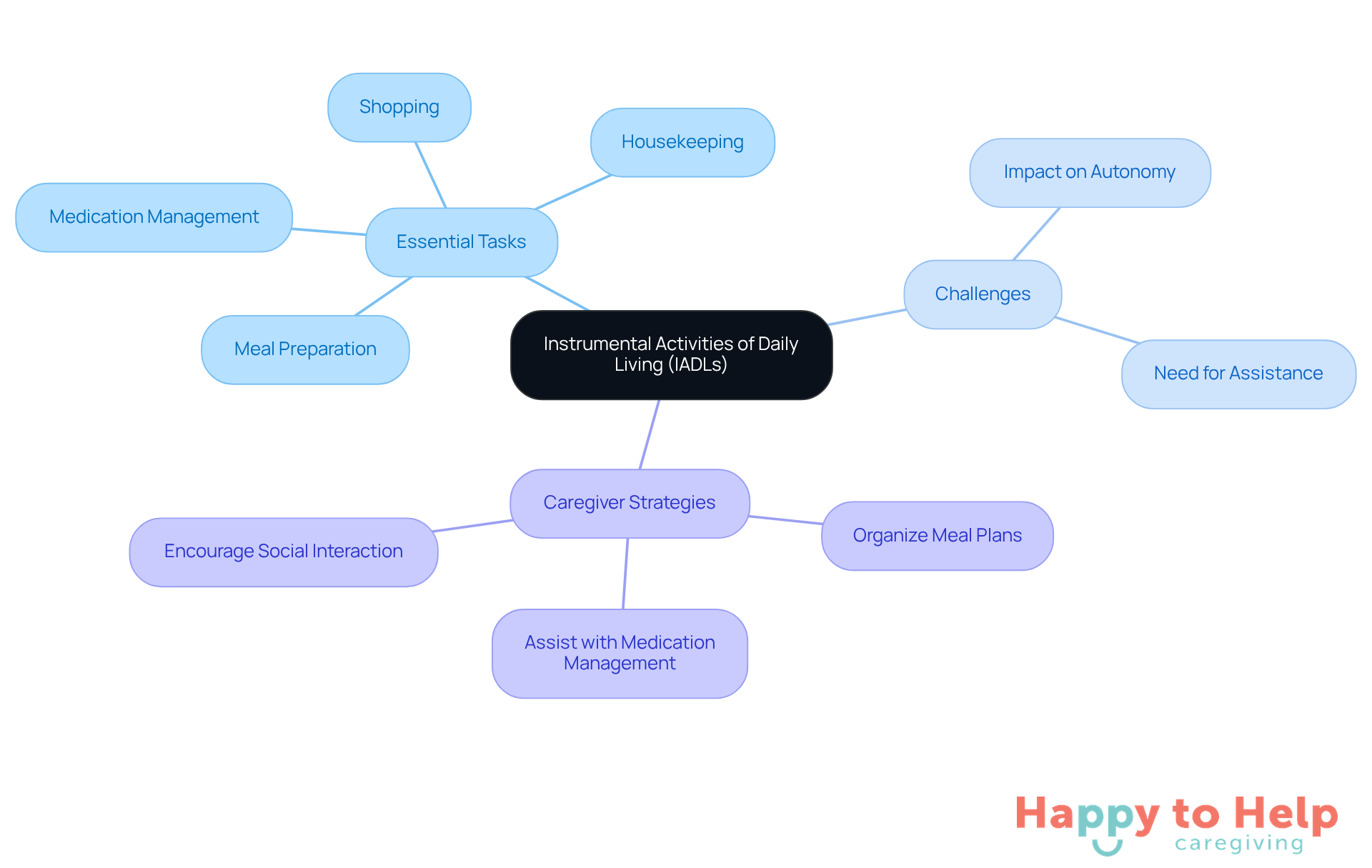
Instrumental Activities of Daily Living (IADLs) represent essential tasks that enable independent living, such as meal preparation, medication management, shopping, and housekeeping. However, many seniors struggle with these activities, which can significantly impact their autonomy and quality of life.
The reality is that a substantial number of seniors require assistance with meal preparation and medication management. Current data shows that nearly 84% of family supporters help with multiple IADLs, underscoring the growing demand for support in these areas. As the elderly population continues to rise, the need for caregivers to provide this essential assistance becomes increasingly critical.
Caregivers play a vital role in helping seniors maintain their independence. By assisting with meal preparation, they can create healthy meals tailored to the dietary needs of seniors, ensuring balanced nutrition. Nutritionists stress that proper meal preparation is crucial, as it not only supports physical health but also fosters dignity and independence.
To effectively support seniors, caregivers can implement several practical solutions:
- Organize meal plans that cater to individual dietary requirements.
- Assist with medication management to ensure adherence to prescribed regimens.
- Encourage social interaction during meal times to enhance emotional well-being.
By focusing on these strategies, caregivers can empower seniors to live more independently, ultimately enhancing their overall well-being and quality of life.
Assessing ADLs: How to Evaluate Care Needs Effectively
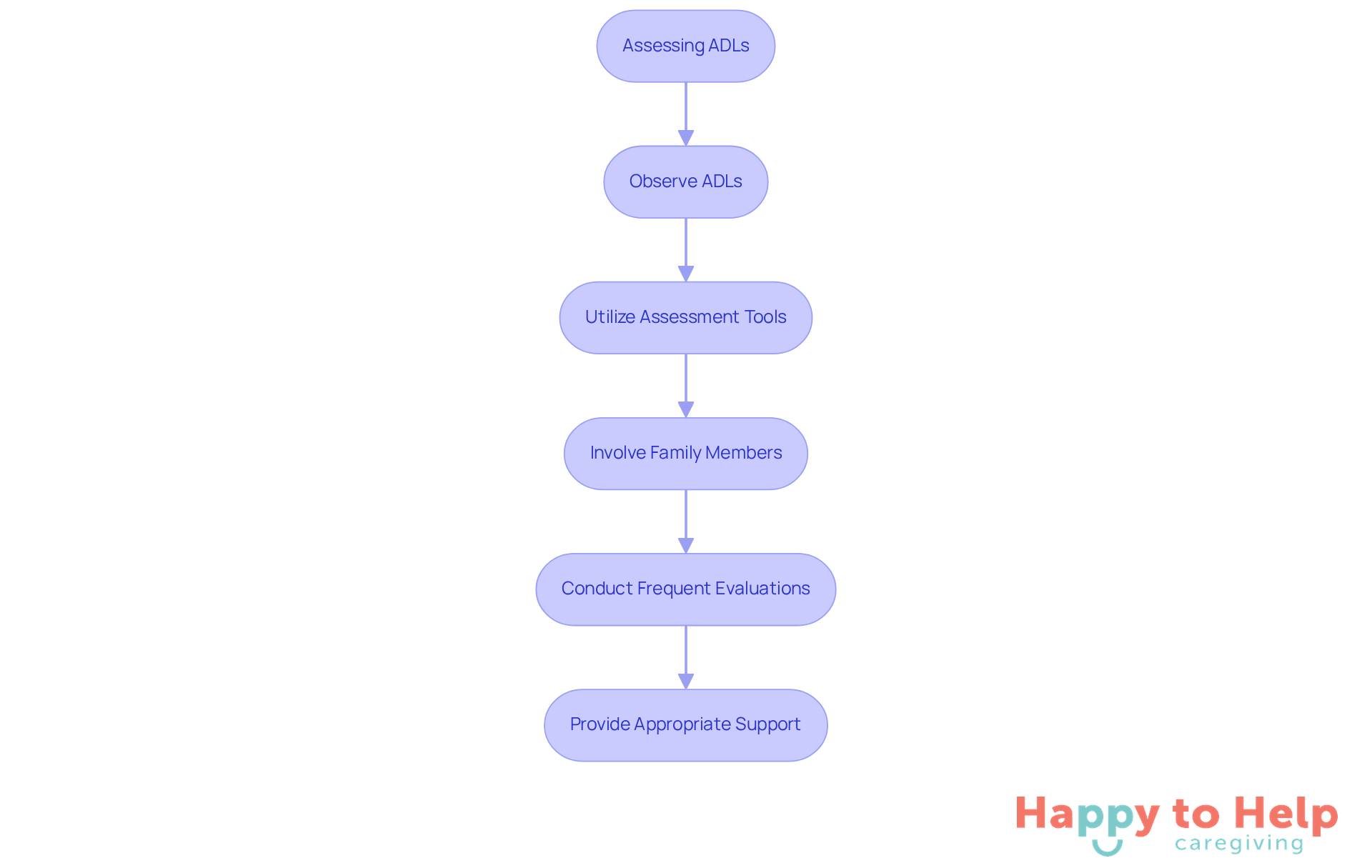
Assessing a person's ability to perform ADLs (activities of daily living) presents a significant challenge for caregivers. Without a clear understanding of an individual's capabilities, caregivers may struggle to provide the appropriate level of support, leading to frustration for both parties. This issue is particularly pressing as many individuals face difficulties with essential tasks such as bathing, dressing, and meal preparation.
To address this problem, caregivers should closely observe the ADLs to identify specific challenges that individuals encounter. Utilizing assessment tools like standardized scales and checklists can offer a clearer picture of an individual's independence in ADLs. For example, the Katz scale for assessing ADLs is widely recognized for its effectiveness in measuring functional ability, boasting strong psychometric properties that validate its use in clinical settings. Additionally, the Lawton Instrumental Activities of Daily Living Scale evaluates more intricate tasks that aid in the ADLs, providing a thorough perspective on an individual's abilities.
Frequent evaluations are crucial for adapting support strategies to evolving needs. By involving family members in the assessment process, caregivers can gain valuable insights into the individual's abilities and preferences, fostering a cooperative approach to support. Geriatric care managers emphasize that consistent monitoring not only enhances the quality of care but also empowers individuals by promoting their independence and well-being.
Statistics reveal that 30% of individuals aged 75-79 and 40% of those aged 85 and older have at least one disability from a specific disease. This underscores the importance of effective evaluation methods. By prioritizing assessments of ADLs, providers can significantly enhance the overall support experience for both individuals and their families.
Technology in Caregiving: Tools to Assist with ADLs
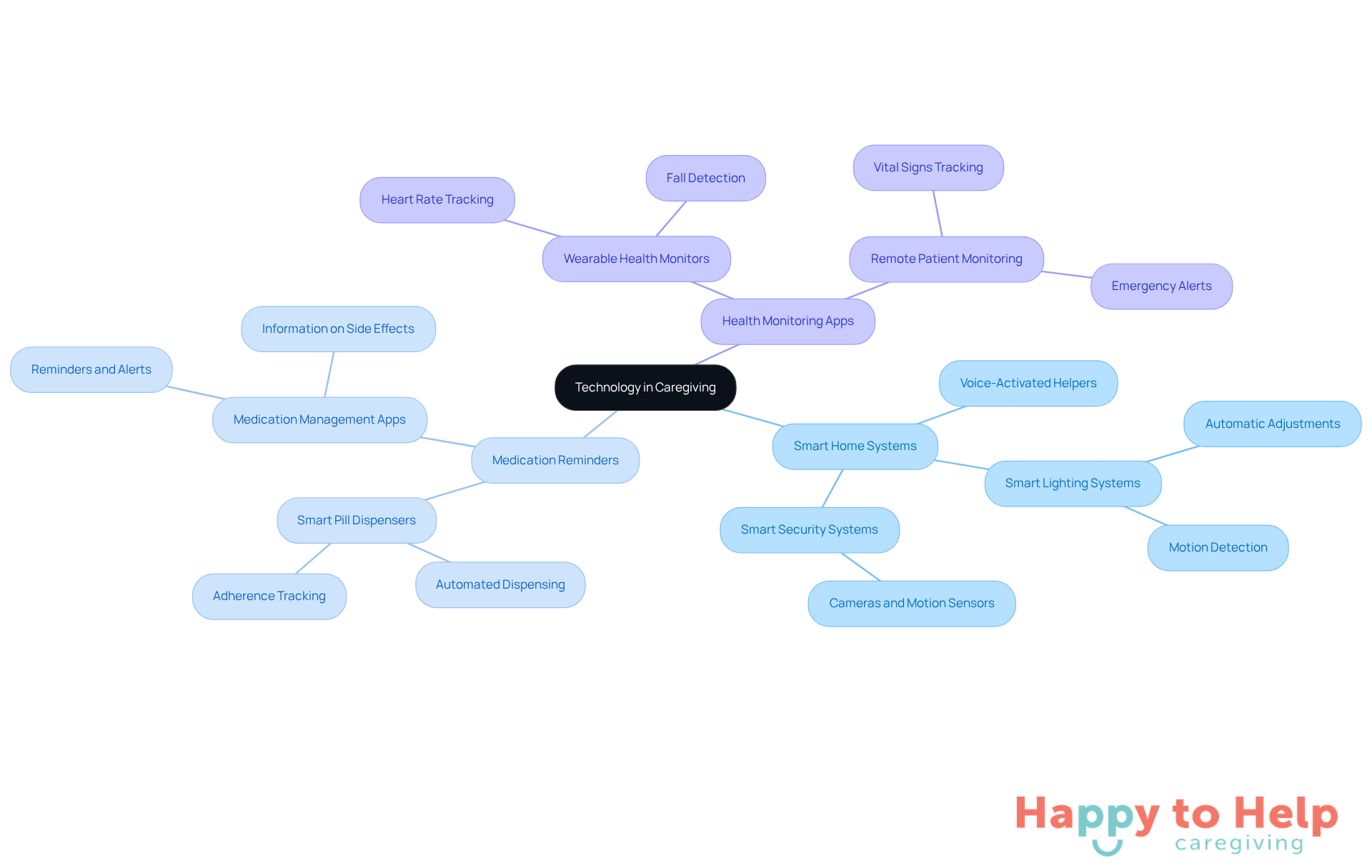
Caregivers often struggle with managing the daily routines of those they assist, particularly when it comes to ADLs (activities of daily living). This challenge can lead to feelings of frustration and helplessness, both for caregivers and those receiving care.
Fortunately, technology offers practical solutions to these issues. Devices such as smart home systems, medication reminders, and health monitoring applications can significantly enhance the caregiving experience. For instance, voice-activated helpers can remind users to take their medications or alert supporters when assistance is needed.
By integrating these technological tools, caregivers can promote greater independence in performing ADLs (activities of daily living) for those they assist while ensuring safety and timely support. Embracing technology not only streamlines daily routines but also empowers caregivers to provide better care.
Collaborating with Healthcare Providers: A Caregiver's Guide
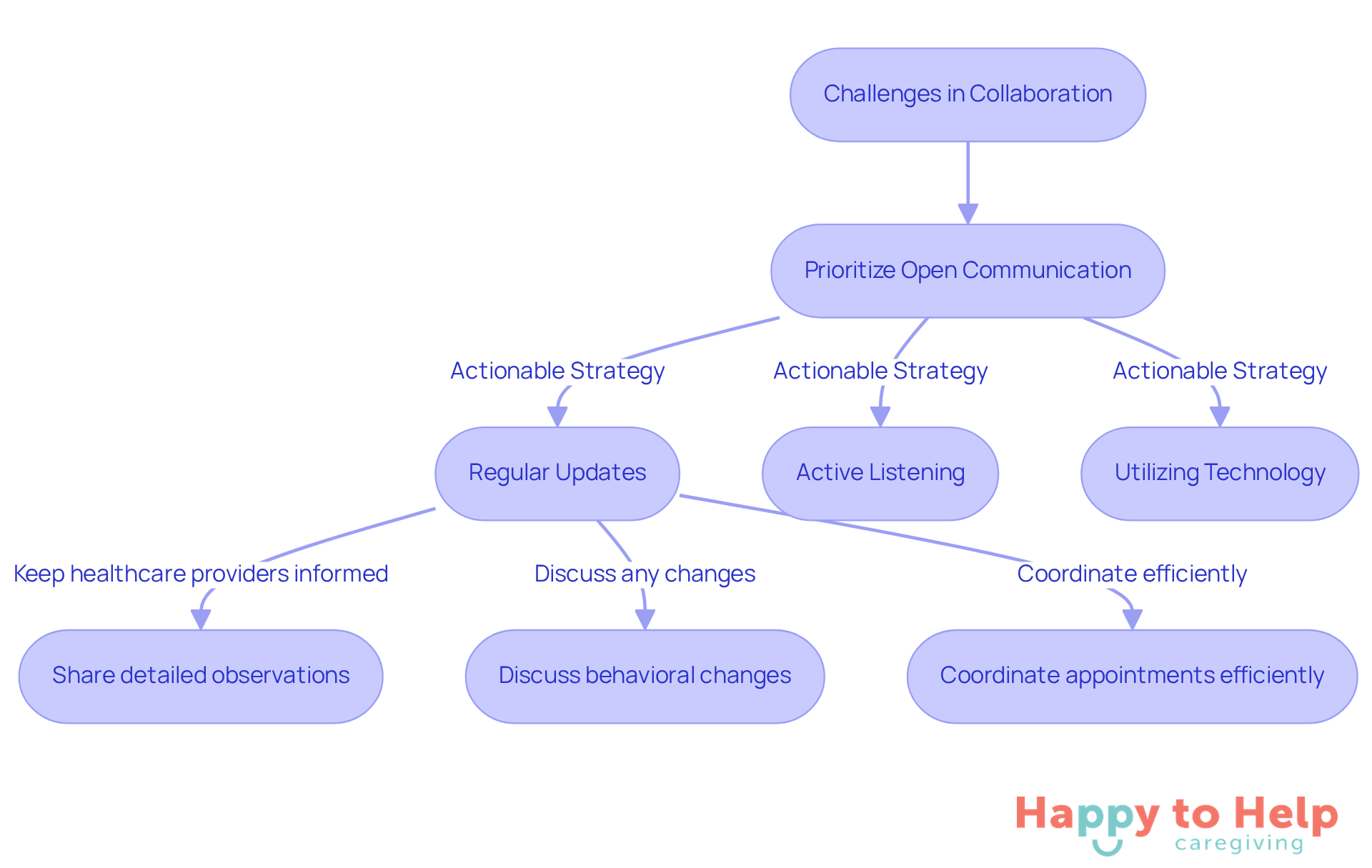
Collaboration with healthcare providers poses a significant challenge for caregivers, often leading to gaps in support. When caregivers fail to communicate effectively with doctors, nurses, and therapists, it can result in incomplete treatment plans that overlook critical aspects of an individual's health and wellness.
To address this issue, caregivers must prioritize open communication. This means sharing detailed observations about the individual's condition, discussing any behavioral changes, and coordinating appointments efficiently. By fostering a cooperative atmosphere, caregivers and healthcare specialists can develop comprehensive treatment plans that encompass all facets of care.
Here are some actionable strategies to enhance communication:
- Regular updates: Keep healthcare providers informed about any changes in the individual's condition.
- Active listening: Ensure that caregivers fully understand the advice and recommendations from healthcare professionals.
- Utilizing technology: Use apps or platforms to track and share important information seamlessly.
Recent guidelines emphasize the necessity for caregivers to engage proactively with healthcare teams. By doing so, they can ensure that every aspect of care is addressed and tailored to the client's unique needs.
Emotional Well-being: Supporting Caregivers in Their Role
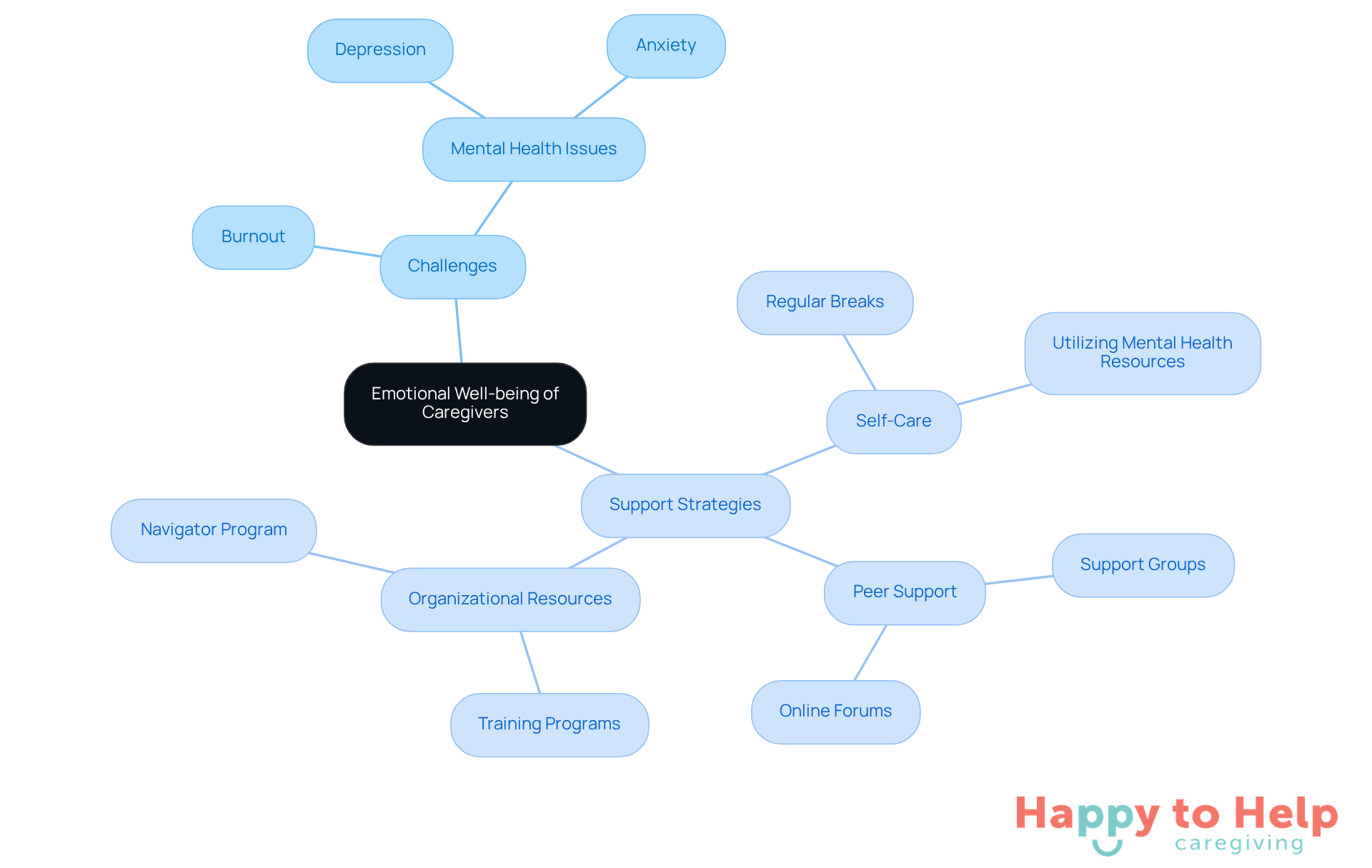
Caring for others can be emotionally demanding, making it crucial to prioritize the well-being of caregivers. Mental health professionals stress that self-care is not just beneficial; it's essential for managing stress effectively. Without proper self-care, caregivers may experience significant burnout, which can impact both their health and the quality of care they provide.
Research shows that 47% of family supporters reported mental health challenges in the past year, underscoring the prevalence of stress among caregivers. This highlights an urgent need for self-care strategies. Engaging in regular breaks, seeking peer support, and utilizing available mental health resources can significantly alleviate feelings of burnout.
Organizations like Happy to Help Caregiving offer valuable training and support groups, including initiatives such as the Navigator program. These programs equip caregivers with effective strategies for stress management and emotional support. By fostering a supportive environment, caregivers can enhance their resilience, ultimately benefiting both themselves and those they serve.
Personalized Care Plans: Tailoring Support for Individual Needs
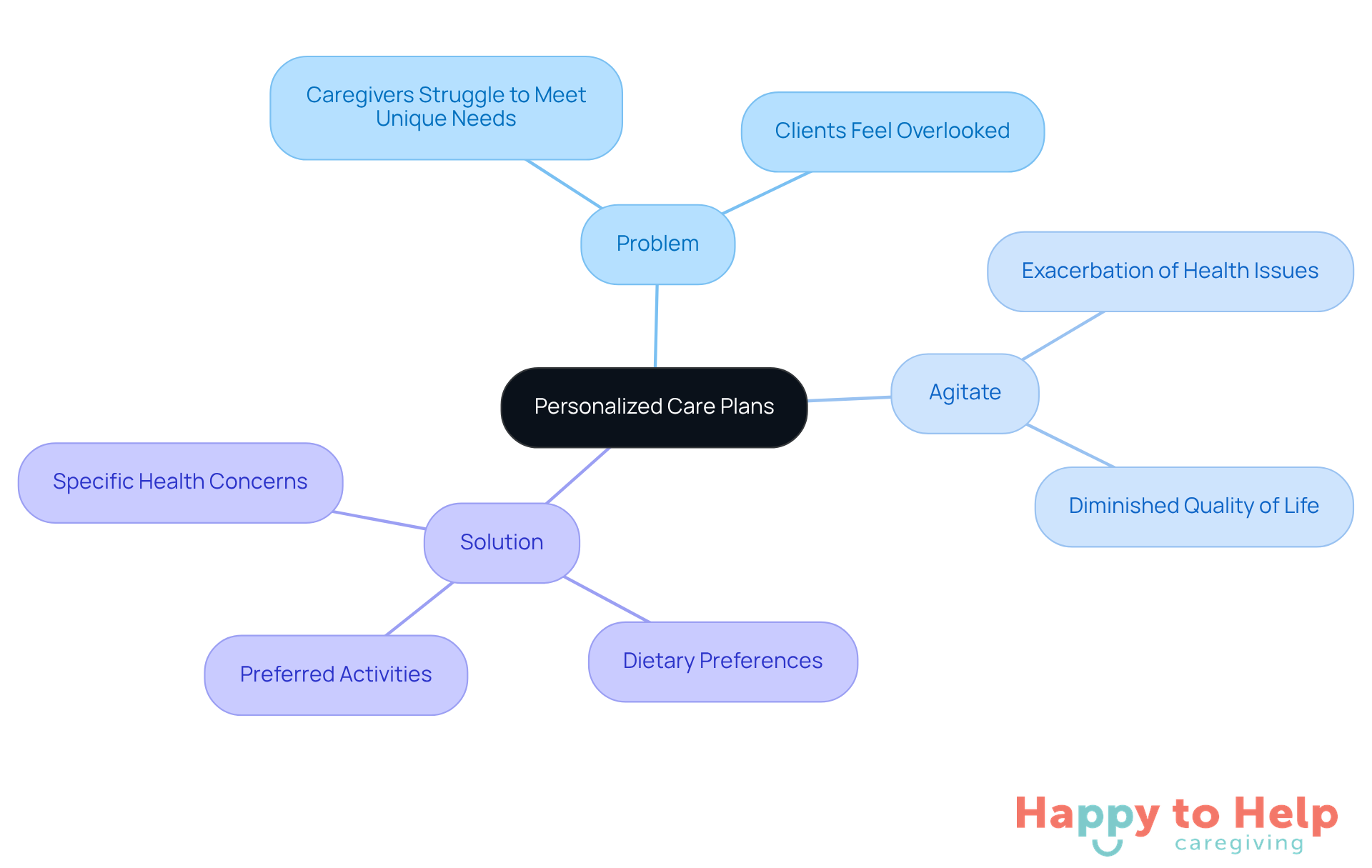
Problem: Caregivers often struggle to meet the unique needs of each individual they support. Without tailored support plans, clients may feel overlooked, leading to decreased autonomy and satisfaction.
Agitate: This lack of personalization can result in clients not receiving the care they truly need, which can exacerbate health issues and diminish their quality of life. Caregivers must recognize the importance of understanding each person's preferences, routines, and health conditions to avoid these pitfalls.
Solution: To create effective support strategies, caregivers should evaluate:
- Dietary preferences
- Preferred activities
- Specific health concerns
Regularly reviewing and updating these support plans is essential to ensure they remain relevant and effective. This proactive approach fosters a sense of autonomy and satisfaction for clients, ultimately enhancing their overall well-being.
Ongoing Training: Keeping Caregivers Informed on ADL Best Practices
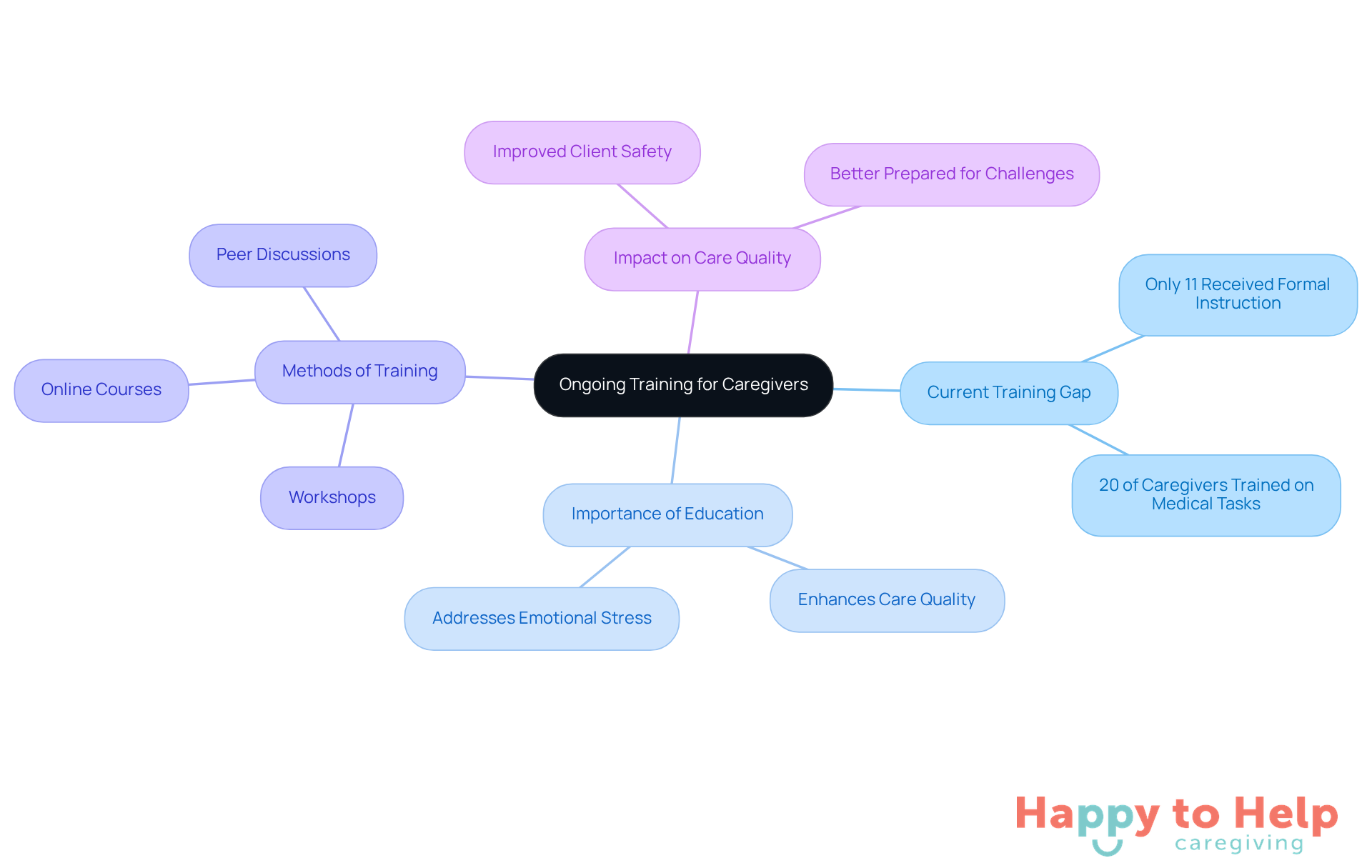
Ongoing training for caregivers presents a significant challenge. Despite the critical role they play in supporting individuals with ADLs (activities of daily living), only 11% of caregivers have received formal instruction. This lack of training can lead to inadequate care and increased risks for clients, highlighting the urgent need for comprehensive training programs.
To address this issue, organizations focusing on caregiver training emphasize the importance of ongoing education. Training programs in 2025 are increasingly prioritizing best practices, safety protocols, and the integration of new technologies. Caregivers are encouraged to participate in workshops, online courses, and peer discussions. These opportunities not only enhance their skills but also improve the overall quality of care provided.
Effective instruction on ADLs (activities of daily living) should incorporate practical demonstrations and real-life scenarios. This approach ensures that caregivers are well-prepared for the challenges they may face. As one training organization states, "Effective training is not just beneficial; it is essential for ensuring those providing care can meet the complex needs of their clients."
Moreover, many caregivers experience financial strain and emotional stress, underscoring the necessity for support and training in their roles. By prioritizing ongoing education, caregivers can stay informed about the latest techniques and resources, ultimately leading to better outcomes for those they support.
In summary, addressing the training gap for caregivers is crucial for enhancing care quality and ensuring client safety. By investing in their professional development, caregivers can navigate the complexities of their roles more effectively.
Your Path Forward
Understanding and addressing the essential Activities of Daily Living (ADLs) is crucial for caregivers aiming to enhance the quality of life for seniors. Neglecting these activities, which range from personal hygiene to meal preparation, can significantly impact the independence and dignity of elderly individuals. Caregivers must recognize the importance of ADLs to provide the tailored support that helps seniors thrive in their daily lives.
Companionship care plays a critical role in combating loneliness among seniors, highlighting the need for caregivers to assess individual needs and create personalized care plans. Additionally, integrating technology can streamline caregiving tasks, making it easier to manage daily responsibilities. Ongoing training and collaboration with healthcare providers are essential strategies that caregivers can adopt to effectively support those they assist.
Ultimately, committing to best practices around ADLs not only benefits seniors but also enhances the caregiver experience. By fostering a supportive and informed approach, caregivers can ensure that seniors maintain their autonomy and emotional well-being. Prioritizing these practices is essential, as they significantly contribute to the overall health and happiness of the elderly population they serve.
https://iframe.tely.ai/cta/eyJhcnRpY2xlX2lkIjogIjY5MjEwZjkyODEzMGJhN2E4MTdhZWU2YiIsICJjb21wYW55X2lkIjogIjY4ZWU1ZGNhNzMxNzYyNTU3ZjNjOTVjMSIsICJpbmRleCI6IG51bGwsICJ0eXBlIjogImFydGljbGUifQ==Frequently Asked Questions
What is companionship care and why is it important for seniors?
Companionship care involves fostering meaningful relationships with seniors to alleviate feelings of loneliness and isolation. It is crucial for seniors' emotional well-being, as persistent loneliness can significantly impact their health and life expectancy.
How does Happy to Help Caregiving support seniors through companionship care?
Happy to Help Caregiving provides companionship care by engaging seniors in discussions, activities, and hobbies tailored to their interests, creating a supportive environment that enhances their emotional well-being and promotes a sense of security and happiness.
What are Activities of Daily Living (ADLs)?
Activities of Daily Living (ADLs) are essential tasks individuals perform daily to maintain health and independence. These include bathing, dressing, eating, toileting, transferring, and maintaining continence.
What challenges do seniors face regarding ADLs?
Many seniors experience difficulties performing ADLs, with studies showing that 9 in 10 seniors have restrictions in at least one ADL. This highlights the increasing demand for caregiver support in these areas.
What should caregivers do to effectively assist seniors with ADLs?
Caregivers should familiarize themselves with the specific ADLs seniors struggle with, encourage independence by allowing seniors to perform tasks as much as possible, and seek resources and support networks to manage their own burdens.
What are some essential personal care tasks that caregivers assist with?
Caregivers assist with personal care tasks such as bathing, dressing, and grooming, which are vital for maintaining hygiene and comfort for seniors.
How can caregivers promote independence while assisting with personal care?
Caregivers can promote independence by setting up safe bathing areas, checking water temperatures, encouraging seniors to choose outfits, and using adaptive tools like large zipper pulls instead of buttons.
Why is monitoring health indicators important during personal care assistance?
Monitoring health indicators during personal care is vital to ensure the well-being of the individual and to address any potential health issues promptly.
What impact does promoting independence in personal care have on seniors?
Promoting independence in personal care not only improves hygiene but also significantly boosts self-esteem and emotional health for seniors.
List of Sources
- Happy to Help Caregiving: Companionship Care for Seniors
- AmeriCorps program matches older people who need a helping hand with an older volunteer looking to help (https://cpr.org/2025/11/20/americorps-senoir-companion-program)
- Companion Care at Home Reduces Loneliness for Seniors During the Holidays (https://lifesathomecare.com/companion-care-at-home-reduces-loneliness-for-seniors-during-the-holidays)
- Navigating Loss: How Companion Care at Home Supports Seniors During Grief Awareness Month (https://ahelpinghandga.com/navigating-loss-how-companion-care-at-home-supports-seniors-during-grief-awareness-month)
- Why Home Care Providers Are Increasingly Offering Companion Care Services for Seniors | Aaniie, formerly Smartcare Software (https://aaniie.com/news/why-home-care-providers-are-increasingly-offering-companion-care-services-for-seniors)
- Reduced Hours, Companionship Exemption Nuance: The Regulations Requiring Home Care Innovation (https://homehealthcarenews.com/2025/10/reduced-hours-companionship-exemption-nuance-the-regulations-requiring-home-care-innovation)
- Understanding ADLs: Key Activities Every Caregiver Should Know
- New data detail which older adults are more likely to need help with ADLs (https://mcknightsseniorliving.com/news/new-data-detail-which-older-adults-are-more-likely-to-need-help-with-adls)
- ADL, functional limitations decline among older adults (https://mcknightsseniorliving.com/news/adl-functional-limitations-decline-among-older-adults)
- Pain Limits Family Caregivers’ Daily Activities (https://news.weill.cornell.edu/news/2023/11/pain-limits-family-caregivers’-daily-activities)
- As Family Caregiving Grows, So Does the Need for Reform - Medicare Rights Center (https://medicarerights.org/medicare-watch/2025/08/14/as-family-caregiving-grows-so-does-the-need-for-reform)
- ADL limitations fall by 18 percent among American seniors: survey (https://mcknights.com/news/adl-limitations-fall-by-18-percent-among-american-seniors-survey)
- Personal Care Tasks: Bathing, Dressing, and Grooming Essentials
- How to Assist an Elderly Person in the Shower (https://villagecaregiving.com/blog/bathing-assistance)
- The Role of Caregivers in Grooming and Hygiene for the Elderly (https://ltcnews.com/articles/role-of-caregivers-grooming-hygiene-elderly)
- Alzheimer's Caregiving: Bathing, Dressing, and Grooming (https://nia.nih.gov/health/alzheimers-caregiving/alzheimers-caregiving-bathing-dressing-and-grooming)
- Helpful Tips for Assisting Your Loved One With Personal Hygiene (https://brightfocus.org/resource/helpful-tips-for-assisting-your-loved-one-with-personal-hygiene)
- How companion caregivers assist seniors with bathing and grooming (https://humancareny.com/blog/how-companion-caregivers-assist-seniors-with-bathing-and-grooming)
- Instrumental Activities of Daily Living: Supporting Independence
- As Family Caregiving Grows, So Does the Need for Reform - Medicare Rights Center (https://medicarerights.org/medicare-watch/2025/08/14/as-family-caregiving-grows-so-does-the-need-for-reform)
- Only 32% of America’s 63 Million Family Caregivers Use Paid Help (https://homehealthcarenews.com/2025/07/only-32-of-americas-63-million-caregivers-use-paid-help)
- Supporting Older Adults and Family Caregivers - Grantmakers In Health (https://gih.org/publication/supporting-older-adults-and-family-caregivers)
- The Effects of Family Caregiving on Older Adults | Law Offices of Barry R. Crimmins, P.C. (https://brc-law.com/2025/08/21/the-effects-of-family-caregiving-on-older-adults)
- Family Caregivers: Our Heroes on the Frontlines of Long-Term Care (https://aspe.hhs.gov/family-caregivers-our-heroes-frontlines-long-term-care)
- Assessing ADLs: How to Evaluate Care Needs Effectively
- New instrument can assess assisted living residents' ADL skills (https://mcknightsseniorliving.com/news/new-instrument-can-assess-assisted-living-residents-adl-skills)
- Assessment tools to evaluate Activities of Daily Living (ADL) and Instrumental Activities of Daily Living (IADL) in older adults: A systematic review - PMC (https://pmc.ncbi.nlm.nih.gov/articles/PMC7320974)
- Measuring the Activities of Daily Living: Comparisons Across National Surveys (https://aspe.hhs.gov/reports/measuring-activities-daily-living-comparisons-across-national-surveys-0)
- Dependence in Activities of Daily Living as a Predictor of In-Hospital Mortality During COVID-19 in Older Individuals (https://mdpi.com/2075-1729/15/2/271)
- Technology in Caregiving: Tools to Assist with ADLs
- Embracing Technology: How Smart Home Devices Enhance Senior Living in 2025 (https://carepatrol.com/lorain-medina-wooster-mansfield/embracing-technology-how-smart-home-devices-enhance-senior-living-in-2025)
- 6 Tech Tools Transforming Caregiving for Aging Loved Ones (https://ltcnews.com/articles/tech-tools-transforming-caregiving-aging-loved-ones)
- The Role of Technology in Modern In-Home Senior Care | Home Instead South Bend, IN (https://homeinstead.com/home-care/usa/in/south-bend/343/news-and-media/role-of-technology-in-modern-in-home-senior-care)
- AI Care Companions for Seniors (https://health.usnews.com/senior-care/articles/ai-care-companions-for-seniors)
- ‘Smart home’ tech the answer for aging in place, older adults say (https://mcknightsseniorliving.com/news/smart-home-tech-the-answer-for-aging-in-place-older-adults-say)
- Collaborating with Healthcare Providers: A Caregiver's Guide
- Family Caregiving Collaborative Seeks Better Ways to Care for the Caregivers (https://uofuhealth.utah.edu/newsroom/news/2024/11/family-caregiving-collaborative-seeks-better-ways-care-caregivers)
- Patients Do Better When Care Teams Collaborate (https://ldi.upenn.edu/our-work/research-updates/patients-do-better-when-care-teams-collaborate)
- Healthcare Workers and Family Caregivers: Honoring the Essential Partnership in Care (https://lifework.arizona.edu/news/2025/healthcare-workers-and-family-caregivers-honoring-essential-partnership-care)
- Family Caregivers Report Weak Coordination With Medical Professionals | AJMC (https://ajmc.com/view/family-caregivers-report-weak-coordination-with-medical-professionals)
- Finding Support - Communicating with Healthcare Professionals (https://caregiveraction.org/communicating-healthcare-professionals)
- Emotional Well-being: Supporting Caregivers in Their Role
- New Study Looks Into Predictors of Emotional Well-being for Caregivers | UPMC Physician Resources (https://upmcphysicianresources.com/news/011425-emotional-wellbeing)
- Location, individual circumstances impact caregiver well-being, researchers find | Penn State University (https://psu.edu/news/research/story/location-individual-circumstances-impact-caregiver-well-being-researchers-find)
- I Can’t Talk to My Ill Spouse. How Can I Get Support? (https://aarp.org/caregiving/basics/caregiver-find-emotional-support)
- Caregiving’s Mental Health Crisis (https://forbes.com/sites/otsuka/2025/10/02/caregivings-mental-health-crisis)
- Personalized Care Plans: Tailoring Support for Individual Needs
- Benefits of Personalized Care Plans in Nursing Homes (https://havenhealthaz.com/blog/benefits-of-personalized-care-plans-in-nursing-homes)
- The Importance of Personalized Care Plans in Home Care (https://anodyne-services.com/2025/01/14/the-importance-of-personalized-care-plans-in-home-care)
- Importance of Personalized Senior Home Care in Burlington NC (https://wisdomseniorcare.com/the-importance-of-personalized-care-plans-for-seniors)
- 2025: AI enhances personalized care; caregiver experience in the spotlight (https://healthcareitnews.com/news/2025-ai-enhances-personalized-care-caregiver-experience-spotlight)
- Personalized Care Plans: Tailoring Support to Individual Needs in Assisted Living | Juniper Senior Living (https://junipercommunities.com/personalized-care-plans-tailoring-support-to-individual-needs-in-assisted-living)
- Ongoing Training: Keeping Caregivers Informed on ADL Best Practices
- As Family Caregiving Grows, So Does the Need for Reform - Medicare Rights Center (https://medicarerights.org/medicare-watch/2025/08/14/as-family-caregiving-grows-so-does-the-need-for-reform)
- New Report Reveals Crisis Point for America’s 63 million Family Caregivers - Massachusetts Healthy Aging Collaborative (https://mahealthyagingcollaborative.org/new-report-reveals-crisis-point-for-americas-63-million-family-caregivers)
- Family Caregiver Support, Education Needs Growing (https://hospicenews.com/2025/11/11/family-caregiver-support-education-needs-growing)
- Home-Based Care Companies Improve Outcomes By Training Family Caregivers (https://homehealthcarenews.com/2025/10/home-based-care-companies-improve-outcomes-by-training-family-caregivers)
- Why Ongoing Caregiver Training Matters More Than Ever in 2025 – Professional Association of Caregivers (https://professionalassociationofcaregivers.org/2025/07/21/why-ongoing-caregiver-training-matters-more-than-ever-in-2025)