10 Essential ADL Activities for Family Caregivers' Support

For families in our service areas
For families in our service areas, this guide explains caregiver support and how non-medical in-home caregiving can support care planning in East Idaho, Treasure Valley & Magic Valley, Northern Wasatch, North Central West Virginia, and Northeast Ohio.
What to Expect
Caring for a loved one can be both rewarding and overwhelming. Family caregivers often face emotional challenges, including stress and burnout, as they navigate their roles. It's essential to recognize these feelings and provide the necessary support.
One way to ease this burden is by focusing on essential Activities of Daily Living (ADL). These activities—like bathing, dressing, and meal preparation—play a crucial role in promoting independence and enhancing the quality of life for those receiving care. By ensuring that these daily tasks are managed effectively, caregivers can help their loved ones maintain dignity and autonomy.
However, it's not just about the tasks themselves; it's also about the emotional support caregivers need. Tailored assistance can make a significant difference, offering caregivers the reassurance they seek. Imagine a caregiver sharing, "I felt so lost until I found the right support. Now, I can focus on what truly matters—my loved one."
This journey can be challenging, but it’s important to remember that you’re not alone. There are resources available to help lighten the load, allowing caregivers to find moments of peace and connection amidst the chaos. Together, we can foster a nurturing environment that uplifts both caregivers and those they care for.
What You Need to Know About ADL Activities
Navigating the world of caregiving can feel like a daunting journey. When it comes to assisting loved ones with essential Activities of Daily Living (ADLs), the weight of responsibility can be heavy. These fundamental tasks—like bathing, dressing, and meal preparation—are crucial for maintaining the dignity and independence of those we care for.
This article explores ten vital ADL activities that not only support family caregivers but also enhance the quality of life for their clients. Yet, amidst this important work, what happens when the emotional toll of caregiving becomes overwhelming? How can caregivers find that delicate balance between providing necessary support and preserving their own well-being?
It's essential to recognize that you're not alone in this journey. Many caregivers experience similar feelings of stress and burnout. Together, we can explore ways to navigate these challenges, ensuring that both caregivers and their loved ones thrive.
Happy to Help Caregiving: Comprehensive Support for Activities of Daily Living
At Happy to Help Caregiving, we understand the emotional challenges that caregivers face. The stress and burnout can feel overwhelming, but you don’t have to navigate this journey alone.
We specialize in delivering personalized in-home assistance that focuses on ADL activities. Our services include:
- Companionship care
- Post-hospital recovery assistance
- Respite care
- Palliative care
Each service is thoughtfully designed to encourage autonomy and wellness, ensuring that individuals receive the support they need in the comfort of their own homes.
Imagine having a caring companion by your side, someone who not only assists with daily tasks but also brings warmth and understanding into your life. With a commitment to empathy and open communication, Happy to Help Caregiving stands out as a reliable partner for families. We’re here to help you navigate the complexities of caregiving with compassion and professionalism.
You deserve peace of mind, knowing that your loved ones are in good hands. Let us support you in this journey, providing the emotional and practical assistance that makes a difference. Together, we can create a nurturing environment where everyone feels valued and cared for.
https://iframe.tely.ai/cta/eyJhcnRpY2xlX2lkIjogIjY5MDQwNjM2NTc5YzgwNTExMmYzYWU4MiIsICJjb21wYW55X2lkIjogIjY4ZWU1ZGNhNzMxNzYyNTU3ZjNjOTVjMSIsICJpbmRleCI6IDAsICJ0eXBlIjogImFydGljbGUifQ==Basic Activities of Daily Living: Bathing, Dressing, and Feeding
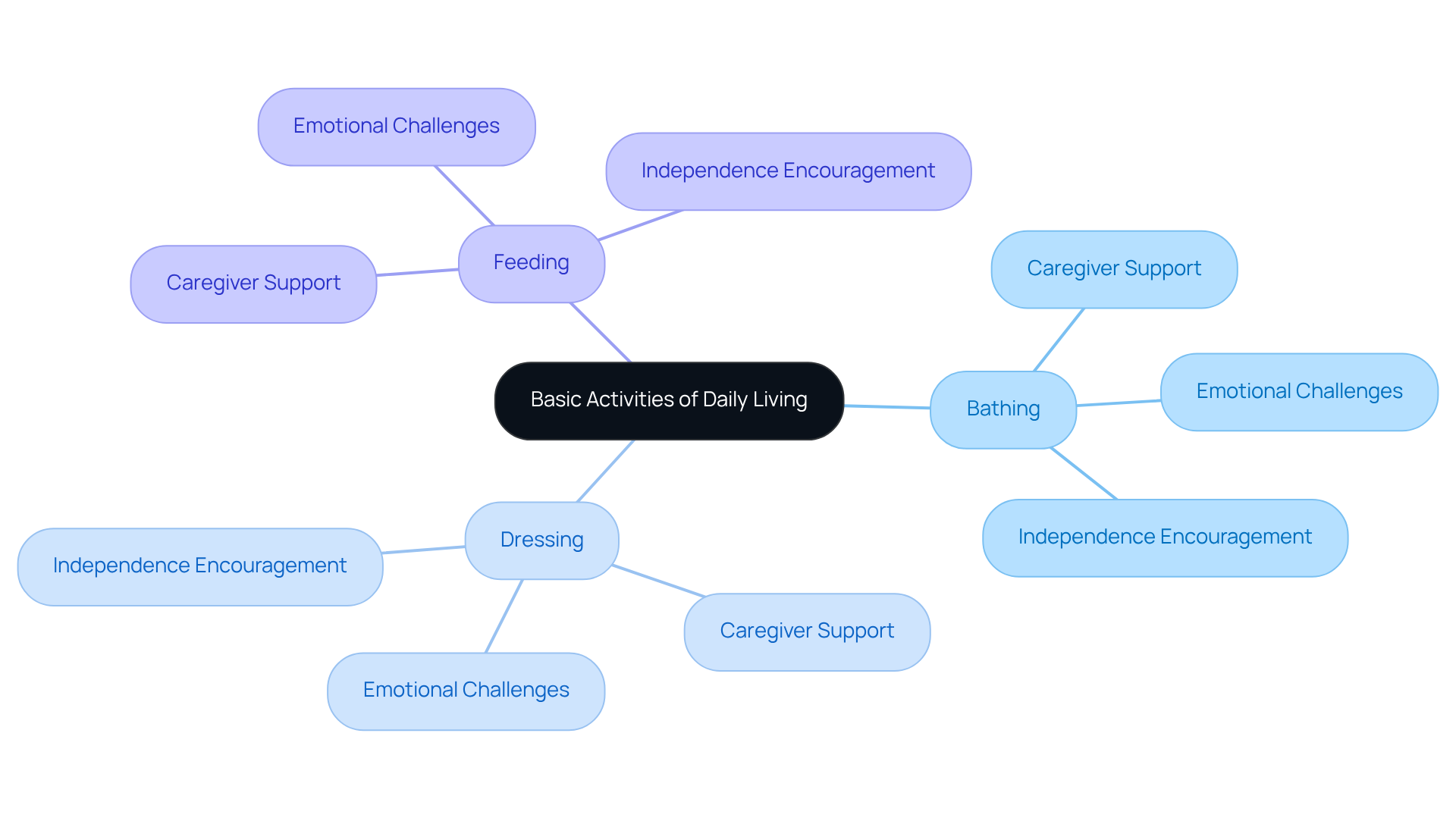
ADL activities include essential self-care tasks such as bathing, dressing, and feeding. These ADL activities are vital for maintaining personal hygiene and overall health.
Caregivers play a crucial role in assisting individuals with ADL activities. They ensure that those they care for feel comfortable and dignified. For instance, when helping someone bathe, caregivers not only provide physical support but also prioritize safety. They encourage independence by allowing individuals to do as much as they can on their own.
It's important to recognize the emotional challenges caregivers face. The stress and burnout can be overwhelming. However, there are compassionate services available to support them. By sharing personal stories and testimonials, we can highlight the nurturing care provided, fostering a deeper emotional connection.
Remember, you’re not alone in this journey. There’s help and understanding out there, ready to support you and your loved ones.
Instrumental Activities of Daily Living: Managing Finances and Meal Preparation
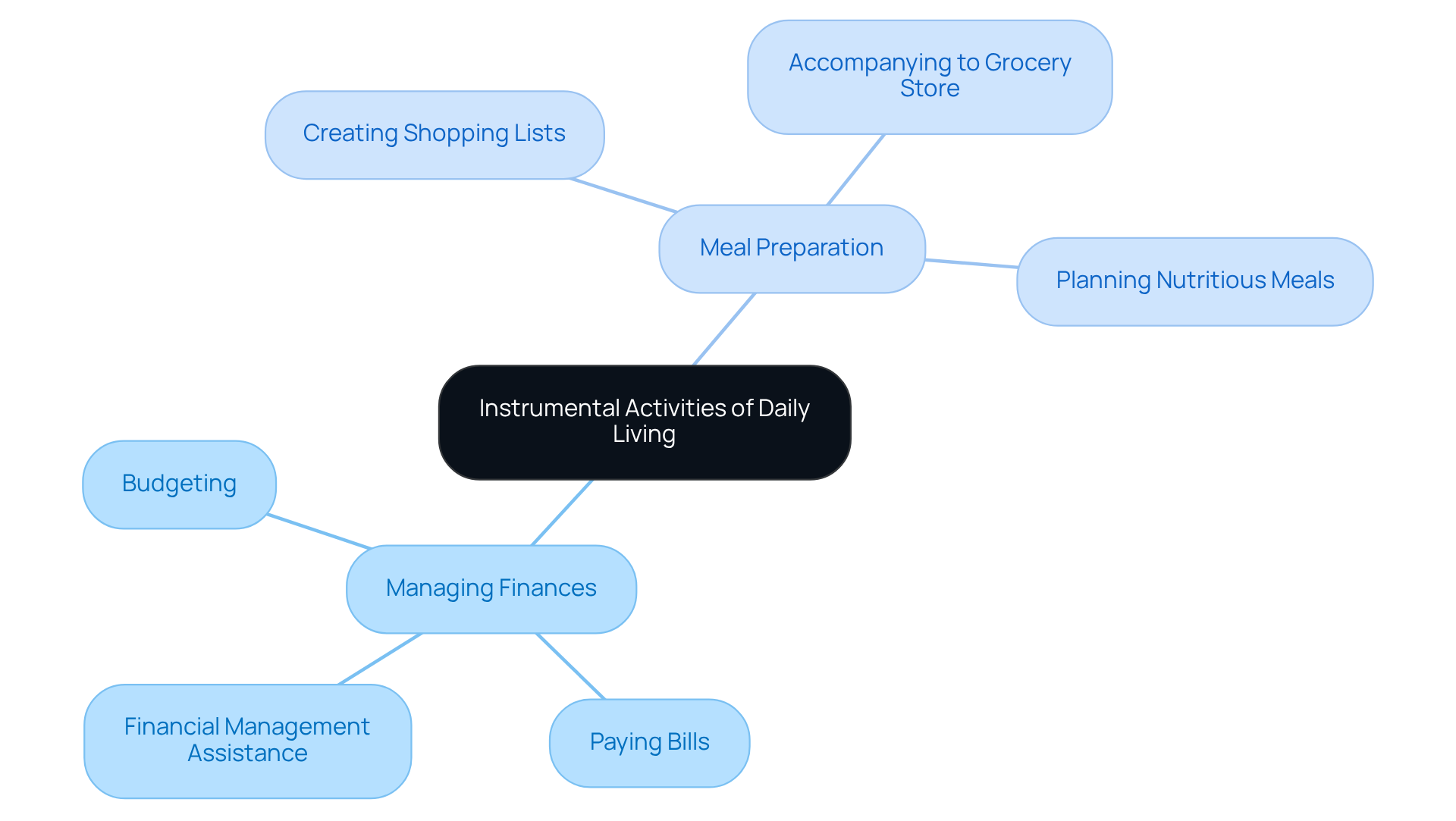
ADL activities are vital for helping seniors live independently. These tasks include managing finances, preparing meals, and keeping a tidy home. Caregivers are essential in this journey, offering support that makes a real difference. They assist with budgeting, paying bills, and planning nutritious meals that cater to individual dietary needs.
Imagine a support worker helping a client create a shopping list, accompanying them to the grocery store, or preparing meals that align with their health requirements. This kind of assistance not only fosters independence but also significantly enhances the overall quality of life for older adults.
Research indicates that around 27% of older adults aged 65 and above living in the community require help with one or more ADL activities. This statistic underscores the pressing need for support in these areas. Moreover, effective financial management assistance can empower seniors, enabling them to maintain control over their finances and alleviating feelings of isolation and overwhelm.
By facilitating these ADL activities, caregivers contribute to a more fulfilling and independent lifestyle for those they assist. It’s about more than just tasks; it’s about nurturing a sense of dignity and self-sufficiency in our loved ones.
Mobility Assistance: Ensuring Safe Movement for Clients
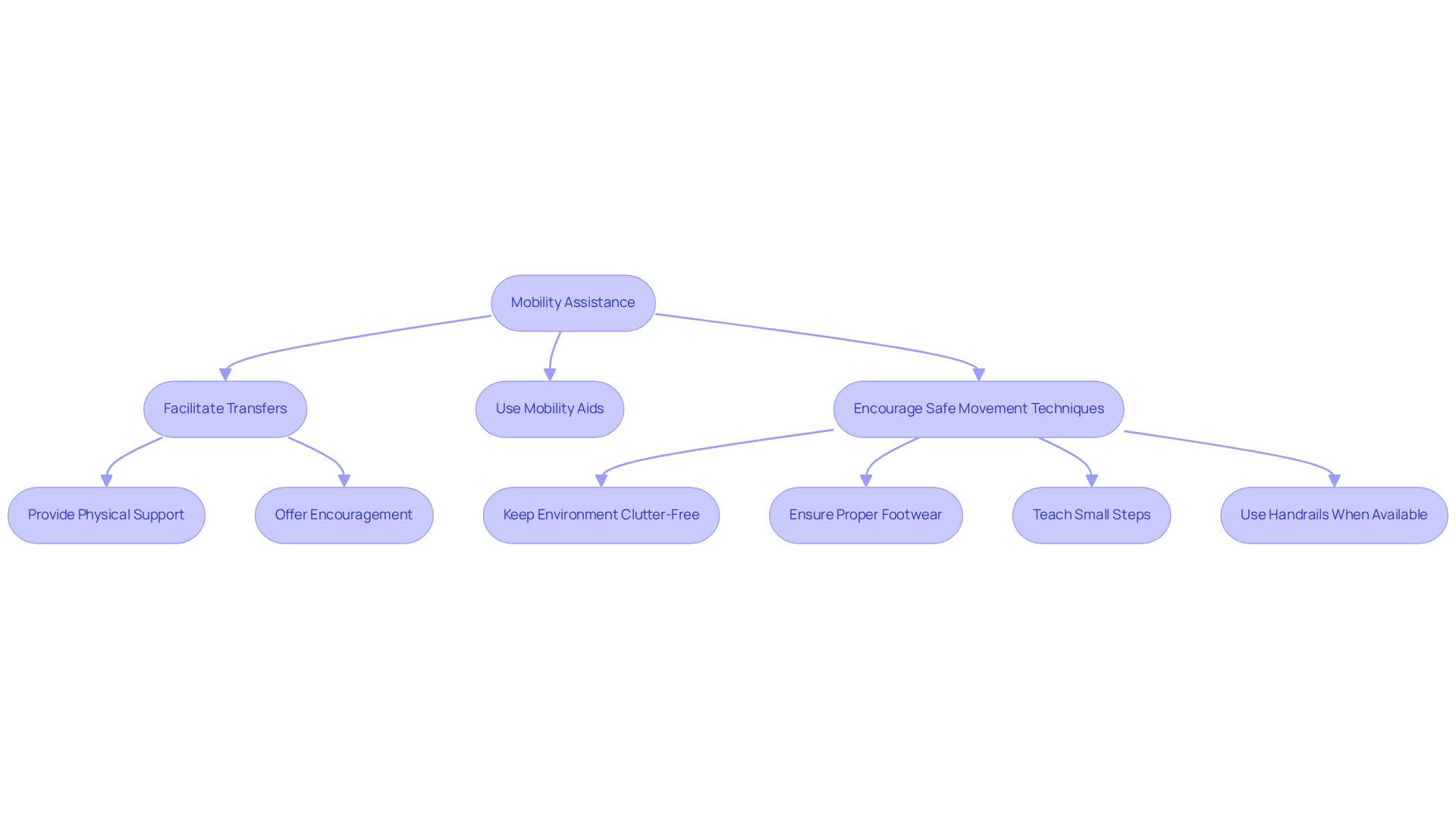
Mobility assistance is a vital part of caregiving, helping individuals navigate their homes and communities safely. Caregivers are essential in facilitating transfers from bed to chair, walking, and using mobility aids like walkers or canes. By offering both physical support and encouragement, caregivers empower clients to maintain their mobility and independence, significantly reducing the risk of falls and injuries.
Every year, over 36 million seniors experience falls, underscoring the urgent need for effective mobility assistance. Dr. Karen Fields, a geriatric care specialist, emphasizes this point: "These innovations are not just about lighter frames; they’re about giving seniors confidence — the ability to shop, travel, and even enjoy cruise ships or casinos without worrying about fatigue, falls, or lack of support." Physical therapists also highlight that specific exercises can enhance strength and balance, further improving mobility.
To prevent falls, successful strategies include:
- Keeping a clutter-free environment
- Ensuring proper footwear
- Using mobility aids correctly
Caregivers can take advantage of innovations in mobility aids, such as lightweight designs and ergonomic features, to boost safety and usability. Additionally, support providers can teach individuals secure movement techniques, like taking small steps and using handrails when available.
By fostering a supportive environment and encouraging regular physical activity as part of ADL activities, caregivers not only enhance their clients' mobility but also contribute to their overall well-being and confidence in engaging with their surroundings. It's also important for caregivers to assess their patients' home environments for potential hazards, ensuring a safer living space.
Companionship Care: Fostering Emotional Well-Being in Daily Activities
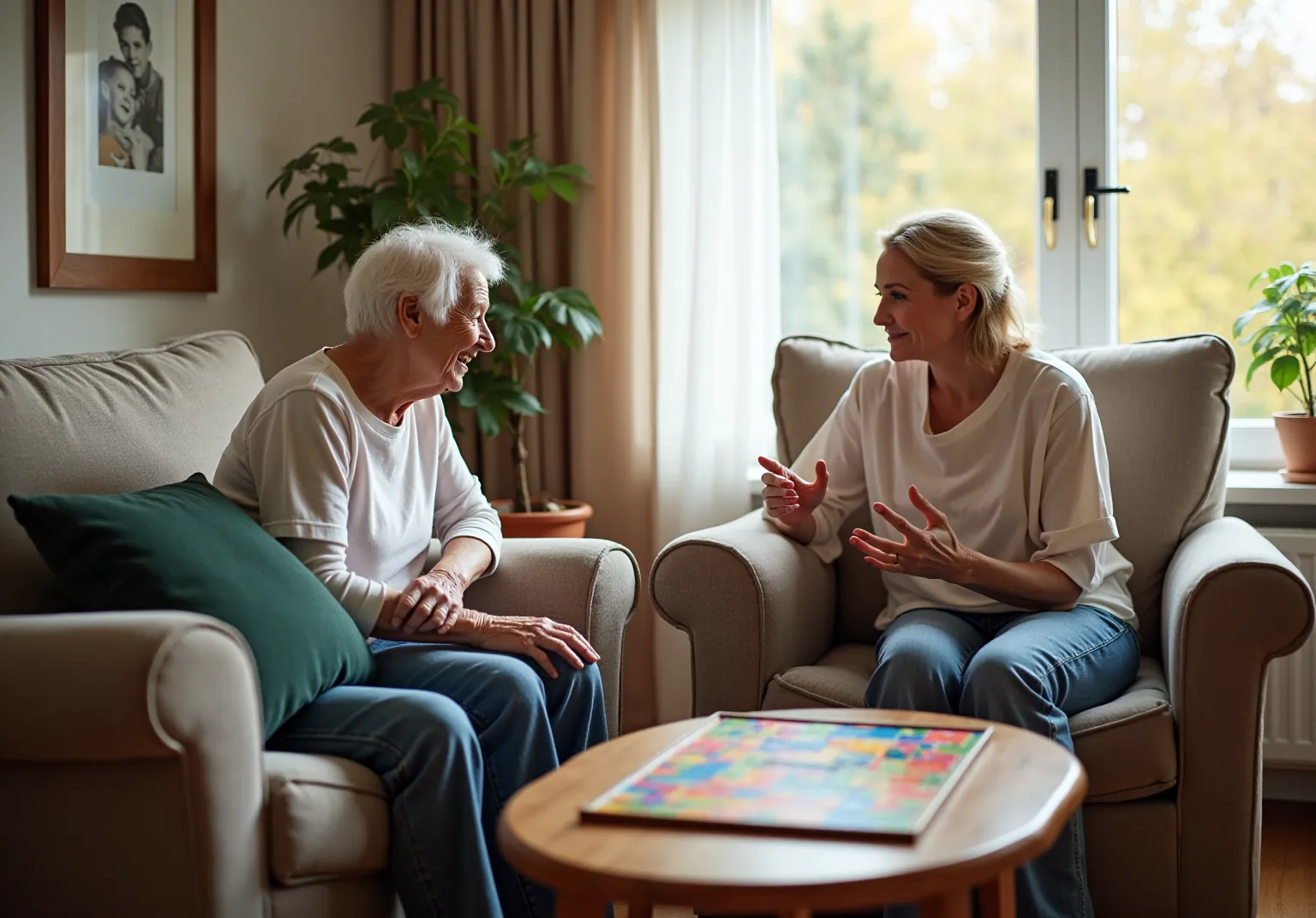
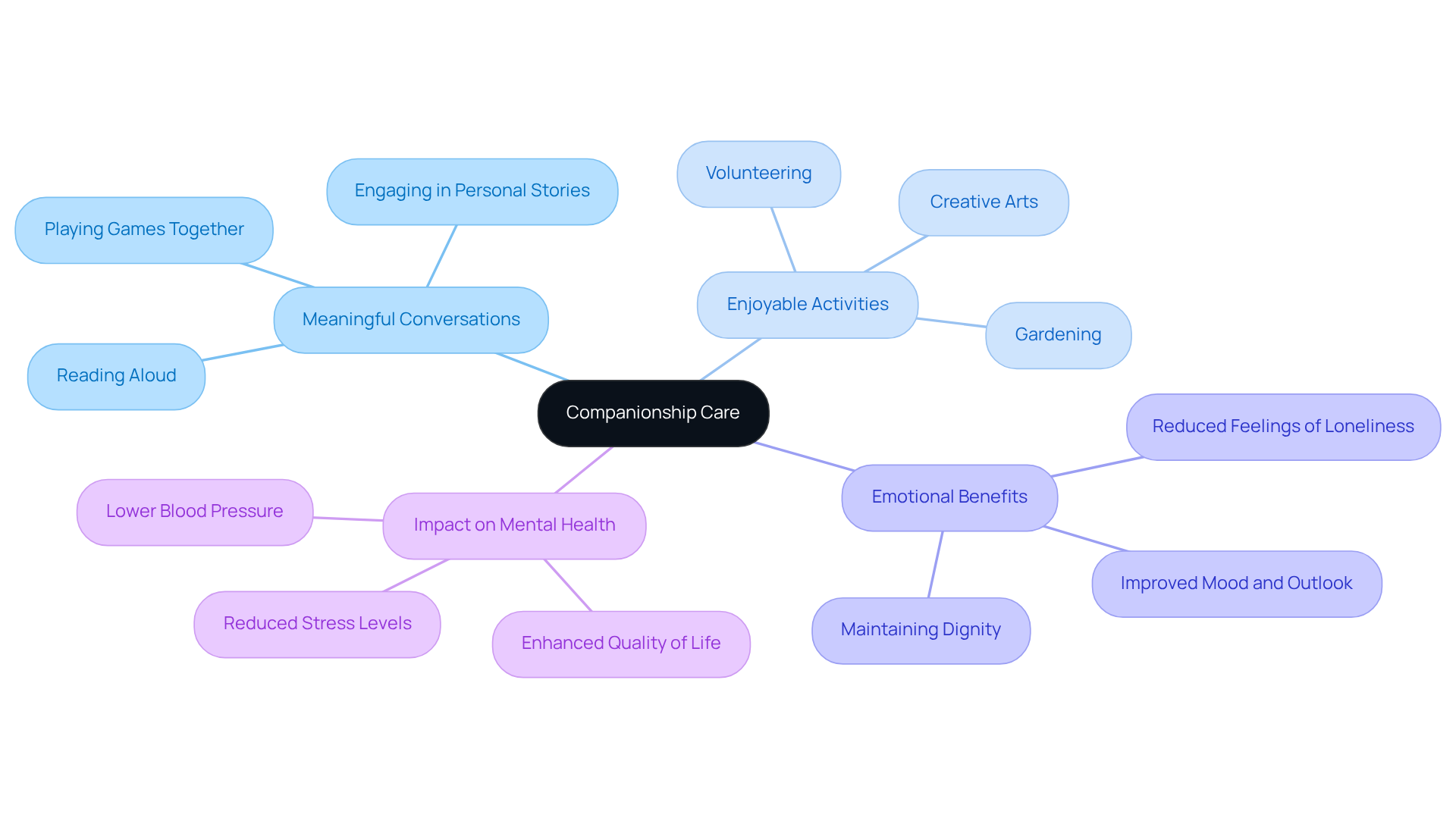
Companionship care is essential for nurturing emotional well-being among seniors. Caregivers engage individuals in meaningful conversations, enjoyable activities, and hobbies, which significantly help alleviate feelings of loneliness and isolation. Imagine sharing a game, reading together, or recounting personal stories—these moments not only enrich the client's daily experience but also strengthen the bond between caregiver and client.
This emotional support is vital for maintaining mental health. Research shows that regular social interaction can lower blood pressure, reduce stress, and enhance overall quality of life. Moreover, companionship support helps seniors preserve their dignity while receiving assistance with ADL activities, which is crucial for their emotional well-being. Loneliness can increase the risk of heart attack and stroke, highlighting the importance of fostering these connections.
By enhancing the emotional landscape of those they care for, caregivers contribute to a more fulfilling and joyful existence. Their compassionate presence makes a world of difference, reminding us all that we are never truly alone.
Promoting Dignity and Autonomy: Tailored Care Plans for ADLs
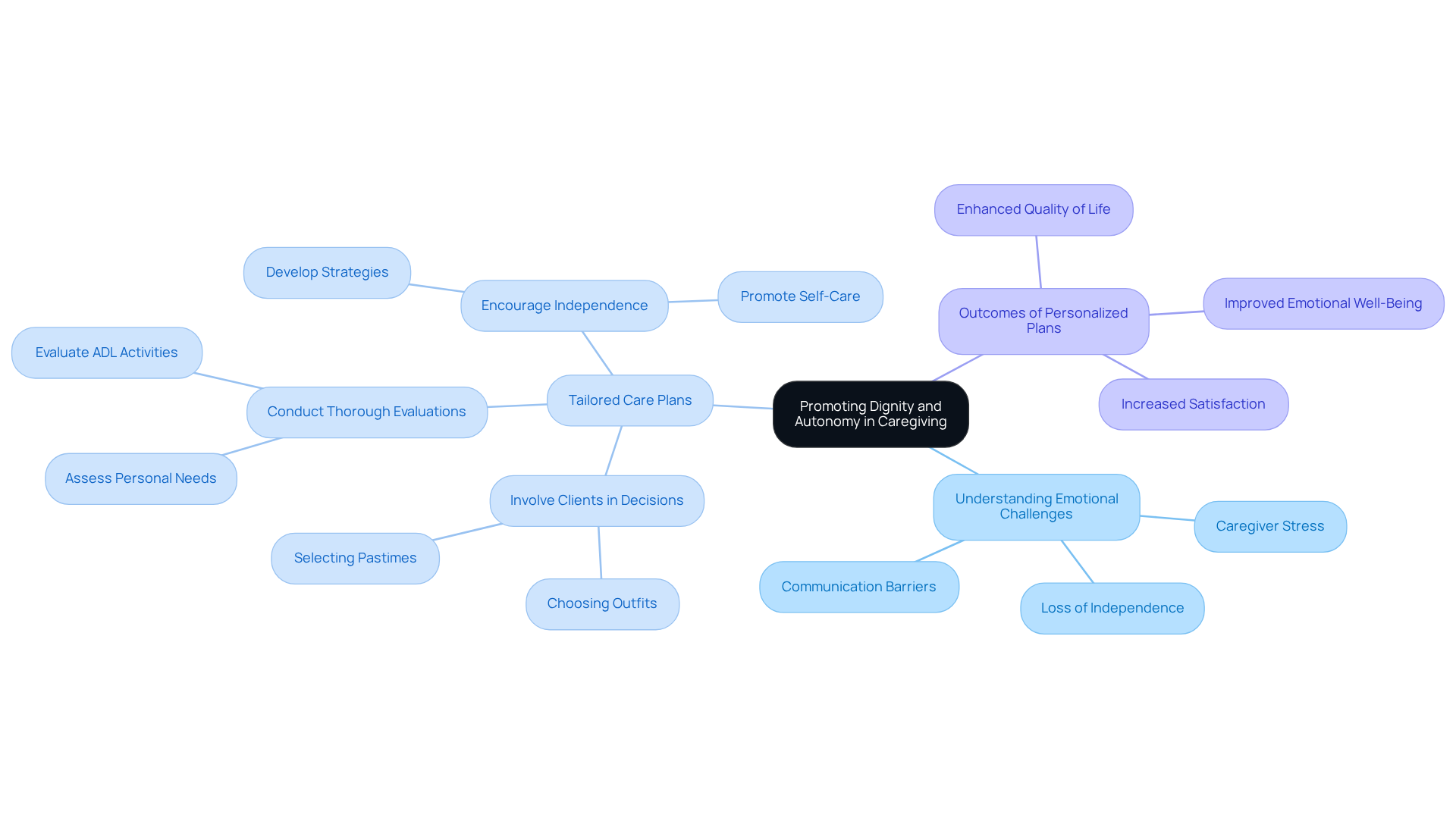
Promoting dignity and autonomy in caregiving starts with understanding the emotional challenges faced by both caregivers and those they support. It’s essential to develop tailored care plans that truly respect each individual's preferences and capabilities. Caregivers should conduct thorough evaluations of personal needs related to ADL activities, working closely with individuals to create strategies that encourage independence.
Imagine involving clients in decisions about their daily activities, such as choosing outfits or selecting preferred pastimes, through ADL activities. This not only empowers them but also reinforces their sense of control. Such a participatory approach enhances self-worth and significantly boosts satisfaction with the assistance they receive. Ultimately, this leads to a more fulfilling caregiving experience.
Research shows that personalized support plans can improve quality of life by enhancing independence, comfort, and social engagement. It’s important to recognize that many individuals receiving assistance struggle with the loss of independence. Therefore, actively engaging them in decisions about their support is crucial.
As Susanne White wisely states, "You have to see the person, not the disease." To truly implement these concepts, caregivers can ask individuals about their preferences in ADL activities. This ensures that care remains respectful and personalized, fostering a nurturing environment where everyone feels valued.
Assessing Activities of Daily Living: Tools and Techniques for Caregivers
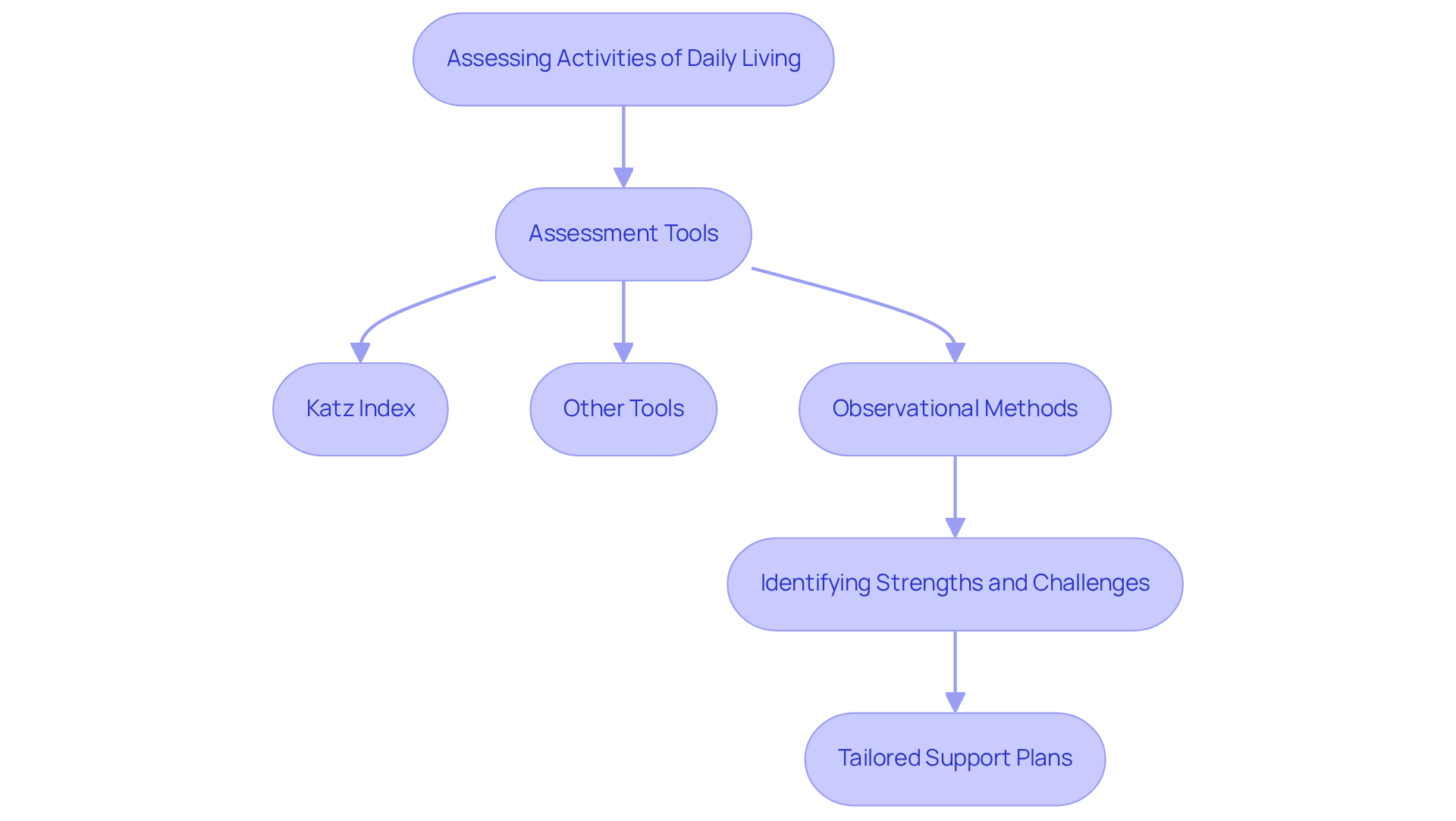
Evaluating adl activities is essential for understanding what individuals can do and determining how much help they might need. Caregivers have a range of assessment tools at their disposal, such as the Katz Index of Independence in adl activities. This tool helps assess how well individuals can manage adl activities, including basic tasks such as bathing, dressing, and feeding. It not only sheds light on their functional abilities but also highlights areas where they might need extra support. This, in turn, can significantly enhance their quality of life and boost their self-esteem, as Lynne Katzmann points out.
Observational methods play a vital role for caregivers, allowing them to see individuals in action as they go about their daily routines. By closely watching how someone manages their adl activities, caregivers can pinpoint specific challenges and adjust their care strategies accordingly. Observing older adults as they perform adl activities reveals both their strengths and the hurdles they face, enabling caregivers to provide the right support while honoring their independence.
Regular evaluations are key, not just for timely interventions but also for empowering individuals to maintain their independence. Occupational therapy practitioners emphasize that the focus should always be on what truly matters to the individuals, ensuring their preferences and needs shape the care they receive. This personalized approach not only enhances the quality of life for older adults but also nurtures a sense of dignity and self-worth. By blending structured evaluations with observational insights, caregivers can craft tailored support plans that evolve alongside the needs of those they care for.
Leveraging Technology: Enhancing ADL Management for Caregivers
Caring for someone can be incredibly rewarding, but it often comes with its own set of emotional challenges. Many caregivers experience feelings of stress and burnout as they navigate the complexities of daily support. Thankfully, technology can be a compassionate ally in this journey, offering practical solutions that lighten the load.
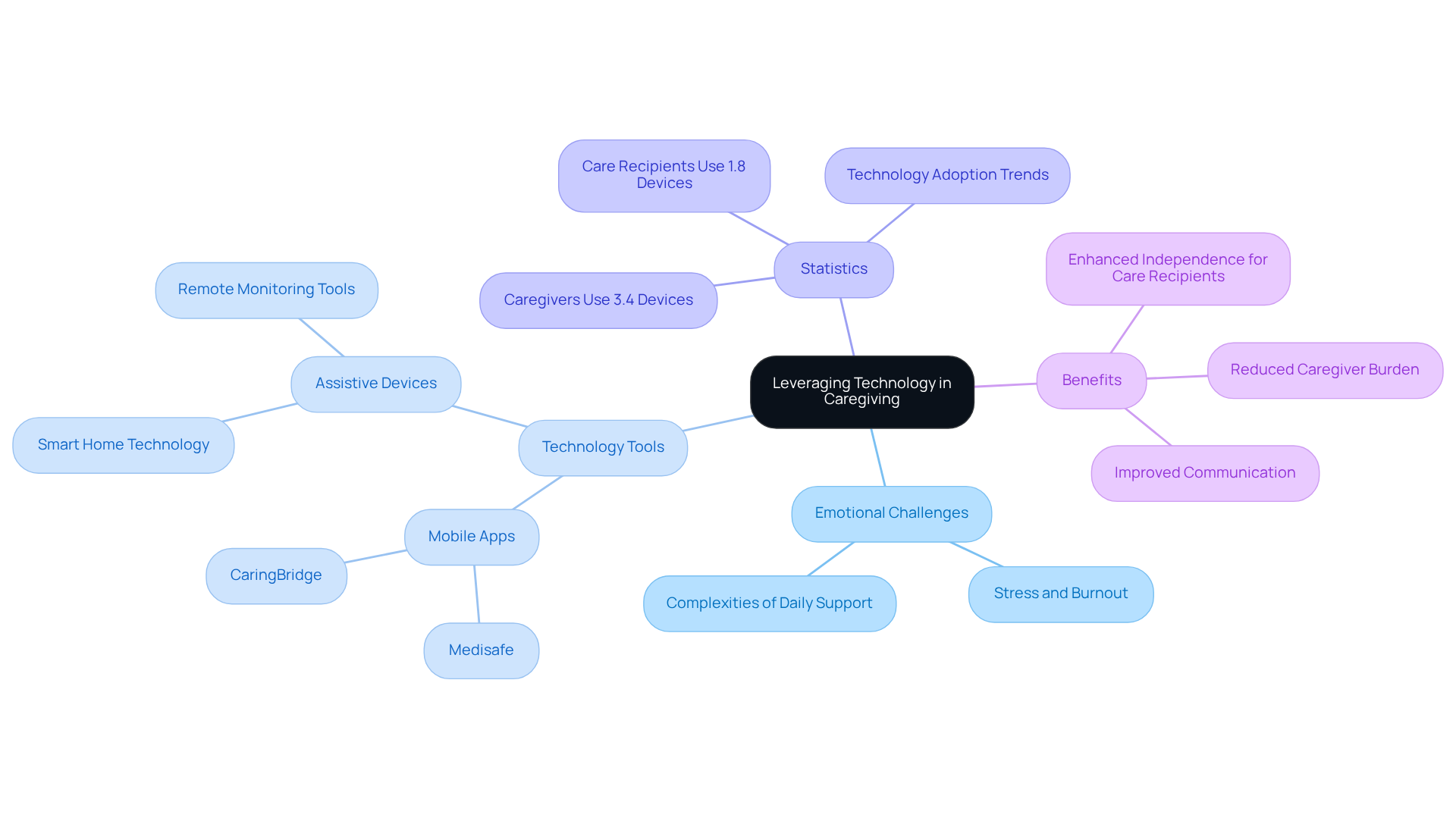
Imagine having tools at your fingertips that help you manage ADL activities more effectively. Mobile apps designed for medication reminders, scheduling, and communication can truly streamline caregiving tasks. For instance, apps like Medisafe allow caregivers to monitor daily ADL activities, set reminders for medications, and keep family members updated on their loved ones’ progress. This not only eases the burden but also fosters a sense of connection and support.
Statistics show that caregivers typically use an average of 3.4 devices, while those receiving care use about 1.8 devices. This highlights our growing reliance on technology to enhance caregiving experiences. Additionally, assistive devices, such as smart home technology, empower clients to control their environments, promoting greater independence.
As Shinduk Lee wisely points out, understanding how technology is used is crucial for improving support for the elderly. Embracing these advancements not only simplifies caregiving but also enriches the overall care experience.
If you’re a caregiver looking to ease your journey, consider exploring user-friendly apps and devices tailored to your specific needs. Remember, you’re not alone in this; there are resources available to help you make the most of these technological advancements, ensuring that both you and those you care for can thrive.
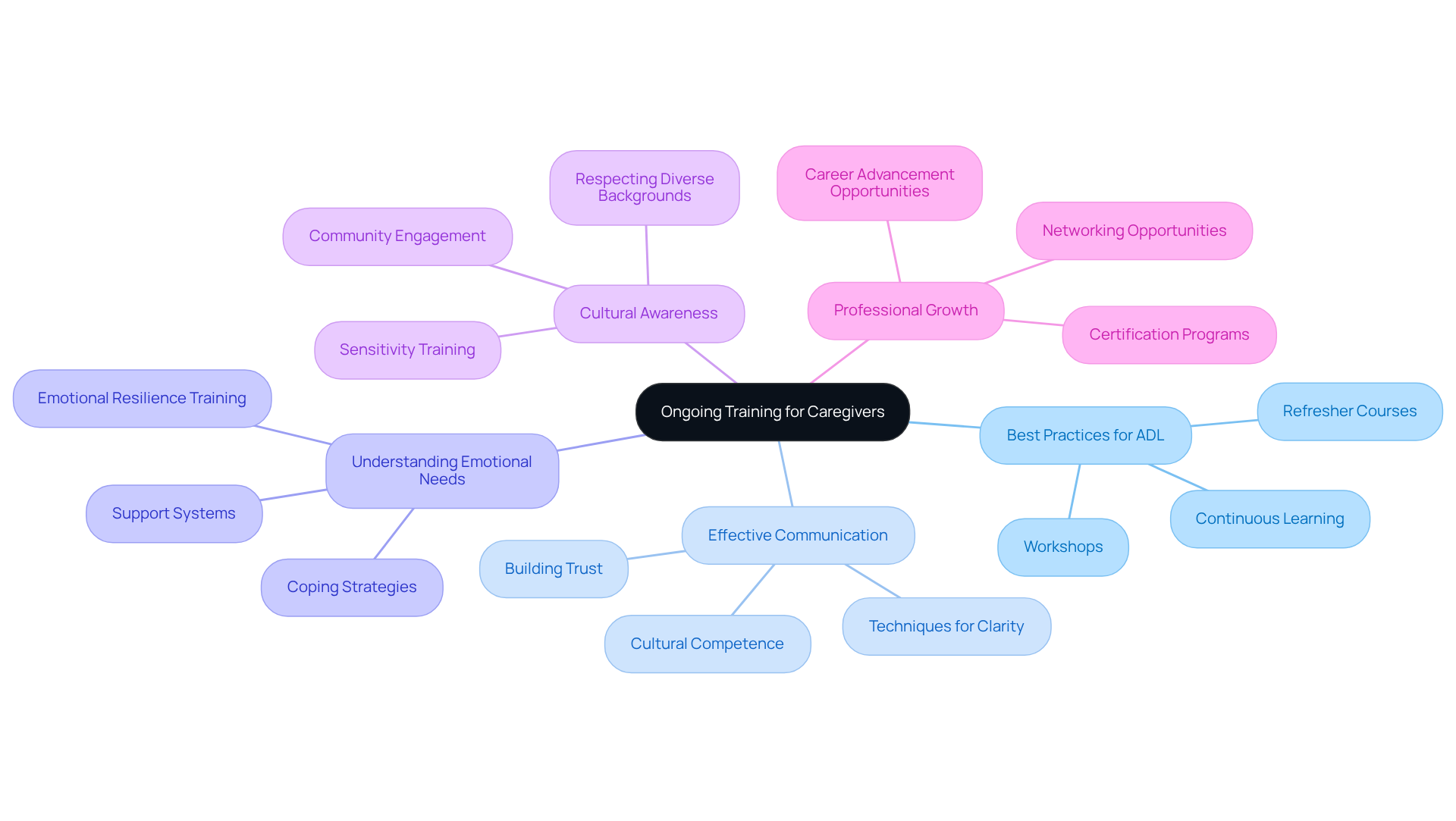
Ongoing Training for Caregivers: Ensuring Quality Support in ADLs
Providing assistance in Activities of Daily Living (ADLs) can be incredibly rewarding, yet it often comes with its own set of emotional challenges. Continuous training for those in this role is not just beneficial; it’s essential for delivering high-quality support. Programs like those offered by the WHO Academy and Learn2Care cover vital topics such as:
- Best practices for assisting with ADL activities
- Effective communication techniques
- Understanding clients' emotional needs
Regular workshops and refresher courses play a crucial role in keeping support providers informed about the latest caregiving techniques and tools. As Corinne Eldridge, CEO of the Center for Caregiver Advancement, wisely states, "Offering access to training assists support providers in delivering superior quality assistance." This access to training is a lifeline, helping caregivers feel more equipped and confident in their roles.
By focusing on their professional growth, support providers not only enhance their skills but also significantly improve the quality of care they deliver. This, in turn, leads to better outcomes for those they serve. Moreover, instruction in cultural awareness and emotional strength prepares helpers to understand and address the diverse needs of those they assist.
Family supporters are encouraged to seek out these training opportunities. By applying what they learn, they can foster a supportive and effective caring environment. Remember, every step taken towards professional development is a step towards providing compassionate care.
Impact of Effective ADL Support: Enhancing Quality of Life for Clients
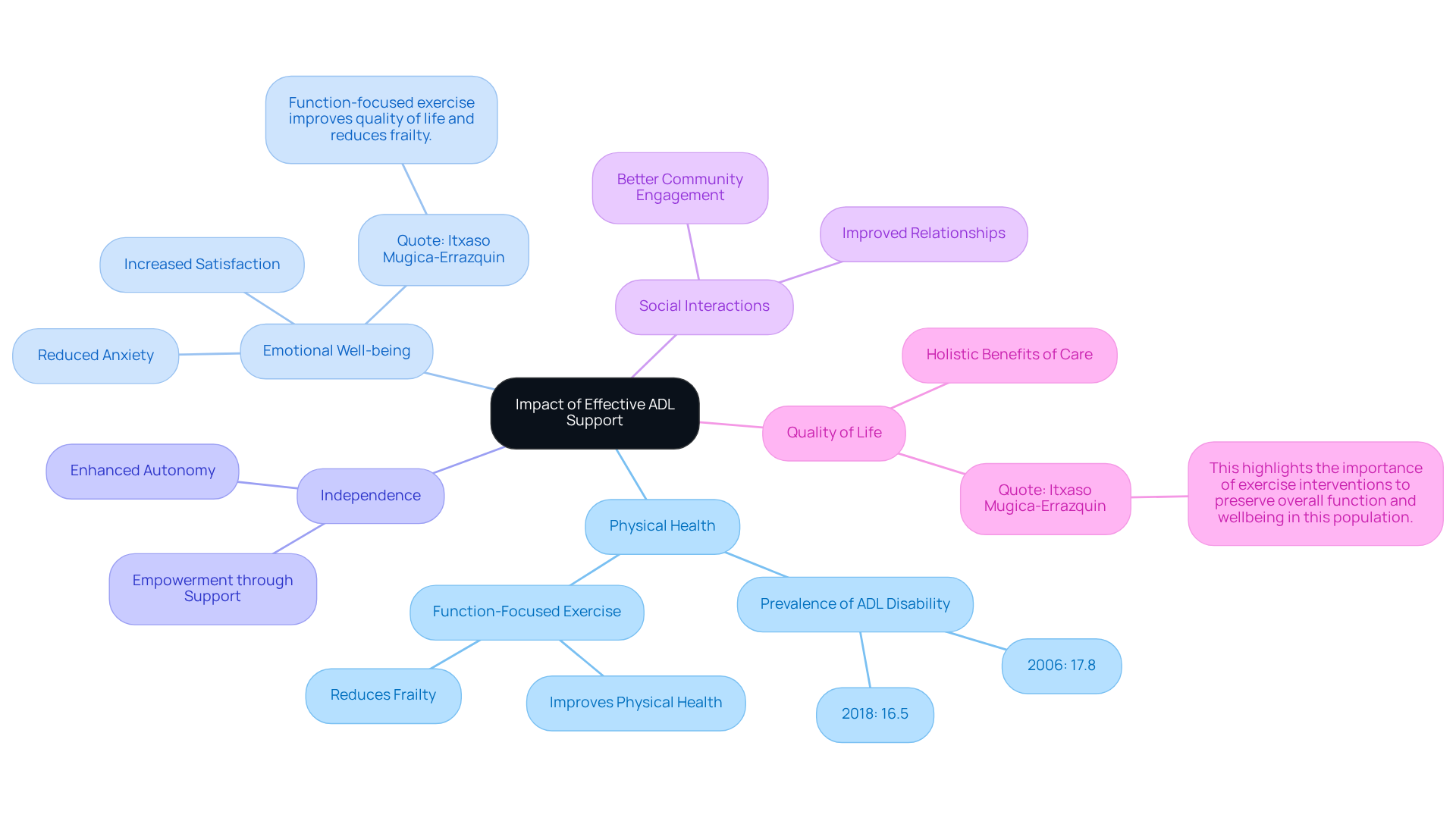
Efficient assistance with ADL activities plays a crucial role in enhancing individuals' quality of life. When caregivers lend a helping hand with daily tasks, it not only supports their physical health but also nurtures their emotional well-being. Clients who receive the right amount of assistance often find themselves more independent, less anxious, and generally more satisfied with life.
Research highlights a positive trend: the estimated prevalence of ADL disability dropped from 17.8% in 2006 to 16.5% in 2018. This underscores the importance of ongoing support in this area. Moreover, effective ADL assistance fosters better social interactions and a stronger sense of community, empowering clients to engage in activities they love.
As Itxaso Mugica-Errazquin beautifully states, "function-focused exercise improves quality of life and reduces frailty." This quote reminds us of the vital role caregivers play in facilitating ADL activities. Ultimately, this holistic approach not only promotes a fulfilling and dignified life for those they support but also addresses the ongoing challenges faced by nursing home residents in the wake of COVID.
In these trying times, it’s essential to remember that compassionate care can make all the difference. By providing emotional and practical support, caregivers can help clients navigate their daily lives with grace and dignity.
Moving Forward with ADL Activities
Providing comprehensive support for Activities of Daily Living (ADLs) is essential for enhancing the quality of life for those in need of care. Caregivers play a critical role in assisting with both basic and instrumental ADL activities, ensuring that clients maintain their dignity, independence, and emotional well-being. Through tailored care plans, mobility assistance, and companionship, caregivers can significantly improve the daily experiences of the individuals they support.
Emotional support is vital. Personalized care approaches make a world of difference, and leveraging technology in caregiving can enhance these efforts. By focusing on the unique needs of each client and employing effective assessment tools, caregivers create an environment that fosters autonomy and self-sufficiency. Ongoing training and professional development for caregivers are equally important, ensuring they are equipped to provide high-quality support.
The impact of effective ADL assistance goes beyond mere task completion; it enhances overall well-being and empowers clients to lead fulfilling lives. It’s crucial for caregivers, families, and communities to recognize the importance of these activities and seek out resources that can provide the necessary support. Embracing a holistic approach to caregiving nurtures not only the physical health of clients but also enriches their emotional landscape. Compassionate care can truly transform lives.
https://iframe.tely.ai/cta/eyJhcnRpY2xlX2lkIjogIjY5MDQwNjM2NTc5YzgwNTExMmYzYWU4MiIsICJjb21wYW55X2lkIjogIjY4ZWU1ZGNhNzMxNzYyNTU3ZjNjOTVjMSIsICJpbmRleCI6IG51bGwsICJ0eXBlIjogImFydGljbGUifQ==Frequently Asked Questions
What services does Happy to Help Caregiving provide?
Happy to Help Caregiving offers personalized in-home assistance focusing on Activities of Daily Living (ADL), including companionship care, post-hospital recovery assistance, respite care, and palliative care.
How do caregivers assist with Activities of Daily Living (ADL)?
Caregivers assist with essential self-care tasks such as bathing, dressing, and feeding, ensuring individuals feel comfortable and dignified while encouraging their independence.
What are Instrumental Activities of Daily Living (IADL)?
Instrumental Activities of Daily Living include tasks that help seniors live independently, such as managing finances, preparing meals, and maintaining a tidy home.
Why is support for caregivers important?
Caregivers often experience stress and burnout, making support crucial for their well-being. Services like those provided by Happy to Help Caregiving can alleviate these challenges and offer emotional and practical assistance.
How do caregivers contribute to the quality of life for older adults?
By assisting with ADL and IADL activities, caregivers help seniors maintain independence, manage their finances, and prepare nutritious meals, which enhances their overall quality of life and fosters a sense of dignity.
What is the significance of the statistic regarding older adults needing help with ADL activities?
Research indicates that around 27% of older adults aged 65 and above living in the community require help with one or more ADL activities, highlighting the pressing need for supportive services in these areas.