
Quick Guide to Adult Caregiver Services for Family
The article highlights ten essential adult caregiver services that offer vital support for families. These services, including companionship care, post-hospital recovery assistance, and flexible scheduling, are designed with a deep understanding of the emotional challenges caregivers face.
Caregiving can often lead to feelings of stress and burnout. It’s important to recognize these struggles and seek solutions that not only enhance the quality of life for seniors but also alleviate the emotional and physical burdens on family caregivers. Research shows that utilizing these services can lead to improved health outcomes and overall satisfaction for both clients and their families.
Each service provides a nurturing touch, ensuring that seniors receive the compassionate care they deserve. By offering practical support, these services empower caregivers, allowing them to focus on their loved ones without the overwhelming weight of responsibility.
In conclusion, embracing these caregiver services is a step toward fostering a more supportive environment for both seniors and their families. Together, we can create a community where care is abundant, and the well-being of everyone involved is prioritized.
Why Adult Caregiver Services for Family Matters
The landscape of adult caregiving is evolving, reflecting a growing awareness of the diverse needs of individuals and families seeking support. Essential caregiver services not only offer practical assistance but also play a vital role in enhancing emotional well-being and quality of life for seniors. As families navigate the complexities of caregiving, they often encounter stress and burnout. The challenge lies in identifying which services can truly make a difference in this journey.
What are the key services that can transform the caregiving experience and foster a supportive environment for loved ones? This article explores ten vital adult caregiver services designed to empower families and enrich the lives of those they care for. Together, we can find the support needed to create a nurturing and compassionate caregiving experience.
Happy to Help Caregiving: Companionship Care for Emotional Support
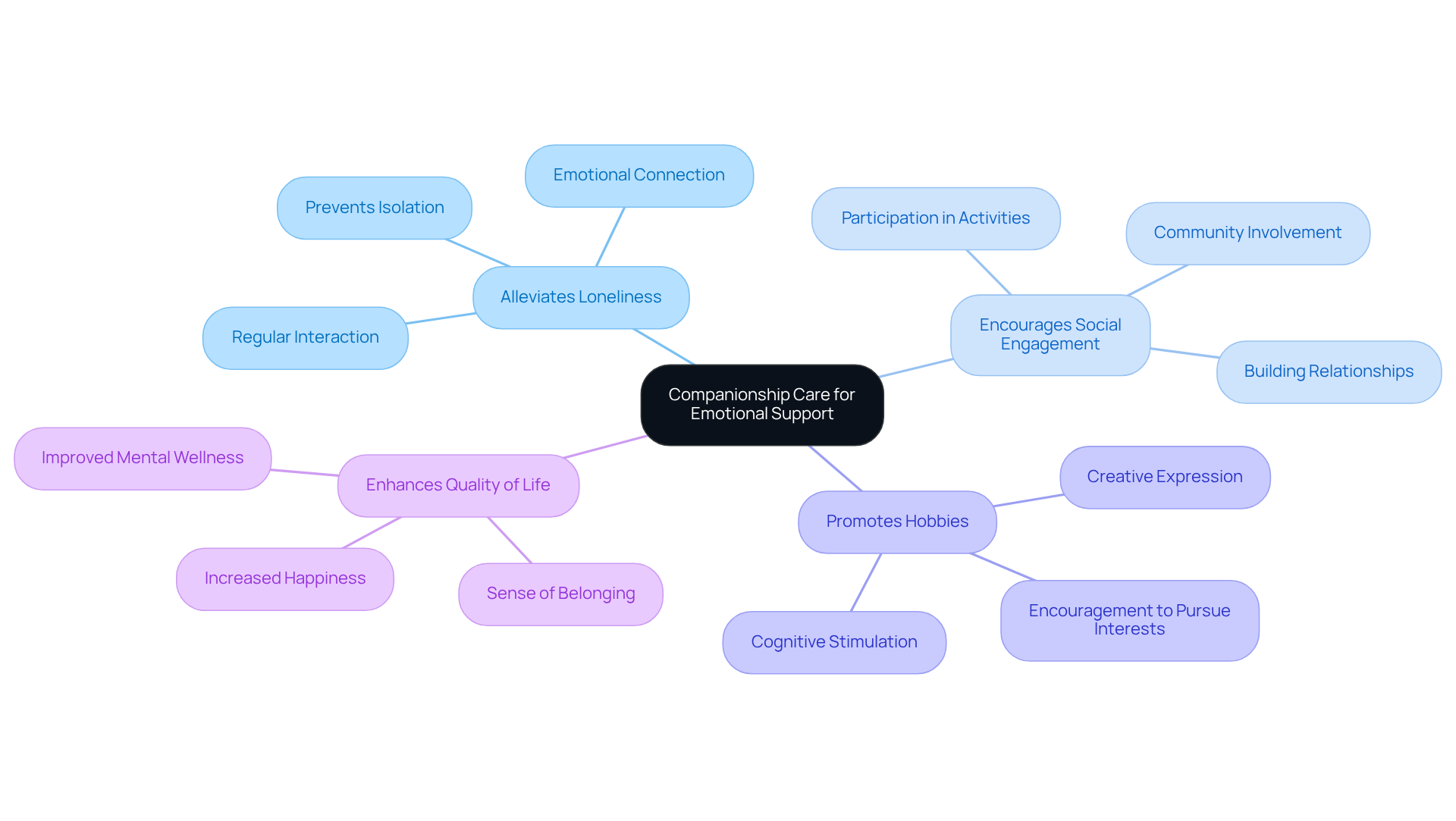
Companionship support is vital for offering psychological assistance and involving individuals in significant activities. Caregivers at Happy to Help Caregiving are specifically trained to build relationships that effectively alleviate feelings of loneliness and isolation. This service significantly improves the psychological well-being of clients through regular social interaction and cognitive stimulation. It also actively encourages them to engage in hobbies and social activities.
By fostering a sense of belonging and joy in their daily lives, companionship care plays a crucial role in enhancing the overall quality of life for seniors. Research from the University of Michigan’s National Poll on Healthy Aging indicates that one in three seniors experiences feelings of isolation. This highlights the importance of this service as a lifeline that nurtures mental wellness and promotes a fulfilling lifestyle. As Comfort Keepers states, 'This relational aspect is crucial in ensuring that seniors feel valued and understood, which can have a profound impact on their emotional well-being.
Post-Hospital Recovery Assistance: Ensuring Safe Transitions Home
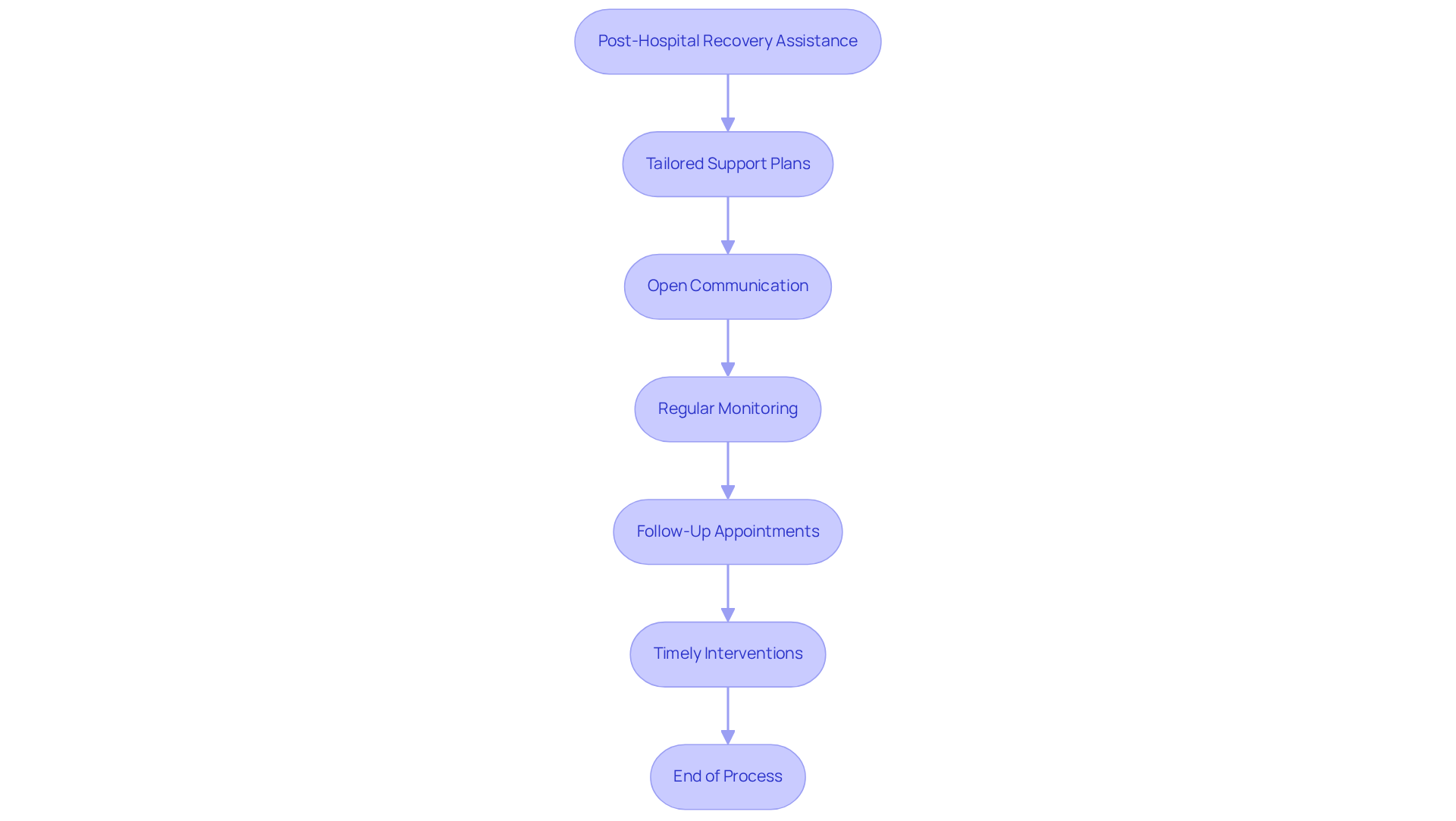
Post-hospital recovery assistance is vital for clients transitioning back to their homes. This support helps them navigate their recovery effectively. Adult caregiver services play a crucial role by managing medications, assisting with mobility, and aiding in daily activities. These elements are essential for adhering to recovery plans. Research shows that home support can reduce hospital readmissions by up to 25% for patients with certain chronic conditions. This service not only creates a safe and comfortable healing environment but also enhances overall recovery outcomes.
Effective post-hospital recovery programs emphasize the importance of tailored support plans that consider individual needs and medical histories. Key aspects of these programs include:
- Open communication with healthcare providers
- Regular monitoring of the patient's condition
- Ensuring follow-up appointments are maintained
Caregivers are trained to watch for signs of complications, such as infections or changes in mobility or mental status, allowing for timely interventions that can prevent readmissions.
Healthcare professionals highlight the importance of safe transitions home after hospitalization. A well-organized transitional support plan, involving collaboration with healthcare teams and family members, is essential for minimizing the risk of complications. By providing emotional encouragement and practical assistance, caregivers help clients regain their independence and alleviate the stress often felt by family members during this critical time. Integrating adult caregiver services into recovery plans is a proven strategy for enhancing patient satisfaction and improving health outcomes.
Respite Care: Supporting Family Caregivers with Temporary Relief
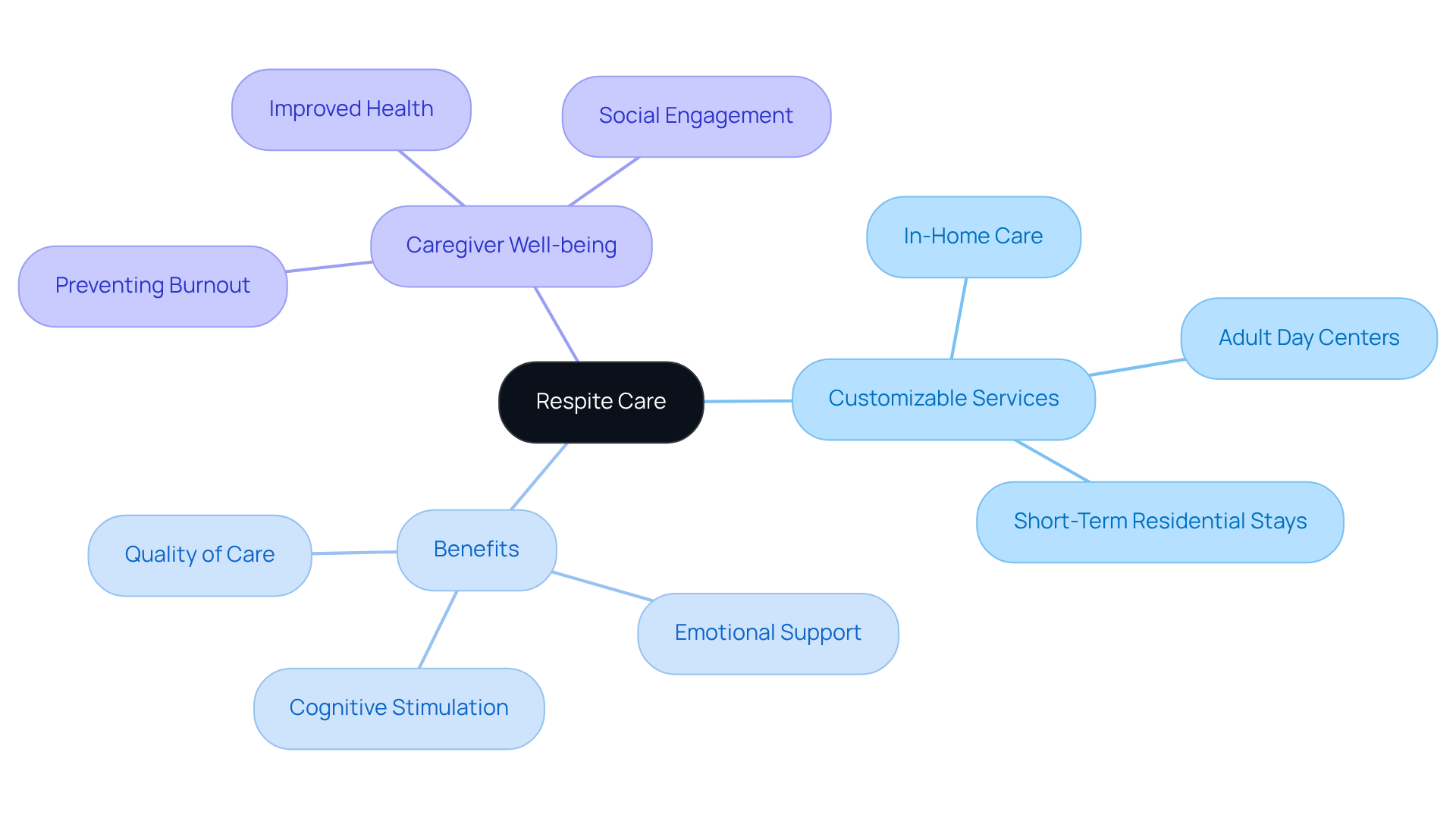
Adult caregiver services provide essential temporary relief for caregivers through respite support, allowing them to rejuvenate while ensuring their loved ones receive the assistance they deserve. This adaptable service can be customized to meet specific family needs, whether for just a few hours or several days.
By facilitating these much-needed breaks, Happy to Help Caregiving plays a vital role in preventing caregiver burnout, which impacts nearly 61% of the 43.5 million individuals currently supporting their loved ones in the U.S. The emotional and physical benefits of respite assistance not only enhance caregivers' well-being but also elevate the quality of care provided to their loved ones. This includes emotional support, cognitive stimulation, and consistent care.
This highlights the importance of self-nurturing in the caregiving journey. Taking care of yourself is essential to being able to support others effectively. Remember, you are not alone in this experience.
Palliative Support Care: Enhancing Comfort for Serious Illnesses
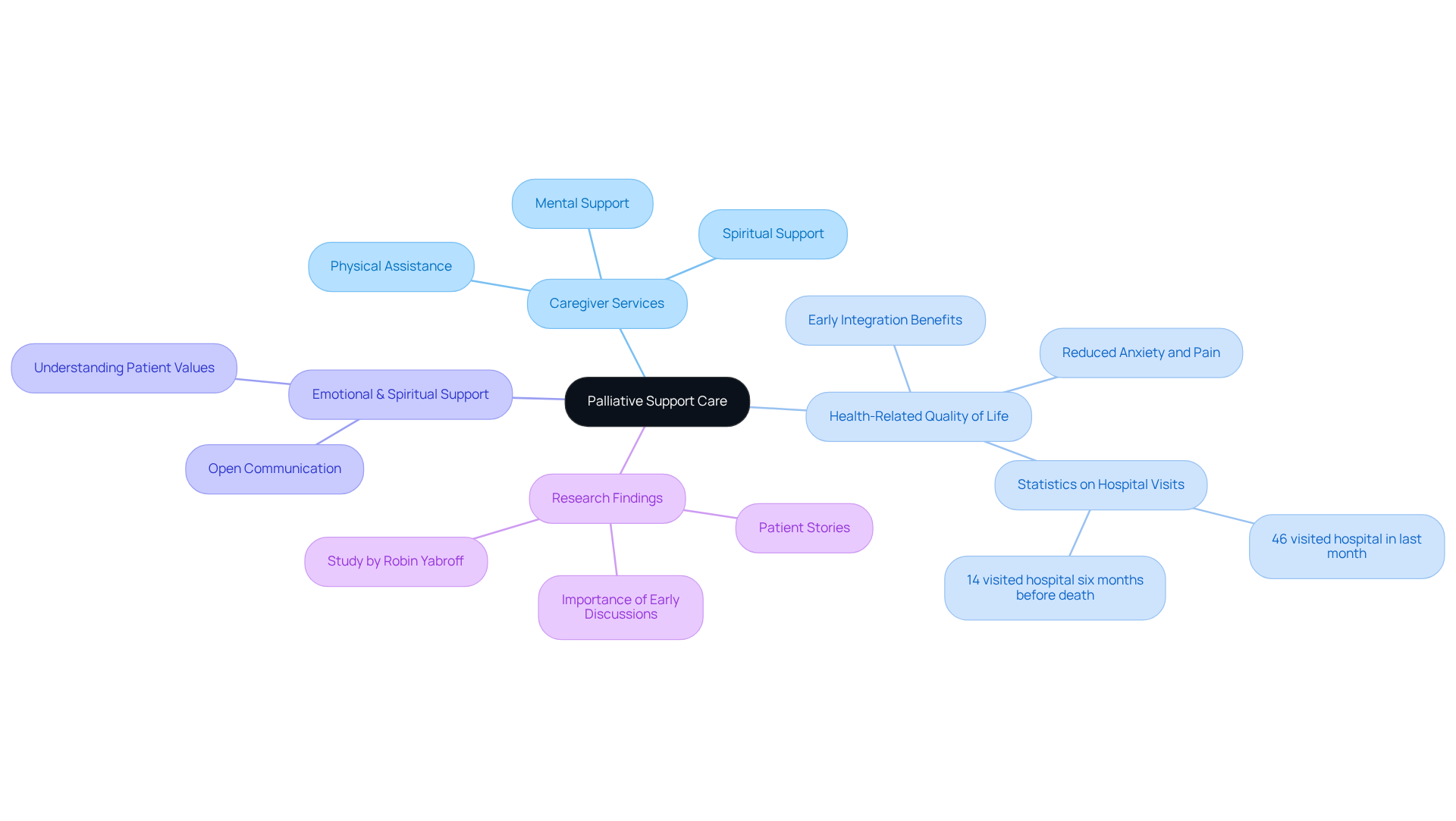
Palliative support is essential for enhancing the comfort and quality of life for individuals grappling with severe illnesses. Adult caregiver services are crucial in this journey, providing not just physical assistance but also mental and spiritual support. They guide individuals and their families through the complexities of serious health conditions, ensuring that the care provided is both compassionate and tailored to respect each client’s dignity and preferences.
Research by Robin Yabroff highlights that integrating palliative support early on significantly improves health-related quality of life. This approach addresses not only physical symptoms but also the emotional distress associated with serious illnesses. Studies reveal that patients receiving comfort treatment experience reduced levels of anxiety and pain. Notably, statistics show that 46% of patients visited the hospital in their final month of life, compared to only 14% six months before death.
By fostering open communication and understanding, adult caregiver services can assist individuals in articulating their values and desires, ultimately enhancing their overall well-being during challenging times. Dr. Lori Wiener emphasizes the importance of initiating conversations about early palliative treatment. She asserts that proactive discussions regarding advanced planning are vital to ensure that patients receive care aligned with their preferences. This nurturing approach reassures both patients and families, underscoring the compassionate support available during such difficult periods.
24/7 Availability: Always There When You Need Care
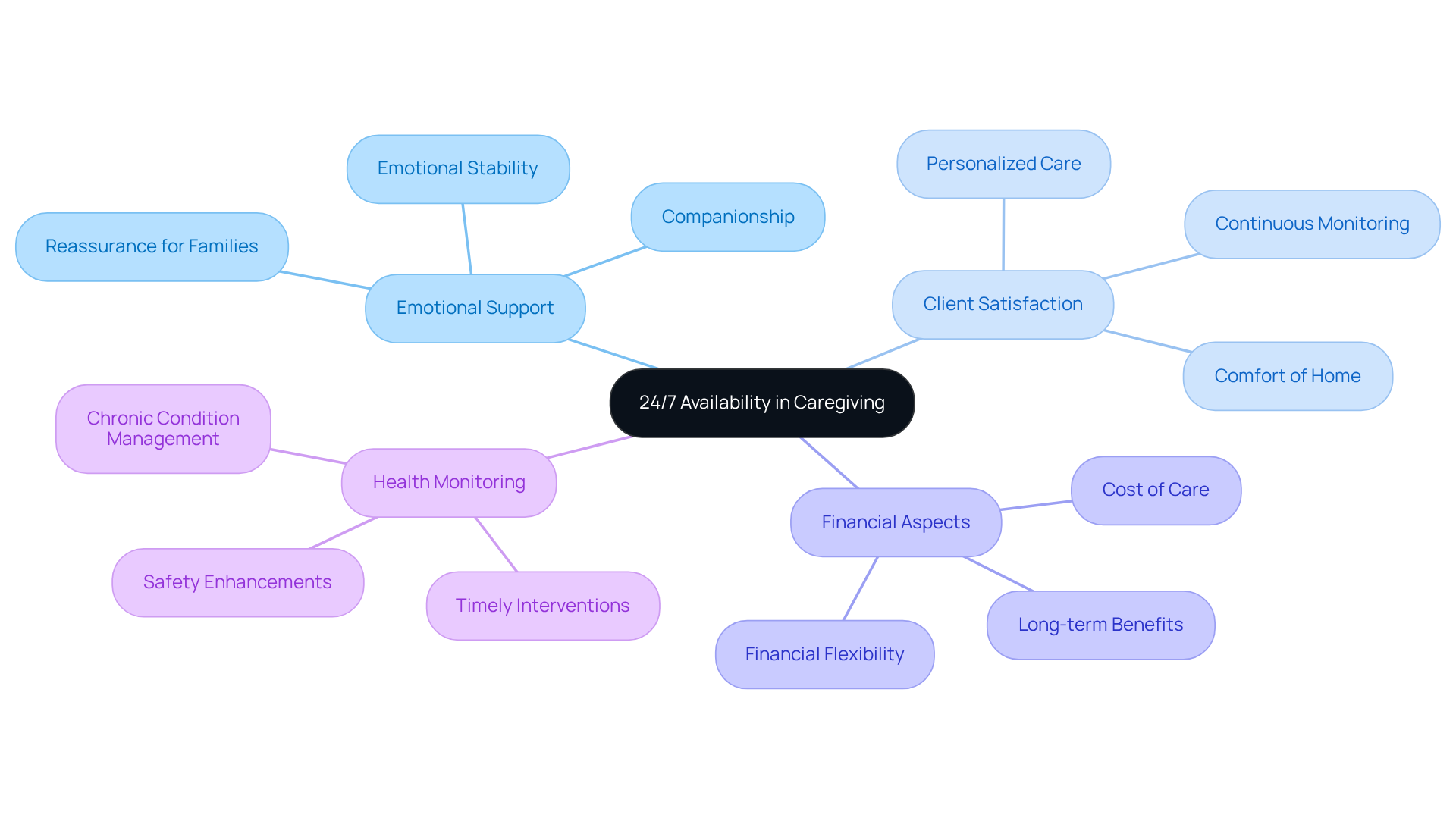
At Happy to Help Caregiving, we understand the emotional toll that adult caregiver services can impose on caregivers. Our 24/7 availability ensures that individuals receive adult caregiver services whenever they need assistance, providing crucial support for those with chronic conditions or recovering from surgery. This continuous care significantly enhances the recovery process, bringing peace of mind to both individuals and their loved ones.
Healthcare providers emphasize that having prompt access to services fosters reassurance, knowing that help is just a call away. This constant availability not only nurtures a sense of security but also enhances client satisfaction. Family members can feel confident that their loved ones are in capable hands, receiving personalized support from adult caregiver services in the comfort of their own homes.
Unlike nursing facilities, continuous home assistance is vital for emotional stability, allowing individuals to thrive in familiar environments. Our caregivers are dedicated to ensuring continuous health monitoring, enhancing safety for seniors and enabling timely interventions that can lead to improved health outcomes.
As families navigate the financial aspects, it's important to note that the national median expense for 24/7 assistance is approaching approximately $21,823 monthly in 2024. However, reflecting on the invaluable resource that round-the-clock support represents can provide comfort to those managing complex health challenges. We are here to help, providing not just care, but compassion and understanding every step of the way.
Flexible Scheduling: Tailoring Care to Individual Needs
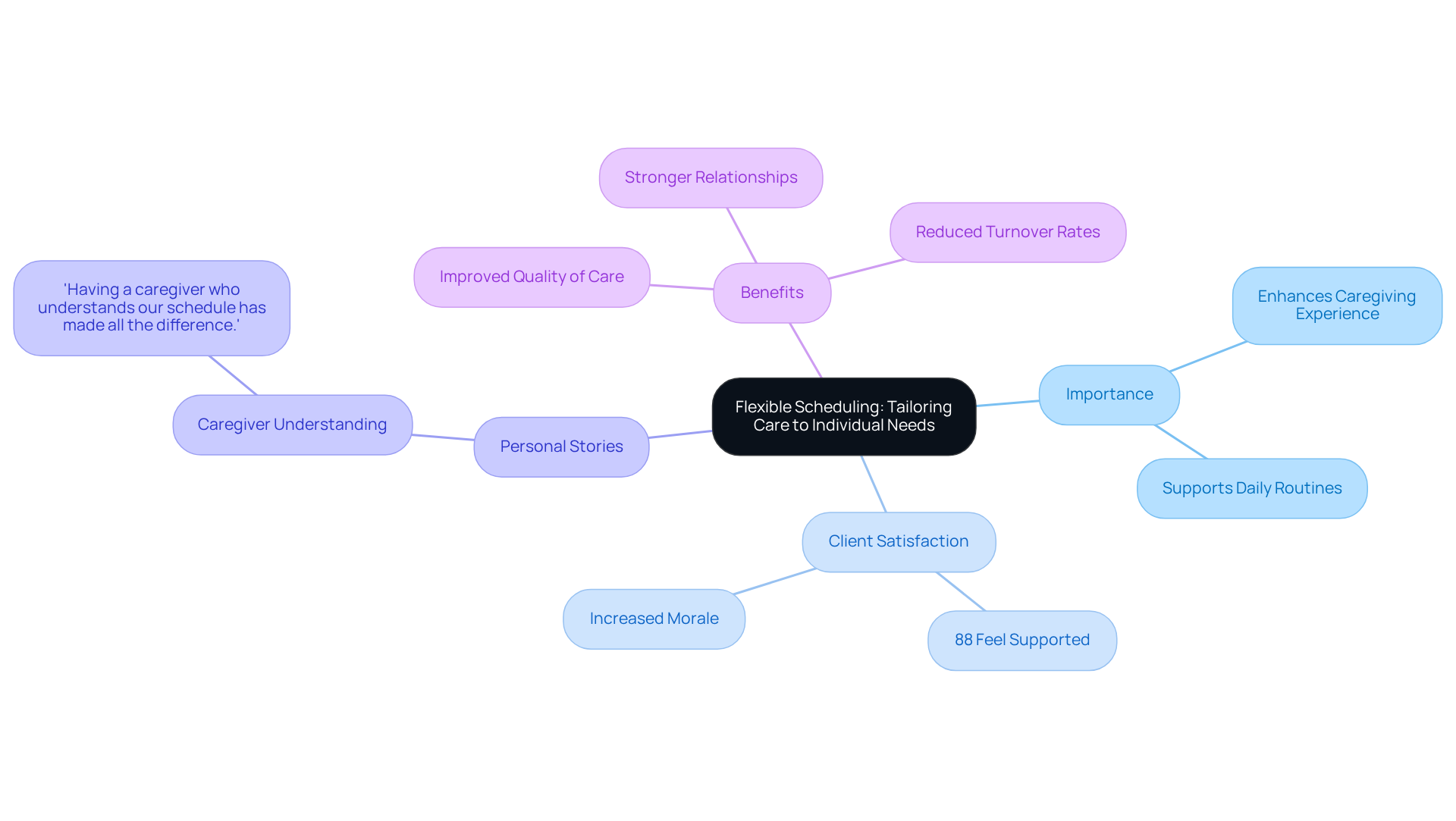
Flexible scheduling is essential to the adult caregiver services provided by Happy to Help Caregiving. We work closely with families to create support schedules that align with their loved ones' lifestyles, ensuring assistance is available at the most appropriate times. This adaptability not only enhances the caregiving experience but also allows individuals to maintain their daily routines, fostering a sense of normalcy and independence.
Data shows that personalized care schedules significantly increase client satisfaction, with 88% of employees feeling genuinely supported in using flexible working arrangements. Many families express gratitude for this customized approach that meets their unique needs. One family caregiver shared, 'Having a caregiver who understands our schedule has made all the difference; it allows my mother to feel more in control of her day.'
Moreover, flexible scheduling is crucial in delivering personalized adult caregiver services that meet each senior’s specific needs and preferences. This adaptability not only improves the quality of support but also strengthens the bond between caregivers and recipients, leading to a more fulfilling caregiving experience.
When considering care options, prioritize flexibility to enhance your loved one's daily routine and overall satisfaction.
Emotional Support: Combating Loneliness Through Care
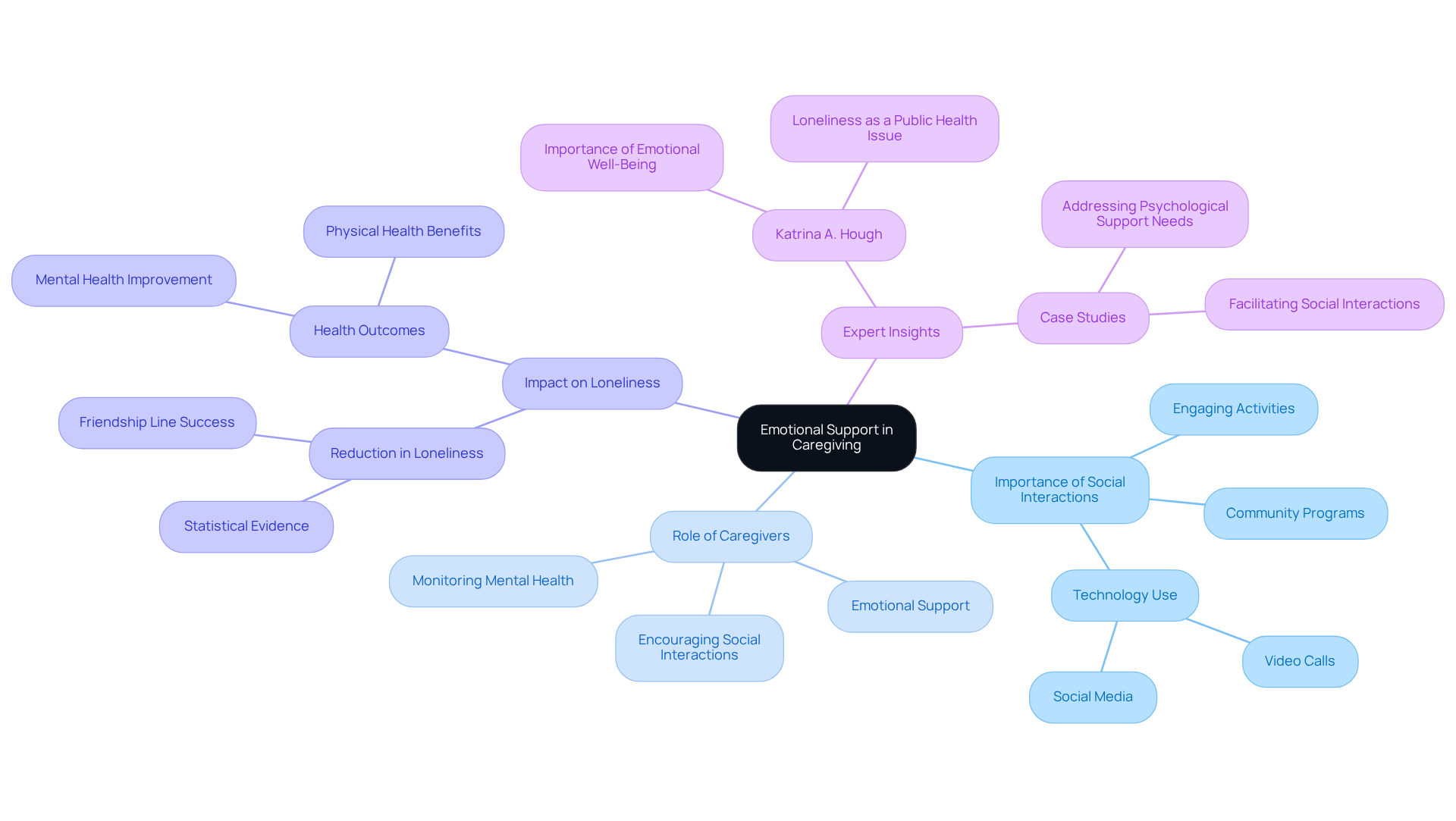
Emotional support stands as a cornerstone of effective caregiving, particularly for seniors facing the heavy burden of loneliness. At Happy to Help Caregiving, we prioritize mental well-being by engaging individuals in meaningful discussions, activities, and hobbies that nurture connection and joy. This approach not only helps individuals feel valued and understood but also significantly enhances their overall quality of life.
Recent studies reveal that personal involvement in caregiving can lead to increased happiness among clients. For instance, participants in programs like the Friendship Line reported a remarkable decrease in loneliness, dropping from 46% to 28% over just six months. Caregivers play a vital role in combating loneliness by encouraging social interactions and providing companionship, both of which are essential for mental stability.
Psychologists stress the importance of maintaining mental well-being for seniors, as it can alleviate feelings of isolation and foster a sense of belonging. As Katrina A. Hough poignantly states, "Loneliness and social isolation are public health issues that demand systemic solutions." By focusing on emotional support, caregivers cultivate a nurturing environment that empowers seniors to thrive, emphasizing the crucial role of compassionate assistance in enhancing the quality of life for older adults.
Technology Integration: Enhancing Care Through Communication Tools
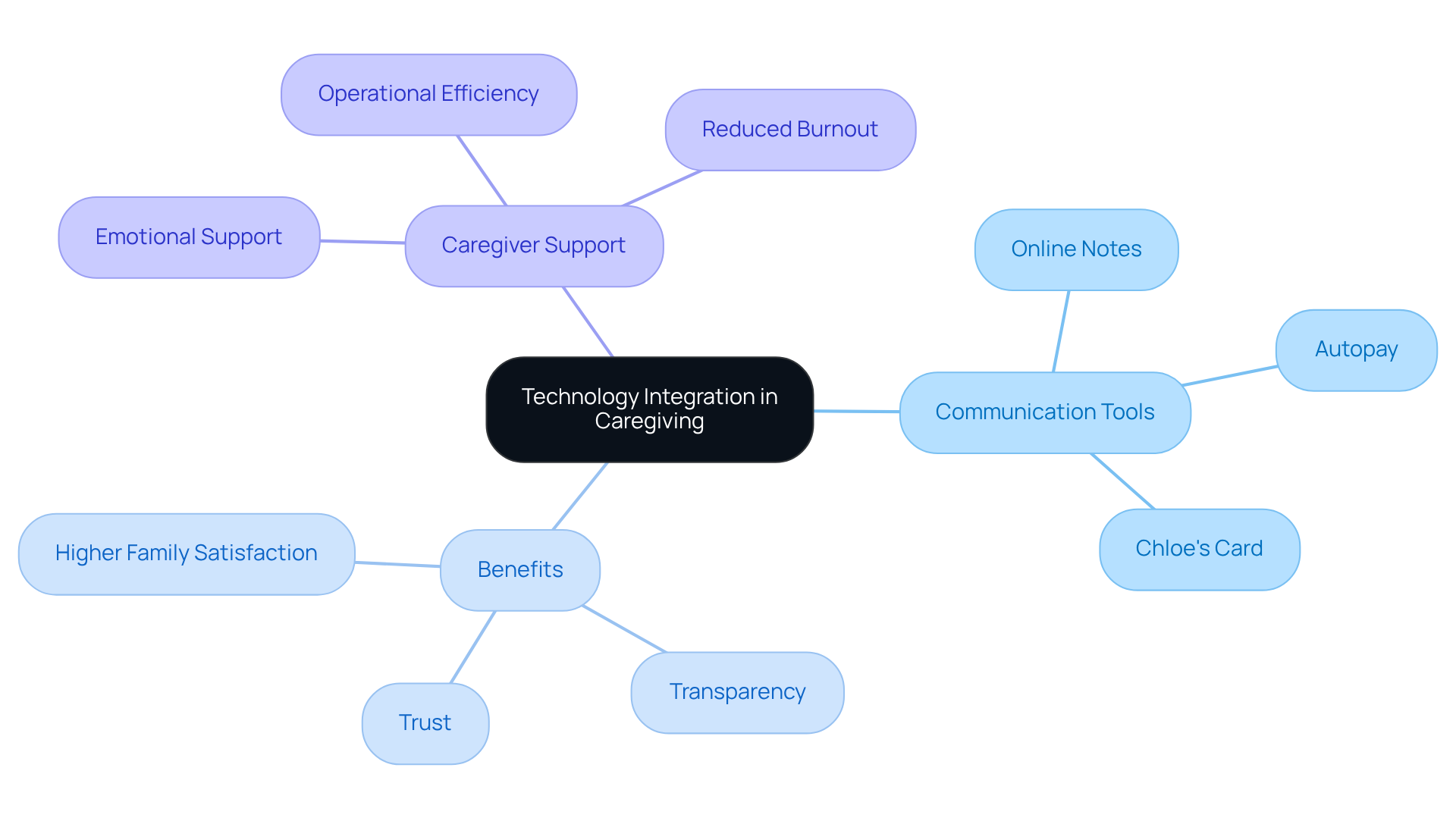
At Happy to Help Caregiving, we understand the emotional challenges that caregivers face. The stress and burnout can be overwhelming, but we are here to provide compassionate support. By leveraging technology, we significantly enhance the caregiving experience. Our tools, such as online notes for relatives and autopay options, streamline communication, ensuring that families stay informed about the care their loved ones receive.
This integration of technology not only boosts operational efficiency but also fosters transparency and trust between caregivers and their clients. Studies indicate that families who utilize digital communication tools report higher satisfaction levels. These tools promote a better understanding and encourage participation in decision-making regarding care.
Moreover, effective communication resources strengthen the connections between caregivers and families, creating a cooperative atmosphere that elevates the overall quality of support. Specialists emphasize that advancements like these are essential for improving communication in domestic support environments, ultimately leading to better outcomes for both caregivers and their loved ones.
We are committed to nurturing these relationships and ensuring that every family feels supported and cared for.
Personalized Care Plans: Customizing Support for Unique Needs
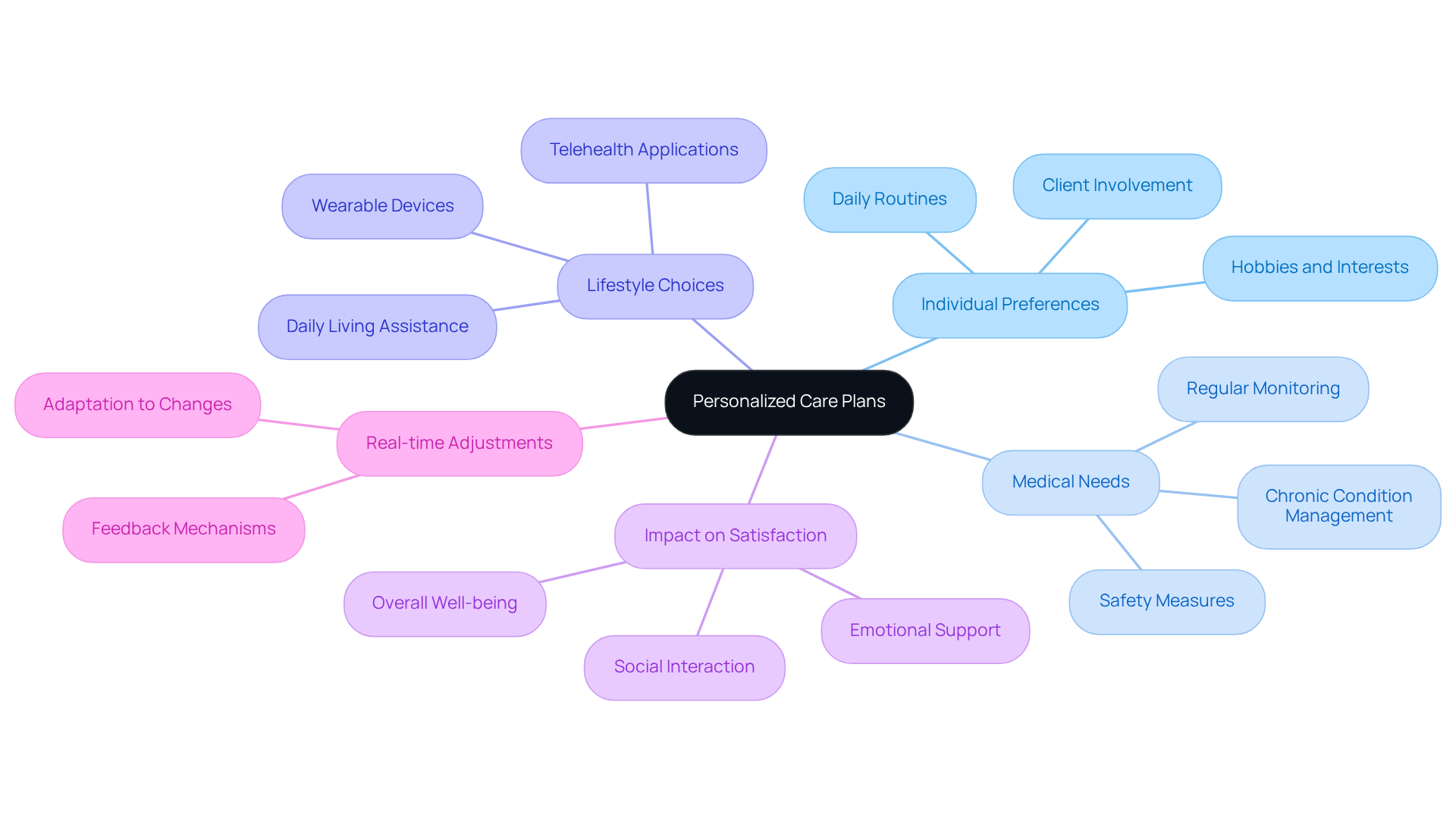
At the heart of Happy to Help Caregiving's offerings are tailored care plans, lovingly crafted in partnership with individuals and their families to improve adult caregiver services. These plans consider personal preferences, medical needs, and lifestyle choices, ensuring that every individual receives customized assistance that aligns with their unique requirements. This personalized approach not only enhances comfort but also significantly boosts client satisfaction in adult caregiver services. Research shows that personalized treatment plans lead to better health outcomes, as they adapt to changes in an individual's condition and preferences, thereby reducing the risk of complications.
Recent trends in personalized assistance for seniors highlight the growing recognition of the importance of tailored support strategies. Innovations like telehealth applications and wearable devices are emerging, allowing for real-time adjustments to treatment plans, ensuring that individuals receive the most relevant support. Care coordinators emphasize that involving clients in the creation of their plans fosters a sense of ownership and trust—essential elements for effective service delivery.
Moreover, data reveals that individuals receiving tailored support feel more valued and understood, resulting in greater involvement and overall well-being. This personalized approach not only addresses medical needs but also embraces emotional and social support, enhancing the quality of life for seniors. By prioritizing tailored support, Happy to Help Caregiving ensures that their adult caregiver services create a responsive and caring environment for individuals, ultimately leading to increased satisfaction and improved health outcomes.
Compassionate Care: Treating Clients Like Family
At Happy to Help Caregiving, we understand the emotional challenges caregivers face. The commitment to compassionate care is paramount. Our caregivers treat individuals like family, fostering relationships grounded in trust, respect, and understanding. This nurturing approach not only enriches the caregiving experience but also plays a vital role in enhancing individuals' psychological and mental well-being.
Research shows that caregivers who establish strong, familial bonds with those they assist significantly improve their overall satisfaction and emotional well-being. In fact, caregivers who feel a personal connection with those they support report higher levels of job satisfaction and reduced stress. This relational dynamic creates an environment where individuals feel valued and secure in their own homes.
Ultimately, this leads to improved health outcomes and a more positive caregiving experience. By prioritizing these familial connections, Happy to Help Caregiving ensures that clients receive not just care, but a genuine partnership that supports their independence and happiness. We are here to provide the emotional and practical support you need, fostering a sense of belonging and comfort.
https://iframe.tely.ai/cta/eyJhcnRpY2xlX2lkIjogIjY4ZmFjMjZiYmY4ZTQ0YTYwMGFiMmQzNiIsICJjb21wYW55X2lkIjogIjY4ZWU1ZGNhNzMxNzYyNTU3ZjNjOTVjMSIsICJpbmRleCI6IDksICJ0eXBlIjogImFydGljbGUifQ==Moving Forward with Adult Caregiver Services for Family
The importance of adult caregiver services is profound, as they offer essential support for families navigating the complexities of caring for their loved ones. From companionship care that alleviates loneliness to post-hospital recovery assistance that ensures safe transitions home, these services enhance the quality of life for both caregivers and recipients. By prioritizing emotional support, flexible scheduling, and personalized care plans, caregivers foster nurturing environments that promote well-being and independence.
Key insights from this exploration reveal the multifaceted nature of caregiving:
- Respite care provides vital relief to family caregivers, reducing burnout and allowing for rejuvenation.
- Palliative support enhances comfort for those facing serious illnesses, while 24/7 availability guarantees that help is always within reach.
- Furthermore, the integration of technology facilitates better communication and transparency, ultimately leading to improved outcomes for families.
Reflecting on the significance of these services, it becomes clear that investing in adult caregiver support transcends mere physical needs; it's about nurturing emotional connections and enhancing overall quality of life. Families are encouraged to explore these vital services, recognizing that compassionate and tailored care can profoundly impact both caregivers and their loved ones. Embracing these resources can lead to a more fulfilling caregiving experience, ensuring that every individual feels valued and supported throughout their journey.
https://iframe.tely.ai/cta/eyJhcnRpY2xlX2lkIjogIjY4ZmFjMjZiYmY4ZTQ0YTYwMGFiMmQzNiIsICJjb21wYW55X2lkIjogIjY4ZWU1ZGNhNzMxNzYyNTU3ZjNjOTVjMSIsICJpbmRleCI6IG51bGwsICJ0eXBlIjogImFydGljbGUifQ==Frequently Asked Questions
What is companionship care and why is it important?
Companionship care provides psychological assistance and involves individuals in meaningful activities. It helps alleviate feelings of loneliness and isolation, significantly improving the psychological well-being of clients through regular social interaction and cognitive stimulation.
How does companionship care enhance the quality of life for seniors?
By fostering a sense of belonging and joy in daily life, companionship care plays a crucial role in enhancing the overall quality of life for seniors, promoting mental wellness and a fulfilling lifestyle.
What does post-hospital recovery assistance involve?
Post-hospital recovery assistance helps clients transition back home by managing medications, assisting with mobility, and aiding in daily activities, which are essential for adhering to recovery plans.
How can home support reduce hospital readmissions?
Research shows that home support can reduce hospital readmissions by up to 25% for patients with certain chronic conditions, creating a safe healing environment and enhancing overall recovery outcomes.
What are key aspects of effective post-hospital recovery programs?
Key aspects include open communication with healthcare providers, regular monitoring of the patient's condition, and ensuring follow-up appointments are maintained.
How does respite care support family caregivers?
Respite care provides temporary relief for caregivers, allowing them to rejuvenate while ensuring their loved ones receive necessary assistance. This service can be customized to meet specific family needs.
Why is respite care important for caregivers?
Respite care helps prevent caregiver burnout, which affects nearly 61% of individuals supporting loved ones. It improves caregivers' emotional and physical well-being, enhancing the quality of care they provide.
What should caregivers remember about self-care?
Caregivers should prioritize self-nurturing as it is essential for effectively supporting others. They are not alone in their caregiving experience.