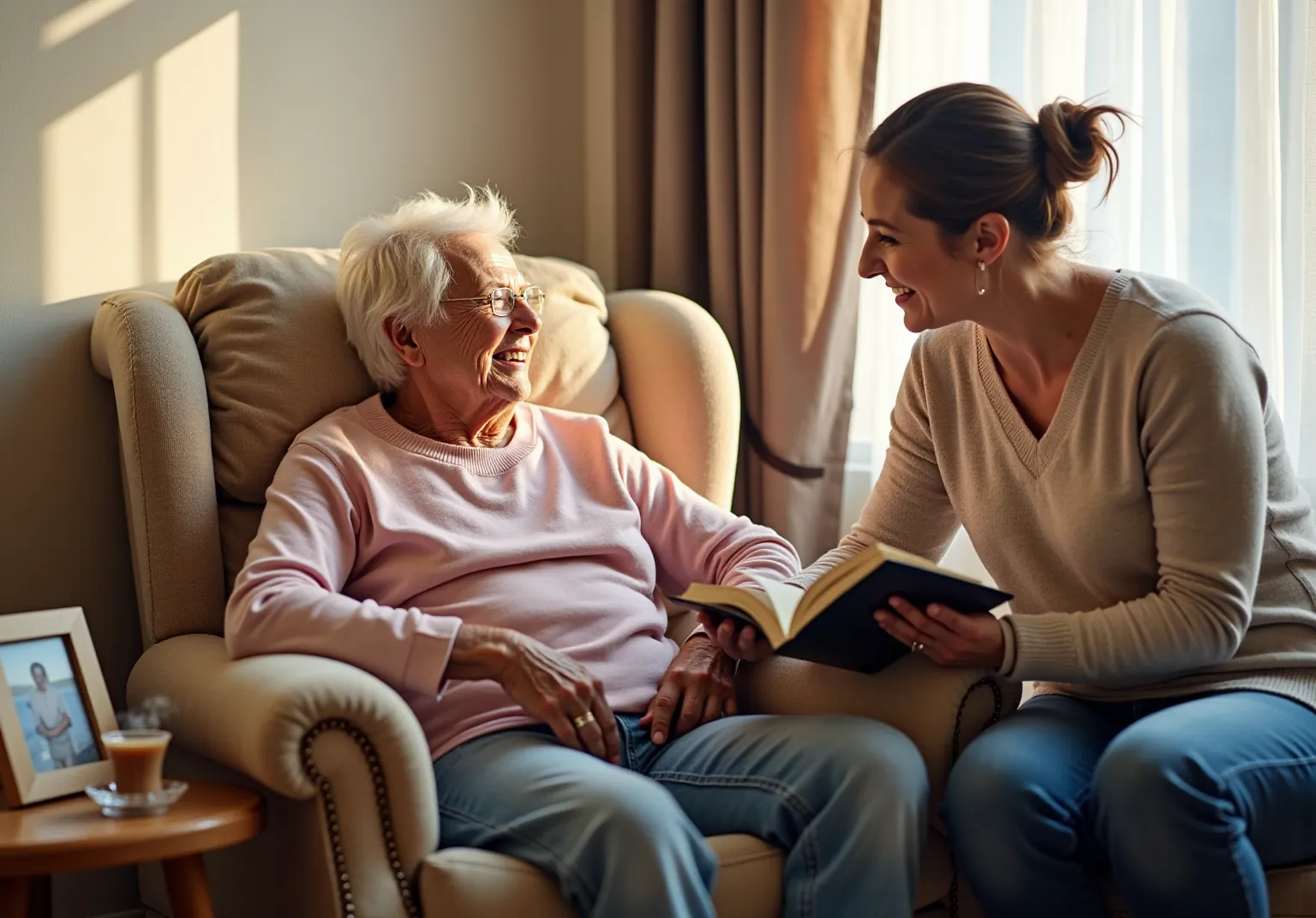
The Importance of Aging in Place Resources
Navigating the complexities of aging in place presents a significant challenge for family caregivers. With nearly 70% of older adults expected to require some form of care, the implications are profound. The increasing number of seniors needing support means that caregivers face heightened demands for effective resources.
This article explores ten essential resources designed to empower caregivers. These tools not only enhance the quality of life for loved ones but also foster independence at home. Caregivers can leverage these resources to tackle challenges related to isolation, safety, and emotional well-being throughout their caregiving journey.
Happy to Help Caregiving: Personalized In-Home Care Services
Loneliness and isolation are significant challenges faced by seniors and individuals with special needs. Research shows that just a couple of hours of companionship each week can greatly enhance an elder’s sense of worth and connection. This highlights the vital role of companionship in elder care, as about 70% of Americans aged 65 and older will need some form of care during their lifetime.
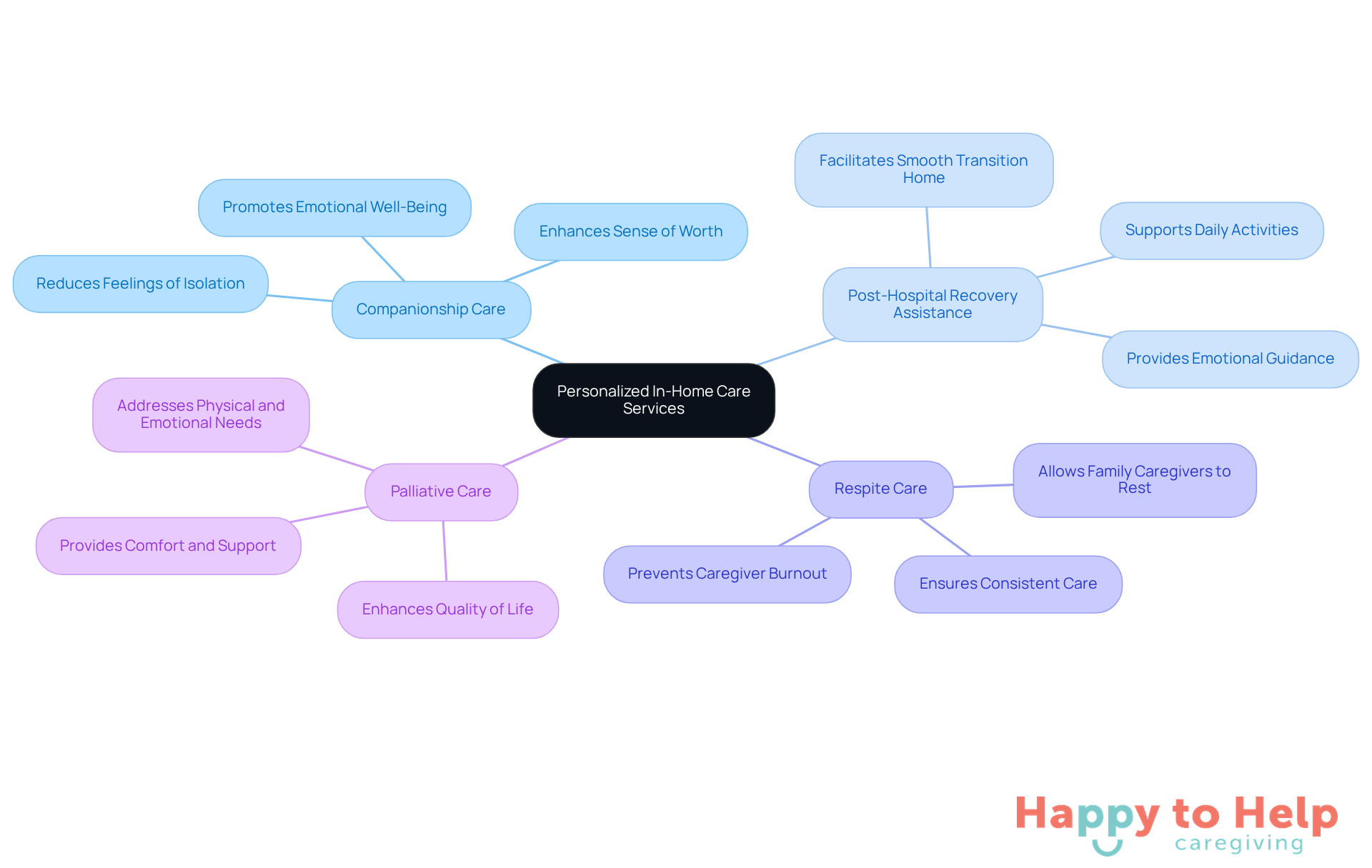
Happy to Help Caregiving excels in addressing these issues by delivering personalized in-home care services tailored to the unique needs of their clients. Their core offerings include:
- Companionship care
- Post-hospital recovery assistance
- Respite care
- Palliative care
All designed to promote independence and improve well-being. With 24/7 availability and flexible scheduling, caregivers engage clients in enjoyable activities, significantly alleviating feelings of loneliness.
By concentrating on individualized care plans, which are becoming standard in the field, Happy to Help Caregiving provides aging in place resources to ensure that clients receive the assistance they need in the comfort of their own homes. This approach not only addresses the immediate needs of seniors but also enhances their overall quality of life.
National Institute on Aging: Guidelines for Aging in Place
Many older adults wish to age in place, but safety and accessibility challenges can make it difficult to utilize aging in place resources. Caregivers often face the daunting task of creating a secure environment that supports independence.
Agitate: Without proper modifications, homes can become hazardous. Poor lighting, cluttered spaces, and a lack of assistive devices can lead to accidents, increasing the risk of falls and injuries. This not only affects the physical well-being of seniors but also their mental health and overall quality of life.
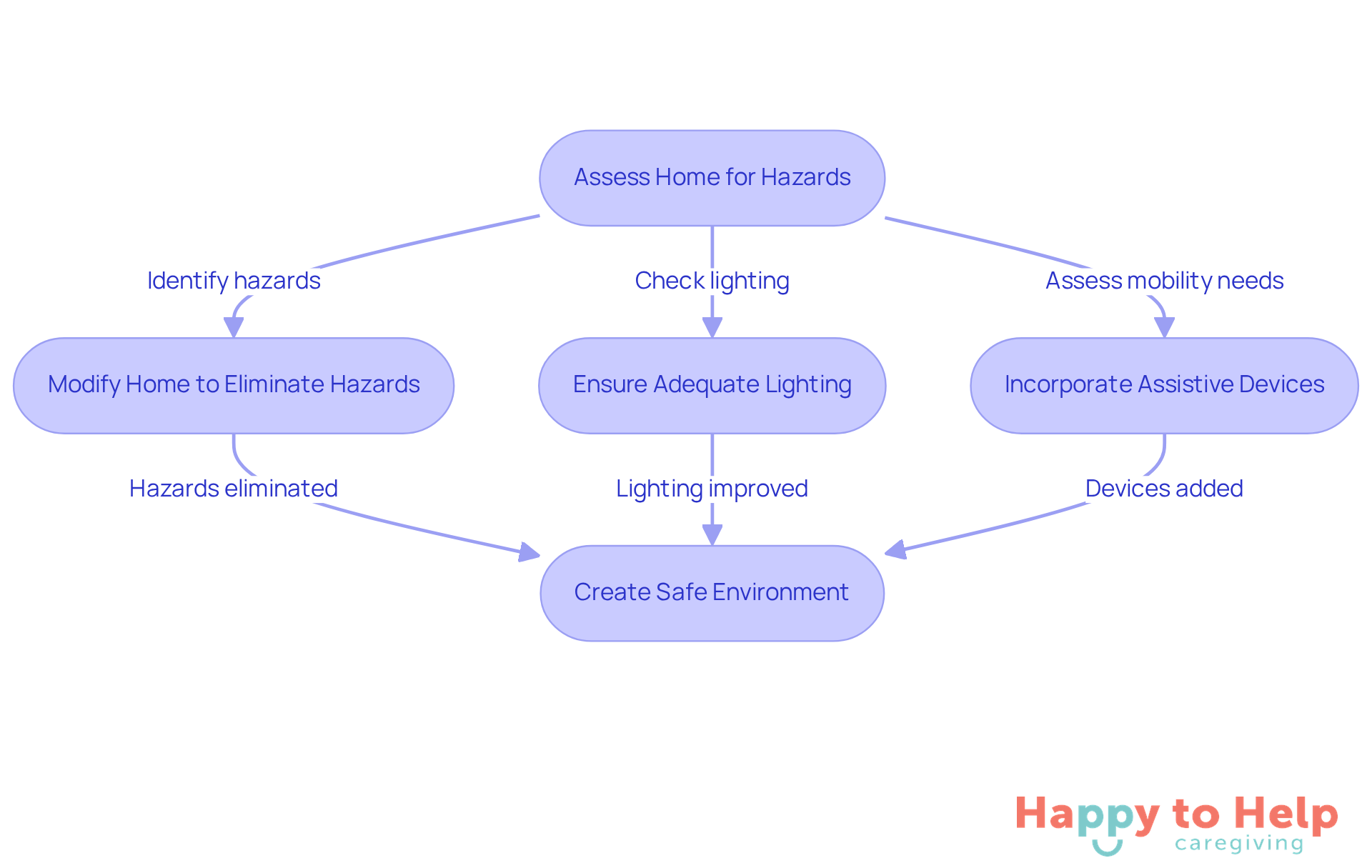
The National Institute on Aging offers aging in place resources and comprehensive guidelines to help caregivers address these issues. Key recommendations include:
- Modifying the home to eliminate hazards
- Ensuring adequate lighting throughout the space
- Incorporating assistive devices to aid mobility and daily tasks
By following these guidelines, caregivers can create environments that encourage independence while minimizing risks, ultimately enhancing the quality of life for seniors.
AgingCare.com: Support and Resources for Caregivers
Caregivers often face the challenge of feeling isolated and overwhelmed in their roles. This emotional burden can lead to stress and burnout, making it difficult to provide the best care for their loved ones.
AgingCare.com addresses this problem by offering aging in place resources as a comprehensive platform for family support providers. It offers a wealth of articles, forums, and expert guidance on various caregiving subjects, particularly focusing on aging in place resources. Caregivers can find support through community discussions, share experiences, and access valuable aging in place resources to tackle common challenges.
By fostering a sense of community among providers, AgingCare.com helps caregivers feel less alone in their journey. This platform not only provides practical information but also cultivates connections that can alleviate feelings of isolation.
AARP: Tools for Maintaining Independence at Home
Maintaining independence at home is a significant challenge for older adults. As they age, the risk of accidents and health issues increases, making it essential for caregivers to create a safe environment. This situation can lead to stress and worry for both caregivers and their loved ones.
AARP provides practical solutions, such as aging in place resources, to address these concerns. Their range of tools includes:
- Home modification checklists
- Safety assessments
- Technology solutions designed to enhance daily living
By utilizing aging in place resources, caregivers can implement effective strategies to create a safer and more supportive environment.
These tools not only help in assessing the home for potential hazards but also provide actionable steps to modify living spaces. For instance, simple changes like installing grab bars or improving lighting can significantly reduce the risk of falls. By utilizing aging in place resources from AARP, caregivers can ensure their loved ones live comfortably and independently for as long as possible.
Home Instead Senior Care: Companionship and Personal Care
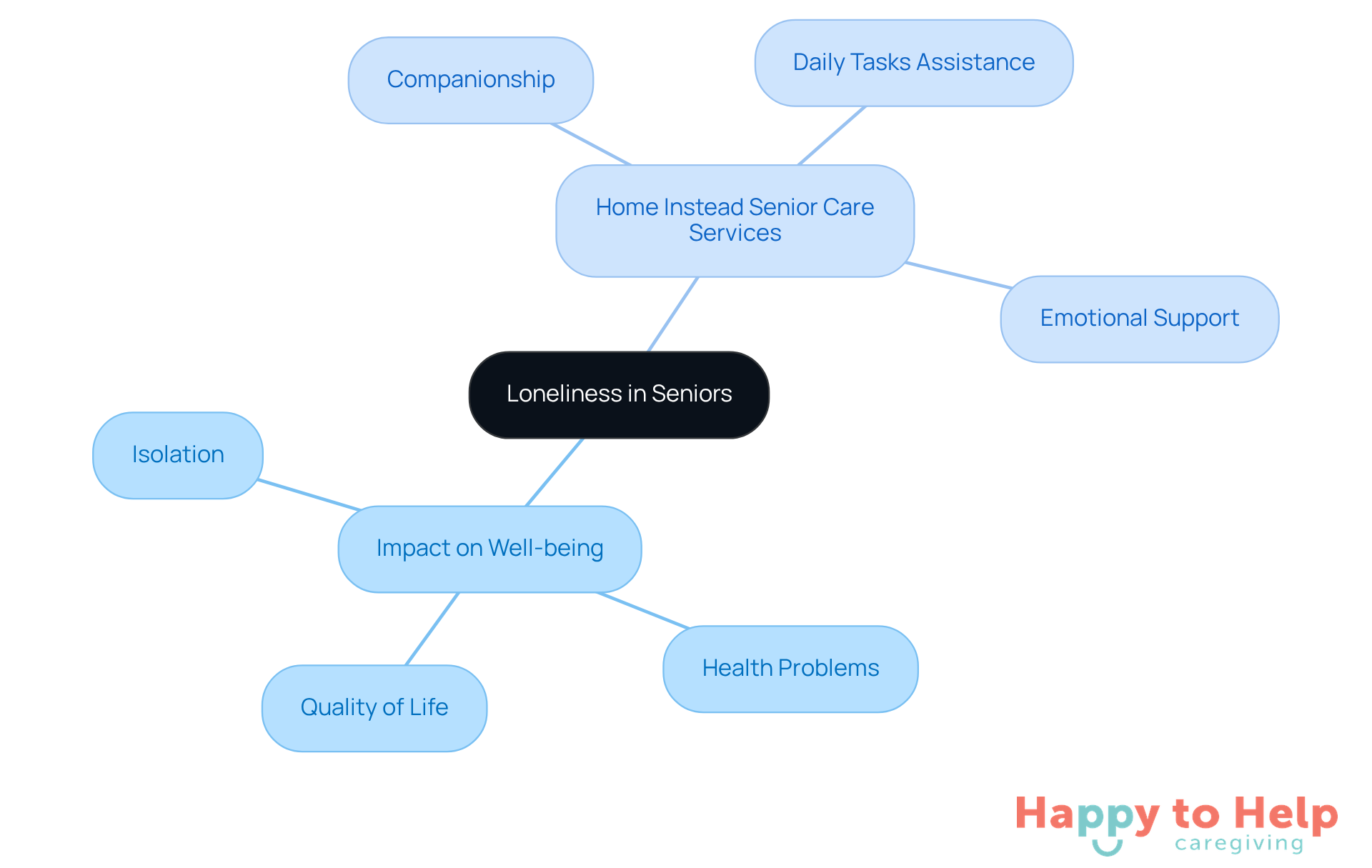
Loneliness is a significant issue faced by many seniors, impacting their mental and emotional well-being. As they age, the lack of companionship can lead to feelings of isolation, which can exacerbate health problems and diminish their quality of life.
Home Instead Senior Care addresses this challenge by providing companionship and personal care services tailored specifically to the needs of older adults. Their support providers actively involve clients in meaningful activities, assist with daily tasks, and offer emotional support. This comprehensive approach not only alleviates feelings of loneliness but also fosters a sense of belonging and purpose, which is crucial for maintaining mental and emotional health in seniors.
Family Caregiver Alliance: Educational Resources for Family Caregivers
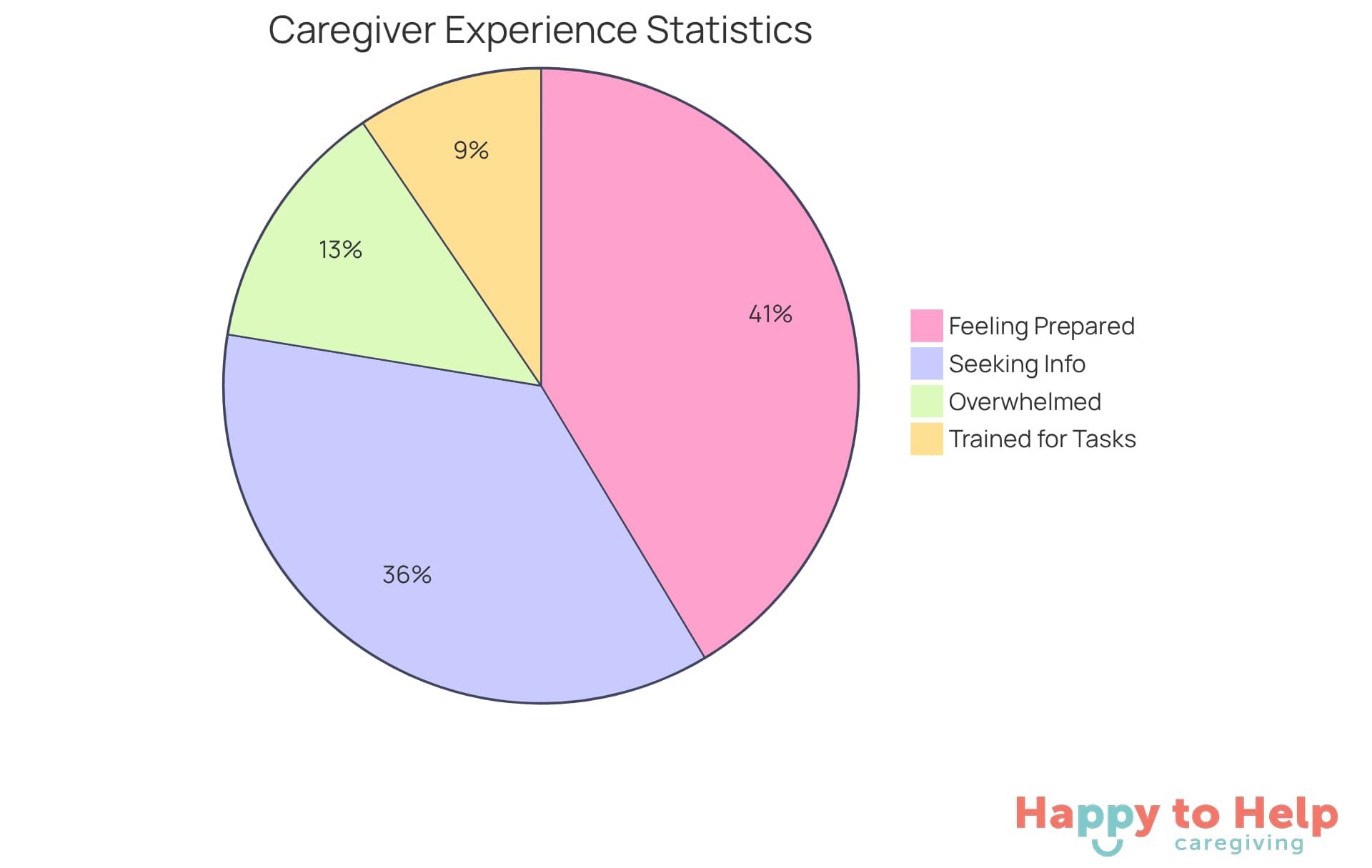
The Family Caregiver Alliance (FCA) addresses a pressing issue: the lack of training and support for family caregivers. Many caregivers feel overwhelmed, with 30% reporting difficulties in managing emotional or physical stress. This highlights the urgent need for comprehensive training programs that equip caregivers with the necessary skills and knowledge.
Current trends reveal a significant demand for training, with 84% of caregivers seeking more information on specific topics. This growing interest underscores the understanding that well-trained caregivers can improve health outcomes for both themselves and those they assist. In fact, 96% of trained support providers feel well-prepared for their responsibilities, demonstrating the effectiveness of educational initiatives.
However, a critical gap remains. While 55% of caregivers perform medical tasks, only 22% have received training for these responsibilities. This gap in education is concerning, especially as the number of family supporters has increased by 45% since 2015. As we approach 2025, the landscape of support provider training continues to evolve, focusing on innovative solutions tailored to the unique needs of family caregivers.
Engaging in organized training programs has shown to better prepare caregivers for medical responsibilities and emotional challenges, leading to improved overall well-being. The FCA is committed to providing these essential resources, fostering a more compassionate and effective caregiving environment. As Jason Resendez, President and CEO of the National Alliance for Caregiving, aptly states, "Family providers, who form the backbone of long-term care for millions of Americans, often work without formal training or adequate support."
To address these challenges, caregivers can take advantage of the FCA's training programs, webinars, and informational materials. By doing so, they can enhance their caregiving skills and ultimately improve the quality of care they provide to their loved ones.
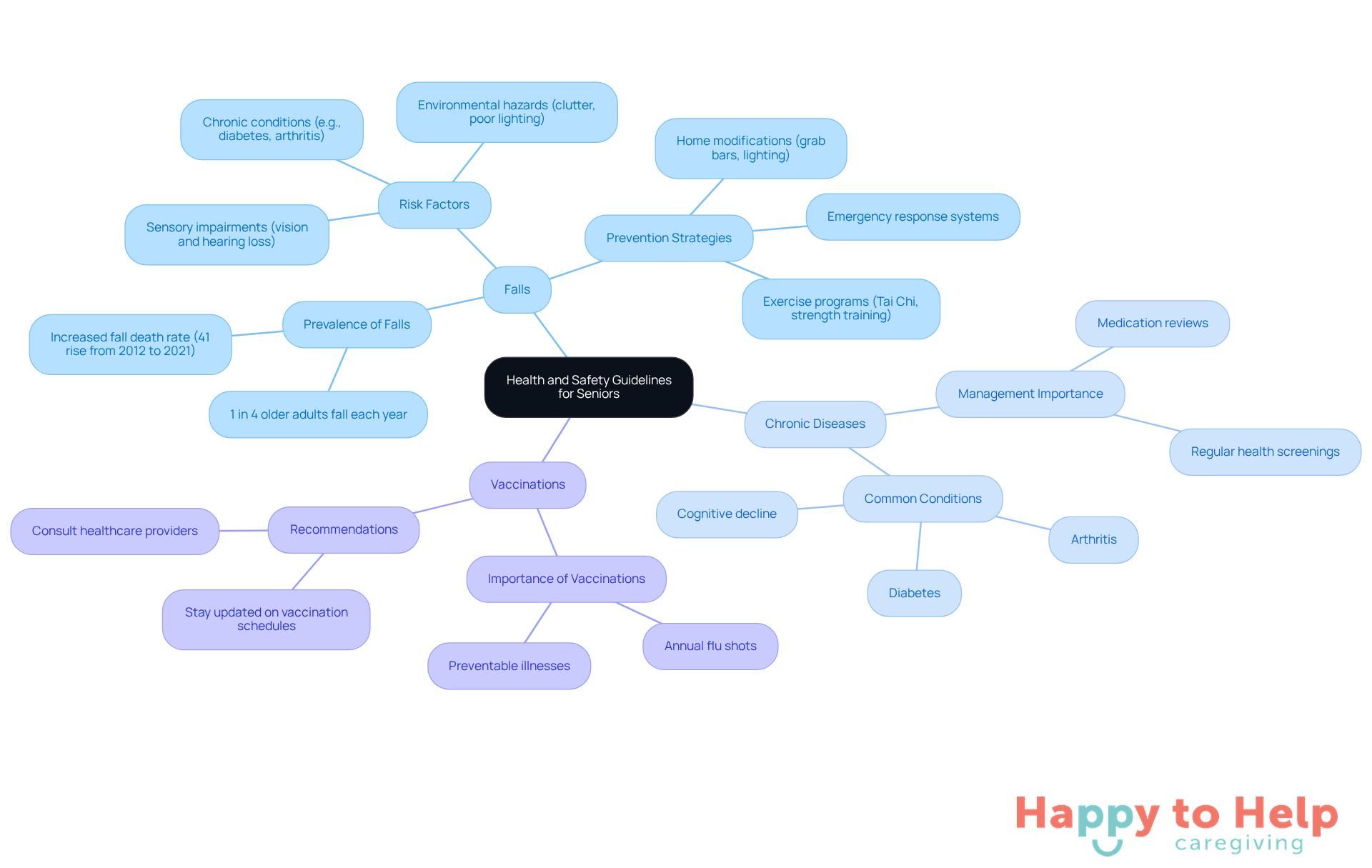
CDC: Health and Safety Guidelines for Seniors
Caregivers face a significant challenge: ensuring the health and safety of older adults. Falls, chronic diseases, and the need for vaccinations are pressing concerns that can greatly impact seniors' well-being. According to the Centers for Disease Control and Prevention (CDC), these issues are prevalent among older adults, making it crucial for caregivers to address them effectively.
The implications of neglecting these health risks can be severe. Without proper fall prevention measures, seniors are at a higher risk of injury. Chronic diseases can lead to complications if not managed correctly, and missed vaccinations can leave them vulnerable to preventable illnesses. This situation can create anxiety for caregivers who want to provide the best support for their loved ones.
Fortunately, the CDC offers essential health and safety guidelines that caregivers can implement. By utilizing aging in place resources along with fall prevention strategies, chronic disease management, and vaccination recommendations, caregivers can create safer living environments and promote healthier lifestyles. Following these guidelines not only reduces health risks but also enhances the overall well-being of seniors, allowing caregivers to feel more confident in their roles.
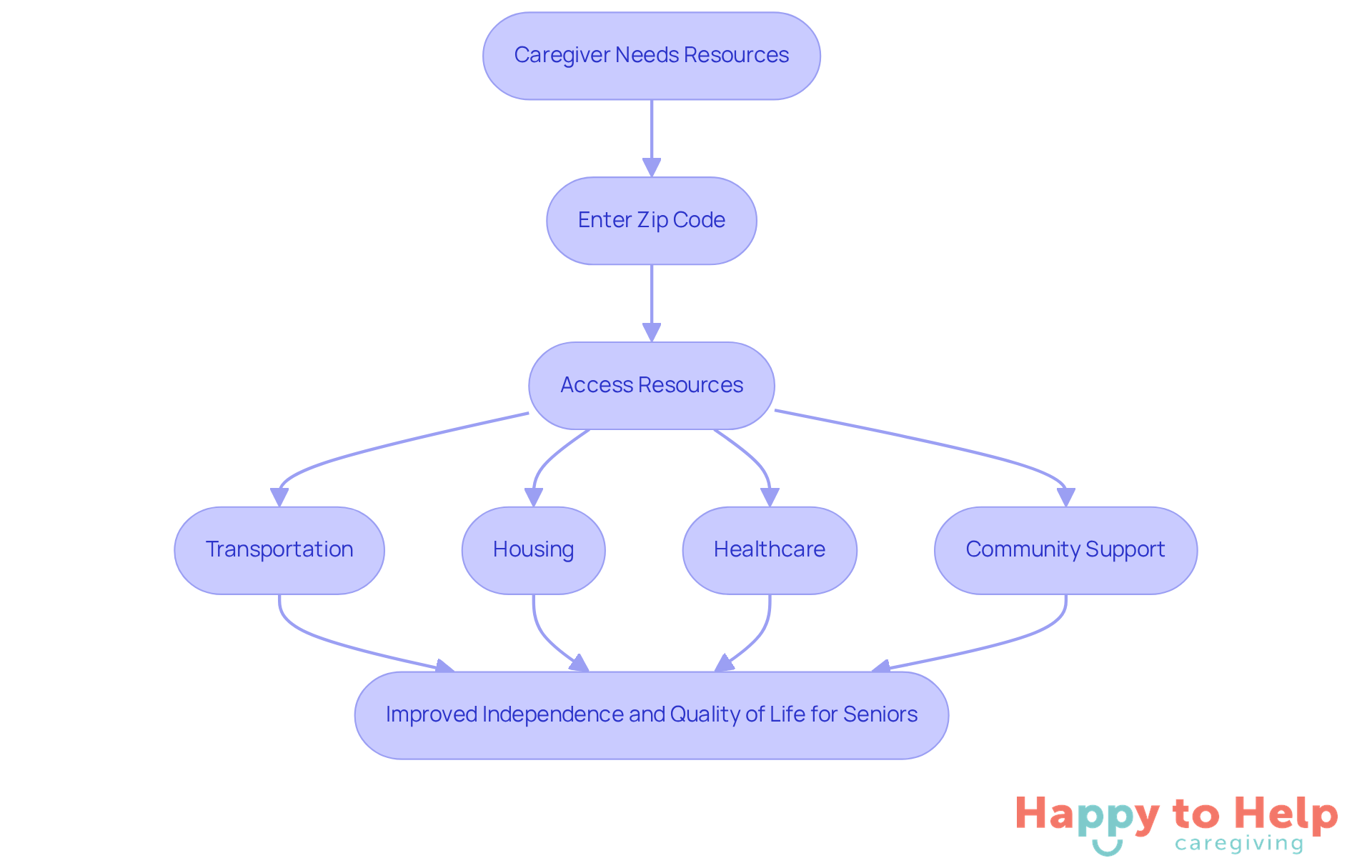
ElderCare Locator: Connecting Seniors with Local Resources
Caregivers often struggle to find aging in place resources for older adults, which can hinder their ability to provide adequate support. This challenge is significant, as access to aging in place resources directly impacts the independence and quality of life of seniors. Without proper assistance, many older adults may feel isolated and unsupported.
The ElderCare Locator addresses this issue by serving as a vital nationwide resource. By simply entering a zip code, caregivers can quickly access essential information about transportation, housing, healthcare, and other necessary services. This tool is invaluable for connecting older adults with community support, ensuring they receive the assistance they need to thrive in their own homes.
The importance of community connections cannot be overstated. These relationships promote independence and enhance the overall well-being of older adults. Success stories from users of the ElderCare Locator demonstrate how effective community connections can significantly improve seniors' daily lives, empowering them to maintain their dignity and autonomy.
Moreover, with 88 percent of family caregivers reporting inadequate assistance, tools like the ElderCare Locator are crucial in alleviating some of the challenges associated with unpaid caregiving. The economic impact of these challenges exceeds $600 billion, highlighting the need for effective solutions. Caregivers can navigate the complexities of support systems and ensure that older adults receive the care they deserve by utilizing aging in place resources such as the ElderCare Locator.
Alzheimer's Association: Support for Caregivers of Dementia Patients
Caring for individuals with dementia presents significant challenges for caregivers. The emotional and physical toll can be overwhelming, leaving many feeling isolated and unsure of how to provide the best care.
The Alzheimer's Association acknowledges these challenges and provides a variety of aging in place resources to support caregivers. These include:
- Educational resources
- Support groups
- A 24/7 helpline that provides immediate assistance
By offering tailored support, the Association empowers caregivers to navigate the complexities of dementia care effectively.
Caregivers can utilize aging in place resources to access the information and community support they need to deliver compassionate and effective care. The Association's commitment to helping caregivers ensures they are not alone in this journey.
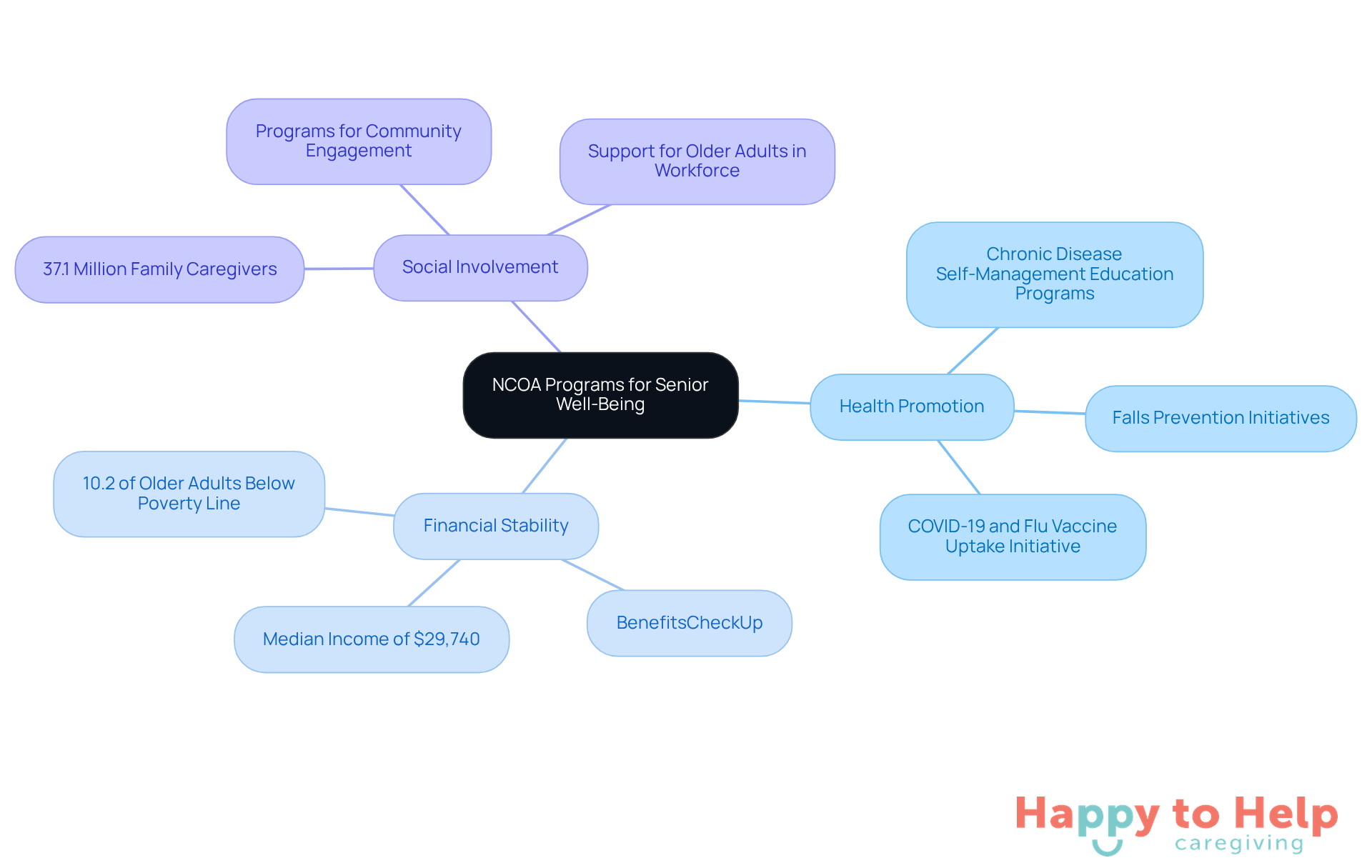
National Council on Aging: Programs for Senior Well-Being
The challenges faced by older adults are significant, particularly when it comes to economic stability. In 2022, 10.2% of Americans aged 65 and older lived below the official poverty line, underscoring the financial difficulties many encounter. This situation not only affects their quality of life but also places a burden on caregivers, who often struggle to provide support amidst these challenges.
To address these issues, the National Council on Aging (NCOA) offers various aging in place resources aimed at improving the well-being of older adults. These initiatives focus on:
- Health promotion
- Financial stability
- Social involvement
Helping seniors maintain a high quality of life. NCOA's goal is to enhance the lives of 40 million older adults by 2030, demonstrating a strong commitment to this demographic.
Caregivers can leverage aging in place resources to help their loved ones achieve better health outcomes and remain active in their communities. For instance, NCOA's BenefitsCheckUp connects older adults with nearly 2,000 public and private assistance programs, ensuring they receive essential support for healthcare, food, and utilities. This comprehensive approach not only enhances the quality of life for elderly individuals but also alleviates some challenges faced by family caregivers, who numbered 37.1 million providing unpaid support to those aged 65 and older in 2021-22.
Success stories from NCOA illustrate the positive impact of these programs. Participants in the Chronic Disease Self-Management Education Programs report improved health management skills and greater confidence in handling their conditions. As NCOA continues to advocate for policies that support older adults, the focus on health promotion and financial security remains crucial for ensuring that seniors can age with dignity and independence.
Key Takeaways for Caregivers
Caregiving for aging loved ones presents a significant challenge, often leaving caregivers feeling overwhelmed and isolated. The complexities of ensuring that seniors can age in place safely and comfortably can be daunting. Without the right resources, caregivers may struggle to provide the necessary support, leading to a decline in the quality of life for their loved ones.
However, there are essential resources available that can make a real difference.
- Personalized in-home care services can help combat loneliness.
- Comprehensive guidelines from the National Institute on Aging can assist in creating safer living environments.
- Platforms like AgingCare.com and the ElderCare Locator offer community support and practical information, ensuring caregivers have access to the tools they need.
- Organizations such as the Family Caregiver Alliance and the Alzheimer's Association provide critical educational resources and emotional support, helping caregivers navigate unique challenges.
The importance of these resources cannot be overstated. They empower caregivers to deliver better care and foster a sense of community and connection for seniors. As the landscape of caregiving evolves, it is crucial for family caregivers to actively explore these resources. By doing so, they can ensure their loved ones age with dignity, autonomy, and the support necessary to thrive.
https://iframe.tely.ai/cta/eyJhcnRpY2xlX2lkIjogIjY5MjY0M2EzZDdhYTIxYWI5OTE3NmUyYiIsICJjb21wYW55X2lkIjogIjY4ZWU1ZGNhNzMxNzYyNTU3ZjNjOTVjMSIsICJpbmRleCI6IG51bGwsICJ0eXBlIjogImFydGljbGUifQ==Frequently Asked Questions
What is the main focus of Happy to Help Caregiving?
Happy to Help Caregiving focuses on providing personalized in-home care services tailored to the unique needs of seniors and individuals with special needs, addressing issues of loneliness and isolation.
What types of services does Happy to Help Caregiving offer?
They offer companionship care, post-hospital recovery assistance, respite care, and palliative care, all designed to promote independence and improve well-being.
How does Happy to Help Caregiving enhance the quality of life for seniors?
By concentrating on individualized care plans and providing 24/7 availability with flexible scheduling, they engage clients in enjoyable activities, which helps alleviate feelings of loneliness and enhances overall quality of life.
What challenges do older adults face when trying to age in place?
Older adults often face safety and accessibility challenges that can make it difficult to utilize aging in place resources, such as hazardous home conditions that increase the risk of falls and injuries.
What guidelines does the National Institute on Aging recommend for creating a safe home environment?
The guidelines include modifying the home to eliminate hazards, ensuring adequate lighting throughout the space, and incorporating assistive devices to aid mobility and daily tasks.
How can caregivers benefit from the resources provided by AgingCare.com?
AgingCare.com offers a comprehensive platform for family support providers, including articles, forums, and expert guidance on caregiving subjects, which helps caregivers feel less isolated and overwhelmed in their roles.
What is the importance of companionship in elder care?
Companionship plays a vital role in elder care, as research shows that just a couple of hours of companionship each week can greatly enhance an elder’s sense of worth and connection.
List of Sources
- Happy to Help Caregiving: Personalized In-Home Care Services
- Trends in Senior Care: What to Expect in 2025 (https://agingconnections.org/blog/trends-in-senior-care-what-to-expect-in-2025)
- Caring Senior Service Banks Growth Goals On New House-Made Technology (https://homehealthcarenews.com/2025/10/caring-senior-service-banks-growth-goals-on-new-house-made-technology)
- Home Care Industry Trends to Watch in 2025 (https://firstlighthomecare.com/blog/home-care-industry-trends)
- 10 Ways Companion Caregivers Enhance Seniors' Quality of Life - Happy To Help (https://happytohelpcaregiving.com/10-ways-companion-caregivers-enhance-seniors-quality-of-life)
- A Look Into the Future of Home Care (https://seniorhelpers.com/ca/montclair/resources/blogs/2025-11-15)
- National Institute on Aging: Guidelines for Aging in Place
- $3 million National Institute on Aging grant will provide much-needed support to underserved dementia caregivers (https://publichealth.gmu.edu/news/2025-10/3-million-national-institute-aging-grant-will-provide-much-needed-support-underserved)
- Home sweet home: A majority of Americans want to age in place (https://empower.com/the-currency/life/home-sweet-home-americans-age-place-news)
- Families caring for older adults at home say aging in place should not be taken lightly, but may be worth it (https://cbsnews.com/newyork/news/aging-in-place-home-remodeling-cost-of-caregiving)
- Home Safety Month, Garbage Cans, and Aging in Place (https://lifework.arizona.edu/news/2025/home-safety-month-garbage-cans-and-aging-place)
- New AARP Report: Majority of Adults 50-plus Want to Age in Place, But Policies and Communities Must Catch Up (https://press.aarp.org/2024-12-10-New-AARP-Report-Majority-Adults-50-plus-Age-Place-Policies-Communities-Catch-Up)
- AgingCare.com: Support and Resources for Caregivers
- National Family Caregivers Month 2025 (https://johnahartford.org/resources/view/national-family-caregivers-month-2025)
- National Family Caregivers Month 2025 | Plug-in to Care Hub (https://caregiveraction.org/nfc2025)
- 63 million Americans are family caregivers | AHA News (https://aha.org/news/headline/2025-07-25-63-million-americans-are-family-caregivers)
- The Power of Community in Supporting Family Caregivers (https://acadia.com/en-us/media/perspectives/acadia-stories/the-power-of-community-in-supporting-family-caregivers)
- HHS Backs AI Innovation for America’s Caregivers | HHS.gov (https://hhs.gov/press-room/hhs-backs-ai-innovation-for-americas-caregivers.html)
- AARP: Tools for Maintaining Independence at Home
- Empowering Independence With Technology Among Adults Age 50-Plus (https://aarp.org/pri/topics/technology/internet-media-devices/aging-technology-agetech)
- Older Americans Are Leveraging More Technology (https://aarp.org/pri/topics/technology/internet-media-devices/2025-technology-trends-older-adults)
- New Report Finds Growing Interest in Tech for Aging Well At Home (https://press.aarp.org/2025-1-8-New-Report-Finds-Growing-Interest-Tech-Aging-Well-Home)
- New AARP Survey Reveals Older Adults Want to Age in Place (https://aarp.org/home-living/home-and-community-preferences-survey-2021)
- Home Instead Senior Care: Companionship and Personal Care
- The Incredible Benefits of Home Care, in 7 Amazing Stats - Companions For Seniors (https://companionsforseniors.com/2019/08/benefits-home-care-amazing-stats-trends-reports)
- Some Important Statistics and In-Home Companion Care (https://americareinfo.com/beach-cities/articles/in-home-companion-care-some-important-facts-on-aging-to-consider)
- 2025 Home Care Statistics: Trends & Insights To Know (https://premierhcinc.com/blog/home-care-statistics)
- 42 inspirational quotes for caregivers (https://care.com/c/40-inspirational-caregiver-quotes)
- Family Caregiver Alliance: Educational Resources for Family Caregivers
- Caregiver Statistics: Health, Technology, and Caregiving Resources (https://caregiver.org/resource/caregiver-statistics-health-technology-and-caregiving-resources)
- HHS Backs AI Innovation for America’s Caregivers | HHS.gov (https://hhs.gov/press-room/hhs-backs-ai-innovation-for-americas-caregivers.html)
- National Family Caregivers Month 2025 | Plug-in to Care Hub (https://caregiveraction.org/nfc2025)
- Family Caregiver Support, Education Needs Growing (https://hospicenews.com/2025/11/11/family-caregiver-support-education-needs-growing)
- Family Caregivers Deserve Recognition — Medicare Is Starting to Listen (https://commonwealthfund.org/blog/2025/family-caregivers-deserve-recognition-medicare-starting-to-listen)
- CDC: Health and Safety Guidelines for Seniors
- Get the Facts on Falls Prevention (https://ncoa.org/article/get-the-facts-on-falls-prevention)
- Older Adult Falls Data (https://cdc.gov/falls/data-research)
- Facts About Falls (https://cdc.gov/falls/data-research/facts-stats)
- Reducing fall risk for aging adults – what works and why | VCU Health (https://vcuhealth.org/news/reducing-fall-risk-for-aging-adults--what-works-and-why)
- New Tool Helps Protect Older Adults From Falling (https://cdcfoundation.org/blog/new-tool-helps-protect-older-adults-falling)
- ElderCare Locator: Connecting Seniors with Local Resources
- (https://belleviecare.co.uk/support-advice/60-elderly-care-quotes-to-lift-your-spirits)
- Eldercare Locator enhances services to meet baby boomer demand (https://mcknights.com/news/eldercare-locator-enhances-services-to-meet-baby-boomer-demand)
- Family Caregiver Annual Report and Statistics | SeniorLiving.org (https://seniorliving.org/research/family-caregiver-report-statistics)
- 27 Inspirational Quotes for Caregivers (https://ultimatecareny.com/resources/27-quotes-for-caregivers)
- Caregiving Crisis: 45% Increase in Americans Providing Care (https://aarp.org/caregiving/basics/caregiving-in-us-survey-2025)
- Alzheimer's Association: Support for Caregivers of Dementia Patients
- Caring for the Caregivers: An Alzheimer’s Disease Research Center Call to Action - PMC (https://pmc.ncbi.nlm.nih.gov/articles/PMC9047452)
- Alzheimer’s Association Honors the Nearly 12 Million Americans Who Serve as Dementia Caregivers and Shares New Resources to Help Them Thrive (https://alz.org/news/2025/november-national-family-caregivers-alzheimers-disease-awareness-month)
- New Alzheimer’s Association Report Reveals Top Stressors for Caregivers and Lack of Care Navigation Support and Resources (https://alz.org/news/2024/new-alzheimers-association-report-reveals-top-stressors-caregivers)
- Dementia care programs help, if caregivers can find them (https://cbsnews.com/news/alzheimers-dementia-care-programs-help-if-caregivers-can-find-them)
- Caregivers: the invisible backbone of dementia care (https://publichealth.gmu.edu/news/2025-11/caregivers-invisible-backbone-dementia-care)
- National Council on Aging: Programs for Senior Well-Being
- Congress Funds Aging Services through September 2025 (https://ncoa.org/article/congress-wraps-up-key-unfinished-funding-work-for-aging-services)
- Get the Facts on Older Americans (https://ncoa.org/article/get-the-facts-on-older-americans)
- Get the Facts on Economic Security for Seniors (https://ncoa.org/article/get-the-facts-on-economic-security-for-seniors)
- Get the Facts on Healthy Aging (https://ncoa.org/article/get-the-facts-on-healthy-aging)
- Older Americans Act: Keeping Older Adults Healthy and Independent (https://ncoa.org/page/the-older-americans-act)