
The Importance of Aging Life Care Services
As the senior population grows rapidly, family caregivers encounter increasingly complex challenges. The emotional and physical well-being of elderly individuals is often at stake, making it essential to understand the aging life care services available. This knowledge is crucial for enhancing their quality of life.
What innovative strategies can family caregivers employ to ensure their loved ones receive the personalized support they deserve? At the same time, how can they manage their own well-being? Addressing these questions is vital for both caregivers and the elderly they support.
Happy to Help Caregiving: Personalized In-Home Care for Seniors
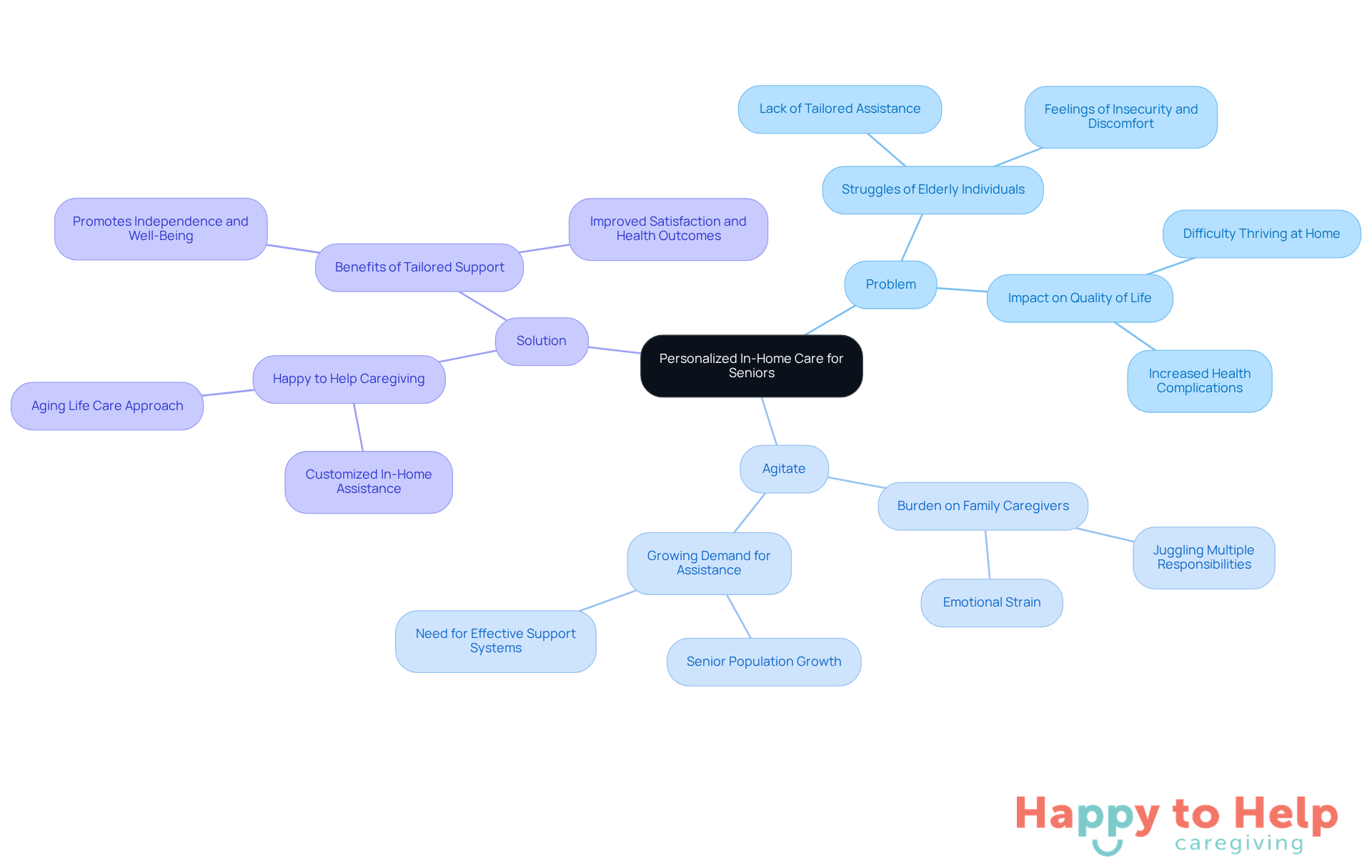
Problem: Many elderly individuals struggle with maintaining their quality of life due to a lack of tailored in-home assistance. This can lead to feelings of insecurity and discomfort, making it difficult for them to thrive in their familiar surroundings.
Agitate: The emotional and physical needs of seniors are often overlooked, placing a heavy burden on family caregivers who juggle multiple responsibilities. As the senior population grows rapidly-five times faster than the overall population-the demand for personalized in-home assistance is expected to rise significantly. This situation creates a pressing need for effective support systems that can alleviate the strain on both seniors and their caregivers.
Solution: Happy to Help Caregiving excels in providing customized in-home assistance through aging life care, specifically designed for elderly individuals. By prioritizing individual preferences and lifestyles, caregivers can create a nurturing environment that promotes independence and well-being. Effective individualized support initiatives in aging life care have shown that when older adults receive assistance tailored to their specific requirements, their overall satisfaction and health outcomes improve markedly.
As economist Jonathan Gruber states, "This is approaching us, and we are going to have this generate a significant demand for long-term assistance." This dedication to personalized care is crucial in ensuring that older adults feel valued and supported, ultimately enhancing their quality of life.
Companionship Care: Alleviating Loneliness for Seniors
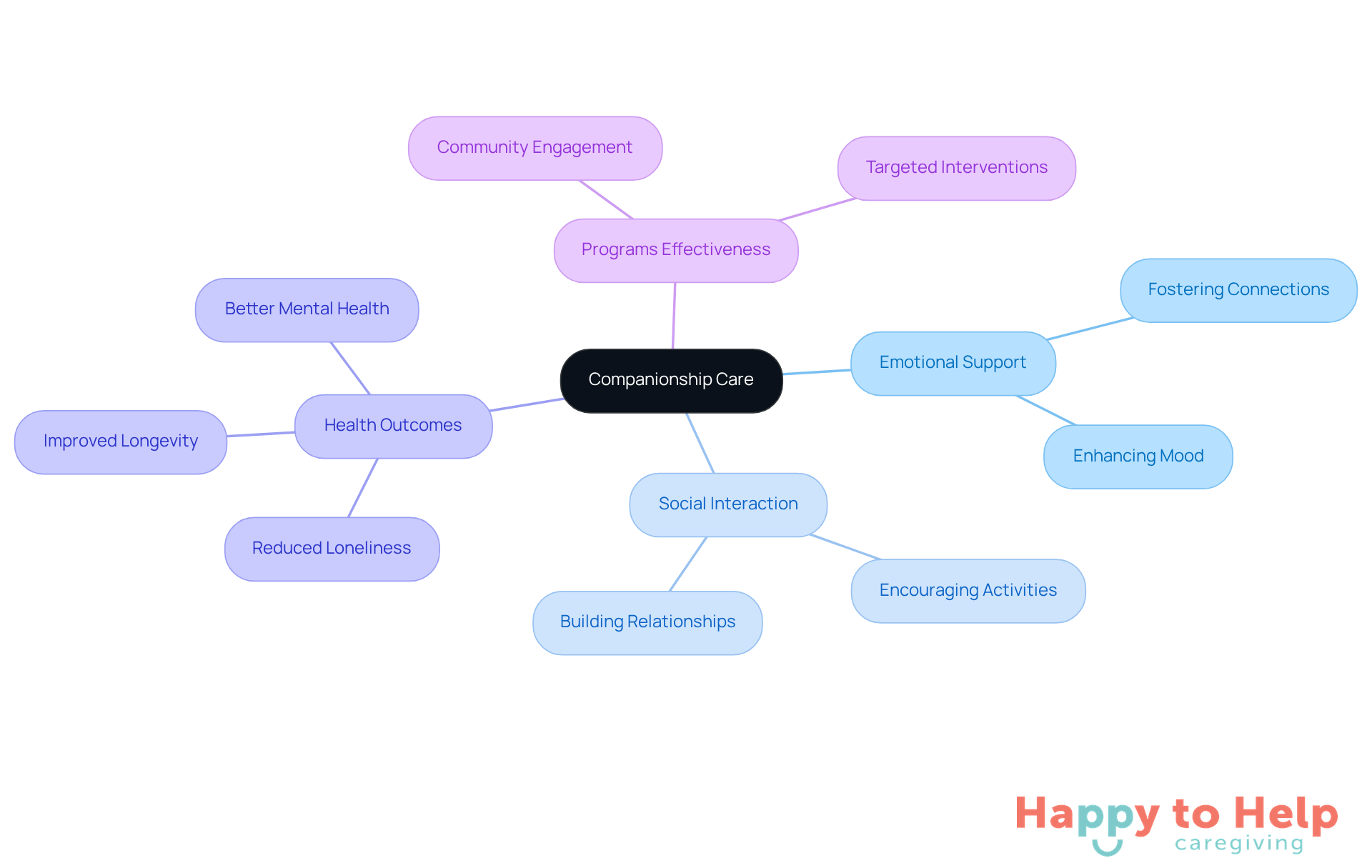
Loneliness and isolation among older adults pose significant challenges, impacting their mental and physical health. Studies indicate that persistent loneliness can elevate the risk of serious medical issues, including stroke, heart conditions, and cognitive decline. This highlights the urgent need for effective aging life care to address these concerns.
Companionship care serves as a vital solution, offering emotional support and encouraging social interaction. Caregivers engage clients in meaningful discussions and activities, fostering connections that are crucial for mental well-being. By promoting an active lifestyle, companionship care can enhance mood and overall quality of life.
Research shows that older adults who maintain social connections enjoy better health outcomes and increased longevity. Programs centered on companionship have proven effective in alleviating feelings of loneliness. By prioritizing companionship support, caregivers can significantly improve aging life care for older adults, helping them feel valued and connected, which ultimately enhances their lives and promotes healthier aging.
Post-Hospital Recovery Assistance: Supporting Smooth Transitions
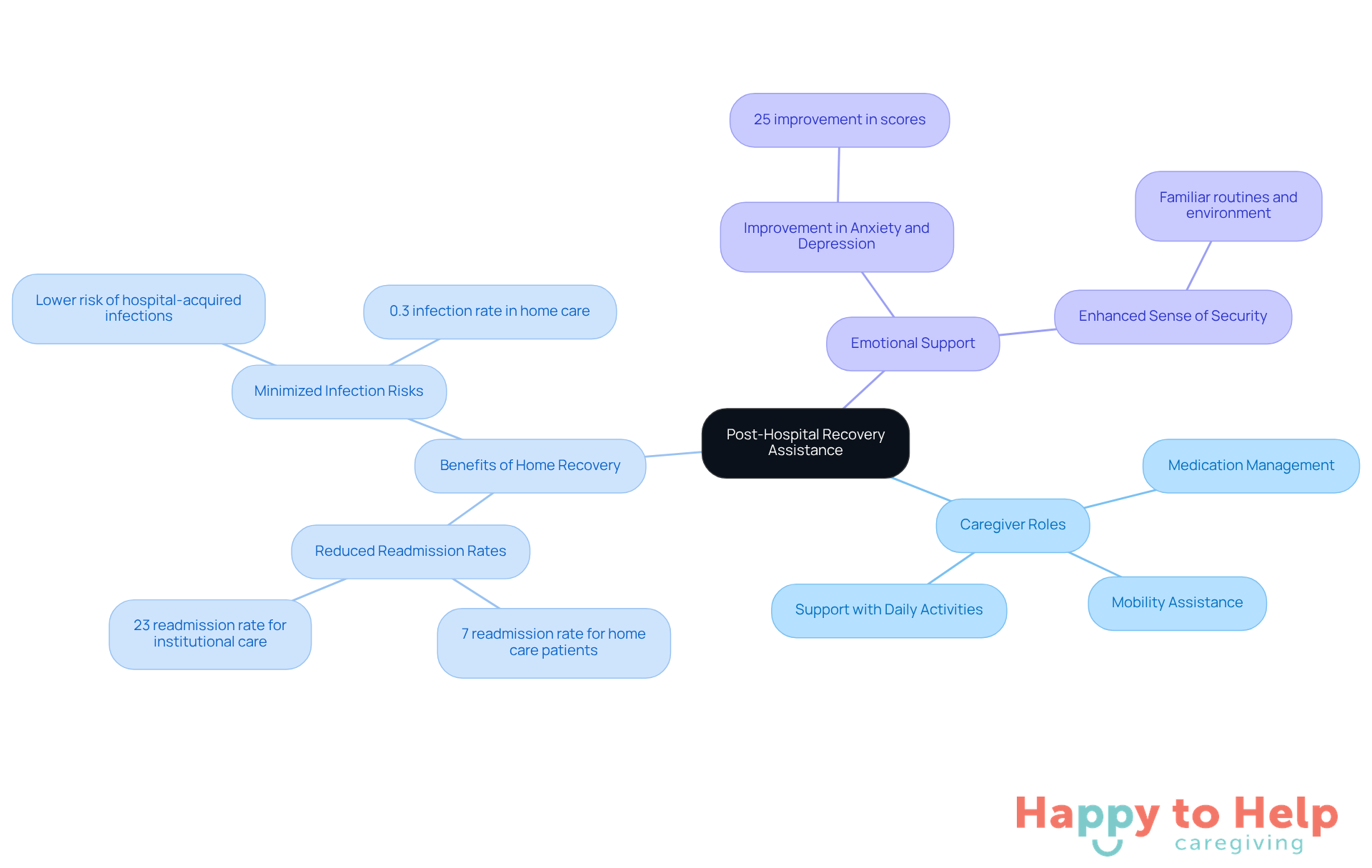
Post-hospital recovery assistance is crucial for seniors transitioning from hospital to home. Without proper support, these individuals face significant challenges, including the risk of hospital readmissions and infections. In fact, studies reveal that only 7% of home patients are readmitted within 30 days after surgery, compared to 23% of those treated in facilities. This stark difference highlights the importance of effective home care.
Caregivers play a vital role in this process by delivering essential services such as:
- Medication management
- Mobility assistance
- Support with daily activities
These services not only ensure that clients recover safely and comfortably in their familiar surroundings but also significantly reduce the likelihood of complications. Furthermore, home recovery minimizes the risk of hospital-acquired infections, enhancing safety during the recovery process.
The emotional and physical support provided by caregivers fosters a smoother recovery experience. Patients receiving home assistance report a 25% improvement in anxiety and depression scores, illustrating the positive impact of personalized care. Recovering at home allows patients to sleep in their own beds and engage in familiar routines, contributing to a sense of security and well-being.
By addressing both the practical and emotional needs of seniors, support providers in aging life care facilitate a seamless transition that enhances overall independence. Caregivers can implement actionable strategies to ensure that their clients receive the best possible care during this critical time.
Respite Care: Easing the Burden on Family Caregivers
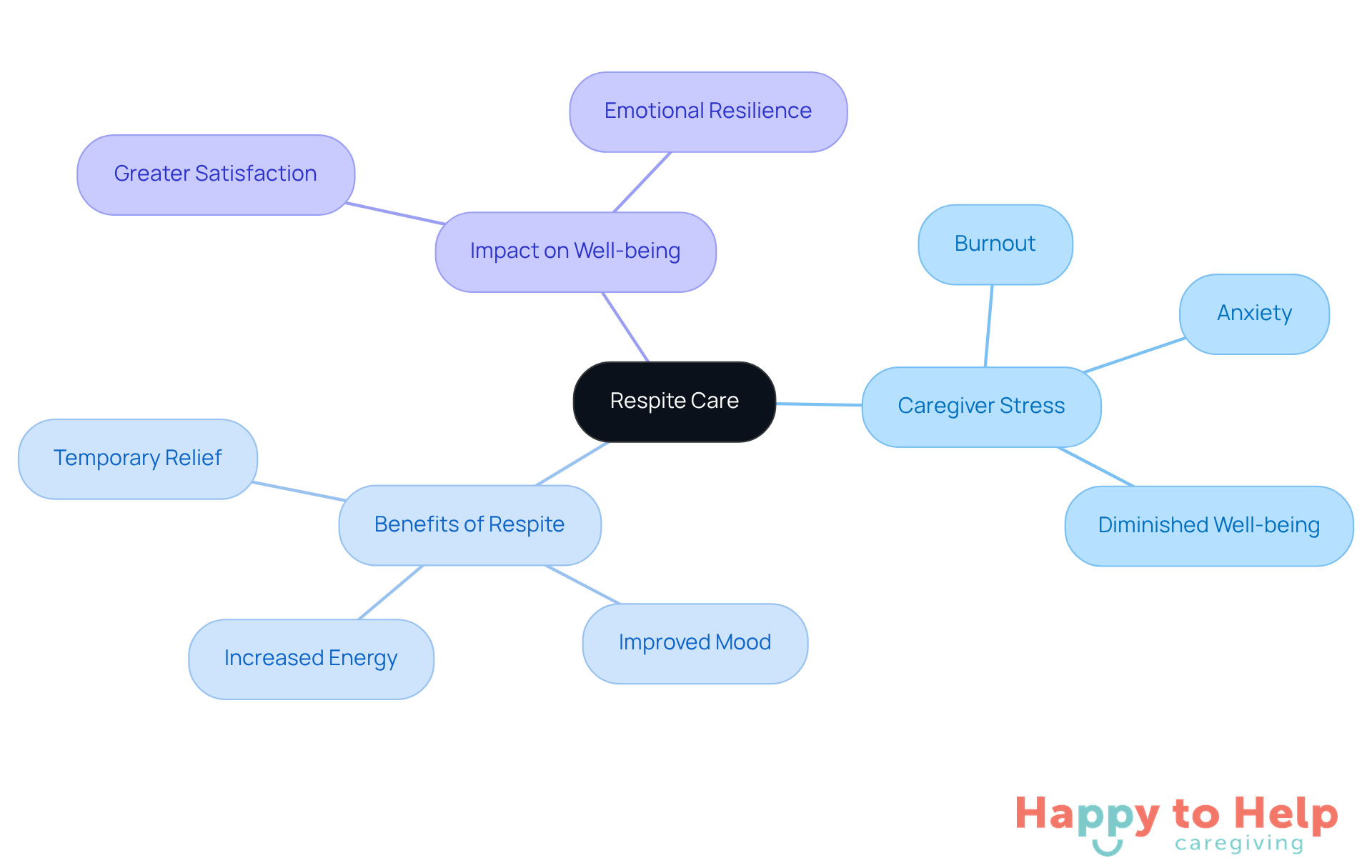
Caregivers often face significant stress and burnout due to their demanding roles. This pressure can lead to anxiety and diminished well-being, impacting both the caregiver and the individual receiving care. Without adequate breaks, caregivers may struggle to provide the quality assistance their loved ones need.
Respite support offers a vital solution, providing temporary relief that allows caregivers to recharge. This service can be tailored to meet various needs, ranging from just a few hours to several days. Research shows that regular respite significantly reduces stress and anxiety levels among caregivers, leading to improved moods and increased energy. In fact, studies indicate that caregivers who utilize respite services report greater satisfaction in their roles, returning revitalized and more focused.
Moreover, respite assistance enhances the overall experience for both caregivers and those they support. By allowing caregivers to engage in recreational activities and reconnect with friends and family, respite support fosters emotional resilience and boosts social interaction. Experts emphasize that these breaks are crucial for maintaining mental health, especially for those facing overwhelming demands. As one specialist noted, "Regardless of the age or condition of the individual who is offering assistance, respite support is one of the most-frequently requested support services for providers." This underscores the widespread need for such services within the caregiving community, highlighting the transformative impact of respite support on caregiver well-being.
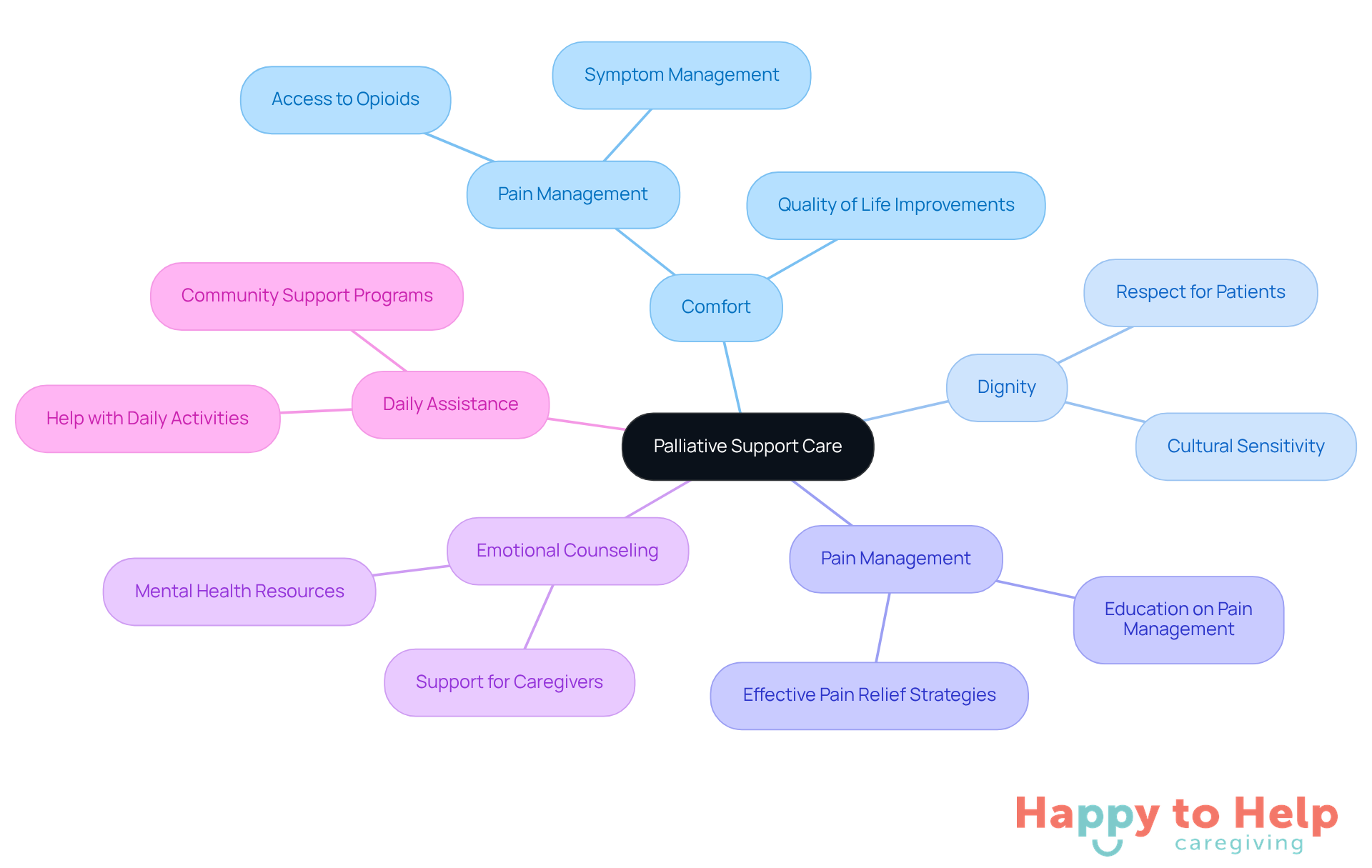
Palliative Support Care: Enhancing Comfort and Dignity
Palliative support is crucial for seniors facing serious illnesses, as it enhances their comfort and dignity. Caregivers often struggle with providing comprehensive support that includes effective pain management, emotional counseling, and assistance with daily activities. This lack of support can lead to diminished quality of life for clients, making it essential to address these challenges.
By focusing on dignity, palliative support allows individuals to navigate difficult times with grace and respect. It fosters an environment where they can truly flourish despite their circumstances. As Dr. Lawrence Gostin notes, authentic palliation must be integrated throughout the medical and social system, emphasizing the need for support that respects the person behind the illness.
Recent advancements in palliative support delivery have improved sustainability and access for vulnerable patient groups, as highlighted by Dr. Andrew Esch. This reinforces the significance of incorporating palliative support into daily health practices. Statistics show that early hospice support can significantly improve quality of life and reduce unnecessary hospital admissions, making it an essential element of care for older adults.
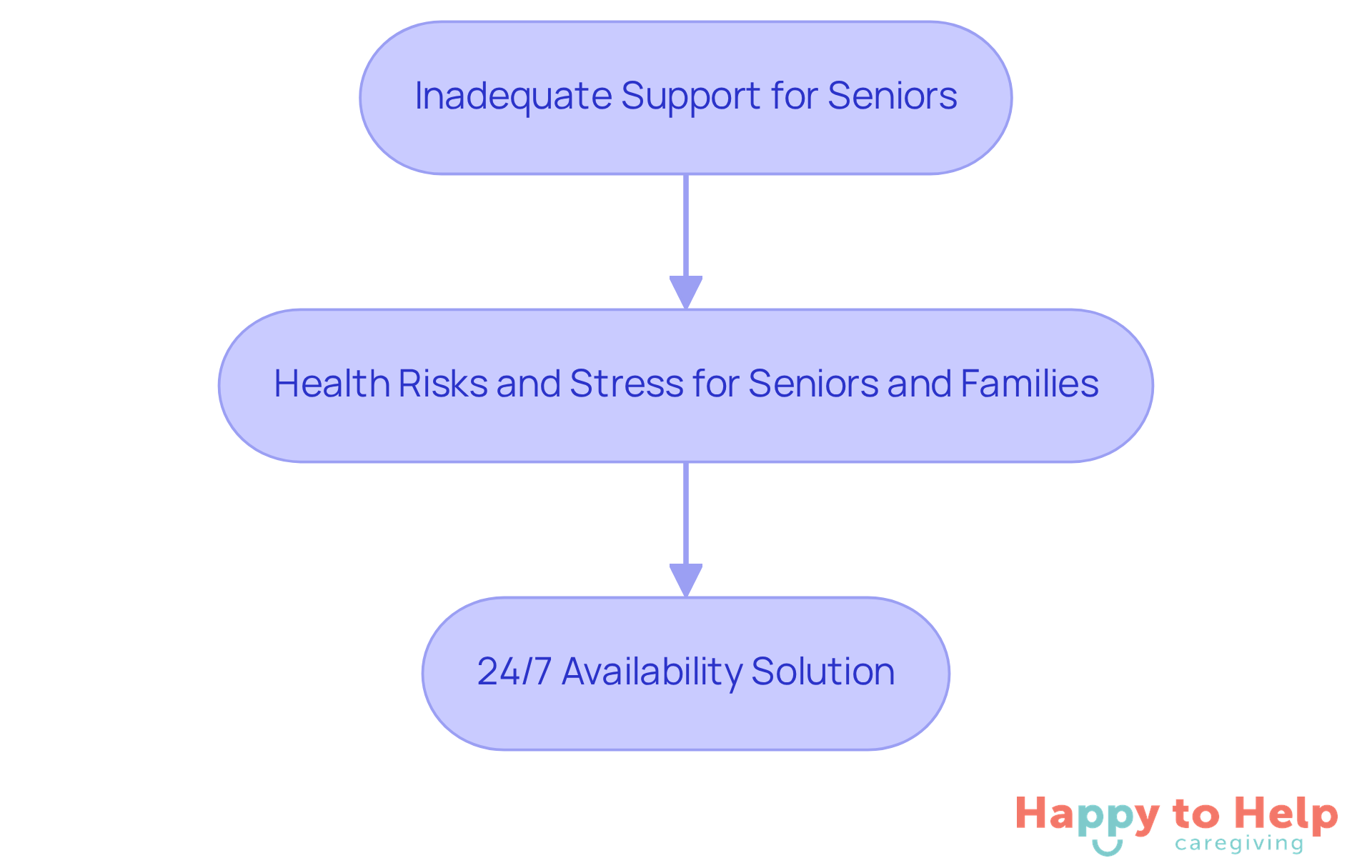
24/7 Availability: Ensuring Continuous Support for Seniors
Many seniors face complex health needs and emergencies that require constant support through aging life care. This can be a significant concern for families who worry about their loved ones being alone in times of need.
-
Agitate: The implications of inadequate support can be serious. Without immediate assistance, aging life care for seniors may be crucial during emergencies, as they could struggle, leading to increased health risks and stress for both them and their families.
-
Solution: Happy to Help Caregiving addresses this issue with 24/7 availability, ensuring that seniors receive continuous support whenever they need it. Families can rest assured knowing that their loved ones are never alone and that help is always just a call away.
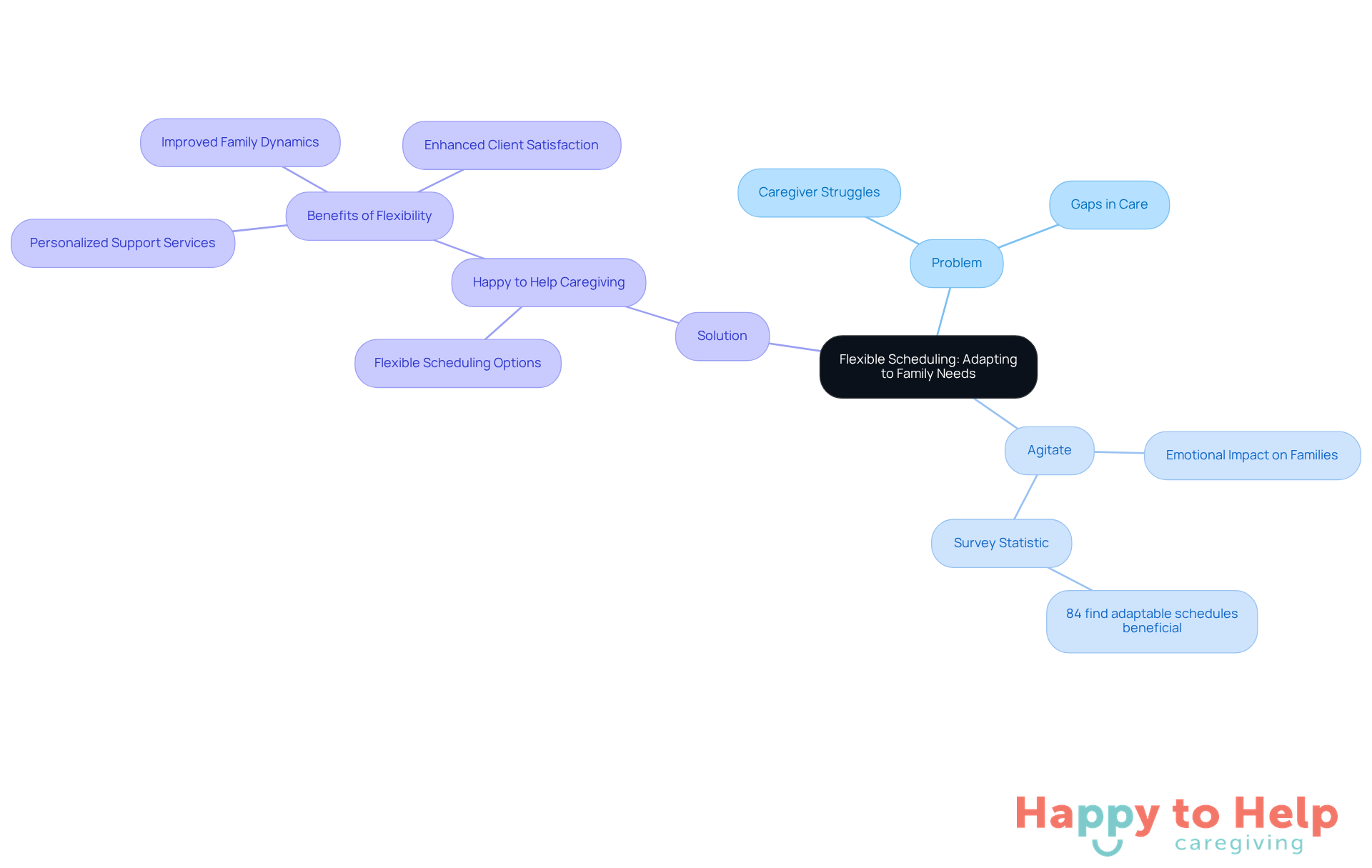
Flexible Scheduling: Adapting to Family Needs
Problem: Many families face challenges in providing adequate support for their loved ones due to rigid scheduling. Caregivers often struggle to balance their availability with the needs of seniors, leading to gaps in care and increased stress for families.
Agitate: This lack of flexibility can disrupt daily routines, leaving families feeling overwhelmed and unsure about how to manage their caregiving responsibilities. Families have expressed that maintaining their daily lives while ensuring their loved ones receive necessary support is crucial. A survey revealed that 84% of family supporters find adaptable work schedules very beneficial for balancing employment and caregiving duties, underscoring the importance of this issue.
Solution: Adaptable scheduling is a fundamental aspect of Happy to Help Caregiving, allowing families to personalize support services based on their unique needs. Caregivers can adjust their availability to provide assistance during the day, overnight, or on weekends, ensuring timely support for seniors. This flexibility not only accommodates individual family routines but also enhances overall satisfaction for clients and their loved ones. Effective models of aging life care demonstrate that when caregivers can modify their schedules, it leads to improved family dynamics and a greater sense of security for older adults. As Jenna Kellerman notes, "Flexible scheduling benefits team members and providers alike," highlighting the mutual advantages of such arrangements. By prioritizing the specific needs of families, Happy to Help Caregiving fosters an environment where clients feel valued and supported, ultimately enhancing their quality of life.
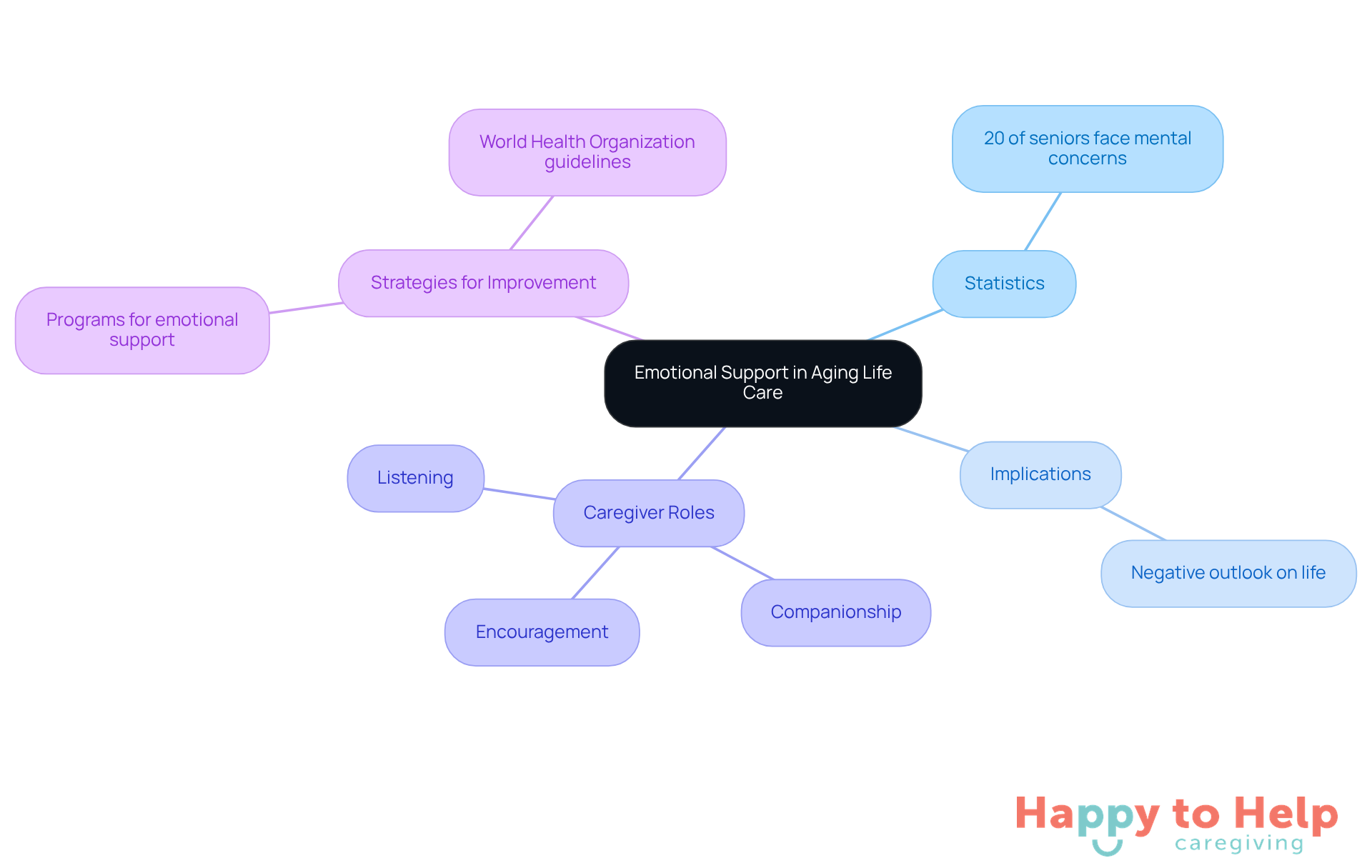
Emotional Support: Fostering Mental Well-Being
Emotional support is a critical issue in aging life care services, particularly for seniors. Many older adults face feelings of loneliness and depression, with about 20% of individuals aged 55 and above experiencing some form of mental concern. This emotional neglect can lead to a decline in mental well-being, making it essential for caregivers to address these needs effectively.
The implications of inadequate emotional support are significant. Seniors who feel disconnected may struggle with their mental health, leading to a negative outlook on life. Studies show that strong social ties can greatly reduce feelings of loneliness and depression, highlighting the need for caregivers to foster these connections.
To combat this issue, Happy to Help Caregiving trains caregivers in aging life care to effectively identify and respond to the emotional needs of seniors. By providing companionship, encouragement, and a compassionate listening ear, caregivers can help clients feel valued and connected. Programs that prioritize emotional support have been shown to enhance life satisfaction and reduce depressive symptoms, demonstrating the importance of integrating mental wellness strategies into aging life care.
Moreover, the World Health Organization emphasizes the necessity of enhancing mental health support for older adults. By creating an environment where seniors feel emotionally supported, caregivers play a vital role in aging life care, which promotes mental resilience and overall well-being, ultimately leading to an improved quality of life.
Technology Integration: Enhancing Care Management
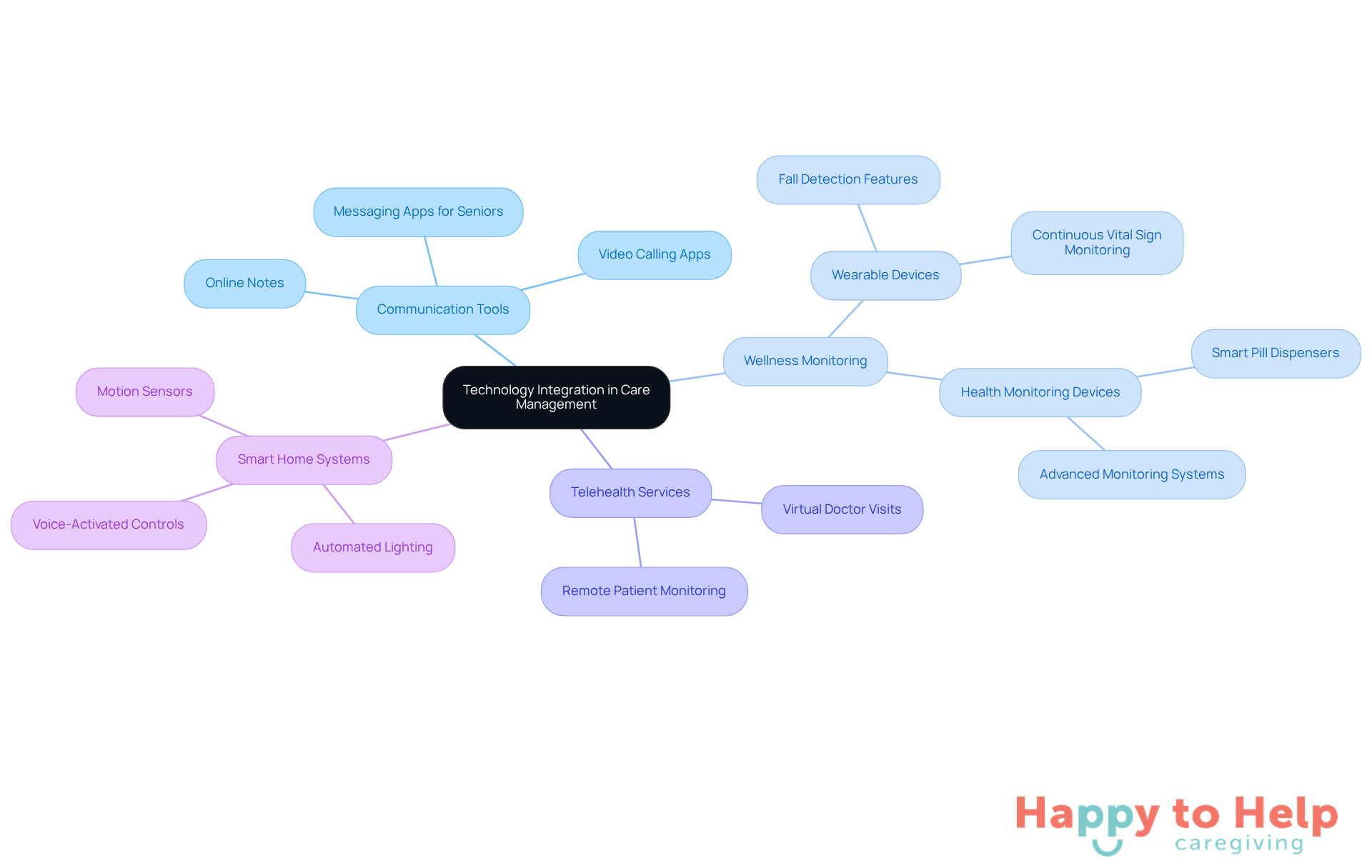
Caregiving often presents significant challenges, particularly in managing communication and care coordination. With approximately 93% of individuals aged 65 and older living with at least one chronic condition, the need for ongoing medical monitoring is crucial for timely interventions. This situation can leave families feeling anxious about their loved ones' well-being.
Emerging healthcare technologies can alleviate these concerns. Tools like online notes for family members and advanced wellness monitoring devices provide real-time updates, ensuring smooth coordination of care. These innovations not only enhance caregiving efficiency but also offer families peace of mind, allowing them to stay informed about their loved ones.
As Sadie Mays notes, such technologies empower older adults to live healthier, more independent lives while maintaining dignity and comfort. Smart home systems and wearable devices enable providers to respond quickly to changes in health, ensuring that older adults receive prompt assistance when needed. Additionally, telehealth services eliminate transportation barriers for seniors with mobility challenges, connecting them with healthcare providers without the stress of travel.
This comprehensive approach to technology enhances service management and strengthens family communication, fostering a supportive atmosphere for both caregivers and their loved ones. By embracing these solutions, caregivers can navigate the complexities of caregiving with greater confidence and effectiveness.
Personalized Care Plans: Tailoring Support to Individual Needs
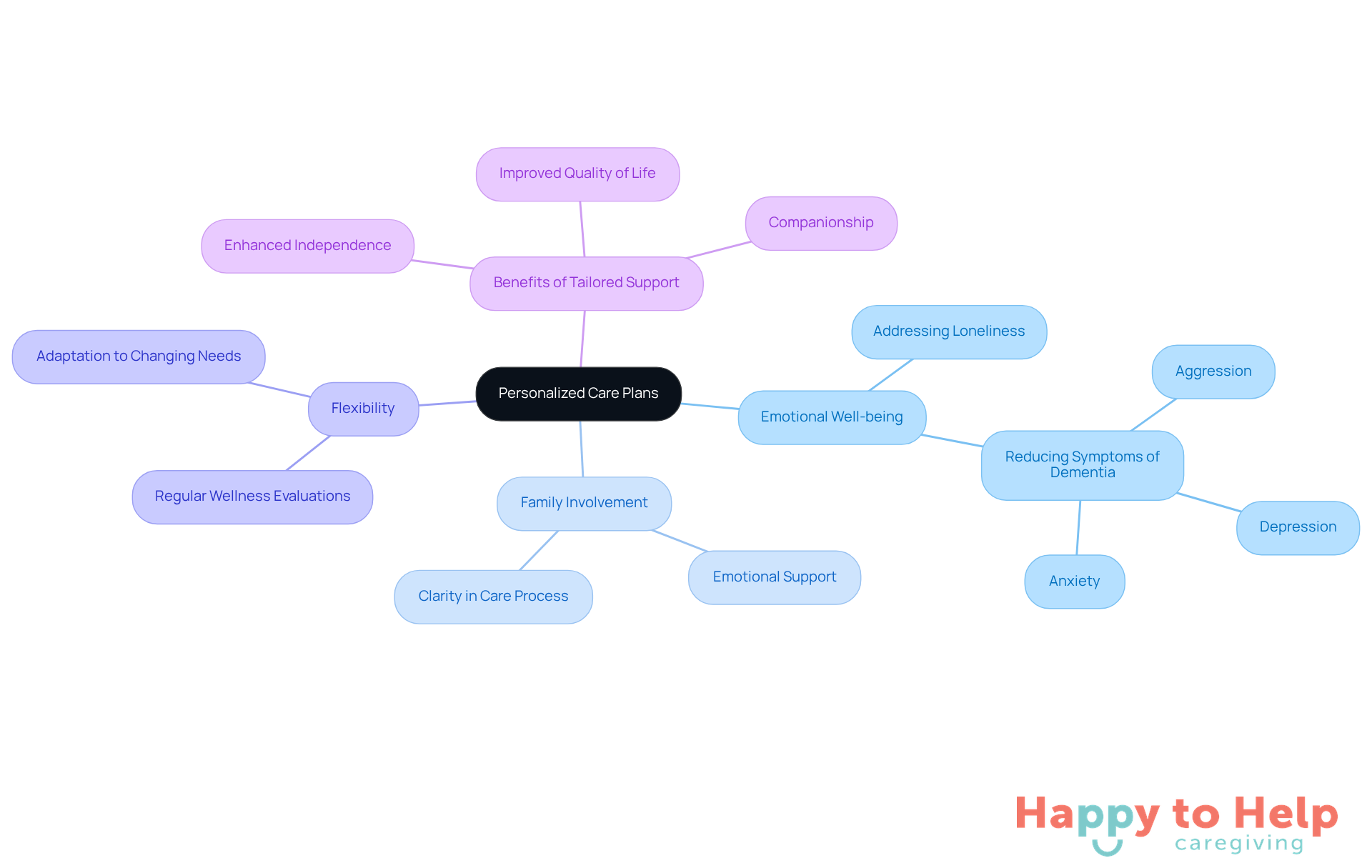
Many older adults struggle with receiving adequate support tailored to their unique needs within the framework of aging life care, which can lead to feelings of loneliness and diminished quality of life.
Agitate: This lack of personalized care can exacerbate emotional issues, such as depression and aggression, particularly in those with conditions like dementia. Without proper support, families may also feel overwhelmed and uncertain about how to best assist their loved ones.
At the heart of Happy to Help Caregiving's philosophy are personalized support plans focused on aging life care, meticulously crafted in collaboration with clients and their families. These plans for aging life care consider individual preferences, health conditions, and lifestyle choices, ensuring that older adults receive the specific support they need to thrive. This tailored approach not only promotes independence but also significantly enhances overall quality of life through aging life care.
Research indicates that individualized support plans within aging life care can improve emotional well-being by addressing loneliness through companionship. For instance, older adults with dementia often experience reduced symptoms like aggression and depression when provided with tailored support.
Moreover, effective personalized support plans in aging life care include regular wellness evaluations and modifications based on evolving needs. This flexibility is crucial, as it allows caregivers to respond swiftly to any health changes, thereby improving health outcomes and fostering a sense of security for both elderly individuals and their families. Additionally, these plans help alleviate the emotional strain on families by providing clarity and assurance throughout the support process.
By placing seniors at the center of their aging life care, these plans empower them to maintain control over their lives, reinforcing their dignity and enhancing their overall well-being.
Moving Forward with Aging Life Care Services
The importance of personalized aging life care services cannot be overstated, particularly for family caregivers who often face overwhelming responsibilities. This situation creates significant emotional and physical burdens, making it essential to address these challenges head-on.
Tailored support not only enhances the quality of life for seniors but also alleviates the stress on caregivers. By focusing on individual needs and preferences, caregivers can create environments that promote independence and well-being for older adults.
Several essential services can help caregivers manage their responsibilities more effectively:
- Companionship care combats loneliness
- Post-hospital recovery assistance ensures smoother transitions
- Respite care provides necessary breaks to ease caregiver stress
Moreover, integrating technology and developing personalized care plans are crucial for effective management and support. Each of these elements contributes to a holistic approach that prioritizes the dignity and comfort of seniors, ultimately leading to improved health outcomes and increased satisfaction for both caregivers and their loved ones.
Recognizing the significance of these aging life care services is vital for families navigating the complexities of caregiving. Embracing personalized support systems can transform the caregiving experience, ensuring that seniors receive the care they deserve while empowering families to maintain their own well-being. By advocating for and implementing these essential services, families can create a brighter, more fulfilling future for both caregivers and the seniors they support.
https://iframe.tely.ai/cta/eyJhcnRpY2xlX2lkIjogIjY5MjNhMGJjYzVlZWQyYmRiNTU3YmYyOSIsICJjb21wYW55X2lkIjogIjY4ZWU1ZGNhNzMxNzYyNTU3ZjNjOTVjMSIsICJpbmRleCI6IG51bGwsICJ0eXBlIjogImFydGljbGUifQ==Frequently Asked Questions
What is the main problem addressed by Happy to Help Caregiving?
The main problem is that many elderly individuals struggle with maintaining their quality of life due to a lack of tailored in-home assistance, leading to feelings of insecurity and discomfort.
Why is there a pressing need for personalized in-home assistance for seniors?
The senior population is growing rapidly, five times faster than the overall population, which increases the demand for personalized in-home assistance and creates a need for effective support systems to alleviate the strain on seniors and their caregivers.
How does Happy to Help Caregiving provide support to seniors?
Happy to Help Caregiving offers customized in-home assistance through aging life care, focusing on individual preferences and lifestyles to create a nurturing environment that promotes independence and well-being.
What is companionship care and why is it important for seniors?
Companionship care provides emotional support and encourages social interaction, which is vital for addressing loneliness and isolation among older adults. It fosters meaningful connections and promotes an active lifestyle, enhancing mood and overall quality of life.
How does companionship care impact the health of older adults?
Research shows that older adults who maintain social connections enjoy better health outcomes and increased longevity. Programs centered on companionship have been effective in alleviating feelings of loneliness.
What role does post-hospital recovery assistance play for seniors?
Post-hospital recovery assistance helps seniors transition from hospital to home, reducing the risk of hospital readmissions and infections while providing essential services like medication management, mobility assistance, and support with daily activities.
What are the benefits of receiving home recovery assistance?
Home recovery assistance ensures that clients recover safely and comfortably, reduces the likelihood of complications, minimizes the risk of hospital-acquired infections, and fosters a smoother recovery experience, improving anxiety and depression scores.
How do caregivers contribute to the post-hospital recovery process?
Caregivers provide emotional and physical support, helping seniors manage their recovery in familiar surroundings, which contributes to a sense of security and enhances overall independence.
List of Sources
- Happy to Help Caregiving: Personalized In-Home Care for Seniors
- CVS Health is shaping a more connected care experience for older adults (https://cvshealth.com/news/health-equity/cvs-health-is-shaping-a-more-connected-care-experience-for-older-adults.html)
- What Can Personalized Home Care Offer to the Elderly - Affirmed Homecare (https://affirmedhomecare.com/news/what-can-personalized-home-care-offer-to-the-elderly)
- How Personalized In-Home Care can Improve Seniors Quality of Life - Freedom Home Care (https://freedomhomecare.net/2024/11/21/how-personalized-in-home-care-can-improve-seniors-quality-of-life)
- The senior population is booming. Caregiving is struggling to keep up (https://cnbc.com/2025/11/21/senior-caregiving-labor.html)
- Trends and Innovations in Senior Care | Amada Blog (https://amadaseniorcare.com/2025/01/trends-and-innovations-in-senior-care)
- Companionship Care: Alleviating Loneliness for Seniors
- Social connection linked to improved health and reduced risk of early death (https://who.int/news/item/30-06-2025-social-connection-linked-to-improved-heath-and-reduced-risk-of-early-death)
- 1 in 3 older adults still experience loneliness and isolation (https://michiganmedicine.org/health-lab/1-3-older-adults-still-experience-loneliness-and-isolation)
- Trends in Loneliness Among Older Adults from 2018-2023 (https://ihpi.umich.edu/national-poll-healthy-aging/reports-and-resources/trends-loneliness-among-older-adults-2018-2023)
- Why Home Care Providers Are Increasingly Offering Companion Care Services for Seniors | Aaniie, formerly Smartcare Software (https://aaniie.com/news/why-home-care-providers-are-increasingly-offering-companion-care-services-for-seniors)
- Social isolation, loneliness in older people pose health risks | Alzheimers.gov (https://alzheimers.gov/news/social-isolation-loneliness-older-people-pose-health-risks)
- Post-Hospital Recovery Assistance: Supporting Smooth Transitions
- How Home Care Boosts Recovery Time (https://humancareny.com/blog/how-home-care-boosts-recovery-time)
- Home Care Impact on Recovery of Patient (A Statistics Report) (https://lovinghomecareinc.com/home-care-recovery-statistics)
- Sent Home To Heal, Patients Avoid Wait for Rehab Home Beds - KFF Health News (https://kffhealthnews.org/news/article/patients-rehab-at-home-unclog-hospital-bed-nursing-home-waiting-list)
- New Report: Medicare Advantage Patients Face Longer Hospital Stays, Reduced Access to Follow-Up Care (https://strengthenhealthcare.org/new-report-medicare-advantage-patients-face-longer-hospital-stays-reduced-access-to-follow-up-care)
- Respite Care: Easing the Burden on Family Caregivers
- Caregivers and the Importance of Respite Care (https://benedictineliving.org/resources/news/caregivers-and-the-importance-of-respite-care)
- How Respite Care Can Improve Mental Health of Caregivers (https://bucknercalderwoods.org/news-blog/how-respite-care-can-improve-mental-health-of-caregivers)
- Respite Services: A Critical Support for Family Caregivers (https://ltsschoices.aarp.org/resources-and-practices/respite-services-critical-support-for-family-caregivers)
- Improving Support for Family Caregivers (https://nationalacademies.org/news/2025/07/improving-support-for-family-caregivers)
- Palliative Support Care: Enhancing Comfort and Dignity
- Palliative Care News Archives (https://hospicenews.com/category/palliative-care-news)
- ‘A good death’: How compassionate care helps people navigate the end of life (https://news.yale.edu/2025/10/13/good-death-how-compassionate-care-helps-people-navigate-end-life)
- Why Palliative Care Should Be a Basic Human Right - Calvary Hospital (https://calvaryhospital.org/why-palliative-care-should-be-a-basic-human-right)
- Trends in palliative care utilization among older adult decedents with and without cancer in Taiwan: a population-based comparative study (https://sciencedirect.com/science/article/pii/S2666606525000161)
- Palliative care (https://who.int/news-room/fact-sheets/detail/palliative-care)
- 24/7 Availability: Ensuring Continuous Support for Seniors
- 2025 Home Care Statistics: Trends & Insights To Know (https://premierhcinc.com/blog/home-care-statistics)
- 24/7 Senior Care Services: What You Need to Know (https://allseniors.org/articles/24-7-senior-care-services-what-you-need-to-know)
- 28 Senior Care Statistics: In-Home & Assisted Living | Shortlister (https://myshortlister.com/insights/senior-care-statistics)
- The Incredible Benefits of Home Care, in 7 Amazing Stats - Companions For Seniors (https://companionsforseniors.com/2019/08/benefits-home-care-amazing-stats-trends-reports)
- Flexible Scheduling: Adapting to Family Needs
- Permanent Home Care Program Changes Give Families More Flexibility and Support - UIC Division of Specialized Care for Children (https://dscc.uic.edu/permanent-home-care-program-changes-give-families-more-flexibility-and-support)
- Embracing Flexible Scheduling Models in Aging Services: A Path Toward Workforce Stability (https://leadingage.org/embracing-flexible-scheduling-models-in-aging-services-a-path-toward-workforce-stability)
- Workplace flexibility is the most used, wanted benefit among caregivers: AARP (https://thehill.com/homenews/4668936-aarp-workplace-flexibility-most-used-wanted-benefit-caregivers)
- New U.S. Workforce Report: Nearly 70% of Family Caregivers Report Difficulty Balancing Career and Caregiving Responsibilities, Spurring Long-Term Impacts to U.S. Economy (https://press.aarp.org/2024-5-16-US-Workforce-Report-70-Caregivers-Difficulty-Balancing-Career-Caregiving-Responsibilities)
- Flexible Care Models Give Home Care Clients ‘What They Want When They Want It’ (https://homehealthcarenews.com/2025/10/flexible-care-models-give-home-care-clients-what-they-want-when-they-want-it)
- Emotional Support: Fostering Mental Well-Being
- How to Better Address Mental Health Needs of Older Adults (https://ncoa.org/article/why-we-must-address-the-rising-mental-health-needs-of-our-growing-older-adult-population)
- Mental health of older adults (https://who.int/news-room/fact-sheets/detail/mental-health-of-older-adults)
- The Essential Role of Mental Health in Senior Care (https://providermagazine.com/Articles/Pages/The-Essential-Role-of-Mental-Health-in-Senior-Care.aspx)
- The Silent Struggle: Caregiver Stress and the Need for Support | Tahoe Forest Health System (https://tfhd.com/news/the-silent-struggle-caregiver-stress-and-the-need-for-support)
- Caregiving is taking a toll on the mental health of millions of Americans (https://npr.org/2025/01/26/nx-s1-5271537/caregiving-is-taking-a-toll-on-the-mental-health-of-millions-of-americans)
- Technology Integration: Enhancing Care Management
- Top healthcare trends of 2026: Aging in place is driving innovation in home-based care and technology (https://definitivehc.com/blog/aging-in-place-driving-innovation)
- Innovative Technologies Transforming Senior Care & Living (https://sgmays.org/technologies-transforming-senior-care)
- Inside the AI Companies Reshaping Caregiving for America’s 63 Million Caregivers (https://tech.yahoo.com/ai/meta-ai/articles/inside-ai-companies-reshaping-caregiving-173906213.html)
- Personalized Care Plans: Tailoring Support to Individual Needs
- Importance of Personalized Senior Home Care in Burlington NC (https://wisdomseniorcare.com/the-importance-of-personalized-care-plans-for-seniors)
- Benefits of Personalized Care Plans in Nursing Homes (https://havenhealthaz.com/blog/benefits-of-personalized-care-plans-in-nursing-homes)
- Novel Care Model May Improve Outcomes for Older Adults With Multiple Chronic Conditions (https://consultqd.clevelandclinic.org/novel-care-model-may-improve-outcomes-for-older-adults-with-multiple-chronic-conditions)
- The Importance of Personalized Care Plans in Memory Care (https://bucknerparkwayplace.org/news-blog/the-importance-of-personalized-care-plans-in-memory-care)
- Customized Care at Home: The Benefits of Personalized Care Plans - VNA Health Group (https://vnahg.org/customized-care-at-home-the-benefits-of-personalized-care-plans)