

For families in our service areas
For families in our service areas, this guide explains caregiver support and how non-medical in-home caregiving can support care planning in East Idaho, Treasure Valley & Magic Valley, Northern Wasatch, North Central West Virginia, and Northeast Ohio.
Assisted Living at Home Services at a Glance
This article explores ten essential assisted living at home services that profoundly support family caregivers and enhance the quality of life for elderly individuals. It begins by acknowledging the emotional challenges caregivers face, such as stress and burnout, which often accompany their demanding roles.
Personalized care and companionship are highlighted as crucial components, addressing both the physical and emotional needs of seniors. These services not only provide essential support but also grant peace of mind to families, fostering a sense of security and comfort. Flexible scheduling further alleviates the pressures on caregivers, allowing them to balance their responsibilities with their own well-being.
Ultimately, these services lead to improved well-being and independence for seniors, creating a nurturing environment where they can thrive. The article reassures readers that they are not alone in their caregiving journey, offering encouragement and hope through the compassionate care available.
Understanding Assisted Living at Home Services
The landscape of elder care is evolving, and more families are recognizing the profound benefits of assisted living at home services. These personalized solutions cater to the unique needs of older adults, significantly enhancing their quality of life by fostering independence and emotional well-being.
Yet, amidst the growing demand for such services, many caregivers grapple with the emotional challenges of providing the right support. Feelings of stress and burnout can weigh heavily on those who are dedicated to caring for their loved ones. What essential services can truly make a difference in the lives of seniors and their families?
This article explores ten key assisted living at home services that empower family caregivers and enrich the lives of elderly individuals. Together, we will uncover the compassionate care that can ease the burdens of caregiving and bring comfort and joy to both caregivers and their cherished seniors.
Happy to Help Caregiving: Personalized In-Home Care for Seniors
Happy to Help Caregiving is dedicated to providing customized assisted living at home services that are tailored to the unique needs of older adults. Our service focuses on enhancing the quality of life for individuals by providing assisted living at home services, including companionship, assistance with daily tasks, and emotional care. Our providers are trained to create personalized assistance strategies that reflect each client's preferences and lifestyle, ensuring that elderly individuals receive the support they need through assisted living at home services in the comfort of their own homes.
The significance of personalized care is underscored by its positive impact on the overall well-being of older adults. Caregivers not only deliver essential support but also cultivate meaningful relationships, which can help alleviate feelings of loneliness and isolation. This emotional connection is vital, as it enhances the quality of life for older adults, allowing them to thrive in familiar surroundings.
Current trends in in-home assistance services reveal an increasing preference for personalized support solutions, such as assisted living at home services. Families are increasingly recognizing the benefits of assisted living at home services, which provide tailored support addressing the specific health and lifestyle needs of older adults while promoting a proactive approach to well-being. As Catherine Park notes, "More families are choosing in-home assistance because it’s personal, flexible, and increasingly supported by technology and policy." This adaptability is crucial, especially as older adults face evolving health challenges.
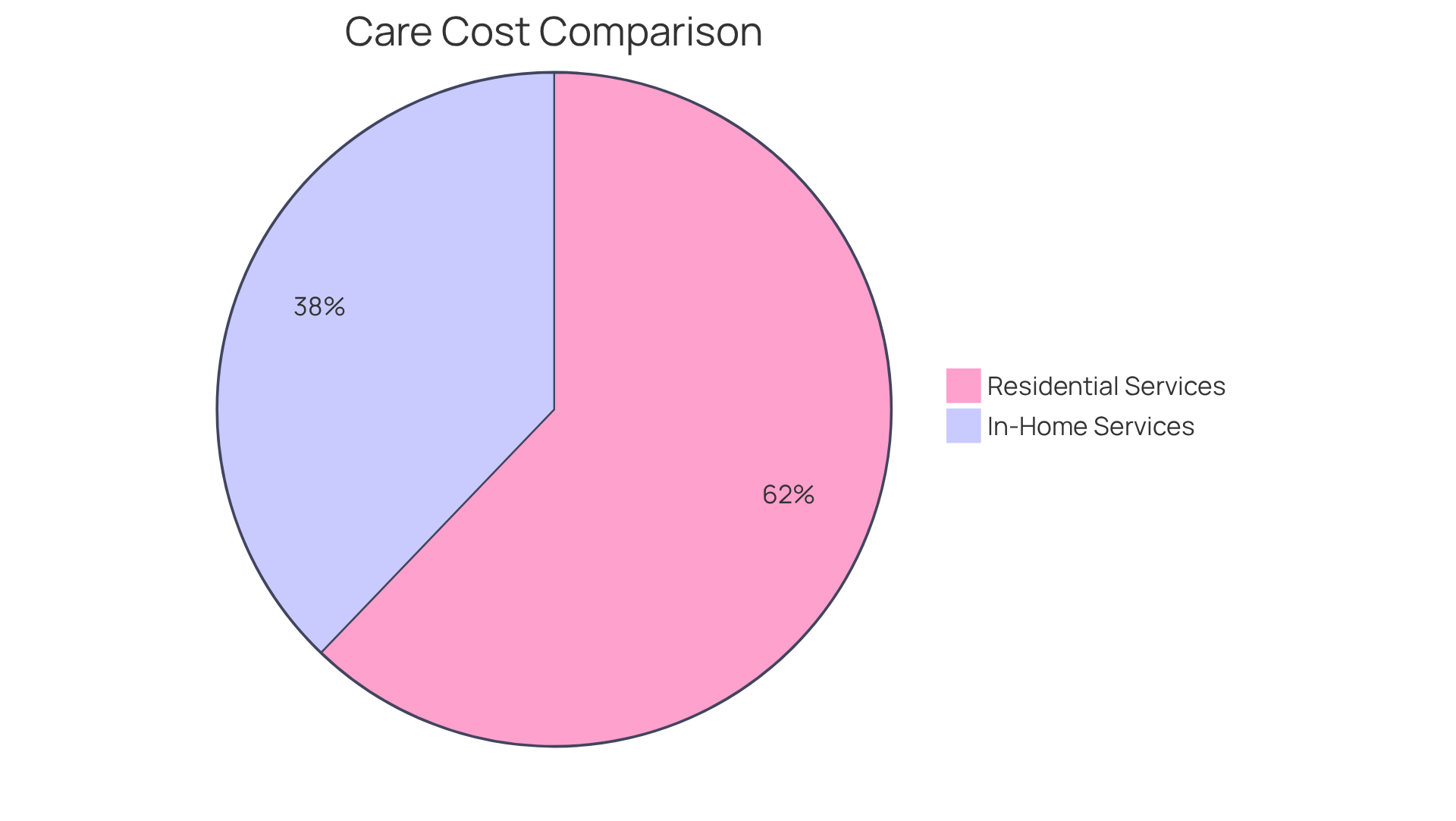
In conclusion, the advantages of customized support through assisted living at home services for the elderly are extensive. It provides peace of mind to families, alleviates concerns about their loved ones' well-being, and ensures that elderly individuals receive the professional assistance they require without the high costs associated with residential services, which average $10,646 monthly compared to $6,481 for in-home services. Happy to Help Caregiving stands out by offering compassionate, personalized support that truly makes a difference in the lives of elderly individuals and their families.
Emotional Support: Alleviating Loneliness for Seniors
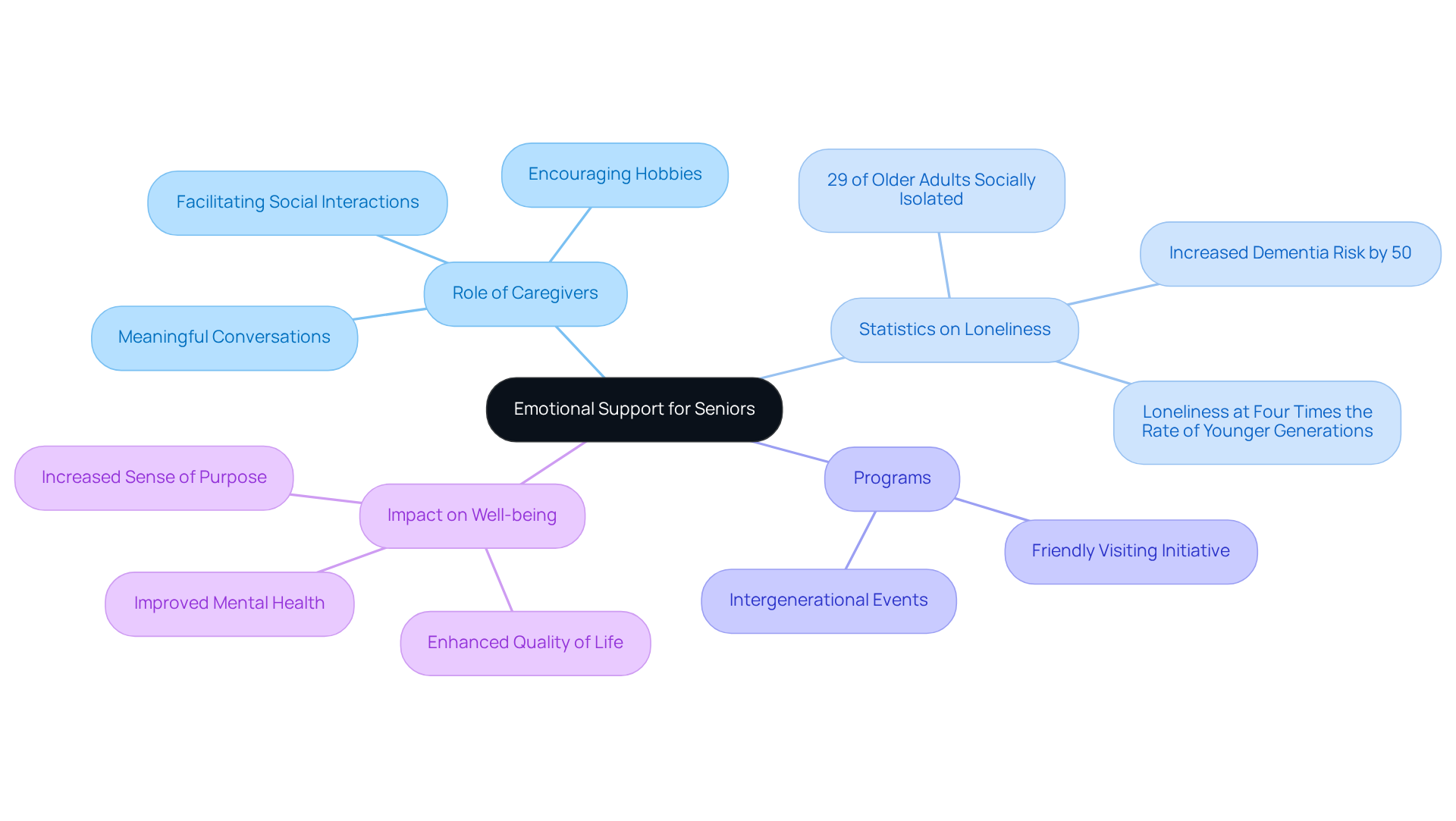
Emotional support plays a vital role in alleviating feelings of loneliness among older adults. Caregivers at Happy to Help Caregiving engage clients in meaningful conversations, encourage participation in hobbies, and facilitate social interactions. By fostering connections and providing companionship, caregivers help older adults maintain a sense of purpose and belonging, which is essential for their overall well-being.
Research suggests that 29% of older adults report being socially isolated, raising their risk of dementia by 50%. Furthermore, older adults experience loneliness at four times the rate of younger generations, underscoring the urgency of addressing this issue. Programs created to address loneliness, like NYC's Friendly Visiting initiative, which links homebound elderly individuals with younger volunteers, have demonstrated encouraging outcomes in improving emotional well-being.
By offering steady emotional assistance, assisted living at home services enable elderly individuals to adopt independence and enhance their quality of life, ultimately changing their daily experiences. As Suzanne Windland, Director of the Friendly Visiting program, observes, "the impact it has on the elderly's brain, physical, and mental well-being is remarkable." This compassionate care not only addresses immediate emotional needs but also fosters a nurturing environment where older adults can thrive.
Flexible Scheduling: Supporting Independence in Daily Life
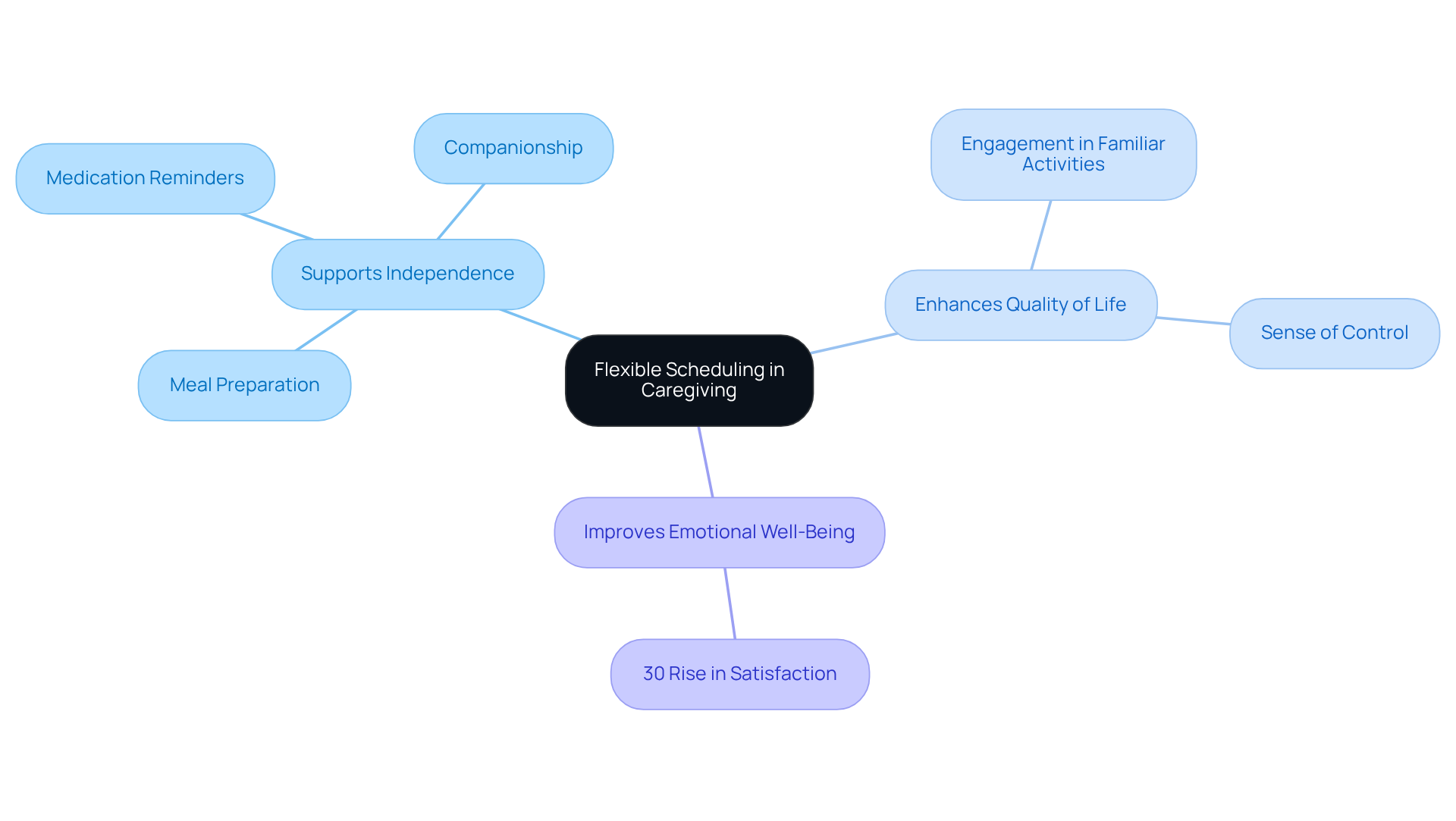
At Happy to Help Caregiving, we understand the emotional challenges that caregivers face. Flexible scheduling options are prioritized in assisted living at home services, allowing elderly individuals to receive care precisely when they need it. This adaptability is not just a convenience; it’s essential for supporting meaningful activities like meal preparation, medication reminders, and companionship.
Our caregivers provide assisted living at home services by aligning with the unique schedules of clients and their families to help maintain the independence of elderly individuals. More importantly, they foster a sense of normalcy in daily routines. Family caregivers have shared how this flexibility significantly enhances their loved ones' quality of life, enabling them to engage in familiar activities without disruption. As one family caregiver beautifully expressed, "The ability to choose when my mother receives help has made a world of difference; she feels more in control and happier."
Our effective, adaptable caregiving approaches demonstrate that when older adults can decide when and how they receive help through assisted living at home services, they experience greater satisfaction and independence. This ultimately leads to improved emotional and physical well-being. Statistics reveal that clients participating in flexible support models report a remarkable 30% rise in overall satisfaction, highlighting the profound impact of adaptable service options. We are here to provide the compassionate support that makes a difference.
Companionship Care: Enhancing Quality of Life for Seniors
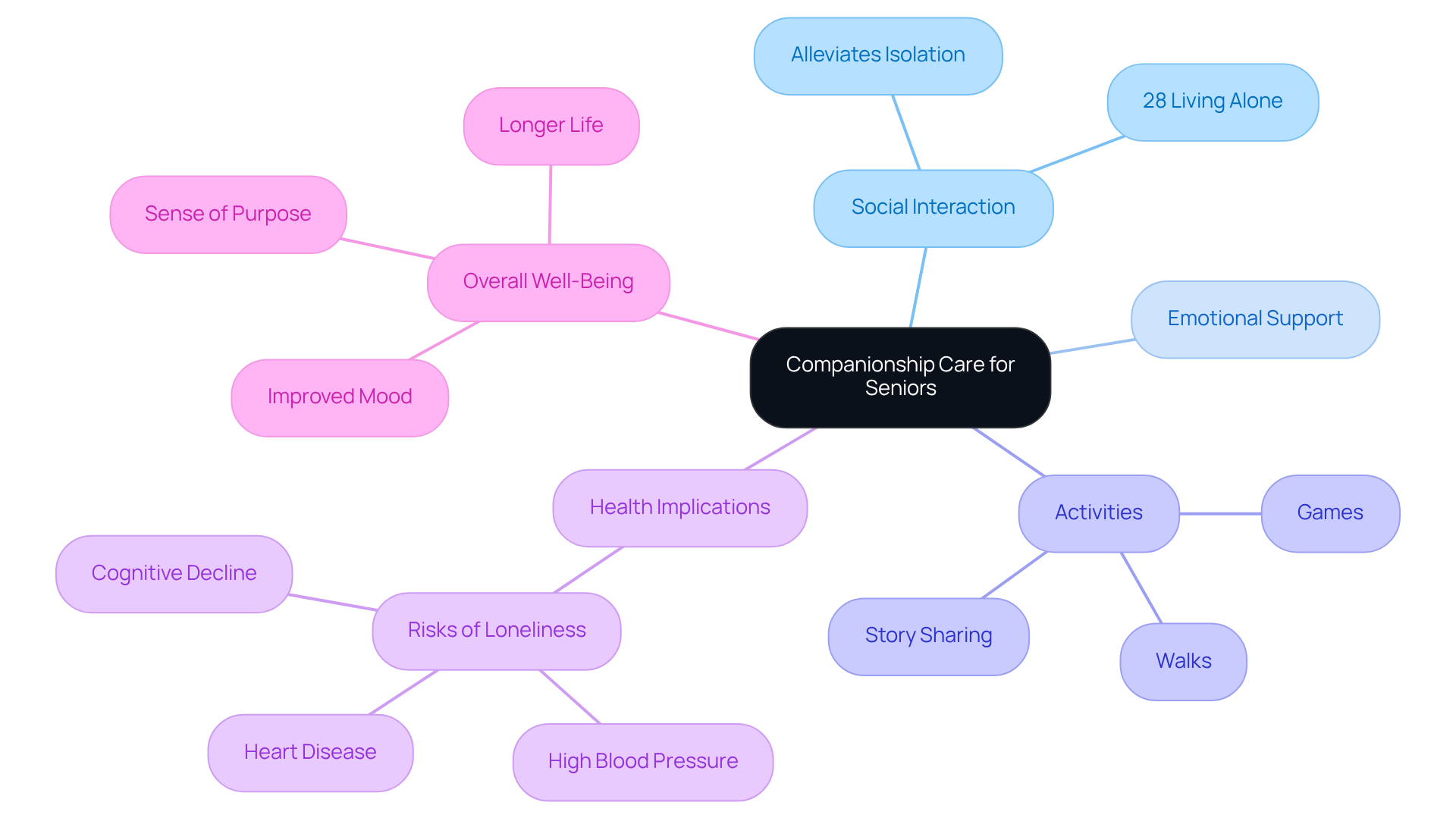
Companionship assistance plays an essential role in enhancing the quality of life for older adults. It encourages social interaction and offers emotional support, addressing the emotional challenges many face. With 28% of older adults in the U.S. living alone, the prevalence of social isolation underscores the significance of companionship assistance. Caregivers actively engage clients in enjoyable activities—such as playing games, going for walks, or sharing stories—which not only alleviates feelings of isolation but also stimulates mental activity and promotes emotional well-being.
Research shows that engaging in meaningful activities with others can lead to improved mood, a sense of purpose, and even a longer life. For instance, studies indicate that social engagement significantly contributes to better mental health outcomes, reducing the risks associated with loneliness and isolation. These risks are linked to various health issues, including high blood pressure, heart disease, depression, and cognitive decline. As Dr. Nancy Pedersen notes, "We need to identify people who are most prone to suffer from social isolation and loneliness and those who would benefit most from interventions."
By prioritizing these interactions, companionship support not only enriches seniors' lives but also helps them maintain a sense of connection and belonging. This ultimately makes a profound difference in their overall well-being, reminding us that every moment spent together counts.
Respite Care: Easing the Burden on Family Caregivers
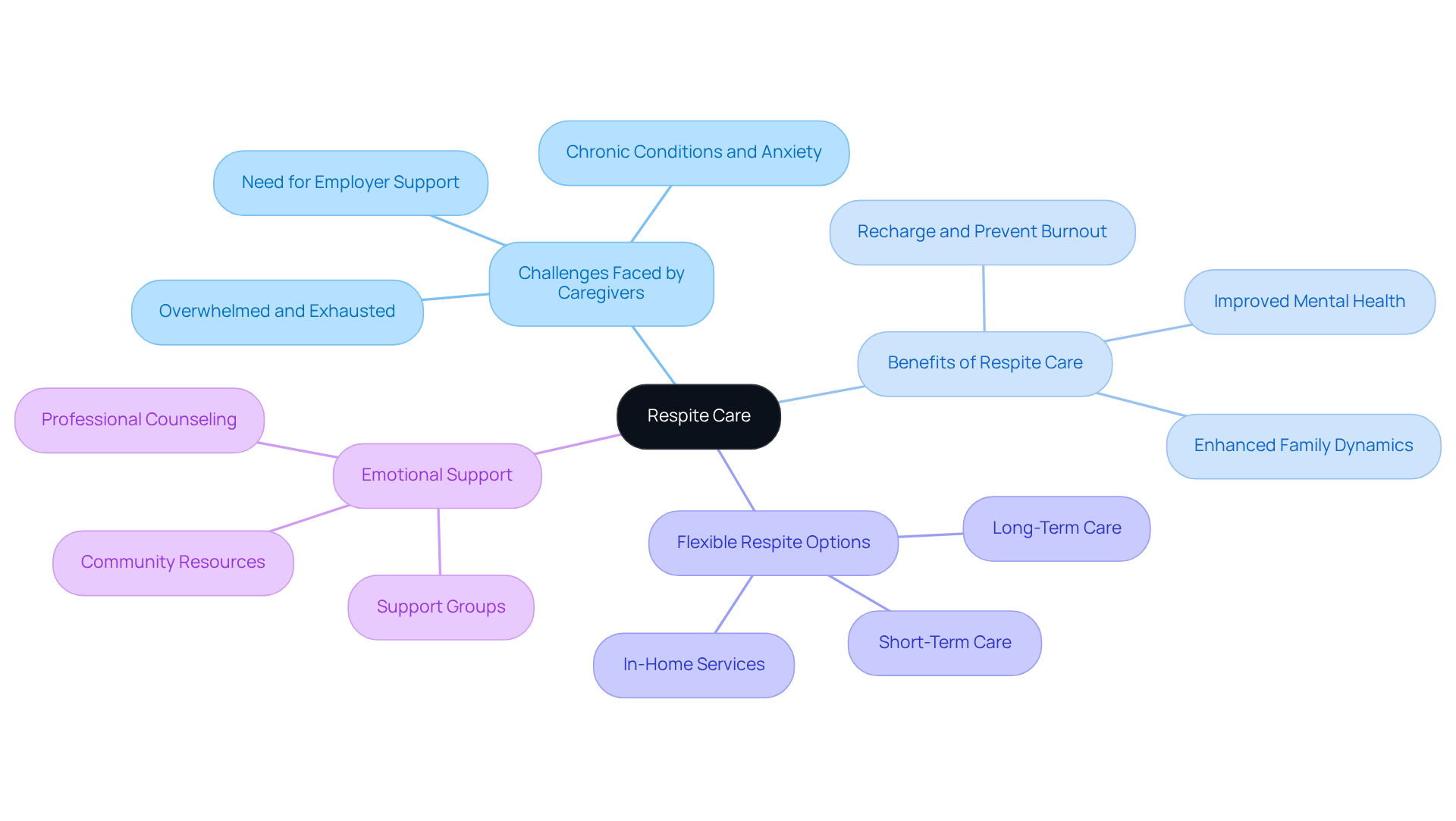
Caring for a loved one can be an incredibly demanding journey, often leaving family caregivers feeling overwhelmed and exhausted. Respite care provides a vital opportunity for these caregivers to take a much-needed break, all while ensuring their loved ones continue to receive the quality care they deserve.
Happy to Help Caregiving understands the emotional and practical challenges faced by caregivers. We offer flexible respite options, whether you need just a few hours or several days. This support allows caregivers to recharge, attend to their own needs, and ultimately prevents burnout.
By taking this time for themselves, caregivers can maintain a healthier balance in family dynamics. Remember, it’s not just about caring for others; it’s also about caring for yourself. You are not alone in this journey, and we are here to help you every step of the way.
Post-Hospital Recovery Assistance: Ensuring Safe Transitions
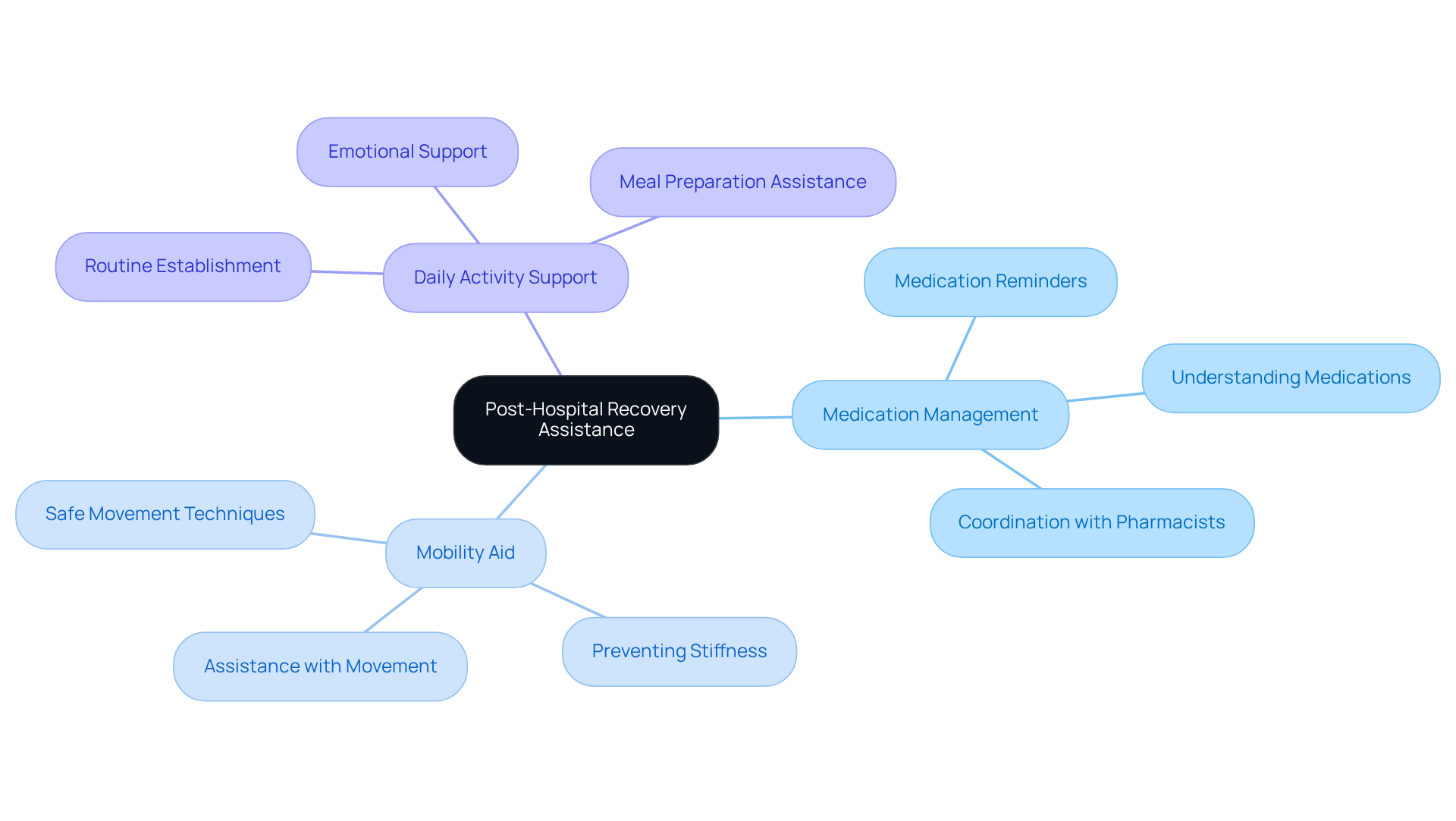
Post-hospital recovery support is vital for seniors transitioning from the hospital to their homes, especially when utilizing assisted living at home services. Caregivers at Happy to Help Caregiving offer compassionate assistance as part of their assisted living at home services, including:
- Medication management
- Mobility aid
- Daily activity support
This structured approach not only fosters a safe recovery in a familiar environment but also significantly reduces the risk of hospital readmissions.
Research reveals that Medicaid-insured patients receiving in-home assistance experienced 50 percent fewer readmissions at 30, 60, and 90 days compared to those with only in-home support. By maintaining consistent routines and offering emotional support, caregivers help older adults navigate the challenges of returning home, ensuring a smoother reintegration into daily life.
As Scott Vanderhoef beautifully states, "Assisted living at home services can provide the help elderly individuals need to recuperate securely and with assurance after a hospital visit." This heartfelt support not only addresses the practical needs of seniors but also reassures them during a vulnerable time, allowing for a more confident recovery.
Palliative Support Care: Managing Chronic Illnesses at Home
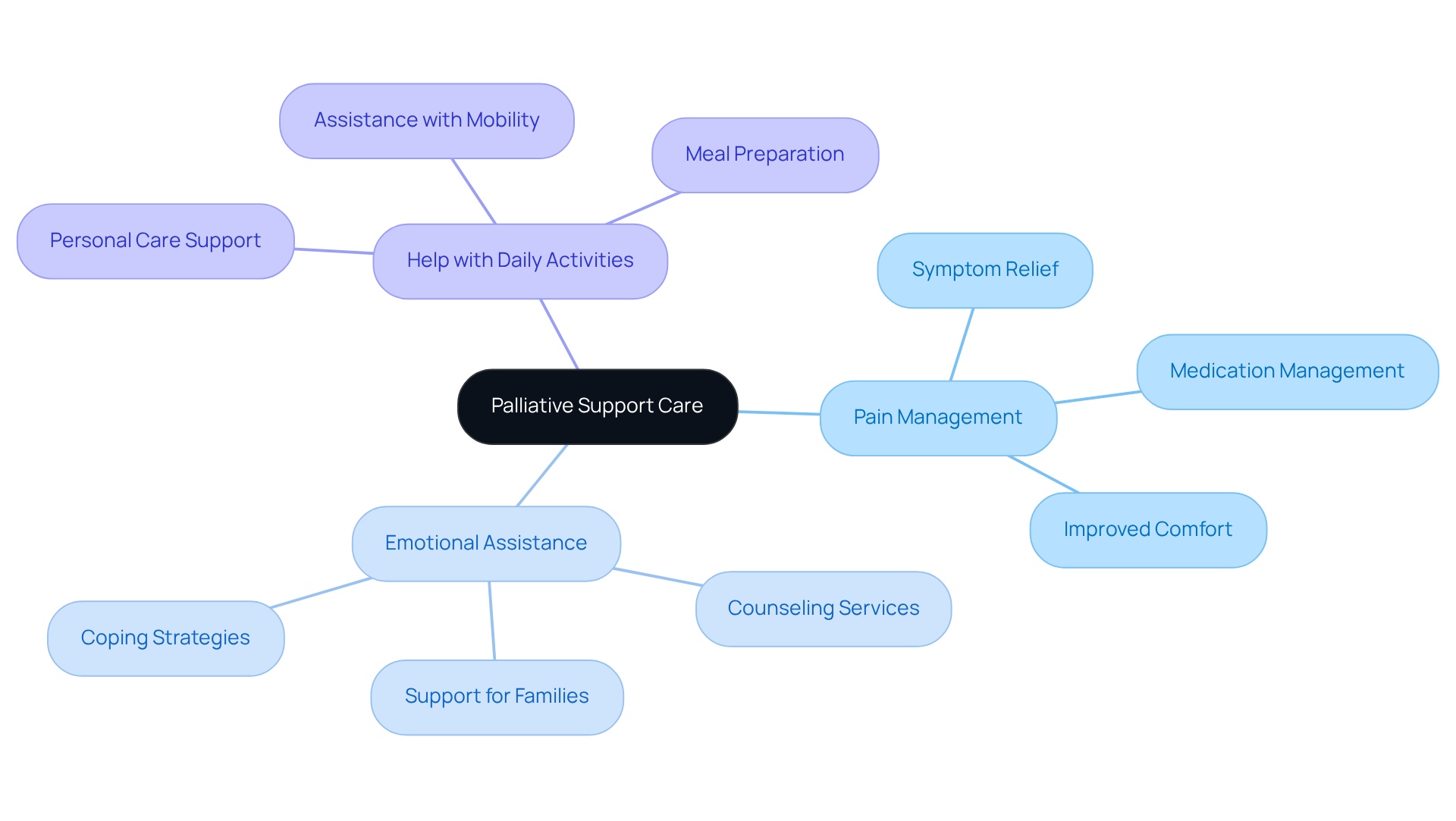
Palliative care is essential for addressing chronic conditions and significantly enhancing the quality of life for older adults. At Happy to Help Caregiving, caregivers provide comprehensive support that includes:
- Pain management
- Emotional assistance
- Help with daily activities
This holistic approach not only addresses the physical challenges associated with serious health issues but also nurtures emotional well-being, allowing older adults to live comfortably and with dignity.
By focusing on the personal needs of each client, caregivers create an environment where elderly individuals can thrive, even amidst health challenges. Successful palliative support programs demonstrate that early integration of such assistance leads to:
- Improved health-related quality of life
- Fewer hospitalizations
- Greater satisfaction for both patients and their families
The commitment of caregivers to offer empathetic, individualized support is vital in the context of assisted living at home services, helping older adults feel valued and cared for in their own homes. Their nurturing presence in assisted living at home services makes a profound difference, ensuring that every client receives the attention and compassion they deserve.
Safety Measures: Creating a Secure Home Environment
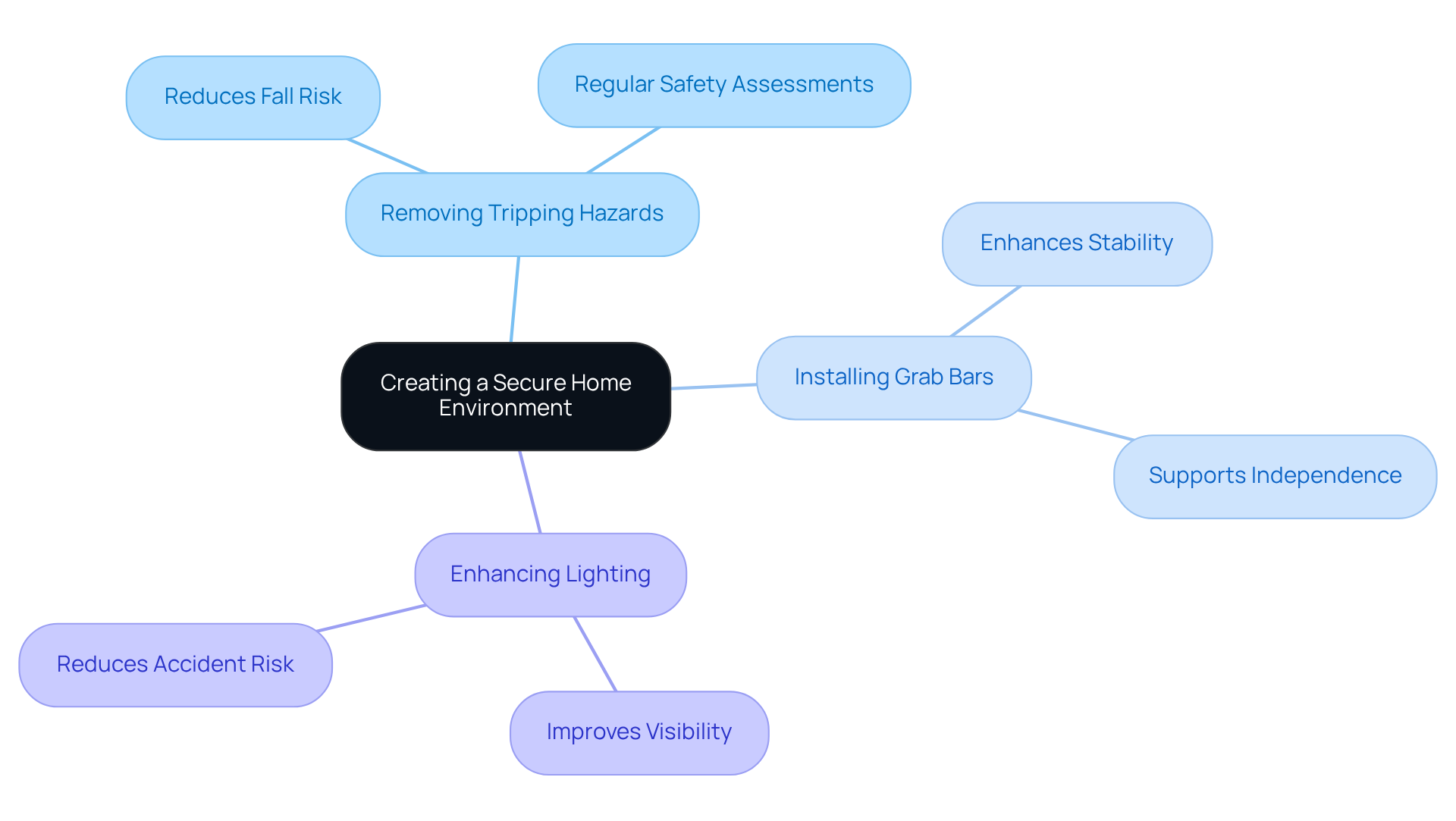
Creating a secure living environment is essential for seniors to maintain their independence and safety. At Happy to Help Caregiving, we understand the emotional challenges caregivers face, and we are here to support you. Our team employs a variety of safety measures, such as:
- Removing tripping hazards
- Installing grab bars
- Enhancing lighting throughout the residence
We conduct regular safety assessments to identify and mitigate potential risks, ensuring that families can have peace of mind regarding the well-being of their loved ones. Experts emphasize that thorough safety evaluations of residences can significantly lower the risk of falls, which are a primary cause of injury among older adults. In fact, according to the U.S. Centers for Disease Control and Prevention, one out of every three elderly individuals falls each year, and every 11 seconds, an older adult is treated in an emergency room for a fall.
By proactively addressing safety concerns, our caregivers not only protect elderly individuals but also empower them to utilize assisted living at home services, enabling them to live autonomously in their own homes. As Age Safe America indicates, "100% of ER physicians concur that a yearly Home Safety Evaluation is crucial to ensure the elderly are secure at home." This proactive approach not only enhances safety but also supports seniors in maintaining their independence.
Technology Integration: Enhancing Care Management and Communication
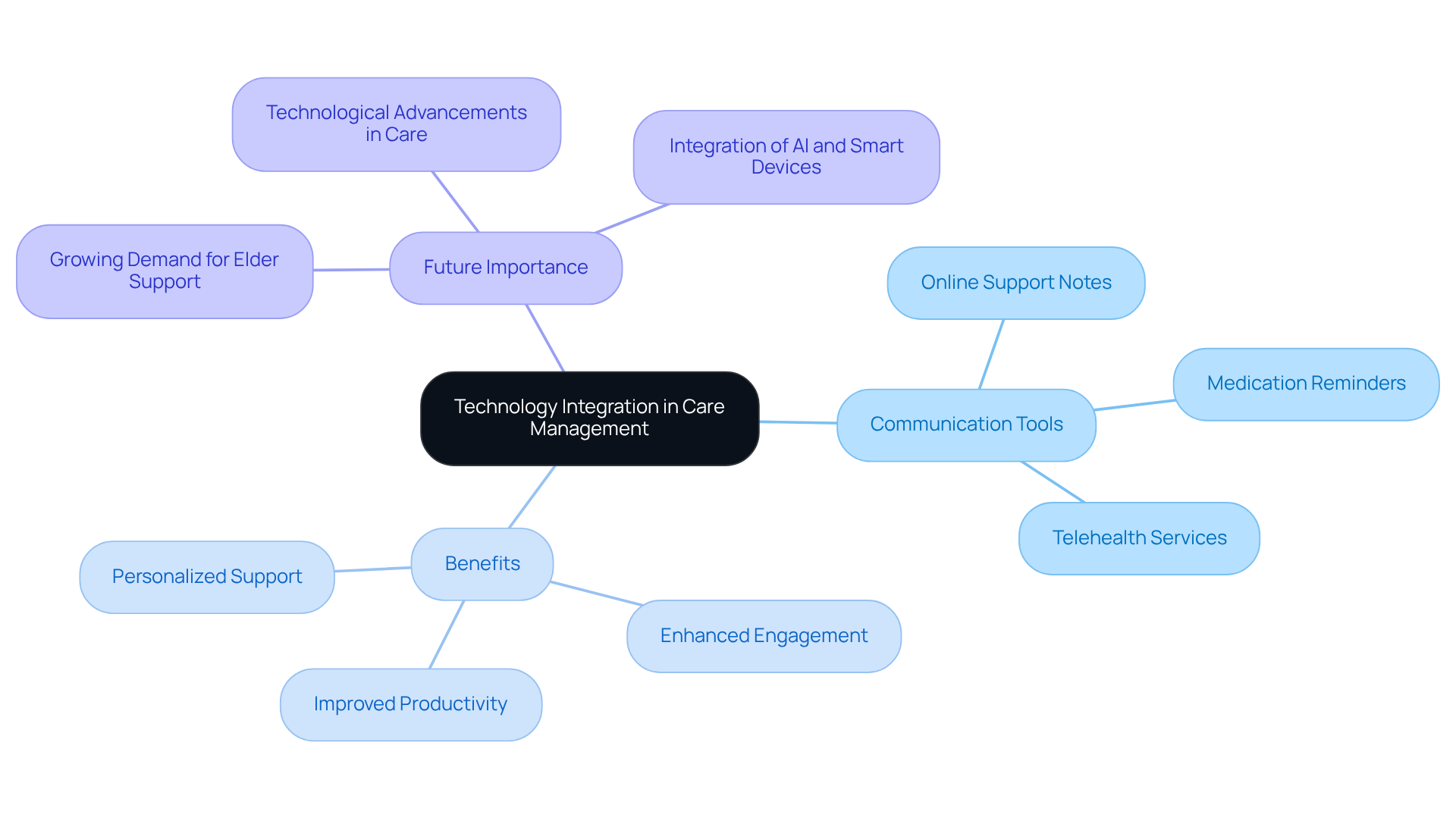
Incorporating technology is essential for enhancing the management and communication between caregivers and families. Happy to Help Caregiving embraces innovative tools such as online support notes, medication reminders, and telehealth services. These resources keep families actively informed and engaged in their loved ones' well-being.
This streamlined communication fosters collaboration and ensures that older adults receive consistent, personalized support tailored to their unique needs. As the demand for elder support continues to grow—forecasts suggest that by 2030, one in five Americans will be 65 or older—the importance of technology becomes even more pronounced.
Telehealth services, for instance, have transformed how elderly individuals access medical consultations. They alleviate the stress of travel and enhance overall healthcare delivery. Specialists emphasize that "technology is no longer optional in elder support; it is a vital element that improves both caregiver productivity and resident involvement."
By utilizing these tools, Happy to Help Caregiving demonstrates how effective communication can significantly enhance the quality of care and the overall well-being of older adults. This compassionate approach not only addresses the practical needs but also nurtures the emotional connections that are so vital in caregiving.
Improved Quality of Life: The Comprehensive Benefits of Assisted Living at Home
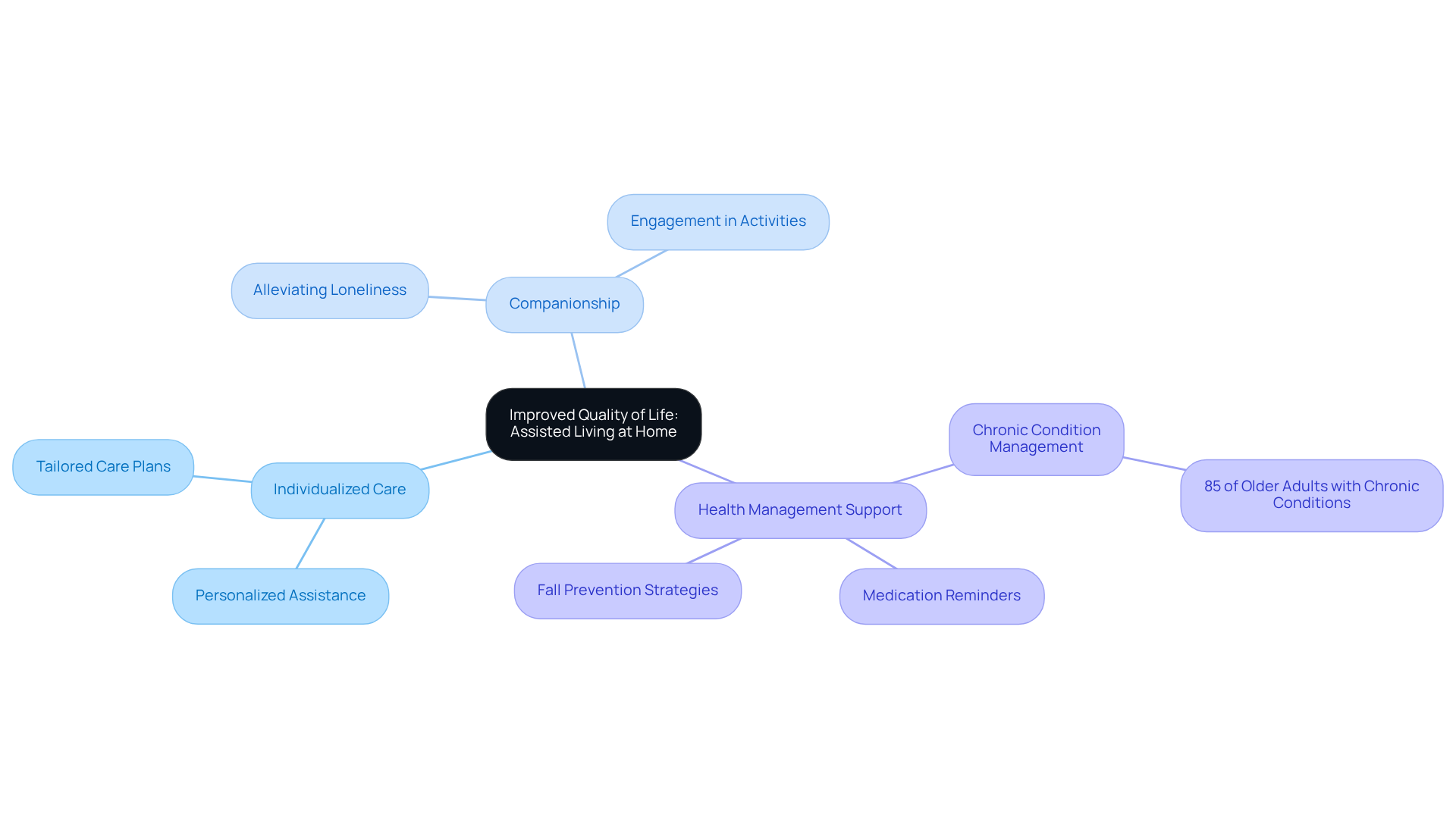
Assisted living at home services offer numerous advantages that significantly enhance the quality of life for elderly individuals. By providing individualized care, companionship, and assistance with daily tasks, Happy to Help Caregiving enables older adults to maintain their independence while receiving the support they need. This holistic approach not only improves physical health but also nurtures emotional well-being, allowing seniors to flourish in their familiar surroundings.
Research indicates that 85 percent of older adults have at least one chronic health condition. This statistic highlights the crucial need for tailored support in effectively managing health issues. Successful in-home care programs, like the 'Quality of Life Enhancement through In-Home Care' initiative, illustrate how personalized attention can lead to better health outcomes and fewer hospitalizations.
Companionship is vital in alleviating feelings of loneliness and isolation, which many older adults face. As specialists from Life’s At Home Care note, 'Residing in familiar surroundings often provides a greater sense of comfort and diminishes feelings of loneliness.' By prioritizing emotional connections and daily engagement, assisted living at home services foster a nurturing environment where seniors can truly thrive.
Your Path Forward
Assisted living at home services represent a transformative approach to elder care. They enable older adults to receive personalized support in the comfort of their own homes. This model enhances their quality of life and fosters emotional connections that are crucial for their well-being. By prioritizing tailored assistance, families can ensure their loved ones maintain independence while receiving the care they need.
Throughout this discussion, we explored various facets of assisted living at home services. We highlighted the importance of:
- Emotional support
- Flexible scheduling
- Companionship
- Respite care
- Safety measures
These elements work together to create a nurturing environment that alleviates loneliness, supports daily activities, and facilitates smoother transitions from hospital to home. The integration of technology further enhances communication and care management, ensuring that families remain informed and engaged in their loved ones' care.
Recognizing the significance of these services, it becomes clear that investing in personalized caregiving is not just a choice but a necessity for families navigating the complexities of elder care. As the demand for such services continues to grow, embracing these comprehensive support options will empower older adults to thrive. This fosters a sense of dignity and connection in their golden years.
https://iframe.tely.ai/cta/eyJhcnRpY2xlX2lkIjogIjY4ZmViYWY3YzgzYjMxYTExMzc0ZTA2NCIsICJjb21wYW55X2lkIjogIjY4ZWU1ZGNhNzMxNzYyNTU3ZjNjOTVjMSIsICJpbmRleCI6IG51bGwsICJ0eXBlIjogImFydGljbGUifQ==Frequently Asked Questions
What services does Happy to Help Caregiving provide for seniors?
Happy to Help Caregiving offers personalized assisted living at home services, including companionship, assistance with daily tasks, and emotional care tailored to the unique needs of older adults.
How does personalized care benefit older adults?
Personalized care enhances the overall well-being of older adults by providing essential support and fostering meaningful relationships, which help alleviate feelings of loneliness and isolation.
What are the current trends in in-home assistance services for seniors?
There is an increasing preference for personalized support solutions, such as assisted living at home services, as families recognize the benefits of tailored support that addresses specific health and lifestyle needs of older adults.
How do in-home services compare to residential services in terms of cost?
In-home services average $6,481 monthly, which is significantly lower than the average cost of residential services, which is $10,646 monthly.
What role does emotional support play in the lives of seniors?
Emotional support is vital in alleviating feelings of loneliness among older adults, helping them maintain a sense of purpose and belonging through meaningful conversations, hobbies, and social interactions.
What statistics highlight the issue of loneliness among older adults?
Research indicates that 29% of older adults report being socially isolated, which raises their risk of dementia by 50%. Older adults experience loneliness at four times the rate of younger generations.
How does Happy to Help Caregiving address emotional needs for seniors?
Caregivers provide steady emotional assistance, enabling elderly individuals to adopt independence and enhance their quality of life, creating a nurturing environment for them to thrive.
What is the importance of flexible scheduling in caregiving?
Flexible scheduling allows elderly individuals to receive care when they need it, supporting meaningful activities like meal preparation and companionship, and helping maintain their independence.
How does flexible scheduling impact the quality of life for seniors?
Flexible scheduling enhances the quality of life by allowing older adults to engage in familiar activities without disruption, leading to greater satisfaction and improved emotional and physical well-being.
What is the reported satisfaction level of clients using flexible support models?
Clients participating in flexible support models report a remarkable 30% rise in overall satisfaction, demonstrating the positive impact of adaptable service options.