10 Essential At Home Elderly Care Services for Family Caregivers

For families in our service areas
For families in our service areas, this guide explains caregiver support and how non-medical in-home caregiving can support care planning in East Idaho, Treasure Valley & Magic Valley, Northern Wasatch, North Central West Virginia & Southwestern Pennsylvania, and Northeast Ohio.
What to Expect
The article highlights ten essential at-home elderly care services designed to support family caregivers in delivering comprehensive care for their loved ones. It begins by acknowledging the emotional challenges caregivers face, emphasizing the stress and burnout that can accompany their responsibilities.
Personalized care is crucial, encompassing:
- Companionship
- Post-hospital recovery assistance
- Respite care
- And more
These services not only enhance the emotional and physical well-being of seniors but also alleviate the burdens caregivers experience. By offering these supportive services, we can foster a nurturing environment that encourages both caregivers and their loved ones to thrive together.
What You Need to Know About At Home Elderly Care Services
Navigating the world of elderly care can be an overwhelming journey for families, filled with emotional challenges and complex decisions. As the need for personalized support grows, understanding the essential at-home services available becomes crucial for ensuring the well-being of seniors. Imagine if the right combination of care services could not only enhance their quality of life but also provide much-needed relief for family caregivers. This article explores ten vital at-home elderly care services that can transform the caregiving experience, offering insights into how they promote independence, emotional support, and overall health for seniors.
Happy to Help Caregiving: Personalized In-Home Care Services
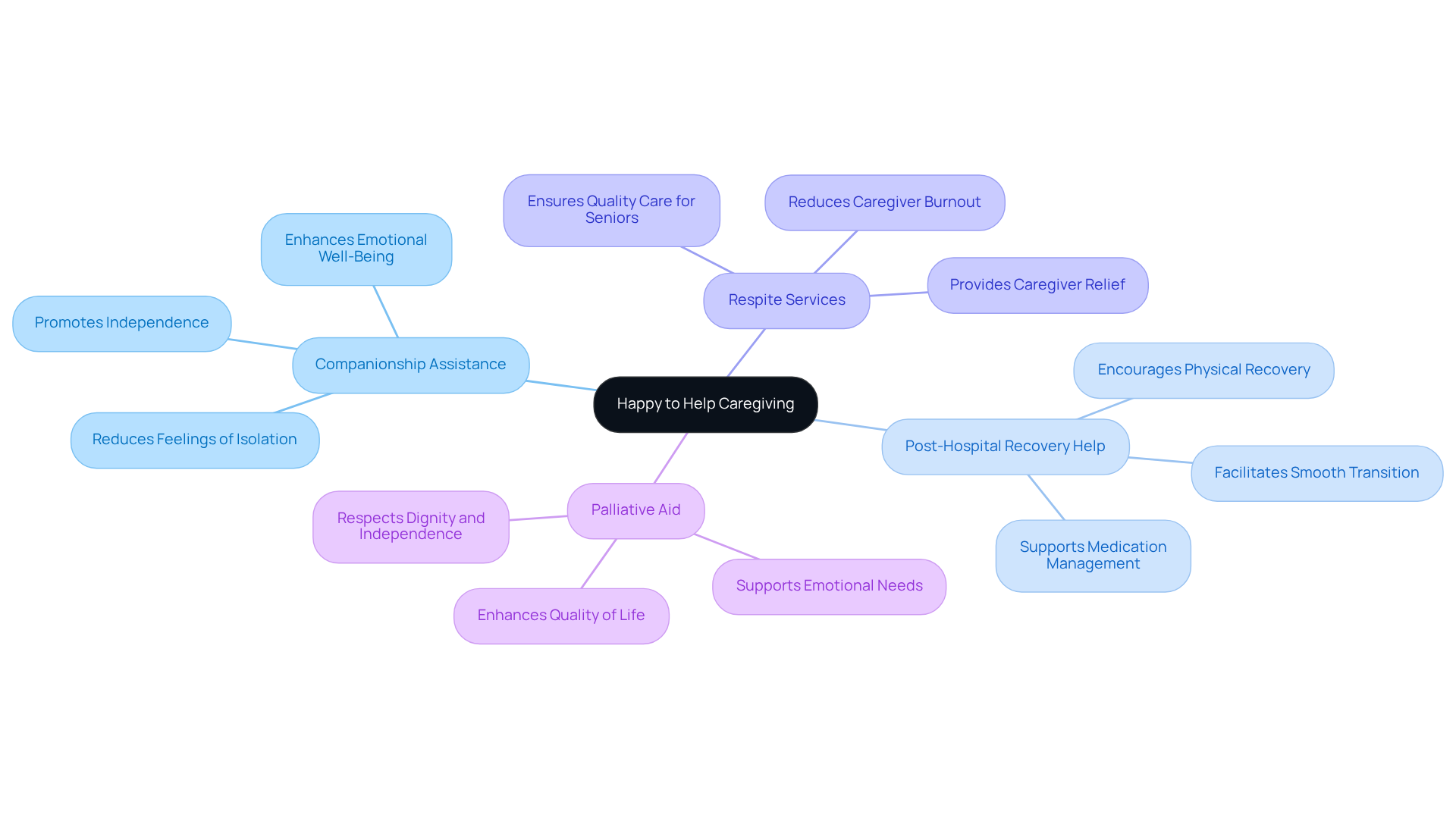
Happy to Help Caregiving truly understands the emotional challenges faced by families navigating the complexities of caring for seniors and individuals with special needs. They excel in providing customized at home elderly care services that are tailored to each unique situation. Their extensive services, including:
- Companionship assistance
- Post-hospital recovery help
- Respite services
- Palliative aid
are designed to promote independence and enhance well-being. Each service is crafted with care, ensuring clients receive at home elderly care services that provide the support they need in the comfort of their homes.
What sets Happy to Help Caregiving apart is their unwavering focus on compassion and effective communication. They stand as a reliable partner for families facing the challenges of elderly support. Experts highlight that individualized support not only addresses medical needs but also significantly uplifts emotional well-being, reducing feelings of isolation and enhancing overall quality of life. As the landscape of at home elderly care services evolves in 2025, the integration of technology and personalized plans becomes essential, ensuring that elderly individuals retain their dignity and independence while receiving the necessary help.
With a heartfelt commitment to understanding each client's unique circumstances, Happy to Help Caregiving distinguishes itself as a leader in the industry. They offer compassionate assistance that aligns with the values of respect and dignity, providing reassurance and encouragement to families during difficult times.
Companionship Care: Alleviating Loneliness for Seniors
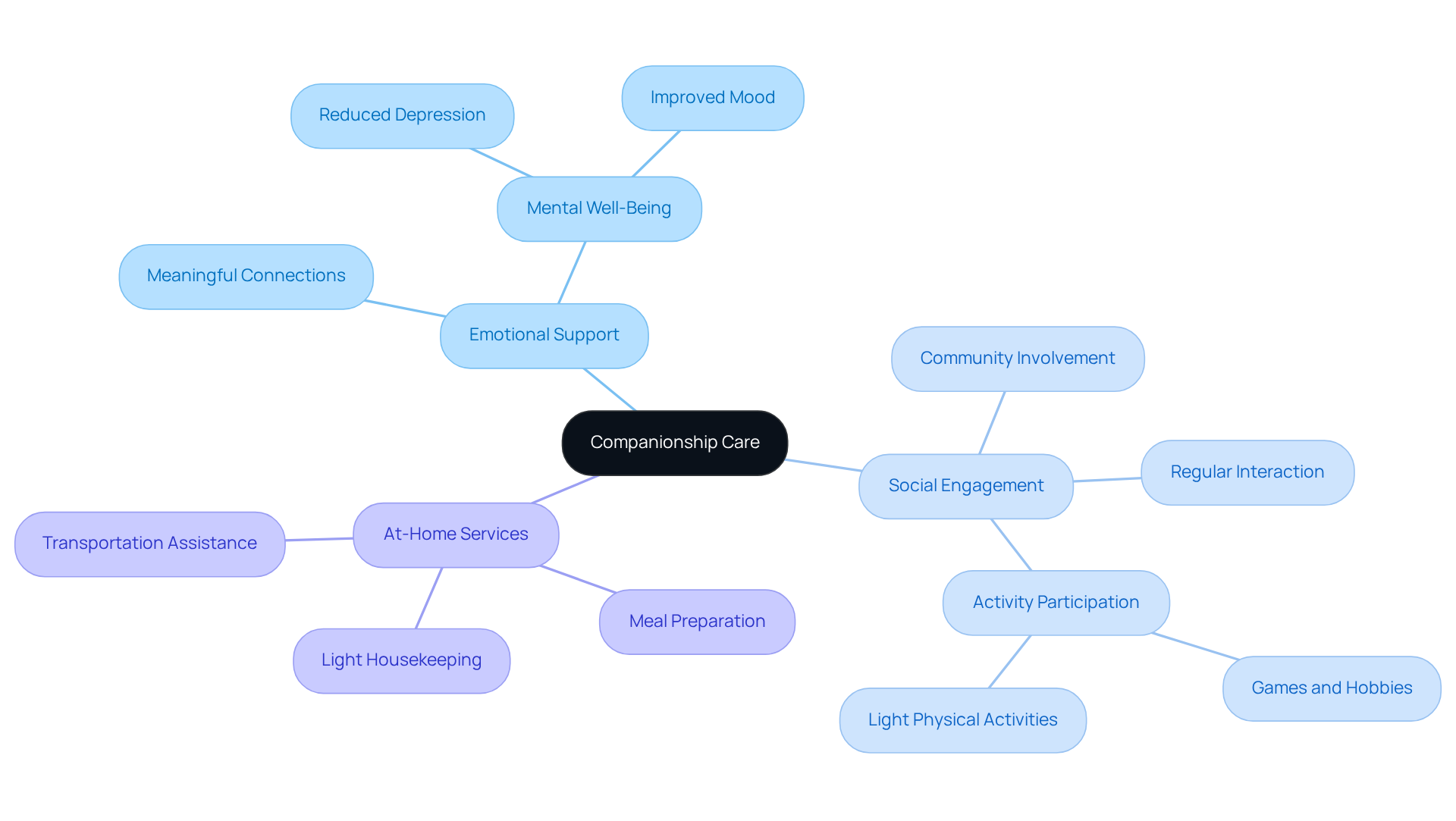
Companionship assistance provides older adults with vital emotional support and opportunities for social engagement, which significantly helps to alleviate feelings of isolation. Caregivers actively involve clients in activities they cherish, nurturing meaningful connections that promote mental well-being. At home elderly care services provide particularly beneficial assistance for older adults who may not have frequent visitors or family nearby, ensuring they feel valued and cared for in the comfort of their own homes.
Post-Hospital Recovery Assistance: Supporting Smooth Transitions
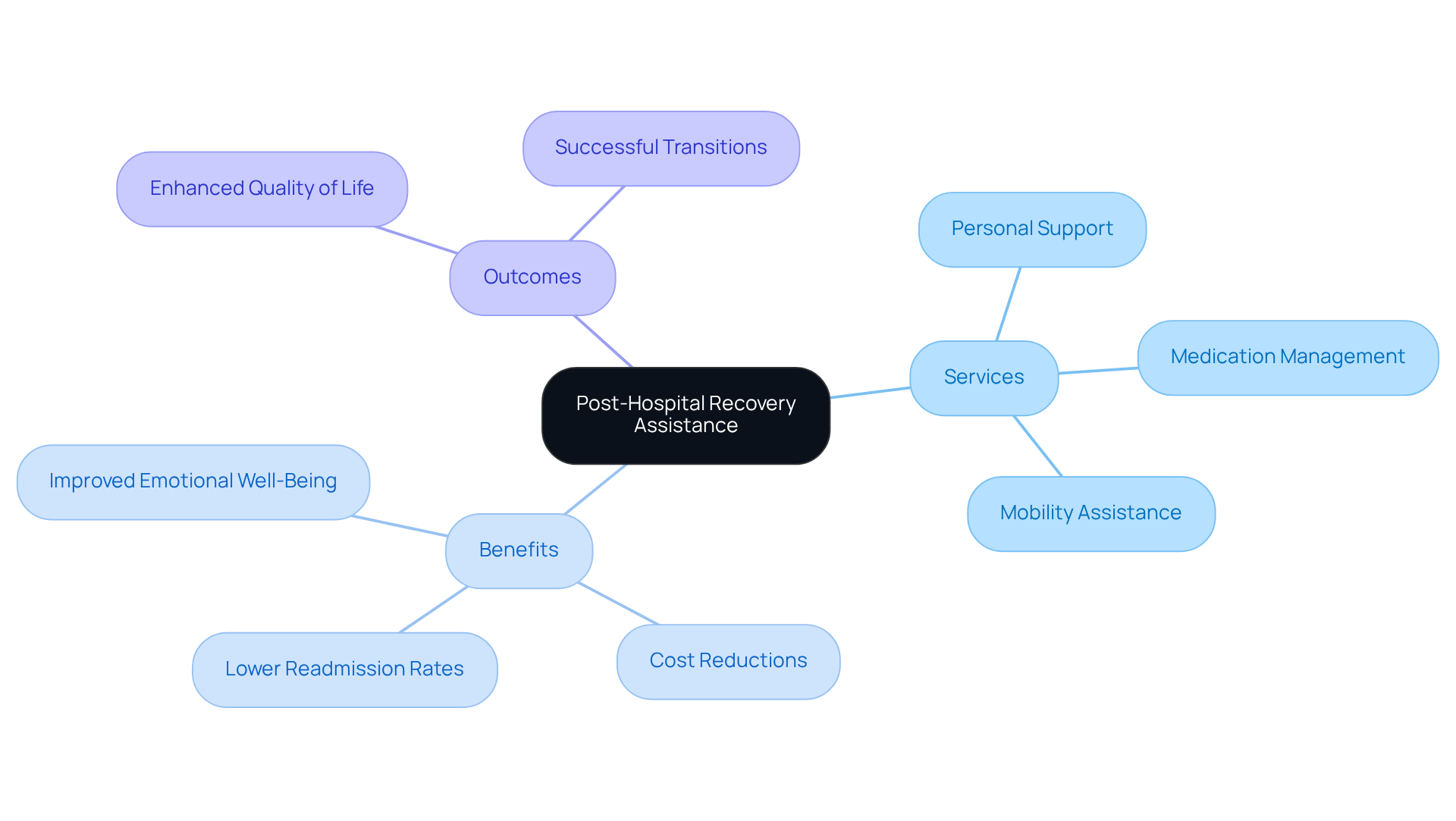
Post-hospital recovery support is vital for seniors transitioning from hospital treatment to at home elderly care services. Support providers play a crucial role by offering essential at home elderly care services, including:
- Medication management
- Mobility assistance
- Personal support
Efficient medication management is especially important. Studies show that patients receiving home assistance have a 20% lower readmission rate compared to those who do not. Additionally, home patients experience around 30% in healthcare cost reductions compared to traditional treatment environments, highlighting the financial benefits of this approach.
This proactive method not only aids in physical recovery but also significantly enhances emotional well-being. Patients report a 25% improvement in anxiety and depression scores when treated in familiar surroundings, as noted in a systematic review published in the Journal of Community Health Nursing. The incorporation of individualized support plans ensures that clients adhere to their recovery protocols, fostering a sense of independence and security.
Families can find comfort in knowing their loved ones are receiving expert support tailored to their unique needs. Healthcare professionals emphasize that successful transitions from hospital to at home elderly care services are essential for improving overall health outcomes and reducing the risk of complications. By prioritizing these services, caregivers help create a smoother recovery journey for seniors, ultimately enhancing their quality of life. As one healthcare expert shared, "Effective transitional support is essential to ensuring that patients do not just survive their hospital stay but thrive in their recovery at home.
Respite Care: Providing Relief for Family Caregivers
Respite assistance offers a much-needed break for family supporters, allowing them to step away for a moment while ensuring their loved ones continue to receive quality care. This service can be arranged for just a few hours or extended over several days, tailored to meet the unique needs of each family. By granting caregivers time to recharge, respite services play a crucial role in preventing exhaustion, ultimately nurturing a healthier environment for support.
Imagine the relief of knowing that your loved one is in caring hands, while you take a moment for yourself. This support not only alleviates stress but also fosters a sense of community and understanding among caregivers. Remember, taking care of yourself is just as important as caring for others. Embrace the opportunity to rejuvenate, and know that there is help available to lighten your load.
https://iframe.tely.ai/cta/eyJhcnRpY2xlX2lkIjogIjY4ZjQyYTMzMDA2Mzc5YmRlNmI4ZDY4YiIsICJjb21wYW55X2lkIjogIjY4ZWU1ZGNhNzMxNzYyNTU3ZjNjOTVjMSIsICJpbmRleCI6IDMsICJ0eXBlIjogImFydGljbGUifQ==Palliative Support Care: Enhancing Comfort for Serious Illnesses
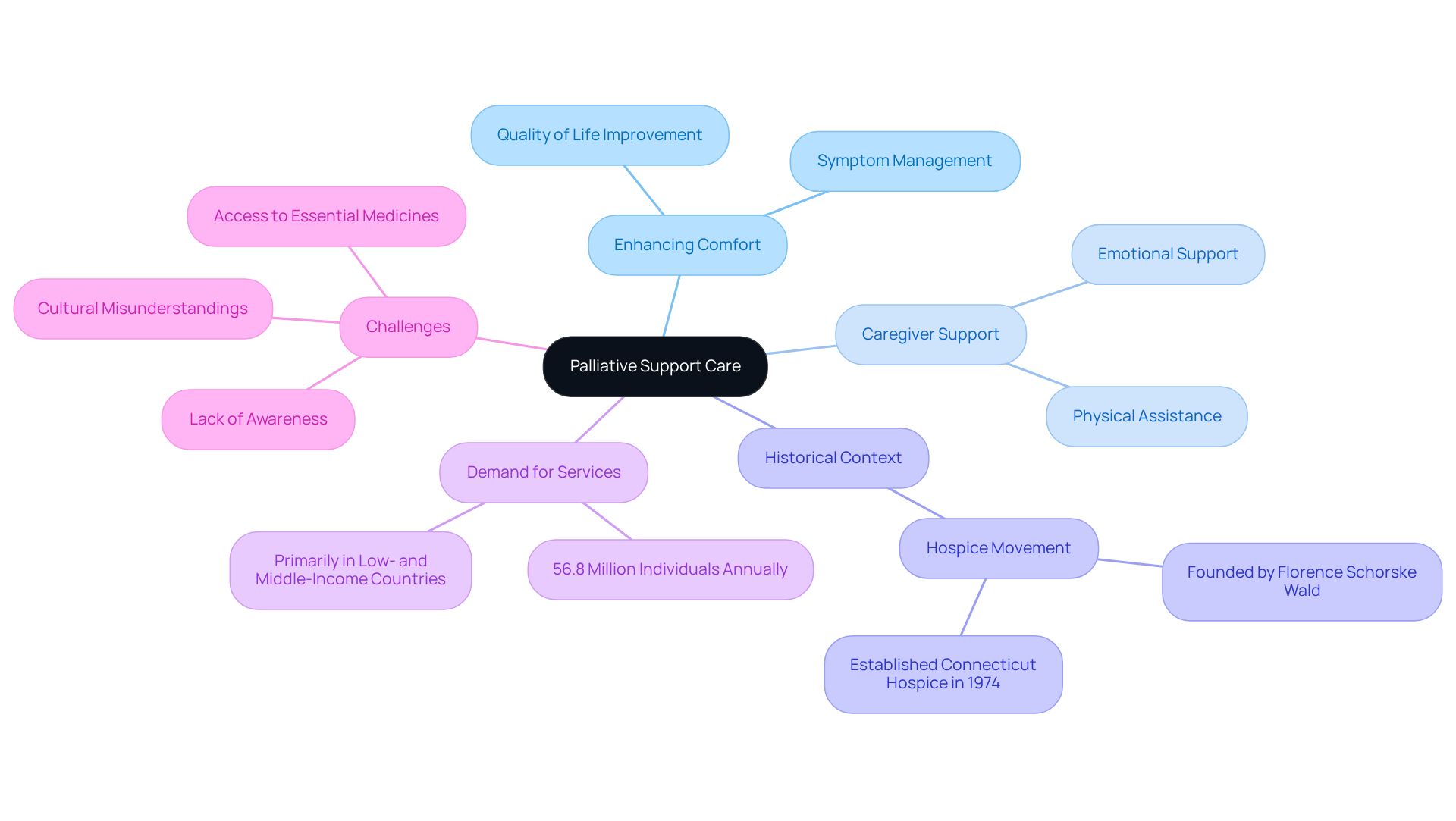
Palliative care is tailored for individuals facing serious illnesses, focusing on enhancing comfort and quality of life. Caregivers offer not just physical assistance but also emotional support, helping clients navigate the complexities of their conditions. This support is vital for ensuring that clients feel respected and cared for during difficult times, allowing families to cherish quality moments together.
The hospice movement, initiated by Florence Schorske Wald in 1974, has profoundly influenced the evolution of palliative support, highlighting its importance in today’s healthcare landscape. With an estimated 56.8 million individuals needing palliative support each year, the demand for these services is clear. However, challenges such as a lack of awareness and cultural misunderstandings continue to impede access to these essential services.
As Dr. Lori Wiener emphasizes, the aim of palliative care is to alleviate symptoms and improve quality of life, showcasing the transformative effect it has on both patients and their loved ones. This journey is not just about managing illness; it’s about fostering dignity, compassion, and connection during some of life’s most challenging moments.
Home-Delivered Meal Services: Ensuring Nutrition at Home
At home elderly care services offer home-delivered meal options that provide elderly individuals with nutritious dishes, respecting their dietary limitations and preferences. This thoughtful program provides at home elderly care services that ensure clients receive balanced meals without the burden of meal preparation, which can often lead to stress and overwhelm. By alleviating this concern with at home elderly care services, we promote better health outcomes and peace of mind.
In at home elderly care services, caregivers play a vital role in assisting with meal planning and delivery. This support through at home elderly care services helps ensure that clients can enjoy a variety of healthy options tailored to their needs. It's about more than just food; it’s about nurturing well-being and fostering a sense of care and connection, especially through at home elderly care services.
Transportation Services: Facilitating Independence for Seniors
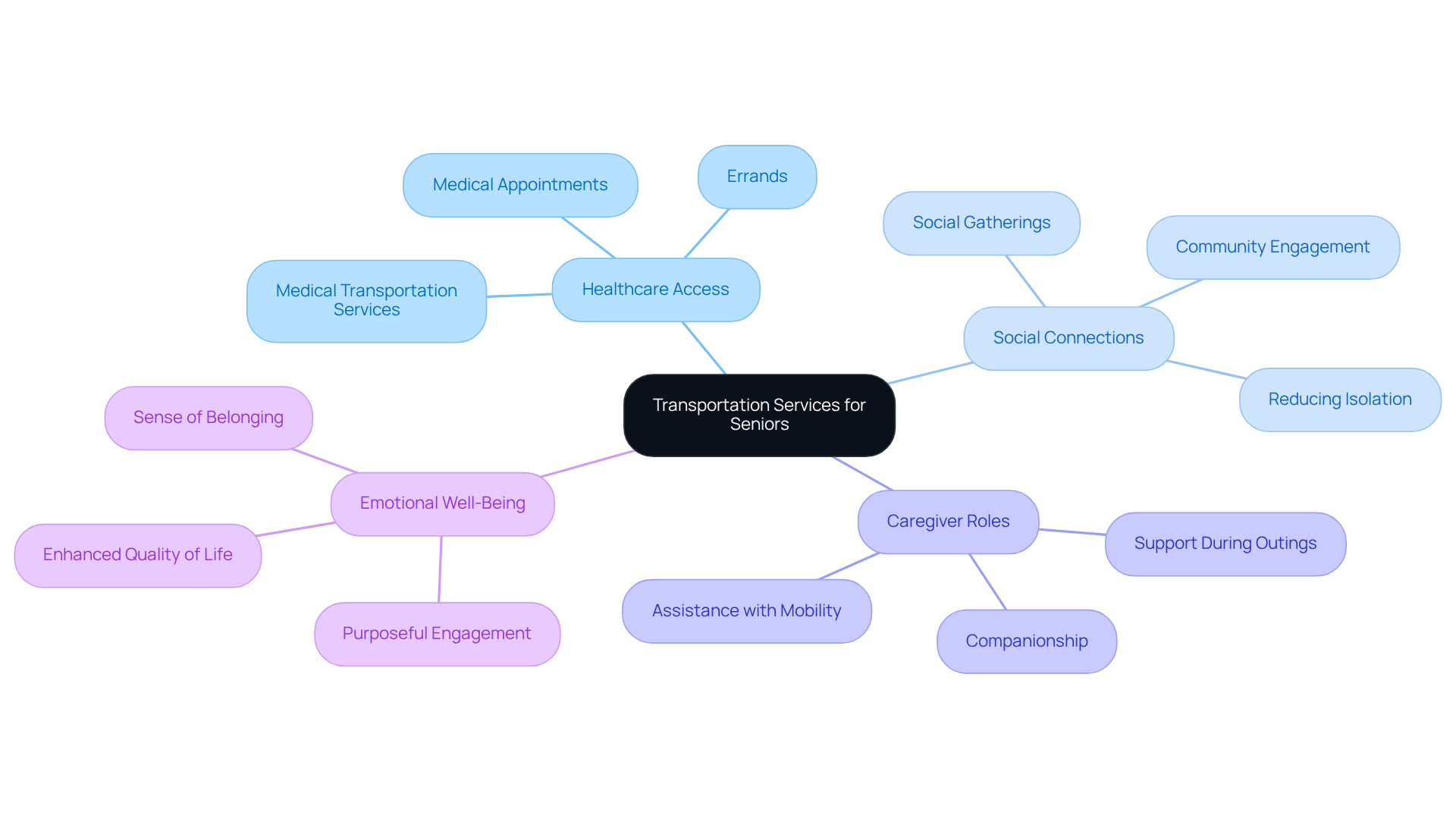
Transportation options are vital for older adults, offering secure and dependable rides to appointments, social gatherings, and errands. These services not only help maintain essential healthcare access but also nurture social connections, which are crucial for emotional well-being. Caregivers play a significant role in this journey, providing companionship and support during outings, thus enhancing the overall experience for elderly individuals.
With 87% of aging individuals expressing a desire to remain at home until the end of their lives, the availability of transportation options becomes even more critical. Geriatric specialists emphasize that mobility is key in promoting independence among elderly individuals, allowing them to engage with their communities and maintain their quality of life. By facilitating transportation, caregivers help older adults navigate their daily lives, reducing feelings of isolation and ensuring they remain active participants in their social circles.
Every ride taken together is a step towards connection and community, making the world feel a little smaller and a lot friendlier. Through these compassionate at home elderly care services, caregivers not only assist with mobility but also enrich the lives of those they support, fostering a sense of belonging and purpose.
Emergency Medical Alert Systems: Ensuring Safety and Quick Response
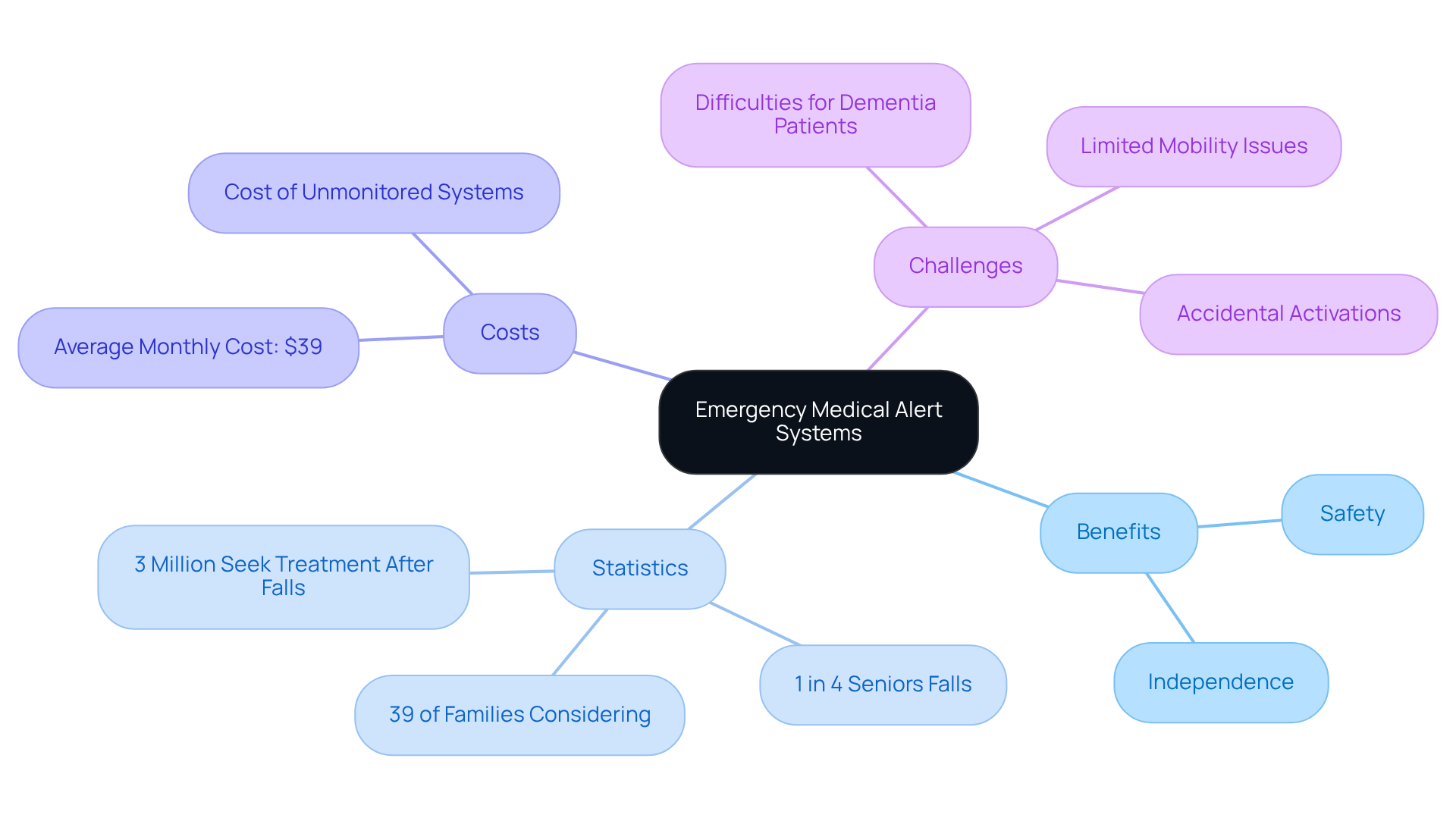
Emergency medical alert systems are essential for ensuring the safety of seniors, providing them with immediate access to emergency services during falls or medical crises. These devices, which can be worn as pendants or wristbands, empower older adults to summon help at any moment, significantly enhancing their independence. It's heartening to note that around 39% of adult children are considering acquiring a medical alert system for their parents. This growing awareness underscores the importance of these devices in supporting the elderly.
Families often find comfort in knowing that their loved ones can receive prompt assistance, a crucial factor given that one in four older Americans experiences a fall each year, often resulting in serious injuries. The average response time for these systems is less than a minute, a critical element that can truly make a difference in emergency situations. However, it's important to recognize that those with advanced dementia or limited mobility may struggle to benefit from these systems due to difficulties in using them.
Additionally, the average monthly cost of medical alert systems is around $39, a consideration for families when evaluating these options. As Frances Smith, a 76-year-old great-grandmother, poignantly noted, having a reliable medical alert system can be the difference between life and death. By integrating these systems into their care plans, families can ensure that at-home elderly care services help their loved ones maintain safety and confidence in their daily lives.
Friendly Visitor Services: Promoting Social Interaction and Support
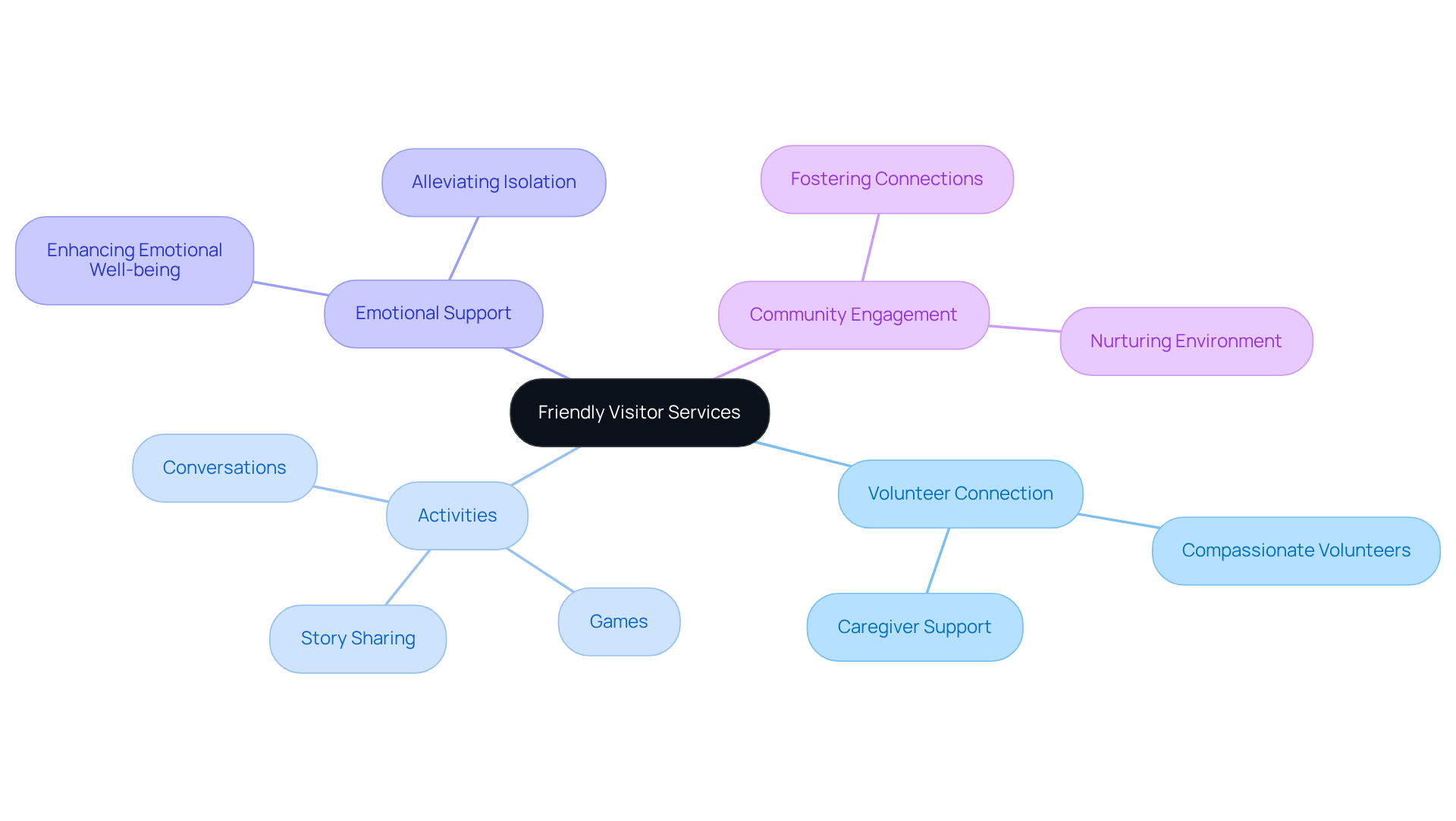
Welcoming visitor programs connect older adults with compassionate volunteers or caregivers who provide companionship and social engagement. These visits can involve engaging conversations, playing games, or simply sharing stories. Such assistance is vital for enhancing emotional well-being and alleviating feelings of isolation. It ensures that elderly individuals feel a sense of connection to their communities, fostering a nurturing environment where they can thrive.
Geriatric Care Managers: Navigating Elderly Care Services
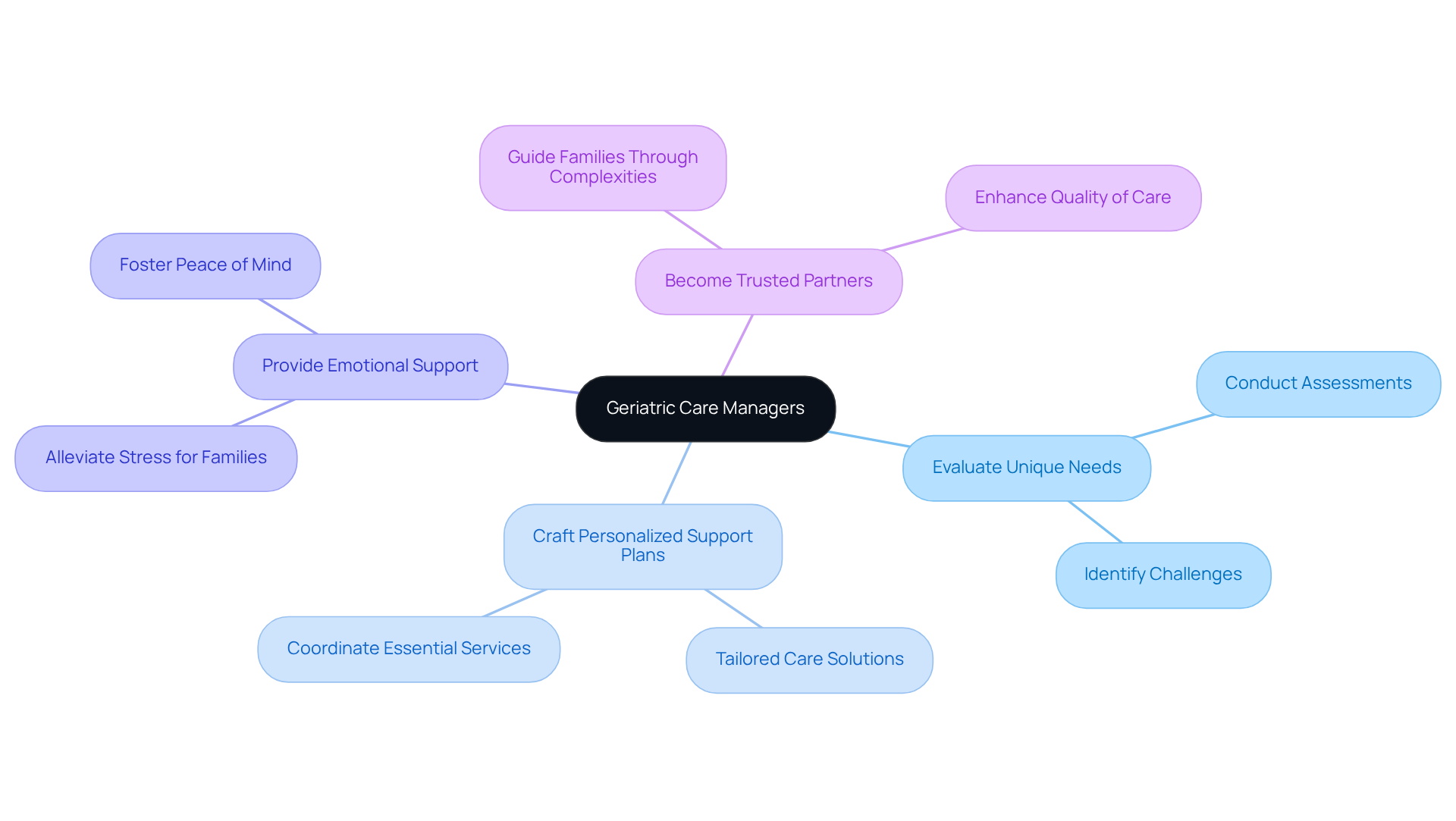
Caring for elderly loved ones can be a challenging journey filled with emotional stress and uncertainty. Geriatric managers are here to help families navigate these complexities with compassion and understanding. They take the time to evaluate the unique needs of seniors, crafting personalized support plans that ensure comprehensive assistance.
This invaluable service offers families not just guidance, but also a sense of peace. With the expertise of geriatric managers, families can feel reassured as they make important decisions about their loved ones' care. Their nurturing approach provides clarity in what can often feel like an overwhelming situation, allowing caregivers to focus on what truly matters—the well-being of their loved ones.
In this way, geriatric managers become trusted partners, alleviating the burdens of stress and burnout that many families face. Their commitment to compassionate care fosters a supportive environment where families can thrive, knowing they are not alone in this journey.
Making the Right Choice
At-home elderly care services are vital for supporting families as they navigate the emotional complexities of caring for their loved ones. By offering a variety of personalized services—such as companionship, post-hospital recovery assistance, respite care, and palliative support—these services address not only the physical needs of seniors but also enhance their emotional well-being and quality of life. The compassionate approach of providers like Happy to Help Caregiving ensures that elderly individuals can maintain their independence and dignity while receiving the care they need in the comfort of their homes.
The significance of various services is profound. Home-delivered meals ensure proper nutrition, transportation options facilitate independence, emergency medical alert systems enhance safety, and friendly visitor programs promote social interaction. Each service plays a crucial role in alleviating feelings of isolation and fostering a sense of community for seniors. Additionally, the expertise of geriatric care managers helps families navigate the often overwhelming landscape of elderly care, ensuring that their loved ones receive tailored support.
Ultimately, investing in at-home elderly care services transcends mere basic needs; it is about cultivating a nurturing environment where seniors can truly thrive. Families are encouraged to explore these essential services to enhance the well-being of their loved ones and embrace the caregiving journey with confidence and compassion. By prioritizing personalized care, families can create a supportive atmosphere that honors the dignity and independence of their elderly relatives, making a meaningful difference in their lives.
https://iframe.tely.ai/cta/eyJhcnRpY2xlX2lkIjogIjY4ZjQyYTMzMDA2Mzc5YmRlNmI4ZDY4YiIsICJjb21wYW55X2lkIjogIjY4ZWU1ZGNhNzMxNzYyNTU3ZjNjOTVjMSIsICJpbmRleCI6IG51bGwsICJ0eXBlIjogImFydGljbGUifQ==Frequently Asked Questions
What services does Happy to Help Caregiving provide?
Happy to Help Caregiving offers personalized in-home care services, including companionship assistance, post-hospital recovery help, respite services, and palliative aid.
How does companionship assistance benefit seniors?
Companionship assistance provides vital emotional support and opportunities for social engagement, helping to alleviate feelings of isolation and promoting mental well-being for older adults.
What is the importance of post-hospital recovery assistance?
Post-hospital recovery assistance is crucial for seniors transitioning from hospital treatment to home care, as it includes medication management, mobility assistance, and personal support, which all contribute to a smoother recovery.
How does home assistance affect hospital readmission rates?
Patients receiving home assistance have a 20% lower readmission rate compared to those who do not receive such support.
What financial benefits are associated with at home elderly care services?
Home patients experience around 30% in healthcare cost reductions compared to traditional treatment environments.
How does familiar surroundings impact emotional well-being during recovery?
Patients report a 25% improvement in anxiety and depression scores when treated in familiar surroundings, enhancing their emotional well-being.
What sets Happy to Help Caregiving apart from other care providers?
Happy to Help Caregiving distinguishes itself through its unwavering focus on compassion, effective communication, and a commitment to understanding each client's unique circumstances, ensuring respect and dignity in care.
Why is individualized support important in elderly care?
Individualized support addresses not only medical needs but also uplifts emotional well-being, reducing feelings of isolation and enhancing overall quality of life for seniors.
What role does technology play in the future of at home elderly care services?
The integration of technology and personalized plans is becoming essential to ensure that elderly individuals retain their dignity and independence while receiving necessary help as the landscape of care evolves.