10 Essential Basic ADLs Family Caregivers Must Support

For families in our service areas
For families in our service areas, this guide explains caregiver support and how non-medical in-home caregiving can support care planning in East Idaho, Treasure Valley & Magic Valley, Northern Wasatch, North Central West Virginia, and Northeast Ohio.
The Importance of Basic ADLs Family Caregivers Must
Loneliness among the elderly is a pressing issue. Research indicates that over one in three seniors experience this debilitating condition, which significantly impacts their mental and physical health.
Family caregivers are uniquely positioned to address this challenge. By supporting essential Activities of Daily Living (ADLs), they can foster independence, dignity, and emotional well-being for their loved ones. However, caregivers often face complexities in navigating these fundamental tasks. How can they ensure that their loved ones feel valued and connected?
This article explores ten critical ADLs that caregivers must prioritize. It reveals strategies to enhance the quality of life for those they care for, providing actionable solutions to combat loneliness and promote well-being.
Happy to Help Caregiving: Companionship Care for Daily Living Support
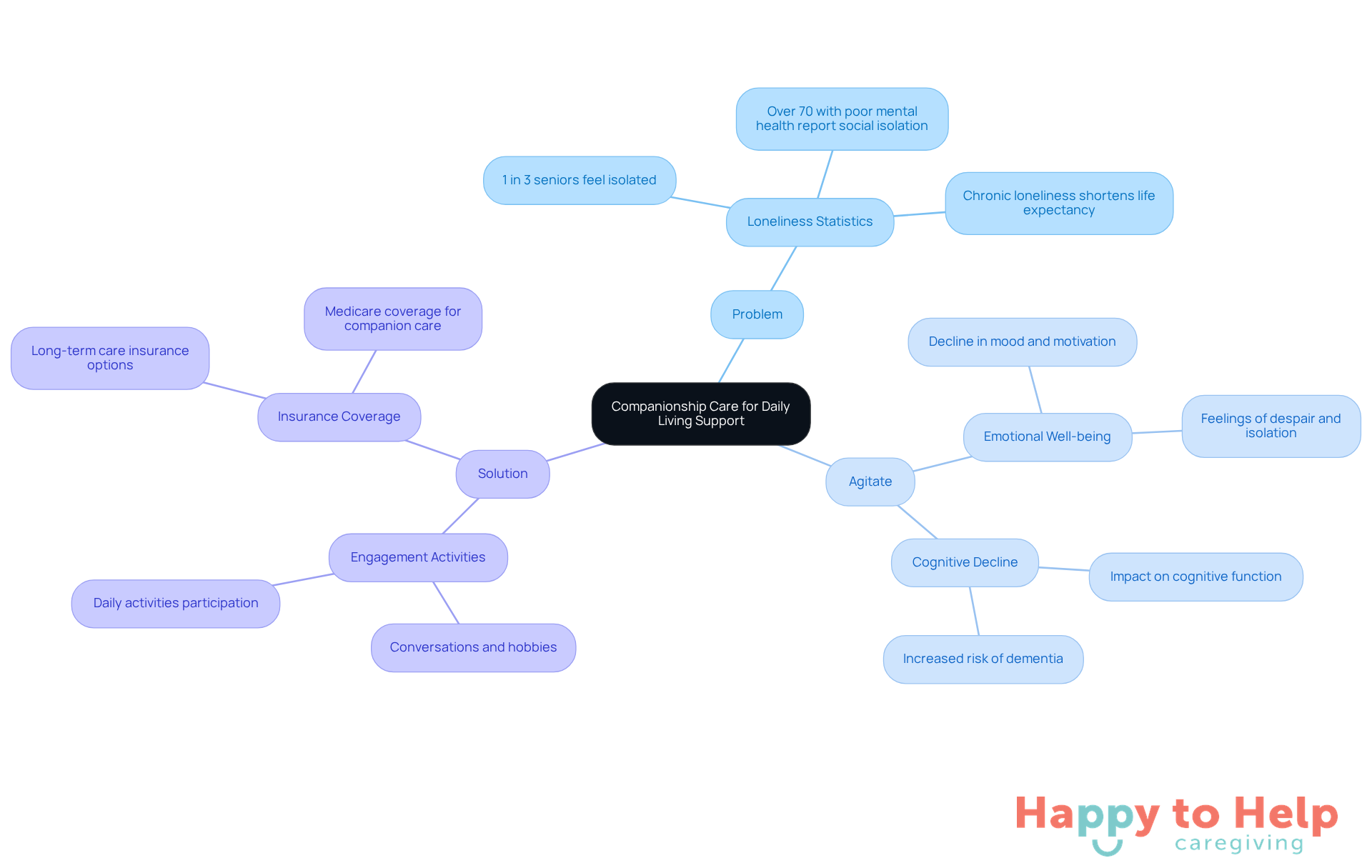
Problem: Loneliness is a significant issue for many elderly individuals, with research showing that over one in three experience it. This condition can severely impact both mental and physical health, potentially shortening life expectancy even more than being overweight or sedentary.
Agitate: Chronic loneliness not only affects emotional well-being but can also lead to a decline in cognitive function and overall quality of life. For older adults and individuals with special needs, the absence of companionship can exacerbate feelings of isolation and despair.
Solution: Happy to Help Caregiving prioritizes companionship care, which is essential for fostering meaningful connections. Caregivers actively engage individuals in conversations, activities, and hobbies they value, significantly enhancing their emotional well-being. By providing companionship, caregivers uplift clients' moods and motivate them to participate in daily activities, instilling a sense of purpose and belonging.
Geriatric care specialists emphasize that regular social interaction is crucial for maintaining cognitive function and emotional stability in older adults. As a geriatric care expert states, "Regular engagement is essential to ensuring that older adults feel connected and valued."
Moreover, many long-term care insurance policies cover companion care services, making it a viable option for families seeking support for their loved ones.
Bathing and Showering: Essential for Personal Hygiene
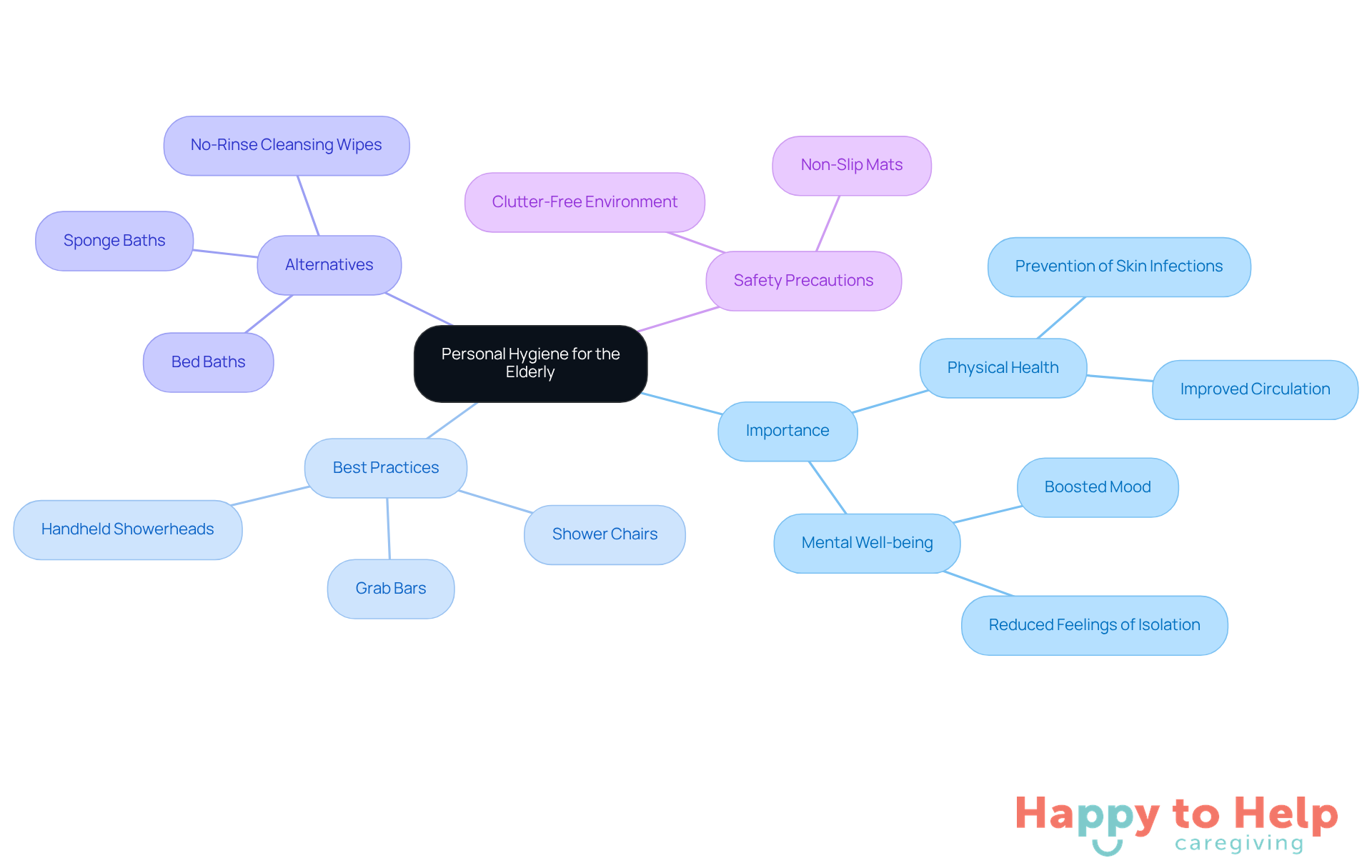
Basic ADLs, including bathing and showering, are essential for maintaining personal hygiene among the elderly, yet neglecting these routines can lead to significant health issues, including skin infections. Statistics show that these infections are prevalent in older populations, highlighting a serious problem that caregivers must address.
The implications of poor hygiene extend beyond physical health; they can also affect mental well-being. Caregivers play a crucial role in supporting elderly individuals with basic ADLs, including bathing and showering, ensuring that assistance is provided respectfully and promotes independence. To enhance safety and comfort, best practices include:
- Using grab bars
- Using shower chairs
- Using handheld showerheads
Alternatives to traditional showering, such as:
- Bed baths
- Sponge baths
- No-rinse cleansing wipes
should also be considered to accommodate individual needs. Regular bathing is one of the basic ADLs that not only keeps the skin clean but also improves circulation and can elevate mood, making it a vital component of daily care routines.
Moreover, offering emotional support during bathing is crucial for improving older adults' mental well-being. Healthcare professionals emphasize that proper personal hygiene greatly influences mental and emotional health, underscoring the importance for caregivers to prioritize these habits in their support methods.
Caregivers must also be aware of the significant risk of falls in the bathroom, particularly among seniors. Taking necessary precautions, such as ensuring a clutter-free environment and using non-slip mats, can help ensure safety during these routines.
Dressing: Promoting Independence and Self-Esteem
Helping individuals with dressing presents a significant challenge that goes beyond merely putting on clothes; it’s about fostering independence and enhancing self-esteem. Caregivers often face the difficulty of encouraging individuals to make their own clothing choices, which is essential for nurturing their decision-making skills.
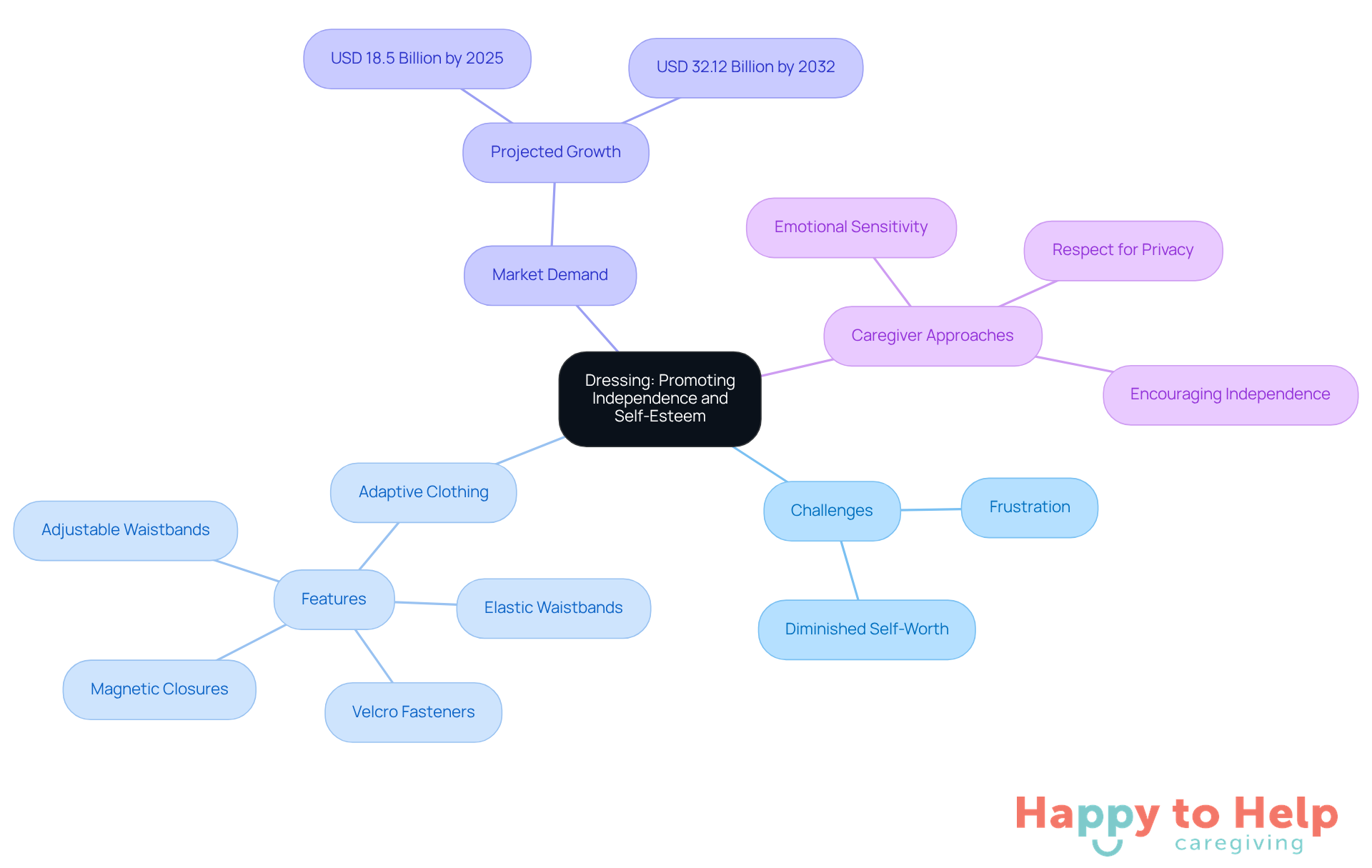
The implications of this challenge are profound. When individuals struggle with dressing, it can lead to feelings of frustration and diminished self-worth. Adaptive clothing, designed with practical features like elastic waistbands and Velcro fasteners, offers a solution. Such clothing not only simplifies the dressing process for those with mobility challenges but also empowers them to express their personal style, boosting their confidence.
Occupational therapists emphasize that these clothing choices are vital for preserving dignity and comfort. By enabling older adults to dress themselves, caregivers can help them engage in daily activities with greater ease. The global adaptive clothing market, projected to reach USD 18.5 billion by 2025, underscores the growing demand for these essential garments.
To effectively assist with dressing, caregivers should approach the task with emotional sensitivity and respect for privacy. This approach helps maintain the self-esteem of elderly individuals, reinforcing their sense of autonomy and control over their lives. Allowing seniors to dress themselves as much as possible is crucial; it promotes independence and alleviates feelings of frustration.
Eating and Drinking: Ensuring Proper Nutrition and Hydration
Support providers face a significant challenge in ensuring individuals receive adequate nutrition and hydration. This issue can lead to serious health implications, including malnutrition and dehydration, which can severely impact overall well-being.
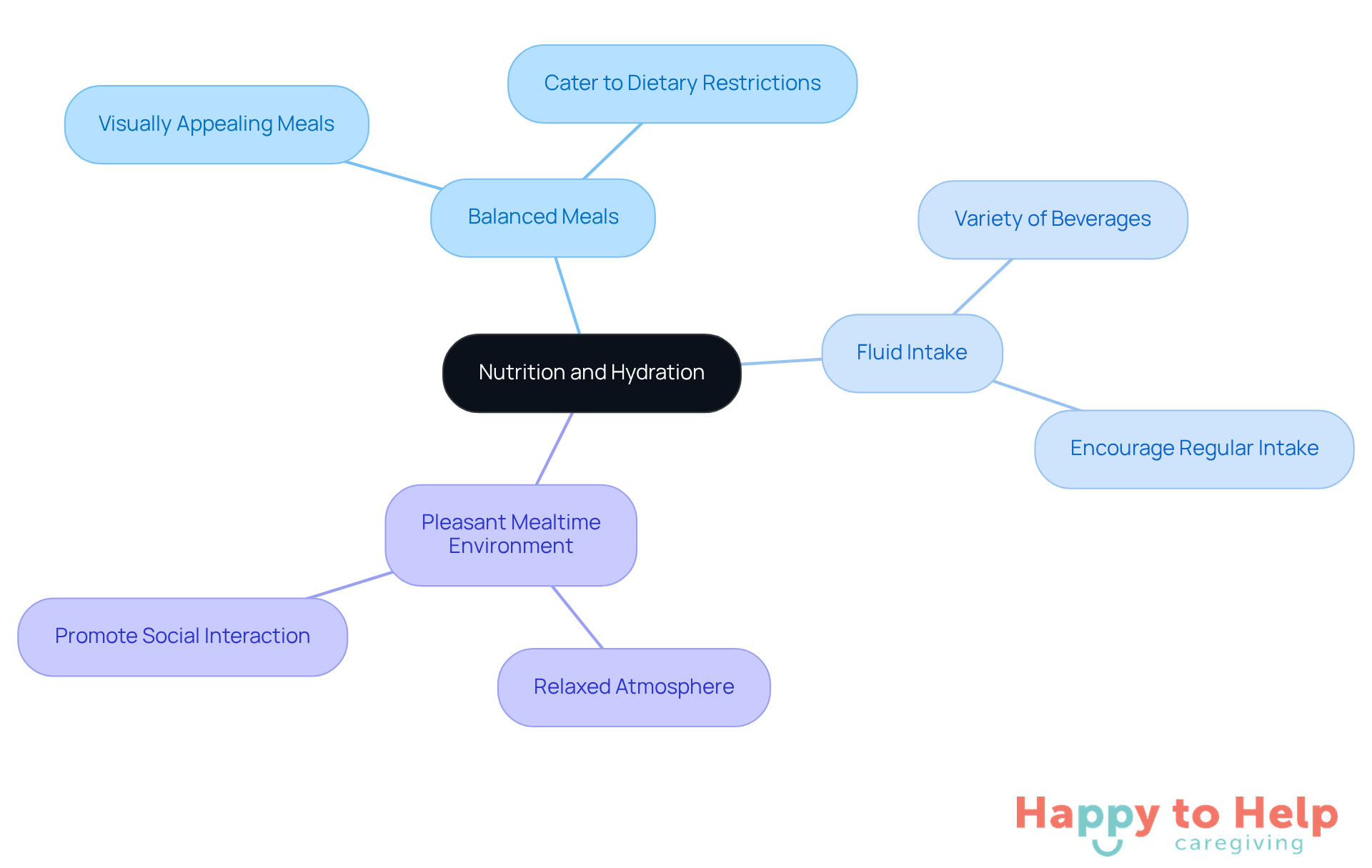
To address these challenges, caregivers must focus on preparing balanced meals that cater to dietary restrictions while also encouraging fluid intake. It's essential to be mindful of individual preferences and any difficulties they may have with eating or drinking, such as dysphagia.
Creating a pleasant mealtime environment is crucial. This not only enhances the dining experience but also makes it more enjoyable and social. Here are some actionable tips for support providers:
- Prepare meals that are visually appealing and cater to individual tastes.
- Encourage regular fluid intake by offering a variety of beverages.
- Foster a relaxed atmosphere during mealtimes to promote social interaction.
By implementing these strategies, caregivers can significantly improve the nutritional and hydration status of those they support.
Continence: Supporting Dignity and Comfort
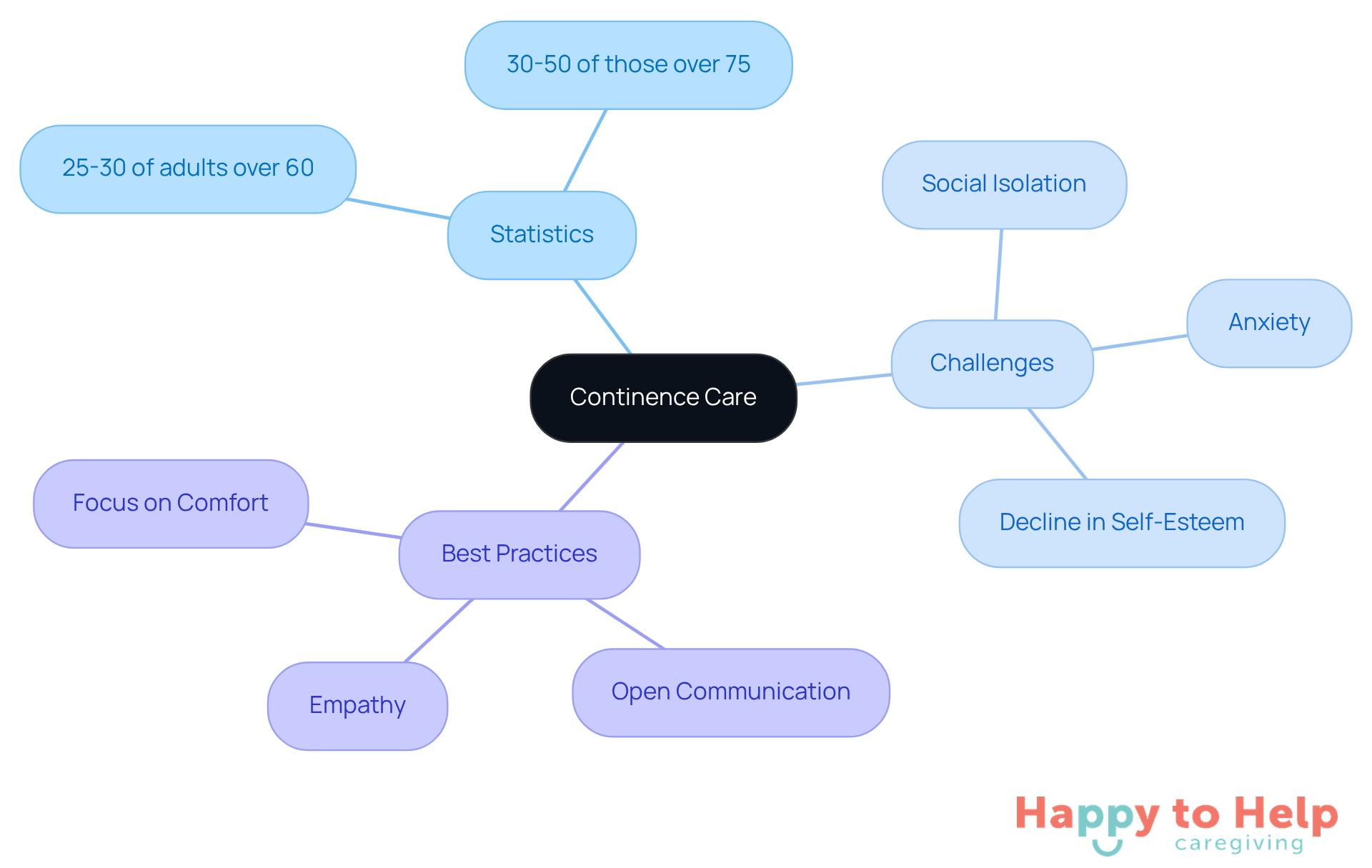
Assisting individuals with continence presents a significant challenge for caregivers. Many older adults face incontinence, with research indicating that 25% to 30% of adults over 60 and 30% to 50% of those over 75 experience urine incontinence. This issue not only limits their quality of life but can also lead to anxiety, social isolation, and a decline in self-esteem if left untreated.
To address these challenges, caregivers must be equipped with the right tools and knowledge. Training in the proper handling of incontinence products is crucial, ensuring that caregivers approach the situation with respect and sensitivity. Creating a consistent schedule for bathroom visits can greatly enhance incontinence management, promoting a sense of control and dignity for individuals. As nursing professional Tuğba Güler Sönmez emphasizes, "UI not only limits quality of life, but it can also lead to anxiety, social isolation, a decline in self-esteem, decreased sleep, sexual dysfunction, falls, fractures, and dermatitis if left untreated."
Discreet continence support is essential in preserving the dignity of those we care for. It allows individuals to feel secure and valued in their own homes. Best practices in home caregiving include:
- Open communication
- Empathy
- A focus on the individual's comfort
By implementing these strategies, caregivers can ensure that individuals receive the compassionate care they deserve, alleviating anxiety and reinforcing their self-respect.
Toileting: Maintaining Hygiene and Comfort
Toileting assistance presents a significant challenge in caregiving, often requiring a delicate balance of sensitivity and respect. Caregivers face the problem of ensuring that individuals feel safe and comfortable during this personal task. Without proper support, the risk of accidents increases, which can lead to discomfort and a loss of dignity for those receiving care.
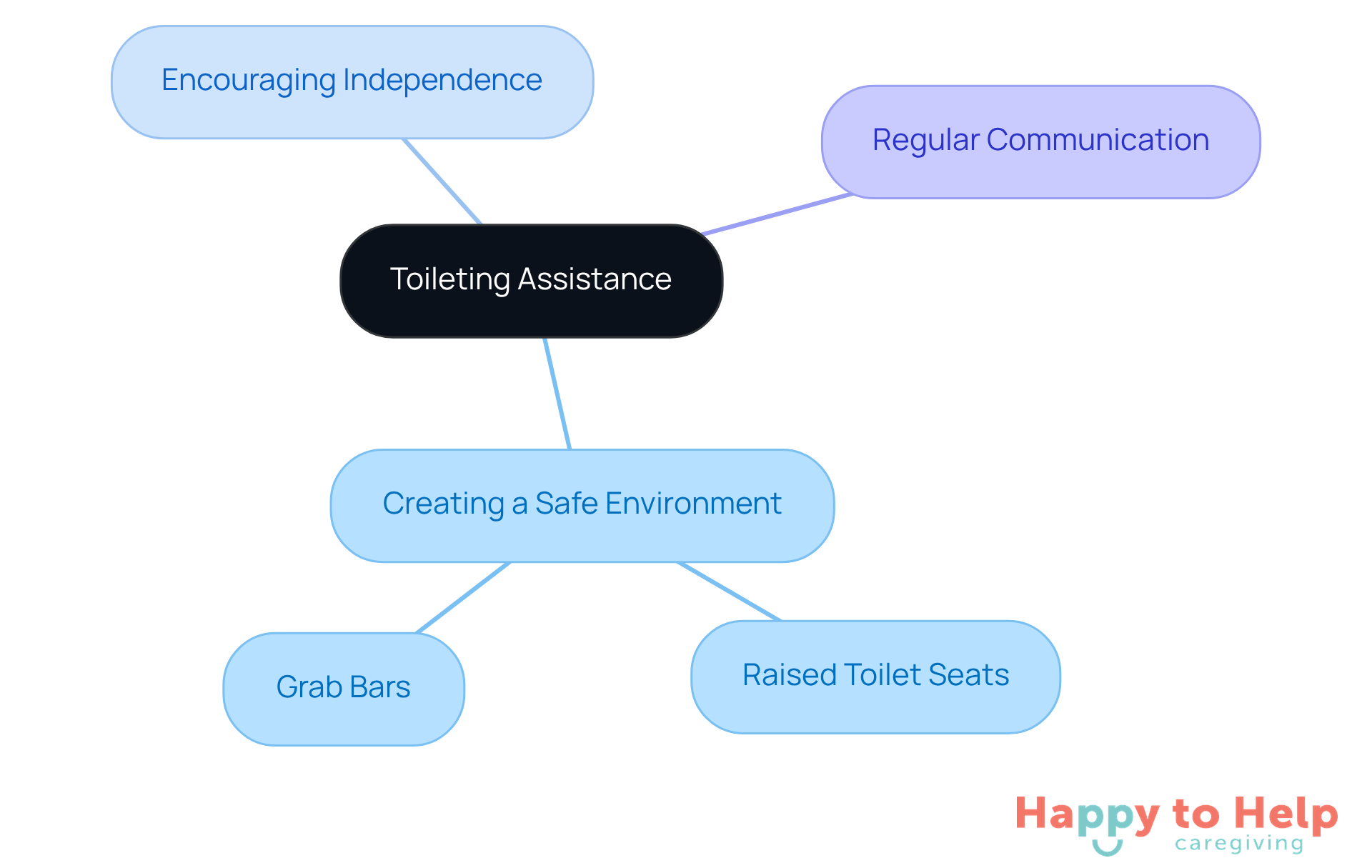
To address these concerns, caregivers should focus on creating a safe and accessible bathroom environment. This can include using aids such as:
- Raised toilet seats
- Grab bars to enhance safety
Encouraging individuals to maintain their independence during toileting is crucial; caregivers should provide support as needed while respecting privacy.
Regular communication about toileting needs is essential. By discussing preferences and concerns, caregivers can help prevent accidents and promote comfort. Implementing these strategies not only improves the toileting experience but also fosters a sense of dignity and autonomy for those in their care.
Mobility: Facilitating Independence and Physical Activity
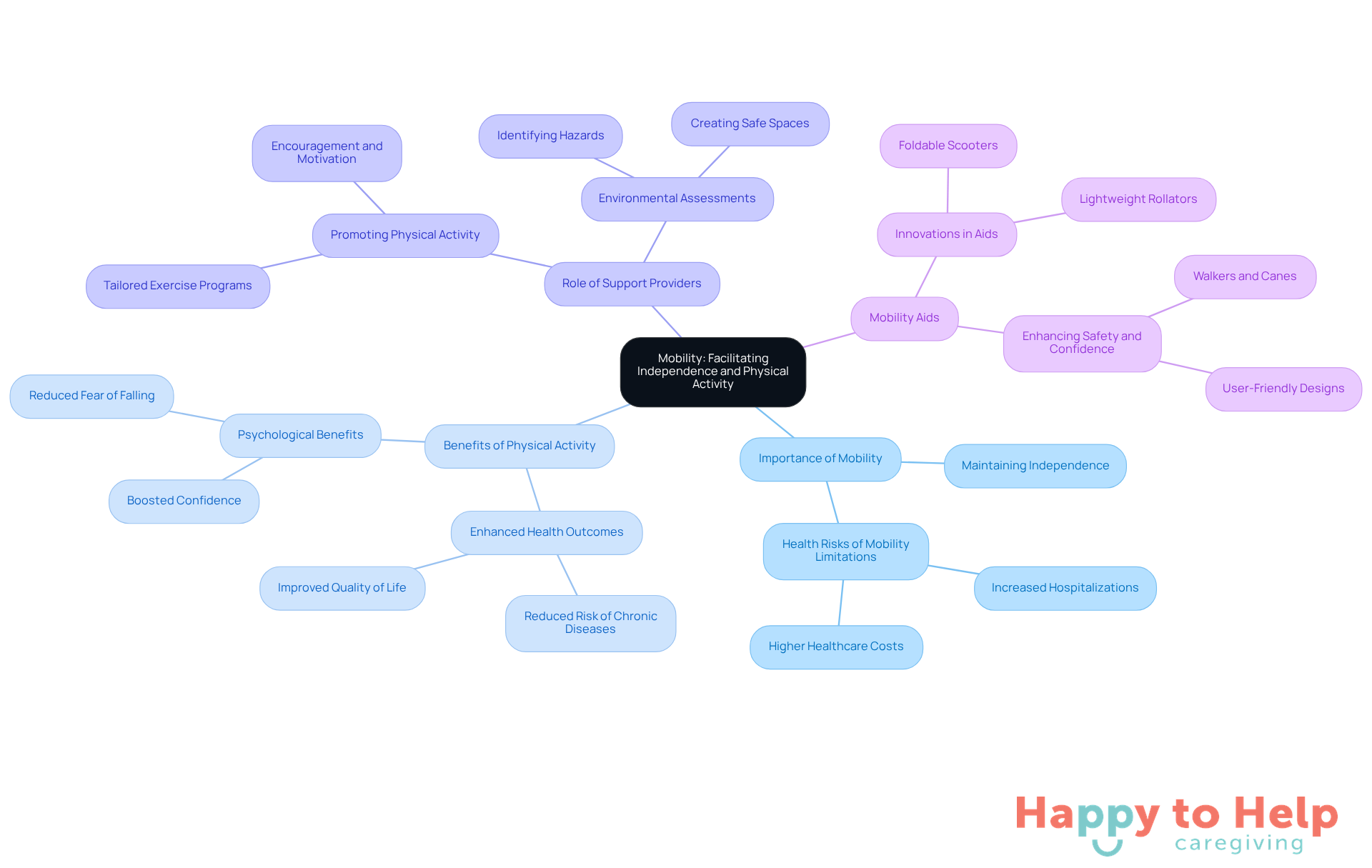
Facilitating mobility is crucial for older adults to sustain their independence and engage in daily activities. However, many seniors face mobility challenges that can hinder their ability to remain active. Support providers play a vital role in promoting regular physical activity, such as walking or gentle exercises, tailored to each client's capabilities.
Research indicates that engaging in physical activity can significantly enhance health outcomes, reducing the risk of chronic diseases and improving overall well-being. As Ellen Freiberger notes, "It is commonly understood that a low physical activity level has a negative impact on health and is responsible for many chronic diseases." For instance, studies show that older adults who maintain an active lifestyle experience lower healthcare costs and fewer hospitalizations, with those facing mobility limitations incurring an additional $2,773 in total healthcare expenditures.
To address these challenges, utilizing mobility aids like walkers or canes can enhance safety and boost confidence, allowing seniors to navigate their environments more effectively. Recent innovations in mobility aids, such as lightweight rollators and foldable scooters, empower elderly users to manage their mobility independently, further promoting active lifestyles. Ferrucci et al. emphasize that mobility is a "hallmark of aging," underscoring its significance in maintaining independence.
Caregivers should conduct thorough assessments of the home environment to identify and mitigate hazards that may impede mobility. This includes ensuring clear pathways, adequate lighting, and the removal of tripping hazards. By creating a safe and supportive environment, providers can facilitate greater freedom of movement for their clients.
Physical therapists emphasize the importance of encouraging physical activity in elderly care, noting that even small, consistent efforts can lead to significant improvements in mobility and quality of life. Effective methods for promoting physical activity involve establishing attainable goals, including enjoyable pursuits, and offering positive encouragement to inspire older adults. By nurturing an environment that prioritizes mobility, supporters can assist seniors in preserving their independence and improving their overall quality of life.
Transferring: Ensuring Safe Movement for Clients
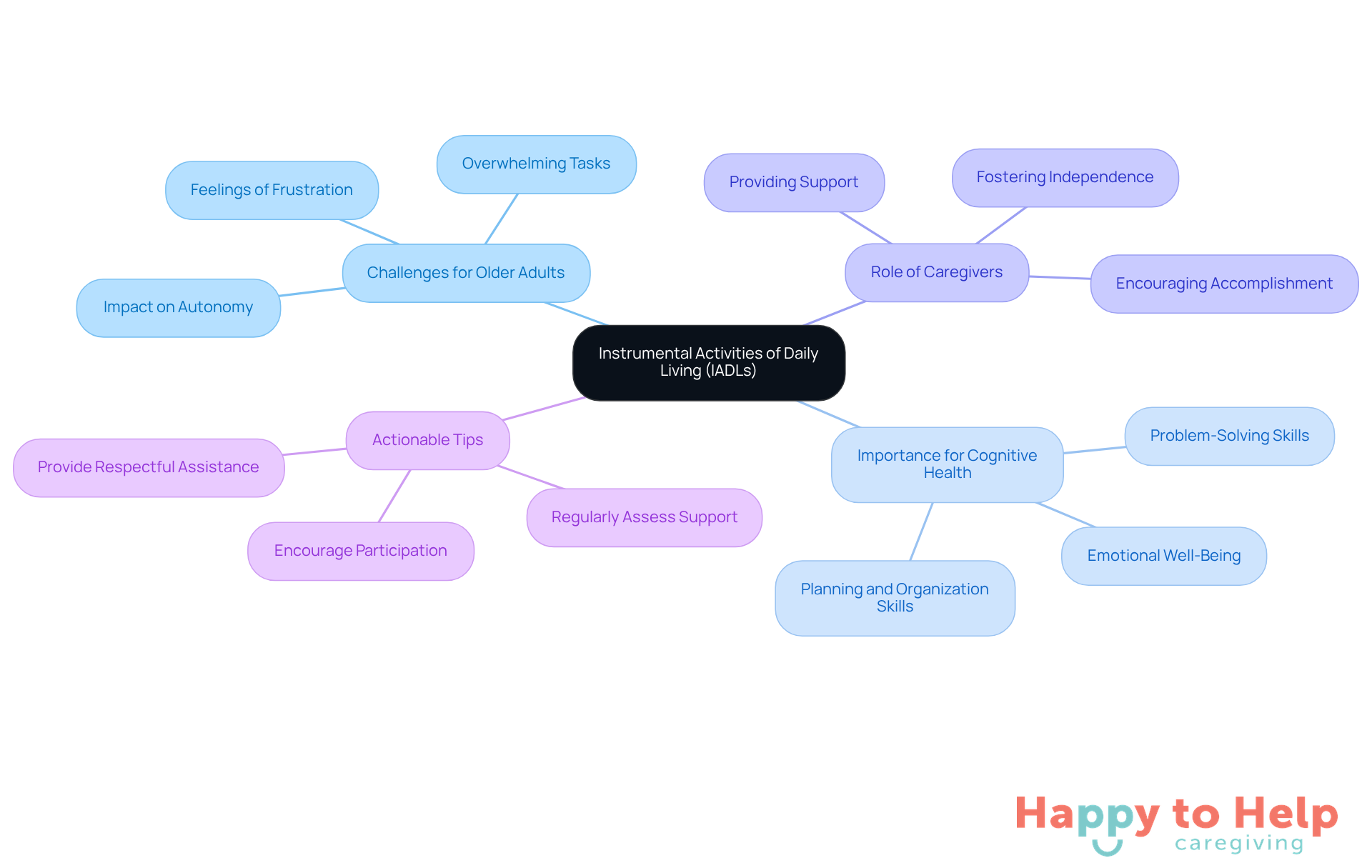
Transferring patients safely poses a significant challenge for caregivers, impacting both patient safety and caregiver well-being. In fact, research shows that in 2018, 27.5% of older adults reported at least one fall, highlighting the serious risks involved in patient transfers. Without proper techniques, such as using transfer belts and ensuring stability before moving, caregivers may inadvertently contribute to these incidents.
To address this issue, training programs focused on safe patient transfers are essential. These programs equip caregivers with the necessary body mechanics to lift and move individuals effectively, minimizing physical strain on themselves. Caregivers who undergo specialized training in transfer techniques often report enhanced confidence and skill, which directly correlates with improved safety outcomes for patients.
Moreover, establishing a clear communication system during transfers is crucial. Effective communication not only enhances the safety and comfort of individuals but also fosters trust and cooperation, making the process smoother for everyone involved. It allows support providers to assess the individual's comfort level and readiness, reducing anxiety and promoting a positive transfer experience.
As noted by AARP, "proper caregiver training directly impacts safety," underscoring the importance of ongoing education and support for caregivers. By prioritizing training and communication, caregivers can significantly improve the safety and well-being of those they assist.
Instrumental Activities of Daily Living: Expanding Care Beyond Basics
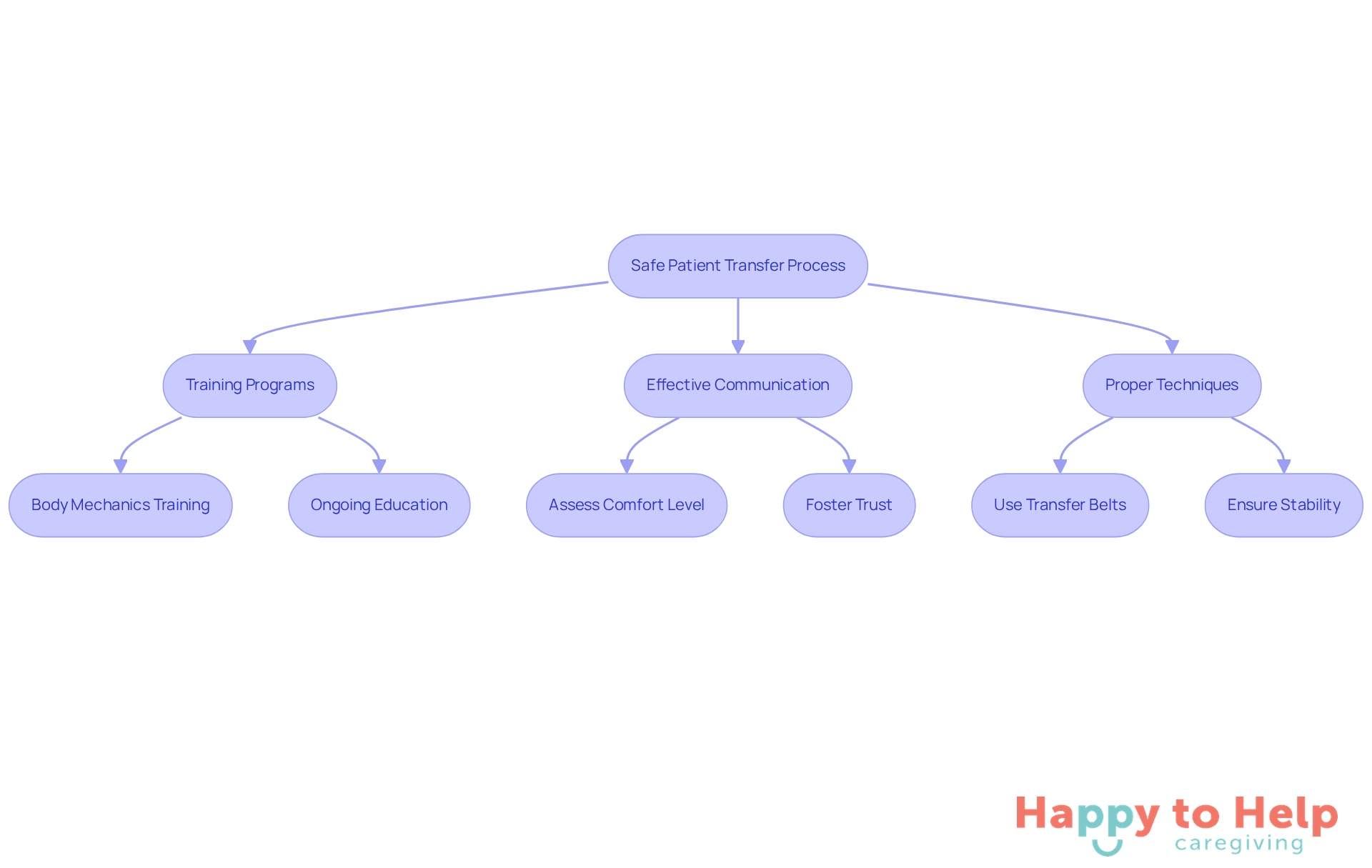
Instrumental Activities of Daily Living (IADLs) are often more challenging than basic ADLs for many older adults. Tasks like managing finances, grocery shopping, and meal preparation can become overwhelming, impacting their autonomy and overall well-being. Without proper support, these essential activities may lead to feelings of frustration and dependency.
Research shows that engaging in IADLs is crucial for maintaining cognitive abilities. These tasks require planning, organization, and problem-solving skills, which are vital for emotional well-being and cognitive function. Caregivers play a pivotal role in this process, as their support can foster a sense of accomplishment among seniors.
To effectively assist older adults with basic ADLs, caregivers should tailor their support to each individual's unique abilities and preferences. This approach not only respects their independence but also empowers them to participate actively in their daily lives. Here are some actionable tips for caregivers:
- Encourage participation in IADLs to boost confidence and cognitive health.
- Provide assistance that is respectful and empowering, allowing seniors to take the lead when possible.
- Regularly assess and adapt support strategies to meet changing needs.
By facilitating involvement in IADLs, caregivers enhance the quality of life for seniors, strengthen their independence, and promote cognitive health.
Assessing Support Needs: Tailoring Care for Individual Clients
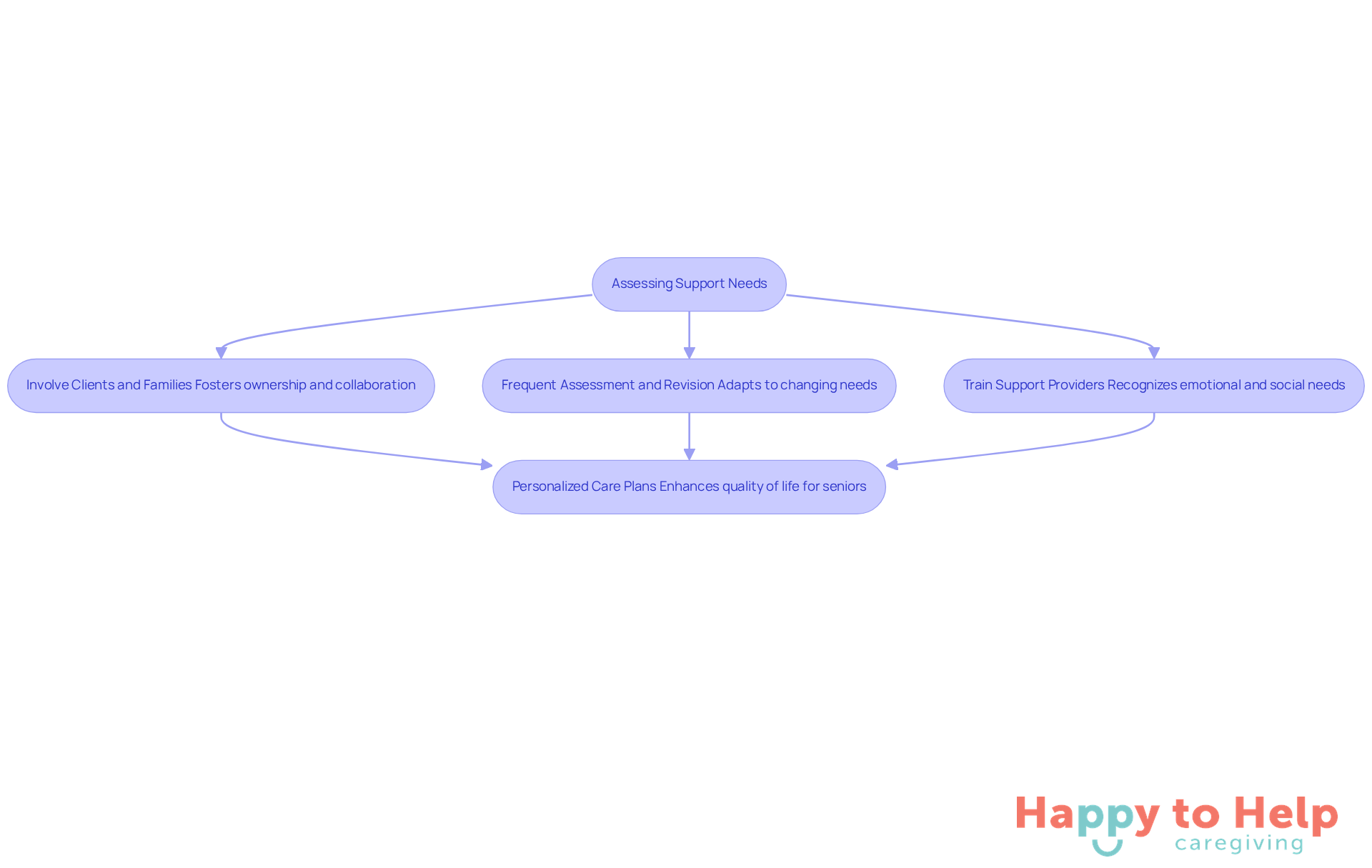
Evaluating the support requirements of individuals is a crucial step in effective caregiving. Caregivers face the challenge of understanding the evolving needs of those they care for, which include physical, emotional, and social factors. This ongoing assessment is essential, as it leads to the creation of personalized care plans tailored to each client's unique circumstances. Such plans ensure that individuals receive the right level of support to thrive in their home environment.
With over 24 million people providing unpaid care for older adults in the U.S., the importance of personalized care plans cannot be overstated. Geriatric care managers highlight that these plans are vital because they address the specific needs of seniors, which can shift over time due to health conditions or life circumstances. The emotional burden on caregivers, as noted by Chandra Matthews, further emphasizes the need for customized support.
To tackle these challenges, caregivers can adopt several optimal approaches:
- Involving clients and their families in the decision-making process fosters a sense of ownership and collaboration.
- Caregivers should frequently assess and revise care strategies to adapt to changing needs.
- Ensuring that support providers are trained to recognize and address the emotional and social needs of their clients is essential.
By prioritizing personalized care, caregivers can significantly enhance the quality of life for seniors, promoting a sense of independence and well-being.
Making the Right Choice
Supporting elderly individuals through essential Activities of Daily Living (ADLs) presents a significant challenge for caregivers. Without adequate support, seniors may struggle with independence, dignity, and overall well-being. This situation can lead to feelings of loneliness and decreased self-esteem, highlighting the need for effective caregiving strategies.
Caregivers face multifaceted challenges when addressing both basic and instrumental ADLs. The implications of neglecting these needs can be profound, affecting not only the physical health of seniors but also their emotional well-being. For instance, inadequate hygiene practices, poor nutrition, and lack of companionship can exacerbate feelings of isolation and decline in health.
To combat these issues, caregivers are encouraged to adopt respectful and empowering approaches. Here are some actionable solutions:
- Foster Companionship: Regular social interaction can alleviate loneliness and enhance emotional health.
- Promote Hygiene: Assist with bathing and dressing to maintain dignity and self-esteem.
- Ensure Proper Nutrition and Hydration: Monitor dietary needs and encourage fluid intake to support overall health.
- Manage Continence: Address continence needs with sensitivity to promote comfort and confidence.
By implementing tailored strategies and maintaining open communication, caregivers can create a supportive environment that encourages seniors to engage actively in their daily lives. This personalized care is vital in enhancing the quality of life for older adults.
Ultimately, caregivers must embrace their responsibilities with empathy and adaptability. Recognizing that their support significantly influences the mental and physical health of those they assist is crucial. Prioritizing these essential ADLs not only fosters independence but also cultivates a sense of connection and purpose, enriching the lives of both caregivers and those they care for.
https://iframe.tely.ai/cta/eyJhcnRpY2xlX2lkIjogIjY5MjNhMDlhYzVlZWQyYmRiNTU3YmVmZCIsICJjb21wYW55X2lkIjogIjY4ZWU1ZGNhNzMxNzYyNTU3ZjNjOTVjMSIsICJpbmRleCI6IG51bGwsICJ0eXBlIjogImFydGljbGUifQ==Frequently Asked Questions
What is the main issue addressed by Happy to Help Caregiving?
The main issue is loneliness among elderly individuals, which affects their mental and physical health and can significantly shorten life expectancy.
How does chronic loneliness impact elderly individuals?
Chronic loneliness can lead to a decline in cognitive function and overall quality of life, exacerbating feelings of isolation and despair.
What solution does Happy to Help Caregiving offer to combat loneliness?
Happy to Help Caregiving prioritizes companionship care, where caregivers engage individuals in conversations and activities, enhancing their emotional well-being and motivating them to participate in daily activities.
Why is regular social interaction important for older adults?
Regular social interaction is crucial for maintaining cognitive function and emotional stability in older adults, helping them feel connected and valued.
Are companion care services covered by insurance?
Yes, many long-term care insurance policies cover companion care services, making it a viable option for families seeking support for their loved ones.
What are basic Activities of Daily Living (ADLs) that caregivers assist with?
Basic ADLs include bathing and showering, which are essential for maintaining personal hygiene among the elderly.
What health issues can arise from neglecting personal hygiene in the elderly?
Neglecting personal hygiene can lead to significant health issues, including skin infections, which are prevalent in older populations, and can also affect mental well-being.
What best practices can caregivers implement to enhance safety and comfort during bathing?
Best practices include using grab bars, shower chairs, and handheld showerheads, as well as considering alternatives like bed baths and sponge baths.
How does regular bathing benefit elderly individuals?
Regular bathing keeps the skin clean, improves circulation, and can elevate mood, making it a vital component of daily care routines.
What precautions should caregivers take to prevent falls in the bathroom?
Caregivers should ensure a clutter-free environment and use non-slip mats to help prevent falls during bathing routines.
What challenges do caregivers face when assisting individuals with dressing?
Caregivers face the challenge of encouraging individuals to make their own clothing choices, which is essential for fostering independence and enhancing self-esteem.
How can adaptive clothing help individuals with dressing?
Adaptive clothing, designed with practical features like elastic waistbands and Velcro fasteners, simplifies the dressing process for those with mobility challenges and empowers them to express their personal style.
Why is emotional sensitivity important when assisting with dressing?
Approaching the task with emotional sensitivity and respect for privacy helps maintain the self-esteem of elderly individuals and reinforces their sense of autonomy and control over their lives.
List of Sources
- Happy to Help Caregiving: Companionship Care for Daily Living Support
- Home Care Agency in Plantation, FL Near You | Skilled Nursing and Senior Home Care Services Serving Broward and Palm Beach Counties | Home Health Aide | Free Consult | 24-7 | Trust USA Home Health (https://trustusahomehealth.com/?p=2378)
- Why Home Care Providers Are Increasingly Offering Companion Care Services for Seniors | Aaniie, formerly Smartcare Software (https://aaniie.com/news/why-home-care-providers-are-increasingly-offering-companion-care-services-for-seniors)
- Trends in Loneliness Among Older Adults from 2018-2023 (https://ihpi.umich.edu/national-poll-healthy-aging/reports-and-resources/trends-loneliness-among-older-adults-2018-2023)
- AmeriCorps program matches older people who need a helping hand with an older volunteer looking to help (https://cpr.org/2025/11/20/americorps-senoir-companion-program)
- AI Care Companions for Seniors (https://health.usnews.com/senior-care/articles/ai-care-companions-for-seniors)
- Bathing and Showering: Essential for Personal Hygiene
- Bathing Assistance for Elderly: Caregivers Guide (https://caregiveraction.org/bathing-assistance-for-elderly)
- How to Assist an Elderly Person in the Shower (https://villagecaregiving.com/blog/bathing-assistance)
- 52+ Senior Health Statistics, Facts & Trends (https://humancareny.com/blog/52-senior-health-statistics-facts-trends)
- The Role of Caregivers in Grooming and Hygiene for the Elderly (https://ltcnews.com/articles/role-of-caregivers-grooming-hygiene-elderly)
- The Importance of Personal Hygiene Care for Seniors: Ensuring Safety and Well-Being (https://familyfirsthomecompanions.com/the-importance-of-personal-hygiene-care-for-seniors-ensuring-safety-and-well-being)
- Dressing: Promoting Independence and Self-Esteem
- Dressing Older Adults: Tips for Helping Seniors Get Dressed (https://caregiveraction.org/tips-dressing-older-adults)
- Conversations Focus on Adaptive Clothing Innovations (https://andcircus.com/blogs/industry-news/conversations-focus-on-adaptive-clothing-innovations?srsltid=AfmBOoqJ9frW-qugGnBBXfhFd\_HDjCmVAZQq4hExWcS9hVFIitaWA\_A1)
- Empowerment Through Daily Dressing for Seniors (https://arcyhc.com/empowerment-through-daily-dressing-for-seniors)
- Celebrate the rise of accessible design – it benefits everyone (https://theguardian.com/fashion/2025/sep/03/celebrate-the-rise-of-accessible-design-it-benefits-everyone-not-just-disabled-people)
- Eating and Drinking: Ensuring Proper Nutrition and Hydration
- Good hydration linked to healthy aging (https://nhlbi.nih.gov/news/2023/good-hydration-linked-healthy-aging)
- Hydration and older adults: Why water matters more as you age (https://uclahealth.org/news/article/hydration-and-older-adults-why-water-matters-more-you-age)
- Hydration Status in Older Adults: Current Knowledge and Future Challenges - PMC (https://pmc.ncbi.nlm.nih.gov/articles/PMC10255140)
- The challenge with hydration for the elderly (https://nzmp.com/global/en/news/hydration-for-elderly.html)
- Continence: Supporting Dignity and Comfort
- 85 Nursing Quotes: Words of Wisdom for Nurses | USAHS (https://usa.edu/blog/nursing-quotes)
- Quotes by Florence Nightingale About Nursing (https://carerev.com/blog/quotes-of-florence-nightingale-about-nursing-a-guide-to-her-wisdom)
- 172 Nursing Quotes for You and Your Favorite Nurse | Aspen University (https://aspen.edu/altitude/nursing-quotes)
- The prevalence of incontinence and its impact on quality of life - PMC (https://pmc.ncbi.nlm.nih.gov/articles/PMC11688079)
- Mobility: Facilitating Independence and Physical Activity
- Mobility in Older Community-Dwelling Persons: A Narrative Review - PMC (https://pmc.ncbi.nlm.nih.gov/articles/PMC7522521)
- Exercise supports healthy aging — and more older adults need to get moving, report says (https://mcknights.com/news/exercise-supports-healthy-aging-and-more-older-adults-need-to-get-moving-report-says)
- New Lightweight Mobility Devices Cater to Active Elderly - INTCO Medical (https://intcowheelchair.com/news/new-lightweight-mobility-devices-cater-to-active-elderly)
- Breaking News: Fall 2025 Brings a New Era of Lightweight Walkers and Rollators for Seniors (https://cbs42.com/business/press-releases/ein-presswire/850373373/breaking-news-fall-2025-brings-a-new-era-of-lightweight-walkers-and-rollators-for-seniors)
- New 2025 Summer Guide Empowers Seniors to Stay Independent as Mobility Equipment Innovation Surges Nationwide (https://kron4.com/business/press-releases/ein-presswire/827097148/new-2025-summer-guide-empowers-seniors-to-stay-independent-as-mobility-equipment-innovation-surges-nationwide)
- Transferring: Ensuring Safe Movement for Clients
- Trends in Nonfatal Falls and Fall-Related Injuries Among Adults... (https://cdc.gov/mmwr/volumes/69/wr/mm6927a5.htm)
- The Importance of Caregiver Training in Patient Care Management (https://regencyhcs.com/blog/the-importance-of-caregiver-training-in-patient-care-management?4393cdce\_page=2)
- Effectiveness of active learning-based transfer movement training for caregivers working in a residential care home - PMC (https://pmc.ncbi.nlm.nih.gov/articles/PMC11527472)
- Get the Facts on Falls Prevention (https://ncoa.org/article/get-the-facts-on-falls-prevention)
- Instrumental Activities of Daily Living: Expanding Care Beyond Basics
- Quotes on Caring for Aging Parents (https://regencyhcs.com/blog/quotes-on-caring-for-aging-parents)
- Innovative New Technology Helps Seniors Age in Place (https://ucdavis.edu/health/news/innovative-new-technology-helps-seniors-age-place)
- Heartwarming Quotes on Taking Care of Elderly Parents (https://humancareny.com/blog/taking-care-of-elderly-parents-quotes)
- Number of Family Caregivers Supporting Older Adults Increased Nearly One-Third Between 2011 and 2022 | Johns Hopkins Bloomberg School of Public Health (https://publichealth.jhu.edu/2025/number-of-family-caregivers-supporting-older-adults-increased-nearly-one-third-between-2011-and-2022)
- The Prevalence and Trends of Instrumental Activities of Daily Living Impairments in the United States from 2008–2018 - PMC (https://pmc.ncbi.nlm.nih.gov/articles/PMC10200247)
- Assessing Support Needs: Tailoring Care for Individual Clients
- Aurora releases study to address needs of older adults and caregivers (https://denver7.com/news/front-range/aurora/aurora-releases-study-to-address-needs-of-older-adults-and-caregivers)
- WHO calls for urgent transformation of care and support systems for older people (https://who.int/news/item/01-10-2024-who-calls-for-urgent-transformation-of-care-and-support-systems-for-older-people)
- Fact Sheet: Trends in Family Care for Older Americans (https://prb.org/resources/fact-sheet-trends-in-family-care-for-older-americans)
- Warning From Older Adults: Care for Aging in America Needs Urgent Rethinking (https://johnahartford.org/newsroom/view/warning-from-older-adults-care-for-aging-in-america-needs-urgent-rethinking)