10 Essential Benefits of 24 Hour Care Services for Families

For families in our service areas
For families in our service areas, this guide explains caregiving and how non-medical in-home caregiving can support care planning in East Idaho, Treasure Valley & Magic Valley, Northern Wasatch, North Central West Virginia, and Northeast Ohio.
The Importance of Benefits of 24 Hour Care Services for
In today's fast-paced world, families often find themselves juggling busy lives alongside the demands of caregiving. This balancing act can lead to significant stress and burnout for caregivers, making the need for reliable support more critical than ever.
The implications of this challenge are profound. Caregivers not only face physical exhaustion but also emotional strain, which can affect their well-being and the quality of care they provide. This is where 24-hour care services come into play, offering a transformative solution that provides continuous assistance and emotional support.
These services enhance the quality of life for both caregivers and their loved ones, allowing families to regain a sense of balance. By exploring the essential advantages of round-the-clock care, we can uncover a pathway to improved well-being, safety, and independence for those who need it most.
Happy to Help Caregiving: Personalized 24-Hour Care for Your Loved Ones
Use english for answers
The Challenge of Caregiving
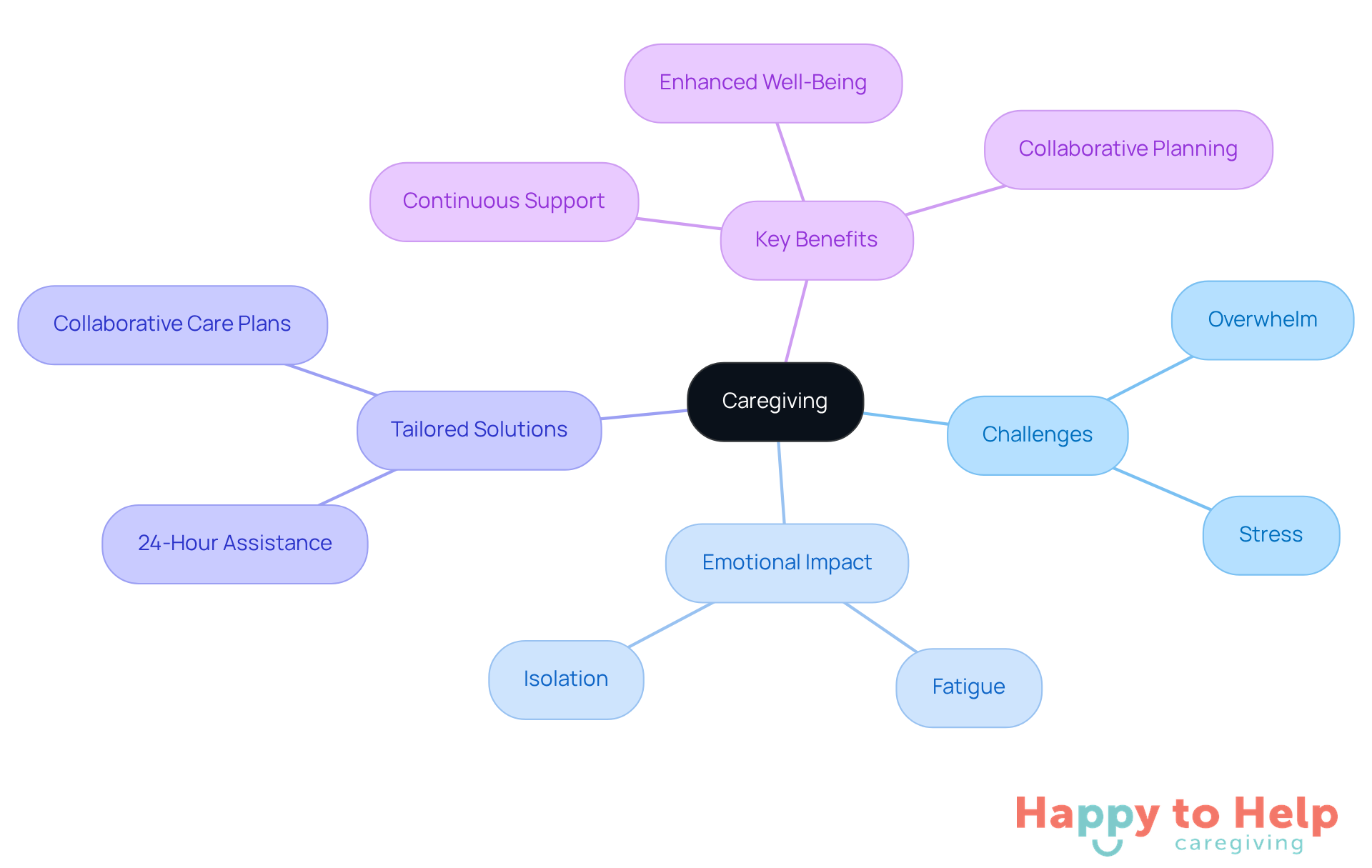
Caregivers often face the daunting challenge of providing adequate support to individuals who need assistance. This can lead to feelings of overwhelm and stress, as they strive to meet the unique needs of those in their care.
The Emotional Impact
Without proper support, caregivers may struggle with emotional fatigue, impacting both their well-being and the quality of care provided. Individuals receiving care may feel isolated or undervalued, which can further exacerbate their situation.
A Tailored Solution
Happy to Help Caregiving offers a solution by delivering customized 24-hour assistance tailored to the individual requirements of each person. This service offers 24 hour care services to ensure that individuals receive continuous support in the comfort of their own homes, fostering a sense of security and independence.
Collaborative Care Plans
Care plans are created collaboratively with families, ensuring that all aspects of the individual's lifestyle and preferences are taken into account. This tailored approach not only improves the quality of support but also fosters emotional well-being, making individuals feel valued and understood.
Key Benefits
- Continuous support in a familiar environment
- Enhanced emotional well-being
- Collaborative planning with families
By focusing on these aspects, Happy to Help Caregiving addresses the core challenges faced by caregivers, providing practical solutions that enhance the caregiving experience.
Companionship: Reducing Loneliness Through Constant Support
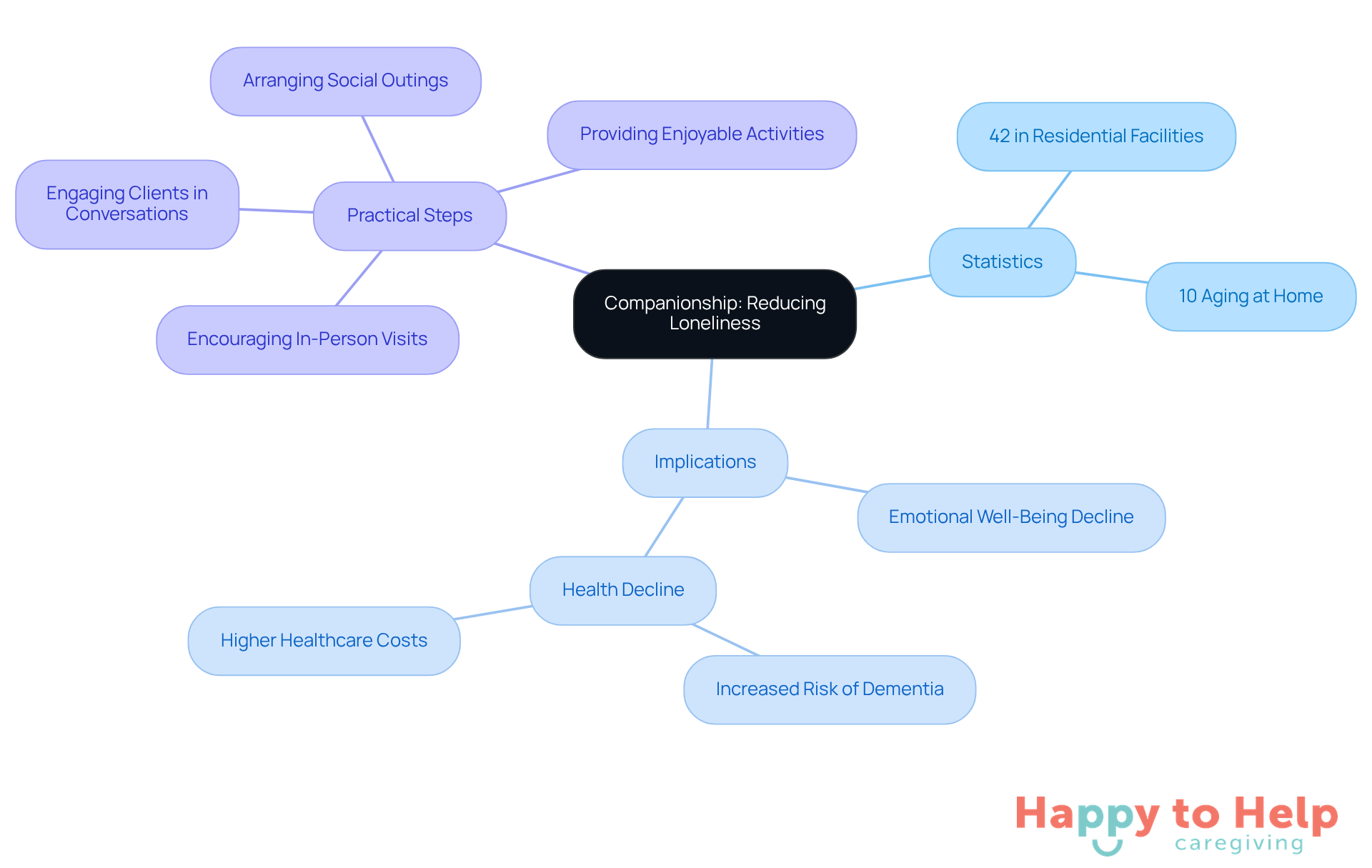
Loneliness among seniors is a significant issue that caregivers must address. Many older adults experience feelings of isolation, particularly those who have lost friends or family members. Research indicates that 42% of seniors in residential facilities suffer from severe loneliness, compared to just 10% of those aging at home. This disparity highlights the urgent need for companionship and emotional support in 24 hour care services for the elderly.
The implications of loneliness are profound. Seniors who lack social connections often report lower emotional well-being, experiencing loneliness at four times the rate of younger generations. This emotional distress can lead to a decline in overall happiness and health, making it crucial for caregivers to foster strong connections with their clients.
To combat this issue, caregivers can take several practical steps:
- Encouraging in-person visits
- Arranging social outings
- Actively engaging clients in meaningful conversations
- Providing enjoyable activities
By actively engaging clients in meaningful conversations and enjoyable activities, caregivers not only alleviate feelings of loneliness but also enhance their emotional security and sense of belonging.
The importance of social connections has been recognized at a societal level. Former US Surgeon General Vivek Murthy's 'National Strategy to Advance Social Connections' addresses the epidemic of loneliness and isolation, underscoring the role caregivers play in facilitating these vital connections. By nurturing relationships, caregivers can improve their patients' emotional well-being and overall happiness, making companionship an essential aspect of 24 hour care services for effective elderly support.
Post-Hospital Recovery Assistance: Ensuring Safe Transitions Home
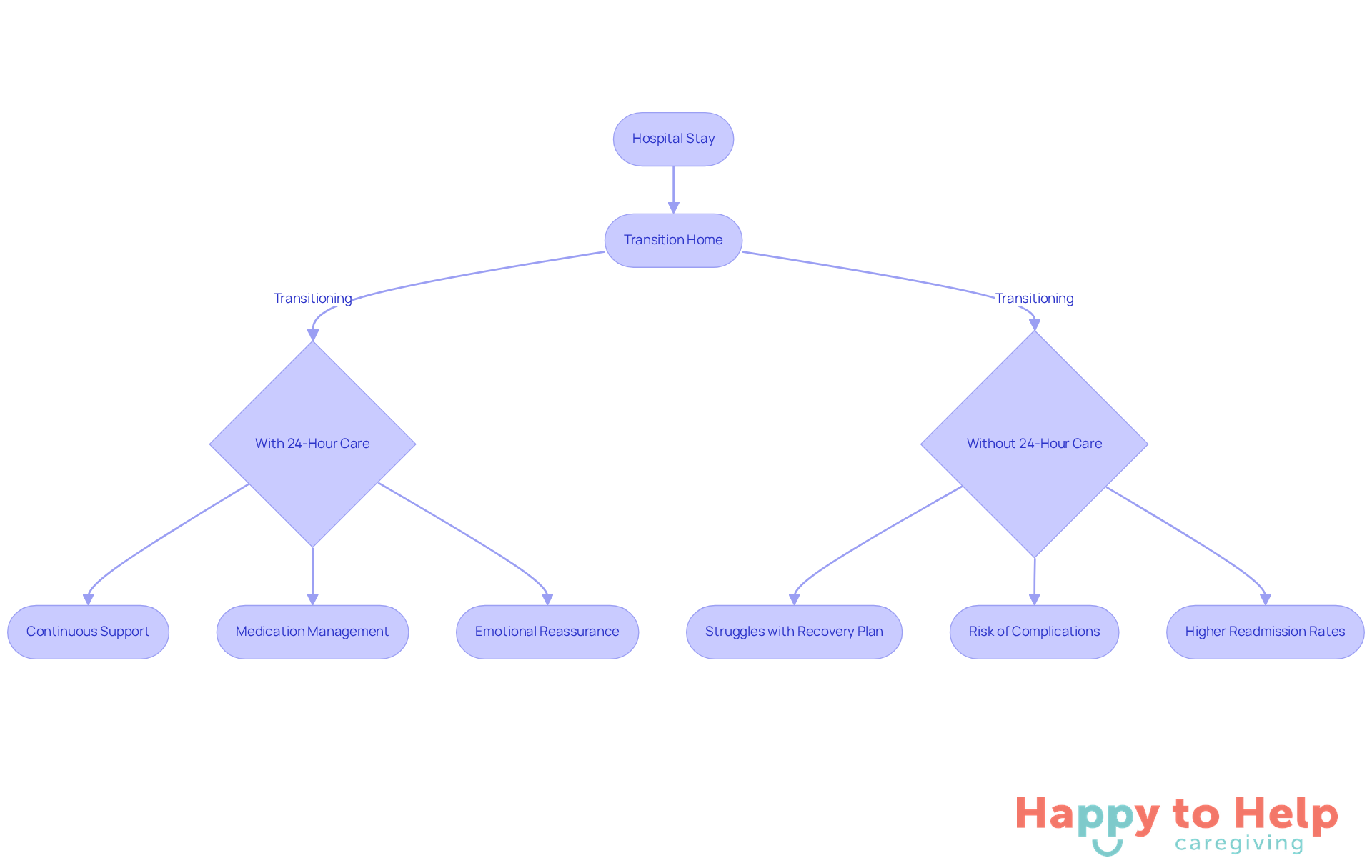
Transitioning home after a hospital stay can be a significant challenge for many individuals. Without adequate support, patients may struggle to follow their recovery plans, manage medications, and handle daily activities. This lack of assistance can lead to complications and even readmission to the hospital, which is a concern for both patients and their families.
24 hour care services provide a comprehensive and vital solution. Caregivers trained to identify signs of complications can respond swiftly, significantly reducing the risk of readmission. A study by the National Institutes of Health found that seniors with home assistance had notably lower hospital readmission rates, underscoring the effectiveness of these services in promoting recovery.
Additionally, 24 hour care services offer round-the-clock assistance, supervision, and companionship, ensuring safety and comfort at all times. This continuous support not only aids in physical healing but also offers emotional reassurance for families, knowing their loved ones are in skilled and compassionate hands.
By incorporating round-the-clock support, individuals can recuperate comfortably at home while preserving their independence. This approach fosters a secure atmosphere, allowing patients to focus on their recovery without the added stress of managing their care alone.
Respite Care: Supporting Family Caregivers and Preventing Burnout
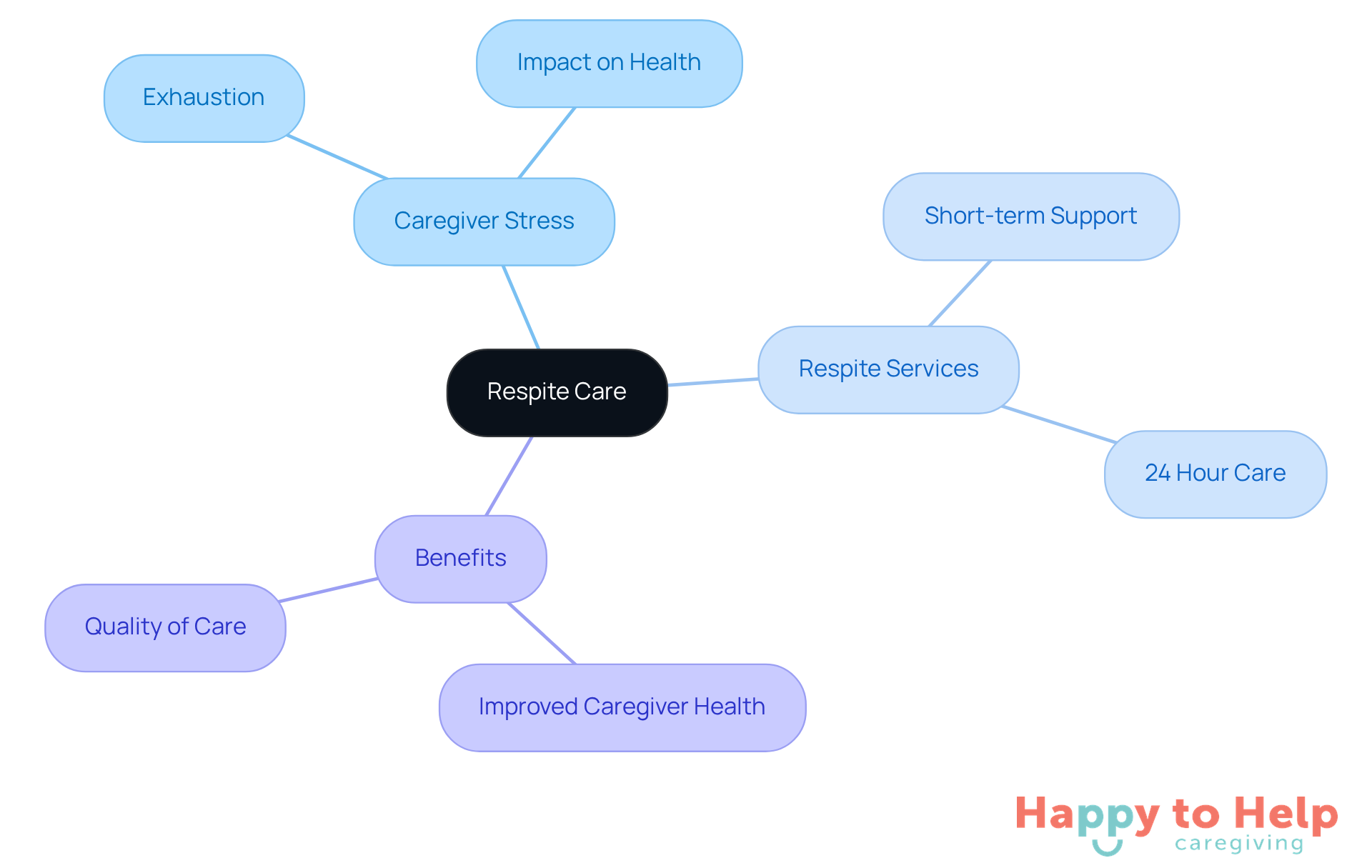
Caregivers often face significant stress and burnout due to the demands of providing care. This situation can lead to exhaustion, making it difficult for them to maintain their own health and well-being. Without proper support, caregivers may struggle to offer the quality of care their loved ones deserve.
Respite services offer a vital solution. By providing short-term support, these services allow caregivers to take a much-needed break, rejuvenating themselves and focusing on their own needs. With 24 hour care services, caregivers can ensure they remain healthy and capable of effectively supporting their loved ones.
Implementing respite services is crucial in preventing caregiver exhaustion. By utilizing these services, families can sustain high-quality support over the long term, ultimately benefiting both caregivers and those they care for.
Palliative Support: Enhancing Comfort During Difficult Times
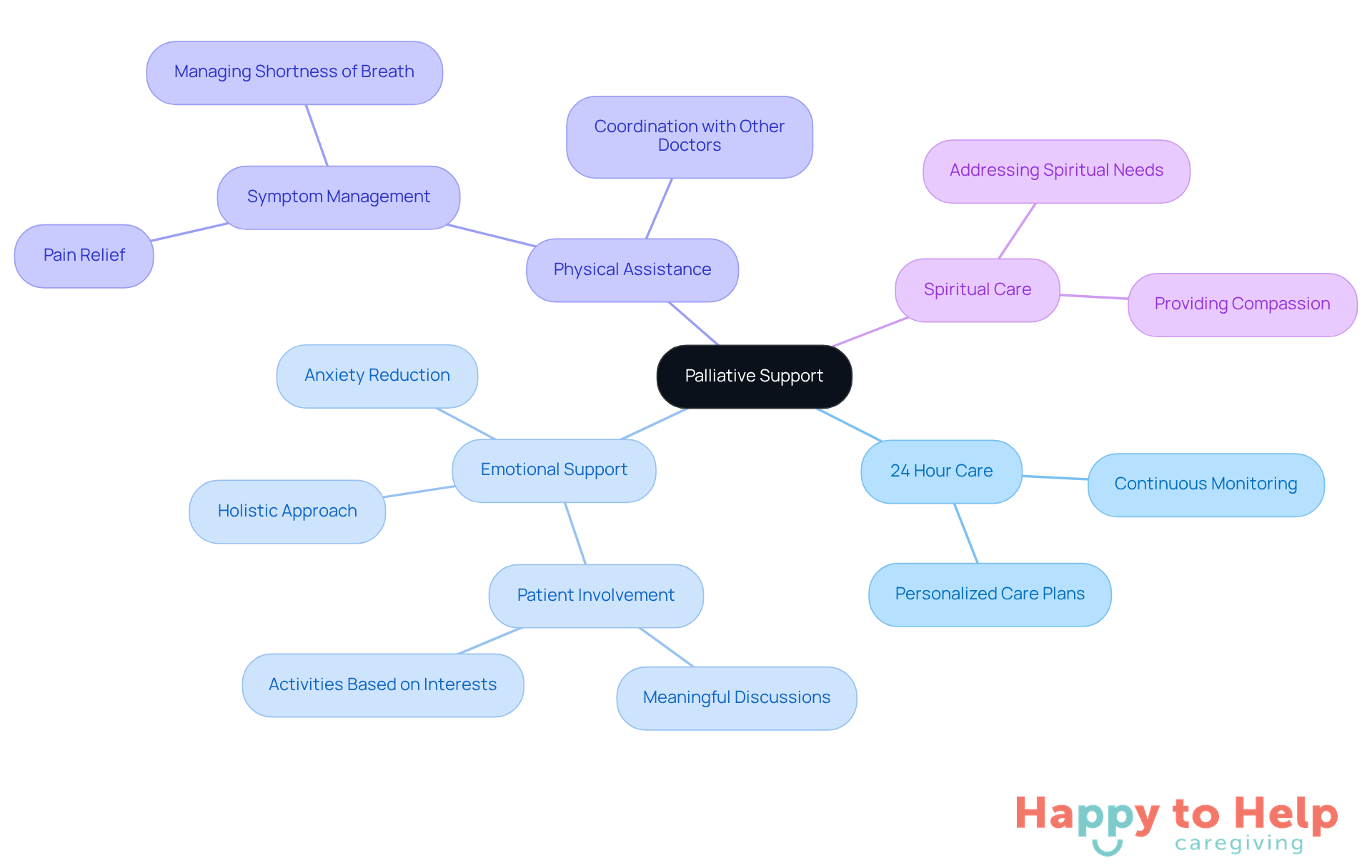
Palliative support is essential in providing 24 hour care services, focusing on enhancing comfort and quality of life for individuals facing serious health challenges. Caregivers often struggle to provide not just physical assistance but also the emotional and spiritual support that patients need. This lack of comprehensive care can lead to increased feelings of anxiety and isolation, making it difficult for clients to navigate their health journeys with dignity.
Research indicates that emotional support is crucial in palliative settings. Nearly 70% of patients report that such support significantly enhances their quality of life. By prioritizing emotional needs, caregivers can create an environment where individuals feel valued and understood, ultimately improving overall health outcomes.
To address these challenges, caregivers can involve patients in meaningful discussions and activities that resonate with their interests. This approach not only fosters emotional wellness but also reassures patients during difficult times. Palliative support experts advocate for a holistic method that addresses physical symptoms while nurturing emotional and spiritual dimensions of care.
As Bernardita Roe, Clinical Manager of the Palliative Care Program, states, "We support patients’ choices and try to reduce their anxiety. We provide compassion at a time when so much is out of their control." This comprehensive support ensures that patients receive 24 hour care services during their most challenging moments.
Flexible Scheduling: Tailoring Care to Fit Family Needs
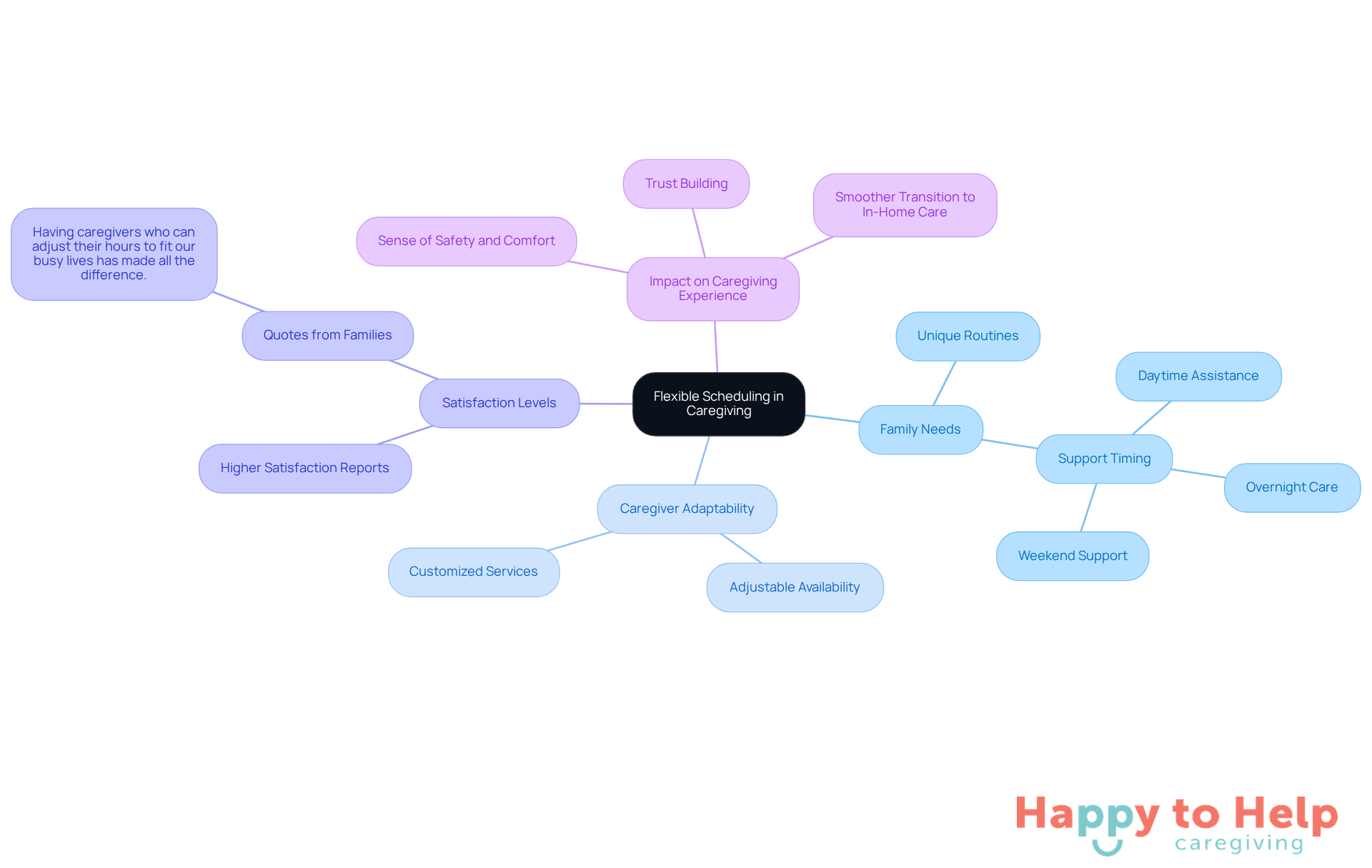
A significant challenge faced by many families is the rigidity of traditional caregiving schedules. This inflexibility can lead to increased stress and dissatisfaction, as families struggle to find support that fits their unique routines.
Happy to Help Caregiving addresses this issue by providing 24 hour care services that include inherent flexibility in scheduling. Caregivers can adjust their availability to align with household needs, whether assistance is required during the day, overnight, or on weekends. This adaptability ensures that clients receive essential support through 24 hour care services exactly when they need it, allowing households to maintain their daily routines without interruption.
Data indicates that families utilizing flexible care options report higher satisfaction levels. They appreciate the ability to customize services to fit their specific circumstances. For instance, one family shared, "Having caregivers who can adjust their hours to fit our busy lives has made all the difference. It feels like we have a partner in support, not just a service."
The importance of customized support in home health services cannot be overstated. It fosters a sense of safety and comfort, enabling individuals to thrive in familiar environments. By prioritizing the unique needs of families, Happy to Help Caregiving enhances the caregiving experience and builds trust, making the transition to in-home care smoother and more manageable.
24/7 Availability: Always There When You Need Support
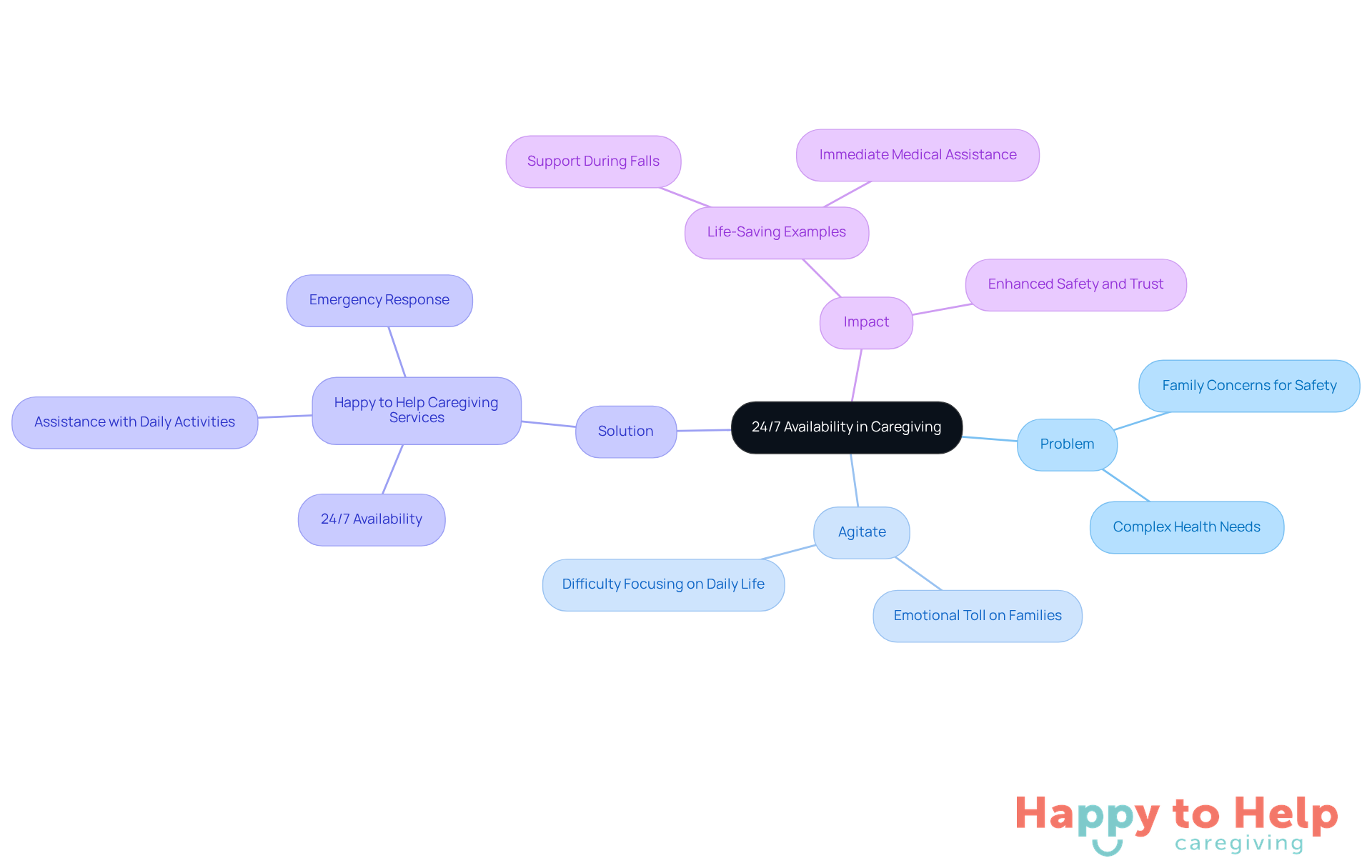
Problem: Families often worry about the safety of their loved ones, especially those with complex health needs or who may face emergencies. Without immediate support, this anxiety can be overwhelming.
Agitate: The constant concern for a loved one's well-being can take a toll on families, making it difficult for them to focus on their daily lives. Research shows that prompt emergency responses significantly enhance outcomes for seniors, highlighting the critical need for reliable support.
Happy to Help Caregiving offers 24 hour care services with 24/7 availability, ensuring that clients have access to assistance at any time. This constant presence allows families to rest easy, knowing help is just a call away. As healthcare professionals note, "A support person will always be there to assist them with daily activities, even through the night." This level of support fosters safety and trust among clients and their families, leading to a more positive caregiving experience.
For instance, in situations where elderly individuals have experienced falls or medical emergencies, having a caregiver available has proven to be life-saving. This illustrates the essential role of 24 hour care services in enhancing safety and well-being.
Promoting Independence: Empowering Clients in Their Own Homes
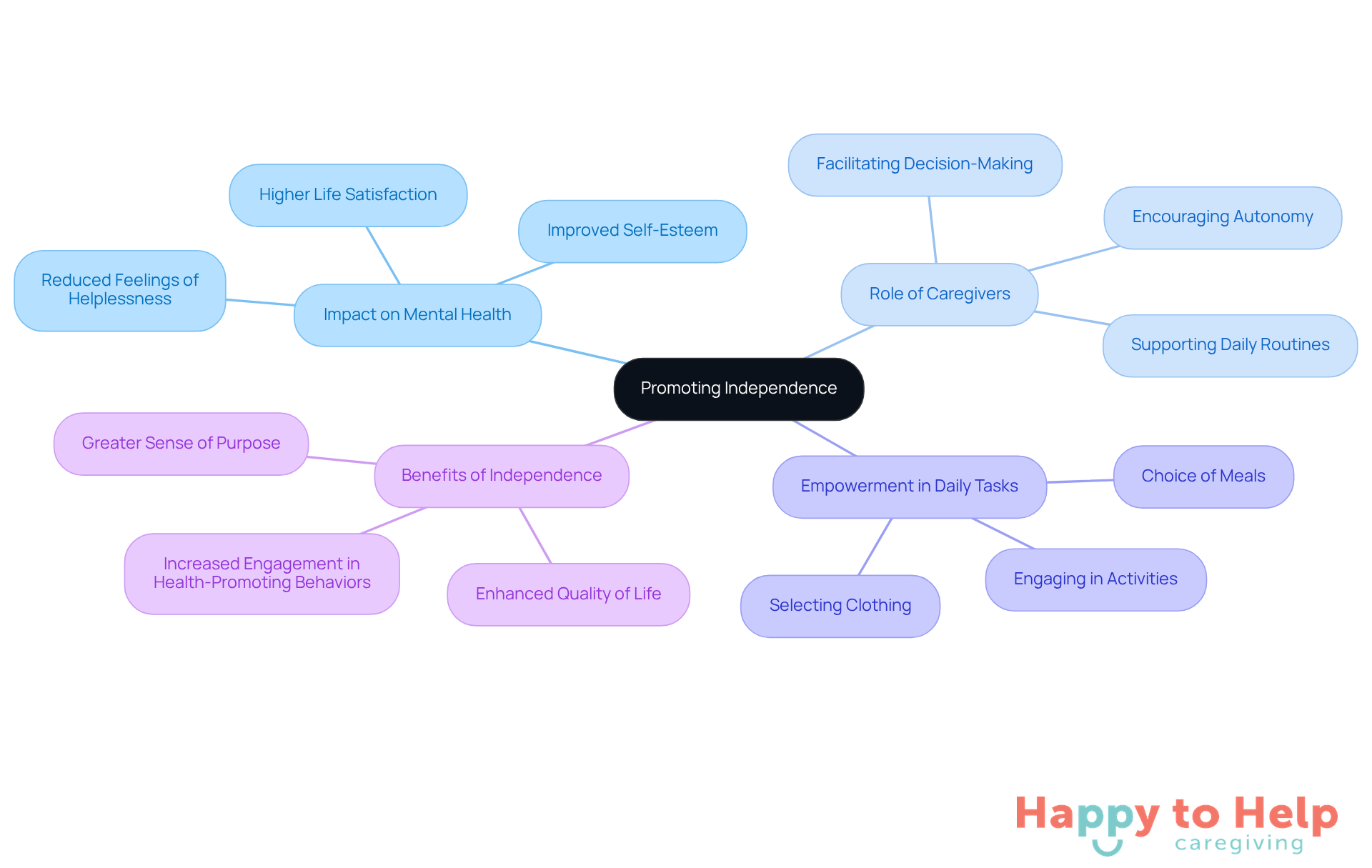
At Happy to Help Caregiving, promoting independence is a fundamental philosophy that guides our approach to care. However, many seniors struggle to maintain their autonomy, which can lead to feelings of helplessness and decreased self-esteem. This issue not only affects their mental health but also diminishes their overall quality of life.
Research shows that older adults who retain their independence often report higher satisfaction with life and improved mental health outcomes. Empowering individuals to uphold their routines and preferences is crucial for their overall well-being. For instance, caregivers can facilitate decision-making in daily tasks, allowing seniors to choose their meals, clothing, and activities. This autonomy is vital; studies indicate that older adults who feel in control of their lives are more likely to engage in health-promoting behaviors.
Occupational therapists emphasize the importance of this empowerment. When seniors are supported in their daily activities, they experience a boost in self-esteem and a greater sense of purpose. By incorporating these practices into their 24 hour care services, Happy to Help Caregiving ensures that clients not only receive the assistance they require but also thrive in their familiar surroundings. This approach ultimately leads to a more rewarding and dignified life for seniors.
Technology Integration: Enhancing Communication and Care Management
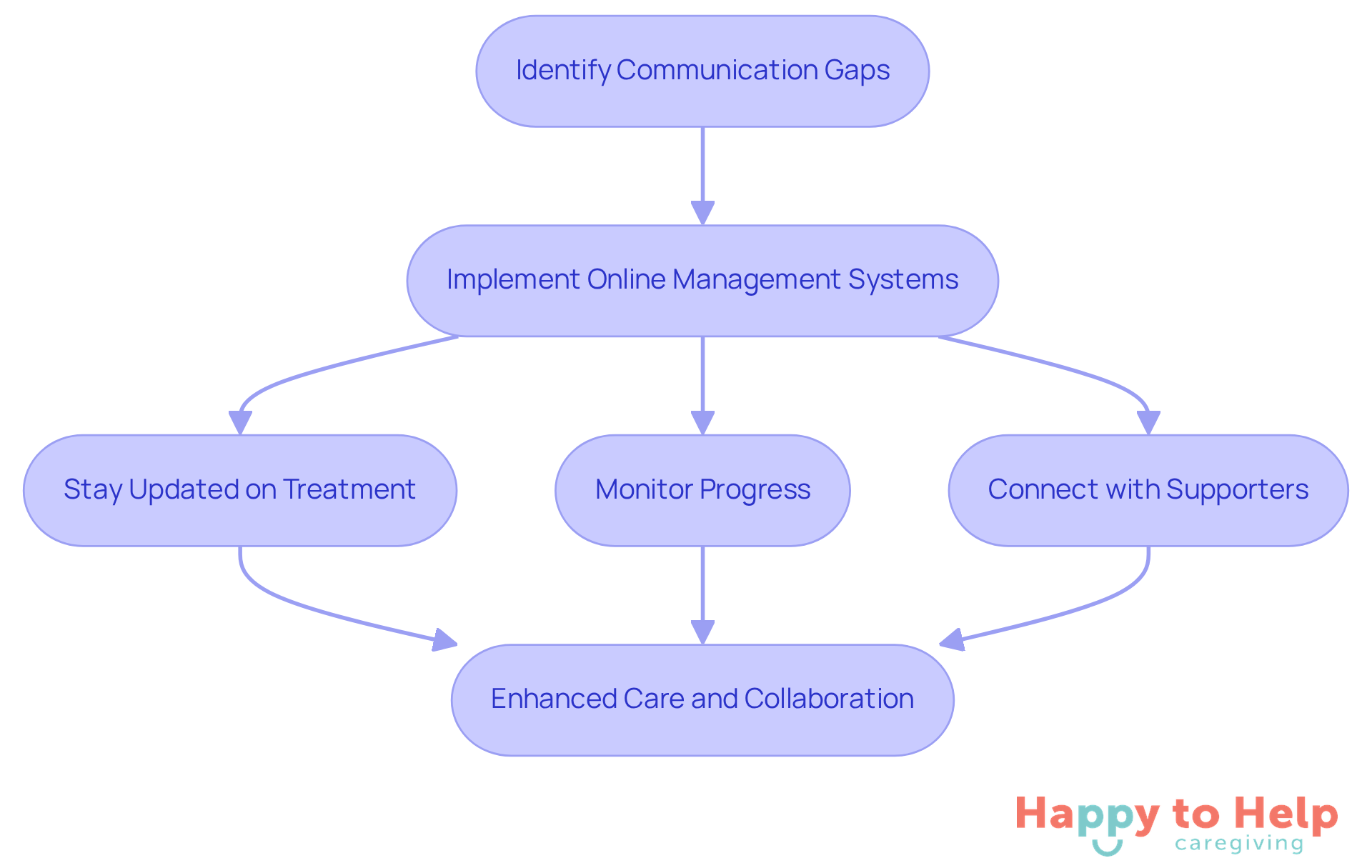
Caregivers often struggle to stay informed about their loved ones' treatment and progress. This lack of communication can lead to misunderstandings and feelings of isolation for both the caregiver and the family. Without effective collaboration, it becomes challenging to ensure that everyone is on the same page regarding care plans and needs.
Happy to Help Caregiving addresses this issue by leveraging technology to enhance the caregiving experience. Online management systems allow relatives to stay updated about their loved one's treatment, monitor progress, and connect with supporters effortlessly. This integration not only enhances transparency but also promotes collaboration between families and caregivers.
By utilizing technology, Happy to Help Caregiving provides practical solutions that improve the overall quality of service. Families can feel more involved and informed, ensuring that care is tailored to the specific needs of their loved ones. In this way, technology becomes a vital tool in fostering a supportive caregiving environment.
Family Testimonials: Real Stories of Improved Quality of Life
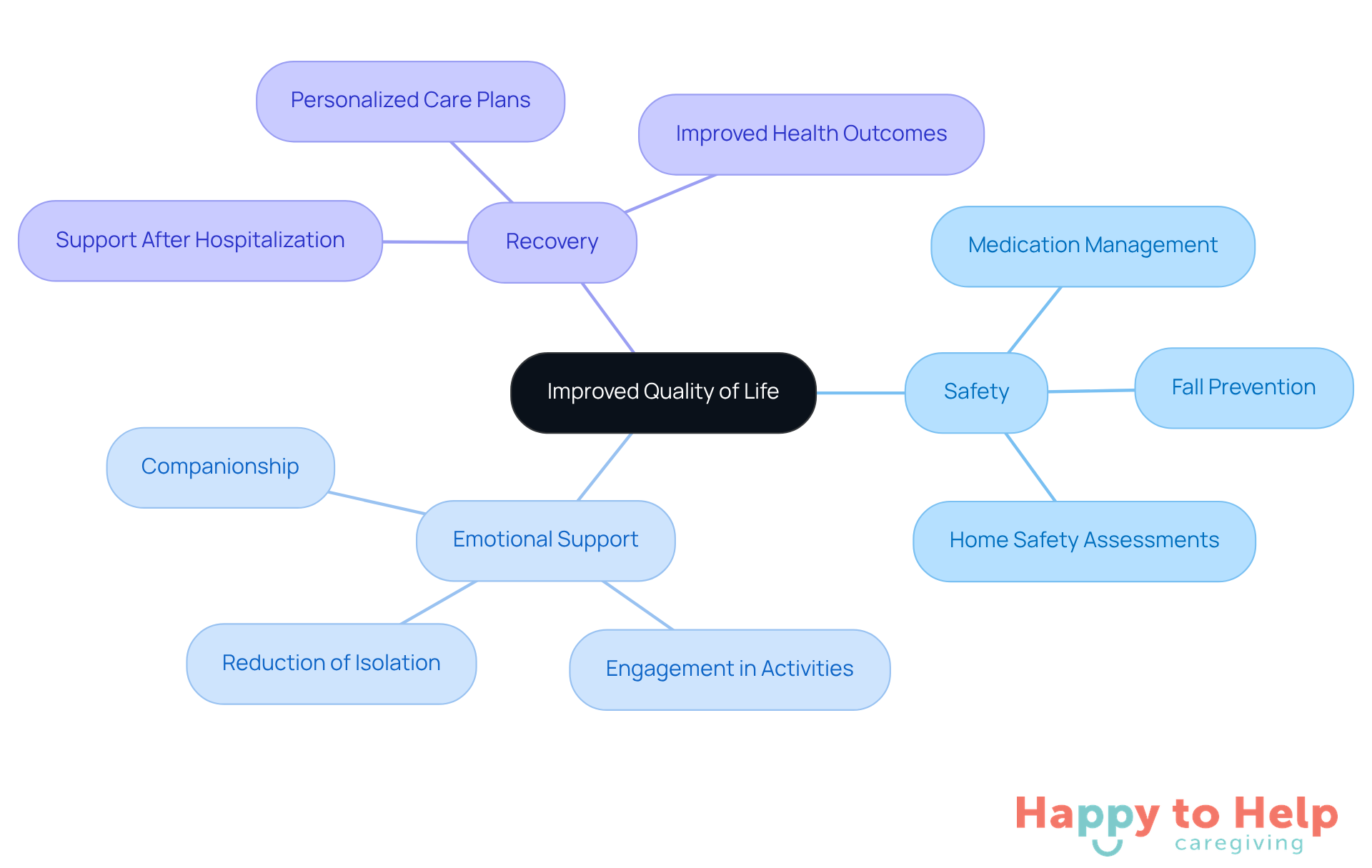
Family testimonials serve as compelling evidence of the significant impact that 24 hour care services have on quality of life. Many households have reported remarkable enhancements in their loved ones' well-being, particularly in safety, emotional support, and overall happiness. For instance, one family shared how their elderly parent, who had previously struggled with isolation and health issues, regained a sense of independence and joy through personalized care. Caregivers not only provided essential assistance with daily activities but also engaged clients in meaningful conversations and activities, fostering emotional connections that alleviated feelings of loneliness.
Another family recounted their experience with a loved one recovering from a hospital stay. The 24 hour care services provided ensured that their relative received the necessary support for medication management and rehabilitation exercises, leading to a smoother recovery process and a significant reduction in anxiety about potential falls or health crises. These real stories underscore the compassionate approach of caregivers, who tailor care plans to meet individual needs. By sharing their experiences, families not only highlight the benefits of in-home caregiving but also inspire others to consider these services as a viable option for enhancing the quality of life for their loved ones.
Making the Right Choice
The essence of 24-hour care services lies in their ability to provide continuous, personalized support that significantly enhances the quality of life for both individuals receiving care and their families. Caregivers often face overwhelming challenges, including emotional strain and physical exhaustion, which can impact their well-being and the quality of care provided.
By addressing the unique needs of each client, these services foster a nurturing environment that promotes independence, emotional well-being, and safety. This support alleviates the burdens often faced by family caregivers, allowing them to focus on their own health and happiness.
Key benefits of 24-hour care services include:
- Companionship, which reduces loneliness
- Critical post-hospital recovery assistance
- Respite care to prevent caregiver burnout, ensuring that families can recharge
- Integration of technology in caregiving to improve communication, keeping families informed and involved in their loved ones' care
Ultimately, the significance of 24-hour care services extends beyond individual support; it serves as a vital resource for families navigating the complexities of caregiving. By embracing these services, families can ensure that their loved ones receive compassionate, round-the-clock assistance while allowing themselves the opportunity to recharge. The journey of caregiving can be challenging, but with the right support, it can also be a rewarding experience that fosters connection, dignity, and improved quality of life for all involved.
https://iframe.tely.ai/cta/eyJhcnRpY2xlX2lkIjogIjY5MjdhNWM5YTIwZThlMDAxYzFhMjJhNSIsICJjb21wYW55X2lkIjogIjY4ZWU1ZGNhNzMxNzYyNTU3ZjNjOTVjMSIsICJpbmRleCI6IG51bGwsICJ0eXBlIjogImFydGljbGUifQ==Frequently Asked Questions
What challenges do caregivers face?
Caregivers often experience overwhelm and stress as they strive to provide adequate support to individuals who need assistance, which can lead to emotional fatigue and impact the quality of care provided.
How does caregiving affect the emotional well-being of both caregivers and those receiving care?
Without proper support, caregivers may struggle with emotional fatigue, negatively affecting their well-being and the quality of care. Individuals receiving care may feel isolated or undervalued, exacerbating their situation.
What services does Happy to Help Caregiving provide?
Happy to Help Caregiving offers personalized 24-hour assistance tailored to the unique needs of individuals, ensuring continuous support in the comfort of their own homes.
How are care plans developed at Happy to Help Caregiving?
Care plans are created collaboratively with families, taking into account the individual's lifestyle and preferences, which improves the quality of support and fosters emotional well-being.
What are the key benefits of 24-hour care services?
Key benefits include continuous support in a familiar environment, enhanced emotional well-being, and collaborative planning with families.
Why is companionship important in caregiving for seniors?
Companionship is crucial as many seniors experience feelings of isolation and loneliness, which can lead to lower emotional well-being. Caregivers play a vital role in fostering social connections to improve emotional health.
What practical steps can caregivers take to reduce loneliness among seniors?
Caregivers can encourage in-person visits, arrange social outings, engage clients in meaningful conversations, and provide enjoyable activities.
What challenges do individuals face when transitioning home after a hospital stay?
Individuals may struggle to follow recovery plans, manage medications, and handle daily activities without adequate support, leading to complications and potential readmission to the hospital.
How do 24-hour care services assist with post-hospital recovery?
Trained caregivers provide comprehensive support, identify signs of complications, and offer round-the-clock assistance, supervision, and companionship, significantly reducing the risk of readmission and promoting recovery.
What is the overall impact of 24-hour care services on patients' recovery?
These services allow individuals to recuperate comfortably at home while preserving their independence, fostering a secure atmosphere that aids in physical healing and provides emotional reassurance for families.
List of Sources
- Happy to Help Caregiving: Personalized 24-Hour Care for Your Loved Ones
- Trusted Physician Megan J. Engelen on Bringing Personalized Care to Salt Lake City (https://prnewswire.com/news-releases/trusted-physician-megan-j-engelen-on-bringing-personalized-care-to-salt-lake-city-302624771.html)
- 2025 Home Care Statistics: Trends & Insights To Know (https://premierhcinc.com/blog/home-care-statistics)
- News Releases (https://hcaoa.org/news-releases.html)
- Why Senior Home Care is More Important Than Ever (https://homeinstead.com/home-care/usa/la/carencro/347/news-and-media/senior-home-care-is-more-important-than-ever)
- In-Home Care for Seniors - Caregiving News and Tips (https://aarp.org/caregiving/home-care)
- Companionship: Reducing Loneliness Through Constant Support
- A ‘Win’ For Home Care: DOL Proposes Reinstating Companionship Exemption (https://homehealthcarenews.com/2025/07/a-win-for-home-care-dol-proposes-reinstating-companionship-exemption)
- How Senior Living Communities Reduce Loneliness and Improve Senior Health: 2025 U.S. News Survey Report (https://health.usnews.com/best-senior-living/articles/how-senior-living-communities-reduce-illness-and-improve-senior-health-survey)
- Moving into senior living can reduce isolation, loneliness, study finds (https://mcknightsseniorliving.com/news/moving-into-senior-living-can-reduce-isolation-loneliness-study-finds)
- The Silent Epidemic of Senior Loneliness (https://honorcare.com/news/silent-epidemic-of-senior-loneliness)
- U.S. News Survey Finds Senior Living Reduces Loneliness (https://sunriseseniorliving.com/resources/caregivers-and-families/senior-living-reduces-loneliness)
- Post-Hospital Recovery Assistance: Ensuring Safe Transitions Home
- Post-Hospital Discharge: Why In-Home Care Improves Recovery for Florida Seniors (https://visitingangels.com/pasco/news-info/post-hospital-discharge-why-in-home-care-improves-recovery/26199)
- How Healing at Home Helps Unclog the Hospital Bed Logjam (https://usnews.com/news/health-news/articles/2025-03-03/how-healing-at-home-helps-unclog-the-hospital-bed-logjam)
- From hospital to home: A 24/7 lifeline for patients after discharge (https://newsroom.osfhealthcare.org/from-hospital-to-home-a-247-lifeline-for-patients-after-discharge)
- Hospital at home saves lives and money: CMS report (https://ama-assn.org/public-health/population-health/hospital-home-saves-lives-and-money-cms-report)
- Respite Care: Supporting Family Caregivers and Preventing Burnout
- New York Home Care: Get Respite & Prevent Burnout (https://trualta.com/resources/blog/new-york-home-care-get-respite-prevent-burnout)
- Caregivers and the Importance of Respite Care (https://benedictineliving.org/resources/news/caregivers-and-the-importance-of-respite-care)
- New Bill: Senator Edward J. Markey introduces S. 3231: Respite Care and Resources for Everyone Act | AMGN Stock News (https://quiverquant.com/news/New+Bill:+Senator+Edward+J.+Markey+introduces+S.+3231:+Respite+Care+and+Resources+for+Everyone+Act)
- AARP New York Applauds Mayor Malik Evans for Recognizing Family Caregivers Month (https://states.aarp.org/new-york/aarp-new-york-applauds-mayor-malik-evans-for-recognizing-family-caregivers-month)
- Palliative Support: Enhancing Comfort During Difficult Times
- All About Home-Based Palliative Care and How It Can Help You (https://getpalliativecare.org/all-about-home-based-palliative-care-and-how-it-can-help-you)
- The Pitfalls That Derail Home Health Providers’ New Palliative Care Efforts (https://homehealthcarenews.com/2025/10/the-pitfalls-that-derail-home-health-providers-new-palliative-care-efforts)
- Home health care linked to increased hospice use at end-of-life, study reveals - Rutgers Nursing (https://nursing.rutgers.edu/news/home-health-care-linked-to-increased-hospice-use-at-end-of-life-study-reveals)
- Support for Serious Illness (https://newsinhealth.nih.gov/2025/07/support-serious-illness)
- Palliative Care: An Extra Layer of Support Can Make All the Difference for a Patient (https://washingtonhealth.com/news/2023/november/palliative-care-an-extra-layer-of-support-can-ma)
- Flexible Scheduling: Tailoring Care to Fit Family Needs
- A Better Solution Home Care (https://abs.care/Home-Care-Staffing-Shortages-How-They-Impact-Home-Care-Services)
- Flexible Care Models Give Home Care Clients ‘What They Want When They Want It’ (https://homehealthcarenews.com/2025/10/flexible-care-models-give-home-care-clients-what-they-want-when-they-want-it)
- Embracing Flexible Scheduling Models in Aging Services: A Path Toward Workforce Stability (https://leadingage.org/embracing-flexible-scheduling-models-in-aging-services-a-path-toward-workforce-stability)
- 9 Ways to Find Caregivers With Flexible Scheduling Options - MedCity News (https://medcitynews.com/2025/05/9-ways-to-find-caregivers-with-flexible-scheduling-options)
- Caregiving While Working Calls for Workplace Flexibility (https://aarp.org/pri/topics/work-finances-retirement/employers-workforce/employer-caregiving-survey)
- 24/7 Availability: Always There When You Need Support
- When to Choose 24/7 Home Health Care | Seniors Home Care (https://seniorshomecare.com/blog/archives/2023/02/23/when-to-choose-247-home-health-care)
- 24-Hour Home Care | BrightStar Care | BrightStar Care (https://brightstarcare.com/about-brightstar-care/resources/benefits-of-24-hour-home-care)
- Pros and Cons of Offering 24/7 Home Health Care Services (https://erspsolutions.com/resource/24-7-home-health-care)
- The 10-Benefits of 24-Hour Home Care » LifeWorx Home Care (https://lifeworx.com/resources/articles/the-10-benefits-of-24-hour-home-care)
- Signs Your Loved One Needs 24/7 Home Care (https://villagecaregiving.com/blog/signs-for-24-7-care)
- Promoting Independence: Empowering Clients in Their Own Homes
- 10 Ways Home Care Can Promote Independence and Well-being | Walfinch (https://walfinch.com/news/10-ways-home-care-can-promote-independence-and-well-being)
- Families Prefer In-Home Care To Senior Living – Yet Struggle To Identify Needed Support (https://homehealthcarenews.com/2025/11/families-prefer-in-home-care-to-senior-living-yet-struggle-to-identify-needed-support)
- Independence and older adults: Importance and promoting it (https://medicalnewstoday.com/articles/independence-and-the-elderly)
- Empowering Aging: How Technology Enhances Independence and Safety for Older Adults - Summit Professional Education (https://summit-education.com/blog/general/empowering-aging-how-technology-enhances-independence-and-safety-for-older-adults)
- Warning From Older Adults: Care for Aging in America Needs Urgent Rethinking (https://johnahartford.org/newsroom/view/warning-from-older-adults-care-for-aging-in-america-needs-urgent-rethinking)
- Family Testimonials: Real Stories of Improved Quality of Life
- Eight Stories from People Who Say Home Care Services Changed Their Lives (https://easylivingfl.com/aging-in-place/stories-from-people-who-say-home-care-services-changed-their-lives)
- Predictors of Satisfaction with Care Services among Family Members of Older Adult Residents of Long-Term Care Facilities (https://mdpi.com/1660-4601/17/9/3298)
- Level of satisfaction of families of patients hospitalized... : Journal of Education and Health Promotion (https://journals.lww.com/jehp/fulltext/2025/09290/level\_of\_satisfaction\_of\_families\_of\_patients.370.aspx)
- Assessment of Satisfaction Levels Among Families of Intensive Care Unit Patients in Saudi Arabia: A Cross‐Sectional Study (https://onlinelibrary.wiley.com/doi/full/10.1155/2024/8481083)
- Family Satisfaction With Critical Care: Before and After the COVID-19 Outbreak - PMC (https://pmc.ncbi.nlm.nih.gov/articles/PMC9934930)