For families in our service areas
For families in our service areas, this guide explains caregiving and how non-medical in-home caregiving can support care planning in East Idaho, Treasure Valley & Magic Valley, Northern Wasatch, North Central West Virginia & Southwestern Pennsylvania, and Northeast Ohio.
The Importance of Benefits of Daily Dose of D3
Vitamin D deficiency poses a significant threat to the health and well-being of seniors. This condition often leads to serious consequences, including weakened bones, increased fall risk, and even mood disorders. As caregivers navigate the complexities of elderly care, understanding the essential benefits of a daily dose of D3 becomes paramount.
This article delves into the vital advantages of maintaining adequate vitamin D levels for older adults. It explores how caregivers can effectively support their clients in achieving optimal health. What strategies can be implemented to ensure seniors receive their necessary vitamin D? How can these practices transform their overall quality of life?
By addressing these questions, we aim to provide caregivers with practical solutions to enhance the well-being of the seniors they care for.
Happy to Help Caregiving: Personalized In-Home Support for Vitamin D Needs
Elderly individuals often face the challenge of vitamin D deficiency, so a daily dose of d3 for seniors is important for their overall health and mobility. This deficiency can lead to weakened bones, increased risk of falls, and a decline in physical function, making it crucial for caregivers to address this issue effectively.
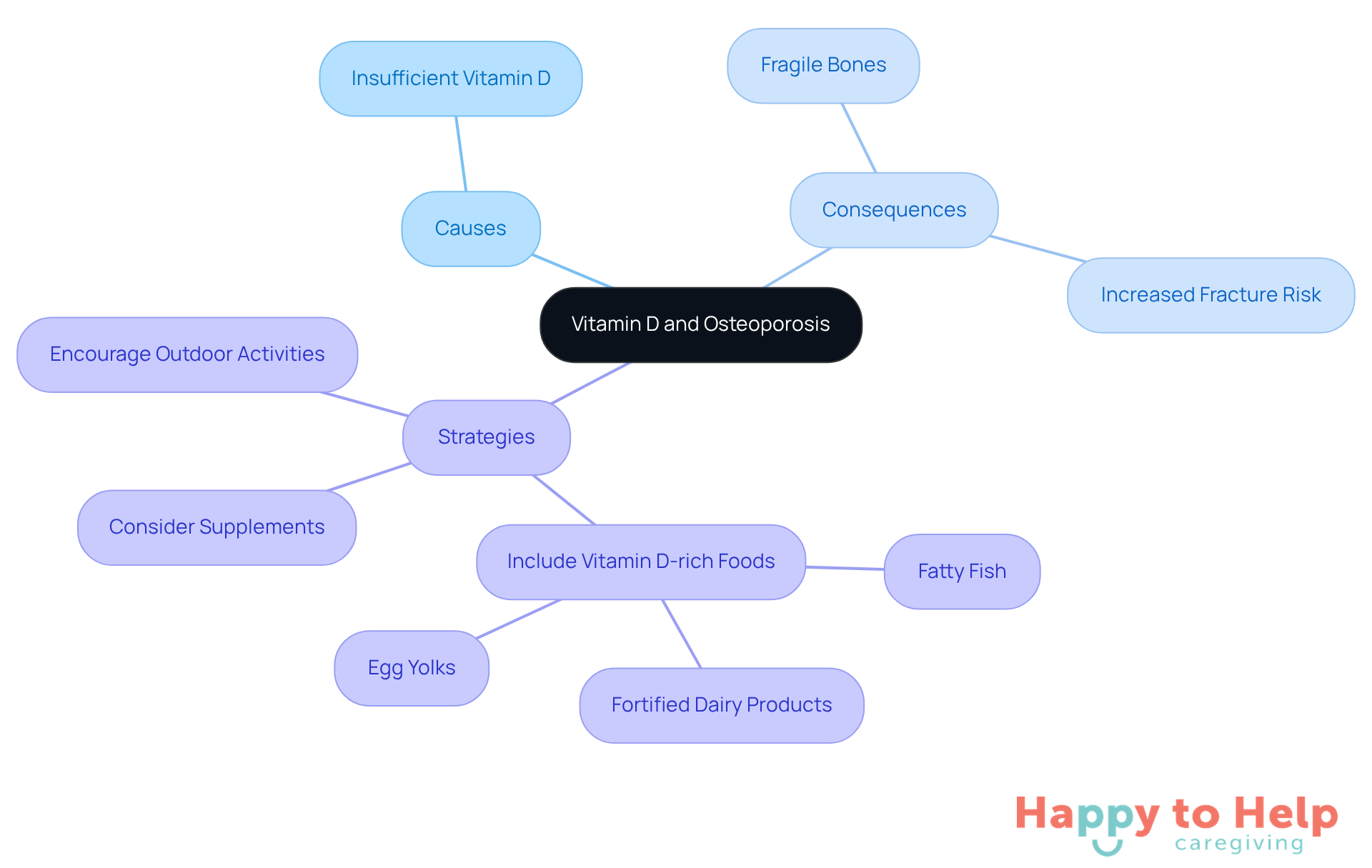
To combat this problem, caregivers can play a vital role in monitoring and aiding seniors with their daily dose of d3 for seniors. They are trained to recognize the signs of deficiency and can assist clients in safely accessing sunlight, which is a natural source of vitamin D. Additionally, incorporating vitamin D-rich foods into their diets, such as:
- Fatty fish
- Fortified dairy products
- Egg yolks
can help ensure that seniors receive the necessary nutrients.
By adopting this tailored approach, caregivers can provide the essential support needed for seniors to receive their daily dose of d3 for seniors, ultimately promoting better health and enhancing mobility.
Bone Health: The Role of Vitamin D in Preventing Osteoporosis
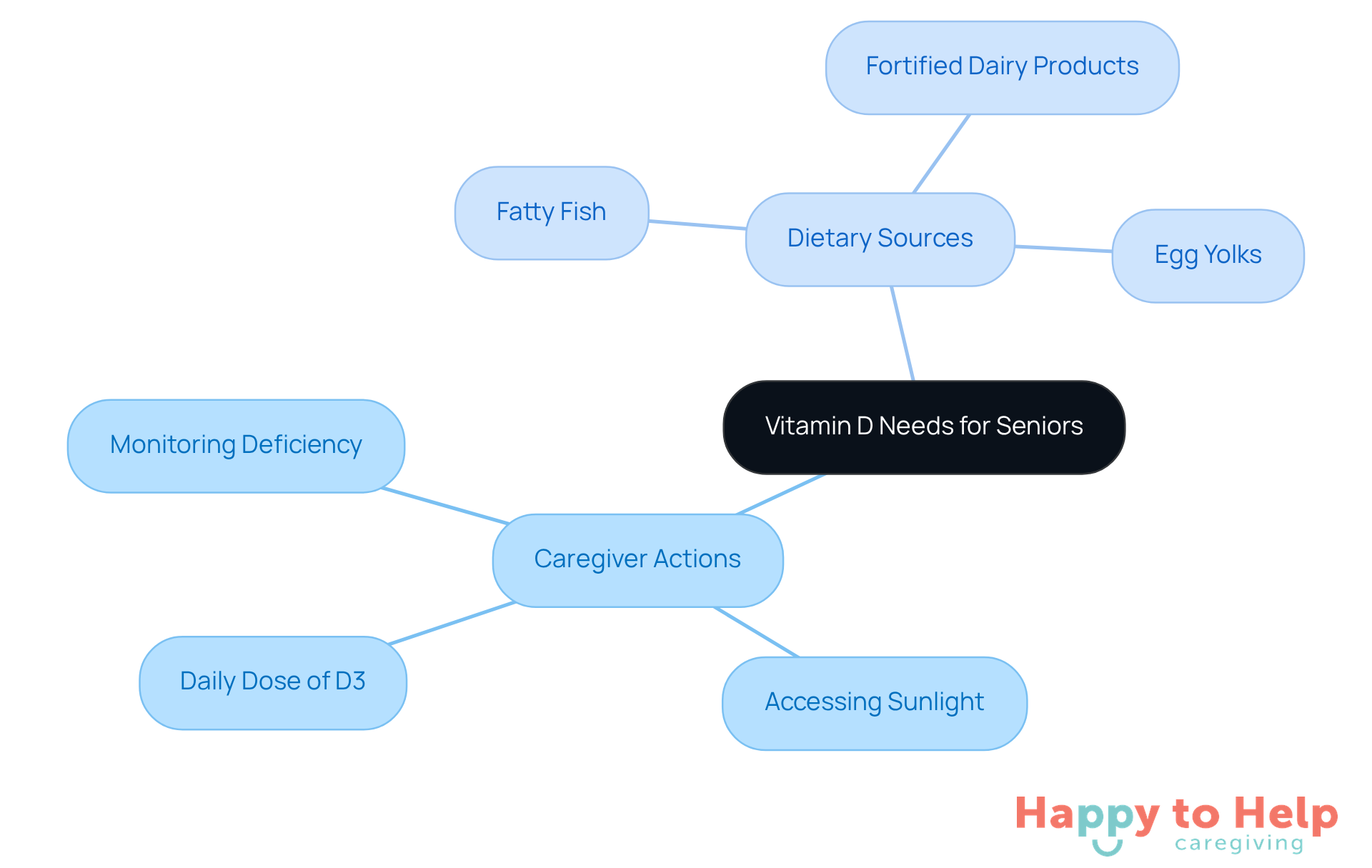
Osteoporosis is a significant concern for many elders, as it makes bones fragile and increases the risk of fractures. One of the main contributors to this condition is insufficient vitamin D, making a daily dose of D3 for seniors critical for calcium absorption necessary for maintaining bone density.
Without adequate vitamin D, the risk of developing osteoporosis rises, which underscores the need for a daily dose of D3 for seniors to prevent serious health implications. Caregivers must be aware that elders are particularly susceptible to this condition, making it essential to ensure they receive a daily dose of D3 for seniors through sunlight exposure, diet, or supplements.
To combat this issue, caregivers can take several practical steps:
- Encourage outdoor activities to increase sunlight exposure.
- Include vitamin D-rich foods in their diet, such as fatty fish, fortified dairy products, and egg yolks.
- If dietary sources and sunlight exposure are insufficient, consider a daily dose of D3 for seniors.
By implementing these strategies, caregivers can significantly lower the risk of osteoporosis in the elderly, promoting better bone health and overall well-being.
Mental Well-Being: How Vitamin D Supports Mood and Reduces Depression
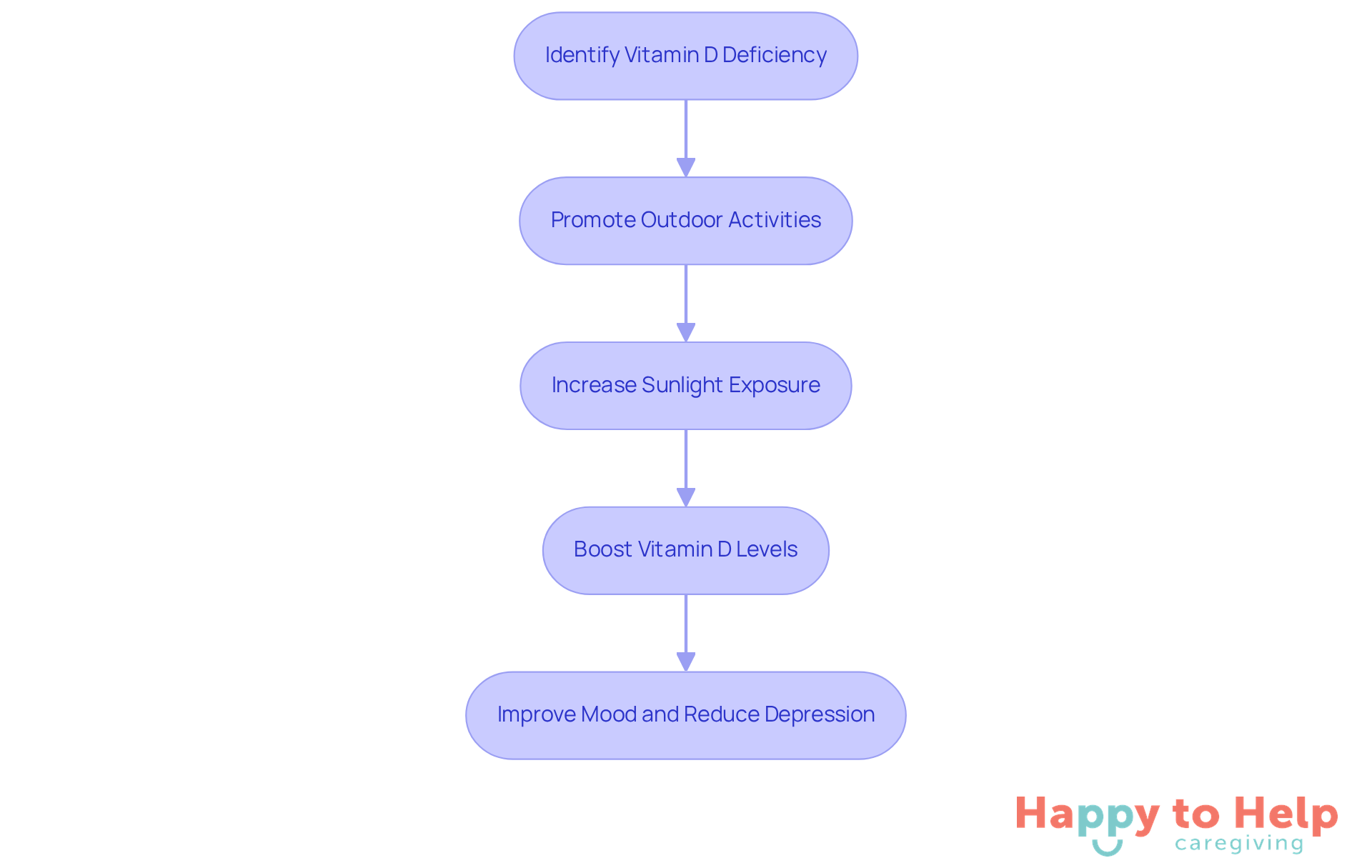
Studies consistently demonstrate a strong connection between D deficiency and a heightened risk of depression and mood disorders, especially among the elderly. This deficiency poses a significant problem, as maintaining sufficient D levels is essential for improving mood and reducing feelings of sorrow or worry.
Caregivers play a crucial role in addressing this issue. By promoting outdoor activities that enhance sunlight exposure, they can help raise D levels naturally. Engaging in such activities not only boosts D levels but also fosters social interaction and physical activity, both vital for mental well-being.
Psychologists emphasize that tackling D deficiency can be a key strategy in managing mood disorders. Regular screening and ensuring a daily dose of d3 for seniors, when necessary, are important steps in this process. Recent studies highlight that a daily dose of d3 for seniors may help to lessen depressive symptoms in older adults, making it a vital component of comprehensive caregiving strategies aimed at enhancing mental health.
Immune Support: The Importance of Vitamin D in Enhancing Immune Function
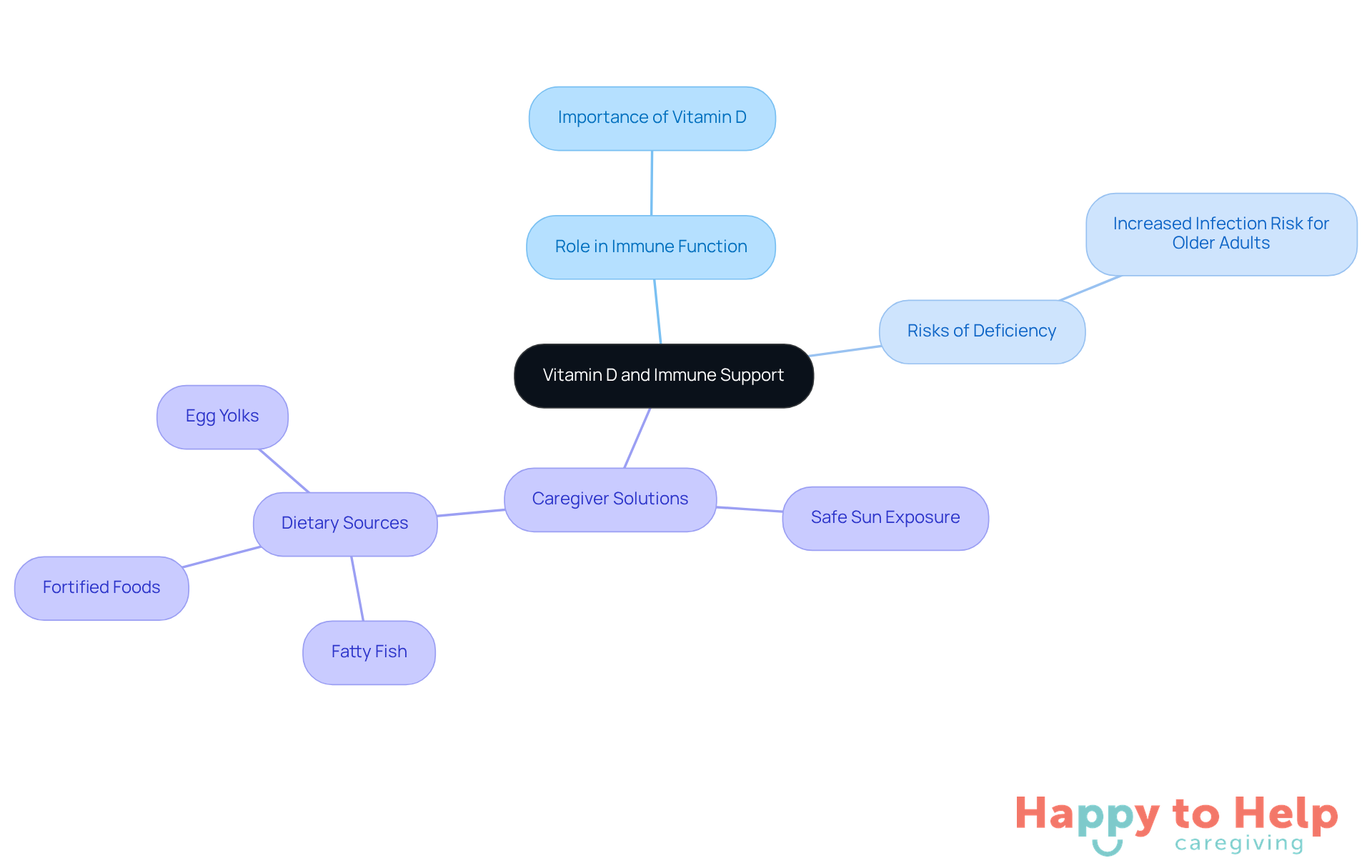
Vitamin D plays a crucial role in the immune system's proper functioning. A deficiency can lead to a weakened immune response, increasing the risk of infections, particularly among older adults who may need a daily dose of D3 for seniors to strengthen their immunity.
This vulnerability poses a significant challenge for caregivers, as they must ensure their clients receive a daily dose of D3 for seniors to maintain adequate vitamin D levels and bolster their immune defenses.
To address this issue, caregivers can implement practical solutions:
- Encourage safe sun exposure, which is a natural source of vitamin D.
- Recommend dietary sources such as fatty fish, fortified foods, and egg yolks.
By taking these steps, caregivers can help enhance their clients' immune health.
Chronic Disease Prevention: Vitamin D's Role in Reducing Health Risks
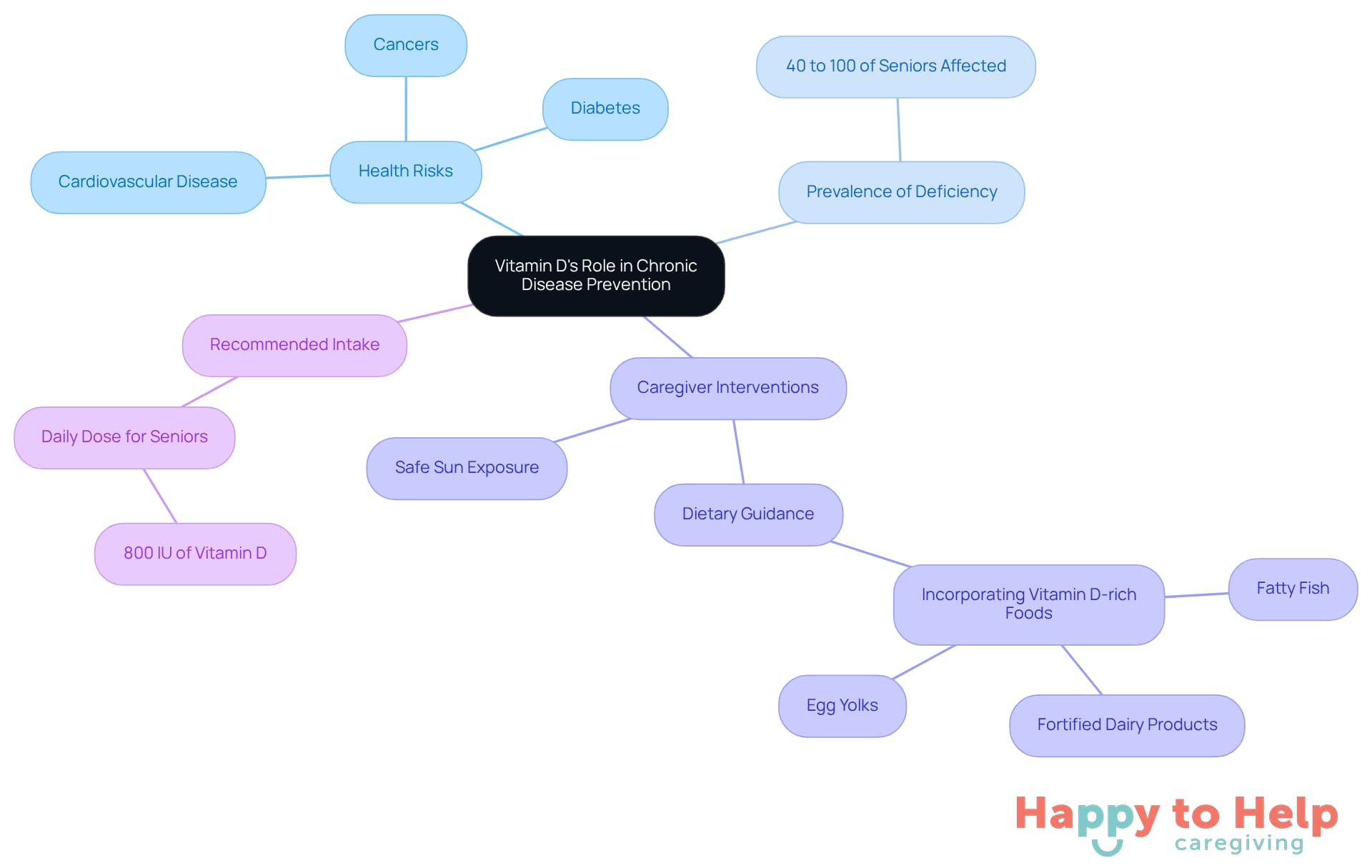
Maintaining sufficient vitamin D levels is crucial for reducing the risk of chronic illnesses such as cardiovascular disease, diabetes, and certain cancers, particularly in older adults. Unfortunately, vitamin D deficiency is prevalent among this population, with estimates suggesting that 40% to 100% of seniors in America and Europe may be affected. This deficiency significantly increases the risk of mortality, with a crude hazard ratio of 1.67 for all-cause death linked to vitamin D deficiency, especially from pneumonia and other chronic conditions.
Caregivers play a vital role in mitigating these risks. They can facilitate regular wellness evaluations and provide dietary guidance aimed at boosting vitamin D intake. For instance, incorporating foods rich in vitamin D like fatty fish, fortified dairy products, and egg yolks into meal plans can greatly improve clients' health. Additionally, caregivers should encourage safe sun exposure, which is essential for natural vitamin D synthesis.
To maintain optimal levels, elderly individuals are advised to take a daily dose of D3 for seniors, which is 800 IU of vitamin D. By prioritizing these interventions, caregivers can help older adults sustain adequate vitamin D levels, ultimately enhancing their overall health and well-being.
Muscle Function: How Vitamin D Contributes to Strength and Mobility
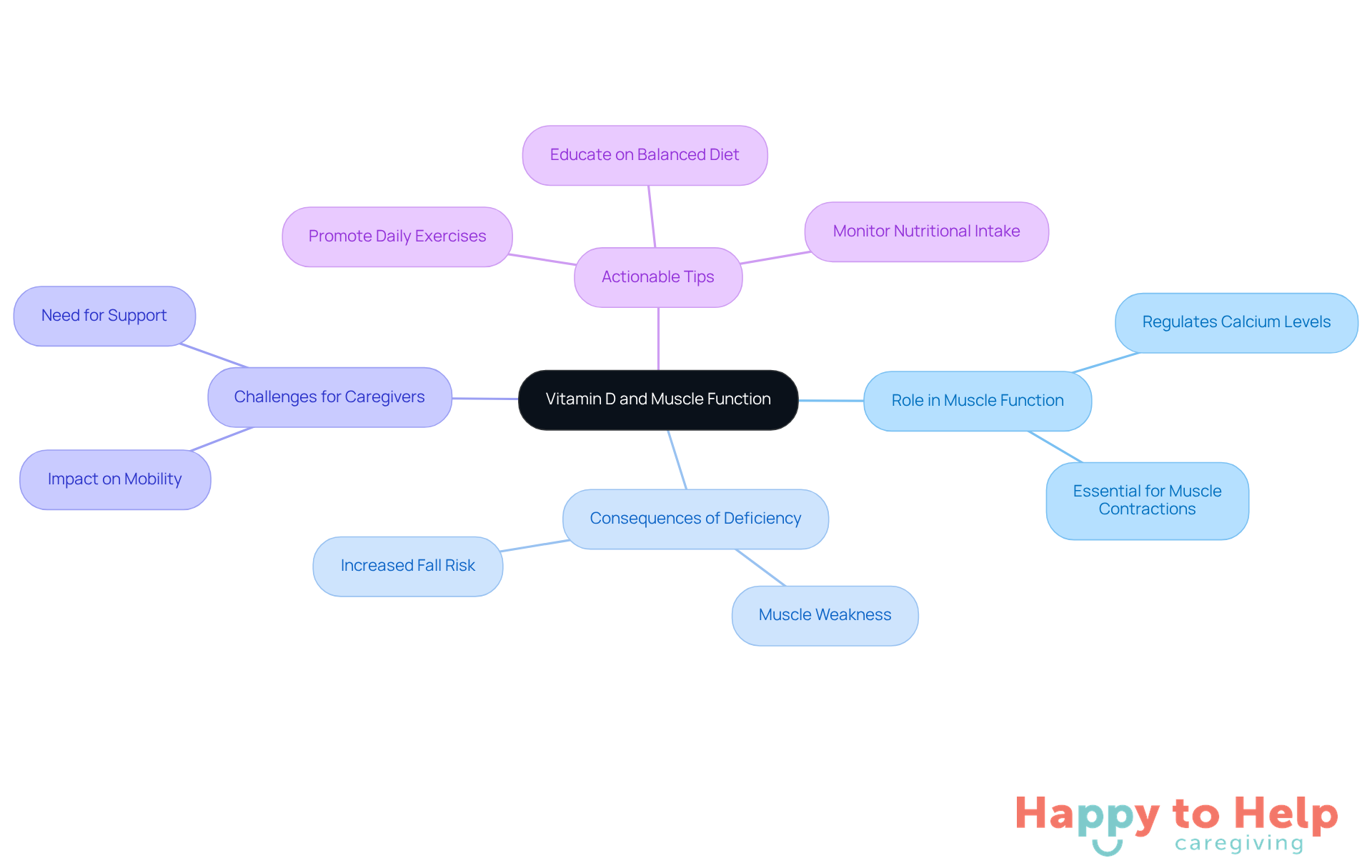
Vitamin D plays a crucial role in muscle function by regulating calcium levels essential for muscle contractions. However, a deficiency in vitamin D can lead to muscle weakness, significantly increasing the risk of falls among older adults, making a daily dose of d3 for seniors essential.
This situation poses a serious challenge for caregivers, as muscle weakness can severely impact mobility and independence. To combat this issue, caregivers should actively encourage their clients to engage in regular physical activity. Additionally, ensuring that clients receive adequate nutrients is vital for enhancing muscle strength and overall mobility.
Here are some actionable tips for caregivers:
- Promote daily exercises tailored to the client's abilities.
- Educate clients about the importance of a balanced diet rich in vitamin D.
- Monitor and support clients in their nutritional intake to prevent deficiencies.
By ensuring a daily dose of d3 for seniors, caregivers can help mitigate the risks associated with vitamin D deficiency and support their clients in maintaining a healthier, more active lifestyle.
Natural Sources: The Benefits of Sun Exposure for Vitamin D Production
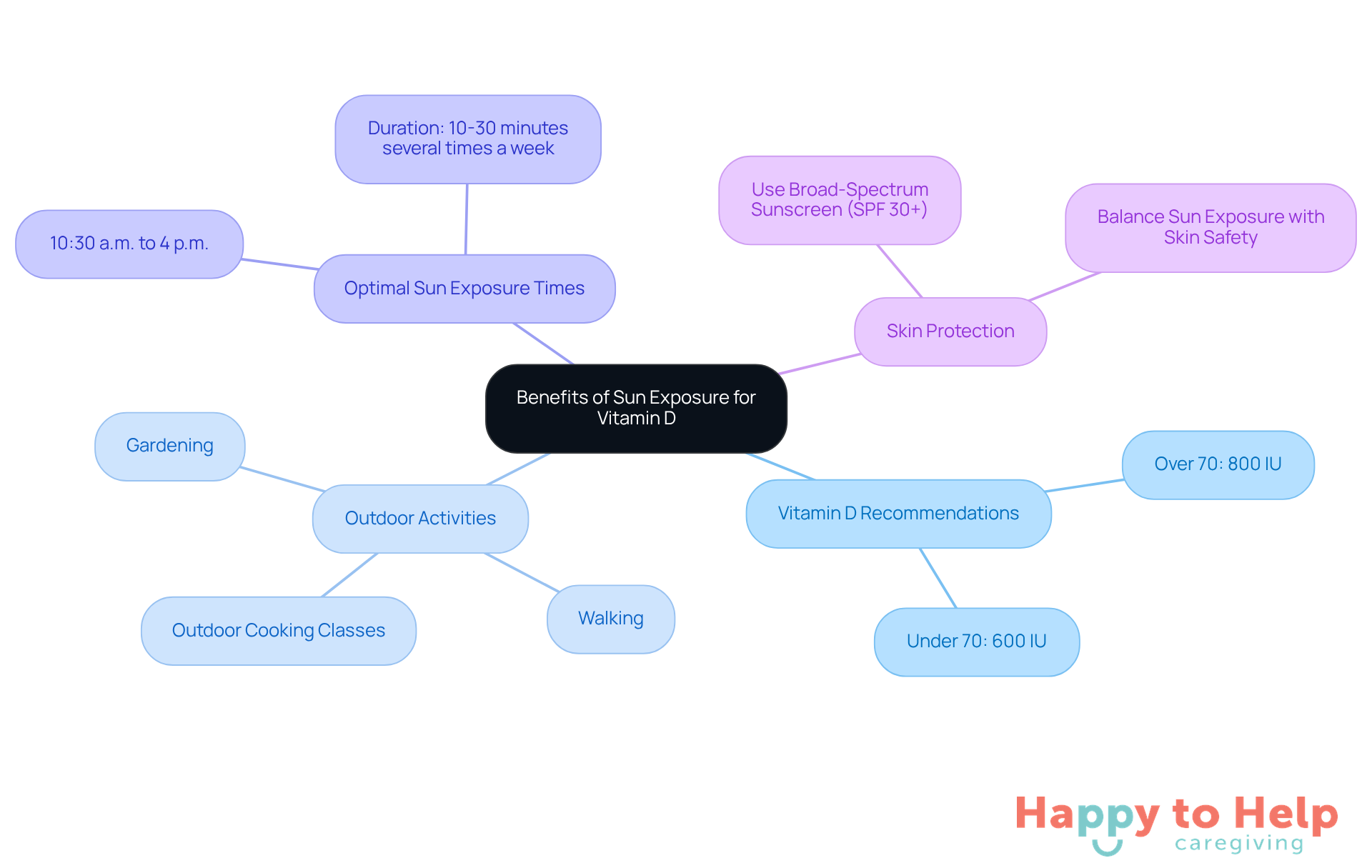
Vitamin D deficiency is a significant concern for seniors, making a daily dose of D3 for seniors particularly important, especially for those living in the Northern Hemisphere. Limited exposure to sunlight can lead to inadequate vitamin D levels, which are crucial for overall health. The recommended daily dose of D3 for seniors over 70 is 800 IU, while for those under 70, it is 600 IU.
To combat this issue, caregivers can encourage seniors to spend 10 to 30 minutes outdoors several times a week. Activities like gardening, walking, or joining outdoor cooking classes not only promote sun exposure but also enhance social interaction and mental well-being. The best time for sun exposure is between 10:30 a.m. and 4 p.m., when UV rays are at their strongest.
However, it’s essential to balance sun exposure with skin protection. Dermatologists recommend using broad-spectrum sunscreen with an SPF of 30 or higher to minimize the risk of skin damage while still allowing for vitamin D synthesis. Additionally, individuals with deeper skin tones may require longer sun exposure to produce adequate vitamin D.
By implementing these strategies, caregivers can help seniors maintain healthy vitamin D levels and improve their overall well-being.
Dietary Sources: Foods Rich in Vitamin D for Seniors
Elderly individuals often face a significant problem: many do not consume enough vitamin D-rich foods, making a daily dose of D3 for seniors essential to prevent deficiency. This deficiency can pose serious risks to their overall well-being, making it crucial for caregivers to provide a daily dose of D3 for seniors to address this issue.
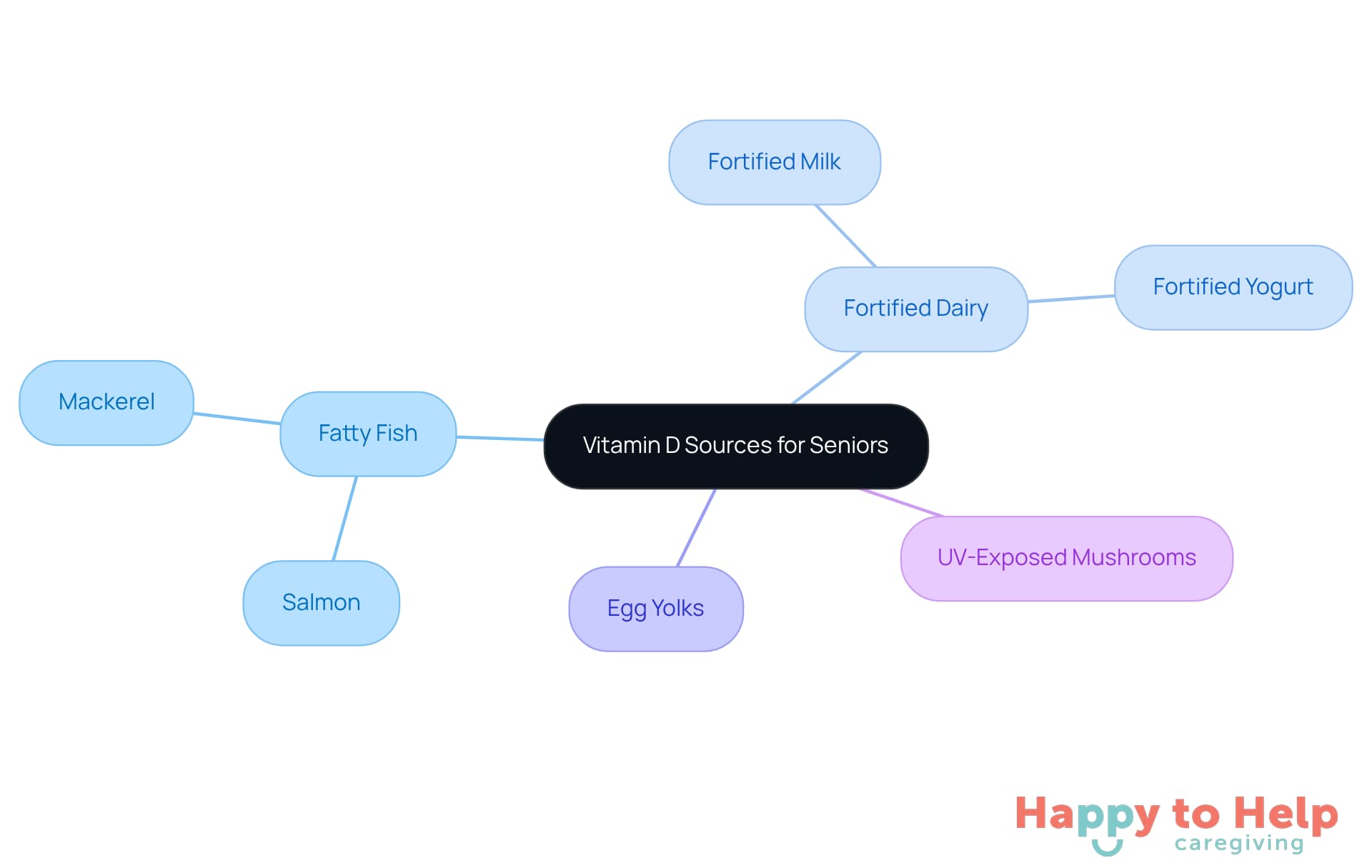
To combat this problem, caregivers should collaborate with families to create meal plans that ensure a daily dose of D3 for seniors by incorporating a variety of vitamin D sources. Some excellent choices include:
- Fatty fish, like salmon and mackerel
- Fortified dairy products such as milk and yogurt
- Egg yolks
- UV-exposed mushrooms
For example, a balanced meal could feature grilled salmon, fortified yogurt, and a salad topped with UV-exposed mushrooms.
Nutritionists emphasize the importance of incorporating a daily dose of D3 for seniors in meal planning diversity. They suggest that by incorporating a variety of sources rich in vitamin D, older adults can ensure their daily dose of D3 for seniors, effectively meeting their dietary needs and enhancing their overall well-being. The recommended daily dose of D3 for seniors is 600 IU during winter, highlighting the importance of thoughtful meal planning.
This proactive approach not only boosts dietary intake but also fosters a sense of well-being among older adults, helping them thrive in their daily lives.
Deficiency Risks: Understanding the Consequences of Low Vitamin D Levels
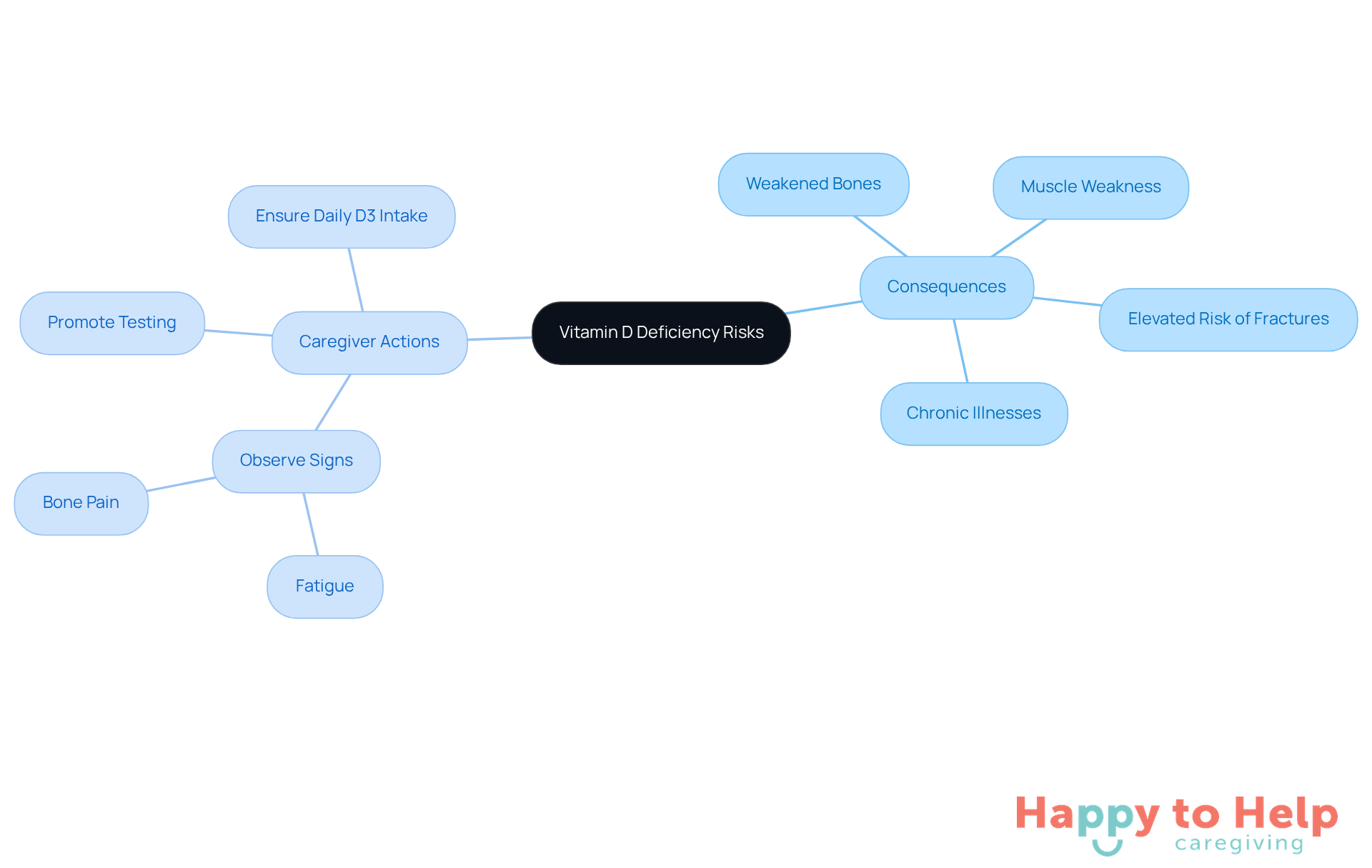
Low levels of vitamin D can lead to serious medical issues. These include:
- Weakened bones
- An elevated risk of fractures
- Muscle weakness
- A greater chance of chronic illnesses
For older adults, taking a daily dose of d3 for seniors is important to prevent the severe consequences of deficiency, which can lead to decreased mobility and independence.
Caregivers play a crucial role in addressing this problem. They should actively observe clients for signs of vitamin D deficiency, such as:
- Fatigue
- Bone pain
Promoting routine vitamin D testing as part of wellness evaluations is essential. Regular assessments can help catch deficiencies early, allowing for timely interventions.
By ensuring a daily dose of d3 for seniors, caregivers can significantly improve their clients' quality of life. Implementing these practices not only enhances mobility but also fosters greater independence among older adults.
Health Assessments: The Need for Regular Monitoring of Vitamin D Levels
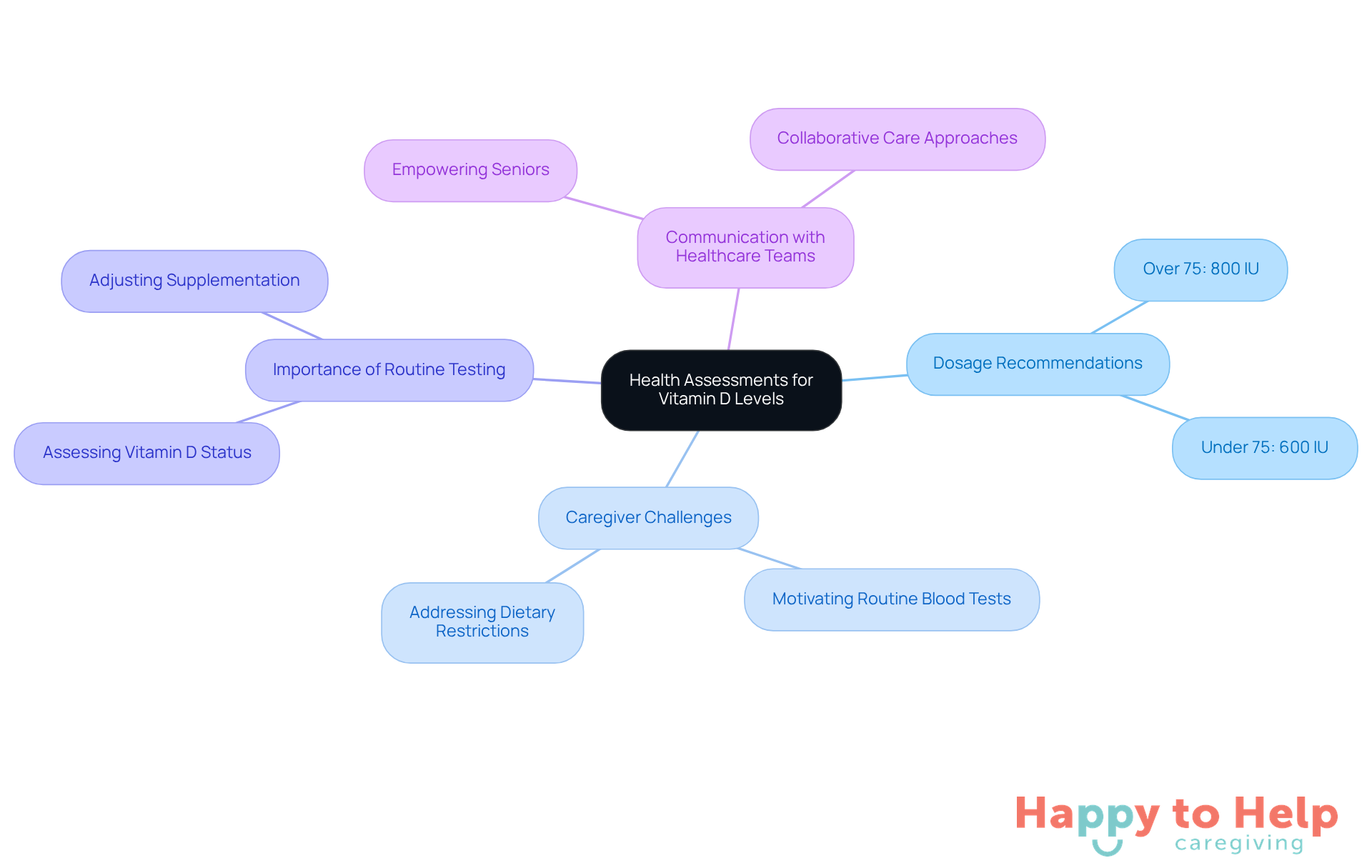
Regular health evaluations are crucial for ensuring that seniors receive their daily dose of D3 for seniors, particularly those at higher risk of deficiency due to limited sun exposure or dietary restrictions. The Endocrine Society recommends a daily dose of D3 for seniors over 75 to be 800 IU, while those under 75 should aim for 600 IU.
Caregivers face the challenge of motivating clients to undergo routine blood tests to assess their vitamin D status. This proactive approach not only helps in adjusting supplementation or dietary intake as needed but also plays a vital role in maintaining optimal wellness by ensuring a daily dose of D3 for seniors and preventing complications associated with low vitamin D levels.
Programs that monitor vitamin D levels often include comprehensive wellness evaluations tailored to individual needs, ensuring that elderly individuals receive appropriate care and support. Healthcare providers emphasize that routine testing is generally unnecessary for most healthy adults under 75, allowing caregivers to concentrate on promoting healthy lifestyles rather than worrying about vitamin D levels.
By fostering open communication and collaboration with healthcare teams, caregivers can empower seniors to take charge of their health and well-being.
Key Takeaways for Caregivers
A daily dose of D3 is essential for seniors, serving as a cornerstone for their overall health and vitality. The problem of vitamin D deficiency poses significant risks, including weakened bones, impaired immune function, and increased susceptibility to chronic diseases. This makes it imperative for caregivers to prioritize this nutrient in their care strategies. Understanding the multifaceted benefits of vitamin D underscores its importance in enhancing seniors' quality of life.
Key points highlight the critical role of vitamin D in various aspects of health:
- It helps prevent osteoporosis.
- It supports mental well-being.
- It bolsters the immune system.
- It maintains muscle function.
Caregivers can take actionable steps to address deficiencies and improve health outcomes for their clients. These steps include:
- Encouraging sun exposure.
- Promoting vitamin D-rich diets.
- Ensuring regular health assessments.
Emphasizing the significance of a daily dose of D3 for seniors goes beyond preventing deficiencies; it empowers older adults to lead healthier, more active lives. Caregivers are urged to adopt a proactive approach by integrating vitamin D support into daily routines. This fosters independence and well-being. By recognizing the importance of this vital nutrient, caregivers can make a profound difference in the lives of seniors, ensuring they thrive in their golden years.
https://iframe.tely.ai/cta/eyJhcnRpY2xlX2lkIjogIjY5Mjc5NGRiMDFkMWUzYmY0NmRiMjQ4ZCIsICJjb21wYW55X2lkIjogIjY4ZWU1ZGNhNzMxNzYyNTU3ZjNjOTVjMSIsICJpbmRleCI6IG51bGwsICJ0eXBlIjogImFydGljbGUifQ==Frequently Asked Questions
Why is vitamin D important for elderly individuals?
Vitamin D is crucial for elderly individuals as it helps prevent vitamin D deficiency, which can lead to weakened bones, increased risk of falls, and a decline in physical function.
What are the signs of vitamin D deficiency in seniors?
Signs of vitamin D deficiency in seniors may include weakened bones, increased risk of falls, and decreased physical function.
How can caregivers assist seniors in maintaining adequate vitamin D levels?
Caregivers can assist seniors by monitoring their vitamin D intake, helping them safely access sunlight, and incorporating vitamin D-rich foods into their diets.
What foods are rich in vitamin D that caregivers can include in seniors' diets?
Foods rich in vitamin D include fatty fish, fortified dairy products, and egg yolks.
What is the relationship between vitamin D and bone health in seniors?
Adequate vitamin D is essential for calcium absorption, which helps maintain bone density and prevents osteoporosis, a condition that makes bones fragile and increases the risk of fractures.
What practical steps can caregivers take to ensure seniors receive enough vitamin D?
Caregivers can encourage outdoor activities for sunlight exposure, include vitamin D-rich foods in the diet, and consider supplements if necessary.
How does vitamin D affect mental well-being in elderly individuals?
Sufficient vitamin D levels are essential for improving mood and reducing feelings of depression and anxiety, particularly among the elderly.
What role do caregivers play in supporting the mental well-being of seniors regarding vitamin D?
Caregivers can promote outdoor activities to enhance sunlight exposure, which helps boost vitamin D levels and fosters social interaction and physical activity, both important for mental health.
How can regular screening for vitamin D levels benefit seniors?
Regular screening for vitamin D levels can help identify deficiencies that may contribute to mood disorders, allowing for timely intervention and management strategies to improve mental health.
List of Sources
- Happy to Help Caregiving: Personalized In-Home Support for Vitamin D Needs
- Prevalence of vitamin D deficiency in seniors – A retrospective study (https://sciencedirect.com/science/article/pii/S2405457723005387)
- Frontiers | Prevalence of vitamin D deficiency and associated risk of all-cause and cause-specific mortality among middle-aged and older adults in the United States (https://frontiersin.org/journals/nutrition/articles/10.3389/fnut.2023.1163737/full)
- Let's make vitamin D supplements a permanent fixture for care homes (https://pharmaceutical-journal.com/article/opinion/lets-make-vitamin-d-supplements-a-permanent-fixture-for-care-homes)
- Older adults at risk of vitamin D deficiency (https://uclahealth.org/news/article/older-adults-risk-vitamin-d-deficiency)
- The Global Prevalence of Vitamin D Deficiency in the Elderly: A Meta-analysis - PMC (https://pmc.ncbi.nlm.nih.gov/articles/PMC10899554)
- Bone Health: The Role of Vitamin D in Preventing Osteoporosis
- Draft Recommendation: Vitamin D, Calcium, or Combined Supplementation for the Primary Prevention of Falls and Fractures in Community-Dwelling Adults: Preventive Medication | United States Preventive Services Taskforce (https://uspreventiveservicestaskforce.org/uspstf/draft-recommendation/vitamin-d-calcium-combined-supplementation-primary-prevention-falls-fractures-communitydwelling-adults)
- Popular vitamin won’t prevent a fall or fracture in older adults, health panel says. But here’s what can help | CNN (https://cnn.com/2024/12/17/health/vitamin-d-calcium-falls-uspstf-wellness)
- Roundup: Caution Urged on Use of Vitamin D, Calcium Supplements for Older Adults; and More News (https://baptisthealth.net/baptist-health-news/caution-urged-on-use-of-vitamin-d-and-calcium-supplements-for-older-adults)
- Products - Data Briefs - Number 405 - March 2021 (https://cdc.gov/nchs/products/databriefs/db405.htm)
- Mental Well-Being: How Vitamin D Supports Mood and Reduces Depression
- Effect of Vitamin D3 Supplementation vs Placebo on Risk of Depression or Relevant Depressive Symptoms (https://jamanetwork.com/journals/jama/fullarticle/2768978)
- Hints of a different way-case studies in practice-based evidence: Computerized protocols to assist clinical research (https://researchgate.net/publication/309054187_Hints_of_a_different_way-case_studies_in_practice-based_evidence_Computerized_protocols_to_assist_clinical_research)
- Changes in vitamin D levels and depressive symptoms in later life in England - Scientific Reports (https://nature.com/articles/s41598-021-87432-3)
- Association of vitamin D with depression prevalence in U.S. adults: a cross-sectional analysis from NHANES 2021 to 2023 - PMC (https://pmc.ncbi.nlm.nih.gov/articles/PMC12150404)
- Vitamin D deficiency and depression in adults: systematic review and meta-analysis | The British Journal of Psychiatry | Cambridge Core (https://cambridge.org/core/journals/the-british-journal-of-psychiatry/article/vitamin-d-deficiency-and-depression-in-adults-systematic-review-and-metaanalysis/F4E7DFBE5A7B99C9E6430AF472286860)
- Immune Support: The Importance of Vitamin D in Enhancing Immune Function
- Vitamin D supplements boost immunity in the elderly | The Roslin Institute | The Royal (Dick) School of Veterinary Studies (https://vet.ed.ac.uk/roslin/news-events/archive/2021/vitamin-d-supplements-boost-immunity-in-elderly)
- Prevalence of vitamin D deficiency in seniors – A retrospective study (https://sciencedirect.com/science/article/pii/S2405457723005387)
- Prioritize Your Immune Health: The Essential Role of Vitamin D (https://georgetownmedicalgroup.com/news/prioritize-your-immune-health-the-essential-role-of-vitamin-d)
- Frontiers | Prevalence of vitamin D deficiency and associated risk of all-cause and cause-specific mortality among middle-aged and older adults in the United States (https://frontiersin.org/journals/nutrition/articles/10.3389/fnut.2023.1163737/full)
- The vitamin D debate: Are seniors getting enough? - WellMed Medical Group (https://wellmedhealthcare.com/patients/healthyliving/healthy-aging/the-vitamin-d-debate-are-seniors-getting-enough)
- Chronic Disease Prevention: Vitamin D's Role in Reducing Health Risks
- Vitamin D supplements may slow biological aging — Harvard Gazette (https://news.harvard.edu/gazette/story/2025/05/vitamin-d-supplements-may-slow-biological-aging)
- Older adults at risk of vitamin D deficiency (https://uclahealth.org/news/article/older-adults-risk-vitamin-d-deficiency)
- Frontiers | Prevalence of vitamin D deficiency and associated risk of all-cause and cause-specific mortality among middle-aged and older adults in the United States (https://frontiersin.org/journals/nutrition/articles/10.3389/fnut.2023.1163737/full)
- Vitamin D supplements may lower blood pressure in older people with obesity (https://endocrine.org/news-and-advocacy/news-room/2024/vitamin-d-supplements-may-lower-blood-pressure-in-older-people-with-obesity)
- The Global Prevalence of Vitamin D Deficiency in the Elderly: A Meta-analysis - PMC (https://pmc.ncbi.nlm.nih.gov/articles/PMC10899554)
- Muscle Function: How Vitamin D Contributes to Strength and Mobility
- Vitamin D deficiency may impair muscle function | Garvan Institute of Medical Research (https://garvan.org.au/news-resources/news/vitamin-d-deficiency-may-impair-muscle-function)
- Vitamin D and muscle function in the elderly: the elixir of youth? - PubMed (https://pubmed.ncbi.nlm.nih.gov/25181259)
- Effect of vitamin D, calcium, or combined supplementation on fall prevention: a systematic review and updated network meta-analysis - BMC Geriatrics (https://bmcgeriatr.biomedcentral.com/articles/10.1186/s12877-024-05009-x)
- Natural Sources: The Benefits of Sun Exposure for Vitamin D Production
- Older adults at risk of vitamin D deficiency (https://uclahealth.org/news/article/older-adults-risk-vitamin-d-deficiency)
- Sunlight Therapy as a Strategy to Improve Vitamin D Status in Skilled Nursing Facility Older Adult Patients: A Pilot Study (https://clinmedjournals.org/articles/jgmg/journal-of-geriatric-medicine-and-gerontology-jgmg-3-031.php?jid=jgmg)
- How Much Sunshine Do You Need for Optimal Vitamin D Levels? (https://health.com/how-much-sun-for-vitamin-d-11754641)
- Sunlight Exposure and Vitamin D Levels in Older People-An Intervention Study in Swedish Nursing Homes (https://sciencedirect.com/science/article/pii/S1279770723003767)
- What Are the Health Benefits of Sunshine? (https://nytimes.com/2025/07/08/well/health-benefits-sun-exposure.html)
- Dietary Sources: Foods Rich in Vitamin D for Seniors
- Changing nutritional needs for older adults | Penn Medicine (https://pennmedicine.org/news/changing-nutritional-needs-for-older-adults)
- Older adults at risk of vitamin D deficiency (https://uclahealth.org/news/article/older-adults-risk-vitamin-d-deficiency)
- Vitamin D supplements may lower blood pressure in older people with obesity (https://endocrine.org/news-and-advocacy/news-room/2024/vitamin-d-supplements-may-lower-blood-pressure-in-older-people-with-obesity)
- Dietary vitamin D Intake for the elderly population: update on the Recommended Dietary Allowance (RDA) for vitamin D - PMC (https://pmc.ncbi.nlm.nih.gov/articles/PMC5821124)
- Office of Dietary Supplements - Vitamin D (https://ods.od.nih.gov/factsheets/VitaminD-HealthProfessional)
- Deficiency Risks: Understanding the Consequences of Low Vitamin D Levels
- Older adults at risk of vitamin D deficiency (https://uclahealth.org/news/article/older-adults-risk-vitamin-d-deficiency)
- Frontiers | Prevalence of vitamin D deficiency and associated risk of all-cause and cause-specific mortality among middle-aged and older adults in the United States (https://frontiersin.org/journals/nutrition/articles/10.3389/fnut.2023.1163737/full)
- Vitamin D Deficiency Is a Predictor of Mortality in Elderly with Chronic Heart Failure - PMC (https://pmc.ncbi.nlm.nih.gov/articles/PMC8919494)
- Lower vitamin D could increase risk of dying, especially for frail, older adults | Newsroom (https://news.oregonstate.edu/news/lower-vitamin-d-could-increase-risk-dying-especially-frail-older-adults)
- Why are so many Americans deficient in vitamin D? (https://news.miami.edu/stories/2025/10/why-are-so-many-americans-deficient-in-vitamin-d.html)
- Health Assessments: The Need for Regular Monitoring of Vitamin D Levels
- Older adults at risk of vitamin D deficiency (https://uclahealth.org/news/article/older-adults-risk-vitamin-d-deficiency)
- New Vitamin D Guidelines: Who Really Needs Supplements? (https://healthcare.utah.edu/the-scope/health-library/all/2024/12/new-vitamin-d-guidelines-who-really-needs-supplements)
- Vitamin D supplements may lower blood pressure in older people with obesity (https://endocrine.org/news-and-advocacy/news-room/2024/vitamin-d-supplements-may-lower-blood-pressure-in-older-people-with-obesity)
- 5.1: Appendix A - Case Studies (https://med.libretexts.org/Bookshelves/Nutrition/Culinary_Medicine_2025e_(Antonopoulos_et_al.)/05:_Appendices/5.01:_Appendix_A_-_Case_Studies)
- Quotes on the State of Vitamin D Science, Reference to IOM Report - GrassrootsHealth (https://grassrootshealth.net/quotes-on-the-state-of-vitamin-d-science-reference-to-iom-report)