10 Essential Benefits of Disabled Home Care for Your Loved Ones

For families in our service areas
For families in our service areas, this guide explains home care and how non-medical in-home caregiving can support care planning in East Idaho, Treasure Valley & Magic Valley, Northern Wasatch, North Central West Virginia & Southwestern Pennsylvania, and Northeast Ohio.
What You Need to Know About Benefits of Disabled Home Care
In a society where the needs of disabled adults frequently go unmet, the significance of personalized home care is increasingly evident. Caregivers face a daunting challenge: how can they provide adequate support while promoting independence and connection for their loved ones?
This issue not only affects the emotional well-being of disabled adults but also complicates their recovery, especially after hospital stays. Families often find themselves overwhelmed by the complexities of caregiving, leading to stress and uncertainty.
To address these challenges, tailored in-home support emerges as a vital solution. By implementing personalized care plans, caregivers can enhance emotional well-being and ensure safer recoveries. Practical steps include:
- Assessing individual needs
- Fostering open communication
- Utilizing community resources to create a supportive environment
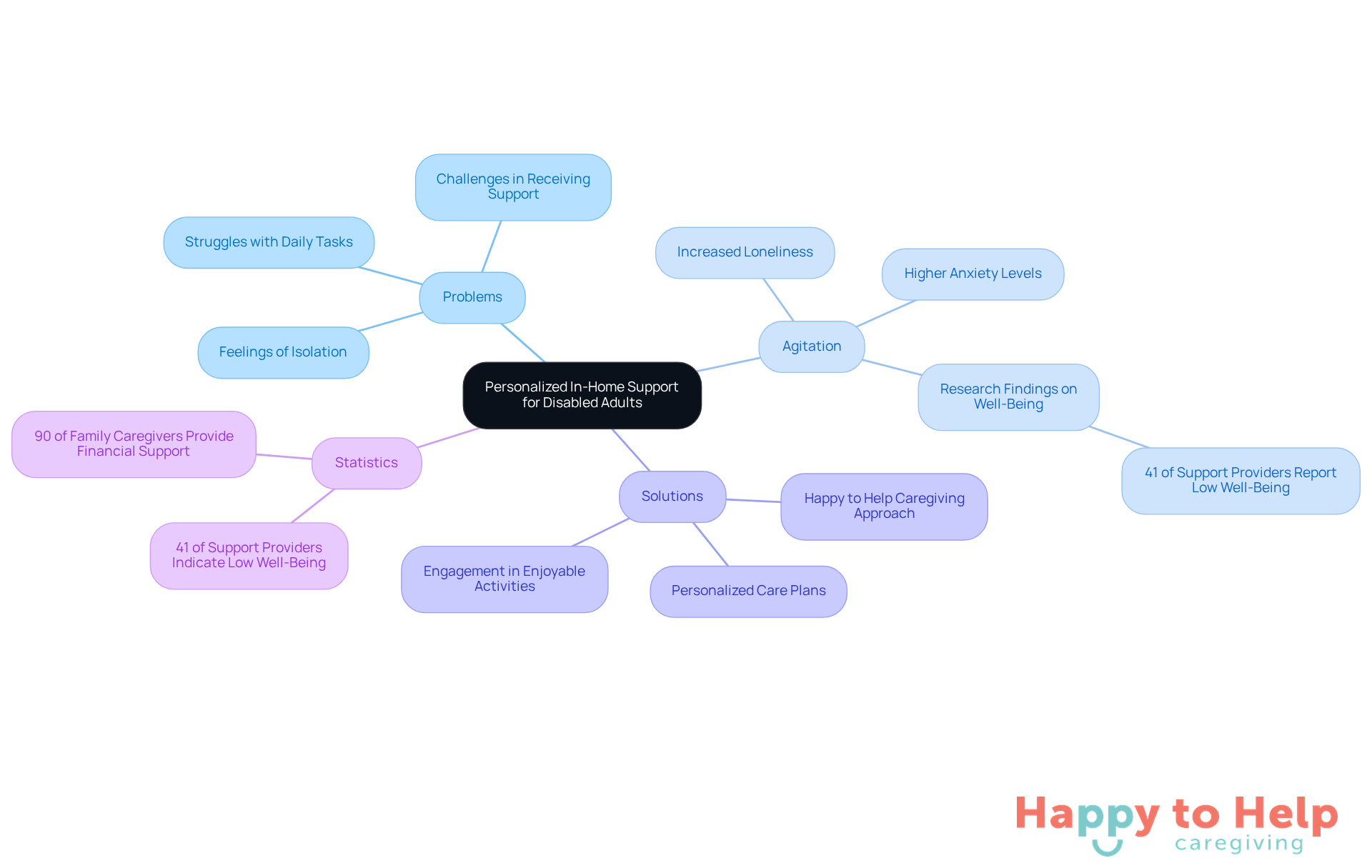
Happy to Help Caregiving: Personalized In-Home Support for Disabled Adults
Problem: Many disabled adults face challenges in receiving adequate support, which can significantly impact their quality of life. Without personalized assistance, individuals may feel isolated and struggle with daily tasks.
Agitation: This lack of tailored support can lead to increased feelings of loneliness and anxiety. Research indicates that individuals receiving generic help often report lower mental well-being. For instance, 41% of support providers indicate low overall well-being, highlighting the need for customized care plans that address individual needs.
Happy to Help Caregiving excels in delivering personalized disabled home care specifically designed for adults with disabilities. By offering assistance in the comfort of their own homes, clients experience a greater sense of security. Care plans are meticulously crafted in collaboration with families, ensuring that each individual's unique needs and preferences are prioritized. This approach not only encourages independence but also nurtures emotional well-being, as support providers engage clients in activities they enjoy, reducing feelings of loneliness.
Effective personalized support plans can significantly reduce confusion and anxiety, especially for those with cognitive challenges. By focusing on individual preferences and routines, caregivers create a supportive environment that fosters engagement in daily life. This holistic approach benefits clients and provides peace of mind for families, knowing their loved ones receive compassionate and effective support tailored to their specific needs.
As Choula notes, "No one is getting wealthy from caregiving. These payments may help someone who’s had to quit a job or is living on a low income, but they’re not enough to ensure financial security." Almost 90% of family supporters provide some type of financial assistance to their loved ones' well-being, underscoring their dedication to improving quality of life.
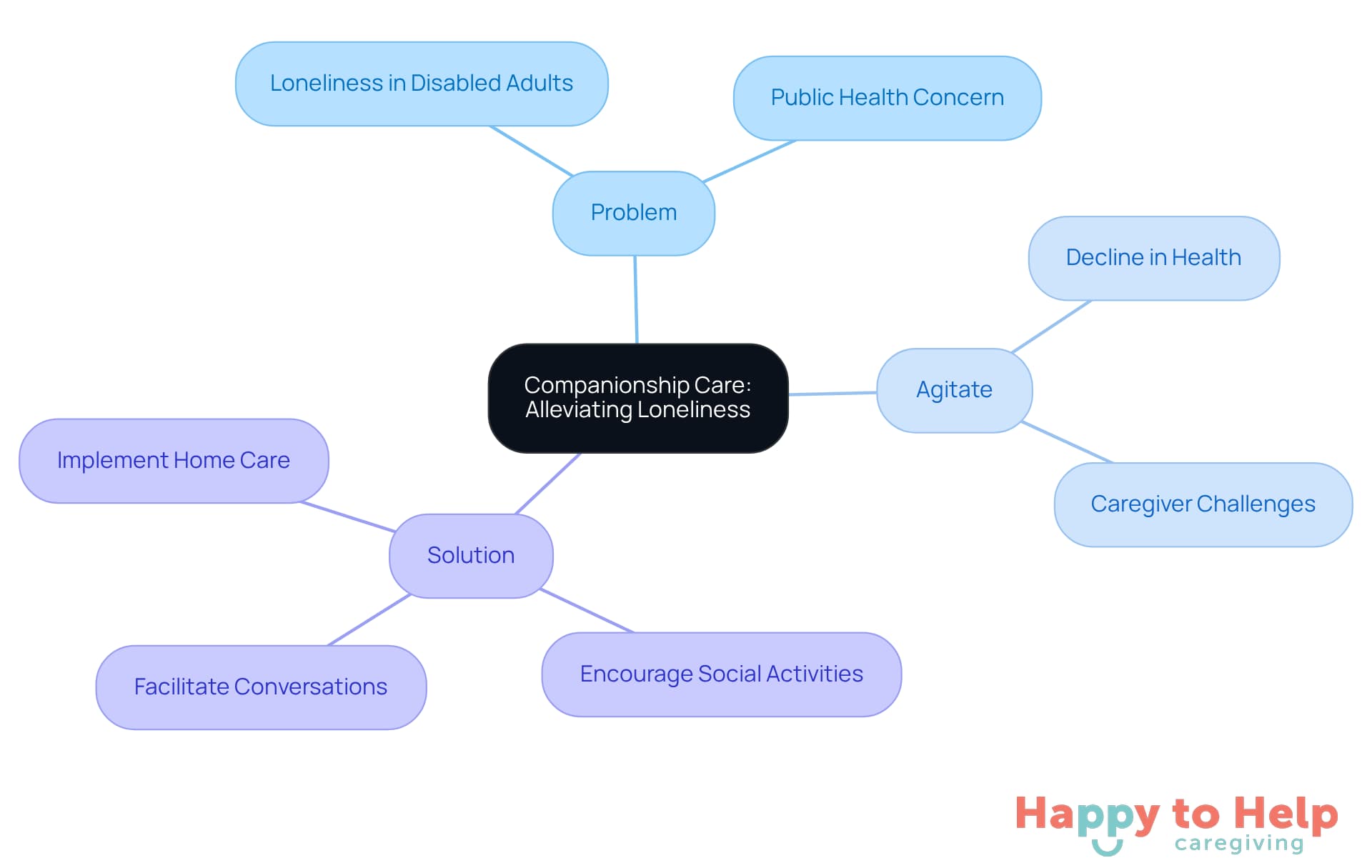
Companionship Care: Alleviating Loneliness for Disabled Adults
Problem: Loneliness and isolation are significant issues for disabled adults receiving disabled home care, with research indicating that two in five individuals living with disabilities experience these feelings, compared to 29% of the general population. This emotional challenge is not just a personal struggle; it poses a growing public health concern that can adversely affect physical health and mental well-being.
Agitate: The implications of loneliness are profound. For many seniors, the absence of companionship can lead to a decline in emotional and physical health, making it crucial to address this issue. Caregivers often find themselves in a challenging position, needing to support their loved ones while navigating their own responsibilities.
Solution: To combat loneliness effectively, family caregivers can take proactive steps. Encouraging loved ones to engage in social activities or hobbies can help nurture a sense of belonging and purpose. Caregivers can facilitate meaningful conversations and activities that foster social connections, ultimately enhancing emotional well-being. By implementing disabled home care, caregivers not only help alleviate feelings of isolation but also promote a more fulfilling life for their loved ones.
Post-Hospital Recovery Assistance: Ensuring Safe Transitions at Home
Post-hospital recovery assistance is crucial for individuals transitioning from a hospital back to their homes, especially in terms of disabled home care. Caregivers face significant challenges in providing essential services, including:
- Disabled home care
- Medication management
- Mobility assistance
- Help with daily activities
Without this support, patients risk complications that can hinder their recovery and lead to hospital readmissions.
Research indicates that older adults utilizing disabled home care services experience notably lower readmission rates. Approximately one in five Medicare beneficiaries is readmitted to the hospital within 30 days due to preventable issues that could be managed with proper medical support at home. The early weeks post-discharge are critical for recovery, and having skilled caregivers in disabled home care can significantly influence health management and safety.
To address these challenges, caregivers can implement tailored support plans specifically designed for disabled home care that cater to individual needs. This approach not only empowers patients to take control of their recovery but also alleviates the anxiety often felt by family members during this transition. Additionally, integrating technology - such as wearable devices and home monitoring systems - can enhance care and patient management, leading to better recovery outcomes.
In summary, effective post-hospital recovery assistance is vital. By recognizing the challenges and implementing practical solutions, caregivers can significantly improve the recovery experience for patients.

Respite Care: Supporting Family Caregivers and Their Loved Ones
Caregivers often face significant challenges, including burnout and stress from their demanding roles. This can lead to a decline in their own well-being, making it difficult to provide the quality support their loved ones need.
Respite assistance offers a vital solution by providing short-term relief for family supporters. This service allows caregivers to take necessary breaks, ensuring that their loved ones continue to receive quality care. By utilizing respite services, caregivers can recharge and sustain their own health, ultimately fostering a healthier home environment.
Happy to Help Caregiving is dedicated to aiding both caregivers and those receiving assistance, promoting a balanced approach to caregiving. With the right support, caregivers can maintain their well-being while ensuring their loved ones are cared for effectively.

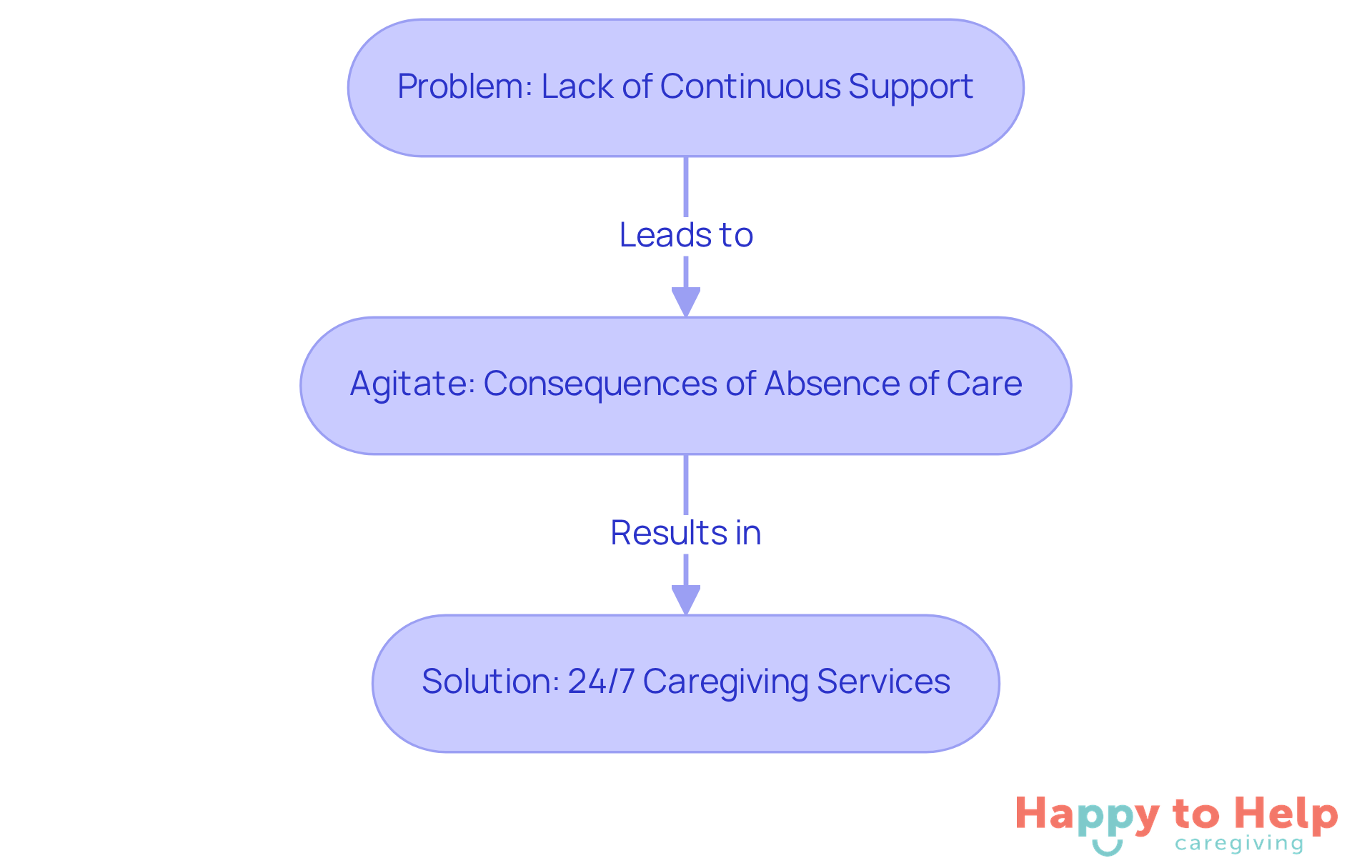
24/7 Availability: Ensuring Continuous Care for Disabled Individuals
Problem: Disabled individuals often face challenges due to a lack of continuous support, which can lead to significant health risks and decreased quality of life.
Agitate: For those with complex medical needs or mobility challenges, the absence of round-the-clock care can exacerbate their conditions. Research shows that caregivers who are available 24/7 can significantly reduce emergency response times, allowing for quicker interventions when necessary. This delay in assistance can lead to serious consequences, leaving families anxious about their loved ones' safety.
Happy to Help Caregiving addresses these concerns by providing 24/7 availability, ensuring that disabled home care is accessible whenever it is needed. Families can rest easy knowing that help is just a call away, fostering a profound sense of security. Healthcare professionals emphasize that continuous support not only meets immediate needs but also contributes to long-term health outcomes. This commitment to care empowers clients, enabling them to thrive in their own homes with confidence and comfort.
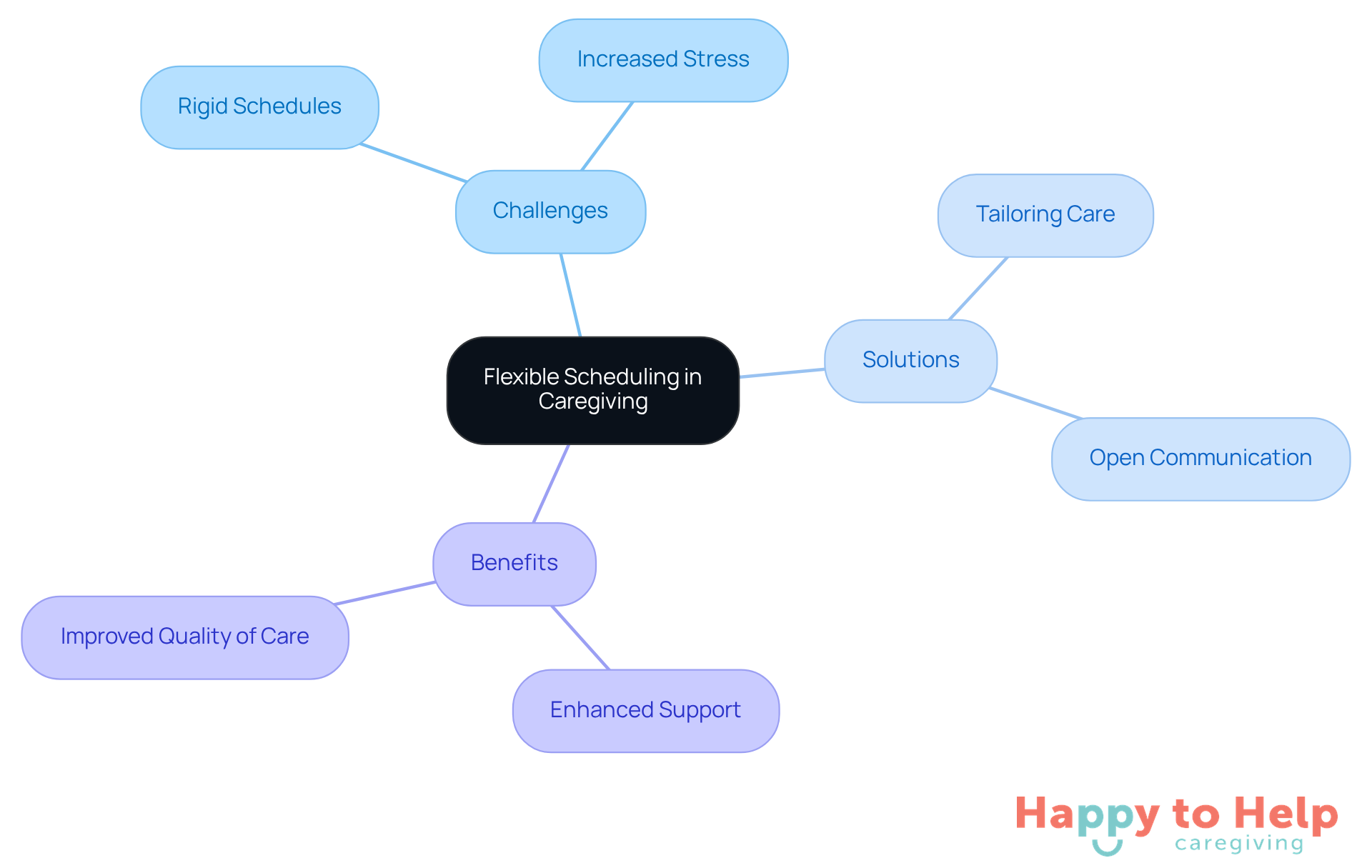
Flexible Scheduling: Tailoring Care to Individual Needs
Flexible scheduling presents a significant challenge in caregiving. Rigid schedules can hinder caregivers from providing support when it’s most needed, such as after medical appointments or during family gatherings. This lack of adaptability can lead to increased stress for both caregivers and clients, diminishing the overall caregiving experience.
To address this issue, Happy to Help Caregiving emphasizes the importance of flexible scheduling. By tailoring care to the individual needs of clients, caregivers can enhance their support during essential moments. This approach not only promotes a sense of autonomy for clients but also improves the overall quality of care.
Incorporating flexible scheduling into caregiving practices can lead to a more positive experience for everyone involved. Caregivers are encouraged to communicate openly with clients about their schedules and preferences, ensuring that support is available when it matters most.
Emotional Support: Fostering Well-Being for Disabled Adults
Emotional assistance is a significant challenge for caregivers involved in disabled home care for adults. Many caregivers struggle to recognize and respond to the emotional needs of their clients, which can lead to feelings of isolation and frustration for both parties. This lack of emotional support can hinder clients' resilience and their ability to navigate the challenges associated with their disabilities, particularly in terms of disabled home care.
To address this issue, caregivers must be trained to offer:
- Companionship
- Encouragement
- Understanding
By actively engaging with clients and acknowledging their emotional needs, caregivers can foster a supportive environment. This approach not only enhances the clients' overall quality of life but also empowers them to face their challenges with greater confidence.

Technology Integration: Streamlining Care Management for Families
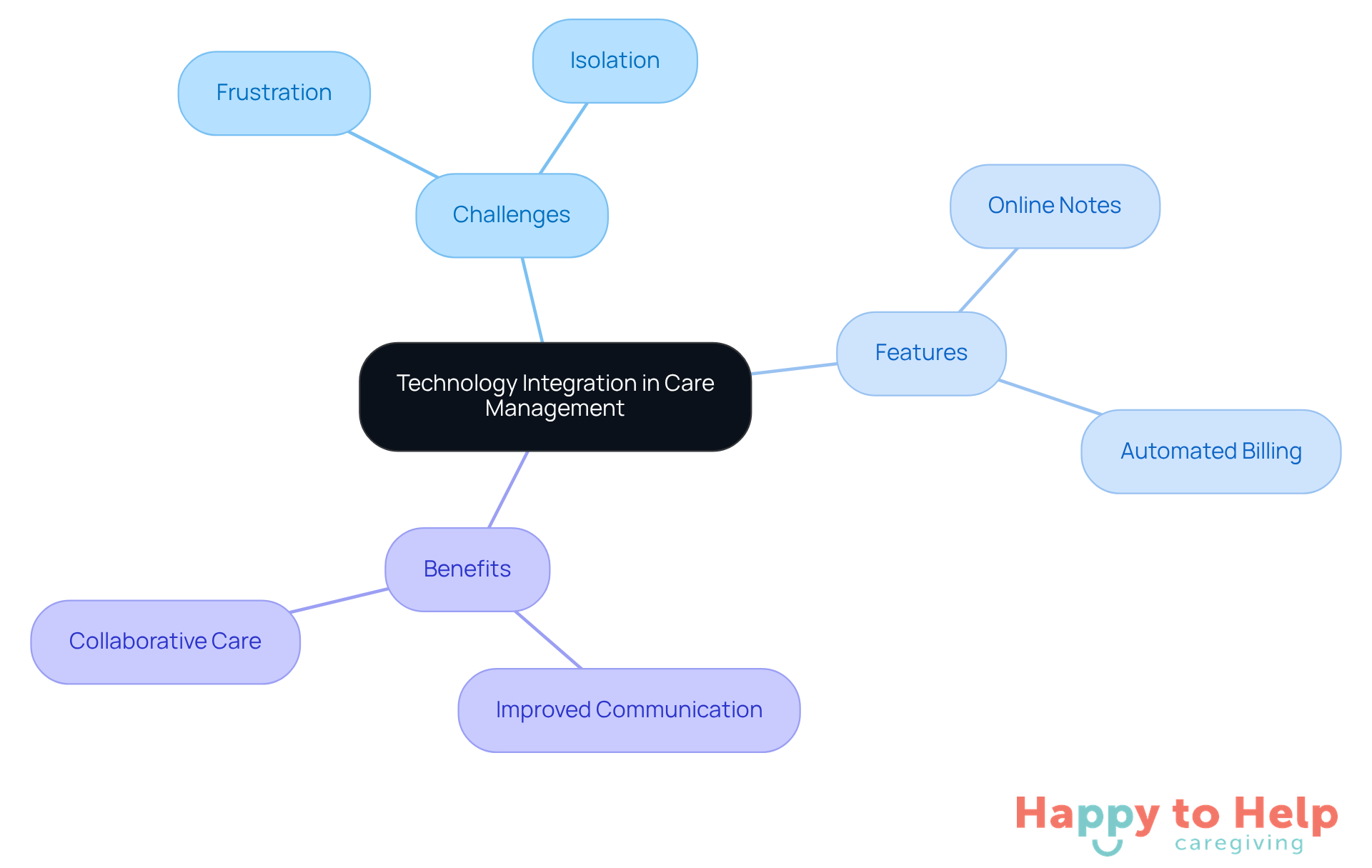
Caregivers often struggle with managing assistance for their loved ones, leading to feelings of frustration and isolation. The lack of effective communication can hinder the support process, making it difficult for families to stay informed and engaged.
Happy to Help Caregiving addresses these challenges by employing technology that simplifies management. Features like online notes for family members and automated billing options enhance communication and transparency. This integration not only improves the effectiveness of support but also fosters a collaborative approach to caregiving.
By utilizing these tools, families can remain actively involved in their loved ones' care, ensuring that everyone is on the same page. Embracing technology in caregiving can transform the experience, making it more manageable and less overwhelming.
Family Testimonials: Real-Life Impact of Personalized Home Care
Caregivers often face significant challenges when it comes to providing adequate support for their loved ones. The emotional toll can be overwhelming, leading to increased anxiety and stress for both caregivers and patients.
Happy to Help Caregiving addresses these issues through personalized domestic assistance services. Families frequently express deep appreciation for the compassionate support their loved ones receive, noting significant enhancements in emotional well-being and overall quality of life.
Statistics reveal the effectiveness of such services:
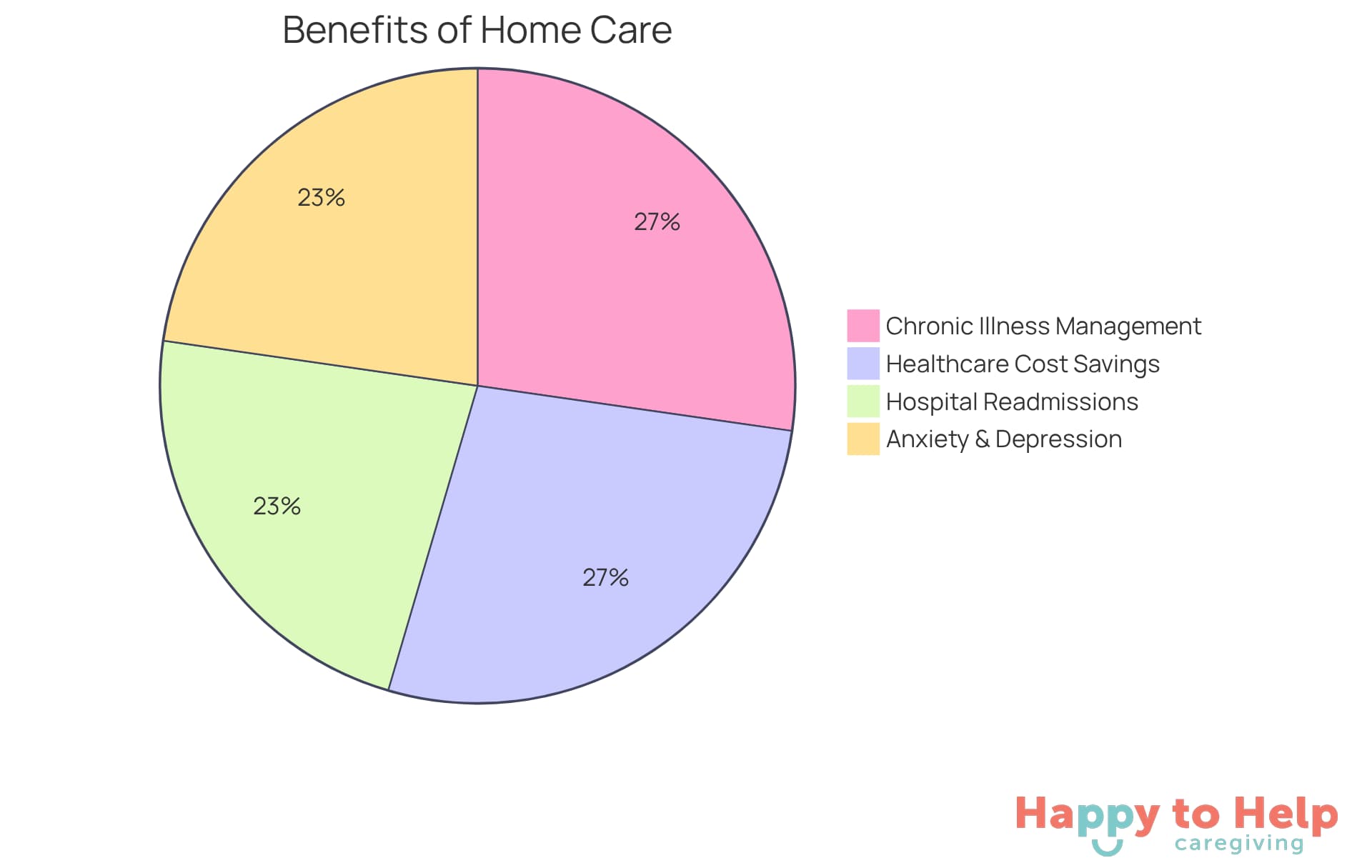
- Patients receiving domestic support experience a 30% improvement in chronic illness management.
- Patients experience a 25% reduction in hospital readmissions.
- Those receiving in-house assistance report a 25% enhancement in anxiety and depression scores, highlighting the emotional relief that individualized support provides.
These testimonials reflect the agency's commitment to meeting the unique needs of each client. Additionally, patients receiving disabled home care enjoy around 30% in healthcare cost savings compared to traditional care settings, emphasizing the financial benefits of personalized assistance.
In summary, the positive feedback from families serves as a powerful endorsement of Happy to Help Caregiving's dedication to providing disabled home care that fosters independence and enhances the quality of life for seniors and individuals with disabilities.
Taking the Next Steps
The significance of disabled home care is profound, addressing a critical problem: individuals with disabilities often lack the support they need to thrive. This absence of assistance can lead to feelings of isolation and insecurity, impacting their overall quality of life.
Disabled home care offers a solution by providing essential support tailored to each person's unique needs. This personalized assistance fosters independence, emotional well-being, and a sense of security in the comfort of one's own home. Key benefits include:
- Companionship to alleviate loneliness
- Post-hospital recovery assistance for safe transitions
- Respite care for family caregivers
Continuous support is vital in creating a nurturing environment that promotes well-being and stability.
Moreover, the integration of technology in care management ensures families stay connected and informed about their loved ones' needs. This connection is crucial for maintaining emotional health and reducing hospital readmissions.
Ultimately, investing in disabled home care services is about enhancing lives. Embracing these services can lead to a more fulfilling life for individuals with disabilities and their families. Consider the profound impact that personalized home care can have and explore the options available to support loved ones in their journey toward a better quality of life.
https://iframe.tely.ai/cta/eyJhcnRpY2xlX2lkIjogIjY5MmY5MWFiNWE2YzBkMzU2MDcwMDMwNCIsICJjb21wYW55X2lkIjogIjY4ZWU1ZGNhNzMxNzYyNTU3ZjNjOTVjMSIsICJpbmRleCI6IG51bGwsICJ0eXBlIjogImFydGljbGUifQ==Frequently Asked Questions
What challenges do disabled adults face regarding support?
Many disabled adults struggle to receive adequate support, which can impact their quality of life, leading to feelings of isolation and difficulty with daily tasks.
How does the lack of personalized support affect disabled individuals?
The absence of tailored support can increase feelings of loneliness and anxiety. Research shows that individuals receiving generic help often report lower mental well-being.
What services does Happy to Help Caregiving provide?
Happy to Help Caregiving offers personalized in-home support for disabled adults, creating customized care plans that prioritize individual needs and preferences.
How does personalized support benefit clients?
Personalized support encourages independence, nurtures emotional well-being, and reduces feelings of loneliness by engaging clients in activities they enjoy.
What role do family caregivers play in supporting disabled adults?
Family caregivers often provide financial assistance and help improve the quality of life for their loved ones, with almost 90% offering some type of financial support.
What is the impact of loneliness on disabled adults?
Loneliness is a significant issue for disabled adults, with research indicating that two in five experience these feelings, which can adversely affect their physical and mental health.
How can family caregivers help alleviate loneliness?
Family caregivers can encourage social activities, facilitate meaningful conversations, and implement disabled home care to help their loved ones feel more connected and fulfilled.
Why is post-hospital recovery assistance important?
Post-hospital recovery assistance is crucial as it helps individuals transition safely from the hospital to home, reducing the risk of complications and readmissions.
What are some essential services provided during post-hospital recovery?
Essential services include medication management, mobility assistance, help with daily activities, and general disabled home care.
How does tailored support impact recovery outcomes?
Tailored support empowers patients during recovery, alleviates family anxiety, and can lead to lower hospital readmission rates by managing health effectively at home.
List of Sources
- Happy to Help Caregiving: Personalized In-Home Support for Disabled Adults
- Caregiving Crisis: 45% Increase in Americans Providing Care (https://aarp.org/caregiving/basics/caregiving-in-us-survey-2025)
- New Models of In-Home Support for Safe, Personalized Care | Tendly Home (https://tendlyhome.com/articles/new-models-in-home-support)
- The Caregiving Landscape: Data & Insights on the Caregiver Experience in the U.S. (https://caregiveraction.org/caregiver-statistics)
- Caregiver Statistics: Demographics (https://caregiver.org/resource/caregiver-statistics-demographics)
- New Proposal Aims to Help Older Adults, People with Disabilities, and their Families Access Home Care - Justice in Aging (https://justiceinaging.org/new-proposal-aims-to-help-older-adults-people-with-disabilities-and-their-families-access-home-care)
- Companionship Care: Alleviating Loneliness for Disabled Adults
- 70+ Inspirational Caregiver Quotes (https://h2hhc.com/blog/inspirational-caregiver-quotes)
- Combat Loneliness: The Benefits of Companion Care for Seniors (https://allheartcare.com/more-than-just-company-the-vital-role-of-companion-care-for-seniors)
- Poll reveals extent of loneliness for Disabled people (https://disabilityrightsuk.org/news/poll-reveals-extent-loneliness-disabled-people?srsltid=AfmBOoqPkJyk-CmxxD8H0DKEGwOnQuQ3zYMafhynQIM_wmntTTXqvCIq)
- Loneliness rises dramatically among disabled people - Sense (https://sense.org.uk/media/latest-press-releases/loneliness-rises-dramatically-among-disabled-people)
- Post-Hospital Recovery Assistance: Ensuring Safe Transitions at Home
- The Role of Home Care in Post-Hospital Recovery (https://anodyne-services.com/2024/11/20/the-role-of-home-care-in-post-hospital-recovery)
- Post-Hospital Discharge: Why In-Home Care Improves Recovery for Florida Seniors (https://visitingangels.com/pasco/news-info/post-hospital-discharge-why-in-home-care-improves-recovery/26199)
- After the Hospital: How Home Health Care Supports Recovery at Home - Advanced Nursing & Home Care (https://advancednursing.care/blog/after-the-hospital-how-home-health-care-supports-recovery-at-home)
- How Healing at Home Helps Unclog the Hospital Bed Logjam (https://usnews.com/news/health-news/articles/2025-03-03/how-healing-at-home-helps-unclog-the-hospital-bed-logjam)
- Post-Hospital Recovery: Home Care for Transitions (https://anodyne-services.com/2025/08/09/post-hospital-recovery-home-care-for-transitions)
- Respite Care: Supporting Family Caregivers and Their Loved Ones
- Caregivers and the Importance of Respite Care (https://benedictineliving.org/resources/news/caregivers-and-the-importance-of-respite-care)
- Improving Support for Family Caregivers (https://nationalacademies.org/news/2025/07/improving-support-for-family-caregivers)
- Caregiver Statistics: Health, Technology, and Caregiving Resources (https://caregiver.org/resource/caregiver-statistics-health-technology-and-caregiving-resources)
- New Report Reveals Crisis Point for America’s 63 million Family Caregivers (https://press.aarp.org/2025-07-24-New-Report-Reveals-Crisis-Point-for-Americas-63-million-Family-Caregivers)
- Preventing Caregiver Burnout with Respite Care | The Herrick House (https://theherrickhouse.org/news-stories/all-news-stories/stories/2025/04/preventing-caregiver-burnout-with-respite-care)
- 24/7 Availability: Ensuring Continuous Care for Disabled Individuals
- Next Avenue Special Report: Caregiving in America - The 24/7 Caregiver (https://johnahartford.org/resources/view/next-avenue-special-report-caregiving-in-america-the-24-7-caregiver-1)
- The Caregiving Landscape: Data & Insights on the Caregiver Experience in the U.S. (https://caregiveraction.org/caregiver-statistics)
- Caregiving Crisis: 45% Increase in Americans Providing Care (https://aarp.org/caregiving/basics/caregiving-in-us-survey-2025)
- Caregiver Statistics: Demographics (https://caregiver.org/resource/caregiver-statistics-demographics)
- News & Information (https://wellnessalliance.org/resources-and-tools/news-and-information/2025/11/10/national-family-caregivers-month--preventing-caregiver-burnout)
- Flexible Scheduling: Tailoring Care to Individual Needs
- Caregiver Quotes: 50+ Inspiring Encouragement Quotes for Strength (https://h2hhc.com/blog/inspiring-caregiver-quotes)
- Flexible Scheduling in Healthcare: The Key to a Happier, More Productive Workforce - Staffbot Flex (https://staffbotflex.com/flexible-scheduling-in-healthcare-the-key-to-a-happier-more-productive-workforce)
- Flexible scheduling in healthcare: Top strategies from CNOs and HR leaders (https://go.beckershospitalreview.com/hr/flexible-scheduling-in-healthcare-top-strategies-from-cnos-and-hr-leaders)
- CaringBridge (https://caringbridge.org/resources/inspirational-quotes-on-caregiving)
- How Flexible Scheduling Improves The Home Care Experience For Families – CCN – Columbus County News (https://columbuscountynews.com/2025/12/how-flexible-scheduling-improves-the-home-care-experience-for-families)
- Emotional Support: Fostering Well-Being for Disabled Adults
- New Report Reveals Crisis Point for America’s 63 million Family Caregivers (https://press.aarp.org/2025-07-24-New-Report-Reveals-Crisis-Point-for-Americas-63-million-Family-Caregivers)
- Family Caregiver Support, Education Needs Growing (https://hospicenews.com/2025/11/11/family-caregiver-support-education-needs-growing)
- Caregiving’s Mental Health Crisis (https://forbes.com/sites/otsuka/2025/10/02/caregivings-mental-health-crisis)
- Caregiving can be a tough, lonely mission. One daughter found ways to reconnect (https://npr.org/sections/shots-health-news/2024/10/31/nx-s1-5172517/caregiver-caregiving-isolation-burnout-resources)
- Many Adults with Disabilities Report Frequent Mental Distress (https://cdc.gov/disability-and-health/articles-documents/adults-with-disabilities-mental-distress.html)
- Technology Integration: Streamlining Care Management for Families
- HHS Launches New Caregiving AI Initiative to 'Spark Innovative Support' (https://hospicenews.com/2025/11/18/hhs-launches-new-caregiving-ai-initiative-to-spark-innovative-support)
- The Table-Stakes Technology Entering Home-Based Care In 2025 And Beyond (https://homehealthcarenews.com/2024/12/the-table-stakes-technology-entering-home-based-care-in-2025-and-beyond)
- National Family Caregiver Month 2025: How Tech Supports Care (https://caresmartz360.com/blog/home-care/empowering-family-caregivers-with-technology-this-caregivers-month)
- HHS Backs AI Innovation for America’s Caregivers | HHS.gov (https://hhs.gov/press-room/hhs-backs-ai-innovation-for-americas-caregivers.html)
- Inside the AI Companies Reshaping Caregiving for America’s 63 Million Caregivers - NewDays (https://newdays.ai/newsroom/inside-theai-companies-reshaping-caregiving-for-americas-63million-caregivers)
- Family Testimonials: Real-Life Impact of Personalized Home Care
- Home Care Impact on Recovery of Patient (A Statistics Report) (https://lovinghomecareinc.com/home-care-recovery-statistics)
- How Personalized In-Home Care can Improve Seniors Quality of Life - Freedom Home Care (https://freedomhomecare.net/2024/11/21/how-personalized-in-home-care-can-improve-seniors-quality-of-life)
- Home Healthcare Statistics and Facts (2025) (https://media.market.us/home-healthcare-statistics)
- Family caregivers prefer in-home care over senior living, new industry report finds (https://mcknightshomecare.com/news/family-caregivers-prefer-in-home-care-over-senior-living-new-industry-report-finds)
- How Personalized Health Care Is Changing The Role Of Home Care Providers (https://homehealthcarenews.com/2024/03/how-personalized-health-care-is-changing-the-role-of-home-care-providers)