

For families in our service areas
For families in our service areas, this guide explains companion care and how non-medical in-home caregiving can support care planning in East Idaho, Treasure Valley & Magic Valley, Northern Wasatch, North Central West Virginia, and Northeast Ohio.
What to Expect
Caring for elderly loved ones can be an emotional journey filled with challenges. Families often face feelings of stress and burnout as they strive to provide the best support possible. This is where senior companion services come in, offering not just practical assistance but also a compassionate presence that can make a world of difference.
These services provide enhanced emotional support, helping to reduce feelings of isolation that many seniors experience. Imagine the comfort of knowing that your loved one has someone to talk to, someone who truly understands their needs. It’s about fostering meaningful relationships that enrich their lives.
Moreover, practical assistance with daily living tasks significantly improves the quality of life for elderly individuals. Tailored care plans ensure that seniors maintain their independence while receiving the support they need. Families can find peace of mind, knowing their loved ones are in caring hands.
As one caregiver shared, "Having a companion for my mother has not only lifted her spirits but has also eased my worries. I can focus on my work, knowing she’s not alone."
In conclusion, senior companion services offer a nurturing solution that addresses both emotional and practical needs. They provide reassurance and encouragement, allowing families to feel confident in the care their loved ones receive. Together, we can create a supportive environment that truly enhances the lives of our seniors.
What You Need to Know About Benefits of Senior Companion Services
As the population of seniors continues to grow, many face the heavy burden of isolation and loneliness. This reality makes companionship more vital than ever. Senior companion services present a heartfelt opportunity to enhance the quality of life for elderly individuals. These services offer not just physical assistance but also emotional support, nurturing meaningful relationships that can truly make a difference.
How can families ensure their loved ones receive the personalized care they deserve while navigating the complexities of companionship and support? This article explores the essential benefits of senior companion services, shedding light on how they can transform the lives of both seniors and their families. By understanding the emotional challenges caregivers face, we can amplify the feelings of stress and burnout, ultimately providing solutions that foster connection and care.
Happy to Help Caregiving: Personalized Companionship for Seniors
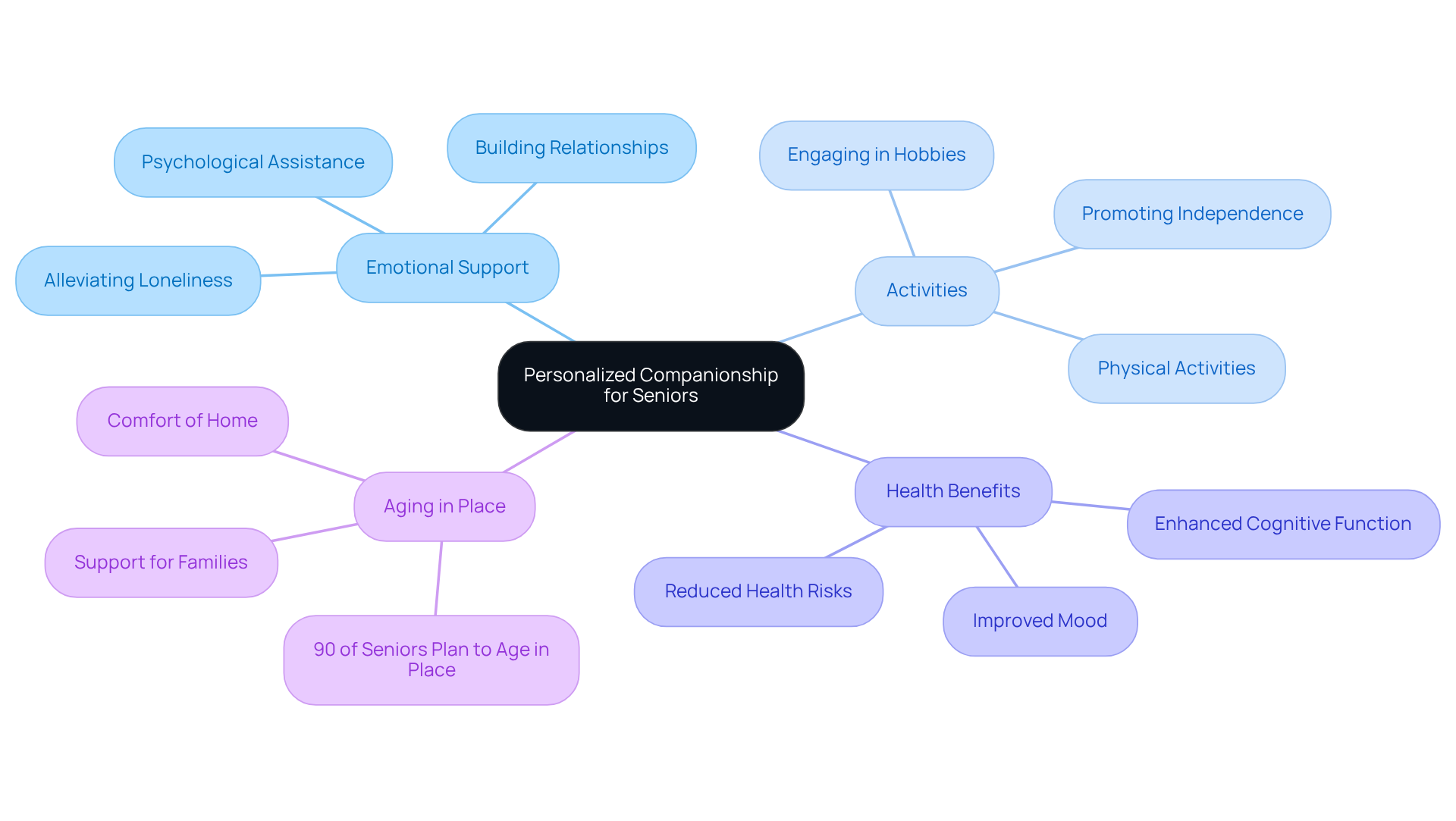
Happy to Help Caregiving specializes in senior companion services that provide personalized companionship for elderly individuals, ensuring that each client receives care tailored to their unique needs. This service not only addresses the physical aspects of caregiving but also emphasizes emotional support, fostering significant relationships that enhance the overall well-being of older adults. Caregivers engage clients in activities they love, creating a nurturing environment that promotes independence and happiness in the comfort of their own homes.
The importance of psychological assistance in elderly caregiving is profound. Studies show that one in three adults aged 50-80 report feelings of isolation, highlighting the critical need for companionship. Happy to Help Caregiving directly addresses this issue by providing consistent interaction and understanding, helping to alleviate loneliness, which is linked to various health risks. For instance, a case study on the effects of tailored companionship revealed that older adults who received consistent support reported improved mood and cognitive function, underscoring the transformative power of connection.
In 2025, the benefits of personalized companionship are clearer than ever. With more older adults choosing to age in place—90% intending to stay in their homes for the next 5 to 10 years—senior companion services that provide emotional and social engagement are essential. Caregiving specialists emphasize that nurturing these connections not only enhances the quality of life for older adults but also provides families with reassurance, knowing their loved ones are supported.
As David Levine wisely notes, "Caring for someone else can bring comfort and a sense of accomplishment," reinforcing the idea that caregiving is a partnership built on empathy and understanding. Happy to Help Caregiving embodies this philosophy by ensuring that every interaction is meaningful and contributes to the well-being of older adults, ultimately making a significant difference in their lives.
Reduced Loneliness: The Emotional Support of Companion Care
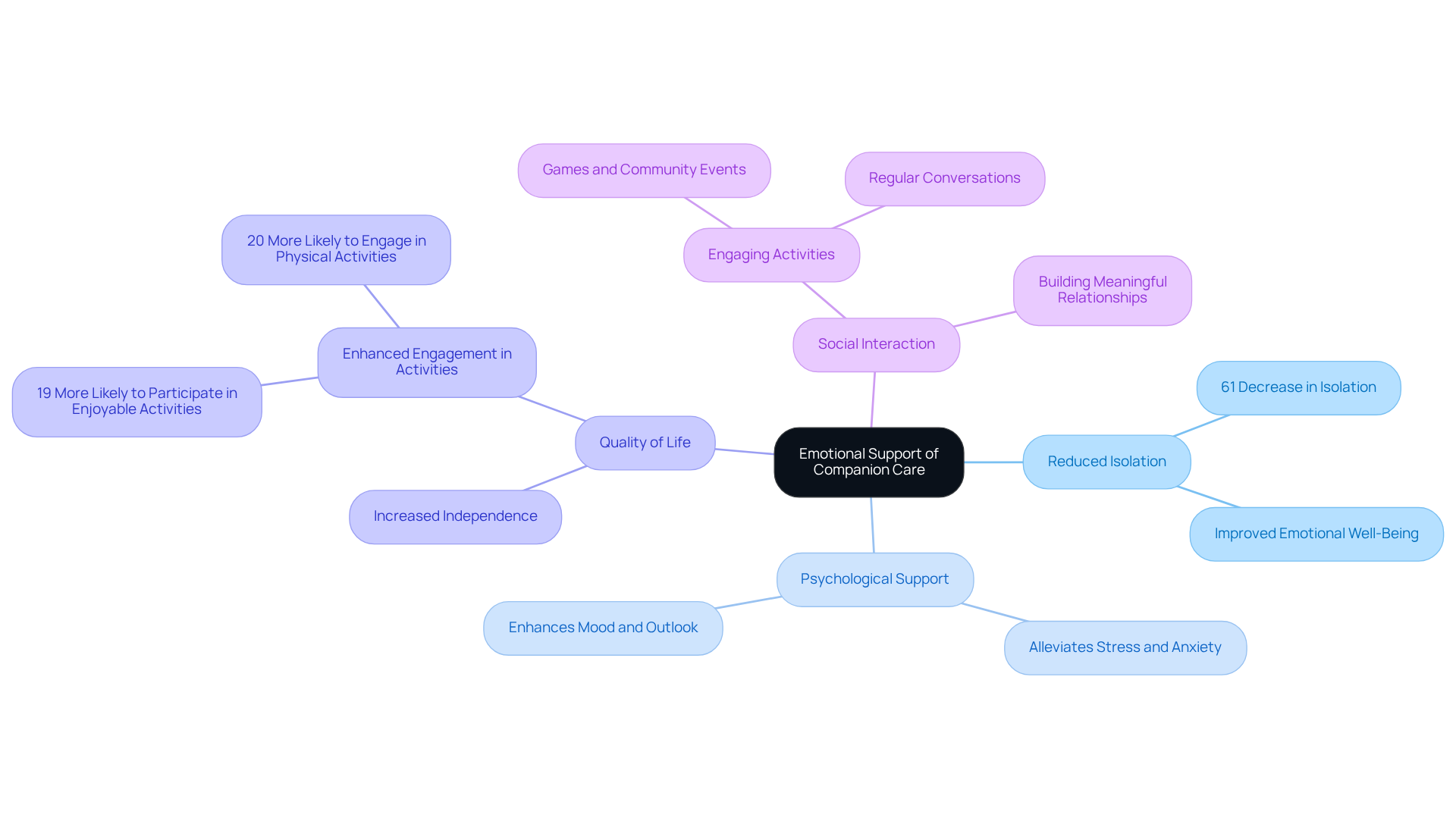
Companion assistance provided through senior companion services is vital in reducing isolation among older adults. It encourages regular social interaction and provides much-needed psychological support. Caregivers engage in meaningful conversations, participate in enjoyable activities, and offer companionship, effectively addressing the loneliness that many elderly individuals experience. This emotional connection not only lifts spirits but also leads to better mental health outcomes.
Research shows that older adults receiving companionship report a remarkable 61% decrease in feelings of isolation. This statistic highlights the profound impact these connections can have. Furthermore, having a caregiver around can significantly enhance seniors' overall quality of life, making them feel more connected and engaged.
By promoting social interaction and emotional support, companion services emerge as a crucial element in enhancing mental wellness among the elderly. The growing demand for these services reflects a broader recognition of their benefits, as families strive to ensure their loved ones receive the nurturing support they need to thrive.
In the words of one caregiver, "Seeing the smiles on my clients' faces makes every moment worthwhile." This sentiment captures the essence of companionship—it's about building relationships that foster joy and connection.
Enhanced Daily Living: Practical Support from Companion Care
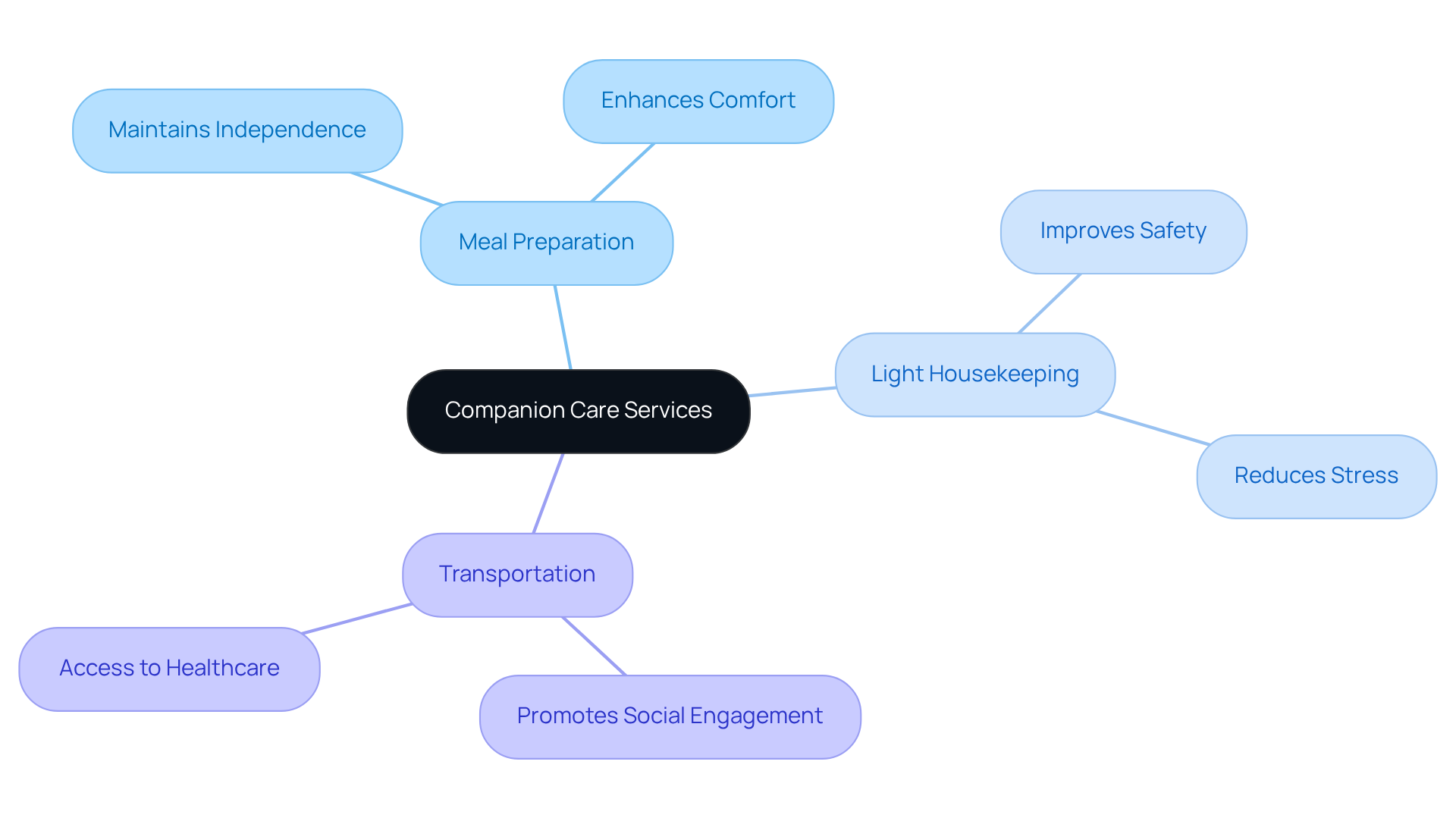
Senior companion services truly make a difference in the lives of elderly individuals by providing vital support with daily living tasks such as:
- Meal preparation
- Light housekeeping
- Transportation to appointments
This kind of practical help is crucial for allowing older adults to maintain their independence while ensuring they feel safe and comfortable at home. By alleviating the stress of these everyday activities, companion care lets seniors focus on enjoying their lives rather than struggling with tasks that can become more challenging due to age or health issues.
With nearly one-third of adults over 50 feeling isolated, having a companion can significantly boost emotional well-being. These connections are so important for mental health. Studies show that older adults who regularly engage with caregivers face lower risks of depression and cognitive decline. This highlights just how essential companionship is for promoting a fulfilling lifestyle.
As the need for in-home assistance continues to grow—forecasts suggest that the number of individuals requiring supported living services will more than double by 2040—the importance of senior companion services in supporting senior independence becomes increasingly evident. For families looking to support their loved ones, recognizing the value of senior companion services is more important than ever.
Peace of Mind: Family Assurance with Companion Services
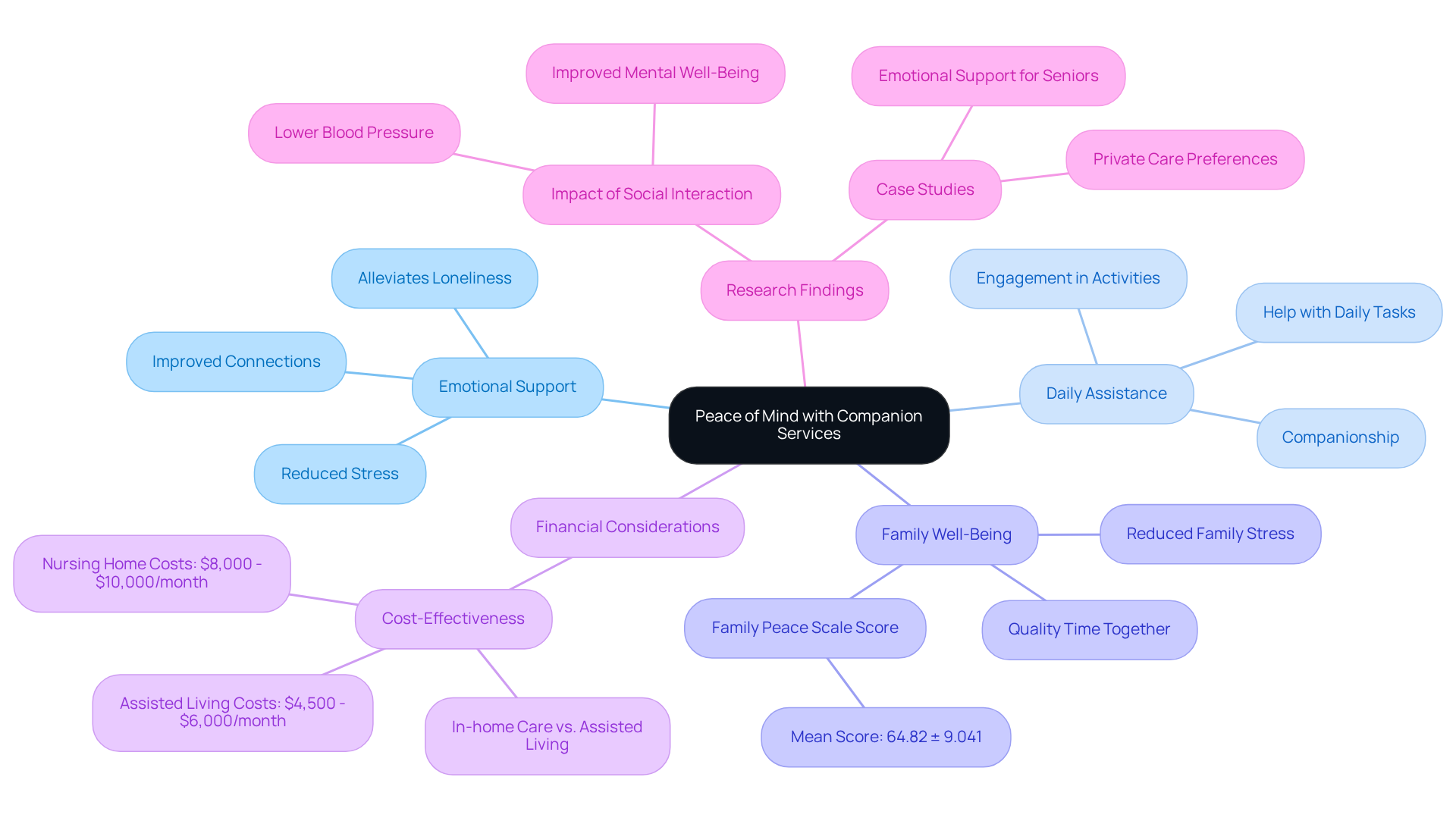
Families often find a significant sense of peace when their loved ones receive care from senior companion services provided by trained companion caregivers. Just knowing there’s a reliable expert who provides senior companion services, offering emotional support and helping with daily tasks, allows family members to focus on their own responsibilities without the constant worry. This reassurance fosters a feeling of security, enabling households to maintain a healthy balance between caregiving and their personal lives with the support of senior companion services.
Research from Summa Health highlights that regular social interaction can lower blood pressure and reduce stress, which enhances the well-being of both older adults and their families. Moreover, case studies exploring the impact of senior companion services reveal that families report improved mental well-being and stronger connections when caregivers engage seniors in meaningful activities and conversations. This not only alleviates feelings of loneliness but also allows families to cherish quality time together, confident that their loved ones are cared for through senior companion services.
Additionally, the Family Peace Scale indicates an average score of 64.82 ± 9.041, reflecting above-average family harmony among participants. This underscores the confidence families gain through senior companion services. Considering the costs associated with assisted living and nursing homes, senior companion services emerge as a more affordable option, providing both financial relief and emotional support.
Customized Care Plans: Tailoring Services to Individual Needs
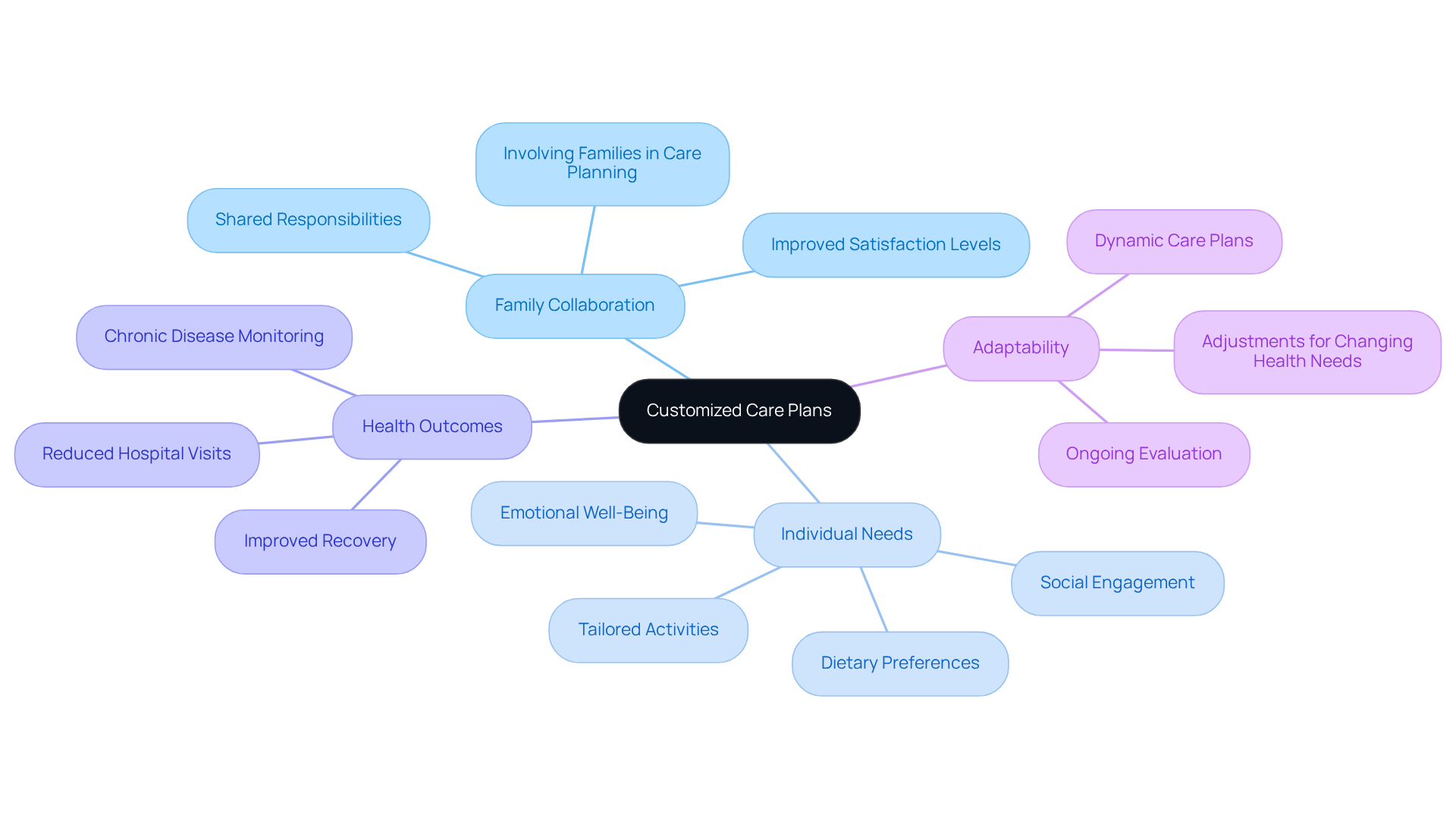
Personalized support plans are vital in companion services, ensuring that every elderly individual receives assistance tailored to their unique needs and preferences. By working closely with families, caregivers create these plans to include specific activities, dietary preferences, and strategies for social engagement. This personalized approach not only enhances the quality of care but also allows older adults to maintain their independence and dignity.
Statistics reveal a concerning reality: one in three older adults experiences feelings of isolation and loneliness. Individualized support plans can significantly improve quality of life by boosting independence, comfort, and social involvement. When plans are customized to personal needs, seniors report higher satisfaction levels and improved emotional well-being. For instance, the Visiting Nurse Association Health Group (VNAHG) emphasizes that individualized treatment plans lead to better health outcomes and greater satisfaction.
This dynamic process allows for adjustments as health conditions change, ensuring that support remains relevant and effective. Personalized plans adapt to evolving health needs, guaranteeing appropriate assistance at every stage of recovery. Ultimately, the commitment to individualized support provided by senior companion services fosters a nurturing environment where seniors can thrive, reinforcing their sense of self-worth and connection to the community.
Understanding Costs: Financial Insights into Companion Care
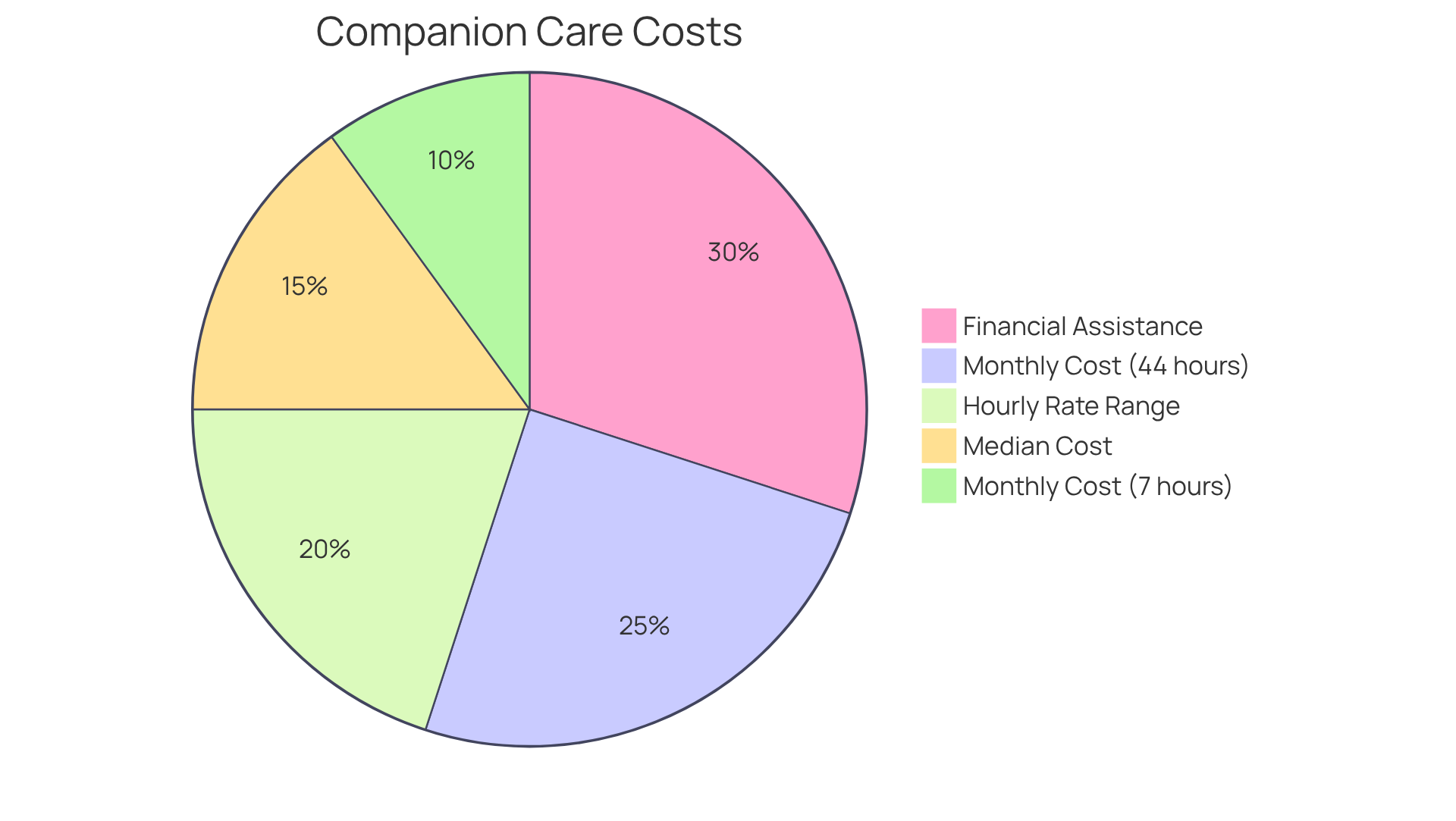
The cost of companion assistance can weigh heavily on families, varying significantly based on factors like location, the level of support needed, and the specific services provided. In 2025, families might find themselves paying between $25 to $35 per hour for these vital services, with the national median hovering around $33 per hour. For instance, if you require assistance for 7 hours a week, you could be looking at around $1,000 each month. On the other hand, more intensive support, such as 44 hours a week, could reach approximately $6,292 monthly.
To navigate these expenses, it’s crucial for families to explore the various financial assistance programs available for elderly support. Options may include:
- Medicaid, which can help cover some home health assistant costs depending on state eligibility
- Long-term care insurance, which might ease the financial burden for qualifying services
Additionally, families can benefit from tax deductions for unreimbursed medical expenses that exceed 7.5% of their adjusted gross income, potentially covering certain aspects of companion assistance. It’s also important to remember that some premiums paid for qualified long-term care insurance can be included as medical expenses.
Community services, like Meals on Wheels, can provide affordable or even free assistance, offering further support to families in need. Understanding these costs and potential financial resources ahead of time is essential for providing senior companion services. It allows for better planning and helps prevent unexpected financial strain, ensuring that loved ones receive the necessary support without compromising the family’s financial stability.
Finding Qualified Caregivers: Ensuring Quality in Companion Services
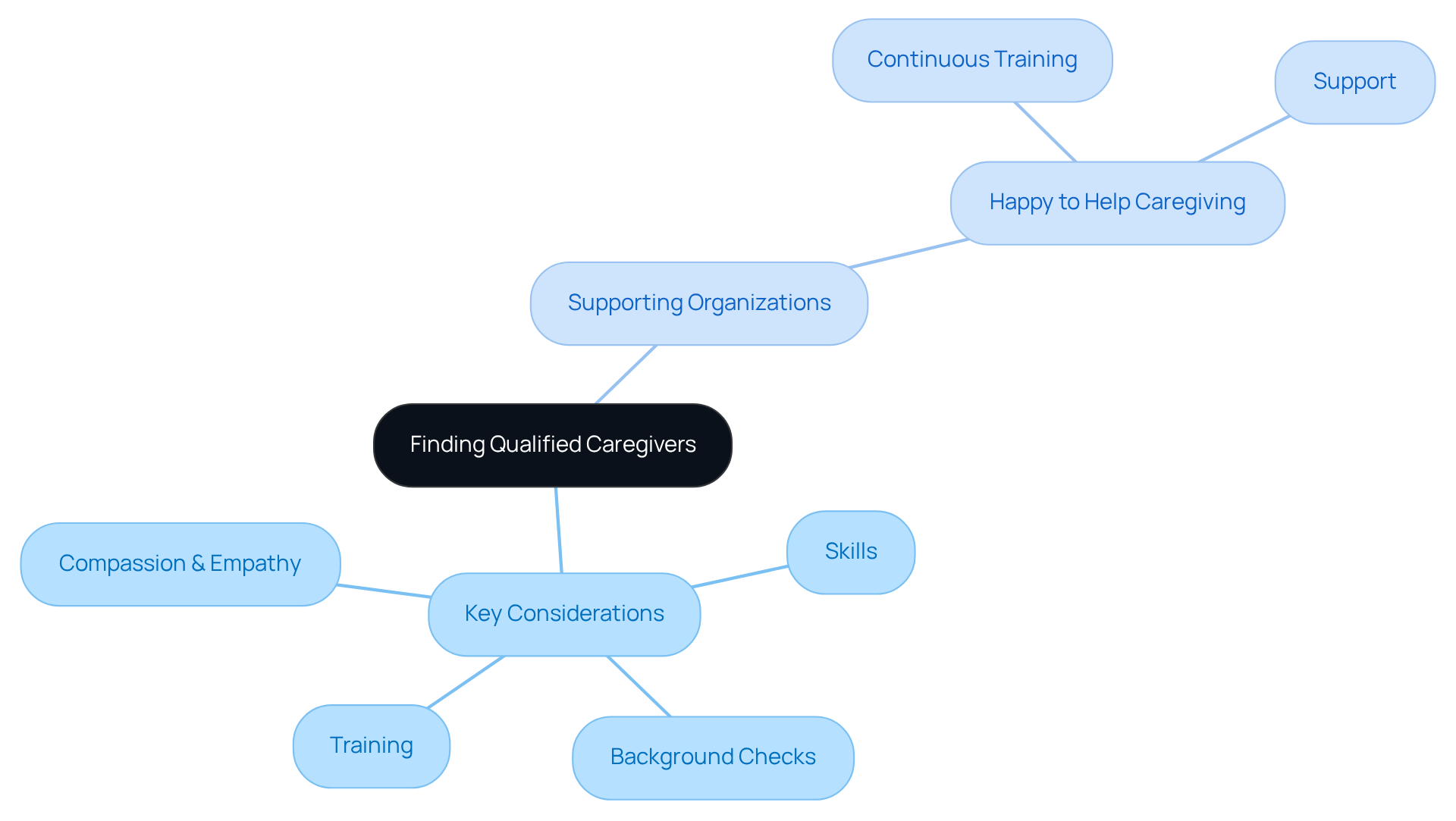
Finding qualified caregivers is crucial for families seeking high-quality senior companion services. It’s not just about skills; it’s about finding someone who truly understands the emotional needs of their loved ones. Families should seek caregivers who have undergone thorough background checks, possess relevant training, and, most importantly, show compassion and empathy.
Organizations like Happy to Help Caregiving are dedicated to this mission. They offer continuous training and support for their caregivers, ensuring they’re well-prepared to meet the diverse needs of elderly individuals. This commitment to quality care fosters trust and satisfaction among families, allowing them to feel secure in their choice.
It’s natural to feel overwhelmed when searching for the right caregiver. The emotional weight can be heavy, but knowing that there are compassionate professionals ready to help can bring a sense of relief. Remember, you’re not alone in this journey. With the right support, families can find senior companion services that provide assistance while also bringing warmth and understanding into their loved ones’ lives.
Promoting Independence: The Role of Companionship in Senior Care
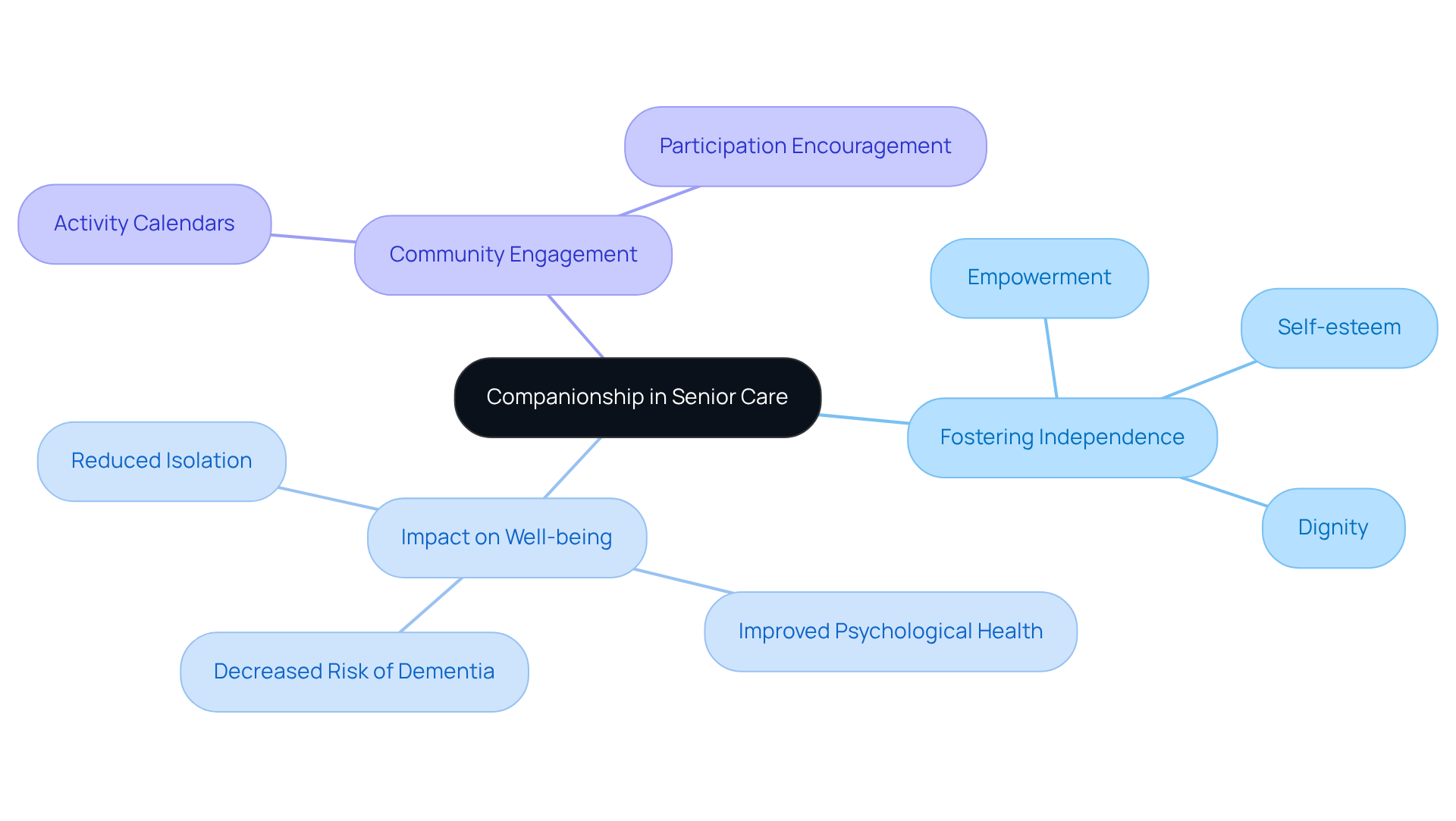
Companionship provided by senior companion services is vital in fostering independence among elderly individuals. When caregivers offer assistance without taking over responsibilities, they empower older adults to engage in daily activities and make choices about their lives. This approach nurtures a sense of independence and boosts self-esteem, allowing older adults to maintain their dignity while receiving senior companion services for the support they need.
Social isolation can significantly impact the well-being of older adults, which is why senior companion services are essential in reducing the risk of dementia, depression, and even early death. For instance, case studies like 'Combating Loneliness and Isolation' reveal that older adults who interact with caregivers often experience improved psychological health and a deeper connection to their community.
Senior companion services play a crucial role in promoting independence by organizing activity calendars and encouraging participation in community outings. This supportive relationship is essential, as it helps older adults thrive in familiar surroundings while receiving the necessary assistance.
As one caregiver beautifully stated, 'Senior companion services tackle these issues by providing consistent social interaction and support.' This highlights the profound impact companionship has on enhancing the quality of life for older adults. Together, we can create an environment where they feel valued, connected, and empowered.
Overall Well-Being: Comprehensive Benefits of Companion Care
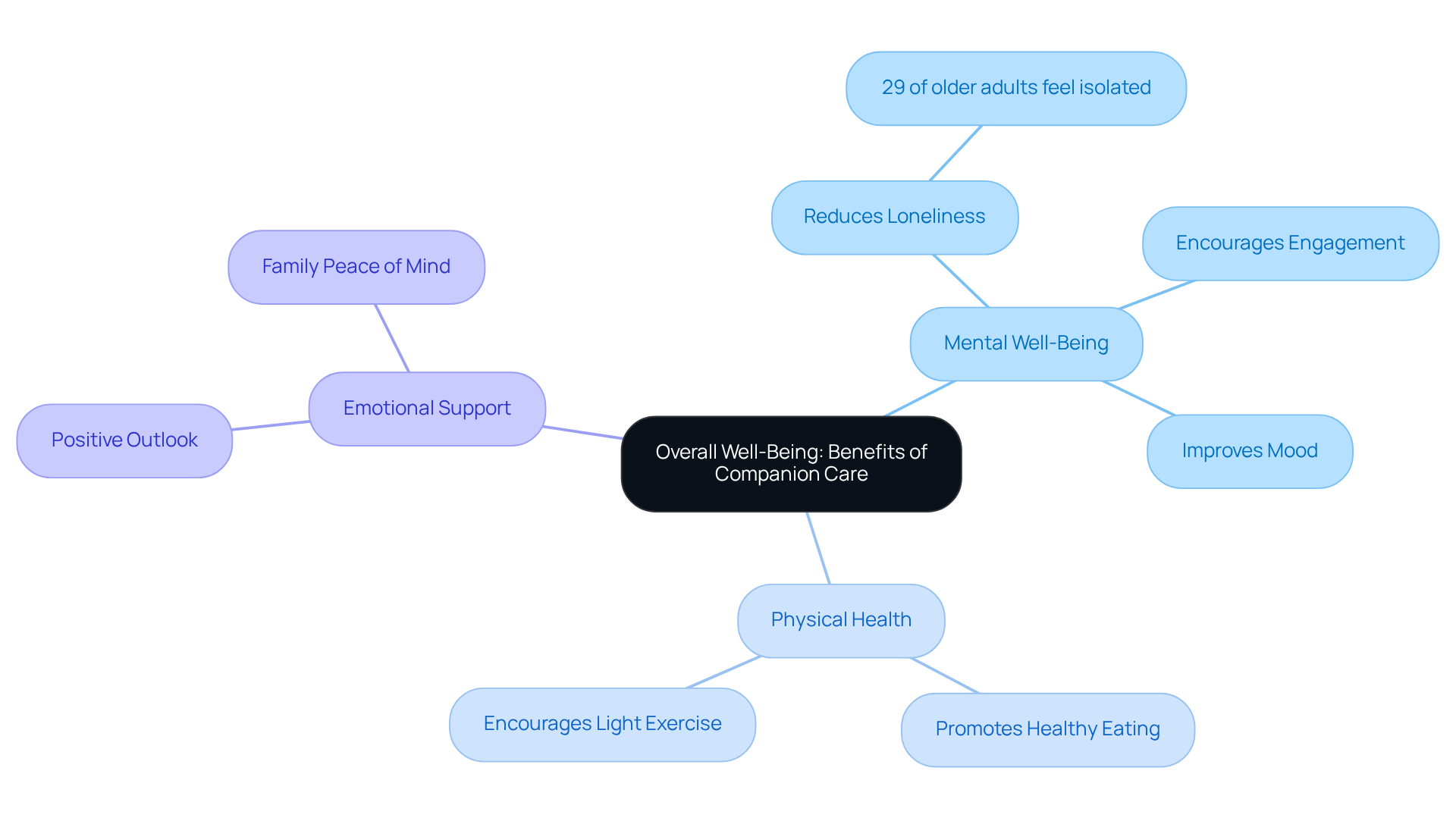
Senior companion services provide a range of benefits that significantly enhance the health of older adults. Regular social interaction is vital for mental well-being. Studies show that meaningful engagement can help reduce feelings of loneliness and isolation, which impact 29% of older adults, with an additional 33% feeling lonely some of the time or often in the past year. This steady companionship not only fosters mental stability but also encourages older adults to partake in light exercise and maintain healthy eating habits, leading to improved physical health. For example, companion caregivers often assist with meal preparation and promote daily activities, contributing to a stronger immune system and lower risks of chronic illnesses.
Moreover, the holistic approach of senior companion services addresses the psychological and emotional needs of older adults. As Dee Bustos notes, 'Senior companion services address the comprehensive needs of the elderly, promoting their mental and physical well-being.' By providing a reliable source of assistance, senior companion services help older adults navigate the challenges of aging, ultimately enhancing their quality of life.
Case studies reveal that older adults receiving companionship report better moods and a more positive outlook on life, underscoring the profound impact of emotional support. This all-encompassing support model not only enriches the lives of seniors but also offers families peace of mind, knowing their loved ones are thriving in a safe and nurturing environment.
Frequently Asked Questions: Clarifying Companion Care Services
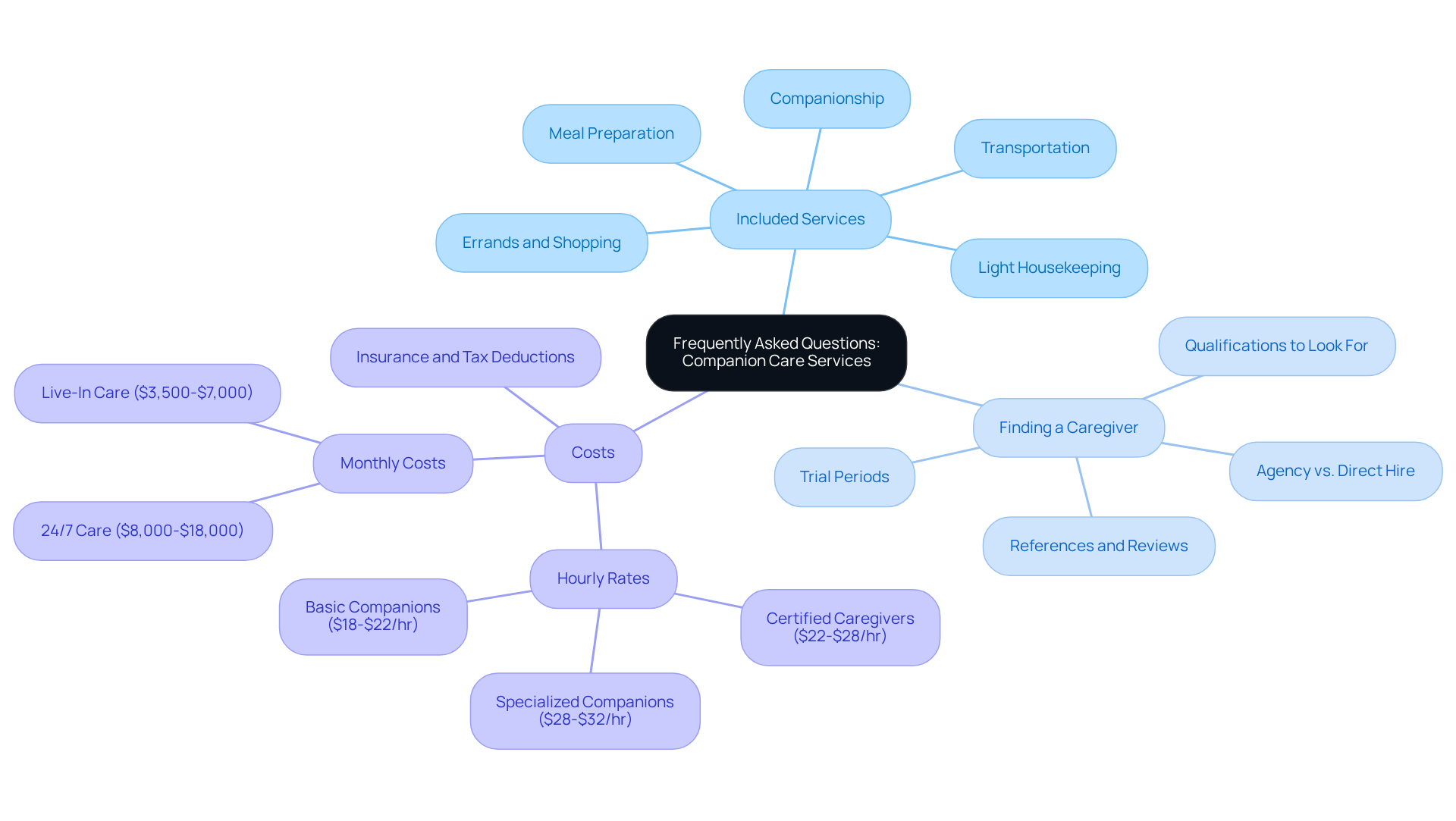
Families often have questions regarding senior companion services for support. They wonder what tasks providers can assist with, how to choose the right caregiver, and what the costs might be. Common questions include:
- What services are included in companion care?
- How do I find a qualified caregiver?
- What are the expenses related to companion assistance?
By addressing these concerns, families can feel more empowered in their decision-making process. It’s important to know that you’re not alone in this journey. Many families share similar worries, and understanding the options available can bring peace of mind.
Choosing the right support for your loved ones is a significant step. It’s about ensuring they receive the compassionate care they deserve with senior companion services. Remember, there are dedicated professionals ready to help, and finding the right match can make all the difference. You can take comfort in knowing that with the right support, your loved ones can thrive.
Key Takeaways for Caregivers
Senior companion services are truly essential in enhancing the quality of life for elderly individuals, while also providing families with much-needed peace of mind. These services offer personalized companionship that addresses not just the physical needs of seniors, but also their emotional and psychological well-being. The role of companionship in fighting loneliness and promoting independence is incredibly important, making these services vital for families who want to support their loved ones.
The article shines a light on several key benefits of senior companion services. These include:
- Emotional support
- Practical help with daily living tasks
- Customized care plans tailored to individual needs
Research shows that regular interaction with caregivers can significantly reduce feelings of isolation and improve mental health outcomes, all while fostering a sense of independence among older adults. Families can find reassurance in knowing that their loved ones are receiving compassionate care from trained professionals who prioritize their well-being.
Ultimately, investing in senior companion services goes beyond just meeting immediate needs; it’s about nurturing relationships and enhancing overall well-being. As families navigate the challenges of aging, recognizing the profound impact of companionship can lead to more informed decisions and a greater sense of security. Embracing the benefits of these services creates an environment where seniors can truly thrive, ensuring they feel valued, connected, and empowered throughout their golden years.
https://iframe.tely.ai/cta/eyJhcnRpY2xlX2lkIjogIjY5MGZlMjQwZDgxOGMwOGZkNmY3OWY2ZiIsICJjb21wYW55X2lkIjogIjY4ZWU1ZGNhNzMxNzYyNTU3ZjNjOTVjMSIsICJpbmRleCI6IG51bGwsICJ0eXBlIjogImFydGljbGUifQ==Frequently Asked Questions
What services does Happy to Help Caregiving provide?
Happy to Help Caregiving specializes in senior companion services that offer personalized companionship for elderly individuals, focusing on both physical care and emotional support.
Why is emotional support important in elderly caregiving?
Emotional support is crucial as it helps alleviate feelings of isolation, which one in three adults aged 50-80 report experiencing. Companionship can significantly improve the mood and cognitive function of older adults.
How does Happy to Help Caregiving address loneliness among seniors?
The service provides consistent interaction and understanding, engaging clients in enjoyable activities and meaningful conversations to reduce feelings of loneliness and enhance mental well-being.
What are the benefits of personalized companionship for older adults?
Personalized companionship helps improve mood, cognitive function, and overall quality of life, making seniors feel more connected and engaged while also providing families with reassurance.
What types of practical support do companion services offer?
Companion services assist with daily living tasks such as meal preparation, light housekeeping, and transportation to appointments, enabling seniors to maintain their independence at home.
How do companion services impact mental health among the elderly?
Research indicates that older adults receiving companionship experience a 61% decrease in feelings of isolation, leading to better mental health outcomes and lower risks of depression and cognitive decline.
What is the future outlook for senior companion services?
The demand for senior companion services is expected to grow, with forecasts suggesting that the number of individuals needing supported living services will more than double by 2040, highlighting their increasing importance.