10 Essential Caregiver Responsibilities for Family Caregivers

For families in our service areas
For families in our service areas, this guide explains caregiver support and how non-medical in-home caregiving can support care planning in East Idaho, Treasure Valley & Magic Valley, Northern Wasatch, North Central West Virginia, and Northeast Ohio.
Why Caregiver Responsibilities Matters
Understanding the multifaceted role of family caregivers is essential in today's society, where nearly 63 million Americans provide care for their loved ones. These dedicated individuals face a significant problem: navigating a complex landscape of responsibilities. From ensuring emotional support to managing medical regimens, caregivers often bear an emotional toll that can impact their well-being.
This article delves into ten crucial responsibilities that family caregivers must embrace to enhance the quality of life for those they support. However, how can caregivers effectively balance these demanding roles while safeguarding their own well-being? By exploring these essential tasks, we can uncover not only the challenges but also the profound impact of caregiving on both caregivers and their loved ones.
In the following sections, we will provide actionable solutions that caregivers can implement to manage their responsibilities more effectively.
Happy to Help Caregiving: Providing Companionship Care for Emotional Support
Companionship care addresses a significant issue: loneliness among seniors. This emotional isolation can lead to feelings of despair and a decline in mental health. The caregiver responsibilities include playing a crucial role in alleviating these feelings by engaging individuals in meaningful conversations, activities, and social interactions.
To combat loneliness, caregivers can take on caregiver responsibilities by spending quality time with seniors, participating in hobbies, or simply being present. This emotional support fosters a sense of belonging and significantly improves overall mental health. Happy to Help Caregiving emphasizes caregiver responsibilities by training caregivers to be attentive listeners and companions, which ensures that individuals feel valued and connected.
Key Tips for Caregivers:
- Schedule regular activities that clients enjoy.
- Encourage social interactions with family and friends.
- Be attentive to customers' emotional needs and provide reassurance.
Post-Hospital Recovery Assistance: Ensuring Safe Transitions Home
Caregiver responsibilities involve facing significant challenges when helping individuals transition from the hospital to home. This process can be fraught with risks, including potential hazards in the home environment and the complexities of medication management. Without proper support, patients may experience complications that hinder their recovery.
To address these issues, it is essential for caregivers to uphold their caregiver responsibilities by taking proactive steps.
-
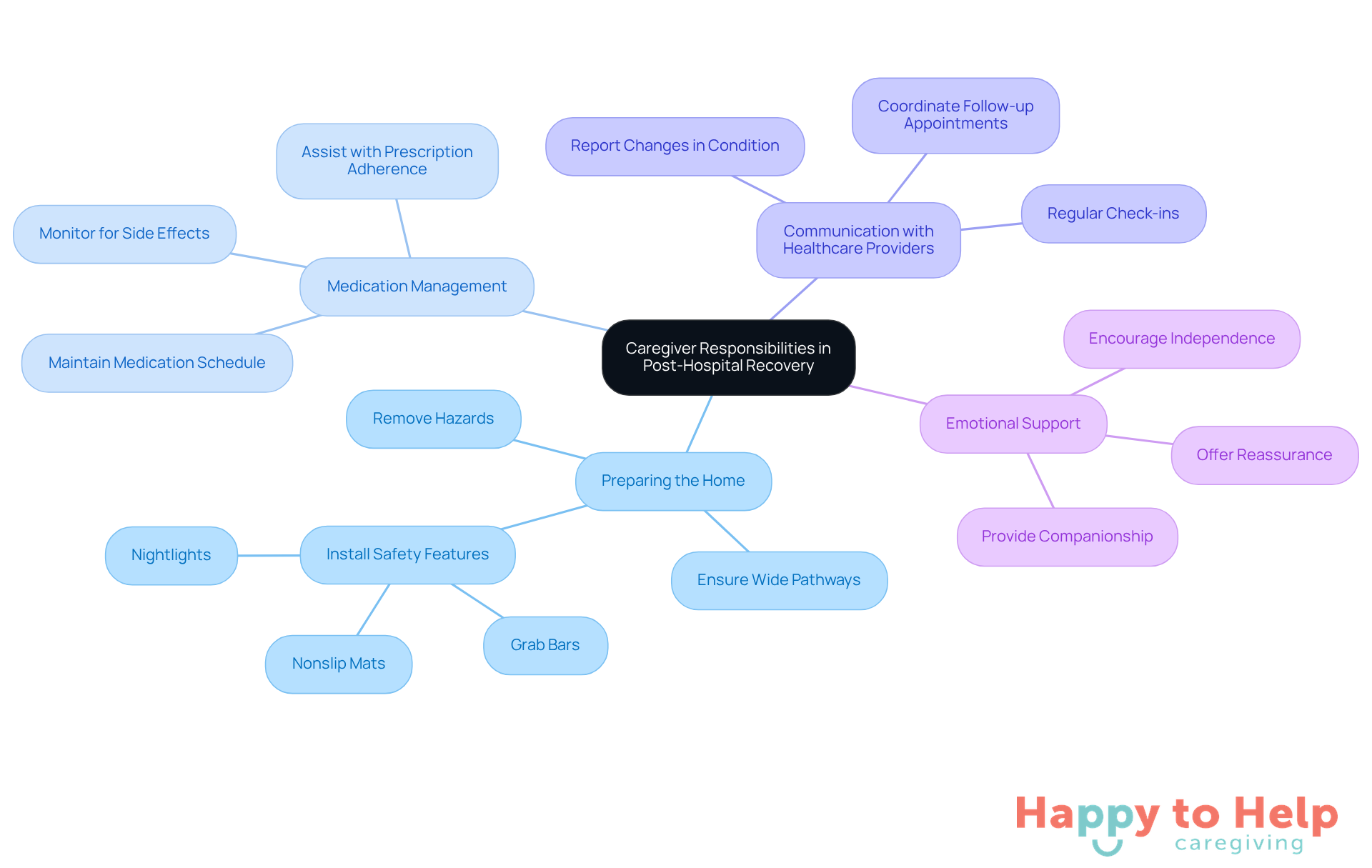
Preparing the Home is essential: remove potential hazards like loose rugs and clutter, and ensure pathways are wide enough for easy movement, especially for those using walkers or wheelchairs.
-
Medication Management is another critical area. Maintaining a detailed medication schedule is one of the key caregiver responsibilities to prevent confusion and ensure adherence to prescribed regimens. This is particularly vital for seniors managing multiple prescriptions. Caregiver responsibilities, such as helping seniors remember their medication schedules and healthcare appointments after returning home, can significantly impact their recovery.
-
Regular communication with healthcare providers is also crucial. Caregiver responsibilities include keeping in close contact to report any concerns or changes in the client's condition. This collaboration is essential for addressing wellness concerns promptly and effectively. As noted by New York Health Care (NYHC), "A safe and well-organized home is essential for a successful recovery."
-
Incorporating emotional support during this transition is equally important. The caregiver responsibilities involve not only providing physical assistance but also offering companionship and reassurance, significantly enhancing the recovery experience.
Respite Care: Supporting Family Caregivers with Temporary Relief
Respite services provide family supporters with vital temporary relief, allowing them to take necessary breaks without worrying about their loved ones' well-being. This service is crucial in preventing caregiver exhaustion, which can significantly impact both caregiver responsibilities and the quality of care provided.
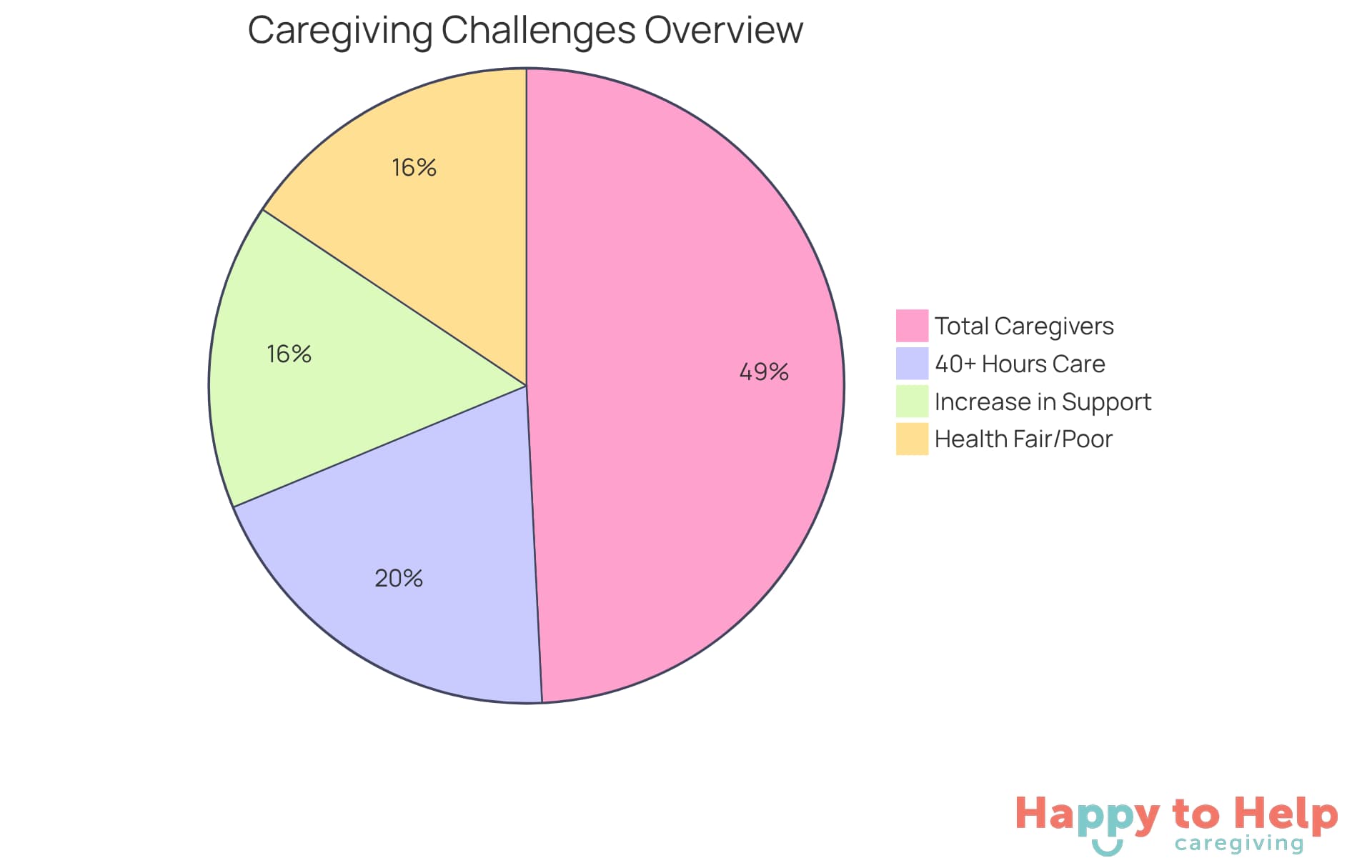
Current trends reveal a pressing issue: nearly 63 million Americans are involved in caregiving, many of whom face considerable emotional stress. The number of support providers has surged by 20 million from 2015 to 2025, underscoring the growing demand for relief services. Alarmingly, almost 1 in 4 caregivers report delivering over 40 hours of assistance each week, highlighting the intensity of their caregiver responsibilities. Furthermore, 60% of family providers are employed, often facing work interruptions due to caregiving duties. This situation leads to 1 in 5 caregivers rating their health as fair or poor, emphasizing the health impacts of caregiving.
To combat these challenges, caregivers can implement key strategies for effectively utilizing respite care:
- Schedule regular respite care to ensure consistent breaks, which can help maintain emotional and physical health.
- Communicate openly with family members about the need for support, fostering a collaborative approach to caregiving.
- Use respite services to explore personal interests or engage in self-care activities, which are crucial for overall well-being.
By prioritizing relief services, caregivers can alleviate feelings of isolation and exhaustion, ultimately enhancing their ability to manage their caregiver responsibilities and provide high-quality support to their loved ones.
Palliative Support Care: Enhancing Quality of Life for Patients
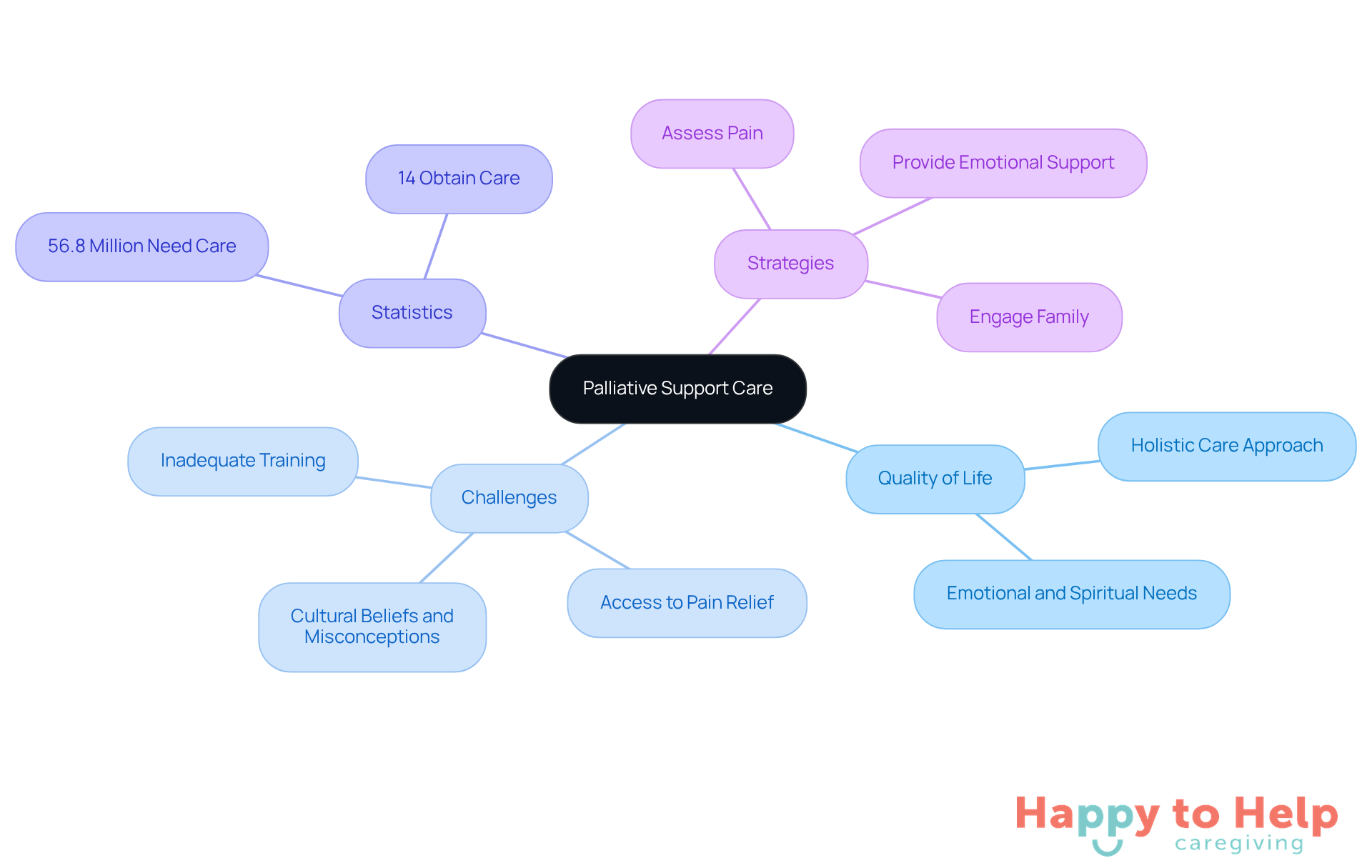
Palliative support services aim to enhance the quality of life for patients by addressing their physical, emotional, and spiritual needs. However, many caregivers encounter significant challenges in managing their caregiver responsibilities while providing this essential care. Inadequate training for health professionals and insufficient access to opioid pain relief can impede the effective provision of services, leaving many patients without the support they need.
This gap in service availability is alarming. Current data suggests that approximately 56.8 million individuals need palliative support annually, yet only around 14% obtain it. This highlights the ethical obligation of medical professionals to prioritize palliative care and underscores the importance of caregiver responsibilities in this context.
To address these challenges, caregivers can implement key strategies for effective palliative support:
- Regularly assess and address pain and discomfort to ensure optimal comfort.
- Provide emotional support and foster open communication about feelings, which is essential for both patients and their families.
- Engage family members in support discussions to create an encouraging atmosphere that enhances the overall caregiving experience.
As Bruce Smith, MD, FACP, states, "Employing palliative support can greatly enhance the quality of life for an individual who has been diagnosed." By focusing on holistic care, caregivers can improve not only the physical well-being of patients but also their emotional and spiritual health. This comprehensive approach ultimately leads to a more fulfilling life experience during challenging times.
Meal Preparation: Ensuring Nutritional Needs Are Met
Preparing nutritious meals that meet the dietary needs of those they care for is one of the caregiver responsibilities that caregivers face as a significant challenge. This caregiver responsibility is crucial, as inadequate nutrition can lead to serious health issues, particularly among seniors. Without proper meal planning and hydration, caregivers risk the well-being of their loved ones.
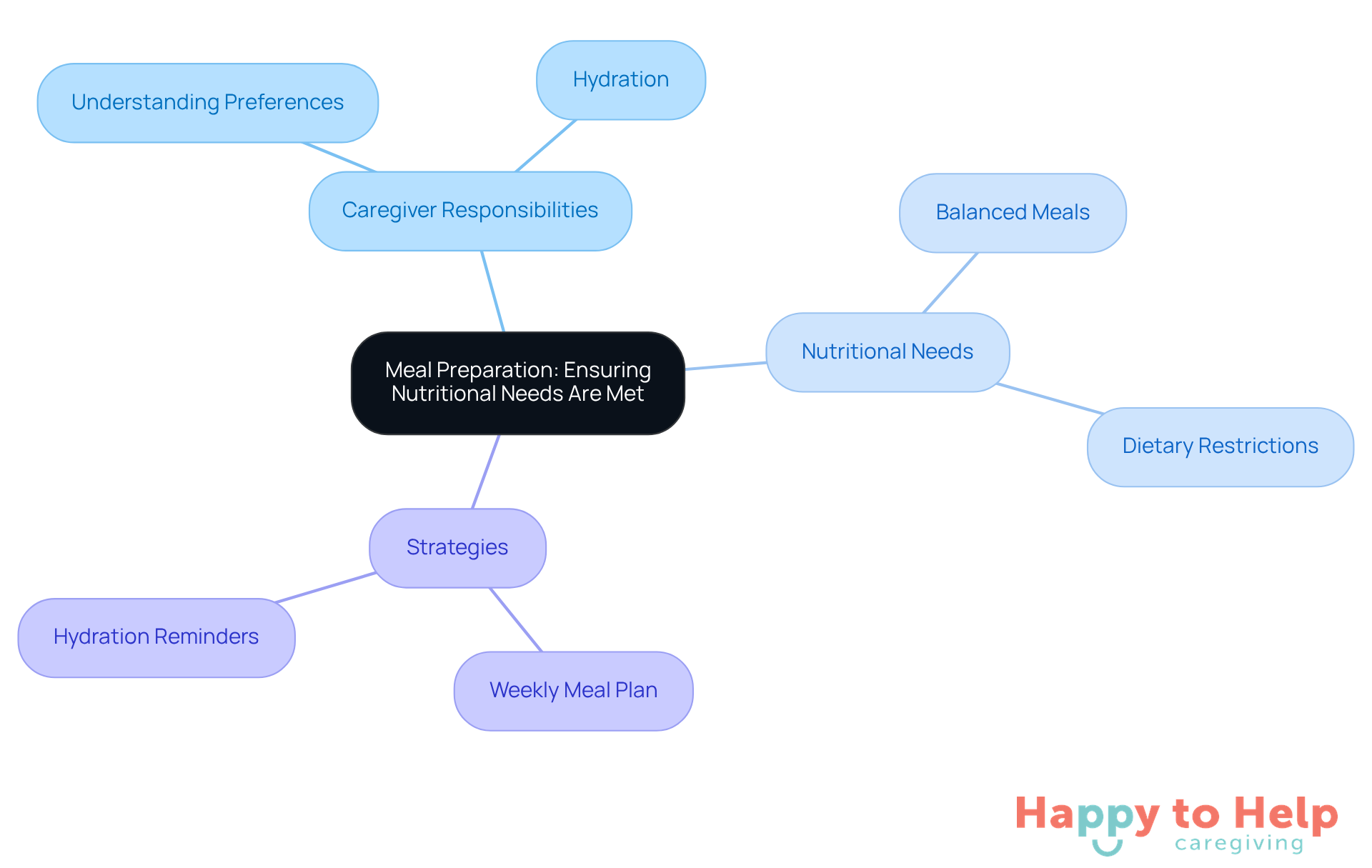
To address this issue, caregiver responsibilities must include focusing on planning balanced meals that accommodate dietary restrictions. This includes:
- Understanding individual preferences and nutritional requirements.
- Ensuring adequate hydration, which is essential for overall health.
Happy to Help Caregiving highlights that effective meal preparation not only promotes health but also plays a vital role in preventing malnutrition among seniors.
By implementing these strategies, caregivers can significantly improve the quality of life for those they support, while fulfilling their caregiver responsibilities. Simple tips, such as:
- Creating a weekly meal plan.
- Incorporating hydration reminders.
can make a substantial difference. With the right approach, caregivers can turn meal preparation into a rewarding and health-promoting activity.
Medication Management: Keeping Track of Health Regimens
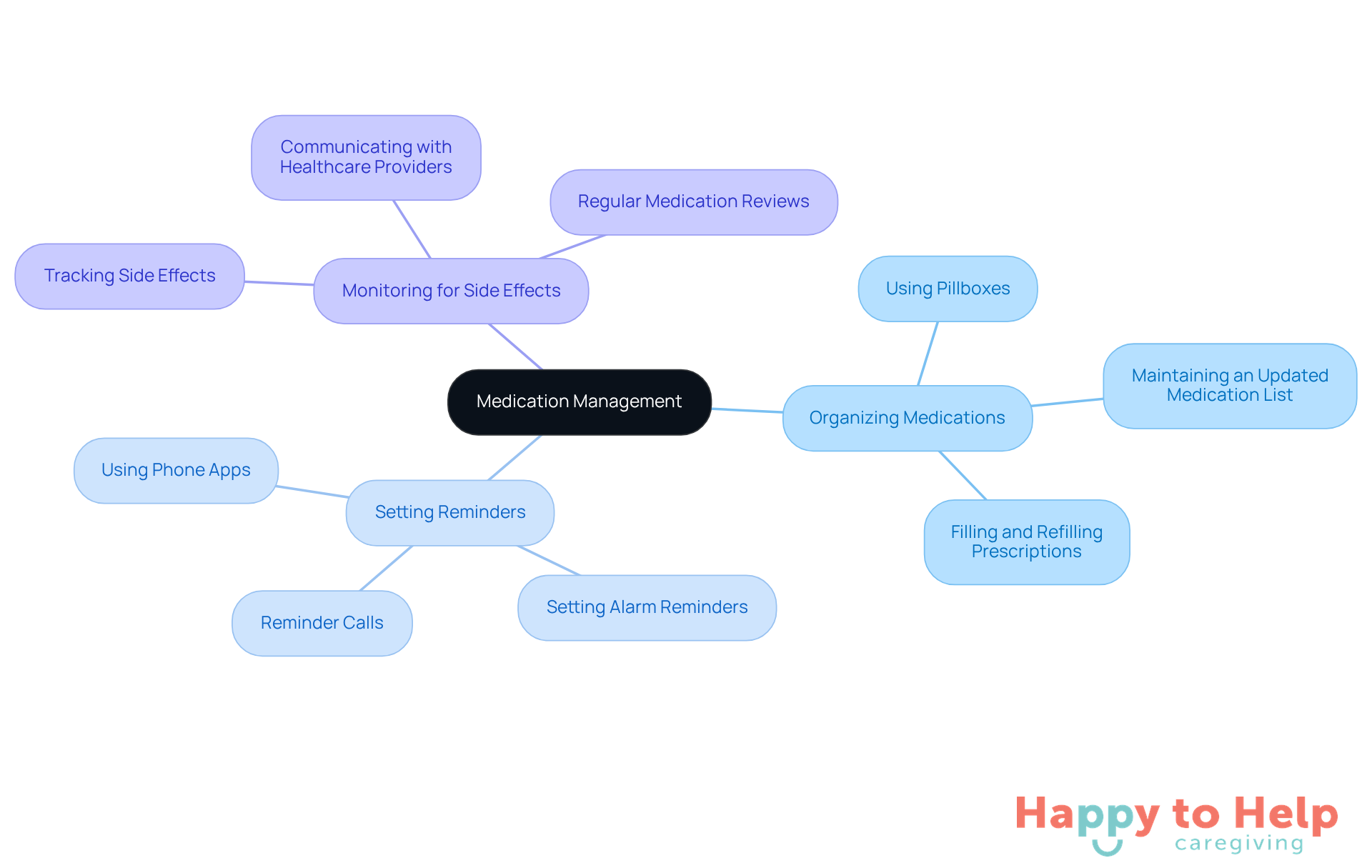
Caregivers face a significant challenge in managing patients' medications. Ensuring that medications are taken as directed is crucial, as errors can lead to serious health risks. Caregiver responsibilities include:
- Organizing medications
- Setting reminders
- Monitoring for side effects
These responsibilities can be overwhelming.
To address these challenges, Happy to Help Caregiving offers essential tools and training for caregivers. By providing effective strategies for medication management, caregivers can meet their caregiver responsibilities by reducing the risk of errors and promoting adherence. With the right support, caregiver responsibilities become manageable, allowing caregivers to confidently navigate the complexities of medication management and ensuring better outcomes for their patients.
Health Monitoring: Observing Changes and Reporting Concerns
The critical challenge of monitoring their clients' conditions, including vital signs, mobility, and overall well-being, falls under caregiver responsibilities. Any changes in these areas can indicate a deterioration in health, highlighting the importance of caregiver responsibilities to remain vigilant. Failing to recognize these changes can lead to serious consequences, impacting the quality of care provided.
To address this issue, caregiver responsibilities can involve implementing proactive health monitoring strategies. Here are some key tips:
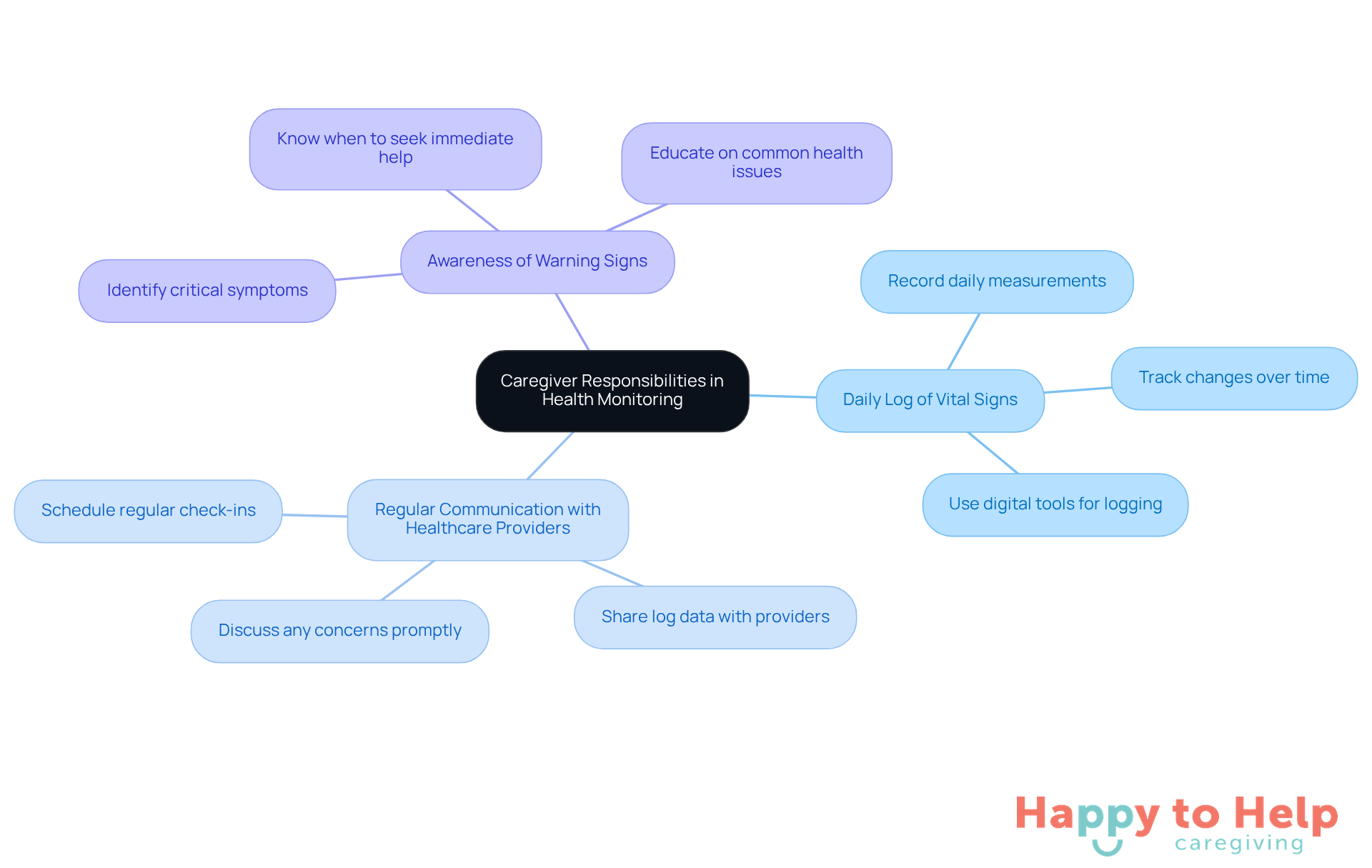
- Keep a daily log of vital signs and any observed changes.
- Communicate regularly with healthcare providers about patient status.
- Be aware of warning signs that may require immediate attention.
Happy to Help Caregiving emphasizes the importance of these practices to ensure timely interventions. By staying alert and documenting changes, caregivers can effectively manage their caregiver responsibilities while contributing to their clients' health and well-being.
Emotional Support: Fostering Connections and Reducing Isolation
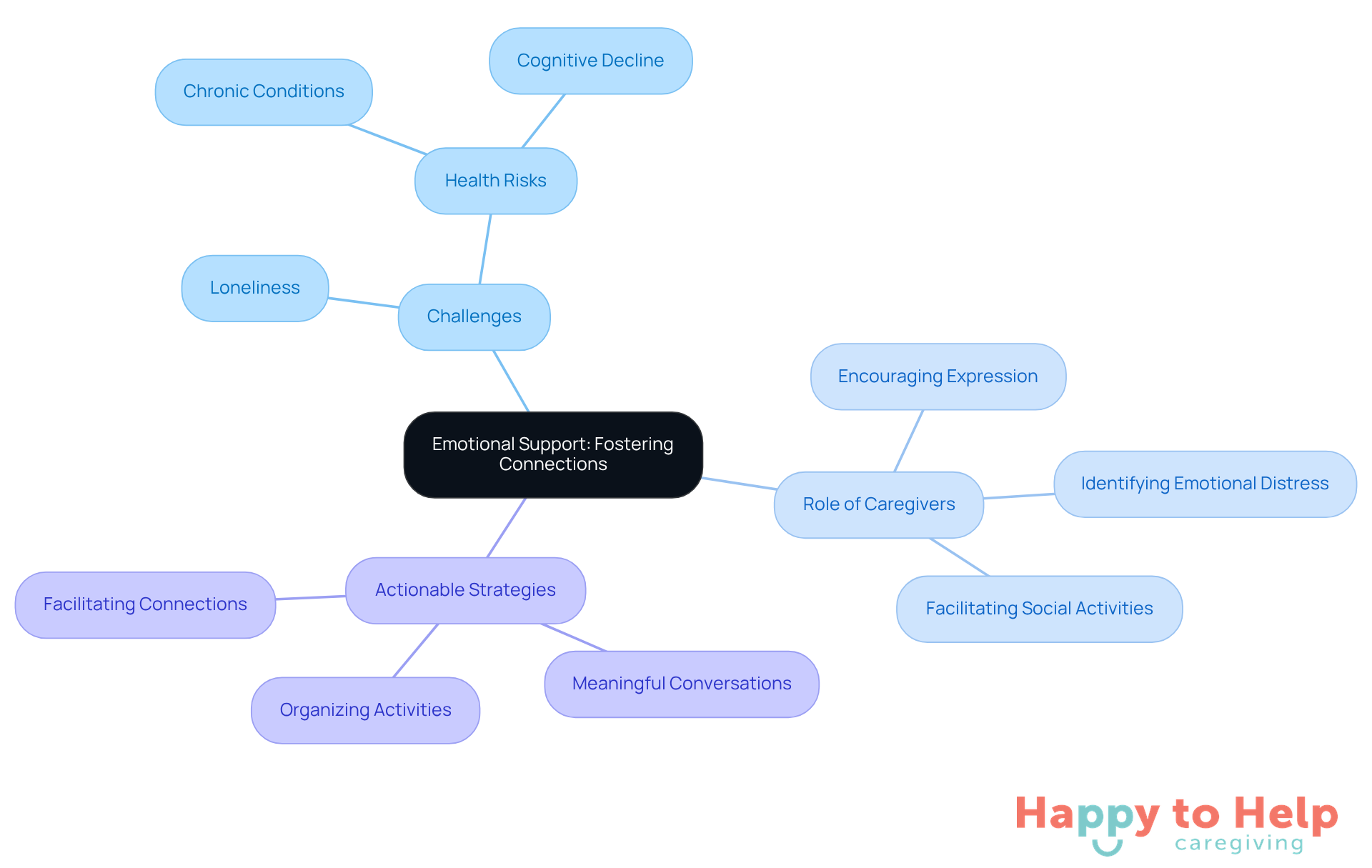
Caregivers face a significant challenge: loneliness among seniors, which can lead to serious health issues, including chronic conditions and cognitive decline. Studies reveal that nearly 80% of dementia support occurs at home, underscoring the critical role caregivers play in maintaining social interactions that enhance well-being. With approximately 12 million people in the U.S. providing unpaid care for loved ones with dementia, the prevalence of caregiving is evident.
To address this issue, caregiver responsibilities include being equipped with the skills to identify signs of emotional distress. Happy to Help Caregiving offers training that enables caregivers to respond effectively, ensuring individuals feel valued and supported. Encouraging clients to express their feelings is essential; it fosters a sense of being heard and understood. Caregivers can also facilitate social activities, such as group outings or virtual gatherings, which are particularly effective in combating loneliness.
Current data indicates that loneliness significantly impacts seniors' well-being, increasing the risk of chronic conditions. Psychologists stress that fostering social connections can mitigate these risks. The World Health Organization has recognized social connection as a public health priority, emphasizing the need for caregivers to be vigilant about signs of loneliness and to take proactive steps to address them.
By prioritizing emotional support and social interaction, caregivers fulfill their caregiver responsibilities, enhancing the quality of life for those they assist and contributing to a healthier, more connected community. Here are some actionable tips for caregivers:
- Engage clients in meaningful conversations.
- Organize enjoyable activities that promote interaction.
- Facilitate connections with family and friends.
These strategies can make a significant difference in the lives of seniors, helping them feel less isolated and more connected.
Household Management: Keeping the Home Safe and Organized
Caregivers face a significant challenge in managing household safety for elderly individuals. Falls are the leading cause of injury-related deaths among older adults, with over 36,000 fatalities reported in 2021 alone, according to the CDC. This alarming statistic highlights the urgent need to address caregiver responsibilities in creating a safe living environment that promotes independence and well-being.
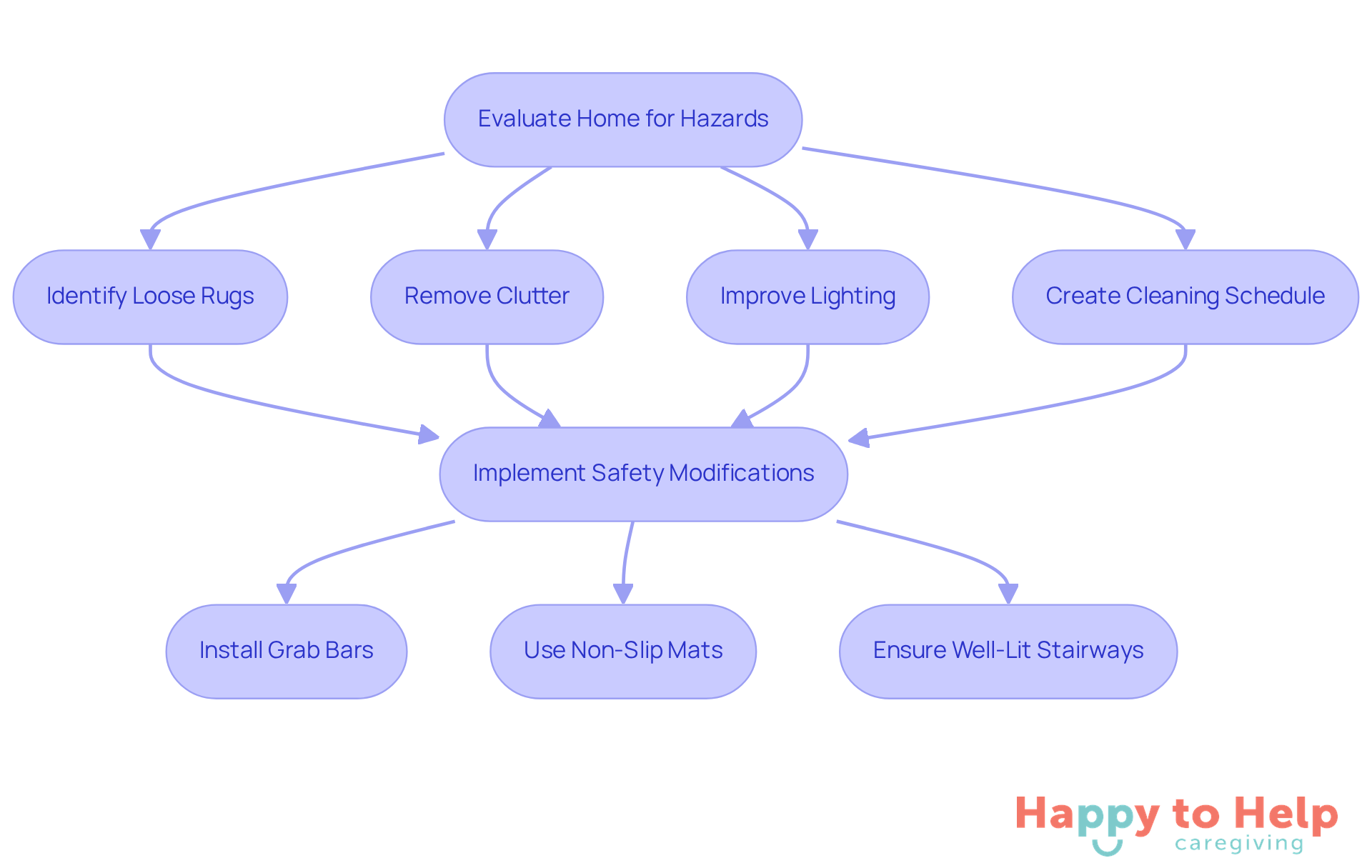
To address this issue, caregiver responsibilities involve regularly evaluating the home for potential hazards, such as loose rugs, clutter, and insufficient lighting. Implementing a cleaning schedule can help maintain a tidy environment, reducing the risk of accidents. Involving elderly individuals in domestic activities not only fosters their autonomy but also encourages social interaction, which is vital for mental well-being.
Current trends in household management services for seniors emphasize the importance of organized living spaces. Research shows that more than one in four Americans aged 65 and older experiences a fall each year, underscoring the need for proactive safety measures. Caregivers should focus on creating clear pathways and ensuring that essential items are easily accessible.
Experts recommend several modifications to enhance safety:
- Install grab bars in bathrooms.
- Use non-slip mats.
- Ensure stairways are well-lit and free of clutter.
These changes can significantly reduce the risk of falls and improve the overall safety of the home. By prioritizing safety and organization, caregivers can effectively manage their caregiver responsibilities to create an environment that supports the well-being and independence of those they assist.
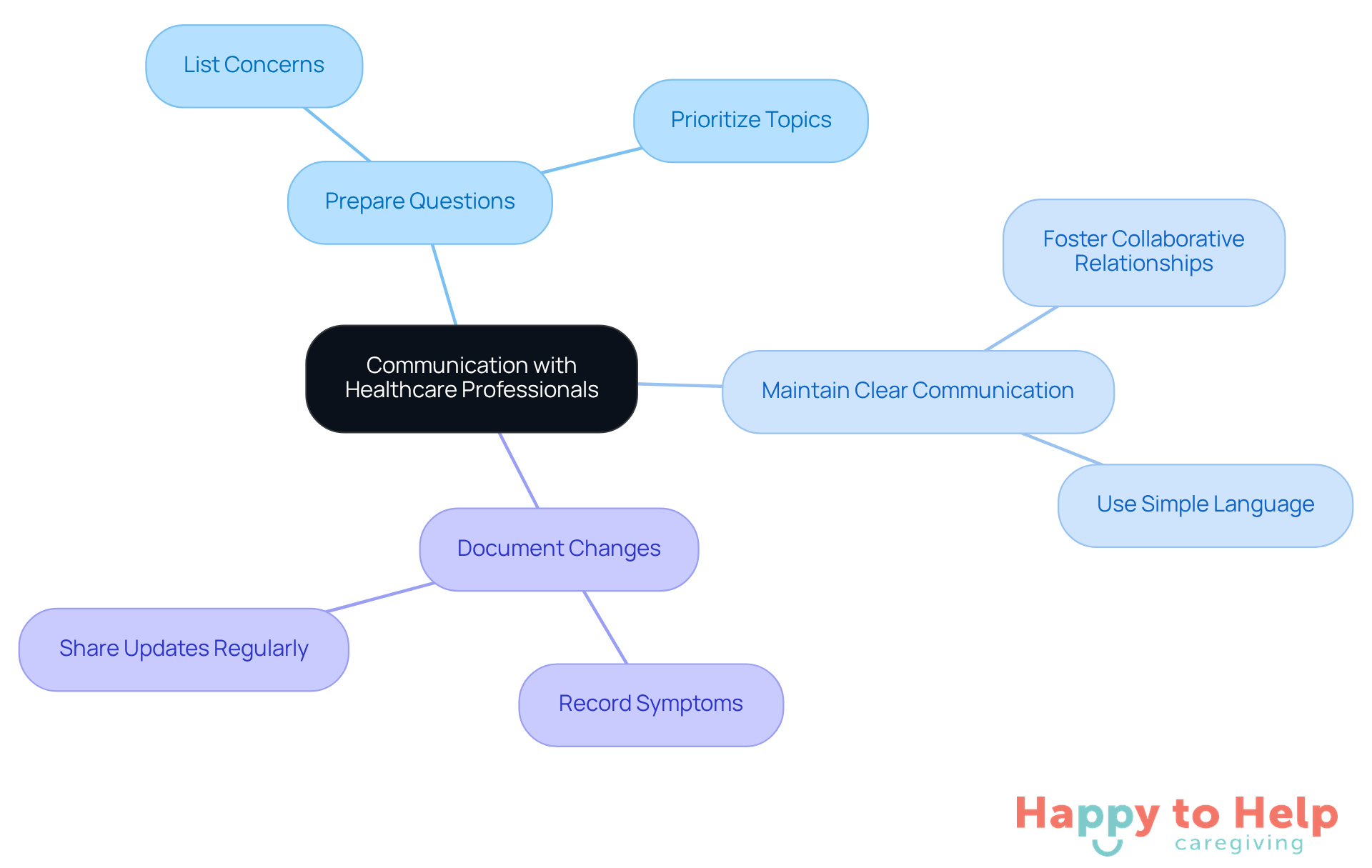
Communication with Healthcare Professionals: Advocating for Client Needs
Caregivers often struggle to communicate effectively with healthcare professionals, which can hinder their ability to advocate for the needs of those they support. This lack of communication can lead to misunderstandings and inadequate medical attention for clients, ultimately affecting their well-being.
To address this issue, it is essential for caregivers to adopt effective communication strategies that align with their caregiver responsibilities. Happy to Help Caregiving offers training that equips caregivers with the skills needed to enhance collaboration with healthcare teams.
Here are some key tips for caregivers:
- Prepare questions and concerns before medical appointments to ensure all important topics are covered.
- Maintain clear and open communication with healthcare providers to foster a collaborative relationship.
- Document any changes in the client's condition to share with professionals, ensuring they have the most accurate information.
By implementing these strategies, caregivers can significantly improve their caregiver responsibilities and ensure that their clients receive the necessary medical attention.
Moving Forward with Caregiver Responsibilities
Caregiver responsibilities are crucial for ensuring the well-being and quality of life for those needing support. However, family caregivers often face significant challenges. They must provide emotional support, manage medications, and ensure household safety, all while combating loneliness and facilitating safe transitions from hospital to home.
These responsibilities can be overwhelming, leading to caregiver burnout and impacting the quality of care provided. To address these challenges, proactive engagement and effective communication are essential. Caregivers should prioritize:
- Regular health monitoring
- Meal planning
- Clear communication with healthcare professionals
These strategies can significantly enhance the care provided, leading to better outcomes for both caregivers and those they serve.
Recognizing the vital role caregivers play in our communities is essential. By prioritizing their well-being and providing necessary resources and support, we can help them fulfill their responsibilities effectively. Encouraging open dialogue about the challenges and rewards of caregiving fosters a supportive environment for these unsung heroes. Emphasizing companionship, emotional support, and proactive health management not only improves the lives of seniors but also enriches the caregiving experience itself.
https://iframe.tely.ai/cta/eyJhcnRpY2xlX2lkIjogIjY5Mjc5NTBlNmFmMzU5NTU2OTU3ODdkOCIsICJjb21wYW55X2lkIjogIjY4ZWU1ZGNhNzMxNzYyNTU3ZjNjOTVjMSIsICJpbmRleCI6IG51bGwsICJ0eXBlIjogImFydGljbGUifQ==Frequently Asked Questions
What is companionship care and why is it important for seniors?
Companionship care addresses loneliness among seniors, which can lead to despair and mental health decline. Caregivers provide emotional support through meaningful conversations, activities, and social interactions, helping seniors feel valued and connected.
What are the key responsibilities of caregivers in providing companionship care?
Caregivers are responsible for spending quality time with seniors, participating in their hobbies, and being present to foster a sense of belonging and improve overall mental health.
What tips can caregivers follow to enhance companionship care?
Caregivers should schedule regular activities that clients enjoy, encourage social interactions with family and friends, and be attentive to the emotional needs of their clients.
What challenges do caregivers face when assisting with post-hospital recovery?
Caregivers face challenges such as potential hazards in the home environment and complexities in medication management, which can hinder a patient's recovery if not addressed properly.
How can caregivers prepare the home for a safe transition from the hospital?
Caregivers should remove potential hazards like loose rugs and clutter, and ensure pathways are wide enough for easy movement, especially for those using walkers or wheelchairs.
What is the importance of medication management in post-hospital recovery?
Maintaining a detailed medication schedule is crucial to prevent confusion and ensure adherence to prescribed regimens, particularly for seniors managing multiple prescriptions.
Why is communication with healthcare providers essential during post-hospital recovery?
Regular communication with healthcare providers allows caregivers to report any concerns or changes in the client’s condition, which is vital for addressing wellness concerns promptly.
How does emotional support play a role in post-hospital recovery?
Caregivers provide not only physical assistance but also companionship and reassurance, which significantly enhances the recovery experience for patients.
What is respite care and why is it important for family caregivers?
Respite care provides family caregivers with temporary relief, preventing caregiver exhaustion and ensuring the quality of care provided to their loved ones does not decline.
What trends are affecting family caregivers in the United States?
Nearly 63 million Americans are involved in caregiving, with a significant increase in support providers. Many caregivers report delivering over 40 hours of assistance weekly, leading to emotional stress and health impacts.
What strategies can caregivers implement to effectively utilize respite care?
Caregivers should schedule regular respite care for consistent breaks, communicate openly with family members about support needs, and use respite services for personal interests or self-care activities.
List of Sources
- Happy to Help Caregiving: Providing Companionship Care for Emotional Support
- AI Care Companions for Seniors (https://health.usnews.com/senior-care/articles/ai-care-companions-for-seniors)
- 10 Benefits of Professional Companion Services for Family Caregivers - Happy To Help (https://happytohelpcaregiving.com/10-benefits-of-professional-companion-services-for-family-caregivers)
- Companion Care at Home Reduces Loneliness for Seniors During the Holidays (https://lifesathomecare.com/companion-care-at-home-reduces-loneliness-for-seniors-during-the-holidays)
- Older adults find support through health care companions (https://news-medical.net/news/20250924/Older-adults-find-support-through-health-care-companions.aspx)
- Trends in Loneliness Among Older Adults from 2018-2023 (https://ihpi.umich.edu/national-poll-healthy-aging/reports-and-resources/trends-loneliness-among-older-adults-2018-2023)
- Post-Hospital Recovery Assistance: Ensuring Safe Transitions Home
- Hospital to Home: The Importance of Transitional Care - Aegis (https://myaegis.com/blog/hospital-to-home-the-importance-of-transitional-care)
- Post Hospital Care: Why it is Critical for Recovery ? 2025 (https://safehandshhc.com/2025/01/10/post-hospital-care)
- Coming Home: Navigating the Transition from Hospital to Home Care - VNA Health Group (https://vnahg.org/coming-home-navigating-the-transition-from-hospital-to-home-care)
- How Healing at Home Helps Unclog the Hospital Bed Logjam (https://usnews.com/news/health-news/articles/2025-03-03/how-healing-at-home-helps-unclog-the-hospital-bed-logjam)
- Navigating The Transition: From Hospital To Home Care: What Families Should Know - New York Health Care (https://nyhc.com/navigating-the-transition-from-hospital-to-home-care-what-families-should-know)
- Respite Care: Supporting Family Caregivers with Temporary Relief
- Caregivers and the Importance of Respite Care (https://benedictineliving.org/resources/news/caregivers-and-the-importance-of-respite-care)
- New Report Reveals Crisis Point for America’s 63 million Family Caregivers (https://press.aarp.org/2025-07-24-New-Report-Reveals-Crisis-Point-for-Americas-63-million-Family-Caregivers)
- As Family Caregiving Grows, So Does the Need for Reform - Medicare Rights Center (https://medicarerights.org/medicare-watch/2025/08/14/as-family-caregiving-grows-so-does-the-need-for-reform)
- Improving Support for Family Caregivers (https://nationalacademies.org/news/2025/07/improving-support-for-family-caregivers)
- News & Success Stories | Live Well San Diego (https://livewellsd.org/Home/Components/News/News/513/153)
- Palliative Support Care: Enhancing Quality of Life for Patients
- Palliative care (https://who.int/news-room/fact-sheets/detail/palliative-care)
- Trends in State Palliative Care Legislation Across the U.S. - CAPC - News Bites (https://capc.org/blog/trends-in-state-palliative-care-legislation-across-the-us)
- Regence BlueShield Releases Findings on the Importance of a Holistic Approach to Palliative Care (https://news.regence.com/releases/regence-blueshield-releases-findings-on-the-importance-of-a-holistic-approach-to-palliative-care)
- Understanding the Role of Palliative Care in Advanced Illness Management (https://news.cuanschutz.edu/graduate-school/understanding-the-role-of-palliative-care-in-advanced-illness-management)
- Meal Preparation: Ensuring Nutritional Needs Are Met
- Why meals matter | Aged Care Quality and Safety Commission (https://agedcarequality.gov.au/providers/food-nutrition-dining/why-meals-matter)
- How to Meal Plan for Seniors with Dietary Restrictions (https://ohioanshhc.com/news/how-to-meal-plan-for-seniors-with-dietary-restrictions)
- The changing nutritional needs of older adults and how to meet them (https://heart.org/en/news/2024/12/18/the-changing-nutritional-needs-of-older-adults-and-how-to-meet-them)
- Findings From New Study Reinforce That Home-Delivered Meals Provide Critical Health and Social Benefits to Older Adults and Caregivers (https://mealsonwheelsamerica.org/news/findings-from-new-study-reinforce-that-home-delivered-meals-provide-critical-health-and-social-benefits-to-older-adults-and-caregivers)
- Malnutrition in the Elderly: A Multifactorial Failure to Thrive - PMC (https://pmc.ncbi.nlm.nih.gov/articles/PMC3396084)
- Medication Management: Keeping Track of Health Regimens
- Effects of medication adherence interventions for older adults with chronic illnesses: a systematic review and meta-analysis (https://ophrp.org/journal/view.php?doi=10.24171/j.phrp.2022.0168)
- Medication Adherence and Its Associated Determinants in Older Adults with Type 2 Diabetes and Cardiovascular Comorbidities - PMC (https://pmc.ncbi.nlm.nih.gov/articles/PMC10693756)
- Effective Medication Management Tips for Caregivers (https://caregiveraction.org/supporting-your-loved-one-managing-their-medications)
- Why Medication Adherence is Crucial for Older Adults (https://agewellmedical.com/news/why-medication-adherence-is-crucial-for-older-adults)
- The Caregiver’s Guide to Managing Medications for Older Adults - Advanced Nursing & Home Care (https://advancednursing.care/blog/the-caregivers-guide-to-managing-medications-for-older-adults)
- Health Monitoring: Observing Changes and Reporting Concerns
- Home Care Services for Seniors in 2025: The All Seniors Foundation Advantage (https://allseniors.org/articles/home-care-services-for-seniors-in-2025-the-all-seniors-foundation-advantage)
- 27 Remote Patient Monitoring Statistics Every Practice Should Know (https://blog.prevounce.com/27-remote-patient-monitoring-statistics-every-practice-should-know)
- Top 8 Benefits of 24/7 Monitoring Systems for Senior Care - EyeWatch LIVE® (https://eyewatchlive.com/news/top-8-benefits-of-24-7-monitoring-systems-for-senior-care)
- Key Remote Patient Monitoring Statistics You Should Know (https://healtharc.io/blogs/key-remote-patient-monitoring-statistics-every-practice-should-know)
- Remote patient monitoring needs proactive, signal-based care (https://healthcareitnews.com/news/remote-patient-monitoring-needs-proactive-signal-based-care)
- Emotional Support: Fostering Connections and Reducing Isolation
- Caregivers: the invisible backbone of dementia care (https://publichealth.gmu.edu/news/2025-11/caregivers-invisible-backbone-dementia-care)
- Caregivers are in crisis. How bad it is depends on where you live, new data shows. (https://usatoday.com/story/life/health-wellness/2025/10/28/caregiver-crisis-state-by-state/86855003007)
- The importance of connections: Ways to live a longer, healthier life | Harvard T.H. Chan School of Public Health (https://hsph.harvard.edu/news/the-importance-of-connections-ways-to-live-a-longer-healthier-life)
- Caregiving’s Mental Health Crisis (https://forbes.com/sites/otsuka/2025/10/02/caregivings-mental-health-crisis)
- Social connection linked to improved health and reduced risk of early death (https://who.int/news/item/30-06-2025-social-connection-linked-to-improved-heath-and-reduced-risk-of-early-death)
- Household Management: Keeping the Home Safe and Organized
- Home safety tips help you age in place (https://news.sanfordhealth.org/senior-services/home-safety-aging-in-place)
- Hidden Hazards in the Home: Help Protect Yourself and Your Loved Ones (https://ncoa.org/article/hidden-home-hazards-older-adults-more-likely-to-die-from-falls-and-fires)
- Facts About Falls (https://cdc.gov/falls/data-research/facts-stats)
- As falling deaths rise for older adults, how home safety can make a difference (https://denver7.com/news/local-news/as-falling-deaths-rise-for-older-adults-how-home-safety-can-make-a-difference)
- Communication with Healthcare Professionals: Advocating for Client Needs
- National Alliance for Caregiving: Caregiving in the US 2025 Report (https://johnahartford.org/resources/view/national-alliance-for-caregiving-caregiving-in-the-us-2025-report)
- Caregiver Statistics: Demographics (https://caregiver.org/resource/caregiver-statistics-demographics)
- 10 Inspiring Patient Experience Quotes | Relias (https://relias.com/blog/patient-experience-quotes)