10 Essential Caregiver Skills for Family Caregivers' Success
For families in our service areas
For families in our service areas, this guide explains caregiver support and how non-medical in-home caregiving can support care planning in East Idaho, Treasure Valley & Magic Valley, Northern Wasatch, North Central West Virginia, and Northeast Ohio.
What You Need to Know About Caregiver Skills
Caring for a family member can be both a rewarding and challenging journey. Family caregivers often find themselves navigating a complex landscape of emotions and responsibilities, requiring a unique blend of skills to provide the best care possible. As the demand for in-home support continues to rise, it’s essential to understand the key skills that can make a significant difference in this role.
What if we could transform caregiving from a burdensome task into a fulfilling experience? This article explores ten vital caregiver skills that not only enhance the quality of care but also empower caregivers to thrive in their roles. By focusing on these skills, we can ensure that both caregivers and those they care for experience emotional well-being and support.
Happy to Help Caregiving: Compassionate In-Home Support
At Happy to Help Caregiving, we understand the emotional challenges that require effective caregiver skills every day. The stress and burnout can feel overwhelming, especially when trying to improve caregiver skills to provide the best care for loved ones. That’s why we specialize in delivering personalized in-home support that truly enhances the quality of life for seniors and individuals with special needs.
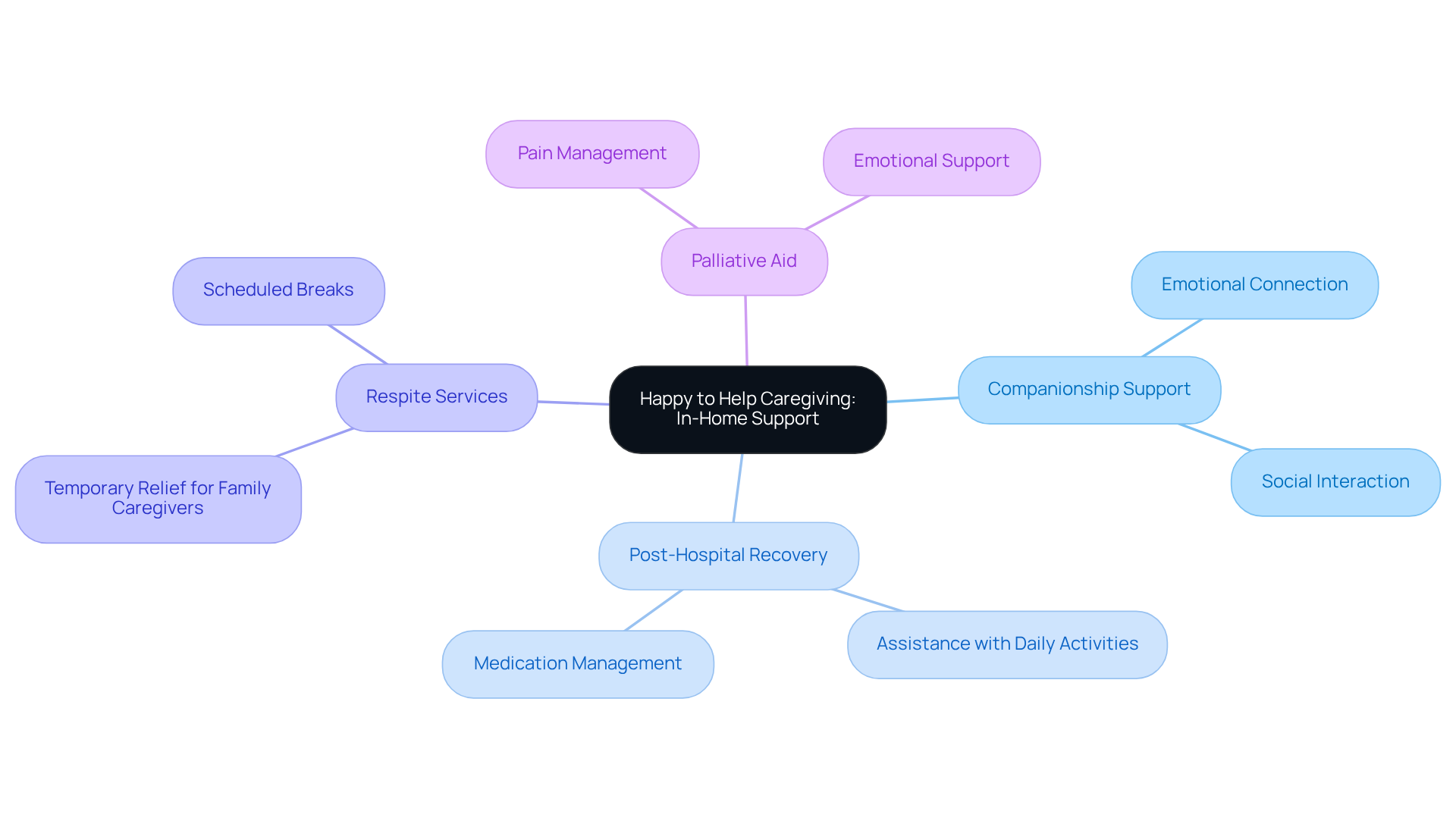
Our comprehensive offerings—ranging from:
- Companionship support
- Post-hospital recovery assistance
- Respite services
- Palliative aid
are thoughtfully designed to promote independence and well-being. It’s important to note that 82% of seniors wish to remain in their homes for as long as possible. This highlights just how crucial quality in-home support services are.
We emphasize caregiver skills like empathy and transparent communication, ensuring that individuals receive the supportive assistance they deserve in the comfort of their own homes. With a remarkable satisfaction rate of 91% among those receiving home health services, we tailor our plans to meet the unique needs of each person. This approach fosters a sense of security and comfort that is essential for overall happiness.
As the U.S. population of adults aged 65 and older reaches 55.8 million, the demand for individualized assistance continues to grow. We are here to provide that care, offering not just services, but a compassionate partnership that helps enhance caregiver skills and ease the burdens of caregiving. Together, we can create a nurturing environment where everyone feels valued and supported.
Effective Communication: Building Trust and Understanding
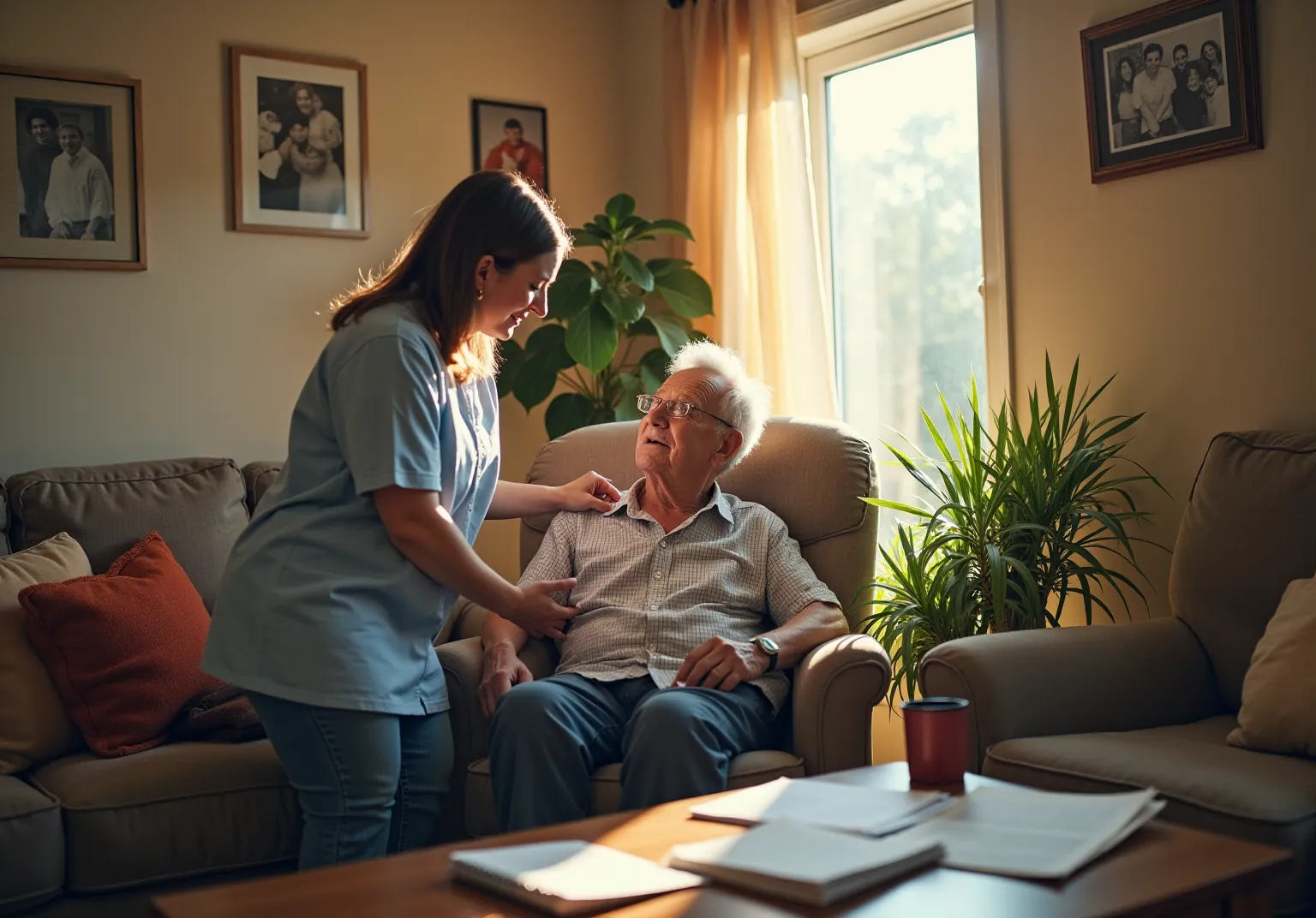
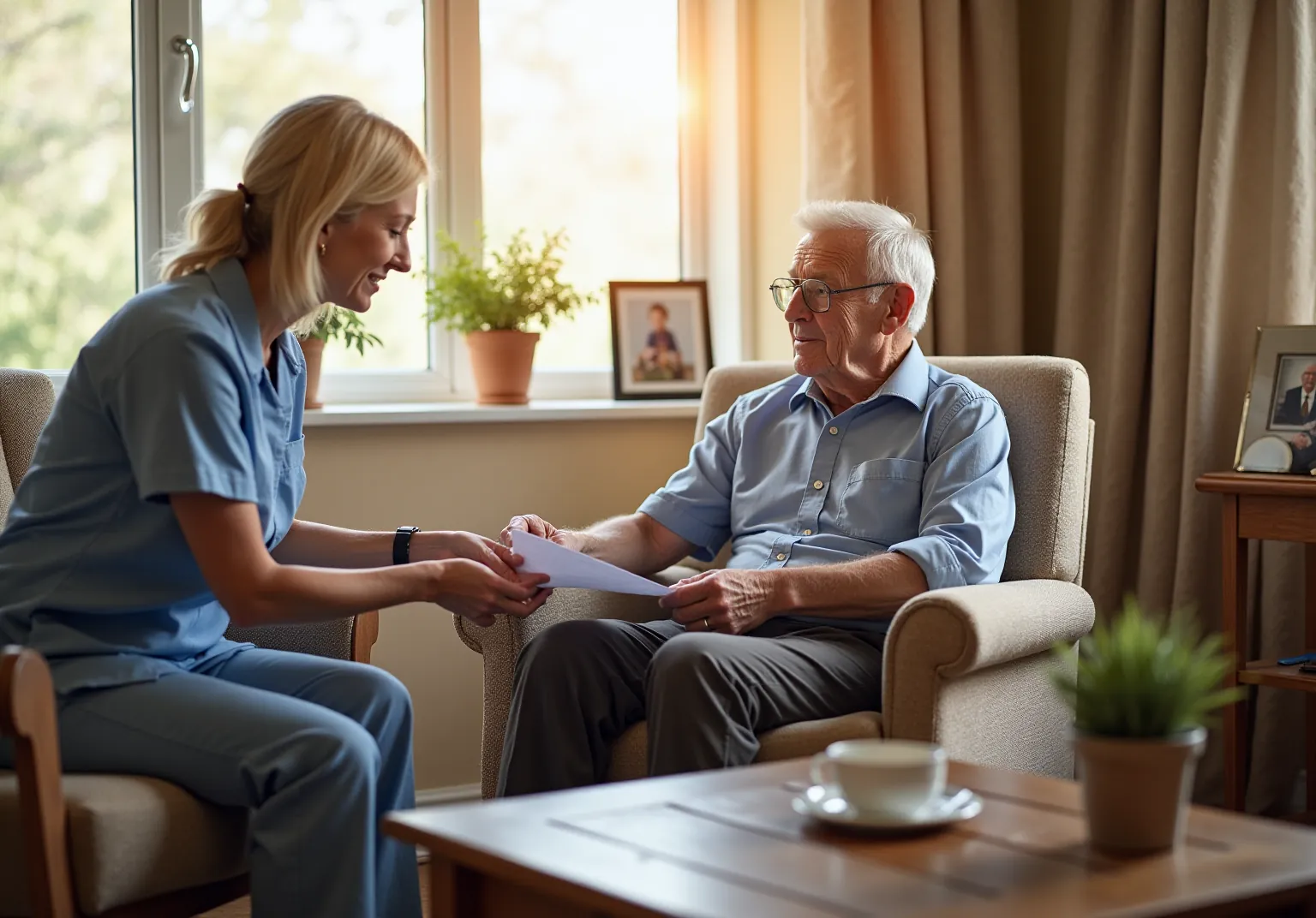
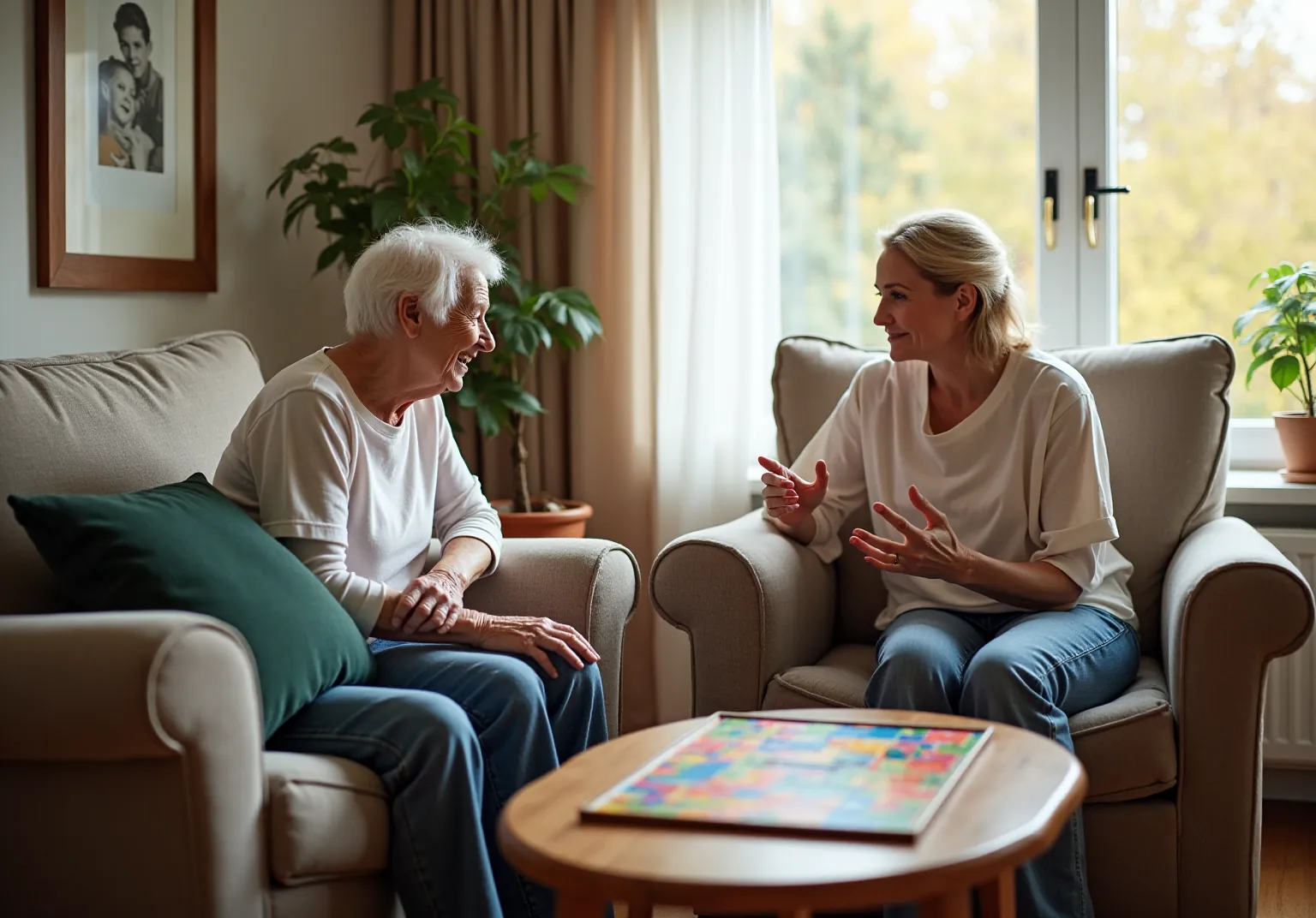
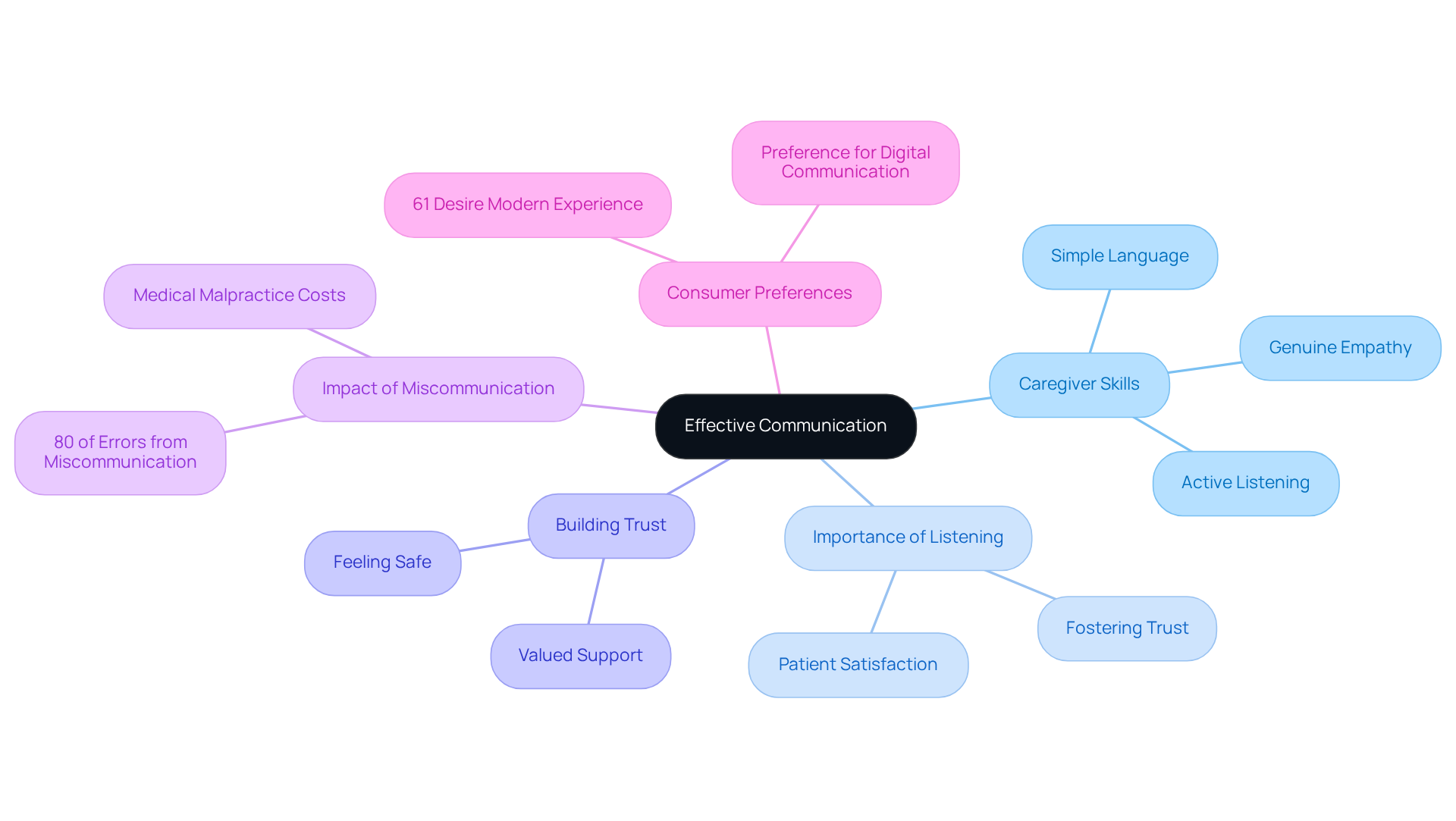
Effective communication is at the heart of building strong relationships that showcase caregiver skills between caregivers and clients. It’s about more than just exchanging words; it involves active listening, expressing thoughts clearly, and showing genuine empathy. Caregivers should focus on using simple language, maintaining eye contact, and being patient during conversations. This approach helps individuals feel seen and understood, which can significantly boost their emotional well-being.
When caregivers utilize their caregiver skills to listen attentively and respond thoughtfully, they foster trust—an essential element for individuals to feel safe and valued in their support environment. Research indicates that those who engage in meaningful conversations with their caregivers, who possess strong caregiver skills, report higher satisfaction levels, leading to better overall care outcomes.
It’s crucial to recognize that a staggering 80% of serious medical errors stem from miscommunication during staff transitions. This statistic underscores the importance of effective communication in delivering quality care. Furthermore, with 66% of healthcare providers still relying on outdated methods like paper documents and phone calls, there’s an urgent need for modern communication strategies.
By creating an atmosphere of transparency and empathy, providers can better meet the needs and preferences of those they serve, ultimately enhancing the caregiving experience. Notably, 61% of healthcare consumers desire a communication experience akin to their online shopping interactions, highlighting the necessity for providers to adapt their communication styles to meet these expectations.
Empathy and Compassion: Connecting with Clients on a Personal Level
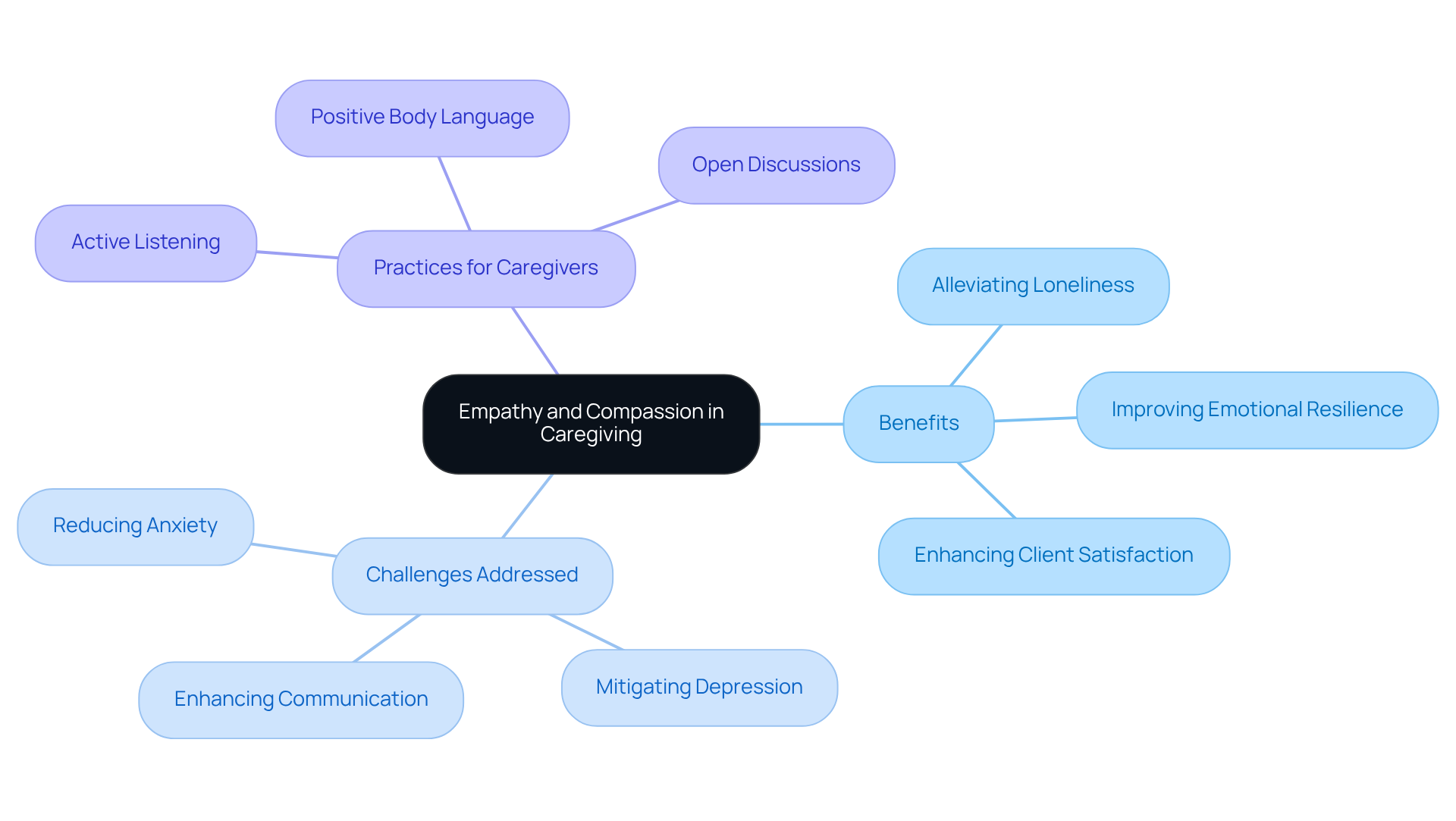
Empathy is essential for enhancing caregiver skills, allowing them to truly understand and connect with the emotions of those they assist. This connection is essential for providing personalized care that goes beyond just physical needs, addressing emotional challenges as well. By recognizing the unique struggles individuals face, caregivers can offer support that strengthens relationships, significantly enhancing the overall experience of care.
Research shows that meaningful interactions with caregivers can help alleviate feelings of loneliness, depression, and anxiety in seniors. This leads to improved emotional resilience and overall well-being. In fact, studies reveal that seniors with strong social ties often enjoy longer lives and experience fewer health issues. Additionally, familiar caregivers are more likely to notice subtle changes in a person's condition, allowing for timely interventions.
As Eric Thomas wisely notes, "The connection between a provider and an elderly individual is more than transactional; it’s relational and often becomes a vital element of effective in-home assistance." This compassionate approach not only elevates client satisfaction but also fosters a nurturing environment where clients feel valued and understood.
To cultivate meaningful interactions, caregivers can improve their caregiver skills by practicing:
- Active listening
- Employing positive body language
- Encouraging open discussions about concerns and preferences
These practices ultimately transform the support relationship into a collaborative partnership, where both caregiver and client thrive together.
Observation and Attention to Detail: Ensuring Client Safety
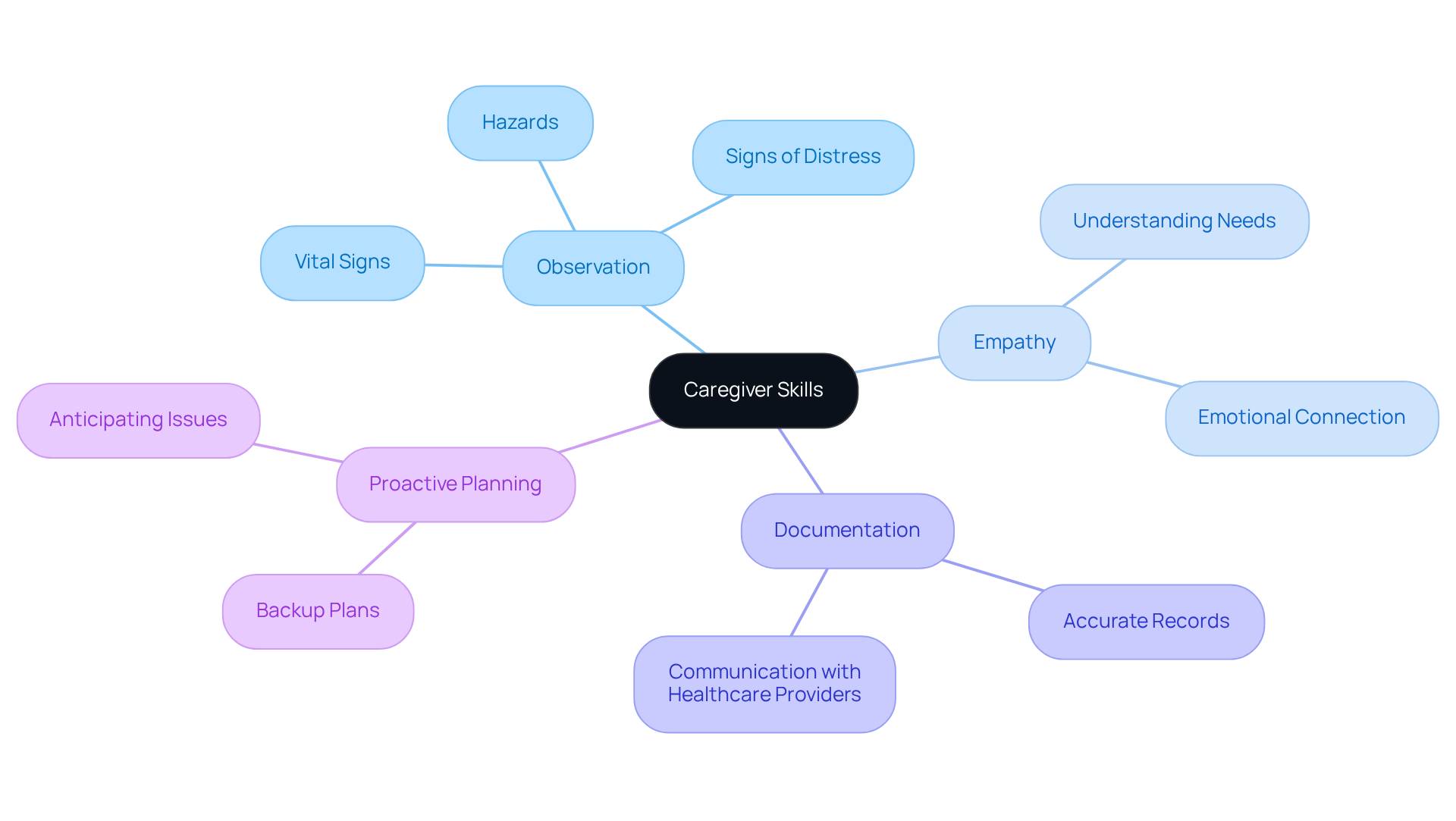
Effective support hinges on the ability to notice and respond to the subtle shifts in clients' physical and emotional states. To enhance their caregiver skills, caregivers need to be attentive, keeping an eye on vital signs, recognizing signs of distress, and spotting potential hazards in the environment. This attention to detail isn’t just a routine task; it’s a proactive approach that greatly enhances the safety and well-being of those in their care, reflecting strong caregiver skills.
At the heart of caregiver skills lies empathy and compassion, best expressed through careful observation. By nurturing a deep understanding of their clients' needs, support providers can enhance their caregiver skills to intervene timely, preventing accidents and fostering a secure living environment. Keeping accurate documentation of an individual’s condition is crucial, as it allows support staff to track changes over time and communicate effectively with healthcare providers.
As the National Council of Certified Dementia Practitioners reminds us, "Being detail-oriented also means following a plan meticulously, administering medications correctly and on time, and maintaining an accurate record of a person’s condition." This diligence not only protects those they assist but also builds a foundation of trust and reliability essential for effective support.
Moreover, caregivers should anticipate potential issues and prepare backup plans by enhancing their caregiver skills. This foresight can significantly enhance the safety and comfort of those they assist. Ultimately, caregiving often invites us to embrace a love we didn’t know was possible, highlighting the profound emotional connection that underpins attentive care.
Patience and Understanding: Navigating Challenges with Grace
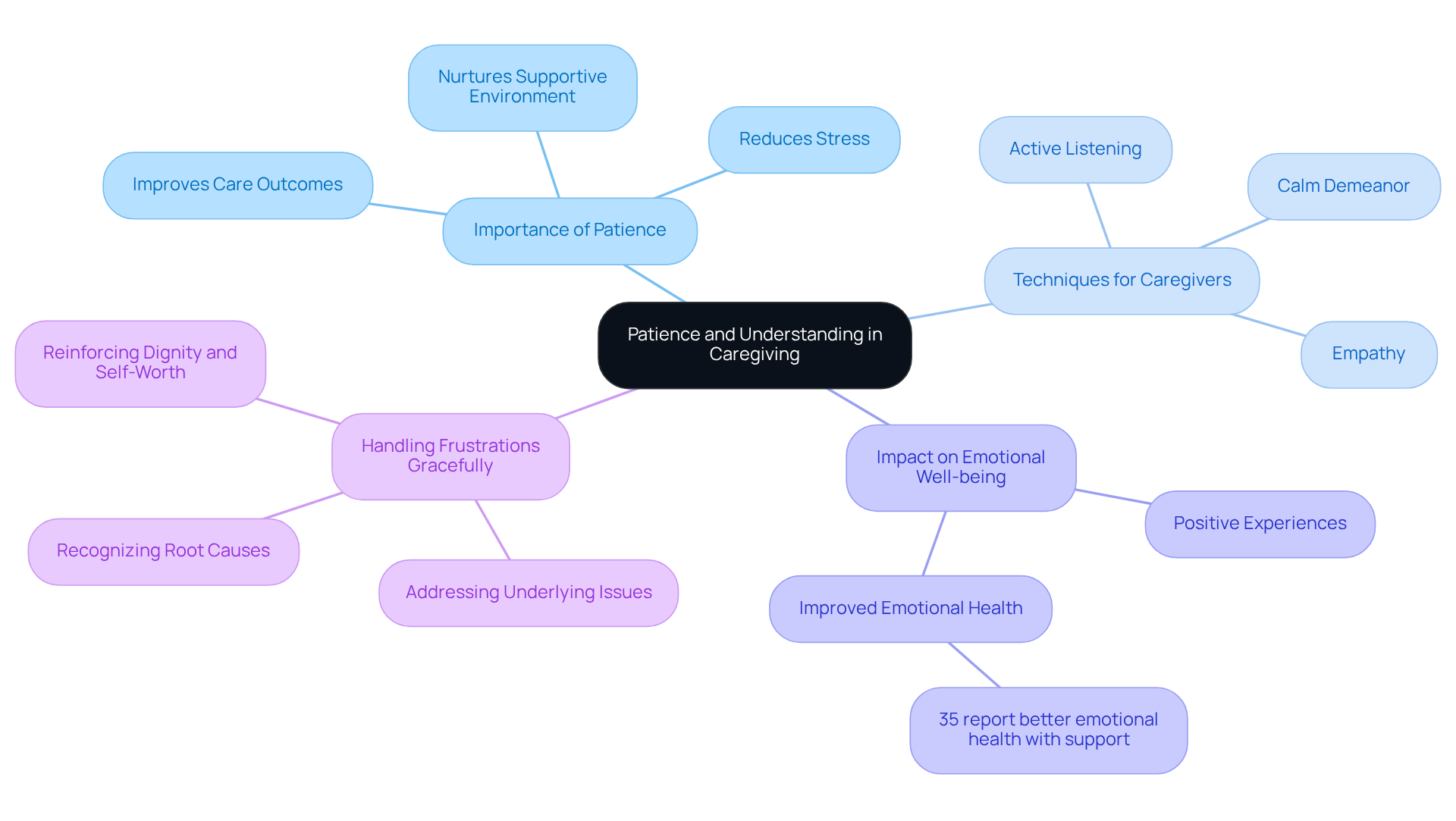
Caregiving can be incredibly challenging, especially when faced with the frustrations and health declines of those we care for. Practicing patience is essential for developing caregiver skills, as it allows caregivers to respond thoughtfully rather than react impulsively. This approach not only alleviates stress but also nurtures a supportive environment for everyone involved. For example, caregivers can use active listening techniques to truly acknowledge the feelings of those they assist, which can significantly ease tension. Moreover, maintaining a calm demeanor during tough interactions can help de-escalate situations, building trust and understanding.
The impact of patience on support outcomes is truly profound. Caregivers who embody patience are more likely to create positive experiences for those they help, leading to improved emotional well-being for both parties. In fact, studies show that individuals who feel supported and maintain a positive outlook report better emotional health, with 35% indicating that employer support enhances their caregiving experience.
Handling customers' frustrations with grace involves recognizing the root causes of their distress, which often arise from fear, confusion, or discomfort. By addressing these underlying issues with empathy and compassion, caregivers can effectively apply their caregiver skills to navigate challenging situations. For instance, when someone expresses irritation about their limitations, supporters can gently remind them of their strengths and past achievements, reinforcing their sense of dignity and self-worth.
Ultimately, the ability to manage these challenges with grace not only benefits the caregiver's mental health but also elevates the quality of care provided, ensuring that clients feel valued and understood.
Physical Stamina and Strength: Meeting the Demands of Caregiving
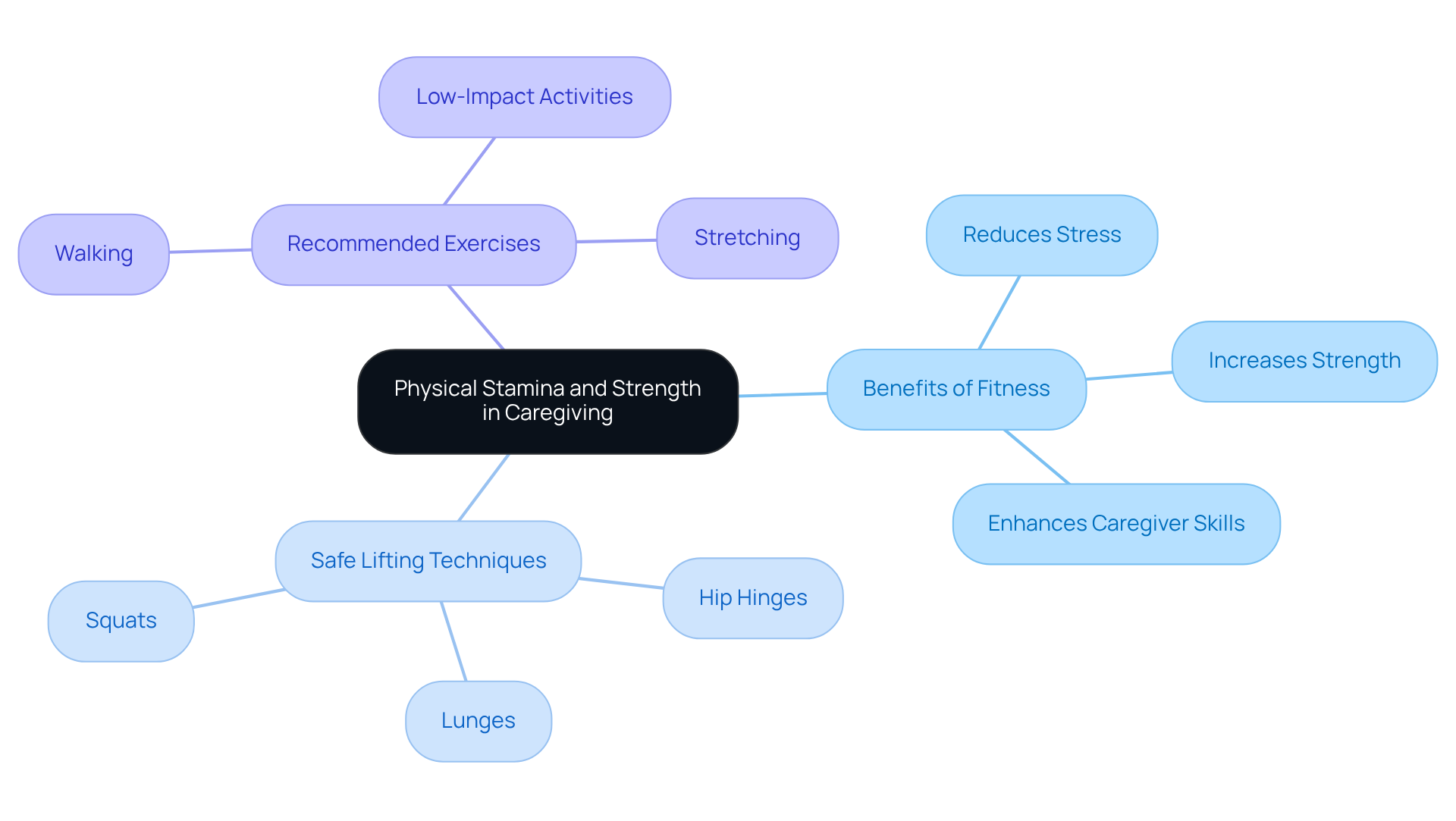
Caregiving can be incredibly demanding, both physically and emotionally. It often involves helping with mobility, lifting, and various daily tasks, which can take a toll on one’s well-being. That’s why it’s so important for caregivers to prioritize their physical fitness through regular exercise and proper body mechanics. Staying active not only builds strength and stamina but also helps reduce the risk of injury. Research shows that those who maintain a fitness routine experience lower levels of stress and fatigue—feelings that many caregivers know all too well. In fact, 35% of female caregivers report high stress due to their responsibilities, highlighting the need for fitness as a vital tool for managing stress.
Incorporating safe lifting techniques is essential for preventing injuries. Caregivers can practice movements like:
- Lunges
- Hip hinges
- Squats
These can easily fit into daily support activities. For example, when lifting a loved one, bending at the knees and keeping the back straight can help distribute weight more evenly and minimize strain. Plus, using assistive devices when available can further lighten the physical load. As Mass Care Link wisely points out, "Without appropriate preventative exercise, the daily physical tasks of providing care could lead to long-term harm."
Regular exercise, including gentle activities like walking or stretching, can enhance flexibility and overall health, making it easier to meet the demands of caregiving. Specialists emphasize that maintaining physical fitness is not just beneficial for caregivers’ well-being; it’s crucial for enhancing caregiver skills to provide high-quality assistance to others. By taking care of their own health, caregivers can strengthen their caregiver skills, ensuring they remain strong and capable, ultimately improving the quality of care they offer. With 1 in 5 Americans now providing unpaid family assistance, the importance of physical fitness in this role is clear. Caregivers are encouraged to start small—just 10-15 minutes of movement each day can make a significant difference in integrating fitness into their routines.
Time Management and Organization: Balancing Care Responsibilities
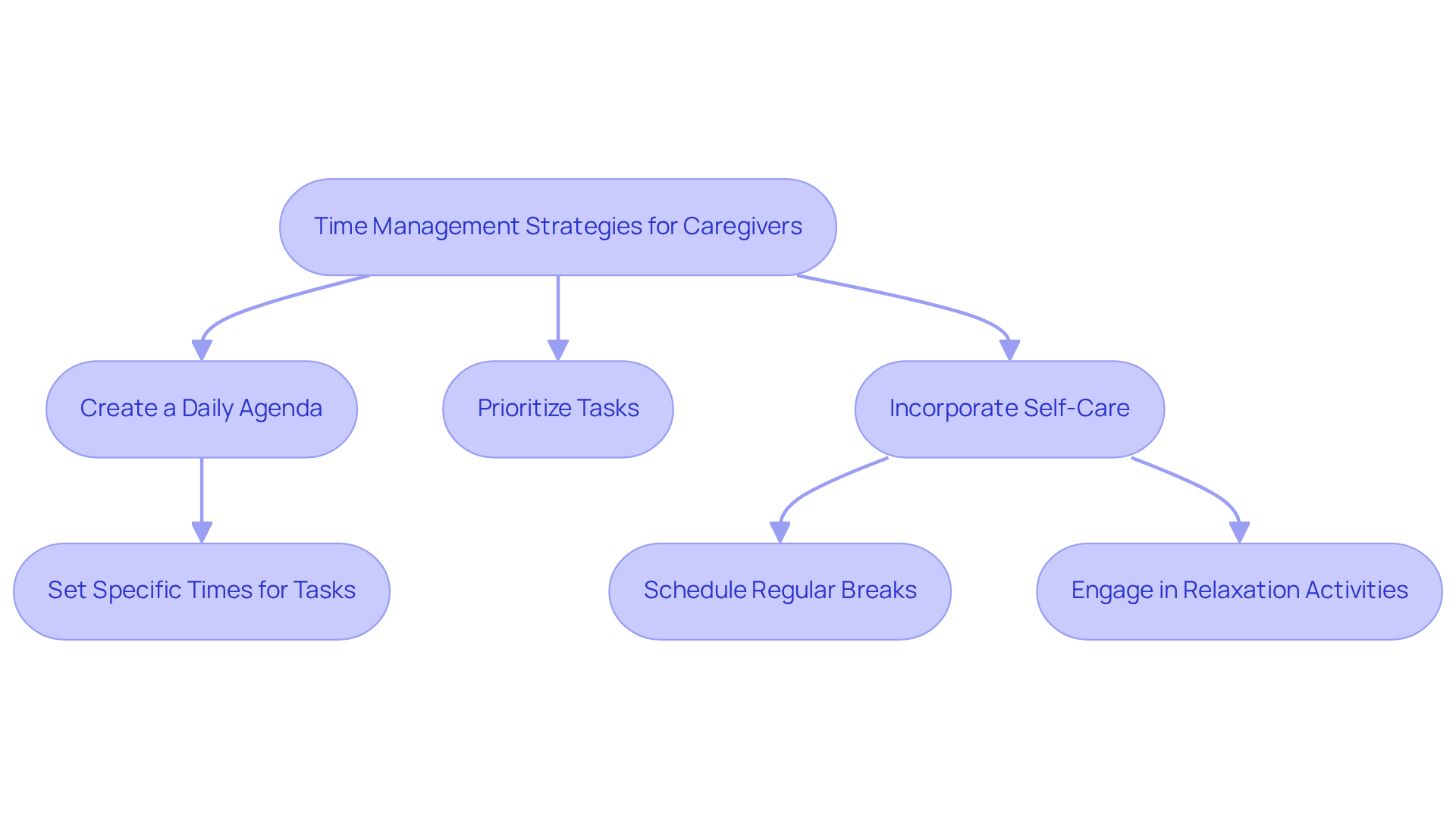
Care providers often juggle numerous responsibilities, from personal assistance to household chores. This balancing act makes efficient time management essential. By creating a daily agenda, caregivers can prioritize tasks based on urgency, which improves their caregiver skills and ensures that vital needs are met promptly. For instance, setting aside specific times for personal assistance, meal preparation, and household tasks can significantly enhance their efficiency.
It's equally important to carve out time for self-care. This practice not only supports their well-being but also empowers them to improve their caregiver skills to provide better care. Research shows that individuals who hone their caregiver skills tend to experience lower stress levels and improved overall well-being. Alarmingly, 41% of caregivers report low overall well-being, a staggering 32% higher than non-caregivers. Implementing structured routines can truly help improve caregiver skills.
Moreover, with 1 in 5 adults balancing work and caregiving duties, these strategies can foster a more harmonious approach to their demanding roles, ultimately leading to more effective support. As Caroline Colvin insightfully noted, "More than 60% surveyed also stated that attempting to balance responsibilities of care and their job has had a negative impact on their career."
By embracing these insights, caregivers can navigate their responsibilities with greater ease and enhance their quality of life. Remember, you’re not alone in this journey; there are ways to find balance and support.
Problem-Solving and Critical Thinking: Overcoming Care Challenges
Efficient support truly hinges on strong problem-solving skills. These caregiver skills enable caregivers to navigate the complexities of assistance with compassion. It’s about assessing situations, pinpointing potential solutions, and crafting strategies that cater to individual needs. When caregivers employ analytical reasoning, they can improve their caregiver skills to adapt to the evolving needs of those they assist, ensuring that care remains both appropriate and effective.
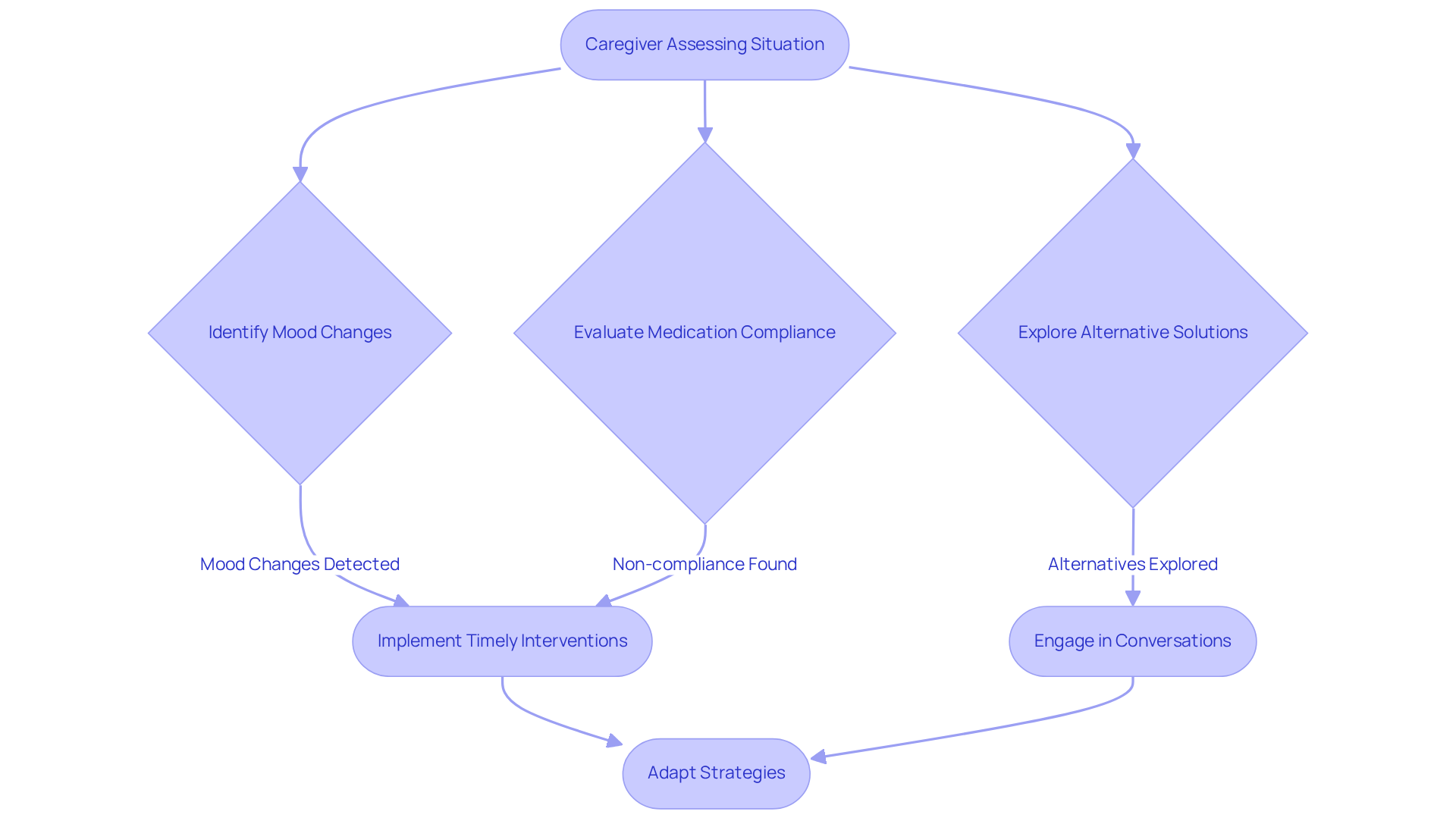
Consider a scenario where someone experiences sudden shifts in mood or behavior. A caregiver’s ability to thoughtfully evaluate these changes can lead to timely interventions that significantly enhance the individual’s well-being. Caregivers often face unexpected challenges, like managing medication schedules or coordinating appointments. By harnessing critical thinking and caregiver skills, they can prioritize tasks and devise backup plans, creating a structured routine that benefits everyone involved.
In home care situations, such as when a patient hesitates to take medication, a caregiver might explore alternative methods of administration or engage in conversations to uncover underlying concerns. This approach highlights the vital role of caregiver skills, including adaptability, understanding, and empathy in caregiving. Ultimately, integrating critical thinking into caregiving not only enhances outcomes for individuals but also improves caregiver skills, boosting their confidence and effectiveness in their role.
Remember, you’re not alone in this journey. The emotional and practical support available can make a world of difference, helping you navigate the challenges with grace and compassion.
Cultural Competency and Respect: Providing Inclusive Care
Cultural competency is all about understanding and respecting the rich tapestry of individuals' backgrounds, beliefs, and values. It’s essential for providers to engage in ongoing learning about cultural awareness. By doing so, they can adjust their support methods to better meet the needs of those they serve.
This approach not only fosters an inclusive environment but also helps clients feel truly valued and understood. Imagine a space where everyone feels seen and heard—this is the heart of compassionate care. When caregivers enhance their caregiver skills in cultural competency, they create connections that go beyond mere service; they build relationships rooted in trust and respect.
https://iframe.tely.ai/cta/eyJhcnRpY2xlX2lkIjogIjY5MTUzMGU3MGU0ZjdkYzgyYzRmODY1YSIsICJjb21wYW55X2lkIjogIjY4ZWU1ZGNhNzMxNzYyNTU3ZjNjOTVjMSIsICJpbmRleCI6IDgsICJ0eXBlIjogImFydGljbGUifQ==Achieving Certification: Cementing Your Steps to Excellence
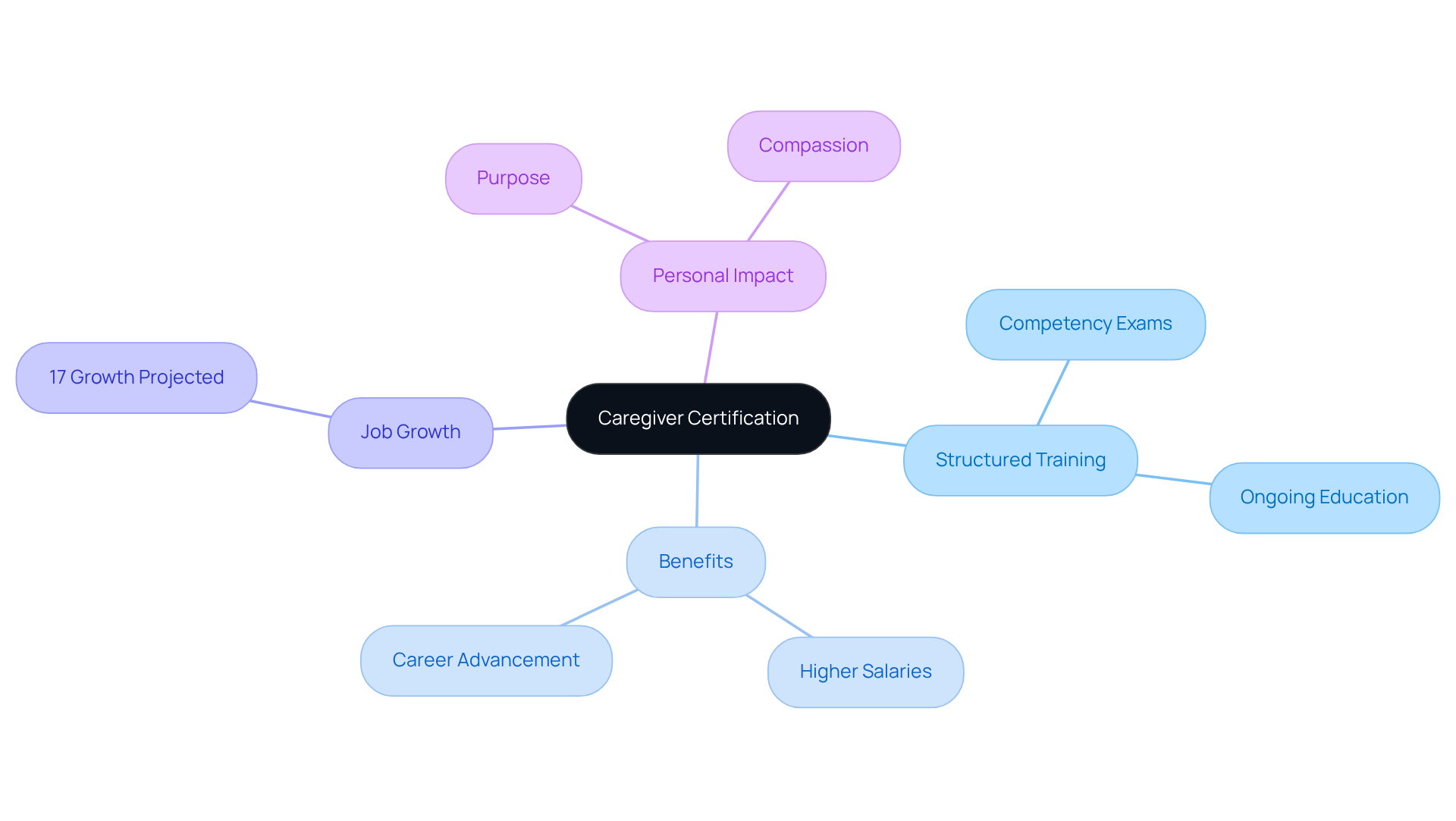
Achieving care provider certification is more than just a step; it’s a heartfelt commitment to delivering high-quality service. Many caregivers face overwhelming stress and burnout, and this process can provide a sense of purpose and direction. By completing structured training programs, passing competency exams, and engaging in ongoing education, caregivers not only enhance their skills but also find reassurance in their ability to provide compassionate care.
Certification opens doors to better job opportunities and career advancement. Certified professionals often enjoy higher salaries compared to their non-certified peers, making this investment a wise choice for their future. It’s a way to acknowledge their dedication and hard work, and it can alleviate some of the financial pressures they may face.
Looking ahead, the employment of home health and personal care aides is projected to grow by 17 percent from 2024 to 2034. This growth highlights the critical need for ongoing education in a field that is constantly evolving. By pursuing certification, caregivers position themselves as invaluable assets in the healthcare landscape, ready to meet the diverse needs of those they serve.
Imagine the difference they can make in someone’s life, providing not just care, but also comfort and companionship. Investing in certification is not just about professional growth; it’s about embracing the opportunity to take on higher-level responsibilities with confidence and compassion. Together, we can support caregivers in their journey, ensuring they feel valued and prepared to make a meaningful impact.
Making the Right Choice
The journey of caregiving can be overwhelming, filled with emotional challenges that often lead to stress and burnout. It’s essential to recognize that you’re not alone in this experience. By understanding and honing your caregiver skills—like effective communication, empathy, patience, and cultural competency—you can significantly enhance the quality of care you provide to your loved ones. Each of these skills plays a vital role in creating a nurturing environment where clients feel valued, understood, and secure.
Compassionate in-home support is crucial. Effective communication builds trust, while empathy helps alleviate the emotional challenges faced by clients. Attention to detail is key for ensuring client safety, and strong problem-solving and time management skills allow caregivers to navigate their responsibilities with confidence. Remember, prioritizing your physical fitness and pursuing certification can further solidify your ability to provide high-quality assistance, leading to personal fulfillment.
As the demand for family caregivers continues to grow, embracing these essential skills not only improves your caregiving experience but also fosters a supportive community around you. By focusing on developing these skills, you can enhance your effectiveness and well-being, ultimately leading to better outcomes for those you serve. Continuous learning and self-care are vital in this rewarding yet challenging role, paving the way for a future where compassionate caregiving remains at the forefront of healthcare.
You have the power to make a difference, and by nurturing your own well-being, you can continue to provide the love and support that your clients need. Remember, every step you take towards improving your skills is a step towards a brighter future for both you and those you care for.
https://iframe.tely.ai/cta/eyJhcnRpY2xlX2lkIjogIjY5MTUzMGU3MGU0ZjdkYzgyYzRmODY1YSIsICJjb21wYW55X2lkIjogIjY4ZWU1ZGNhNzMxNzYyNTU3ZjNjOTVjMSIsICJpbmRleCI6IG51bGwsICJ0eXBlIjogImFydGljbGUifQ==Frequently Asked Questions
What services does Happy to Help Caregiving offer?
Happy to Help Caregiving offers a range of personalized in-home support services, including companionship support, post-hospital recovery assistance, respite services, and palliative aid.
Why is in-home support important for seniors?
In-home support is crucial for seniors because 82% of them wish to remain in their homes for as long as possible. Quality support services enhance their independence and overall well-being.
How does Happy to Help Caregiving ensure quality care?
Happy to Help Caregiving emphasizes caregiver skills like empathy and transparent communication. They tailor their care plans to meet the unique needs of each individual, which fosters a sense of security and comfort.
What is the satisfaction rate among clients receiving home health services?
The satisfaction rate among those receiving home health services from Happy to Help Caregiving is 91%.
How does effective communication impact caregiving?
Effective communication builds trust and understanding between caregivers and clients. It involves active listening, clear expression of thoughts, and genuine empathy, which significantly boosts clients' emotional well-being.
What are the consequences of poor communication in healthcare?
Poor communication can lead to serious medical errors; research indicates that 80% of these errors stem from miscommunication during staff transitions.
What do healthcare consumers desire regarding communication?
61% of healthcare consumers desire a communication experience similar to their online shopping interactions, highlighting the need for modern communication strategies in caregiving.
How does empathy enhance caregiver skills?
Empathy allows caregivers to connect with clients on a personal level, addressing both physical and emotional needs. This connection can alleviate feelings of loneliness, depression, and anxiety in seniors.
What practices can caregivers adopt to improve their interactions with clients?
Caregivers can improve their interactions by practicing active listening, employing positive body language, and encouraging open discussions about concerns and preferences.
What is the overall goal of Happy to Help Caregiving?
The overall goal of Happy to Help Caregiving is to provide compassionate in-home support that enhances the quality of life for seniors and individuals with special needs, fostering a nurturing environment where clients feel valued and supported.