

For families in our service areas
For families in our service areas, this guide explains caregiver support and how non-medical in-home caregiving can support care planning in East Idaho, Treasure Valley & Magic Valley, Northern Wasatch, North Central West Virginia, and Northeast Ohio.
Caregiving Services at a Glance
This article highlights the essential caregiving services that offer much-needed relief for family caregivers. It begins by recognizing the emotional challenges caregivers often face, such as stress and burnout. These feelings can weigh heavily, making it crucial to address them with understanding and compassion.
Companionship, respite care, and personalized support plans are more than just services; they are lifelines that provide emotional and practical support. By alleviating caregiver burnout, these services not only enhance the well-being of caregivers but also positively impact their loved ones. This dual benefit ultimately leads to an improved quality of care.
As we explore the importance of these services, it’s essential to remember that seeking help is a sign of strength. Caregivers deserve support, and through these compassionate services, they can find the relief they need. Together, we can foster a nurturing environment where both caregivers and their loved ones thrive.
Understanding Caregiving Services
The landscape of caregiving is evolving, characterized by an increasing demand for services that not only assist but also uplift family caregivers. As more individuals require support, it becomes crucial to understand the essential caregiving services available. This understanding is vital for maintaining the well-being of care recipients and the emotional health of their caregivers.
This article explores ten vital services designed to provide relief, enhance quality of life, and empower family caregivers.
How can these services transform the caregiving experience and alleviate the burdens that often lead to burnout? Together, we can navigate this journey, finding hope and support in the services that truly make a difference.
Happy to Help Caregiving: Companionship Care for Emotional Support
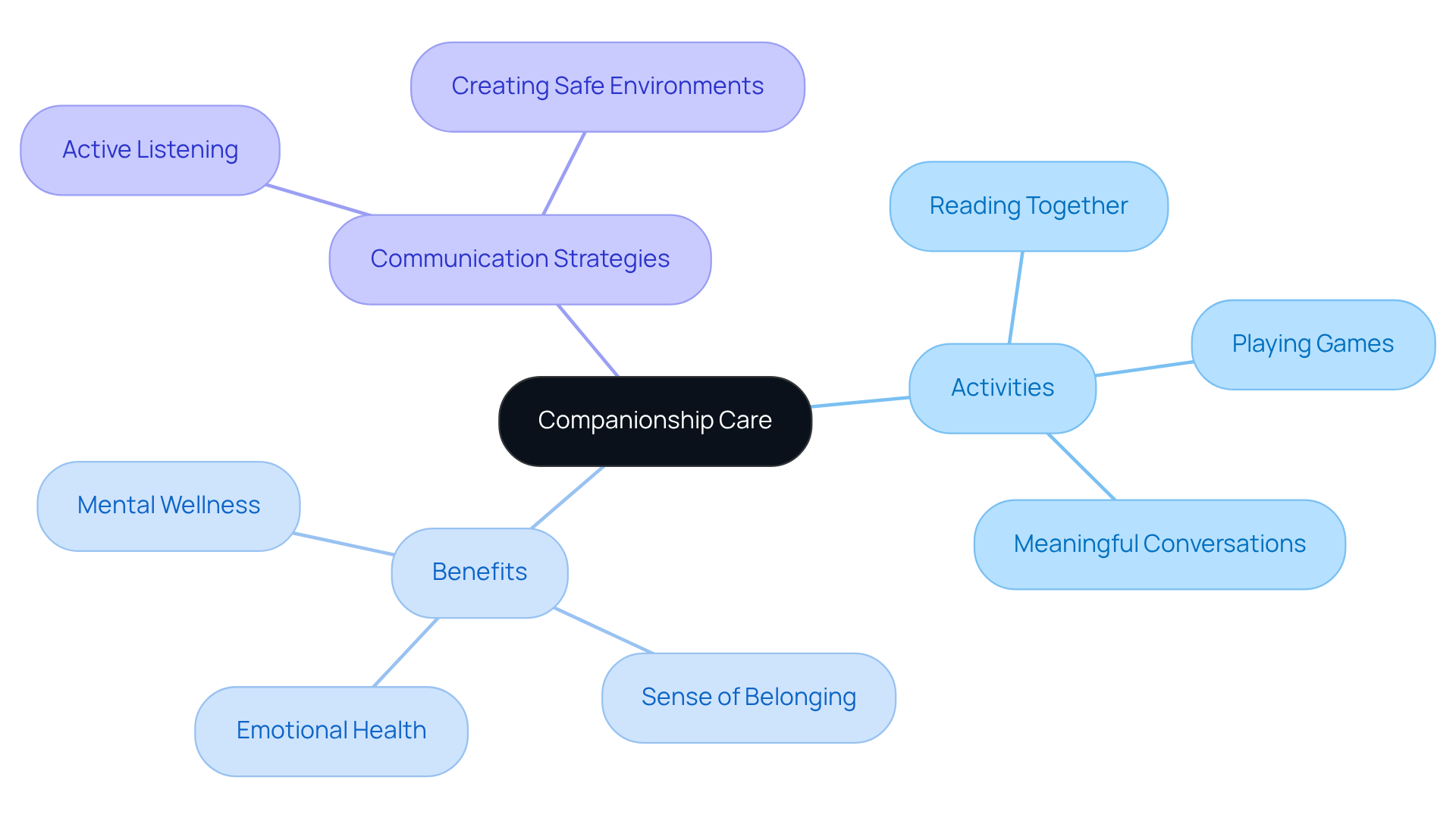
Caregiving services that focus on companionship care are vital for providing emotional support and engaging seniors in enjoyable activities, addressing the pervasive feelings of loneliness and isolation that many experience. Caregiving services play a crucial role in facilitating social interactions, encouraging hobbies, and offering a compassionate listening ear. These actions significantly enhance the emotional well-being of their clients.
For instance, caregivers can arrange activities like:
- Reading together
- Playing games
- Participating in meaningful conversations
Such interactions promote a feeling of belonging and connection. This consistent engagement not only alleviates loneliness but also , which is an important aspect of caregiving services, allowing seniors to maintain a positive outlook on life.
Research shows that seniors who experience regular companionship report improved emotional health, demonstrating the profound impact of these relationships on their overall quality of life. Additionally, caregivers must recognize that seniors may need extra time to articulate their thoughts, creating a safe environment where they feel heard and valued.
Active listening is essential for effective communication. Caregivers should minimize distractions and show genuine interest in seniors' responses. Regular conversations and check-ins help seniors express their feelings and navigate emotional challenges, further underscoring the necessity of caregiving services in enhancing their overall quality of life.
Post-Hospital Recovery Assistance: Ensuring Safe Transitions Home
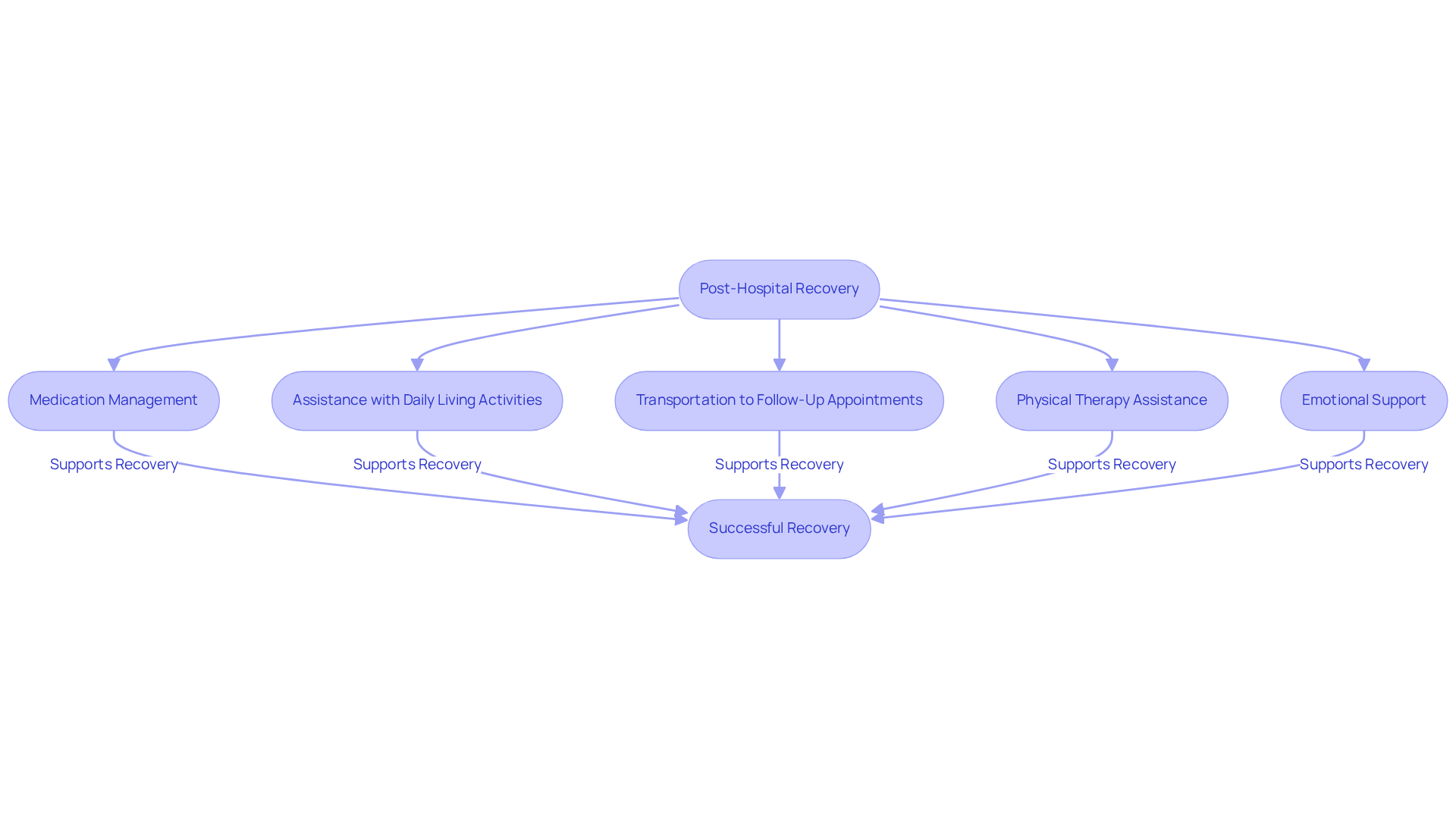
Post-hospital recovery assistance encompasses various services designed to support individuals as they transition from hospital to home. Caregivers play a vital role during this time, helping with medication management, assisting with daily living activities, and providing transportation to follow-up appointments.
This during the first few days after discharge, a time often fraught with risks for complications. Caregivers can ensure that clients adhere to their medication schedules and assist with physical therapy exercises. This nurturing approach fosters a safe and effective recovery process, allowing individuals to feel cared for and supported.
In these moments, the compassionate presence of caregivers can make all the difference. They not only provide practical help but also offer emotional reassurance, helping clients navigate this vulnerable period with confidence. Remember, you are not alone in this journey; support is available to guide you every step of the way.
Respite Care: Temporary Relief for Family Caregivers
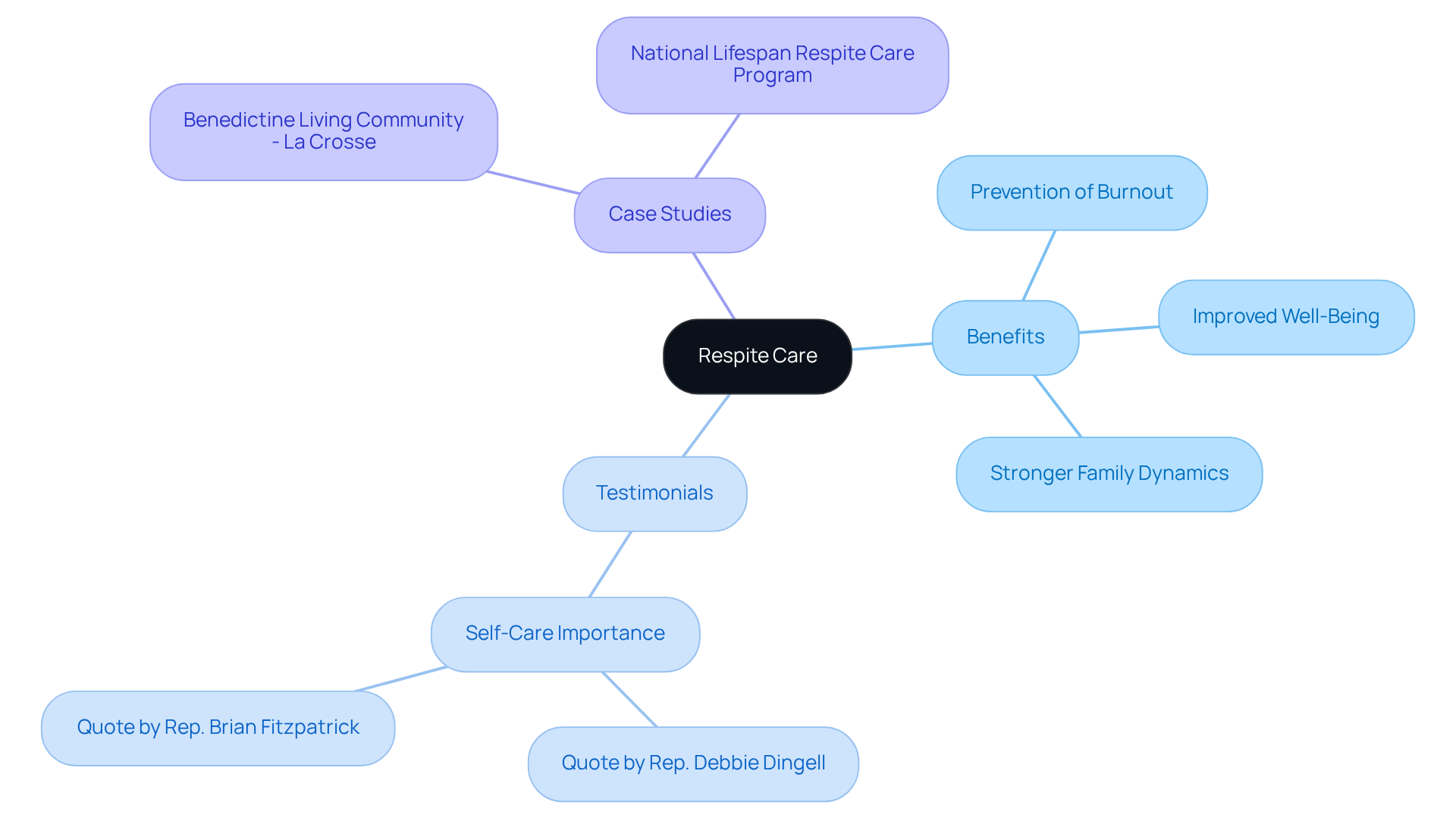
[Respite caregiving services](https://happytohelpcaregiving.com) provide essential temporary relief for caregivers, enabling them to take the much-needed breaks from their supportive responsibilities. These services can be tailored to fit a range of durations, from just a few hours to several days, catering to the unique needs of each family. During these times, skilled attendants step in to ensure that clients receive secure and attentive support.
Imagine a caregiver who relies on caregiving services to manage personal responsibilities or simply to recharge, knowing their loved one is in capable hands. This kind of support is vital in , which can diminish quality of life and lead to negative health outcomes. By enabling caregivers to prioritize their own well-being, caregiving services foster healthier family dynamics and strengthen the bond between the provider and recipient.
As echoed in many heartfelt testimonials, 'looking after oneself enhances the capacity to support loved ones.' This statement underscores the importance of self-care for those who provide support. Moreover, case studies from places like Benedictine Living Community - La Crosse illustrate the positive impact of caregiving services, including respite services. They highlight how such services alleviate stress and enhance emotional resilience, patience, and overall energy levels for caregivers.
Palliative Support Care: Enhancing Quality of Life for Serious Illnesses
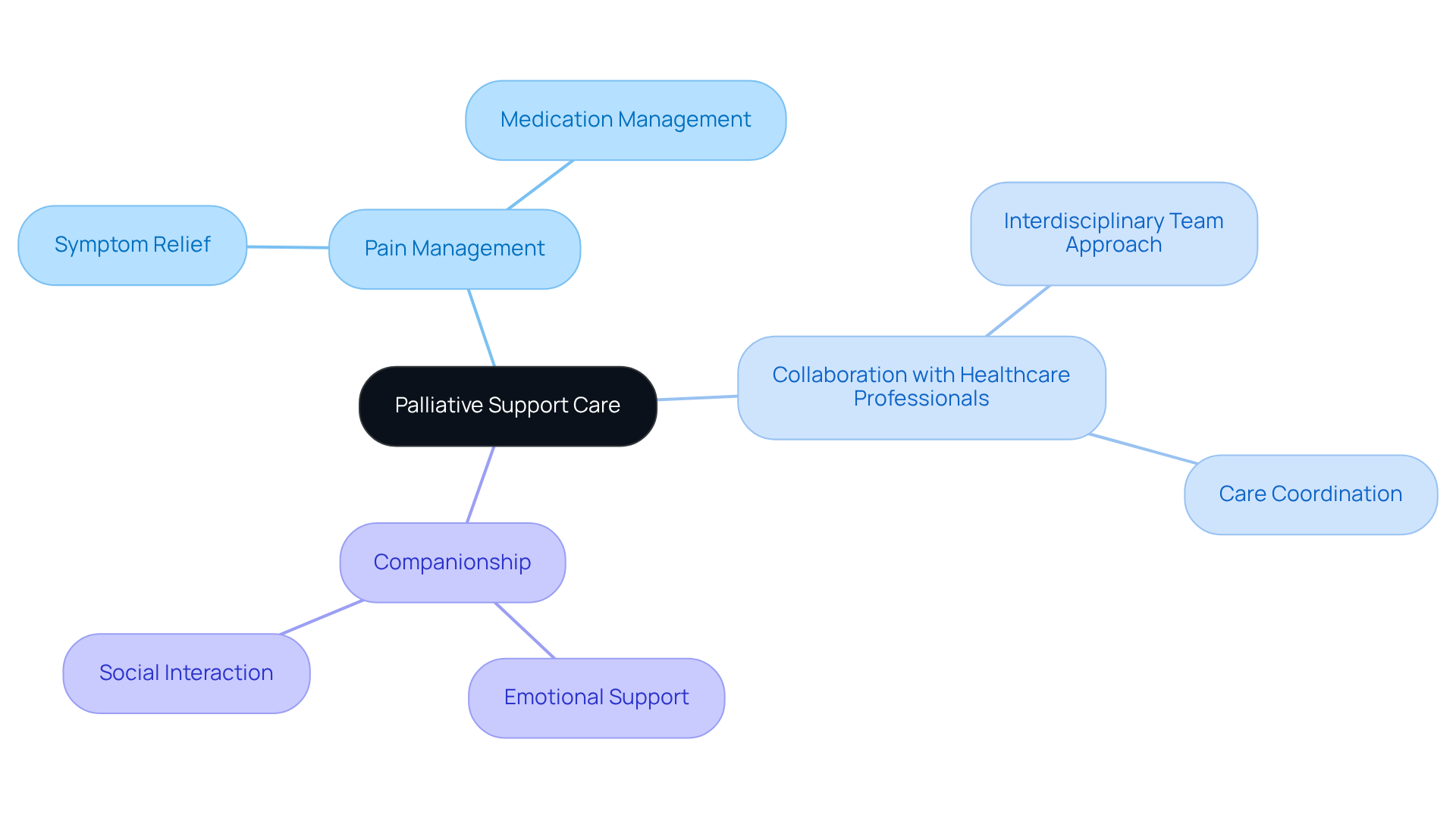
Palliative assistance is designed for individuals facing severe illnesses, focusing on enhancing their quality of life. This compassionate support involves , offering emotional backing, and assisting with treatment decision-making. Skilled providers in palliative care can help clients navigate their health challenges while ensuring comfort and dignity. For instance, they may support:
- Pain management
- Collaboration with healthcare professionals
- Companionship
These aspects can profoundly ease the emotional strain of serious illness.
Flexible Scheduling Options: Tailoring Care to Family Needs
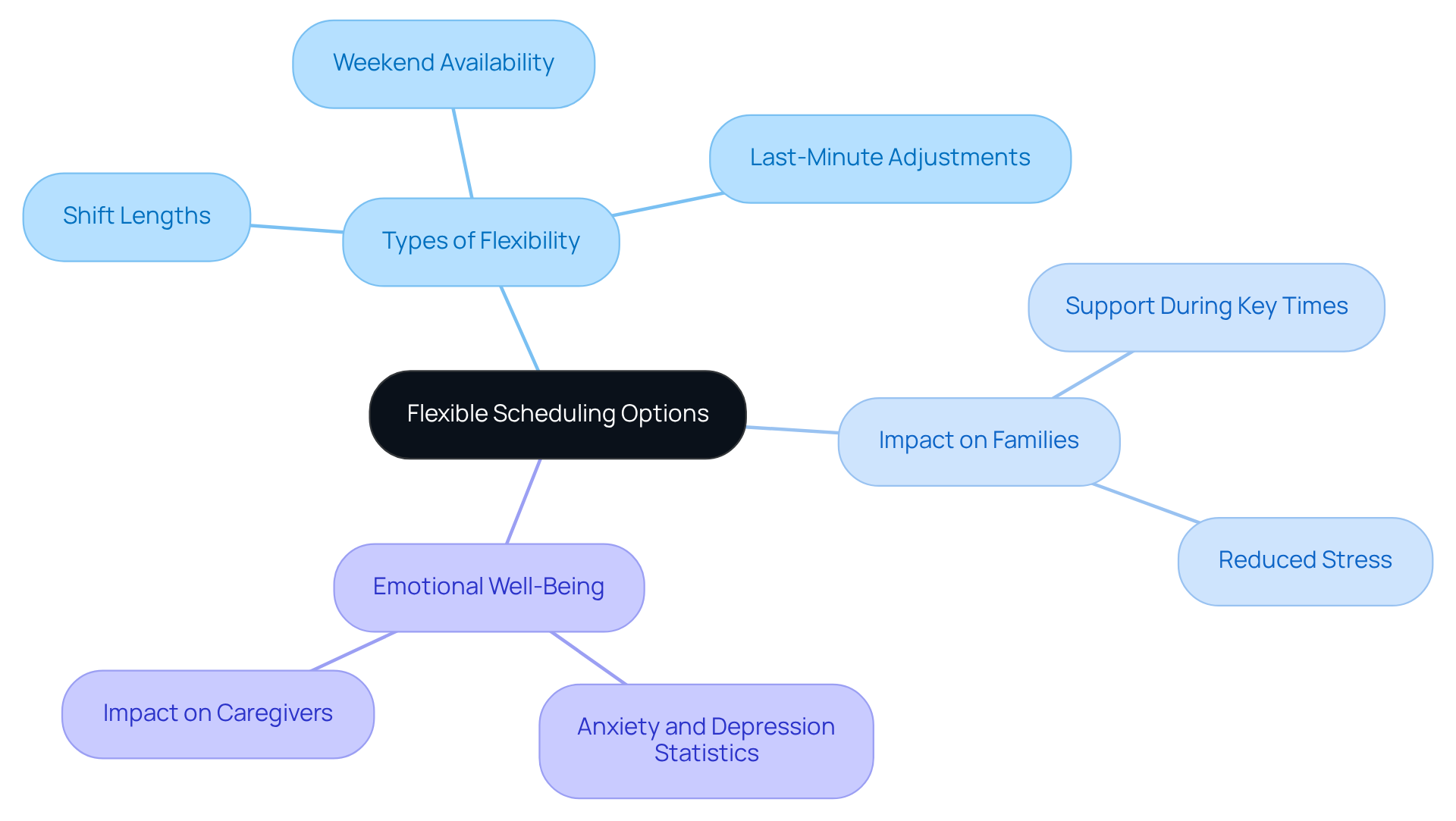
Flexible scheduling choices are essential for households seeking caregiving services for in-home assistance. They allow providers to coordinate their services with the household's current obligations, creating a nurturing environment. This adaptability in caregiving services can take many forms, such as:
- Accommodating different shift lengths
- Offering weekend availability
- Making last-minute adjustments
For instance, households often need extra support during specific times, like after school or during medical appointments. By providing adaptable scheduling, caregiving services can meet these needs without disrupting the household's daily routine.
Recent research reveals that nearly 1 in 4 individuals who assist others report offering more than 40 hours of support each week. This highlights the increasing demand for caregivers who can adjust to household schedules. Such flexibility not only alleviates stress for families but also fosters a more harmonious home atmosphere, as caregiving services can seamlessly integrate into the household's life. Testimonials from family caregivers underscore the importance of this flexibility. Many express a desire for support that accommodates their unique situations and schedules. One provider shared, "Having someone who can modify their hours to suit our requirements has created a significant impact for our household."
Additionally, the emotional well-being of caregivers is a vital aspect of this conversation. Studies indicate that those providing care are three times more likely to experience anxiety and depression. This underscores the necessity for adaptable scheduling, which can help reduce stress for both providers and their loved ones. Ultimately, play a crucial role in enhancing family dynamics, ensuring that loved ones receive the assistance they need when they need it most.
24/7 Availability: Constant Support for Clients
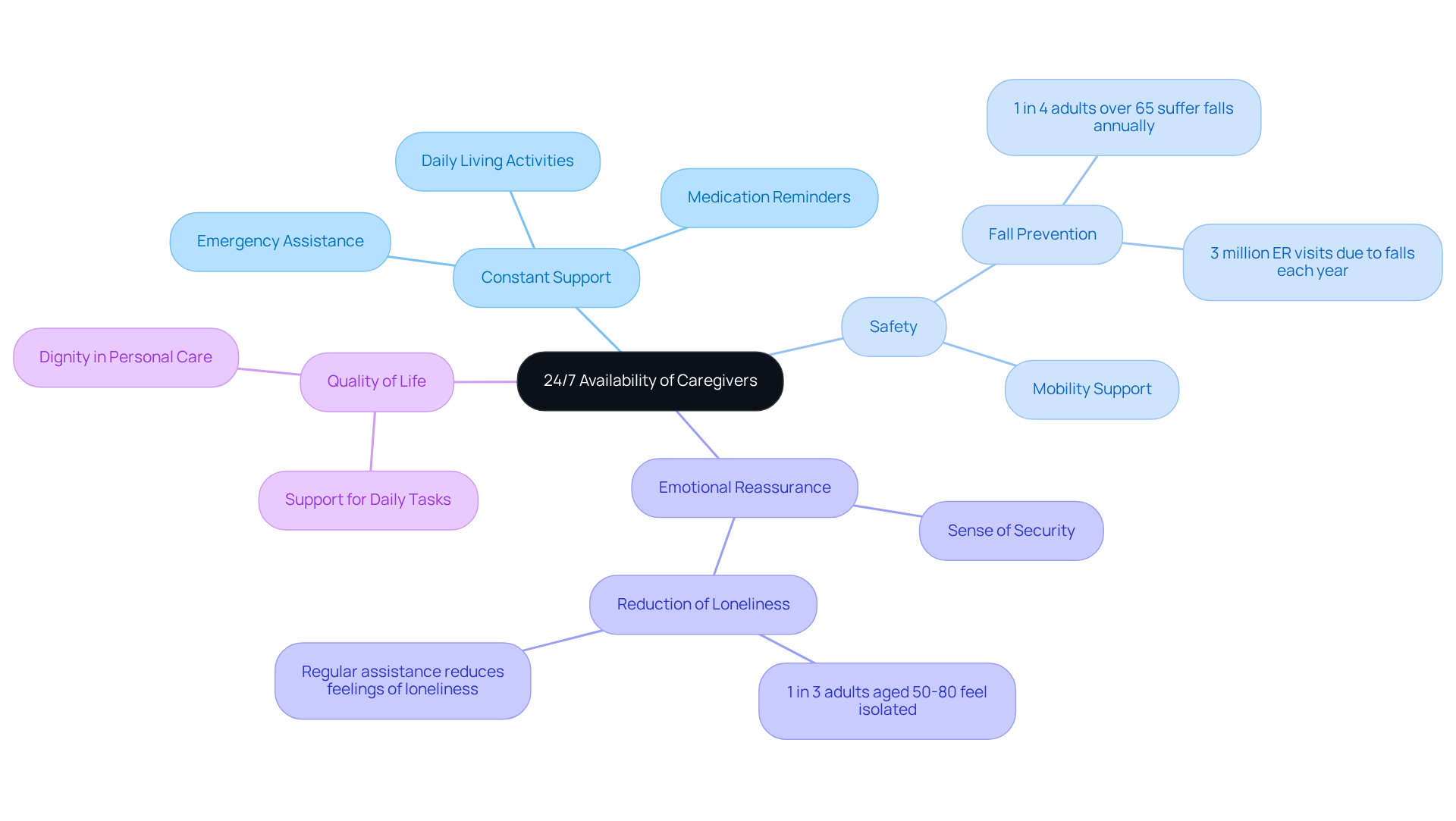
The presence of attendants at all times is essential for clients who need ongoing assistance. This service guarantees that help is always available, whether for emergencies, medication reminders, or . Families can find comfort in knowing their loved ones are never alone, with support just a call away. For instance, clients with mobility challenges often require assistance at various times throughout the day and night; 24/7 availability ensures their needs are met promptly.
Research indicates that timely support can significantly reduce the risk of falls, with one in four adults over the age of 65 suffering from a fall each year. In-home support providers play a vital role in preventing accidents and ensuring safety. Moreover, the emotional reassurance provided by constant caregiver presence cannot be overstated, as it fosters a sense of security and well-being for both clients and their families.
In fact, studies show that seniors receiving regular assistance are less likely to experience feelings of isolation. One in three adults aged 50-80 report feelings of loneliness at least some of the time. As a healthcare professional noted, "Constant support is essential for maintaining the dignity and safety of our elderly clients." This highlights the importance of caregiving services in the home in promoting not only physical safety but also emotional health.
Technology Integration: Enhancing Communication and Care Coordination
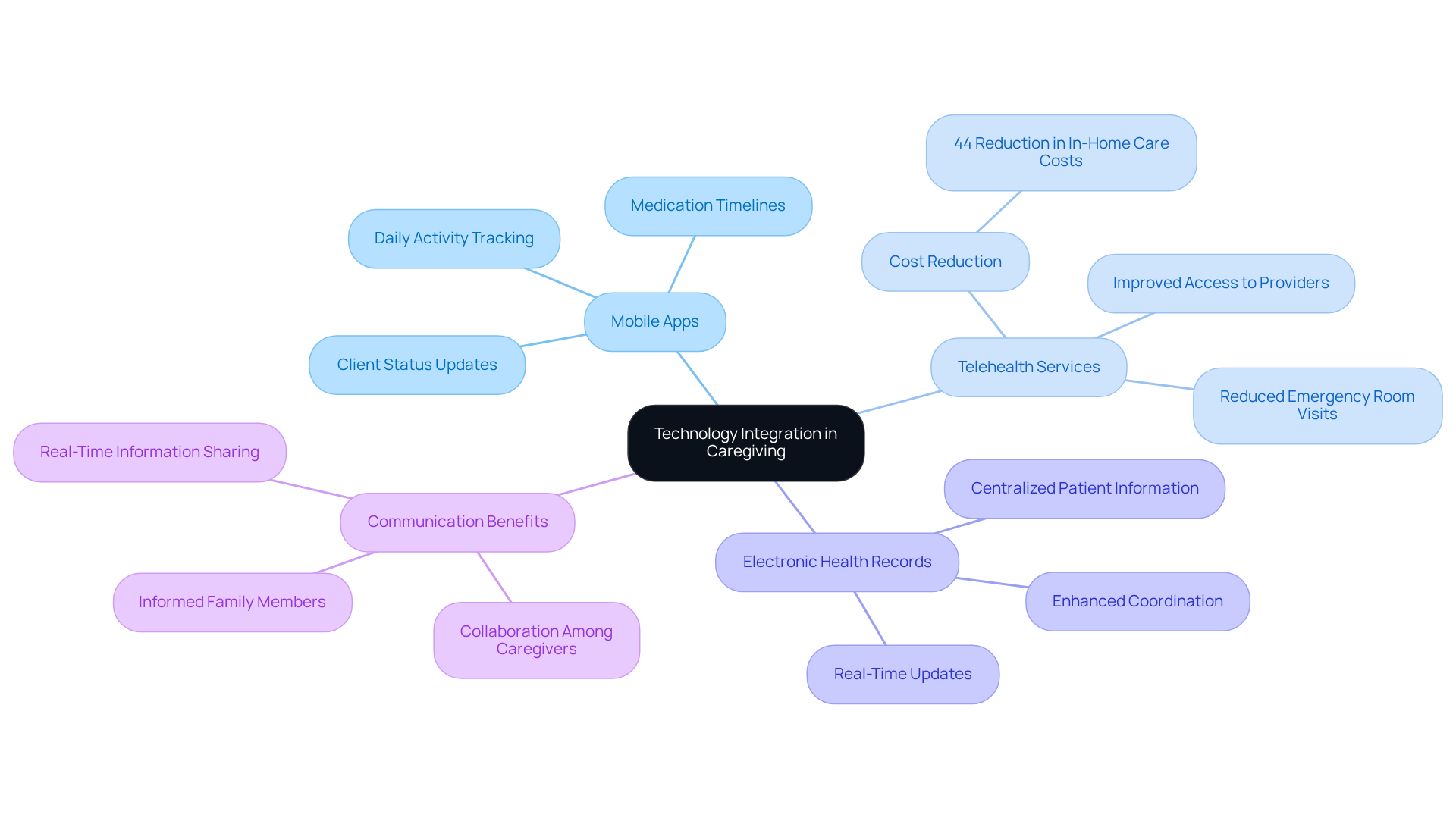
Incorporating technology into caregiving significantly enhances communication and coordination of assistance. Mobile apps, telehealth services, and electronic health records empower support providers to share vital information with families and healthcare professionals in real-time. Imagine caregivers using applications to record daily activities, medication timelines, and any changes in the client's status. This ensures that everyone involved in the support process stays informed and coordinated. Such seamless communication fosters a collaborative approach to caregiving, ultimately benefiting the client.
With the rising demand for senior assistance—projected to see 1 in 5 Americans aged 65 or older by 2030— are essential for managing support efficiently. Telehealth services, in particular, have been shown to lower in-home assistance expenses by 44%, as demonstrated in a pilot study involving 33 senior patients in Washington, D.C. This highlights their significant impact on both provider communication and overall service coordination.
It is crucial to select technology specifically designed for elderly support. General business tools may not adequately address the unique requirements of seniors. As technology continues to evolve, its role in enhancing caregiving services and improving client outcomes becomes increasingly vital. Together, we can ensure that caregivers feel supported and empowered, leading to better care for those who need it most.
Personalized Care Plans: Tailoring Support to Individual Needs
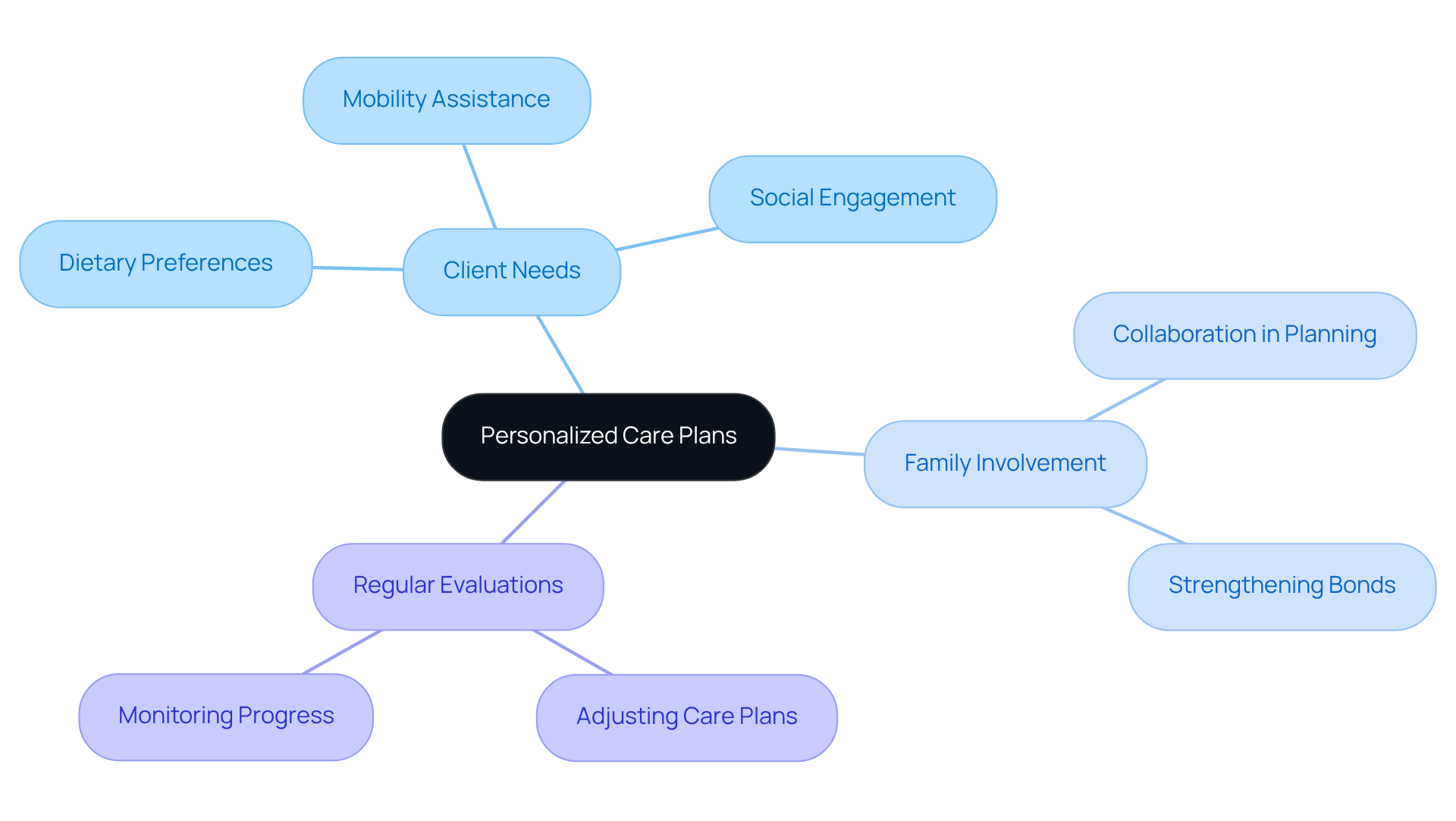
Customized caregiving services form the cornerstone of effective assistance, thoughtfully crafted to meet the unique needs, preferences, and goals of each client. It's heartening to note that research indicates around 70% of individuals aged 65 and above are expected to require some form of assistance throughout their lives. This statistic underscores the importance of these . Caregiving services involve caregivers collaborating closely with family members to develop strategies that often encompass essential details about daily routines, favored activities, and specific health considerations.
For example, a tailored support plan may outline:
- Dietary preferences
- Mobility assistance requirements
- Social engagement opportunities
This ensures that clients receive help that resonates with their lifestyle and enriches their quality of life. Involving family members in the planning process not only strengthens bonds but also enhances communication. As expressed by Kendal At Home, "When assistance is personalized, providers gain a deeper insight into your needs and preferences."
Furthermore, regular evaluations and adjustments to support plans based on evolving needs are vital for promoting long-term well-being. This makes personalized caregiving services a fundamental element of compassionate support, offering reassurance and encouragement to both clients and their families.
Support for Family Caregivers: Addressing Emotional and Physical Burnout
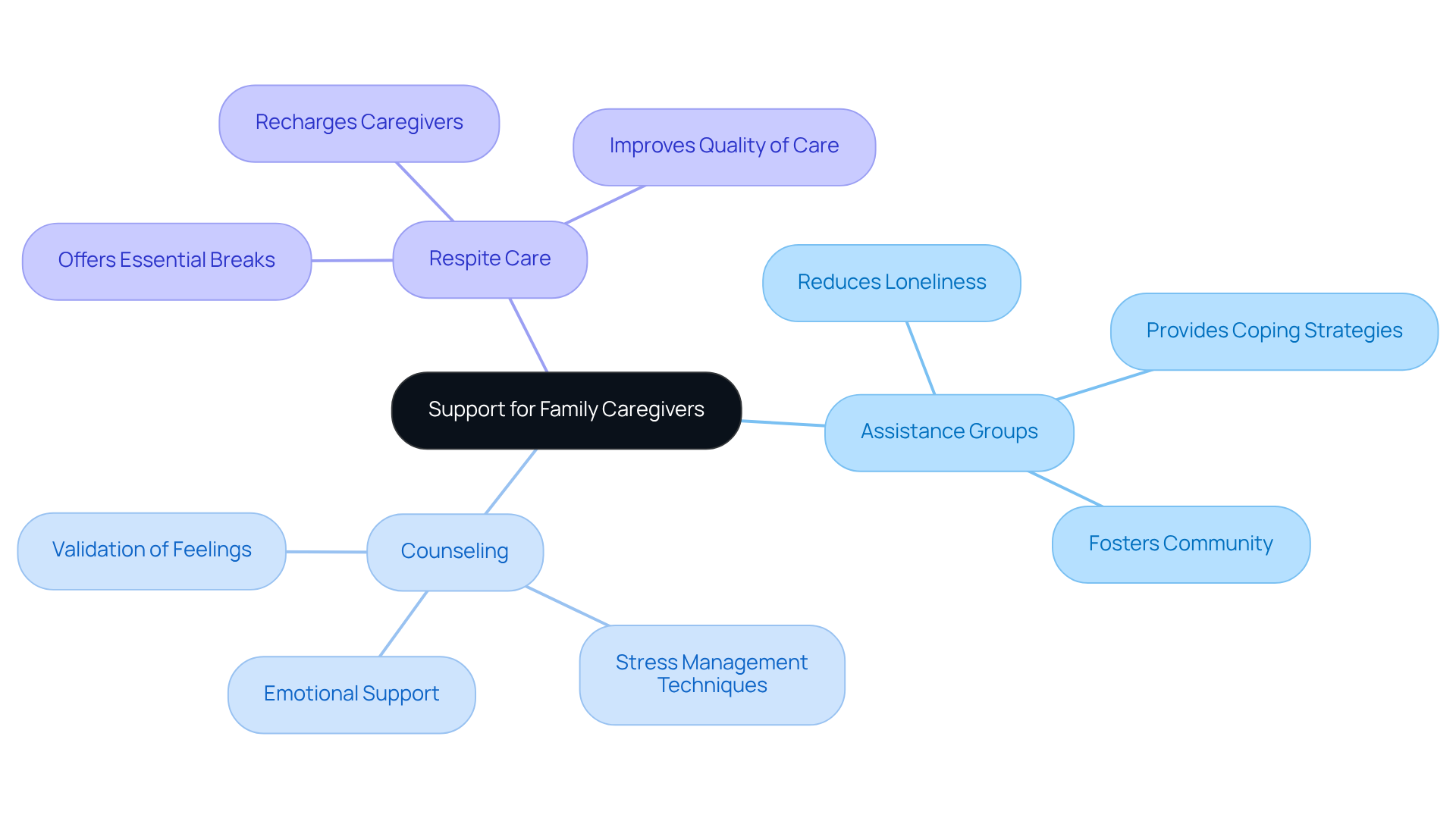
Support for family caregivers is essential in addressing the emotional and physical burnout that often accompanies caregiving services. The demands of caregiving services can feel overwhelming, making access to resources like assistance groups, counseling, and respite care vital for maintaining well-being. Caregiver assistance groups, in particular, create a safe space for individuals to share their experiences and coping strategies, nurturing a sense of community and belonging.
Studies indicate that participation in these groups significantly reduces feelings of loneliness and stress, providing caregivers with both practical guidance and emotional support. For example, Sarah, who cares for her mother with Alzheimer's, found solace in a group where she learned effective communication strategies and discovered local respite services. Caregivers frequently express that sharing their challenges and victories in these supportive environments leads to emotional healing and renewed strength.
With 53 million Americans serving as , the need for such assistance is immense. Respite support services are a vital form of caregiving services that offer caregivers essential breaks, allowing them to recharge and return to their responsibilities with renewed energy. This combination of support not only enhances the quality of care provided but also promotes the overall mental well-being of those who give care, marking it as a crucial element of effective assistance.
Caregiver Training: Ensuring Quality and Compassionate Care
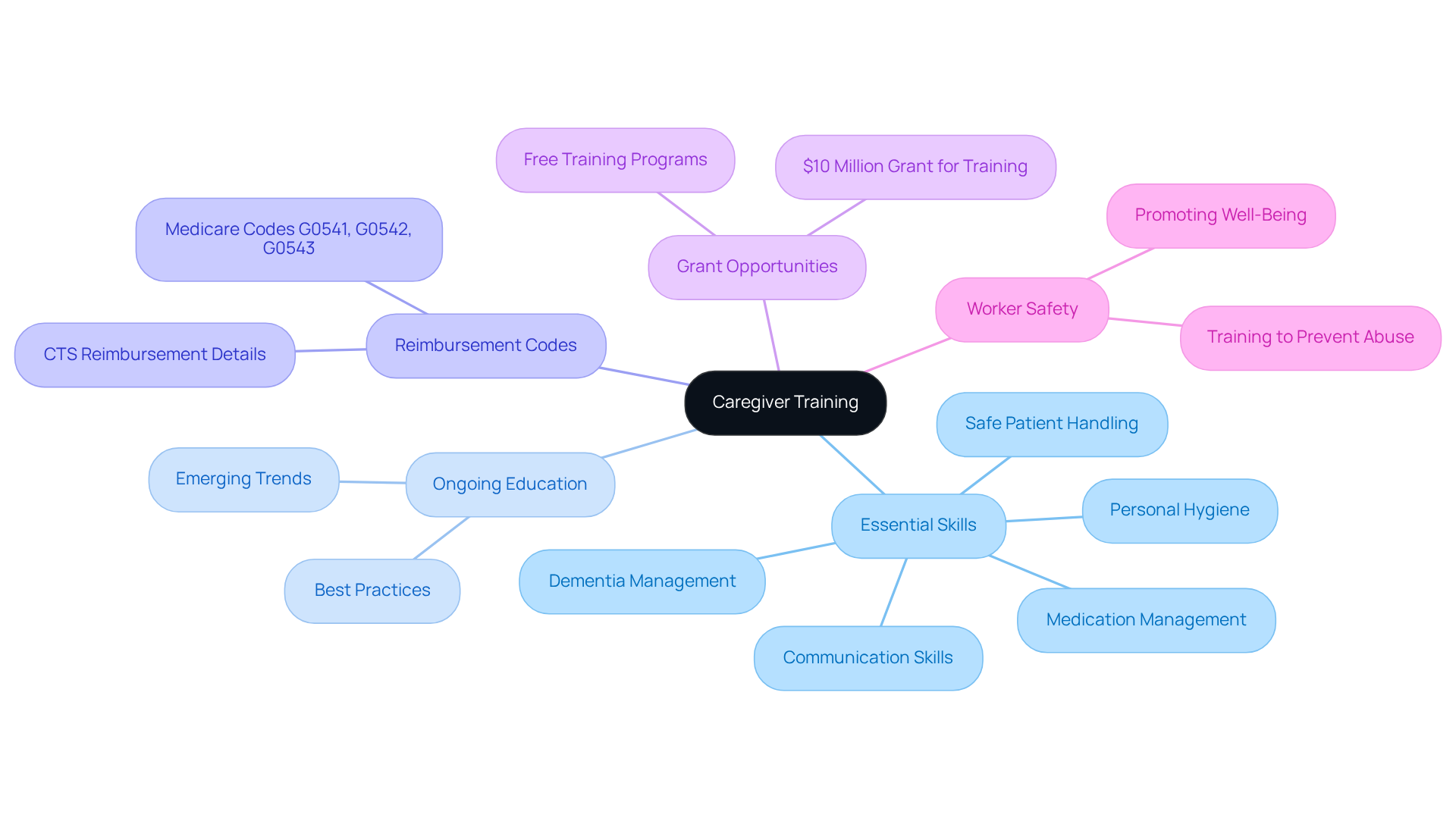
Training for those who provide support is essential in equipping them with the skills necessary to deliver high-quality, compassionate assistance. These training programs encompass a wide range of topics, from personal hygiene techniques to effective communication skills, and specialized knowledge of various health conditions. For instance, individuals trained in dementia management are better prepared to assist clients facing cognitive challenges, significantly enhancing their overall well-being.
Moreover, ongoing education is vital, ensuring that support providers stay informed about best practices and emerging trends in the field. This commitment to learning translates into better outcomes for the clients they care for. Experts highlight that training in areas such as safe patient handling and medication management is particularly beneficial, as these skills have a direct impact on the quality of care provided.
By investing in training for caregivers, families can ensure that their loved ones receive the best possible caregiving services while being comfortable in their homes. It's noteworthy that in 2025, Medicare introduced three (G0541, G0542, and G0543) to encourage reimbursement for training services, making access to quality instruction easier for households. Additionally, the Center for Caregiver Advancement has been awarded a $10 million grant to offer free training for those who assist others, providing invaluable resources for families in need of support.
It's important to recognize that 22% of home care workers have reported experiencing verbal or physical abuse, underscoring the necessity of training to promote worker safety and well-being. Families are encouraged to explore available training options and resources, ensuring that their caregivers are well-prepared and supported in their crucial roles.
Moving Forward with Caregiving Services
The significance of caregiving services is profound, as they provide essential support that enhances the quality of life for both caregivers and their loved ones. These services address various aspects such as:
- Companionship
- Post-hospital recovery assistance
- Respite care
- Personalized care plans
Creating a holistic support system that fosters emotional well-being and physical safety. Tailored services and ongoing caregiver training are crucial in ensuring that those in need receive compassionate and effective assistance.
Throughout the article, we highlight the diverse range of caregiving services available, including:
- 24/7 support
- Flexible scheduling
- Technology integration
Each of these elements plays a vital role in alleviating caregiver burnout, ensuring safe transitions for clients, and enhancing communication and care coordination. The emphasis on emotional support, particularly through companionship care and support groups, underscores the profound impact these services have on reducing feelings of isolation and stress among caregivers.
Ultimately, recognizing the value of caregiving services is essential for fostering healthier family dynamics and improving the overall well-being of both caregivers and clients. As the demand for these services continues to rise, families are encouraged to explore available resources and support systems to ensure that their loved ones receive the care they deserve. Embracing these essential caregiving services can lead to a more balanced and fulfilling life for everyone involved, reinforcing the critical role of compassion and support in the caregiving journey.
https://iframe.tely.ai/cta/eyJhcnRpY2xlX2lkIjogIjY4ZjA5YzUwMDBjNWFmNmJlYWI3NThkNCIsICJjb21wYW55X2lkIjogIjY4ZWU1ZGNhNzMxNzYyNTU3ZjNjOTVjMSIsICJpbmRleCI6IG51bGwsICJ0eXBlIjogImFydGljbGUifQ==Frequently Asked Questions
What is companionship care in caregiving services?
Companionship care focuses on providing emotional support and engaging seniors in enjoyable activities, helping to alleviate feelings of loneliness and isolation.
What activities can caregivers arrange for seniors?
Caregivers can arrange activities such as reading together, playing games, and participating in meaningful conversations to promote social interaction and emotional well-being.
How does companionship care affect seniors' emotional health?
Research shows that seniors who experience regular companionship report improved emotional health, enhancing their overall quality of life.
Why is active listening important in caregiving?
Active listening helps caregivers communicate effectively with seniors, allowing them to feel heard and valued, which is essential for addressing their emotional needs.
What is post-hospital recovery assistance?
Post-hospital recovery assistance includes various services that support individuals transitioning from hospital to home, such as medication management, daily living assistance, and transportation to follow-up appointments.
Why is caregiver support crucial after hospital discharge?
Caregiver support is important during the first few days after discharge to help prevent complications, ensure medication adherence, and assist with physical therapy, fostering a safe recovery process.
What is respite care in caregiving services?
Respite care provides temporary relief for family caregivers, allowing them to take breaks from their responsibilities while ensuring that their loved ones receive secure and attentive support.
How does respite care benefit family caregivers?
Respite care helps prevent caregiver burnout, allowing them to prioritize their own well-being, which can enhance family dynamics and strengthen the bond between the caregiver and the recipient.