

For families in our service areas
For families in our service areas, this guide explains dementia care and how non-medical in-home caregiving can support care planning in East Idaho, Treasure Valley & Magic Valley, Northern Wasatch, North Central West Virginia, and Northeast Ohio.
What You Need to Know About Dementia Care Services
Dementia is becoming increasingly common, affecting over 55 million individuals worldwide, and this reality brings significant challenges for families. Caregiving can often feel overwhelming, filled with emotional and practical hurdles. However, there are essential services available that offer much-needed support.
In this article, we’ll explore ten vital dementia care services designed to empower family caregivers. These resources not only provide practical assistance but also emotional relief, helping to ease the burden of caregiving.
How can these services truly transform the caregiving experience? By offering support, they enhance the quality of life for both caregivers and their loved ones, fostering a sense of hope and connection.
Happy to Help Caregiving: Personalized In-Home Care for Dementia Patients
At Happy to Help Caregiving, we understand the unique challenges faced by families who utilize dementia care services for their loved ones. Our personalized in-home assistance, part of our dementia care services, is designed specifically for dementia patients, significantly enhancing their quality of life. We offer essential services like:
- Companionship
- Post-hospital recovery assistance
- Respite
- Palliative help
All tailored to meet the emotional and practical needs of our clients.
Our caregivers are not just trained professionals; they are compassionate individuals who engage clients in enjoyable activities, providing vital emotional support in a safe and nurturing environment. This personalized approach encourages self-sufficiency while fostering a sense of comfort and safety, making it an ideal choice for families navigating the complexities of cognitive decline.
The reality is that over 55 million individuals worldwide were experiencing cognitive decline in 2020, highlighting the growing need for effective support solutions. Research shows that emotional bonds can significantly enhance the well-being of those impacted by dementia, underscoring the importance of companionship in care. Additionally, the recent Medicare initiative named GUIDE offers valuable assistance for unpaid family caregivers, providing resources to help ease the emotional, financial, and physical challenges they face.
By prioritizing personalized dementia care services, Happy to Help Caregiving stands out as a vital resource for families seeking compassionate assistance. We’re here to support you every step of the way, ensuring that you and your loved ones feel understood, cared for, and empowered.
Alzheimer's Association: Comprehensive Support and Resources for Caregivers
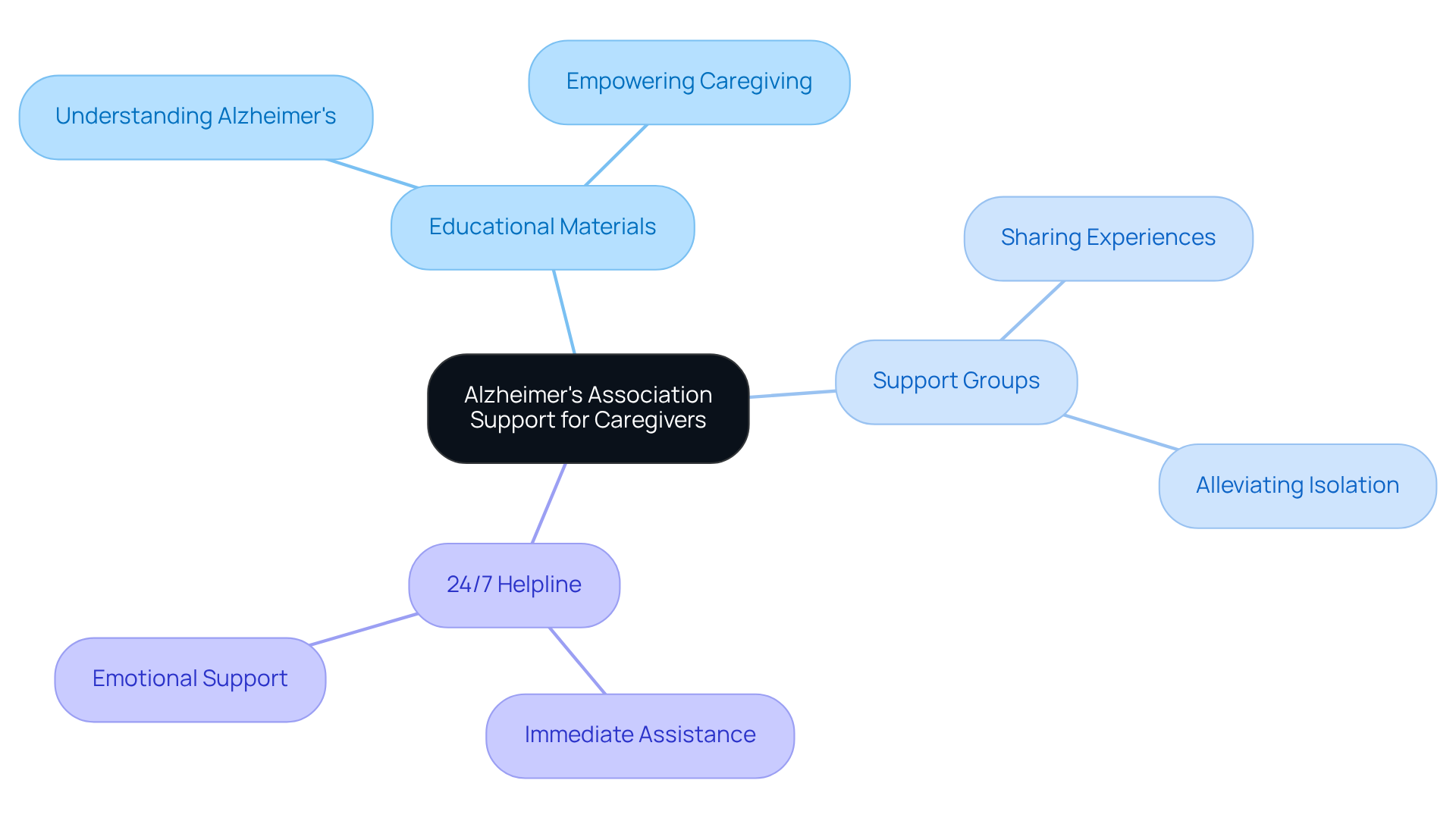
Caring for someone with Alzheimer's can be incredibly challenging, and it's normal to feel overwhelmed. The Alzheimer's Association understands this and offers a variety of dementia care services tailored for those who provide support. From educational materials to assistance groups and a 24/7 helpline, these tools are designed to help you navigate the complexities of caregiving.
Support groups, in particular, can be a lifeline. They create a space where you can connect with others who share similar experiences, helping to alleviate feelings of isolation and stress. Many caregivers have found comfort in sharing their stories and strategies, knowing they’re not alone in this journey.
Educational materials are also crucial. They enhance your understanding of Alzheimer's disease, empowering you to provide better support. As the landscape of cognitive impairment caregiving evolves, the Association remains dedicated to ensuring you have the resources and community you need, including dementia care services, to thrive in your role.
Remember, you are not alone. The Alzheimer's Association is here to walk alongside you, offering compassion and understanding every step of the way.
National Institute on Aging: Research-Based Guidelines for Dementia Care
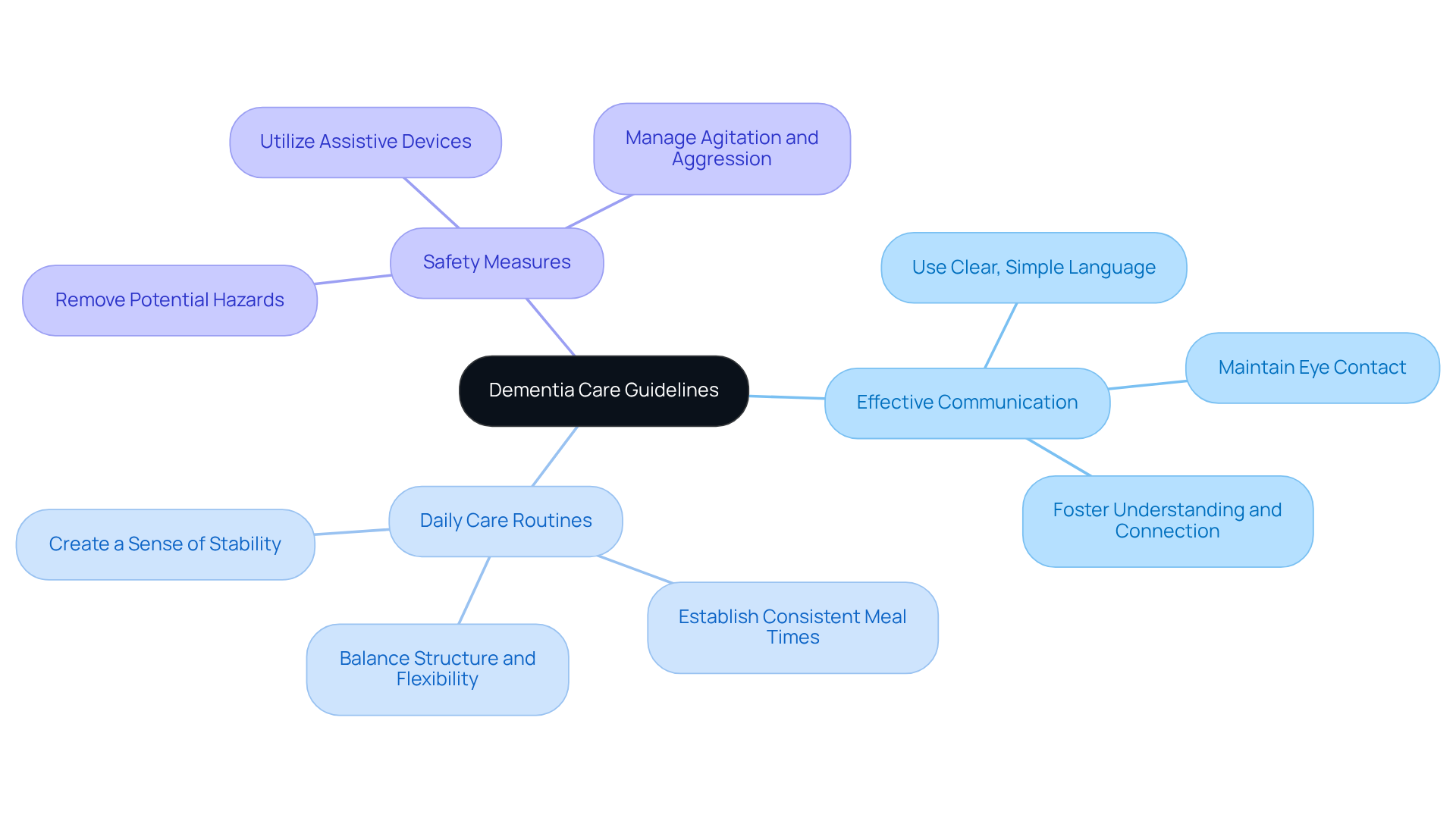
The journey of utilizing dementia care services for a loved one with dementia can be incredibly challenging. Caregivers often face emotional hurdles, feeling overwhelmed by stress and burnout. The National Institute on Aging (NIA) offers a wealth of research-driven recommendations designed to support those navigating this difficult path. These guidelines cover essential areas like effective communication strategies, daily care routines, and crucial safety measures. By embracing these suggestions, caregivers can significantly improve the quality of life for their loved ones, especially as the number of individuals affected by dementia is projected to rise to 139 million by 2050.
Effective communication is at the heart of compassionate care. Caregivers are encouraged to use clear, simple language and maintain eye contact, fostering understanding and connection. Daily routines should strike a balance between structure and flexibility, allowing for personal preferences while ensuring safety and comfort. For example, establishing consistent meal and activity times can help ease confusion and anxiety, creating a sense of stability.
Safety is paramount. Removing potential hazards and utilizing assistive devices can create a secure environment for those with dementia. The NIA provides valuable resources, including guidance on managing agitation and aggression in Alzheimer's disease. This knowledge empowers caregivers to respond effectively to the unique challenges they face. Additionally, ongoing education about cognitive decline is vital, as it helps caregivers adapt to the evolving needs of their family members.
Real-life stories highlight the positive impact of these guidelines. Caregivers who have implemented structured routines often report improved engagement and reduced agitation in their loved ones. Families share testimonials about the transformative power of effective communication techniques, leading to more meaningful interactions and deeper emotional connections.
By following the NIA's guidelines, caregivers not only enhance their support through dementia care services but also create a nurturing atmosphere that upholds dignity and respect for individuals with dementia. To put these strategies into practice, caregivers might consider developing a daily routine chart for their loved ones, ensuring that both structure and flexibility are maintained. This thoughtful approach can make a world of difference in the caregiving experience.
Alzheimer's Society: Community Support and Helplines for Dementia Care
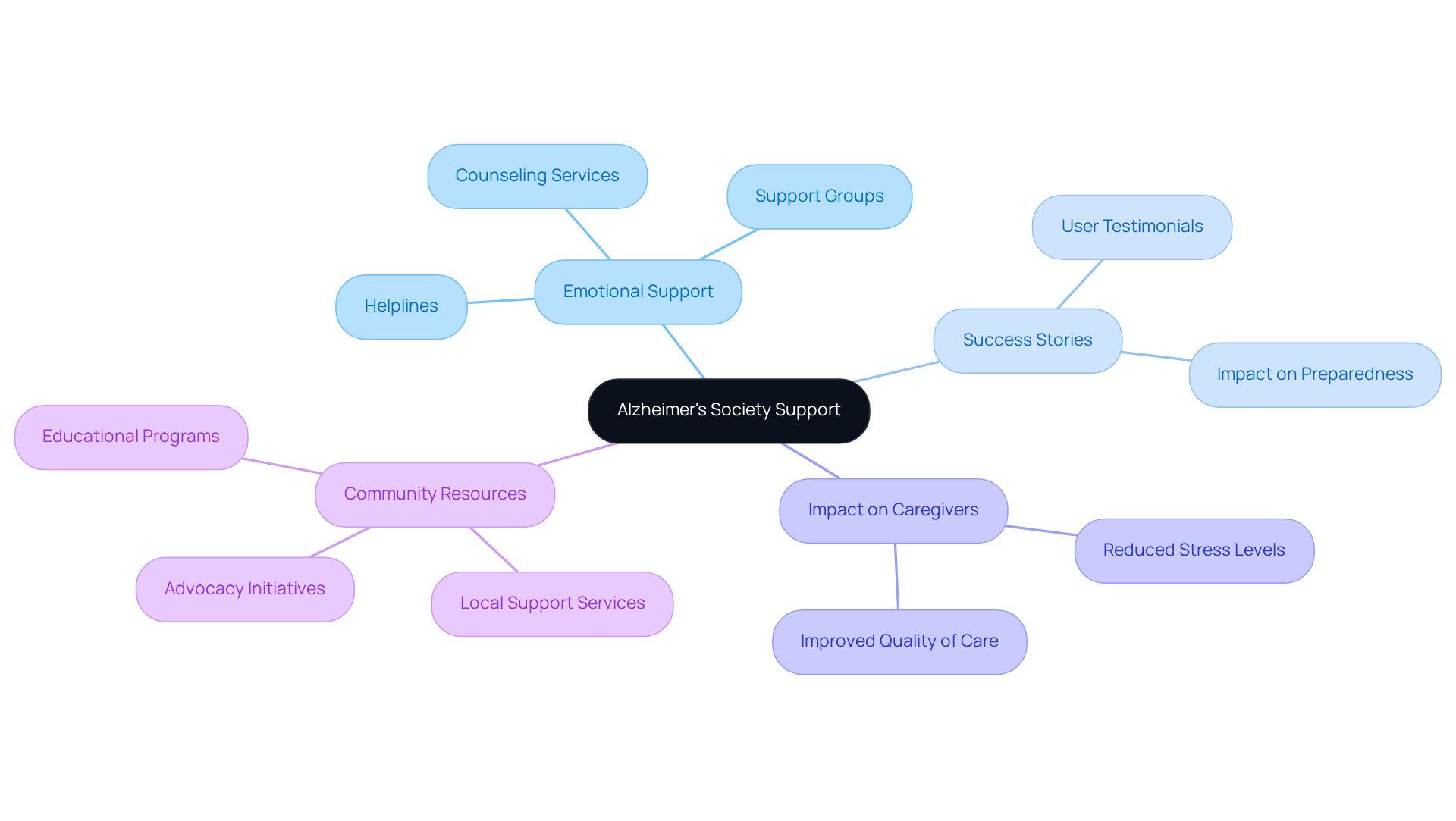
Caring for someone with dementia can be incredibly challenging, which is why dementia care services are essential to support caregivers who often feel overwhelmed and isolated. The Alzheimer's Society understands these emotional struggles and plays a crucial role in providing support through its dementia care services and helplines. These resources offer vital emotional support, information on local resources, and access to dementia care services, helping caregivers feel less alone in their journey.
Imagine the relief of connecting with someone who truly understands your situation. Success stories from helpline users highlight the profound impact of these services. Many caregivers report feeling more prepared to handle the challenges of dementia care services, thanks to the guidance and encouragement they receive. Studies show that individuals who utilize helplines experience reduced stress levels, underscoring the importance of emotional assistance in their daily lives.
As the Alzheimer's Society emphasizes, offering emotional support is essential for caregivers who provide dementia care services. It not only boosts their well-being but also enhances the quality of care they can provide to their loved ones. This extensive support network is vital for sustaining caregivers, ensuring they don’t have to navigate their journey alone. Remember, you are not alone; there is a community ready to support you every step of the way.
Care.com: Connecting Families with Specialized Dementia Caregivers
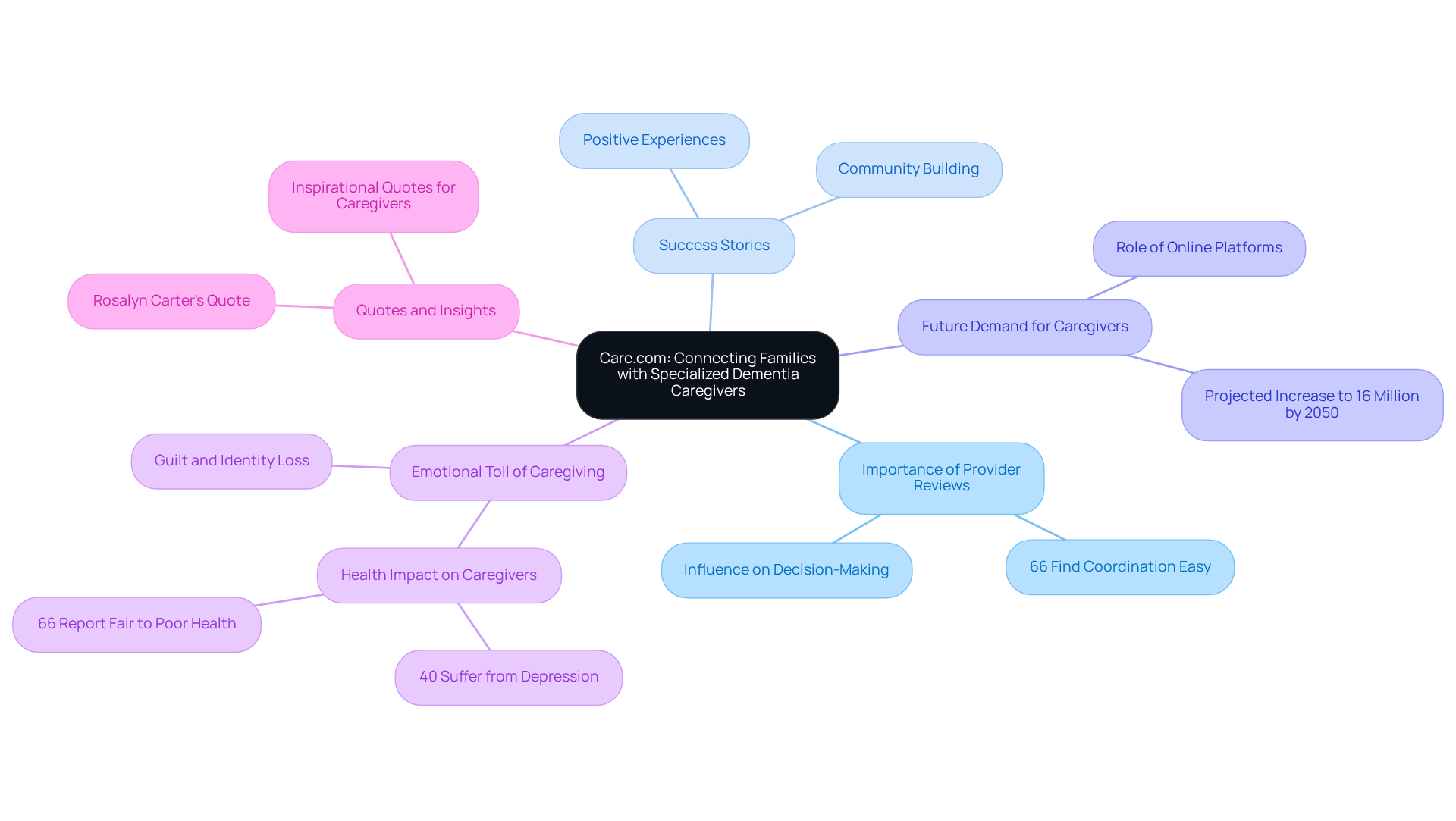
Care.com serves as a vital online resource for families seeking specialized support for loved ones with memory-related conditions. It allows families to explore detailed profiles of providers, read heartfelt testimonials, and connect with specialists who have expertise in dementia care services. This platform simplifies the often overwhelming task of finding qualified assistance, helping families make informed choices about their loved ones' support.
The importance of provider reviews cannot be overstated; they significantly influence family decision-making. With 66% of supporters noting how easy it is to organize assistance recommended by health professionals, families can feel confident in selecting providers who are not only qualified but also highly regarded by others in similar situations. This ease of coordination is especially crucial, given the emotional and physical toll that caregiving can take, as many caregivers report feeling considerable strain.
Numerous success stories highlight the positive experiences families have had in finding the right match through Care.com. These stories emphasize the platform's effectiveness in connecting families with compassionate support providers who understand the unique challenges of caring for someone with cognitive decline. As the number of individuals providing dementia care services is expected to triple by 2050-currently estimated at around 16 million in the U.S.-online platforms like Care.com will become increasingly essential for families seeking specialized support. This approach not only enhances the quality of care but also fosters a sense of community among support providers and families alike.
As Rosalyn Carter wisely noted, 'There are only four types of individuals in the world: Those who have been providers of care, those who are presently providers of care, those who will become providers of care, and those who will require assistance from one.' This observation underscores the universal nature of caregiving and the critical importance of finding the right support.
Dementia Care Central: Informative Resources for Navigating Dementia Care
Caring for someone with dementia can be an emotional journey filled with challenges. At Dementia Care Central, we understand the complexities that come with offering dementia care services to individuals facing cognitive decline. Our platform offers a wealth of resources designed to help caregivers navigate these difficulties with confidence and compassion.
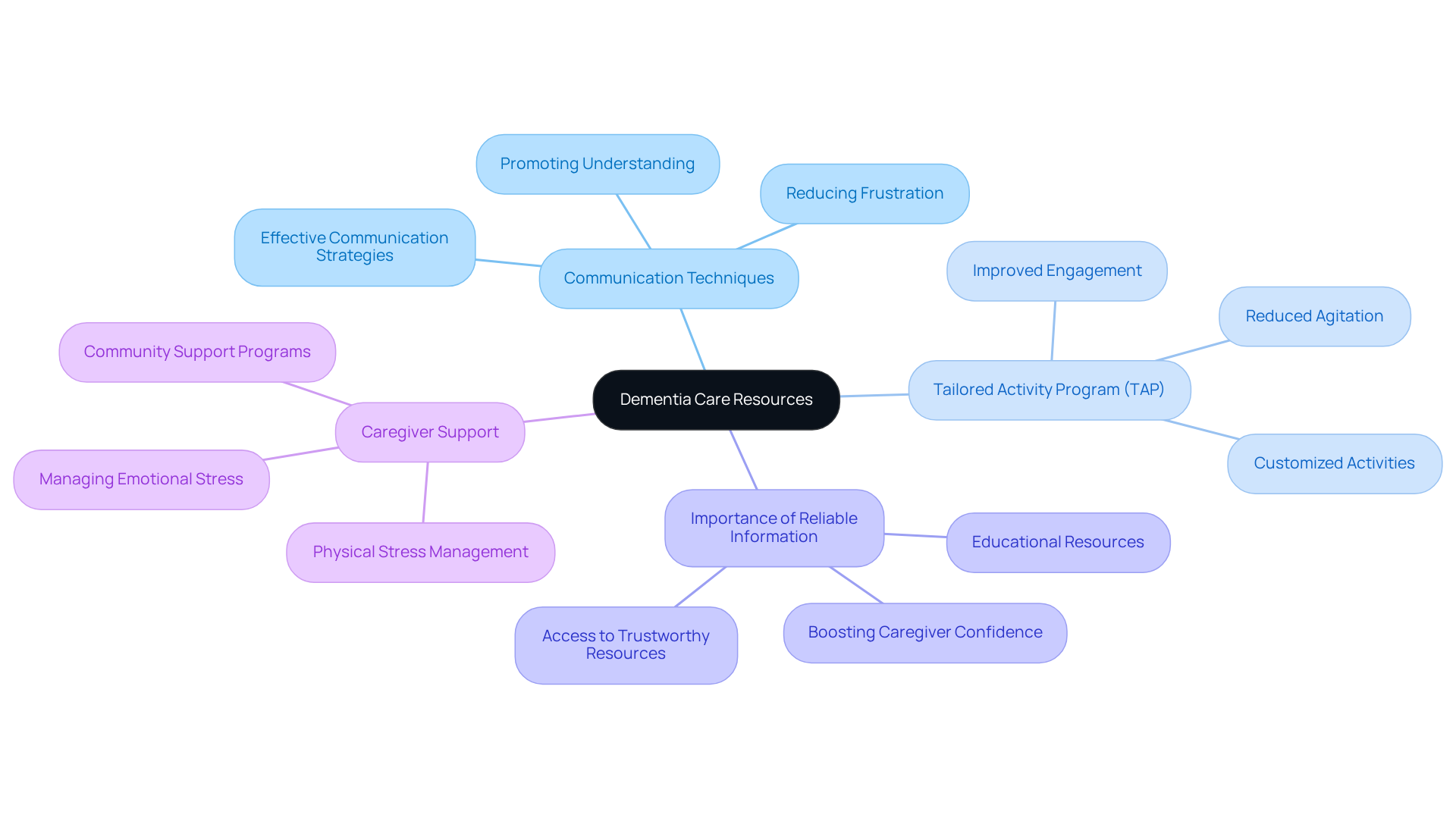
You’ll find insightful articles that share best practices and practical tips for managing challenging behaviors. For instance, effective communication techniques can promote understanding and reduce frustration during interactions with loved ones. These strategies not only help caregivers feel more equipped but also foster a deeper connection with those they care for.
Real-world examples highlight how these best practices can make a difference. Take the Tailored Activity Program (TAP), for example. This program customizes activities to meet the unique needs of dementia patients, leading to improved engagement and reduced agitation. By providing structured, meaningful activities, TAP enhances the quality of life for patients and offers dementia care services that alleviate stress for caregivers, creating a more harmonious environment for everyone involved.
Moreover, having access to reliable information can significantly boost caregivers' confidence. Nearly 70% of those supporting individuals with dementia report that organizing assistance can be stressful. With trustworthy resources at their fingertips, caregivers can make informed choices and seek the right dementia care services for support. As Elizabeth Edgerly, Senior Director of Community Programs and Services at the Alzheimer’s Association, beautifully puts it, "Caregiving is one of the most selfless acts of love there is." By utilizing these resources, caregivers can better manage the emotional and physical demands of their role, fostering a supportive atmosphere for both themselves and their loved ones.
Additionally, 34% of caregivers find value in understanding their care recipient's condition, highlighting the importance of educational resources in enhancing knowledge and confidence. Together, we can create a nurturing environment that supports both caregivers and those they care for.
AgingCare.com: Community Support for Family Caregivers
AgingCare.com offers a nurturing community platform for family helpers. Here, caregivers can share their experiences, ask questions, and seek support. This space is more than just a forum; it’s a lifeline for those who may feel overwhelmed by their responsibilities. Connecting with others who truly understand the challenges can provide much-needed advice and encouragement.
Many caregivers experience feelings of stress and burnout. It’s important to know you’re not alone in this journey. By engaging with a peer network, you can find solace in shared stories and insights. This community is invaluable, offering emotional and practical support that can lighten your load.
Remember, it’s okay to seek help. The connections you make here can foster a sense of belonging and understanding. You deserve to feel supported and uplifted as you navigate the complexities of caregiving. Let this platform be a source of comfort and strength for you.
Alzheimer's Foundation of America: Empowering Caregivers Through Education
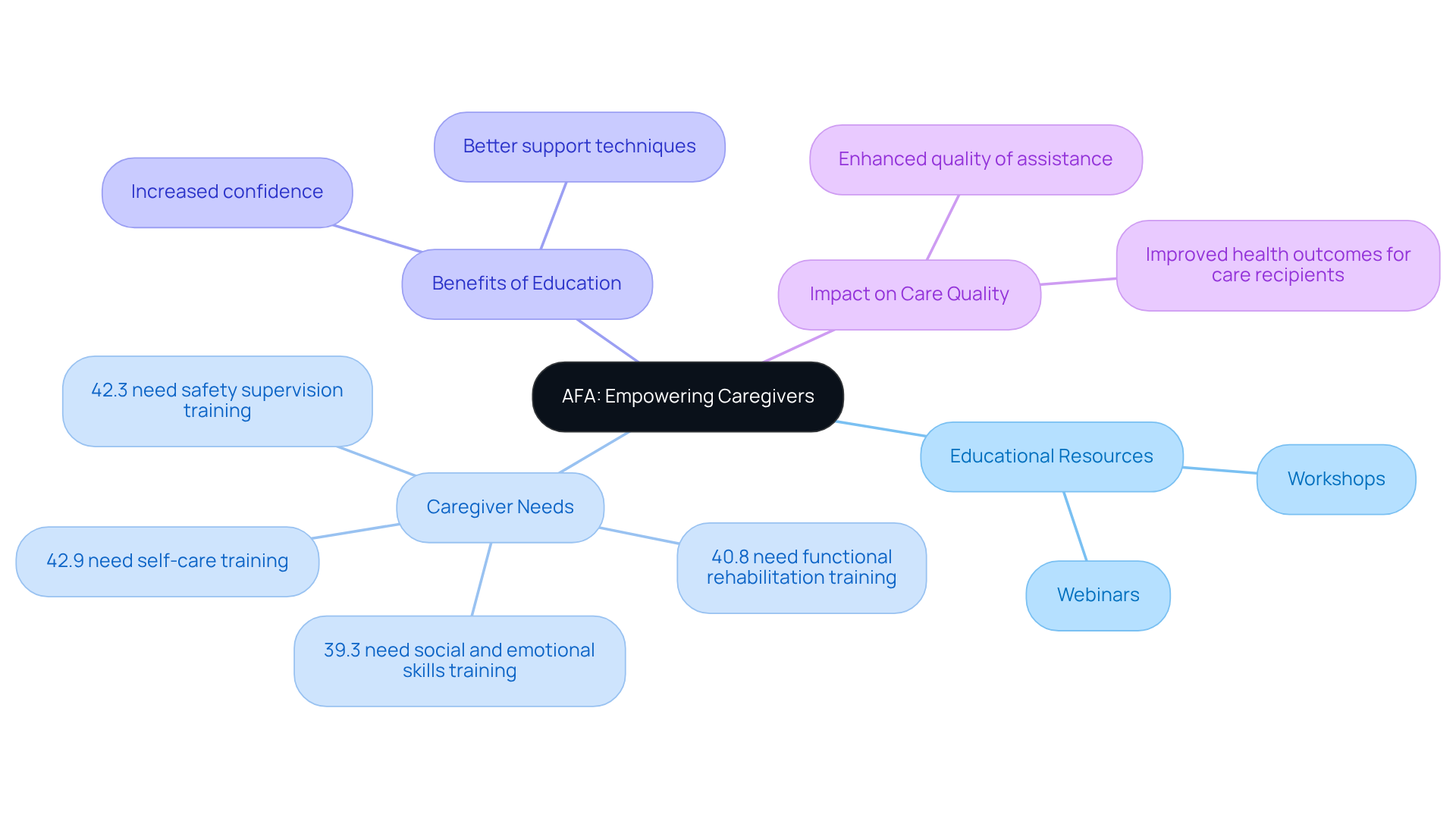
The Alzheimer's Foundation of America (AFA) understands the emotional challenges faced by those who care for individuals with memory disorders. They offer a strong selection of educational resources, including workshops and webinars tailored specifically for caregivers. These programs aim to equip supporters with vital information and practical skills, addressing key aspects of cognitive impairment support such as communication methods, behavioral management, and self-help techniques.
Caregivers often experience stress and burnout, and studies show that those who engage in educational programs feel more confident and develop better support techniques. This, in turn, enhances the quality of assistance provided to individuals living with cognitive decline.
In 2023, approximately 6.7 million Americans aged 65 and older were living with Alzheimer's disease and similar cognitive disorders. This statistic underscores the urgent need for effective support education. Experts emphasize that knowledgeable caregivers are better prepared to navigate the complexities of dementia care services. Alarmingly, 42.9% of caregivers expressed a need for self-care skills training, while 40.8% felt they required training in functional rehabilitation. These figures reveal critical gaps in the skills of current support providers that AFA's programs are designed to address.
The foundation's commitment to continuous learning fosters a nurturing community among caregivers and leads to improved health outcomes for those they support. By prioritizing the training of support providers, the Alzheimer's Foundation of America ensures that families are ready to offer compassionate and effective dementia care services, ultimately enhancing the overall quality of life for those affected by cognitive decline.
As Pearlin wisely noted, "Considering the difficulties of supporting individuals with cognitive decline and the possible positive impact of education on both the supporter and the recipient of assistance, it is essential for policymakers to encourage both the overall adoption rate of training for supporters and the rate among vulnerable subgroups." This highlights the importance of addressing barriers to training participation, such as cost and caregiver fatigue, to ensure that caregivers can access the support they need.
Home Instead Senior Care: Specialized In-Home Services for Seniors with Dementia
At Happy to Help Caregiving, we understand the emotional challenges that families face when caring for elderly loved ones, which is why we provide dementia care services to support them. It’s not just about providing services; it’s about offering compassionate support tailored to each individual’s unique needs. Our specialized in-home dementia care services focus on creating customized support plans that truly reflect the circumstances and preferences of our clients. By collaborating closely with families and healthcare professionals, we ensure that every aspect of care is thoughtfully addressed.
The impact of personalized support plans on dementia care services for patients is truly profound. Research shows that when dementia care services are tailored to the individual, it enhances their quality of life and fosters a sense of security and belonging. Caregivers often share how these customized approaches allow them to connect more deeply with their clients, making it easier to meet their emotional and physical needs.
For instance, one family supporter shared a touching story about how a customized support plan helped their loved one engage in activities they cherished, like gardening and listening to music. This not only lifted their spirits but also reduced feelings of isolation. Such real-world examples highlight how dementia care services can transform the caregiving experience, enabling seniors to flourish in the comfort of their own homes.
Moreover, the flexibility of our in-home assistance services means we can adapt support as conditions change. This adaptability is essential, as those experiencing cognitive decline often have fluctuating needs. By prioritizing individualized support, Happy to Help Caregiving addresses not only the immediate requirements of our clients but also contributes to their long-term well-being. We’re here to help, ensuring that every senior can maintain their dignity and comfort in familiar surroundings.
Visiting Angels: Flexible In-Home Care Solutions for Dementia Patients
At Happy to Help Caregiving, we understand the emotional challenges that come with providing dementia care services for loved ones with cognitive impairments. It can be overwhelming, and the stress of balancing care with daily life often leads to feelings of burnout. That’s why we offer adaptable in-home support options tailored specifically for individuals with these unique needs. Families can personalize service schedules and offerings to align with their loved one's distinct requirements, ensuring they receive the compassionate support they deserve.
Our caregivers are not just trained professionals; they are compassionate individuals dedicated to preserving the independence and dignity of dementia patients. We know that when care is tailored to fit a person’s daily patterns and preferences, it significantly enhances their quality of life. In fact, specialists in support emphasize that individualized assistance greatly improves patient satisfaction.
With 88% of adults aged 50 and older wishing to remain at home for as long as possible, personalized assistance becomes essential. We’ve seen firsthand how this tailored support transforms lives. Families who have utilized Happy to Help Caregiving for cognitive impairment support share heartwarming success stories that illustrate the profound impact of personalized care. It not only enhances the quality of life for seniors but also alleviates stress for family caregivers.
By focusing on the specific needs of each patient, we create an environment supported by dementia care services where seniors can truly thrive, even amidst the challenges posed by dementia. We’re here to help, ensuring that every step of the caregiving journey is filled with compassion and understanding.
Moving Forward with Dementia Care Services
Navigating the landscape of dementia care can be overwhelming for family caregivers, who often face emotional challenges as they support loved ones experiencing cognitive decline. It’s essential to recognize the stress and burnout that can arise in these situations. Thankfully, there are vital services available that empower caregivers, helping them find their footing amidst the complexities of care.
From personalized in-home assistance to robust community support networks, these services play a crucial role in enhancing the quality of life for both caregivers and those they care for. Resources like the Alzheimer's Association and Care.com offer guidance and emotional support, allowing caregivers to thrive in their roles. Imagine the relief of knowing that compassionate help is just a call away.
Key insights throughout this journey highlight the importance of tailored care approaches and effective communication strategies. Community connections are invaluable, too. Organizations like Happy to Help Caregiving and the Alzheimer's Foundation of America provide extensive educational resources, reinforcing the message that caregivers are not alone in their journey. Support networks-whether through helplines, support groups, or online platforms-offer vital emotional relief and practical assistance, reminding caregivers that they have a community behind them.
As the demand for dementia care services continues to grow, it’s imperative for caregivers to seek out these resources and prioritize their well-being. Engaging with community support, utilizing educational materials, and fostering connections with other caregivers can significantly alleviate feelings of isolation and stress. By embracing these essential services, caregivers can improve their own experiences while enhancing the quality of care they provide. This nurturing environment not only benefits them but also creates a loving space for their loved ones.
https://iframe.tely.ai/cta/eyJhcnRpY2xlX2lkIjogIjY5MWU1YWMyYzBkNDJlMTUwMDY1YWNjZCIsICJjb21wYW55X2lkIjogIjY4ZWU1ZGNhNzMxNzYyNTU3ZjNjOTVjMSIsICJpbmRleCI6IG51bGwsICJ0eXBlIjogImFydGljbGUifQ==Frequently Asked Questions
What services does Happy to Help Caregiving provide for dementia patients?
Happy to Help Caregiving offers personalized in-home assistance, including companionship, post-hospital recovery assistance, respite, and palliative help, all tailored to meet the emotional and practical needs of dementia patients.
How do caregivers at Happy to Help Caregiving support dementia patients?
Caregivers at Happy to Help Caregiving are compassionate individuals who engage clients in enjoyable activities, providing vital emotional support in a safe and nurturing environment. This personalized approach encourages self-sufficiency while fostering comfort and safety.
Why is companionship important in dementia care?
Companionship is crucial because emotional bonds can significantly enhance the well-being of individuals impacted by dementia, helping to alleviate feelings of isolation and improving overall quality of life.
What resources does the Alzheimer's Association offer to caregivers?
The Alzheimer's Association provides educational materials, support groups, and a 24/7 helpline to assist caregivers in navigating the complexities of caregiving and to help alleviate feelings of stress and isolation.
How can support groups benefit caregivers of Alzheimer's patients?
Support groups create a space for caregivers to connect with others who share similar experiences, helping to alleviate feelings of isolation and stress through the sharing of stories and strategies.
What recommendations does the National Institute on Aging provide for dementia care?
The National Institute on Aging offers research-driven guidelines covering effective communication strategies, daily care routines, and safety measures to help caregivers improve the quality of life for their loved ones.
What are some effective communication strategies for caregivers?
Caregivers are encouraged to use clear, simple language and maintain eye contact to foster understanding and connection with individuals experiencing cognitive decline.
Why is safety important in dementia care, and how can it be ensured?
Safety is paramount in dementia care, and it can be ensured by removing potential hazards and utilizing assistive devices to create a secure environment for those with dementia.
How can caregivers implement structured routines for their loved ones?
Caregivers can establish consistent meal and activity times to create a sense of stability, easing confusion and anxiety while allowing for personal preferences.
What impact do the NIA's guidelines have on caregiver experiences?
Caregivers who implement the NIA's guidelines often report improved engagement and reduced agitation in their loved ones, highlighting the transformative power of effective communication and structured routines.