10 Essential Dementia Services Near You for Family Caregivers
For families in our service areas
For families in our service areas, this guide explains dementia care and how non-medical in-home caregiving can support care planning in East Idaho, Treasure Valley & Magic Valley, Northern Wasatch, North Central West Virginia, and Northeast Ohio.
Understanding Dementia Services Near Me
Caring for someone with dementia presents a significant challenge, often resembling a labyrinth filled with emotional and logistical hurdles. Family caregivers frequently find themselves in need of essential support services to navigate these complexities. The absence of adequate resources can lead to feelings of isolation and overwhelm, impacting both the caregiver's well-being and the quality of care provided.
However, the right resources can make a substantial difference. They not only enhance the quality of care but also foster emotional well-being and a sense of community among caregivers. With numerous options available, it can be daunting to identify the most effective dementia services that truly make a difference in the caregiving experience.
This article explores ten vital services designed to empower family caregivers, offering actionable solutions to help them find the support they need. By equipping caregivers with the right tools and resources, we aim to help them navigate their unique journeys with confidence and compassion.
Happy to Help Caregiving: Personalized In-Home Support for Dementia
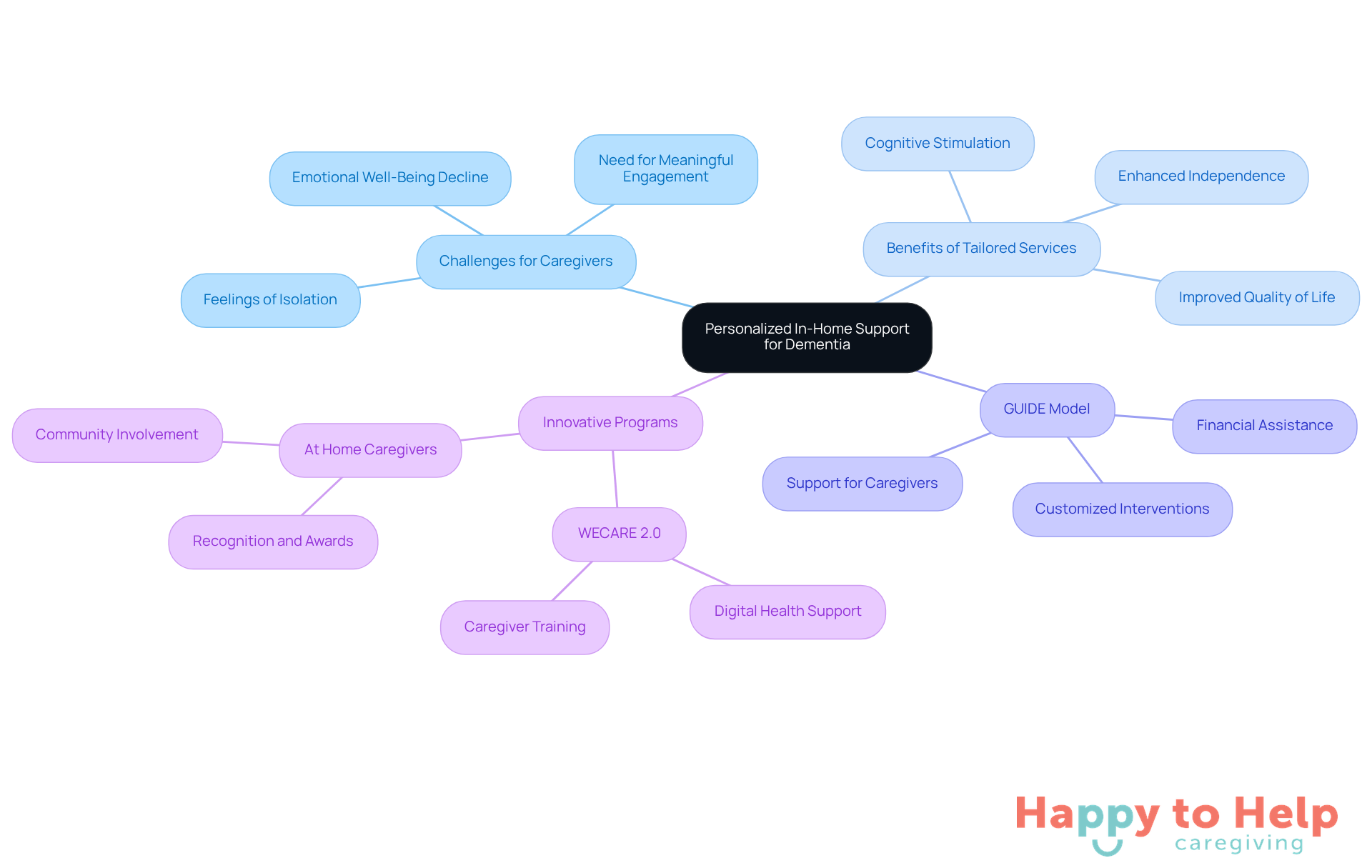
Caring for individuals with cognitive impairments presents significant challenges for families and caregivers, which is why they often look for dementia services near me. Feelings of isolation and the need for meaningful engagement can weigh heavily on both the caregiver and the individual receiving care. Without proper support, these challenges can lead to a decline in emotional well-being and independence.
Happy to Help Caregiving addresses these issues by providing customized in-home assistance, such as dementia services near me, that enhances independence and overall well-being. Their caregivers are skilled at engaging clients in meaningful activities, which is essential for alleviating feelings of isolation and promoting cognitive stimulation. This approach not only fosters a secure and pleasant atmosphere but also significantly improves the quality of life for those with cognitive impairments.
With dementia services near me available around the clock and flexible scheduling options, families can rest assured that their loved ones receive dedicated attention and support in the comfort of their own homes. Recent case studies underscore the effectiveness of tailored in-home assistance programs, demonstrating how organized activities and emotional guidance can lead to better outcomes for individuals with memory-related conditions. For instance, the GUIDE Model has shown initial success in enhancing support through customized interventions, highlighting the importance of engaging activities in maintaining cognitive function and emotional health.
As the landscape of memory impairment caregiving evolves, the focus on personalized support continues to grow. Innovative programs, including dementia services near me, are emerging to meet the unique needs of patients and their families. Happy to Help Caregiving stands out by prioritizing empathy and communication, ensuring that each support plan is tailored to fit the individual’s lifestyle and preferences. This personalized approach makes a meaningful difference in their daily lives.
Alzheimer's Association: Comprehensive Resources and Support
Caring for someone with cognitive decline presents significant challenges for families. Caregivers often face emotional stress and a lack of resources, which can lead to feelings of isolation and overwhelm. The Alzheimer's Association recognizes these difficulties and offers vital support to help families navigate this complex journey.
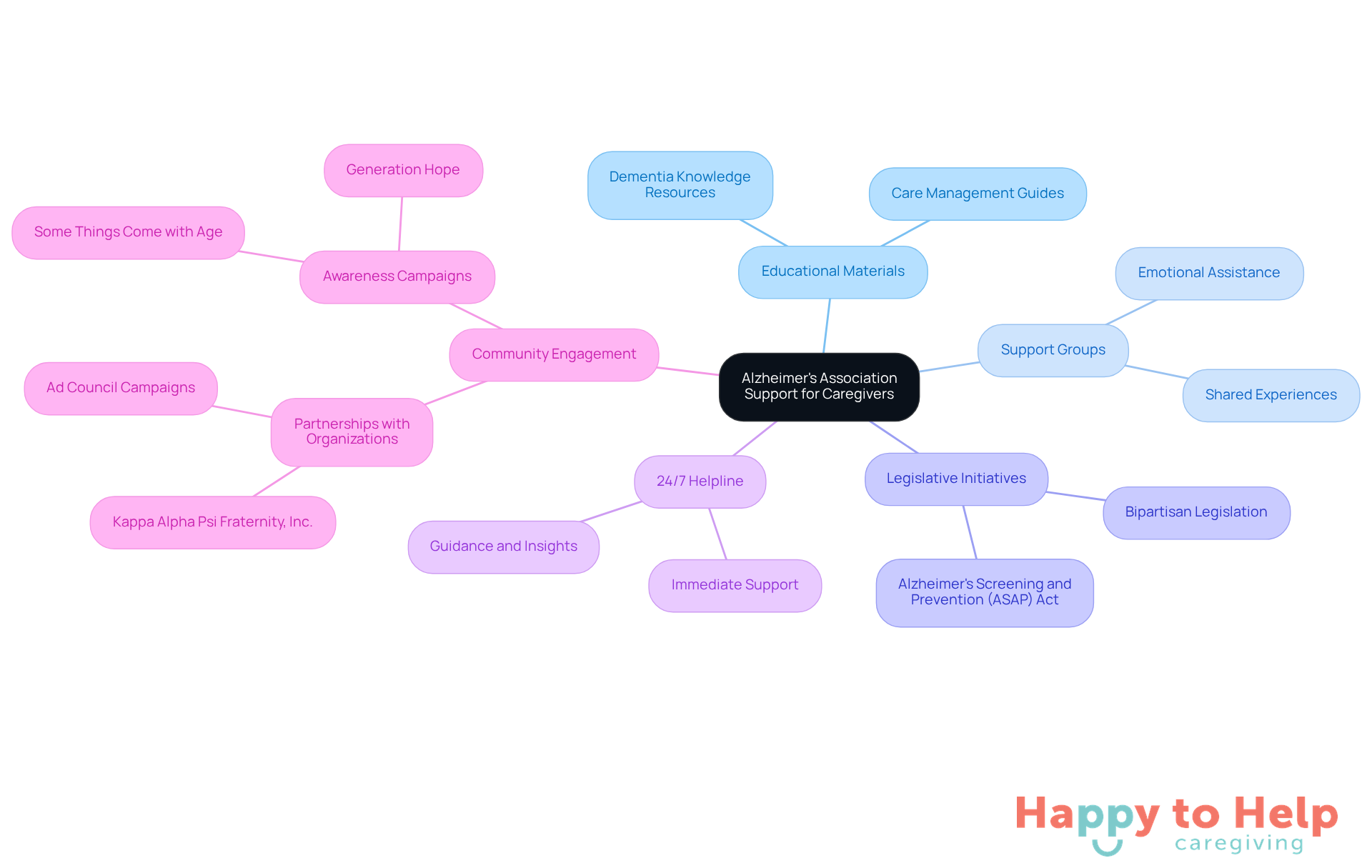
To empower caregivers, the Association provides an extensive collection of educational materials that equip them with essential knowledge about dementia. This information is crucial for managing care effectively and alleviating some of the burdens caregivers experience. Additionally, support groups play a pivotal role, offering emotional assistance and shared experiences that can significantly reduce caregiver stress.
Current initiatives, like the Alzheimer's Screening and Prevention (ASAP) Act, aim to enhance access to early detection tools for Medicare beneficiaries. This legislation is a step forward in supporting families by ensuring they have the resources needed for early intervention. Furthermore, the Association's website is a valuable tool for locating dementia services near me, which makes it easier for families to find the assistance they require.
For immediate support, caregivers can reach out to the Alzheimer's Association's 24/7 helpline at 800.272.3900. This resource connects them with invaluable insights and guidance, enhancing their ability to provide compassionate care.
Moreover, partnerships, such as the one with Kappa Alpha Psi Fraternity, Inc., aim to elevate awareness of Alzheimer’s in Black/African American communities. This highlights the Association's commitment to community engagement and ensuring that all families have access to the support they need.
HOPE Dementia Support: Community and Emotional Resources
Caregivers often face significant challenges, including feelings of isolation and emotional strain. These issues can lead to burnout and negatively impact both the caregiver and the person receiving care.
HOPE Dementia Support addresses these challenges by offering essential community and emotional resources, as well as dementia services near me. They provide:
- Support groups
- Educational workshops
- Social gatherings
These activities allow caregivers to connect with others who understand their struggles. This community aspect is vital for reducing feelings of isolation and fostering emotional support, ultimately enhancing the caregiving experience.
By participating in these programs, caregivers can gain valuable insights and build a network of support, making their journey more manageable and fulfilling, especially when accessing dementia services near me.
Dementia Care Specialist Program: Specialized Training for Caregivers
Caregivers often encounter significant challenges when looking for dementia services near me to support individuals with dementia. Without specialized training, they may struggle with effective communication, behavior management, and understanding person-centered approaches. This lack of knowledge can lead to frustration for both caregivers and those they support, ultimately affecting the quality of care provided.
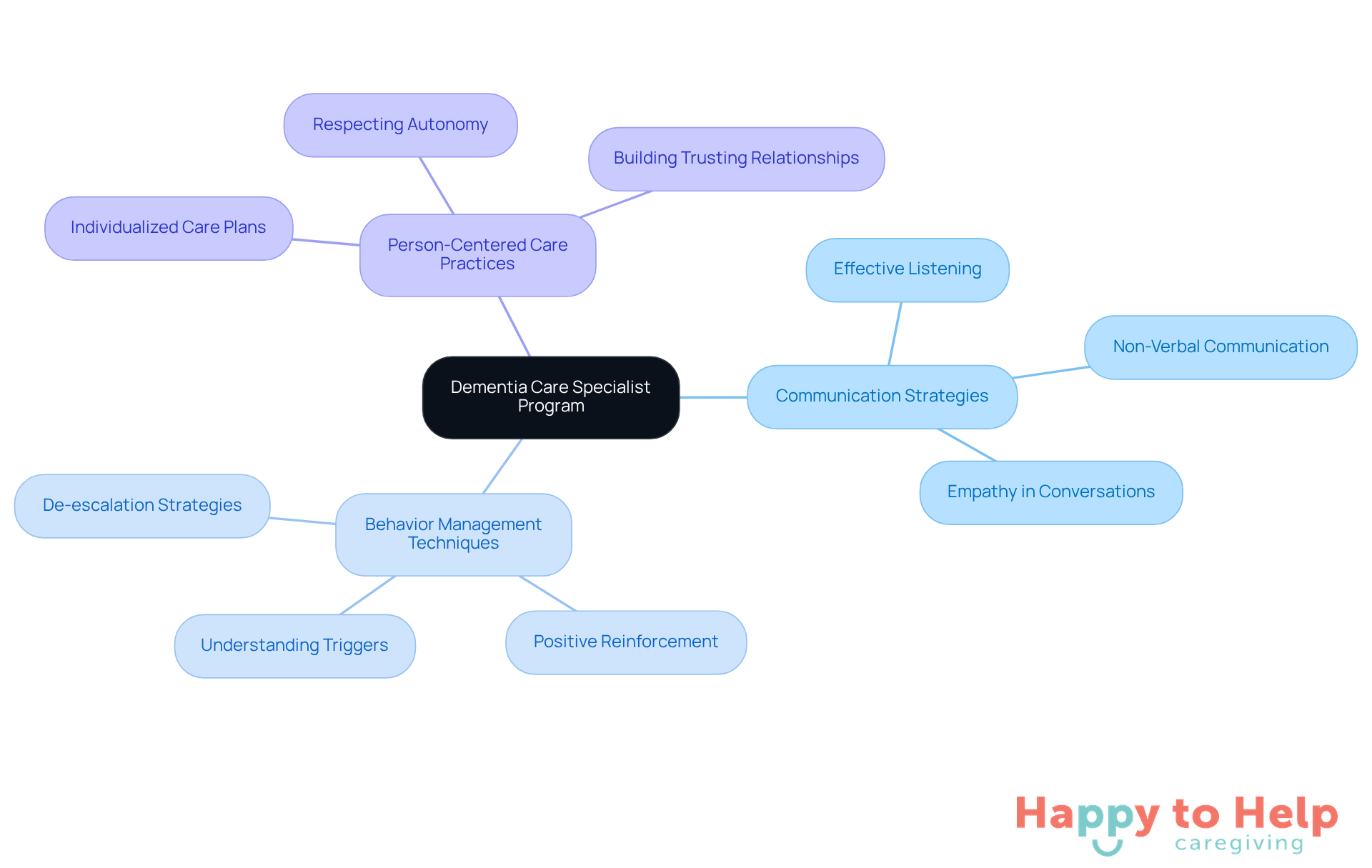
The Dementia Care Specialist Program addresses these critical issues by offering targeted training and connecting individuals with dementia to dementia services near me that are designed specifically for their unique needs. This program covers essential topics, including:
- Communication strategies
- Behavior management techniques
- Person-centered care practices
By participating in this training, caregivers can enhance their skills and boost their confidence, leading to improved outcomes for those they care for.
Engaging in this program not only equips caregivers with the necessary tools but also fosters a deeper understanding of dementia services near me. As a result, caregivers can provide more compassionate and effective support, ensuring that individuals with dementia receive the best possible care.
Teepa Snow's Positive Approach to Care: Innovative Care Techniques
Caregivers face significant challenges when supporting individuals living with dementia, particularly in addressing their emotional and cognitive needs. This can lead to feelings of frustration and confusion, both for caregivers and those they care for. Understanding these challenges is crucial for improving the caregiving experience.
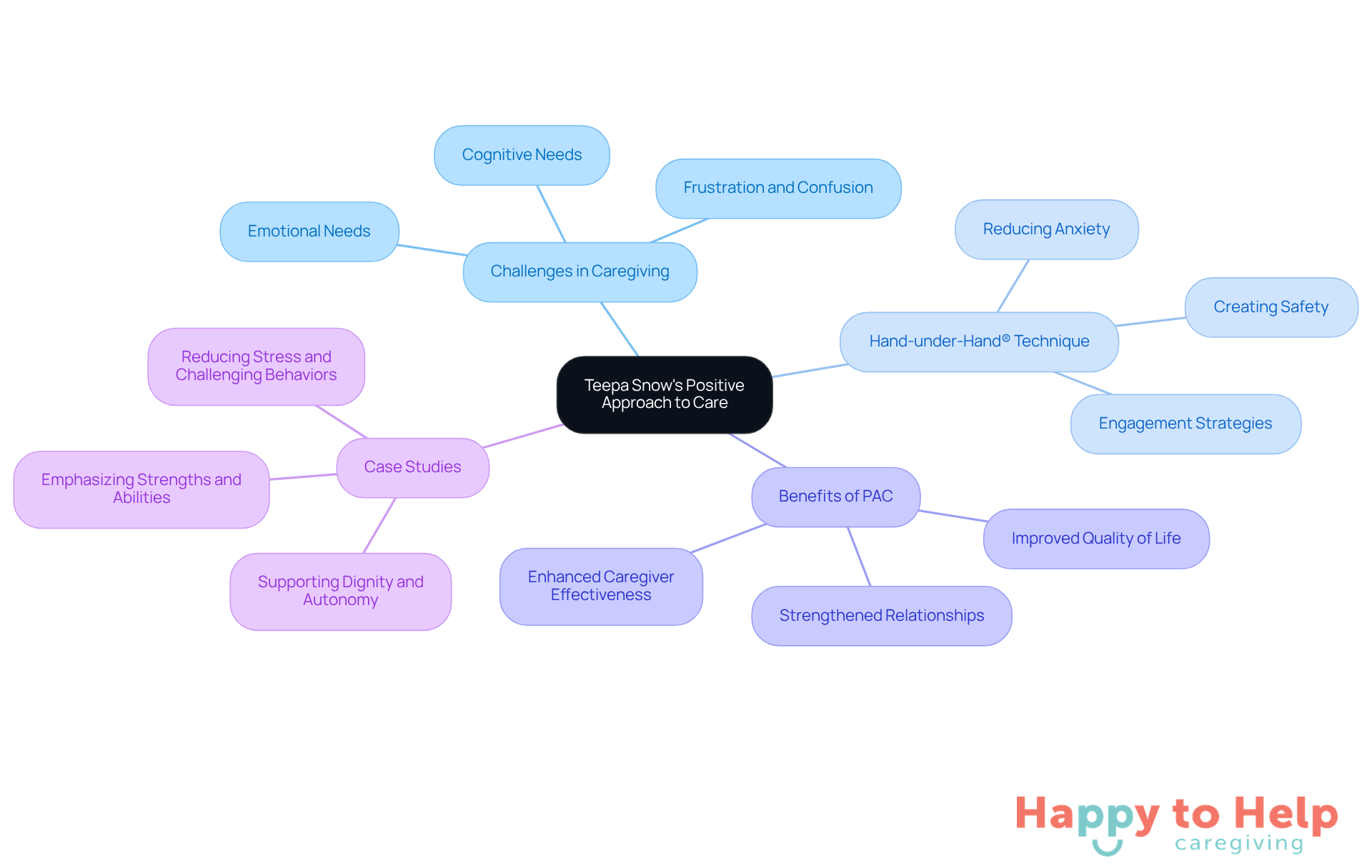
Teepa Snow's Positive Approach to Care (PAC) offers effective solutions to these issues. Among her innovative techniques, the Hand-under-Hand® method stands out as a powerful tool that fosters engagement and reduces anxiety during interactions. This method encourages supporters to use gentle, guiding hand movements, enhancing involvement and creating a sense of safety for those receiving assistance. As Teepa Snow states, "The Positive Approach to Care not only aids those with cognitive impairments but also strengthens those who provide support."
Caregivers trained in PAC methods, including the Hand-under-Hand® technique, can create a more supportive and empathetic environment. This significantly improves the quality of life for their loved ones. Case studies illustrate that these inventive support techniques lead to more meaningful interactions, decreasing frustration and confusion while fostering trust and connection between providers and individuals with cognitive impairment.
For instance, the case study on "Reducing Stress and Challenging Behaviors" demonstrates how techniques like hand-under-hand guidance and sensory stimulation help manage anxiety and agitation. This results in a more peaceful caregiving experience. By focusing on understanding and empathy, PAC empowers caregivers, enhancing their effectiveness and the overall caregiving experience.
Moreover, maintaining dignity and independence for individuals with cognitive impairment is essential. This aligns with the philosophy of empathy and understanding in caregiving. It's important to note that cognitive decline encompasses more than 120 distinct varieties, highlighting the necessity for customized strategies in support.
Aging and Disability Resource Center (ADRC): Local Service Connections
Caring for a loved one with dementia can be overwhelming. Families often struggle to find the right support services, leading to stress and confusion. Navigating the complex landscape of caregiving can feel like an insurmountable challenge.
This is where the Aging and Disability Resource Center (ADRC) comes in. ADRCs serve as a vital resource for families seeking dementia services near me for dementia support. They provide essential information on available programs, including:
- In-home support
- Respite services
- Financial assistance
By utilizing dementia services near me, families can effectively find the help they need to care for their loved ones.
With the right resources at their fingertips, caregivers can alleviate some of the burdens they face. ADRCs not only simplify the search for assistance but also empower families to make informed decisions about their caregiving journey.
James L. West Center for Dementia Care: Tailored Programs and Services
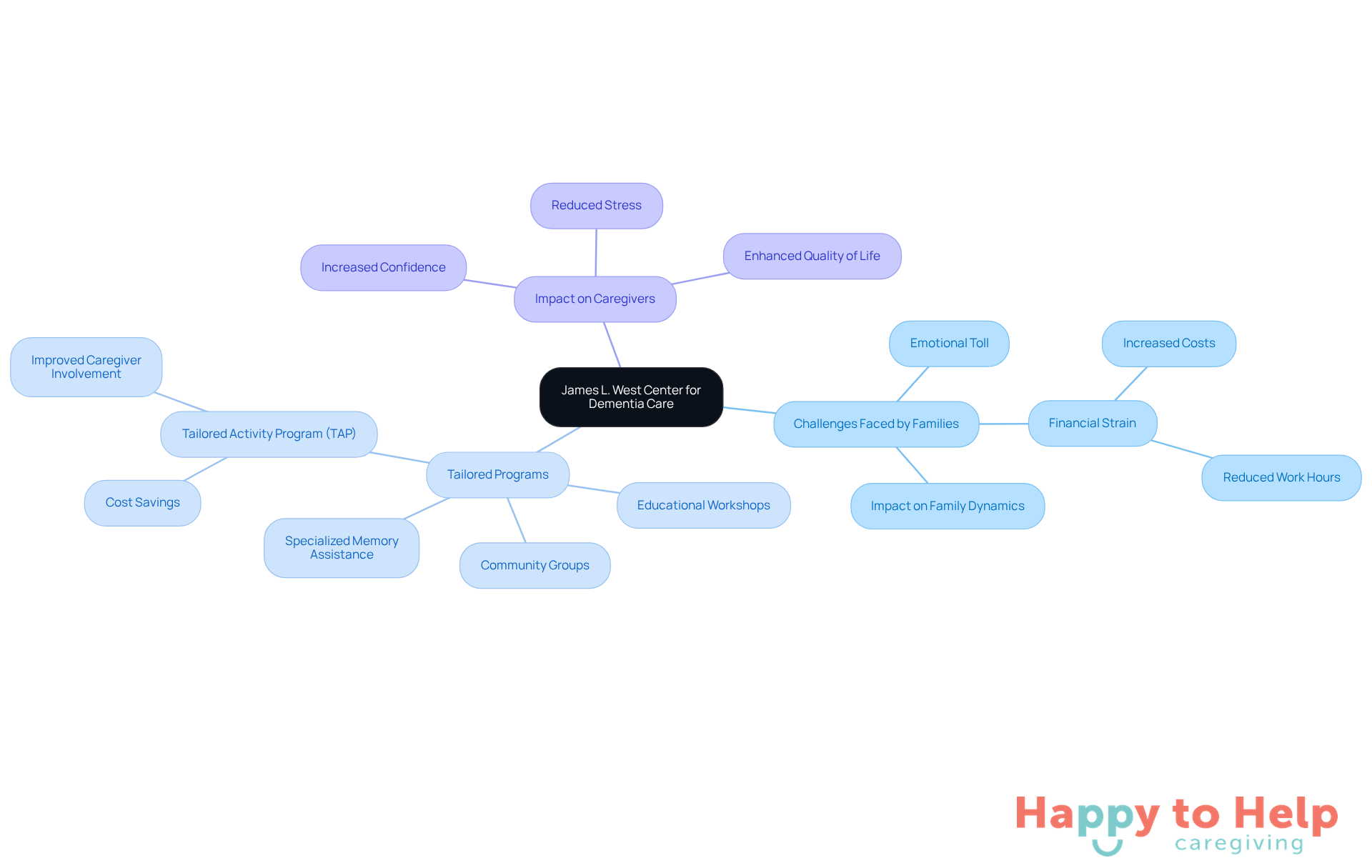
Caring for individuals with dementia often leads families to look for dementia services near me due to the significant challenges they face. The emotional toll and financial strain can be overwhelming, with statistics indicating that 69.2% of family members report increased costs due to caregiving. This situation not only affects the well-being of caregivers but also impacts the overall family dynamic, making it crucial to find effective solutions.
The James L. West Center for dementia services near me addresses these challenges through a range of tailored programs designed to enhance the quality of life for individuals living with dementia. Their services, which include:
- Specialized memory assistance
- Educational workshops for families
- Community groups that foster understanding and support
are part of the dementia services near me. For instance, the Tailored Activity Program (TAP) has demonstrated cost savings and improved caregiver involvement by offering activities that align with the interests and abilities of those with memory loss. This approach not only alleviates caregiver stress but also instills a sense of purpose and connection for individuals facing cognitive decline.
As of 2025, the center continues to innovate, incorporating the latest developments in cognitive health into their offerings. Their commitment to personalized assistance is evident in their ongoing efforts to educate families about effective caregiving techniques. This empowers caregivers to manage the complexities of cognitive decline with confidence. By emphasizing individualized support, the center not only improves the quality of life for those with cognitive impairments but also strengthens family relationships, making the caregiving experience more manageable and fulfilling.
Moreover, the center's innovative use of AI in cognitive impairment care has further solidified its credibility. The application of the FROM-16 tool is essential for assessing the quality of life effects on family members, underscoring the need for customized assistance services. By prioritizing tailored support, the James L. West Center is making a meaningful difference in the lives of families navigating the challenges of finding dementia services near me.
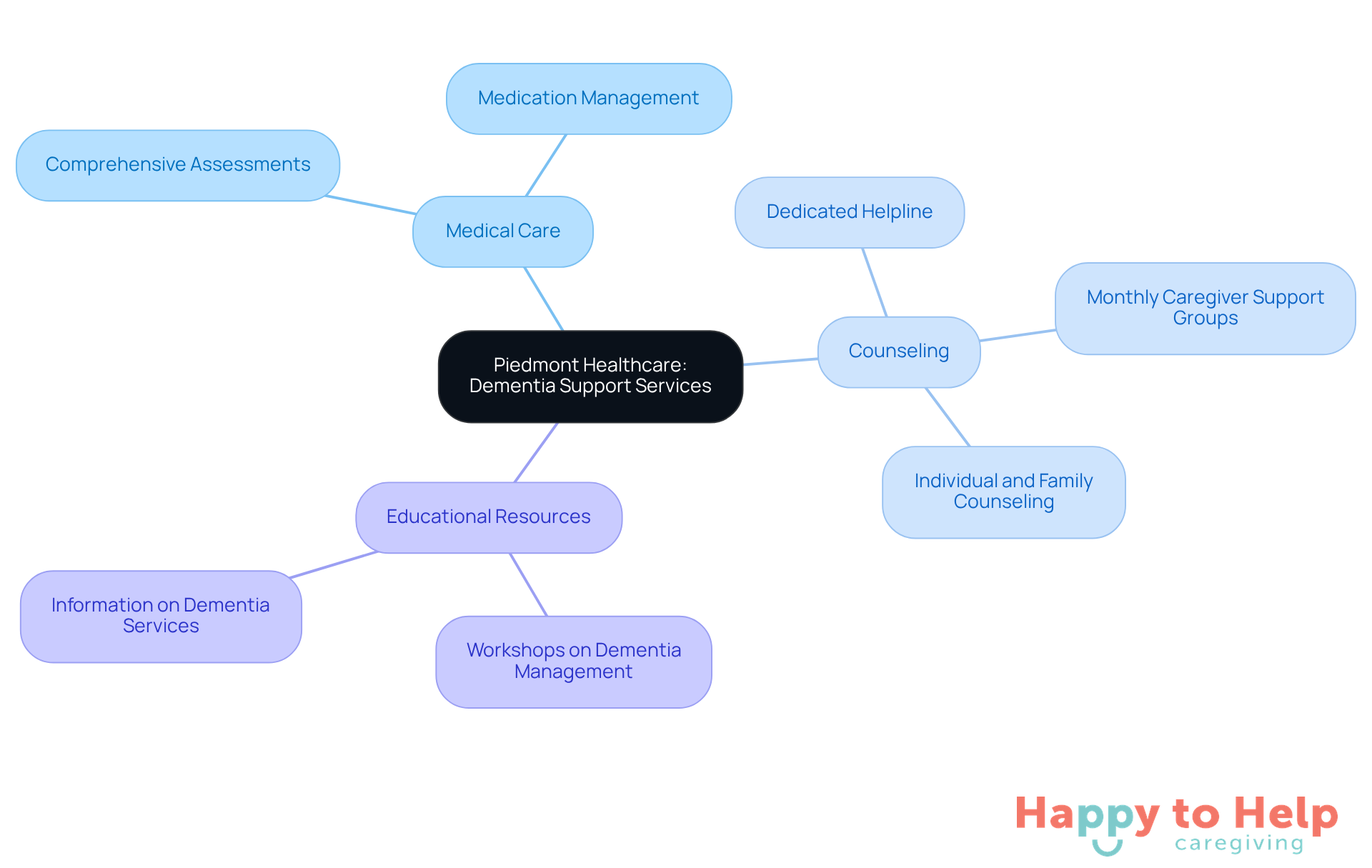
Piedmont Healthcare: Comprehensive Dementia Support Services
Caring for someone with cognitive decline presents significant challenges for families. The emotional and physical toll can be overwhelming, leading to increased stress and burnout among caregivers. With the number of individuals living with cognitive decline expected to reach 78 million by 2030, the need for dementia services near me is more crucial than ever.
Piedmont Healthcare addresses these challenges by offering a range of assistance services, including:
- Medical care
- Counseling
- Educational resources
Their programs are designed to provide vital physical and emotional support, helping families navigate the complexities of caregiving. Families can access a dedicated helpline and participate in workshops that deliver critical information and strategies for effective dementia management, along with information about dementia services near me.
These resources empower caregivers and foster a supportive community, alleviating the stress often faced by families. The integration of counseling services has proven to significantly enhance caregivers' well-being, enabling them to cope better with their responsibilities. As Dr. Chen emphasizes, "To close these service gaps, we need transformative policy changes, more funding for formal assistance, and better support for informal helpers."
As the landscape of cognitive decline treatment evolves, Piedmont Healthcare remains committed to meeting the urgent needs of families by offering dementia services near me, ensuring they have the resources and support necessary to provide compassionate care.
National Institute on Aging: Educational Resources on Dementia
Caring for individuals with cognitive impairment presents significant challenges for caregivers. These challenges can lead to feelings of overwhelm and uncertainty, making it crucial for caregivers to seek out reliable support and resources.
The National Institute on Aging (NIA) addresses this need by offering a variety of educational materials focused on cognitive impairment care. Their website features articles, toolkits, and videos that cover essential topics such as caregiving strategies and health management. By utilizing these resources, caregivers can stay informed and better prepared to tackle the complexities of supporting individuals with cognitive decline.
Here are some actionable tips caregivers can implement:
- Explore the NIA's articles for insights on effective caregiving strategies.
- Use toolkits to develop personalized care plans.
- Watch videos that provide practical demonstrations of health management techniques.
By leveraging these resources, caregivers can enhance their skills and confidence, ultimately improving the quality of care they provide.
Community Memory Cafes: Social Support for Dementia Caregivers
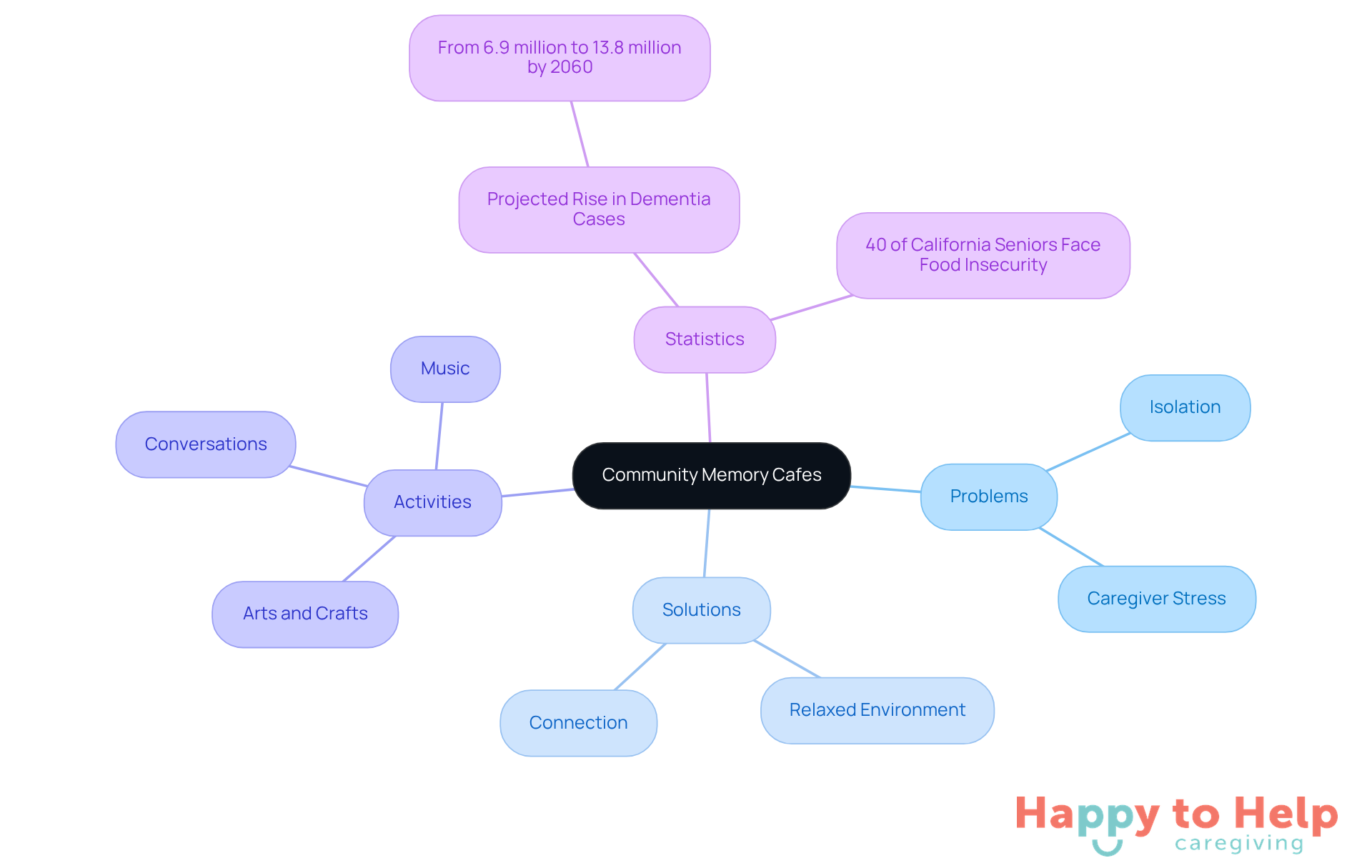
Community memory cafes serve as vital dementia services near me, where individuals with dementia and their supporters can gather to socialize and share experiences.
Problem: Many individuals with dementia experience feelings of isolation and stress, which can significantly impact their quality of life.
Agitate: This isolation not only affects the individuals but also places emotional strains on caregivers, who often feel overwhelmed and unsupported.
Solution: Memory cafes create a relaxed environment that fosters connection and community, helping to alleviate these feelings.
Activities at memory cafes often include arts and crafts, music, and engaging conversations, all designed to nurture a sense of belonging and support. Studies indicate that consistent social involvement can help individuals maintain cognitive abilities longer, while caregivers report reduced emotional burdens through these interactions. For example, Barbara Bertacini, diagnosed with early-stage Alzheimer’s, found immense support and camaraderie at her local memory cafe, which significantly enhanced her quality of life.
Moreover, with nearly 40% of California’s elderly population facing food insecurity, initiatives like memory cafes not only provide social engagement but also help connect individuals to dementia services near me and address broader community needs. As Jason Karlawish points out, the caregiver-patient relationship often flourishes through shared activities, highlighting the relational benefits of these gatherings.
With the Alzheimer’s Association projecting a rise in dementia cases in the U.S. from 6.9 million individuals aged 65 or older currently living with Alzheimer’s disease to 13.8 million by 2060, the demand for supportive environments like memory cafes is more critical than ever.
Key Takeaways for Caregivers
Caring for individuals with dementia presents significant challenges that can often feel overwhelming for families and caregivers. This situation not only affects the emotional well-being of caregivers but also impacts the quality of care provided to those living with dementia. The need for personalized support systems is crucial, as they cater to the unique needs of both caregivers and care recipients.
To address these challenges, families should explore essential dementia services available in their area. Resources such as:
- in-home support tailored to individual preferences
- comprehensive services from organizations like the Alzheimer's Association and HOPE Dementia Support
can make a substantial difference. Specialized training programs, innovative care techniques, and community initiatives like memory cafes empower caregivers, reduce feelings of isolation, and enhance the overall quality of life for those affected by cognitive impairments.
As the demand for dementia care continues to rise, it is vital for caregivers to actively seek out these resources and connect with local support systems. By doing so, they not only bolster their own resilience but also foster a more compassionate community for individuals living with dementia. Embracing these essential dementia services can transform the caregiving experience, promoting connection, empathy, and ultimately, a better quality of life for everyone involved.
https://iframe.tely.ai/cta/eyJhcnRpY2xlX2lkIjogIjY5MjdhNWU1MjI0NDc2YzA3YjhmODllNSIsICJjb21wYW55X2lkIjogIjY4ZWU1ZGNhNzMxNzYyNTU3ZjNjOTVjMSIsICJpbmRleCI6IG51bGwsICJ0eXBlIjogImFydGljbGUifQ==Frequently Asked Questions
What challenges do families face when caring for individuals with cognitive impairments?
Families often experience feelings of isolation, emotional stress, and a decline in the emotional well-being and independence of both the caregiver and the individual receiving care.
How does Happy to Help Caregiving support individuals with dementia?
Happy to Help Caregiving provides personalized in-home assistance that enhances independence and overall well-being by engaging clients in meaningful activities, promoting cognitive stimulation, and alleviating feelings of isolation.
What are the benefits of tailored in-home assistance programs for dementia care?
Tailored in-home assistance programs can lead to better outcomes for individuals with memory-related conditions by organizing activities and providing emotional guidance, which helps maintain cognitive function and emotional health.
What resources does the Alzheimer's Association offer to caregivers?
The Alzheimer's Association provides educational materials, support groups, and a 24/7 helpline to help caregivers manage care effectively and reduce stress.
How does the Alzheimer's Screening and Prevention (ASAP) Act support families?
The ASAP Act enhances access to early detection tools for Medicare beneficiaries, providing families with the resources needed for early intervention in cognitive decline.
What community resources does HOPE Dementia Support provide for caregivers?
HOPE Dementia Support offers support groups, educational workshops, and social gatherings to help caregivers connect with others, reduce isolation, and foster emotional support.
How can caregivers find dementia services near them?
Caregivers can locate dementia services near them through the Alzheimer's Association's website or by contacting support organizations like Happy to Help Caregiving and HOPE Dementia Support.
List of Sources
- Happy to Help Caregiving: Personalized In-Home Support for Dementia
- New program reduces burnout in dementia caregivers, novel research evaluation proves (https://gmu.edu/news/2025-10/new-program-reduces-burnout-dementia-caregivers-novel-research-evaluation-proves)
- Home Care News | Senior Care News | Right at Home (https://rightathome.net/news)
- In Home Caregiver News • At Home Caregivers (https://athomecaregivers.com/news)
- News & Updates - Memory Care Home Solutions (https://memorycarehs.org/news)
- New Medicare program offers much-needed relief for caregivers of dementia patients (https://finance.yahoo.com/news/new-medicare-program-offers-much-needed-relief-for-caregivers-of-dementia-patients-203450020.html)
- Alzheimer's Association: Comprehensive Resources and Support
- Senate Appropriations Committee Approves $100 Million Increase for Alzheimer’s Research (https://alzimpact.org/Senate-Appropriations-Approves-$100-Million-Increase-for-Alz-Research)
- E-News (https://alz.org/e-news)
- News (https://alz.org/news)
- Alzheimer’s Association Releases 2025 Health Equity Impact Report (https://alz.org/news/2025/alzheimers-association-2025-health-equity-impact-report)
- New Alzheimer's discoveries unveiled at the 2025 Alzheimer's Association International Conference (https://alz.org/wi/news/aaic-2025)
- HOPE Dementia Support: Community and Emotional Resources
- Caregiver Action Network (https://caregiveraction.org)
- The Power of Community in Supporting Family Caregivers (https://acadia.com/en-us/media/perspectives/acadia-stories/the-power-of-community-in-supporting-family-caregivers)
- Caregiver Statistics: Health, Technology, and Caregiving Resources (https://caregiver.org/resource/caregiver-statistics-health-technology-and-caregiving-resources)
- Initiative Aims to Build Community Network for Dementia Support Across Utah (https://cehs.usu.edu/news/2025/dementia-resource-ambassadors)
- Number of Family Caregivers Supporting Older Adults Increased Nearly One-Third Between 2011 and 2022 | Johns Hopkins Bloomberg School of Public Health (https://publichealth.jhu.edu/2025/number-of-family-caregivers-supporting-older-adults-increased-nearly-one-third-between-2011-and-2022)
- Dementia Care Specialist Program: Specialized Training for Caregivers
- Dementia training program significantly improves home care worker skills, study finds (https://mcknights.com/news/dementia-training-program-significantly-improves-home-care-worker-skills-study-finds)
- New Online Course Empowers Dementia Caregivers to Survive and Thrive (https://abc27.com/business/press-releases/ein-presswire/863925342/new-online-course-empowers-dementia-caregivers-to-survive-and-thrive)
- Research: Caregiver Training Improves Skills & Knowledge of Alzheimer's, Study Shows (https://advancecaregivers.org/caregiver-training-improves-skills-knowledge-of-alzheimers-study-shows)
- Committee approves dementia training measure for health providers, with amendments and funding language deferred (https://citizenportal.ai/articles/5933094/Committee-approves-dementia-training-measure-for-health-providers-with-amendments-and-funding-language-deferred)
- Competency‐based training boosts dementia knowledge and skills in home care workers - PMC (https://pmc.ncbi.nlm.nih.gov/articles/PMC12179336)
- Teepa Snow's Positive Approach to Care: Innovative Care Techniques
- The Benefits of Teepa Snow's Positive Approach to Care for Older Adults Living with Dementia - NursePartners, Inc (https://nursepartners.org/the-benefits-of-teepa-snows-positive-approach-to-care-for-older-adults-living-with-dementia)
- Positive Approach to Care Selected for National PSA Campaign on Dementia Care by World Impact Productions (https://cbs42.com/business/press-releases/ein-presswire/801365040/positive-approach-to-care-selected-for-national-psa-campaign-on-dementia-care-by-world-impact-productions)
- Taking a Positive Approach to Dementia Care with Strategies from Teepa Snow | Alzheimer's Disease Research Center (https://adrc.wisc.edu/dementia-matters/taking-positive-approach-dementia-care-strategies-teepa-snow)
- About Dementia - Positive Approach to Care (https://teepasnow.com/about-dementia)
- James L. West Center for Dementia Care: Tailored Programs and Services
- Dementia care programs help, if caregivers can find them • Oregon Capital Chronicle (https://oregoncapitalchronicle.com/2023/03/30/dementia-care-programs-help-if-caregivers-can-find-them)
- James L. West Center for Dementia Care Receives National Innovation Award (https://fortworthreport.org/2025/09/19/james-l-west-center-for-dementia-care-receives-national-innovation-award)
- James L. West Center for Dementia Care Receives National Innovation Award (https://fortworthbusiness.com/featured/james-l-west-center-for-dementia-care-receives-national-innovation-award)
- Dementia and Its Profound Impact on Family Members and Partners: A Large UK Cross-Sectional Study - PMC (https://pmc.ncbi.nlm.nih.gov/articles/PMC11584184)
- Economic Analysis of the Tailored Activity Program: A Nonpharmacological Approach to Improve Quality of Life in People Living With Dementia and their Caregivers - PMC (https://pmc.ncbi.nlm.nih.gov/articles/PMC10330220)
- Piedmont Healthcare: Comprehensive Dementia Support Services
- News | Piedmont Home Care (https://piedmonthomecare.com/news)
- ADI - Dementia statistics (https://alzint.org/about/dementia-facts-figures/dementia-statistics)
- Sixty Plus Older Adult | Dementia Support | Piedmont Healthcare (https://piedmont.org/sixty-plus/sixty-plus-dementia-support)
- One in Five People with Dementia Receive No Care, Global Study Finds (https://ysph.yale.edu/news-article/one-in-five-people-with-dementia-receive-no-care-global-study-finds)
- The National Dementia Workforce Study: Overview - PMC (https://pmc.ncbi.nlm.nih.gov/articles/PMC12404676)
- National Institute on Aging: Educational Resources on Dementia
- National Institute on Aging (https://nia.nih.gov)
- New NIA grant advances tools for dementia caregiving (https://news-medical.net/news/20251015/New-NIA-grant-advances-tools-for-dementia-caregiving.aspx)
- $3 million National Institute on Aging grant will provide much-needed support to underserved dementia caregivers (https://publichealth.gmu.edu/news/2025-10/3-million-national-institute-aging-grant-will-provide-much-needed-support-underserved)
- Caring for the Caregivers: An Alzheimer’s Disease Research Center Call to Action - PMC (https://pmc.ncbi.nlm.nih.gov/articles/PMC9047452)
- Community Memory Cafes: Social Support for Dementia Caregivers
- Memory cafés, social prescriptions playing bigger role in dementia care (https://spectrumnews1.com/ca/southern-california/health/2025/09/25/dementia-medicaid-cuts-memory-cafes)
- Federal Health Grants Shrink, Memory Cafes Help Dementia Patients and Their Caregivers | ARCH National Respite Network & Resource Center (https://archrespite.org/14115-2)
- As Federal Health Grants Shrink, Memory Cafes Help Dementia Patients and Their Caregivers - KFF Health News (https://kffhealthnews.org/news/article/memory-cafe-federal-health-grants-dementia-caregiver-wisconsin-pennsylvania)
- Let's Talk: Lee's Summit Memory Cafe offers space for caregivers, those with memory loss (https://kshb.com/news/local-news/lets-talk/lets-talk-lees-summit-memory-cafe-offers-space-for-caregivers-those-with-memory-loss)
- New Memory Café at Southern Builds Community for Individuals with Dementia and their Caregivers - News at Southern (https://news.southernct.edu/2025/10/09/new-memory-cafe-at-southern-builds-community-for-individuals-with-dementia-and-their-caregivers)