10 Essential Dosage Tips for Seniors' Vitamin D3 Needs

For families in our service areas
For families in our service areas, this guide explains caregiving and how non-medical in-home caregiving can support care planning in East Idaho, Treasure Valley & Magic Valley, Northern Wasatch, North Central West Virginia & Southwestern Pennsylvania, and Northeast Ohio.
The Importance of Dosage Tips
Seniors often grapple with maintaining adequate vitamin D3 levels, a nutrient critical for their health and well-being. This issue is compounded by the fact that the recommended dosage of vitamin D3 for seniors varies significantly, influenced by factors such as age, dietary habits, and individual health conditions. As caregivers step in to bridge these gaps, they face the challenge of tailoring vitamin D3 intake to meet the specific needs of older adults.
The implications of inadequate vitamin D3 levels can be serious, leading to weakened bones, increased risk of falls, and overall diminished health. Caregivers must recognize the importance of addressing this issue to ensure optimal health for seniors. So, what strategies can caregivers employ to ensure seniors receive the essential support they require?
Here are some actionable tips:
- Assess individual needs: Regularly evaluate the vitamin D3 levels of seniors through blood tests and consult with healthcare professionals.
- Encourage dietary sources: Incorporate foods rich in vitamin D3, such as fatty fish, fortified dairy products, and egg yolks, into their meals.
- Consider supplements: If dietary sources are insufficient, discuss appropriate vitamin D3 supplements with a healthcare provider.
By implementing these strategies, caregivers can effectively support seniors in maintaining healthy vitamin D3 levels, ultimately enhancing their overall well-being.
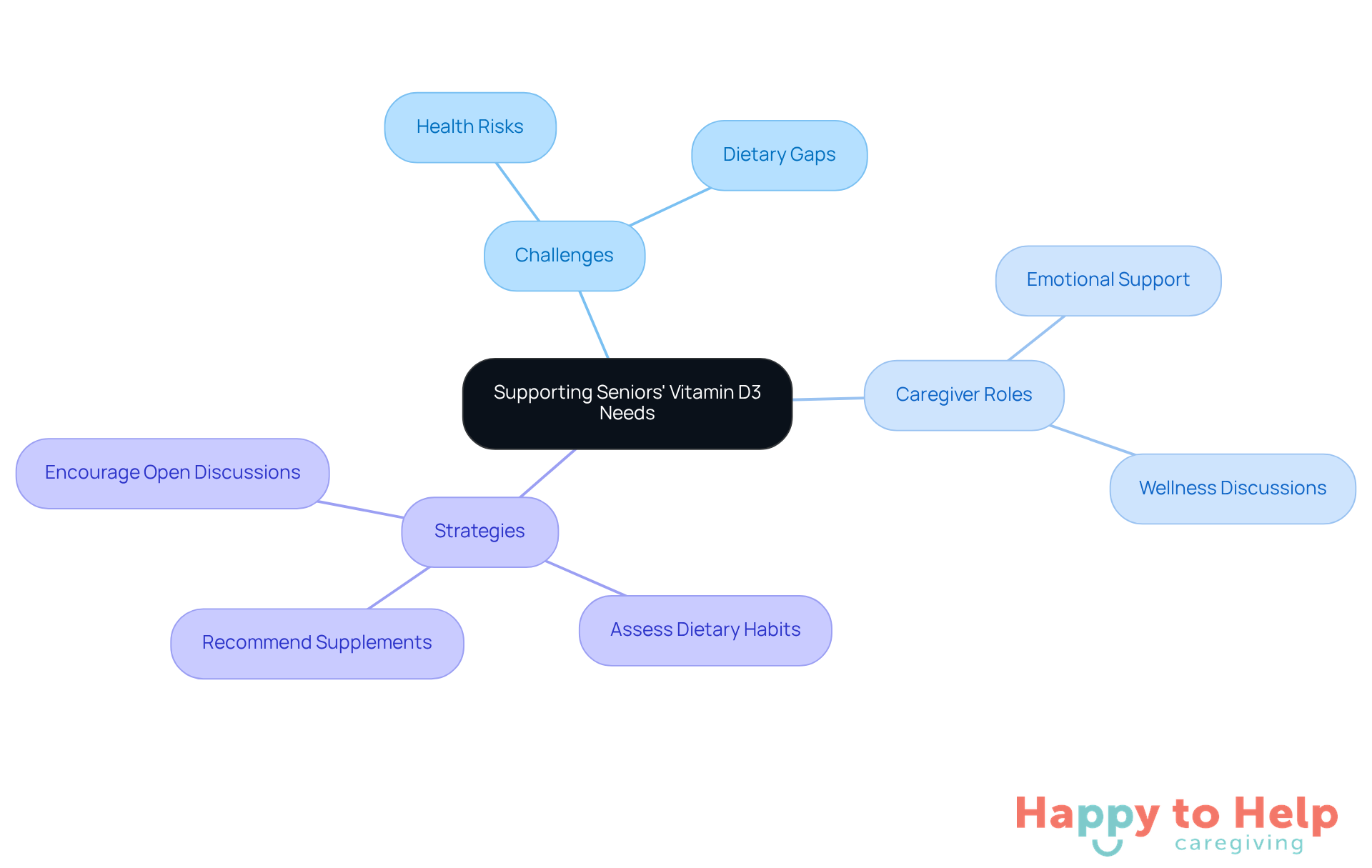
Happy to Help Caregiving: Personalized Support for Seniors' Vitamin D3 Needs
Seniors often face challenges in meeting the recommended dosage of vitamin D3 for seniors, which can significantly affect their overall health. Without adequate support, they may experience various health risks, particularly as they age. Caregivers play a crucial role in addressing this issue by evaluating dietary practices and suggesting appropriate supplementation.
By ensuring that clients receive essential nutrients, caregivers not only enhance physical well-being but also provide emotional support. Engaging clients in conversations about their wellness and nutrition fosters a sense of value and understanding, which is vital for their overall well-being. Research shows that the recommended dosage of vitamin D3 for seniors can significantly reduce health risks in older adults. As Dr. Dryer notes, "Customized exercise plans, D supplements, and improved nutrition can create a significant impact."
To effectively support seniors, caregivers can implement the following strategies:
- Assess dietary habits to identify gaps in vitamin D intake.
- Recommend suitable vitamin D3 supplements according to the recommended dosage of vitamin D3 for seniors based on individual needs.
- Encourage open discussions about nutrition and wellness to empower clients.
By fostering these connections and providing tailored support, caregivers can make a meaningful difference in the lives of seniors.
Recommended Daily Intake: Understanding Vitamin D3 Needs for Seniors
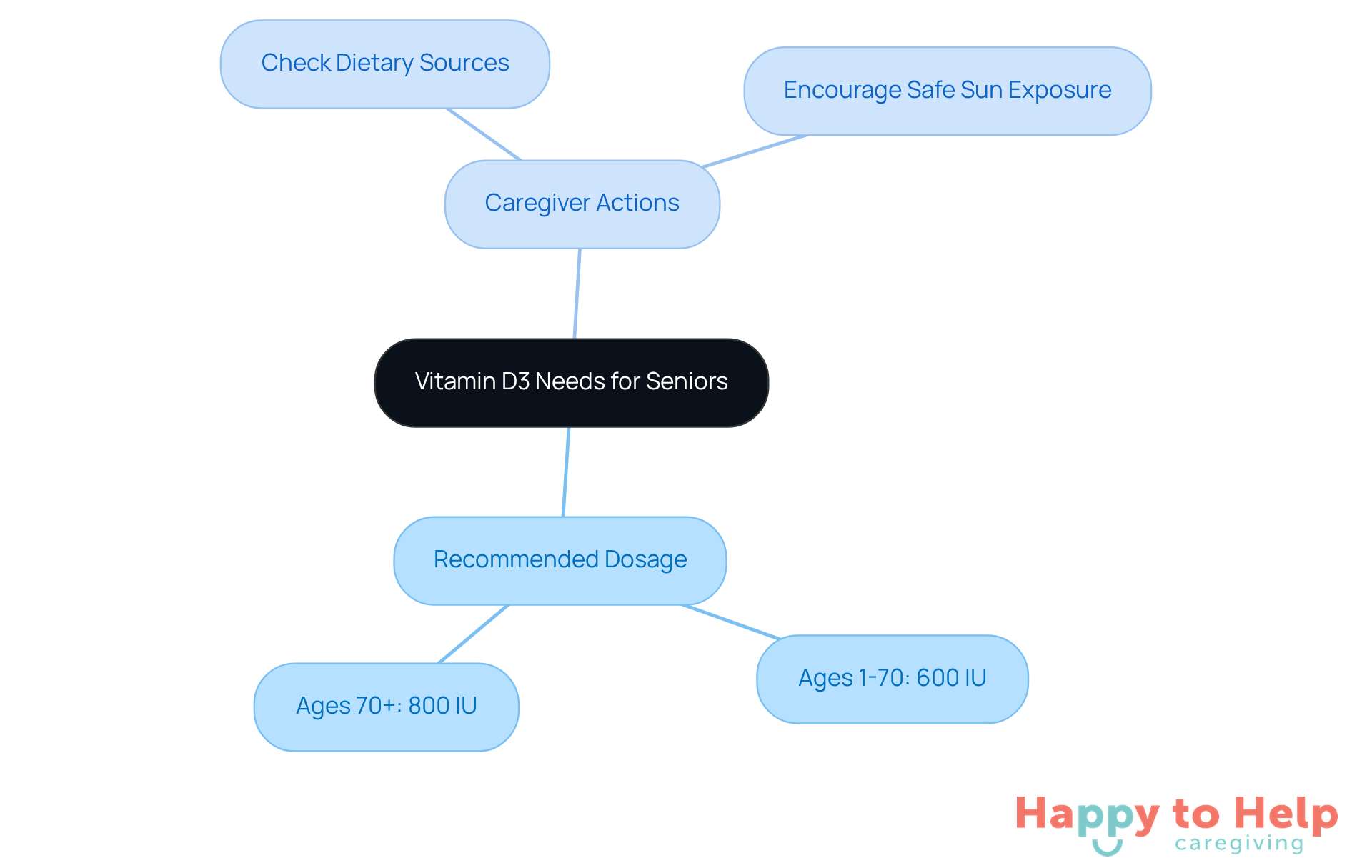
For seniors, understanding the importance of vitamin D3 is crucial. Many caregivers may not realize that the recommended dosage of vitamin D3 for seniors varies by age, which can lead to inadequate intake and potential health issues.
Adults aged 1 to 70 should aim for at least 600 IU of D3 daily. However, those over 70 require a higher intake of at least 800 IU, as it is the recommended dosage of vitamin D3 for seniors. This distinction is vital for preserving bone health and overall well-being. D3 plays a significant role in calcium absorption and immune function, highlighting the importance of the recommended dosage of vitamin D3 for seniors.
To ensure that seniors meet their D3 needs, caregivers can take practical steps:
- Regularly checking dietary sources of vitamin D3, such as fortified foods and supplements, can help maintain adequate levels.
- Encouraging safe sun exposure can further support D3 synthesis in the body.
By being proactive about vitamin D3 intake, caregivers can significantly contribute to the health and vitality of the seniors they support.
Dosage Recommendations: Tailoring Vitamin D3 Intake for Individual Health
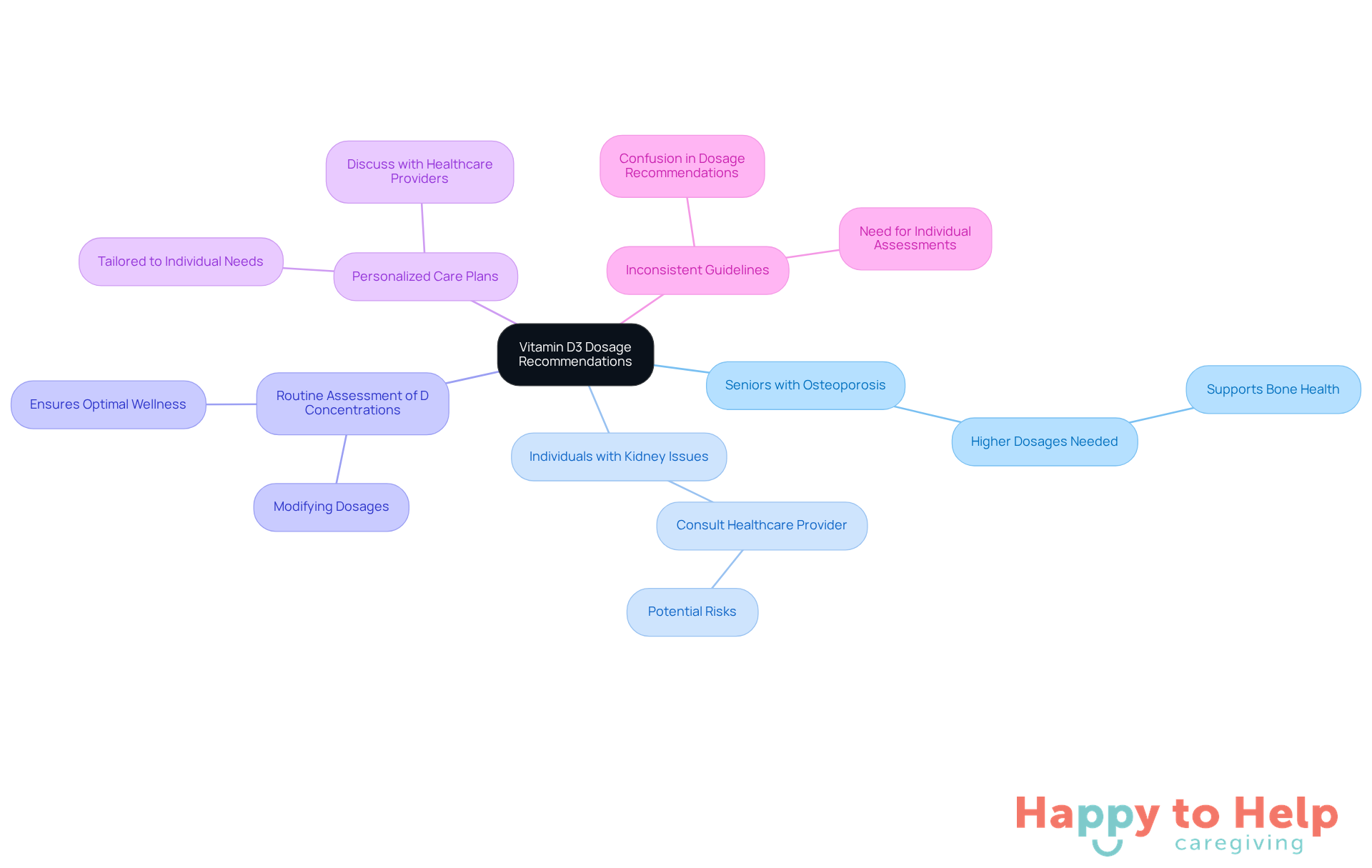
Dosage guidelines for D3 present a significant challenge, as they must be tailored to individual medical conditions. Seniors with osteoporosis, for example, may require higher doses, which falls under the recommended dosage of vitamin D3 for seniors, to support their bone health. Conversely, individuals with kidney issues face potential risks and should consult their healthcare provider for specific guidance.
To address these concerns, routine assessment of D concentrations is crucial. This practice not only helps in modifying dosages as needed but also ensures optimal wellness results. By staying informed and proactive, caregivers can effectively manage the recommended dosage of vitamin D3 for seniors, which leads to better health outcomes.
Bone Health Benefits: The Role of Vitamin D3 in Preventing Osteoporosis
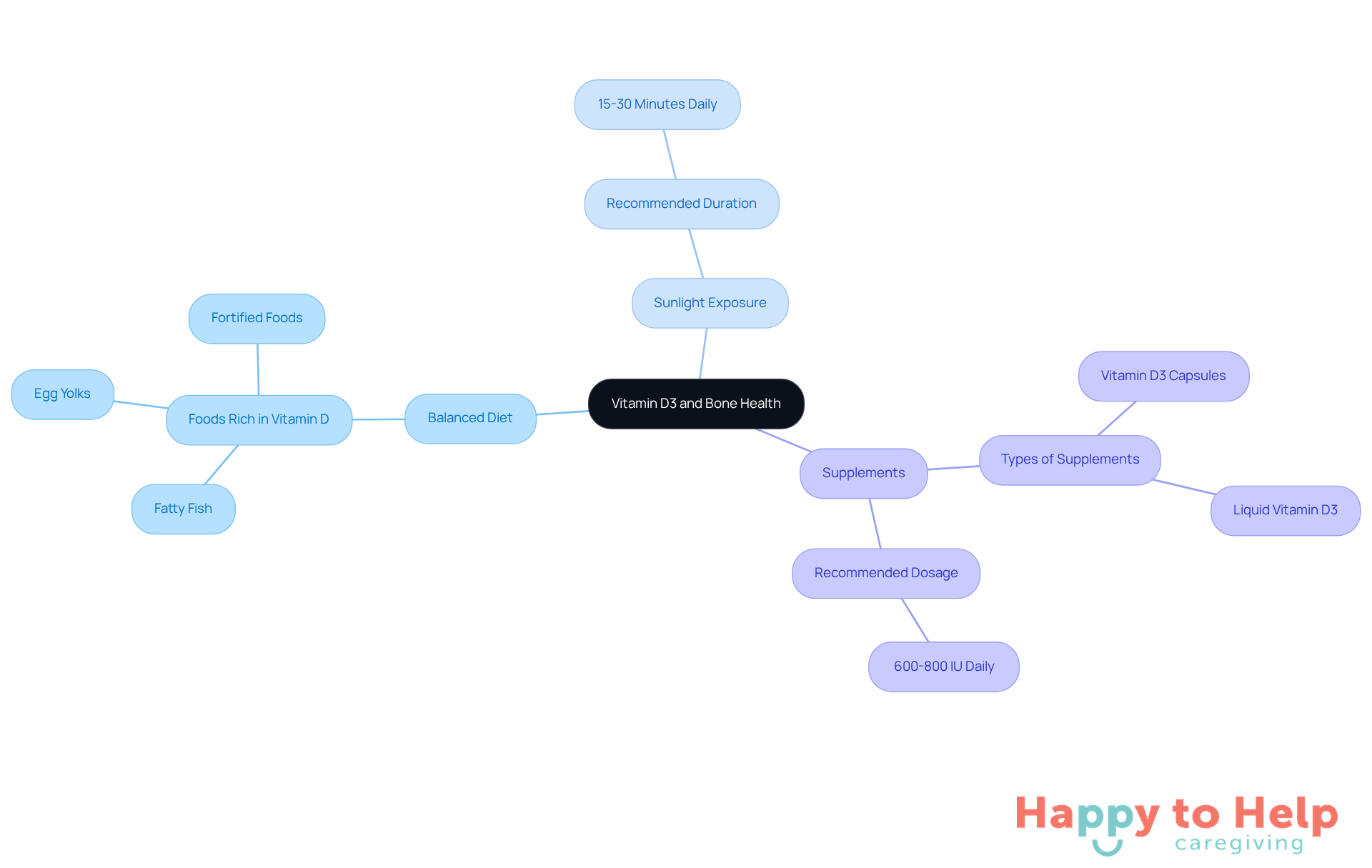
Vitamin D3 is crucial for maintaining bone health. A lack of sufficient Vitamin D3 can lead to serious issues, such as osteoporosis, which results in fragile bones and increases the risk of fractures. This is particularly concerning for seniors, who may already be at a higher risk for bone-related problems.
To combat this issue, it's essential for seniors to ensure they are receiving the recommended dosage of Vitamin D3 for seniors. They can achieve this through:
- A balanced diet rich in Vitamin D
- Regular exposure to sunlight
- Taking supplements
By prioritizing these sources and adhering to the recommended dosage of Vitamin D3 for seniors, they can help maintain strong bones and reduce their risk of osteoporosis.
Cardiovascular Health: How Vitamin D3 Supports Heart Function in Seniors
Vitamin D3 deficiency poses a significant problem for older adults, particularly in relation to cardiovascular health. Research shows that insufficient D3 levels can lead to increased blood pressure and inflammation, both critical factors for heart function. This deficiency is especially concerning for those living north of the 37th parallel, where a considerable percentage of older individuals may be affected. The implications are serious: observational studies reveal that lower D3 concentrations correlate with a higher risk of heart attacks, strokes, and heart failure.
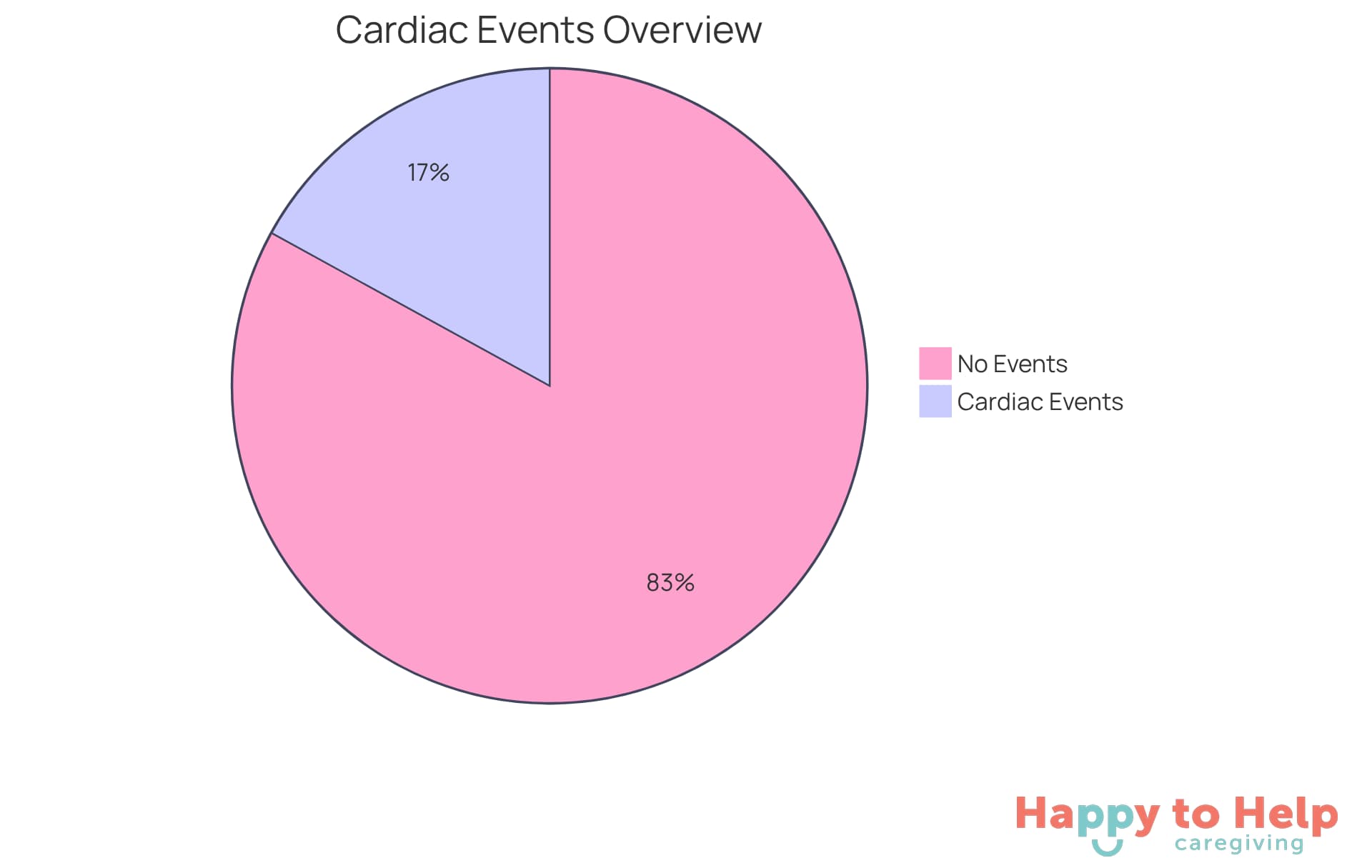
Statistics underscore the urgency of this issue. In relevant studies, 107 out of 630 participants experienced significant cardiac events, highlighting the need for action. Experts emphasize the importance of maintaining optimal D3 levels. Dr. Marc Siegel notes that vitamin D functions more like a hormone than a mere supplement, playing a vital role in organ health, including the heart.
To combat this deficiency, focused D3 supplementation has shown promising results in clinical trials. Research indicates that tailored dosing can significantly reduce the likelihood of recurrent heart attacks in individuals with a history of cardiac incidents. For instance, the TARGET-D trial involved 630 patients who had recently suffered a heart attack. It found that higher doses of D3 could lower the risk of a second heart attack by 50%. Alarmingly, 85% of participants began the study with inadequate D3 levels, emphasizing the critical need to address this deficiency.
As research continues to evolve, it becomes increasingly clear that the recommended dosage of vitamin D3 for seniors is essential for enhancing heart function and overall cardiovascular health. Caregivers should prioritize monitoring and managing the recommended dosage of vitamin D3 for seniors to ensure the well-being of older adults.
Immune Support: The Importance of Vitamin D3 in Enhancing Seniors' Health
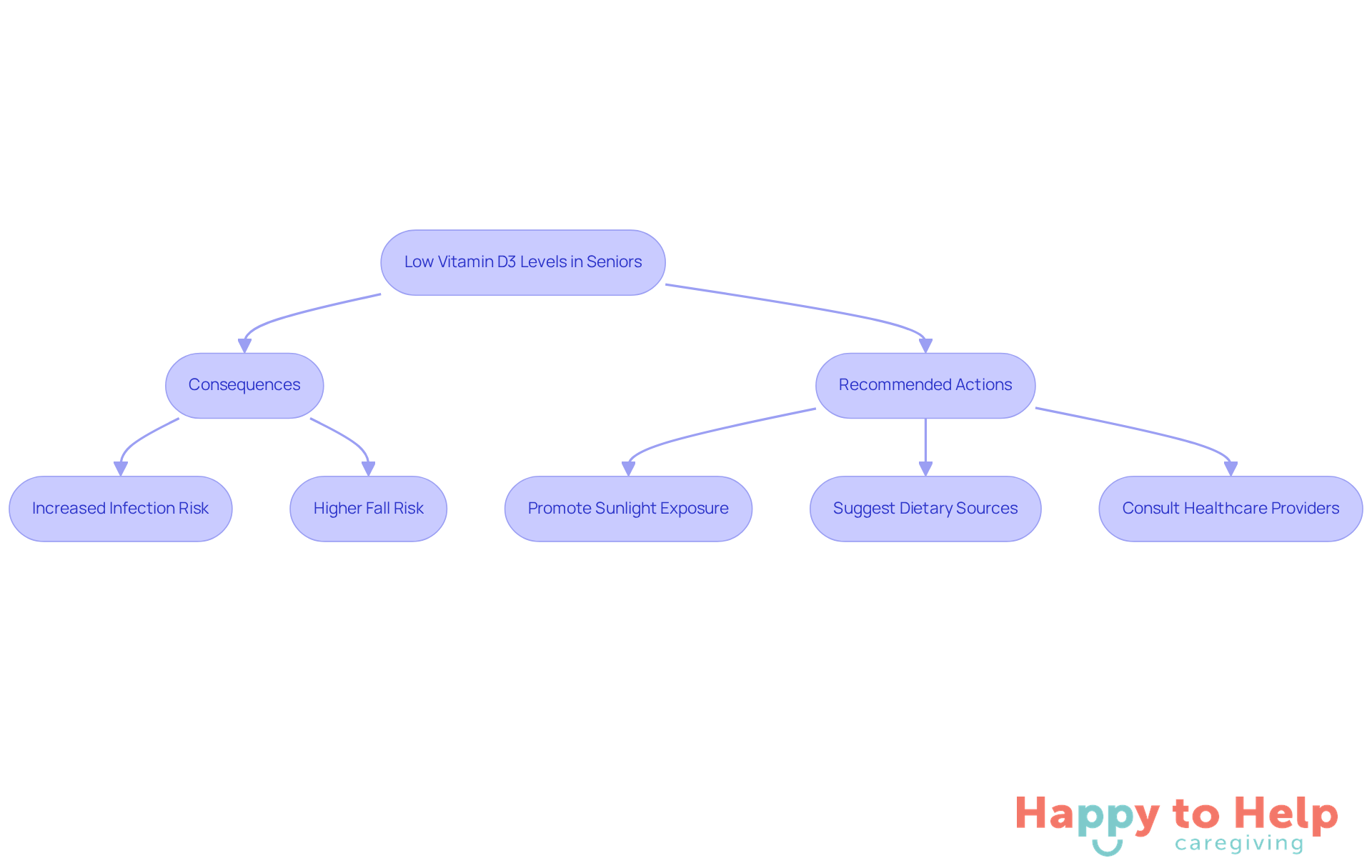
For seniors who face a higher risk of infections and illnesses, the recommended dosage of vitamin D3 for seniors is essential for strengthening the immune system. The problem is clear: low levels of Vitamin D3 can significantly increase the likelihood of respiratory infections, including those caused by viruses. For example, a clinical trial found that high doses of Vitamin D3 led to a 40% reduction in acute respiratory illness among older adults. This highlights the importance of Vitamin D3 as a preventive measure during flu season and other times when illnesses are more prevalent. However, caregivers should be aware that higher doses may also increase the risk of falls, making careful monitoring crucial.
The implications of insufficient Vitamin D3 are serious. Research shows that seniors often have compromised immune responses due to aging, which can hinder their ability to fight off infections. Supplementation has been linked to improved immune function, particularly against viral diseases like shingles and COVID-19, where low Vitamin D levels correlate with severe outcomes.
To address this issue, caregivers should actively encourage seniors to monitor and maintain the recommended dosage of vitamin D3 for seniors. Here are some actionable tips:
- Promote sunlight exposure, which helps the body produce Vitamin D3 naturally.
- Suggest dietary sources rich in Vitamin D3, such as fatty fish, fortified foods, and egg yolks.
When recommending supplements, it is important to ensure that seniors consult healthcare providers for the recommended dosage of vitamin D3 for seniors to guarantee safe and effective use.
Regular consultations with healthcare professionals are vital for tailoring supplementation to individual needs, considering factors like reduced skin synthesis and dietary intake. This proactive approach not only boosts immunity but also fosters a more active and fulfilling lifestyle for older adults. In summary, caregivers should prioritize Vitamin D3 management as a key component of health maintenance for seniors.
Absorption Factors: How Skin Type and Location Influence Vitamin D3 Levels
For caregivers, understanding the absorption of vitamin D3 and the recommended dosage of vitamin D3 for seniors is crucial, as multiple factors can impact its levels in individuals.
-
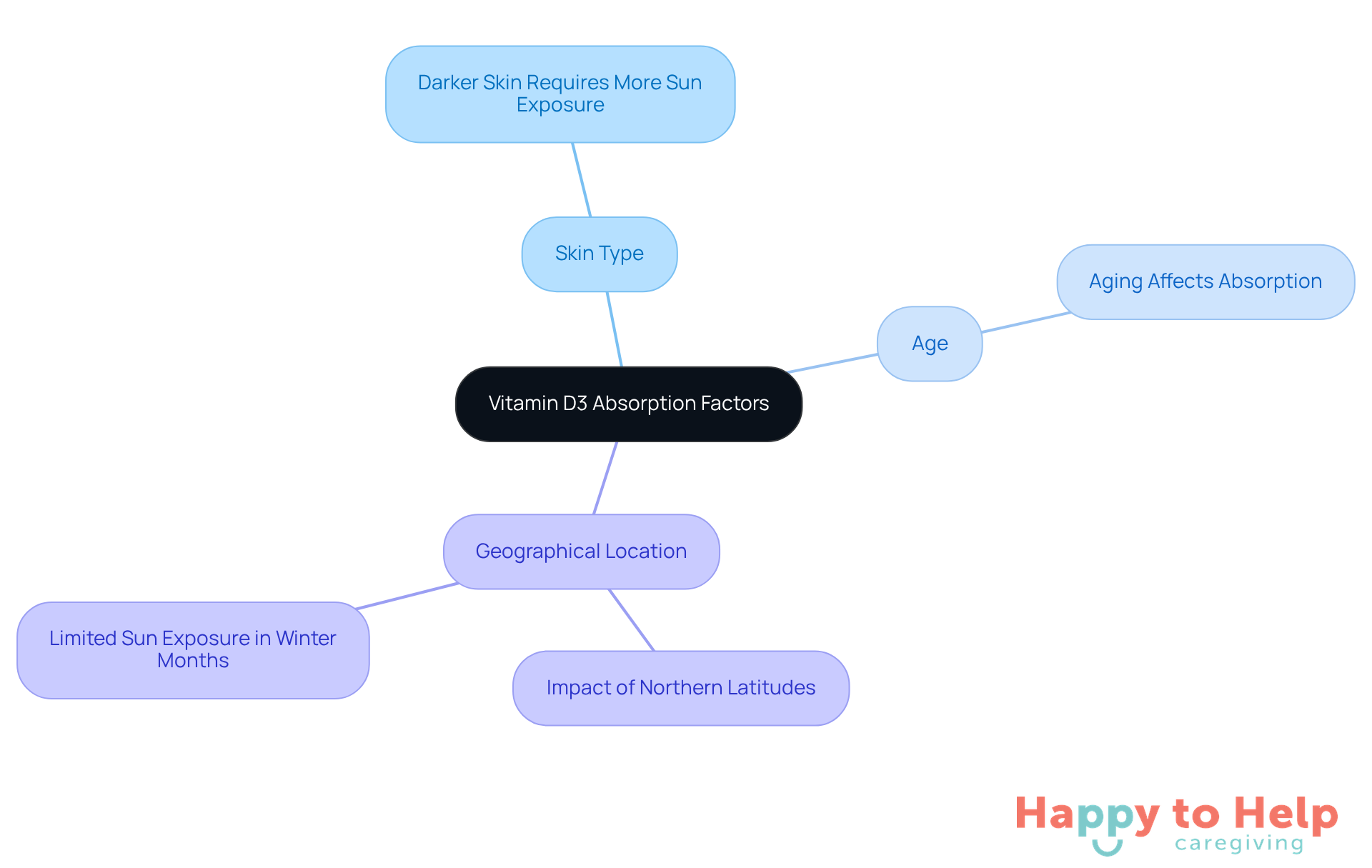
Problem: Factors such as skin type, age, and geographical location significantly affect how much D3 a person can absorb. For instance, individuals with darker skin may require more sun exposure to produce adequate amounts of D3. This becomes particularly concerning for those living in northern latitudes, where winter months can limit sun exposure, which may affect the recommended dosage of vitamin D3 for seniors and lead to potential deficiencies.
-
Without sufficient D3, individuals may face health risks, making it essential for caregivers to understand the recommended dosage of vitamin D3 for seniors to address these challenges.
-
To combat these issues, caregivers can implement strategies such as encouraging safe sun exposure, considering dietary sources of D3, and exploring the recommended dosage of vitamin D3 for seniors when supplementation options are necessary.
By understanding these factors, caregivers can better support individuals in maintaining optimal D3 concentrations.
Monitoring Levels: The Importance of Regular Vitamin D3 Testing for Seniors
Routine assessment of D3 concentrations poses a significant challenge for older adults, particularly those at risk of deficiency due to limited sun exposure or dietary shortcomings. This deficiency can lead to serious health implications, including weakened bones and increased fall risk.
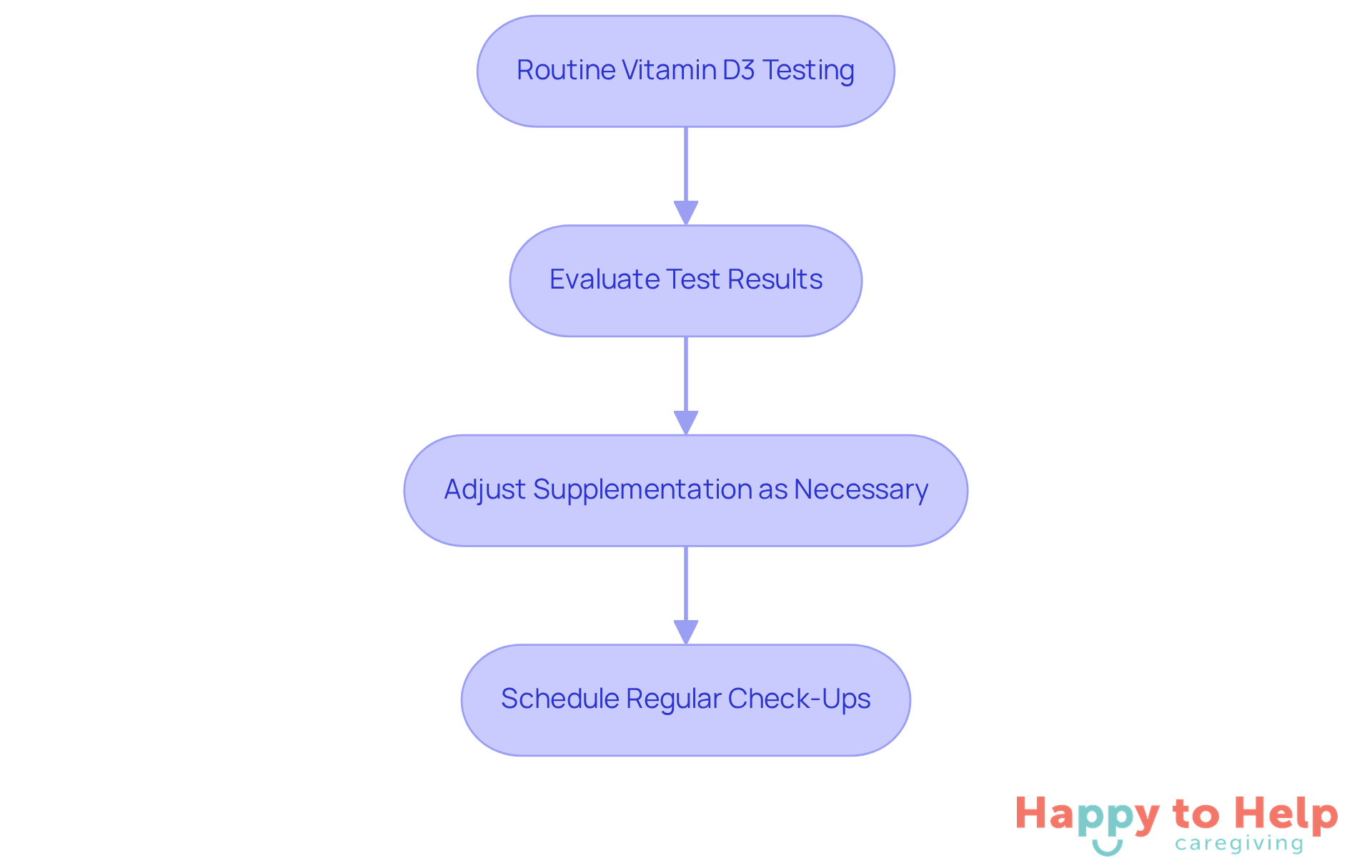
Healthcare providers typically conduct blood tests to evaluate nutrient D levels, enabling tailored adjustments to supplementation as necessary. This proactive approach is crucial, as maintaining adequate D3 concentrations supports overall health, including bone strength and immune function.
Experts recommend that seniors adhere to the recommended dosage of vitamin D3 for seniors, which is 800 IU daily, and regular testing can help confirm that these levels are met. According to Dr. Meryl LeBoff, "We discovered that supplementation with D versus placebo in the largest randomized control trial did not lower fracture likelihood, and this was in generally healthy middle-aged and older individuals."
By closely monitoring D3 concentrations, caregivers can effectively manage seniors' health and reduce the risk of complications associated with deficiency. To ensure consistent oversight of D levels, caregivers should consider scheduling regular check-ups with healthcare providers.
Key Takeaways: Essential Insights on Vitamin D3 Dosage for Seniors
Elderly individuals often face the challenge of maintaining adequate vitamin D levels, and the recommended dosage of vitamin D3 for seniors is a daily intake of 800 IU to 2000 IU of D3. This need becomes even more critical for those over 70, as some sources recommend a recommended dosage of vitamin D3 for seniors of up to 1000 IU. Caregivers play a vital role in addressing this issue, as personal medical conditions and lifestyle factors necessitate tailored dosage modifications. Regular monitoring of D levels is crucial for optimal well-being.
The implications of insufficient vitamin D are significant. Low levels can lead to weakened bone health, reduced muscle strength, and an increased risk of falls. Studies indicate that vitamin D is essential for lowering fall likelihood and boosting immune function. Therefore, caregivers must stay informed about dietary sources and supplementation options to support seniors effectively.
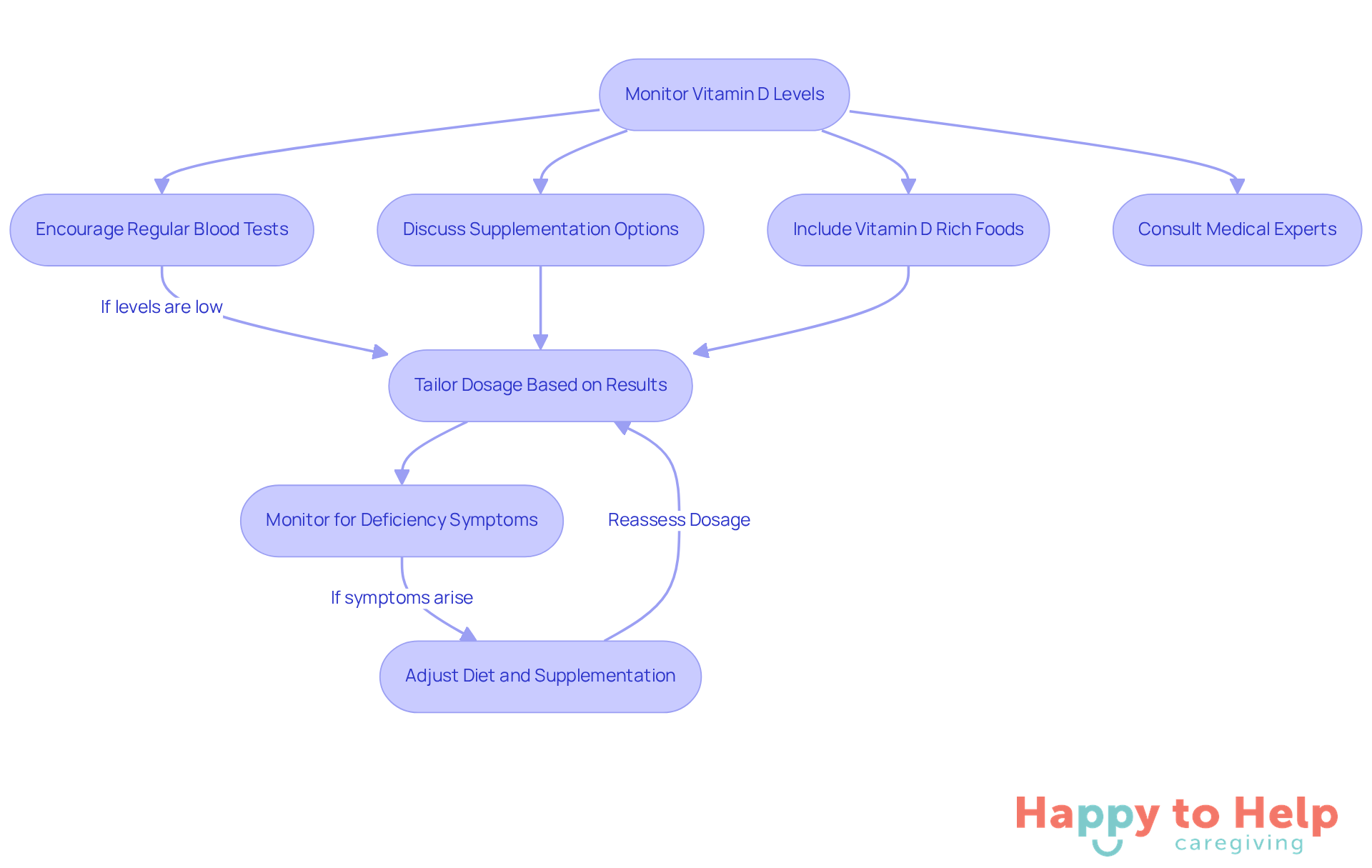
To tackle these challenges, caregivers should:
- Encourage regular blood tests to monitor vitamin D levels.
- Discuss supplementation options with healthcare providers.
- Include foods rich in vitamin D, such as fatty fish and fortified items, to assist in meeting nutritional needs.
- Have frequent consultations with medical experts to customize the recommended dosage of vitamin D3 for seniors efficiently, ensuring they maintain healthy levels and reduce complications linked to deficiency.
However, caregivers should also be aware of the potential risks associated with excessive vitamin D intake, such as hypercalcemia. By understanding these risks and implementing practical solutions, caregivers can significantly contribute to the optimal health of seniors.
Taking the Next Steps
Seniors face a significant challenge in maintaining adequate vitamin D3 levels, which are crucial for their overall health and well-being. Caregivers play a vital role in ensuring that older adults receive the recommended dosage of vitamin D3, especially since those over 70 require at least 800 IU daily. Understanding these needs and implementing personalized support strategies can greatly enhance the quality of life for seniors.
Regular monitoring, dietary adjustments, and safe sun exposure are key insights for meeting vitamin D3 requirements. Caregivers must assess individual health conditions, as some seniors may need tailored dosages due to factors like osteoporosis or other medical issues. The connection between vitamin D3 and various health aspects - such as bone health, cardiovascular function, and immune support - highlights the necessity of maintaining appropriate levels to prevent serious health risks.
The importance of vitamin D3 for seniors cannot be overstated. Caregivers are encouraged to engage proactively with healthcare providers to ensure tailored supplementation and regular testing. By fostering a comprehensive approach to vitamin D3 management, caregivers can empower seniors to lead healthier, more active lives while reducing the risk of complications associated with deficiency. Taking action now can pave the way for improved health outcomes and enhanced well-being for older adults.
https://iframe.tely.ai/cta/eyJhcnRpY2xlX2lkIjogIjY5MjdhOGRmMjUyZjAyYmU4ZDQ3YzY4YiIsICJjb21wYW55X2lkIjogIjY4ZWU1ZGNhNzMxNzYyNTU3ZjNjOTVjMSIsICJpbmRleCI6IG51bGwsICJ0eXBlIjogImFydGljbGUifQ==Frequently Asked Questions
Why is vitamin D3 important for seniors?
Vitamin D3 is crucial for seniors as it plays a significant role in calcium absorption, immune function, and overall health. Adequate intake can help preserve bone health and reduce health risks associated with aging.
What is the recommended daily dosage of vitamin D3 for seniors?
Adults aged 1 to 70 should aim for at least 600 IU of vitamin D3 daily, while those over 70 require a higher intake of at least 800 IU.
How can caregivers support seniors in meeting their vitamin D3 needs?
Caregivers can support seniors by assessing dietary habits, recommending suitable vitamin D3 supplements, encouraging safe sun exposure, and fostering open discussions about nutrition and wellness.
What specific strategies can caregivers implement to ensure seniors receive adequate vitamin D3?
Caregivers can assess dietary sources of vitamin D3, recommend appropriate supplements based on individual needs, and encourage safe sun exposure to enhance D3 synthesis in the body.
How does the recommended dosage of vitamin D3 vary for seniors with different health conditions?
Seniors with conditions like osteoporosis may require higher doses of vitamin D3 to support bone health, while those with kidney issues should consult their healthcare provider for specific guidance on dosage.
Why is it important for caregivers to regularly check dietary sources of vitamin D3?
Regularly checking dietary sources helps maintain adequate levels of vitamin D3, ensuring that seniors are meeting their nutritional needs and reducing health risks associated with deficiencies.
What role do caregivers play in the emotional well-being of seniors regarding nutrition?
Caregivers enhance emotional well-being by engaging clients in conversations about their wellness and nutrition, fostering a sense of value and understanding that is vital for overall well-being.
List of Sources
- Happy to Help Caregiving: Personalized Support for Seniors' Vitamin D3 Needs
- Heart attack risk halved in adults with heart disease taking tailored vitamin D doses (https://newsroom.heart.org/news/heart-attack-risk-halved-in-adults-with-heart-disease-taking-tailored-vitamin-d-doses)
- Vitamin D3 breakthrough halves risk of second heart attack (https://sciencedaily.com/releases/2025/11/251110021043.htm)
- Findings From New Study Reinforce That Home-Delivered Meals Provide Critical Health and Social Benefits to Older Adults and Caregivers (https://mealsonwheelsamerica.org/news/findings-from-new-study-reinforce-that-home-delivered-meals-provide-critical-health-and-social-benefits-to-older-adults-and-caregivers)
- Vitamin D supplementation linked to improved cardiometabolic health (https://news-medical.net/news/20250806/Vitamin-D-supplementation-linked-to-improved-cardiometabolic-health.aspx)
- New global review: Tailored exercise, diet and vitamin D could prevent falls in nursing homes (https://nutritioninsight.com/news/healthy-aging-elderly-personalized-nutrition-exercise-vitamin-d.html)
- Recommended Daily Intake: Understanding Vitamin D3 Needs for Seniors
- Vitamin D: How Much to Take Per Day and Max Dose - GoodRx (https://goodrx.com/well-being/supplements-herbs/how-much-vitamin-d?srsltid=AfmBOopmOv1ESlEO1ZVLI84b32xUm2VueL923ICKlGC7ij9VyB3z0YIP)
- Vitamin D (https://mayoclinic.org/drugs-supplements-vitamin-d/art-20363792)
- Calcium/Vitamin D Requirements, Recommended Foods & Supplements (https://bonehealthandosteoporosis.org/patients/treatment/calciumvitamin-d)
- What to Know About Vitamin D Dosage for Older Adults (https://webmd.com/healthy-aging/what-to-know-about-vitamin-d-dosage-for-older-adults)
- Office of Dietary Supplements - Vitamin D (https://ods.od.nih.gov/factsheets/VitaminD-HealthProfessional)
- Dosage Recommendations: Tailoring Vitamin D3 Intake for Individual Health
- Tailored vitamin D regimens offer significant cardiac benefit (https://news-medical.net/news/20251111/Tailored-vitamin-D-regimens-offer-significant-cardiac-benefit.aspx)
- What to Know About Vitamin D Dosage for Older Adults (https://webmd.com/healthy-aging/what-to-know-about-vitamin-d-dosage-for-older-adults)
- Tailored vitamin D3 supplementation lowers risk of heart attack recurrence (https://news-medical.net/news/20251110/Tailored-vitamin-D3-supplementation-lowers-risk-of-heart-attack-recurrence.aspx)
- Comparing Vitamin D Dosage Guidelines for Seniors' Health - Happy To Help (https://happytohelpcaregiving.com/comparing-vitamin-d-dosage-guidelines-for-seniors-health)
- High-Dose Vitamin D Might Prevent Repeat Heart Attack, Study Finds (https://everydayhealth.com/cardiovascular-diseases/high-dose-vitamin-d-might-prevent-repeat-heart-attack)
- Bone Health Benefits: The Role of Vitamin D3 in Preventing Osteoporosis
- You likely don't need vitamin D pills for strong bones (https://news.harvard.edu/gazette/story/2022/08/you-likely-dont-need-vitamin-d-pills-for-strong-bones)
- Roundup: Caution Urged on Use of Vitamin D, Calcium Supplements for Older Adults; and More News (https://baptisthealth.net/baptist-health-news/caution-urged-on-use-of-vitamin-d-and-calcium-supplements-for-older-adults)
- Taking vitamin D is unlikely to prevent falls or fractures. Here's what it does (https://npr.org/sections/shots-health-news/2024/12/17/nx-s1-5230334/vitamin-d-fractures-falls-bone-health)
- Popular vitamin won’t prevent a fall or fracture in older adults, health panel says. But here’s what can help | CNN (https://cnn.com/2024/12/17/health/vitamin-d-calcium-falls-uspstf-wellness)
- Cardiovascular Health: How Vitamin D3 Supports Heart Function in Seniors
- Vitamin D3 breakthrough halves risk of second heart attack (https://sciencedaily.com/releases/2025/11/251110021043.htm)
- Common vitamin could protect some heart attack survivors, study shows (https://foxnews.com/health/common-vitamin-could-protect-some-heart-attack-survivors-study-shows)
- Intermountain Health Researcher Finds Vitamin D3 Supplement Cuts Risk of Second Heart Attack in Half (https://wfmj.com/story/53234317/intermountain-health-researcher-finds-vitamin-d3-supplement-cuts-risk-of-second-heart-attack-in-half)
- Could vitamin D3 help protect against a second heart attack? (https://medicalnewstoday.com/articles/d3-supplements-could-halve-the-risk-of-a-second-heart-attack)
- Could Vitamin D Help Lower Blood Pressure? Here's What a New Study Found (https://health.com/vitamin-d-lower-blood-pressure-older-adults-obesity-8743016)
- Immune Support: The Importance of Vitamin D3 in Enhancing Seniors' Health
- Vitamin D supplements boost immunity in the elderly | The Roslin Institute | The Royal (Dick) School of Veterinary Studies (https://vet.ed.ac.uk/roslin/news-events/archive/2021/vitamin-d-supplements-boost-immunity-in-elderly)
- Vitamin D reduces respiratory infections (https://news.cuanschutz.edu/news-stories/vitamin-d-reduces-respiratory-infections)
- What seniors need to know about vitamin D (https://convivacarecenters.com/en/resources/what-seniors-need-to-know-about-vitamin-d)
- Why you might want to take vitamin D supplements (https://uchealth.org/today/why-vitamin-d-is-important)
- The vitamin D debate: Are seniors getting enough? - WellMed Medical Group (https://wellmedhealthcare.com/patients/healthyliving/healthy-aging/the-vitamin-d-debate-are-seniors-getting-enough)
- Monitoring Levels: The Importance of Regular Vitamin D3 Testing for Seniors
- New guidelines released for vitamin D testing and supplementation - Harvard Health (https://health.harvard.edu/staying-healthy/new-guidelines-released-for-vitamin-d-testing-and-supplementation)
- Older adults at risk of vitamin D deficiency (https://uclahealth.org/news/article/older-adults-risk-vitamin-d-deficiency)
- Popular vitamin won’t prevent a fall or fracture in older adults, health panel says. But here’s what can help | CNN (https://cnn.com/2024/12/17/health/vitamin-d-calcium-falls-uspstf-wellness)
- Endocrine Society Guideline recommends healthy adults under the age of 75 take the recommended daily allowance of vitamin D (https://endocrine.org/news-and-advocacy/news-room/2024/endocrine-society-recommends-healthy-adults-take-the-recommended-daily-allowance-of-vitamin-d)
- Key Takeaways: Essential Insights on Vitamin D3 Dosage for Seniors
- Roundup: Caution Urged on Use of Vitamin D, Calcium Supplements for Older Adults; and More News (https://baptisthealth.net/baptist-health-news/caution-urged-on-use-of-vitamin-d-and-calcium-supplements-for-older-adults)
- What to Know About Vitamin D Dosage for Older Adults (https://webmd.com/healthy-aging/what-to-know-about-vitamin-d-dosage-for-older-adults)
- Comparing Vitamin D Dosage Guidelines for Seniors' Health - Happy To Help (https://happytohelpcaregiving.com/comparing-vitamin-d-dosage-guidelines-for-seniors-health)
- Effect of vitamin D, calcium, or combined supplementation on fall prevention: a systematic review and updated network meta-analysis - BMC Geriatrics (https://bmcgeriatr.biomedcentral.com/articles/10.1186/s12877-024-05009-x)