

For families in our service areas
For families in our service areas, this guide explains caregiver support and how non-medical in-home caregiving can support care planning in East Idaho, Treasure Valley & Magic Valley, Northern Wasatch, North Central West Virginia, and Northeast Ohio.
Understanding Duties of a 24 Hour Live
The role of a 24-hour live-in caregiver is pivotal in enhancing the quality of life for elderly individuals. However, the complexities of this profession often go unnoticed. Caregivers provide essential support in daily living tasks, meal preparation, and emotional companionship. They not only address immediate needs but also foster a sense of dignity and independence among those they assist.
Yet, with the increasing demands of caregiving, how can these dedicated professionals ensure they meet the evolving needs of their clients while maintaining their own well-being? This article delves into the ten essential duties that define a 24-hour live-in caregiver's role. It highlights the critical impact they have on the lives of seniors and the challenges they face in delivering consistent, compassionate care.
Provide Personal Care for Daily Living
24 hour live in caregivers play a crucial role in assisting elderly individuals with essential daily tasks like bathing, dressing, grooming, and toileting. The problem is significant: one in four older adults falls each year, with 80% of these falls occurring in the bathroom. This highlights the urgent need for a 24 hour live in caregiver to assist during personal hygiene routines to prevent such accidents.
24 hour live in caregivers are trained to recognize and respond to the unique needs of each client, ensuring that personal care is delivered with respect and sensitivity. They help elderly individuals safely enter and exit the shower or tub and recommend practical safety measures, such as installing a curbless shower to enhance bathroom safety. By prioritizing the comfort and preferences of seniors, caregivers create an environment where individuals feel valued and dignified.
Furthermore, caregivers play a vital role in preserving skin health by using gentle soaps and moisturizers to prevent dry, fragile skin. They also assist with regular nail trimming to avoid infections. This empathetic approach not only improves physical well-being but also significantly enhances the emotional well-being of older individuals, strengthening their sense of self-esteem and autonomy.
Plan and Prepare Nutritious Meals
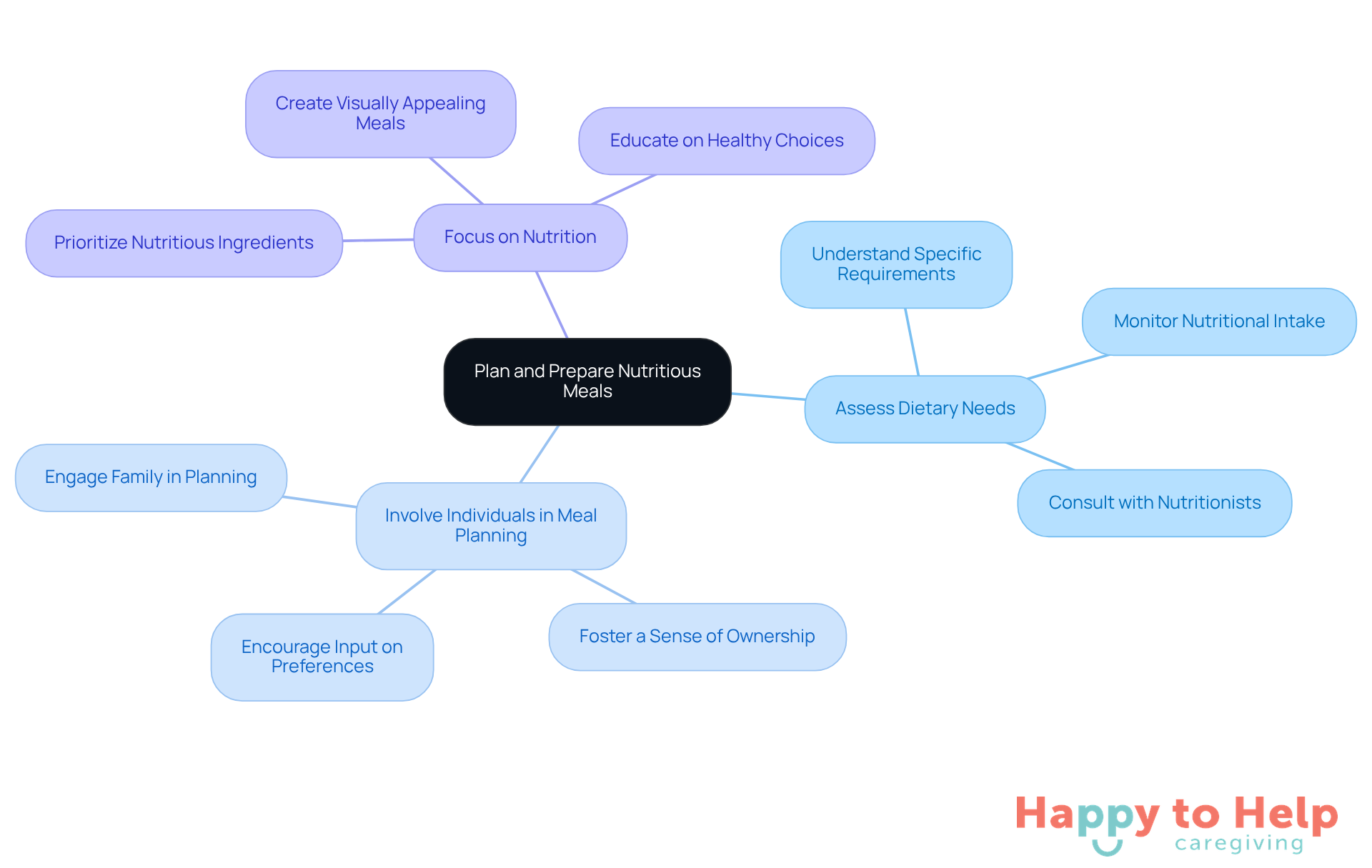
Caregivers face a significant challenge when it comes to planning and preparing balanced meals that meet the dietary requirements of those they assist. This responsibility includes not only shopping for groceries and cooking but also ensuring that meals are nutritious and appealing. When these needs are not met, it can lead to dissatisfaction and health issues for individuals in their care.
To address this, caregivers can work collaboratively with individuals to create personalized meal plans that reflect their preferences and dietary restrictions. This approach not only enhances overall satisfaction but also promotes better health outcomes. Here are some actionable tips for caregivers:
- Assess dietary needs: Understand the specific dietary requirements of each individual.
- Involve individuals in meal planning: Encourage input on meal preferences to foster a sense of ownership.
- Focus on nutrition: Prioritize meals that are both nutritious and visually appealing.
By implementing these strategies, caregivers can significantly improve the meal experience for those they assist, ensuring that both satisfaction and health are prioritized.
Assist with Transportation Needs
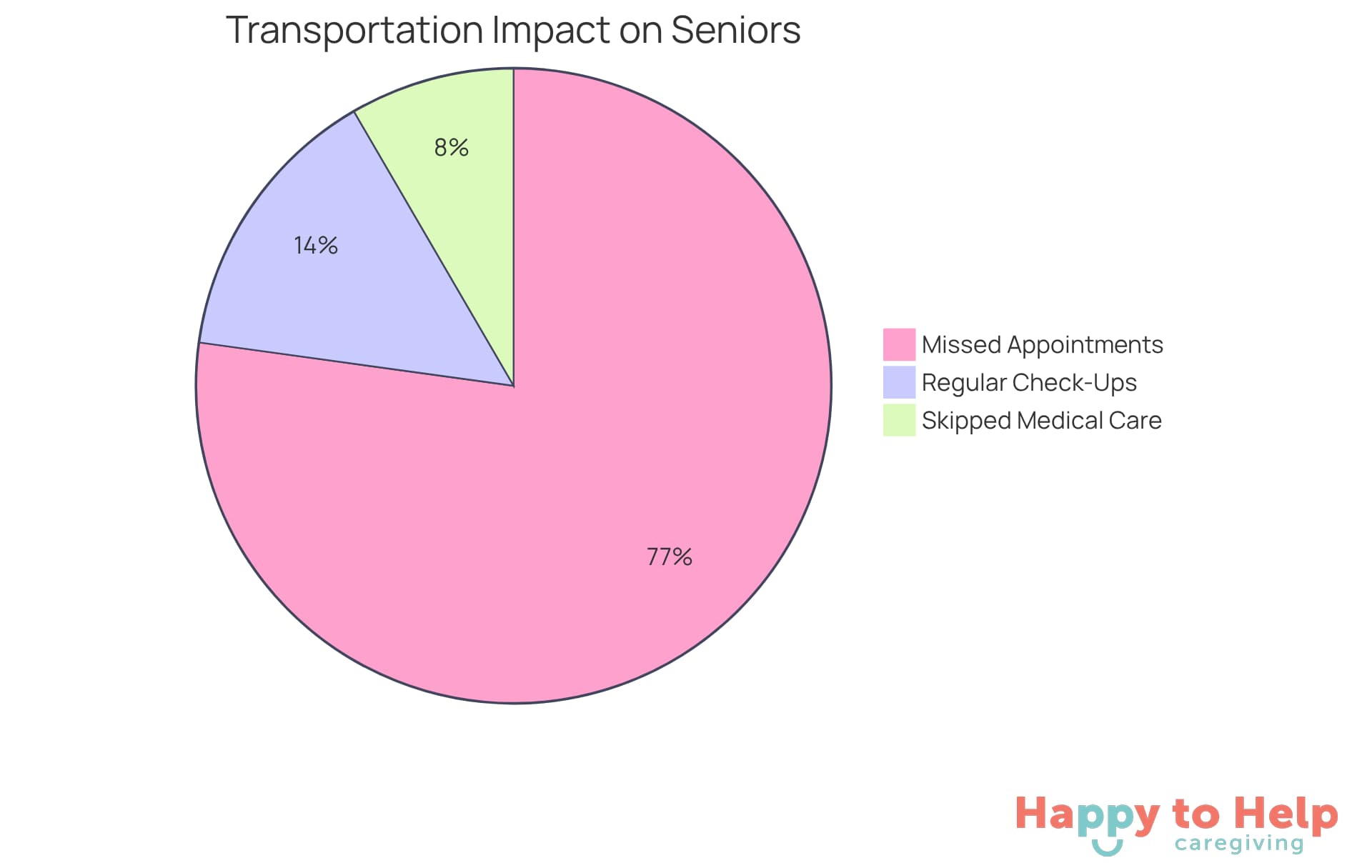
Live-in caregivers face a significant challenge: ensuring safe transportation for their clients. This issue is critical, as reliable transportation is essential for older adults to attend medical appointments, social events, and run errands. Without dependable transportation, many older adults struggle to maintain their health, with studies showing they are 43% more likely to keep regular check-ups when they have access to reliable transport. Conversely, those facing transportation barriers are 2.3 times more likely to miss doctor appointments, highlighting the urgent need for effective transportation solutions, especially as around 600,000 elderly individuals stop driving each year.
Caregivers can alleviate this problem by arranging alternative transportation options when necessary. This not only eases the burden of logistics but also fosters a sense of independence among older adults. Experts agree that dependable transportation is a cornerstone of independence, enabling seniors to engage socially and manage their health effectively. Alarmingly, one in four older adults has reported skipping medical care primarily due to a lack of transportation, underscoring the urgency of addressing this issue.
By prioritizing transportation needs, caregivers significantly enhance their clients' overall well-being, helping to reduce feelings of isolation and encouraging a more active lifestyle. Transportation-limited elderly individuals experience a 65% reduction in social activities, illustrating the broader implications of these barriers on mental health. Therefore, the transportation assistance provided by caregivers is crucial in empowering seniors to lead fulfilling lives while maintaining their independence. Family caregivers can support their elderly loved ones by exploring local transportation options and ensuring access to reliable services.
Offer Companionship and Emotional Support
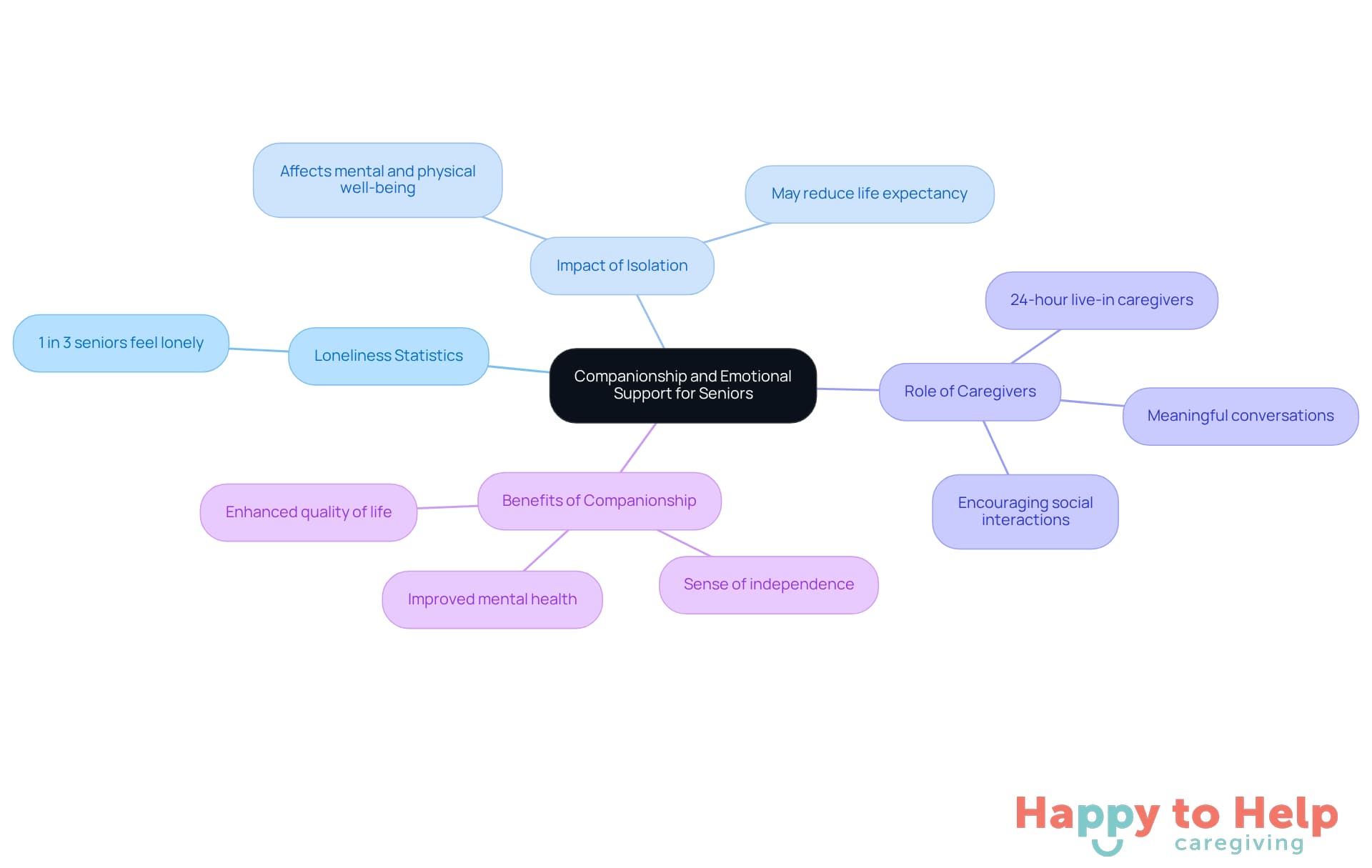
Caregivers face a significant challenge: many older adults experience feelings of loneliness and isolation. Studies show that one in three seniors feel this way, according to a report from the University of Michigan’s National Poll on Healthy Aging. This persistent isolation can have serious implications, adversely affecting both mental and physical well-being. In fact, it may reduce life expectancy more than being overweight or inactive.
To combat this issue, a 24 hour live in caregiver can play a vital role in enhancing the emotional well-being of their clients. By offering companionship through meaningful conversations, shared hobbies, and encouraging social interactions, caregivers can help reduce feelings of loneliness. Just a few hours of companionship each week can make older adults feel valued, seen, and heard.
Having a compassionate 24 hour live in caregiver not only enriches the daily lives of seniors but also helps them maintain a sense of independence and dignity. This consistent companionship contributes to improved mental health outcomes and overall happiness for elderly clients, ultimately enhancing their quality of life.
Manage Medication Administration
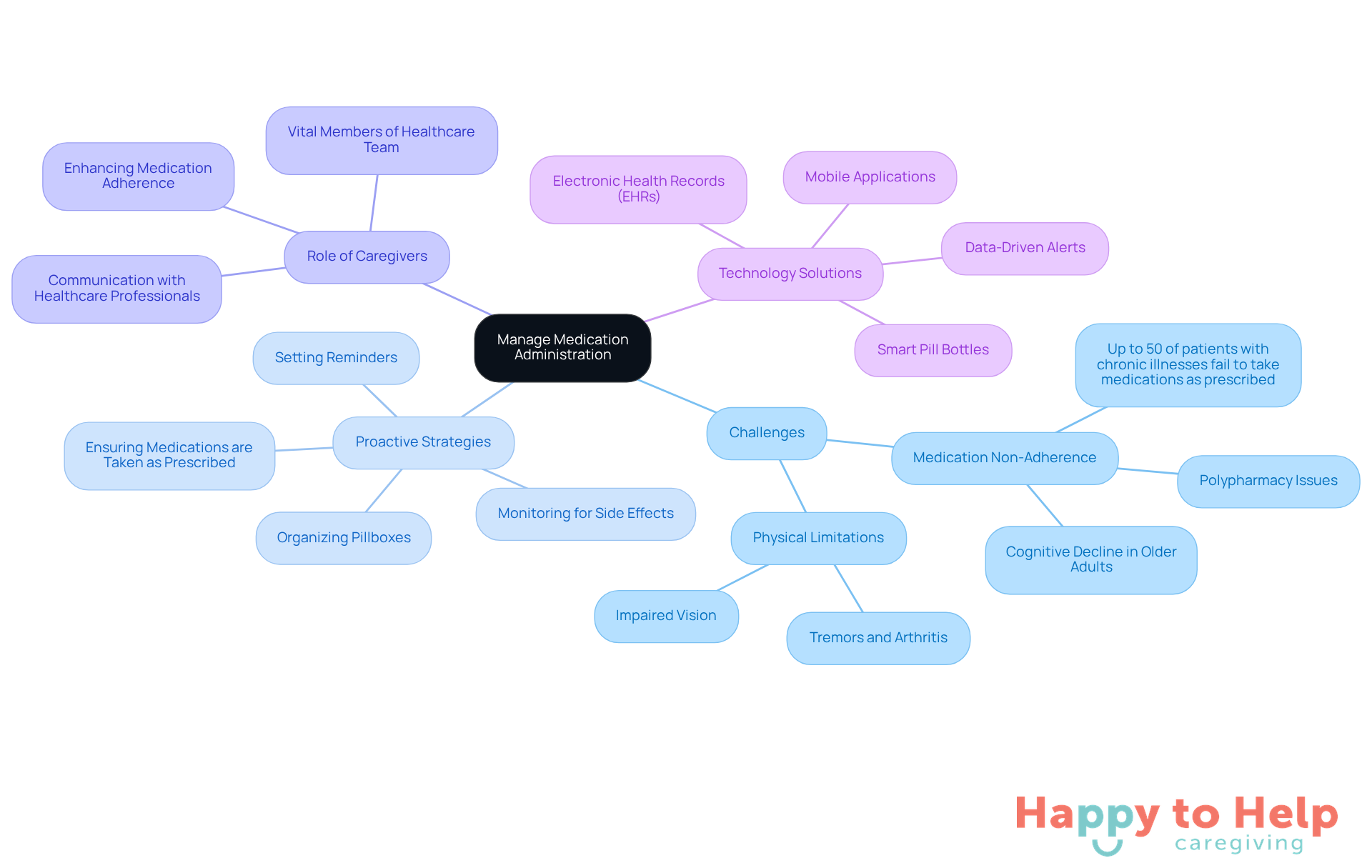
Caregivers face a significant challenge in ensuring medication compliance for those they assist, particularly among the elderly. Research indicates that up to 50% of individuals with chronic conditions do not adhere to their medication plans, leading to avoidable complications such as hospitalization and worsening health conditions. This issue underscores the critical role caregivers play in managing medication schedules.
To address this problem, caregivers can implement several proactive strategies:
- Organizing pillboxes
- Setting reminders
- Ensuring medications are taken as prescribed
Additionally, support staff should monitor clients for potential side effects and communicate any concerns to healthcare professionals. This vigilance is crucial, especially since older adults may experience cognitive decline that affects their ability to manage medications effectively.
Expert insights highlight that caregivers are not just assistants; they are vital members of the healthcare team. By providing this support, caregivers enhance medication adherence and contribute to better health outcomes. This collaborative approach fosters a sense of safety and wellness, allowing individuals to thrive in their home environments.
Moreover, incorporating technology can further assist caregivers in tracking medication adherence. Smart pill bottles and mobile applications can enhance the efficiency and effectiveness of the medication management process. By leveraging these tools, caregivers can ensure that their clients receive the necessary support to manage their medications safely and effectively.
Provide General Health Care Support
Individuals with chronic conditions often face significant challenges in managing their health. Without adequate support, they risk complications that can lead to serious health issues. This is where a 24 hour live in caregiver plays a crucial role.
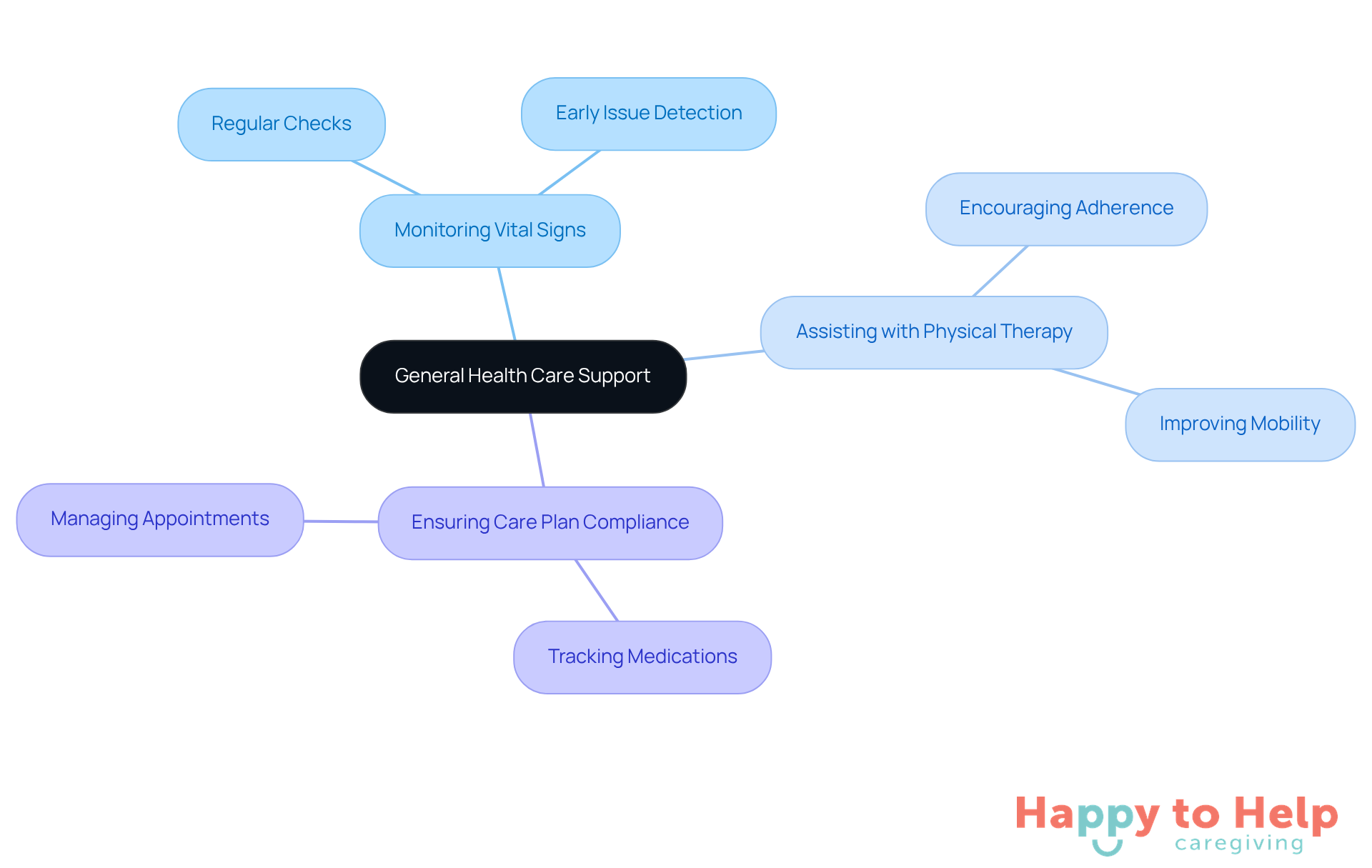
24 hour live in caregivers assist with fundamental medical tasks, including monitoring vital signs and helping with physical therapy exercises. Their support ensures that individuals adhere to their care plans, which is essential for promoting better health outcomes. By providing this level of care, caregivers help prevent complications and enhance the overall well-being of those they assist.
To maximize the effectiveness of caregiving, it's important for caregivers to focus on these key areas:
- Monitoring vital signs: Regular checks can catch potential issues early.
- Assisting with physical therapy: Encouraging adherence to therapy can improve mobility and strength.
- Ensuring care plan compliance: Keeping track of medications and appointments is vital for health management.
By implementing these strategies, caregivers can significantly impact the health and quality of life for individuals with chronic conditions.
Deliver Memory Care for Cognitive Support
Caregivers often face significant challenges when assisting individuals with cognitive impairments. These challenges can lead to feelings of frustration and helplessness, both for the caregiver and the individual receiving care. Without effective strategies, memory retention and cognitive engagement can decline, leaving individuals feeling disconnected and insecure.
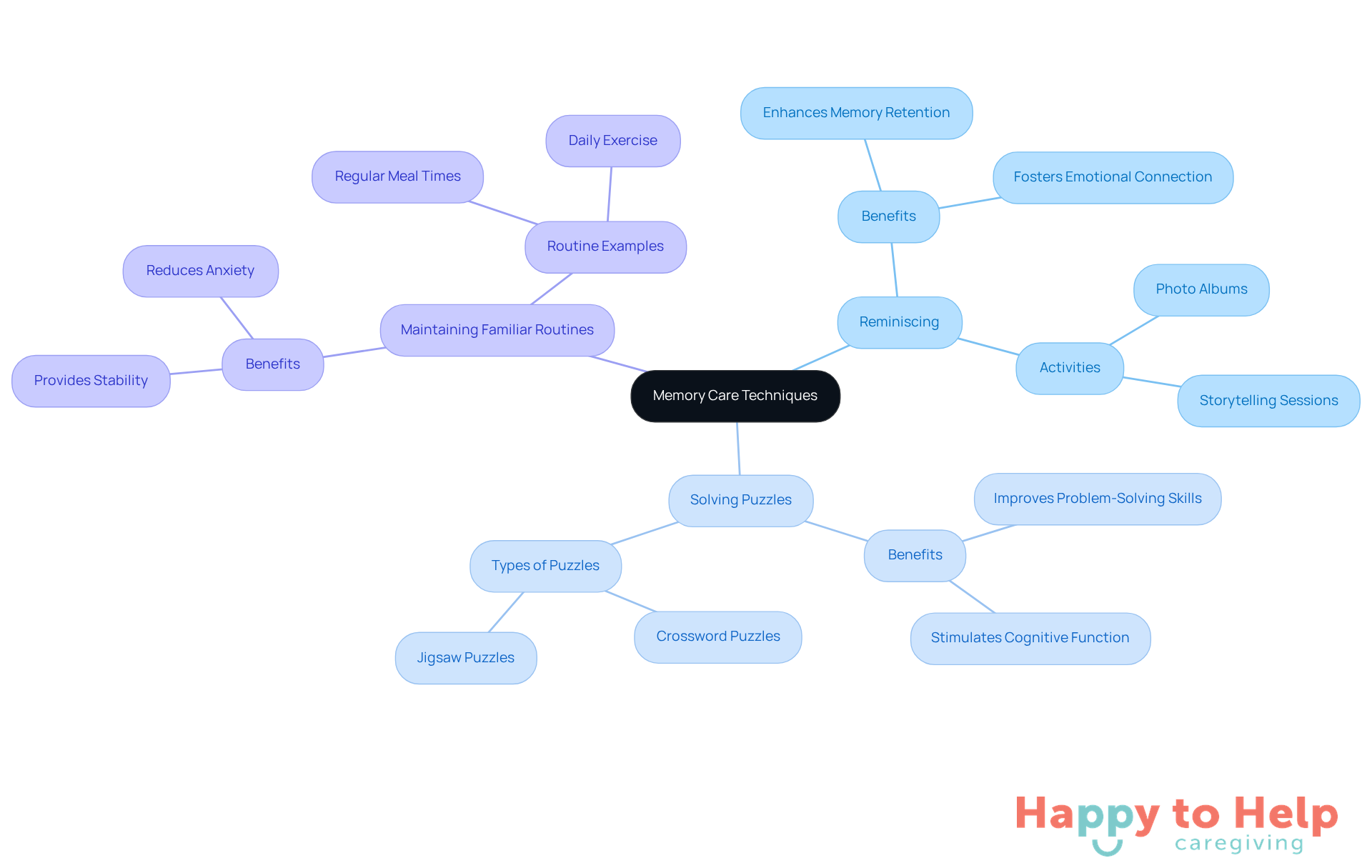
To address these issues, caregivers can implement memory care techniques that enhance cognitive engagement. Activities such as:
- reminiscing
- solving puzzles
- maintaining familiar routines
can significantly improve memory retention. These strategies not only help individuals feel more secure but also foster a sense of connection and belonging.
By incorporating these practical solutions into their caregiving approach, caregivers can create a supportive environment that promotes cognitive health and emotional well-being.
Support Families in Care Management
Caregivers often find themselves in a challenging position, acting as intermediaries between patients and their families. This role can lead to misunderstandings and confusion regarding health status and care requirements. Without clear communication, families may struggle to navigate the complexities of caregiving, which can increase stress for everyone involved.
To address this issue, caregivers can take proactive steps to enhance communication. They should:
- Provide regular updates on health status and care plans, ensuring that families are well-informed.
- Offer resources and facilitate discussions to help families feel more supported and engaged in the caregiving process.
By implementing these strategies, caregivers can foster a collaborative environment where everyone is aligned on care plans. This not only alleviates confusion but also strengthens the support system for patients and their families.
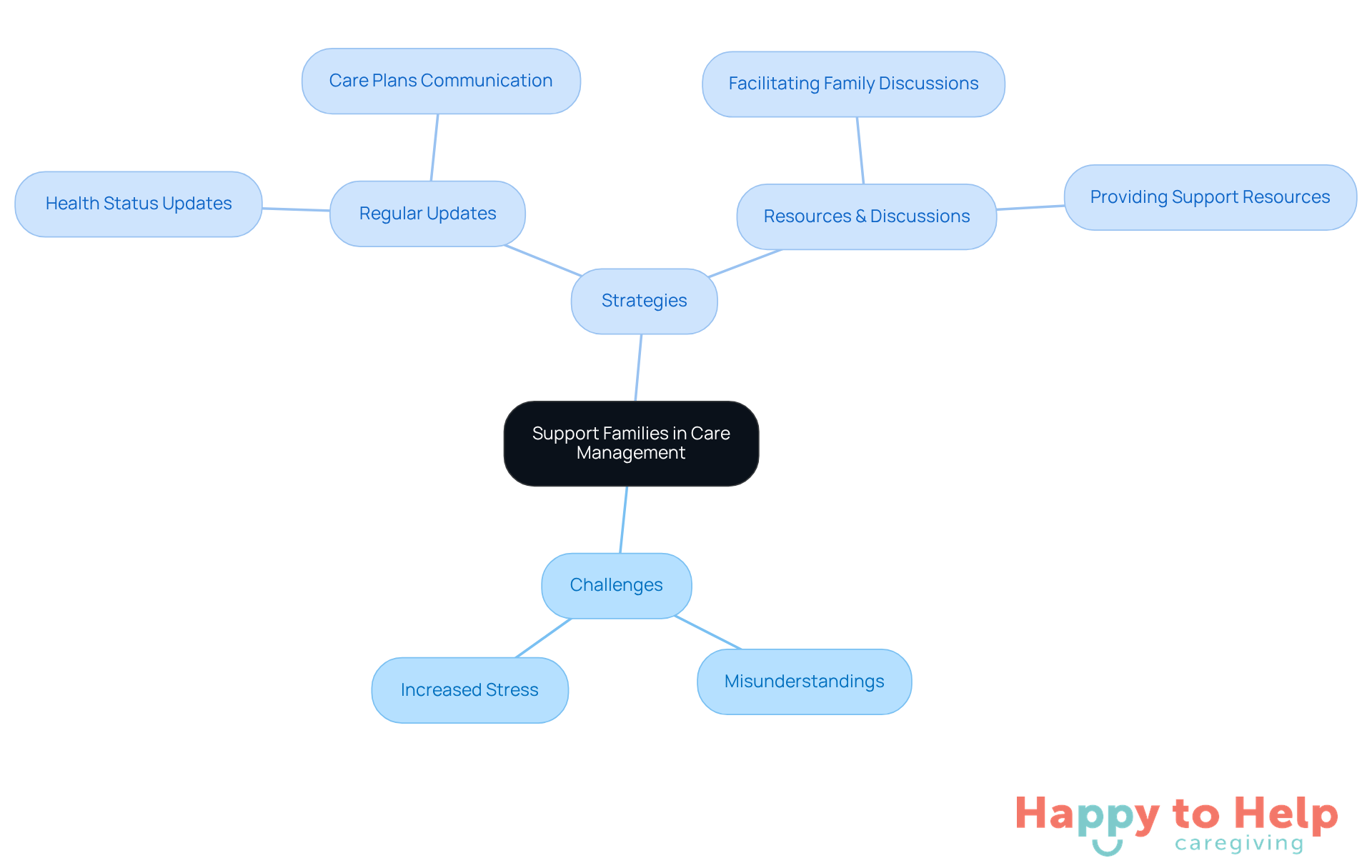
Exhibit Essential Caregiver Skills
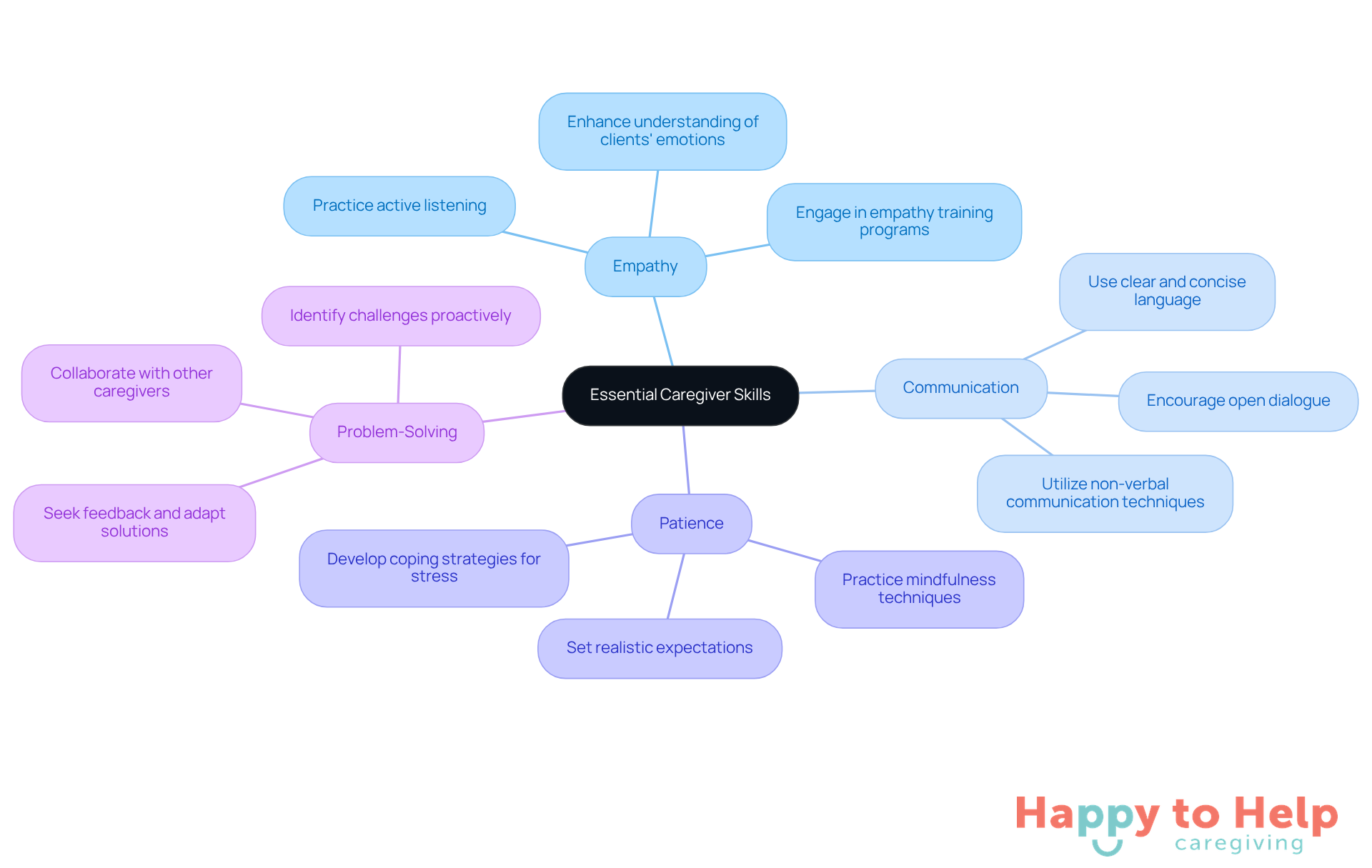
Caregivers often face the challenge of effectively meeting their clients' needs. Without essential skills like empathy, communication, patience, and problem-solving, they may struggle to build trusting relationships. This lack of connection can hinder the overall caregiving experience, leaving both caregivers and clients feeling unsatisfied.
To address these challenges, caregivers can focus on developing these critical skills:
- Enhance empathy to better understand and respond to clients' emotions.
- Strengthen communication skills for clearer interactions.
- Cultivate patience to manage difficult situations.
- Improve problem-solving abilities to find effective solutions to challenges that arise.
Ultimately, by cultivating these essential skills, caregivers can foster a trusting relationship with their clients, significantly enhancing the caregiving experience.
Commit to Long-Term Quality Care
Problem: Live-in caregivers face the challenge of adapting to the evolving needs of those they assist. Without this adaptability, clients may experience feelings of insecurity and mistrust, which can hinder their ability to thrive in their home environment.
Agitate: When caregivers fail to recognize and respond to these changing needs, it can lead to significant emotional distress for clients. This lack of responsiveness not only affects the quality of care but can also diminish the overall well-being of those receiving assistance.
Solution: To combat these challenges, caregivers must commit to delivering long-term quality care. This involves regularly assessing and adjusting care plans to meet the unique needs of each client. By fostering a sense of security and trust, caregivers can create an environment where clients feel supported and empowered to thrive.
Key Takeaways for Caregivers
The role of a 24-hour live-in caregiver encompasses a wide range of essential duties that significantly enhance the quality of life for elderly individuals. However, many caregivers face challenges that can hinder their effectiveness. These caregivers are not just providers of physical assistance; they are vital companions who ensure that seniors receive the personal care, emotional support, and medical management necessary for maintaining their health and independence.
One major issue is the emotional toll that caregiving can take. Caregivers often experience feelings of isolation and burnout, which can impact their ability to provide quality care. Their commitment to fostering a safe and nurturing environment is paramount in helping seniors navigate daily challenges, from personal hygiene to meal preparation and transportation.
Key responsibilities of live-in caregivers include:
- Assisting with daily living activities
- Preparing nutritious meals tailored to individual dietary needs
- Providing companionship to combat feelings of loneliness
- Managing medication schedules
- Supporting general health care, ensuring that seniors adhere to their treatment plans
By employing effective communication strategies, caregivers also bridge the gap between clients and their families, facilitating a collaborative approach to care management.
To combat these challenges, caregivers can benefit from training and resources that enhance their skills and support their well-being. Investing in caregiver training can provide them with the tools they need to manage stress and improve their caregiving techniques. Ultimately, the importance of 24-hour live-in caregivers cannot be overstated. They play a critical role in promoting the well-being of elderly individuals, allowing them to live with dignity and respect in their own homes.
As society continues to recognize the value of personalized care, it is essential to support and appreciate the dedication of caregivers who contribute to the health and happiness of those they serve. By implementing practical solutions and investing in caregiver resources, we can ensure that seniors receive the best possible support in their golden years.
https://iframe.tely.ai/cta/eyJhcnRpY2xlX2lkIjogIjY5NDBhMjE1NGFiMmI4OGM4M2NiZjU5YiIsICJjb21wYW55X2lkIjogIjY4ZWU1ZGNhNzMxNzYyNTU3ZjNjOTVjMSIsICJpbmRleCI6IG51bGwsICJ0eXBlIjogImFydGljbGUifQ==Frequently Asked Questions
What role do 24-hour live-in caregivers play in personal care for the elderly?
24-hour live-in caregivers assist elderly individuals with essential daily tasks such as bathing, dressing, grooming, and toileting, which helps prevent accidents, especially in high-risk areas like bathrooms.
Why is bathroom safety a concern for elderly individuals?
One in four older adults falls each year, with 80% of these falls occurring in the bathroom, highlighting the need for caregivers to assist during personal hygiene routines to prevent such accidents.
How do caregivers ensure personal care is delivered respectfully?
Caregivers are trained to recognize and respond to the unique needs of each client, ensuring that personal care is delivered with respect and sensitivity, prioritizing the comfort and preferences of seniors.
What measures do caregivers take to preserve skin health?
Caregivers use gentle soaps and moisturizers to prevent dry, fragile skin and assist with regular nail trimming to avoid infections, which enhances both physical and emotional well-being.
How do caregivers plan and prepare nutritious meals for the elderly?
Caregivers assess dietary needs, involve individuals in meal planning, and focus on creating nutritious and visually appealing meals, which enhances satisfaction and promotes better health outcomes.
Why is transportation important for older adults?
Reliable transportation is essential for older adults to attend medical appointments, social events, and run errands. Those with access to dependable transport are more likely to keep regular check-ups.
What challenges do caregivers face regarding transportation for their clients?
Caregivers must ensure safe transportation for their clients, as many elderly individuals stop driving each year, leading to missed medical appointments and reduced social engagement.
How can caregivers assist with transportation needs?
Caregivers can arrange alternative transportation options, easing logistical burdens and fostering a sense of independence among older adults, which helps reduce feelings of isolation.
What impact does lack of transportation have on elderly individuals?
Transportation-limited elderly individuals experience a significant reduction in social activities and are more likely to skip medical care, which can negatively affect their mental health and overall well-being.
List of Sources
- Provide Personal Care for Daily Living
- The Importance of Personal Hygiene for Senior Citizens | Fedelta Home Care (https://fedeltahomecare.com/home-care-blog/the-importance-of-personal-hygiene-for-senior-citizens)
- The Role of Caregivers in Grooming and Hygiene for the Elderly (https://ltcnews.com/articles/role-of-caregivers-grooming-hygiene-elderly)
- How Caregivers Can Help with Personal Hygiene (https://aarp.org/caregiving/basics/personal-hygiene-tips)
- The Importance of Personal Hygiene Care for Seniors: Ensuring Safety and Well-Being (https://familyfirsthomecompanions.com/the-importance-of-personal-hygiene-care-for-seniors-ensuring-safety-and-well-being)
- Importance of Elderly Personal Care: Enhancing Quality of Life | IHSS Law Office of James Diskint (https://ihsslaw.com/the-importance-of-elderly-personal-care)
- Plan and Prepare Nutritious Meals
- Malnutrition and Food Insecurity in Older Adults | Published in North Carolina Medical Journal (https://ncmedicaljournal.com/article/73010)
- How to Meal Plan for Seniors with Dietary Restrictions (https://ohioanshhc.com/news/how-to-meal-plan-for-seniors-with-dietary-restrictions)
- Meal Planning for Seniors for National Nutrition Month - Senior1Care (https://senior1care.com/nutrition-diet/meal-planning-for-seniors-for-national-nutrition-month)
- Healthy Meal Planning: Tips for Older Adults (https://nia.nih.gov/health/healthy-eating-nutrition-and-diet/healthy-meal-planning-tips-older-adults)
- FastStats (https://cdc.gov/nchs/fastats/older-american-health.htm)
- Assist with Transportation Needs
- Products - Data Briefs - Number 490 - January 2024 (https://cdc.gov/nchs/products/databriefs/db490.htm)
- Aging in Place, Lack of Transportation and Access, and Economic Insecurity Are Top Three Social Barriers to U.S. Senior Health | Alignment Healthcare, Inc. (https://ir.alignmenthealth.com/news-releases/news-release-details/aging-place-lack-transportation-and-access-and-economic)
- How Can Older Adults Get Help with Using Transportation Services? (https://ncoa.org/article/how-access-to-affordable-transportation-leads-to-better-health-outcomes-for-older-adults)
- Transportation Barriers Impact Senior Health | H&M Transport (https://hmtransport.com/transportation-barriers-senior-health)
- How Transportation Enhances Senior Independence (https://chambershca.org/articles/how-transportation-supports-senior-independence)
- Offer Companionship and Emotional Support
- Why Home Care Providers Are Increasingly Offering Companion Care Services for Seniors | Aaniie, formerly Smartcare Software (https://aaniie.com/news/why-home-care-providers-are-increasingly-offering-companion-care-services-for-seniors)
- I Can’t Talk to My Ill Spouse. How Can I Get Support? (https://aarp.org/caregiving/basics/caregiver-find-emotional-support)
- Caregiving is taking a toll on the mental health of millions of Americans (https://npr.org/2025/01/26/nx-s1-5271537/caregiving-is-taking-a-toll-on-the-mental-health-of-millions-of-americans)
- Family Caregiver Support, Education Needs Growing (https://hospicenews.com/2025/11/11/family-caregiver-support-education-needs-growing)
- Families Prefer In-Home Care To Senior Living – Yet Struggle To Identify Needed Support (https://homehealthcarenews.com/2025/11/families-prefer-in-home-care-to-senior-living-yet-struggle-to-identify-needed-support)
- Manage Medication Administration
- Why Medication Adherence is Crucial for Older Adults (https://agewellmedical.com/news/why-medication-adherence-is-crucial-for-older-adults)
- Smart Reminders, Healthier Lives: Improving Medication Adherence through Data-Centric Alerts (https://mghihp.edu/news-and-more/opinions/data-analytics/smart-reminders-healthier-lives-improving-medication-adherence-through-data-centric-alerts)
- CDC: 9 in 10 Older Adults Rely on Prescription Drugs (https://aarp.org/health/drugs-supplements/more-older-adults-need-prescriptions)
- Medication management guidance for older adults (https://medicalnewstoday.com/articles/elderly-medication-management)
- Provide General Health Care Support
- The Caregiving Landscape: Data & Insights on the Caregiver Experience in the U.S. (https://caregiveraction.org/caregiver-statistics)
- What Is the Lifetime Risk of Needing and Receiving Long-Term Services and Supports? (https://aspe.hhs.gov/reports/what-lifetime-risk-needing-receiving-long-term-services-supports-0)
- Caregiving in the US 2025 (https://aarp.org/pri/topics/ltss/family-caregiving/caregiving-in-the-us-2025)
- President Biden Proposes Billions in Increased Funding for Home Health Care (https://pbwslaw.com/president-biden-proposes-billions-in-increased-funding-for-home-health-care)
- Deliver Memory Care for Cognitive Support
- Innovative Approaches in Memory Care for Seniors | Aviva Senior Living (https://avivaseniorlife.org/news/innovative-approaches-in-memory-care-for-seniors)
- Improv training: A new approach to dementia care | Emory University | Atlanta GA (https://news.emory.edu/stories/2025/01/hs\_improving\_dementia\_care\_through\_improv\_15-01-2025/story.html)
- ‘We’re Back, Baby’: 6 Senior Living Leaders Predict Memory Care’s Future (https://seniorhousingnews.com/2025/10/17/were-back-baby-6-senior-living-leaders-predict-memory-cares-future)
- Memory Care: Three New Methods of Support for Families (https://frontporch.net/community/walnut-village/blog/memory-care-revolution-three-new-methods-of-support-for-families)
- Support Families in Care Management
- These pros help keep ailing, aging loved ones safe — but it's a costly service (https://npr.org/sections/health-shots/2023/12/11/1218635777/nurses-and-social-workers-increasingly-hired-by-solo-agers)
- Family Caregiver Support, Education Needs Growing (https://hospicenews.com/2025/11/11/family-caregiver-support-education-needs-growing)
- Building a lifeline for family caregivers across the US (https://news.mit.edu/2025/ianacare-builds-lifeline-for-family-caregivers-across-us-0811)
- Family caregivers prefer in-home care over senior living, new industry report finds (https://mcknightshomecare.com/news/family-caregivers-prefer-in-home-care-over-senior-living-new-industry-report-finds)
- As Family Caregiving Grows, So Does the Need for Reform - Medicare Rights Center (https://medicarerights.org/medicare-watch/2025/08/14/as-family-caregiving-grows-so-does-the-need-for-reform)
- Exhibit Essential Caregiver Skills
- Empathy in Dementia Care: Why It Matters and How to Strengthen It (https://ageucate.com/blog/empathy-in-dementia-care-why-it-matters-and-how-to-strengthen-it)
- Empathy, Technology, and Caregiving: Insights from the EmpathyTech Conference (https://nursing.upenn.edu/live/news/2872-empathy-technology-and-caregiving-insights-from)
- CaringBridge (https://caringbridge.org/resources/inspirational-quotes-on-caregiving)
- Changes in Health Indicators Among Caregivers... (https://cdc.gov/mmwr/volumes/73/wr/mm7334a2.htm)
- Commit to Long-Term Quality Care
- Most Americans expect to need long-term care in the future, and they don’t want that care in assisted living (https://mcknightsseniorliving.com/news/most-americans-expect-to-need-long-term-care-in-the-future-and-they-dont-want-that-care-in-assisted-living)
- New Study Explores the Need for Expanded Long-Term Care Services to Support Aging-in-Place | Johns Hopkins Bloomberg School of Public Health (https://publichealth.jhu.edu/2025/new-study-explores-the-need-for-expanded-long-term-care-services-to-support-aging-in-place)
- Warning From Older Adults: Care for Aging in America Needs Urgent Rethinking (https://johnahartford.org/newsroom/view/warning-from-older-adults-care-for-aging-in-america-needs-urgent-rethinking)
- Finding Solutions for the Booming Long Term Care Population (https://providermagazine.com/Issues/2025/Spring/Pages/Finding-Solutions-for-the-Booming-Long-Term-Care-Population.aspx)
- How Today’s Challenges Are Reshaping Long-Term Care (https://hebrewseniorlife.org/blog/how-todays-challenges-are-reshaping-long-term-care)