
For families in our service areas
For families in our service areas, this guide explains caregiver support and how non-medical in-home caregiving can support care planning in East Idaho, Treasure Valley & Magic Valley, Northern Wasatch, North Central West Virginia, and Northeast Ohio.
The Importance of Duties of a Caregiver for the Elderly
The elderly population faces numerous challenges that can significantly impact their quality of life. Issues such as isolation, poor nutrition, medication mismanagement, and mobility problems are prevalent. Understanding the essential duties of caregivers for the elderly is crucial, as these dedicated individuals play a pivotal role in enhancing their clients' well-being.
This article explores ten fundamental responsibilities that caregivers must embrace. These responsibilities not only involve providing physical support but also fostering emotional connections and promoting independence. Caregivers must effectively address these diverse needs while ensuring their own well-being in the process. How can they achieve this? Let's delve into the solutions.
Happy to Help Caregiving: Compassionate Companionship Care
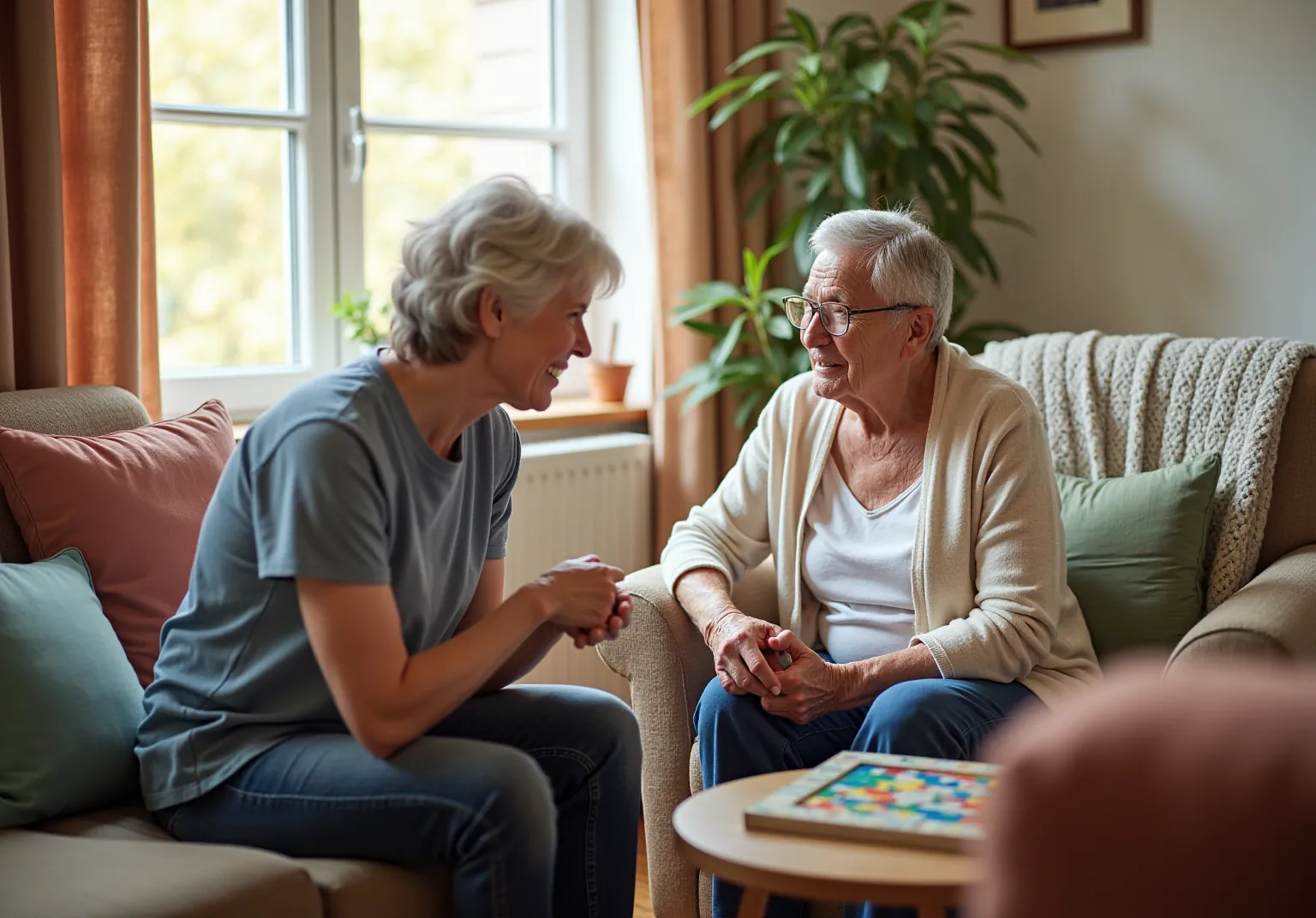
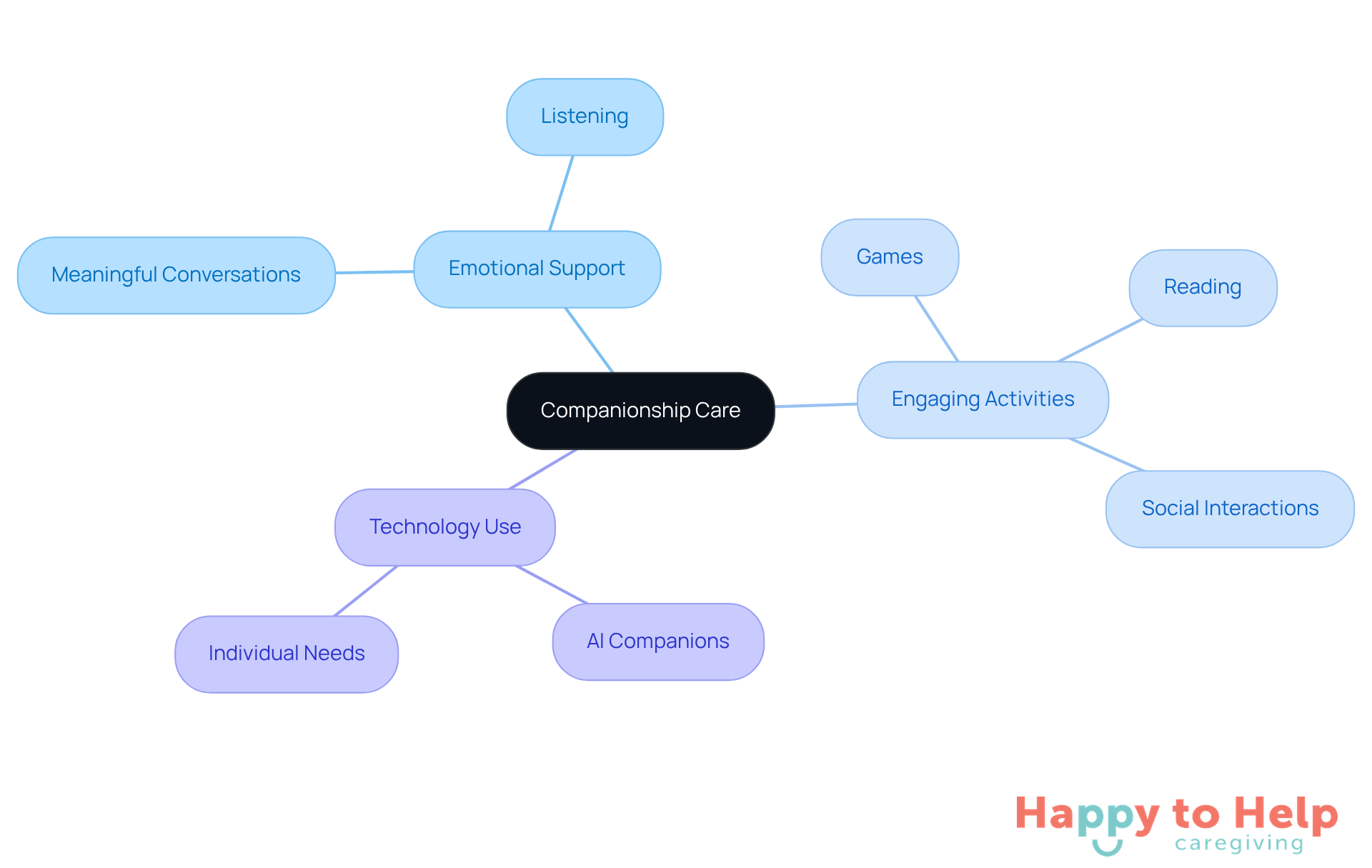
Companionship care addresses a significant problem: the isolation and loneliness many seniors experience. This emotional distress can lead to serious mental health issues, including anxiety and depression. The duties of a caregiver for elderly are crucial in mitigating these feelings by providing emotional support and fostering social interactions.
Engaging seniors in meaningful conversations and activities is essential. Activities such as playing games, reading together, or simply being present to listen can significantly enhance mental well-being. Research supports this; for instance, a 2023 NYSOFA report revealed a 95% reduction in loneliness among older adults using the ElliQ platform. Furthermore, a pilot program at RiverSpring Living showed notable improvements in emotional well-being for participants interacting with AI companions.
These interactions not only make older adults feel valued but also cultivate a sense of belonging, contributing to their overall happiness. However, it's important to recognize that while AI companions can offer support, they may not be suitable for everyone, especially those with cognitive impairments, as they lack the empathy and problem-solving skills of human caregivers.
To effectively combat loneliness, caregivers can implement the following strategies:
- Encourage regular social interactions: Facilitate opportunities for seniors to connect with others.
- Engage in shared activities: Organize games, reading sessions, or simple conversations.
- Utilize technology wisely: Introduce AI companions where appropriate, but remain mindful of individual needs.
By focusing on these solutions, caregivers can significantly enhance the quality of life for seniors, ensuring they feel connected and supported.
Meal Preparation: Ensuring Nutritious Diets for Seniors
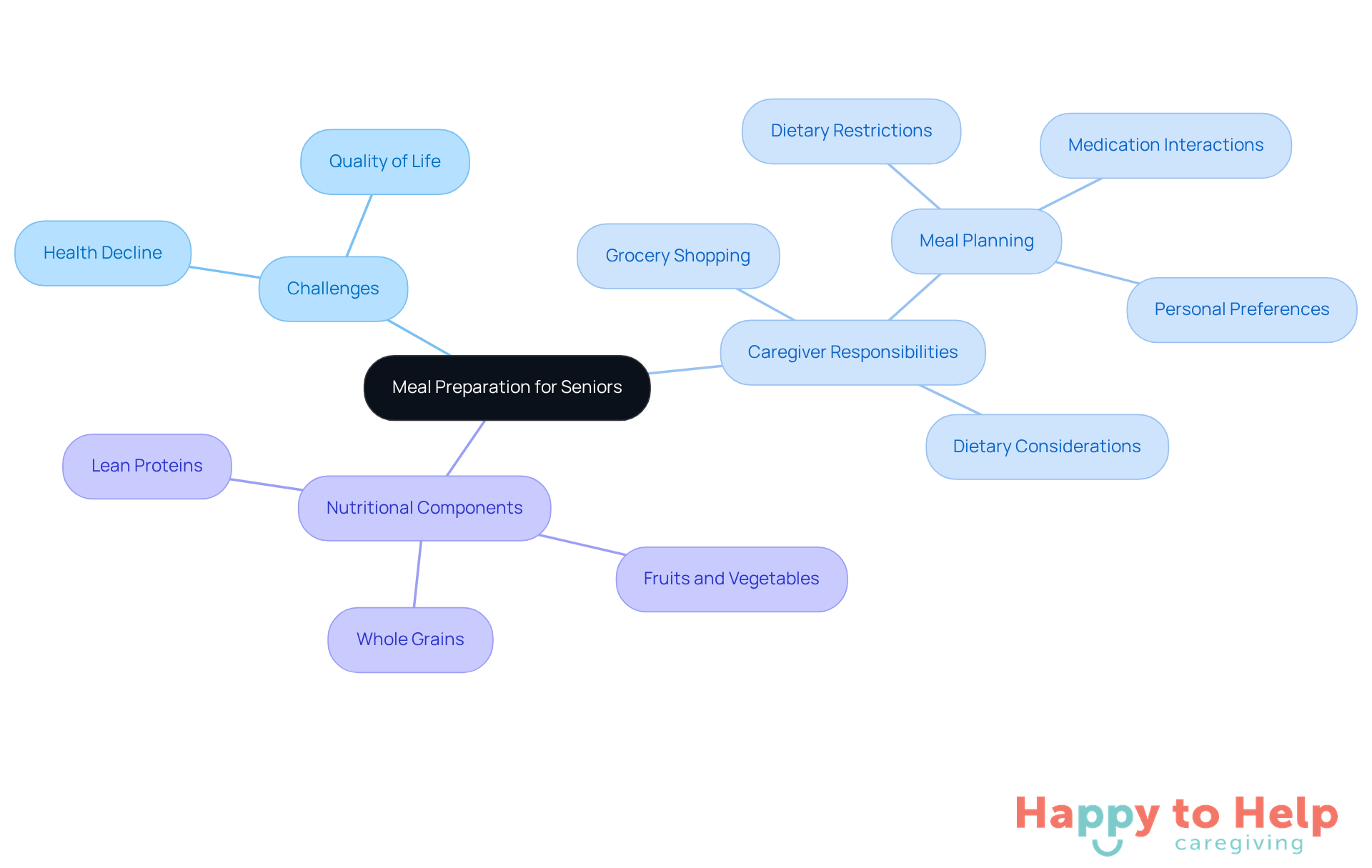
Problem: Many elderly individuals face challenges in maintaining a balanced diet, which is crucial for their health and well-being.
Agitate: Without proper nutrition, they may experience a decline in health, leading to increased medical issues and a diminished quality of life.
One of the key duties of a caregiver for elderly is playing a vital role in meal preparation by designing balanced diets that meet the specific nutritional needs of older adults. This involves incorporating a variety of fruits, vegetables, lean proteins, and whole grains into their meals.
Additionally, the duties of a caregiver for elderly include assisting with grocery shopping, ensuring that meals are not only nutritious but also appealing. By preparing meals that consider dietary restrictions and preferences, caregivers perform their duties of a caregiver for elderly by helping older adults maintain their well-being and enjoy their dining experience.
Medication Management: Supporting Health Compliance
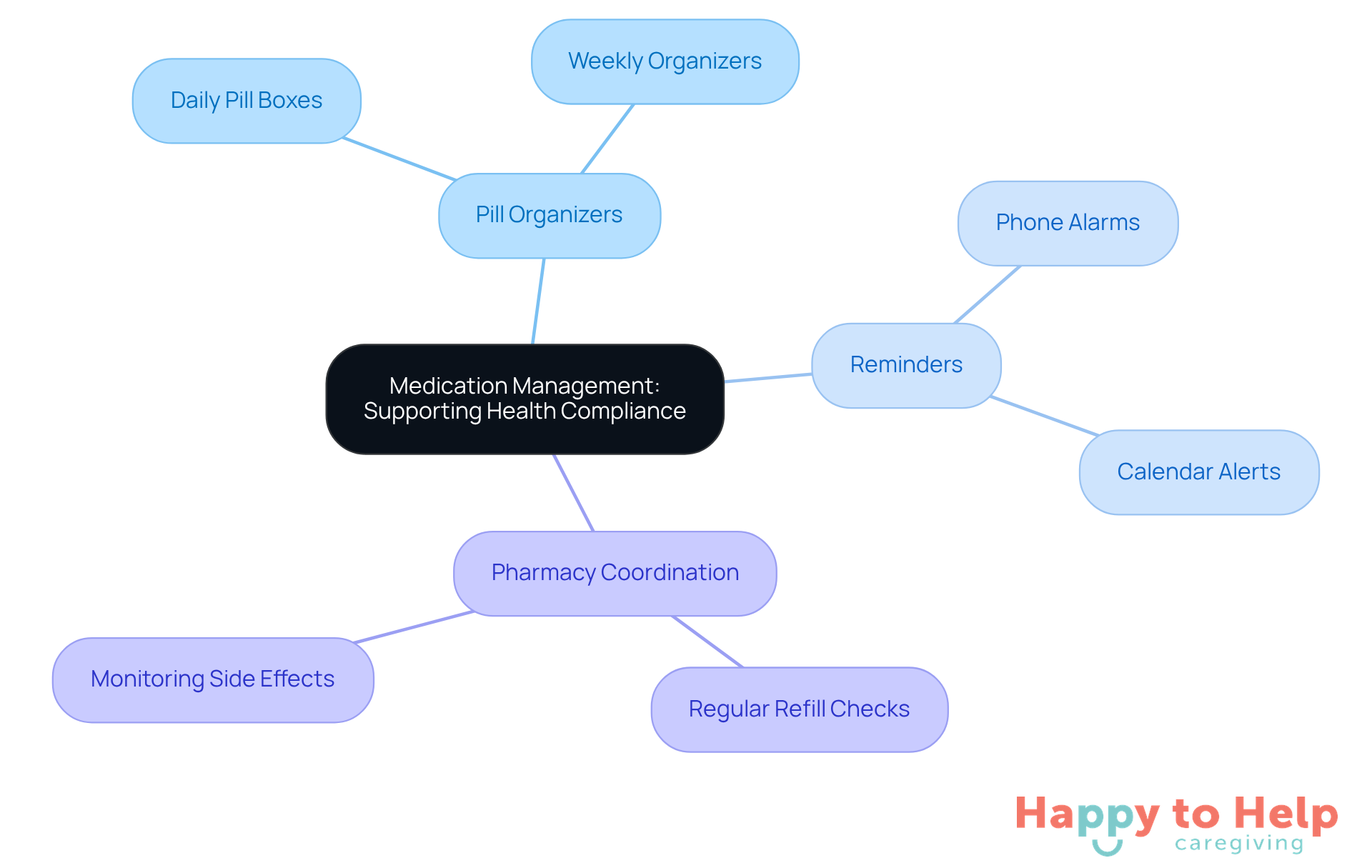
One of the significant duties of a caregiver for elderly is managing their medication. Many clients struggle to adhere to their prescribed medication schedules, which can lead to serious complications and even hospitalizations. This issue not only affects the health of clients but also places additional stress on caregivers, who carry out the duties of a caregiver for elderly while striving to provide the best support possible.
To tackle this problem, caregivers can implement several practical solutions:
- Using pill organizers can help clients keep track of their medications more effectively.
- Setting reminders on phones or through alarms can also ensure that medications are taken on time.
- Coordinating with pharmacies for timely refills and monitoring clients for any side effects can further enhance medication adherence.
By maintaining a clear medication schedule, caregivers demonstrate the duties of a caregiver for elderly, playing a crucial role in preventing complications and supporting the overall well-being of their clients. These strategies not only improve health outcomes but also alleviate some of the burdens faced by caregivers, allowing them to focus on providing compassionate care.
Personal Care: Assisting with Hygiene and Grooming
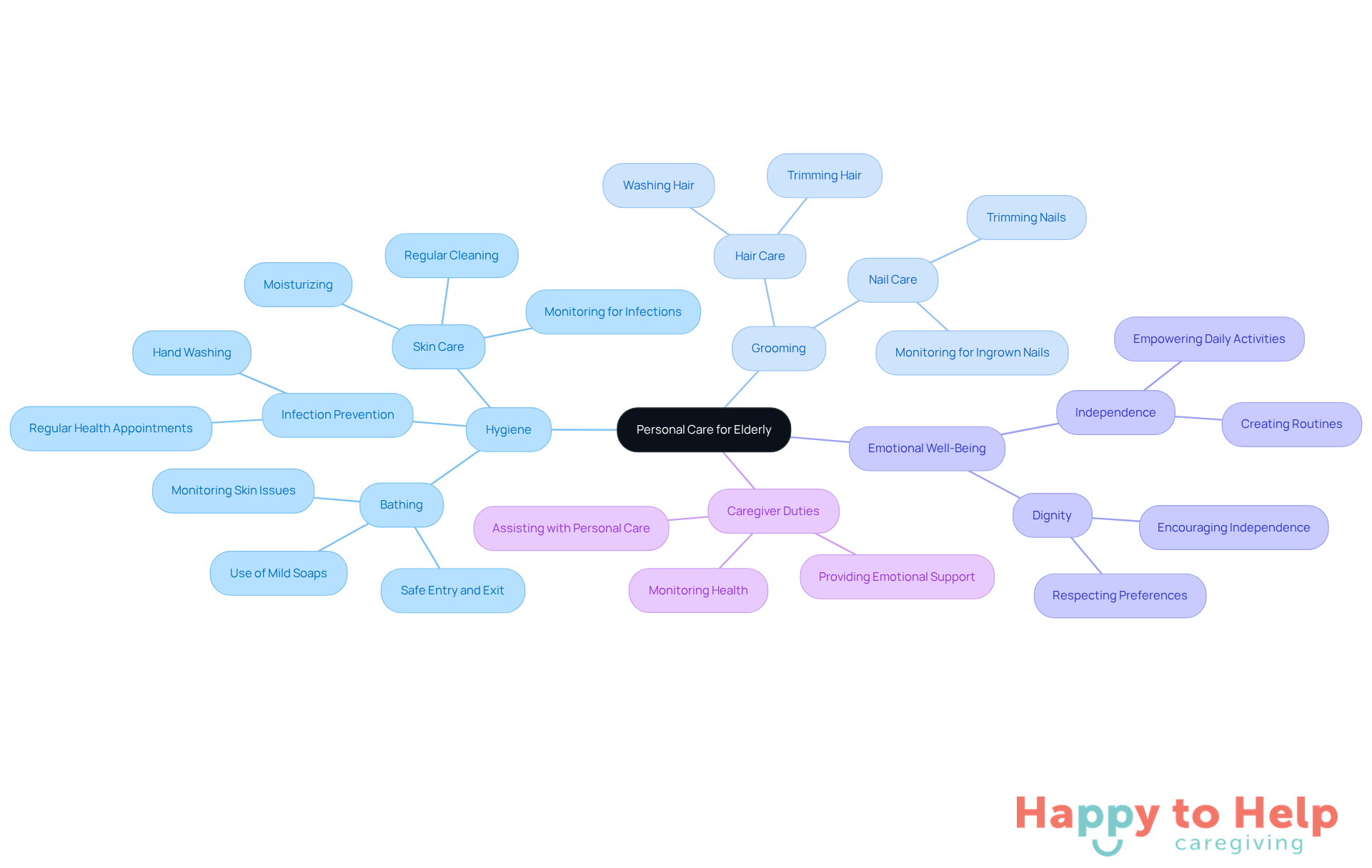
Supporters play a crucial role in the duties of a caregiver for elderly individuals, assisting them with personal care activities such as bathing, grooming, and dressing. However, inadequate attention to these tasks can lead to significant issues, including poor hygiene, which can result in skin infections, body odor, and diminished self-worth. These factors ultimately impact overall well-being.
Experts emphasize that good grooming practices not only enhance physical health but also contribute to mental well-being. Regular hair and nail care can significantly boost seniors' confidence and comfort, reducing the risk of infections and injuries. The duties of a caregiver for elderly encompass assisting with essential tasks like washing hair, trimming nails, and monitoring for any signs of skin issues, which are vital for maintaining skin integrity and preventing complications.
To address these challenges, the duties of a caregiver for elderly should involve creating a routine that respects the preferences of older adults. This approach fosters dignity and autonomy, which are vital for emotional well-being. As medical experts point out, preserving dignity in personal care is essential; the duties of a caregiver for elderly include guiding and assisting rather than taking control of tasks. This empowers elderly individuals in their daily activities. AARP caregiving expert Amy Goyer notes, "Sometimes, it helps to look at it as if I’m performing a medical task, like I’m a professional … it doesn't mean I have to become hardened and not feel emotions."
In light of recent findings, the importance of hygiene in elderly care has gained renewed attention. With the aging population facing greater wellness challenges, support providers must prioritize cleanliness practices that safeguard physical well-being and improve the quality of life for older adults. Practical adjustments, such as adding a raised toilet seat with rails, can enhance bathroom accessibility and safety. By focusing on grooming and hygiene, support providers can help their clients preserve a sense of self-worth and independence, ultimately leading to improved health outcomes.
Mobility Assistance: Promoting Independence and Safety
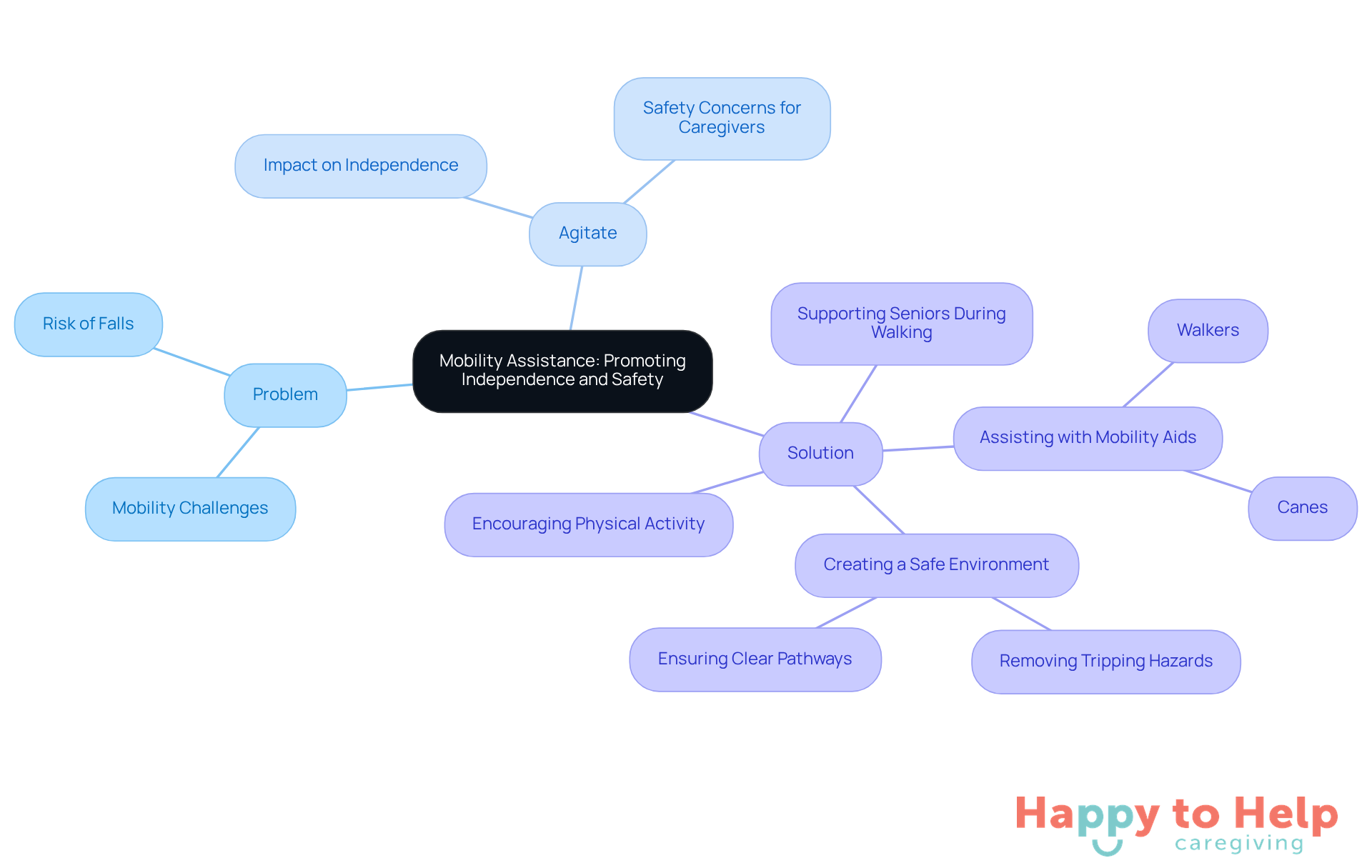
Problem: Seniors often face significant mobility challenges, which can lead to a higher risk of falls and injuries.
Agitate: These mobility issues not only affect their independence but also create safety concerns for caregivers and family members. Falls are a major concern for the elderly, leading to serious health complications and a loss of confidence in their ability to move safely.
Solution: The duties of a caregiver for elderly include providing crucial assistance to seniors with mobility. They can help by:
- Supporting seniors during walking and transferring from bed to chair.
- Assisting with mobility aids like walkers or canes.
- Creating a safe environment by removing tripping hazards and ensuring pathways are clear.
The duties of a caregiver for elderly include encouraging physical activity and providing assistance to promote independence and significantly reduce the risk of falls. This proactive approach not only enhances the quality of life for seniors but also alleviates concerns for their loved ones.
Emotional Support: Alleviating Loneliness and Isolation
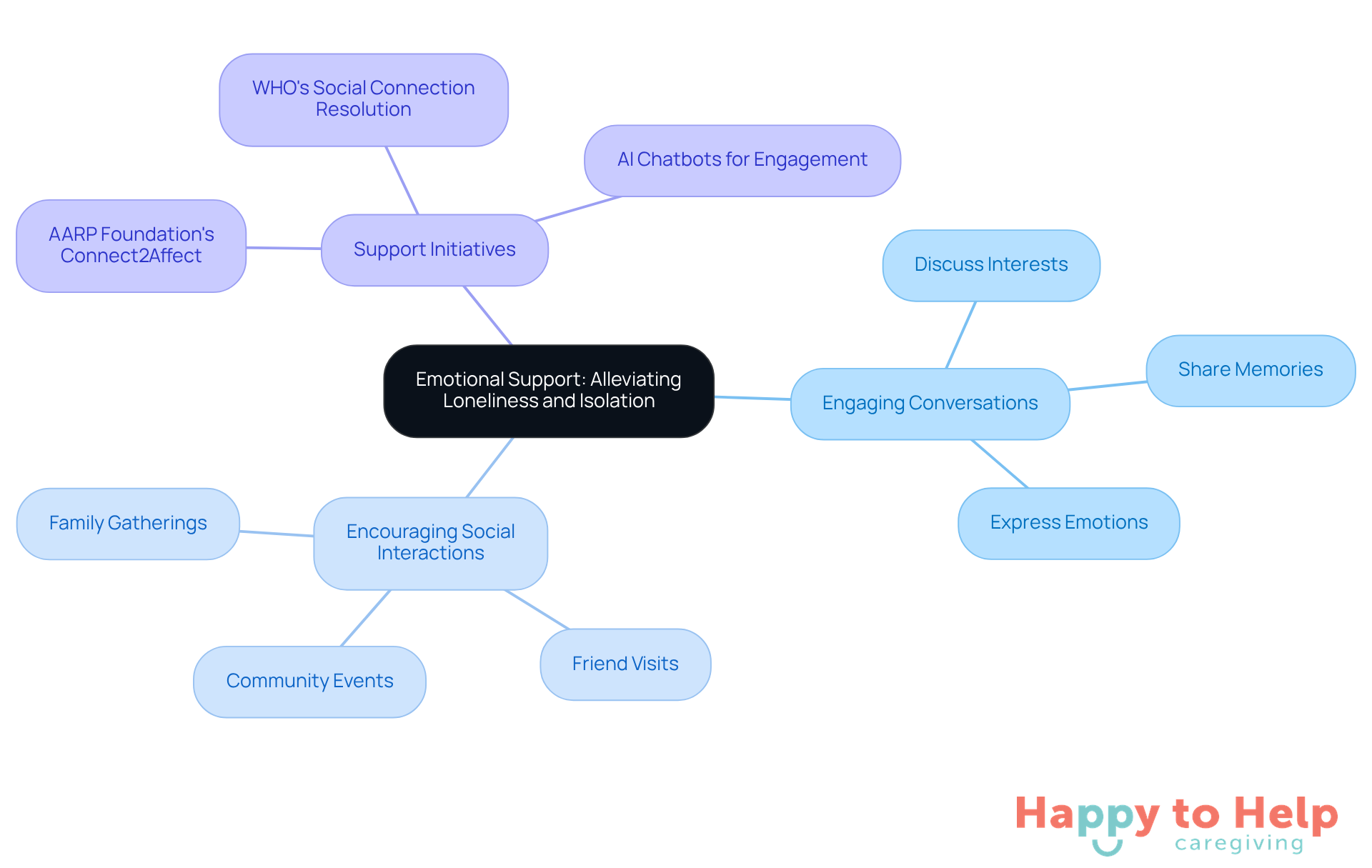
Caregivers face a significant challenge: many older adults experience feelings of isolation. In fact, one third of U.S. adults aged 50 to 80 report feeling lonely, which can severely impact their emotional well-being. This isolation not only affects mental health but also diminishes the overall quality of life for seniors, making the role of caregivers even more crucial.
To address this pressing issue, caregivers can implement several effective strategies:
- They should actively engage older adults in conversations about their interests, memories, and emotions. This practice not only fosters companionship but also helps reduce feelings of loneliness and promotes a sense of belonging.
- Encouraging social interactions with family and friends can significantly enhance emotional well-being.
Support initiatives, such as the AARP Foundation's Connect2Affect, emphasize the importance of social connections in combating loneliness. These resources empower older adults to strengthen their social ties, which is essential for their happiness. Furthermore, the recent WHO resolution on social connection, adopted in May 2025, underscores the importance of addressing loneliness as a public health concern.
Ultimately, the duties of a caregiver for elderly encompass not just providing physical support but also fostering emotional well-being. By implementing these emotional support strategies, they can create a more fulfilling and connected environment for elderly clients, contributing to their overall happiness and well-being.
Household Management: Ensuring a Safe and Clean Environment
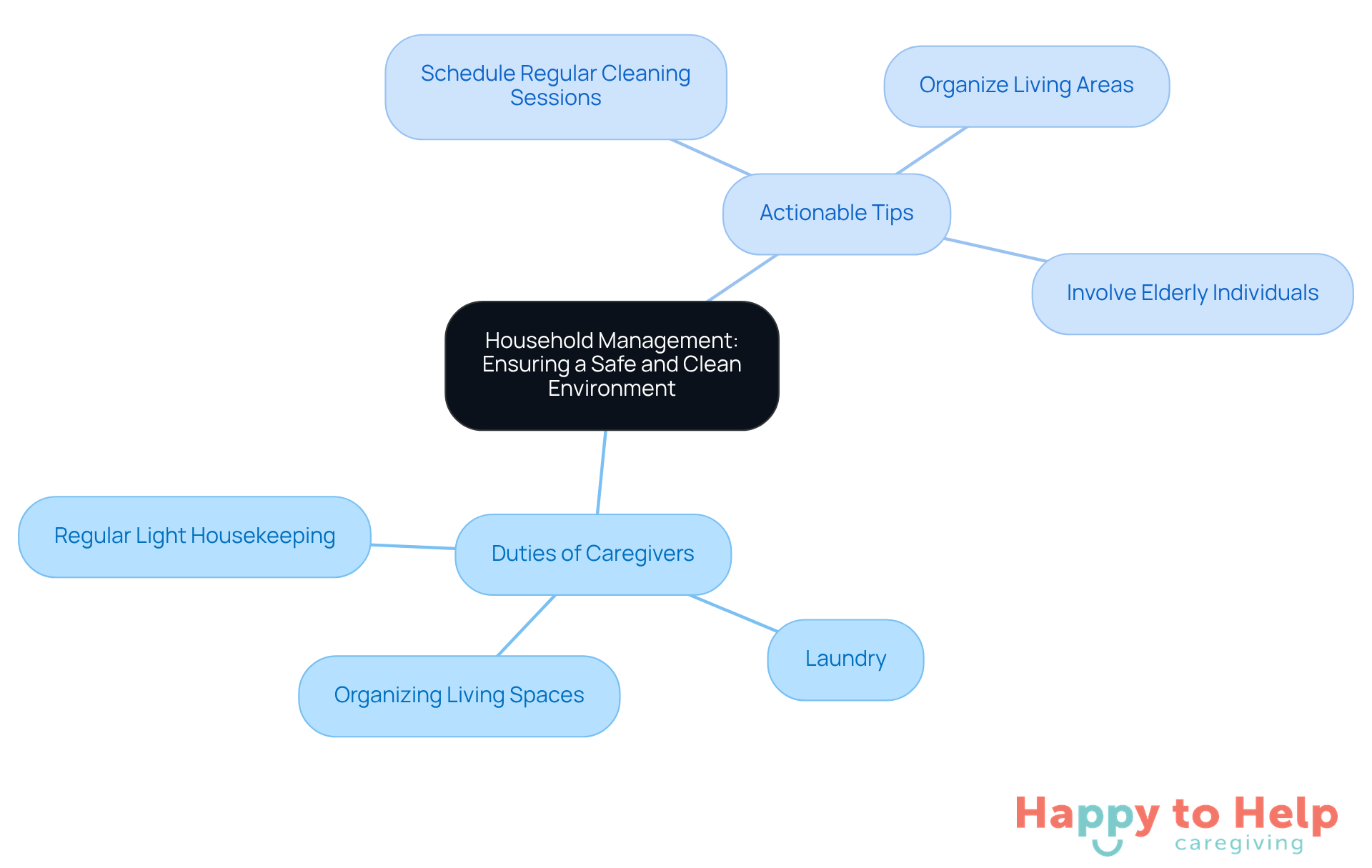
The duties of a caregiver for elderly include managing household tasks, which can often feel overwhelming. A cluttered or unsafe home not only increases stress for caregivers but also poses risks for the elderly individuals they assist. Accidents can happen easily in disorganized spaces, making it crucial to address these issues.
To combat these challenges, caregivers can implement practical solutions. Regular light housekeeping, laundry, and organizing living spaces are crucial duties of a caregiver for elderly that help maintain a safe environment. By ensuring that the home is clean and free of hazards, caregivers perform their duties of a caregiver for elderly individuals, fostering a sense of well-being and allowing them to feel more at ease and secure in their residences.
Here are some actionable tips for caregivers:
- Schedule regular cleaning sessions to keep spaces tidy.
- Organize living areas to minimize clutter and hazards.
- Involve elderly individuals in the process to promote engagement and comfort.
By adopting these strategies, caregivers can significantly enhance the quality of life for those they support, which are essential duties of a caregiver for elderly.
Transportation: Facilitating Access to Care and Community
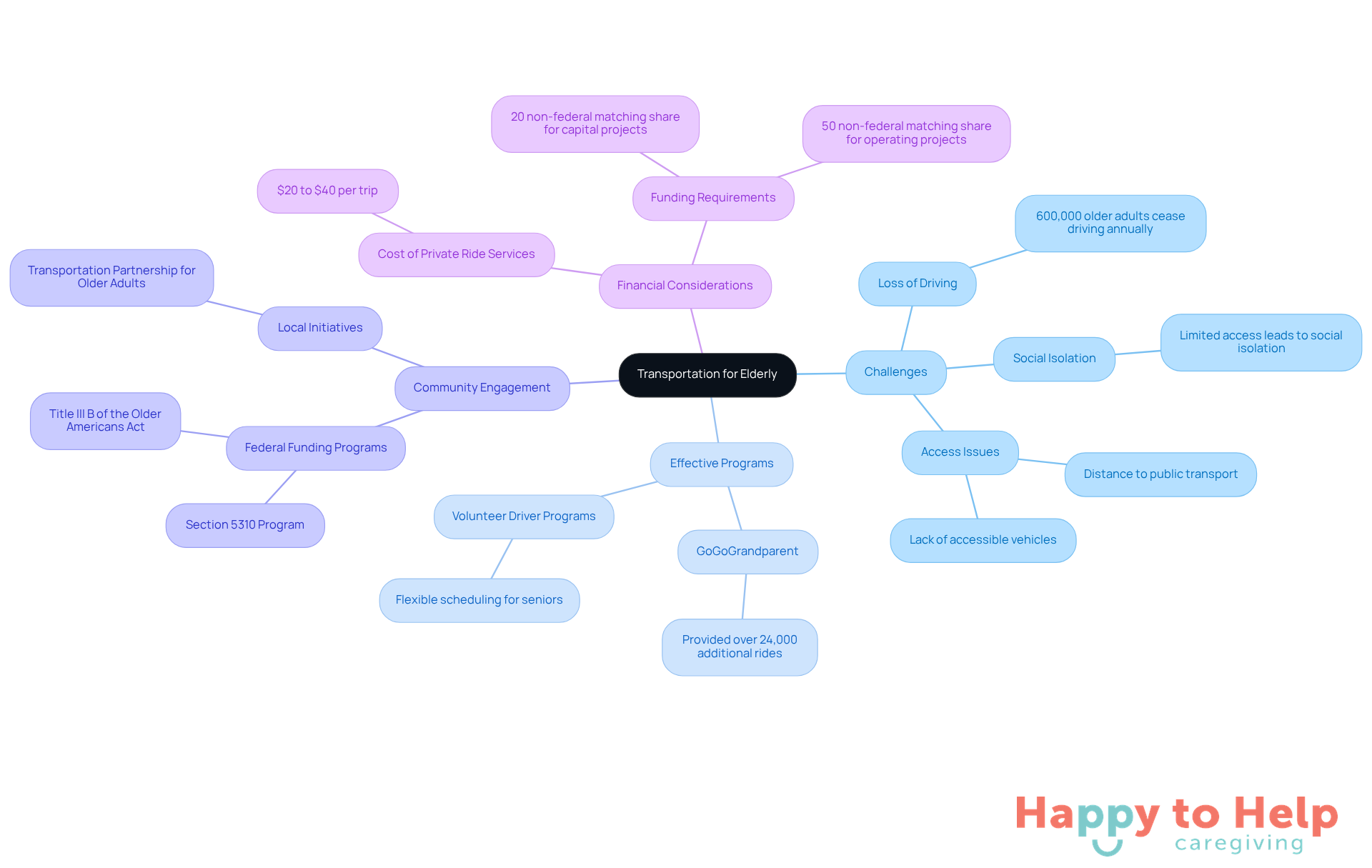
Transportation is a crucial service that support providers offer, allowing elderly individuals to participate in medical appointments, social gatherings, and other important activities. However, many older adults face significant challenges in accessing reliable transportation, which can lead to social isolation and a decline in their overall quality of life.
Research indicates that approximately 600,000 older adults cease driving annually, making it progressively difficult for them to engage in everyday activities. Programs like GoGoGrandparent have proven effective, providing over 24,000 additional rides since their inception. This initiative helps combat social isolation and promotes overall well-being among older adults.
Geriatric care specialists emphasize that reliable transportation services are essential for elderly individuals to remain engaged members of their communities. Volunteer driver programs and private ride services cater specifically to the unique needs of elderly individuals, ensuring they can access vital services like grocery shopping and medical care. These initiatives not only enhance mobility but also foster a sense of belonging and community engagement.
Customized transportation options can significantly enhance the independence of older adults. Federal funding programs, such as the Federal Transit Administration's Section 5310 Program, support various transportation initiatives aimed at improving accessibility for older adults. By addressing transportation gaps, these programs play a crucial role in helping elderly individuals live independently and maintain their quality of life.
Additionally, the cost of private ride services typically ranges from $20 to $40 per trip, which is an important consideration for families seeking transportation options for their loved ones. As the population ages, with projections indicating that by 2030 all Baby Boomers will be 65 years old or older, the demand for these essential services will only continue to grow. Governor Kathy Hochul has stated that access to quality transportation makes a significant difference in daily lives, underscoring the importance of these services for older adults.
Health Monitoring: Keeping Track of Medical Needs
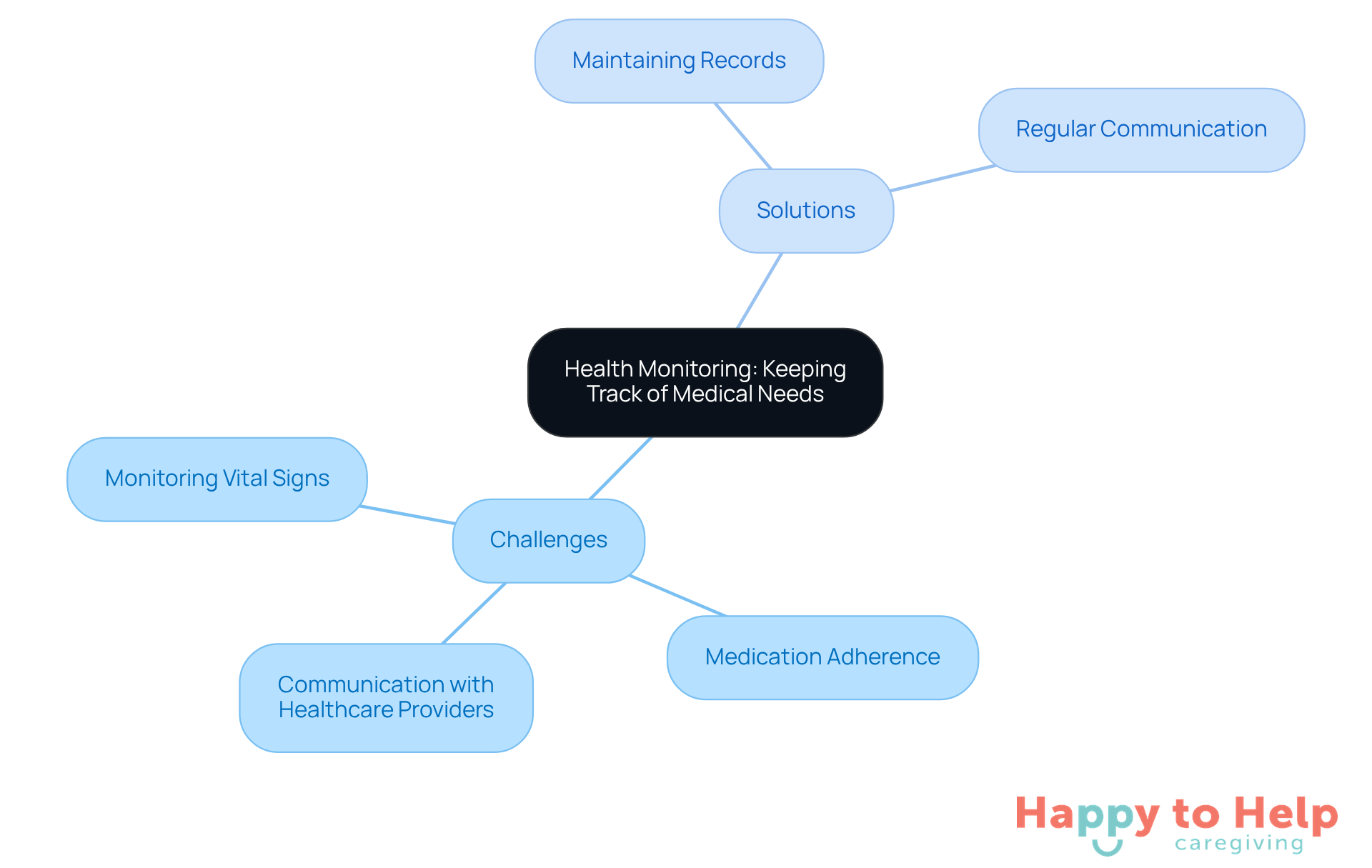
The duties of a caregiver for elderly individuals involve facing significant challenges in monitoring seniors' well-being, especially when it comes to tracking vital signs, medication adherence, and changes in physical or mental condition. This issue can lead to serious health risks if not addressed promptly.
The implications of inadequate monitoring are profound. Without effective communication with healthcare providers, concerns may go unaddressed, potentially jeopardizing the health and safety of seniors. In performing the duties of a caregiver for elderly, caregivers must be vigilant and proactive in their approach to care.
To tackle these challenges, caregivers can implement several practical solutions:
- Maintaining detailed records of vital signs and medication schedules is crucial.
- Regular communication with healthcare providers ensures that any emerging concerns are promptly addressed.
By adopting these strategies, caregivers effectively carry out the duties of a caregiver for elderly clients, playing a vital role in safeguarding their overall health.
Respite Care: Supporting Family Caregivers
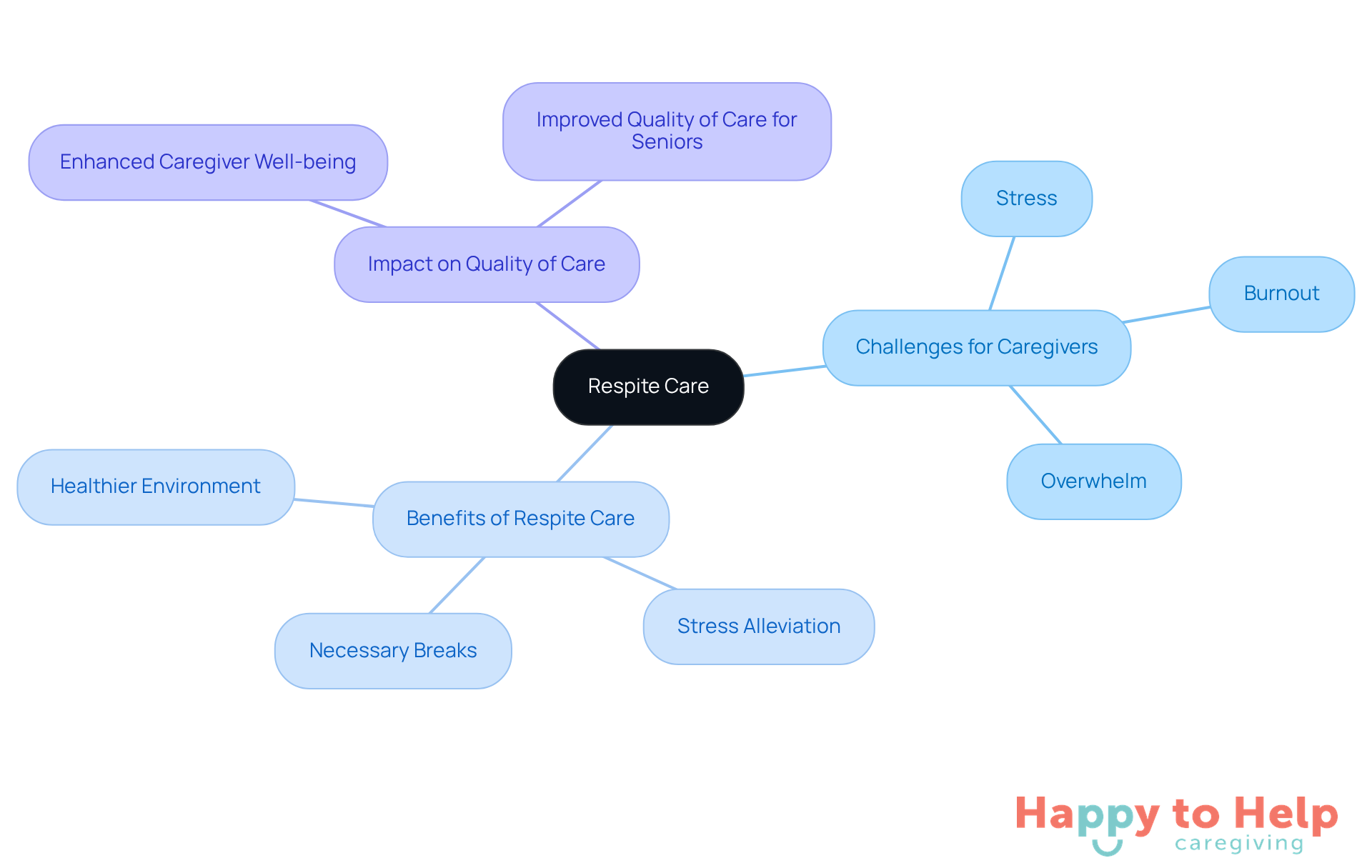
Caregiving can be incredibly demanding, often leading to stress and burnout among family members. This challenge is compounded by the constant need to provide quality assistance to loved ones, which can leave caregivers feeling overwhelmed and exhausted.
Respite services offer a vital solution by providing short-term relief for family caregivers. These services allow caregivers to take necessary breaks while ensuring that their loved ones continue to receive the support they need. By stepping in during these times, respite caregivers help alleviate stress and prevent burnout, fostering a healthier caregiving environment.
Ultimately, by utilizing respite care, caregivers not only enhance their own well-being but also contribute positively to the overall quality of care for seniors. This approach promotes a balanced and sustainable caregiving experience for families.
Taking the Next Steps
Caregivers for the elderly face significant challenges that can impact the quality of life for seniors. These challenges extend beyond physical assistance; they encompass emotional well-being, safety, and independence. Without proper support, caregivers may struggle to meet the diverse needs of older adults, leading to feelings of isolation and neglect.
The implications of these challenges are profound. Seniors may experience loneliness, inadequate nutrition, and a lack of medical adherence, all of which can diminish their overall health and happiness. As the elderly population continues to grow, the importance of addressing these issues becomes increasingly clear. Caregivers, families, and communities must prioritize the well-being of seniors by providing comprehensive support that meets their physical, emotional, and social needs.
To tackle these challenges effectively, caregivers can implement several practical solutions:
- Foster Companionship: Regular social interaction can combat loneliness and improve emotional health.
- Prepare Nutritious Meals: Ensuring seniors receive balanced diets is crucial for their physical health.
- Manage Medications: Keeping track of medications helps maintain medical adherence and prevents health complications.
- Assist with Personal Care and Mobility: Providing help with daily activities promotes independence and dignity.
- Offer Emotional Support: Being present and listening can significantly enhance a senior's emotional well-being.
- Monitor Health: Regular check-ins can help catch potential health issues early.
By fostering a culture of compassion and understanding, society can ensure that older adults not only receive care but also thrive in their golden years. With the right support, caregivers can create an environment that enhances the overall health and happiness of seniors.
https://iframe.tely.ai/cta/eyJhcnRpY2xlX2lkIjogIjY5MmZiYWE4ODlkMmVhNjQzNGVjMGEzMSIsICJjb21wYW55X2lkIjogIjY4ZWU1ZGNhNzMxNzYyNTU3ZjNjOTVjMSIsICJpbmRleCI6IG51bGwsICJ0eXBlIjogImFydGljbGUifQ==Frequently Asked Questions
What is companionship care and why is it important for seniors?
Companionship care addresses the isolation and loneliness many seniors face, which can lead to serious mental health issues like anxiety and depression. Caregivers provide emotional support and foster social interactions to mitigate these feelings.
How can caregivers enhance the mental well-being of seniors?
Caregivers can enhance mental well-being by engaging seniors in meaningful conversations and activities, such as playing games, reading together, or simply listening.
What evidence supports the effectiveness of companionship care?
A 2023 NYSOFA report indicated a 95% reduction in loneliness among older adults using the ElliQ platform, and a pilot program at RiverSpring Living showed notable improvements in emotional well-being for participants interacting with AI companions.
Are AI companions suitable for all seniors?
While AI companions can offer support, they may not be suitable for everyone, particularly those with cognitive impairments, as they lack the empathy and problem-solving skills of human caregivers.
What strategies can caregivers implement to combat loneliness in seniors?
Caregivers can encourage regular social interactions, engage in shared activities, and utilize technology wisely, introducing AI companions where appropriate while remaining mindful of individual needs.
What challenges do seniors face in maintaining a balanced diet?
Many elderly individuals struggle to maintain a balanced diet, which is crucial for their health. Without proper nutrition, they may experience health declines and increased medical issues.
What role do caregivers play in meal preparation for seniors?
Caregivers are vital in meal preparation by designing balanced diets that meet the specific nutritional needs of older adults, incorporating a variety of fruits, vegetables, lean proteins, and whole grains.
How can caregivers assist seniors with grocery shopping and meal preferences?
Caregivers help ensure that meals are nutritious and appealing by assisting with grocery shopping and preparing meals that consider dietary restrictions and personal preferences.
Why is medication management important for elderly clients?
Proper medication management is crucial as many seniors struggle to adhere to their prescribed schedules, which can lead to serious health complications and increased stress for caregivers.
What practical solutions can caregivers implement for medication management?
Caregivers can use pill organizers, set reminders on phones or alarms, and coordinate with pharmacies for timely refills while monitoring clients for side effects to enhance medication adherence.
List of Sources
- Happy to Help Caregiving: Compassionate Companionship Care
- How Companionship in Home Care Boosts Seniors' Mental Health - Care With Love (https://carewithlove.com/how-companionship-in-home-care-boosts-seniors-mental-health)
- AI Care Companions for Seniors (https://health.usnews.com/senior-care/articles/ai-care-companions-for-seniors)
- ElliQ Proactive Care Companion Initiative (https://aging.ny.gov/elliq-proactive-care-companion-initiative)
- Companion Care at Home Reduces Loneliness for Seniors During the Holidays (https://lifesathomecare.com/companion-care-at-home-reduces-loneliness-for-seniors-during-the-holidays)
- AI companion helps Bronx senior living facility residents combat loneliness (https://cbsnews.com/newyork/news/ai-companionship-for-seniors-bronx)
- Meal Preparation: Ensuring Nutritious Diets for Seniors
- Findings From New Study Reinforce That Home-Delivered Meals Provide Critical Health and Social Benefits to Older Adults and Caregivers (https://mealsonwheelsamerica.org/news/findings-from-new-study-reinforce-that-home-delivered-meals-provide-critical-health-and-social-benefits-to-older-adults-and-caregivers)
- Survey: Food, nutrition rank as top factor affecting aging seniors’ well-being (https://mcknightshomecare.com/news/survey-food-nutrition-rank-as-top-factor-affecting-aging-seniors-well-being)
- Home-Delivered Medical Meals Could Prevent Millions Of Hospitalizations A Year (https://usnews.com/news/health-news/articles/2025-04-14/home-delivered-medical-meals-could-prevent-millions-of-hospitalizations-a-year)
- How Improved Meal Planning and Preparation Keep Seniors Healthy (https://blhc.org/how-improved-meal-planning-and-preparation-keep-seniors-healthy)
- Medication Management: Supporting Health Compliance
- Why Medication Adherence is Crucial for Older Adults (https://agewellmedical.com/news/why-medication-adherence-is-crucial-for-older-adults)
- Medication Adherence in 2025: A Hidden Healthcare Crisis (https://pharmdlive.com/blog/medication-adherence-2025)
- Medication Adherence and Its Associated Determinants in Older Adults with Type 2 Diabetes and Cardiovascular Comorbidities - PMC (https://pmc.ncbi.nlm.nih.gov/articles/PMC10693756)
- Why Medication Support Enhances Senior Health Outcomes - CEO Today (https://ceotodaymagazine.com/2025/12/why-medication-support-enhances-senior-health-outcomes)
- Why Medication Adherence Is Critical and How AI Can Improve It - AssistRx (https://assistrx.com/why-medication-adherence-is-critical-and-how-ai-can-improve-it)
- Personal Care: Assisting with Hygiene and Grooming
- The Role of Caregivers in Grooming and Hygiene for the Elderly (https://ltcnews.com/articles/role-of-caregivers-grooming-hygiene-elderly)
- The Significance of Personal Hygiene Care for the Elderly (https://kindseniorcare.com/2024/01/17/the-importance-of-personal-hygiene-care-for-the-elderly)
- How Caregivers Can Help with Personal Hygiene (https://aarp.org/caregiving/basics/personal-hygiene-tips)
- FastStats (https://cdc.gov/nchs/fastats/older-american-health.htm)
- 52+ Senior Health Statistics, Facts & Trends (https://humancareny.com/blog/52-senior-health-statistics-facts-trends)
- Mobility Assistance: Promoting Independence and Safety
- News Center » Breakthroughs Can’t Wait: Breaking Down Barriers to Care for Older Adults (https://news.pharmacy.umaryland.edu/breakthroughs-cant-wait-breaking-down-barriers-to-care-for-older-adults)
- Breaking News: Fall 2025 Brings a New Era of Lightweight Walkers and Rollators for Seniors (https://cbs42.com/business/press-releases/ein-presswire/850373373/breaking-news-fall-2025-brings-a-new-era-of-lightweight-walkers-and-rollators-for-seniors)
- New Lightweight Mobility Devices Cater to Active Elderly - INTCO Medical (https://intcowheelchair.com/news/new-lightweight-mobility-devices-cater-to-active-elderly)
- Governor Hochul Announces Expansion of Successful GoGoGrandparent Transportation Partnership for Older Adults (https://governor.ny.gov/news/governor-hochul-announces-expansion-successful-gogograndparent-transportation-partnership)
- Governor Hochul Announces $52.1 Million to Enhance Transportation Services for Older Citizens and People With Disabilities (https://governor.ny.gov/news/governor-hochul-announces-521-million-enhance-transportation-services-older-citizens-and)
- Emotional Support: Alleviating Loneliness and Isolation
- 1 in 3 older adults still experience loneliness and isolation (https://michiganmedicine.org/health-lab/1-3-older-adults-still-experience-loneliness-and-isolation)
- Social connection linked to improved health and reduced risk of early death (https://who.int/news/item/30-06-2025-social-connection-linked-to-improved-heath-and-reduced-risk-of-early-death)
- Lonely Seniors Are Turning To AI Bots For Companionship (https://forbes.com/sites/rashishrivastava/2025/10/18/lonely-seniors-are-turning-to-ai-bots-for-companionship)
- Senior Living Operators Take Aim at Resident Loneliness With New Tech, Tools (https://seniorhousingnews.com/2025/07/09/senior-living-operators-take-aim-at-resident-loneliness-with-new-tech-tools)
- For seniors: the mental health payoff of staying curious (https://news.ucr.edu/articles/2025/08/06/seniors-mental-health-payoff-staying-curious)
- Household Management: Ensuring a Safe and Clean Environment
- Senior Safety in 2025: A Guide | Kingston HealthCare (https://kingstonhealthcare.com/senior-safety-in-2025-a-guide)
- Home Safety Month, Garbage Cans, and Aging in Place (https://lifework.arizona.edu/news/2025/home-safety-month-garbage-cans-and-aging-place)
- As falling deaths rise for older adults, how home safety can make a difference (https://denver7.com/news/local-news/as-falling-deaths-rise-for-older-adults-how-home-safety-can-make-a-difference)
- The declining population will make it even harder to care for elders (https://npr.org/2025/11/02/nx-s1-5535648/population-elderly-caregivers)
- Transportation: Facilitating Access to Care and Community
- Seniors get free on-demand rides as New York expands GoGoGrandparent program (https://brooklyn.news12.com/seniors-get-free-on-demand-rides-as-new-york-expands-gogograndparent-program)
- The Power of Elderly Transportation Services (https://h2hhc.com/blog/elderly-transportation-services)
- Governor Hochul Announces $52.1 Million to Enhance Transportation Services for Older Citizens and People With Disabilities (https://governor.ny.gov/news/governor-hochul-announces-521-million-enhance-transportation-services-older-citizens-and)
- Governor Hochul Announces Expansion of Successful GoGoGrandparent Transportation Partnership for Older Adults (https://governor.ny.gov/news/governor-hochul-announces-expansion-successful-gogograndparent-transportation-partnership)
- Senior Center hopes to continue free medical transportation program, but federal funding is set to run out - Brookline.News (https://brookline.news/senior-center-hopes-to-continue-free-medical-transportation-program-but-federal-funding-is-set-to-run-out)
- Health Monitoring: Keeping Track of Medical Needs
- Technology for Seniors: Enhancing Life in 2025 | Senior Resource Group (https://srgseniorliving.com/blog/how-technology-enhances-senior-living-2025)
- The Future of Aging: Healthtech Innovations Reshaping Elderly Care & Well-being (https://digitalhealthnews.com/the-future-of-aging-healthtech-innovations-reshaping-elderly-care-well-being)
- The Future of Senior Care: What to Expect in 2025 and Beyond (https://arhomecare.com/the-future-of-senior-care-what-to-expect-in-2025-and-beyond)
- Top healthcare trends of 2026: Aging in place is driving innovation in home-based care and technology (https://definitivehc.com/blog/aging-in-place-driving-innovation)
- Monitoring Progress in Elderly Residents Receiving Therapy - Supportive Care (https://thesupportivecare.com/blog/monitoring-progress-in-elderly-residents-receiving-therapy)
- Respite Care: Supporting Family Caregivers
- Family Caregiver Support, Education Needs Growing (https://hospicenews.com/2025/11/11/family-caregiver-support-education-needs-growing)
- News & Updates | ARCH National Respite Network & Resource Center (https://archrespite.org/news)
- News & Success Stories | Live Well San Diego (https://livewellsd.org/Home/Components/News/News/513/153)
- Improving Support for Family Caregivers (https://nationalacademies.org/news/2025/07/improving-support-for-family-caregivers)