10 Essential Elderly Assistance Devices for Family Caregivers
For families in our service areas
For families in our service areas, this guide explains caregiver support and how non-medical in-home caregiving can support care planning in East Idaho, Treasure Valley & Magic Valley, Northern Wasatch, North Central West Virginia & Southwestern Pennsylvania, and Northeast Ohio.
What You Need to Know About Elderly Assistance Devices
Caring for elderly loved ones presents a significant challenge for family caregivers, who often face emotional and physical demands in ensuring their well-being. This struggle can lead to stress and burnout, impacting both the caregiver and the senior. The right tools can alleviate these pressures, transforming the caregiving experience and enhancing the quality of life for seniors.
However, with a plethora of options available, caregivers may find it difficult to determine which elderly assistance devices are truly essential. Identifying the right tools is crucial for promoting safety, independence, and comfort for seniors. This article explores ten indispensable devices that not only support caregivers but also empower seniors to thrive in their daily lives.
Happy to Help Caregiving: Personalized In-Home Care Services
Caring for the elderly and individuals with special needs can be a daunting task. Many caregivers face challenges such as emotional strain and the need for specialized support. Without adequate assistance, the quality of life for these individuals can significantly decline.
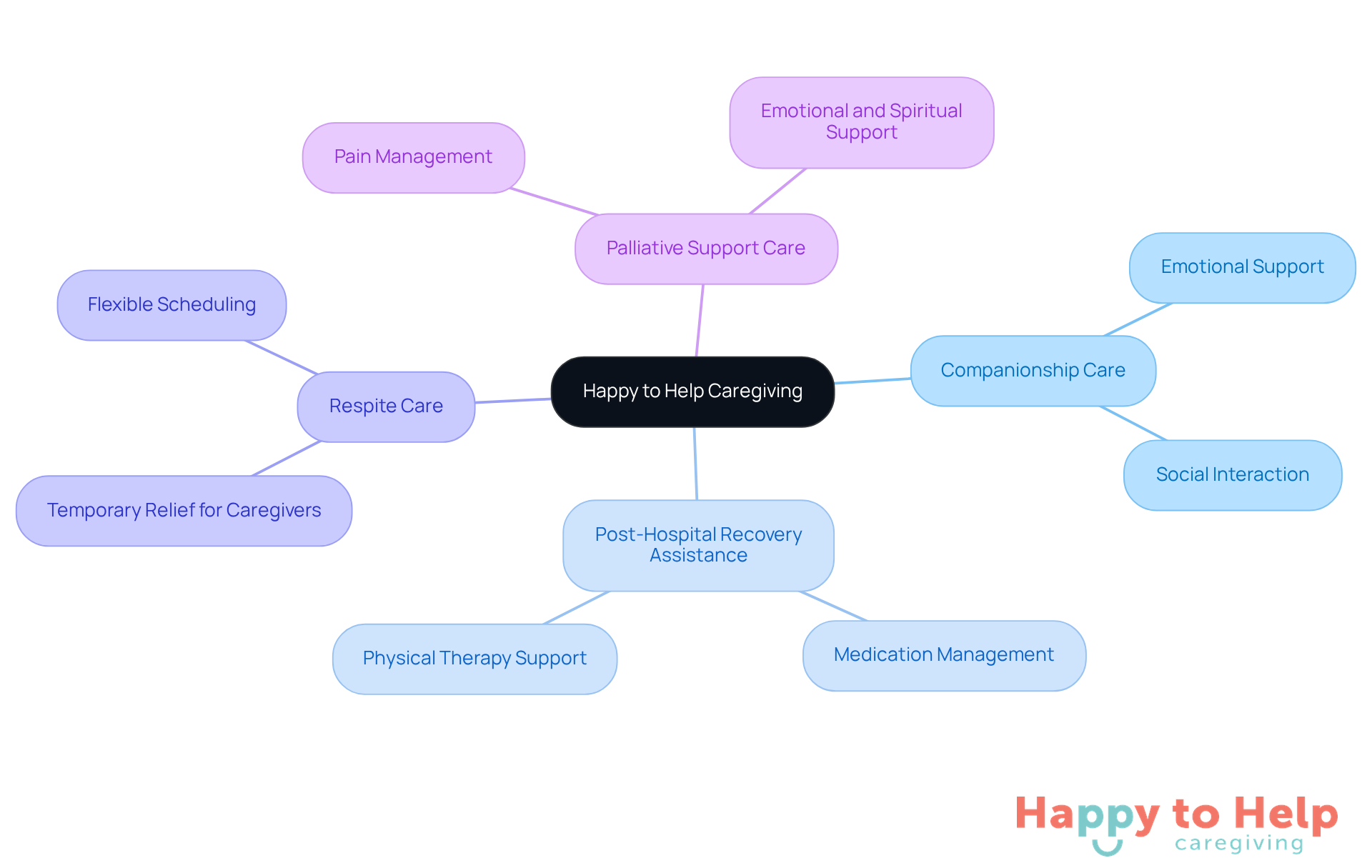
Happy to Help Caregiving addresses these challenges by offering compassionate in-home assistance tailored to the unique needs of their clients. Their services include:
- Companionship care
- Post-hospital recovery assistance
- Respite care
- Palliative support care
By focusing on enhancing the quality of life for clients, Happy to Help Caregiving ensures that individuals receive the support they need to thrive in their own homes. This approach fosters independence and well-being, allowing clients to maintain their dignity and comfort.
Moreover, the use of elderly assistance devices further enriches the caregiving experience. These elderly assistance devices not only help caregivers but also empower clients, making daily activities more manageable and enjoyable.
Rehabilitation Poles: Support for Mobility and Stability
Older adults often face significant balance challenges, which can severely impact their mobility and independence. This issue not only affects their quality of life but also places a burden on caregivers who strive to support their loved ones. Traditional mobility aids like walkers and canes may not adequately address these concerns, creating a need for more effective elderly assistance devices.
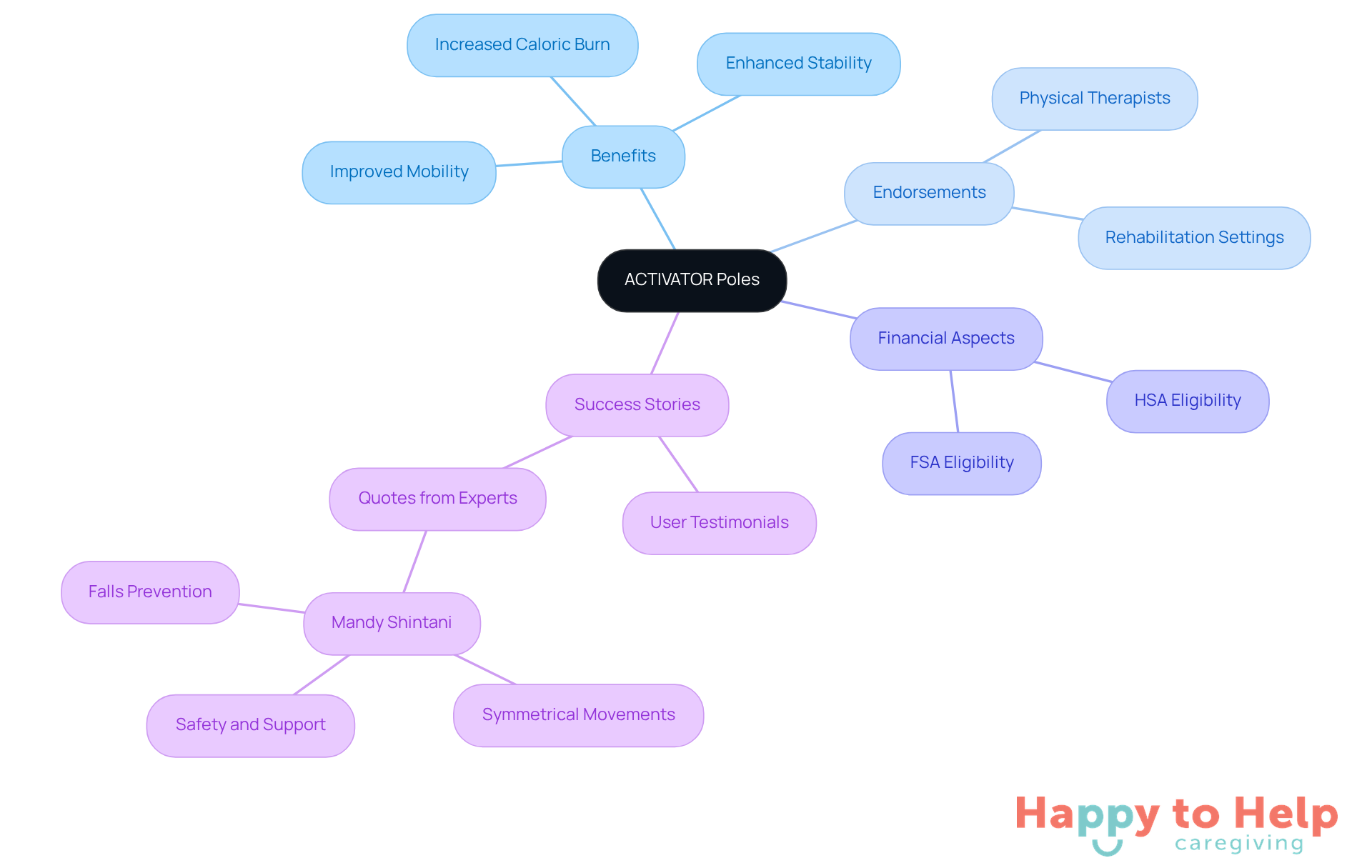
The ACTIVATOR poles emerge as a promising alternative. Unlike conventional aids, these poles encourage a natural walking pattern, essential for maintaining an upright posture and even weight distribution. They are particularly beneficial for individuals recovering from surgery or managing chronic conditions, providing the necessary support to help regain confidence and independence in movement.
Physical therapists widely endorse the use of ACTIVATOR poles, highlighting their effectiveness in rehabilitation settings. Recent studies show that these poles can significantly enhance mobility outcomes, allowing users to engage in physical activities more comfortably and safely. In fact, users can burn up to 20% more calories than walking alone.
Moreover, the financial aspect is increasingly favorable, as the poles are now eligible for reimbursement through Health Spending Accounts (HSA) and Flexible Spending Accounts (FSA). This makes them a viable option for family caregivers looking to support their loved ones.
Success stories abound, with many users reporting enhanced stability and a reduction in fall risks. As Mandy Shintani, an Occupational Therapist and Gerontologist, notes, "The poles are also a useful tool within a structured falls prevention program to keep people mobile, independent, and free of falls." With the right elderly assistance devices, caregivers can support older adults in maintaining an active lifestyle and improving their overall well-being.
Medical Alert Devices: Ensuring Safety and Quick Response
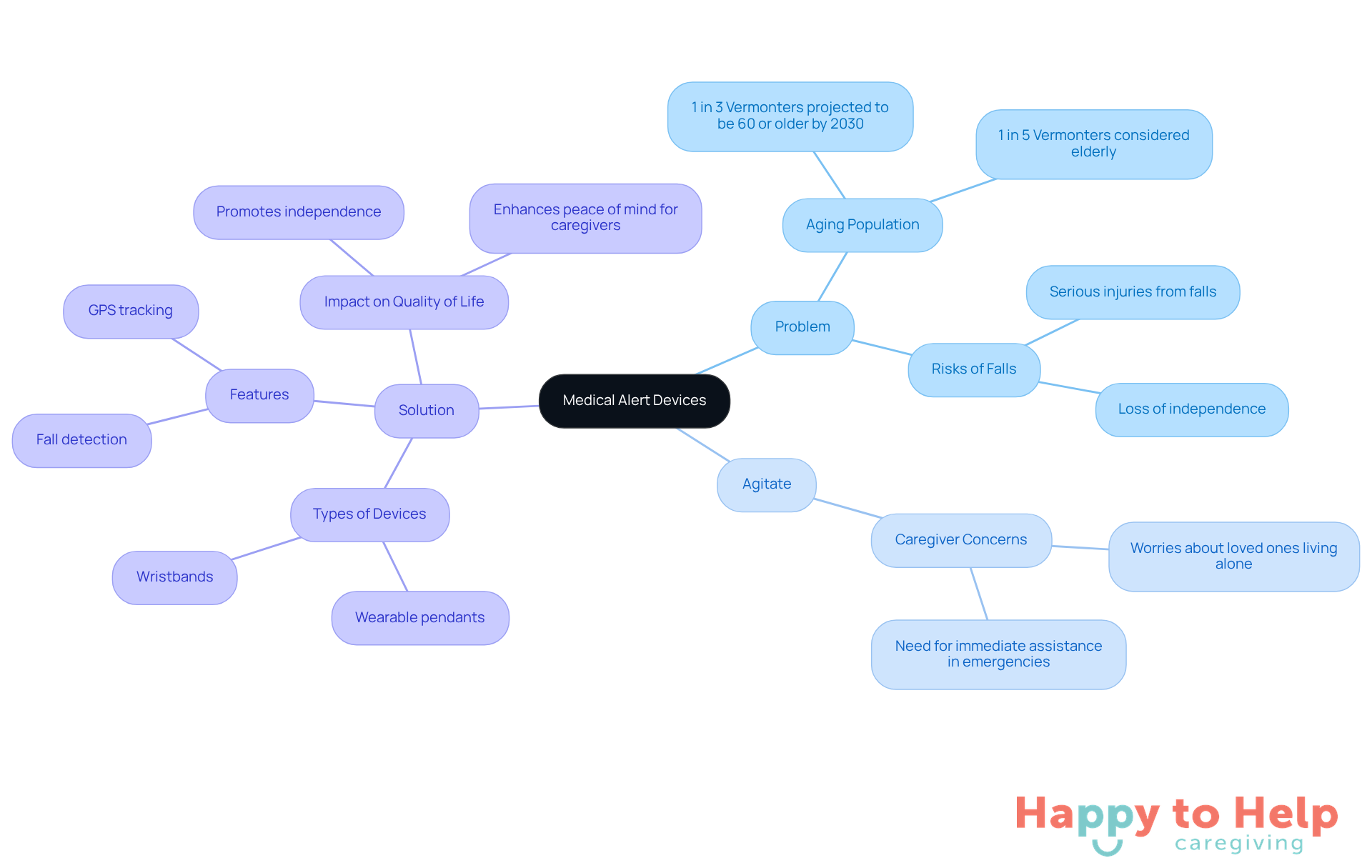
Problem: As our population ages, safety becomes a pressing concern for seniors and their caregivers. Many elderly individuals face risks, particularly from falls, which can lead to serious injuries and a loss of independence, highlighting the importance of elderly assistance devices.
Agitate: The implications of these risks are significant. With projections indicating that by 2030, one in three residents in Vermont will be 60 or older, the need for effective safety solutions is more critical than ever. Caregivers often worry about their loved ones living alone, fearing they may not be able to get help in an emergency.
Medical alert systems, including wearable pendants and wristbands, are effective elderly assistance devices that provide a practical solution. With just a button press, seniors can request help quickly. These elderly assistance devices often include advanced capabilities such as fall detection and GPS tracking, ensuring that assistance is always within reach. Beyond immediate protection, they foster a sense of security for both seniors and their caregivers, promoting a more independent lifestyle.
Since 2020, ADT has reported a 50% increase in U.S. sales of medical alert systems, reflecting the growing demand for such technologies. Specialists emphasize that elderly assistance devices not only mitigate the dangers associated with falls but also enhance the overall quality of life for older adults, allowing them to live independently in their own homes.
Reminder Alarm Clocks: Aiding Daily Routine Management
For many caregivers, managing the daily routines of older adults, especially those with dementia, can be a significant challenge. Confusion and anxiety often arise when seniors struggle to remember important tasks like taking medications or attending appointments. This not only affects their independence but also places additional stress on caregivers.
To address these issues, elderly assistance devices such as reminder alarm clocks have been specifically designed for older adults. These elderly assistance devices come with large displays and customizable alarm settings that cater to medication reminders, appointments, and routine tasks. By providing clear visual signals and timely notifications, reminder clocks help seniors maintain a structured routine, which is essential for fostering independence and self-management.
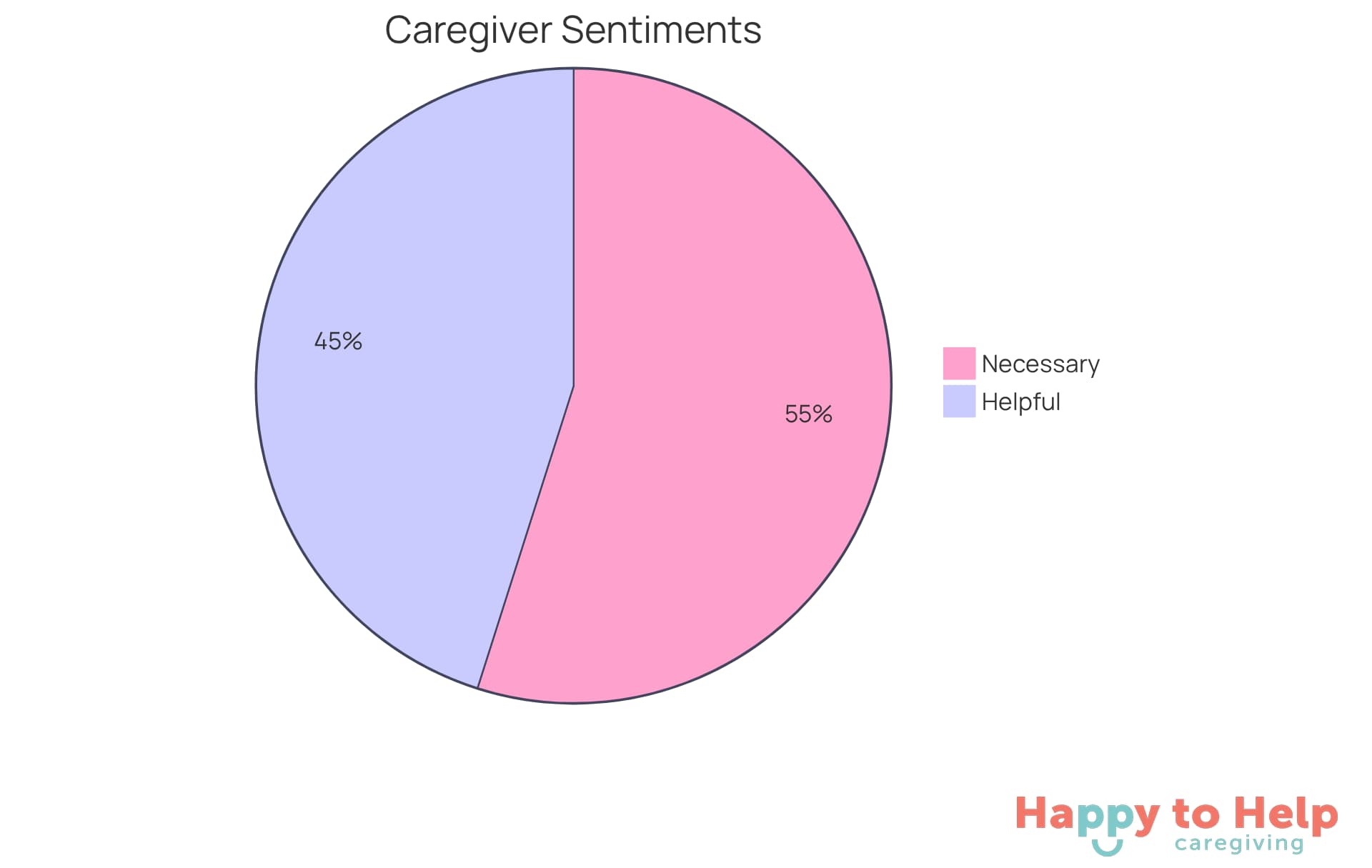
Research supports the effectiveness of these devices. A study found that:
- 76.67% of caregivers consider reminder clocks helpful for aiding dementia patients in recalling routine tasks.
- 93.33% of respondents agreed that a reminder clock is necessary for caregiving individuals with dementia.
For instance, Ann, a participant at the Day Hub, shared how the gadget alleviated her worries about forgetting medications, stating, "It has helped ease anxiety that I might forget to take my medication." This has allowed her to manage her routine more effectively. Similarly, Julia, who lives alone, expressed that the Day Hub provided her with peace of mind by helping her keep track of her tasks.
Occupational therapists emphasize the importance of integrating elderly assistance devices into the daily lives of older adults. They note that using reminder devices not only boosts confidence but also enhances a sense of independence. By incorporating these clocks into their routines, older adults can significantly improve their self-management skills, ultimately leading to a better quality of life.
To maximize the benefits of reminder clocks, caregivers are encouraged to pair them with medication organizers. This combination can optimize the management of daily tasks, ensuring that seniors can navigate their routines with greater ease.
Bed Handles: Enhancing Safety and Independence in Bed
Elderly assistance devices, like bed handles, present a significant problem for elderly individuals who struggle with stability and support when getting in and out of bed. This challenge can lead to falls, which pose serious risks to their safety and independence.
To address this issue, elderly assistance devices like bed handles can be easily attached to most bed frames, providing a secure grip that reduces the likelihood of accidents. However, it’s essential to consider height requirements to ensure that elderly individuals can safely enter and exit the bed without straining. Caregivers must also stay informed about the CPSC's recall of certain bed rails due to safety hazards, highlighting the importance of selecting compliant products.
Experts like Vince Baiera emphasize that elderly assistance devices, particularly bed handles, significantly decrease fall risks, allowing seniors to maintain their autonomy and security for longer periods. Continuous assessment and observation of patients are crucial to enhance bed security and ensure that the equipment remains effective.
While bed handles improve safety, caregivers should also be aware of potential risks, such as entrapment or falls when attempting to climb over them. Thorough evaluation and supervision of older adults using these devices are vital to mitigate these risks.
In summary, elderly assistance devices like bed handles not only enhance security but also improve the quality of life for older adults, enabling them to navigate their living spaces with greater ease and confidence.
Toilet Aids: Facilitating Safe Bathroom Access
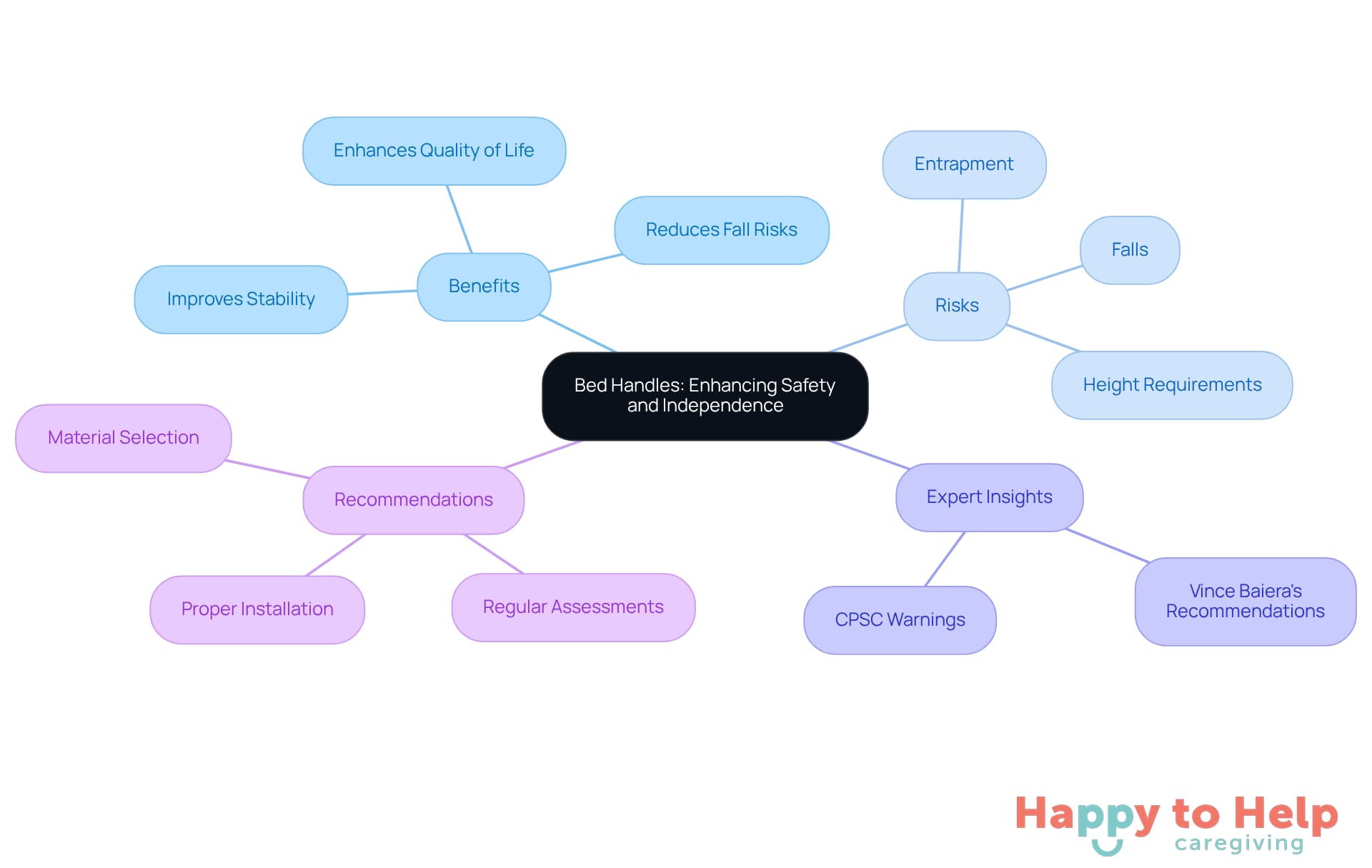
Toilet aids, such as elevated toilet seats and safety rails, are examples of elderly assistance devices that address a significant problem: the safety of elderly individuals in the bathroom. With one in four people over 65 experiencing a fall each year, the risk is alarmingly high. Falls related to toilet use account for nearly 30% of all household accidents among seniors. This highlights the urgent need for effective solutions to enhance bathroom safety.
Elevated toilet seats are a type of elderly assistance devices that increase the height of the toilet, making it easier for elderly individuals to sit down and stand up, thus reducing the risk of falls. Safety rails, strategically placed near the toilet, serve as elderly assistance devices that provide essential support, helping older adults maintain their balance and confidence during bathroom visits. Elderly assistance devices not only improve physical safety but also foster a sense of independence and dignity.
Geriatric care specialists stress the importance of dignity in bathroom access for older adults' overall well-being. As one expert noted, "Ensuring that older adults can use the bathroom independently is essential for maintaining their self-esteem and quality of life." David Borkholder, a professor of Electrical and Microelectronic Engineering, added, "When you think about aging in place, we’ll see more health care monitoring shift into the home, and it’ll be more common to integrate nontraditional objects into our health care."
The presence of guardrails in bathrooms is not just a precaution; it can prevent nearly 30% of household accidents associated with bathroom usage. By incorporating elderly assistance devices into homes, families can significantly enhance the security and comfort of their loved ones, enabling older adults to age in place with greater confidence and independence.
Consider specific products like the McKesson Toilet Safety Rail, which supports individuals up to 300 lbs, and the ActiveAid 101 Adjustable Height Raised Toilet Seat, priced at $120.54. These elderly assistance devices effectively enhance bathroom safety for the elderly, providing caregivers with practical options to ensure the well-being of their loved ones.
Wireless TV Headphones: Improving Entertainment Experience
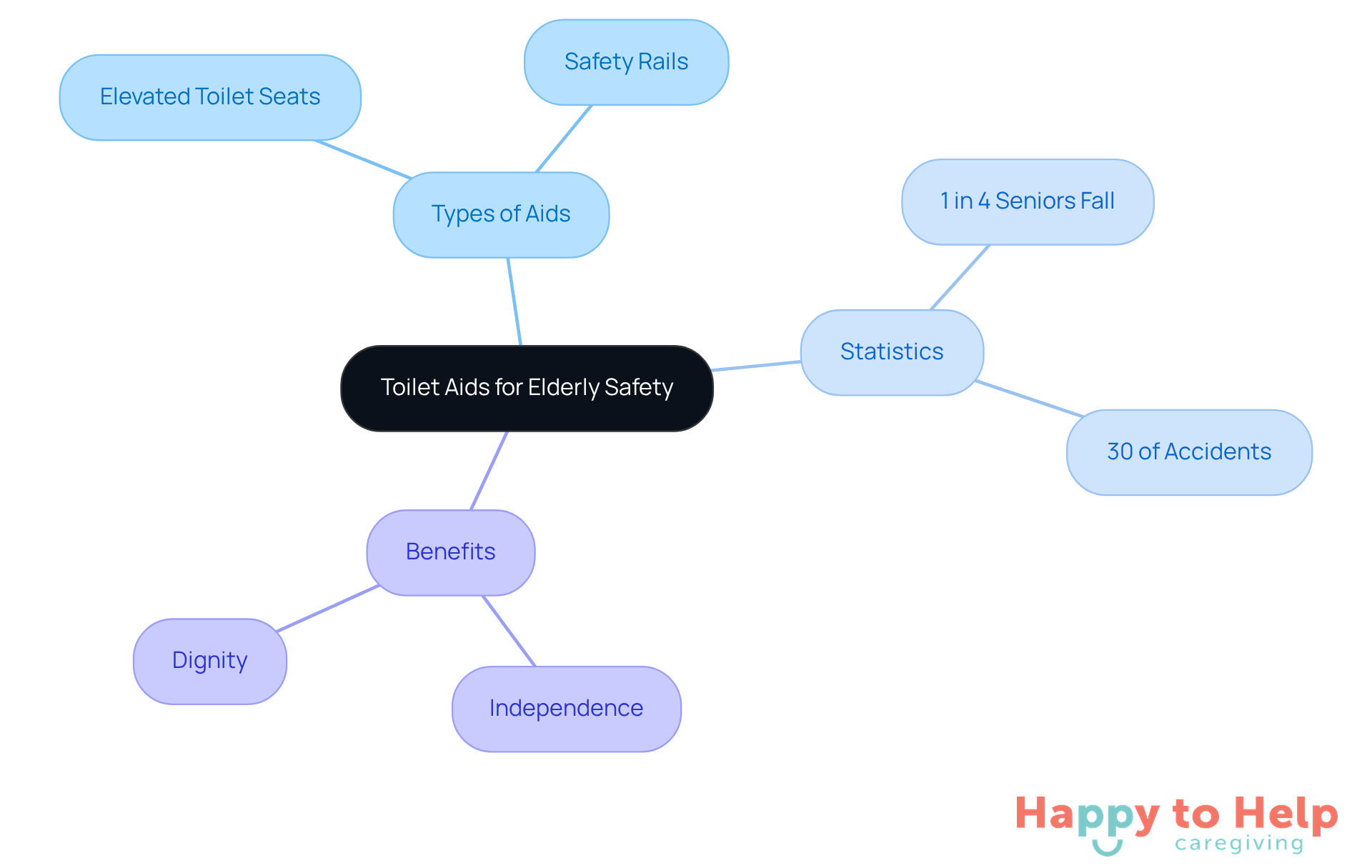
Many older adults face the challenge of enjoying their favorite shows and films without disturbing others. This can lead to feelings of isolation, especially for those with hearing impairments who struggle to hear dialogue clearly.
Wireless TV headphones are one of the elderly assistance devices that provide a practical solution to this problem. Designed with features that enhance sound clarity, these headphones allow older adults to immerse themselves in their entertainment without causing disruptions. By improving the overall viewing experience, elderly assistance devices contribute to a more rewarding and enjoyable daily life for seniors.
Chair Lifts: Supporting Safe Transitions from Sitting to Standing
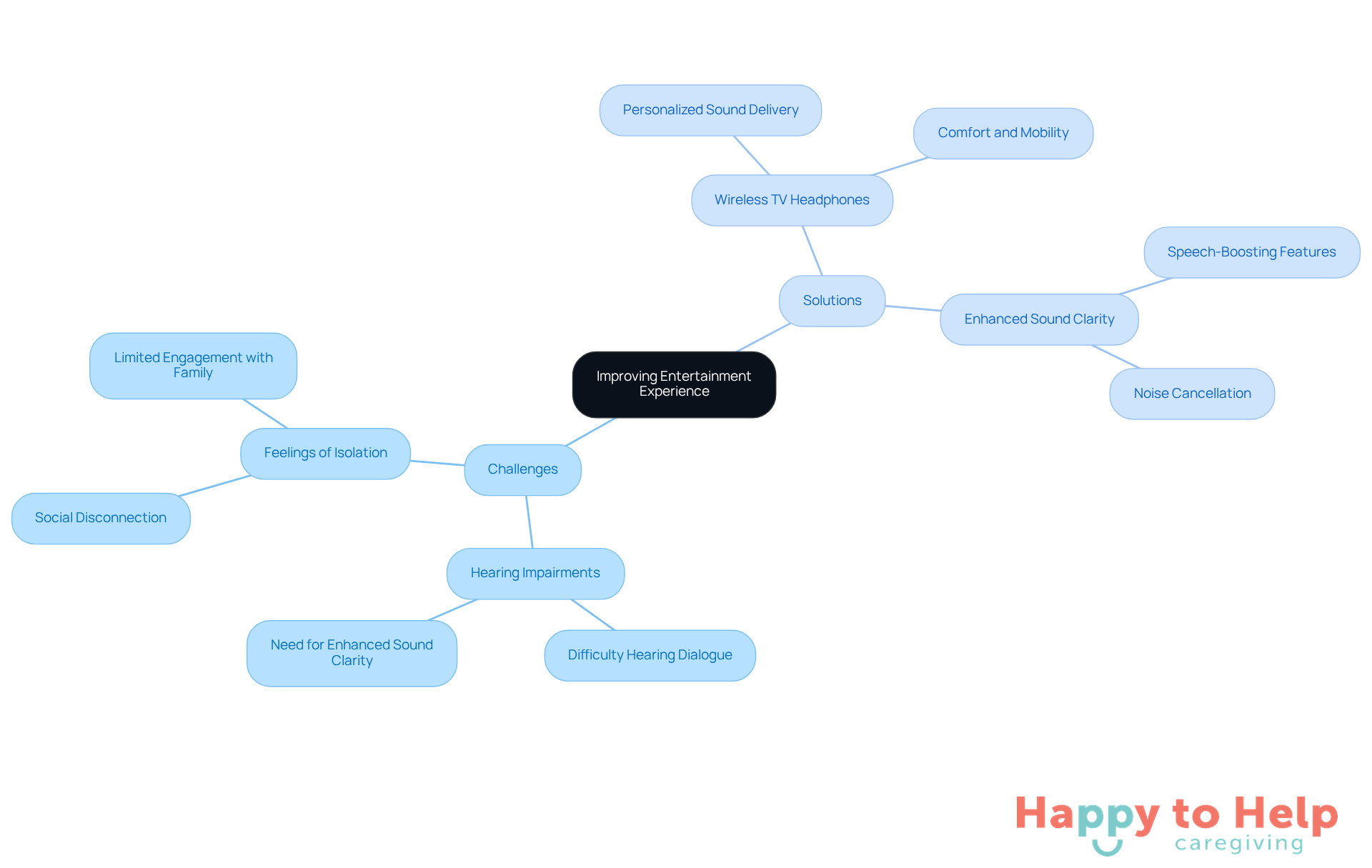
Lift chairs, also known as chair lifts, are important elderly assistance devices that address a significant problem faced by elderly individuals: the difficulty of transitioning from a seated to a standing position. This challenge can lead to falls, which pose serious risks to their health and independence. In fact, approximately 3 million people aged over 65 are treated annually for injuries resulting from falls. The implications are clear: without proper support, many older adults may struggle to maintain their autonomy and engage in daily activities.
The solution lies in elderly assistance devices such as lift chairs, which are specifically designed to assist users in rising safely. These motorized chairs gently tilt forward, providing essential support that significantly reduces the risk of falls during transitions. Lift chairs, as elderly assistance devices, promote safe standing and sitting, helping to maintain dignity and autonomy while allowing older adults to carry out daily tasks independently.
Beyond safety, lift chairs enhance the overall quality of life for elderly individuals. Features such as heat and massage options offer comfort and alleviate discomfort associated with conditions like arthritis or back pain. Additionally, the ability to elevate legs can improve blood circulation and reduce swelling, further contributing to users' well-being.
Physical therapists emphasize the importance of safe transitions for older adults. The smooth and gentle lifting motion of lift chairs instills a sense of security for users who may feel unsteady. This added confidence fosters a greater sense of self-reliance, enabling them to engage more actively in routine activities.
In summary, lift chairs are essential elderly assistance devices that are not just functional pieces of furniture; they empower older adults to sustain their independence and fully participate in their lives. The thoughtful design and functionality of elderly assistance devices significantly impact mobility, making them a vital consideration for family caregivers looking to enhance the quality of life for their loved ones.
Mobility Aids: Essential Tools for Safe Navigation
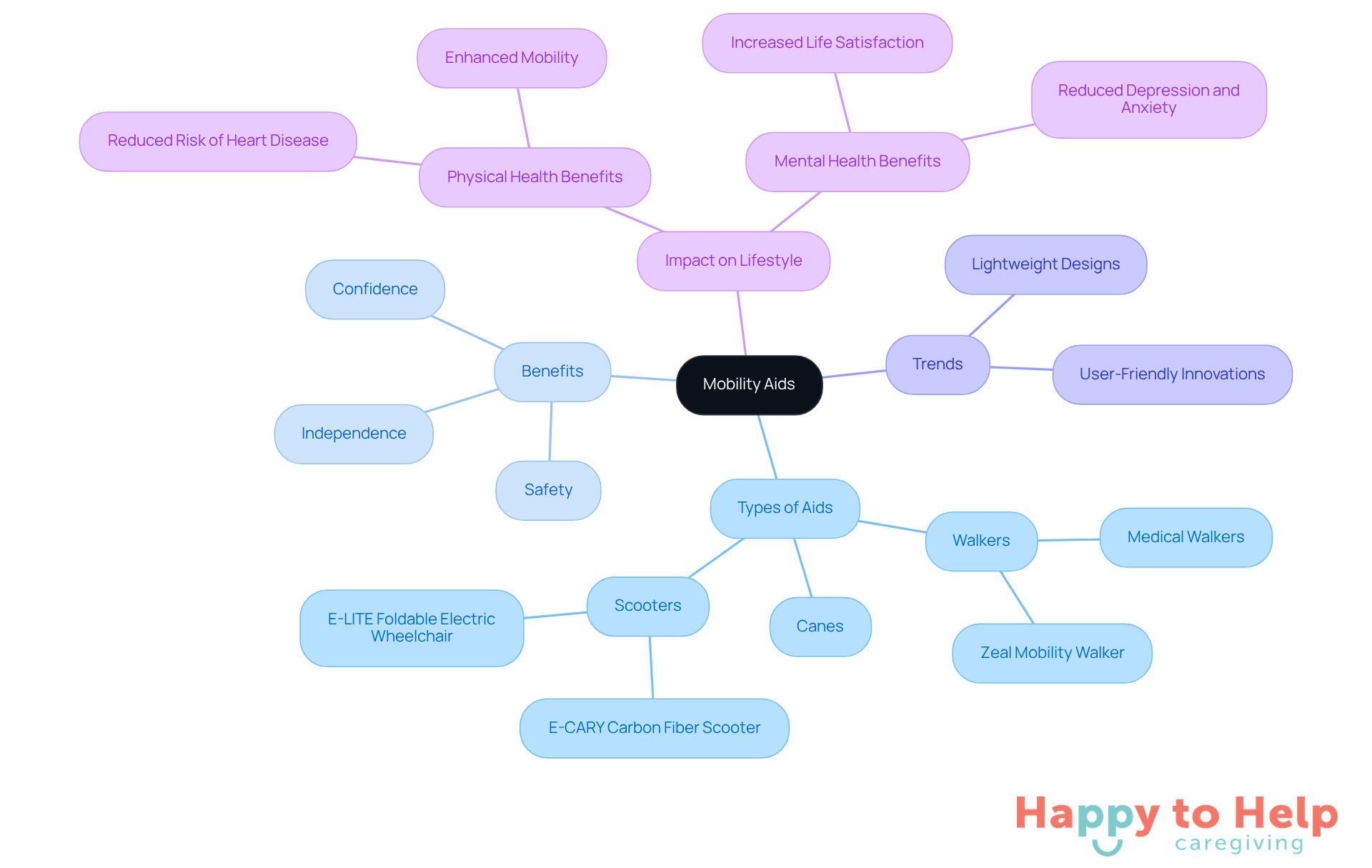
Mobility challenges pose significant risks for seniors, impacting their ability to navigate their homes and communities safely. Falls are a leading cause of injury among older adults, often resulting in serious health complications and a loss of independence. This issue underscores the importance of effective elderly assistance devices, such as walkers, canes, and scooters, which provide essential stability and support.
These elderly assistance devices empower individuals to maintain their independence and significantly reduce the risk of falls. For instance, medical walkers are specifically designed to enhance safety, featuring improvements in stability and usability that make them particularly effective in preventing accidents. Karen Mitchell, a certified geriatric rehabilitation specialist, emphasizes, "Mobility is key to independence. With proper support and mobility aids, older adults gain confidence, well-being, and can live safely and joyfully at home."
Recent trends in mobility devices reflect a growing emphasis on lightweight and user-friendly designs. Innovations like the E-CARY carbon fiber scooter and the E-LITE foldable electric wheelchair from INTCO Medical prioritize portability and simplicity, enabling older adults to navigate their environments with greater ease and comfort. Features such as adjustable seating and storage in scooters allow users to carry personal items independently, further enhancing their mobility experience.
Incorporating mobility aids into daily routines can lead to a more active lifestyle for older adults, which is associated with enhanced mental well-being and decreased risks of heart disease. Research indicates that older adults who consistently engage in light to moderate outdoor activities have up to a 30% reduced risk of heart disease. Participating in outdoor pursuits not only encourages physical health but also nurtures emotional fulfillment, highlighting the significance of these tools in improving quality of life.
As the elderly population continues to grow, the demand for elderly assistance devices that provide effective mobility solutions supporting independence and dignity remains paramount.
Home Automation Systems: Enhancing Comfort and Control
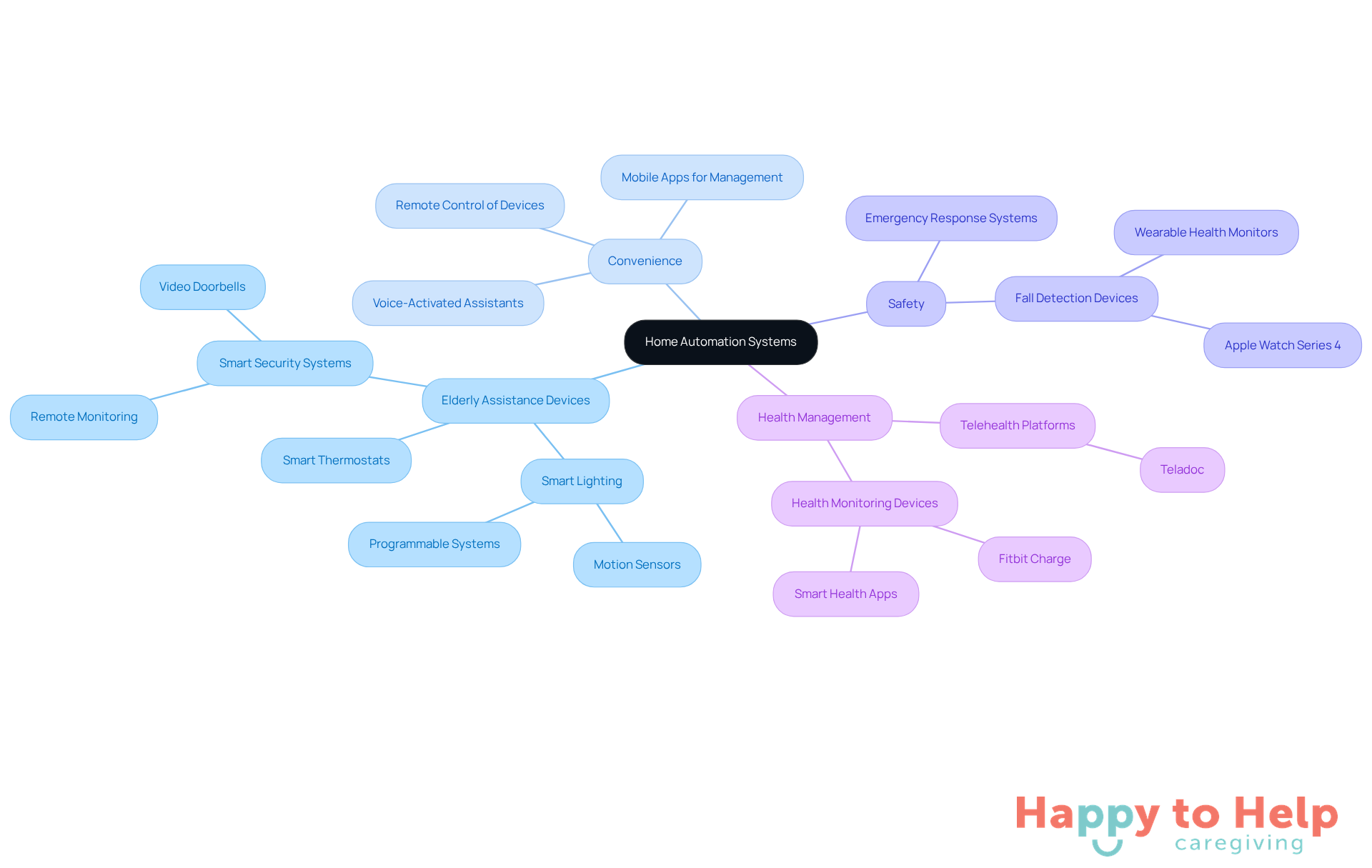
Home automation systems provide a significant solution for older adults by incorporating elderly assistance devices to help them face the challenges of aging in place. Managing home environments can be daunting, but smart lighting, thermostats, and security devices offer a way to simplify this process. These systems can be controlled through smartphones or voice commands, providing unparalleled convenience and enhancing safety.
The implications of not utilizing such technologies are profound. A 2023 U.S. News & World Report survey revealed that 93% of older adults wish to age in place, highlighting the necessity of support systems that promote comfort and autonomy. Without these innovations, older adults may struggle with daily tasks, highlighting the importance of elderly assistance devices to decrease their risk of falls and enhance their overall well-being.
Fortunately, integrating elderly assistance devices into everyday activities allows older adults to maintain control over their living spaces. These technologies not only simplify daily routines but also significantly reduce fall risks. Additionally, telehealth platforms like Teladoc enable older adults to consult healthcare professionals from home, further supporting their health management.
Lynda Jennings emphasizes the critical challenge of helping older adults maintain independence, safety, and quality of life. Smart home technology, as well as elderly assistance devices, directly addresses these concerns, making it an essential tool for caregivers. With the global smart home device market projected to exceed $165 billion by 2025, the relevance and adoption of these technologies among seniors are set to grow, combating loneliness and enhancing quality of life.
Taking the Next Steps
Elderly assistance devices address a significant problem: the challenges caregivers face in supporting older adults. As the elderly population grows, caregivers often struggle to ensure their loved ones maintain independence and dignity while receiving necessary care. This situation can lead to increased stress for both seniors and their families.
The implications of these challenges are profound. Without proper support, older adults may experience a decline in their quality of life, leading to feelings of isolation and helplessness. However, there are effective solutions available. By integrating various elderly assistance devices into daily routines, caregivers can significantly alleviate these challenges.
Consider the following essential devices:
- Rehabilitation poles: Improve mobility and stability.
- Medical alert systems: Ensure safety and quick response in emergencies.
- Reminder alarm clocks: Help seniors manage their daily activities.
- Bed handles and toilet aids: Provide support for daily tasks.
- Wireless TV headphones: Enhance entertainment experiences.
- Chair lifts and mobility aids: Facilitate movement and independence.
Each of these devices not only addresses specific challenges faced by older adults but also empowers them to engage more fully in their lives. Caregivers are encouraged to explore the latest technology for elderly assistance and consider how these devices can be integrated into their loved ones' lives.
By prioritizing the use of elderly assistance devices, families can foster a safer, more comfortable, and independent living environment for their aging relatives. This proactive approach ultimately enriches their overall well-being and quality of life.
https://iframe.tely.ai/cta/eyJhcnRpY2xlX2lkIjogIjY5MjdhNWUxMTE3NGVkN2UzNDc1ZmU3OSIsICJjb21wYW55X2lkIjogIjY4ZWU1ZGNhNzMxNzYyNTU3ZjNjOTVjMSIsICJpbmRleCI6IG51bGwsICJ0eXBlIjogImFydGljbGUifQ==Frequently Asked Questions
What services does Happy to Help Caregiving provide?
Happy to Help Caregiving offers personalized in-home assistance, including companionship care, post-hospital recovery assistance, respite care, and palliative support care.
How does Happy to Help Caregiving improve the quality of life for clients?
The organization focuses on enhancing clients' quality of life by providing support tailored to their unique needs, fostering independence and well-being, and allowing them to maintain dignity and comfort in their own homes.
What are ACTIVATOR poles and how do they assist older adults?
ACTIVATOR poles are elderly assistance devices designed to encourage a natural walking pattern, helping older adults maintain an upright posture and even weight distribution, particularly beneficial for those recovering from surgery or managing chronic conditions.
What benefits do users of ACTIVATOR poles experience?
Users of ACTIVATOR poles report enhanced mobility, increased stability, a reduction in fall risks, and the ability to engage in physical activities more comfortably and safely. They can also burn up to 20% more calories than walking alone.
Are ACTIVATOR poles financially accessible for family caregivers?
Yes, ACTIVATOR poles are now eligible for reimbursement through Health Spending Accounts (HSA) and Flexible Spending Accounts (FSA), making them a viable option for family caregivers.
What role do medical alert devices play in ensuring safety for seniors?
Medical alert devices, such as wearable pendants and wristbands, allow seniors to quickly request help in emergencies, providing a practical safety solution and fostering a sense of security for both seniors and their caregivers.
What features do modern medical alert systems include?
Modern medical alert systems often include advanced capabilities such as fall detection and GPS tracking, ensuring that assistance is always accessible.
How has the demand for medical alert systems changed recently?
Since 2020, there has been a reported 50% increase in U.S. sales of medical alert systems, indicating a growing demand for these technologies among seniors and caregivers.
List of Sources
- Happy to Help Caregiving: Personalized In-Home Care Services
- Home (https://homehealthcarenews.com)
- State of home care in 2025 (https://mcknightshomecare.com/state-of-home-care-in-2025)
- Demand for Home Care Expected to Surge 22% by 2034 (https://respiratory-therapy.com/public-health/healthcare-policy/home-care/demand-home-care-expected-surge-22-2034)
- Tech-enabled caregiving can help dementia patients stay at home — perhaps for too long (https://statnews.com/2025/11/24/dementia-caregiving-technology-assistance)
- Home-Based Care Companies Improve Outcomes By Training Family Caregivers (https://homehealthcarenews.com/2025/10/home-based-care-companies-improve-outcomes-by-training-family-caregivers)
- Rehabilitation Poles: Support for Mobility and Stability
- Urban Poling's Activator Programs Reaching New Horizons in the Seniors Living Industry (https://prnewswire.com/news-releases/urban-polings-activator-programs-reaching-new-horizons-in-the-seniors-living-industry-302590253.html)
- Urban Activator Poles - Urban Poling (https://urbanpoling.com/urban-activator-poles)
- Urban Poling's Activator Programs Reaching New Horizons in the Seniors Living Industry (https://morningstar.com/news/pr-newswire/20251021ph03208/urban-polings-activator-programs-reaching-new-horizons-in-the-seniors-living-industry)
- ACTIVATOR ℗ poles – and how we use them — Neuro Junction (https://neurojunction.com.au/news/2022/9/25/activator-poles-and-how-we-use-them)
- Medical Alert Devices: Ensuring Safety and Quick Response
- News (https://connectamerica.com/news-updates)
- What if you fall and can't get up? The fear is driving sales of personal emergency response systems (https://vermontpublic.org/local-news/2025-10-17/what-if-you-fall-and-cant-get-up-the-fear-is-driving-sales-of-personal-emergency-response-systems)
- FDA expands early alert program to cover all medical devices (https://medtechdive.com/news/fda-expands-early-alert-pilot-medical-devices/761438)
- Around the nation: FDA expands Early Alert program to all medical devices (https://advisory.com/daily-briefing/2025/10/07/around-the-nation)
- Medical Alert Systems: 2023-2024 Research and Statistics (https://theseniorlist.com/research/medical-alert-device-consumer-usage-study)
- Reminder Alarm Clocks: Aiding Daily Routine Management
- People with dementia try out a clock with everyday reminders (https://alzheimers.org.uk/get-support/publications-and-factsheets/dementia-together/people-dementia-try-clock-everyday-reminders)
- Best Dementia Clock in 2025: Why Memoryboard Stands Out (https://memoryboard.com/blogs/news/best-dementia-clock-in-2025-why-memoryboard-stands-out-among-the-rest?srsltid=AfmBOorTNqiNDXFCaUgcMvg6G3X6D0Epjt3zrKFTsK2ATJP1hkQvkplJ)
- Enhancing Daily Functioning: The Power of Memory Aids and Reminders for Those Living with Dementia - Elder-Well® (https://elderwelladultday.com/enhancing-daily-functioning-the-power-of-memory-aids-and-reminders-for-those-living-with-dementia)
- Creation and validation of a daily task reminder clock for people with dementia in a Pune dementia center - PMC (https://pmc.ncbi.nlm.nih.gov/articles/PMC12200014)
- Finding the joys of a leisurely morning after decades of insistent alarm clocks (https://cjonline.com/story/news/local/2025/08/25/finding-the-joys-of-a-leisurely-morning-after-decades-of-alarm-clocks/85749079007)
- Bed Handles: Enhancing Safety and Independence in Bed
- A Guide to Bed Safety Bed Rails in Hospitals, Nursing Homes and Home H (https://fda.gov/medical-devices/hospital-beds/guide-bed-safety-bed-rails-hospitals-nursing-homes-and-home-health-care-facts)
- How a Bed Assist Rail Can Improve Safety and Independence for Seniors (https://davieshh.com/blogs/blog/how-a-bed-assist-rail-can-improve-safety-and-independence-for-seniors)
- Bed Rails for Seniors: The Benefits of Increased Safety & Comfort (https://step2health.com/blogs/news/bed-rails-for-seniors-the-benefits-of-increased-safety-comfort?srsltid=AfmBOoo7-RQ8Vq49QUVwD7mT0lcZ5algdvuEP7adZBq9e1rfmlusLS_P)
- The Benefits and Risks of Bed Rails for Older Adults (https://piedmontmedicalinc.net/the-benefits-and-risks-of-bed-rails-for-older-adults)
- Adult Portable Bed Rails Now Have Mandatory Safety Standard (https://ncoa.org/article/deadly-adult-portable-bed-rail-hazards-target-of-new-mandatory-safety-standard)
- Toilet Aids: Facilitating Safe Bathroom Access
- ‘Smart’ toilet seat tracks patients’ health, aids in diagnoses (https://mcknightsseniorliving.com/news/smart-toilet-seat-tracks-patients-health-aids-in-diagnoses)
- Toilet Help for the Elderly: 10 Tips for Elderly Safety - Foshan Shunkangda Medical Tech Co.,Ltd (https://skdmedical.com/news/toilet-help-for-the-elderly-10-tips-for-elderly-safety)
- Bathroom Grab Bars: Purpose and Benefits for Seniors (https://step2health.com/blogs/news/benefits-of-bathroom-grab-bars-for-seniors?srsltid=AfmBOorFjL_yF8RSVbMTJBp-Pw1E9AWP4gw_Er27oR4OkK_gtDMWtBPx)
- Toilet Aid | Toilet Assists for Elderly and Disabled (https://livingspinal.com/toilet-assists?srsltid=AfmBOooYOm1ONpxug8bi4JUBYMjOxl7gFNkPPU4bC65GtIktGSYZXztR)
- This Toilet Seat Could Transform Home Health Care for Seniors — One Vital Sign at a Time (https://nationalacademies.org/news/2020/11/this-toilet-seat-could-transform-home-health-care-for-seniors-one-vital-sign-at-a-time)
- Wireless TV Headphones: Improving Entertainment Experience
- Wireless Headphones: A Game Changer for Seniors (https://kareaudio.com/blogs/tv-for-hard-of-hearing/wireless-headphones-for-seniors?srsltid=AfmBOoo4EEFnPaOr8LrL8tiC3eW5MqgHwwbKiDcbaEK6dEojyOooqA_0)
- Best TV Headphones for Hearing Loss (2025 Guide) (https://soundly.com/blog/best-tv-headphones-hearing-impaired)
- Senior Living is Better with Eversound Headphones - Sinceri Senior Living (https://sinceriseniorliving.com/senior-living-is-better-with-eversound-headphones)
- Headphones Statistics By Market Size, Usage, Ownership and Facts (2025) (https://electroiq.com/stats/headphones-statistics)
- What Are the Best Wireless Headphones for TV Seniors in 2025? (https://avantree.com/blogs/wireless/what-are-the-best-wireless-headphones-for-tv-seniors-in-2025?srsltid=AfmBOoreA7O6gzlGKrzitHA_QWTlMoL01uVmO-OasZbxG8b7QM4UKxws)
- Chair Lifts: Supporting Safe Transitions from Sitting to Standing
- The Benefits of Lifting Chairs - Fabrication Enterprises (https://fab-ent.com/the-benefits-of-lifting-chairs)
- Expert Tips: Power Lift Chair Benefits for Elderly Independence (https://pug258y.com/blogs/news/how-lift-recliners-promote-independence-and-safety-for-older-adults?srsltid=AfmBOooCvhQoEmJ51YjekQO9CNR_tbFPlB_ocJFkFXWA-ppCedI7jtUp)
- The Benefits of Lift Chairs for Home Comfort and Safety (https://jamesmedical.com/the-benefits-of-lift-chairs-for-home-comfort-and-safety?strchf-admin=true)
- Mobility Aids: Essential Tools for Safe Navigation
- Comfort Keepers of Pitman, NJ Shares the Benefits of Mobility Aids for Seniors (https://wgntv.com/business/press-releases/ein-presswire/866931728/comfort-keepers-of-pitman-nj-shares-the-benefits-of-mobility-aids-for-seniors)
- New Lightweight Mobility Devices Cater to Active Elderly - INTCO Medical (https://intcowheelchair.com/news/new-lightweight-mobility-devices-cater-to-active-elderly)
- The Importance of Mobility Aids for Seniors - Bethesda Health Group (https://bethesdahealth.org/blog/the-importance-of-mobility-aids-for-seniors)
- New 2025 Summer Guide Empowers Seniors to Stay Independent as Mobility Equipment Innovation Surges Nationwide (https://cbs42.com/business/press-releases/ein-presswire/827097148/new-2025-summer-guide-empowers-seniors-to-stay-independent-as-mobility-equipment-innovation-surges-nationwide)
- See Why Seniors Deserve the Best Mobility Aids for Unbeatable Comfort and Freedom - Wheelchair & Mobility Scooters Guide (https://1800wheelchair.com/news/see-why-seniors-deserve-the-best-mobility-aids-for-unbeatable-comfort-and-freedom?srsltid=AfmBOoq1oECGmXoWT5X9a6NkpKCCCyPChyY6xyFv3j5Zw9mhLvZdIPfN)
- Home Automation Systems: Enhancing Comfort and Control
- Smart Home Technology for Older Adults (https://agetechcollaborative.org/insights/smart-home-tech-for-older-adults)
- Empowering Aging: How Technology Enhances Independence and Safety for Older Adults - Summit Professional Education (https://summit-education.com/blog/general/empowering-aging-how-technology-enhances-independence-and-safety-for-older-adults)
- Embracing Technology: How Smart Home Devices Enhance Senior Living in 2025 (https://carepatrol.com/lorain-medina-wooster-mansfield/embracing-technology-how-smart-home-devices-enhance-senior-living-in-2025)
- The Best Smart Home Devices to Help Aging in Place (https://nytimes.com/wirecutter/reviews/smart-home-for-seniors)
- Smart Home Technologies for Aging in Place (https://agesafeamerica.com/home-safety-hub/articles/smart-home-technologies-for-aging-in-place-enhancing-safety-and-independence)