

For families in our service areas
For families in our service areas, this guide explains caregiver support and how non-medical in-home caregiving can support care planning in East Idaho, Treasure Valley & Magic Valley, Northern Wasatch, North Central West Virginia, and Northeast Ohio.
Quick Guide to Elderly Sitter Services
The article sheds light on the vital elderly sitter services that can profoundly support family caregivers in their journey of caring for loved ones. It compassionately addresses the emotional challenges caregivers face, such as stress and burnout, and emphasizes the importance of seeking help. Various services are highlighted, including:
- Companionship
- Post-hospital recovery assistance
- Emergency medical alert systems
These services are thoughtfully designed to enhance the quality of life for seniors while alleviating caregiver stress. By recognizing the needs of both caregivers and elderly individuals, the article reassures readers that support is available, fostering a sense of hope and encouragement.
Why Elderly Sitter Services Matters
Navigating the complexities of elderly care can feel overwhelming for family caregivers, often leaving them emotionally drained and stressed. This article delves into ten essential elderly sitter services that not only provide crucial support but also enhance the quality of life for seniors. As caregivers strive to balance their responsibilities with their own well-being, a vital question emerges: how can these services transform caregiving into a more manageable and fulfilling experience?
Happy to Help Caregiving: Personalized In-Home Care Services
At Happy to Help Caregiving, we understand the emotional challenges that caregivers often face. The stress and burnout can feel overwhelming, especially when trying to provide the best care for loved ones. That’s why we focus on tailored in-home support options, such as elderly sitter services, designed to improve the quality of life for seniors and individuals with special needs.
Our offerings include:
- Companionship services
- Elderly sitter services
- Post-hospital recovery assistance
- Respite services
- Palliative care
Each of these services is customized to meet the unique requirements of our clients, ensuring they receive the essential support needed to thrive in their familiar environments.
This personalized approach fosters a sense of safety and comfort, allowing clients to maintain their independence while benefiting from professional assistance. We believe that everyone deserves to feel secure and cared for in their own home, and we are here to help make that a reality.
With our compassionate support, clients can enjoy their daily lives with confidence, knowing they have the assistance they need. We are dedicated to nurturing their well-being and ensuring they feel valued and understood every step of the way.
https://iframe.tely.ai/cta/eyJhcnRpY2xlX2lkIjogIjY4ZjJkOTBkNjlmOWFjZTk2NWJkMWYxOCIsICJjb21wYW55X2lkIjogIjY4ZWU1ZGNhNzMxNzYyNTU3ZjNjOTVjMSIsICJpbmRleCI6IDAsICJ0eXBlIjogImFydGljbGUifQ==Companion Care Services: Emotional Support and Social Interaction
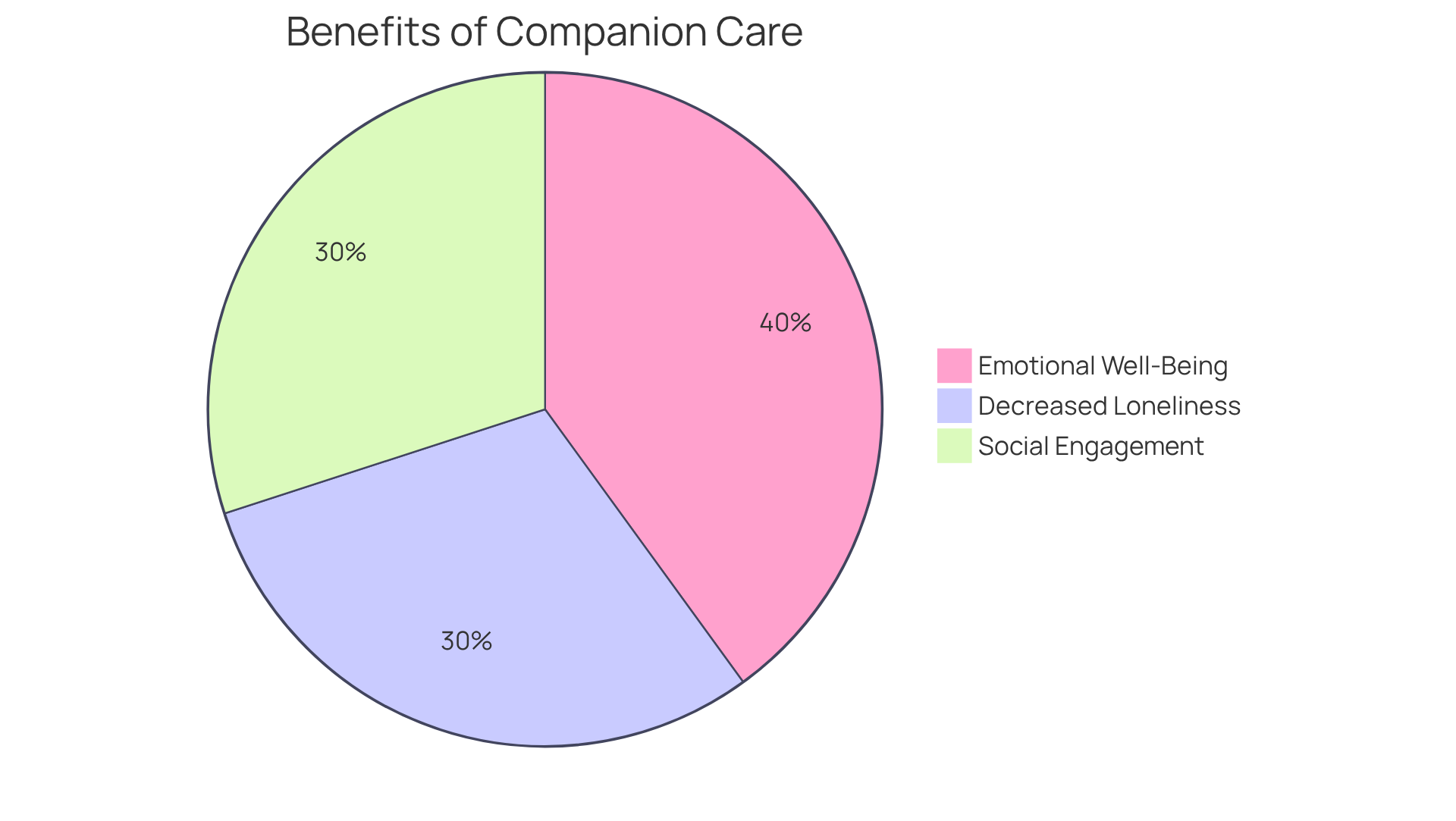
Companion assistance plays a vital role in providing emotional support and social engagement for older adults. It effectively addresses feelings of loneliness and isolation, which can be particularly challenging. Caregivers actively engage clients in enjoyable activities, fostering meaningful connections that significantly enhance their overall well-being. This service, particularly elderly sitter services, is especially important for elderly individuals who may lack regular visitors or family interactions, ensuring they feel valued and connected.
Research shows that seniors receiving companionship support report enhanced emotional well-being. One program highlights a remarkable 30% decrease in feelings of loneliness among participants. Successful initiatives, such as the 'Friendship Program' implemented by various organizations, demonstrate that structured companionship can lead to a greater sense of belonging and purpose.
By prioritizing elderly sitter services, families can help their loved ones maintain joy in their daily lives through companionship care. As Louise from a community assistance organization beautifully stated, "When we listen to people and build relationships, we can create meaningful, lasting change." This heartfelt approach not only nurtures the spirit but also reinforces the importance of connection in our lives.
Post-Hospital Recovery Assistance: Safe Transition to Home Care
Post-hospital recovery assistance is not just a service; it’s a lifeline designed to facilitate a safe and smooth transition from hospital to home. During this delicate time, caregivers offer vital assistance that truly makes a difference. They help with:
- Medication management
- Mobility support
- Close monitoring for any post-operative complications
This compassionate assistance guarantees that clients receive the support they need, allowing families to focus on what truly matters—healing and recovery—without the added pressure of managing everything alone. It’s a time for connection, comfort, and care, ensuring that no one feels overwhelmed during this challenging journey.
https://iframe.tely.ai/cta/eyJhcnRpY2xlX2lkIjogIjY4ZjJkOTBkNjlmOWFjZTk2NWJkMWYxOCIsICJjb21wYW55X2lkIjogIjY4ZWU1ZGNhNzMxNzYyNTU3ZjNjOTVjMSIsICJpbmRleCI6IDIsICJ0eXBlIjogImFydGljbGUifQ==Respite Care Services: Support for Family Caregivers
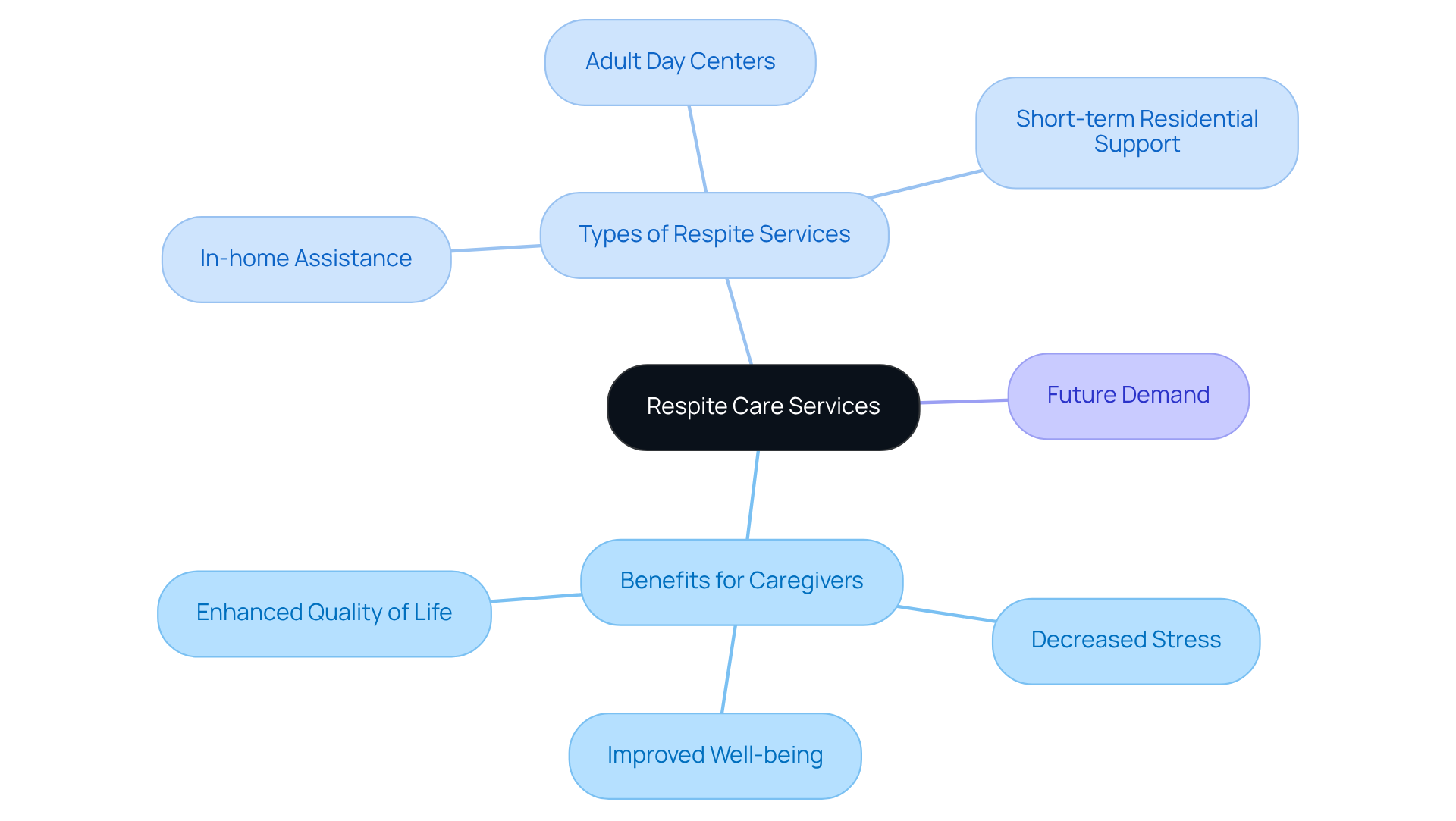
Respite support services offer vital assistance to family providers, allowing them essential breaks from their caregiving responsibilities. This temporary respite not only helps caregivers rejuvenate but also enables them to attend to personal needs and maintain their well-being. Such self-care is crucial for delivering high-quality support over time. Research shows that caregivers often face heightened risks of depression and burnout due to the emotional and physical demands of their roles. By incorporating rest support into their routines, caregivers can significantly reduce stress and prevent emotional exhaustion, fostering a healthier caregiving environment.
Effective respite support programs have demonstrated their positive impact on caregiver well-being. Families utilizing these resources frequently report an enhanced quality of life for both caregivers and older adults. Respite support encourages social interaction and engaging activities for the elderly, helping to alleviate feelings of isolation and frustration. Caregivers often express heartfelt gratitude for the opportunity to take breaks, noting that these moments allow them to reconnect with personal interests and social networks, ultimately benefiting their mental health.
As we look towards 2025, the demand for relief services continues to grow, with a variety of options available, including:
- In-home assistance
- Adult day centers
- Short-term residential support
These elderly sitter services are designed to meet the diverse needs of caregivers and their families, ensuring that elderly individuals receive respectful support while caregivers can focus on their health. The flexibility of respite services, along with funding options like Medicaid, private insurance, and sliding fee scales, makes them accessible to many families, enhancing the overall caregiving experience. By embracing respite support, families can cultivate a nurturing environment that benefits both caregivers and seniors, leading to improved outcomes for everyone involved.
Palliative Support Care: Comfort for Serious Illnesses
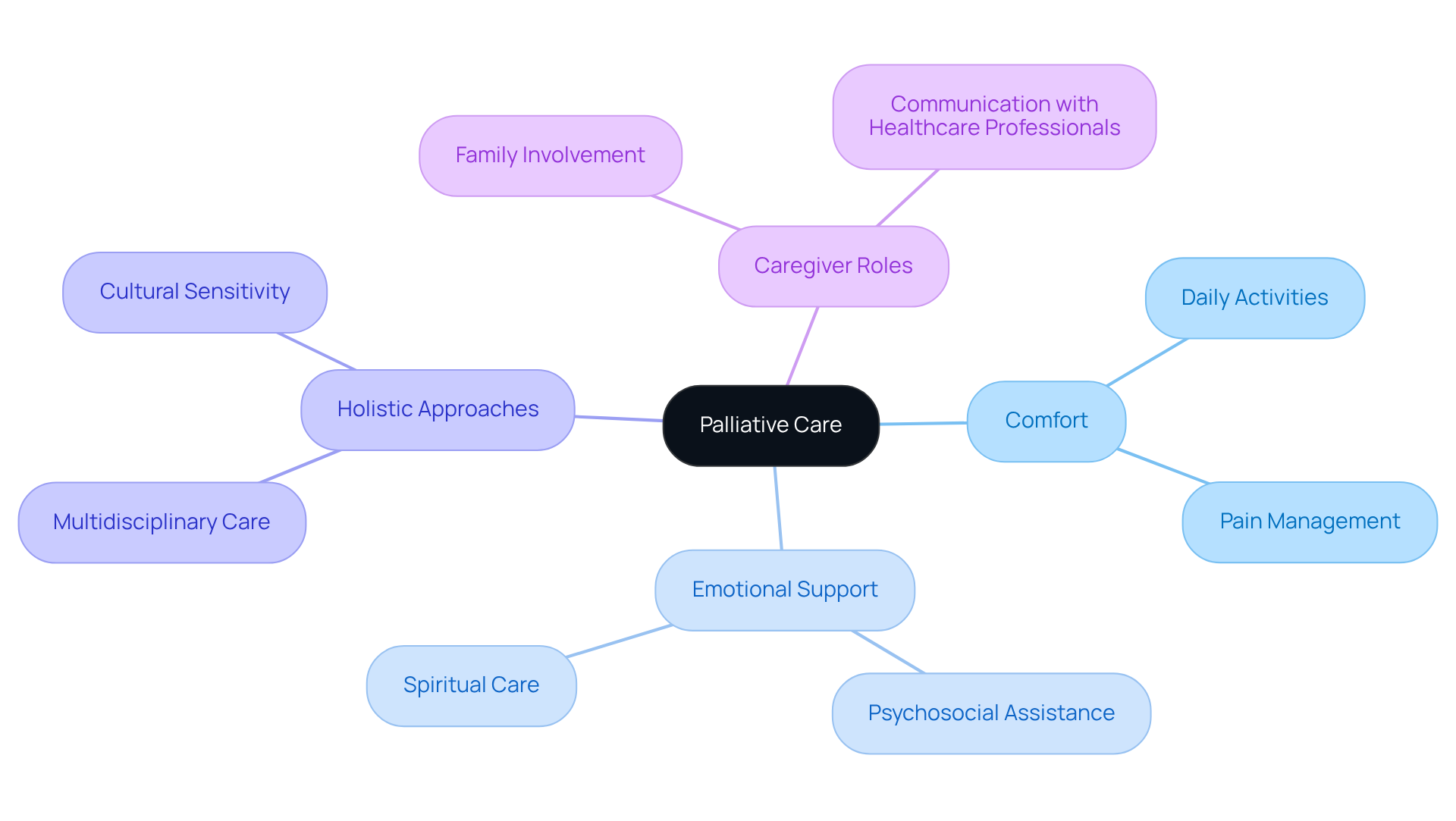
Palliative care is dedicated to providing comfort and enhancing the quality of life for individuals facing serious illnesses. Caregivers, specially trained to address both physical and emotional needs, ensure that clients receive compassionate support during these challenging times. This service prioritizes pain management, emotional well-being, and assistance with daily activities, enabling clients to maintain their dignity and comfort.
Successful palliative support programs have demonstrated substantial enhancements in patient quality of life. With a pooled standardized mean difference of 0.46 at 1- to 3-month follow-up and a mean difference of 11.36 FACIT-Pal units, the significance of comfort support in managing serious health conditions is clear.
Current trends in palliative care for seniors reveal a growing acknowledgment of the necessity for holistic methods. These approaches encompass not only medical treatment but also emotional and psychosocial assistance. By nurturing an atmosphere of empathy and understanding, palliative support enhances the overall experience for patients and their families, establishing it as a vital part of comprehensive assistance.
Family caregivers are encouraged to discuss palliative assistance options with healthcare professionals. This dialogue is essential to ensure their loved ones receive the finest possible support, fostering a sense of hope and reassurance during difficult times.
Home Health Care Services: Comprehensive Support for Daily Living
Home health care programs provide essential support for daily living, offering assistance with personal hygiene, meal preparation, and medication management. Caregivers are not just trained professionals; they are compassionate individuals dedicated to helping clients maintain their independence while ensuring their safety and well-being. This support, including elderly sitter services, is particularly beneficial for elderly individuals who may struggle with daily activities, allowing them to live comfortably at home.
Every day can present new challenges, and it's natural for caregivers to feel stressed or overwhelmed. However, the assistance offered through home health care programs can significantly alleviate these feelings. By providing comprehensive support, caregivers can focus on what truly matters: the happiness and comfort of their loved ones.
Imagine the relief of knowing that someone is there to help with daily tasks, allowing families to spend quality time together rather than worrying about chores. This nurturing approach not only enhances the quality of life for clients but also brings peace of mind to their families. Home health care, which encompasses elderly sitter services, is more than just a service; it's a lifeline that fosters connection and care in the home.
https://iframe.tely.ai/cta/eyJhcnRpY2xlX2lkIjogIjY4ZjJkOTBkNjlmOWFjZTk2NWJkMWYxOCIsICJjb21wYW55X2lkIjogIjY4ZWU1ZGNhNzMxNzYyNTU3ZjNjOTVjMSIsICJpbmRleCI6IDUsICJ0eXBlIjogImFydGljbGUifQ==Meal Preparation Services: Nutritious Meals for Seniors
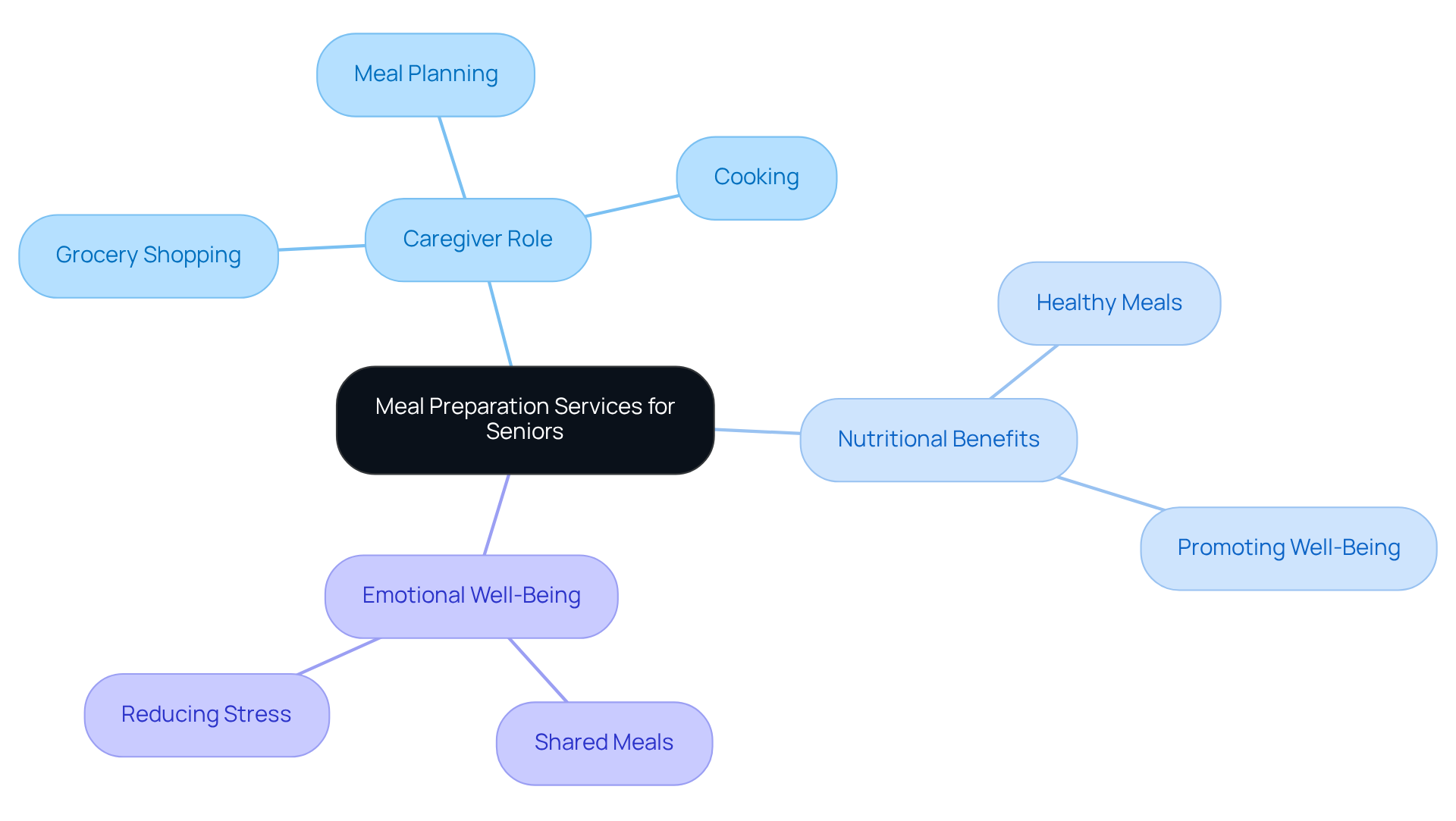
Elderly sitter services include meal preparation programs that ensure elderly individuals receive healthy meals tailored to their unique dietary needs. Caregivers play a vital role, assisting with grocery shopping, meal planning, and cooking. This support not only makes it easier for clients to maintain a healthy diet but also alleviates some of the stress caregivers may feel.
Adequate nutrition is essential for overall health, and elderly sitter services help older adults enjoy meals that truly promote their well-being. It's heartening to know that with the right assistance, both caregivers and clients can find comfort and joy in shared meals.
Transportation Services: Enhancing Senior Independence
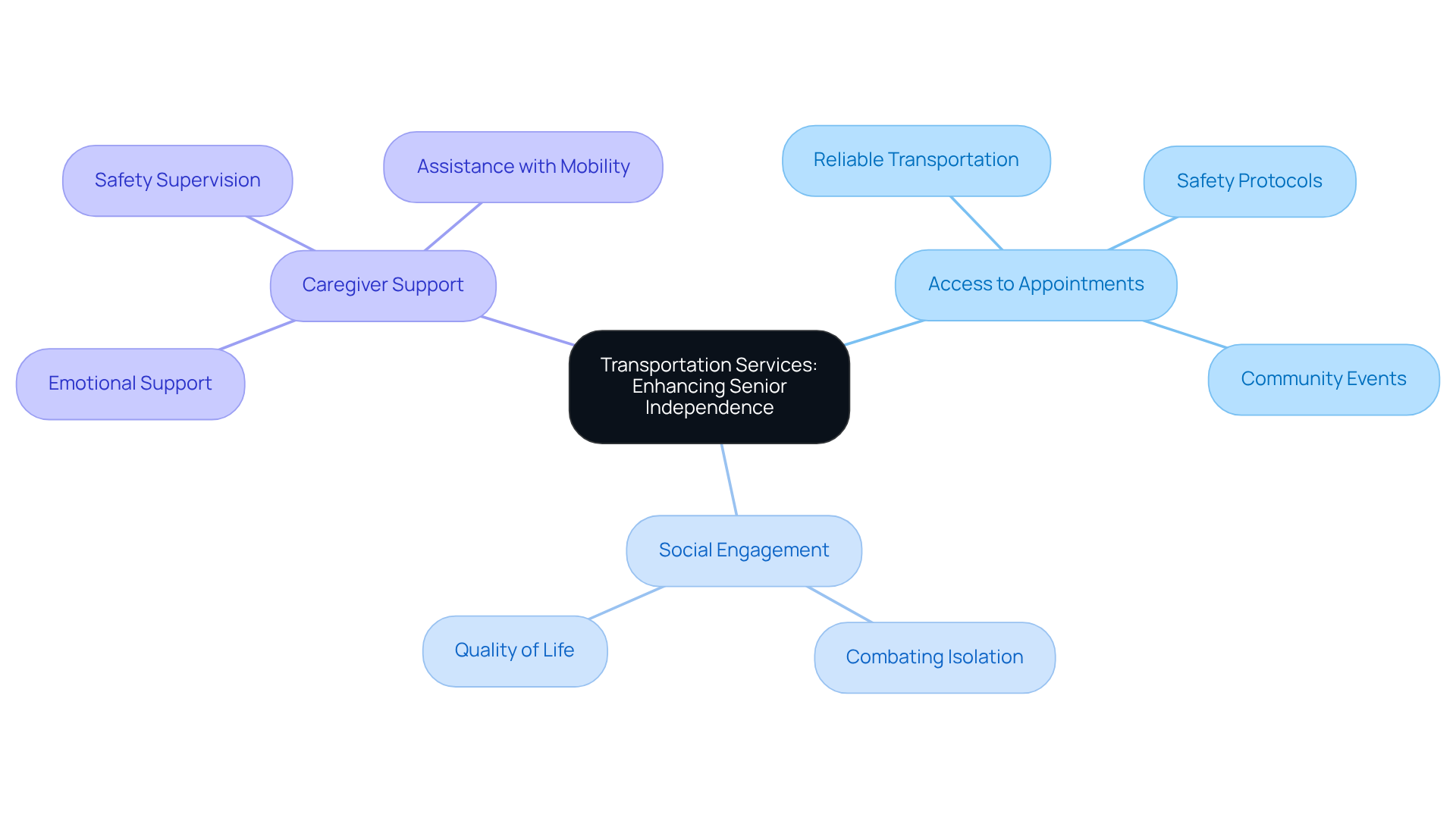
Elderly sitter services play a vital role in helping older adults maintain their independence through reliable transportation. Elderly sitter services provide essential access to appointments, social activities, and community events, empowering seniors to stay engaged in their lives. Elderly sitter services are instrumental in this process, providing assistance with transportation needs and ensuring their clients can engage in activities that promote social interaction and overall well-being.
This support is crucial in combating feelings of isolation and encouraging active engagement in life. Elderly sitter services provide caregivers who facilitate safe and reliable transportation, helping elderly individuals navigate complex environments and adhere to safety protocols. This enables them to enjoy outings that significantly enhance their quality of life.
For instance, initiatives like the Federal Transit Administration’s Section 5310 program fund vehicle acquisitions and mobility management resources for seniors, ensuring they have access to vital transportation options. Current data shows that effective transportation support not only improves health outcomes but also enriches the social lives of older adults, allowing them to remain connected and engaged.
As one caregiver beautifully expressed, "Companion care enhances transportation by providing personalized attention, safety supervision, and emotional support." This sentiment underscores the essential role caregivers play in delivering such important services, reinforcing the idea that their support is not just practical, but also deeply compassionate.
Emergency Medical Alert Systems: Safety and Peace of Mind
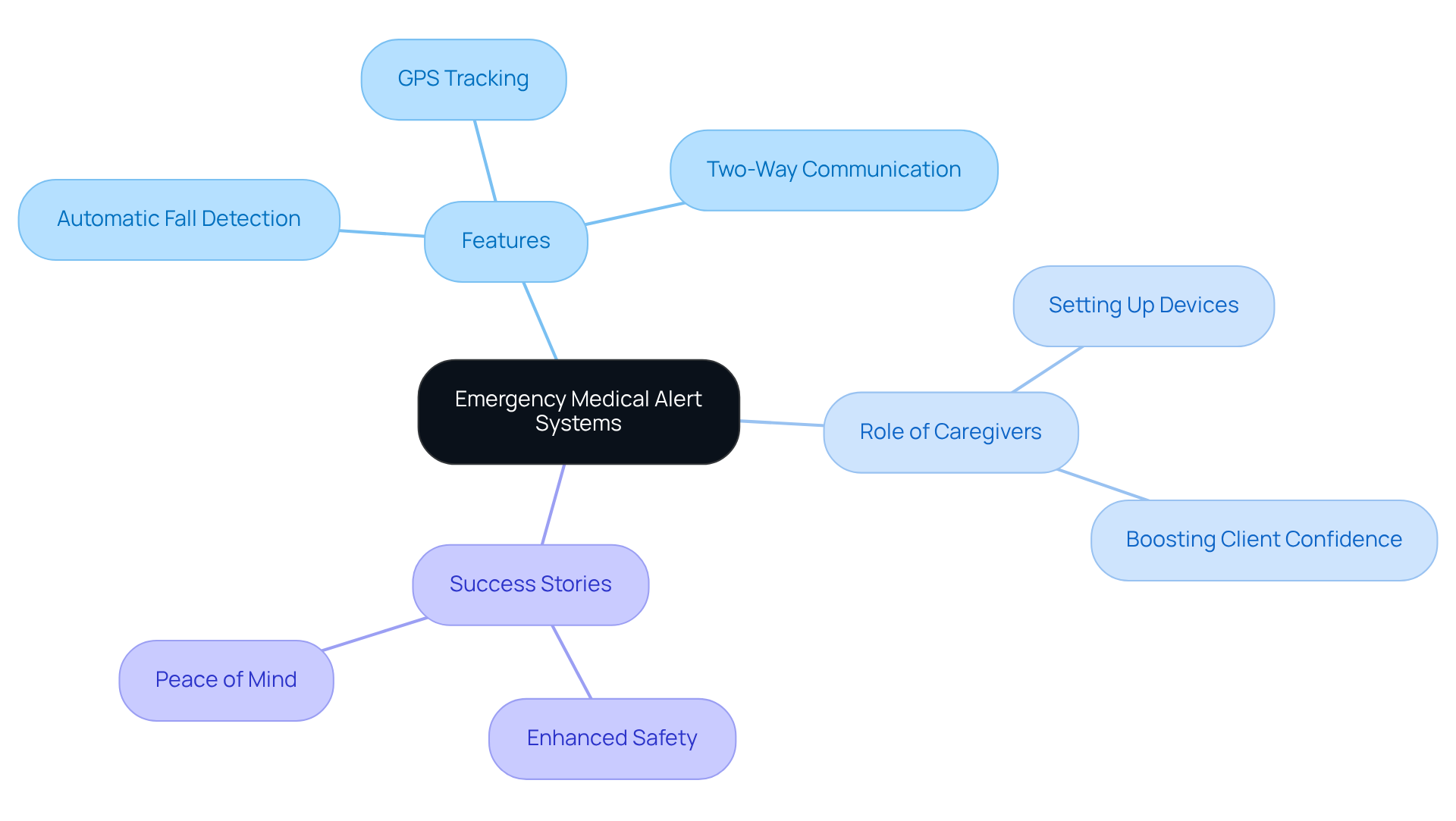
Emergency medical alert systems are essential devices that enhance elderly sitter services by providing older adults with a profound sense of safety and peace of mind. These systems empower users to call for help during emergencies, ensuring that assistance arrives promptly when it is needed most. With the latest advancements in safety technology, many systems now feature:
- Automatic fall detection
- GPS tracking
- Two-way communication
These features make them more effective than ever in safeguarding elderly individuals.
Caregivers play a crucial role in helping clients set up and understand these systems, significantly boosting their confidence in maintaining independence. By familiarizing clients with the technology, caregivers can alleviate worries about emergencies, allowing older adults to live more freely in their own homes.
Numerous successful implementations of medical alert systems have showcased their life-saving potential. Many families share heartwarming stories about how having a medical alert device has not only enhanced their loved ones' safety but also brought peace of mind to everyone involved. As safety specialists emphasize, integrating elderly sitter services into daily life is vital for enhancing the overall well-being of elderly individuals, ensuring they feel secure and supported in their living environments.
Friendly Visitor Programs: Combating Loneliness in Seniors
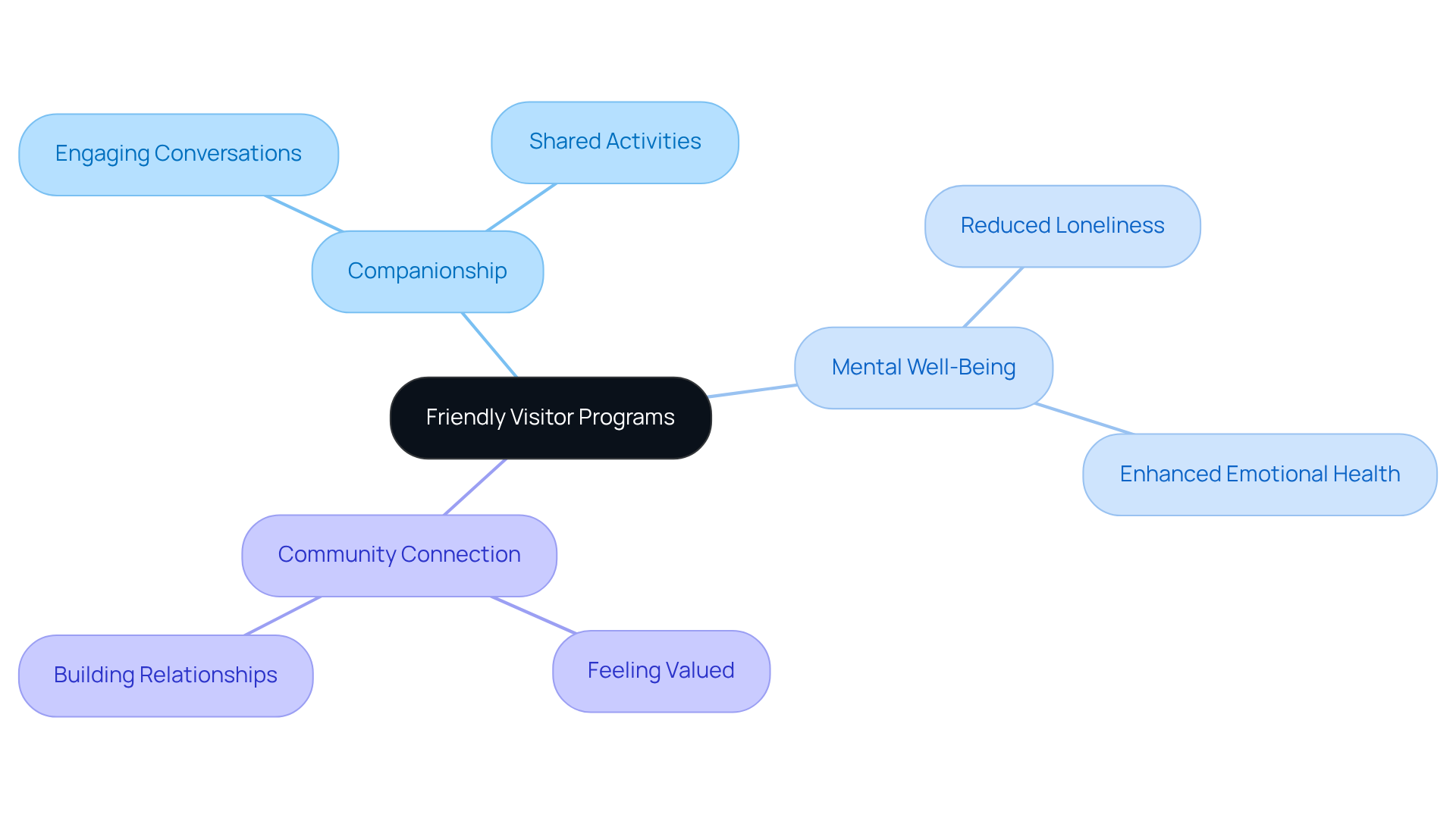
Friendly visitor programs connect older adults with compassionate volunteers who provide companionship and meaningful social interaction. These initiatives are designed to combat loneliness and promote mental well-being, allowing seniors to engage in enriching conversations and activities. This vital service not only enhances the emotional health of older adults but also ensures they feel valued and deeply connected to their community.
Moving Forward with Elderly Sitter Services
The exploration of essential elderly sitter services reveals the profound impact these offerings have on both seniors and their family caregivers. By integrating personalized in-home care options, caregivers can alleviate the stress and emotional burden often associated with providing care. These services not only support the physical needs of elderly individuals but also enhance their emotional well-being, fostering a sense of connection and independence.
Key insights from the article emphasize the importance of:
- Companionship
- Post-hospital recovery assistance
- Respite care services
Each of these elements plays a crucial role in improving the quality of life for seniors while simultaneously supporting caregivers in their challenging roles. The myriad of services available, from meal preparation to emergency medical alert systems, underscores the dedication to creating a nurturing environment that prioritizes safety, health, and emotional connection.
Reflecting on the significance of these services, it becomes clear that investing in elderly sitter options is not just a practical decision but a compassionate one. Families are encouraged to explore these resources, not only to enhance the lives of their loved ones but also to ensure their own well-being as caregivers. Embracing these essential services can transform the caregiving experience into a more manageable and fulfilling journey, ultimately enriching the lives of both seniors and their families.
https://iframe.tely.ai/cta/eyJhcnRpY2xlX2lkIjogIjY4ZjJkOTBkNjlmOWFjZTk2NWJkMWYxOCIsICJjb21wYW55X2lkIjogIjY4ZWU1ZGNhNzMxNzYyNTU3ZjNjOTVjMSIsICJpbmRleCI6IG51bGwsICJ0eXBlIjogImFydGljbGUifQ==Frequently Asked Questions
What services does Happy to Help Caregiving offer?
Happy to Help Caregiving offers personalized in-home care services, including companionship services, elderly sitter services, post-hospital recovery assistance, respite services, and palliative care.
How does Happy to Help Caregiving support emotional well-being for seniors?
The caregiving services focus on providing companionship and social interaction, which help address feelings of loneliness and isolation in older adults. Engaging clients in enjoyable activities fosters meaningful connections and enhances their overall well-being.
What is the importance of elderly sitter services?
Elderly sitter services are crucial for older individuals who may lack regular visitors or family interactions. These services ensure that clients feel valued and connected, significantly improving their emotional well-being.
How does post-hospital recovery assistance work?
Post-hospital recovery assistance provides vital support during the transition from hospital to home. Caregivers help with medication management, mobility support, and close monitoring for any post-operative complications.
What benefits do clients receive from personalized in-home care?
Clients benefit from a customized approach that meets their unique needs, allowing them to maintain independence while receiving professional assistance. This fosters a sense of safety and comfort in their familiar environments.
How does Happy to Help Caregiving ensure the well-being of their clients?
The organization is dedicated to nurturing clients' well-being by providing compassionate support, allowing them to enjoy their daily lives with confidence, and ensuring they feel valued and understood throughout their care journey.