10 Essential End of Life Care Services for Family Caregivers

For families in our service areas
For families in our service areas, this guide explains caregiver support and how non-medical in-home caregiving can support care planning in East Idaho, Treasure Valley & Magic Valley, Northern Wasatch, North Central West Virginia & Southwestern Pennsylvania, and Northeast Ohio.
Understanding End of Life Care Services
Caring for a loved one at the end of life presents a significant challenge for family caregivers, often leaving them feeling overwhelmed and isolated. This emotional journey can take a toll on their well-being, making it essential to recognize the support systems available. As the demand for end-of-life care services continues to rise, understanding these resources becomes crucial for both the caregiver's mental health and the dignity of the individual receiving care.
What are the key services that can alleviate this burden and enhance the quality of life during such a poignant time? This article explores ten vital end-of-life care services that not only provide practical assistance but also foster emotional connection and respect for the individual’s wishes. By implementing these solutions, caregivers can navigate this difficult period with greater ease and support.
Happy to Help Caregiving: Personalized In-Home Care for Comfort and Dignity
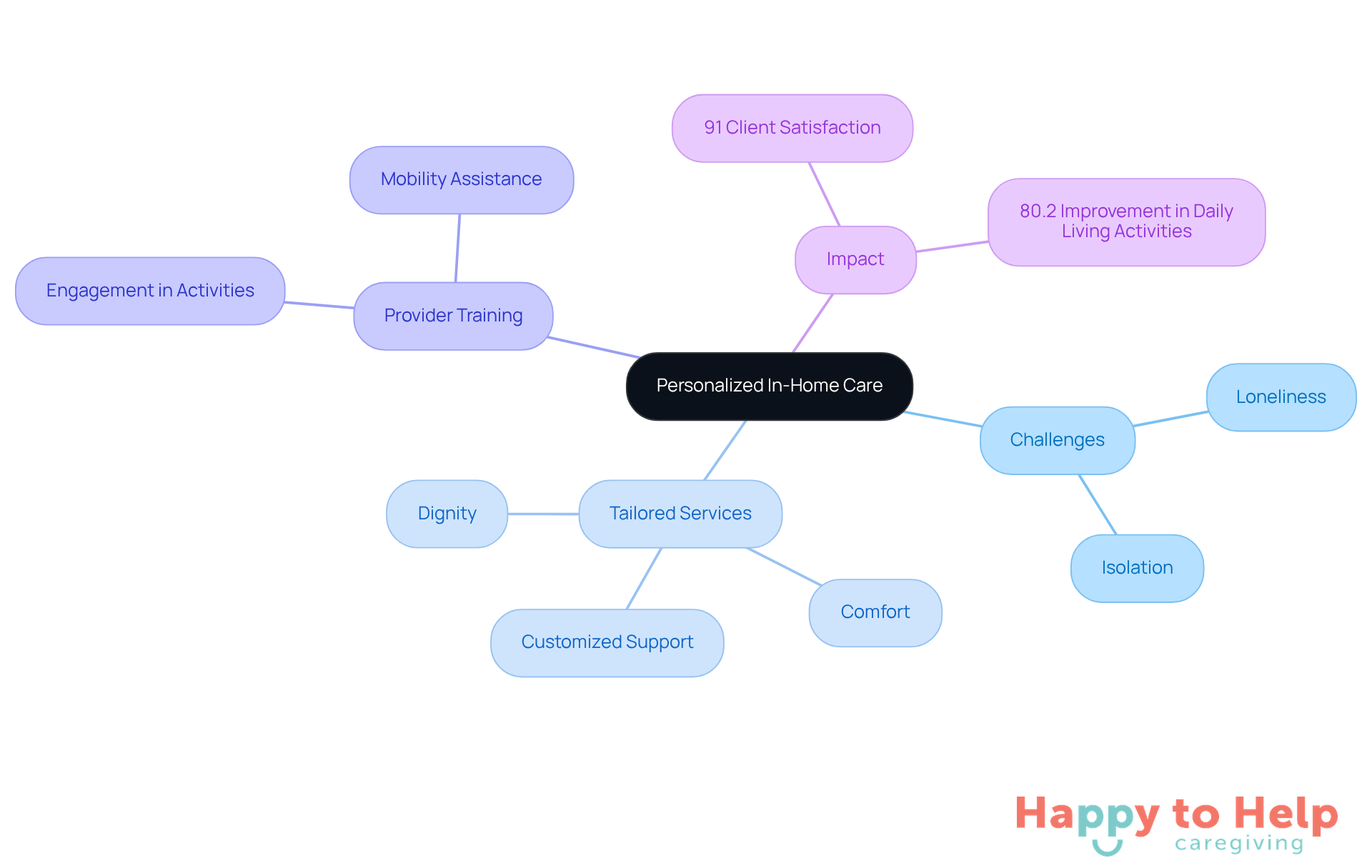
Caring for seniors and individuals with special needs often presents significant challenges, particularly feelings of loneliness and isolation. These issues can deeply affect their quality of life, especially during critical times such as when utilizing end of life care services. Without proper support, many may struggle with daily activities and emotional well-being.
Happy to Help Caregiving addresses these challenges by providing tailored in-home assistance that prioritizes the comfort and dignity of clients. By customizing services to meet personal requirements, the agency ensures that each client receives support that aligns with their lifestyle and choices. This individualized approach not only enhances the quality of life but also fosters a sense of security in familiar surroundings.
Support providers are specifically trained to engage clients in meaningful activities, such as mobility assistance to prevent falls and help with daily tasks. This involvement is crucial in reducing feelings of loneliness and isolation, which are essential elements of effective end of life care services.
The impact of personalized support is evident, with 91% of clients reporting satisfaction with their home health services. Furthermore, studies show that individuals receiving home health assistance experience an 80.2% improvement in daily living activities compared to those without support. This reinforces the importance of dignity in caregiving during these critical times.
Palliative Care: Comprehensive Pain and Symptom Management
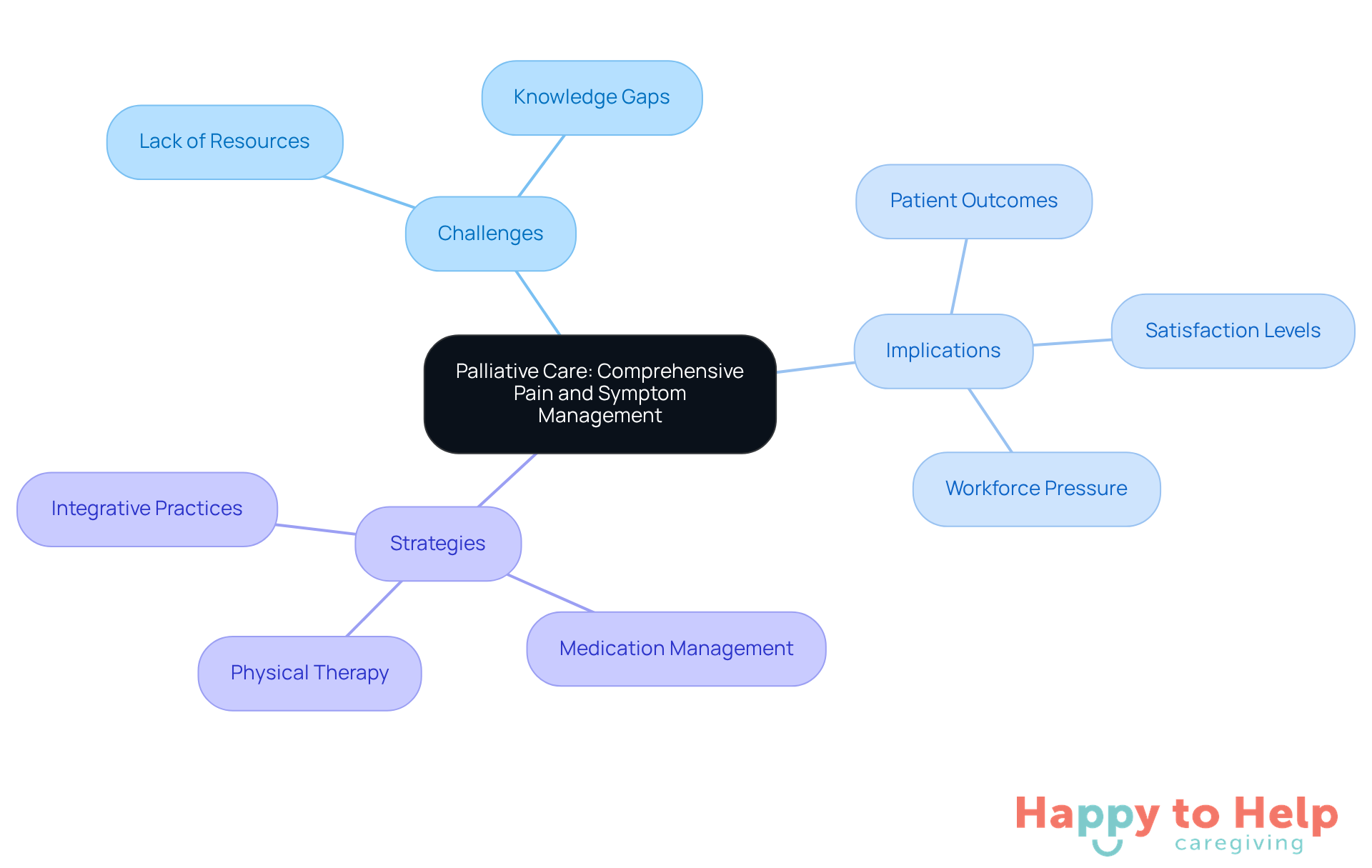
Palliative support is crucial for caregivers facing the challenges of managing pain and symptoms for individuals with severe illnesses. The problem is that many caregivers lack the resources and knowledge to provide effective support, especially as the demand for palliative services is projected to increase by 57% by 2040. This growing need underscores the urgency for caregivers to be well-informed about best practices and available resources.
The implications of inadequate palliative care can be significant. Research shows that timely access to palliative support not only enhances patient outcomes but also leads to higher satisfaction levels and improved quality of life. Dr. Jean Kutner highlights that the demand for palliative assistance has been 'exploding,' which places additional pressure on an already limited workforce.
To address these challenges, caregivers can implement several effective techniques. These include:
- Medication management to alleviate pain and discomfort.
- Physical therapy to improve mobility and overall well-being.
- Integrative practices such as mindfulness and relaxation techniques to support emotional and spiritual needs.
By prioritizing these strategies, caregivers can create an environment that fosters comfort and enhances the overall quality of life for those they support. It is essential for caregivers to stay informed and utilize available resources to effectively manage pain and symptoms, ensuring that they can provide the highest level of care.
Hospice Care: Specialized Support for Terminal Illness
Caring for individuals with terminal illnesses presents significant challenges for caregivers. Many face emotional strain and logistical hurdles, often feeling overwhelmed by the demands of providing care. This situation can lead to burnout and a sense of isolation, making it crucial to seek support.
Hospice services, which are a form of end of life care services, offer a compassionate solution focusing on comfort and quality of life rather than curative treatments. By prioritizing dignity, hospice teams provide a comprehensive array of services, including medical assistance, emotional guidance, and spiritual counseling. This support ensures that both patients and their families have access to the resources they need during this difficult time.
Key benefits of hospice care include:
- Emotional support: Hospice professionals are dedicated to addressing the emotional needs of patients and their families, fostering a nurturing environment.
- Quality time: The tranquil atmosphere allows individuals to be surrounded by loved ones, enabling significant interactions and the creation of treasured memories.
- Extended support: Many individuals find that their stay in hospice services often exceeds initial expectations, providing ongoing emotional and practical assistance.
By utilizing end of life care services, caregivers can alleviate some of the burdens they face, ensuring that their loved ones receive the dignity and respect they deserve in their final days.
Respite Care: Essential Relief for Family Caregivers
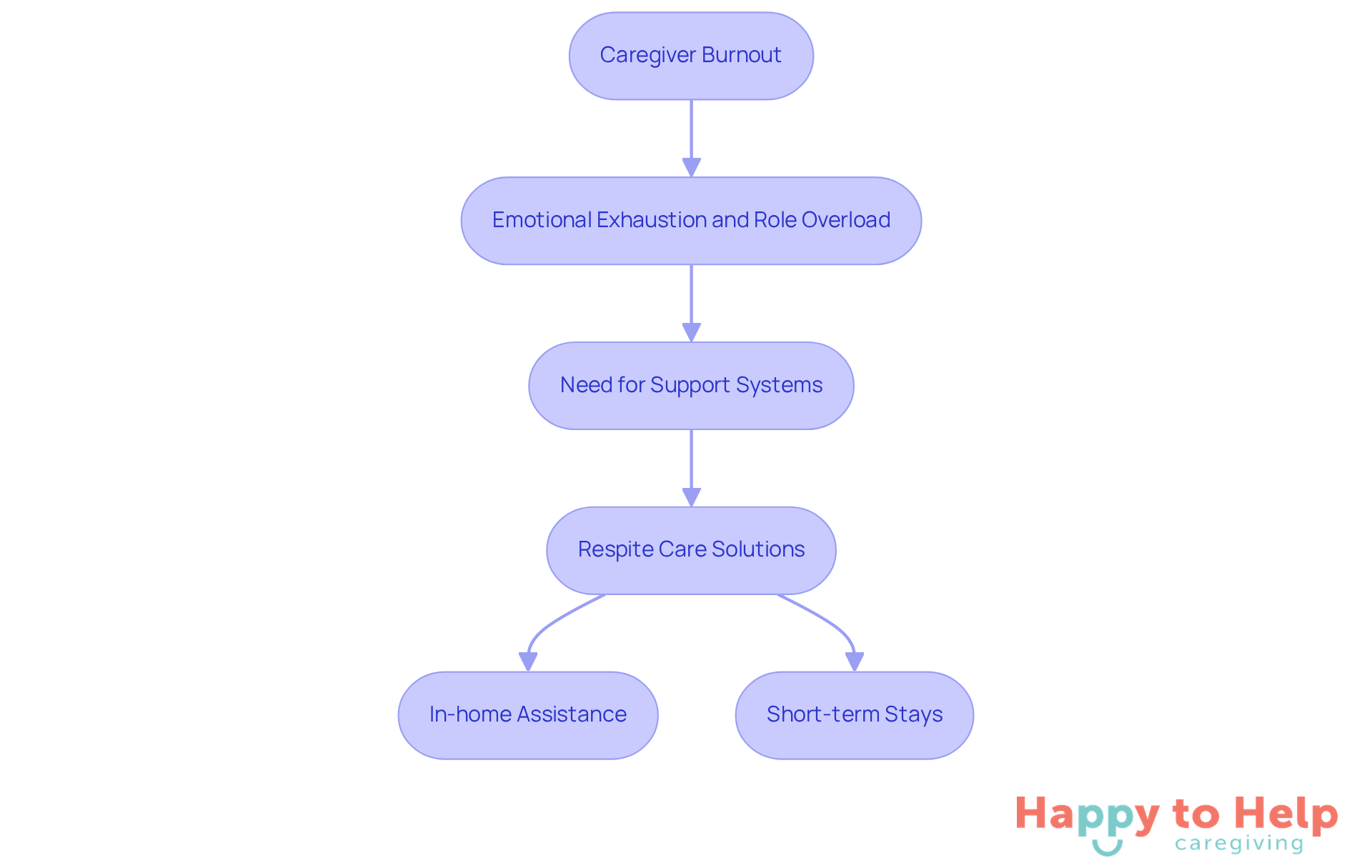
Problem: Caregivers often face overwhelming responsibilities that can lead to burnout. This burnout not only affects their well-being but also diminishes the quality of care they provide to their loved ones. Research indicates that about one in five caregivers is at risk of burnout, with a median burden prevalence of 49.26% among informal supporters.
Agitate: The demands of caregiving can result in emotional exhaustion and a sense of being trapped by responsibilities. As Xun Ci Soh noted, "The sustained demands of caregiving can give rise to role overload, emotional exhaustion, and role captivity." This highlights the urgent need for effective support systems as the demand for end of life care services continues to increase. By 2034, the number of senior citizens in the U.S. is expected to surpass that of children, intensifying the need for caregiver support.
Solution: Respite support offers essential temporary relief for family caregivers, allowing them to rejuvenate and focus on their own well-being. This service can take various forms, such as in-home assistance or short-term stays in assisted living facilities. By utilizing end of life care services, caregivers can address personal issues or simply relax, knowing their loved ones are receiving expert care. Effective programs, like those at Benedictine La Crosse, have shown to reduce stress and improve the overall caregiving experience. Additionally, respite services are particularly beneficial for those caring for individuals recovering from illness or surgery, enabling caregivers to prioritize their health while still providing support.
Companionship Care: Emotional Support for Individuals
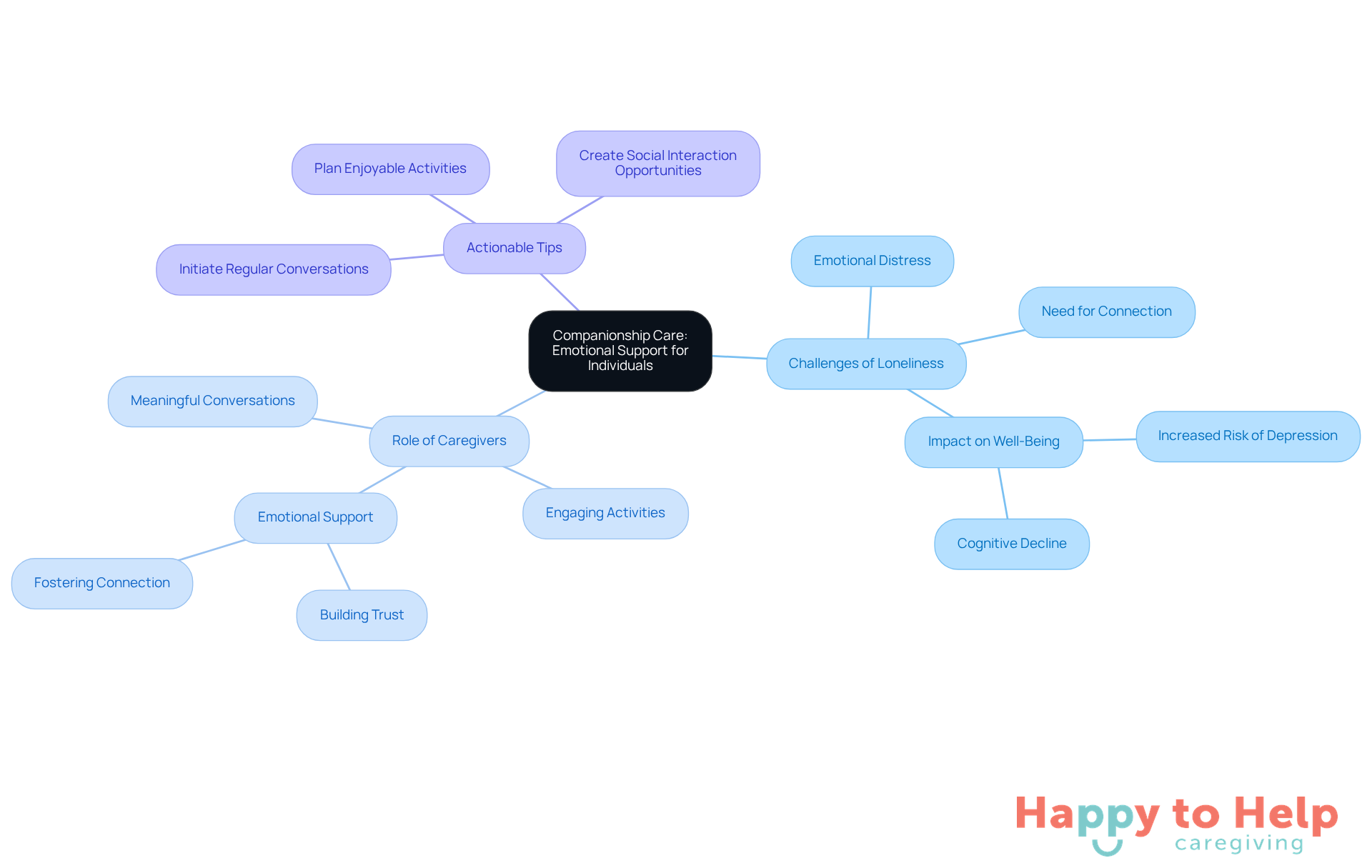
Loneliness and isolation are significant challenges faced by seniors, particularly those in need of companionship care. These feelings can lead to emotional distress, impacting their overall well-being. Caregivers play a crucial role in alleviating this issue by engaging clients in meaningful conversations and enjoyable activities, fostering a sense of connection and belonging.
During situations requiring end of life care services, the need for emotional support becomes even more critical. Seniors often seek to feel valued and understood, which can greatly enhance their emotional well-being. By providing companionship, caregivers not only reduce feelings of loneliness but also improve the quality of life for their clients through end of life care services, making their final days more fulfilling and less isolated.
Studies show that regular interaction with caregivers can dramatically decrease feelings of isolation. Engaging in social activities not only stimulates cognitive health but also promotes a positive outlook on life. Here are some actionable tips for caregivers:
- Initiate regular conversations to encourage sharing of thoughts and feelings.
- Plan enjoyable activities that align with the senior's interests.
- Create opportunities for social interaction with peers.
The emotional assistance offered through companionship is essential. It helps seniors navigate the complexities of their experiences, ensuring they feel connected and valued during challenging times.
End-of-Life Planning: Ensuring Dignity and Respect
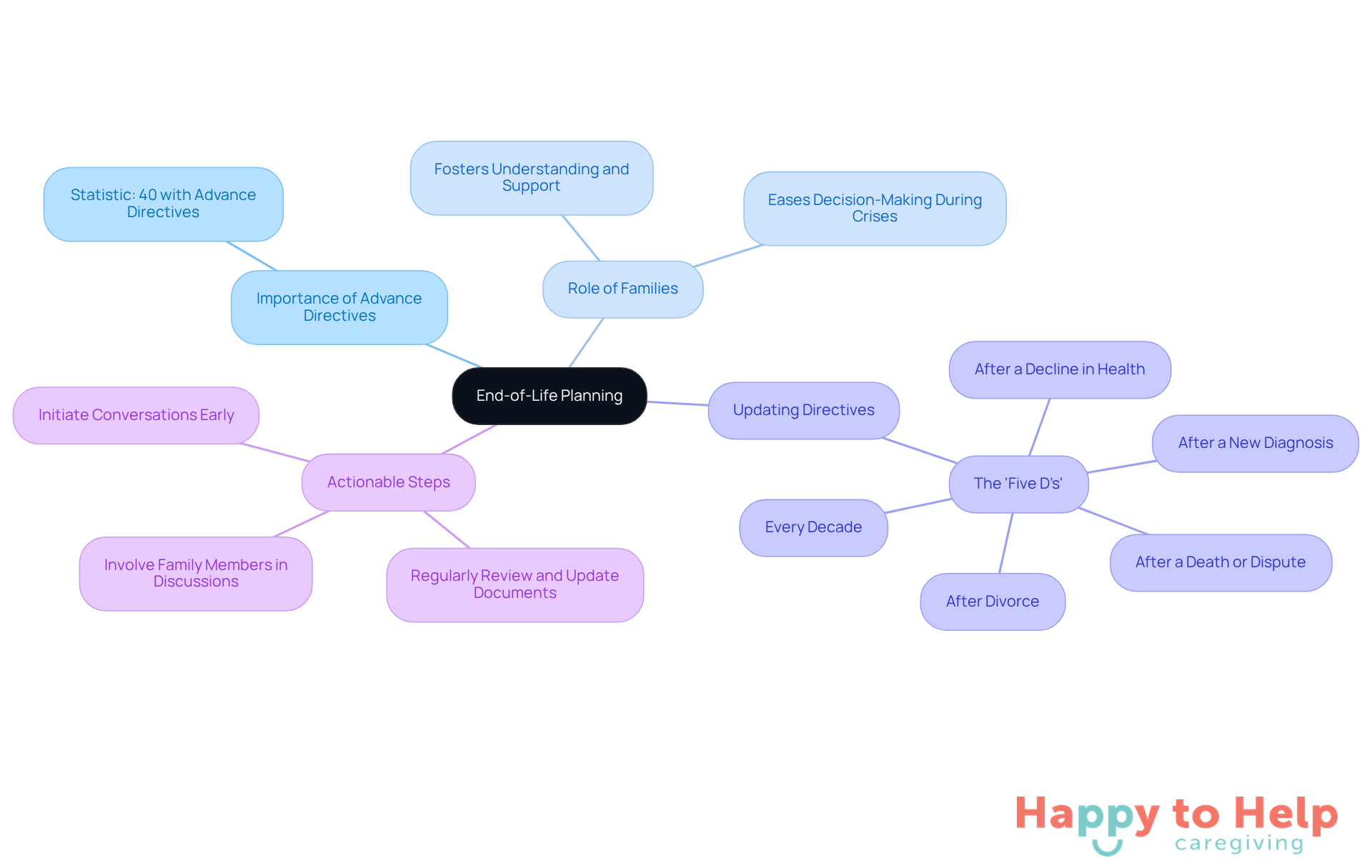
End-of-life planning presents a significant challenge for many individuals and their families. Without clear directives, individuals may not receive the end of life care services they truly desire as they reach the end of life. Research shows that among over 41,000 UW Health individuals aged 65 and older, only 40 percent have an advance directive in place. This gap highlights the urgent need for proactive planning to ensure that personal wishes are respected during vulnerable times.
Families play a crucial role in these discussions. Their involvement fosters understanding and support, leading to a more peaceful experience with end of life care services. Dr. Jeff Huebner emphasizes the importance of regularly updating advance directives to reflect current values and preferences, especially during significant life events. He identifies the 'Five D’s' that should prompt updates: every decade, after divorce, after a death or dispute with a healthcare agent, after a new diagnosis, and after a decline in health.
To facilitate effective end-of-life discussions, structured conversations are essential. These should address patients' fears, hopes, and treatment preferences. By prioritizing discussions about end of life care services, families can ease the burden of decision-making during crises, ensuring that these services align with the individual's wishes.
Advance planning for health is not just a legal formality; it is a vital method to honor the wishes of loved ones in relation to end of life care services. Here are some actionable steps caregivers can take:
- Initiate conversations about advance directives early.
- Regularly review and update these documents.
- Involve family members in discussions to foster support.
By taking these steps, caregivers can ensure that their loved ones receive the support they desire from end of life care services.
Spiritual Care: Addressing Spiritual Needs at the End of Life
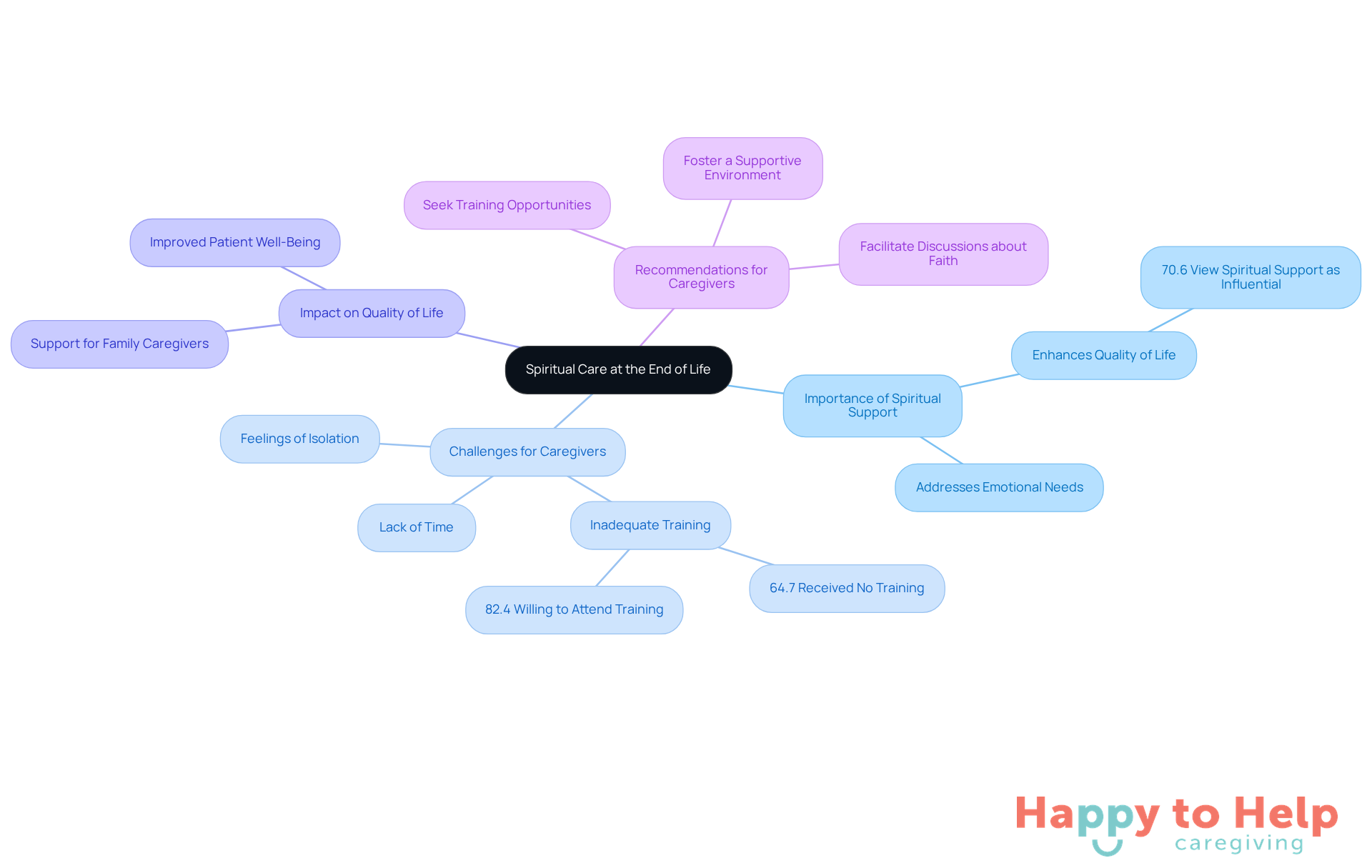
Spiritual support is crucial for addressing the emotional and existential needs of individuals nearing the end of life. However, many caregivers face significant challenges in providing this support effectively. A lack of time and inadequate training among healthcare professionals often impede their ability to address spiritual needs, which can lead to feelings of isolation for patients.
Research indicates that when spiritual needs are met, the overall quality of life for those with terminal illnesses improves significantly. In fact, a study found that 70.6% of participants viewed spiritual support as influential in enhancing patients' quality of life. Caregivers can play a vital role in this process by facilitating discussions about faith, providing access to spiritual resources, and offering a compassionate presence.
To overcome the barriers to effective spiritual support, caregivers should seek training opportunities that focus on spiritual care. This can empower them to connect more deeply with patients and address their spiritual concerns. Additionally, fostering a supportive environment where caregivers can share their experiences and challenges can help mitigate their emotional difficulties, enabling them to provide better spiritual assistance.
As Azam S Farahani noted, 'Health-care team members do not have sufficient training to provide this kind of care despite their belief in its positive impact on patients' quality of life.' By prioritizing spiritual support and addressing the training needs of caregivers, we can enhance the end-of-life experience for patients, ensuring they feel supported and understood.
Nutritional Support: Catering to Dietary Needs for Comfort
Nutritional support is crucial for enhancing comfort and quality of life for individuals who are receiving end of life care services. However, caregivers often face the challenge of ensuring that meals meet the preferences and dietary restrictions of their clients. This can lead to discomfort and dissatisfaction if not addressed properly.
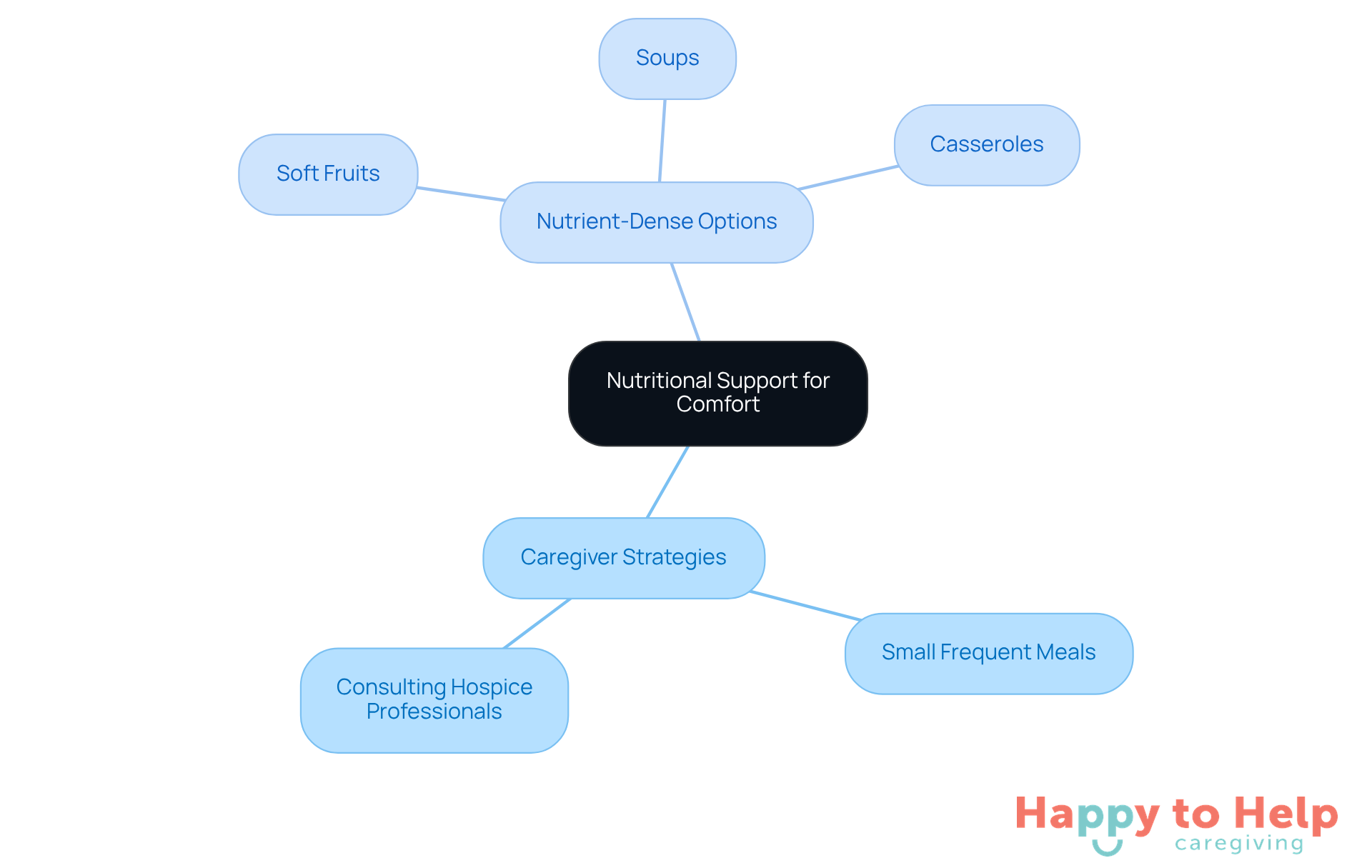
To tackle this issue, caregivers should prioritize meals that are both enjoyable and nourishing. Offering small, frequent meals can be particularly beneficial for those with reduced appetites, as this approach allows for easier digestion and greater satisfaction. Emphasizing nutrient-dense options, such as:
- Soft fruits
- Soups
- Casseroles
can provide comfort without overwhelming the individual.
It's essential to avoid forcing food or liquids on patients, as this can lead to discomfort and complications. By thoughtfully addressing these nutritional needs and consulting with hospice professionals for guidance, caregivers can significantly improve the overall well-being of their clients through end of life care services during this sensitive time. This approach fosters a more peaceful and dignified experience through end of life care services.
Grief Counseling: Supporting Families Through Loss
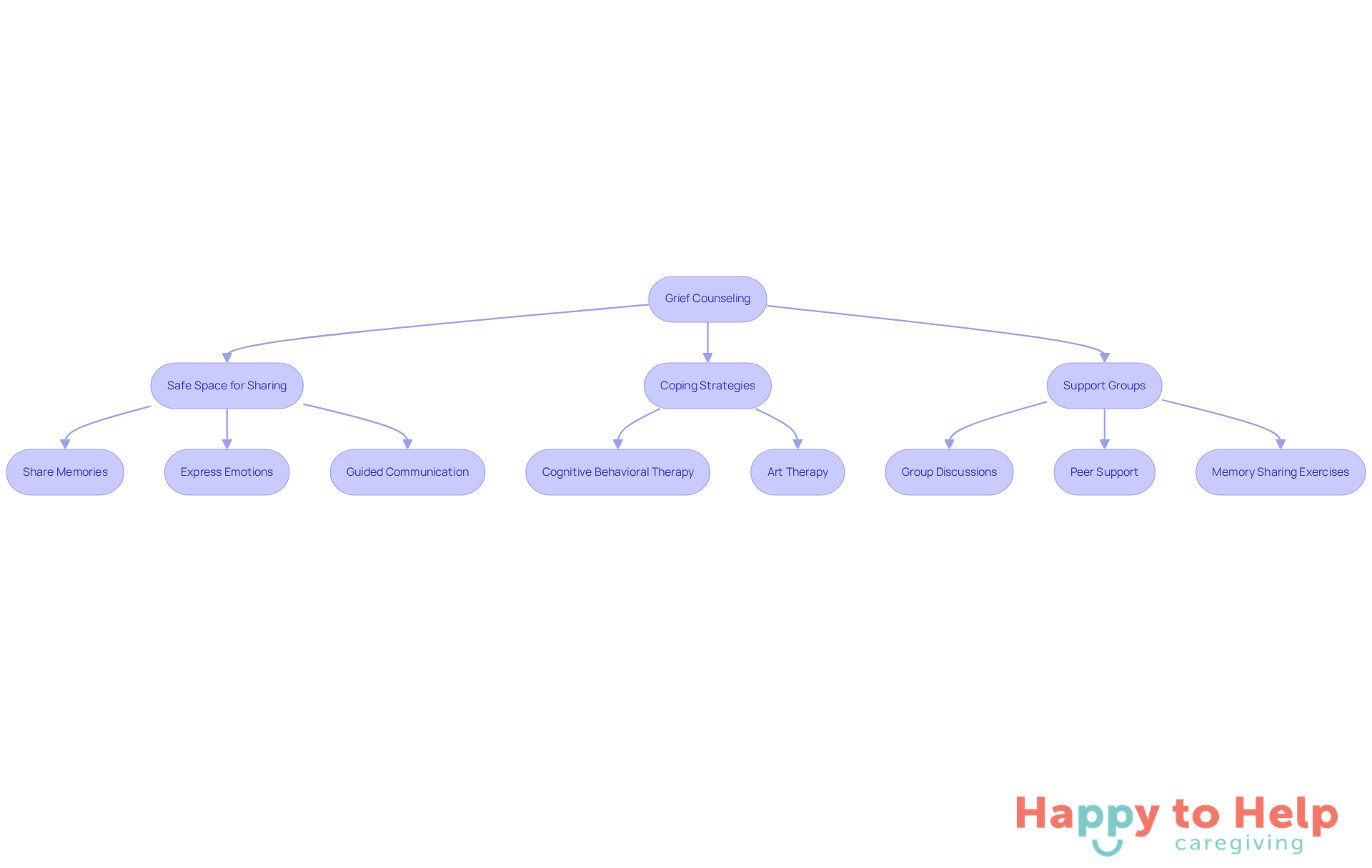
Grief is a profound challenge that families face when losing a loved one. The emotional turmoil can be overwhelming, leaving individuals struggling to express their feelings and navigate their grief. This is where grief counseling becomes essential.
Grief counseling provides a safe space for individuals to share memories and articulate their emotions. Counselors offer coping strategies and facilitate support groups, helping families process their loss effectively. By addressing these emotional needs, grief counseling plays a vital role in end of life care services, ensuring that families receive the assistance they require during this difficult time.
Home Health Aides: Practical Support for Daily Living Activities
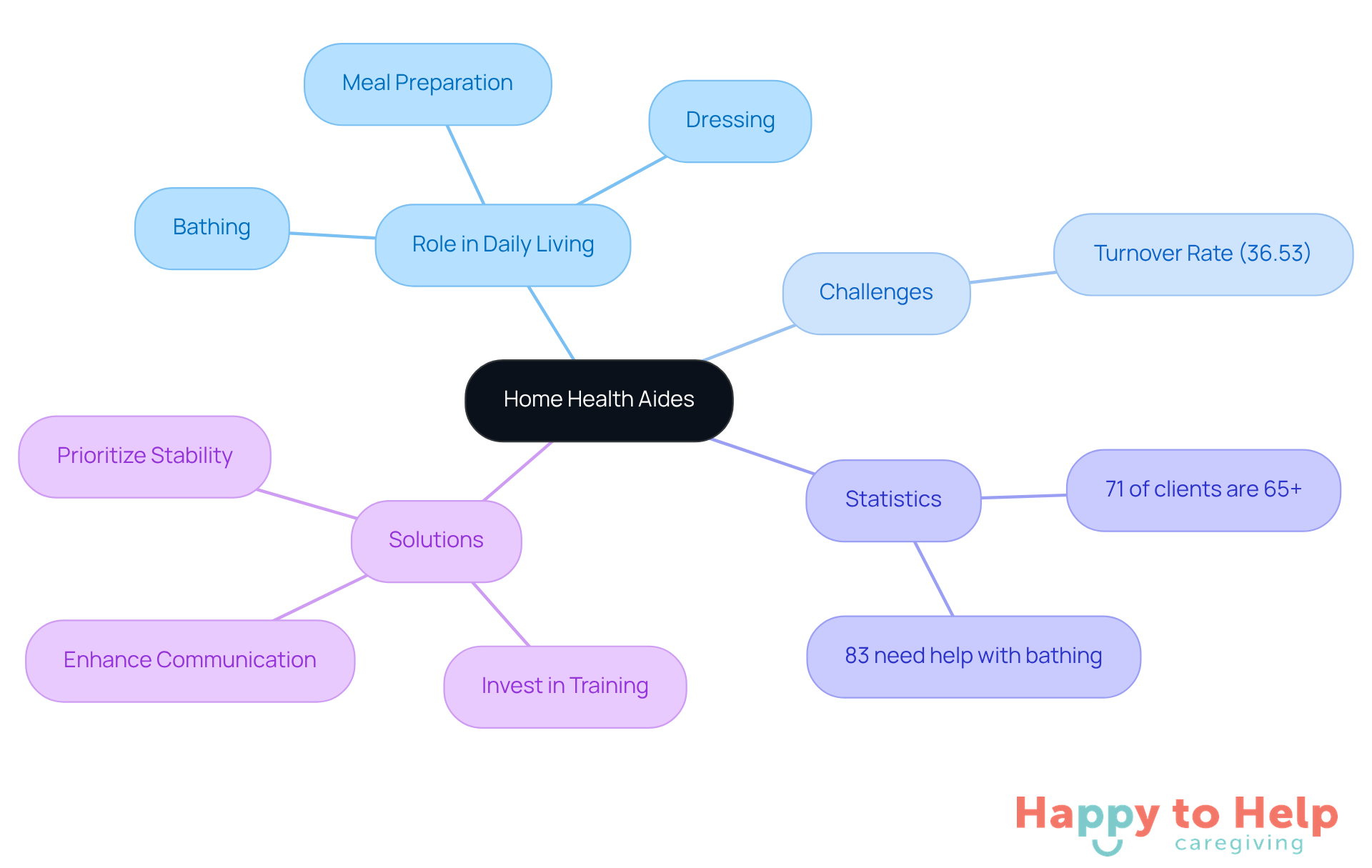
Home health aides play a vital role in providing practical assistance for daily living activities, such as bathing, dressing, and meal preparation. This support is essential for individuals striving to maintain their independence and dignity while receiving necessary help. However, the high turnover rate among home health aides, currently at 36.53%, poses a significant challenge in maintaining a stable caregiving workforce. This instability can hinder the quality of care that seniors receive, impacting their overall well-being.
The implications of this issue are profound, especially for individuals who are in need of end of life care services. Research indicates that nearly 71% of home health clients are 65 years and older, underscoring the importance of consistent support in fostering independence and wellness among the elderly. Effective home health aide programs not only enhance daily living activities but also promote a sense of security and belonging for clients, facilitating a smoother and more manageable transition to end of life care services. In fact, 83% of patients needing assistance require help with bathing or showering, highlighting the critical role of home health aides in daily care.
To address these challenges, caregivers can implement several actionable solutions:
- Investing in training and support for home health aides can help reduce turnover rates and improve care quality.
- Fostering open communication between caregivers and aides can enhance collaboration and ensure that clients receive personalized care tailored to their needs.
- As the demand for at-home caregivers continues to rise, with nearly 1 in 5 Americans expected to be 65 or older by 2030, the role of home health aides becomes increasingly significant.
- By prioritizing stability and support within caregiving teams, we can enhance the quality of life for seniors in their own homes.
Your Path Forward
The provision of end-of-life care services is essential for ensuring that individuals receive the dignity, respect, and comfort they deserve during their final days. However, many caregivers face significant challenges in providing this care, often feeling overwhelmed and unsupported. This article highlights ten critical services that family caregivers can utilize to enhance the quality of life for their loved ones while also addressing their own needs.
By understanding and implementing these services, caregivers can create a more compassionate and supportive environment for those facing terminal illnesses. Key insights include the significance of personalized in-home care, which fosters emotional well-being and reduces feelings of isolation. Palliative and hospice care play crucial roles in pain management and emotional support, while respite care offers caregivers much-needed relief from the emotional and physical demands of caregiving.
Additionally, companionship care, end-of-life planning, spiritual support, nutritional assistance, grief counseling, and the invaluable help of home health aides collectively contribute to a holistic approach to end-of-life care. As the demand for these services continues to rise, it becomes increasingly important for caregivers to prioritize their own well-being alongside that of their loved ones.
By utilizing the resources and strategies outlined in this article, caregivers can navigate the complexities of end-of-life care with confidence and compassion. This ensures that both they and their loved ones experience a more dignified and fulfilling journey through this challenging time.
https://iframe.tely.ai/cta/eyJhcnRpY2xlX2lkIjogIjY5MmY5MThkZGM0MTVjZWNlZTQ2NmMzNSIsICJjb21wYW55X2lkIjogIjY4ZWU1ZGNhNzMxNzYyNTU3ZjNjOTVjMSIsICJpbmRleCI6IG51bGwsICJ0eXBlIjogImFydGljbGUifQ==Frequently Asked Questions
What challenges do seniors and individuals with special needs face?
Seniors and individuals with special needs often experience feelings of loneliness and isolation, which can significantly impact their quality of life, especially during critical times such as end of life care.
How does Happy to Help Caregiving support clients?
Happy to Help Caregiving provides personalized in-home assistance that prioritizes the comfort and dignity of clients by customizing services to meet individual requirements, thus enhancing their quality of life and fostering a sense of security.
What kind of activities do support providers engage clients in?
Support providers engage clients in meaningful activities, including mobility assistance to prevent falls and help with daily tasks, which are essential for reducing feelings of loneliness and isolation.
What is the satisfaction rate among clients receiving home health services?
91% of clients report satisfaction with their home health services provided by Happy to Help Caregiving.
How does home health assistance impact daily living activities?
Individuals receiving home health assistance experience an 80.2% improvement in daily living activities compared to those without support.
What is the significance of palliative care for caregivers?
Palliative care is crucial for caregivers as it helps manage pain and symptoms for individuals with severe illnesses, enhancing patient outcomes and satisfaction levels.
What is the projected demand for palliative services by 2040?
The demand for palliative services is projected to increase by 57% by 2040.
What techniques can caregivers implement for effective palliative care?
Caregivers can implement medication management, physical therapy, and integrative practices such as mindfulness and relaxation techniques to support emotional and spiritual needs.
What are the main benefits of hospice care for individuals with terminal illnesses?
Hospice care provides emotional support, allows quality time with loved ones, and offers extended support that often exceeds initial expectations, ensuring dignity and respect in patients' final days.
How do hospice services differ from curative treatments?
Hospice services focus on comfort and quality of life rather than curative treatments, providing comprehensive support including medical assistance, emotional guidance, and spiritual counseling.
List of Sources
- Happy to Help Caregiving: Personalized In-Home Care for Comfort and Dignity
- 52 Eye-Opening Home Health Statistics: Insights for 2025 (https://boosthomehealth.com/home-health-statistics)
- Caring Senior Service Banks Growth Goals On New House-Made Technology (https://homehealthcarenews.com/2025/10/caring-senior-service-banks-growth-goals-on-new-house-made-technology)
- Home Health Care News Features HarmonyCares in Inside the 'Monumental' Effort of Integrating, Maintaining a New Home Health EHR | HarmonyCares (https://harmonycares.com/home-health-care-news-features-harmonycares-in-inside-the-monumental-effort-of-integrating-maintaining-a-new-home-health-ehr)
- 2025 Home Care Statistics: Trends & Insights To Know (https://premierhcinc.com/blog/home-care-statistics)
- Palliative Care: Comprehensive Pain and Symptom Management
- Widower urges personalised pain relief for palliative care patients (https://bbc.co.uk/news/articles/cwygdynv3yeo)
- New Palliative Care Research Consortium to Tackle the Field’s Toughest Problems (https://hospicenews.com/2025/08/28/new-palliative-care-research-consortium-to-tackle-the-fields-toughest-problems)
- Palliative Care Statistics (https://rosewood-nursing.com/post/palliative-care-statistics)
- Hospice Care: Specialized Support for Terminal Illness
- Here are 11 Inspiring Quotes to Help You Rethink End of Life Care (https://easylivingfl.com/assisted-living/11-inspiring-quotes-to-help-you-rethink-end-of-life-care)
- The Grave Outlook for Hospice Family Caregivers (https://hospicenews.com/2025/07/10/the-grave-outlook-for-hospice-family-caregivers)
- Hospice Care Facts & Statistics: Key Insights (https://asbestos.com/support/hospice/statistics)
- Hospice Quotes from Nurses & Hospice Care Team Members (https://samaritannj.org/hospice-palliative-care-blog/hospice-quotes-samaritan-care-team)
- Hospice Care Statistics (https://rosewood-nursing.com/post/hospice-care-statistics)
- Respite Care: Essential Relief for Family Caregivers
- Caregivers and the Importance of Respite Care (https://benedictineliving.org/resources/news/caregivers-and-the-importance-of-respite-care)
- Benefits of Respite Care for Families and Patients (https://ltcnews.com/articles/respite-care-assisted-living-family-burden-provides-support)
- Prevalence of depression, anxiety, burden, burnout, and stress in informal caregivers: An umbrella review of meta-analyses (https://sciencedirect.com/science/article/pii/S2950307825000785)
- How Does Respite Care Helps Prevent Caregiver Burnout (https://sundaleseniorliving.com/news-and-articles/the-role-of-respite-care-in-preventing-caregiver-burnout)
- Companionship Care: Emotional Support for Individuals
- Home Care Agency in Plantation, FL Near You | Skilled Nursing and Senior Home Care Services Serving Broward and Palm Beach Counties | Home Health Aide | Free Consult | 24-7 | Trust USA Home Health (https://trustusahomehealth.com/?p=2378)
- The Emotional Benefits of Companion Care for Seniors (https://comfortkeepers.com/offices/texas/round-rock/resources/news/the-emotional-benefits-of-companion-care-for-seniors)
- Older adults find support through health care companions (https://news-medical.net/news/20250924/Older-adults-find-support-through-health-care-companions.aspx)
- Combat Loneliness: The Benefits of Companion Care for Seniors (https://allheartcare.com/more-than-just-company-the-vital-role-of-companion-care-for-seniors)
- How Companionship in Home Care Boosts Seniors' Mental Health - Care With Love (https://carewithlove.com/how-companionship-in-home-care-boosts-seniors-mental-health)
- End-of-Life Planning: Ensuring Dignity and Respect
- Here are 11 Inspiring Quotes to Help You Rethink End of Life Care (https://easylivingfl.com/assisted-living/11-inspiring-quotes-to-help-you-rethink-end-of-life-care)
- The Importance of Advance Care Planning The Importance of Advance Care Planning (https://uwhealth.org/news/the-importance-of-advance-care-planning)
- ‘Let’s Talk’: How to Help Families Have Difficult Conversations (https://yalemedicine.org/news/palliative-care)
- End Of Life Care Quotes (16 quotes) (https://goodreads.com/quotes/tag/end-of-life-care)
- Products - Data Briefs - Number 54 - January 2011 (https://cdc.gov/nchs/products/databriefs/db54.htm)
- Spiritual Care: Addressing Spiritual Needs at the End of Life
- Here are 11 Inspiring Quotes to Help You Rethink End of Life Care (https://easylivingfl.com/assisted-living/11-inspiring-quotes-to-help-you-rethink-end-of-life-care)
- The Mutual Effects of Perceived Spiritual Needs on Quality of Life in Patients with Advanced Cancer and Family Caregivers - PMC (https://pmc.ncbi.nlm.nih.gov/articles/PMC8243389)
- Gale - Institution Finder (https://go.gale.com/ps/i.do?id=GALE%7CA98135737&sid=googleScholar&v=2.1&it=r&linkaccess=abs&issn=10715568&p=AONE&sw=w)
- Evaluation of Health-Care Providers' Perception of Spiritual Care and the Obstacles to Its Implementation (https://sciencedirect.com/science/article/pii/S2347562521002729)
- End Of Life Care Quotes (16 quotes) (https://goodreads.com/quotes/tag/end-of-life-care)
- Nutritional Support: Catering to Dietary Needs for Comfort
- Famous Quotes on Nutrition and Well-Being - Center for the Advancement of Well-Being (https://wellbeing.gmu.edu/famous-quotes-on-nutrition-and-well-being)
- More People Are Caring for Dying Loved Ones at Home. A New Orleans Nonprofit Is Showing Them How. - KFF Health News (https://kffhealthnews.org/news/article/end-of-life-home-hospice-care-dying-new-orleans-louisiana)
- 150 Best Quotes About Nutrition (https://deliberatedirections.com/quotes-about-nutrition)
- Why we must tackle the crisis in end-of-life care | Letters (https://theguardian.com/society/2025/nov/02/why-we-must-tackle-the-crisis-in-end-of-life-care)
- End-of-Life Nutrition | Nutrition Goals for Hospice Patients (https://crossroadshospice.com/hospice-resources/nutrition-hydration)
- Grief Counseling: Supporting Families Through Loss
- Specialised training under way to support children and young people after suicide bereavement - Bedfordshire, Luton and Milton Keynes Integrated Care System (https://blmkhealthandcarepartnership.org/case_studies/specialised-training-under-way-to-support-children-and-young-people-after-suicide-bereavement)
- 10 Grief Counseling Therapy Techniques & Interventions (https://positivepsychology.com/grief-counseling)
- Grief Counseling for Families: Healing Together - VNA & Hospice Monterey, CA (https://ccvna.com/grief-counseling-for-families)
- Grief Support Groups: Types of Support Groups Available for GriefThe Benefits of Grief Support Groups, According to Therapists | Charlie Health (https://charliehealth.com/post/grief-support-groups)
- 20 Quotes about grief and loss - Cruse Bereavement Support (https://cruse.org.uk/blog-grief-quotes)
- Home Health Aides: Practical Support for Daily Living Activities
- More People Are Caring for Dying Loved Ones at Home. A New Orleans Nonprofit Is Showing Them How. - KFF Health News (https://kffhealthnews.org/news/article/end-of-life-home-hospice-care-dying-new-orleans-louisiana)
- Hospice Care Facts & Statistics: Key Insights (https://asbestos.com/support/hospice/statistics)
- Hospice Quotes from Nurses & Hospice Care Team Members (https://samaritannj.org/hospice-palliative-care-blog/hospice-quotes-samaritan-care-team)
- 20 Caregiver Quotes That Will Inspire You - MD Home Health (https://mdhomehealth.com/2018/06/10/20-caregiver-quotes-that-will-inspire-you)
- Older Adults' Needs for Home Health Care and the Potential for Human Factors Interventions - PMC (https://pmc.ncbi.nlm.nih.gov/articles/PMC4270052)