
For families in our service areas
For families in our service areas, this guide explains caregiving and how non-medical in-home caregiving can support care planning in East Idaho, Treasure Valley & Magic Valley, Northern Wasatch, North Central West Virginia, and Northeast Ohio.
The Importance of Equipment for Elderly at Home to
Navigating the challenges of aging can feel overwhelming, especially when it comes to maintaining independence at home. Many older adults wish to stay in their own residences, and this desire brings a pressing need for essential equipment that enhances their self-sufficiency.
This article explores ten indispensable tools designed to empower seniors. From mobility aids to adaptive kitchen equipment, each tool plays a vital role in fostering autonomy and safety. But what happens when the very tools meant to support independence also reveal the vulnerabilities of aging?
This paradox invites us to reflect on how the right equipment can truly transform daily living for the elderly. It ensures they can thrive in their familiar environments, surrounded by the comforts of home. Together, let’s uncover the solutions that can help our loved ones maintain their independence and dignity.
Happy to Help Caregiving: Personalized In-Home Support for Independence
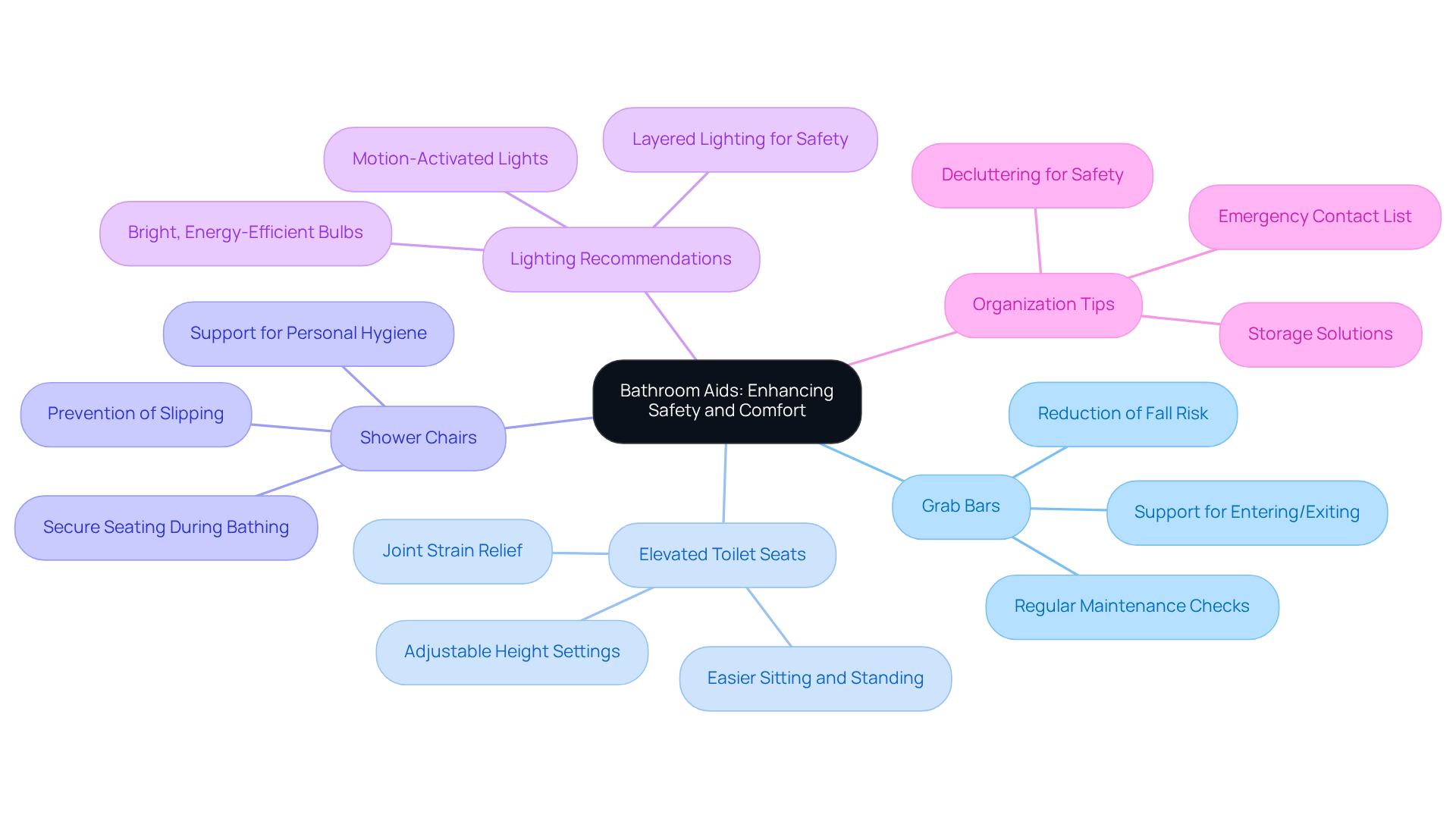
At Happy to Help Caregiving, we truly understand the emotional challenges that older adults face. Our tailored in-home assistance, featuring equipment for elderly at home, is designed to empower them to maintain their self-sufficiency, allowing them to thrive in the comfort of their own homes. Through services like:
- Companionship care
- Post-hospital recovery assistance
- Palliative support
we provide the kind of individualized support that can significantly enhance the quality of life for our clients.
This personalized approach fosters a sense of security and comfort, which is so essential for emotional well-being. Our caregivers are specially trained to engage clients in enjoyable activities, helping to combat the feelings of loneliness that many older adults experience. In fact, studies show that one in three adults aged 50-80 report feeling isolated at least some of the time, with about 5% feeling lonely often. This highlights the critical need for companionship in promoting emotional health.
With approximately 12 million people in the U.S. currently receiving home care, the demand for such services is clear. Importantly, 82% of older adults prefer to remain in their current residence for as long as possible. This underscores the vital role that tailored care plays in supporting their independence.
By prioritizing personalized care, Happy to Help Caregiving not only provides equipment for elderly at home to assist them in their daily activities but also nurtures their overall independence and happiness. We are here to support them every step of the way, ensuring they feel valued and cared for in their own homes.
Mobility Aids: Essential Tools for Staying Independent
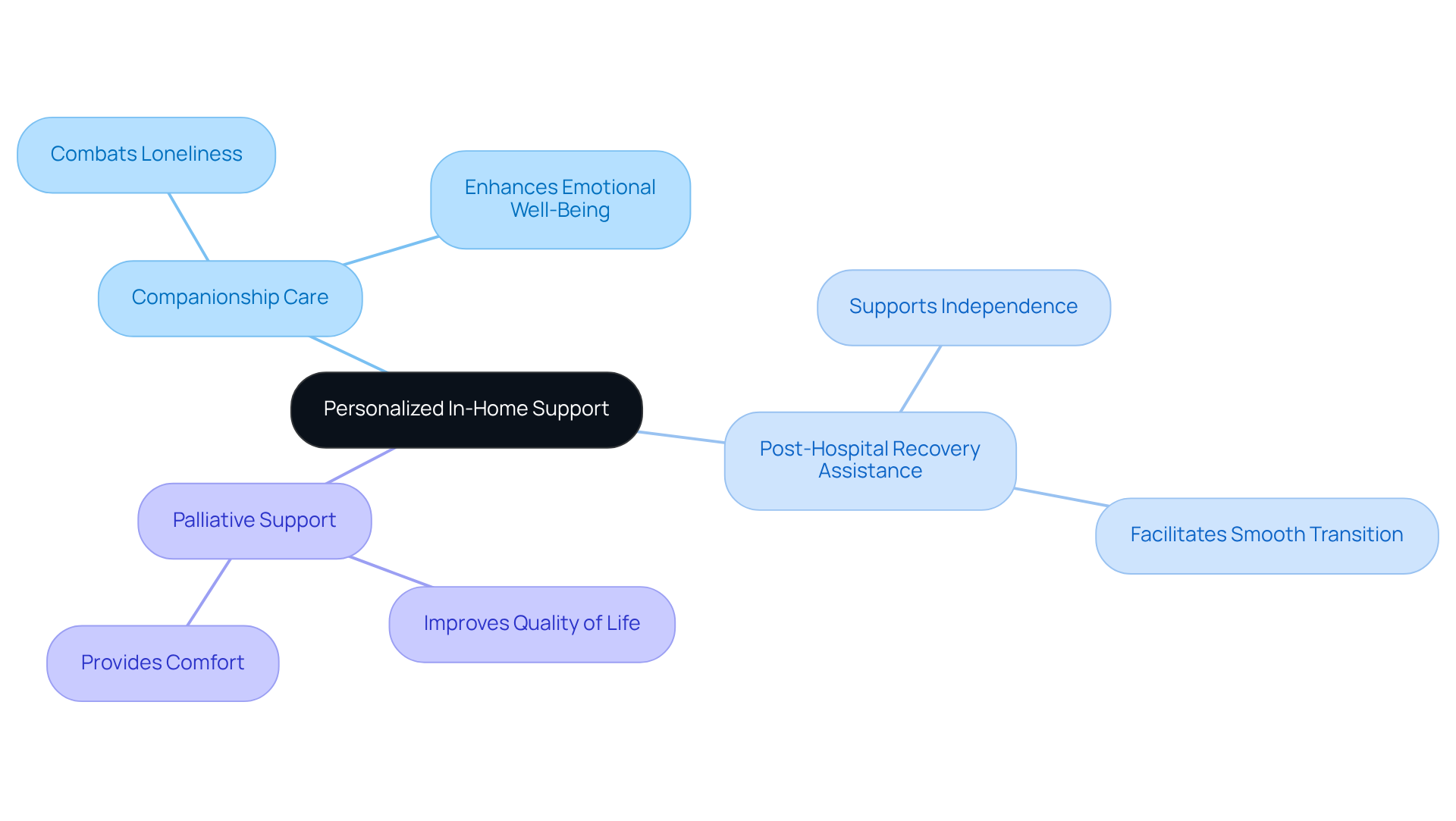
Mobility aids, including walkers, canes, and mobility scooters, are important equipment for elderly at home, as they help older adults navigate their homes and communities safely. These tools significantly reduce the risk of falls, which affect 35-40% of adults aged 65 and older living in the community each year. For instance, rollator walkers not only offer stability but also come with a seat for resting, making them perfect for longer distances. Research shows that users of rollator walkers enjoy improved mobility and confidence, enabling them to engage more fully in daily activities.
Mobility scooters further enhance outdoor independence, allowing older adults to join community events and relish outdoor activities without the worry of falling. Geriatric specialists stress that equipment for elderly at home, including mobility tools, is vital for maintaining an active lifestyle, empowering older adults to move freely while minimizing the risk of injury. In fact, studies reveal that elderly individuals who use mobility devices report fewer falls compared to those who don’t. By incorporating these aids into their daily lives, older adults can sustain their autonomy and improve their overall quality of life.
Bathroom Aids: Enhancing Safety and Comfort
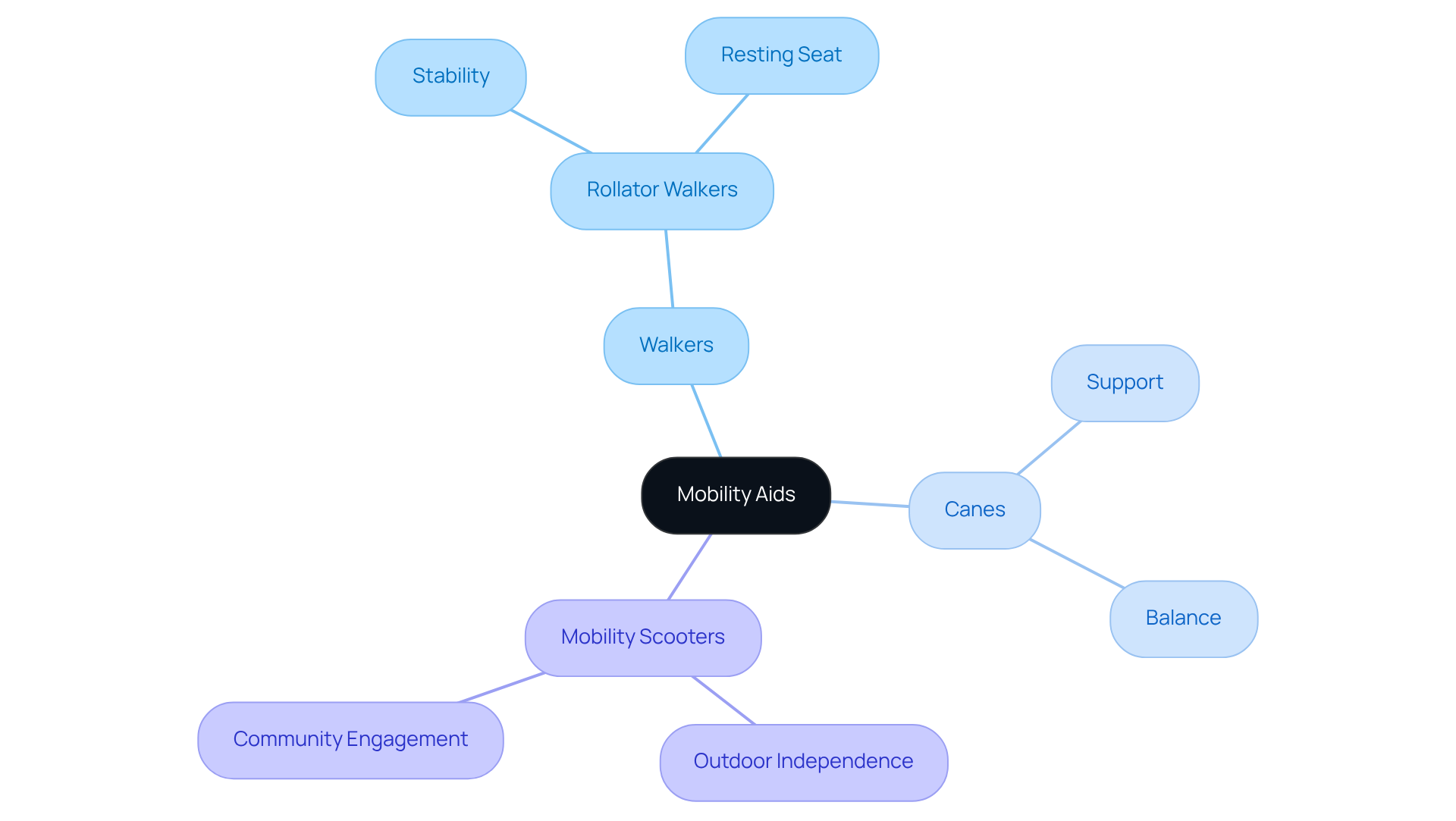
Bathroom aids, which are essential equipment for elderly at home, such as grab bars, elevated toilet seats, and shower chairs, play a vital role in enhancing safety and comfort for older adults. Imagine the peace of mind that comes with knowing grab bars are there to provide support when entering or exiting the shower or toilet. They significantly reduce the risk of falls, which can be all too common in bathroom settings. Regularly checking these features, like inspecting grab bars for any loosening or wear, is crucial in preventing accidents and ensuring safety.
Research shows that having grab bars can lead to a meaningful decrease in fall-related injuries among the elderly. Elevated toilet seats make sitting and standing easier, relieving strain on joints and improving accessibility. This simple change can truly transform daily routines, allowing older adults to maintain their independence and dignity.
Shower chairs are an important piece of equipment for elderly at home, providing a secure seating option during bathing and enabling elderly individuals to maintain their personal hygiene without the fear of slipping. These aids not only enhance physical safety but also nurture a greater sense of independence, empowering older adults to navigate their daily activities with confidence.
Occupational therapists often stress the importance of proper lighting in bathrooms to prevent accidents. They recommend:
- Bright, energy-efficient bulbs
- Motion-activated lights for added convenience
Additionally, keeping the bathroom organized is essential for boosting security, as it minimizes risks and enhances accessibility. Family caregivers can help by establishing a routine to check for clutter and keeping a list of emergency contacts handy for quick access.
There may also be government support programs or grants available to assist elderly individuals with home modifications for bathroom security. As occupational therapists emphasize, creating a comfortable and supportive bathroom environment is crucial for the overall well-being of elderly individuals who may require equipment for elderly at home. Together, we can foster a safe and nurturing space that allows our loved ones to thrive.
Bedroom Aids: Ensuring Comfort and Safety
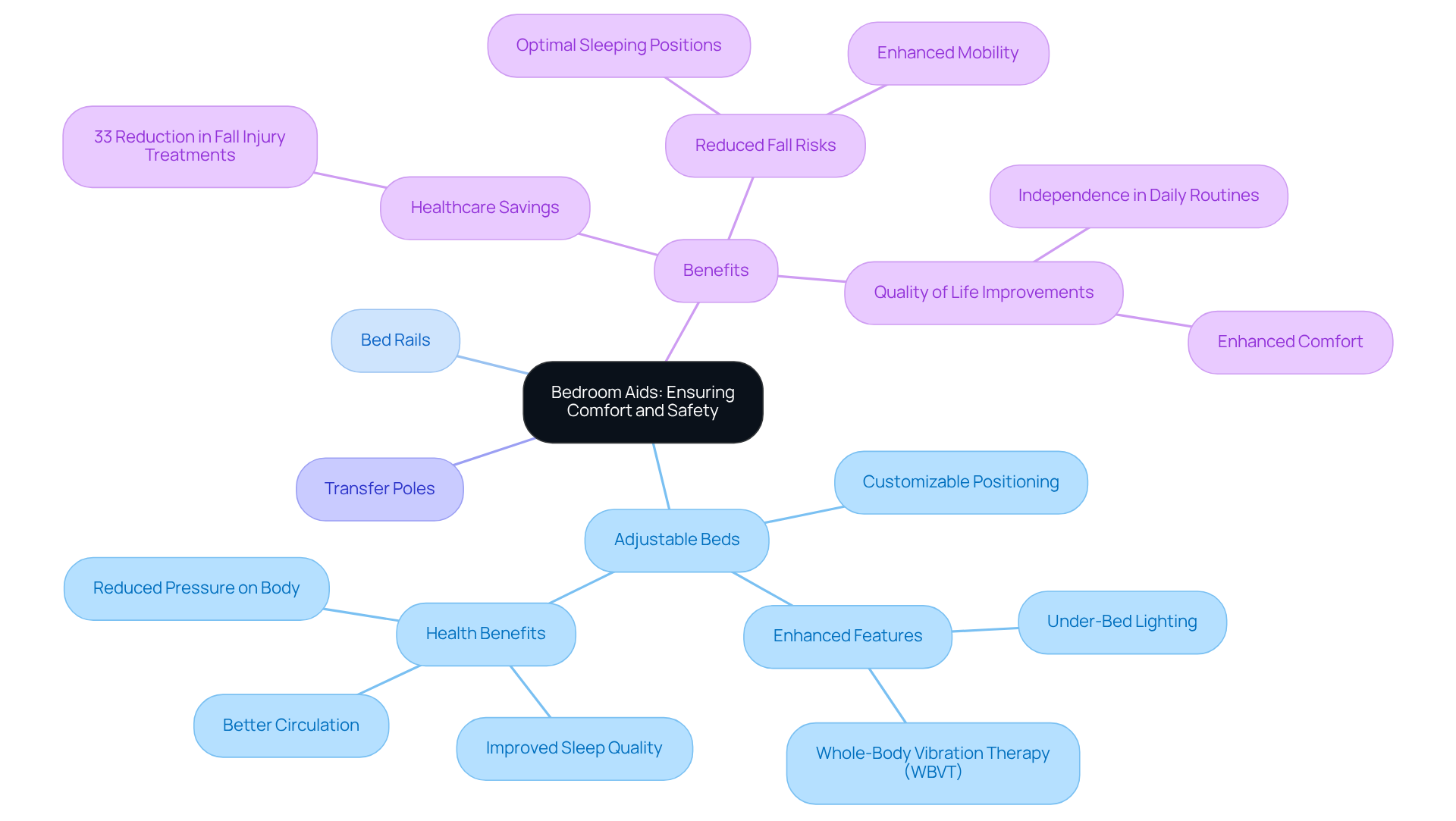
Adjustable beds, bed rails, and transfer poles are important pieces of equipment for elderly at home, enhancing their security and comfort. Adjustable beds, in particular, allow for customizable positioning, which can ease discomfort and improve sleep quality. Research shows that these beds can significantly benefit older adults by promoting better circulation and reducing pressure on the body-crucial for those dealing with arthritis or back pain. For example, enhanced adjustable beds (EABs) come with under-bed lighting, making nighttime navigation safer and less stressful. Additionally, whole-body vibration therapy (WBVT) can stimulate blood flow and reduce inflammation, offering further relief.
It's heartbreaking to know that falls are the leading cause of fatal injuries among older individuals, with one in three elderly people experiencing a fall each year. Adjustable beds can help reduce these risks by allowing users to find optimal sleeping positions that support spinal alignment and ease mobility challenges. Case studies reveal that implementing such modifications can lead to significant savings in healthcare costs related to fall injuries. One study even indicated a 33% reduction in spending on fall injury treatments over three years. This underscores the importance of investing in home security for our loved ones.
Moreover, physical therapists share heartwarming testimonials about the transformative impact of adjustable beds on elderly comfort and well-being. They note that these beds not only facilitate smoother transitions in and out but also enhance overall quality of life, empowering older adults to maintain their independence in daily routines. As Olivia Arezzolo wisely states, "If you’re thinking about buying an adjustable bed for yourself or an older Australian, it’s worth taking the time to research thoroughly." By integrating equipment for elderly at home into the home environment, families can significantly enhance the safety and comfort of their elderly loved ones.
Additionally, certain EABs may be eligible for purchase through NDIS plans, making them a more accessible option for caregivers. With features like battery-operated remotes and under-bed lighting, adjustable beds provide practical solutions that truly enhance the living experience for older adults.
Home Modifications: Creating a Senior-Friendly Environment
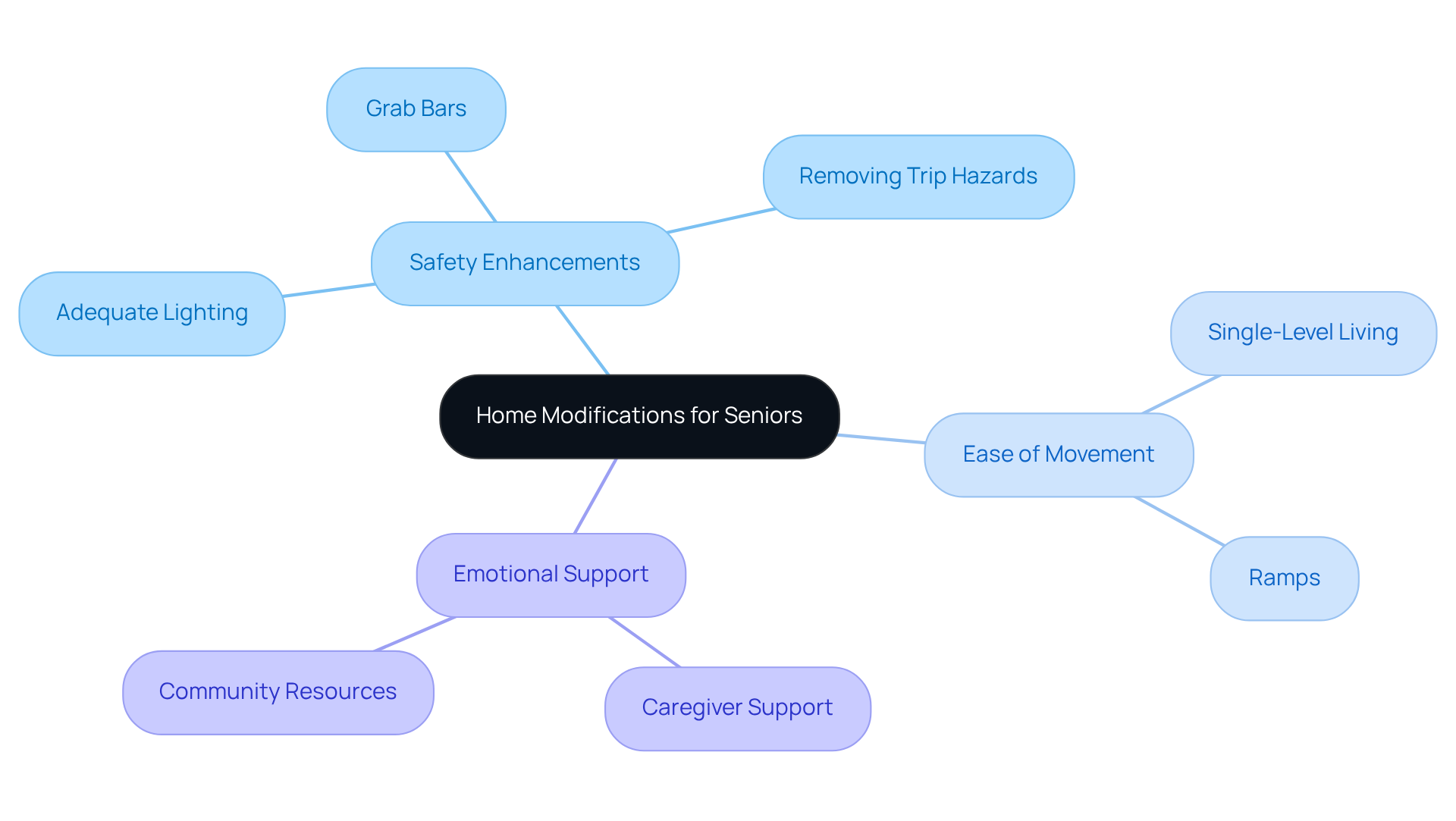
Simple home modifications can truly enhance the effectiveness of equipment for elderly at home, transforming their ability to live independently. Imagine the peace of mind that comes from:
- Installing grab bars in hallways
- Ensuring adequate lighting
- Removing trip hazards
These small changes can make a world of difference.
Creating a single-level living space or installing ramps can also facilitate easier movement throughout the home. This not only enhances comfort but significantly reduces the risk of falls, allowing loved ones to navigate their environment with confidence.
As caregivers, we understand the emotional weight of these responsibilities. It’s essential to know that you’re not alone in this journey. There are compassionate solutions available that can help ease the stress and burnout often felt in caregiving roles.
By making these thoughtful modifications, including the use of equipment for elderly at home, you’re not just improving safety; you’re nurturing independence and dignity. Remember, every step you take towards creating a safer home is a step towards a brighter, more secure future for your loved ones.
Assistive Devices: Enhancing Daily Living Activities
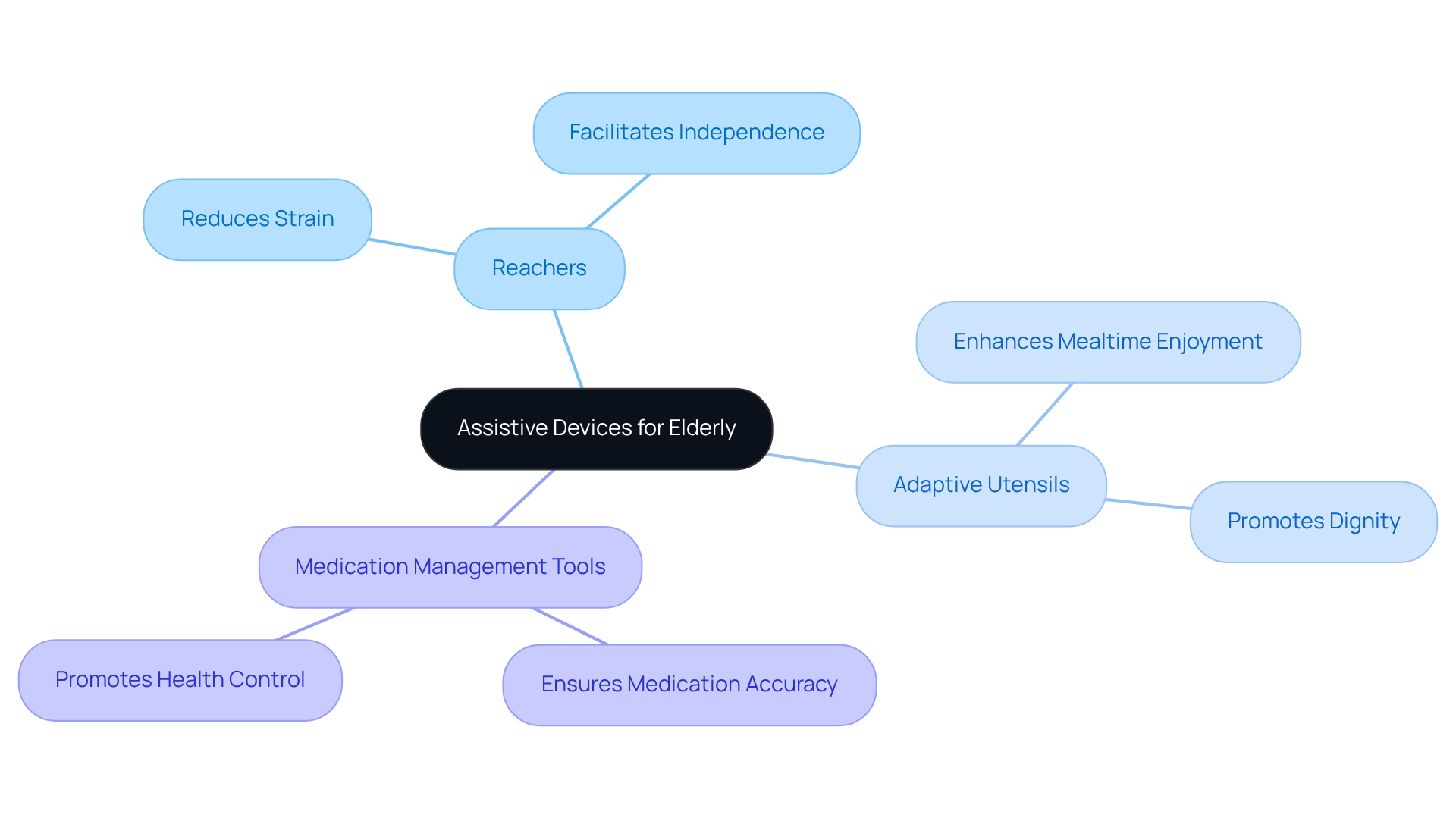
Caring for elderly loved ones can be a challenging journey, filled with emotional ups and downs. Assistive devices such as reachers, adaptive utensils, and medication management aids are important equipment for elderly at home, as they can truly make a difference in their daily lives.
Imagine the relief a reacher can bring, allowing individuals to pick up items without bending over. This simple tool reduces strain on their backs, making everyday tasks feel less daunting.
Adaptive utensils, designed with ergonomics in mind, can transform mealtime into a more enjoyable experience for those with limited hand strength. Eating becomes easier, fostering a sense of dignity and independence.
Medication management tools, such as pill organizers, play a crucial role in ensuring that older adults take their medications accurately and on time. This not only promotes their health but also gives them a sense of control over their well-being.
By embracing equipment for elderly at home, we can help our loved ones maintain their independence and enhance their quality of life. Remember, you’re not alone in this journey; there are resources and communities ready to support you every step of the way.
Communication Devices: Staying Connected and Engaged
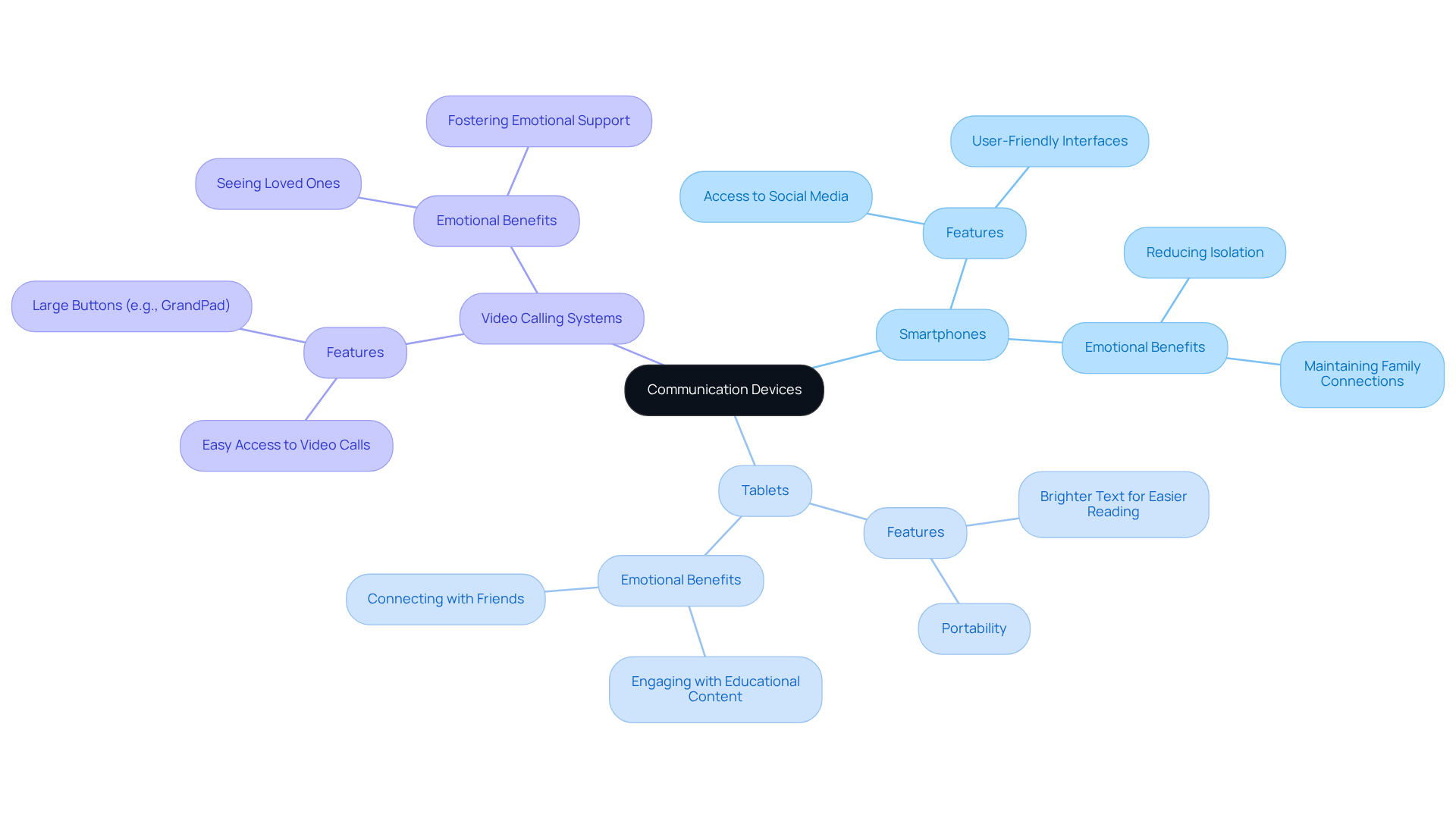
Communication devices like smartphones, tablets, and video calling systems play a crucial role in keeping older adults connected. These tools are more than just gadgets; they are lifelines that help bridge the gap between loved ones. For instance, devices such as the GrandPad are thoughtfully designed for older adults, featuring large buttons and easy access to video calls.
Imagine the joy of a grandparent seeing their grandchildren’s faces during a video call. These resources empower older adults to maintain meaningful connections with family and friends, significantly reducing feelings of isolation and loneliness.
In a world where connection is vital, these devices offer not just functionality but also emotional support. They remind us that no one has to face their days alone. By fostering these connections, we can help our loved ones feel valued and cherished.
Adaptive Kitchen Equipment: Facilitating Meal Preparation
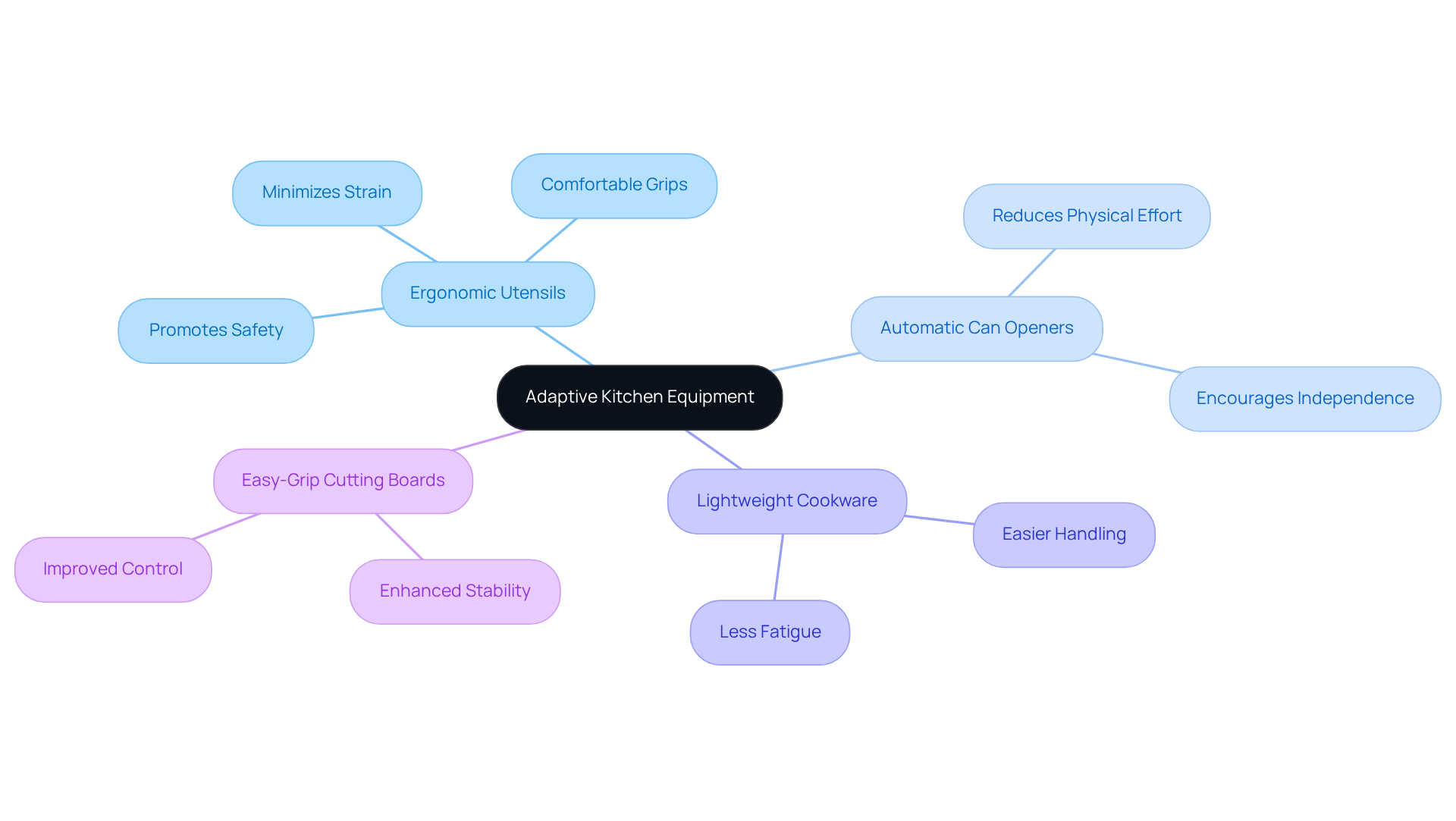
Adaptive kitchen equipment, especially ergonomic utensils, plays a vital role in improving meal preparation for older adults. These specially designed tools minimize strain and promote safety, making cooking a more enjoyable experience. For instance, ergonomic utensils with comfortable grips enable older adults to chop, stir, and serve with ease, reducing the risk of accidents and fatigue. Automatic can openers lessen the physical effort needed compared to traditional models, allowing older adults to open cans independently and confidently.
Real-world examples show just how effective these resources can be. Many older adults have shared that using easy-grip cutting boards and lightweight pots and pans has transformed their cooking experience, enabling them to prepare meals without discomfort. Incorporating these adaptive tools not only fosters self-sufficiency but also encourages a healthier lifestyle by making meal preparation more accessible.
Looking ahead to 2025, the market for ergonomic utensils continues to grow, with innovative designs tailored specifically for elderly cooking needs. Chefs and nutritionists alike stress the importance of these aids in promoting better nutrition and overall well-being. As Ann Wigmore wisely noted, 'The food you eat can be either the safest and most powerful form of medicine or the slowest form of poison.' By investing in adaptive kitchen equipment, families can significantly enhance the quality of life for their elderly loved ones, ensuring that meal preparation remains a fulfilling and manageable task. Moreover, with 75 percent of chronic diseases linked to lifestyle issues, the role of proper nutrition in meal preparation becomes even more critical.
Emergency Response Systems: Ensuring Safety and Peace of Mind
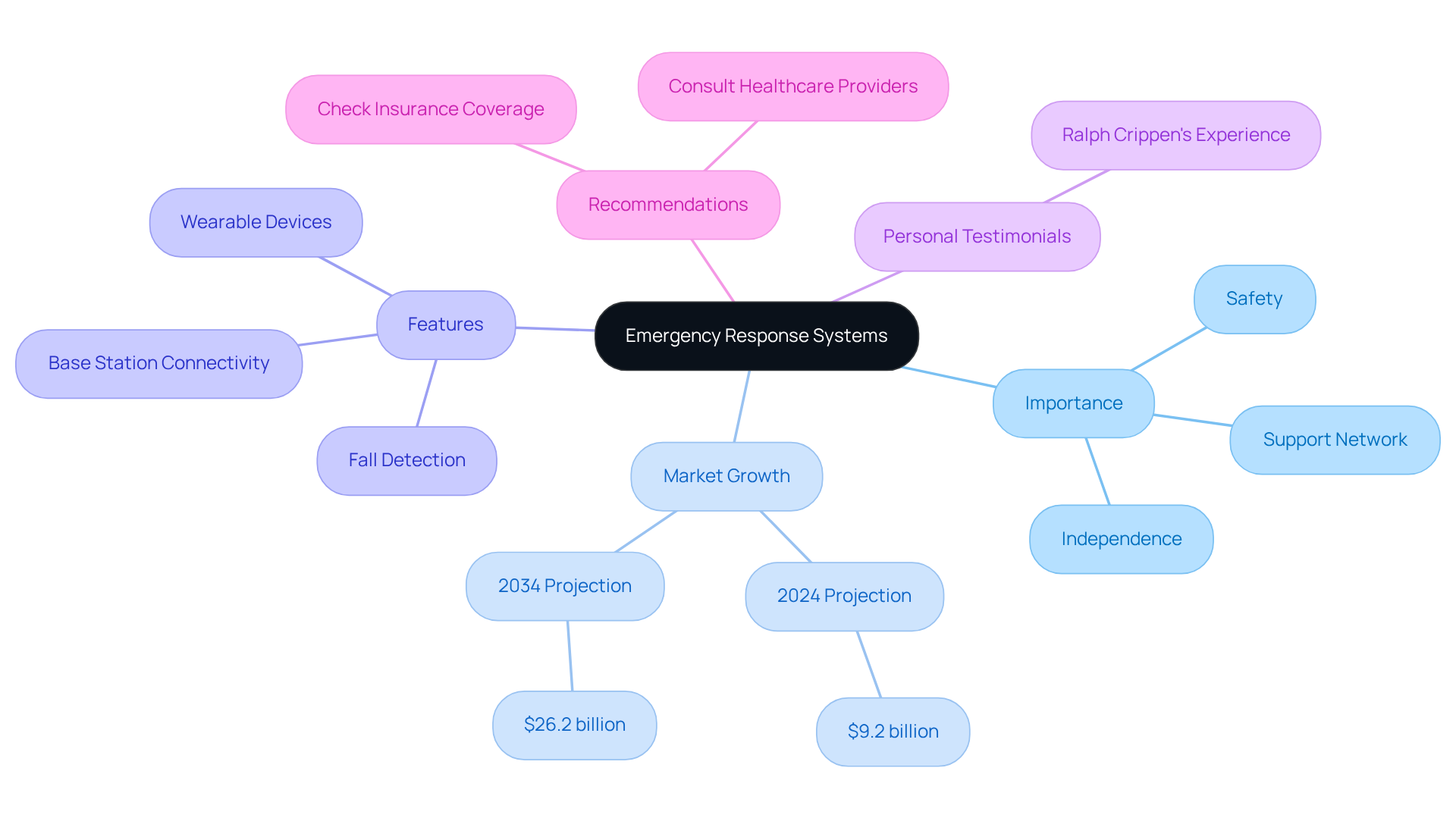
Emergency response systems, which include equipment for elderly at home like medical alert devices and home monitoring solutions, are vital in protecting the well-being of older adults. This equipment for elderly at home provides quick access to help during emergencies, allowing seniors to maintain their independence while ensuring their safety. Many modern systems come equipped with fall detection features, which automatically alert caregivers or emergency services if a fall occurs, creating a crucial support network for those at risk.
The global market for personal medical alert systems is expected to grow significantly, from $9.2 billion in 2024 to $26.2 billion by 2034. This growth reflects the increasing demand for these essential tools. Medical professionals stress the importance of equipment for elderly at home, noting that these systems can greatly enhance safety and reduce emergency room visits for older adults. For example, Ralph Crippen, a 92-year-old who has used a Lifeline pendant for four years, shares how effective it is, stating it works wherever there’s a cell phone signal, ensuring he can call for help whenever he needs it.
Experts recommend that older adults talk to their healthcare providers to determine if medical alert systems are suitable for their specific needs. The equipment for elderly at home not only provides peace of mind but also fosters a sense of independence, allowing older adults to engage in daily activities with confidence. As the number of older individuals continues to rise, integrating technology and providing equipment for elderly at home will be crucial in promoting safety and enhancing their quality of life.
Companionship Tools: Combating Loneliness and Isolation
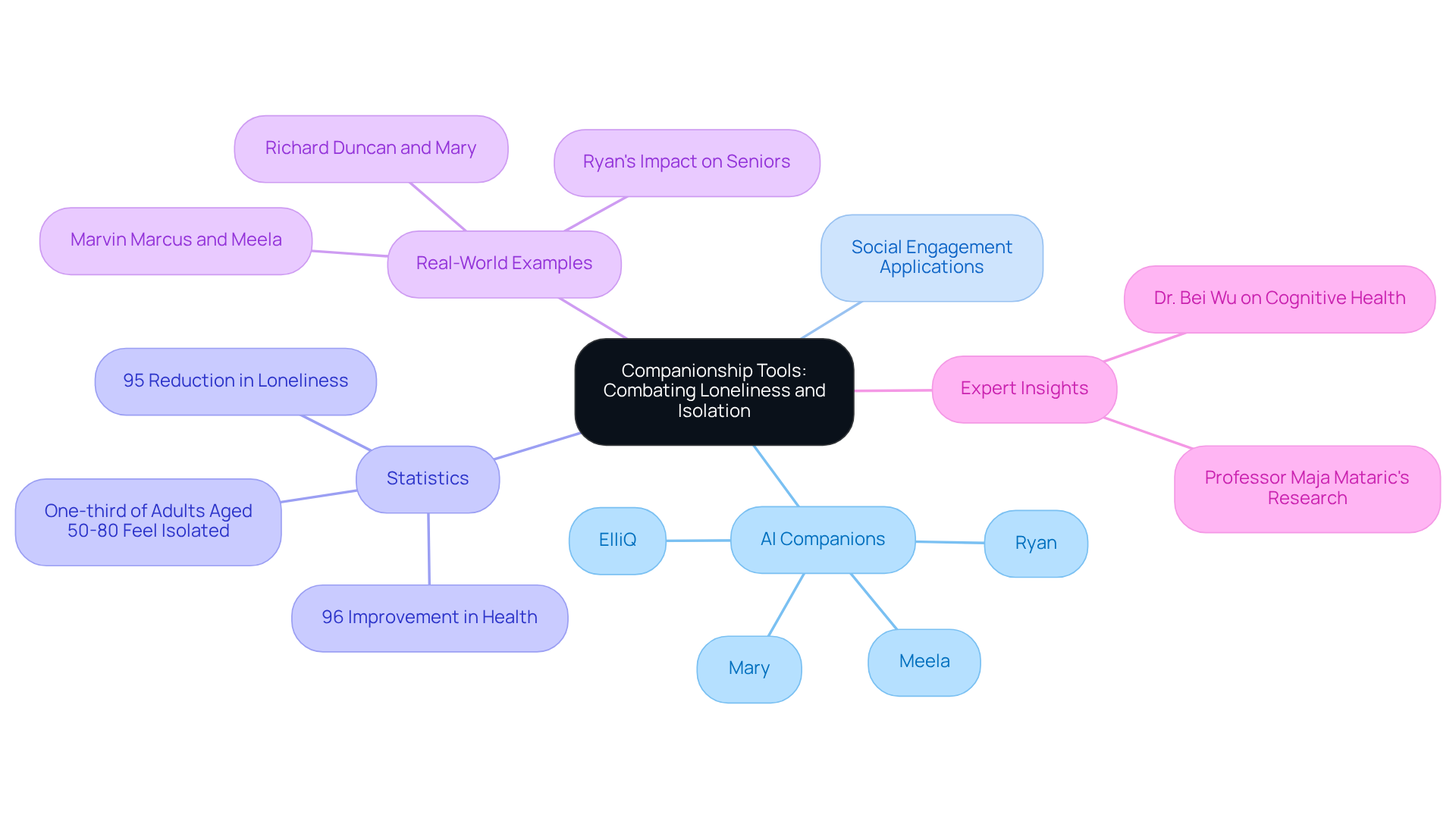
Companionship tools, especially AI companions and social engagement applications, play a crucial role in alleviating loneliness among older adults. Devices like ElliQ not only remind users about medications and health tracking but also engage them in meaningful conversations, fostering a sense of connection. It's heartening to know that older adults using AI companions have reported a remarkable 95% reduction in feelings of loneliness and a 96% improvement in overall health and well-being after just one year of interaction. With one-third of U.S. adults aged 50 to 80 feeling isolated, addressing this issue becomes even more vital.
Real-world examples illustrate the effectiveness of these technologies. Take Marvin Marcus, an 89-year-old resident, who frequently interacts with Meela, an AI companion. Their discussions about his favorite baseball team help him cope with feelings of isolation. Similarly, Richard Duncan, also 89, receives daily calls from an AI chatbot named Mary. These conversations prompt him to share his day and memories, providing companionship after the loss of his wife. Ryan, another AI companion, has been instrumental in enhancing the quality of life for older adults by offering entertainment and emotional support, showcasing how technology can create lasting relationships.
Experts in gerontology emphasize the importance of these innovations. Dr. Bei Wu, a noted gerontologist, highlights that AI companions can stimulate cognitive health by encouraging social interaction and emotional engagement. Professor Maja Mataric's project involving socially assistive robots further illustrates how these technologies encourage engagement among older adults. As technology continues to advance, AI companions are becoming vital resources in elder care, serving as equipment for elderly at home that provides companionship and greatly influences older adults' emotional health and overall well-being. Eve, a new AI companion, is designed to engage homebound seniors by showcasing the variety of equipment for elderly at home that can support elderly care.
Key Takeaways for Caregivers
Enhancing independence for elderly individuals at home is a journey filled with thoughtful choices in equipment and support. By integrating essential tools and personalized care, older adults can truly thrive in their own environments, maintaining their dignity and self-sufficiency. It's vital to focus on tailored in-home assistance, as this not only fosters physical safety but also nurtures emotional well-being.
Throughout this article, we've highlighted key equipment like mobility aids, bathroom aids, and assistive devices as crucial components in promoting safety and independence. From adjustable beds that enhance comfort to communication devices that keep loved ones connected, each element plays a significant role in improving the quality of life for seniors. Moreover, we cannot overlook the importance of companionship tools in combating loneliness; they offer not just functionality but also vital emotional support.
As the population of older adults continues to grow, the need for a senior-friendly environment becomes ever more apparent. Every step taken towards implementing these essential tools and modifications is a step towards a more secure and fulfilling life for the elderly. Embracing these resources empowers seniors and enriches the lives of their families, fostering a community of care and respect. Together, we can create a nurturing environment that honors the independence and dignity of our cherished seniors.
https://iframe.tely.ai/cta/eyJhcnRpY2xlX2lkIjogIjY5MWU1YWJiYzBkNDJlMTUwMDY1YWNiZCIsICJjb21wYW55X2lkIjogIjY4ZWU1ZGNhNzMxNzYyNTU3ZjNjOTVjMSIsICJpbmRleCI6IG51bGwsICJ0eXBlIjogImFydGljbGUifQ==Frequently Asked Questions
What services does Happy to Help Caregiving provide?
Happy to Help Caregiving offers tailored in-home assistance including companionship care, post-hospital recovery assistance, and palliative support, designed to enhance the quality of life for older adults.
How does Happy to Help Caregiving support emotional well-being for older adults?
The organization provides individualized support that fosters a sense of security and comfort, helping to combat feelings of loneliness and promoting emotional health through engaging activities.
What is the significance of companionship for older adults?
Companionship is critical for emotional health, as studies indicate that one in three adults aged 50-80 feel isolated at least some of the time, with about 5% feeling lonely often.
Why is there a demand for home care services?
Approximately 12 million people in the U.S. currently receive home care, and 82% of older adults prefer to remain in their current residence for as long as possible, highlighting the importance of tailored care in supporting their independence.
What are mobility aids, and why are they important for older adults?
Mobility aids, such as walkers, canes, and mobility scooters, help older adults navigate their homes and communities safely, significantly reducing the risk of falls, which affect 35-40% of adults aged 65 and older.
How do rollator walkers benefit older adults?
Rollator walkers provide stability and include a seat for resting, which improves mobility and confidence, enabling users to engage more fully in daily activities.
What role do bathroom aids play in the safety of older adults?
Bathroom aids, like grab bars, elevated toilet seats, and shower chairs, enhance safety and comfort, significantly reducing the risk of falls and allowing older adults to maintain their independence and dignity.
What precautions should be taken to ensure bathroom safety for older adults?
Regularly check grab bars for wear, ensure proper lighting with bright bulbs and motion-activated lights, and keep the bathroom organized to minimize risks and enhance accessibility.
Are there any government programs available to assist with home modifications for elderly individuals?
Yes, there may be government support programs or grants available to assist elderly individuals with home modifications for bathroom security and other needs.