
For families in our service areas
For families in our service areas, this guide explains caregiving and how non-medical in-home caregiving can support care planning in East Idaho, Treasure Valley & Magic Valley, Northern Wasatch, North Central West Virginia, and Northeast Ohio.
Why Exercises for Elderly with Parkinson Matters
Elderly individuals with Parkinson's disease face challenges that go well beyond physical limitations. Caregivers often navigate a complex landscape filled with emotional and logistical hurdles, all while striving to enhance their loved ones' quality of life. This situation can lead to feelings of frustration and helplessness, as caregivers seek effective ways to support their family members.
To address these challenges, it's essential to explore practical solutions. This article presents ten essential exercises specifically designed for seniors with Parkinson's. These activities not only foster independence but also improve mobility and boost overall well-being. Caregivers can play a crucial role in integrating these exercises into daily routines, helping to combat the decline in both physical health and emotional well-being that often accompanies this disease.
How can caregivers effectively implement these strategies to make a meaningful difference?
Happy to Help Caregiving: Personalized In-Home Support for Parkinson's Patients
Problem: Caregivers of individuals with Parkinson's often face significant challenges, including feelings of loneliness and the complexities of providing daily support. This can lead to emotional strain for both caregivers and clients.
Agitate: The intricacies of managing care for someone with Parkinson's can be overwhelming. Caregivers may struggle to balance their responsibilities while ensuring their loved ones receive the personalized attention they need. This situation can exacerbate feelings of isolation and hinder the emotional well-being of both parties.
Solution: Happy to Help Caregiving excels in providing customized in-home assistance tailored specifically for individuals with Parkinson's. Their comprehensive services include:
- Companionship care
- Post-hospital recovery assistance
- Respite care
- Palliative support care
These services are designed to significantly enhance the quality of life for clients. Caregivers are trained not only to provide essential assistance but also to engage clients in enjoyable exercises for elderly with Parkinson's disease, fostering independence and emotional well-being. This personalized approach is crucial for families navigating the complexities of care, ensuring that support is tailored to each client's unique needs and preferences.
Moreover, the evolving nature of Parkinson's necessitates daily support, making the 1:1 caregiver-to-client ratio a significant advantage of in-home care. By focusing on personalized care and involving family members in the process, Happy to Help Caregiving empowers clients to thrive in the comfort of their own homes, making a meaningful difference in their daily lives.
Aerobic Exercises: Boost Cardiovascular Health for Parkinson's Patients
Aerobic activities, such as brisk walking, cycling, and swimming, present a significant challenge for caregivers of individuals with Parkinson's disease. Without regular engagement in these activities, individuals may experience worsening motor symptoms and a decline in overall quality of life. This situation can be distressing for both patients and caregivers, as it limits mobility and independence.
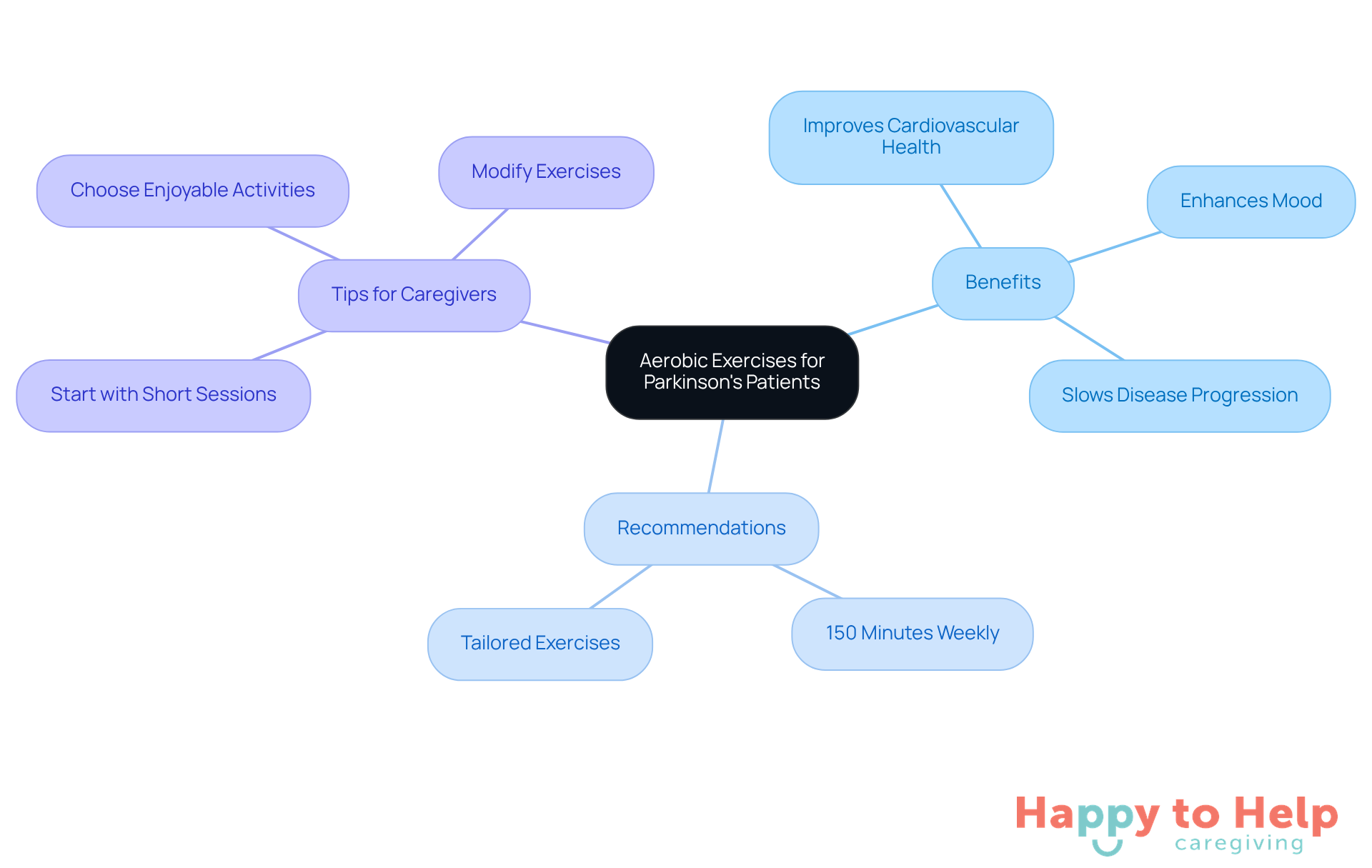
Health experts recommend a minimum of 150 minutes of moderate-intensity aerobic activity each week. However, it's crucial to recognize that exercises for elderly with Parkinson's disease can be tailored for those facing balance challenges or in later stages of the condition. This adaptability ensures that everyone can participate safely, fostering a sense of community and support.
Incorporating aerobic activities into daily routines is especially beneficial right after a Parkinson's diagnosis. Caregivers are encouraged to initiate these routines early, as they not only improve cardiovascular health and endurance but also enhance mood and cognitive function. Engaging in exercises for elderly with Parkinson's disease that elevate the heart rate can lead to significant improvements in both physical and neurological well-being.
Recent studies indicate that regular aerobic activity may slow the progression of Parkinson's disease and offer neuroprotective benefits. By prioritizing exercises for elderly with Parkinson's disease, caregivers can help their loved ones achieve meaningful enhancements in their quality of life. Here are some actionable tips for caregivers:
- Start with short sessions of aerobic activities and gradually increase duration.
- Choose activities that are enjoyable to encourage consistency.
- Modify exercises for elderly with Parkinson's disease to accommodate individual needs and abilities.
By focusing on these strategies, caregivers can play a vital role in supporting their loved ones' health and happiness.
Strength Training: Enhance Muscle Strength for Better Mobility
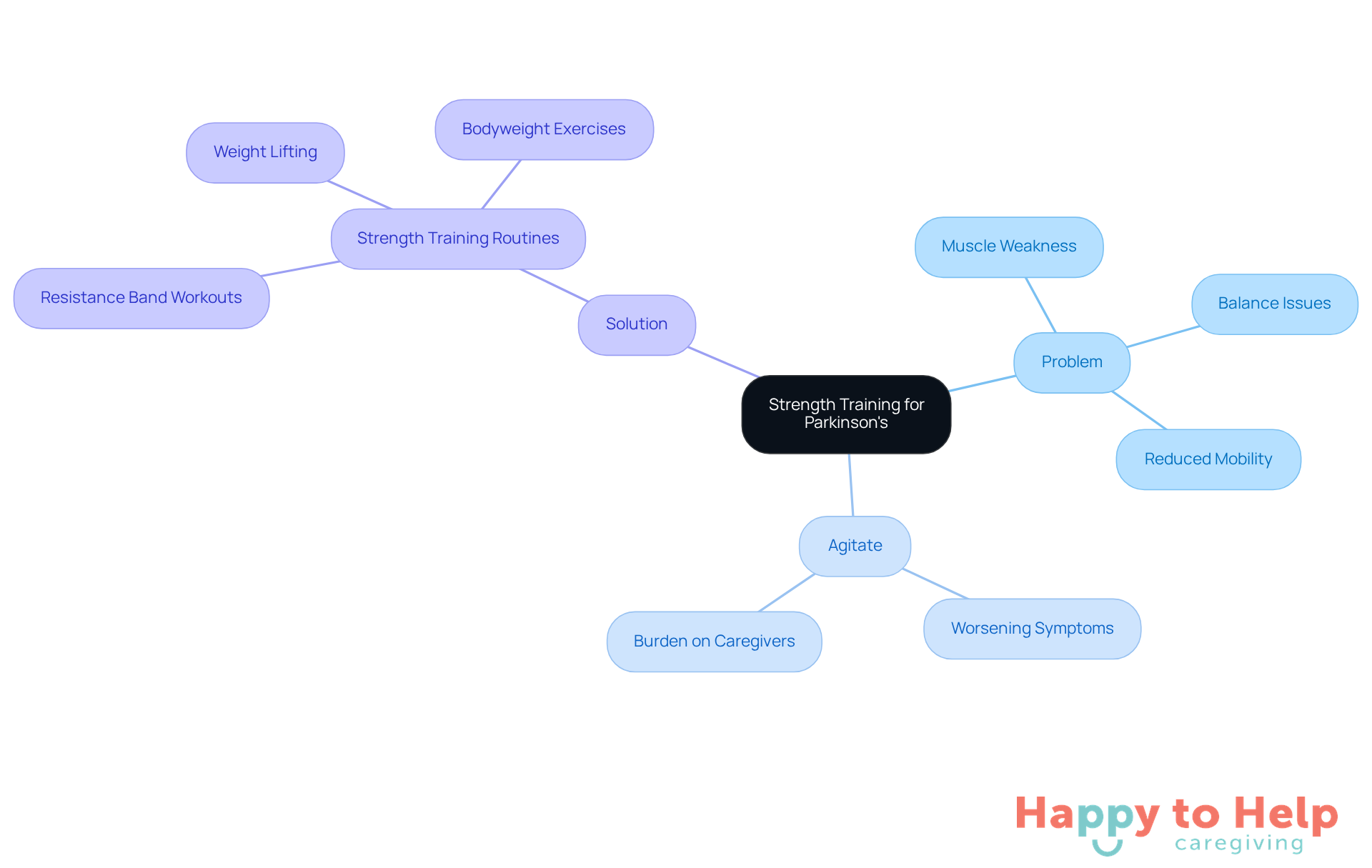
Problem: Individuals with Parkinson's often struggle with muscle weakness, balance issues, and reduced mobility. These challenges can significantly impact their independence and quality of life.
Agitate: Without proper strength training, symptoms like rigidity and bradykinesia can worsen, making daily activities increasingly difficult. This not only affects the individual but also places a burden on caregivers who strive to provide support.
Engaging in strength training routines, including exercises for elderly with Parkinson's disease like resistance band workouts, weight lifting, and bodyweight exercises, is essential. It is recommended to participate in strength training at least two to three times a week, focusing on major muscle groups. This approach not only helps maintain independence but also effectively manages symptoms.
By incorporating exercises for elderly with Parkinson's disease, caregivers can empower their loved ones to improve muscle strength, enhance balance, and boost overall functional mobility.
Balance Exercises: Improve Stability and Prevent Falls
Problem: Individuals with Parkinson's disease often struggle with balance, which can lead to falls and decreased mobility. This issue not only affects their physical safety but also their confidence in navigating their surroundings.
Agitate: The implications of poor balance are significant. Falls can result in serious injuries, and the fear of falling can limit a person's willingness to engage in daily activities, further isolating them and impacting their quality of life.
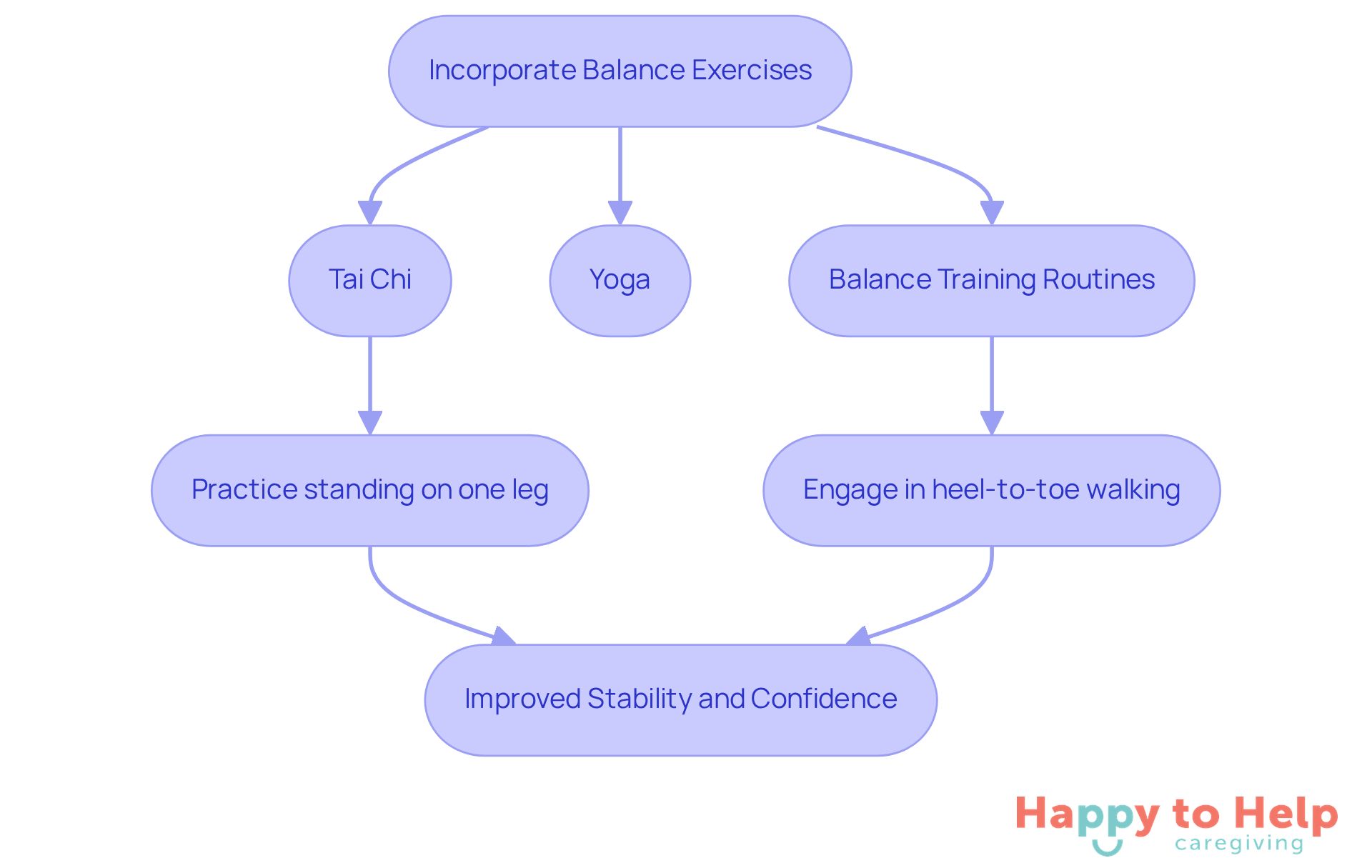
Incorporating exercises for elderly with Parkinson's disease, such as balance activities, into the daily routine is essential. Exercises for elderly with Parkinson's disease, such as tai chi, yoga, and specific balance training routines, can greatly enhance stability and coordination. Here are some practical tips:
- Practice standing on one leg for improved stability.
- Engage in heel-to-toe walking to strengthen balance.
Consistent practice of these activities not only helps prevent falls but also boosts confidence in mobility, allowing individuals to navigate their environment more safely.
Coordination Exercises: Enhance Motor Skills and Body Awareness
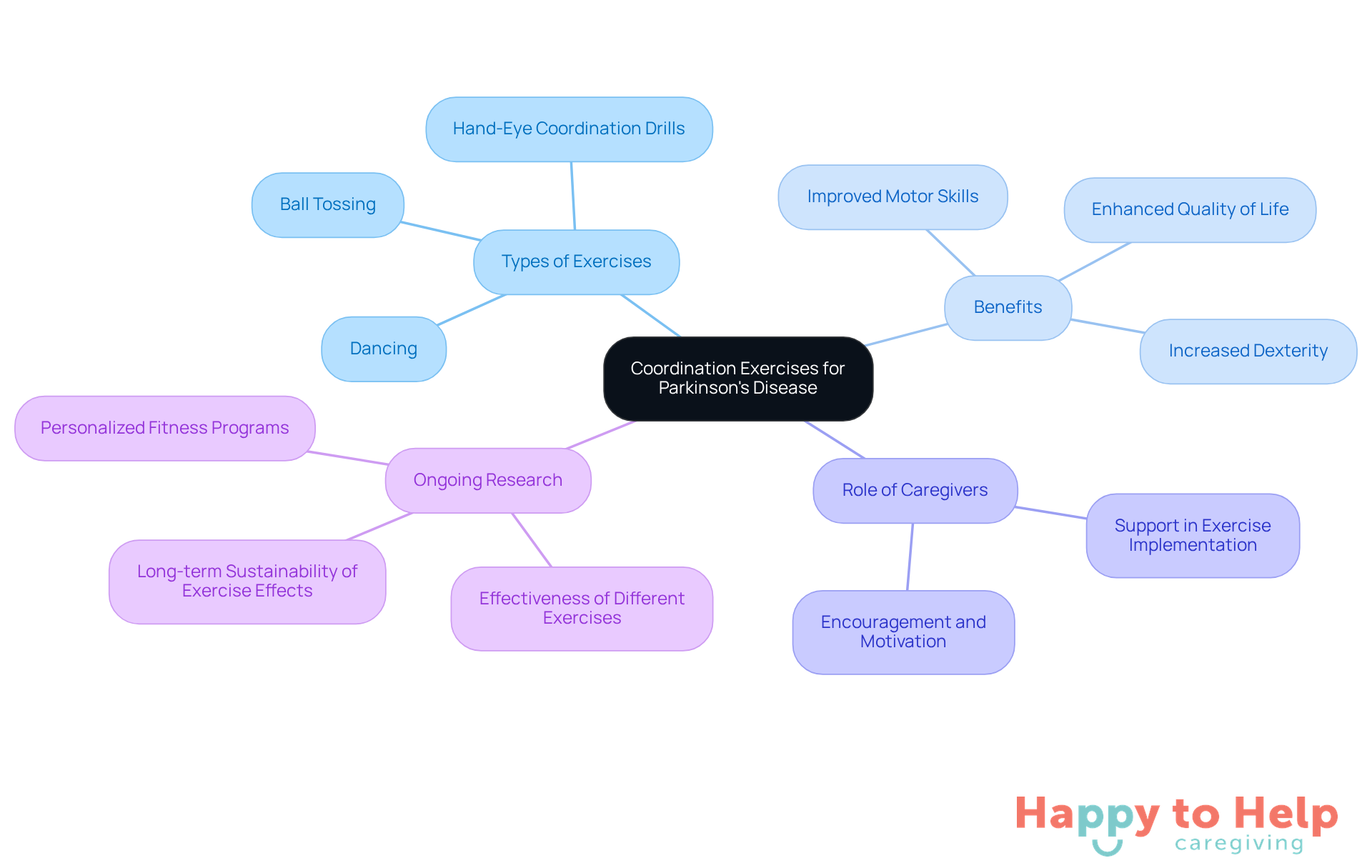
Coordination activities, such as dancing, ball tossing, and focused hand-eye coordination drills, present a significant challenge for individuals with Parkinson's disease. As the condition progresses, motor skills can decline sharply, impacting daily functioning and overall quality of life. This decline can leave caregivers and loved ones feeling overwhelmed and uncertain about how to help.
Participating in exercises for elderly with Parkinson's disease that focus on coordination can be a practical solution. Research indicates that these activities not only help maintain dexterity but also enhance overall functional abilities, making everyday tasks more manageable. Active individuals with Parkinson's often demonstrate improved physical results, highlighting the importance of incorporating movement into daily routines.
Occupational therapists emphasize that these activities can lead to substantial improvements in motor abilities. Dr. Husain notes that physical activity remains one of the most accessible and cost-effective methods for managing Parkinson's symptoms. Therefore, integrating exercises for elderly with Parkinson's disease into daily life is crucial for those affected by this neurological condition.
To maximize benefits, continuous studies are underway to identify the most effective forms of physical activity for individuals with movement disorders. This underscores the necessity for customized fitness programs tailored to enhance advantages for each person. By focusing on coordination activities, caregivers can play a vital role in improving the lives of those they support.
Cognitive Exercises: Support Brain Health Alongside Physical Activity
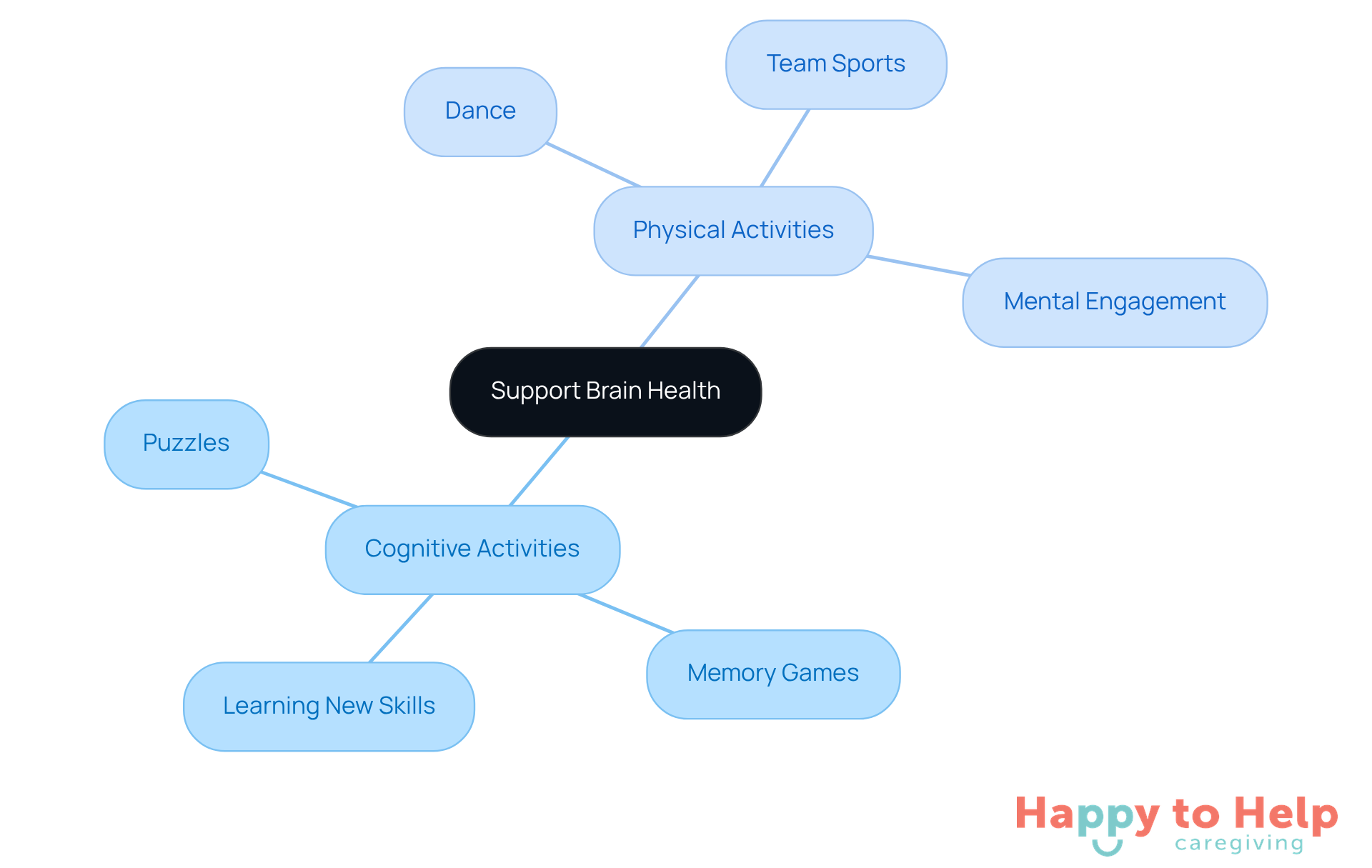
Cognitive decline poses a significant challenge for individuals with neurological disorders, impacting their daily lives and overall well-being. Caregivers often face the daunting task of finding effective ways to support their loved ones in maintaining cognitive function. Engaging in cognitive activities, such as puzzles and memory games, is crucial for enhancing brain health. These activities not only help preserve cognitive function but also improve the overall quality of life.
Recent research highlights the importance of combining cognitive challenges with physical activities. This holistic approach addresses the symptoms of neurological disorders, promoting both mental and physical health. By tackling cognitive deficits, such as memory and executive function challenges, caregivers can make a meaningful difference in their loved ones' lives.
Cognitive training has been shown to yield statistically significant improvements in areas like working memory and processing speed, which are essential for daily functioning. To implement this, caregivers can incorporate mental stimulation into regular physical activity routines. This dual method not only helps preserve independence but also enhances overall health.
Here are some actionable tips for caregivers:
- Encourage participation in puzzles and memory games.
- Integrate physical activities that require mental engagement, like dance or team sports.
- Set aside time for learning new skills together, fostering both cognitive and emotional connections.
By adopting these strategies, caregivers can effectively support their loved ones in navigating the challenges of cognitive decline.
Physical Therapy: Tailored Exercise Plans for Parkinson's Patients
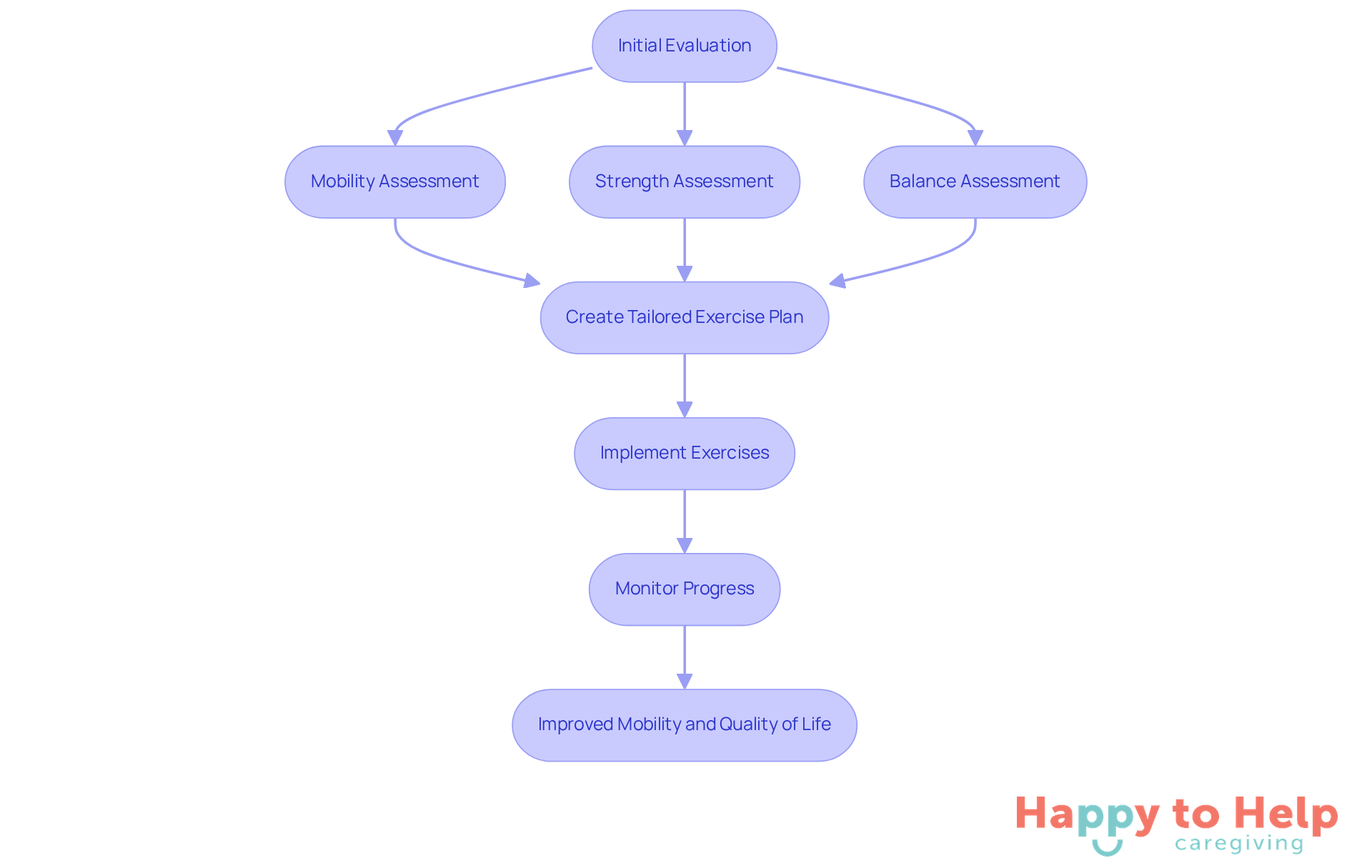
Managing Parkinson’s disease presents significant challenges for nearly 1 million people in the U.S., with about 90,000 new diagnoses each year. Physical therapy plays a vital role in addressing these challenges by offering tailored activity plans that include exercises for elderly with Parkinson's disease to meet the specific needs of each individual.
The implications of inactivity can be severe, leading to reduced mobility, increased stiffness, and a decline in overall physical function. As Dr. Tinaz emphasizes, "If you’ve been diagnosed with Parkinson’s disease, now is the time to participate in a vigorous physical activity program, because the sooner you begin being active while you have the capacity, the better."
To combat these issues, licensed physical therapists conduct comprehensive evaluations of mobility, strength, and balance. This enables them to create personalized programs that incorporate aerobic, strength, and flexibility activities. Regular participation in exercises for elderly with Parkinson's disease has been shown to improve mobility and empower individuals to maintain their independence and quality of life.
Specific training techniques, such as rhythmic cueing and visual markers, can help reduce shuffling and freezing, making movement more fluid. Additionally, including balance activities at least two to three times a week is crucial for preserving safety and mobility.
A proactive strategy that includes exercises for elderly with Parkinson's disease not only addresses current symptoms but also helps reduce future difficulties. It’s essential for those living with Parkinson’s to remain active and engaged in their health.
Exercise Intensity: Key to Safe and Effective Workouts
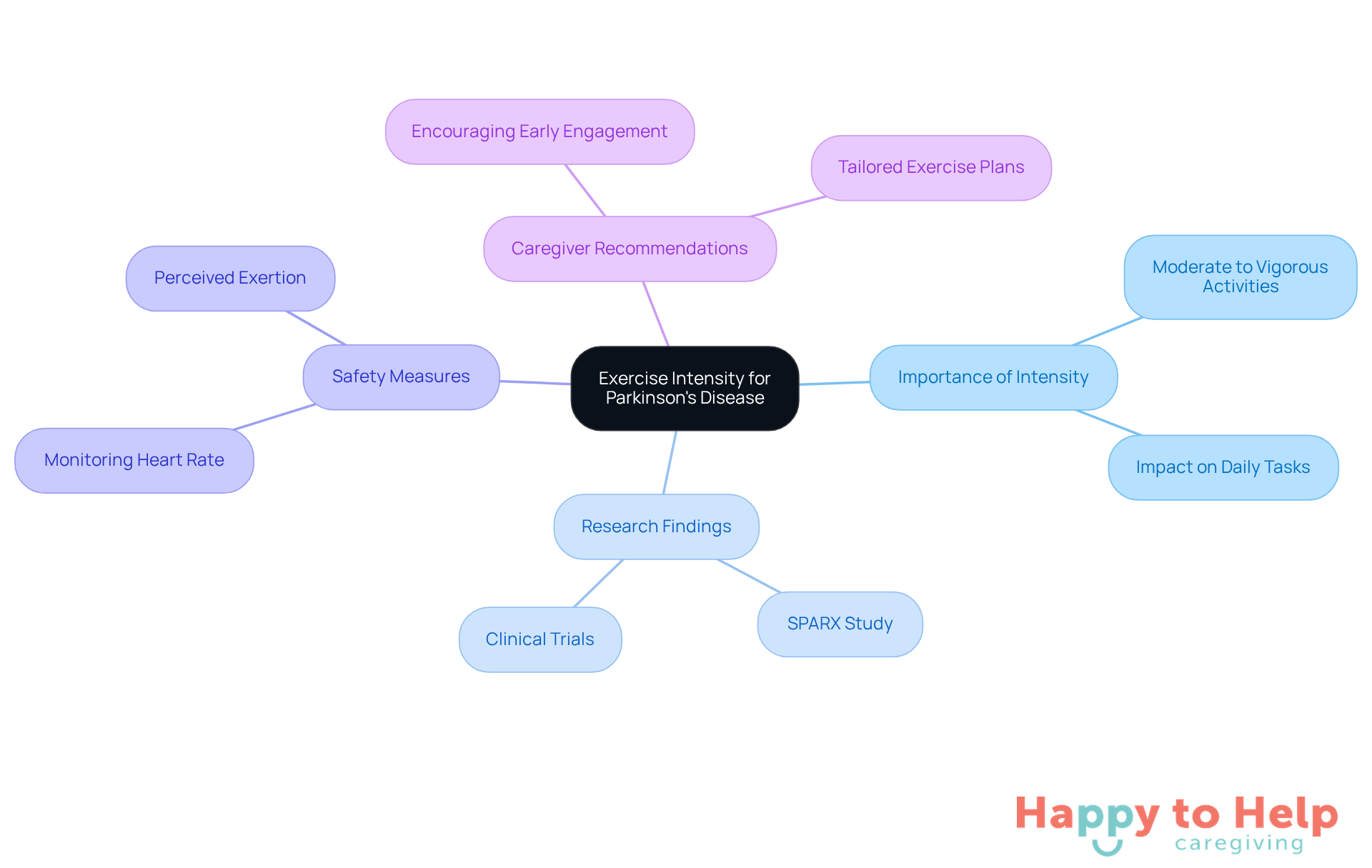
Exercise intensity is a significant challenge for individuals with Parkinson's disease. Engaging in moderate to vigorous intensity activities-targeting 60-85% of maximum heart rate during aerobic workouts-is crucial for maximizing workout effectiveness. Recent research highlights that increased physical activity correlates with improved performance in daily tasks and overall well-being. This underscores the importance of customized workout plans that include exercises for elderly with Parkinson's disease, tailored for individuals facing this condition.
The rise of Parkinson's disease cases by 11% since 2021 emphasizes an urgent need for effective activity strategies. The SPARX study reveals that high-intensity physical activity may slow the progression of motor symptoms, reinforcing the recommendation for more intense workouts. Clinical trials indicate that participating in high-intensity exercise three times a week for six months is linked to less severe motor symptoms.
To ensure safety, monitoring heart rate and perceived exertion is essential. This approach not only enhances physical benefits but also supports mental health and motivation to maintain an exercise routine. As Dr. Deborah Hall noted, "The study findings indicate that individuals who engaged in high-intensity exercise postponed the advancement of motor symptoms associated with Parkinson’s disease, while moderate-intensity workouts showed no impact."
It's vital to address the misconception that those with mild symptoms can afford to take it easy. Early involvement in intense physical activity, such as exercises for elderly with Parkinson's disease, can lead to better outcomes, making it crucial for caregivers to encourage such engagement.
Self-Motivation Tips: Encourage Consistent Exercise Habits
For individuals with Parkinson's disease, maintaining regular physical activity can be significantly supported by exercises for elderly with Parkinson's disease. This lack of activity can lead to a decline in physical health and overall well-being. To combat this issue, several self-motivation strategies can be employed.
-
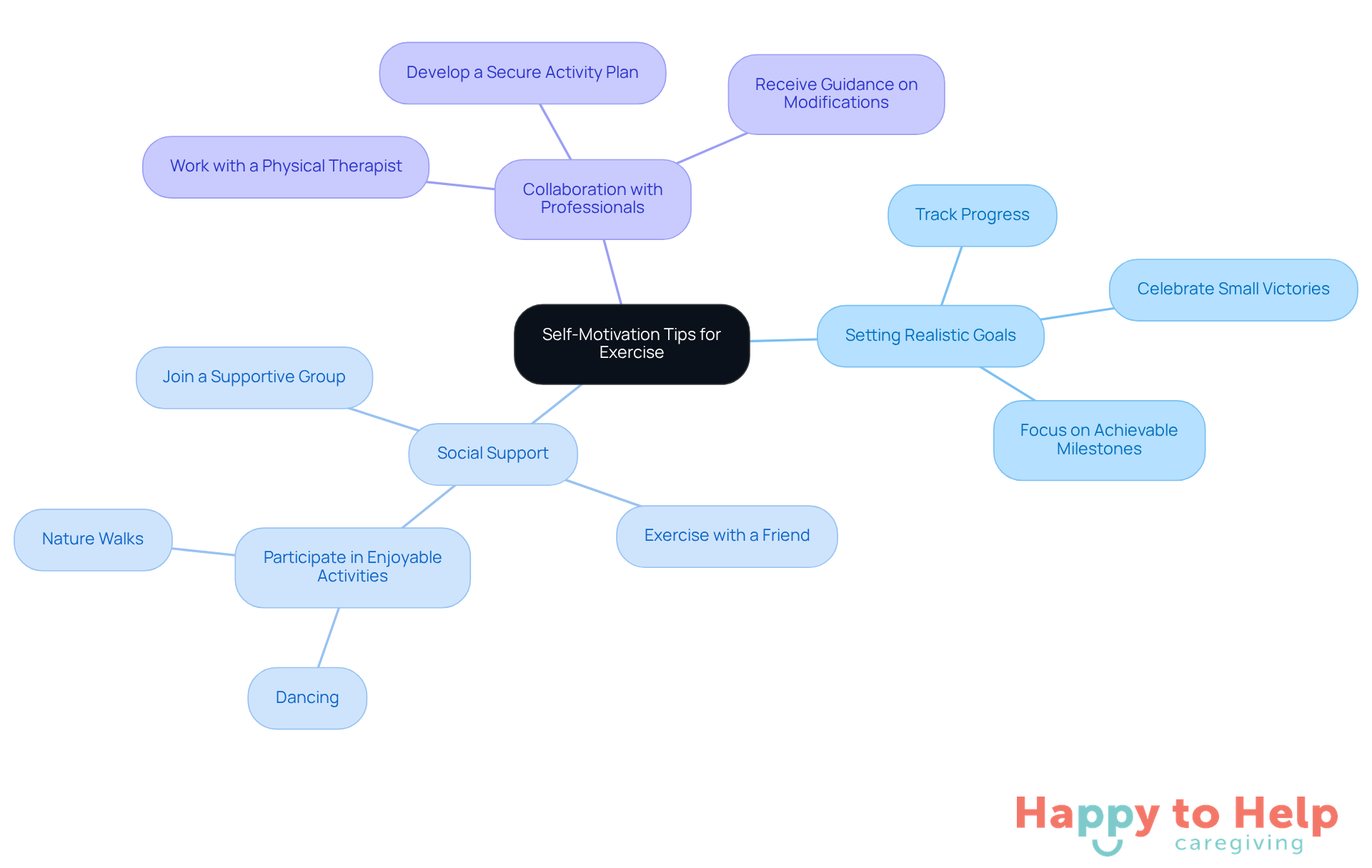
Setting realistic, personalized goals is crucial. By focusing on achievable milestones, individuals can track their progress through logs or apps, celebrating small victories along the way. This practice not only boosts motivation but also fosters a sense of accomplishment.
-
Moreover, participating in physical activities with a friend or joining a supportive group enhances accountability and provides essential social support. These connections are vital for sustaining motivation over time. Incorporating enjoyable activities, such as dancing or nature walks, can make fitness routines more appealing and sustainable.
-
Collaborating with a physical therapist can also be beneficial. They can help develop a secure activity plan and provide guidance on modifications as symptoms evolve. Research shows that social connections and enjoyable movements lead to better adherence to fitness routines, ultimately improving overall well-being.
As Brittany R. Lyon observes, "Remaining active and including purposeful and goal-directed physical activity in your routine will always be more advantageous than leading a sedentary lifestyle." Creating a consistent workout routine can further promote regular activity, ensuring that individuals with Parkinson's disease benefit from exercises for elderly with Parkinson's disease to maintain their physical health.
Forced Exercise Techniques: Maximize Mobility and Well-Being
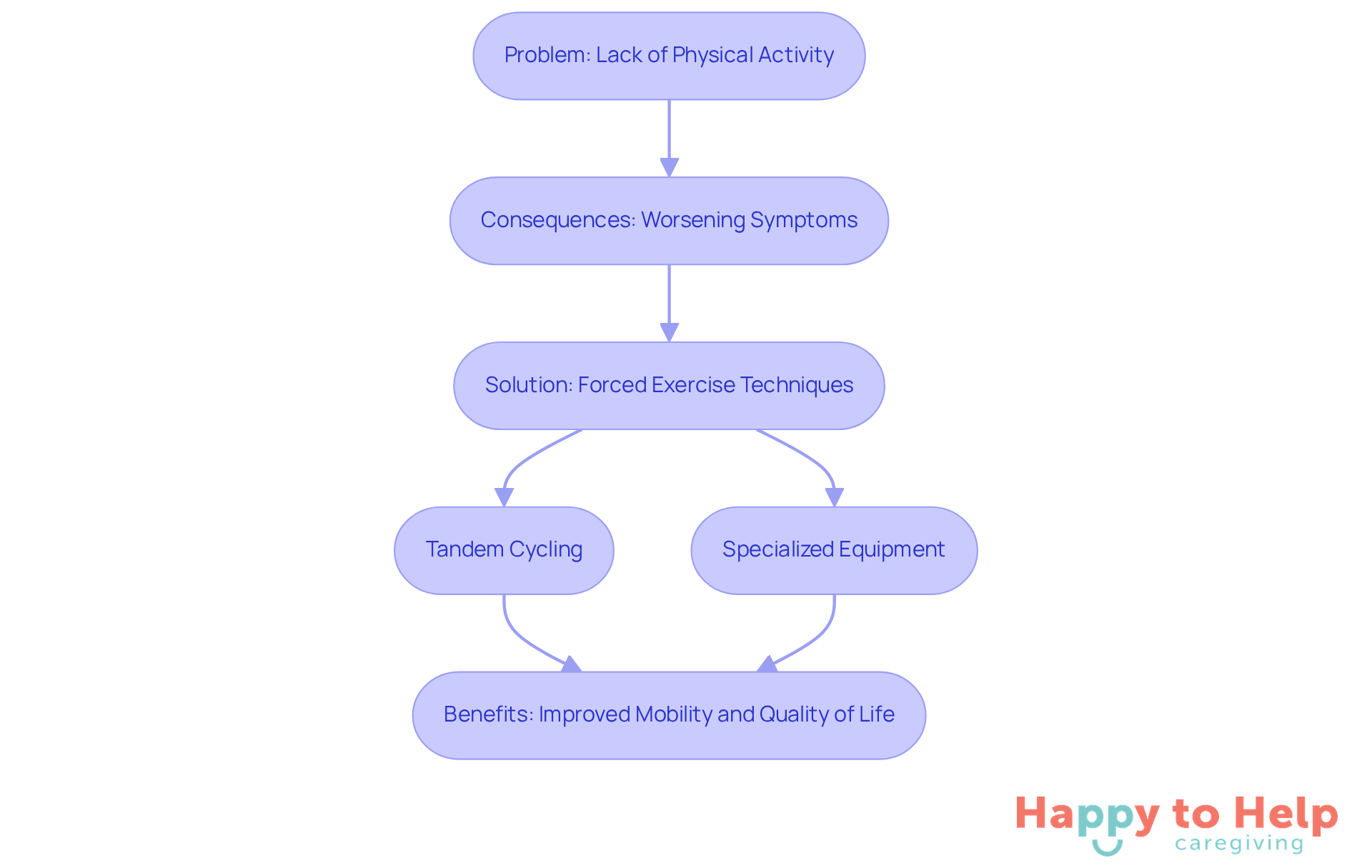
Problem: Individuals with Parkinson's disease often struggle with maintaining physical activity, highlighting the importance of exercises for elderly with Parkinson's disease to improve their mobility and strength. This lack of engagement can lead to a decline in overall health and quality of life.
Agitate: Without regular physical activity, individuals may experience worsening symptoms, including reduced motor function and increased dependence on caregivers. The challenge lies in motivating these individuals to engage in exercise that exceeds their usual capabilities.
Solution: Forced physical activity methods, including exercises for elderly with Parkinson's disease like tandem cycling and specialized equipment for higher intensity workouts, can provide substantial benefits. Research indicates that enforced physical activity should be performed at an intensity of 80-85% of maximum heart rate for optimal results. Recent studies show that mandatory physical activity can enhance motor function significantly, with cycling potentially alleviating symptoms by as much as 35%.
Incorporating a structured exercise regimen, which includes exercises for elderly with Parkinson's disease, such as an eight-week cycling program with 16 forced exercise sessions, is a vital strategy for managing the condition effectively. Not only does this approach boost physical capabilities, but it also contributes to an overall enhancement in quality of life. By implementing these methods, caregivers can play a crucial role in improving the well-being of those they support.
Taking the Next Steps
Engaging in regular exercise presents a significant challenge for individuals with Parkinson's disease, impacting their quality of life and overall well-being. Caregivers often struggle to find effective ways to support their loved ones in maintaining an active lifestyle. This article highlights essential exercises tailored specifically for the elderly, emphasizing personalized care strategies that address the unique challenges faced by those living with this condition.
The implications of inadequate exercise routines can be profound. Without proper engagement in physical activity, individuals may experience a decline in mobility, increased symptoms, and a diminished sense of independence. Early intervention and consistent engagement in tailored exercise plans provided by physical therapists are vital components in managing Parkinson's disease. Incorporating social support and self-motivation strategies can further encourage adherence to these routines, ultimately leading to enhanced mobility and reduced symptoms.
To address these challenges, caregivers can implement a variety of exercises, including:
- Aerobic activities to improve cardiovascular health.
- Strength training to build muscle and enhance stability.
- Balance and coordination exercises to prevent falls.
- Cognitive exercises to stimulate mental engagement.
The significance of these findings cannot be overstated. As Parkinson's disease continues to affect a growing number of individuals, the proactive approach outlined in this article serves as a vital resource for caregivers and families. By prioritizing exercises for elderly individuals with Parkinson's disease, a meaningful impact can be made on their daily lives, fostering a healthier, more active lifestyle. Embracing these strategies not only benefits the individuals affected but also strengthens the emotional bonds between caregivers and their loved ones, paving the way for a more fulfilling and connected experience.
https://iframe.tely.ai/cta/eyJhcnRpY2xlX2lkIjogIjY5MjY2NjBmNWYwOGRhZjJjOGIyMWRlYyIsICJjb21wYW55X2lkIjogIjY4ZWU1ZGNhNzMxNzYyNTU3ZjNjOTVjMSIsICJpbmRleCI6IG51bGwsICJ0eXBlIjogImFydGljbGUifQ==Frequently Asked Questions
What challenges do caregivers of individuals with Parkinson's face?
Caregivers often experience feelings of loneliness and emotional strain due to the complexities of providing daily support for individuals with Parkinson's.
What services does Happy to Help Caregiving provide for Parkinson's patients?
Happy to Help Caregiving offers personalized in-home support including companionship care, post-hospital recovery assistance, respite care, and palliative support care.
How does Happy to Help Caregiving enhance the quality of life for clients?
They provide customized assistance tailored to each client's unique needs, engage clients in enjoyable exercises, and foster independence and emotional well-being.
Why is a 1:1 caregiver-to-client ratio important for in-home care?
The 1:1 ratio allows for personalized attention and support, which is crucial in addressing the evolving nature of Parkinson's and ensuring clients receive the care they need.
What role do aerobic exercises play in the health of Parkinson's patients?
Aerobic exercises improve cardiovascular health, endurance, mood, and cognitive function, and may slow the progression of Parkinson's disease.
How much aerobic activity is recommended for individuals with Parkinson's?
Health experts recommend at least 150 minutes of moderate-intensity aerobic activity each week.
What strategies can caregivers use to incorporate aerobic activities into daily routines?
Caregivers can start with short sessions, choose enjoyable activities, and modify exercises to accommodate individual needs and abilities.
What is the importance of strength training for individuals with Parkinson's?
Strength training helps manage symptoms, maintain independence, and improve muscle strength, balance, and overall mobility.
How often should individuals with Parkinson's engage in strength training?
It is recommended to participate in strength training at least two to three times a week, focusing on major muscle groups.
List of Sources
- Happy to Help Caregiving: Personalized In-Home Support for Parkinson's Patients
- Parkinson’s, In-Home Care, and Back to the Future (https://homewatchcaregivers.com/mooresville/about-us/blog/parkinson-s-in-home-care-and-back-to-the-future)
- Parkinson’s Disease Caregiving, Level of Care Burden, Caregiving-Related Strain, and Caregiver Health - PMC (https://pmc.ncbi.nlm.nih.gov/articles/PMC12250345)
- Caregiver burden in Parkinson’s disease: a mixed-methods study - BMC Medicine (https://bmcmedicine.biomedcentral.com/articles/10.1186/s12916-023-02933-4)
- OSnews (https://osnews.com/story/141087/empowering-parkinsons-patients-the-impact-of-in-home-care-experts)
- Managing Parkinson's Disease: How In-Home Care Can Improve Quality of Life (https://brightstarcare.com/locations/bedford-manchester/about-us/blog/managing-parkinson-s-disease-how-in-home-care-can-improve-quality-of-life)
- Aerobic Exercises: Boost Cardiovascular Health for Parkinson's Patients
- Can Exercise Help People with Parkinson’s Disease? 4 Things to Know (https://yalemedicine.org/news/can-exercise-help-people-with-parkinsons)
- Research Clarifies How Cycling and Long-Term Exercise Help Those With Parkinson’s Disease (https://baptisthealth.net/baptist-health-news/research-clarifies-how-cycling-and-long-term-exercise-helps-those-with-parkinsons-disease)
- High-intensity Exercise May Reverse Neurodegeneration in Parkinson’s Disease (https://medicine.yale.edu/news-article/high-intensity-exercise-can-reverse-neurodegeneration-in-parkinsons-disease)
- Cycling fast to slow Parkinson’s: High-rate exercise regimen results in lower rate of motor symptom progression (https://movementdisorders.org/MDS/News/Newsroom/News-Releases\_BIN/IC25-releases/Cycling-fast-to-slow-Parkinsons-High-rate-exercise-regimen-results-in-lower-rate-of-motor-symptom-progression.htm)
- Strength Training: Enhance Muscle Strength for Better Mobility
- Weight Lifting May Improve Parkinson's Disease Symptoms Over Time (https://michaeljfox.org/news/weight-lifting-may-improve-parkinsons-disease-symptoms-over-time)
- Can Exercise Help People with Parkinson’s Disease? 4 Things to Know (https://yalemedicine.org/news/can-exercise-help-people-with-parkinsons)
- Exercise Is Crucial for Managing Parkinson's Disease (https://aarp.org/health/conditions-treatments/exercise-for-parkinsons-disease)
- Exercise Aids Those with Parkinson’s Disease (https://clinics.midwestern.edu/news/exercise-aids-those-parkinsons-disease)
- Science Supports Exercise as Medicine; Patients With Parkinson’s See Benefits (https://news.cuanschutz.edu/news-stories/science-finds-exercise-is-medicine-patients-with-parkinsons-benefit)
- Balance Exercises: Improve Stability and Prevent Falls
- Can Exercise Help People with Parkinson’s Disease? 4 Things to Know (https://yalemedicine.org/news/can-exercise-help-people-with-parkinsons)
- South Florida gym helps people with Parkinson's fight back through fitness and resilience (https://cbsnews.com/miami/news/south-florida-gym-helps-people-with-parkinsons-fight-back-through-fitness-and-resilience)
- Vestibular-oriented balance training may reduce Parkinson's fall risk (https://parkinsonsnewstoday.com/news/vestibular-based-balance-training-lower-fall-risk-parkinsons)
- Fall Prevention for Parkinson's Disease (https://med.stanford.edu/parkinsons/exercise-therapies/fall-prevention.html)
- Parkinson’s fall prevention program gets high marks from users (https://parkinsonsnewstoday.com/news/parkinsons-fall-prevention-program-gets-high-marks-patients-care-partners)
- Coordination Exercises: Enhance Motor Skills and Body Awareness
- New research highlights exercise's broad impact in Parkinson's disease (https://news-medical.net/news/20250804/New-research-highlights-exercises-broad-impact-in-Parkinsons-disease.aspx)
- Research Clarifies How Cycling and Long-Term Exercise Help Those With Parkinson’s Disease (https://baptisthealth.net/baptist-health-news/research-clarifies-how-cycling-and-long-term-exercise-helps-those-with-parkinsons-disease)
- Can Exercise Help People with Parkinson’s Disease? 4 Things to Know (https://yalemedicine.org/news/can-exercise-help-people-with-parkinsons)
- The benefits of exercise for Parkinson's Disease (https://allied-services.org/news/2024/april/the-benefits-of-exercise-for-parkinsons-disease)
- Northwestern Medicine serves up Parkinson’s Players Ping Pong in Lake Forest and Chicago (https://news.nm.org/northwestern-medicine-serves-up-parkinsons-players-ping-pong-in-lake-forest-and-chicago)
- Cognitive Exercises: Support Brain Health Alongside Physical Activity
- 10 cognitive stimulation exercises for Parkinson’s disease (https://neuronup.us/cognitive-stimulation-news/neurodegenerative-diseases/parkinsons/10-cognitive-stimulation-activities-for-people-with-parkinsons-disease)
- Cognitive training in Parkinson disease: A systematic review and meta-analysis - PMC (https://pmc.ncbi.nlm.nih.gov/articles/PMC4662707)
- New Guide: Exercise, Brain Health and Parkinson’s (https://michaeljfox.org/news/new-guide-exercise-brain-health-and-parkinsons)
- Cognitive Exercises | APDA Missouri (https://apdaparkinson.org/community/missouri/mo-resources-support-2/exercise-5/cognitive-exercises)
- 15 Ways to Exercise Your Brain This Summer (https://parkinson.org/blog/tips/exercise-brain)
- Physical Therapy: Tailored Exercise Plans for Parkinson's Patients
- How Can Physical Therapy Help with Parkinson’s Disease? - Neuro & Brain Performance Centers (https://nbpcaz.com/2025/10/23/how-can-physical-therapy-help-with-parkinsons-disease)
- Can Exercise Help People with Parkinson’s Disease? 4 Things to Know (https://yalemedicine.org/news/can-exercise-help-people-with-parkinsons)
- Using Physical Therapy to Reverse Symptoms of Parkinson’s Disease (https://smh.com/news/using-physical-therapy-to-reverse-symptoms-of-parkinsons-disease)
- Grant brings back exercise classes for Parkinson’s patients (https://pennrehab.org/grant-brings-back-exercise-classes-for-parkinsons-patients)
- Rehabilitation Research for Parkinson’s Disease Deserves a Seat at the TableJefferson Moss Rehabilitation Research Institute (https://rehabilitationresearch.jefferson.edu/news/2025/rehab-research-parkinsons.html)
- Exercise Intensity: Key to Safe and Effective Workouts
- Can Exercise Help People with Parkinson’s Disease? 4 Things to Know (https://yalemedicine.org/news/can-exercise-help-people-with-parkinsons)
- How physical activity may fight Parkinson’s disease symptoms (https://uclahealth.org/news/article/how-physical-activity-may-fight-parkinsons-disease-symptoms)
- High-intensity Exercise May Reverse Neurodegeneration in Parkinson’s Disease (https://medicine.yale.edu/news-article/high-intensity-exercise-can-reverse-neurodegeneration-in-parkinsons-disease)
- Science Supports Exercise as Medicine; Patients With Parkinson’s See Benefits (https://news.cuanschutz.edu/news-stories/science-finds-exercise-is-medicine-patients-with-parkinsons-benefit)
- High-Intensity Exercise Delays Parkinson’s Progression (https://rush.edu/news/high-intensity-exercise-delays-parkinsons-progression)
- Self-Motivation Tips: Encourage Consistent Exercise Habits
- Finding motivation to exercise with Parkinson’s | Parkinson's News... (https://parkinsonsnewstoday.com/parkinsons-exercise-motivation)
- Science Supports Exercise as Medicine; Patients With Parkinson’s See Benefits (https://news.cuanschutz.edu/news-stories/science-finds-exercise-is-medicine-patients-with-parkinsons-benefit)
- Email Nudges Help Boost Exercise Capacity for People with Parkinson’s Disease (https://physiology.org/detail/news/2025/04/25/email-nudges-help-boost-exercise-capacity-for-people-with-parkinson-s-disease)
- Overcoming Motivational Roadblocks to Fitness (https://michaeljfox.org/news/overcoming-motivational-roadblocks-fitness)
- How to Encourage People with Parkinson's to Exercise (https://davisphinneyfoundation.org/blog/how-to-encourage-people-with-parkinsons-to-exercise)
- Forced Exercise Techniques: Maximize Mobility and Well-Being
- Science Supports Exercise as Medicine; Patients With Parkinson’s See Benefits (https://news.cuanschutz.edu/news-stories/science-finds-exercise-is-medicine-patients-with-parkinsons-benefit)
- Parkinson's Disease and Forced Exercise: A Preliminary Study - PMC (https://pmc.ncbi.nlm.nih.gov/articles/PMC3703838)
- Aerobic Exercise for Parkinson’s: Boost Health & Mobility
— Rogue Physical Therapy & Wellness (https://roguept.com/aerobic-exercise-the-key-to-better-health-and-movement-with-parkinsons) - Latest News on Forced Exercise for Parkinson's | Theracycle (https://theracycle.com/resources/parkinsons-news)
- Study: Forced Exercise on Theracycle Helps Mobility, Mood in PD... (https://parkinsonsnewstoday.com/news/theracycle-virginian-outpatient-therapy-replicate-forced-exercise-benefits-parkinsons)