10 Essential Facts About Daily Dose of Vitamin D3 for Seniors

For families in our service areas
For families in our service areas, this guide explains caregiving and how non-medical in-home caregiving can support care planning in East Idaho, Treasure Valley & Magic Valley, Northern Wasatch, North Central West Virginia & Southwestern Pennsylvania, and Northeast Ohio.
Why Facts About Daily Dose of Vitamin D3 Matters
Vitamin D3 deficiency among seniors is a pressing concern, with studies revealing that about 42% of older adults in the United States are affected. This deficiency can lead to serious health risks, including weakened bones and a higher likelihood of chronic conditions. For caregivers dedicated to improving the health of their elderly loved ones, grasping the importance of a daily vitamin D3 intake is essential.
However, how can caregivers ensure that seniors receive enough vitamin D3 without risking toxicity? This article explores vital facts about vitamin D3 for seniors, providing insights and practical strategies to support optimal health and vitality in aging populations.
Happy to Help Caregiving: Personalized Support for Seniors' Vitamin D3 Needs
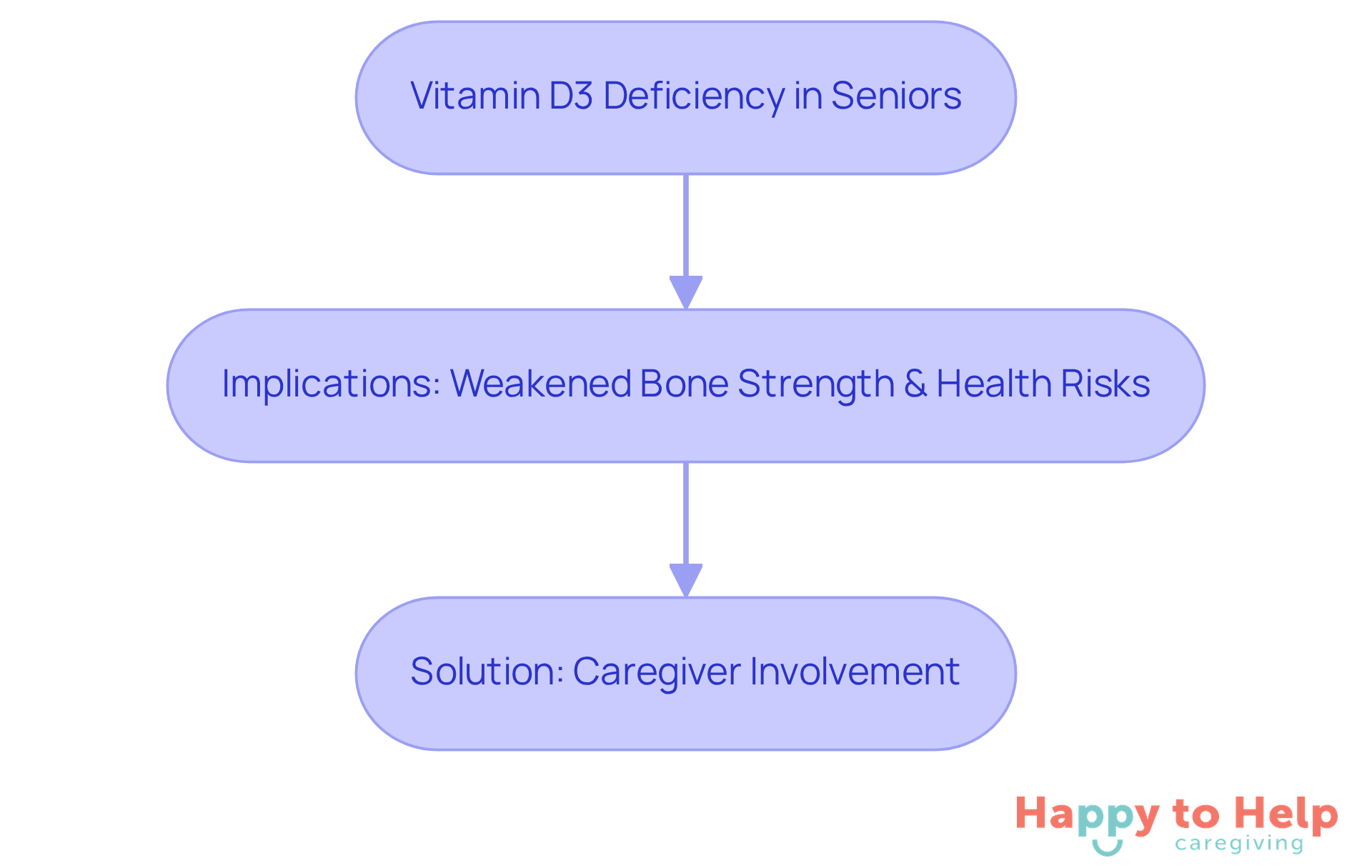
Many older adults face a significant challenge with vitamin D3 deficiency, making a daily dose of vitamin D3 for seniors essential, as approximately 42% of adults in the United States are affected. This deficiency can lead to weakened bone strength and overall wellness issues.
Agitate: The implications of insufficient D3 levels are serious. Research indicates that low vitamin D can negatively impact immune function and increase the risk of chronic conditions, such as colorectal cancer. In fact, higher serum levels of this nutrient are associated with improved survival rates in affected individuals.
Solution: Caregivers play a crucial role in addressing this issue. They can oversee dietary consumption and encourage outdoor activities that promote natural D synthesis through sunlight exposure. Additionally, managing the daily dose of vitamin D3 for seniors is essential; caregivers should ensure that elderly individuals receive customized dosages tailored to their specific wellness needs. This proactive approach not only enhances wellness management but also helps older adults thrive in their living environments, ultimately improving their quality of life.
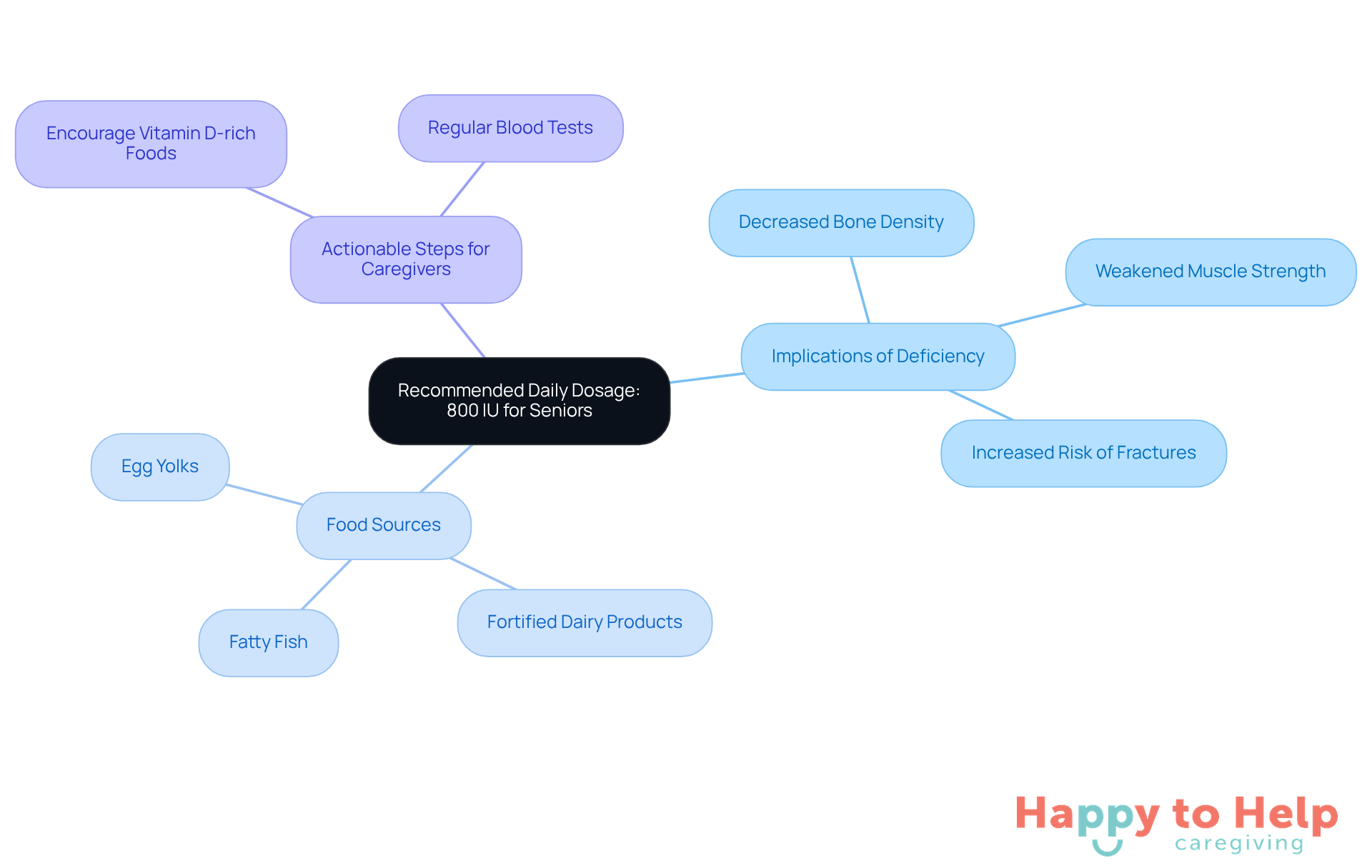
Recommended Daily Dosage: 800 IU for Optimal Health in Seniors
For seniors aged 70 and older, inadequate vitamin D intake poses a significant problem. The recommended daily dose of vitamin D3 for seniors is 800 IU (International Units), yet many older adults fall short of this guideline. This deficiency can lead to serious implications, including:
- Decreased bone density
- Weakened muscle strength
- Increased risk of fractures
All of these threaten their independence and mobility.
To address this issue, caregivers can take actionable steps. Encouraging older adults to include vitamin D-rich foods in their diets is crucial. Foods such as:
- Fatty fish
- Fortified dairy products
- Egg yolks
are excellent sources. Additionally, a daily dose of vitamin D3 for seniors may be necessary, especially for those with limited sun exposure or dietary restrictions. Regular blood tests can help track vitamin D levels, ensuring that seniors receive the appropriate intake to enhance their overall health and well-being.
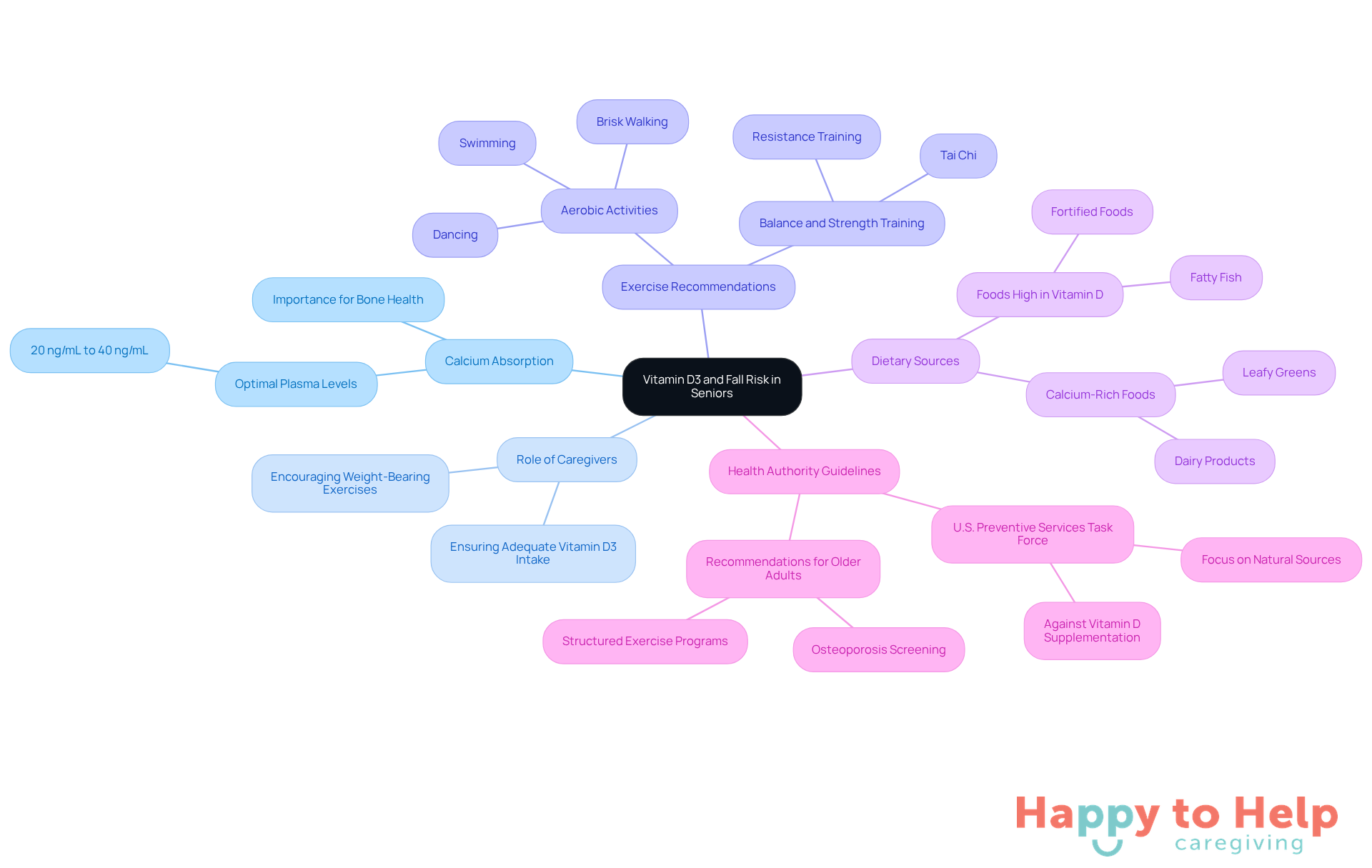
Bone Health Impact: How Vitamin D3 Reduces Fall Risk in Seniors
Vitamin D3 is essential for calcium absorption, which is crucial for maintaining strong bones. The problem arises when older adults do not receive their daily dose of vitamin D3 for seniors, as this can significantly increase the risk of falls. Research shows that optimal plasma 25-hydroxyvitamin D levels for preventing falls and fractures should be between 20 ng/mL and 40 ng/mL.
This deficiency not only affects muscle function but also stability, leading to a higher likelihood of falls. Caregivers play a vital role in addressing this issue. They should motivate seniors to engage in weight-bearing exercises and ensure that their daily dose of vitamin D3 for seniors is received through diet and lifestyle choices. This proactive approach can help promote bone health and reduce the risk of fractures and falls.
Interestingly, the U.S. Preventive Services Task Force advises against vitamin D supplementation for fall prevention in community-dwelling adults aged 60 and older. Instead, they emphasize achieving optimal levels through natural sources rather than excessive supplementation. This balanced strategy not only fosters independence but also enhances overall well-being in older adults. As Dr. John M. Ruiz states, "Preventing older adults from falling and fracturing a bone is crucial to their continued well-being and independence.
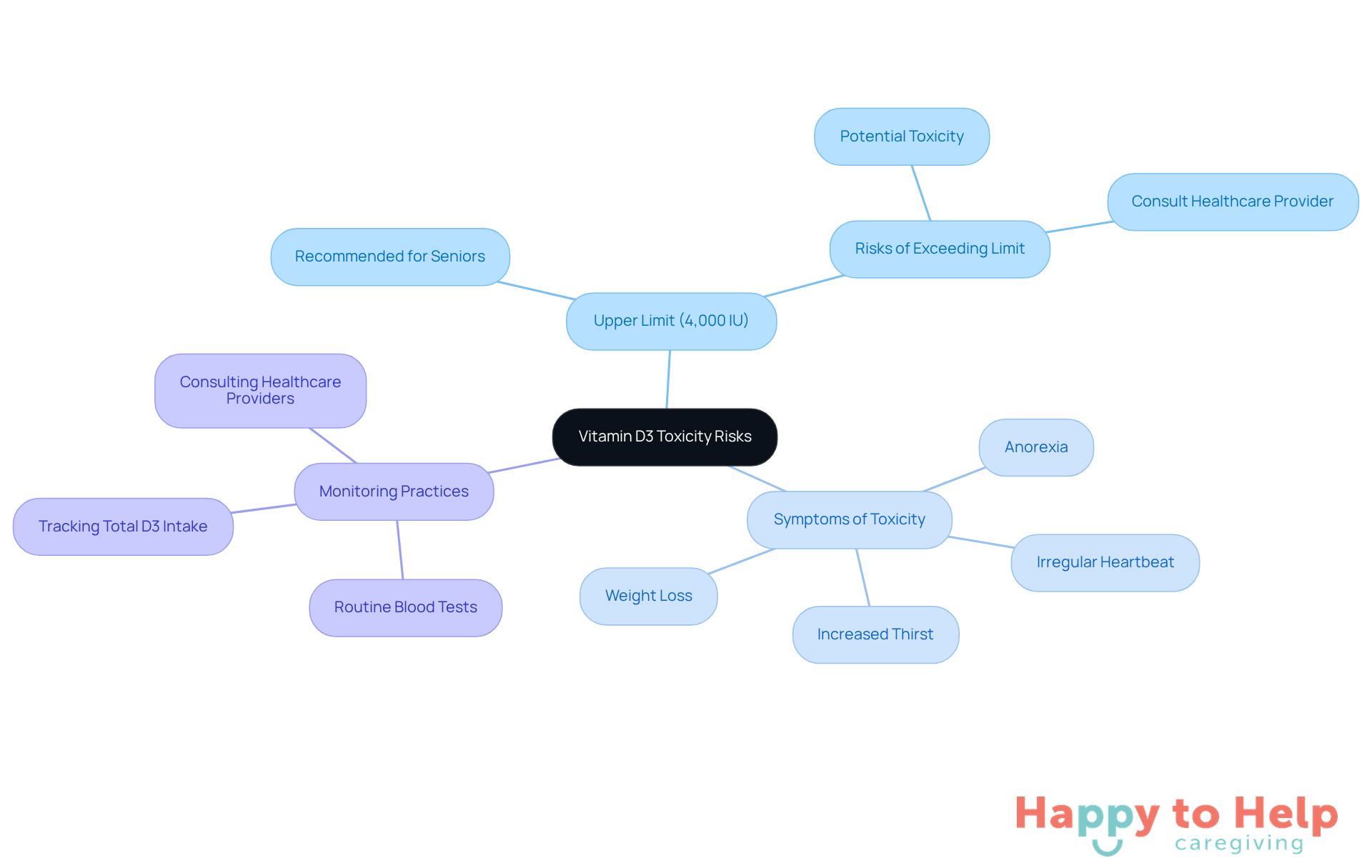
Safety of Higher Dosages: Understanding Vitamin D3 Toxicity Risks
Vitamin D3 is essential for maintaining health, but excessive intake can lead to toxicity, resulting in hypercalcemia and other serious health issues. Caregivers face the challenge of ensuring that older adults do not exceed the upper limit of 4,000 IU while receiving their daily dose of vitamin D3 for seniors. This limit is particularly important for seniors, who often need a daily dose of vitamin D3 for seniors because they are more susceptible to both deficiency and toxicity due to factors like dietary habits and absorption issues.
To mitigate the risk of toxicity, caregivers must diligently monitor total D3 intake from both supplements and dietary sources. Symptoms of D toxicity include:
- Anorexia
- Weight loss
- Irregular heartbeat
- Increased thirst
Signs that caregivers should watch for closely. For instance, routine blood tests can help track D levels, ensuring that older adults receive adequate D3 without exceeding safe limits.
Additionally, individuals over age 70 are advised to increase their daily dose of vitamin D3 for seniors to 800 IU. By understanding these upper limits and applying careful oversight, caregivers can significantly enhance the well-being of older adults in their care. As Dr. Lawrence Appel emphasizes, "A lot of people think if a little bit is helpful, a lot will be better. However, for certain nutrients, high-dose supplements present greater dangers than advantages.
Cardiovascular Benefits: Vitamin D3's Role in Heart Health for Seniors
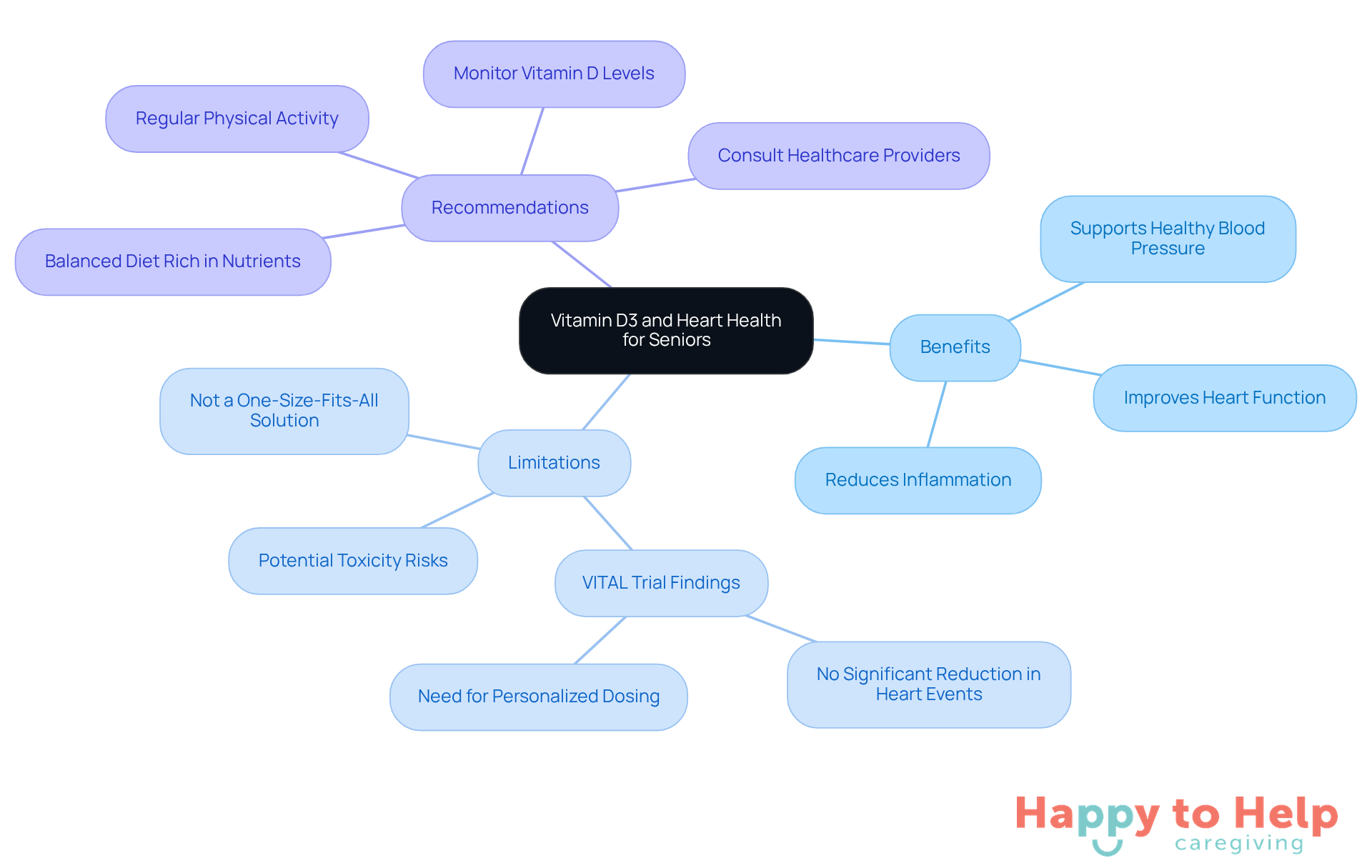
Research shows that many seniors struggle to maintain adequate levels of vitamin D3, highlighting the importance of a daily dose of vitamin D3 for seniors to support cardiovascular health. Insufficient D3 may increase the risk of heart disease and hypertension, leading to serious health implications for older adults.
While sufficient amounts of D3 can help sustain healthy blood pressure and improve overall heart function, findings from the VITAL clinical trial reveal that D supplementation alone did not significantly reduce heart attacks, strokes, or heart-related fatalities in the general population. This suggests that D supplementation is not a one-size-fits-all solution.
To support heart health, caregivers should encourage older adults to include a daily dose of vitamin D3 for seniors as part of a comprehensive heart-healthy lifestyle. This includes:
- A balanced diet rich in nutrients
- Regular physical activity
Additionally, monitoring D levels is essential, as excessive doses can pose risks. Consulting healthcare providers for personalized advice is highly recommended.
Elderly Considerations: Tailoring Vitamin D3 Intake for Older Adults
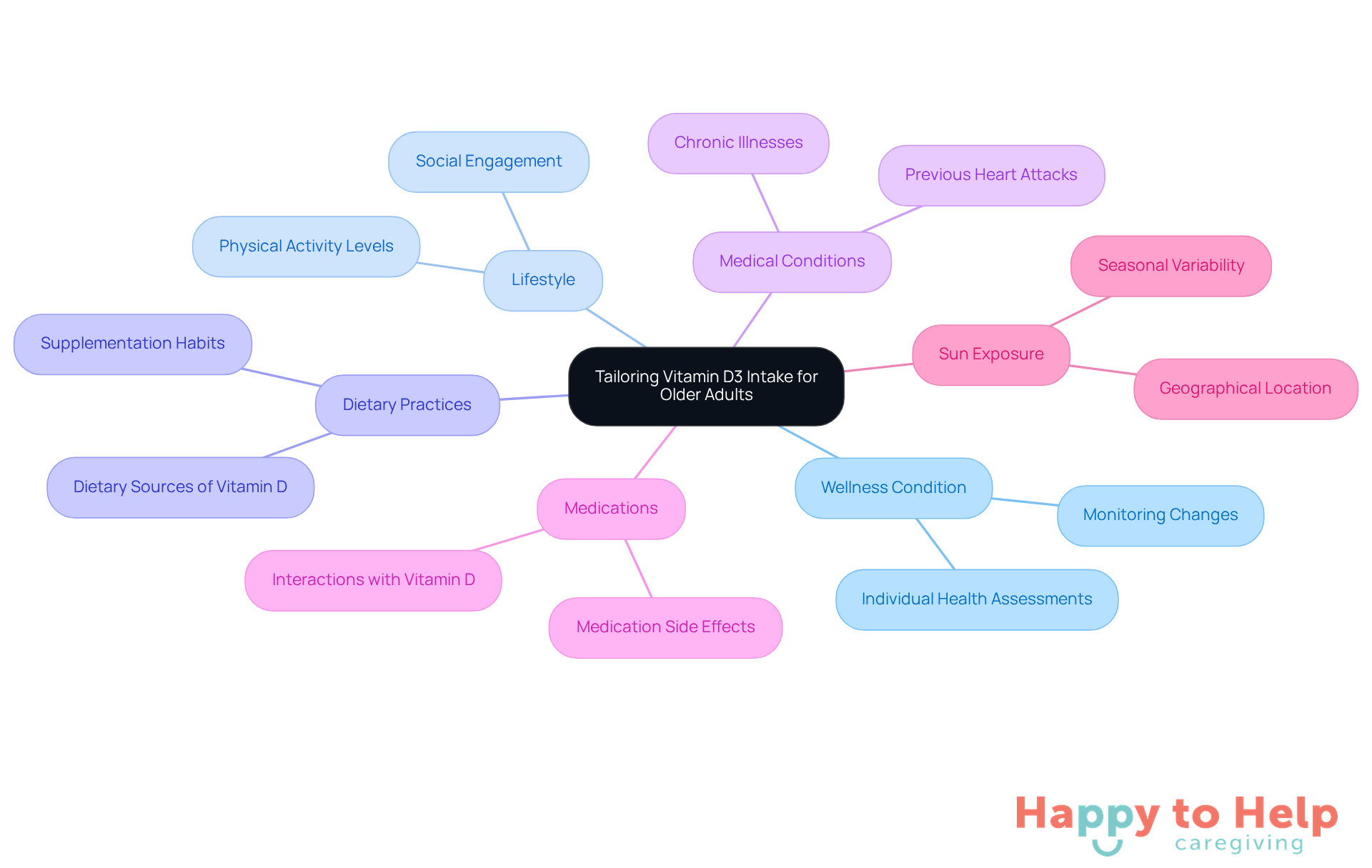
When it comes to D3 consumption, caregivers face a significant challenge: the wellness condition, lifestyle, and dietary practices of each elder can vary widely. This variability means that factors like current medical conditions, medications, and sun exposure can greatly influence individual D3 requirements. If these factors are overlooked, elders may not receive the necessary support for their well-being.
To address this issue, caregivers should collaborate closely with healthcare professionals. Together, they can create individualized strategies for the daily dose of vitamin D3 for seniors, tailored to each elder's specific needs. This approach ensures that every elder gets the appropriate support they require, enhancing their overall health and quality of life.
Respiratory Health: Vitamin D3's Influence on Infection Resistance in Seniors
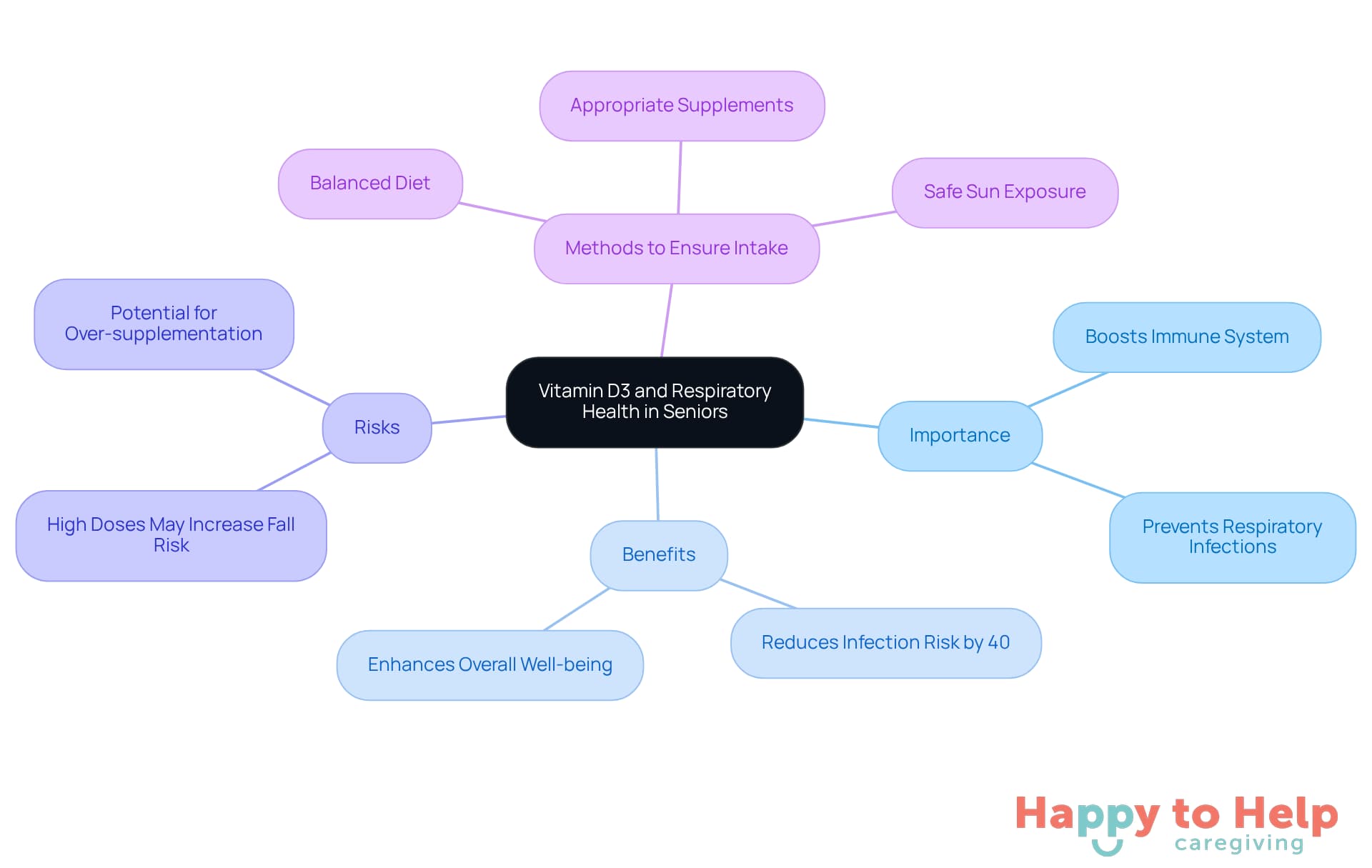
The daily dose of vitamin D3 for seniors is essential for boosting the immune system, particularly for older adults facing respiratory infections. The problem is clear: a daily dose of vitamin D3 for seniors is crucial, as insufficient Vitamin D3 can lead to serious health risks, including pneumonia and influenza, which are especially dangerous for the elderly. Studies indicate that adequate levels of D3 can significantly reduce the likelihood of these diseases.
Research shows that a daily dose of vitamin D3 for seniors can reduce the incidence of acute respiratory infections by nearly 40%, highlighting its protective benefits. However, caregivers should be aware that while high doses can help prevent infections, they may also increase the risk of falls in this population.
To address this, caregivers should encourage older adults to ensure they get their daily dose of vitamin D3 for seniors to maintain optimal levels. This can be achieved through:
- A balanced diet
- Appropriate supplements
- Safe sun exposure
As Dr. Adit Ginde, MD, MPH, points out, "Incorporating regular D supplements into older adults’ pill boxes could be a very good idea." This proactive approach not only strengthens immune defenses but also contributes to overall well-being in the elderly.
Monitoring Levels: Importance of Regular Vitamin D Testing for Seniors
A daily dose of vitamin D3 for seniors is essential, as vitamin D deficiency poses a significant problem for them, especially those facing reduced sun exposure and aging skin, which can cut vitamin D production by about 50% from ages 20 to 80. This deficiency can lead to serious health implications, including adverse skeletal effects and an increased risk of fractures. Regular monitoring of vitamin D levels is crucial to address this issue effectively.
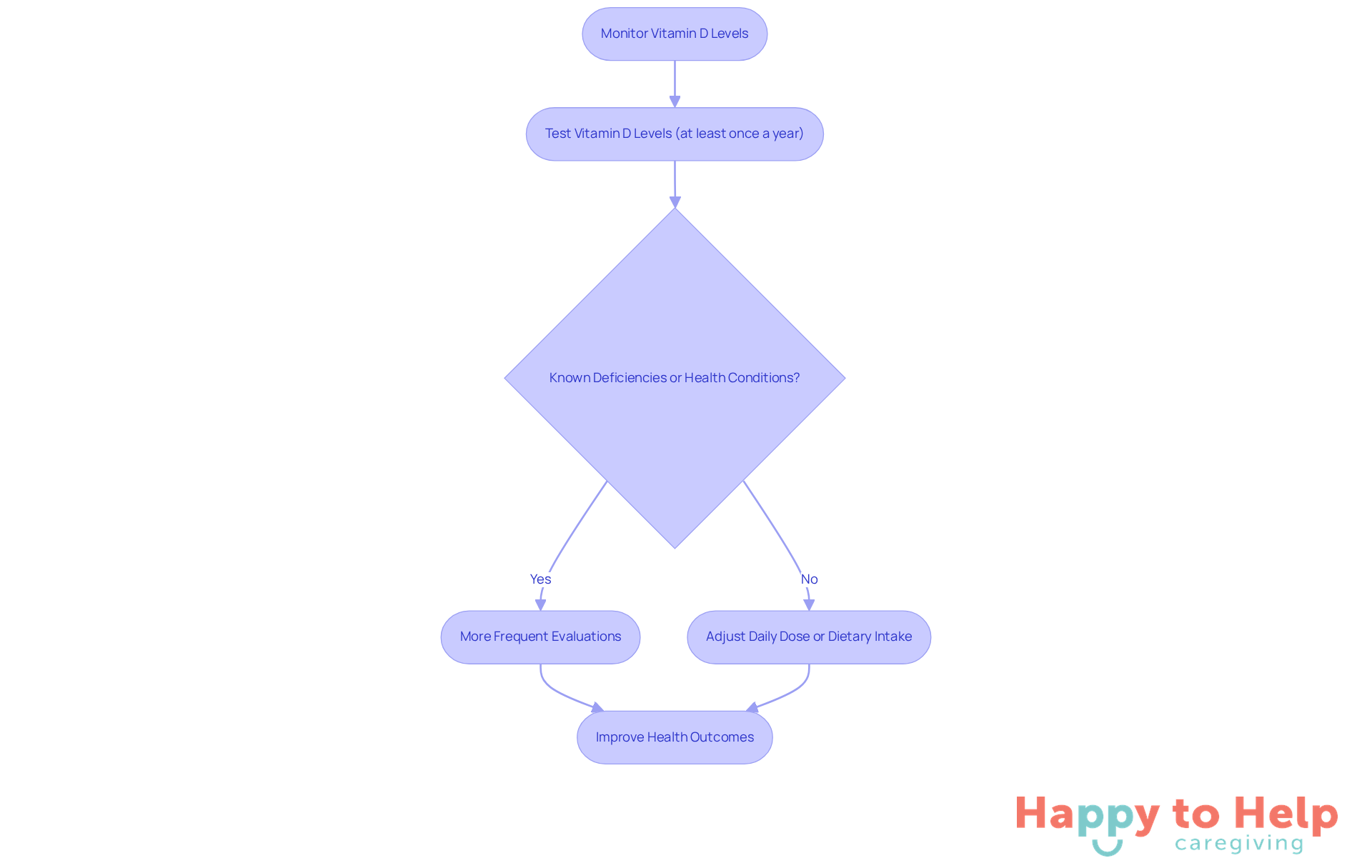
Healthcare providers recommend:
- Testing vitamin D levels at least once a year.
- More frequent evaluations for those with known deficiencies or underlying health conditions.
This proactive approach allows caregivers to make timely adjustments to the daily dose of vitamin D3 for seniors or their dietary intake, which can greatly improve health outcomes. For instance, maintaining serum levels above 30 nmol/L is essential for preventing negative health effects.
Caregivers play a vital role in this process. They are responsible for conducting tests and analyzing results, ensuring that elderly individuals receive the necessary support to enhance their vitamin D levels and overall health. By staying informed and proactive, caregivers can significantly impact the well-being of seniors in their care.
Synergistic Effects: The Importance of Calcium with Vitamin D3 for Seniors
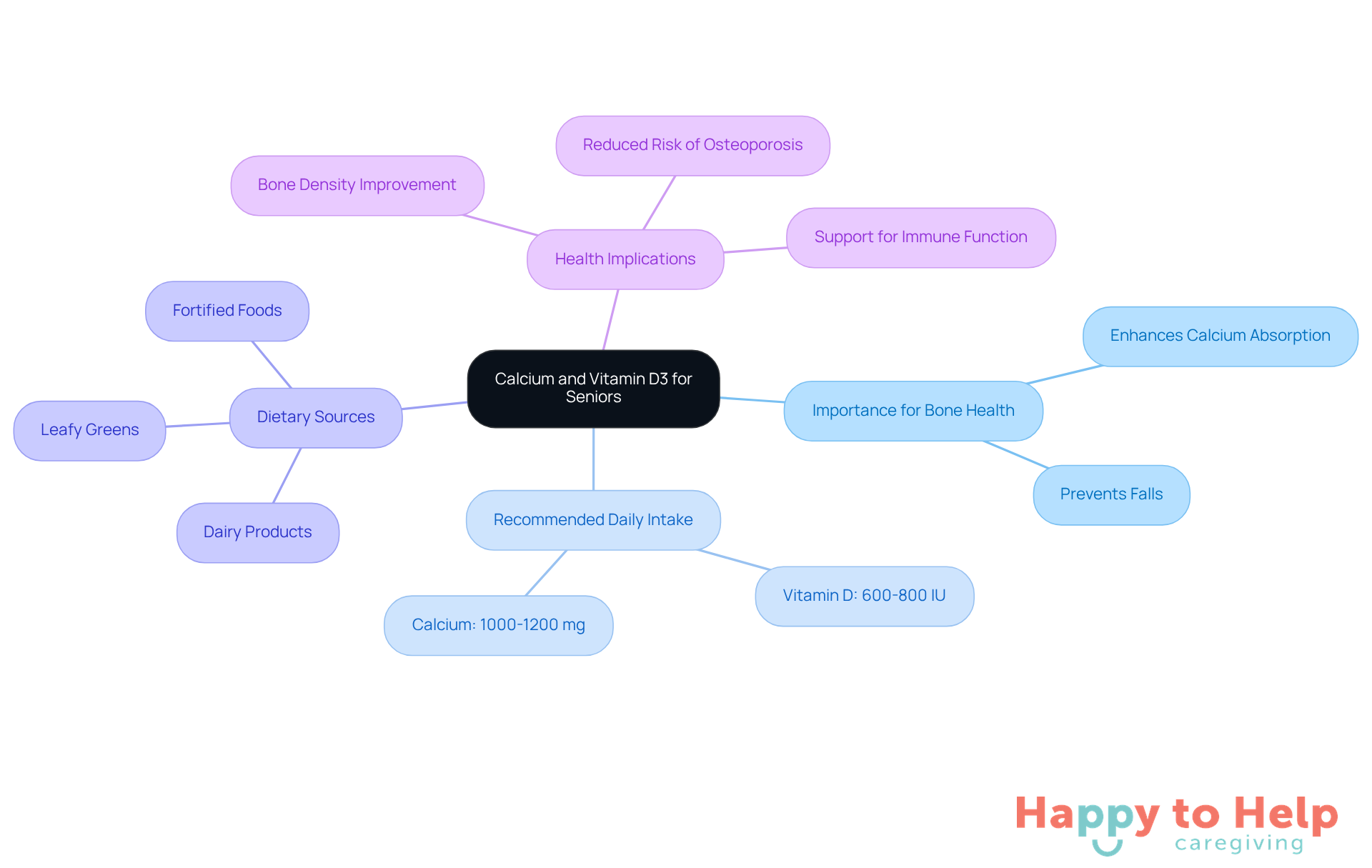
A daily dose of vitamin D3 for seniors, along with calcium, is essential for enhancing bone wellness. A significant problem arises as 25% of people aged 65 and older report falling at least once in the previous year. This statistic underscores the critical need for these nutrients in preventing falls and maintaining strong bones.
Vitamin D3 plays a vital role in enhancing calcium absorption in the intestines, which is essential for bone health. Studies show that a daily dose of vitamin D3 for seniors, combined with sufficient calcium consumption, greatly aids bone density and overall skeletal well-being in older adults.
To address this issue, seniors should strive to consume adequate amounts of both nutrients, ideally through a balanced diet rich in dairy products, leafy greens, and fortified foods, along with a daily dose of vitamin D3 for seniors. Dr. Sherri-Ann Burnett-Bowie notes that the suggested daily intake for vitamin D is between 600 to 800 IU, while for calcium, it is between 1,000 to 1,200 mg. Caregivers can assist by planning meals that include these nutrient-rich choices, ensuring their loved ones obtain the essential support for optimal bone health.
Regular check-ups can help identify any deficiencies and allow for tailored dietary adjustments, reinforcing the importance of a comprehensive approach to nutrition in aging populations. Additionally, the U.S. Preventive Services Task Force recommends screening for osteoporosis, which is critical for older adults to prevent falls and fractures.
Key Takeaways: Essential Vitamin D3 Facts for Senior Health
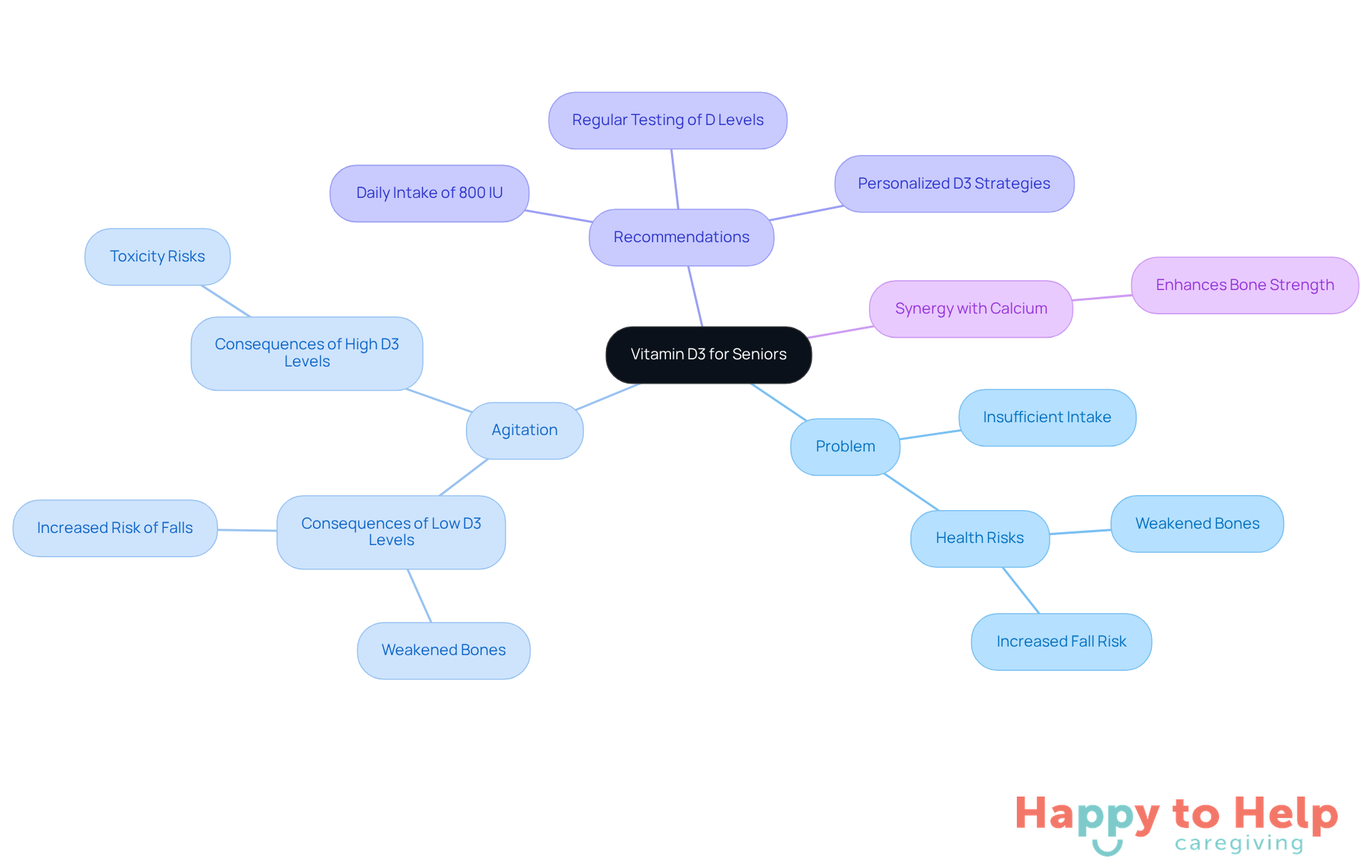
Seniors aged 70 and above often struggle to achieve their daily dose of vitamin D3 for seniors, which is crucial for their health.
Agitation: Insufficient vitamin D3 can lead to serious health issues, including weakened bones and an increased risk of falls. Moreover, high levels of D3 can result in toxicity, making it essential to monitor intake carefully.
Caregivers should ensure that elders are getting their daily dose of vitamin D3 for seniors at 800 IU. This vitamin is not only vital for bone health but also promotes cardiovascular and respiratory well-being. To achieve optimal health, personalized D3 strategies are crucial. Regular testing of D levels is important for seniors, as it helps in adjusting their intake accordingly. Additionally, caregivers should remember that calcium and vitamin D3 work synergistically to enhance bone strength.
Key Takeaways for Caregivers
Ensuring that seniors receive their daily dose of vitamin D3 presents a significant challenge. Many older adults face a widespread deficiency, which can lead to serious health issues, including weakened bones and compromised cardiovascular and respiratory health. Caregivers must recognize the urgency of this problem and prioritize strategies to address individual needs effectively.
To combat this deficiency, it is crucial for seniors to intake 800 IU of vitamin D3 daily. Caregivers play a vital role in facilitating adequate nutrition and should regularly monitor vitamin D levels. Additionally, understanding the synergistic relationship between vitamin D3 and calcium can help promote bone health and prevent falls, further emphasizing the need for a balanced diet.
The solution lies in collaboration. Caregivers, healthcare professionals, and families must work together to develop tailored vitamin D3 plans for seniors. By taking proactive measures to ensure proper intake and monitoring, caregivers can significantly enhance the overall quality of life for older adults. Emphasizing the importance of vitamin D3 not only leads to better health outcomes but also empowers seniors to maintain their independence and vitality as they age.
https://iframe.tely.ai/cta/eyJhcnRpY2xlX2lkIjogIjY5MjdhNWM4MWE3YzlhYWNlNmI1NGZkNyIsICJjb21wYW55X2lkIjogIjY4ZWU1ZGNhNzMxNzYyNTU3ZjNjOTVjMSIsICJpbmRleCI6IG51bGwsICJ0eXBlIjogImFydGljbGUifQ==Frequently Asked Questions
Why is vitamin D3 important for seniors?
Vitamin D3 is essential for seniors as it helps maintain bone strength and overall wellness. A deficiency can lead to weakened bones, increased risk of fractures, and negative impacts on immune function.
What percentage of adults in the U.S. are affected by vitamin D3 deficiency?
Approximately 42% of adults in the United States face vitamin D3 deficiency.
What is the recommended daily dose of vitamin D3 for seniors aged 70 and older?
The recommended daily dose of vitamin D3 for seniors aged 70 and older is 800 IU (International Units).
What are the consequences of inadequate vitamin D3 intake in seniors?
Inadequate vitamin D3 intake can lead to decreased bone density, weakened muscle strength, and an increased risk of fractures, which threaten seniors' independence and mobility.
How can caregivers help seniors with their vitamin D3 needs?
Caregivers can help by overseeing dietary consumption, encouraging outdoor activities for natural sunlight exposure, ensuring seniors consume vitamin D-rich foods, and managing their daily vitamin D3 dosages.
What foods are good sources of vitamin D for seniors?
Good sources of vitamin D include fatty fish, fortified dairy products, and egg yolks.
How does vitamin D3 impact bone health and fall risk in seniors?
Vitamin D3 is crucial for calcium absorption, which helps maintain strong bones. Adequate levels reduce the risk of falls and fractures by supporting muscle function and stability.
What are the optimal plasma levels of vitamin D3 for preventing falls and fractures?
The optimal plasma 25-hydroxyvitamin D levels for preventing falls and fractures should be between 20 ng/mL and 40 ng/mL.
What does the U.S. Preventive Services Task Force recommend regarding vitamin D supplementation for fall prevention?
The U.S. Preventive Services Task Force advises against vitamin D supplementation for fall prevention in community-dwelling adults aged 60 and older, emphasizing achieving optimal levels through natural sources instead.
Why is preventing falls and fractures important for older adults?
Preventing falls and fractures is crucial for the continued well-being and independence of older adults, as these incidents can significantly impact their quality of life.
List of Sources
- Happy to Help Caregiving: Personalized Support for Seniors' Vitamin D3 Needs
- Vitamin D supplements may lower blood pressure in older people with obesity (https://endocrine.org/news-and-advocacy/news-room/2024/vitamin-d-supplements-may-lower-blood-pressure-in-older-people-with-obesity)
- Roundup: Caution Urged on Use of Vitamin D, Calcium Supplements for Older Adults; and More News (https://baptisthealth.net/baptist-health-news/caution-urged-on-use-of-vitamin-d-and-calcium-supplements-for-older-adults)
- Popular vitamin won’t prevent a fall or fracture in older adults, health panel says. But here’s what can help | CNN (https://cnn.com/2024/12/17/health/vitamin-d-calcium-falls-uspstf-wellness)
- Vitamin D: 3 potential benefits for health, longevity (https://medicalnewstoday.com/articles/3-ways-vitamin-d-may-boost-longevity-according-to-research-edited)
- Vitamin D Supplements Show Signs of Protection Against Biological Aging | Mass General Brigham (https://massgeneralbrigham.org/en/about/newsroom/press-releases/vitamin-d-supplements-show-signs-of-protection-against-biological-aging)
- Recommended Daily Dosage: 800 IU for Optimal Health in Seniors
- Higher vitamin D doses show no extra heart health for adults 70 and older (https://mcknights.com/news/higher-vitamin-d-doses-show-no-extra-heart-health-for-adults-70-and-older)
- Vitamin D (https://mayoclinic.org/drugs-supplements-vitamin-d/art-20363792)
- Older adults at risk of vitamin D deficiency (https://uclahealth.org/news/article/older-adults-risk-vitamin-d-deficiency)
- What to Know About Vitamin D Dosage for Older Adults (https://webmd.com/healthy-aging/what-to-know-about-vitamin-d-dosage-for-older-adults)
- Bone Health Impact: How Vitamin D3 Reduces Fall Risk in Seniors
- Very high or low levels of vitamin D appear to raise risk for falls, fractures (https://healio.com/news/endocrinology/20250611/very-high-or-low-levels-of-vitamin-d-appear-to-raise-risk-for-falls-fractures)
- Roundup: Caution Urged on Use of Vitamin D, Calcium Supplements for Older Adults; and More News (https://baptisthealth.net/baptist-health-news/caution-urged-on-use-of-vitamin-d-and-calcium-supplements-for-older-adults)
- Vitamin D: Supplements unlikely to prevent fractures or falls (https://medicalnewstoday.com/articles/vitamin-d-supplements-may-not-prevent-bone-fractures-falls-experts-warn)
- Taking vitamin D is unlikely to prevent falls or fractures. Here's what it does (https://npr.org/sections/shots-health-news/2024/12/17/nx-s1-5230334/vitamin-d-fractures-falls-bone-health)
- Health Panel: Calcium, Vitamin D Supplements Won't Prevent Falls, Fractures (https://aarp.org/health/drugs-supplements/vitamin-d-calcium-falls-fractures)
- Safety of Higher Dosages: Understanding Vitamin D3 Toxicity Risks
- Study Finds No Benefit, Possible Harm to Seniors’ Fall Risks with Higher Doses of Vitamin D (https://hopkinsmedicine.org/news/newsroom/news-releases/2020/12/study-finds-no-benefit-possible-harm-to-seniors-fall-risks-with-higher-doses-of-vitamin-d)
- Vitamin D • The Nutrition Source (https://nutritionsource.hsph.harvard.edu/vitamin-d)
- The dark side of daily vitamin D supplements: After a man died from an ‘overdose’ in the U.K., experts explain how much is healthy | Fortune Well (https://fortune.com/well/article/vitamin-d-toxicity)
- Vitamin D toxicity (https://my.clevelandclinic.org/health/diseases/24750-vitamin-d-toxicity-hypervitaminosis-d)
- Man dies after consuming too much vitamin D as experts warn of risks: 'Cascade of problems' (https://fox13news.com/news/man-dies-after-consuming-too-much-vitamin-d-as-experts-warn-of-risks-cascade-of-problems)
- Cardiovascular Benefits: Vitamin D3's Role in Heart Health for Seniors
- Common vitamin could protect some heart attack survivors, study shows (https://foxnews.com/health/common-vitamin-could-protect-some-heart-attack-survivors-study-shows)
- Whoa, This Supplement Slashes Your Risk of a Second Heart Attack by 52% (https://aol.com/articles/whoa-supplement-slashes-risk-second-172900783.html)
- Vitamin D supplements may lower blood pressure in older people with obesity (https://endocrine.org/news-and-advocacy/news-room/2024/vitamin-d-supplements-may-lower-blood-pressure-in-older-people-with-obesity)
- High-Dose Vitamin D Might Prevent Repeat Heart Attack, Study Finds (https://everydayhealth.com/cardiovascular-diseases/high-dose-vitamin-d-might-prevent-repeat-heart-attack)
- Could vitamin D3 help protect against a second heart attack? (https://medicalnewstoday.com/articles/d3-supplements-could-halve-the-risk-of-a-second-heart-attack)
- Elderly Considerations: Tailoring Vitamin D3 Intake for Older Adults
- Personalized vitamin D supplementation may halve heart attack risk: Study (https://nutraingredients.com/Article/2025/11/21/personalized-vitamin-d-supplementation-may-halve-heart-attack-risk)
- Vitamin D3 breakthrough halves risk of second heart attack (https://sciencedaily.com/releases/2025/11/251110021043.htm)
- Tailored vitamin D regimens offer significant cardiac benefit (https://news-medical.net/news/20251111/Tailored-vitamin-D-regimens-offer-significant-cardiac-benefit.aspx)
- Understanding the Endocrine Impact of Vitamin D, Calcium Deficiency in the Elderly (https://consultqd.clevelandclinic.org/understanding-the-endocrine-impact-of-vitamin-d-calcium-deficiency-in-the-elderly)
- Older adults at risk of vitamin D deficiency (https://uclahealth.org/news/article/older-adults-risk-vitamin-d-deficiency)
- Respiratory Health: Vitamin D3's Influence on Infection Resistance in Seniors
- Vitamin D reduces respiratory infections, but there's a catch (https://mcknightsseniorliving.com/news/vitamin-d-reduces-respiratory-infections-but-theres-a-catch)
- Vitamin D reduces respiratory infections (https://news.cuanschutz.edu/news-stories/vitamin-d-reduces-respiratory-infections)
- High monthly vitamin D reduces respiratory infections, may increase falls for older adults (https://eurekalert.org/news-releases/638868)
- CU Study: Vitamin D indeed an immune-booster (https://uchealth.org/today/cu-study-vitamin-d-indeed-immune-booster)
- Do vitamin D supplements reduce acute respiratory infections? (https://news-medical.net/news/20250225/Do-vitamin-D-supplements-reduce-acute-respiratory-infections.aspx)
- Monitoring Levels: Importance of Regular Vitamin D Testing for Seniors
- New guidelines released for vitamin D testing and supplementation - Harvard Health (https://health.harvard.edu/staying-healthy/new-guidelines-released-for-vitamin-d-testing-and-supplementation)
- Older adults at risk of vitamin D deficiency (https://uclahealth.org/news/article/older-adults-risk-vitamin-d-deficiency)
- 'Don't Screen' for Vitamin D: New Endo Society Guideline (https://medscape.com/viewarticle/dont-screen-vitamin-d-new-endo-society-guideline-2024a1000aez)
- Vitamin D in the older population: a consensus statement - PMC (https://pmc.ncbi.nlm.nih.gov/articles/PMC9607753)
- Vitamin D supplements may lower blood pressure in older people with obesity (https://endocrine.org/news-and-advocacy/news-room/2024/vitamin-d-supplements-may-lower-blood-pressure-in-older-people-with-obesity)
- Synergistic Effects: The Importance of Calcium with Vitamin D3 for Seniors
- Health Panel: Calcium, Vitamin D Supplements Won't Prevent Falls, Fractures (https://aarp.org/health/drugs-supplements/vitamin-d-calcium-falls-fractures)
- Vitamin D: Supplements unlikely to prevent fractures or falls (https://medicalnewstoday.com/articles/vitamin-d-supplements-may-not-prevent-bone-fractures-falls-experts-warn)
- Popular vitamin won’t prevent a fall or fracture in older adults, health panel says. But here’s what can help | CNN (https://cnn.com/2024/12/17/health/vitamin-d-calcium-falls-uspstf-wellness)
- USPSTF: Taking Vitamin D and Calcium Won't Prevent Falls and Fractures in Older Adults (https://verywellhealth.com/uspstf-draft-recommendation-vitamin-d-calcium-supplements-8762509)
- Key Takeaways: Essential Vitamin D3 Facts for Senior Health
- Roundup: Caution Urged on Use of Vitamin D, Calcium Supplements for Older Adults; and More News (https://baptisthealth.net/baptist-health-news/caution-urged-on-use-of-vitamin-d-and-calcium-supplements-for-older-adults)
- Vitamin D supplements may lower blood pressure in older people with obesity (https://endocrine.org/news-and-advocacy/news-room/2024/vitamin-d-supplements-may-lower-blood-pressure-in-older-people-with-obesity)
- Study Finds No Benefit, Possible Harm to Seniors’ Fall Risks with Higher Doses of Vitamin D (https://hopkinsmedicine.org/news/newsroom/news-releases/2020/12/study-finds-no-benefit-possible-harm-to-seniors-fall-risks-with-higher-doses-of-vitamin-d)
- Vitamin D Supplements Show Signs of Protection Against Biological Aging | Mass General Brigham (https://massgeneralbrigham.org/en/about/newsroom/press-releases/vitamin-d-supplements-show-signs-of-protection-against-biological-aging)