10 Essential Home Care Helpers for Family Caregivers' Peace
For families in our service areas
For families in our service areas, this guide explains home care and how non-medical in-home caregiving can support care planning in East Idaho, Treasure Valley & Magic Valley, Northern Wasatch, North Central West Virginia, and Northeast Ohio.
Understanding Home Care Helpers
Loneliness among older adults is a growing concern, with recent studies showing that nearly 37% of seniors reported feeling isolated in 2023. This statistic highlights a significant problem: the emotional well-being of elderly individuals is often overlooked.
The implications of this isolation are profound. Not only does it affect mental health, but it also impacts physical health, leading to a decline in overall quality of life. Family caregivers face the challenge of ensuring their loved ones receive both health care and emotional support, which can be a daunting task.
So, what can caregivers do? Identifying effective tools and services is crucial for creating a nurturing environment that promotes independence and peace of mind. By leveraging home care helpers, caregivers can provide not just physical assistance but also foster emotional connections that are vital for enhancing the quality of life for seniors.
Happy to Help Caregiving: Companionship Care for Enhanced Independence
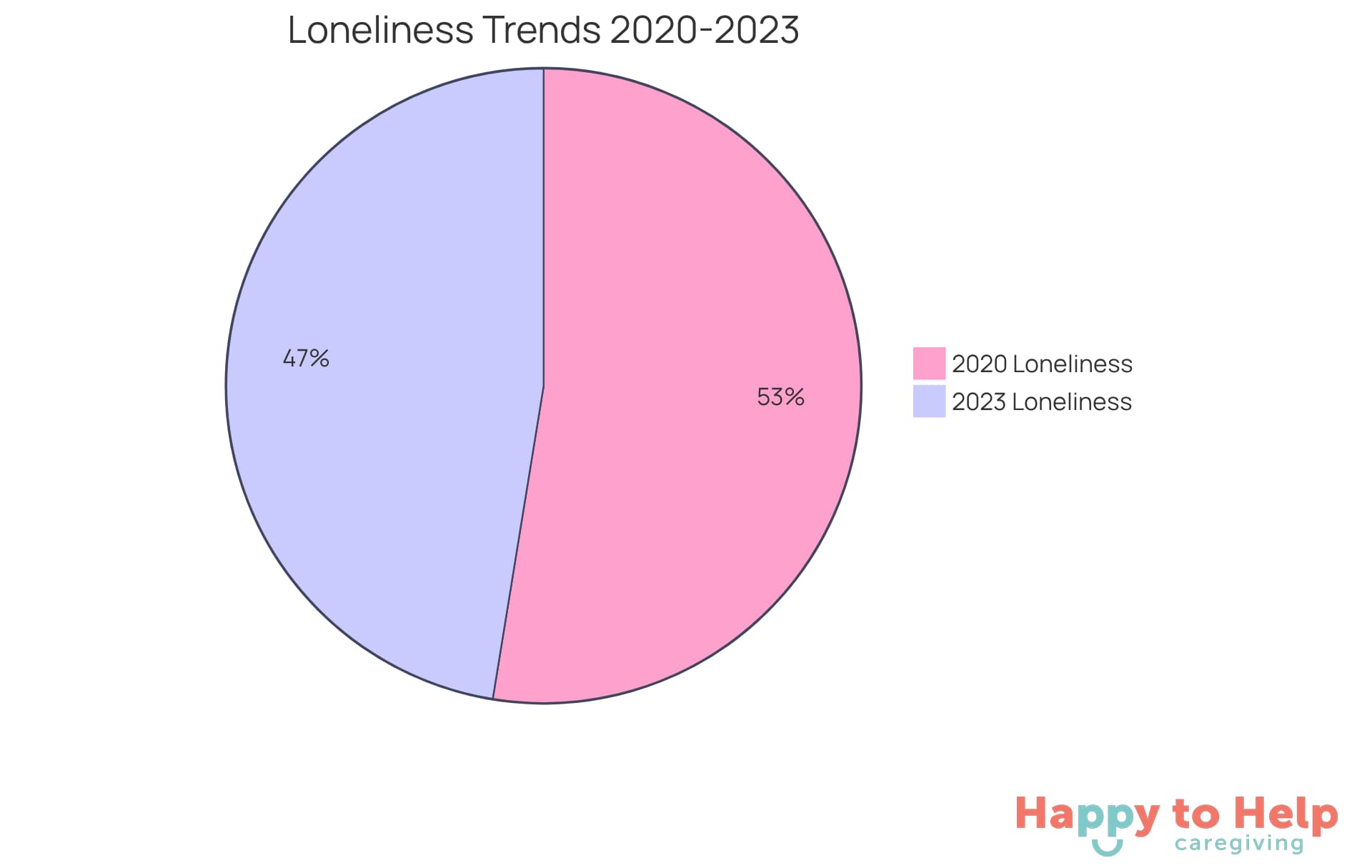
Loneliness among older adults is a significant issue that can lead to serious emotional and physical health problems. In fact, research indicates that in 2023, 37% of older individuals reported feelings of loneliness, down from 41% in 2020. This highlights the urgent need for effective home care helpers to combat isolation and foster a sense of belonging.
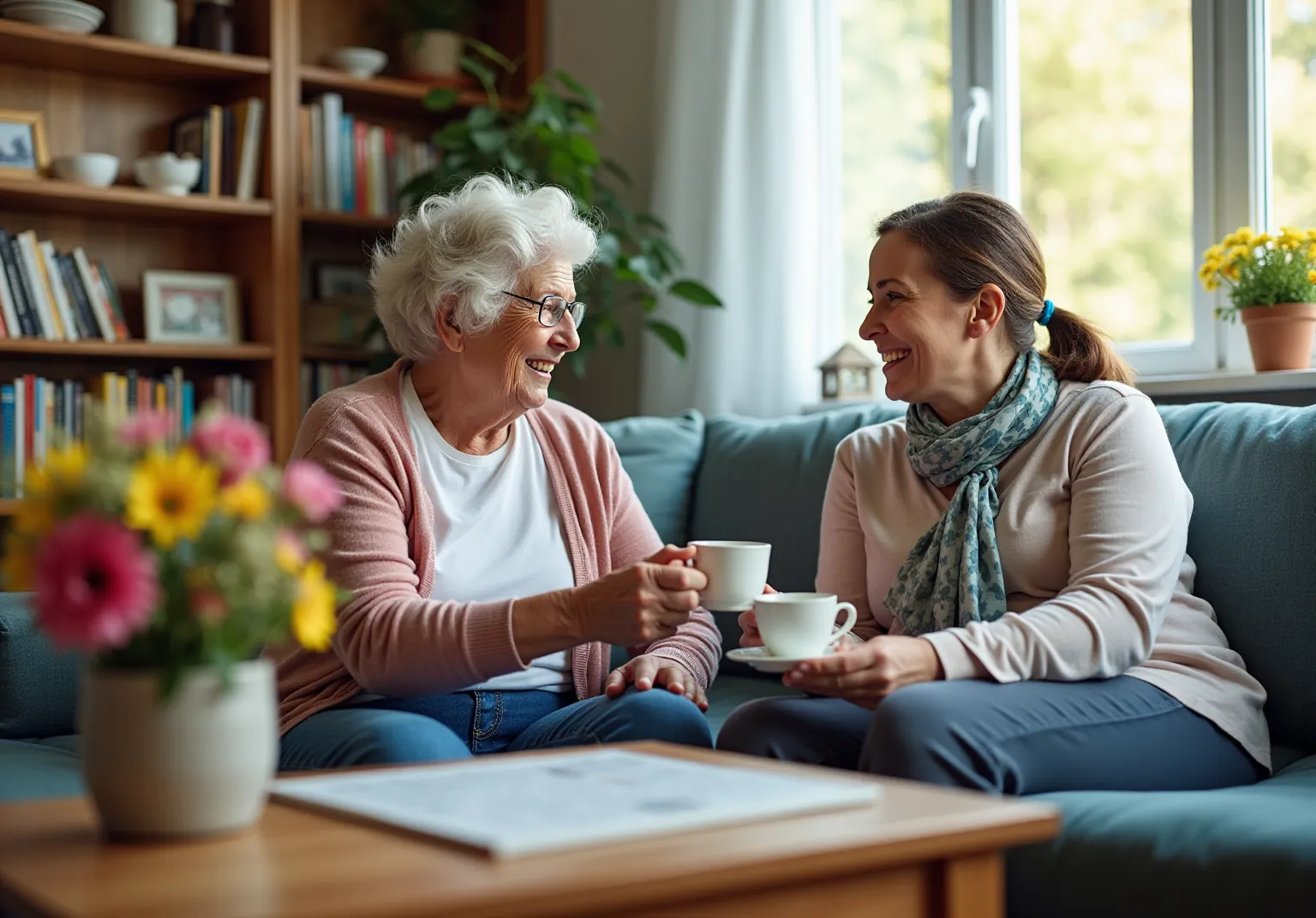
Home care helpers provide companionship care that goes beyond just physical assistance; they also offer essential emotional support. Caregivers engage clients in meaningful conversations and enjoyable activities, which can alleviate feelings of loneliness and isolation. By fostering social connections, caregivers help clients feel valued and understood, crucial for their overall well-being.
Moreover, regular social interaction has been shown to enhance the health of older adults. Clients who interact with companions often report improved nutrition, better adherence to medication schedules, and fewer stress-related doctor visits. This is vital, especially considering that healthcare expenses related to falls are projected to exceed $101 billion by 2030. Companionship care plays a crucial role in preventing accidents and ensuring the safety of older adults.
The U.S. Surgeon General has referred to loneliness as an 'epidemic,' underscoring the critical need for services that address this issue. By implementing companionship care, home care helpers can significantly enhance the quality of life for older adults, assisting them in maintaining their independence and upholding their routines in the comfort of their own homes.
Visiting Angels: Post-Hospital Recovery Assistance for Seniors
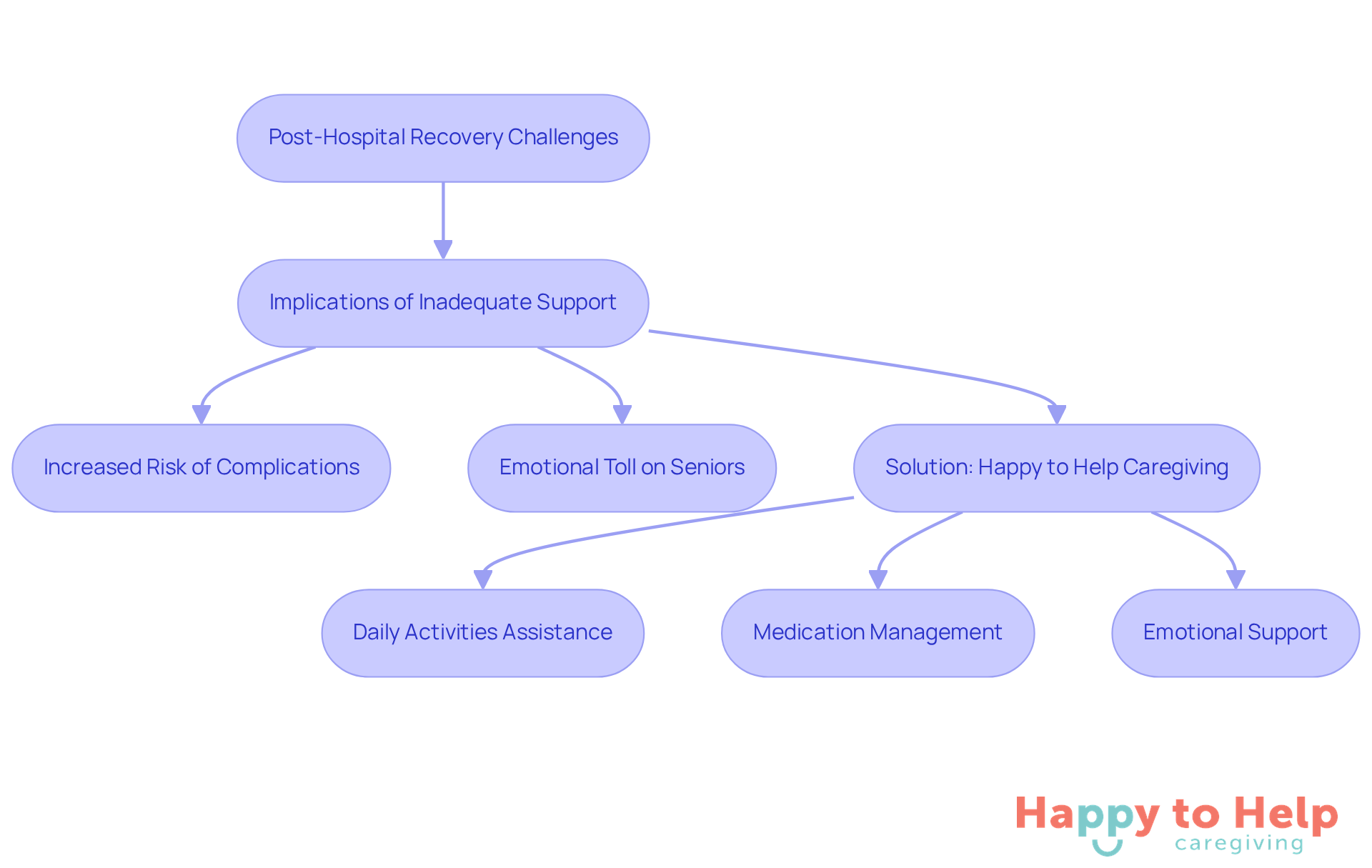
Problem: After a hospital stay, elderly individuals often face significant challenges during their recovery. These can include difficulties with daily activities, managing medications, and mobility issues, which can hinder their transition back to home life.
Agitate: The implications of inadequate support during this critical time can be severe. Studies show that proper medication adherence is essential; without it, the risk of complications and rehospitalization increases. In fact, home care can reduce hospital readmissions by up to 25% for patients with specific chronic conditions. Furthermore, the emotional toll on seniors can be profound, impacting their confidence and independence.
Solution: Happy to Help Caregiving offers specialized post-hospital recovery support tailored to the unique needs of elderly clients. Our caregivers are trained to assist with daily activities, medication management, and mobility, ensuring comprehensive care. By providing emotional support, we help seniors regain their confidence and foster an environment that promotes overall well-being during recovery. With our services, clients can navigate this transition more smoothly, enhancing their quality of life.
Comfort Keepers: Respite Care Solutions for Family Caregivers
Caregiving can be a demanding role, often leaving family members feeling overwhelmed and in need of a break. This lack of respite can lead to caregiver fatigue, impacting both their well-being and the quality of care provided to their loved ones.
Comfort Keepers provides a solution with their respite support services, enabling family members to take a much-needed break while ensuring their loved ones receive care from home care helpers. These services can be scheduled for a few hours or longer, tailored to the family's specific needs.
Not only do home care helpers provide caregivers with the opportunity to rest and rejuvenate, but they also ensure that elderly individuals receive personalized care that aligns with their preferences. This approach significantly improves their quality of life during the caregiver's absence, making it a valuable resource for families.
Amedisys: Palliative Support Care for Seniors in Need
Caring for elderly individuals facing severe illnesses presents significant challenges for home care helpers. These challenges can lead to emotional strain and a sense of helplessness, making it crucial to find effective solutions through home care helpers.
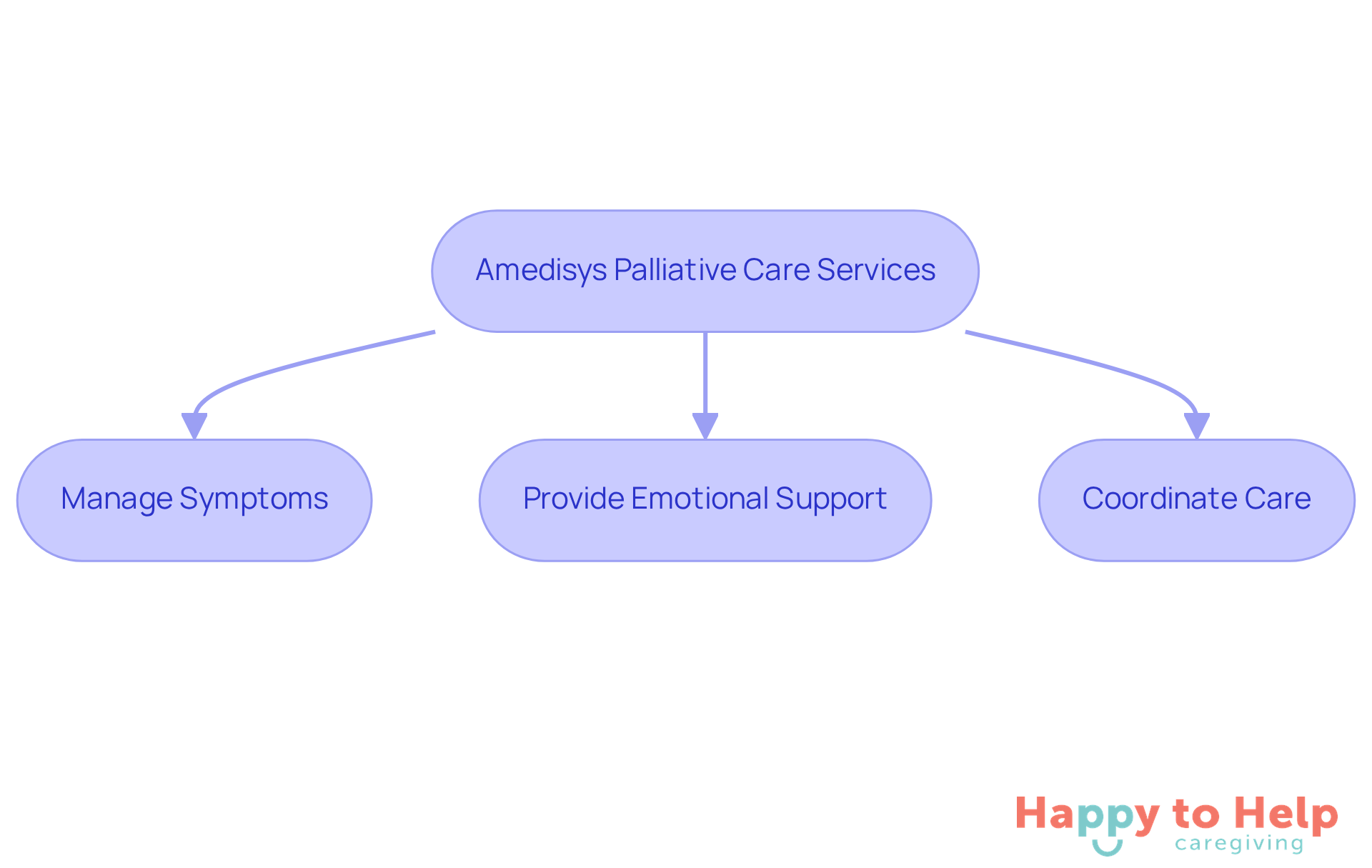
Amedisys addresses this issue through their palliative care services, which focus on improving the quality of life for these individuals. Their team of healthcare specialists works closely with patients and families to:
- Manage symptoms
- Provide emotional support
- Coordinate care
This comprehensive approach ensures that older adults receive the tailored support they need from home care helpers, allowing them to maintain dignity and comfort during difficult times.
Home Helpers: Safety and 24-Hour Monitoring for Peace of Mind
Elderly individuals often face significant risks when left alone at home, leading to safety concerns for both them and their families. This situation can create anxiety, as caregivers worry about potential accidents or emergencies that could occur without immediate assistance.
Home care helpers address this problem by offering round-the-clock monitoring options. Their services include:
- Medical alert systems
- Regular check-ins by home care helpers
This proactive approach not only enhances overall safety but also allows older adults to maintain their independence.
With prompt access to assistance in case of emergencies, families can enjoy peace of mind knowing that help is always available. By implementing these solutions, caregivers can significantly reduce the risk of accidents and provide a safer living environment for their loved ones.
Visiting Angels: Nutrition and Meal Preparation for Seniors
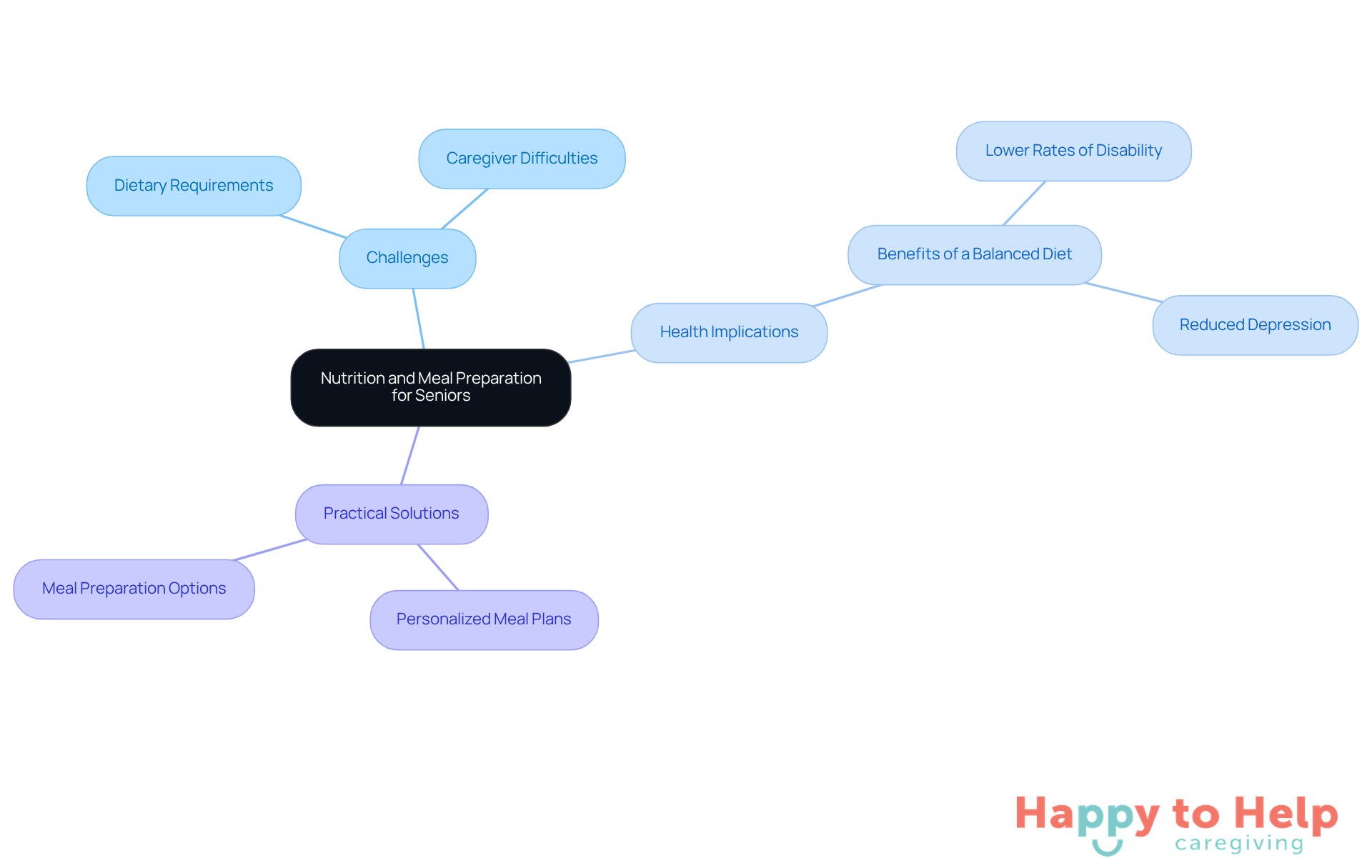
Nutrition and meal preparation assistance pose significant challenges for caregivers of older adults. Many older adults struggle to meet their specific dietary requirements, which can lead to serious health implications. A well-balanced diet is crucial for maintaining overall health, as it can significantly reduce the risk of complications associated with chronic conditions.
Research shows that older adults with healthier diets experience lower rates of disability and depression. This underscores the importance of meal planning in promoting better health outcomes. Caregivers must prioritize both nutrition and enjoyment when developing meal plans, ensuring that meals are tailored to individual preferences and health needs.
To address these challenges, caregivers can implement practical solutions:
- Collaborating with clients to create personalized meal plans not only enhances nutritional intake but also makes mealtime more enjoyable.
- Providing access to meal preparation options can ease the difficulties older adults face in sustaining a nutritious diet, ultimately aiding their health and longevity.
Senior Helpers: Wellness Calls for Ongoing Support
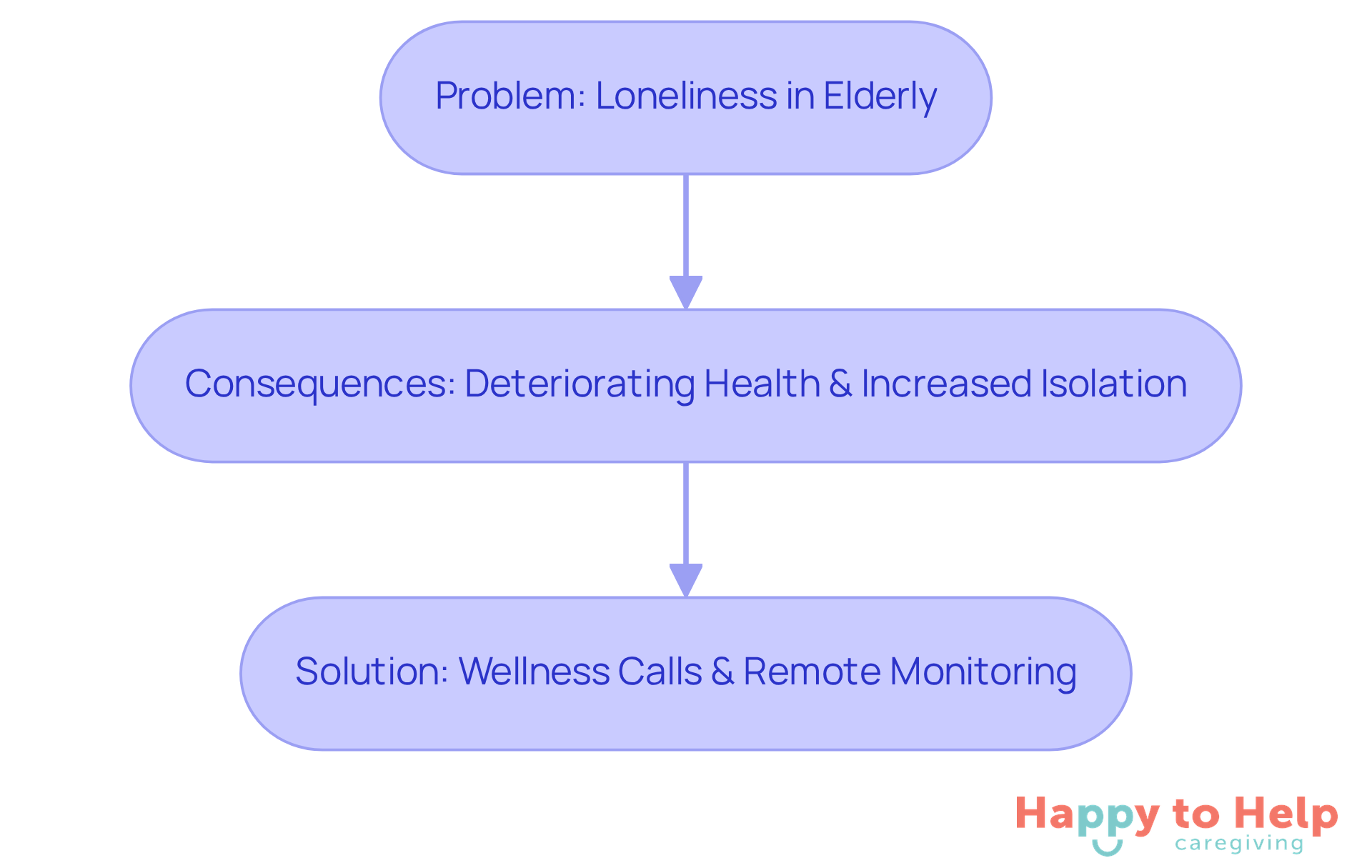
Loneliness is a significant issue for elderly individuals living at home, highlighting the importance of home care helpers. Many face isolation, and home care helpers can play a crucial role in alleviating its negative impact on their mental and emotional well-being. Home care helpers often struggle to maintain regular contact, which leads to missed opportunities for support and intervention.
Agitate: This lack of connection can result in deteriorating health and increased feelings of loneliness. In fact, 88% of caregivers believe that regular interactions significantly reduce isolation. Without consistent communication, home care helpers may not notice changes in health or mood, which leaves older adults vulnerable and unsupported.
Senior Helpers offers home care helpers through wellness call services that provide regular check-ins for elderly individuals. These calls serve as a vital link between seniors and their caregivers, enabling continuous aid and observation of health and wellness. By maintaining regular communication, caregivers can identify any changes in health or mood, ensuring that older adults receive the necessary support when needed.
Additionally, remote monitoring technologies enhance the independence of older adults by providing continuous oversight of their health metrics. This proactive approach keeps families informed about their loved ones' status and promotes a better quality of life. Studies show that frequent check-ins can lead to a 53% increase in happiness among older adults, underscoring the importance of these interactions in enhancing mental well-being and emotional care. As we move through 2025, the role of wellness calls remains crucial in supporting the health and independence of elderly individuals.
Right at Home: Tailored Care Plans for Individual Needs
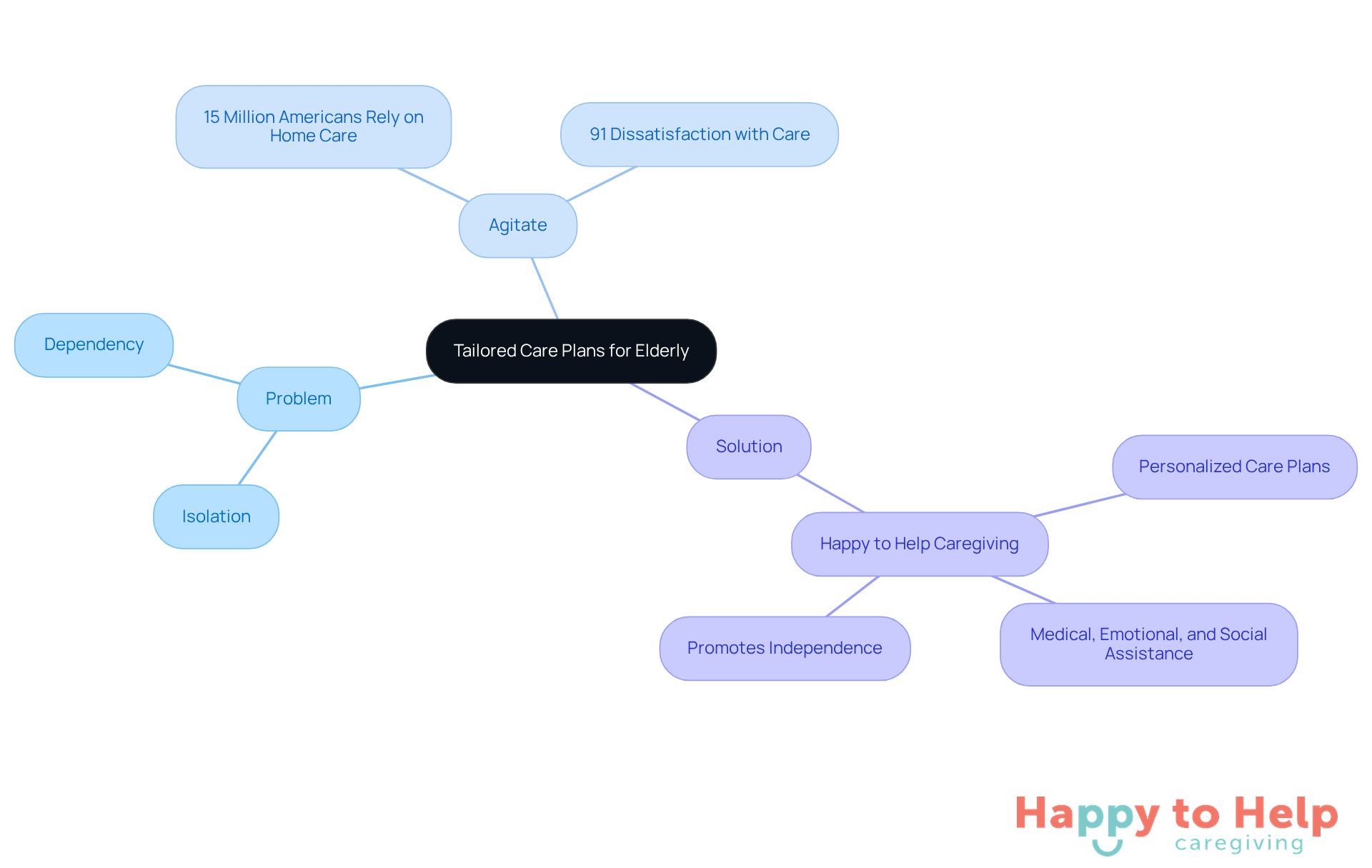
Problem: Many elderly individuals struggle to receive the personalized care they need, which can lead to feelings of isolation and dependency.
Agitate: With around 15 million Americans currently relying on home care helpers for in-home support services, the lack of tailored care plans can significantly impact their quality of life. In fact, studies show that 91% of home care clients express dissatisfaction when home care helpers do not meet their unique needs. This can leave families worried about their loved ones' well-being and autonomy.
Solution: Happy to Help Caregiving excels in creating tailored care plans that address the distinct needs and preferences of every older client. Through detailed evaluations, support providers develop customized strategies that encompass medical, emotional, and social assistance. This approach not only ensures that elderly individuals receive the appropriate level of care from home care helpers but also promotes their independence and enhances their overall quality of life. Families can take comfort in knowing that their loved ones are receiving care specifically designed to foster autonomy and well-being, ultimately leading to a more fulfilling life at home.
Care.com: Technology Integration for Enhanced Care Management
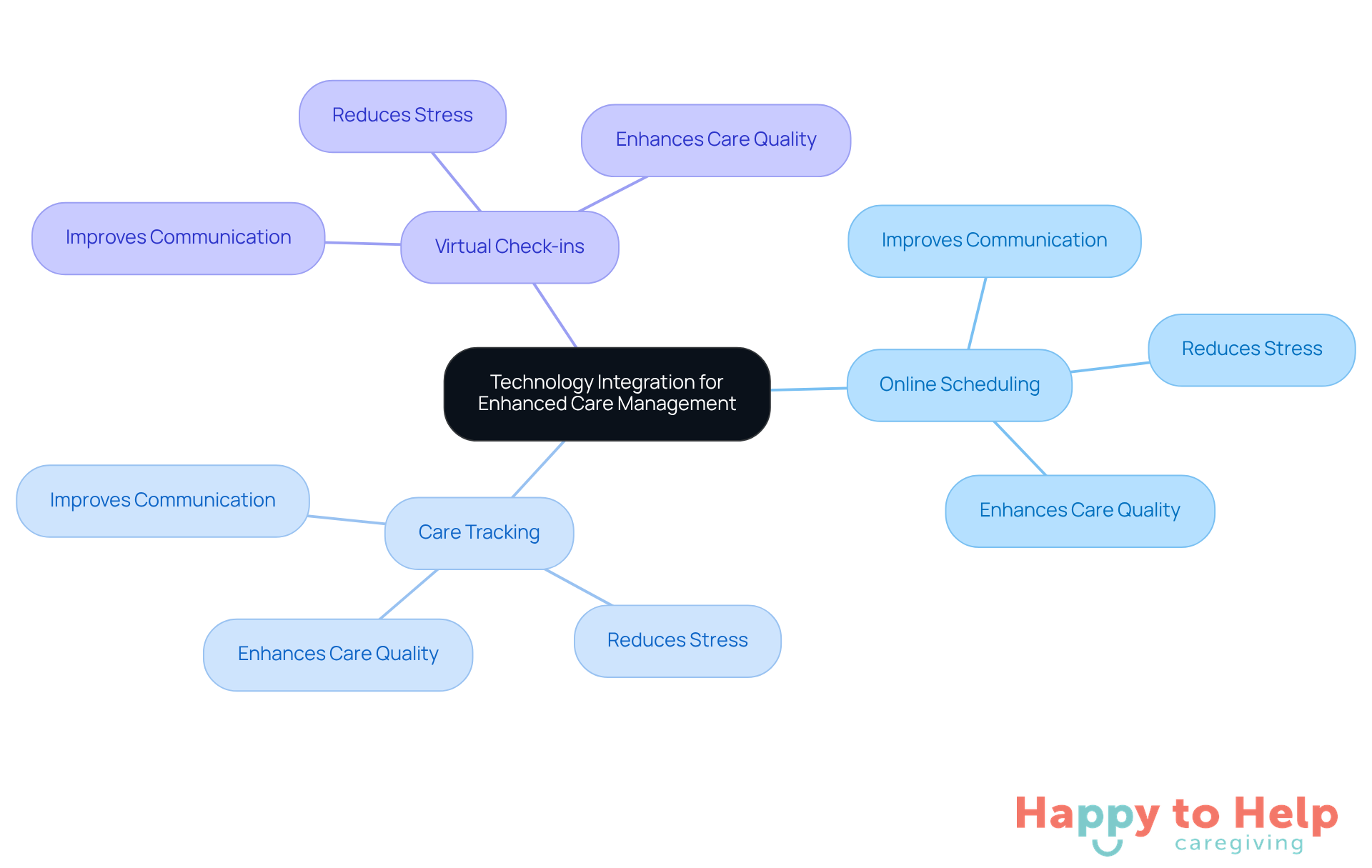
Caregivers often face significant challenges in communication, which can lead to misunderstandings and inadequate care for older adults. This issue not only affects the quality of care but also increases stress for families trying to stay informed about their loved ones' well-being.
To address these challenges, Care.com highlights the incorporation of technology in care management. Tools such as:
- online scheduling
- care tracking
- virtual check-ins
streamline the caregiving process. These features make it easier for families to stay informed about their loved ones' care, ensuring that they receive thorough assistance tailored to their needs.
By integrating technology into caregiving, families can foster a cooperative approach that enhances efficiency and promotes better communication among caregivers, older adults, and their families. This solution not only alleviates stress but also guarantees that older adults receive the comprehensive support they deserve.
Comfort Keepers: Emotional Support and Engagement Activities for Seniors
Loneliness and isolation are significant challenges faced by older adults, impacting their emotional well-being. Home care helpers often struggle to find effective ways to engage seniors, which can lead to a decline in their quality of life.
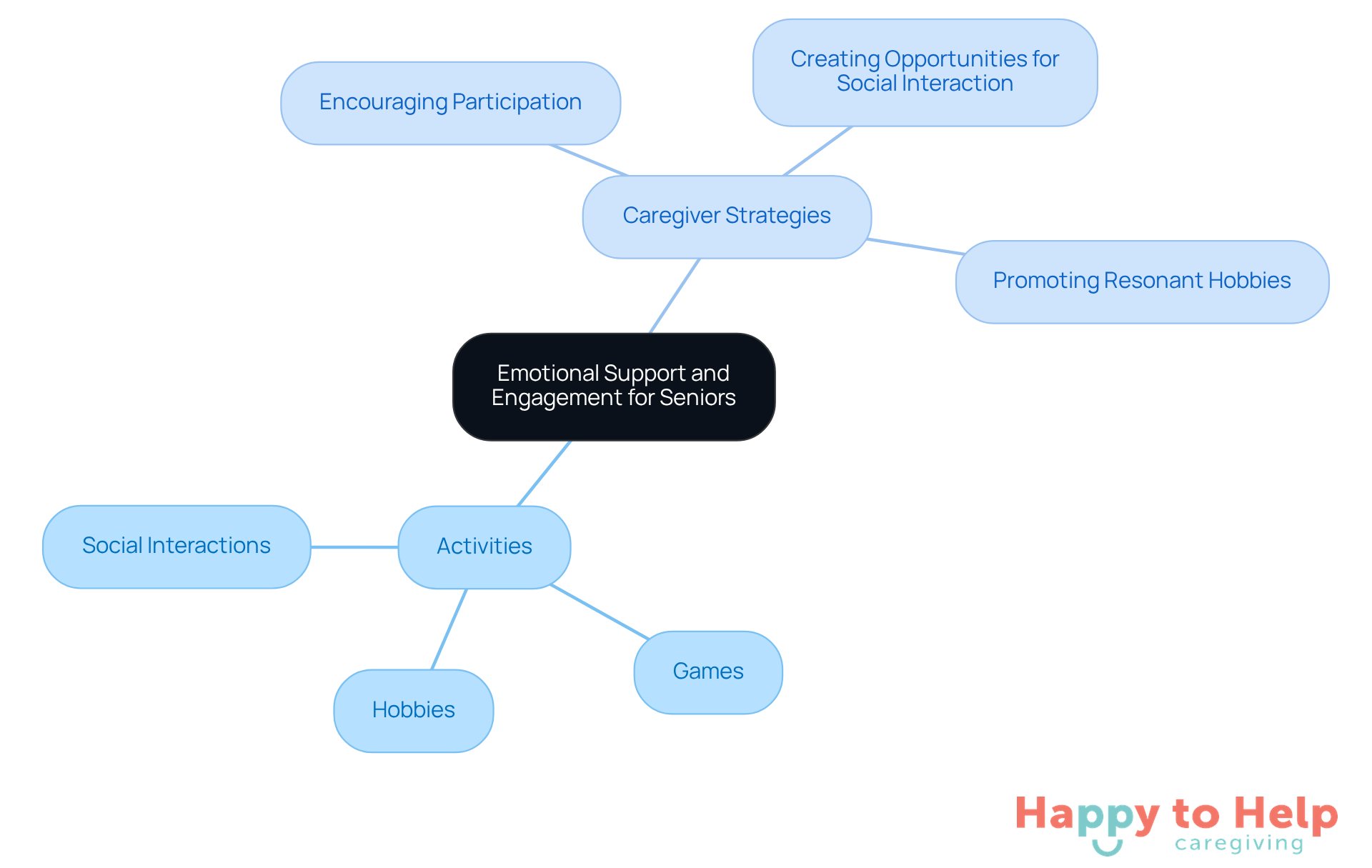
Comfort Keepers addresses this issue by offering emotional support and engagement activities designed to keep older adults active and connected. These activities include:
- Hobbies
- Games
- Social interactions that stimulate mental engagement and foster a sense of community.
By focusing on emotional well-being, these initiatives help alleviate feelings of loneliness and isolation. This holistic approach ensures that seniors receive physical assistance from home care helpers while also enjoying a fulfilling and enriched life.
Caregivers can implement these strategies by:
- Encouraging participation in various activities
- Creating opportunities for social interaction
- Promoting hobbies that resonate with seniors
This not only enhances the quality of life for older adults but also strengthens the caregiver-senior relationship.
Your Path Forward
The essential role of home care helpers in enhancing the quality of life for elderly individuals is critical. Many seniors face loneliness and a lack of support, which can significantly impact their emotional and physical well-being. This isolation not only affects their mental health but also hinders their independence, making it vital to address these challenges.
Home care services provide not just physical assistance but also the emotional and social support necessary to combat loneliness. By addressing the unique needs of seniors, caregivers can significantly improve their overall well-being, ensuring they feel valued and connected. Services such as:
- Companionship care
- Post-hospital recovery assistance
- Respite care
- Palliative support
- Safety monitoring
- Nutrition assistance
- Wellness calls
- Tailored care plans
- Technology integration
play a vital role in supporting both seniors and their family caregivers.
To effectively tackle these issues, families should explore and implement these home care services. Prioritizing companionship, safety, nutrition, and emotional support can ensure that loved ones receive the comprehensive care they deserve. By adapting services to meet individual needs, caregivers can lead to better health outcomes and greater satisfaction for all involved.
In conclusion, integrating home care helpers is essential for fostering independence and improving the quality of life for older adults. As the demand for effective caregiving solutions continues to grow, it is crucial for families to take action. By embracing these services, caregivers can pave the way for a brighter, more connected future.
https://iframe.tely.ai/cta/eyJhcnRpY2xlX2lkIjogIjY5Mjc5NGQ5MWE3YzlhYWNlNmI1NGY5ZiIsICJjb21wYW55X2lkIjogIjY4ZWU1ZGNhNzMxNzYyNTU3ZjNjOTVjMSIsICJpbmRleCI6IG51bGwsICJ0eXBlIjogImFydGljbGUifQ==Frequently Asked Questions
What is companionship care and why is it important for older adults?
Companionship care involves home care helpers providing emotional support and engaging clients in meaningful conversations and activities. It is important for older adults as it helps alleviate feelings of loneliness and isolation, fostering social connections that are crucial for their overall well-being.
How prevalent is loneliness among older adults?
In 2023, 37% of older individuals reported feelings of loneliness, a decrease from 41% in 2020, indicating a significant issue that needs to be addressed through effective home care services.
What are the benefits of regular social interaction for older adults?
Regular social interaction can enhance the health of older adults by improving nutrition, better adherence to medication schedules, and reducing stress-related doctor visits, which is vital for preventing accidents and ensuring safety.
What role do home care helpers play in post-hospital recovery for seniors?
Home care helpers provide specialized support tailored to the unique needs of elderly clients after a hospital stay, assisting with daily activities, medication management, and mobility, which helps ensure a smoother transition back to home life.
How can home care services impact hospital readmission rates?
Home care can reduce hospital readmissions by up to 25% for patients with specific chronic conditions, highlighting the importance of proper support during recovery.
What are respite care solutions and how do they benefit family caregivers?
Respite care solutions are services that allow family caregivers to take a break while ensuring their loved ones receive personalized care from home care helpers. This helps prevent caregiver fatigue and improves the quality of care provided to elderly individuals.
How flexible are respite care services?
Respite care services can be scheduled for a few hours or longer, tailored to the specific needs of the family, allowing caregivers to rest and rejuvenate while their loved ones are cared for.
List of Sources
- Happy to Help Caregiving: Companionship Care for Enhanced Independence
- The Value of Companion Care for Seniors- Home Care Powered By AUAF (https://homecare-aid.com/the-value-of-companion-care-for-seniors)
- Companion Care at Home Reduces Loneliness for Seniors During the Holidays (https://lifesathomecare.com/companion-care-at-home-reduces-loneliness-for-seniors-during-the-holidays)
- 10 Benefits of Professional Companion Services for Family Caregivers - Happy To Help (https://happytohelpcaregiving.com/10-benefits-of-professional-companion-services-for-family-caregivers)
- Trends in Loneliness Among Older Adults from 2018-2023 (https://ihpi.umich.edu/national-poll-healthy-aging/reports-and-resources/trends-loneliness-among-older-adults-2018-2023)
- Older adults find support through health care companions (https://news-medical.net/news/20250924/Older-adults-find-support-through-health-care-companions.aspx)
- Visiting Angels: Post-Hospital Recovery Assistance for Seniors
- MA plans extend hospital stays, reduce post-acute services -- From McKnight Long-Term Care News (https://strengthenhealthcare.org/ma-plans-extend-hospital-stays-reduce-post-acute-services-from-mcknight-long-term-care-news)
- Post Hospital Care: Why it is Critical for Recovery ? 2025 (https://safehandshhc.com/2025/01/10/post-hospital-care)
- How Home Care Boosts Recovery Time (https://humancareny.com/blog/how-home-care-boosts-recovery-time)
- Home Care Impact on Recovery of Patient (A Statistics Report) (https://lovinghomecareinc.com/home-care-recovery-statistics)
- Why Emotional Support Matters in Post-Hospital Care (https://gauthierfhc.com/why-emotional-support-matters-in-post-hospital-care)
- Comfort Keepers: Respite Care Solutions for Family Caregivers
- Improving Support for Family Caregivers (https://nationalacademies.org/news/2025/07/improving-support-for-family-caregivers)
- A bill in Congress would return $5,000 to millions of family caregivers every year, but will it pass? (https://cbsnews.com/newyork/news/credit-for-caring-act-family-caregiver-tax-credit)
- Family Caregivers Struggling In Some States More Than Others (https://disabilityscoop.com/2025/10/31/family-caregivers-struggling-in-some-states-more-than-others/31710)
- Respite Facts and Talking Points | ARCH National Respite Network & Resource Center (https://archrespite.org/policy/respite-facts-and-talking-points)
- Amedisys: Palliative Support Care for Seniors in Need
- Support for Serious Illness (https://newsinhealth.nih.gov/2025/07/support-serious-illness)
- Study: Few With Advanced Cancer Receive Palliative Care (https://breastcancer.org/news/study-palliative-care-underused-end-of-life)
- Palliative care and hospice poll reveals major gaps (https://ihpi.umich.edu/news-events/news/palliative-care-and-hospice-poll-reveals-major-gaps)
- Living Your Best Life Means Embracing the Last Years, Too (https://ucsf.edu/news/2024/09/428401/living-your-best-life-means-embracing-last-years-too)
- The Effectiveness of Palliative Care Interventions in Long-Term Care Facilities: A Systematic Review - PMC (https://pmc.ncbi.nlm.nih.gov/articles/PMC11277722)
- Home Helpers: Safety and 24-Hour Monitoring for Peace of Mind
- Top 8 Benefits of 24/7 Monitoring Systems for Senior Care - EyeWatch LIVE® (https://eyewatchlive.com/news/top-8-benefits-of-24-7-monitoring-systems-for-senior-care)
- Smart Surveillance Boosts Safety, Connection for Seniors Aging at Home (https://ltcnews.com/articles/smart-surveillance-boosts-safety-seniors-aging-at-home)
- 1.1 million alarm calls answered in 2023 (https://taking.care/blogs/resources-advice/takingcare-personal-alarms-in-2023?srsltid=AfmBOoqDvMMtR8Kuj2WrXMlK64QlEqmpm4M-dqwHdZjL7L-grdEIMNjR)
- Medical Alert Systems: 2023-2024 Research and Statistics (https://theseniorlist.com/research/medical-alert-device-consumer-usage-study)
- Medical Alert Systems: Challenges, Benefits, Statistics — Vicert (https://vicert.com/blog/medical-alert-systems-challenges-benefits-statistics)
- Visiting Angels: Nutrition and Meal Preparation for Seniors
- Diet Quality and Health in Older Americans - PMC (https://pmc.ncbi.nlm.nih.gov/articles/PMC8955752)
- Senior Nutrition Programs in the News | ACL Administration for Community Living (https://acl.gov/senior-nutrition/senior-nutrition-programs-news)
- The changing nutritional needs of older adults and how to meet them (https://heart.org/en/news/2024/12/18/the-changing-nutritional-needs-of-older-adults-and-how-to-meet-them)
- This National Nutrition Month®, Let’s Promote Healthy Eating for Older Adults - News & Events | odphp.health.gov (https://odphp.health.gov/news/202503/national-nutrition-monthr-lets-promote-healthy-eating-older-adults)
- Senior Helpers: Wellness Calls for Ongoing Support
- Powering a new era of aging--where proactive engagement and whole-person wellness end social isolation and loneliness (https://prnewswire.com/news-releases/powering-a-new-era-of-agingwhere-proactive-engagement-and-whole-person-wellness-end-social-isolation-and-loneliness-302601174.html)
- How Technology will Transform Senior Care in 2025 (https://thecareconcierges.com/how-technology-will-transform-senior-care-in-2025)
- Video Calling for Seniors: Health and Happiness Benefits (https://onscreeninc.com/blogs/news/onscreen-video-calling-for-seniors-impact-and-outcomes?srsltid=AfmBOorKQNceODo-n1SmBDO4KtPhg17m4rrybvpHnGwzRREvXnPlzMDs)
- Trends in Senior Care: What to Expect in 2025 (https://agingconnections.org/blog/trends-in-senior-care-what-to-expect-in-2025)
- Right at Home: Tailored Care Plans for Individual Needs
- Home Care Statistics In 2025: Key Insights In Home Care (https://sagapixel.com/marketing/home-care-statistics)
- Importance of Personalized Senior Home Care in Burlington NC (https://wisdomseniorcare.com/the-importance-of-personalized-care-plans-for-seniors)
- Novel Care Model May Improve Outcomes for Older Adults With Multiple Chronic Conditions (https://consultqd.clevelandclinic.org/novel-care-model-may-improve-outcomes-for-older-adults-with-multiple-chronic-conditions)
- Healthcare For Seniors Statistics (https://rosewood-nursing.com/post/healthcare-for-seniors-statistics)
- The Future of Private Home Care: What to Expect in 2025 (https://anodyne-services.com/2024/08/14/the-future-of-private-home-care-what-to-expect-in-2025)
- Care.com: Technology Integration for Enhanced Care Management
- The Rise and Promise of Technology in Home Health (https://healthrecoverysolutions.com/blog/the-rise-and-promise-of-technology-in-home-health)
- Inside the AI Companies Reshaping Caregiving for America’s 63 Million Caregivers - NewDays (https://newdays.ai/newsroom/inside-theai-companies-reshaping-caregiving-for-americas-63million-caregivers)
- How AI Could Change Family Caregiving (https://aarp.org/caregiving/basics/how-ai-can-help-caregivers)
- How Technology Can Ease the Caregiver Burden (https://connectamerica.com/insights/how-technology-can-ease-the-caregiver-burden)
- AI is Reshaping Retirement, Caregiving, and Health (https://ltcnews.com/articles/ai-reshaping-retirement-caregiving-health)
- Comfort Keepers: Emotional Support and Engagement Activities for Seniors
- Social engagement helps older adults feel younger, live longer: study (https://mcknightsseniorliving.com/news/social-engagement-helps-older-adults-feel-younger-live-longer-study)
- Association between Senior Center Attendance and Older Adults’ Health - PMC (https://pmc.ncbi.nlm.nih.gov/articles/PMC12435386)
- Engaging Social Activities for Seniors: Revitalizing Social Connections (https://h2hhc.com/blog/social-activities-for-seniors)
- Can engaging in social activities prolong life? (https://newsroom.wiley.com/press-releases/press-release-details/2025/Can-engaging-in-social-activities-prolong-life/default.aspx)