10 Essential Home Care Services in Utah for Family Caregivers

For families in our service areas
For families in our service areas, this guide explains home care and how non-medical in-home caregiving can support care planning in East Idaho, Treasure Valley & Magic Valley, Northern Wasatch, North Central West Virginia & Southwestern Pennsylvania, and Northeast Ohio.
The Importance of Home Care Services in Utah
The landscape of home care services in Utah is evolving, driven by the urgent needs of families and their elderly loved ones. Caregivers face significant challenges, including loneliness, recovery after hospitalization, and the complexities of providing personalized care. These issues highlight the critical demand for comprehensive support.
As families navigate these challenges, the implications can be overwhelming. The emotional and physical toll on caregivers can affect their well-being, making it essential to find effective solutions. This article explores ten essential home care services designed to enhance the quality of life for seniors while empowering family caregivers with the necessary resources.
How can families ensure their loved ones receive the best possible care while maintaining their own well-being? By understanding the available options and implementing practical solutions, caregivers can create a supportive environment for both themselves and their elderly loved ones.
Companionship Care from Happy to Help Caregiving
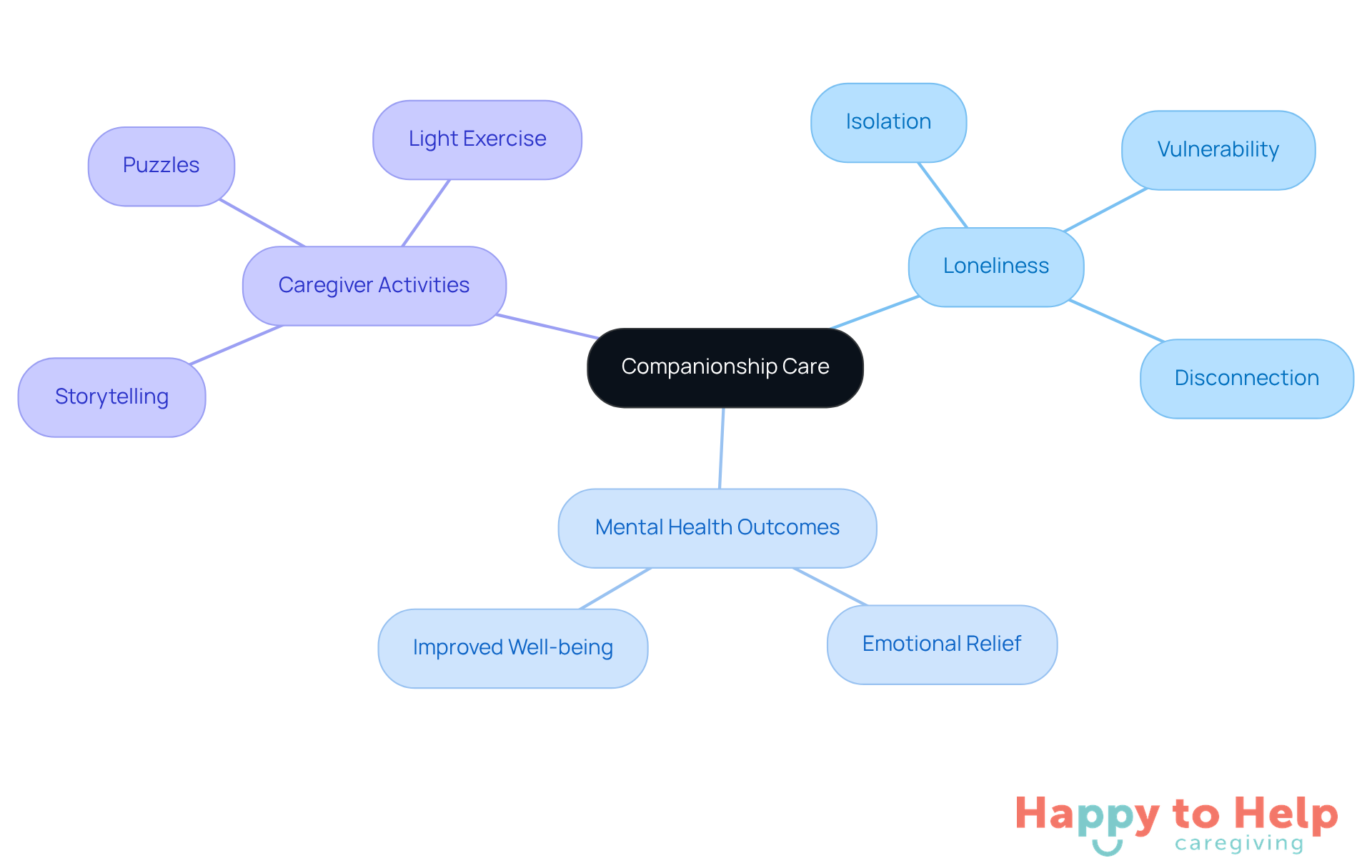
Companionship care addresses a significant problem: loneliness among older adults. This isolation can lead to serious mental health issues, including depression and anxiety. Seniors living alone or with limited social interactions are particularly vulnerable, often feeling disconnected and lacking purpose.
The implications of this loneliness are profound. Research shows that regular social engagement can significantly improve mental health outcomes. In fact, 93% of families report emotional relief from the services provided by companion aids. By nurturing relationships through meaningful conversations and activities, caregivers can effectively alleviate feelings of loneliness and enhance their clients' emotional well-being.
So, what can caregivers do? Engaging older adults in activities that promote interaction and mental stimulation - like storytelling, puzzles, and light exercise - can greatly support their mental wellness. Additionally, caregivers undergo a rigorous screening process, ensuring families can trust the quality of care their loved ones receive. This not only fosters a happier, more fulfilling life for seniors but also contributes to their overall health.
Post-Hospital Recovery Assistance
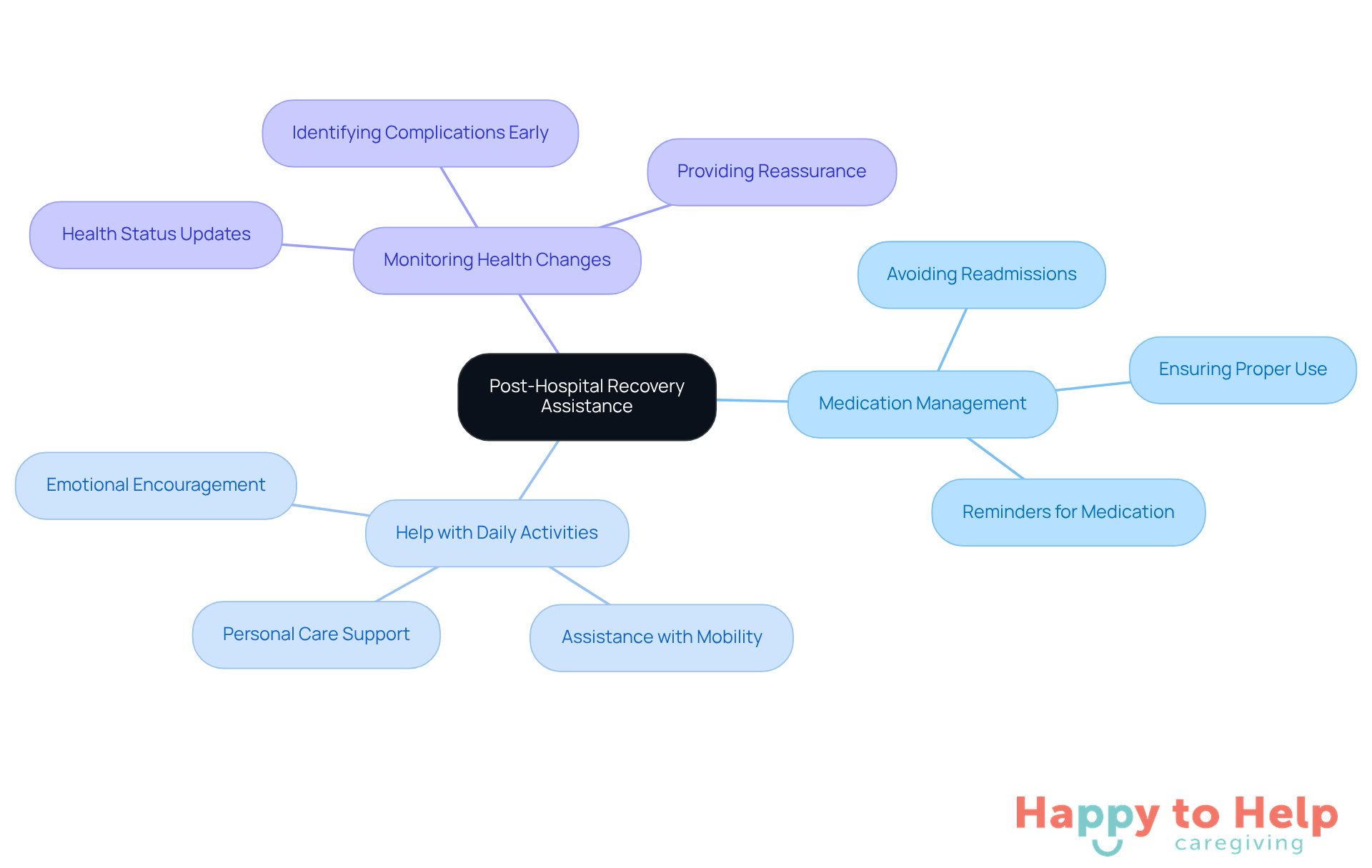
Post-hospital recovery support is a significant challenge for older adults striving to regain their independence after a hospital stay. Without adequate assistance, many face difficulties that can hinder their recovery process. Caregivers are essential in this scenario, providing crucial support such as:
- Medication management
- Help with daily activities
- Monitoring health changes
Caregivers often remind elderly individuals to take their medications correctly and on schedule, which is vital for ensuring proper medication use. This support is crucial in avoiding readmissions; studies from the National Institutes of Health indicate that older adults receiving home assistance experience significantly lower hospital readmission rates. By offering individualized support, caregivers help clients navigate the challenges of recovery, providing both physical aid and emotional encouragement during this critical time.
Their involvement not only promotes adherence to recovery plans but also fosters a sense of security and well-being, allowing seniors to thrive in their familiar surroundings. To enhance their effectiveness, household supporters should consider pursuing training materials that can improve their caregiving skills, ultimately elevating the quality of support they provide.
Respite Care for Family Caregivers
Caregivers often face significant challenges, including burnout and stress from their supporting duties. This relentless pressure can lead to exhaustion, making it difficult for them to provide the quality of care that seniors deserve.
Respite services offer a practical solution to this problem. By allowing family supporters a much-needed pause, these services enable caregivers to recharge and focus on their own wellness. During respite periods, trained professionals step in to provide assistance, ensuring that seniors continue to receive the support they require.
This temporary relief can be arranged for a few hours or several days, depending on the caregiver's needs. By taking advantage of respite services, caregivers can return to their roles rejuvenated and better prepared to deliver top-notch support.

Palliative Support Care for Serious Illnesses
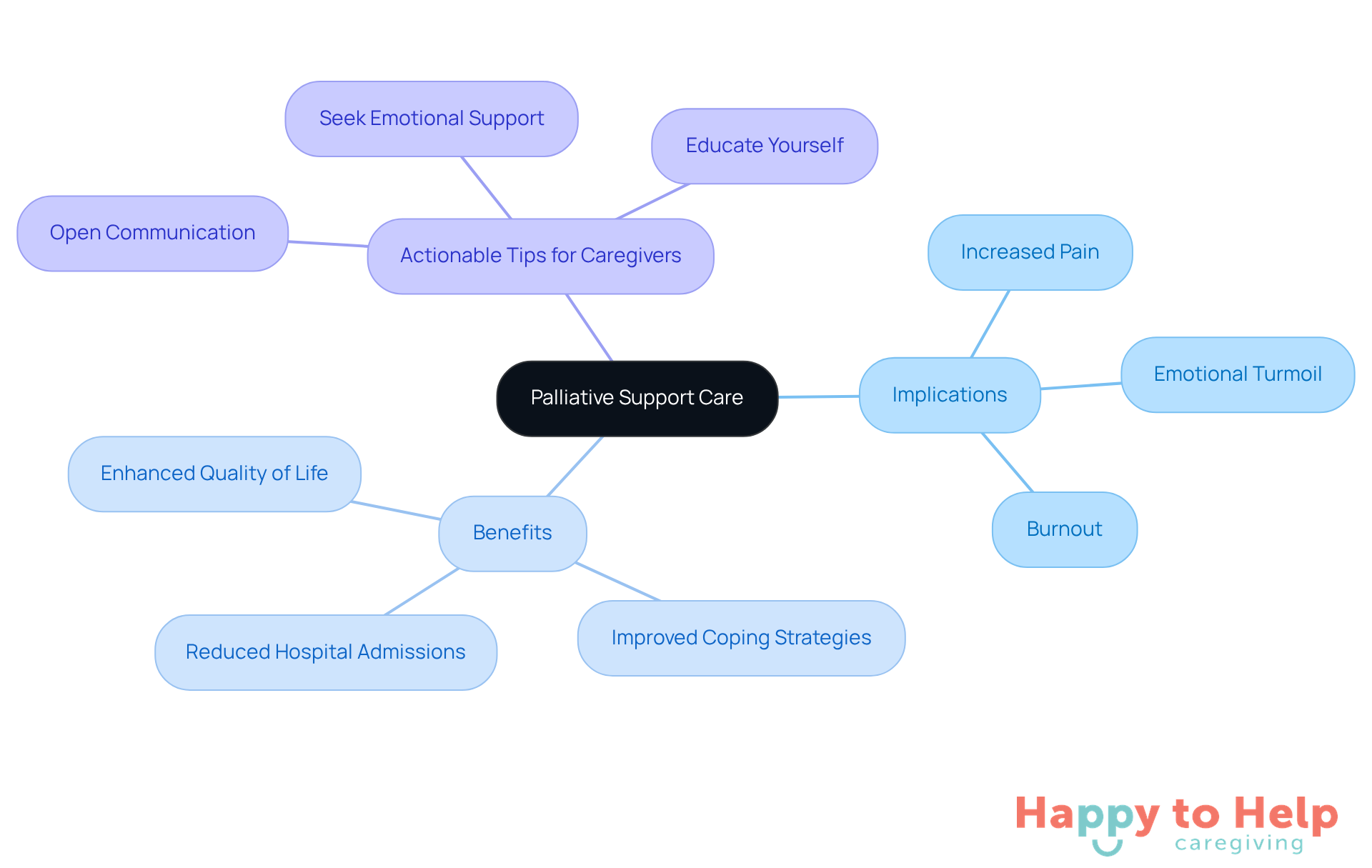
Palliative support addresses a significant problem faced by patients with serious illnesses: the distress and discomfort that accompany their conditions. This stress not only affects the patients but also extends to their families, creating a challenging environment for caregivers.
The implications of inadequate support can be severe, leading to increased pain, emotional turmoil, and a diminished quality of life. Caregivers often struggle to manage these complexities, which can result in burnout and a lack of effective communication regarding treatment options.
Fortunately, palliative support offers a solution. This specialized medical assistance focuses on alleviating symptoms and stress at any stage of illness, ultimately enhancing the quality of life for both patients and their families. Trained supporters play a crucial role in managing pain, providing emotional support, and coordinating with healthcare providers.
By addressing both physical and emotional needs, palliative support empowers older adults to maintain their dignity and comfort during challenging times. Studies indicate that early incorporation of palliative support can lead to improved coping strategies, better discussions about treatment alternatives, and a reduction in hospital admissions.
Incorporating palliative care not only promotes a more favorable experience for patients but also alleviates the burden on caregivers, allowing them to provide more effective support. Here are some actionable tips for caregivers:
- Communicate openly with healthcare providers about the patient's needs.
- Seek emotional support for yourself and the family.
- Educate yourself about palliative care options available.
By implementing these strategies, caregivers can significantly improve the quality of life for those they care for.
24/7 Availability of Home Care Services
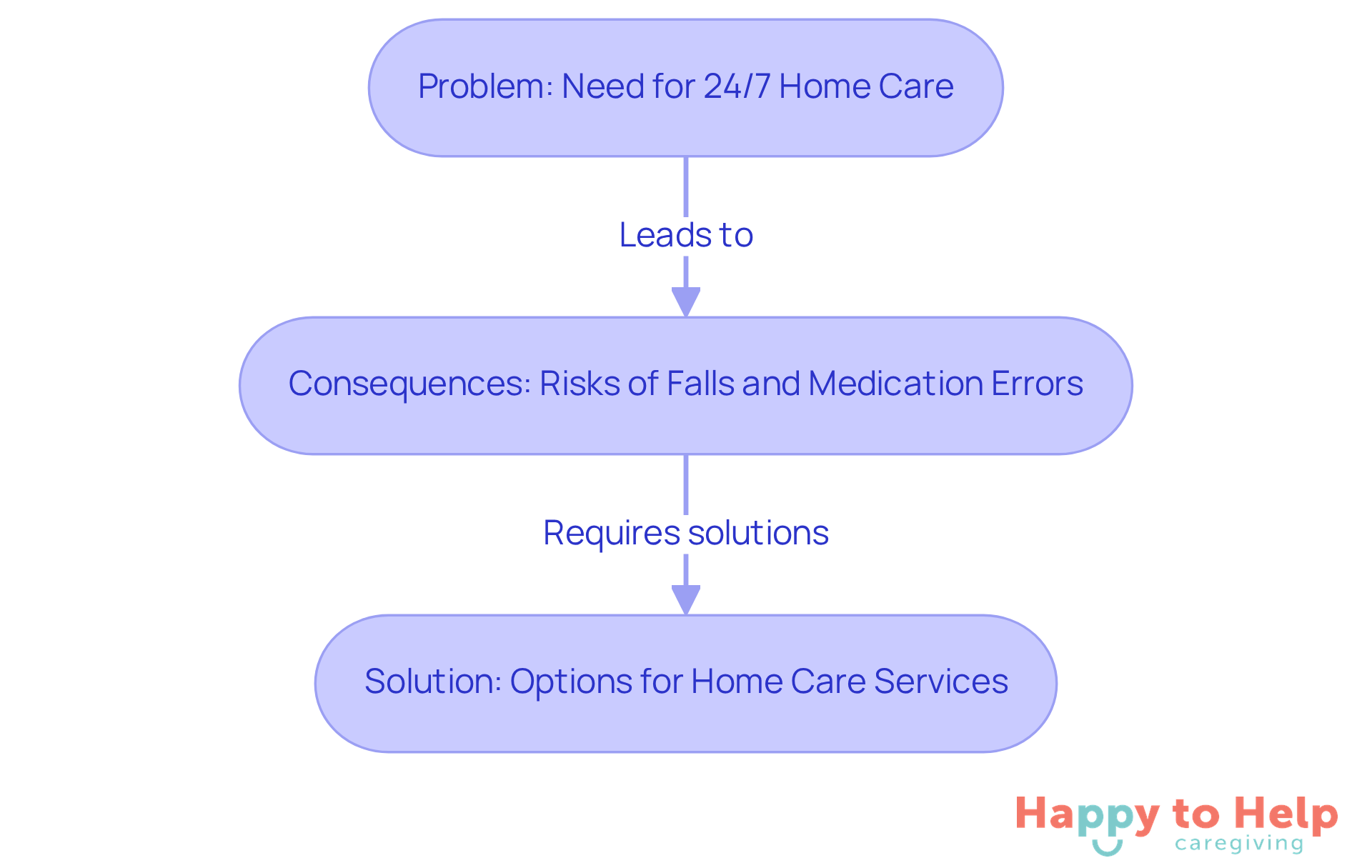
Problem: Elderly individuals often face complex health needs that require continuous support. Without 24/7 home care Utah, they may struggle to receive the help they need, which can lead to feelings of isolation for both them and their families.
Agitate: This lack of support can result in serious consequences, such as increased risks of falls and medication errors - common concerns for aging individuals. For seniors with chronic conditions or those recovering from surgery, timely interventions can be life-saving. Research indicates that continuous support not only reduces hospital admissions but also improves medication compliance, fostering emotional bonds that are crucial for mental health.
Solution: To address these challenges, families should consider various options for home care Utah to ensure around-the-clock assistance. Evaluating the financial implications is essential, as is ensuring that caregivers are well-trained and qualified to provide high-quality support. Different establishments, such as assisted living facilities with memory support and nursing homes, offer 24-hour care options, providing families with multiple paths to meet their loved ones' needs.
The peace of mind that comes from knowing your loved ones are safe and supported is invaluable, allowing families to focus on nurturing relationships rather than worrying about safety.
Flexible Scheduling Options for Personalized Care
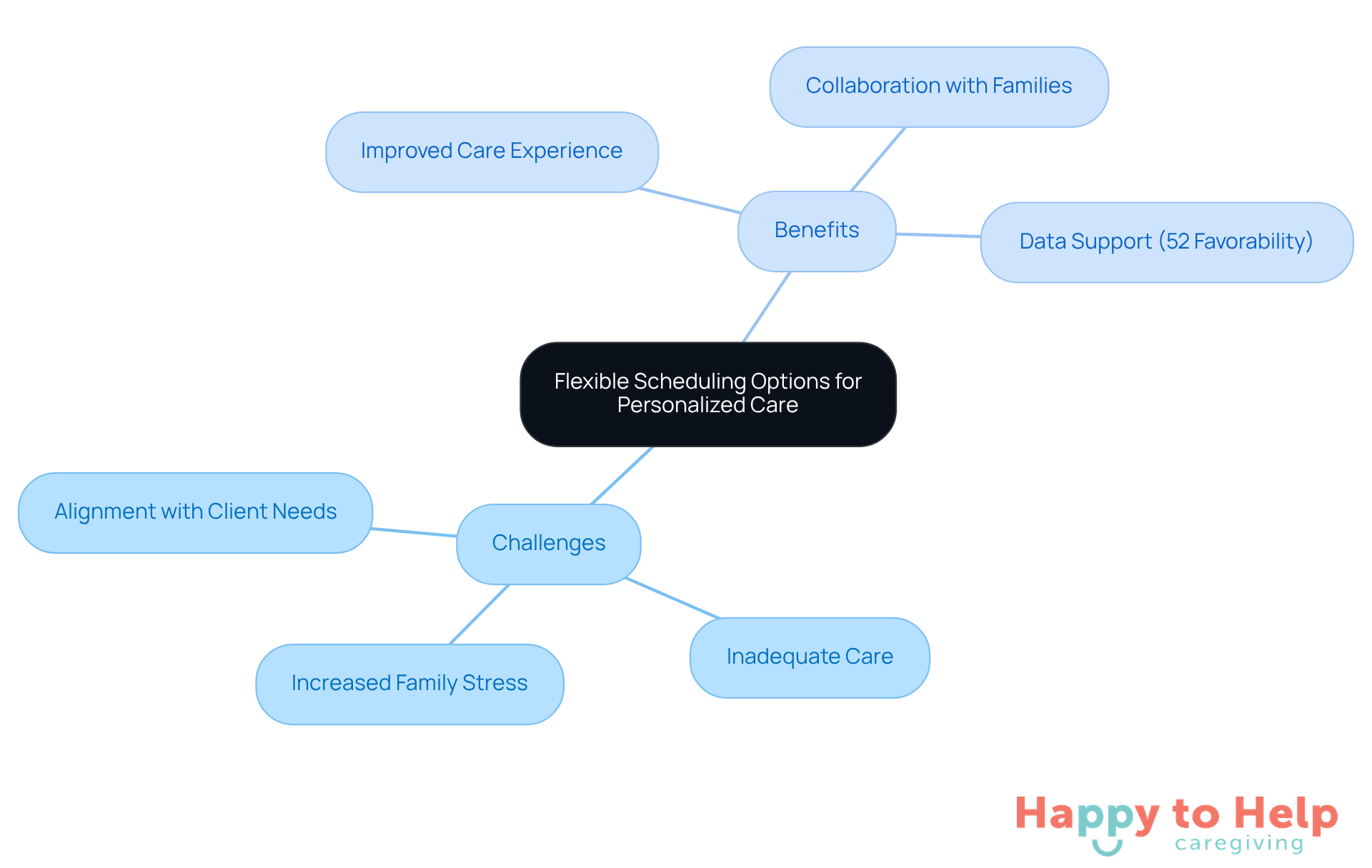
Flexible scheduling choices present a significant challenge for caregivers aiming to provide individualized support. Many caregivers struggle to align their schedules with the unique needs of each client, which can lead to inadequate care and increased stress for families. This rigidity often disrupts the daily routines of both caregivers and the households they serve, making it difficult to ensure that older adults receive the appropriate level of care when they need it most.
However, by adopting flexible scheduling options, caregivers can significantly improve the overall experience for everyone involved. Caregivers can collaborate with families to create schedules that fit their lifestyles, whether through short visits or extended shifts. This adaptability not only allows families to maintain their routines but also ensures that their loved ones are well-supported. In fact, data shows that 52% of healthcare professionals favor flexible scheduling, underscoring its importance in meeting the varying needs of elderly individuals.
One caregiver emphasized this point, stating, "Flexibility in scheduling enables us to deliver the best possible care while honoring the household's daily life." By embracing diverse schedules, caregivers can alleviate stress and enhance the quality of care provided. This approach fosters a sense of security for older adults and strengthens family connections during challenging times.
Emotional Support to Combat Loneliness
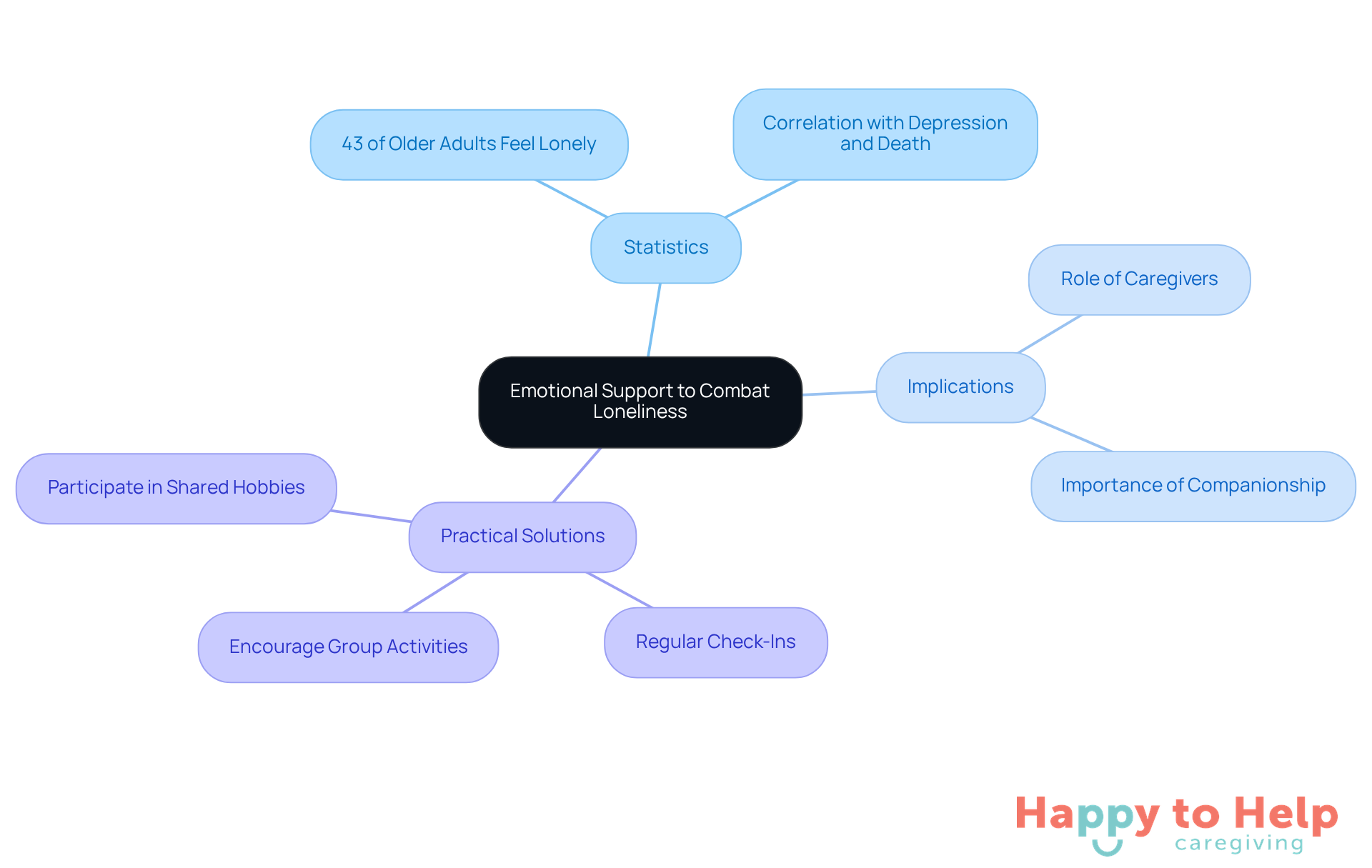
Emotional support is crucial for older adults, especially those grappling with isolation and loneliness. Approximately 43% of older adults report feeling lonely, a statistic that correlates significantly with heightened risks of depression and even premature death. This loneliness is a pressing issue that caregivers must address.
The implications of this loneliness are profound. Caregivers play a vital role in providing companionship and empathy, which can lead to significant improvements in an elderly individual's mental well-being. Engaging in meaningful conversations, participating in enjoyable activities, and simply being present can effectively alleviate feelings of loneliness. As psychologist Dr. Jane Smith states, "Companionship is not just about being together; it’s about creating a sense of belonging that is crucial for mental well-being in older adults."
To combat loneliness, caregivers can implement several practical solutions:
- Arrange regular check-ins to foster connection.
- Encourage social interactions through group activities.
- Participate in shared hobbies to enhance engagement.
This emotional connection not only improves the quality of life for seniors but also fosters a sense of security and belonging, essential for their overall well-being. Moreover, the financial impact of isolation is immense, projected to exceed $25 billion each year, highlighting the urgent need for providers to tackle this concern. By taking these steps, caregivers can significantly enhance mental health outcomes for the elderly.
Technology Integration in Home Care Services
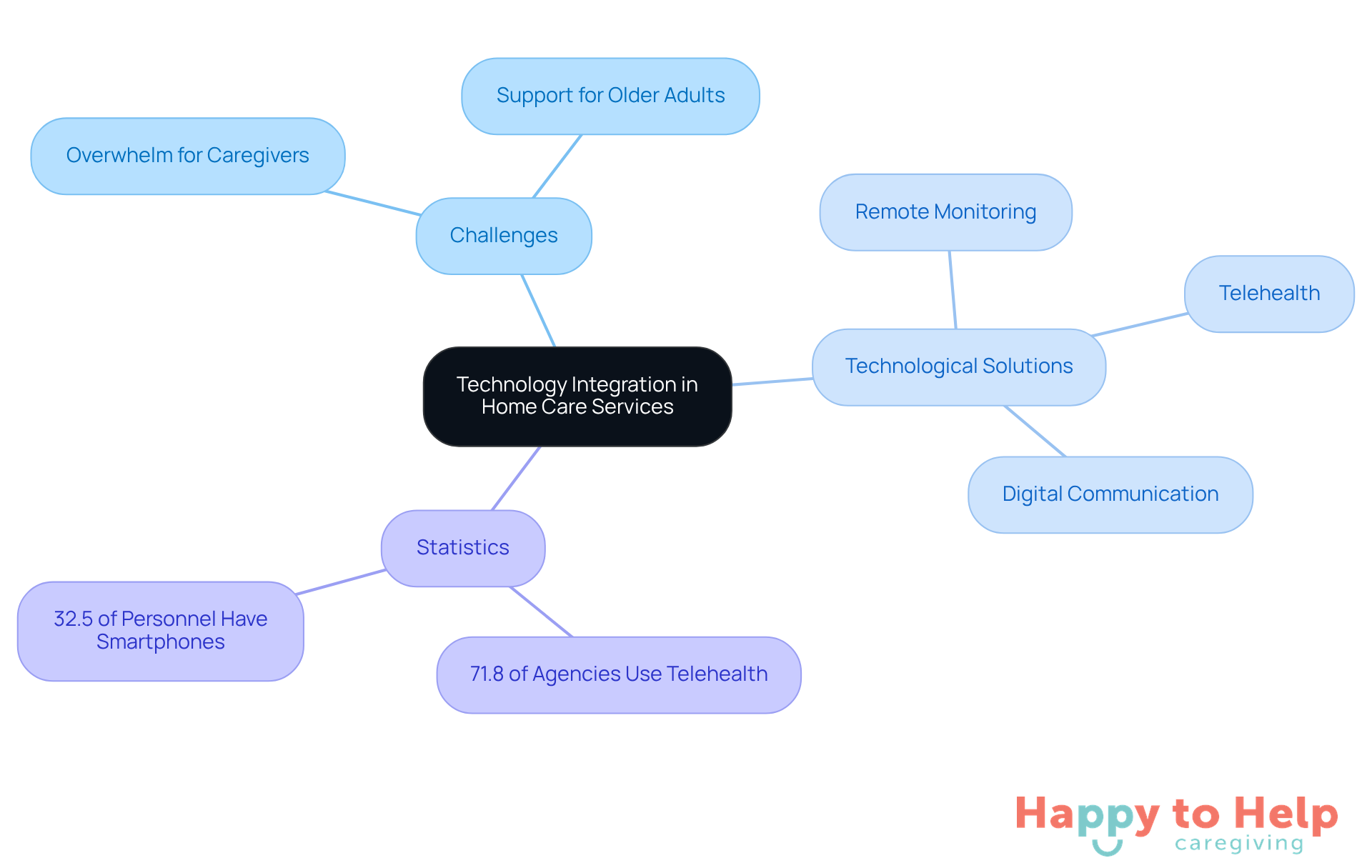
The integration of technology in domestic assistance services presents a significant challenge for caregivers. Many struggle to provide adequate support to older adults while managing their own responsibilities. This can lead to feelings of overwhelm and frustration, both for caregivers and the seniors they assist.
However, technology offers a promising solution. Tools like remote monitoring systems, telehealth services, and digital communication platforms can greatly enhance the caregiving experience. For instance, these technologies allow caregivers to monitor health metrics, connect with family members, and provide timely updates on a senior's condition. Notably, 71.8% of agencies have reported using telehealth services, underscoring its growing importance in the industry.
By leveraging these technological advancements, support providers can improve the quality of care while keeping relatives informed and engaged in their loved one's journey. Moreover, telehealth services have been shown to reduce costs per visit and overall treatment expenses, as highlighted by expert Monika Pogorzelska-Maziarz. This not only enhances the support offered but also alleviates some emotional and logistical burdens faced by families.
Additionally, in home care Utah, 32.5% of home health agency personnel are equipped with smartphones or other portable devices for electronic documentation, and the continuous evolution of AI-driven tools is set to streamline administrative tasks. This allows providers to focus more on direct patient support, ultimately leading to a more effective and empathetic caregiving experience.
Personalized Care Plans for Individual Needs
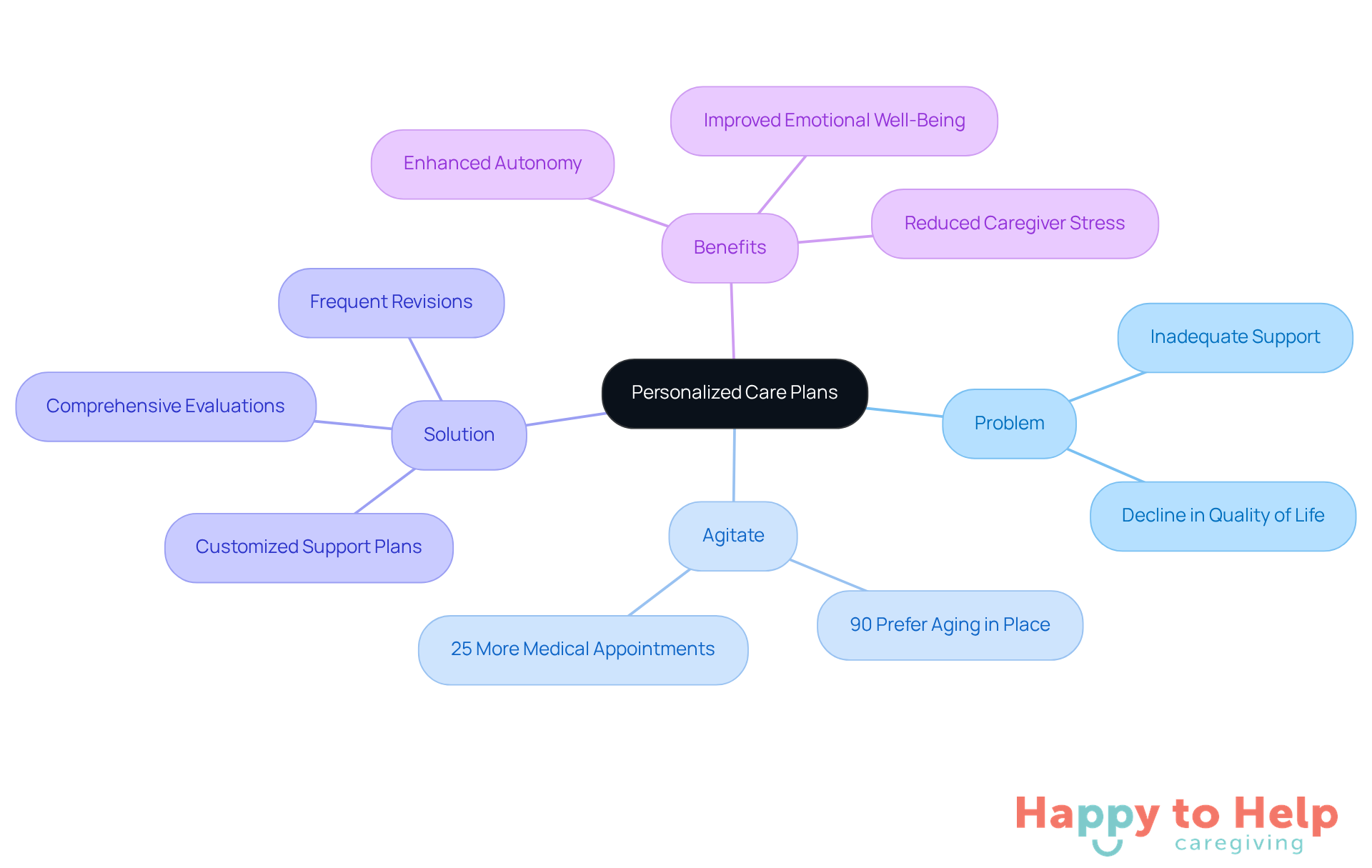
Problem: Many elderly individuals struggle with inadequate support in their homes, which can lead to a decline in their quality of life.
Agitate: Without personalized assistance, older adults may face challenges that affect their health and well-being. Studies reveal that 90% of older adults prefer to age in their own residences, yet those without tailored support often experience more medical issues, resulting in 25% more medical appointments each year. This highlights the need for effective strategies that preserve health and prevent complications.
Solution: Customized support plans are essential for efficient home assistance services. These plans are developed through comprehensive evaluations that consider an elderly individual's medical history, preferences, and lifestyle. By personalizing assistance to meet individual needs, caregivers can provide the most appropriate support, significantly enhancing the quality of life for older adults.
Frequent evaluations and revisions of these strategies are vital. They allow for necessary modifications as requirements change, ensuring that support remains relevant and effective. This personalized approach not only nurtures a sense of autonomy and dignity for older adults but also empowers them to live their lives to the fullest, enhancing emotional well-being and reducing feelings of isolation.
Geriatric service managers emphasize that customizing assistance to individual needs is crucial for improving outcomes. It aligns support with the unique situations of each client, leading to greater satisfaction and better overall health. Moreover, with 70% of family supporters experiencing feelings of depression, customized support plans can alleviate some of the stress associated with caregiving, benefiting both elderly individuals and their families.
Trained and Experienced Caregivers for Quality Support
Skilled and knowledgeable providers are essential for offering outstanding assistance to seniors. However, many caregivers lack comprehensive training, which can lead to inadequate support for their clients. This gap in training not only affects the quality of care but also hinders the establishment of trusting relationships between caregivers and seniors.
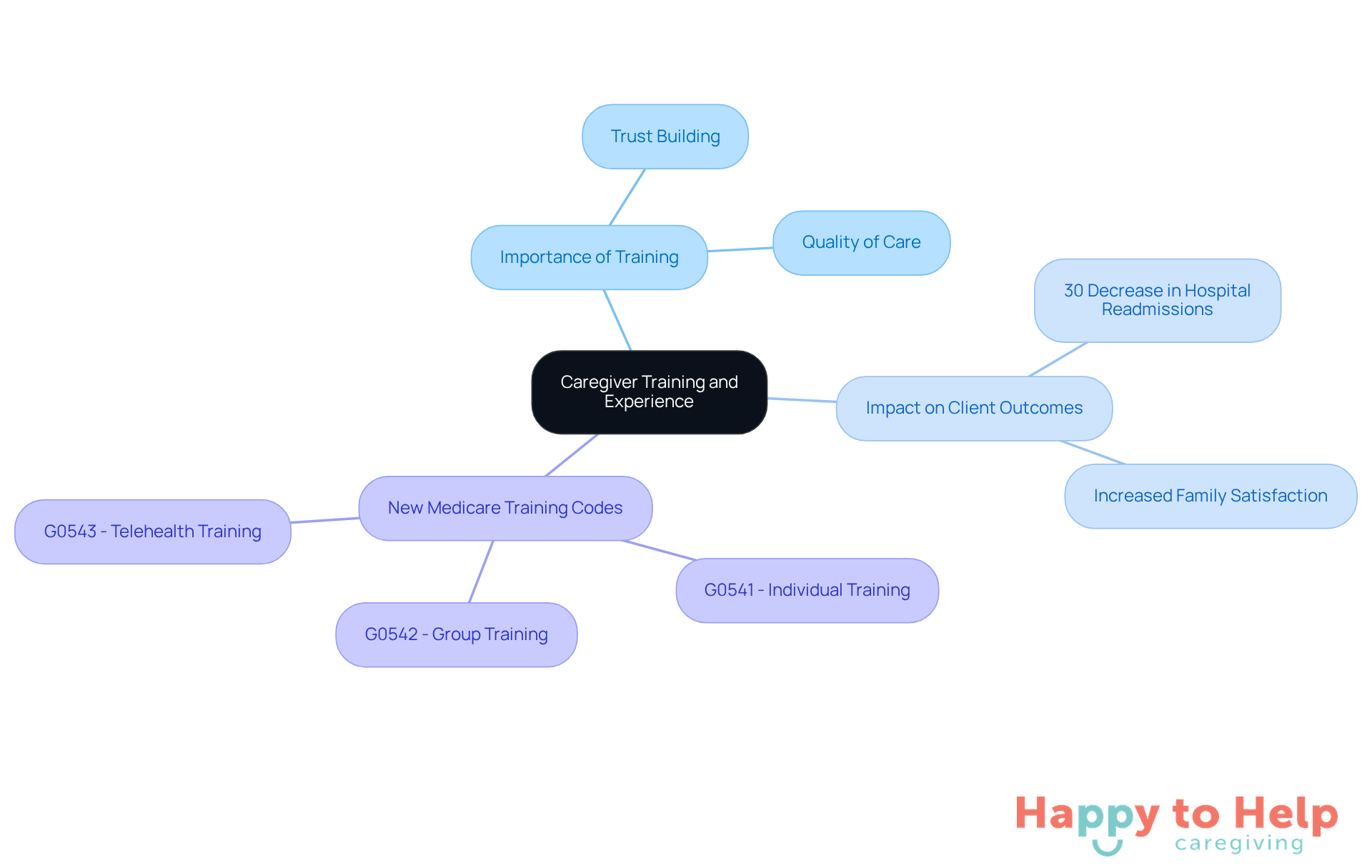
Research indicates that individuals with more experience achieve better client outcomes, including a 30% decrease in hospital readmissions and increased family satisfaction. This highlights the urgent need for home care Utah agencies to prioritize provider training and experience. By doing so, they can ensure that seniors receive the highest standard of support, ultimately promoting their health and well-being.
To address this issue, the introduction of new Medicare caregiver training codes in 2025 will enhance caregivers' competencies:
- G0541
- G0542
- G0543
These codes will enable caregivers to provide compassionate and effective support tailored to individual needs. By investing in training and experience, home care agencies in Utah can significantly enhance the quality of home care Utah provides for seniors.
Making the Right Choice
The article highlights the vital role of various home care services in Utah, emphasizing how they significantly enhance the quality of life for seniors and provide essential support for family caregivers.
Problem: Caregivers often face significant challenges, including loneliness, recovery after hospitalization, and the need for continuous assistance. These issues can create a stressful environment that impacts emotional well-being and independence.
Agitate: Loneliness can lead to serious health issues, while inadequate recovery support can hinder healing. Family caregivers, overwhelmed by their responsibilities, risk burnout, which can affect their ability to provide care.
Solution: Home care services address these challenges effectively. Companionship care combats isolation, ensuring seniors feel connected. Post-hospital recovery assistance is crucial for proper healing, while respite care offers family caregivers a much-needed break. Additionally, palliative support for those facing serious illnesses, 24/7 care availability, and flexible scheduling enhance the overall care experience.
Moreover, trained and experienced caregivers provide high-quality support tailored to individual needs. By integrating these essential home care services, families can alleviate stress and improve the lives of their loved ones.
By prioritizing emotional support, leveraging technology, and ensuring personalized care, families can create a nurturing environment that promotes health, happiness, and connection. Engaging with these services is not just a choice; it is a meaningful step towards ensuring that loved ones receive the compassionate care they deserve.
https://iframe.tely.ai/cta/eyJhcnRpY2xlX2lkIjogIjY5NDBhMjE0NGFiMmI4OGM4M2NiZjU5MiIsICJjb21wYW55X2lkIjogIjY4ZWU1ZGNhNzMxNzYyNTU3ZjNjOTVjMSIsICJpbmRleCI6IG51bGwsICJ0eXBlIjogImFydGljbGUifQ==Frequently Asked Questions
What is companionship care and why is it important for older adults?
Companionship care addresses loneliness among older adults, which can lead to serious mental health issues like depression and anxiety. It promotes social engagement, significantly improving mental health outcomes and enhancing emotional well-being.
How can caregivers help alleviate loneliness in seniors?
Caregivers can engage older adults in activities that promote interaction and mental stimulation, such as storytelling, puzzles, and light exercise. This helps nurture relationships and reduces feelings of loneliness.
What role do caregivers play in post-hospital recovery for older adults?
Caregivers provide crucial support during post-hospital recovery by assisting with medication management, daily activities, and monitoring health changes, which helps prevent hospital readmissions and supports overall recovery.
Why is medication management important for seniors recovering at home?
Proper medication management ensures that elderly individuals take their medications correctly and on schedule, which is vital for their recovery and helps avoid readmissions to the hospital.
What are respite care services and how do they benefit family caregivers?
Respite care services provide temporary relief for family caregivers, allowing them to recharge and focus on their own wellness while trained professionals step in to assist seniors. This helps prevent caregiver burnout and ensures ongoing support for seniors.
How long can respite care services be arranged for?
Respite care services can be arranged for a few hours or several days, depending on the needs of the caregiver.
What can caregivers do to enhance their caregiving skills?
Caregivers can pursue training materials to improve their skills, which elevates the quality of support they provide to seniors.
List of Sources
- Companionship Care from Happy to Help Caregiving
- The Emotional Benefits of Companion Care for Seniors (https://comfortkeepers.com/offices/texas/round-rock/resources/news/the-emotional-benefits-of-companion-care-for-seniors)
- Older adults find support through health care companions (https://news-medical.net/news/20250924/Older-adults-find-support-through-health-care-companions.aspx)
- Benefits of Companion Care for Seniors in California - 2025 (https://findinghomecare.net/benefits-of-companion-care-for-seniors)
- Home Care Agency in Plantation, FL Near You | Skilled Nursing and Senior Home Care Services Serving Broward and Palm Beach Counties | Home Health Aide | Free Consult | 24-7 | Trust USA Home Health (https://trustusahomehealth.com/?p=2378)
- The Importance of Companionship for Seniors and How It Improves Well-being | Luxe Homecare (https://luxehomecare.com/the-importance-of-companionship-for-seniors-and-how-it-improves-well-being)
- Post-Hospital Recovery Assistance
- Post-Hospital Discharge: Why In-Home Care Improves Recovery for Florida Seniors (https://visitingangels.com/pasco/news-info/post-hospital-discharge-why-in-home-care-improves-recovery/26199)
- Post-Hospital Care for Seniors Supports Healing (https://picseniorcare.com/how-post-hospital-care-for-seniors-makes-recovery-easier)
- Safe Healing: Home Care for Seniors After Hospitalization (https://sandiegohomecaregivers.com/why-home-care-for-seniors-after-hospitalization-makes-recovery-easier)
- Post-Hospital Care Sanger, CA - How Post-Hospital Care Supports Seniors' Independence (https://a-plusinhomecare.com/how-post-hospital-care-supports-seniors-independence)
- Respite Care for Family Caregivers
- New Report Reveals Crisis Point for America’s 63 million Family Caregivers (https://press.aarp.org/2025-07-24-New-Report-Reveals-Crisis-Point-for-Americas-63-million-Family-Caregivers)
- Caregiving Crisis: 45% Increase in Americans Providing Care (https://aarp.org/caregiving/basics/caregiving-in-us-survey-2025)
- Caregiver burnout reaches alarming new levels (https://rollingout.com/2025/07/22/family-caregivers-mental-health-crisis)
- Exploring the Benefits of Respite Services to Family Caregivers: Methodological Issues and Current Findings - PMC (https://pmc.ncbi.nlm.nih.gov/articles/PMC5550302)
- Respite Facts and Talking Points | ARCH National Respite Network & Resource Center (https://archrespite.org/policy/respite-facts-and-talking-points)
- Palliative Support Care for Serious Illnesses
- Palliative care - BBC News (https://bbc.com/news/topics/cp7r8vglg58t)
- Palliative care helps you live better with a serious illness (https://news.regence.com/blog/palliative-care-helps-you-live-better-with-a-serious-illness)
- Palliative Care News Archives (https://hospicenews.com/category/palliative-care-news)
- Why Palliative Care Goes Hand in Hand with Treatment for People with Cancer (https://news.cuanschutz.edu/cancer-center/fischer-cancer-palliative-care)
- 24/7 Availability of Home Care Services
- 24/7 Senior Care Services: What You Need to Know (https://allseniors.org/articles/24-7-senior-care-services-what-you-need-to-know)
- The 10-Benefits of 24-Hour Home Care » LifeWorx Home Care (https://lifeworx.com/resources/articles/the-10-benefits-of-24-hour-home-care)
- Around-the-Clock Support: The Benefits of 24-Hour Home Care for Seniors (https://afcsnc.com/around-the-clock-support-the-benefits-of-24-hour-home-care-for-seniors)
- 24-Hour Home Care | BrightStar Care | BrightStar Care (https://brightstarcare.com/about-brightstar-care/resources/benefits-of-24-hour-home-care)
- The Benefits of 24-Hour Home Care for Seniors Living Alone (https://lifesathomecare.com/the-benefits-of-24-hour-home-care-for-seniors-living-alone)
- Flexible Scheduling Options for Personalized Care
- Flexible Scheduling Helps Attract and Retain Nurses (https://consultqd.clevelandclinic.org/flexible-scheduling-helps-attract-and-retain-nurses)
- Flexible scheduling, enhanced communication, technology can help address workforce challenges (https://mcknightsseniorliving.com/news/flexible-scheduling-enhanced-communication-technology-can-help-address-workforce-challenges)
- The Growing Importance of Flexibility in Healthcare Staffing | INNOVA People (https://innovapeople.com/2024/10/09/the-growing-importance-of-flexibility-in-healthcare-staffing)
- Flexible Care Models Give Home Care Clients ‘What They Want When They Want It’ (https://homehealthcarenews.com/2025/10/flexible-care-models-give-home-care-clients-what-they-want-when-they-want-it)
- Emotional Support to Combat Loneliness
- The Silent Epidemic of Senior Loneliness (https://honorcare.com/news/silent-epidemic-of-senior-loneliness)
- Factors influencing emotional support of older adults living in the community: a scoping review protocol - PMC (https://pmc.ncbi.nlm.nih.gov/articles/PMC10548654)
- Humana gives more than $12M in grants to prevent loneliness, support seniors’ emotional health (https://mcknightshomecare.com/news/humana-gives-more-than-12m-in-grants-to-prevent-loneliness-support-seniors-emotional-health)
- Oregon loneliness line supports older adults : Oregon Health News Blog (https://oregonhealthnews.oregon.gov/oregon-loneliness-line-supports-older-adults)
- Technology Integration in Home Care Services
- AI Adoption Fast-Tracks Home Health Providers’ Path To Value-Based Care (https://homehealthcarenews.com/2025/09/ai-adoption-fast-tracks-home-health-providers-path-to-value-based-care)
- HHS Backs AI Innovation for America’s Caregivers | HHS.gov (https://hhs.gov/press-room/hhs-backs-ai-innovation-for-americas-caregivers.html)
- Health Information Technology Adoption at U.S. Home Health Care Agencies: Results from a Multi-Methods Study - PMC (https://pmc.ncbi.nlm.nih.gov/articles/PMC10752454)
- HHS Launches $2M AI Initiative To ‘Transform’ Caregiving, Address Staffing Challenges (https://homehealthcarenews.com/2025/11/hhs-launches-2m-ai-initiative-to-transform-caregiving-address-staffing-challenges)
- HHS Launches New Caregiving AI Initiative to 'Spark Innovative Support' (https://hospicenews.com/2025/11/18/hhs-launches-new-caregiving-ai-initiative-to-spark-innovative-support)
- Personalized Care Plans for Individual Needs
- 10 minutes a day of personalized engagement improves quality of life for residents with dementia, study finds (https://mcknightsseniorliving.com/news/10-minutes-a-day-of-personalized-engagement-improves-quality-of-life-for-residents-with-dementia-study-finds)
- The Incredible Benefits of Home Care, in 7 Amazing Stats - Companions For Seniors (https://companionsforseniors.com/2019/08/benefits-home-care-amazing-stats-trends-reports)
- Powering a new era of aging--where proactive engagement and whole-person wellness end social isolation and loneliness (https://prnewswire.com/news-releases/powering-a-new-era-of-agingwhere-proactive-engagement-and-whole-person-wellness-end-social-isolation-and-loneliness-302601174.html)
- Novel Care Model May Improve Outcomes for Older Adults With Multiple Chronic Conditions (https://consultqd.clevelandclinic.org/novel-care-model-may-improve-outcomes-for-older-adults-with-multiple-chronic-conditions)
- 2025: AI enhances personalized care; caregiver experience in the spotlight (https://healthcareitnews.com/news/2025-ai-enhances-personalized-care-caregiver-experience-spotlight)
- Trained and Experienced Caregivers for Quality Support
- Medicare 2025 Initiatives Driving Change in Caregiver Training (https://learn2care.us/blog/how-medicare-2025-initiatives-will-shape-caregiver-training)
- New Research Highlights Critical Role of Training in Caregiver Retention (https://careacademy.com/blog/role-of-training-in-caregiver-retention)
- Home-Based Care Companies Improve Outcomes By Training Family Caregivers (https://homehealthcarenews.com/2025/10/home-based-care-companies-improve-outcomes-by-training-family-caregivers)
- Home caregivers receive training through local center to help fill IHSS gap (https://spectrumlocalnews.com/product-pages/nyc/health/2025/11/27/home-caregivers-receive-training-through-local-center-to-help-fill-ihss-gap)
- HHS Launches $2M AI Initiative To ‘Transform’ Caregiving, Address Staffing Challenges (https://homehealthcarenews.com/2025/11/hhs-launches-2m-ai-initiative-to-transform-caregiving-address-staffing-challenges)