Introduction
Home health assessments have become a vital part of caregiving, especially as the challenges of caring for loved ones grow. These evaluations offer a deep understanding of the physical, emotional, and social needs of clients. They also equip caregivers with essential tools to enhance their support strategies.
Yet, many caregivers find themselves overwhelmed, unsure of how to weave these assessments into their daily routines. It’s a common struggle, one that can lead to feelings of stress and burnout. But there’s hope. By embracing the process of thorough home health assessments, caregivers can transform their experience.
What are the essential steps and benefits of conducting these assessments? Let’s explore how they can not only ease the burden but also enrich the caregiving journey.
Happy to Help Caregiving: Comprehensive In-Home Health Assessments
At Happy to Help Caregiving, we understand the emotional and practical challenges that caregivers face. Our complete range of home health assessments is designed to evaluate not just the physical needs, but also the emotional and social requirements of our clients. These evaluations are vital for creating personalized support strategies that truly enhance the quality of life for seniors and individuals with special needs.
In 2025, the importance of these evaluations is more significant than ever. They empower caregivers to manage chronic conditions proactively and adapt support strategies as needs evolve. Research shows that personalized support plans, developed from thorough assessments, lead to better health outcomes and increased satisfaction among seniors. For example, Medicare Advantage beneficiaries often experience fewer hospital visits for chronic conditions compared to those on fee-for-service Medicare, underscoring the effectiveness of tailored care.
Moreover, regular evaluations not only allow for timely interventions but also help build stronger relationships between caregivers and clients. As caregiving specialist Amy Goyer emphasizes, these evaluations are essential in helping families effectively manage and prepare for their loved ones' needs.
By prioritizing home health assessments, Happy to Help Caregiving ensures that every client receives the personalized attention they need to thrive at home. This commitment to compassionate care is at the heart of what we do. Additionally, these evaluations play a crucial role in monitoring chronic conditions and connecting beneficiaries to community resources, enhancing the overall caregiving experience.

BC RAHA: Structured Home Assessment for Care Needs
The BC RAHA (British Columbia Rebate for Accessible Home Adaptations) program is truly a lifeline for families navigating the challenges of caring for loved ones with disabilities. It offers organized evaluations that pinpoint necessary modifications, which are part of home health assessments to help create safer and more accessible home environments. These evaluations empower caregivers by clearly outlining the specific changes needed, allowing families to ensure their loved ones can maintain their independence and safety in familiar surroundings.
In 2025, updates to funding options for home adaptations have made it even easier for families to secure financial assistance for these vital changes. The focus on accessible home adaptations is especially important for preventing accidents and enhancing mobility for seniors. The significance of these modifications cannot be overstated; they play a crucial role in the overall well-being of individuals with disabilities, enabling them to thrive in their own homes.
Caregivers often share how these organized home health assessments not only facilitate essential modifications but also provide peace of mind. They find comfort in knowing their loved ones are in a more secure living environment. As one provider expressed, 'Having structured home health assessments helped us understand exactly what modifications were needed, and it made the process so much easier.' This proactive approach to home modifications is vital for nurturing a supportive and secure atmosphere for those who need extra care.
To fully benefit from the BC RAHA program, caregivers are encouraged to reach out to local agencies for assistance with the application process. Remember, you’re not alone in this journey; there are resources and support systems available to help you every step of the way.

Medicare Advantage: In-Home Health Assessments for Seniors
Medicare Advantage plans often include home health assessments, which are essential for supporting our seniors. Home health assessments play a crucial role in identifying wellness threats, support gaps, and necessary interventions. When seniors engage in home health assessments, they receive personalized care plans tailored to their unique health needs, significantly enhancing their overall health outcomes and quality of life.
For example, comprehensive evaluations can uncover undiagnosed conditions and environmental hazards. This allows caregivers to implement preventive measures that help reduce the risk of falls and other injuries. With more than half of individuals over 80 experiencing at least one fall each year, and over 14 million elderly adults facing falls annually, proactive evaluations can lead to safer living conditions and improved well-being.
As one healthcare expert beautifully stated, "They act as an essential instrument in guaranteeing that individuals obtain support that is specifically customized to their distinct requirements, enhancing wellness results and quality of life." Caregivers are encouraged to promote these evaluations, as they not only improve wellness management but also empower seniors to actively participate in their care.
Regular assessments foster clear communication among multidisciplinary support teams, ensuring coordinated efforts that address each individual’s holistic health needs. Moreover, systematic evaluations allow healthcare providers to adjust strategies based on personal information, while medication reconciliation during evaluations helps prevent drug interactions and encourages adherence to therapies.
As the healthcare landscape evolves, the emphasis on home health assessments continues to grow, reflecting a broader movement towards personalized and preventive support for our seniors.

Home Care Assessments: Key Steps for Family Caregivers
Family caregivers often face emotional challenges as they strive to ensure the safety and well-being of their loved ones. By following a few key steps during home health assessments, they can make a significant difference in their loved ones' lives.
-
First, it’s essential to gather information. Collecting a comprehensive medical history, current medications, and daily routines helps caregivers fully understand the needs of the person they’re caring for. This foundational step sets the stage for effective support.
-
Next, evaluating functional abilities is crucial. Assessing mobility, personal assistance capabilities, and the ability to manage daily tasks can reveal areas where additional help may be needed. It’s important to note that nearly 70% of caregivers report difficulties in managing support efficiently, highlighting the emotional weight of this responsibility.
-
Conducting home health assessments is another vital step during a safety walk-through. Identifying potential hazards-like loose rugs, inadequate lighting, or clutter-can significantly reduce the risk of falls, which are a leading cause of injury among seniors. A safe home environment fosters peace of mind for both caregivers and their loved ones.
-
Open communication is key. Discussing findings with the care recipient and other family members ensures everyone is on the same page regarding the support approach. This open dialogue nurtures trust and collaboration, which are essential for successful caregiving.
-
Finally, developing a support plan tailored to the individual’s needs is crucial. This plan should be flexible and adaptable, reflecting any changes in the care recipient's condition or preferences.
Integrating these practices not only enhances the safety and comfort of the home but also empowers caregivers to provide more effective assistance. As Jessica Guthrie, an experienced provider of care, poignantly expressed, "The biggest barrier has been feeling unseen, and not believed, as the family supporter." By taking proactive measures in home health assessments, caregivers can ensure their loved ones receive the highest quality support, fostering a nurturing environment where everyone feels valued.

Healthcare Professional Training: Enhancing Assessment Skills
Educating healthcare practitioners in evaluation skills is vital for delivering precise and thorough home health assessments in home health care. With around 43.5 million individuals currently assisting their loved ones in the United States, effective training becomes even more essential.
Caregivers often face emotional challenges, and understanding assessment tools is a key area of focus. They must be familiar with various assessment instruments and their appropriate applications to ensure effective evaluations.
Communication skills also play a crucial role. Enhancing the ability to engage with clients and their families fosters trust and understanding of their needs. As Norman Vincent Peale wisely stated, "People become really quite remarkable when they start thinking that they can do things." This highlights the importance of nurturing confidence in caregivers.
Cultural competence is another important aspect. Acknowledging and valuing diverse backgrounds and personal needs creates a more inclusive support environment.
Ongoing learning is essential too. Staying informed about best practices and new trends in home health assessments helps maintain high standards of service. The case study on "The Importance of Self-Care for Caregivers" emphasizes that caregivers must prioritize their well-being to provide effective support.
By investing in these training areas, healthcare professionals can significantly improve the quality of care and support provided to families. This ultimately enhances the overall caregiving experience, ensuring that caregivers feel equipped and supported in their vital roles.

Technology Integration: Improving Home Health Assessments
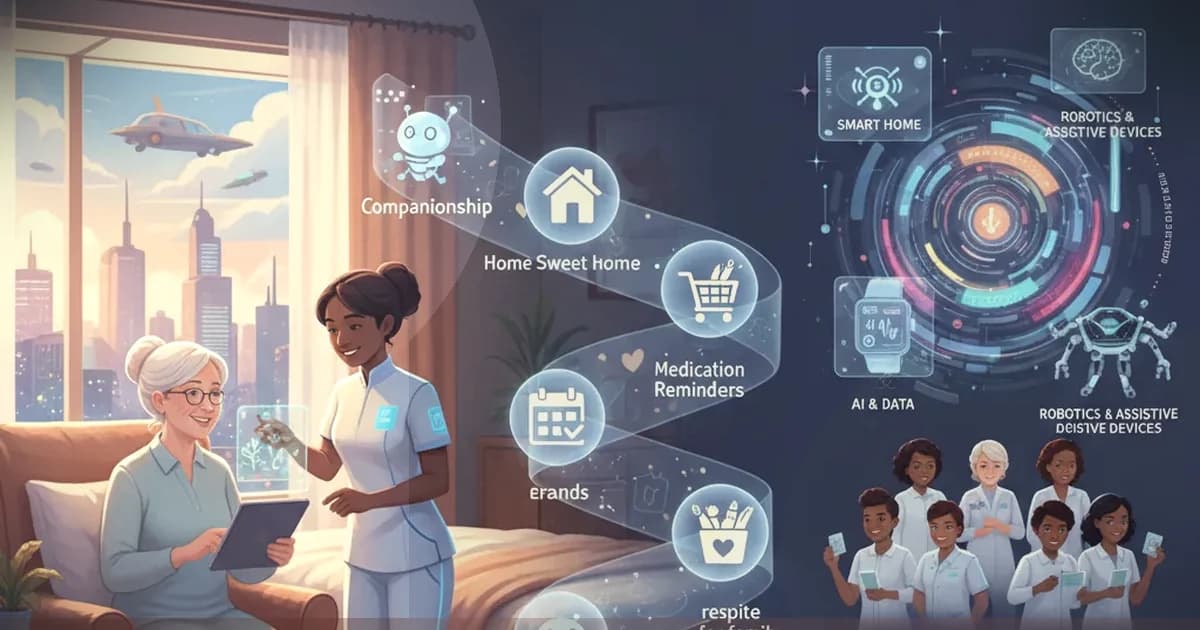
Incorporating technology into home health assessments can truly make a difference, streamlining processes and enhancing accuracy in ways that matter most to caregivers and patients alike.
-
Telehealth Platforms stand out as a beacon of hope. They allow for remote evaluations and consultations, connecting providers with healthcare professionals without the stress of in-person visits. This approach has shown remarkable effectiveness, with studies revealing that telehealth can reduce hospital readmission rates and improve patient engagement. It's heartening to note that telehealth utilization has stabilized at levels 38 times higher than before the pandemic, underscoring its growing importance in healthcare delivery.
-
Mobile Apps are another vital tool. Caregivers can document assessments and track changes in real-time, ensuring that essential information is always at their fingertips and easily shared with healthcare providers. This immediacy can alleviate some of the burdens caregivers face, making their roles a bit easier.
-
Then there are Wearable Devices. These gadgets continuously track vital signs and wellness metrics, providing supporters with real-time information. This capability enables proactive interventions and tailored assistance, which can be incredibly reassuring for both caregivers and patients.
-
Electronic Health Records (EHR) further enhance this supportive environment. EHR systems allow straightforward access to patient history and treatment plans, improving communication between caregivers and healthcare groups. This seamless exchange of information fosters a collaborative approach to care.
The incorporation of these technologies not only elevates the quality of evaluations but also ensures prompt interventions, ultimately leading to better wellness outcomes for patients. As Oleg Bestsennyy observed, telehealth connects individuals to essential services, and its role in facilitating home health assessments is expected to grow. This shift indicates a transition towards more patient-focused service models in 2025. Moreover, virtual support can enhance productivity, boost patient involvement, and lower expenses for home service agencies, showcasing the transformative potential of these technologies.
In this journey, caregivers are not alone. With the right tools and support, they can navigate the challenges they face with greater ease and confidence.

Personalized Care Plans: The Outcome of Effective Assessments
Effective home health assessments lead to the creation of customized support plans that truly address the unique needs of each client. These plans are more than just documents; they are lifelines that can make a significant difference in the lives of both clients and caregivers.
-
Goals and Objectives: It’s essential to establish clear, measurable outcomes that the treatment plan aims to achieve. This clarity helps everyone involved understand the path forward.
-
Interventions: Specific actions taken by caregivers are crucial in meeting the client’s needs. These interventions are tailored to ensure that each client feels supported and cared for.
-
Monitoring and Evaluation: Regular check-ins are vital. They allow caregivers to assess progress and make necessary adjustments, ensuring that the support remains effective and responsive.
-
Family Involvement: Involving family members in the support process fosters a nurturing environment. When families are engaged, it creates a sense of community and shared responsibility.
Customized treatment plans not only enhance the overall quality of service but also significantly improve client satisfaction. Remember, you’re not alone in this journey. Together, we can create a supportive atmosphere that uplifts everyone involved.

Home Health Documentation Templates: Essential for Care Tracking
Keeping precise records of services rendered is essential for caregivers, and using home wellness documentation templates can make this task a little easier. It’s understandable that caregivers often feel overwhelmed, juggling numerous responsibilities while trying to provide the best care possible.
Effective documentation can alleviate some of that stress. Key components include:
- Client Information: Basic details like name, address, and medical history.
- Assessment Findings: Documenting results from health assessments and any changes observed.
- Support Plans: Custom support plans tailored for each client.
- Progress Notes: Regular updates on the client's condition and any interventions performed.
- Compliance Records: Ensuring all documentation meets regulatory requirements.
Templates can streamline this process, helping caregivers maintain thorough and organized records. As healthcare professionals often emphasize, effective record-keeping not only supports compliance but also enhances the quality of care delivered. This ultimately fosters better outcomes for clients, which is what we all strive for.
Remember, you’re not alone in this journey. Many caregivers share similar feelings of stress and burnout, but with the right tools and support, you can navigate these challenges with confidence.

Safety Considerations: Addressing Concerns in Home Assessments
Safety factors play a crucial role in home health assessments, making it important to approach this with care and compassion. Caregivers often face emotional challenges, and understanding these can help alleviate some of the stress they experience.
-
Identifying Hazards: It’s essential to look for potential risks in the home, such as loose rugs, inadequate lighting, and clutter. These hazards can create anxiety for both caregivers and clients.
-
Assessing Mobility: Evaluating a client’s ability to move safely within their home is vital. Recommend modifications that can enhance their independence and comfort.
-
Emergency Preparedness: Having a plan in place for emergencies is reassuring. Ensure that clients know how to access medical assistance when needed, which can ease worries for everyone involved.
-
Equipment Safety: Regularly check that any medical equipment is functioning properly and is safe to use. This not only protects clients but also provides peace of mind for caregivers.
By prioritizing safety, caregivers can create a secure environment that fosters independence and well-being. Remember, your role is invaluable, and by focusing on these aspects, you’re making a significant difference in the lives of those you care for.

Benefits of Home Health Assessments: Empowering Family Caregivers
Home health assessments provide numerous benefits for family supporters, and it’s important to recognize how they can truly make a difference.
-
Enhanced Understanding: Caregivers often feel overwhelmed, trying to navigate their loved one's needs. Through home health assessments, they gain a clearer picture of what their loved one requires and what they can do to help.
-
Improved Care Coordination: Communication can be a challenge among healthcare providers, caregivers, and family members. Home health assessments foster better dialogue, ensuring everyone is on the same page and collaborating for the best care possible.
-
Early Detection of Issues: It’s natural to worry about health concerns. Regular home health assessments can identify potential issues before they escalate, allowing for timely interventions that can ease anxiety and provide peace of mind.
-
Increased confidence in caregivers occurs when they perform home health assessments to understand their loved one's needs comprehensively, making them feel more empowered. This confidence can transform their caregiving experience, making it more fulfilling and less stressful.
-
Resource Allocation: Identifying available resources and support systems can be daunting. Home health assessments assist families in pinpointing the assistance they need, ensuring they’re not alone on this journey.
In the end, these evaluations not only enhance care but also nurture the emotional well-being of caregivers, reminding them that they are supported and valued.

Conclusion
Home health assessments are truly invaluable for family caregivers, offering a deep understanding of their loved ones' needs. By carrying out these assessments, caregivers can craft personalized support strategies that greatly improve the quality of life for seniors and individuals with special needs. This proactive approach empowers caregivers to effectively manage chronic conditions and adjust their methods as situations evolve.
Throughout this discussion, we uncover the many benefits of home health assessments. They not only enhance care coordination and facilitate early detection of health issues but also build confidence among caregivers. These evaluations lay the groundwork for high-quality care. Programs like BC RAHA and Medicare Advantage further emphasize the necessity of structured assessments, ensuring families receive the essential support to create safe and accessible living spaces.
Ultimately, committing to regular home health assessments enriches the caregiving experience and bolsters the emotional well-being of caregivers. By embracing these evaluations, caregivers can help their loved ones flourish in a nurturing environment, highlighting the importance of personalized care in achieving better health outcomes. The caregiving journey, while often challenging, becomes more manageable with the right tools and support, empowering caregivers to make a lasting difference in the lives of those they care for.
Frequently Asked Questions
What is the purpose of home health assessments at Happy to Help Caregiving?
Home health assessments at Happy to Help Caregiving evaluate not just the physical needs but also the emotional and social requirements of clients, helping to create personalized support strategies that enhance the quality of life for seniors and individuals with special needs.
Why are home health assessments particularly important in 2025?
In 2025, home health assessments are crucial as they empower caregivers to manage chronic conditions proactively and adapt support strategies as needs evolve, leading to better health outcomes and increased satisfaction among seniors.
How do personalized support plans impact health outcomes?
Research shows that personalized support plans developed from thorough assessments lead to better health outcomes and increased satisfaction among seniors, including fewer hospital visits for chronic conditions.
What role do regular evaluations play in caregiving?
Regular evaluations allow for timely interventions and help build stronger relationships between caregivers and clients, enabling families to effectively manage and prepare for their loved ones' needs.
What is the BC RAHA program and how does it assist caregivers?
The BC RAHA (British Columbia Rebate for Accessible Home Adaptations) program provides organized evaluations to identify necessary home modifications, helping create safer and more accessible environments for individuals with disabilities.
How have funding options for home adaptations changed in 2025?
Updates to funding options in 2025 have made it easier for families to secure financial assistance for necessary home adaptations, which are vital for preventing accidents and enhancing mobility for seniors.
What benefits do structured home health assessments provide to caregivers?
Structured home health assessments facilitate essential modifications for safety and accessibility, providing caregivers peace of mind by ensuring their loved ones are in a more secure living environment.
How do Medicare Advantage plans incorporate home health assessments?
Medicare Advantage plans often include home health assessments that identify wellness threats, support gaps, and necessary interventions, leading to personalized care plans that significantly enhance seniors' health outcomes.
What are the risks associated with falls among seniors, and how can assessments help?
More than half of individuals over 80 experience at least one fall each year. Comprehensive evaluations can uncover undiagnosed conditions and environmental hazards, allowing caregivers to implement preventive measures to reduce fall risks.
How do regular assessments improve communication among healthcare providers?
Regular assessments foster clear communication among multidisciplinary support teams, ensuring coordinated efforts that address each individual's holistic health needs and allowing for adjustments in strategies based on personal information.