Introduction
In the picturesque setting of Santa Barbara, the well-being of seniors presents a significant challenge. Many elderly individuals face obstacles that can severely impact their quality of life. As the number of seniors requiring assistance continues to rise, the demand for effective home health care services has never been greater.
This article explores ten essential services designed to meet the unique needs of seniors, enhancing their independence and emotional well-being. Families often grapple with the complexities of caregiving, leading to a pressing question: how can they ensure their loved ones receive the personalized support necessary to thrive at home? By addressing these concerns, we aim to provide actionable solutions that caregivers can implement.
Happy to Help Caregiving: Personalized In-Home Care for Seniors
Caring for seniors can be a significant challenge for families and caregivers. Many elderly individuals struggle with maintaining their independence and well-being, often feeling isolated in their own homes. This situation can lead to increased anxiety and a decline in health, making it crucial to find effective solutions.
Happy to Help Caregiving addresses these challenges by offering compassionate home health care Santa Barbara that is tailored to the unique needs of seniors. Their services in home health care Santa Barbara are designed to enhance independence and promote well-being, allowing individuals to receive the support they deserve in the comfort of their own homes. This personalized approach not only fosters a sense of security but also helps seniors thrive in familiar surroundings.
Companionship Care: Emotional Support and Social Engagement
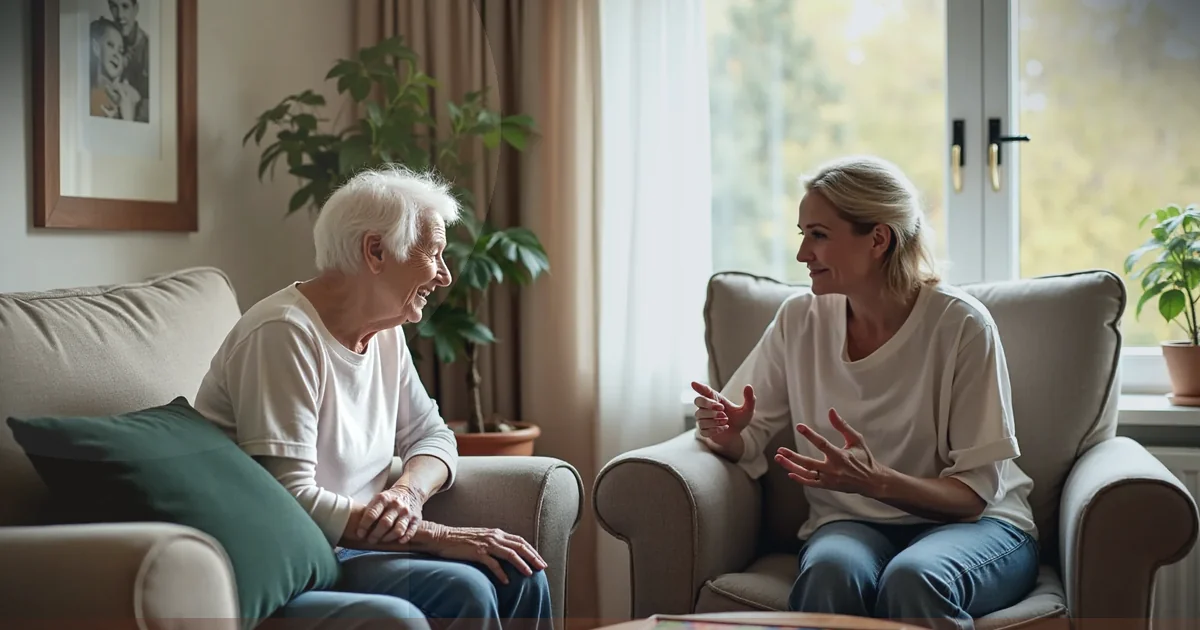
Companionship assistance through home health care Santa Barbara addresses a significant problem: loneliness among older adults. Research shows that one in three elderly individuals experiences this feeling, which can severely impact memory, physical health, and mental well-being. Chronic loneliness can shorten life expectancy even more than being overweight or sedentary, and it has effects comparable to smoking.
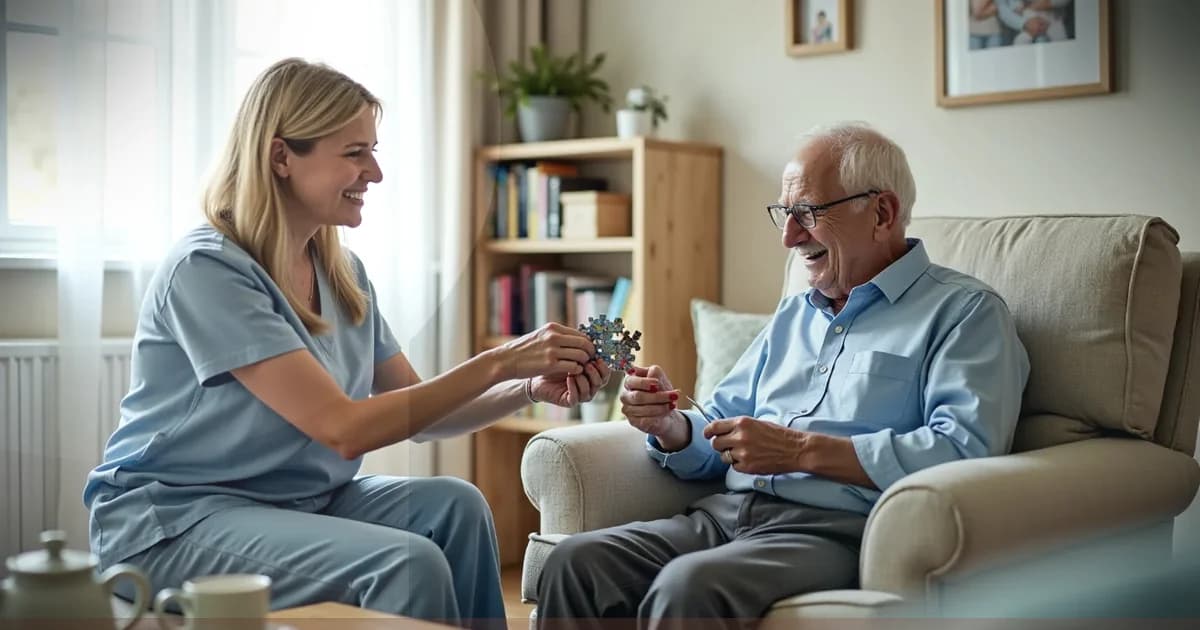
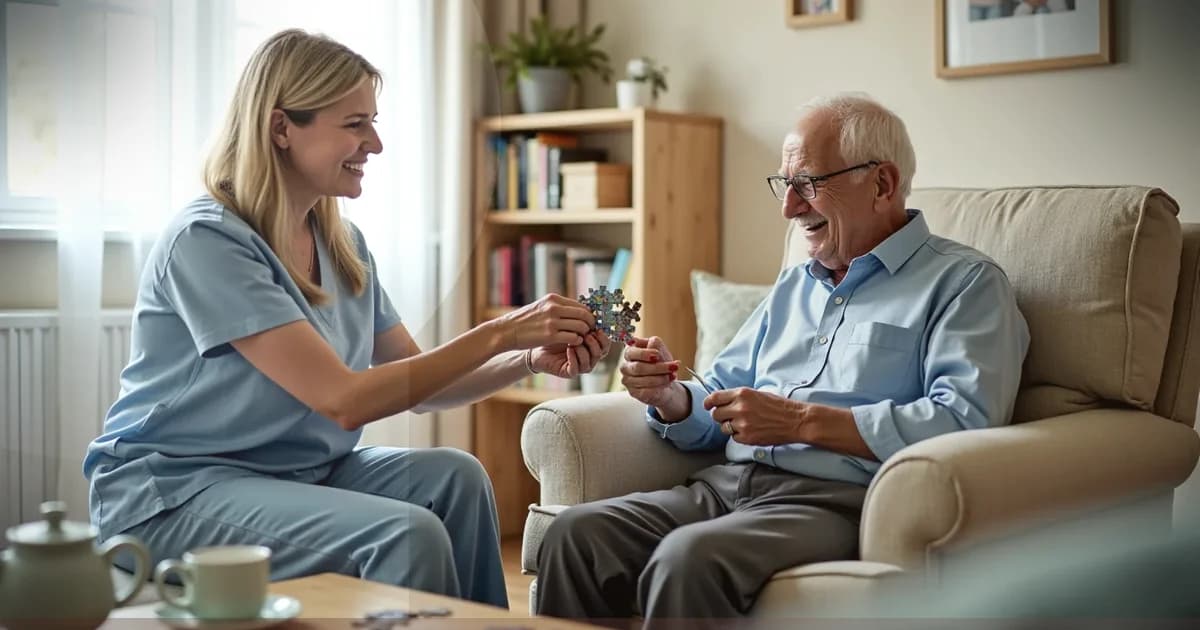
The implications of loneliness are profound. It not only affects mental health but also diminishes the quality of life for older adults. Caregivers play a crucial role in alleviating these feelings by actively engaging clients in meaningful conversations, activities, and hobbies. This engagement fosters social interaction and significantly reduces isolation.
So, what can caregivers do? By motivating older adults to stay active and involved in their communities, companionship support enhances mental well-being and nurtures a sense of belonging and purpose. This support is vital for maintaining independence and improving overall quality of life, as it directly addresses the emotional needs of older adults, allowing them to thrive in their familiar surroundings.
The rising trend of companion care services, such as home health care Santa Barbara, highlights the growing need for assistance in combating loneliness among older adults. Caregivers can implement strategies such as:
- Organizing group activities
- Facilitating social connections
- Encouraging participation in community events
to create a supportive environment.

Post-Hospital Recovery Assistance: Smooth Transition to Home Care
Post-hospital recovery assistance is a significant challenge for seniors transitioning back home, making home health care Santa Barbara an essential service. Many face difficulties in managing their health, which can lead to complications and readmissions. Caregivers are essential in this scenario, providing crucial support such as medication management, mobility assistance, and help with daily activities.
The implications of inadequate support are serious. Studies show that patients receiving home health care in Santa Barbara have a 15% lower hospital readmission rate compared to those without assistance. For seniors with specific chronic conditions, this figure can rise to 25%. This highlights the effectiveness of personalized home health care Santa Barbara in preventing unnecessary hospital visits.
Moreover, home health care Santa Barbara fosters a smoother recovery process. It allows elderly individuals to regain their strength and independence in a familiar environment, which significantly contributes to their emotional well-being. In fact, patients report a 25% improvement in anxiety and depression scores when recovering at home.
To ensure that older adults have the necessary resources for recovery, families can take proactive steps. By coordinating with caregivers and healthcare providers, they can create a supportive home environment that minimizes risks associated with hospital discharge. As Andy Howard, CEO, emphasizes, "The journey from hospital to home represents a critical transition period for seniors, one that can determine whether recovery succeeds or complications arise."
In summary, effective post-hospital recovery assistance is vital for seniors. By understanding the challenges and implementing practical solutions, caregivers can significantly enhance the recovery experience for their loved ones.

Respite Care: Support for Family Caregivers
Caregivers often face significant challenges, including exhaustion and stress from their demanding roles. This burden can lead to burnout, negatively impacting both the caregiver's health and the quality of care provided to their loved ones. Without adequate support, caregivers may struggle to maintain their well-being, which can create a cycle of stress and fatigue.
Respite services offer a vital solution by providing temporary relief for family supporters. These services ensure that caregivers can take a much-needed break while knowing their loved ones receive quality assistance from trained caregivers. By stepping in during these critical times, respite services help prevent provider exhaustion and promote the overall health and well-being of those who offer support.
Families can enjoy peace of mind, knowing their loved ones are in good hands. Engaging respite services not only supports caregivers but also enhances the quality of life for those receiving care. It's a practical step towards maintaining balance and ensuring that both caregivers and their loved ones thrive.

Palliative Support Care: Enhancing Comfort and Quality of Life
Palliative assistance addresses a significant problem: the struggle to improve the comfort and quality of life for older adults facing severe illnesses. Caregivers often find themselves overwhelmed by the emotional and physical challenges that arise during this difficult time. Without proper support, both the patients and their families may experience increased stress and diminished quality of life.
This situation can lead to feelings of helplessness and frustration. Caregivers may feel ill-equipped to manage the complex needs of their loved ones, which can further exacerbate the emotional toll of caregiving. It’s crucial to recognize these challenges and seek effective solutions.
Palliative support offers a compassionate approach to these issues. By focusing on symptom management and providing emotional guidance, palliative assistance ensures that clients maintain their dignity throughout their treatment journey. This form of care not only addresses physical needs but also supports emotional well-being, helping families navigate these tough times with understanding and compassion.
To implement effective palliative care, caregivers can:
- Prioritize symptom management to enhance comfort.
- Seek emotional support for themselves and their loved ones.
- Communicate openly with healthcare providers about treatment goals.
By embracing these strategies, caregivers can significantly improve the quality of life for older adults in their care.

24/7 Availability: Ensuring Continuous Support for Seniors
Problem: Caregivers often face significant challenges, including burnout and health issues. In fact, 20% of caregivers report fair or poor health due to their demanding responsibilities. This situation can lead to increased anxiety and decreased well-being for both caregivers and the elderly individuals they support.
Agitate: The implications of caregiver stress are profound. Families worry about their loved ones being alone, especially those with complex health needs, highlighting the importance of home health care Santa Barbara. The lack of continuous support in home health care Santa Barbara can exacerbate feelings of isolation and anxiety among older adults, negatively affecting their overall health outcomes.
Happy to Help Caregiving provides home health care in Santa Barbara by addressing these challenges with 24/7 availability, ensuring that elderly individuals receive ongoing assistance whenever required. This round-the-clock care allows for immediate help at any time, providing families with peace of mind. As Edward Albert noted, "The simple act of caring is heroic," underscoring the vital role that dedicated caregivers play in enhancing the lives of those they assist. With skilled support personnel accessible at all times, home health care Santa Barbara enables elderly individuals to maintain their dignity and comfort, fostering a sense of safety in their own homes. As the oldest baby boomers turn 80 next year, the demand for family caregiving is expected to intensify, making continuous support even more crucial.

Flexible Scheduling Options: Tailoring Care to Individual Needs
Caregivers often face the challenge of rigid scheduling, which can hinder their ability to provide personalized care. This lack of flexibility can lead to stress for both caregivers and clients, as it may not accommodate the unique needs of each individual. For elderly clients, having a caregiver who can adapt to their preferred times can significantly enhance their quality of life.
Happy to Help Caregiving addresses this issue by offering flexible scheduling options. This approach allows care to be tailored to the individual needs of each client, whether they require assistance during specific hours or prefer a more adaptable timetable. By meeting these preferences, caregivers not only improve the caregiving experience but also foster a sense of independence for older adults.
Incorporating flexible scheduling can lead to better outcomes for both caregivers and clients. Here are some actionable tips for implementing this solution:
- Assess the individual needs of each client regularly.
- Communicate openly about scheduling preferences.
- Be willing to adjust plans as necessary to accommodate changes in client needs.
By prioritizing flexibility, caregivers can create a more supportive environment that respects the autonomy of older adults while ensuring they receive the care they need.

Trained Caregivers: Ensuring Quality and Compassionate Care
At Happy to Help Caregiving, a significant challenge exists: many support workers lack the extensive training necessary to meet the emotional and psychological needs of seniors. This gap in training can lead to inadequate care, which affects the trust and comfort essential in caregiving relationships.
Research indicates that well-trained providers significantly enhance the quality of support, leading to better outcomes for clients. In fact, 60% of caregivers report acquiring medical tasks from healthcare personnel, underscoring the importance of formal education in delivering effective assistance.
To address this issue, Happy to Help Caregiving implements a comprehensive training program. Each support worker undergoes extensive training that equips them with essential caregiving skills and a deep understanding of seniors' needs. This approach ensures that caregivers are not only proficient in practical tasks but also skilled in providing compassionate support.
By prioritizing caregiver training, Happy to Help Caregiving sets itself apart in the home assistance sector, guaranteeing that clients receive the highest quality of support tailored to their individual requirements.

Technology Integration: Enhancing Communication and Care Management
Caregiving faces significant challenges, particularly in communication and management. Caregivers often struggle to keep everyone involved informed and engaged, which can lead to feelings of isolation and frustration among family members. This lack of coordination can hinder the quality of care provided to seniors, making it essential to find effective solutions.
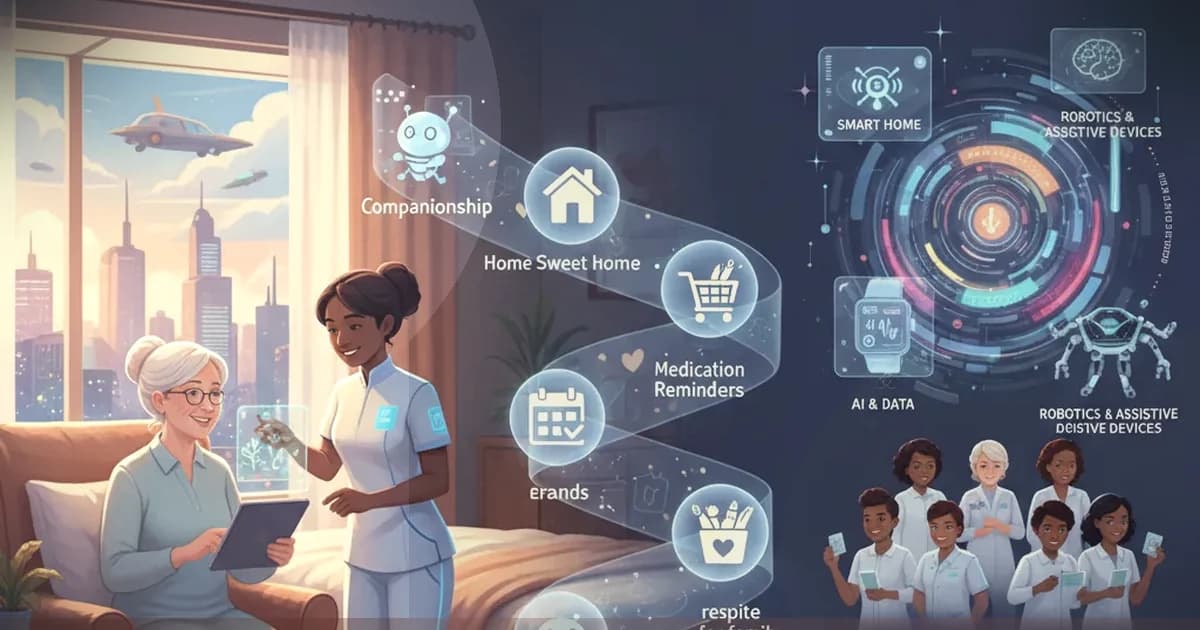
One effective solution is the integration of technology in caregiving. Happy to Help Caregiving utilizes tools like online notes for family members and automated scheduling systems. These features ensure that all participants in the support process stay informed and engaged. By enabling real-time communication, technology empowers caregivers to respond swiftly to the needs of seniors, ultimately enhancing the quality of assistance provided.
Moreover, successful applications of such tools have shown their efficiency in promoting stronger bonds between providers and families. As Rick Robinson from AARP’s AgeTech Collaborative™ notes, "Caregivers themselves are going to rely heavily on artificial intelligence as a sort of co-supporter." With 63 million caregivers in America supported by AI tools, the impact of technology on caregiving is both significant and transformative.
Additionally, initiatives like the 4M framework focus on improving support for individuals aged 65 and older, highlighting the importance of technology in enhancing elderly management. By adopting these technological solutions, caregivers can create a more collaborative caregiving environment, ensuring that families stay updated on their loved ones' well-being.

Personalized Care Plans: Tailoring Support to Individual Needs
At the heart of caregiving challenges lies the issue of inadequate support for older adults. Many caregivers struggle to provide the tailored assistance that seniors truly need, which can lead to diminished independence and a lower quality of life. As Kendal At Home highlights, "Customized support plans emphasize each individual’s requirements and choices..." This underscores the importance of recognizing each client's unique needs.
The implications of not addressing these needs are significant. Without personalized support, older adults may face chronic health issues and emotional distress, which can further complicate their well-being. Current trends in elder support reveal a growing recognition of the necessity for individualized assistance, as studies show that it enhances health outcomes and increases satisfaction among seniors.
So, what’s the solution? Implementing individualized support plans is key. Effective models, like those from leading home health care Santa Barbara providers such as Wisdom Senior Care, demonstrate that tailored assistance leads to better engagement and happier clients. Caregivers should prioritize continuous communication with older adults and their families, ensuring that care plans evolve as needs change. This dynamic approach not only respects seniors' dignity but also empowers them to maintain control over their lives, fostering a more fulfilling and secure living experience.

Conclusion
The significance of home health care services in Santa Barbara for seniors is profound. Many elderly individuals face challenges such as loneliness and the need for assistance, which can significantly impact their quality of life. Families and caregivers often feel overwhelmed, struggling to provide the necessary support while maintaining their own well-being.
To address these issues, home health care services offer essential solutions:
- Companionship care helps combat loneliness.
- Post-hospital recovery assistance ensures smooth transitions for seniors returning home.
- Respite care provides much-needed relief for family caregivers, allowing them to recharge and continue providing care without burnout.
It's crucial for families to explore the diverse home health care options available in Santa Barbara. By prioritizing individualized care plans and leveraging the resources offered by dedicated providers, families can create a supportive environment that empowers seniors to thrive. This commitment to compassionate care not only enhances the well-being of older adults but also alleviates the burdens faced by caregivers.
In conclusion, embracing home health care services is a proactive step toward fostering a healthier and more fulfilling life for seniors and their families. By recognizing the unique challenges and implementing tailored solutions, we can ensure that our elderly loved ones maintain their independence and dignity while receiving the care they need.
Frequently Asked Questions
What challenges do seniors face that Happy to Help Caregiving addresses?
Seniors often struggle with maintaining independence and well-being, feeling isolated in their homes, which can lead to increased anxiety and health decline. Happy to Help Caregiving offers personalized in-home care to enhance their independence and promote well-being.
How does Happy to Help Caregiving support seniors in their homes?
The service provides compassionate home health care tailored to the unique needs of seniors, fostering a sense of security and allowing them to thrive in familiar surroundings.
What is the significance of companionship care for older adults?
Companionship care addresses loneliness among seniors, which affects memory, physical health, and mental well-being. Engaging seniors in meaningful conversations and activities helps reduce isolation and improve their overall quality of life.
What strategies do caregivers use to combat loneliness in seniors?
Caregivers can organize group activities, facilitate social connections, and encourage participation in community events to create a supportive environment for older adults.
Why is post-hospital recovery assistance important for seniors?
Post-hospital recovery assistance is crucial as many seniors struggle with managing their health after discharge, which can lead to complications and readmissions. Home health care helps provide necessary support during this transition.
What are the benefits of receiving home health care after hospitalization?
Seniors receiving home health care have a 15% lower hospital readmission rate compared to those without assistance, and for seniors with chronic conditions, this figure can increase to 25%. Home care also fosters a smoother recovery process and improves emotional well-being.
How can families support seniors during their recovery at home?
Families can coordinate with caregivers and healthcare providers to create a supportive home environment that minimizes risks associated with hospital discharge, ensuring seniors have the necessary resources for recovery.
List of Sources
- Happy to Help Caregiving: Personalized In-Home Care for Seniors
- Expensive and exhausting: Why caregivers need to care for themselves, too : Consider This from NPR (https://npr.org/2025/11/20/nx-s1-5615163/expensive-and-exhausting-why-caregivers-need-to-care-for-themselves-too)
- Home-Based Care Companies Improve Outcomes By Training Family Caregivers (https://homehealthcarenews.com/2025/10/home-based-care-companies-improve-outcomes-by-training-family-caregivers)
- The Future of Aging: Is In-Home Care the New Standard? - WorldHealth.net (https://worldhealth.net/news/future-of-aging-is-in-home-care-new-standard)
- Growing Trend of Private Pay Home Care for Elderly (https://regencyhcs.com/blog/growing-trend-of-private-pay-home-care-for-elderly)
- Executive Home Care Honors Family Caregivers During National Family Caregivers Month (https://kfor.com/business/press-releases/cision/20251117LA25356/executive-home-care-honors-family-caregivers-during-national-family-caregivers-month)
- Companionship Care: Emotional Support and Social Engagement
- Why Home Care Providers Are Increasingly Offering Companion Care Services for Seniors | Aaniie, formerly Smartcare Software (https://aaniie.com/news/why-home-care-providers-are-increasingly-offering-companion-care-services-for-seniors)
- Emotional support key to protecting older adults against depression (https://unsw.edu.au/news/2025/09/neighbourhoods-may-hold-key-slowing-cognitive-decline)
- Trends in Loneliness Among Older Adults from 2018-2023 (https://ihpi.umich.edu/national-poll-healthy-aging/reports-and-resources/trends-loneliness-among-older-adults-2018-2023)
- Humana Foundation Expands National Efforts to Improve Seniors’ Emotional Health (https://humanafoundation.org/news-humana-foundation/press-releases/humana-foundation-expands-national-efforts-to-improve-seniors-emotional-health)
- Comfort Keepers® mentioned in recent AARP Bulletin highlighting the benefits of companion care for seniors | Comfort Keepers (https://comfortkeepers.com/articles/media-center/in-the-news/comfort-keepers-mentioned-in-recent-aarp-bulletin-highlighting-the-benefits-of-companion-care-for-seniors)
- Post-Hospital Recovery Assistance: Smooth Transition to Home Care
- Sent Home To Heal, Patients Avoid Wait for Rehab Home Beds - KFF Health News (https://kffhealthnews.org/news/article/patients-rehab-at-home-unclog-hospital-bed-nursing-home-waiting-list)
- New Report: Medicare Advantage Patients Face Longer Hospital Stays, Reduced Access to Follow-Up Care (https://strengthenhealthcare.org/new-report-medicare-advantage-patients-face-longer-hospital-stays-reduced-access-to-follow-up-care)
- 52 Eye-Opening Home Health Statistics: Insights for 2025 (https://boosthomehealth.com/home-health-statistics)
- Home Care Impact on Recovery of Patient (A Statistics Report) (https://lovinghomecareinc.com/home-care-recovery-statistics)
- Smart Homes and Post-Hospital Care: Supporting Seniors Aging in Place (https://hcprosonline.com/smart-homes-and-post-hospital-care-supporting-seniors-aging-in-place)
- Respite Care: Support for Family Caregivers
- Improving Support for Family Caregivers (https://nationalacademies.org/news/2025/07/improving-support-for-family-caregivers)
- It’s Time to Care for Caregivers: Senator Markey Announces Comprehensive Family Caregiving Legislative Agenda | U.S. Senator Ed Markey of Massachusetts (https://markey.senate.gov/news/press-releases/11/20/2025/its-time-to-care-for-caregivers-senator-markey-announces-comprehensive-family-caregiving-legislative-agenda)
- A bill in Congress would return $5,000 to millions of family caregivers every year, but will it pass? (https://cbsnews.com/newyork/news/credit-for-caring-act-family-caregiver-tax-credit)
- Family Caregivers: You Deserve Support, and Here’s Where to Find It | Shore Medical Center (https://shoremedicalcenter.org/news/family-caregivers-you-deserve-support-and-here-s-where-find-it)
- Palliative Support Care: Enhancing Comfort and Quality of Life
- Enhancing Comfort, Quality of Life through Expanded Palliative Medicine Services (https://utmb.edu/fgp/newsletter/article/newsletter/2024/10/09/enhancing-comfort--quality-of-life-through-expanded-palliative-medicine-services)
- ‘A good death’: How compassionate care helps people navigate the end of life (https://news.yale.edu/2025/10/13/good-death-how-compassionate-care-helps-people-navigate-end-life)
- Living Your Best Life Means Embracing the Last Years, Too (https://ucsf.edu/news/2024/09/428401/living-your-best-life-means-embracing-last-years-too)
- The Effectiveness of Palliative Care Interventions in Long-Term Care Facilities: A Systematic Review - PMC (https://pmc.ncbi.nlm.nih.gov/articles/PMC11277722)
- Palliative Care: Providing Support for Members With Serious Illnesses (https://news.blueshieldca.com/2024/11/20/palliative-care-providing-support-for-members-with-serious-illnesses)
- 24/7 Availability: Ensuring Continuous Support for Seniors
- Caregiver Statistics: Demographics (https://caregiver.org/resource/caregiver-statistics-demographics)
- Caregiving Crisis: 45% Increase in Americans Providing Care (https://aarp.org/caregiving/basics/caregiving-in-us-survey-2025)
- (https://belleviecare.co.uk/support-advice/60-elderly-care-quotes-to-lift-your-spirits)
- 20 Inspirational Senior Care Quotes (https://1plus1cares.com/20-inspirational-senior-care-quotes)
- Beyond Sundowning: How 24-Hour Home Care Protects Seniors with Dementia During Their Most Vulnerable Hours (https://awhealthcare.com/beyond-sundowning-how-24-hour-home-care-protects-seniors-with-dementia-during-their-most-vulnerable-hours)
- Flexible Scheduling Options: Tailoring Care to Individual Needs
- Senior Living Operators Embrace More Flexible Scheduling Practices to Improve Staffing (https://seniorhousingnews.com/2024/08/06/senior-living-operators-embrace-more-flexible-scheduling-practices-to-improve-staffing)
- 9 Ways to Find Caregivers With Flexible Scheduling Options - MedCity News (https://medcitynews.com/2025/05/9-ways-to-find-caregivers-with-flexible-scheduling-options)
- Home Health Agencies On Edge Of ‘Telehealth Cliff’ As Government Shutdown Looms (https://homehealthcarenews.com/2025/09/home-health-agencies-on-edge-of-telehealth-cliff-as-government-shutdown-looms)
- Understanding the use of Flexible Work Arrangements Among Older New Zealand Caregivers - PMC (https://pmc.ncbi.nlm.nih.gov/articles/PMC10088344)
- Nurses are fleeing the workforce – can scheduling tech help? (https://healthcareitnews.com/news/nurses-are-fleeing-workforce-can-scheduling-tech-help)
- Trained Caregivers: Ensuring Quality and Compassionate Care
- US News & World Report Highlights CCA's Caregiver Training (https://advancecaregivers.org/report-us-news-world-report-highlights-ccas-caregiver-training)
- Caregiver Statistics: Health, Technology, and Caregiving Resources (https://caregiver.org/resource/caregiver-statistics-health-technology-and-caregiving-resources)
- Family Caregivers Deserve Recognition — Medicare Is Starting to Listen (https://commonwealthfund.org/blog/2025/family-caregivers-deserve-recognition-medicare-starting-to-listen)
- Improving Practice: New Training to Support Diverse Family Caregivers (https://caregiver.org/news/improving-practice-new-training-to-support-diverse-family-caregivers)
- WHO launches new online course to support informal caregivers across Europe (https://who.int/europe/news/item/27-10-2025-who-launches-new-online-course-to-support-informal-caregivers-across-europe)
- Technology Integration: Enhancing Communication and Care Management
- Inside the AI Companies Reshaping Caregiving for America’s 63 Million Caregivers (https://theflowspace.com/interpersonal-health/family/ai-caregiving-products-3009443)
- AI must optimize home care, continuity, and early detection for older adults (https://news-medical.net/news/20251007/AI-must-optimize-home-care-continuity-and-early-detection-for-older-adults.aspx)
- Technology and interventions are changing care for older adults (https://fastcompany.com/91414509/technology-and-interventions-are-changing-care-for-older-adults)
- AI is Reshaping Retirement, Caregiving, and Health (https://ltcnews.com/articles/ai-reshaping-retirement-caregiving-health)
- ‘Smart home’ tech the answer for aging in place, older adults say (https://mcknightsseniorliving.com/news/smart-home-tech-the-answer-for-aging-in-place-older-adults-say)
- Personalized Care Plans: Tailoring Support to Individual Needs
- Benefits of Personalized Care Plans in Nursing Homes (https://havenhealthaz.com/blog/benefits-of-personalized-care-plans-in-nursing-homes)
- The Importance of Personalized Care Plans when Aging in Place (https://kendalathome.org/blog/the-importance-of-personalized-care-plans-when-aging-in-place)
- Importance of Personalized Senior Home Care in Burlington NC (https://wisdomseniorcare.com/the-importance-of-personalized-care-plans-for-seniors)
- The Importance of Personalized Care Plans in Memory Care (https://bucknerparkwayplace.org/news-blog/the-importance-of-personalized-care-plans-in-memory-care)
- 2025: AI enhances personalized care; caregiver experience in the spotlight (https://healthcareitnews.com/news/2025-ai-enhances-personalized-care-caregiver-experience-spotlight)